
Trucks face unique technical challenges, especially when temperatures drop. Winter can be particularly harsh on vehicles reliant on robust performance and reliability, such as trucks.
Two persistent cold-season issues are worth understanding in depth: the efficiency of trucks equipped with cold-start-freezing relays and persistent starter problems that often emerge when temperatures descend.
Both situations have direct consequences for logistics, fleet reliability, and even driver safety. Addressing these issues is critical for businesses and operators who depend on their vehicles to keep goods moving no matter the season.
Examining trucks with cold-start-freezing relays and those with starter issues highlights how different engineering solutions and mechanical weaknesses can influence winter performance.
Cold-start-freezing relays are engineered to reduce the strain of ignition in extremely cold climates, ensuring that engines turn over more easily despite challenging conditions.
On the other hand, starter problems frequently cause costly delays, increased maintenance expenses, and potential hazards if left unchecked during cold months.
Trucks that consistently start promptly even in freezing weather represent successful application of preventive technology, whereas vehicles plagued by starting issues reveal the persistent vulnerabilities drivers must manage.
By contrasting these two groups, we gain insights into what enables reliable operation during winter and what factors leave trucks vulnerable once the temperature drops. This comparison highlights the lessons learned from field experience and mechanical innovation.
Also Read: 5 Vehicles With Easy Bulb Replacement vs 5 With Sealed-Unit Headlights
5 Trucks with Cold-Start-Freezing Relays
During the coldest months, starting a diesel or gasoline truck engine can be a significant challenge. Cold-start-freezing relays are a purposeful response to this issue, acting as specialized components that engage glow plugs or block heaters, help regulate current flow, and manage engine electronics during ignition.
These relays exist to counteract the increased oil viscosity, sluggish battery performance, and fuel system challenges that engines face in subzero temperatures.
Trucks fitted with such technology serve as compelling examples of how targeted engineering can deliver real-world advantages, especially for fleets operating in harsh climates.
Investigating five trucks equipped with cold-start-freezing relays is relevant because these vehicles demonstrate how innovations allow for efficient, rapid starts without imposing excessive wear on critical parts.
They operate as test cases of reliability, showcasing how mean-time-between-failure can improve and downtime can be kept to a minimum.
Each entry in this discussion examines not only the mechanical advantages granted by these relays but also the operational benefits, such as improved fuel economy, enhanced driver confidence, and reduced unplanned maintenance.
This focus helps highlight the practical outcomes of adopting advanced cold-start technology, providing valuable information for fleet managers, mechanics, and truck enthusiasts alike.
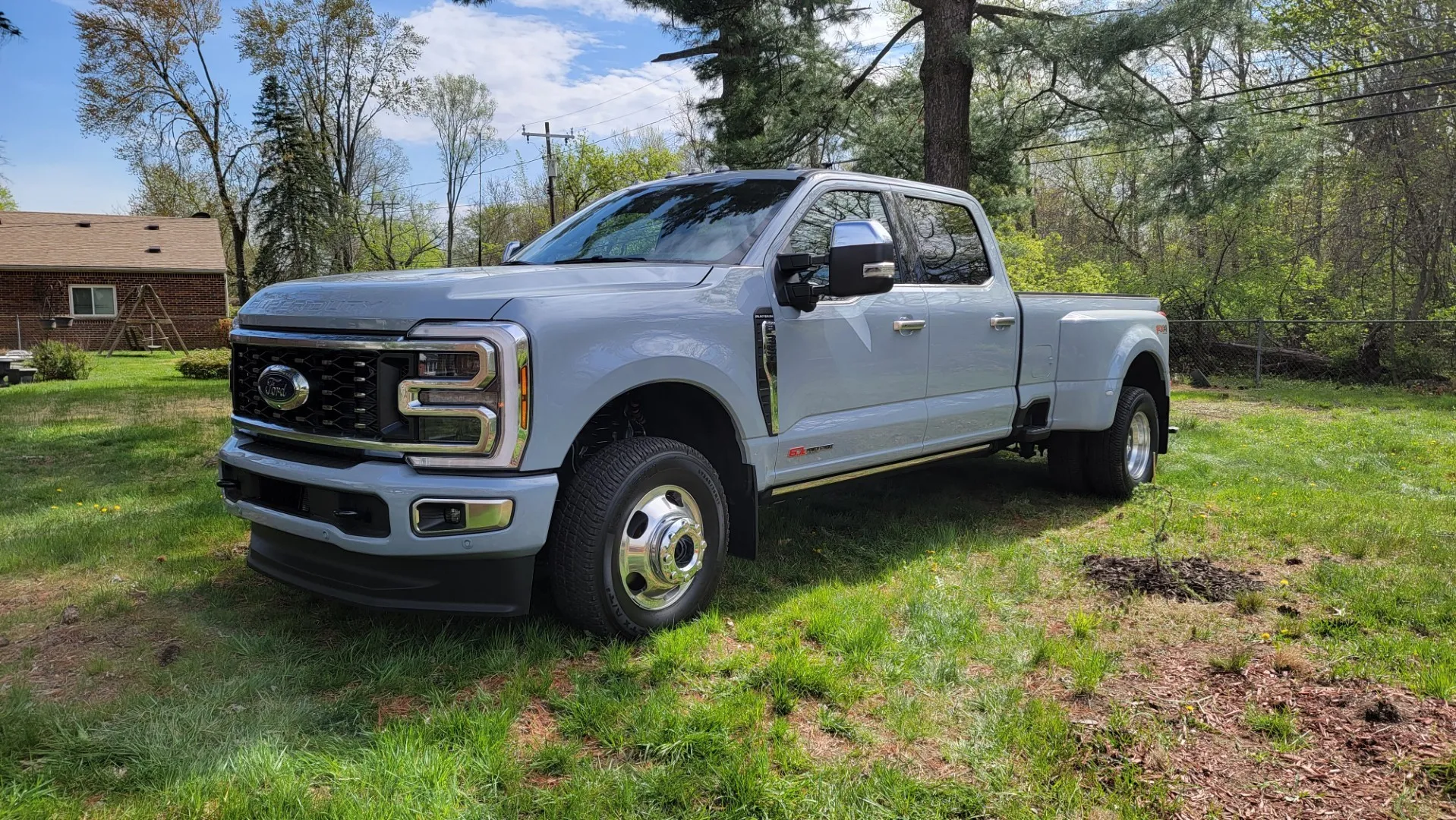
1. Ford F-350 Super Duty
The Ford F-350 Super Duty is renowned for high performance under demanding conditions. When equipped with cold-start-freezing relays, its Power Stroke diesel engine gains significant resilience against low temperatures.
These relays trigger glow plugs as soon as the ignition is engaged, ensuring that the combustion chambers reach optimal temperatures even in frigid weather.
By doing so, the F-350 reduces the time required for the engine to fire up, diminishes white smoke emissions on cold starts, and lessens the risk of failed ignition cycles.
This discussion begins with the F-350 because it is a staple among North American truck fleets operating in cold regions. Its widespread adoption means that any improvement to its winter reliability affects a substantial number of operators and companies.
The role of cold-start-freezing relays in this model serves as a benchmark for balancing performance with long-term durability.
Highlighting the F-350’s experience illustrates how investing in such technology can reduce maintenance costs and extend the vehicle’s operational life.
Not only does this benefit owners financially, but it also directly influences driver confidence and job satisfaction, preventing cold morning delays that disrupt schedules.
For anyone considering a heavy-duty truck for tough climates, the F-350’s engineering strategy sets an important precedent.
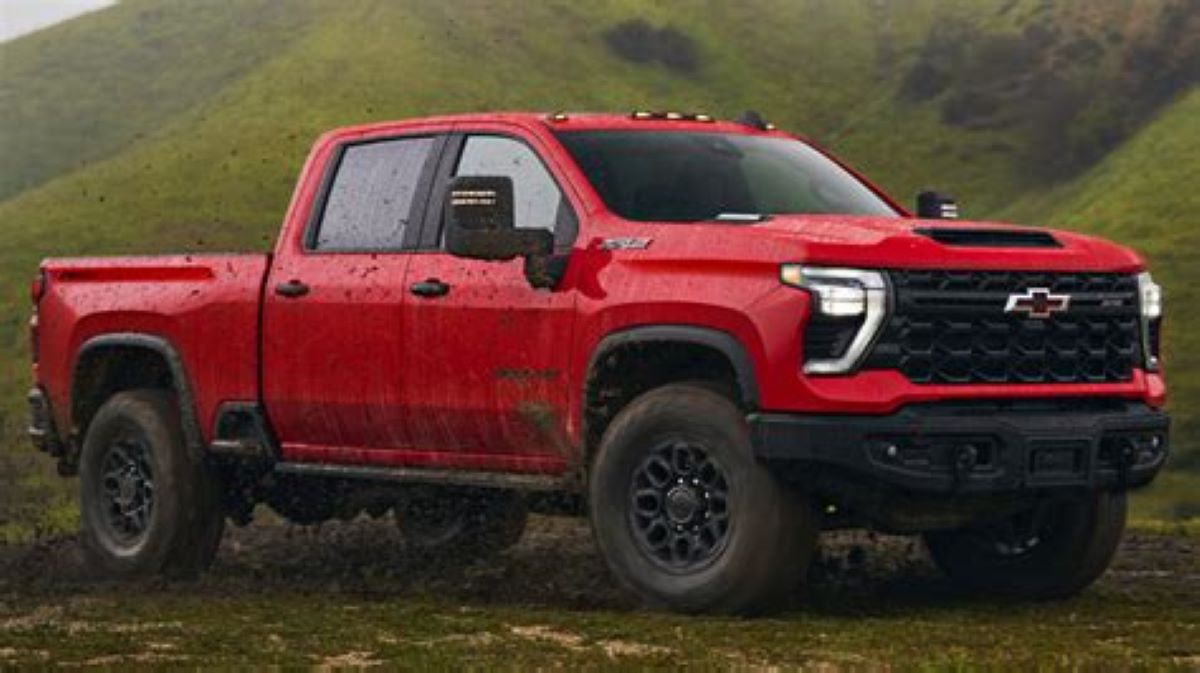
2. Chevrolet Silverado 2500HD
Chevrolet’s Silverado 2500HD stands out as another workhorse tailored for commercial utility in tough conditions. The Duramax diesel engines, when paired with cold-start-freezing relays, display consistent engine responses that instill trust in operators facing harsh winters.
The relay system manages electrical preheating via the intake heater and ensures that starter and battery functions are properly prioritized, preventing common voltage drops that can slow or stall ignition.
Chevrolet’s broad deployment of such features in the Silverado 2500HD exemplifies the automaker’s dedication to addressing real-world starting difficulties in cold weather climates.
This vehicle’s popularity among construction, agriculture, and heavy transport businesses underscores why it is essential to highlight its cold-start mechanism.
Focusing on the Silverado 2500HD demonstrates how integrating cold mitigation solutions can significantly improve start-up reliability and minimize downtime.
This becomes particularly important for time-sensitive operations or remote fleets where mechanical assistance may not be immediately available.
The detailing of the Silverado 2500HD’s system helps professionals evaluate whether their existing or planned vehicles are truly prepared for harsh winter conditions, offering a practical perspective grounded in tested technology.
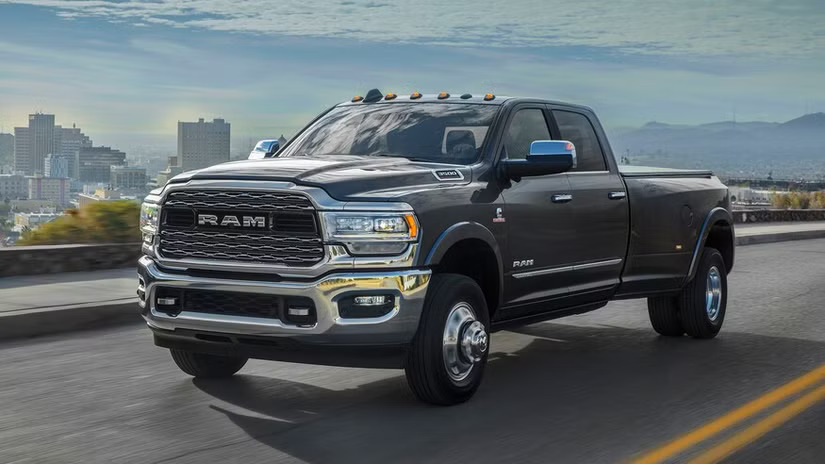
3. Ram 3500 Heavy Duty
The Ram 3500 Heavy Duty makes an impression with its Cummins turbo diesel engine and a well-orchestrated cold-start relay solution.
Its relay operates in close concert with the engine’s intake heater and battery management system, ensuring a swift ignition sequence even when temperatures hover well below freezing.
What stands out in the Ram 3500’s approach is the diagnostic feedback system, which proactively alerts drivers if relay activation fails or if glow plugs underperform, allowing for rapid troubleshooting.
Including the Ram 3500 Heavy Duty sheds light on how advanced sensor integration and relay coordination can raise the standard for cold-weather operation. The truck’s dedication to diagnostics and user feedback is not just a technical feature; it tangibly improves uptime and eases pressure on fleet maintenance teams.
Discussing the Ram 3500 is valuable because it represents an evolution in how trucks interact with their operators, putting actionable information directly into the hands of drivers.
The model is a reminder that cold-start-freezing relay technology is not static and continues to undergo refinement as manufacturers learn more about driver needs and operational realities.
Addressing how the Ram 3500 integrates these lessons provides useful context for understanding where cold-start solutions are heading.
4. GMC Sierra 3500HD
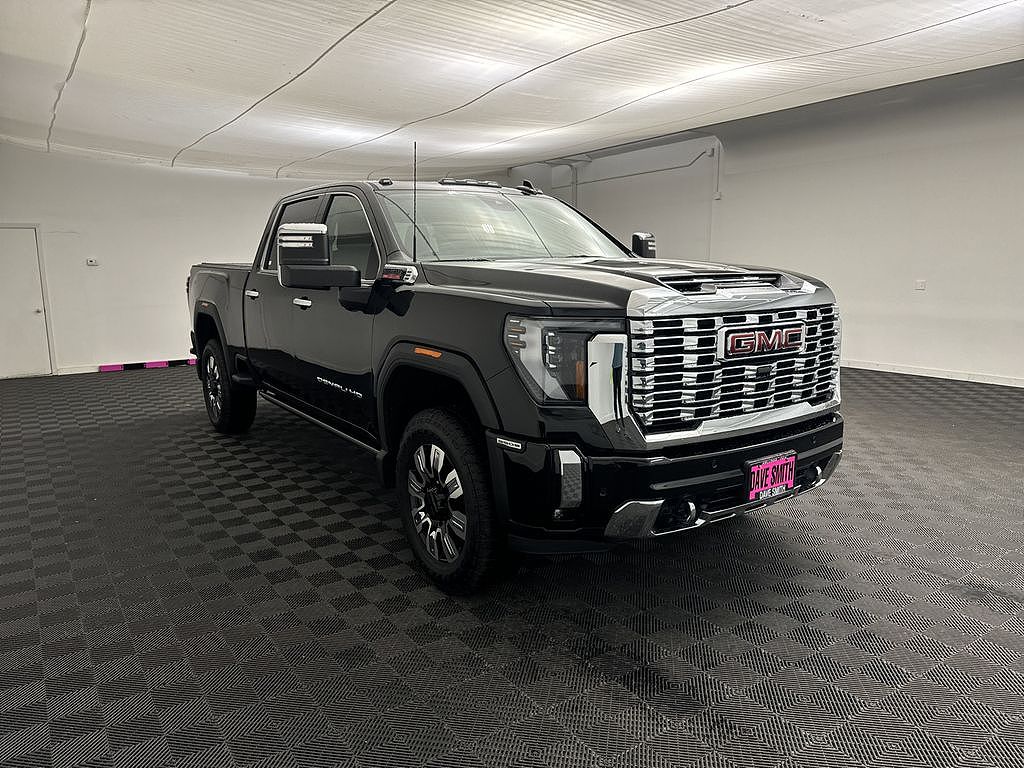
GMC’s Sierra 3500HD draws upon similar Duramax engineering as the Chevrolet Silverado yet differentiates itself with a suite of enhancements targeted at reliability in frigid environments.
The cold-start-freezing relay works as the linchpin of a system that includes an enhanced block heater and a reinforced starter motor.
Together, these components function synergistically to shorten cold-start intervals and prevent battery drain during pre-ignition cycles.
The GMC Sierra 3500HD merits attention here not only because of its mechanical pedigree, but also because it reflects how component harmonization can outsizedly impact start-up success rates.
Highlighting the Sierra’s enhancements demonstrates the importance of treating cold-start reliability as a multi-faceted engineering challenge rather than a single-component fix.
For decision-makers tasked with building or maintaining mixed fleets, understanding how the Sierra 3500HD interweaves its relay with other components can guide smarter retrofits and maintenance investments.
By grounding the discussion in this practical example, the article seeks to equip readers with frameworks for evaluating vehicle preparedness beyond branded claims or basic specifications.
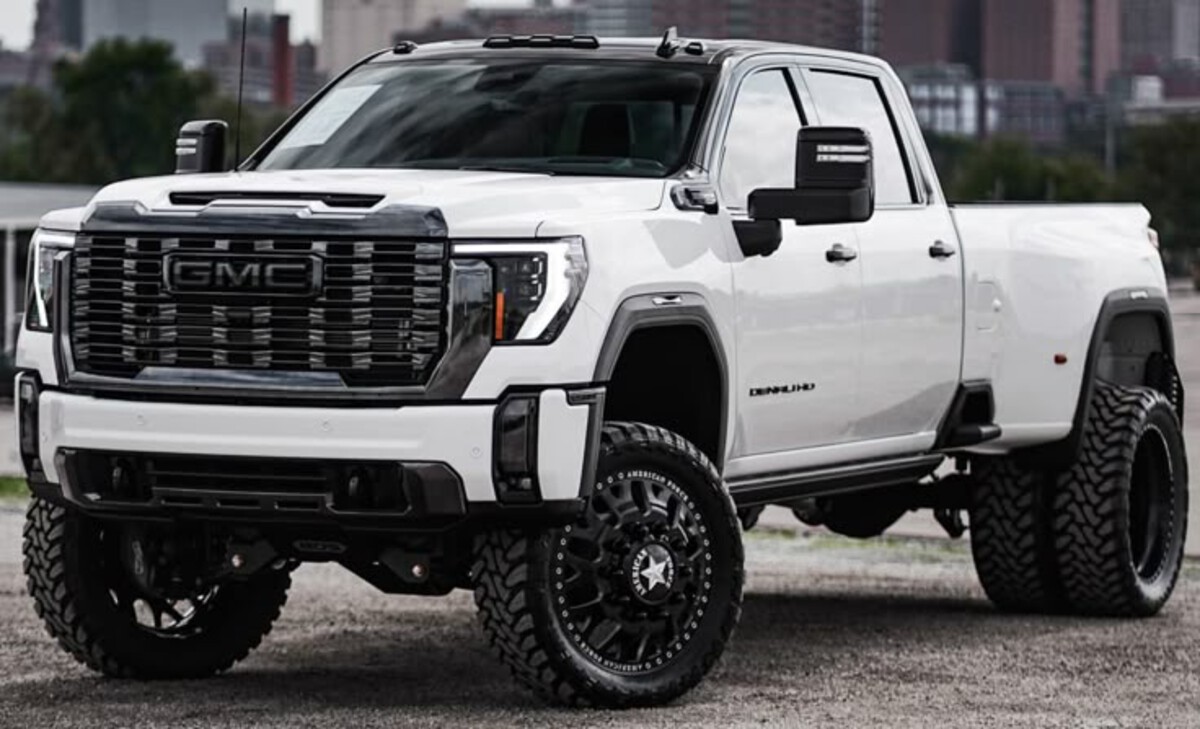
5. Toyota Tundra (with aftermarket relay installation)
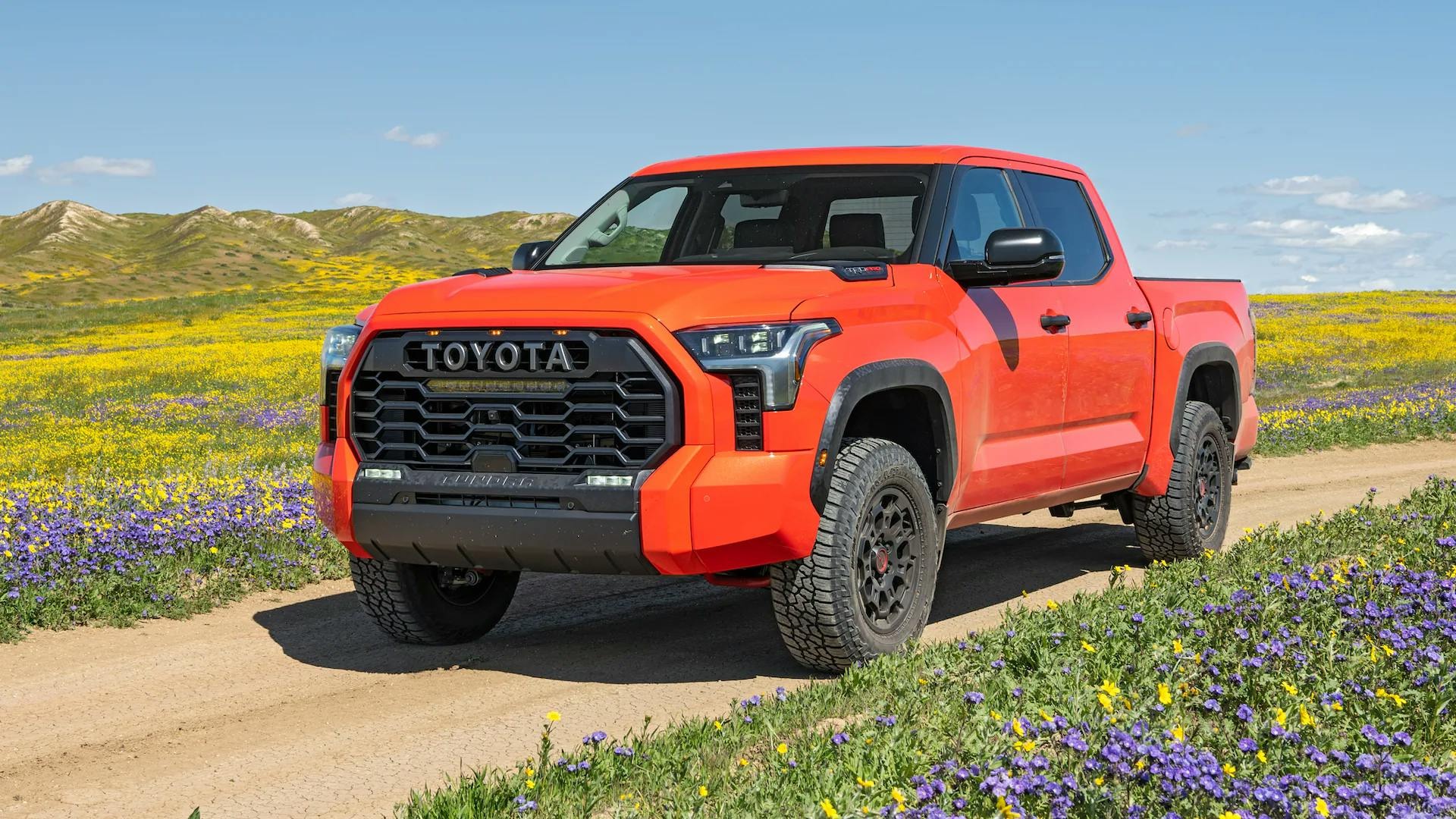
While many North American trucks arrive equipped from the factory with cold-start enhancements, the Toyota Tundra illustrates a different approach. Many Tundra owners who operate in extremely cold environments opt to install aftermarket cold-start-freezing relays and auxiliary block heaters.
This adaptation is not just about overcoming factory limitations; it reflects how owner ingenuity and the aftermarket parts ecosystem address gaps left by original design decisions.
Focusing on the Toyota Tundra as the fifth example spotlights the adaptive strategies that individual operators and small fleets can employ.
Here, cold-start reliability is achieved through careful selection and installation of purpose-built components, such as heavy-duty relays compatible with the Tundra’s electronics and local climate needs.
The value in covering the Tundra lies in highlighting accessible solutions that do not require purchasing new trucks, proving that retrofitting is a viable path to winter-start success.
By offering insights into both the limitations and the potential of aftermarket relay installation, this section provides ideas and encouragement to truck owners dealing with persistent cold-weather starting frustrations.
5 with Starter Problems in Winter
When temperatures fall, even the toughest trucks can become unreliable if plagued by starter problems. Winter accentuates electrical and mechanical vulnerabilities that may go unnoticed in milder conditions.
Batteries deliver less power, engine oil thickens, and every component of the ignition process is put to the test. Starter motor and circuit issues are particularly problematic, often causing repeated attempts at ignition, delayed departures, or failures that leave drivers stranded.
Understanding the recurring patterns behind starter problems helps illuminate how prevention, diagnosis, and targeted repairs can restore lost reliability.
Examining five trucks notorious for winter starter problems offers practical lessons for those operating in cold regions or managing vehicle fleets.
This topic is significant because it addresses the risks, repair costs, and operational disruptions associated with failure to start, particularly in commercial or rural transportation.
Highlighting vehicles that experience these challenges brings attention to the interplay between design limitations, age-related wear, and inadequate winter maintenance.
Each example discussed below sheds light on different causes from chronic battery drain and corroded wiring to poorly insulated starters, offering tangible insight into troubleshooting and prevention.
The aim is to prepare operators and owners with the knowledge to anticipate, avoid, or promptly address cold-weather starter failures.
1. Early 2000s Dodge Ram 1500
The Dodge Ram 1500 from the early 2000s has earned a reputation for winter start frustrations, particularly in colder regions.
With age, its starter motor circuitry and ignition wiring are prone to corrosion and resistance build-up, making the vehicle sensitive to weak batteries and suboptimal cables.
The problem is exacerbated by the natural decline in battery performance at low temperatures and the thickening of oil, which places an added load on the starter motor.
Highlighting the early 2000s Ram 1500 is important as it represents a common case among older fleets and personal trucks still in operation.
The issues encountered provide a clear picture of how wear and insufficient winterization strategies can combine to cause persistent start-up problems.
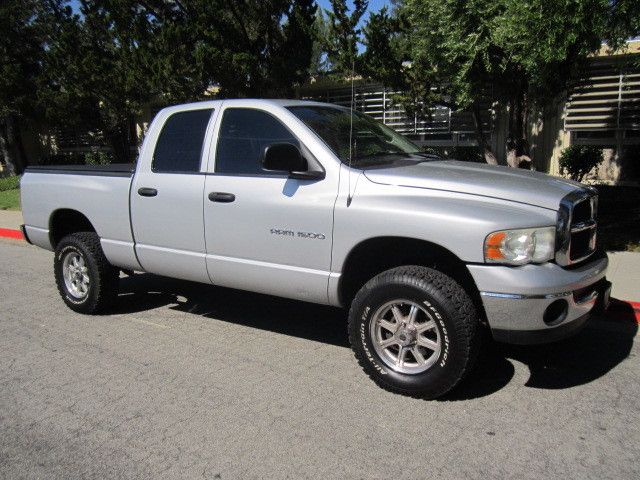
Owners report that, unless proactive maintenance is carried out such as regular battery testing, replacement of aging starter components, and application of corrosion inhibitors to wiring, failures will often occur at the coldest times.
This example is chosen to illustrate that starter problems in winter are often not a single-point failure but a culmination of neglect, design limitations, and inadequate weather-proofing.
2. Chevrolet S10 (first generation)
The first generation Chevrolet S10 presents another case of seasonal starting unreliability. As these trucks advance in age, their original starter motors, relays, and battery connectors frequently become sources of trouble during the winter months.
Owners report that cold weather seems to magnify pre-existing ignition difficulties, which may go unnoticed while temperatures are mild.
The reasoning behind writing about the S10’s winter starter issues is grounded in its popularity and the persistence of these trucks in rural fleets and as budget work vehicles.
The S10’s basic design means it lacks some of the modern enhancements found in newer models or heavy-duty commercial trucks.
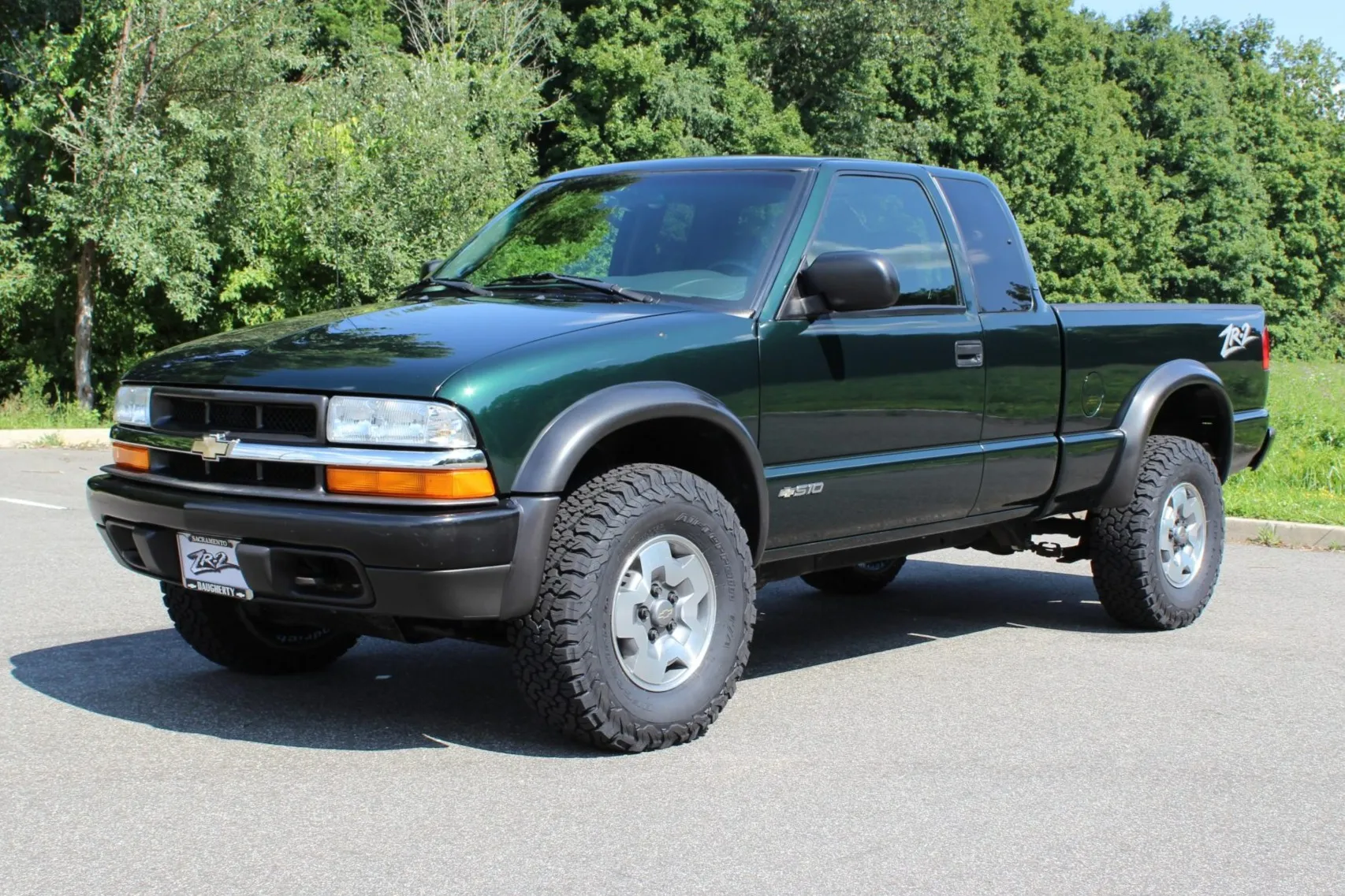
Problems such as inadequate starter insulation, undersized wiring for cold weather, and old battery leads combine to reduce operational reliability.
This section spotlights the S10 to encourage owners to consider both seasonal checkups and component upgrades for vehicles with known vulnerabilities, underscoring that even small investments can yield substantial improvements in winter starting success.
3. Toyota Tacoma (mid-2000s)
Despite its reputation for reliability, the mid-2000s Toyota Tacoma can also struggle to start in freezing conditions. The root cause often lies in original starter contacts and worn-out plunger assemblies, both of which show increased failure rates during cold weather.
These internal starter components see accelerated wear over the years and, when combined with a battery’s reduced cold cranking amps, can result in slow or failed starts.
This example is included because it challenges the belief that only older or less reputable brands have winter start problems. The Tacoma’s case serves as a reminder that no vehicle is immune to the effects of mechanical wear and seasonal stress.
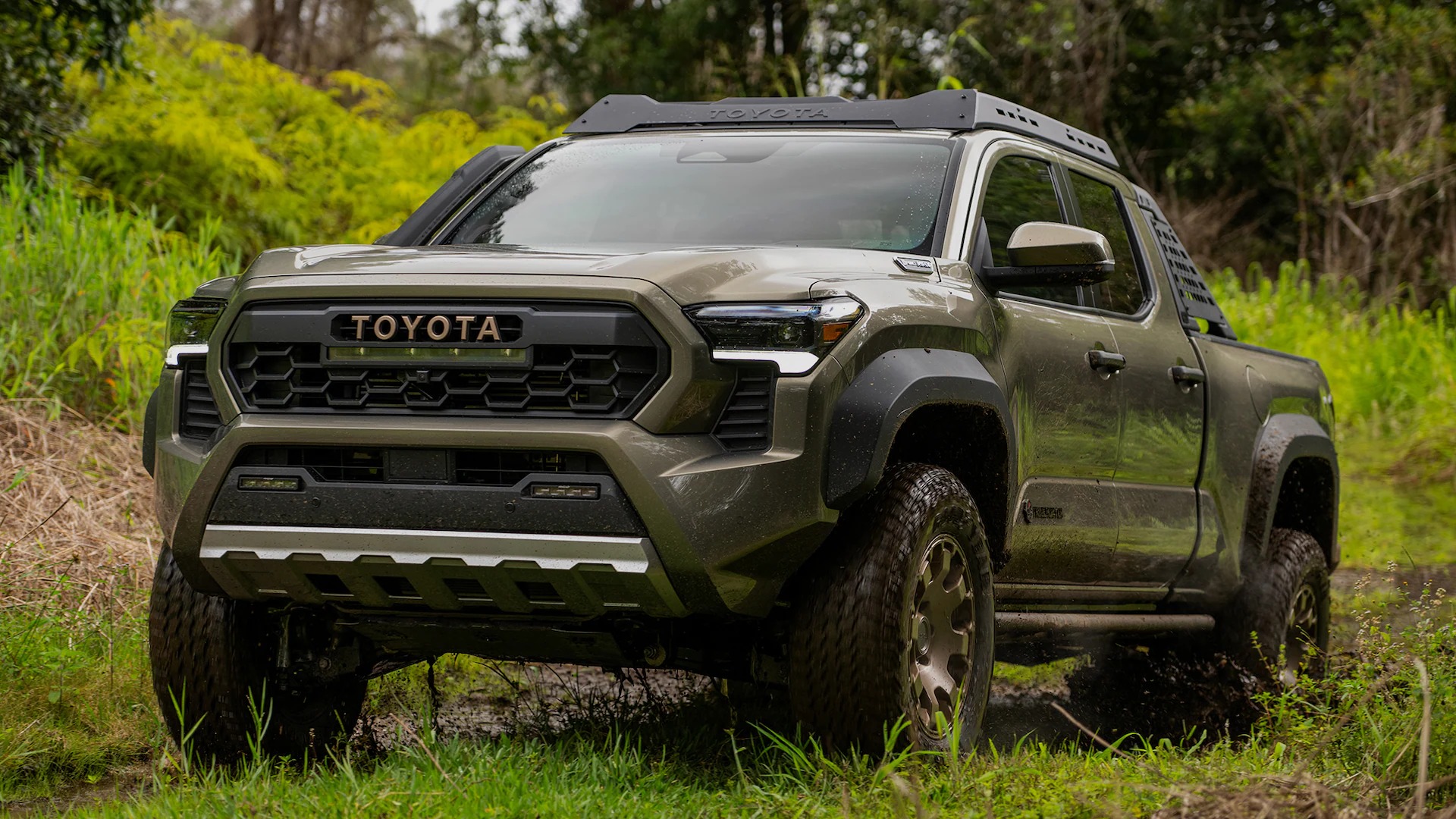
Covering the Tacoma is meant to assist readers in looking past general perceptions of durability and instead focus on specific mechanical vulnerabilities.
This practical insight allows for early intervention, such as the replacement of starter contacts before each winter and annual battery testing, resulting in fewer unexpected failures and better cold-weather performance.
4. Ford F-150 (late 1990s)
The late-1990s Ford F-150 is frequently highlighted in forums and repair shops for winter starter issues. This is due in part to the era’s wiring layouts, which are susceptible to corrosion intrusion, and starter motors lacking sufficient protection against road salt and moisture.
When combined with batteries that are weak or undersized for cold-weather applications, the F-150’s starter struggles to turn the engine over on chilly mornings.
Writing about the late-1990s F-150 serves a dual purpose. It emphasizes the long-term effects of design decisions on maintenance requirements, and it points readers toward cost-effective upgrades that can offset original weaknesses.
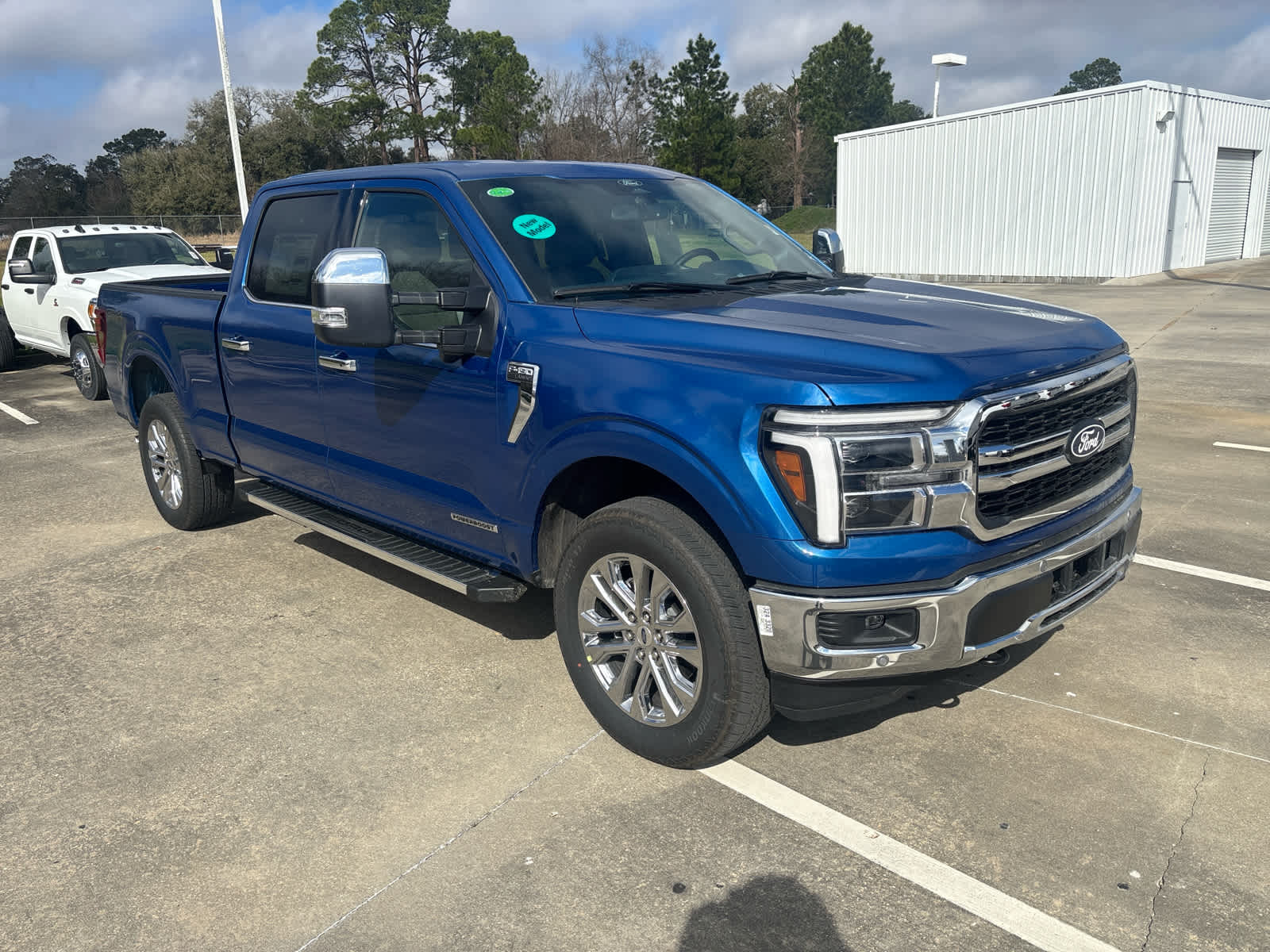
Many F-150 owners have found success by installing better-insulated starter motors, replacing old cables with high-capacity versions, and switching to batteries specifically rated for low temperatures.
Discussing this truck’s common winter issues is intended to help owners and mechanics identify at-risk components before the onset of frigid weather, ultimately reducing breakdowns and improving operating reliability.
5. Nissan Frontier (early 2010s)
The Nissan Frontier from the early 2010s rounds out the discussion by illustrating how even comparatively recent models can experience unexpected winter starter trouble.
Owners have noted intermittent starter relay failures and battery drain issues, particularly after several years of service.
Cold weather places further stress on marginal electrical connections, leading to click-no crank symptoms or repeated start attempts before the engine finally engages.
Including the Nissan Frontier highlights the reality that age alone is not the only predictor of winter starting issues. Design choices in starter relay placement, wiring harness routing, and battery specifications all contribute to how well a vehicle copes with winter weather.
By examining these factors, the section encourages proactive inspections, particularly for trucks starting to approach a decade of use.
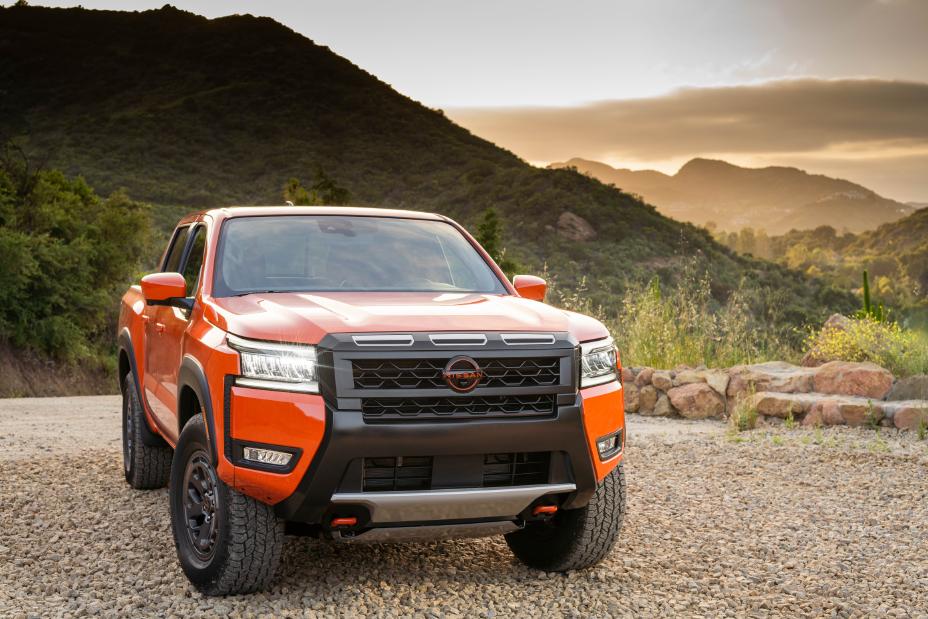
Reminding readers to watch for automotive recalls and technical service bulletins related to starting systems can also lead to practical improvements. Through this example, readers are reminded that consistent winter readiness is an ongoing task, not a single repair or purchase.
Winter presents a series of challenges for trucks, especially concerning their ability to start reliably in cold temperatures.
Two primary issues emerge during these months: the effectiveness of cold-start-freezing relays in facilitating engine ignition and the prevalence of starter problems when the weather turns cold.
Both topics reflect different mechanical realities that influence how well trucks perform in harsh conditions, affecting operational reliability, maintenance costs, and safety.
Cold-start-freezing relays are designed to assist trucks in overcoming cold-weather hurdles by managing electrical current to glow plugs, block heaters, and engine electronics, which are critical for starting in freezing environments.
Trucks equipped with these relays show greater resilience to the challenges posed by thickened engine oil, weakened batteries, and tougher fuel ignition.
Examples like the Ford F-350 Super Duty and Chevrolet Silverado 2500HD demonstrate how factory-installed cold-start relay systems enable faster, smoother starts, reducing wear and tear on engine components and limiting downtime.
Additionally, trucks such as the Ram 3500 Heavy Duty showcase the value of diagnostic feedback in relays, alerting drivers to potential issues before they cause failure. The GMC Sierra 3500HD highlights the importance of integrating multiple cold-start components relay, block heater, and robust starter motor for effective reliability.
Finally, some trucks like the Toyota Tundra benefit from aftermarket relay installations, providing practical adaptive solutions when factory options fall short.
These examples collectively illustrate how cold-start technology contributes to improving winter reliability and operational efficiency.
Conversely, starter problems are another frequent cause of winter starting failures. These issues often arise from electrical failures, mechanical wear, and inadequate maintenance, which become more critical in cold temperatures.
Older models such as the early 2000s Dodge Ram 1500 and first-generation Chevrolet S10 frequently suffer from corroded wiring, weak starter motors, and insufficient insulation.
These factors reduce available electrical power at crucial times and increase resistance, making ignition difficult. Even vehicles famed for their durability, like the mid-2000s Toyota Tacoma, can face starter failures caused by worn internal components and battery limitations.
The late-1990s Ford F-150 reveals how design vulnerabilities associated with wiring and starter protection can create persistent cold-weather problems.
The early 2010s Nissan Frontier serves as a reminder that even recent models can experience starter relay failures and battery drain due to electrical connector weaknesses and relay location choices.
Highlighting these starter problem cases brings attention to the importance of preventive care, such as battery testing, corrosion control, component replacement, and system upgrades tailored for winter conditions.
Recognizing the specific mechanical and electrical weak points in each truck model allows operators and mechanics to better prepare their vehicles for cold climates and avoid unexpected breakdowns.
Together, the examination of trucks fitted with cold-start-freezing relays and those suffering from starter problems in winter offers a comprehensive understanding of the factors impacting winter starting reliability.
The first group illustrates the benefits of purpose-built technology that mitigates cold-weather challenges, while the second group underscores how wear, design limitations, and maintenance neglect can undermine performance.
Addressing these factors proactively can enhance vehicle uptime, reduce repair costs, and improve safety for operators facing winter driving conditions regularly.
Also Read: 5 Cars with Indestructible Heat Shields vs 5 with Falling-Off Shields
