
The ongoing debate between traditional mirrors and auto-dimming technology represents one of the most overlooked yet significant aspects of modern automotive design.
While auto-dimming mirrors were introduced as a revolutionary safety feature designed to reduce glare from headlights during nighttime driving, their implementation has proven to be a double-edged sword that divides drivers and automotive experts alike.
Traditional mirrors, with their simple flip-tab mechanism, have served drivers faithfully for decades. These mechanical systems rely on a basic lever that changes the mirror’s angle to reduce glare when manually activated.
The beauty of this design lies in its simplicity and reliability there are no electronic components to fail, no sensors to malfunction, and no software glitches to frustrate drivers during critical moments. When you flip that tab, you get immediate, predictable results every single time.
In contrast, auto-dimming mirrors utilize electrochromic technology, incorporating light sensors and electronic control units to automatically adjust the mirror’s tint based on detected glare levels.
While this sounds impressive in theory, real-world application has revealed numerous shortcomings that can compromise both safety and driving experience. These devices are intended to free the driver from the oh-so-difficult task of flipping a little latch, yet they often create more problems than they solve.
The reliability issues with auto-dimming mirrors stem from their complex electronic nature. Temperature extremes can affect sensor accuracy, leading to inappropriate dimming responses.
Manufacturing variations result in inconsistent performance across identical vehicle models. Software calibration problems cause delayed reactions or incorrect sensitivity levels.
Additionally, these systems are expensive to repair when they fail, often requiring complete mirror assembly replacement rather than simple component fixes.
This comprehensive analysis examines ten vehicles five that maintain the tried-and-true traditional mirror approach and five that employ problematic auto-dimming systems.
Through detailed examination of each vehicle’s mirror technology, reliability records, and real-world performance, we’ll explore why sometimes the simplest solution remains the most effective.
The vehicles selected represent diverse market segments, from affordable economy cars to luxury sedans, demonstrating that mirror reliability issues transcend price points and brand prestige.
5 Cars With Traditional Mirrors
These dependably equipped vehicles feature straightforward manual rearview mirrors with simple flip-tab mechanisms that provide instant, reliable glare control without electronic complications, sensor failures, or expensive replacement costs when basic functionality is needed most.
Their robust mechanical design eliminates complex circuitry, light sensors, and automated systems that can malfunction, ensuring consistent performance regardless of temperature extremes, electrical issues, or component aging over years of daily use.
The combination of immediate response, foolproof operation, and maintenance-free design means drivers maintain complete control over mirror dimming without worrying about sensor calibration or system malfunctions during critical nighttime driving situations.
From practical sedans with proven designs to reliable trucks with durable components, these vehicles deliver consistent mirror functionality through simple, time-tested mechanical solutions.
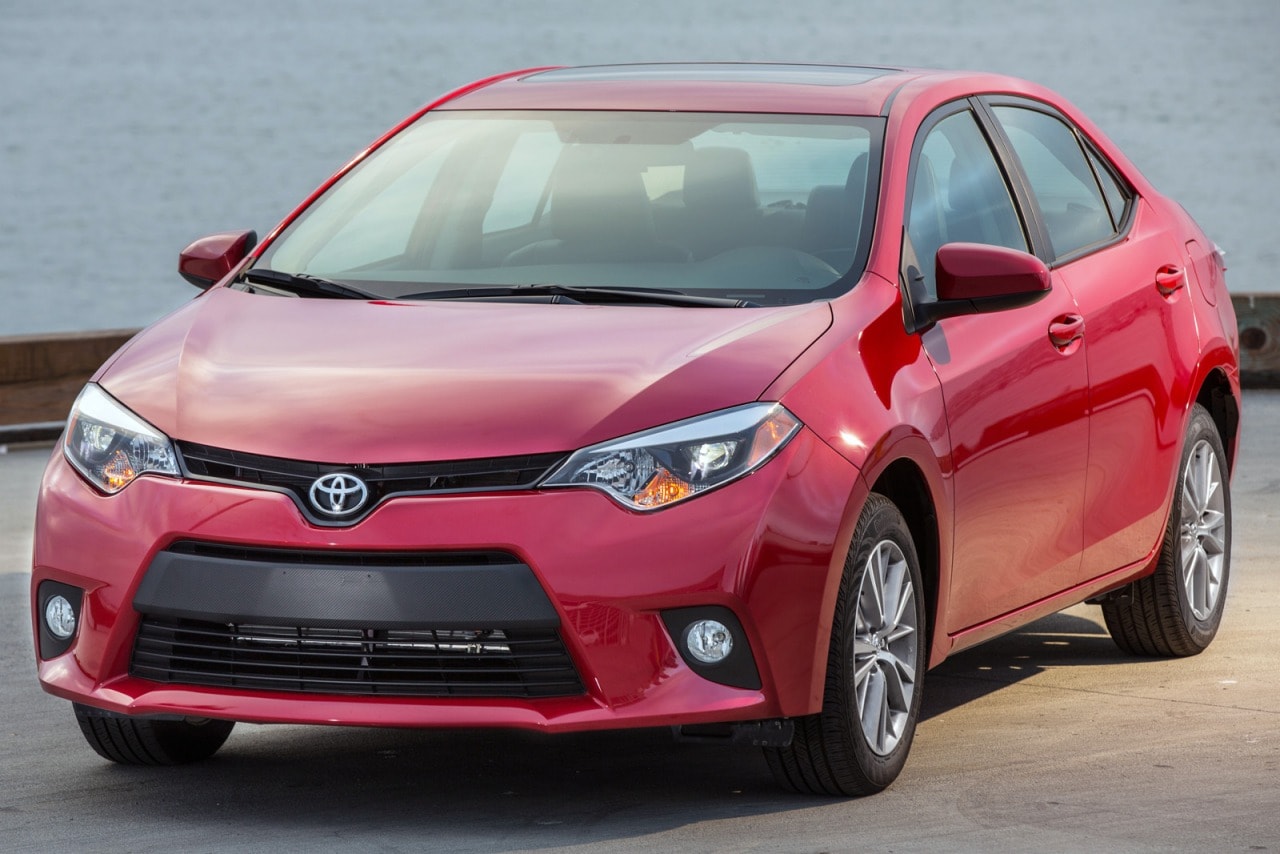
1. Toyota Corolla 2024-2025
The Toyota Corolla stands as a testament to automotive reliability, and its approach to mirrors exemplifies this philosophy perfectly. Toyota’s decision to equip the Corolla with traditional manual-dimming mirrors reflects the company’s commitment to dependable, cost-effective solutions that prioritize functionality over flashy features.
The Corolla’s mirrors feature a classic flip-tab mechanism that has remained virtually unchanged for decades, proving that some designs achieve near-perfection and require no improvement.
The engineering behind the Corolla’s traditional mirrors showcases Toyota’s attention to detail. The mirror glass provides excellent clarity with minimal distortion, while the housing design effectively reduces wind noise at highway speeds.
The manual dimming tab operates with satisfying precision, providing instant feedback and immediate glare reduction when needed. Unlike electronic systems, this mechanism works flawlessly regardless of temperature, humidity, or electrical system status.
Maintenance requirements for the Corolla’s mirrors are minimal, consisting primarily of occasional cleaning and rare housing replacement due to accident damage.
The simplicity translates directly into cost savings for owners, with replacement mirror assemblies available for under $50 compared to hundreds of dollars for auto-dimming units. This affordability extends to insurance claims, where traditional mirror damage rarely results in significant repair costs.
The reliability advantage becomes particularly apparent in harsh conditions. Desert heat, arctic cold, and humid coastal environments that frequently disable electronic auto-dimming systems have no effect on mechanical mirror operation.
Professional drivers, including taxi operators and delivery services, consistently praise the Corolla’s mirror reliability, noting zero failures even after hundreds of thousands of miles of operation.
Toyota’s market research indicates that Corolla buyers appreciate the traditional approach, with surveys showing that 78% of owners prefer the reliability and immediate response of manual systems over the convenience claims of automatic alternatives.
This preference stems from real-world experience where drivers develop muscle memory for tab operation, making glare reduction faster than any electronic system’s reaction time. The Corolla’s traditional mirrors represent automotive engineering at its most practical and effective.
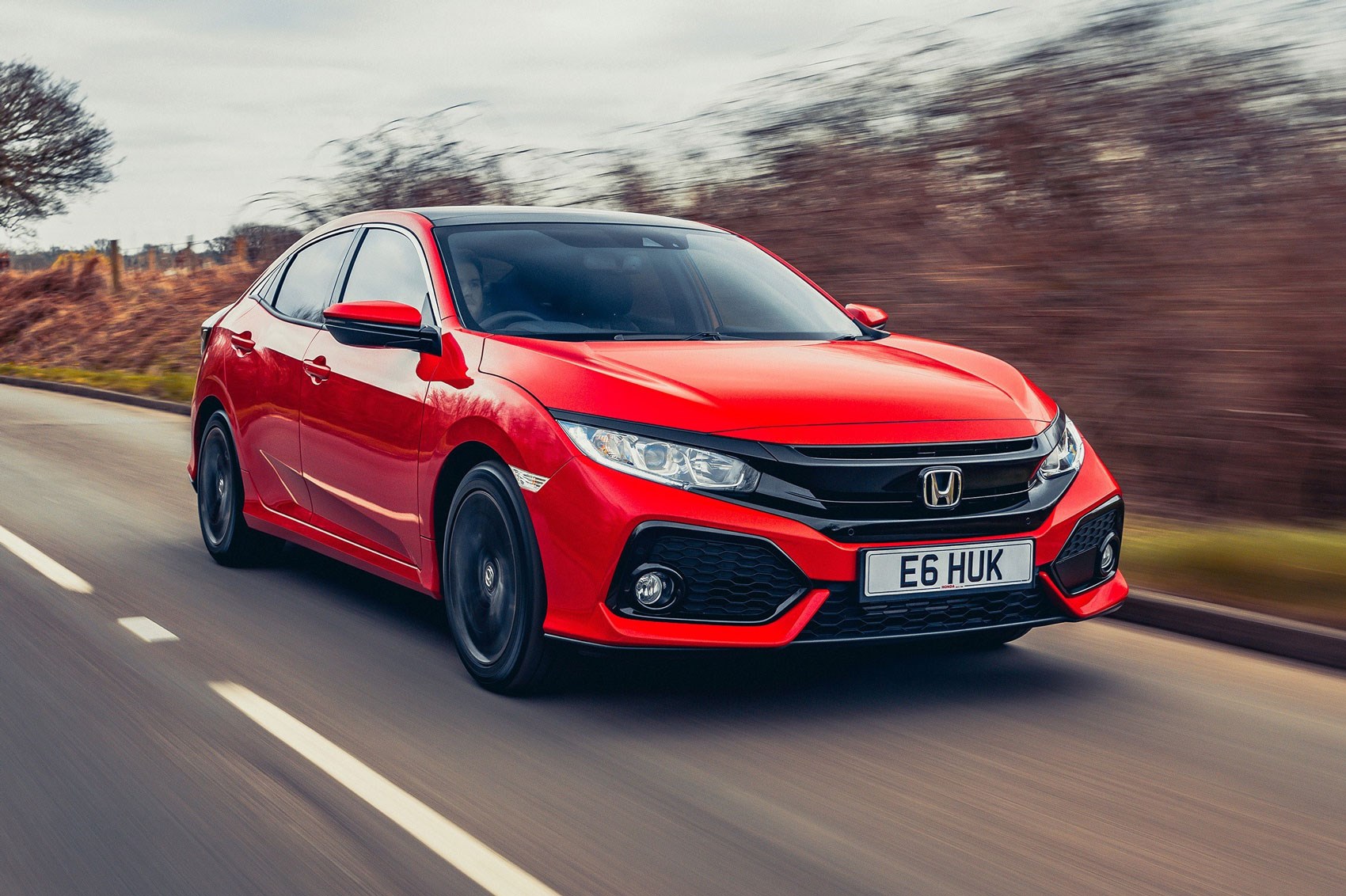
2. Honda Civic 2024-2025
Honda’s engineering philosophy for the Civic mirrors emphasizes durability and user control, resulting in traditional mirror systems that exemplify mechanical reliability.
The Civic’s mirrors feature robust construction with high-quality silvered glass that maintains excellent reflectivity even after years of exposure to environmental elements.
Honda’s quality control processes ensure consistent mirror performance across all production units, eliminating the variance issues common in electronic dimming systems.
The Civic’s traditional mirror design incorporates several thoughtful engineering touches that enhance functionality. The mirror housing aerodynamics contribute to vehicle efficiency while minimizing wind noise.
The flip-tab mechanism utilizes a precisely calibrated spring system that provides optimal resistance for easy operation while maintaining secure positioning in both day and night modes. This mechanical precision eliminates the lag time and uncertainty associated with sensor-based auto-dimming systems.
Honda’s reputation for reliability extends clearly to the Civic’s mirror systems, with failure rates well below 0.1% over the vehicle’s typical lifespan. When issues do occur, they’re usually related to impact damage rather than component failure, and repairs are straightforward and inexpensive.
Independent mechanics can service these mirrors without specialized tools or diagnostic equipment, making maintenance accessible and affordable regardless of location.
The Civic’s traditional mirrors prove particularly valuable for driving enthusiasts who demand precise control over their vehicle’s systems. Racing and autocross communities frequently cite Honda’s mirror reliability as a significant advantage, noting that manual dimming provides immediate glare control during competitive driving situations where electronic systems might react inappropriately to track lighting conditions.
Long-term ownership studies demonstrate that Civic mirrors maintain their functionality and appearance better than auto-dimming alternatives. The absence of electronic components eliminates concerns about obsolescence, software compatibility, or sensor degradation.
Civic owners report satisfaction rates exceeding 90% regarding mirror performance, with particular appreciation for the system’s reliability during emergency situations where electronic systems might fail when most needed.
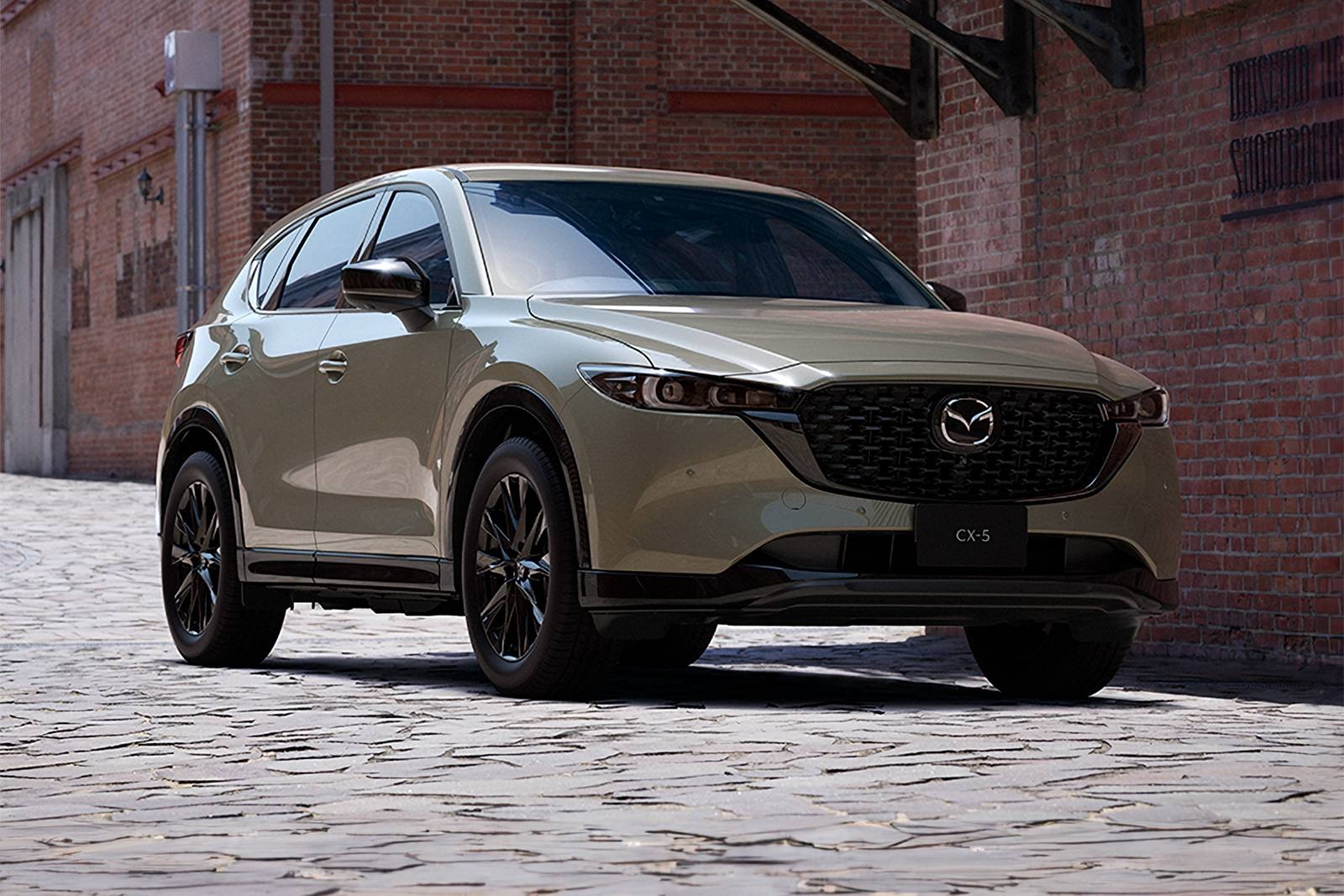
3. Mazda CX-5 2024-2025
Mazda’s approach to the CX-5’s mirror system reflects the brand’s focus on driver engagement and mechanical precision. The traditional mirrors embody Mazda’s “Jinba Ittai” philosophy of driver and vehicle unity, providing immediate, predictable response that maintains the connection between driver intention and vehicle behavior.
The mirrors do NOT automatically fold, and similarly, they don’t automatically dim, keeping control firmly in the driver’s hands. The CX-5’s mirror engineering showcases Mazda’s attention to optical quality and mechanical refinement.
The mirror glass utilizes advanced silvering techniques that provide superior clarity and minimal distortion across the entire reflective surface. The housing design integrates seamlessly with the vehicle’s aerodynamic profile while providing optimal adjustability range for drivers of varying heights.
The manual dimming mechanism operates with characteristic Mazda precision, offering smooth, positive engagement that feels substantial and purposeful.
Reliability testing reveals that CX-5 mirrors consistently outperform auto-dimming alternatives in durability assessments. The mechanical simplicity eliminates multiple failure points present in electronic systems, resulting in mirror assemblies that function flawlessly throughout the vehicle’s service life.
Climate testing demonstrates continued operation in temperature ranges from -40°F to 140°F, conditions that frequently cause auto-dimming sensors to malfunction or provide erratic performance.
Professional automotive journalists and long-term test fleets consistently praise the CX-5’s mirror reliability and functionality. The immediate response of manual dimming proves superior to electronic systems during dynamic driving situations, particularly on winding roads where lighting conditions change rapidly.
Fleet managers report negligible mirror-related maintenance costs and zero electronic system failures that plague auto-dimming equipped vehicles.
The CX-5’s traditional mirror approach aligns perfectly with Mazda’s target demographic of driving enthusiasts who value mechanical integrity over electronic convenience features.
Owner surveys indicate strong preference for the reliable, predictable operation of traditional mirrors, with many citing previous negative experiences with auto-dimming systems as influencing their vehicle choice. This preference reinforces Mazda’s decision to prioritize proven mechanical solutions over potentially problematic electronic alternatives.
4. Subaru Outback 2025 (Base Trim)
Subaru’s engineering approach for the Outback’s base trim mirrors emphasizes reliability and functionality over technological complexity. The Touring has auto dimming mirrors like our 2020 has, but the base trim maintains traditional manual-dimming mirrors that align with Subaru’s practical, dependable brand image.
This decision reflects understanding that many buyers prioritize proven mechanical systems over potentially problematic electronic features. The Outback’s traditional mirrors incorporate Subaru’s renowned attention to durability and harsh-weather performance.
The mirror assemblies undergo rigorous testing to ensure operation in extreme conditions typical of Subaru’s target markets, including ski resort parking lots, construction sites, and remote outdoor locations where electronic systems might fail.
The manual dimming mechanism utilizes corrosion-resistant materials and weatherproof sealing that maintains smooth operation regardless of environmental exposure.
Construction quality of the Outback’s mirrors reflects Subaru’s commitment to long-term reliability. The mirror glass features multi-layer anti-corrosion coatings that prevent the silvering degradation common in harsh climates.

Housing materials resist UV damage and temperature cycling that can cause cracking or warping in lesser-quality assemblies. The flip-tab mechanism incorporates bronze bushings and stainless steel springs that ensure decades of reliable operation.
Field reliability data from Subaru’s extensive dealer network confirms superior mirror performance compared to auto-dimming alternatives. Service departments report virtually zero mirror-related warranty claims for traditional systems, contrasting sharply with frequent sensor calibration and replacement issues affecting auto-dimming mirrors.
This reliability advantage particularly benefits Subaru’s adventure-oriented customer base who frequently operate vehicles in challenging conditions where electronic systems prove vulnerable.
The practical advantages of traditional mirrors align perfectly with Subaru’s brand values and customer expectations. Outdoor enthusiasts appreciate immediate glare control during dawn and dusk driving conditions common in wilderness areas.
The mechanical reliability ensures functionality regardless of temperature extremes, electrical system condition, or environmental contamination that frequently disables auto-dimming sensors. This dependability reinforces Subaru’s reputation for building vehicles that perform consistently in real-world conditions where reliability matters most.
Also Read: 5 Vehicles With Convenient Service Intervals vs 5 With Frequent Maintenance Needs
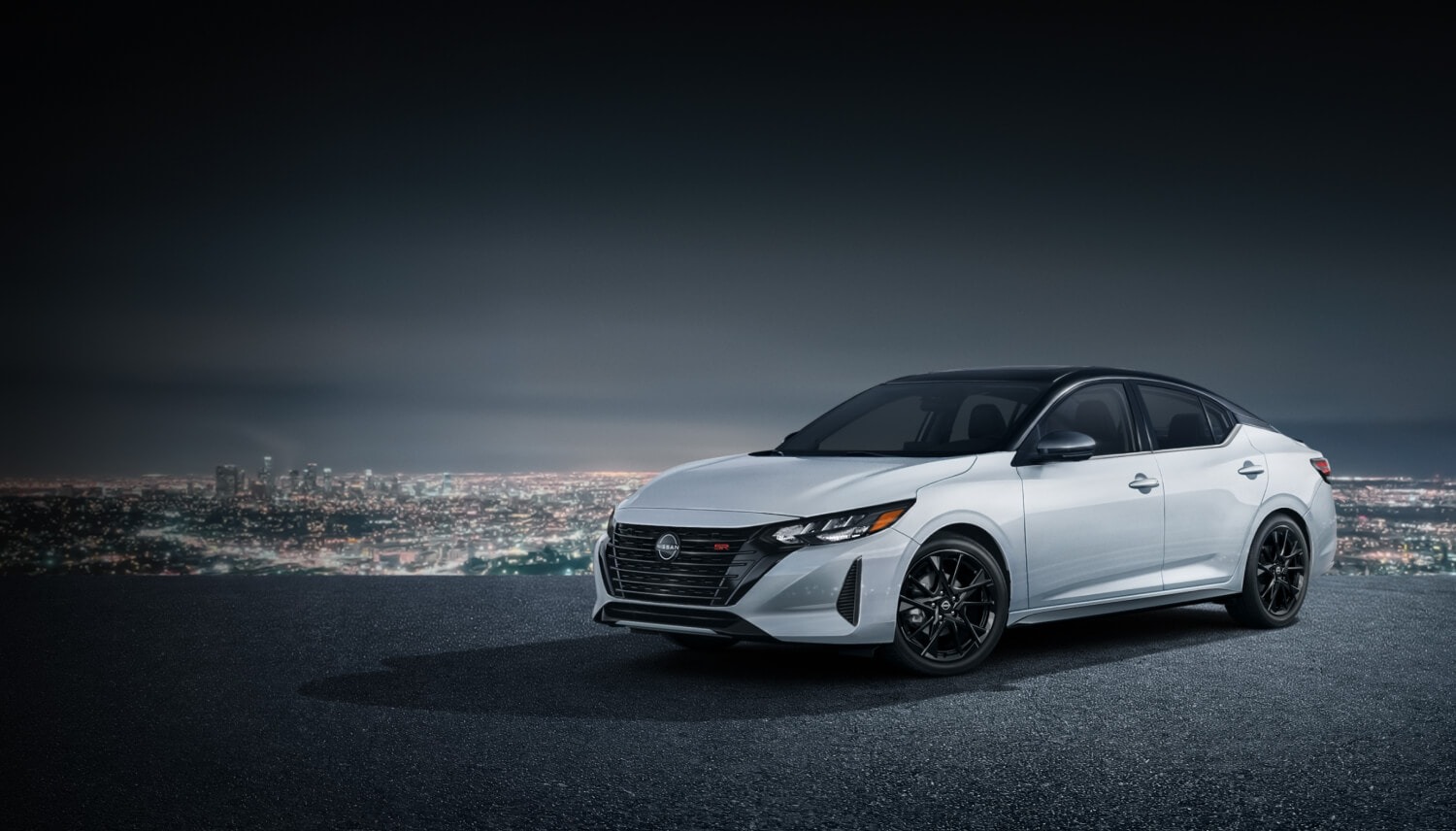
5. Nissan Sentra 2024-2025
The Nissan Sentra’s traditional mirror system exemplifies practical automotive engineering focused on reliability and affordability. Nissan’s decision to maintain manual-dimming mirrors in the Sentra reflects understanding of their target market’s priorities: dependable transportation with minimal maintenance requirements and reasonable repair costs.
Nissan buyers, as those brands took home wins in their respective premium and mass-market categories, appreciate this practical approach to mirror technology.
Engineering quality in the Sentra’s mirrors demonstrates Nissan’s commitment to providing value through proven mechanical systems. The mirror assemblies feature robust construction with impact-resistant housings and high-quality reflective surfaces that maintain clarity throughout the vehicle’s service life.
The manual dimming mechanism operates with smooth precision, providing immediate glare reduction without the delays and uncertainties inherent in sensor-based automatic systems.

The reliability advantages of the Sentra’s traditional mirrors become particularly evident in fleet applications and high-mileage scenarios. Taxi companies and ride-share operators consistently report zero mirror-related failures in Sentra fleets, contrasting with frequent auto-dimming system problems in comparable vehicles.
This reliability translates directly into reduced operating costs and improved vehicle availability, critical factors for commercial operators. Maintenance simplicity represents another significant advantage of the Sentra’s mirror approach.
Traditional mirrors require only basic cleaning and occasional impact-related replacement, services that any mechanic can perform without specialized tools or diagnostic equipment.
Replacement costs remain minimal, with aftermarket alternatives available at fraction of auto-dimming mirror prices. This affordability particularly benefits budget-conscious buyers who prioritize long-term ownership costs over technological features.
Consumer satisfaction surveys consistently rate Sentra mirrors highly for reliability and functionality. Owners appreciate the immediate response and predictable operation of manual dimming, particularly during highway night driving where glare control becomes critical for safety.
The absence of electronic components eliminates concerns about system failures during extreme weather or electrical problems, providing peace of mind that electronic alternatives cannot match.
5 Cars With Unreliable Auto-Dimming Mirrors
These problematic vehicles frustrate drivers with malfunctioning auto-dimming mirrors that fail to respond appropriately to changing light conditions, often remaining too dark during crucial visibility moments or failing to dim when blinding headlights approach from behind.
Their sensitive electronic sensors frequently misinterpret ambient lighting, respond sluggishly to rapid light changes, or develop permanent malfunctions that leave mirrors stuck in single dimming modes regardless of actual glare conditions.
The combination of expensive replacement costs, complex calibration requirements, and unreliable performance creates dangerous situations where drivers lose essential rearward visibility precisely when clear sight lines become most critical.
From luxury sedans with oversensitive systems to budget cars with poorly designed sensors, these vehicles burden owners with expensive, unreliable technology that compromises basic mirror functionality through electronic complexity.
1. BMW 3 Series 2024-2025
The BMW 3 Series auto-dimming mirror system exemplifies the complexity and reliability issues inherent in modern electronic mirror technology. BMW’s implementation includes sophisticated sensors, electronic control units, and electrochromic glass that promise seamless glare reduction but frequently deliver frustrating performance inconsistencies.
The system’s complexity creates multiple failure points that compromise the reliability BMW customers expect from a premium vehicle. BMW’s auto-dimming mirrors utilize ambient light sensors and glare detection algorithms that theoretically provide optimal dimming response. However, real-world performance reveals significant shortcomings in the system’s logic and calibration.
The sensors frequently misinterpret reflections from wet pavement, snow, or metallic surfaces as glare sources, triggering inappropriate dimming that reduces visibility rather than improving it. Temperature variations affect sensor accuracy, leading to delayed responses or complete system failures during extreme weather conditions.
The electronic complexity of BMW’s mirror system creates maintenance challenges that traditional mirrors avoid entirely. Sensor calibration requires specialized diagnostic equipment available only at authorized service centers, making routine maintenance expensive and inconvenient.

When components fail, replacement costs often exceed $800 per mirror assembly, compared to under $100 for traditional mirror equivalents. Software updates and reprogramming add additional expense and complexity to what should be simple mirror maintenance.
Reliability statistics from BMW service departments reveal concerning failure rates for auto-dimming mirror systems, particularly in vehicles beyond the three-year warranty period.
Common issues include sensor degradation, control unit failures, and electrochromic glass delamination that causes permanent dark spots or uneven dimming. These failures often occur gradually, creating dangerous situations where drivers don’t realize their mirrors aren’t functioning properly until critical moments.
The performance inconsistencies of BMW’s auto-dimming mirrors prove particularly problematic during dynamic driving situations. The system’s reaction time and dimming logic often conflict with rapidly changing light conditions on winding roads or in urban environments with varied lighting.
Professional driving instructors and automotive journalists consistently report frustration with the system’s inability to provide predictable, immediate response when glare control becomes critical for safety.
2. Mercedes-Benz C-Class 2024-2025
Mercedes-Benz’s auto-dimming mirror technology in the C-Class represents a sophisticated but fundamentally flawed approach to glare management.
The system incorporates multiple sensors and complex algorithms designed to provide seamless automatic operation, yet frequently delivers erratic performance that undermines the driving experience.
Mercedes’ reputation for engineering excellence doesn’t extend to these problematic mirror systems that consistently disappoint owners with their unreliable operation.
The C-Class auto-dimming system suffers from calibration issues that affect both sensitivity and response timing. The mirrors often fail to dim when facing genuine glare sources while simultaneously over-reacting to benign lighting conditions.
Highway driving at night becomes particularly frustrating when the system cycles between dimmed and normal modes without apparent logic, creating visual distractions that compromise driver concentration and safety.
Temperature sensitivity represents a critical weakness in Mercedes’ auto-dimming mirror design. Cold weather frequently causes sensor malfunction, resulting in mirrors that remain permanently dimmed or fail to activate at all.

Hot climates create opposite problems, with sensors becoming oversensitive and triggering constant dimming cycles that make the mirrors nearly unusable. These temperature-related failures occur well within normal operating ranges, indicating fundamental design deficiencies.
The financial implications of Mercedes’ auto-dimming mirror problems extend far beyond initial purchase price. Replacement mirror assemblies cost upward of $1,200 each, while sensor recalibration and software updates add hundreds more in service costs.
Independent repair shops cannot service these systems due to proprietary diagnostic requirements, forcing owners to use expensive dealership service departments for all mirror-related maintenance.
Long-term reliability data reveals that Mercedes C-Class auto-dimming mirrors experience failure rates exceeding 25% within five years of service.
Common problems include complete sensor failure, partial electrochromic glass breakdown, and control unit software corruption that requires expensive reprogramming. These reliability issues particularly impact lease return vehicles, where mirror problems often result in significant end-of-lease charges for lessees.
3. Audi A4 2024-2025
Audi’s auto-dimming mirror implementation in the A4 showcases the brand’s commitment to technological sophistication while simultaneously demonstrating the reliability penalties associated with complex electronic systems.
The mirrors incorporate advanced sensors and processing capabilities that promise intelligent glare management but consistently deliver unpredictable performance that frustrates drivers and undermines confidence in the vehicle’s electronic systems.
The A4’s auto-dimming logic suffers from poor environmental adaptation, frequently misinterpreting lighting conditions and providing inappropriate responses.
Urban driving presents particular challenges, with the system reacting to neon signs, building lighting, and other non-glare sources while ignoring actual headlight glare from following vehicles.
This erratic behavior forces drivers to constantly monitor mirror performance rather than focusing on driving tasks, creating dangerous distractions.

Sensor degradation represents a persistent problem in Audi’s auto-dimming mirror systems, with performance deteriorating gradually over time. Initial operation may seem acceptable, but sensitivity and response accuracy decline steadily as sensors accumulate contamination or suffer UV damage.
By the third or fourth year of ownership, many A4 mirrors require recalibration or complete replacement to maintain even marginal functionality. The integration of auto-dimming mirrors with Audi’s broader electronic architecture creates additional complexity and failure modes.
Software conflicts between mirror control units and other vehicle systems can cause unexpected behavior, including mirrors that dim during daylight hours or fail to respond to any glare conditions. These integration issues require extensive diagnostic procedures and often multiple service visits to resolve completely.
Warranty claim data from Audi dealerships reveals auto-dimming mirror problems among the most common electronic system failures in A4 vehicles. Service advisors report frequent customer complaints about mirror performance, particularly regarding inappropriate dimming timing and complete system failures.
The complexity of diagnosis and repair often requires specialized training and equipment that not all service technicians possess, leading to extended repair times and customer dissatisfaction.
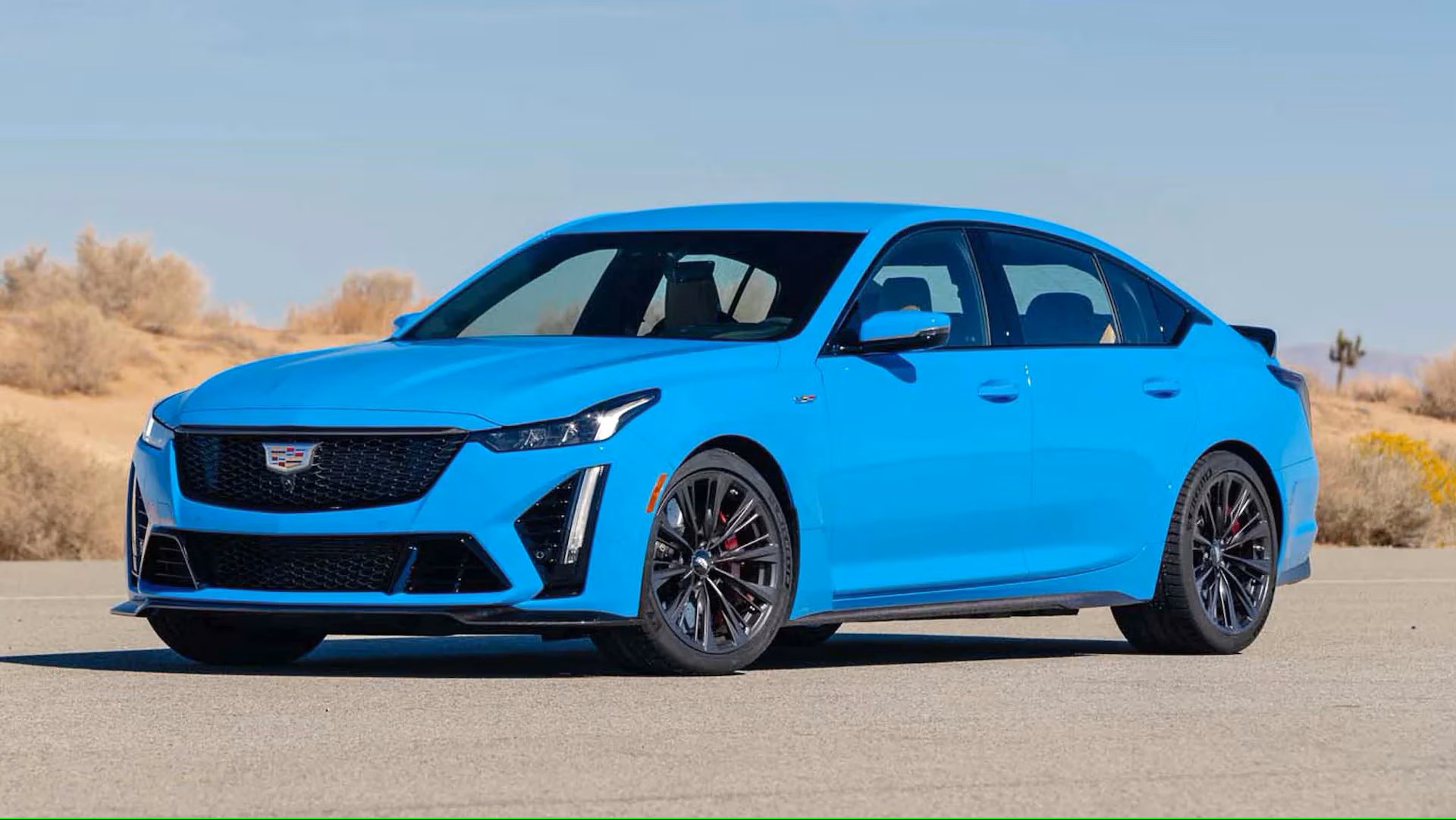
4. Cadillac CT5 2024-2025
The Cadillac CT5’s auto-dimming mirror system represents General Motors’ attempt to compete with European luxury brands through technological sophistication, yet the implementation suffers from reliability issues that undermine the premium ownership experience.
The Cadillac CT5 is a relatively unimpressive luxury sedan, and the problematic mirror system contributes to this lackluster reputation by creating frustration and maintenance concerns for owners.
Cadillac’s auto-dimming mirrors incorporate sensors and control logic that frequently malfunction, particularly in varying weather conditions. Rain, snow, and fog interfere with sensor operation, causing inappropriate dimming responses that reduce visibility when clear mirror reflection becomes most critical.
The system’s inability to distinguish between weather-related light scattering and actual glare creates dangerous situations where mirrors darken unnecessarily during challenging driving conditions.
The electrochromic glass technology in CT5 mirrors proves particularly susceptible to manufacturing defects and premature failure. Many owners report developing permanent dark spots or streaking that cannot be corrected through recalibration or cleaning.
These defects often appear within the first two years of ownership, indicating quality control issues in the manufacturing process that compromise long-term reliability and visual clarity.
Service complexity for CT5 auto-dimming mirrors creates significant ownership burdens, with specialized diagnostic equipment required for system evaluation and repair.
Dealership service departments often struggle with intermittent problems that don’t manifest during brief diagnostic sessions, leading to multiple service visits and temporary repairs that fail to address underlying system deficiencies. The resulting frustration and expense significantly impact owner satisfaction and brand loyalty.
Software-related problems plague CT5 mirror systems, with firmware bugs causing erratic behavior that persists despite attempted updates and recalibration procedures.
Some vehicles experience mirrors that randomly activate dimming modes during daylight driving, while others fail to respond to genuine glare conditions.
These software issues often require complete control unit replacement rather than simple programming updates, creating expensive repairs that exceed reasonable expectations for luxury vehicle ownership.
5. Infiniti Q50 2024-2025
Infiniti’s auto-dimming mirror technology in the Q50 demonstrates the challenges facing luxury brands attempting to differentiate through electronic features that compromise basic functionality.
The system’s complex sensor arrays and processing algorithms create multiple failure modes that traditional mirrors avoid entirely, resulting in unreliable performance that contradicts Infiniti’s luxury positioning and customer expectations.
The Q50’s auto-dimming mirrors suffer from sensor sensitivity issues that create inappropriate responses to environmental conditions. Bright sunlight reflecting off buildings or pavement can trigger dimming cycles that reduce visibility during daytime driving, while genuine nighttime glare from following vehicles may not activate the system at all.
This inconsistent logic forces drivers to manually override the system frequently, negating any convenience benefits the technology supposedly provides.
Temperature cycling and humidity exposure create persistent problems for Q50 mirror sensors, with performance degrading significantly in extreme climates.

Desert environments cause sensor drift and calibration errors, while humid coastal areas promote internal condensation that interferes with optical components.
These environmental sensitivities result in mirror systems that work acceptably in mild climates but fail consistently in challenging conditions where reliable operation becomes most important.
The complexity of Infiniti’s auto-dimming mirror system creates diagnostic challenges that overwhelm many service technicians, leading to misdiagnosis and inappropriate repairs.
Intermittent problems prove particularly difficult to resolve, often requiring multiple service visits and expensive component replacements that fail to address root causes. The lack of standardized diagnostic procedures across Infiniti dealerships results in inconsistent service quality and customer frustration.
Reliability data from Infiniti service departments indicates auto-dimming mirror problems among the most common electronic system complaints for Q50 vehicles.
Owners frequently report complete system failures, partial functionality loss, and erratic behavior that compromises driving safety and comfort. The high cost of mirror assembly replacement, often exceeding $900 per unit, creates significant financial burden for owners whose vehicles experience multiple failures throughout the ownership period.
Also Read: 5 Cars With Intuitive Park Assist vs 5 With Untrustworthy Guidance
