

The automotive industry has undergone a dramatic transformation in recent years, with technology becoming increasingly integrated into vehicle design and functionality.
One of the most significant changes has been the widespread adoption of touch-sensitive surfaces, from infotainment screens to climate controls and even gear selectors.
While these interfaces promise sleek aesthetics and advanced functionality, they’ve also introduced new challenges that affect driver safety, usability, and satisfaction.
Touch-sensitive surfaces in vehicles represent a double-edged sword. On one hand, they enable manufacturers to create cleaner, more modern interiors with fewer physical buttons and switches.
These interfaces can be updated through software, offer customization options, and provide access to a vast array of features through a single panel. The appeal is undeniable touch screens and capacitive surfaces create a high-tech ambiance that many consumers associate with innovation and luxury.
However, the reality of living with these systems often tells a different story. False touches unintended inputs caused by accidental contact, vibrations, or even proximity have become a significant pain point for drivers and passengers alike.
These phantom inputs can change radio stations, adjust climate settings, activate navigation prompts, or trigger other functions at the worst possible moments. The problem is compounded by the fact that many modern vehicles have replaced traditional physical controls entirely, leaving users with no alternative input method.
The contrast between vehicles that maintain traditional physical controls and those that rely heavily on touch-sensitive surfaces has never been more apparent.
Cars without touch-sensitive surfaces offer predictable, tactile feedback that allows for operation without taking eyes off the road. Every button, knob, and switch provides immediate confirmation of activation through physical movement and often audible clicks.
This reliability becomes particularly valuable during adverse driving conditions, when wearing gloves, or when the driver needs to make quick adjustments while maintaining focus on traffic.
This comprehensive analysis examines ten vehicles that represent both ends of this spectrum, highlighting the practical implications of design choices that prioritize form over function, or vice versa.
5 Cars Without Touch-Sensitive Surfaces
These user-friendly vehicles feature traditional physical buttons, knobs, and switches that require deliberate pressure to activate, eliminating accidental inputs and providing reliable tactile feedback that allows drivers to operate controls safely without looking away from the road.
Their mechanical interfaces resist moisture, temperature changes, and electrical interference while delivering consistent response regardless of glove-wearing, hand positioning, or environmental conditions that affect touch-sensitive systems.
The combination of distinct click feedback, logical control placement, and foolproof operation means drivers maintain precise command over vehicle functions without worrying about unintended activation or system misinterpretation.
From reliable sedans with proven control layouts to practical trucks with durable switches, these vehicles prioritize driver confidence through dependable physical interfaces that respond predictably to intentional inputs.
1. Toyota 4Runner (2024 Model)
The Toyota 4Runner stands as a testament to the enduring value of traditional automotive controls in an increasingly digitized world. This rugged SUV deliberately maintains a philosophy of mechanical simplicity that extends throughout its interior design, making it a prime example of how physical controls can enhance both functionality and reliability in demanding environments.
The 4Runner’s center console is dominated by traditional rotary knobs for climate control, each offering distinct tactile feedback that allows drivers to make precise adjustments without diverting attention from the road.
The temperature controls feature a satisfying resistance that provides clear indication of setting changes, while the fan speed dial clicks audibly through each position.
These controls remain fully functional regardless of weather conditions, altitude changes, or the presence of gloves a crucial advantage for outdoor enthusiasts who frequently encounter challenging environments.
The infotainment system, while featuring a display screen, relies primarily on physical buttons arranged around the perimeter and a central control knob for navigation. This hybrid approach allows for visual feedback while maintaining the reliability of mechanical inputs.
The radio controls include traditional preset buttons, volume and tuning knobs, and clearly labeled function keys that can be operated entirely by touch. Even in complete darkness, experienced drivers can locate and operate these controls with confidence.

Perhaps most importantly, the 4Runner’s climate control system operates independently of the infotainment display. Unlike many modern vehicles where HVAC functions are buried within touch screen menus, the 4Runner allows instant access to heating, cooling, and ventilation controls through dedicated physical interfaces.
This separation ensures that essential comfort functions remain available even if the main display experiences technical difficulties. The gear selector represents another area where Toyota has maintained traditional approaches.
The substantial shift lever provides unmistakable feedback for each gear position, with mechanical detents that clearly communicate successful engagement.
This physical confirmation is particularly valuable when shifting between drive modes for off-road conditions, where uncertainty about gear selection could have serious consequences.
The 4Runner’s approach to controls extends to secondary functions as well. Window switches feature traditional rocker designs with positive engagement, while door locks operate through mechanical switches that provide immediate visual and tactile confirmation.
Even the seats utilize manual adjustment levers and knobs, eliminating potential electronic failures while ensuring that position settings remain unchanged during battery maintenance or extreme temperature conditions.
This commitment to physical controls creates an environment where drivers can develop muscle memory for frequently used functions, reducing cognitive load and improving safety.
The consistency of control placement and operation across model years also means that drivers familiar with one 4Runner can immediately operate any other, regardless of age or trim level.
2. Jeep Wrangler (2024 Model)
The Jeep Wrangler exemplifies how traditional automotive controls can coexist with modern functionality while maintaining the brand’s commitment to rugged practicality.
This iconic off-road vehicle demonstrates that physical interfaces remain superior in environments where reliability and ease of use under challenging conditions are paramount concerns.
The Wrangler’s interior design prioritizes accessibility and durability through the extensive use of mechanical controls that can withstand extreme conditions.
The climate control system features large, rubberized knobs that remain operable even when wearing heavy gloves or when covered in mud, sand, or water. Each control provides substantial tactile feedback, with temperature adjustments requiring deliberate rotation that prevents accidental changes during rough terrain driving.
Central to the Wrangler’s control philosophy is the prominent placement of essential functions within easy reach of the driver. The transfer case controls, crucial for off-road capability, utilize a traditional mechanical lever that provides unmistakable feedback for each position.
Unlike electronic systems that might fail in extreme conditions, this mechanical linkage ensures reliable four-wheel-drive engagement regardless of temperature, moisture, or electrical system status.

The radio and infotainment controls blend traditional and modern approaches effectively. While a display screen provides visual information, all primary functions remain accessible through physical buttons and knobs arranged logically around the central unit.
Volume adjustment utilizes a substantial knob that turns smoothly but with enough resistance to prevent accidental changes, while preset buttons are large enough to operate accurately even in challenging conditions.
Door and window controls throughout the Wrangler emphasize mechanical reliability. The removable doors feature traditional handles and locks that operate purely mechanically, ensuring functionality even when electronic systems are disconnected.
Window mechanisms, whether manual or powered, provide clear tactile feedback that confirms operation without requiring visual verification. The Wrangler’s seating controls demonstrate how manual adjustment systems can offer advantages over electronic alternatives.
Seat position levers and recline mechanisms operate independently of the vehicle’s electrical system, preventing situations where dead batteries or electrical failures could trap occupants in uncomfortable positions. The manual adjustments also provide immediate response and can be fine-tuned precisely without the delays inherent in motorized systems.
Storage solutions throughout the cabin emphasize mechanical latches and hinges that resist the accumulation of dirt and debris common in off-road environments.
Center console latches, glove box handles, and storage compartment closures all provide positive engagement that remains functional even after exposure to dust, sand, or water intrusion.
The instrument cluster combines analog gauges with digital displays in a way that prioritizes essential information through traditional needle-and-dial presentations.
Critical parameters like engine temperature, oil pressure, and fuel level remain visible through analog displays that don’t require complex menu navigation or risk being obscured by software glitches during crucial moments.
3. Ford Bronco Base/Big Bend Trim (2024 Model)
The Ford Bronco’s base and Big Bend trim levels represent a masterful balance between modern capability and traditional control interfaces, offering drivers a refreshing alternative to the touch-screen dominated interiors common in contemporary vehicles.
Ford’s design philosophy for these trim levels emphasizes tactile, reliable controls that maintain functionality across the diverse conditions that Bronco owners typically encounter.
The climate control system exemplifies this approach through its implementation of traditional rotary controls and toggle switches. Three substantial knobs handle temperature, fan speed, and air distribution, each providing distinct tactile feedback that allows for precise adjustments without visual confirmation.
The knobs feature rubberized surfaces that remain grippy even when wet or dusty, while their size and spacing prevent accidental activation during off-road driving when occupants might be jostled by rough terrain.
Ford has thoughtfully integrated modern functionality into traditional control layouts throughout the Bronco’s interior. The infotainment system, while including a display screen, maintains dedicated physical buttons for essential functions like radio presets, volume adjustment, and source selection.
The central control knob for menu navigation provides satisfying detents that make selection precise and deliberate, reducing the frustration often associated with overly sensitive touch interfaces.

The Bronco’s approach to transmission and drivetrain controls emphasizes mechanical certainty through traditional lever-based systems. The gear selector provides clear tactile feedback for each position, with mechanical detents that confirm successful engagement.
The transfer case controls utilize a rotary dial with positive stops for each mode, allowing drivers to confidently select appropriate settings for varying terrain conditions without uncertainty about activation status.
Auxiliary controls throughout the cabin demonstrate Ford’s commitment to physical interfaces where they matter most. The headlight switch operates through a traditional rotary mechanism with distinct positions for each setting, while turn signal stalks provide the familiar tactile feedback that drivers expect.
Window controls feature traditional rocker switches with positive engagement, and door handles operate through mechanical linkages that remain functional regardless of electrical system status.
The Bronco’s storage solutions emphasize mechanical latches and traditional hinges that resist the accumulation of debris common in outdoor environments.
Center console compartments, glove box mechanisms, and overhead storage areas all utilize physical latches that provide clear tactile and audible confirmation of secure closure. These mechanical systems continue functioning reliably even after exposure to dust, sand, water, or extreme temperatures.
Seating controls in the base and Big Bend trims rely on manual adjustment mechanisms that offer several advantages over electronic alternatives.
The mechanical seat adjusters provide immediate response to input, allow for precise positioning, and remain functional regardless of battery condition or electrical system status. Manual recline mechanisms offer smooth operation with clear tactile feedback indicating secure locking in the desired position.
The instrument cluster thoughtfully combines analog and digital elements while prioritizing essential information through traditional gauge presentations.
Primary gauges for speed, fuel level, and engine parameters utilize analog displays that remain easily readable under all lighting conditions and don’t risk becoming unusable due to software glitches or display failures during critical driving situations.
4. Subaru Outback Base Trim (2024 Model)
The Subaru Outback in its base trim configuration demonstrates how manufacturers can maintain traditional control interfaces while delivering modern functionality and reliability.
This approach reflects Subaru’s understanding that many drivers value the predictability and tactile feedback of physical controls, particularly in the diverse driving conditions that Outback owners frequently encounter.
The climate control system in the base Outback exemplifies thoughtful traditional design through its implementation of clearly labeled rotary knobs and mechanical switches.
Temperature adjustment utilizes a substantial dial that turns smoothly while providing enough resistance to prevent accidental changes, with clear markings that remain visible under all lighting conditions. The fan speed control offers distinct positions with tactile detents that allow drivers to select precise airflow levels without taking their eyes off the road.
Subaru has maintained physical controls for critical functions while integrating necessary modern features seamlessly. The radio system combines a modest display screen with dedicated buttons for essential functions like station presets, volume adjustment, and source selection.
The volume knob provides satisfying tactile feedback with smooth rotation and clear incremental adjustments, while preset buttons are logically arranged and sized appropriately for easy operation in various driving conditions.
The transmission controls emphasize mechanical reliability through traditional shifter design that provides unmistakable feedback for each gear position.
The shifter mechanism includes clear detents and requires deliberate movement between positions, preventing accidental shifts while ensuring positive engagement.
The parking brake utilizes a traditional lever mechanism that provides clear indication of engagement status through both position and tension feedback.

Interior lighting and convenience controls throughout the Outback maintain traditional switch designs that prioritize reliability and ease of use. Headlight controls operate through a familiar rotary switch with distinct positions, while interior light switches provide positive engagement with clear tactile feedback.
Power window controls feature traditional rocker designs that offer precise operation and unmistakable confirmation of activation. The Outback’s approach to seating adjustments emphasizes manual mechanisms that provide several practical advantages.
Manual seat adjusters offer immediate response to input, allow for precise positioning adjustments, and remain functional regardless of electrical system status. The mechanical nature of these controls also eliminates potential failure points while providing the tactile feedback necessary for accurate adjustment without visual confirmation.
Storage solutions throughout the cabin prioritize mechanical latches and traditional closure mechanisms that resist environmental contamination.
Console compartments, glove box latches, and storage bins utilize physical mechanisms that provide clear audible and tactile confirmation of secure closure. These systems continue functioning reliably even when exposed to dust, moisture, or temperature extremes common in outdoor activities.
The instrument cluster thoughtfully balances analog and digital information presentation while ensuring that critical data remains accessible through traditional gauge displays.
Primary gauges for speed, fuel level, and engine temperature utilize analog presentations that remain easily readable under varying lighting conditions and don’t risk becoming unavailable due to software issues or display malfunctions during important driving situations.
Subaru’s implementation of traditional controls extends to secondary systems as well, with door handles, lock mechanisms, and mirror adjustments utilizing mechanical systems that provide reliable operation and clear feedback.
This comprehensive approach to physical controls creates an environment where drivers can develop confidence in system operation while maintaining focus on driving tasks rather than interface management.
Also Read: 5 Cars With Quick Fob Programming vs 5 With Cumbersome Procedures
5. Nissan Frontier Base Trim (2024 Model)
The Nissan Frontier in its base trim configuration represents a practical approach to automotive interior design that prioritizes functionality and reliability through the extensive use of traditional physical controls.
This pickup truck demonstrates how manufacturers can deliver modern capability while maintaining the tactile interfaces that many drivers prefer for daily operation and demanding work environments.
The climate control system exemplifies Nissan’s commitment to practical design through its implementation of large, clearly labeled rotary knobs and toggle switches.
The temperature control features a substantial dial with smooth operation and clear markings that remain visible under all lighting conditions, including bright sunlight that might wash out electronic displays.
Fan speed adjustment utilizes a rotary control with distinct positions that provide tactile confirmation of selection, allowing drivers to make precise adjustments without diverting attention from driving tasks.
Nissan has maintained dedicated physical controls for essential audio functions while incorporating modern connectivity features appropriately. The radio system includes traditional preset buttons, a volume knob with satisfying tactile feedback, and clearly labeled function keys that can be operated reliably by touch alone.
The volume control provides smooth rotation with clear incremental adjustments, while the tuning mechanism offers precise station selection through traditional knob operation.
The transmission and drivetrain controls emphasize mechanical certainty through traditional shifter designs that provide unmistakable feedback for each gear position.
The gear selector includes clear detents that require deliberate movement between positions, preventing accidental shifts while ensuring positive engagement. Four-wheel-drive controls, where equipped, utilize mechanical switches or rotary selectors that provide clear indication of mode selection through tactile feedback.

Power accessories throughout the Frontier maintain traditional control interfaces that prioritize reliability and ease of use in work environments. Window controls feature conventional rocker switches with positive engagement, while door lock mechanisms provide clear tactile and audible feedback. Mirror adjustment controls utilize traditional joystick designs that offer precise positioning control with immediate response to input.
The Frontier’s seating controls rely on manual adjustment mechanisms that offer practical advantages for truck users. Manual seat adjusters provide immediate response, allow for precise positioning, and remain functional regardless of electrical system condition important considerations for vehicles that might experience electrical issues in demanding work environments.
The mechanical adjustments also provide clear tactile feedback that confirms secure positioning without requiring visual verification. Storage solutions throughout the cabin emphasize robust mechanical latches and traditional hinges designed to withstand the demands of work truck usage.
Center console compartments, glove box mechanisms, and storage bins utilize heavy-duty physical latches that provide clear confirmation of secure closure and continue functioning reliably even after exposure to dust, debris, and temperature extremes common in construction and outdoor work environments.
The instrument cluster combines analog gauges with minimal digital integration while prioritizing essential information through traditional needle-and-dial presentations.
Critical parameters like fuel level, engine temperature, and oil pressure remain accessible through analog displays that don’t risk becoming unavailable due to software glitches or electronic failures during crucial work operations.
Lighting controls maintain traditional rotary switch designs that provide familiar operation with distinct positions for each setting. The headlight switch offers clear tactile feedback for position selection, while auxiliary lighting controls provide positive engagement that confirms activation status. Turn signal stalks maintain conventional designs with the familiar tactile and audible feedback that drivers expect for safe operation.
5 Cars With False Touch Issues
These frustrating vehicles plague drivers with oversensitive touch-sensitive surfaces that register unintended inputs from clothing brushes, accidental hand placement, or environmental interference, causing unwanted system changes during critical driving moments when concentration should remain focused on traffic.
Their poorly calibrated capacitive sensors frequently misinterpret cleaning attempts, armrest contact, or sleeve touches as intentional commands, triggering radio changes, climate adjustments, or navigation interruptions without driver intent.
The combination of excessive sensitivity settings, inadequate palm rejection, and imprecise touch detection creates dangerous distraction scenarios where drivers must constantly correct unwanted inputs while going through busy roads.
From luxury sedans with oversensitive panels to modern crossovers with problematic touchpads, these vehicles transform simple control operation into frustrating battles against technology that activates randomly rather than responding to deliberate user commands.
1. Tesla Model S (2023-2024 Model)
The Tesla Model S represents the extreme end of touch-interface integration in modern automotive design, with virtually every vehicle function controlled through the central touchscreen display.
While this approach creates a minimalist aesthetic that many find appealing, it has introduced significant usability challenges that demonstrate the limitations of touch-sensitive surfaces in automotive applications.
The most prominent issue with the Model S interface is the complete elimination of physical controls for essential functions like climate control, glove box operation, and even the gear selector in newer models.
The climate system requires multiple touch inputs through on-screen menus to adjust temperature, fan speed, or air distribution tasks that previously required simple knob turns.
These adjustments often demand visual attention and precise finger placement, creating safety concerns when performed while driving. The touch interface also struggles with accuracy when drivers are wearing gloves or when the screen accumulates fingerprints, dust, or moisture.
False touch activation represents a persistent problem throughout the Model S interface. The large central screen is positioned where passengers naturally place their hands for support during acceleration, braking, or cornering, leading to unintended inputs that can change music, adjust navigation settings, or activate unwanted features.
The capacitive nature of the display means that even near contact can trigger responses, particularly problematic when the vehicle encounters vibrations from road surfaces or when occupants are adjusting position in their seats.

The gear selection system in recent Model S variants relies entirely on touchscreen input or automatic detection, eliminating the tactile confirmation that drivers have relied upon for decades.
This system has led to confusion and operational errors, particularly in parking situations where quick gear changes might be necessary. The lack of physical feedback means drivers must look at the screen to confirm gear selection, removing attention from surroundings during critical maneuvering situations.
Secondary controls suffer from similar issues, with window controls, mirror adjustments, and seat positioning all requiring navigation through touchscreen menus.
These functions, traditionally accomplished through dedicated switches that could be operated by touch alone, now require visual attention and multiple screen interactions.
The system’s responsiveness can vary based on processing load, leading to delays between input and action that can frustrate users accustomed to immediate mechanical response.
The Model S exemplifies how over-reliance on touch interfaces can compromise fundamental automotive usability principles. Simple tasks like adjusting cabin temperature or changing radio stations become multi-step processes that require visual attention and precise touch input.
The system’s tendency toward false activation, combined with the lack of tactile feedback, creates an environment where drivers must constantly monitor the interface rather than focusing on driving tasks.
Climate control adjustments demonstrate the practical limitations of touch-only interfaces particularly clearly. What once required a simple knob turn now demands opening the climate menu, selecting the appropriate control, making the adjustment, and confirming the change all while trying to maintain awareness of traffic conditions.
The interface also lacks the immediate tactile feedback that allows drivers to make fine adjustments without looking, forcing them to repeatedly glance at the screen to verify changes.
2. BMW iX (2023-2024 Model)
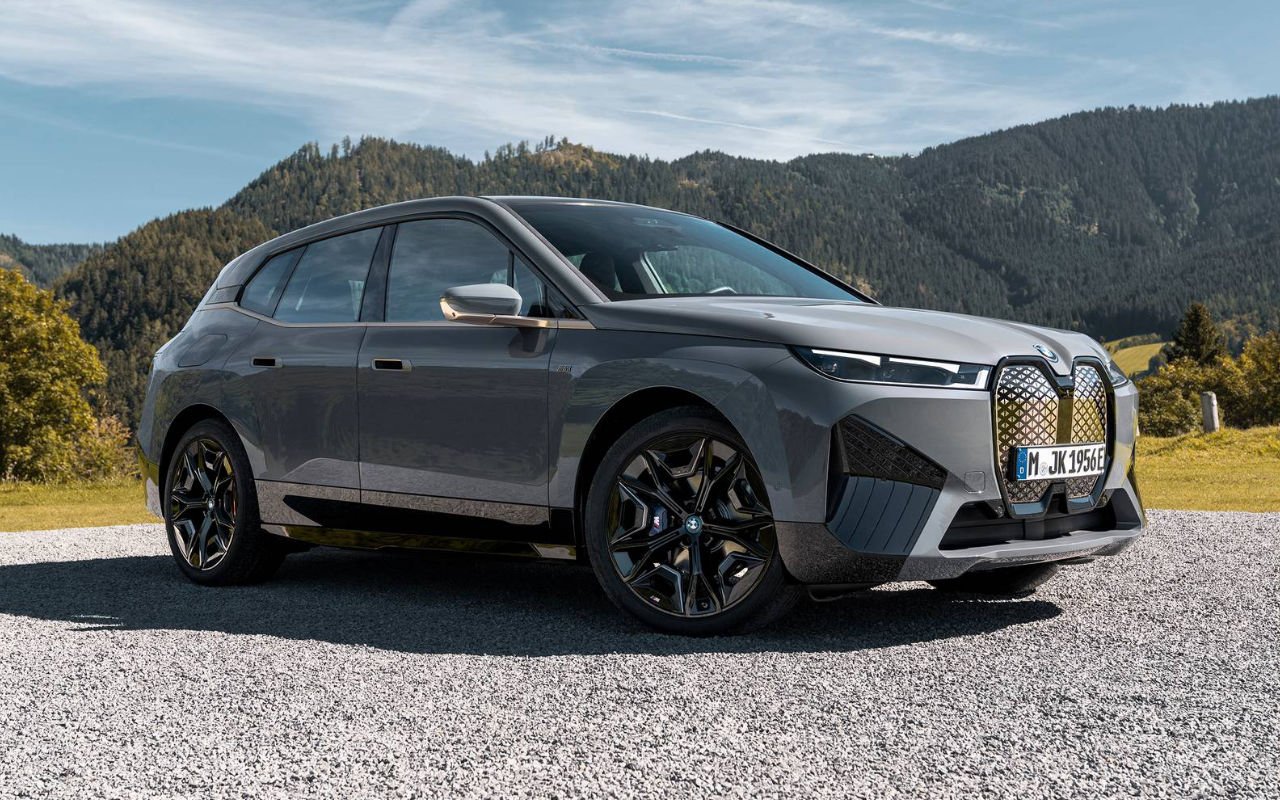
The BMW iX represents the brand’s ambitious attempt to modernize the luxury electric vehicle experience through extensive use of touch-sensitive surfaces and haptic feedback systems.
However, this implementation has revealed significant challenges with false touch activation and the inherent limitations of eliminating traditional physical controls in favor of sleek, minimalist interfaces.
The iX’s interior features capacitive touch surfaces throughout the cabin, including climate controls, window switches, and various convenience functions.
These surfaces respond to the slightest contact, often triggering unintended actions when passengers brush against them during normal vehicle entry, exit, or adjustment activities. The problem is particularly pronounced in the door panels, where touch-sensitive window controls activate when occupants naturally place their hands or arms against the surface for support.
BMW’s implementation of touch-sensitive climate controls creates frequent frustration for users accustomed to traditional tactile feedback. The system requires precise finger placement to register inputs correctly, but the smooth surface provides no physical guidance for accurate touch location.
Environmental factors like temperature changes, humidity, or the presence of moisture can significantly affect the system’s responsiveness, leading to situations where multiple attempts are required to achieve desired adjustments.
The iX’s center console area incorporates numerous touch-sensitive surfaces that control various vehicle functions, from drive mode selection to infotainment operation.
These surfaces lack clear physical boundaries, making it difficult for users to distinguish between different control zones without looking directly at them. The capacitive nature of the controls means that unintended activation can occur from clothing contact, jewelry touching the surface, or even proximity without actual contact in some cases.
Haptic feedback systems intended to simulate the feel of traditional controls often provide inconsistent responses that can confuse rather than assist users.
The artificial vibrations and resistance vary in intensity and timing, creating an uncanny valley effect where the feedback feels neither naturally mechanical nor intuitively electronic. This inconsistency makes it difficult for drivers to develop muscle memory for frequently used functions.
The vehicle’s door handles represent another area where touch sensitivity creates practical problems. The flush-mounted handles require specific touch patterns to activate, but they frequently respond to unintended contact from cleaning, loading cargo, or simply brushing against the vehicle while walking past.
This over-sensitivity can lead to unexpected door opening in inappropriate situations, while under-sensitivity can leave users struggling to gain entry when needed.
Interior ambient lighting controls through touch-sensitive surfaces demonstrate how these interfaces can complicate simple adjustments. What should be straightforward brightness or color changes become exercises in precision touching, often requiring multiple attempts to achieve desired results. The lack of physical detents or stops means users have no tactile reference for returning to preferred settings quickly.
The iX’s approach to traditional automotive controls like turn signals and windshield wipers incorporates touch-sensitive elements that can misinterpret intended inputs.
The steering wheel touch surfaces sometimes register unintended contact from normal hand positioning, triggering functions like lane-keeping adjustments or cruise control modifications when drivers are simply maintaining their grip during turns or road irregularities.
3. Mercedes EQS (2023-2024 Model)
The Mercedes EQS showcases the luxury automotive industry’s pursuit of technological sophistication through its extensive implementation of touch-sensitive surfaces and the massive MBUX Hyperscreen system.
While visually impressive and technologically advanced, this approach has introduced numerous usability challenges that highlight the practical limitations of touch-centric automotive interfaces.
The EQS features the industry’s largest automotive touchscreen implementation, spanning nearly the entire dashboard width. This expansive display combines instrument cluster, infotainment, and passenger entertainment functions into a single interface.
However, the sheer size of the touch-sensitive area creates multiple opportunities for false activation, particularly when passengers reach across the cabin or when drivers make natural arm movements while driving.
Climate control functions, traditionally handled through dedicated physical controls, now require navigation through multiple layers of touch-screen menus.
Adjusting cabin temperature involves accessing the climate screen, selecting the appropriate zone, making the adjustment, and confirming the change a process that demands significant visual attention and precise touch input. The system’s complexity is compounded by its sensitivity to unintended touches, which can inadvertently change settings or activate unwanted functions.
The EQS’s door panel integration of touch-sensitive controls creates frequent operational issues. Window controls, mirror adjustments, and seat functions all rely on capacitive surfaces that respond to the slightest contact.
Passengers naturally rest their arms on door panels during extended drives, leading to unintended window activation, mirror movement, or seat adjustments. The smooth surfaces provide no tactile guidance for proper finger placement, requiring visual confirmation for accurate operation.

Mercedes’ implementation of touch-sensitive steering wheel controls demonstrates how over-sensitivity can compromise basic vehicle operations.
The capacitive surfaces on the steering wheel respond to normal hand placement variations, inadvertently triggering cruise control adjustments, lane-keeping modifications, or infotainment changes when drivers are simply maintaining proper grip during turns or road irregularities.
The vehicle’s center console incorporates numerous touch-sensitive areas for drive mode selection, suspension adjustments, and various comfort functions.
These areas lack clear physical boundaries or tactile differentiation, making it extremely difficult to locate specific controls without looking directly at them. The capacitive nature means that loose clothing, jewelry, or even approaching hands can trigger responses before intentional contact occurs.
Secondary touch interfaces throughout the EQS cabin compound the false activation problem. Overhead console controls, door handle mechanisms, and storage compartment latches all incorporate touch-sensitive elements that can misinterpret normal contact as intentional commands. The system’s high sensitivity, designed to provide responsive operation, becomes a liability in practical daily use.
The EQS exemplifies how the pursuit of technological advancement can compromise fundamental usability principles. Simple tasks like adjusting air conditioning or changing radio stations become complex, multi-step processes that require sustained visual attention.
The lack of tactile feedback means drivers cannot develop muscle memory for frequently used functions, forcing continued reliance on visual confirmation for basic operations.
Passenger interaction with the extensive touch surfaces creates additional complications, as the system cannot reliably distinguish between intentional inputs and incidental contact.
The massive screen area increases the likelihood of unintended activation, while the integration of multiple vehicle functions into single interface means that false touches can affect critical systems like climate control, navigation, or communication functions.
4. Cadillac Lyriq (2023-2024 Model)
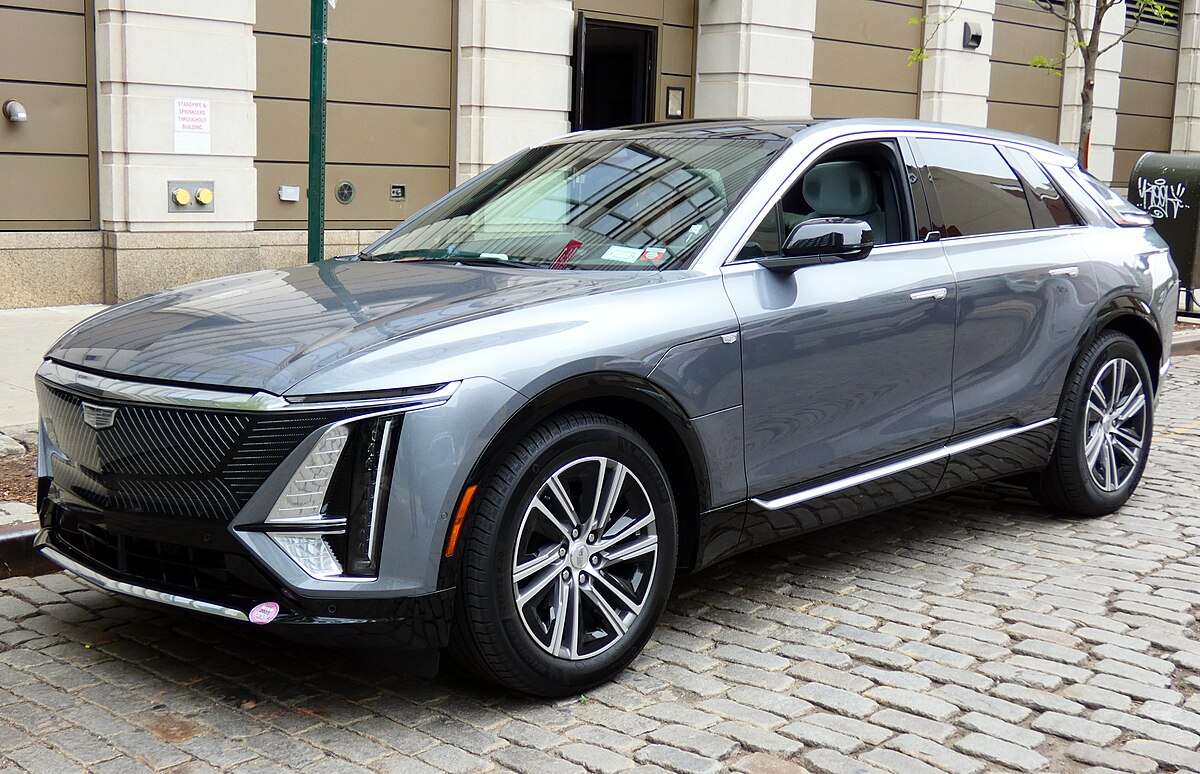
The Cadillac Lyriq represents General Motors’ vision for luxury electric vehicle interfaces, featuring an impressive curved OLED display that dominates the dashboard and incorporates extensive touch-sensitive functionality.
While aesthetically striking and technologically advanced, the Lyriq’s interface demonstrates many of the practical challenges inherent in touch-centric automotive design.
The Lyriq’s 33-inch curved display creates a visually stunning cockpit environment but introduces significant opportunities for false touch activation.
The expansive touch-sensitive area extends across the driver’s natural sight lines and hand movement paths, making unintended contact virtually inevitable during normal driving activities.
Passengers reaching for items in the center console or making natural gestures during conversation frequently trigger unintended responses from the sensitive display surface.
Climate control integration into the touchscreen interface eliminates the immediate tactile feedback that drivers have traditionally relied upon for temperature and airflow adjustments.
The Lyriq requires users to access climate menus through the main display, locate appropriate controls, and make adjustments through precise touch inputs.
This process demands visual attention and fine motor control that can be challenging while driving, particularly when wearing gloves or when the screen accumulates fingerprints and smudges. The vehicle’s door panel controls incorporate touch-sensitive surfaces for window operation, mirror adjustment, and seat functions.
These panels respond to light contact, often activating when passengers naturally rest their arms or hands on the door surfaces for support during vehicle entry, exit, or while adjusting seating position. The lack of physical buttons or switches means users must locate controls visually and touch precisely to achieve intended results.
Cadillac’s implementation of touch-sensitive steering wheel controls creates additional false activation opportunities. The capacitive surfaces respond to normal hand position variations and grip adjustments that occur naturally during driving.
This sensitivity can trigger unintended cruise control changes, lane-keeping system modifications, or infotainment adjustments when drivers are simply maintaining appropriate steering wheel contact during turns or road surface irregularities.
The Lyriq’s center console area features numerous touch-sensitive zones for drive mode selection, charging system controls, and vehicle settings management.
These areas lack clear tactile boundaries, making it difficult for users to distinguish between different control regions without looking directly at them. The smooth surfaces provide no physical guidance for accurate finger placement, leading to frequent misactivation of adjacent functions.
Infotainment operation through the large touchscreen requires precise finger placement and sustained visual attention for menu navigation. The system’s responsiveness varies based on processing load and environmental factors, creating inconsistent user experiences where some touches register immediately while others require multiple attempts.
This inconsistency makes it difficult for users to develop reliable interaction patterns. The vehicle’s approach to traditional automotive functions like lighting controls, wiper operation, and hazard activation incorporates touch-sensitive elements that can misinterpret normal contact patterns.
Drivers accustomed to physical switches and stalks must adapt to capacitive surfaces that respond differently based on finger pressure, contact area, and environmental conditions like temperature and humidity.
Storage compartment latches, charging port covers, and other mechanical functions integrate touch-sensitive triggers that can activate from unintended contact during normal vehicle use.
These systems often over-respond to light touches while occasionally failing to register deliberate activation attempts, creating frustration and operational uncertainty for users.
5. Audi e-tron GT (2023-2024 Model)
The Audi e-tron GT exemplifies the luxury performance segment’s embrace of touch-sensitive interfaces while revealing the inherent challenges these systems create in high-performance driving environments.
Audi’s implementation combines multiple touchscreen displays with capacitive controls throughout the cabin, creating an interface that prioritizes visual appeal over practical usability.
The e-tron GT features dual touchscreen displays that handle most vehicle functions, from climate control to navigation and vehicle settings. The lower display, positioned in the center console, is particularly prone to false activation due to its location directly in the path of natural hand movements when reaching for the gear selector, parking brake, or storage compartments.
The capacitive surface responds to the slightest contact, often registering unintended inputs when drivers or passengers make normal reaching movements.
Climate control functionality, integrated entirely into the touchscreen interface, eliminates the immediate tactile feedback essential for quick adjustments during spirited driving.
The system requires drivers to access climate menus, go to appropriate controls, and make precise touch inputs – activities that demand visual attention when focus should remain on the road.
The lack of physical controls becomes particularly problematic during performance driving when quick cabin adjustments might be necessary without compromising vehicle control.
The e-tron GT’s door panels incorporate touch-sensitive window controls and mirror adjustments that activate from minimal contact. During dynamic driving situations, when occupants might brace themselves against door panels during cornering or acceleration, these controls frequently trigger unintended responses.
The smooth capacitive surfaces provide no tactile guidance for proper finger placement, requiring visual confirmation for accurate operation even during stationary conditions.

Steering wheel touch controls demonstrate how over-sensitive interfaces can compromise vehicle operation during performance driving. The capacitive surfaces respond to normal grip variations and hand repositioning that occurs naturally during spirited driving, inadvertently triggering cruise control adjustments, drive mode changes, or infotainment modifications when drivers need to maintain focus on vehicle dynamics and road conditions.
The vehicle’s center console incorporates numerous touch-sensitive areas for drive mode selection, suspension settings, and performance parameter adjustments.
These controls become particularly problematic during dynamic driving when quick mode changes might be necessary. The lack of physical detents or tactile feedback makes it impossible to operate these functions by feel alone, forcing drivers to look away from the road to confirm control activation.
Audi’s implementation of touch-sensitive controls extends to secondary functions like interior lighting, seat adjustments, and storage compartment operation.
These systems often misinterpret normal contact from clothing, accessories, or incidental touching during vehicle entry and exit. The high sensitivity designed to provide responsive operation becomes a liability when systems activate unexpectedly from minimal contact.
The e-tron GT’s approach to traditional performance vehicle controls like traction management, differential settings, and launch control incorporates touch-sensitive elements that lack the immediate tactile confirmation essential for confident operation.
Drivers cannot develop muscle memory for these critical functions, as the smooth surfaces provide no physical reference points for accurate control location and activation.
Infotainment operation through the multiple touchscreens requires sustained visual attention and precise finger placement, activities that conflict with the focused attention required for performance driving.
The system’s complexity increases cognitive load during driving situations where mental resources should be dedicated to vehicle control and road awareness rather than interface management.
The integration of touch-sensitive surfaces throughout the e-tron GT cabin creates an environment where false activation becomes inevitable during normal use, while the elimination of physical controls removes the tactile feedback essential for confident operation during performance driving scenarios where visual attention must remain focused on driving tasks.
Also Read: 5 Vehicles With Easy Bulb Replacement vs 5 With Sealed-Unit Headlights
