Ergonomics in car design directly influences the comfort, safety, and overall driving experience. While features like engine power or tech specs grab headlines, it’s the thoughtful placement of controls, adjustable seating, and clear visibility that truly enhance everyday usability.
Cars with ergonomic dash layouts help reduce fatigue, boost focus, and create a more relaxing drive. Conversely, poorly designed interiors can lead to discomfort, distraction, and long-term dissatisfaction.
This comparison explores five vehicles that excel in ergonomic design and five that struggle, offering insight into how interior layout plays a crucial role in vehicle performance and user satisfaction.
5 Cars With Ergonomic Dash Layouts
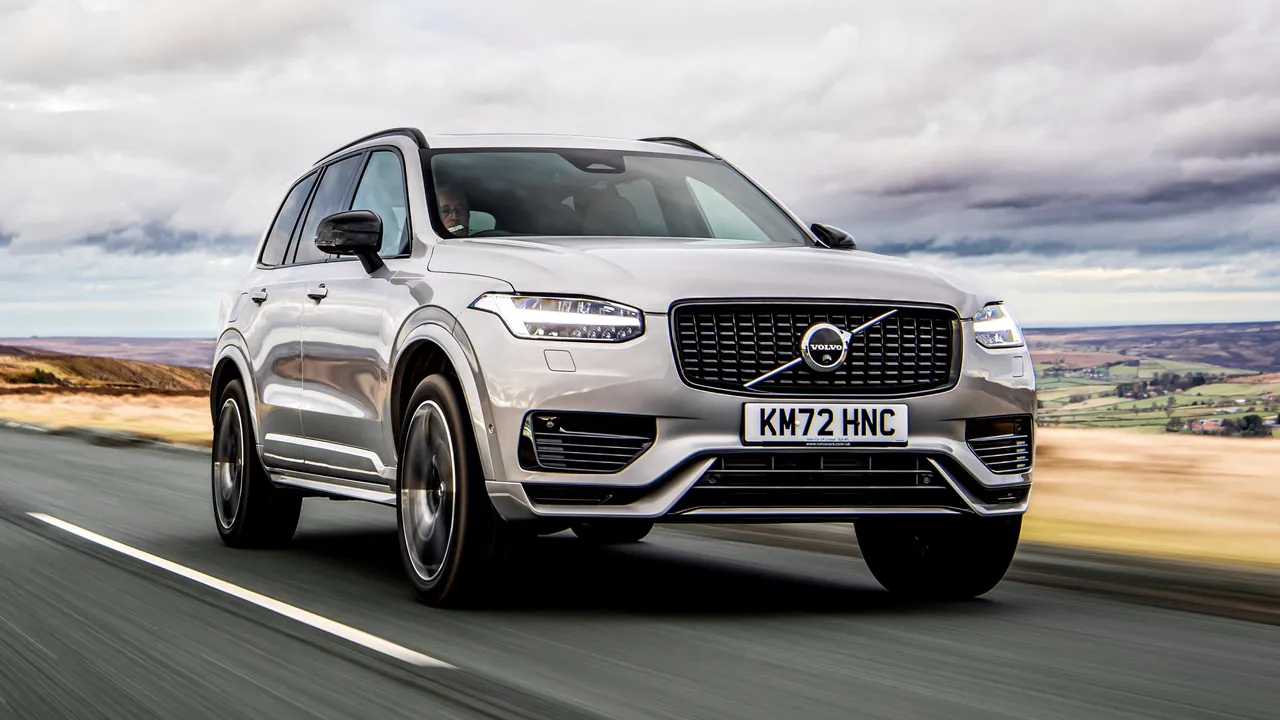
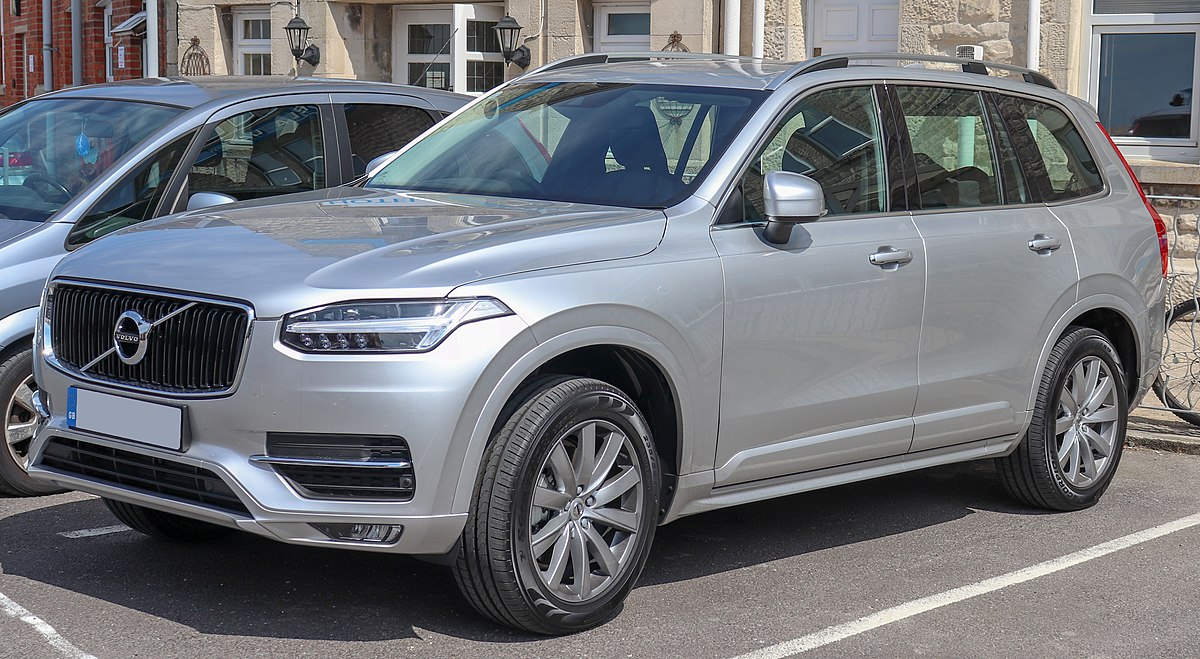
1. Volvo XC90 – A Balance of Luxury and Functionality
The Volvo XC90 stands out for its meticulous ergonomic design and comfort-focused interior. Every element inside the cabin is strategically positioned to support a relaxed driving posture.
The seats are highly adjustable, offering lumbar support, seat depth, and height control, making it easy for drivers of various body types to find comfort. Premium materials like soft leather enhance long-distance comfort. The vertical touchscreen infotainment system is intuitive, within easy reach, and doesn’t overwhelm the dashboard.
Combined with an adjustable steering wheel and exceptional visibility through large windows, the XC90 proves that elegance and practicality can go hand in hand.
2. Mercedes-Benz E-Class – Comfort-First Ergonomics
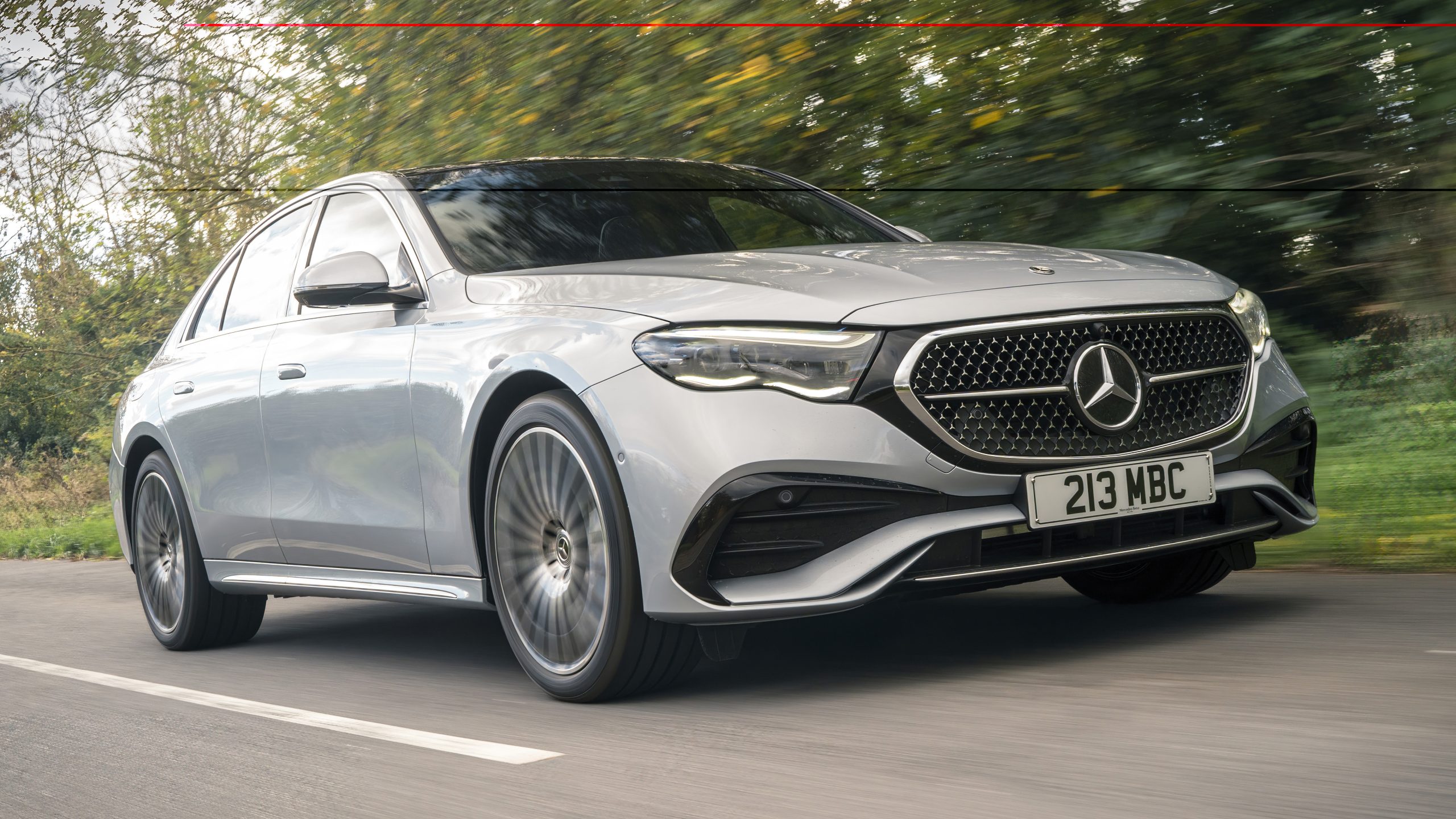
The Mercedes-Benz E-Class is a masterclass in combining luxury with user-friendly ergonomics. Its multi-contour front seats offer extensive adjustability, massage features, and high-quality leather support.
The dashboard features a clean, logical layout, where key functions are easily accessible via touchscreen or COMAND controller, ensuring minimal distraction. Visibility is enhanced by wide windows and a serene cabin environment. The steering wheel is also adjustable, allowing for fine-tuned driving positions.
These features collectively create an experience that prioritizes both driver comfort and intuitive interaction, setting a high benchmark for ergonomic excellence in luxury sedans.
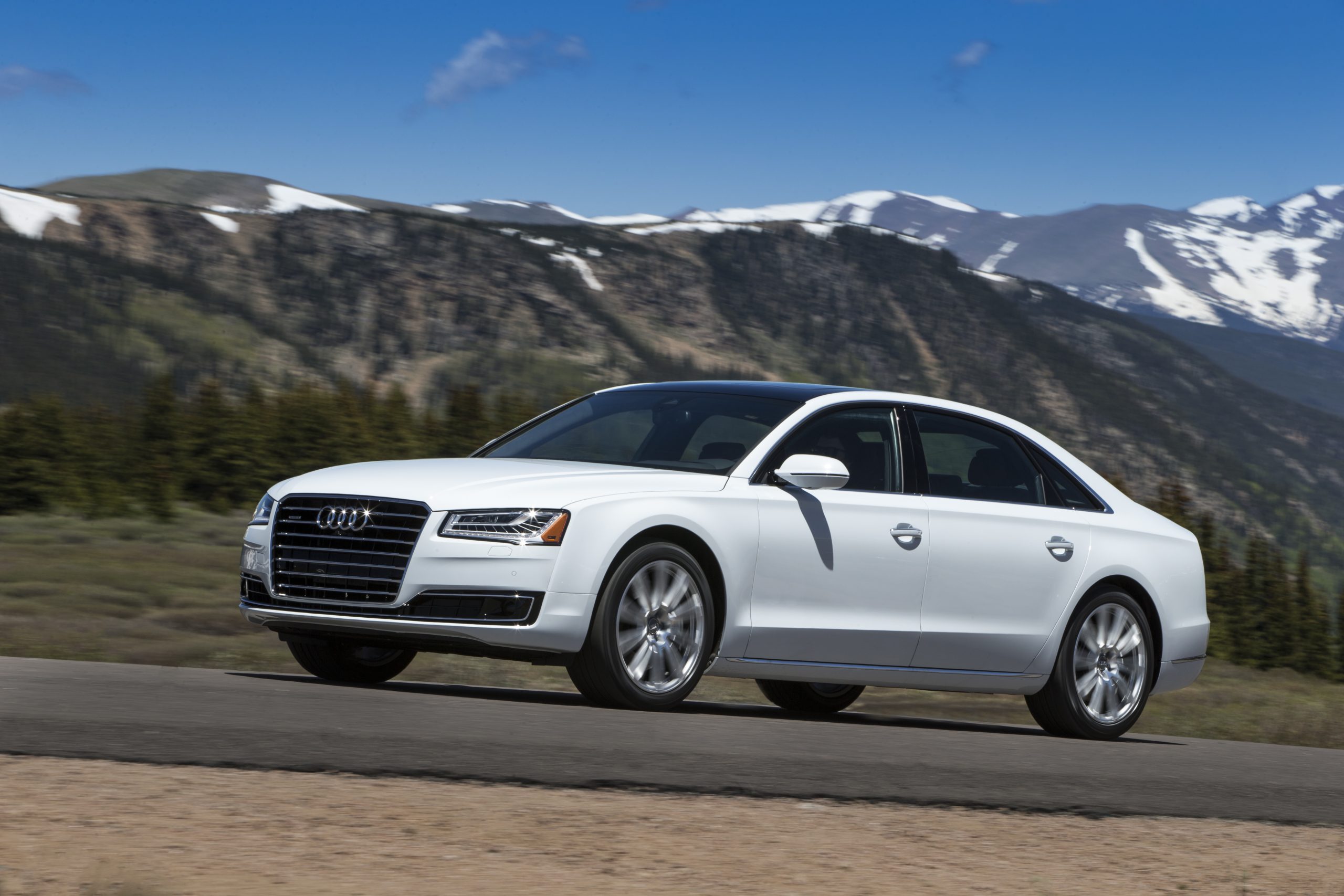
3. Audi A8 – Tech-Savvy Comfort
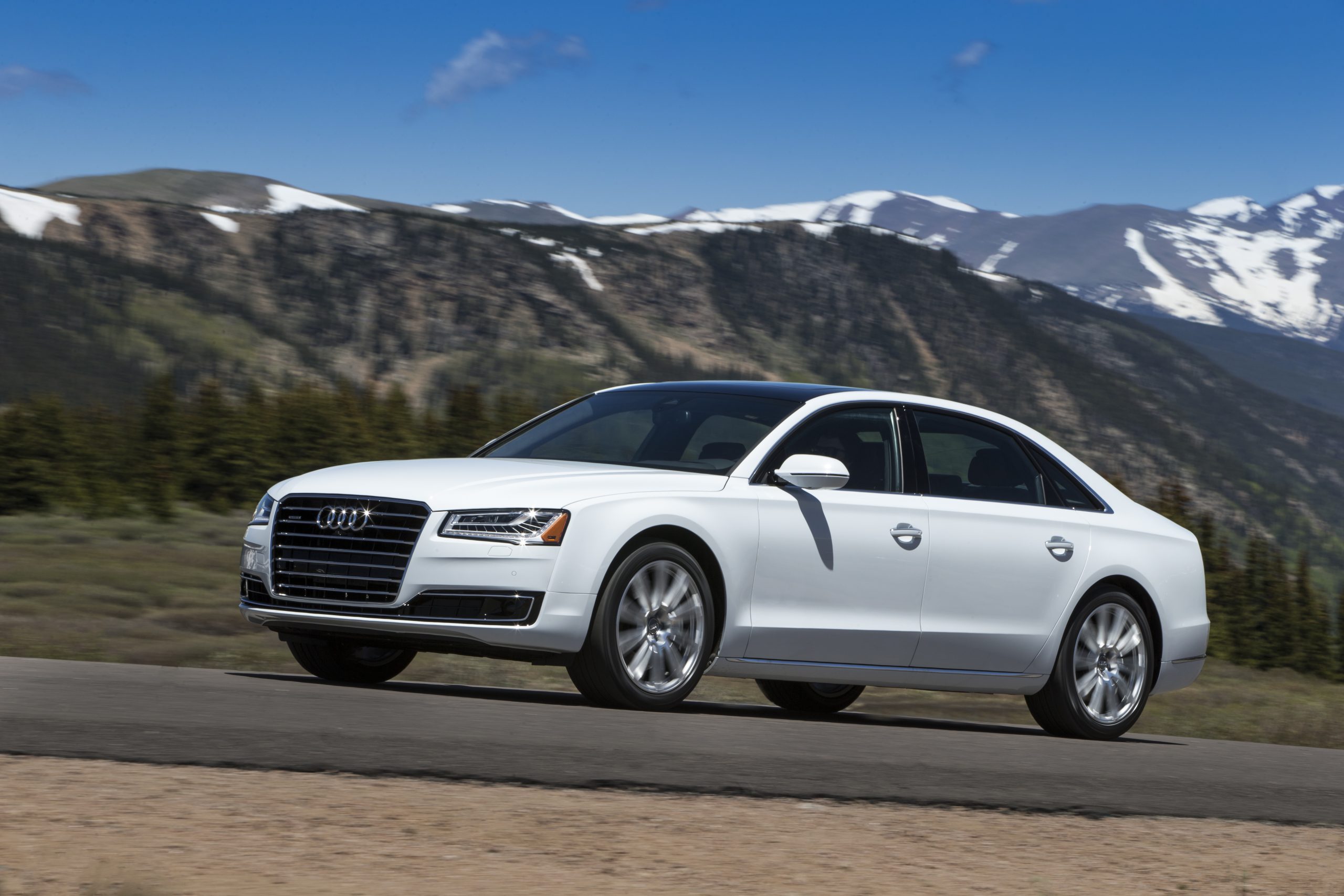
The Audi A8 delivers exceptional ergonomic design paired with sophisticated technology. Its dual touchscreen MMI infotainment system allows seamless control over navigation, media, and climate settings.
Everything is within natural reach, reducing the need to stretch or glance away from the road. The highly adjustable seats feature massaging, heating, and ventilation functions, offering tailored comfort. High-quality leather and a silent cabin environment enhance the driving experience.
Visibility is top-notch, aided by large windows and a clean dashboard layout. Audi’s commitment to ergonomic precision ensures that the A8 is both high-tech and supremely comfortable for long-haul journeys.
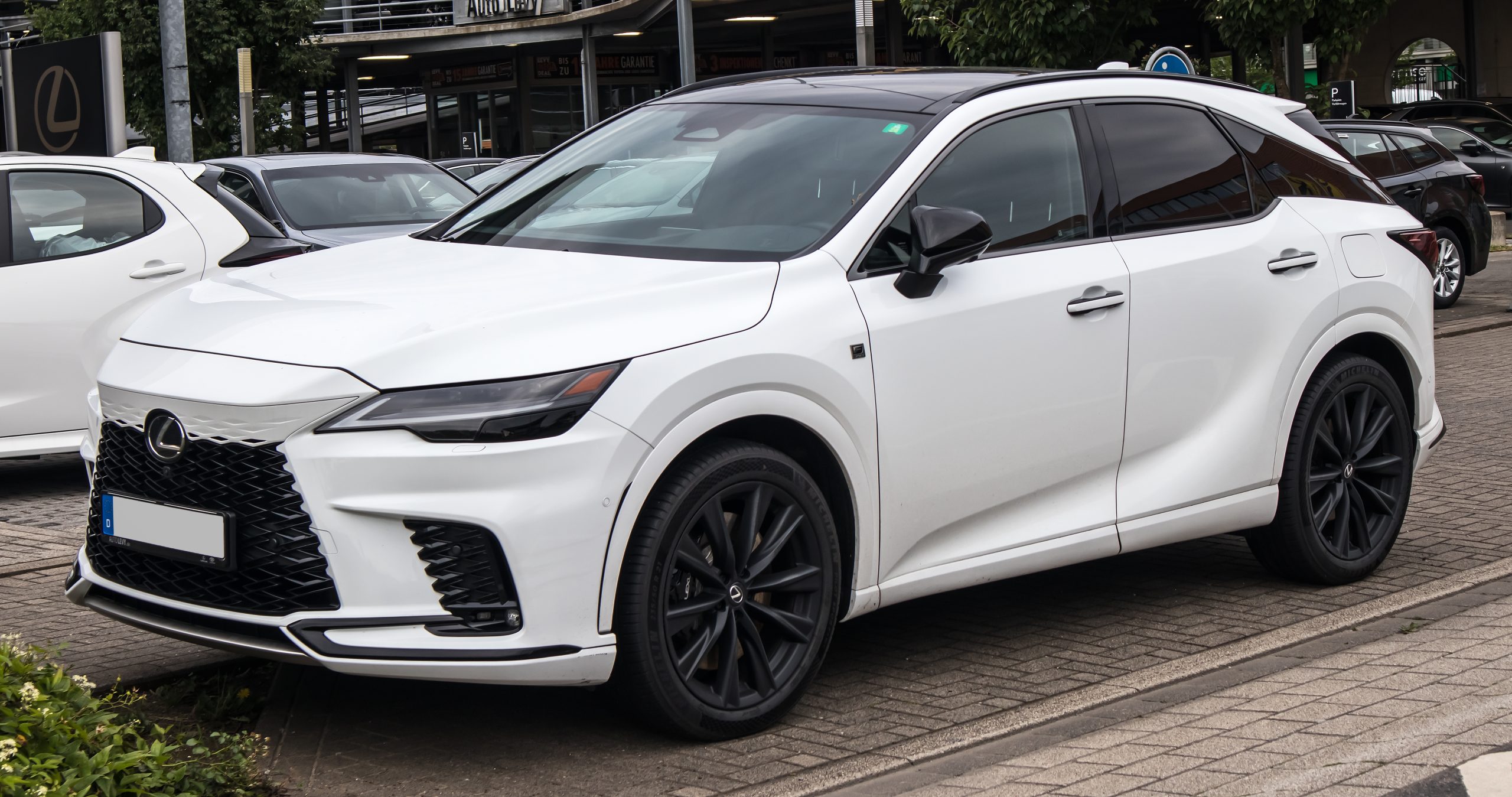
4. Lexus RX – Comfort Meets Simplicity
The Lexus RX combines thoughtful ergonomic design with a spacious, luxurious interior. The seats provide a wide range of adjustments, including lumbar support and optional heating and ventilation. High-quality materials like leather and NuLuxe offer both comfort and durability.
The dashboard is uncluttered, with easily navigable touchscreen access to key functions like climate and navigation. The steering wheel’s tilt-and-telescopic adjustments accommodate drivers of various sizes.
Ample legroom and large windows reduce fatigue and enhance visibility. Altogether, the Lexus RX focuses on an intuitive user experience, ensuring that both the driver and passengers remain comfortable throughout the journey.
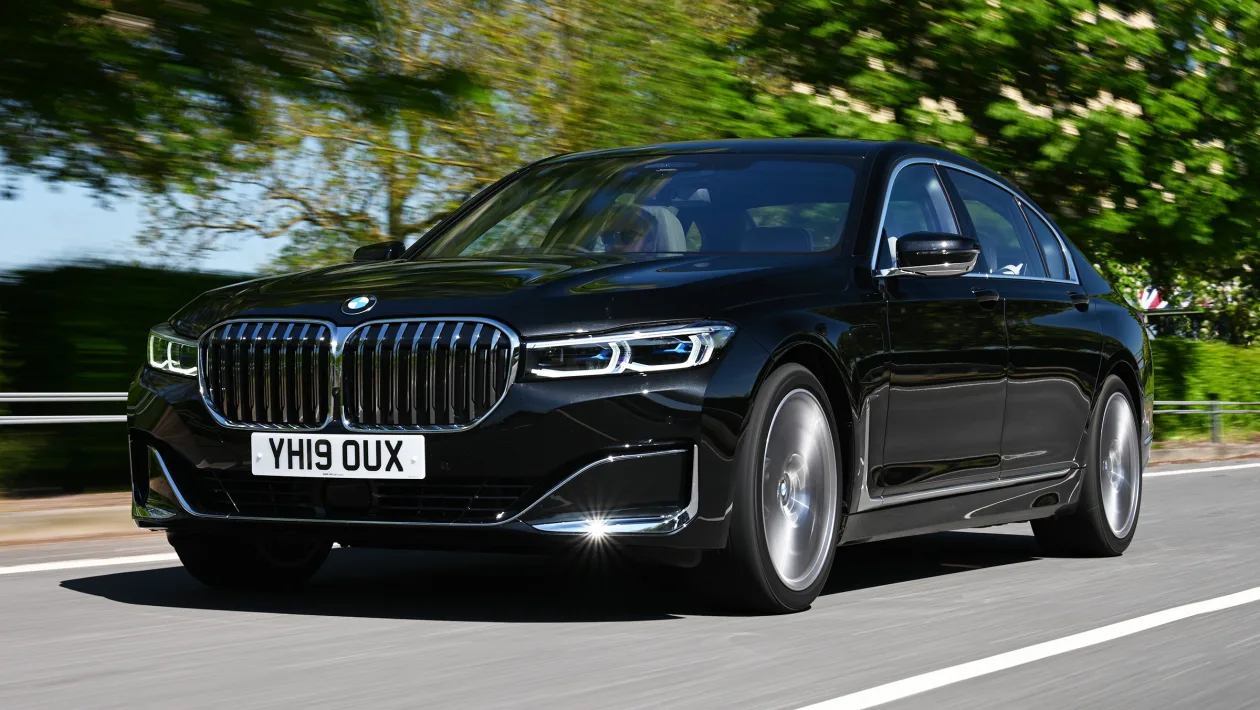
5. BMW 7 Series – Flagship-Level Ergonomics
The BMW 7 Series is a flagship sedan designed with ergonomic sophistication in mind. Its interior features premium materials, advanced technology, and a layout that caters to both function and luxury.
The front seats offer a wide array of adjustments, including seat depth, lumbar support, and massage options. The iDrive infotainment system is intuitive, with both touchscreen and rotary controller inputs minimizing distraction.
The driving position can be finely tuned, and large windows improve visibility. From the driver’s perspective, everything is exactly where it should be, making the 7 Series a benchmark for ergonomic design in luxury vehicles.
Also Read: Top 10 Cars That Stay Worry-Free After Warranty Ends Offering Unmatched Reliability
5 Cars With Poor Ergonomics
1. Chevrolet Camaro – Cramped and Unintuitive
The Chevrolet Camaro may impress with its bold exterior and performance, but its interior layout poses serious ergonomic challenges. The low-slung seating position can feel uncomfortable, especially for taller drivers.
Adjustability is limited, and rear-seat space is almost unusable. Thick roof pillars and a sloping roofline obstruct outward visibility, creating blind spots. The infotainment system is positioned low and uses a small screen, requiring drivers to divert attention from the road.
Combined with tightly packed controls, the Camaro’s cockpit feels more form-over-function. While fun to drive in short bursts, its layout isn’t ideal for daily comfort or practicality.
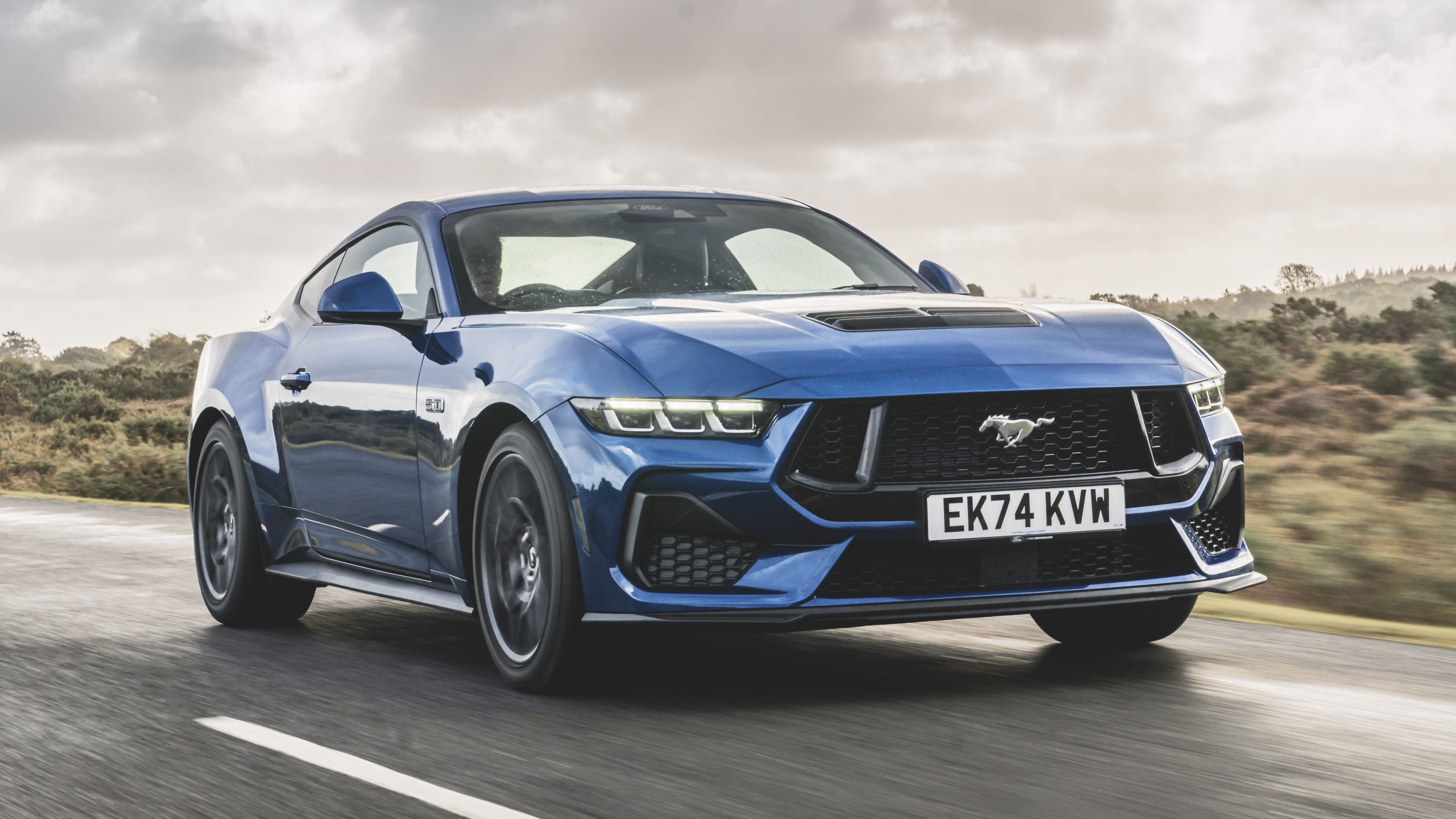
2. Ford Mustang – Style Over Comfort
Like the Camaro, the Ford Mustang prioritizes aggressive styling over interior comfort. The driving position is low, and while the seats offer decent support, they lack the adjustability required for diverse body types.
Taller individuals may find both front and rear seating tight. The dashboard feels cluttered with scattered controls, and although the infotainment system is improved, it still suffers from outdated software and slow response times.
Rear visibility is poor due to thick pillars and a compact rear window. These ergonomic shortcomings can become increasingly frustrating, especially for those using the Mustang as a daily driver.
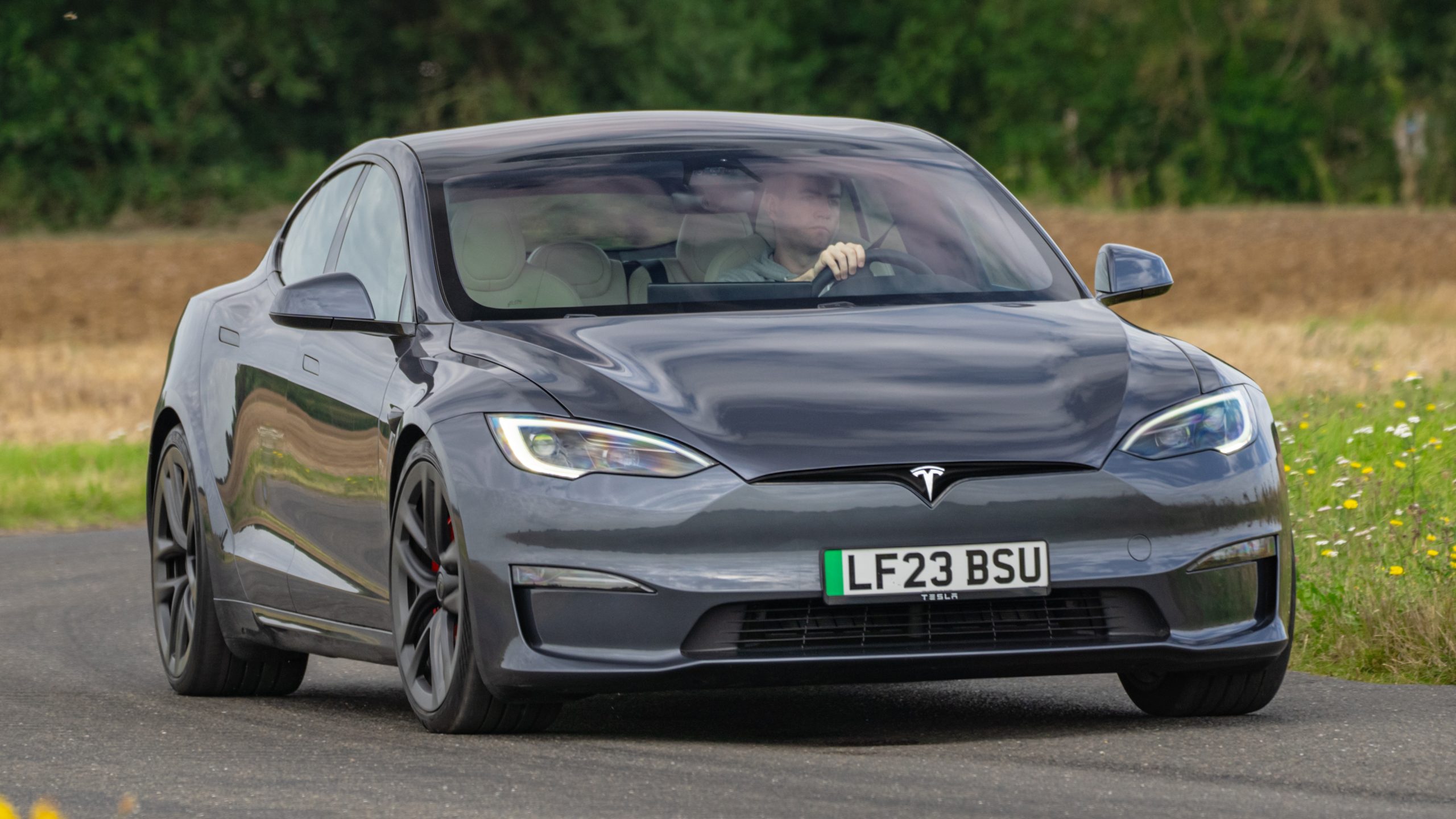
3. Tesla Model S – Minimalist but Impractical
The Tesla Model S revolutionized electric vehicles, but its minimalist interior creates some ergonomic drawbacks. With nearly all controls routed through a central touchscreen, drivers lose the benefit of physical feedback.
Adjusting simple functions like climate control or wipers often involves going through multiple on-screen menus, which can be distracting while driving. The front seats, while generally supportive, lack substantial lateral support and offer limited adjustability.
The rear seats are spacious but not especially comfortable on long drives. Visibility is affected by a sloping windshield and a large dashboard. While futuristic in design, the Model S sacrifices intuitive usability in pursuit of minimalism.
4. Jaguar F-Type – Performance at a Cost
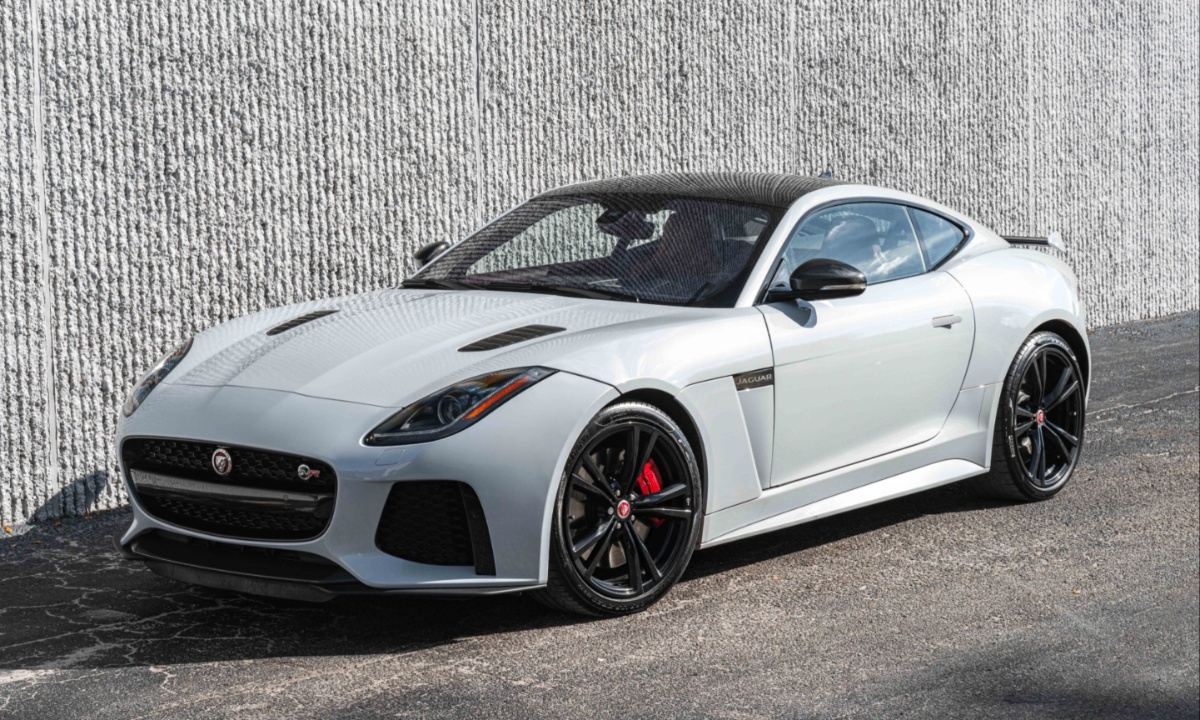
The Jaguar F-Type is a stunning sports car, but its compact, driver-focused interior has clear ergonomic limitations. The low seating position and tight cabin can feel restrictive, especially for taller individuals.
Seat adjustments are limited compared to other luxury vehicles, making it difficult to find an ideal driving position. Visibility is also compromised due to the coupe’s low roofline and narrow rear window.
The infotainment system is sluggish, and small physical buttons can be difficult to access mid-drive. Though exhilarating to drive, the F-Type’s interior sacrifices comfort and ease-of-use in favor of performance styling and flair.
5. Land Rover Range Rover – Luxury With Complexity
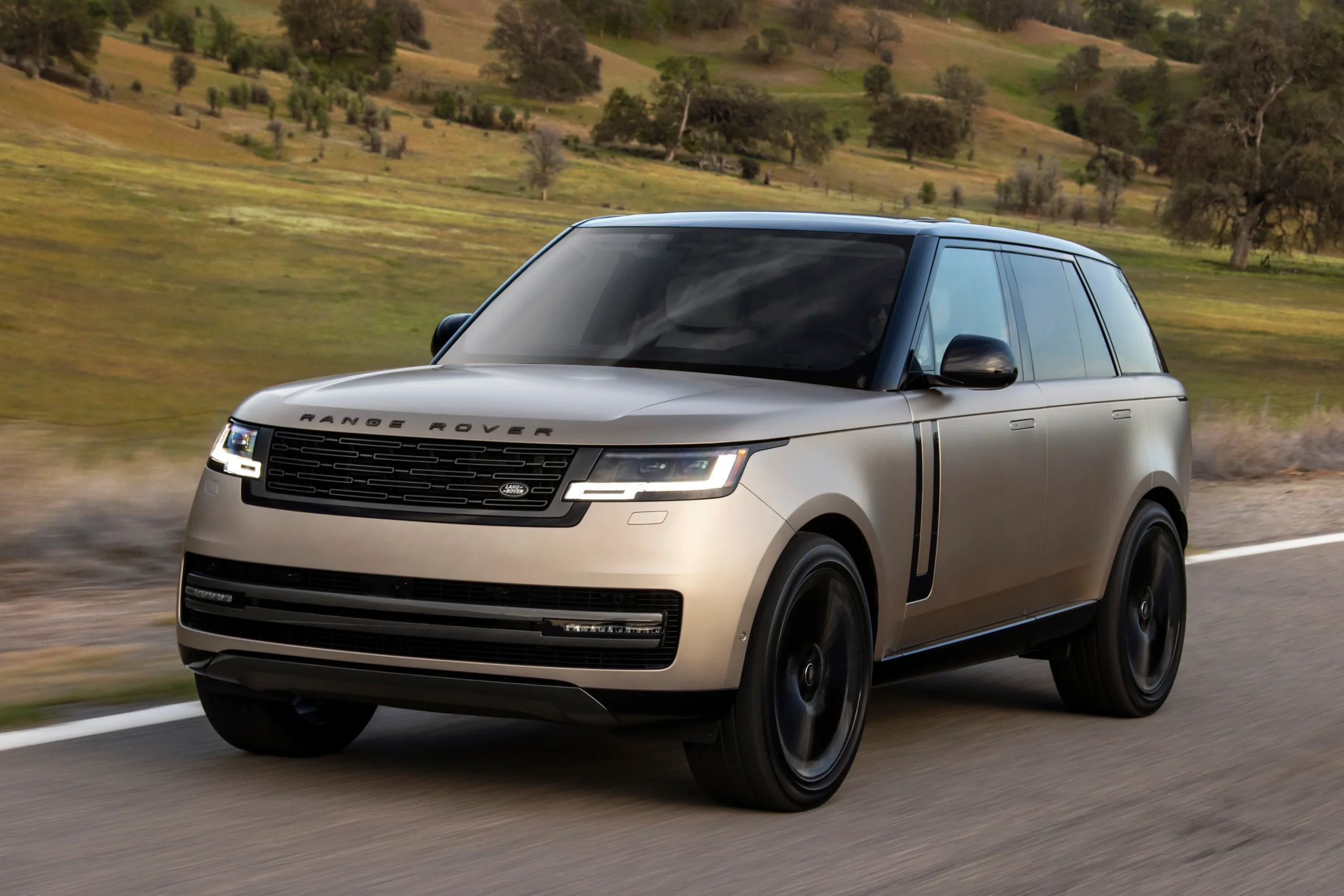
The Land Rover Range Rover may exude luxury and off-road capability, but its dashboard layout often feels overly complex. A mix of physical buttons and touchscreen controls makes the interface unintuitive, especially for new users.
Some functions require digging through multiple menus, which isn’t ideal while driving. While the front seats are generally comfortable, they lack the adjustability you’d expect in a premium SUV.
Rear seats can feel cramped for taller passengers, and visibility suffers due to thick pillars and a high beltline. Despite its prestige, the Range Rover’s interior can be frustrating for those seeking ease and functionality.
Ergonomics plays a vital role in shaping a vehicle’s overall experience. Cars like the Volvo XC90, Mercedes-Benz E-Class, and BMW 7 Series prove that thoughtful design, through intuitive dashboards, adjustable seating, and clear visibility, can transform driving comfort.
Meanwhile, vehicles like the Camaro, Mustang, and Model S highlight the pitfalls of prioritizing style or tech over usability. While all these cars have their strengths, those with ergonomic shortcomings may result in long-term discomfort or frustration.
As consumers spend more time in their vehicles, choosing a car with a driver-centric interior layout can greatly enhance both daily use and long journeys.
Also Read: 5 Cars Improved by Software Safety Updates vs 5 That Never Fixed Tech Issues