
Choosing a vehicle is one of the most significant financial decisions many people make, and the warranties attached to these purchases play a critical role in long-term satisfaction and cost of ownership.
Warranty coverage isn’t just a number in the owner’s manual; it reflects a manufacturer’s confidence in their engineering and their willingness to support the vehicle through years of use.
Some vehicles are backed with lifetime drivetrain warranties, setting them apart as symbols of assurance and value, while others restrict coverage to a relatively brief 50,000 miles.
Both approaches have compelling reasons behind them, reflecting distinct philosophies in automotive manufacturing and customer support.
Consumers often encounter bold claims from dealerships and manufacturers about warranty coverage, but the details can be complex and sometimes lead to confusion.
Understanding the length and specifics of a vehicle’s drivetrain warranty can have a lasting impact on a decision, affecting not only the immediate purchase but also long-term repair costs, resale value, and overall owner experience.
By examining vehicles that boast lifetime drivetrain warranties, alongside vehicles whose coverage sharply ends at 50,000 miles, one uncovers insights into reliability, corporate accountability, and what buyers can truly expect down the road.
This analysis clarifies what distinguishes truly long-lasting warranties, and what consumers must consider when comparing these guarantees with more limited offerings.
Also Read: 5 Cars With Best Long-Distance Comfort vs 5 That Sink After Hours
Vehicles With Lifetime Drivetrain Warranties
Manufacturers that offer lifetime drivetrain warranties send a powerful message. They communicate unwavering belief in the endurance of their mechanical components and strive to stand out in a market where reliability is a top concern for buyers.
For many, the drivetrain, the collection of components that transmit power from the engine to the wheels, represents the most crucial and potentially costly part of a vehicle’s mechanical makeup.
When a company shields a customer from major repair bills throughout their entire ownership experience, it relieves owners of substantial worry about the unknowns of aging mechanical parts.
Additionally, a lifetime drivetrain warranty can foster brand loyalty, assuring consumers that their investment will remain protected well beyond the industry standard.
This approach also aligns with the objectives of dealerships who wish to build relationships with customers that stretch across years, rather than just a single transaction.
While most warranties eventually expire, lifetime options promise peace of mind for as long as the original owner keeps the vehicle.
This coverage is typically non-transferable and comes with specific maintenance requirements to prevent abuse or neglect, yet it represents the ultimate statement in after-sales support.
Highlighting five vehicles with such warranties is not about simply listing brands but showcasing models that shaped trust, commitment, and demonstrated a willingness to address real-world consumer anxieties about longevity and cost protection. Here are five vehicles that raise the bar by offering this rare form of coverage.
1. Kia Soul
The Kia Soul’s manufacturers have positioned it as an affordable yet uniquely styled option in the subcompact crossover segment, but its warranty coverage has set new standards.
When Kia first introduced its 10-year/100,000-mile powertrain warranty, and later some dealerships offered a true lifetime drivetrain warranty as an added incentive, it sent shockwaves through competitors.
Although the lifetime warranty is not always manufacturer-backed and is usually dealer-specific, it transformed how many buyers assess vehicle security, especially those who plan to keep their cars for a long time.
A key reason for featuring the Kia Soul in this context lies in its consistent appeal to practical buyers who crave reliability over lavish extras.
In surveys, Kia owners have often cited the extensive warranty as a primary reason for making their choice, illustrating the powerful motivational force behind long-term coverage. The Soul’s warranty isn’t only a selling point; it’s a reflection of Kia’s advances in quality control and corporate self-confidence.
By offering an extended or lifetime drivetrain warranty, Kia (and participating dealers) make a deliberate effort to address buyer concerns about future repairs.

This offering has encouraged higher resale prices and increased customer retention, as owners are more inclined to return for routine maintenance and repairs within the dealer network. Thus, the Kia Soul demonstrates how robust warranty coverage weaves itself into brand growth and consumer assurance.
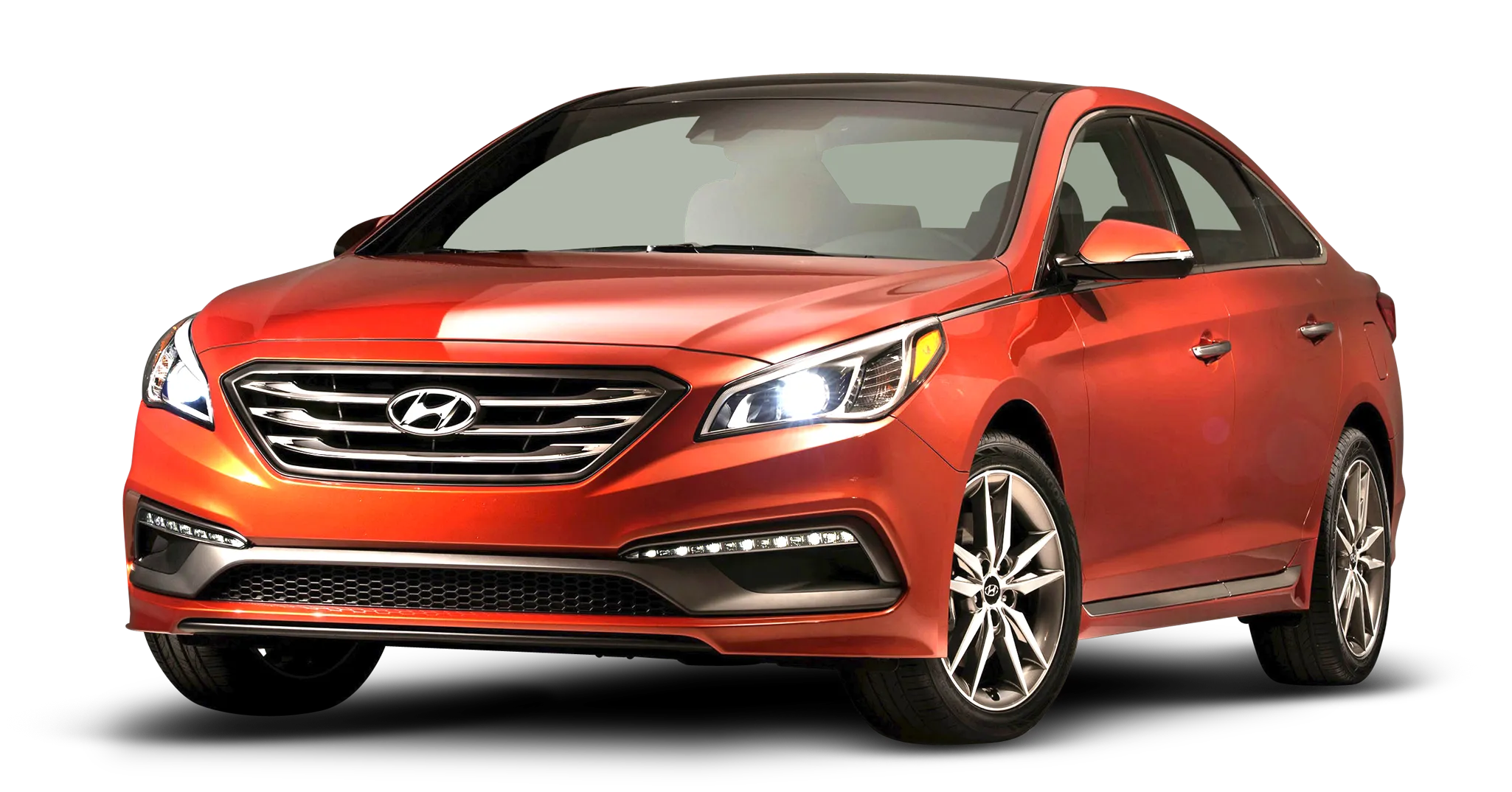
2. Hyundai Sonata
The Hyundai Sonata stands out as a top choice in the mid-size sedan segment, easily competing with established rivals thanks to its mix of features, design, and excellent warranty coverage.
Hyundai’s famous 10-year/100,000-mile limited powertrain warranty has, in some cases, been expanded to a lifetime deal (for the original owner) through certain certified dealerships. Such coverage fundamentally distinguishes the Sonata for drivers who prioritize long-term reliability and lower ownership costs.
Issuing a high-profile warranty indicates more than a marketing move it’s an admission that the manufacturer has confidence in its engineering and parts sourcing.
This assurance is one of the factors behind Hyundai’s rise in the American automotive market, shifting from being viewed as a budget alternative to earning respect for quality and dependability.
The Sonata in particular, has been the flagship of this image transformation, and dealerships offering lifetime coverage reinforce the model’s reputation.
Featuring the Sonata here underscores its impact on industry standards, as its warranty program has often prompted other automakers to reassess their own offerings.
Customers benefit from this competitive atmosphere, obtaining better long-term value and fewer worries about drivetrain failures.
As a result, the Hyundai Sonata is more than just a car with impressive coverage it is a turning point in how automakers respond to consumer demands for comprehensive, trustworthy protection.
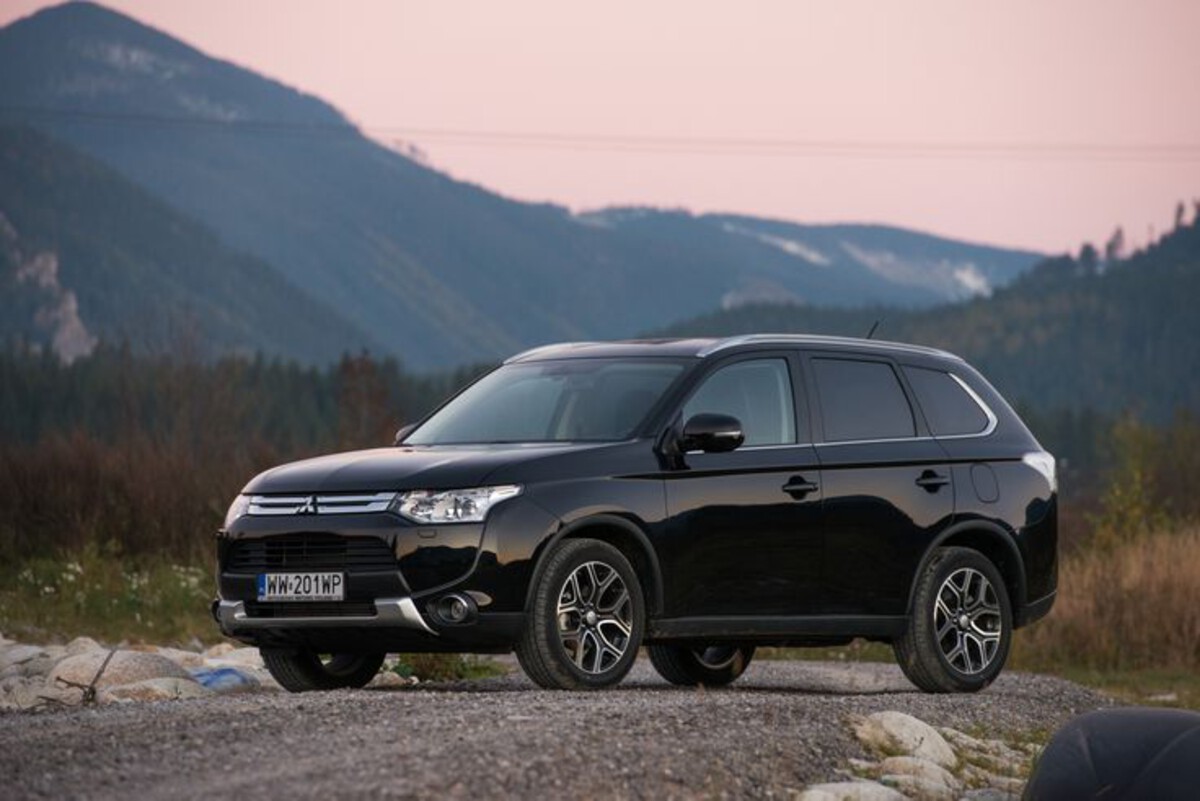
3. Mitsubishi Outlander
The Mitsubishi Outlander has carved out its place in the compact SUV domain by providing a compelling combination of utility, value, and extended warranty coverage.
Mitsubishi’s “Powertrain Limited Warranty” has conventionally offered ten years or 100,000 miles of protection, but selected dealerships in the United States have chosen to add a lifetime powertrain warranty for original owners.
This development responds to buyers seeking reassurance, especially as repair costs climb and vehicle complexity increases with each new generation.
The Outlander is included in this discussion because its warranty approach exemplifies how even smaller players in the auto industry can make bold moves to attract loyalty and boost perceived quality.
Families and budget-sensitive consumers in particular take comfort in knowing they have coverage that exceeds the norm, making the Outlander a valuable case study in the evolving role of warranties in purchase decisions.
Beyond just peace of mind, the warranty encourages proper vehicle maintenance, as coverage continuation is often contingent on following prescribed service intervals.
This symbiotic relationship between manufacturer, dealership, and customer helps all parties buyers feel secure, while brands and dealers ensure return visits for service. The Outlander’s inclusion is a testament to the strength of extended coverage in concrete customer retention strategies.
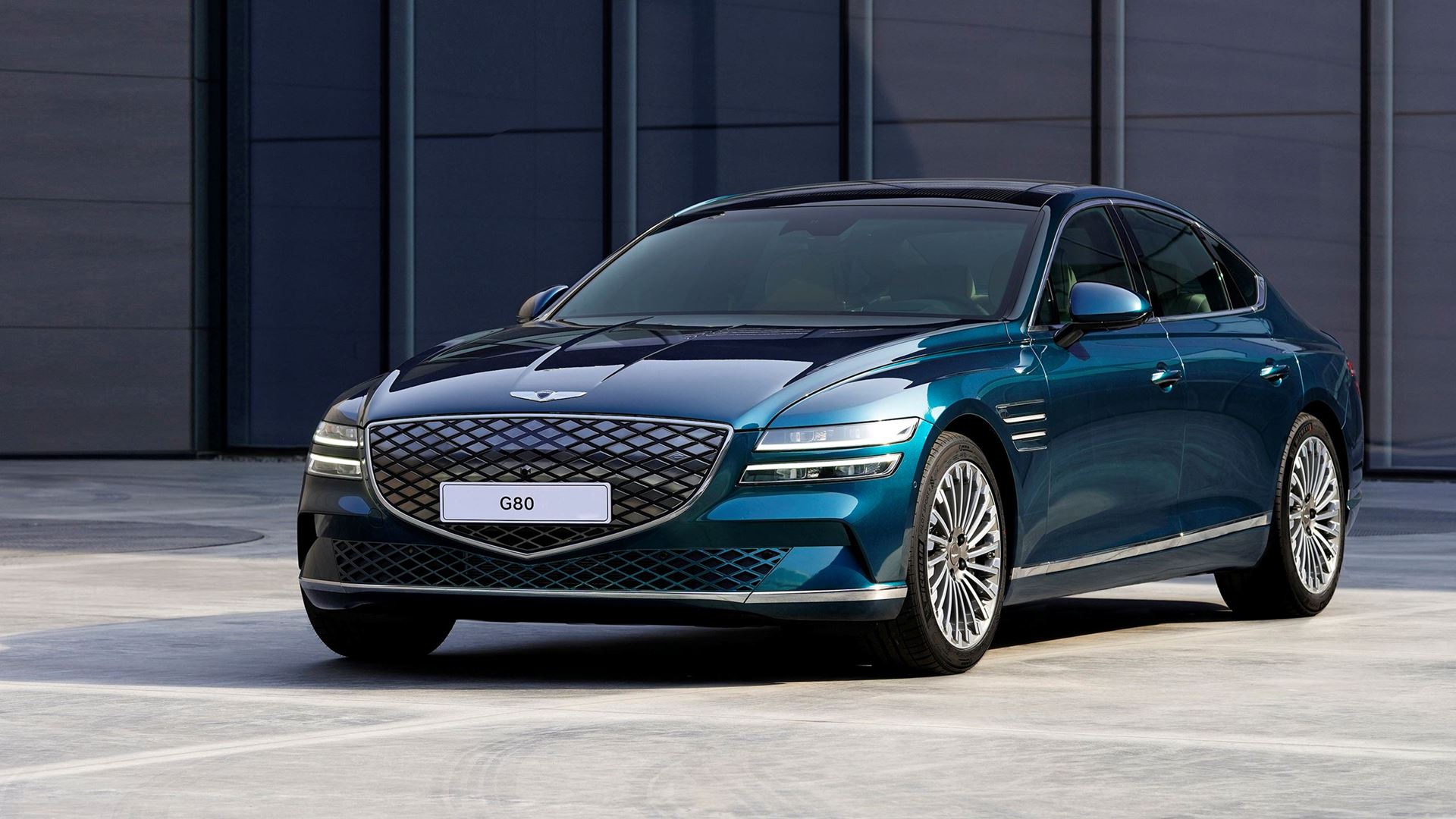
4. Genesis G80
Genesis, Hyundai’s luxury division, showcases how high-end vehicles are not immune to concerns about reliability or long-term repairs.
The Genesis G80 sedan not only rivals established luxury brands in comfort and technology, but underscores its credibility with outstanding warranty support.
Hyundai’s luxury arm often reflects the same powertrain warranty standards, and some premier Genesis dealerships have retained the policy of offering a lifetime powertrain warranty for the original owner.
This assurance is significant for luxury buyers, who anticipate not only top-tier appointments but also uncompromising reliability.
Bringing the Genesis G80 into this discussion emphasizes an important trend: luxury buyers are now demanding warranties that once only budget segments provided.
Offering such comprehensive protection is a strategy that addresses both practical ownership concerns such as the high costs associated with drivetrain repairs, and rising expectations among premium shoppers.
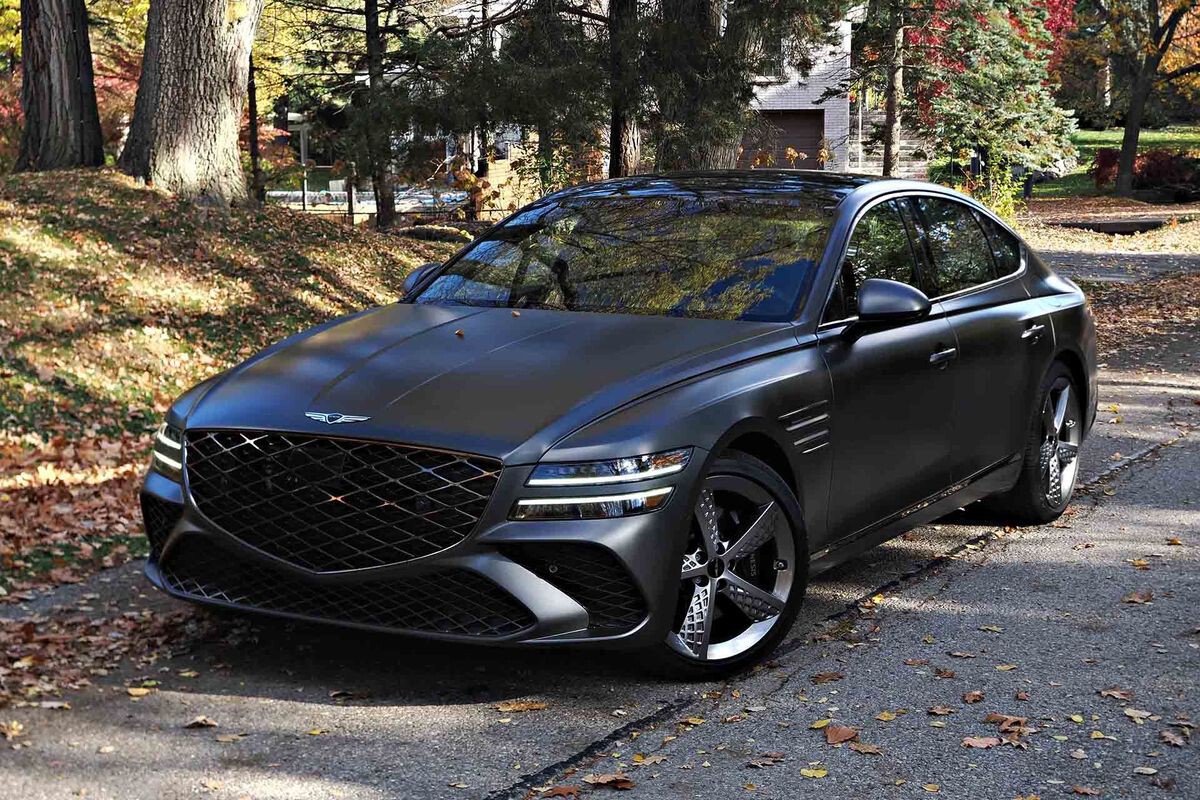
The G80’s warranty package becomes a selling point that elevates Genesis’s perception against stalwarts like Mercedes-Benz and BMW, many of whom lag behind in warranty duration and scope.
Highlighting the G80 is important not just for its product features, but for what its warranty says about evolving customer priorities in the upper echelons of the market.
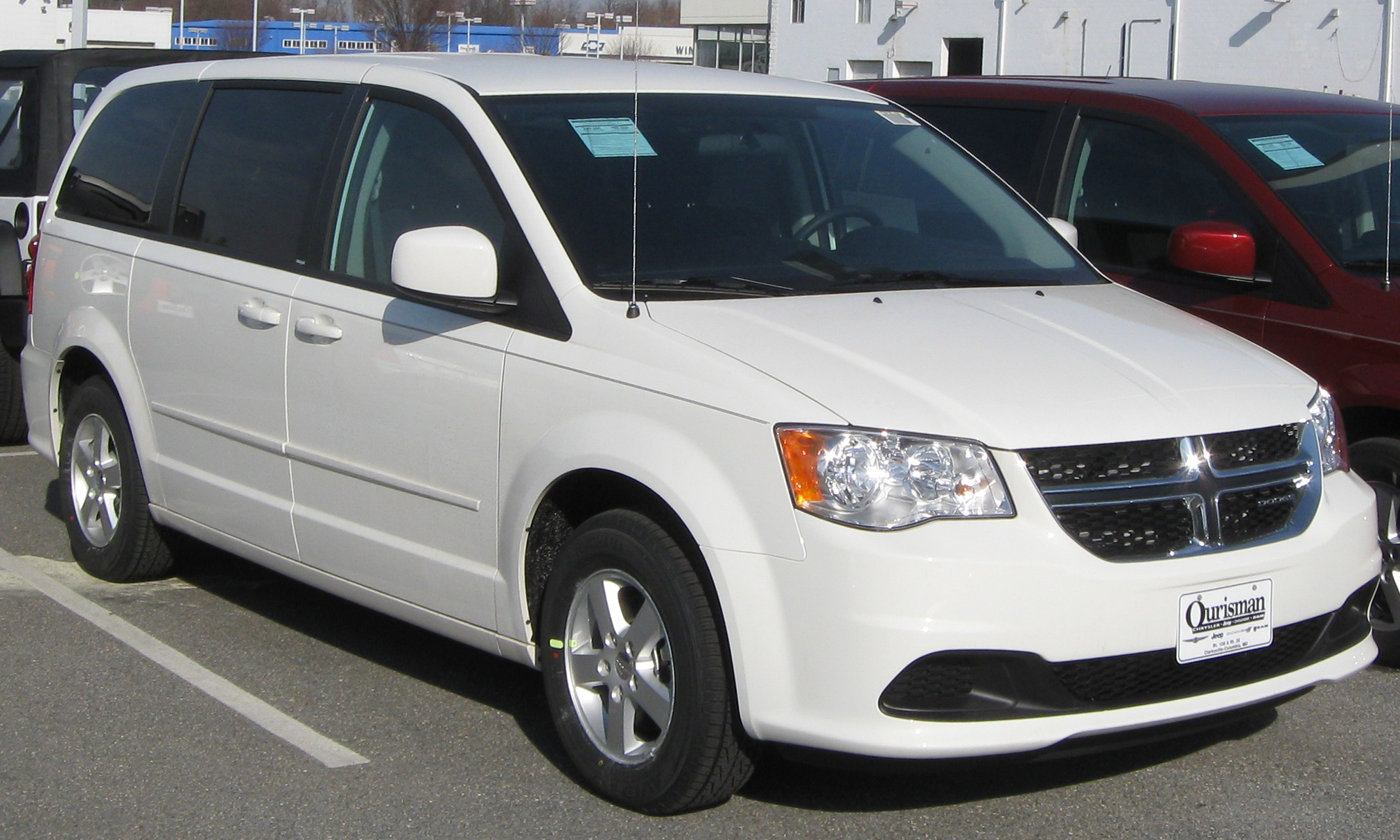
5. Dodge Grand Caravan
The Dodge Grand Caravan’s reputation as a minivan workhorse for families and commercial users aligns with its availability of lifetime powertrain coverage at some dealerships.
While Chrysler (Dodge’s parent company) periodically offered a manufacturer-backed Lifetime Powertrain Warranty on certain models, including various Grand Caravan model years, this coverage is now more likely to be dealer-backed for newer purchases.
Nonetheless, the legacy and significance of a lifetime powertrain warranty have left their mark on consumer perception for this minivan.
Selecting the Grand Caravan for this feature underscores the critical role extended warranties play in markets where buyers depend on daily reliability, such as family transport or ridesharing.
For many, the guarantee of drivetrain coverage for as long as the vehicle is owned directly impacts the decision to purchase and keep the Grand Caravan in service longer.
Although the details and transferability of the warranty can vary, the existence of such a program is itself newsworthy in an industry where shrinking coverage periods are common.
Highlighting the Grand Caravan illustrates what separates practical family mobility solutions from vehicles whose support wanes quickly, reinforcing how warranty programs continue to influence customer commitment and manufacturer-dealer relationships.
Vehicles That Lose Coverage at 50,000 Miles
Warranty coverage paints a clear picture of the confidence manufacturers have in their products, and for some automakers, the ceiling of that confidence stands at 50,000 miles.
As vehicle technologies advance and up-front prices climb, some brands still restrict their drivetrain and bumper-to-bumper warranties to this relatively modest mileage cap.
This limitation can introduce risk and added expenses for owners who keep their vehicles beyond three or four years, especially if unexpected issues arise once coverage lapses.
The abrupt finish of manufacturer support at 50,000 miles requires buyers to scrutinize reliability ratings, out-of-pocket repair prospects, and aftermarket warranty purchase options more carefully than ever.
Feature articles such as this matter because the distinction in warranty length directly guides consumer expectation, dealership relationships, and resale values.
A vehicle whose major warranties expire so early may indicate a philosophical difference in the manufacturer’s approach to parts durability, product support, or even projected owner loyalty.
It also motivates buyers to engage in regular service and to consider extended or third-party warranties if they plan to exceed typical annual mileage averages.
Presenting five vehicles that phase out coverage at this milestone is not about criticism; instead, it provides a window into why some brands tread cautiously with warranty assurance, balancing business costs with risk.
This context helps potential buyers make informed decisions when searching for a vehicle that matches both their immediate and future needs.
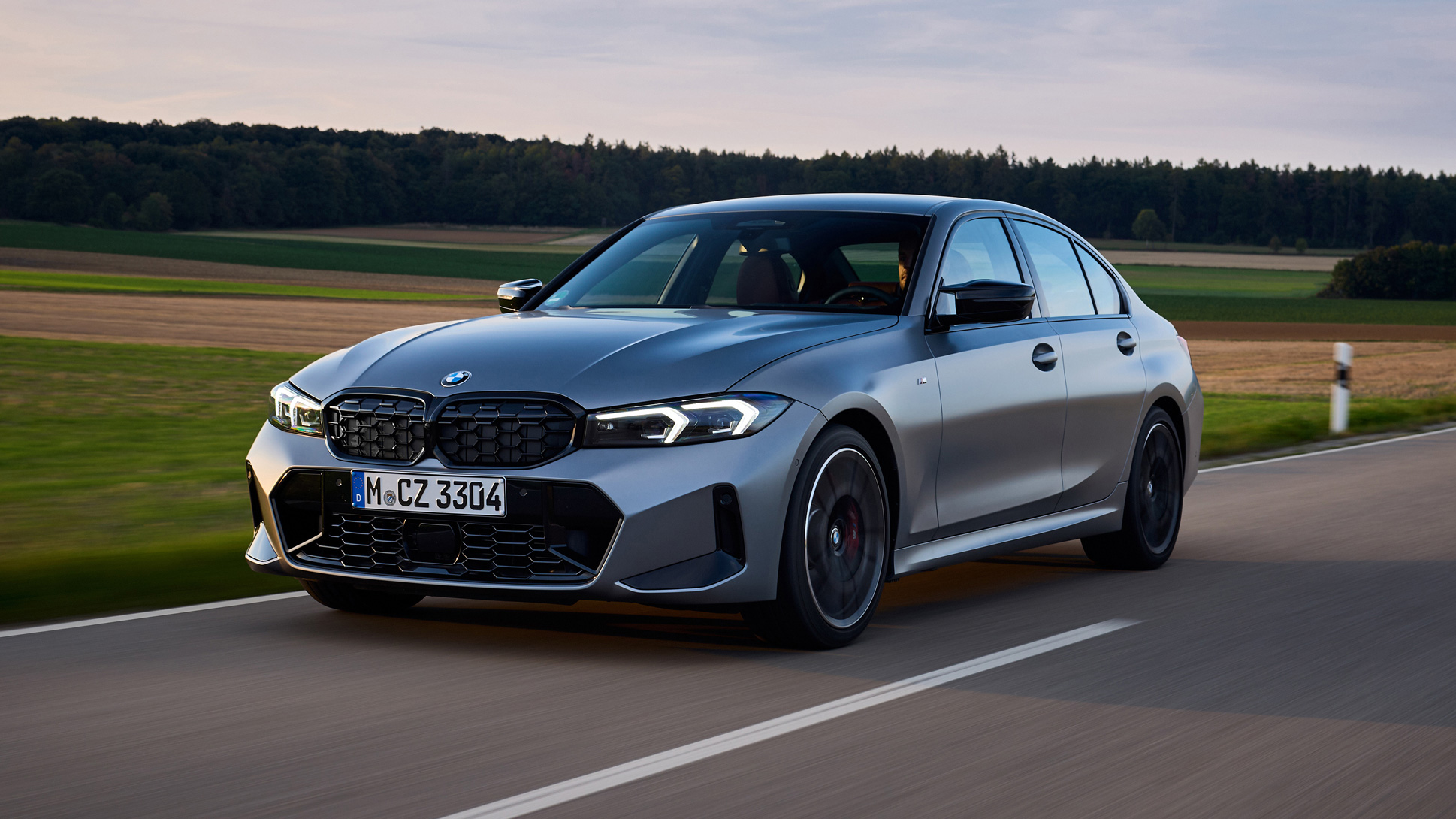
1. BMW 3 Series
The BMW 3 Series, long regarded as an icon of driving enjoyment and performance, demonstrates the premium segment’s often conservative approach to warranties.
BMW traditionally provides a 4-year/50,000-mile New Vehicle Limited Warranty in the United States, covering the drivetrain and a host of other components for the initial period of ownership.
After this point, owners face some of the industry’s highest repair costs if something fails, and the company assumes no further responsibility unless buyers opt for expensive extended coverage.
The 3 Series is featured here not to question its world-class engineering or its widespread acclaim, but to highlight the disconnect between luxury and long-term assurance.
Many buyers are surprised to find that, despite the upmarket purchase price, BMW’s warranty does not outlast those of mainstream or even budget manufacturers.
This policy is likely rooted in the brand’s confidence in the durability and longevity of its vehicles, paired with the financial reality of maintaining margins in a highly competitive luxury segment.
However, as vehicles age and repairs become more frequent, former owners often face major drivetrain or electronics claims that might have been covered by rival brands.
By spotlighting the BMW 3 Series, the aim is to raise awareness of how warranty coverage interacts with brand positioning and buyer expectations, helping consumers consider not only what they’re driving, but how that car’s support system measures up.
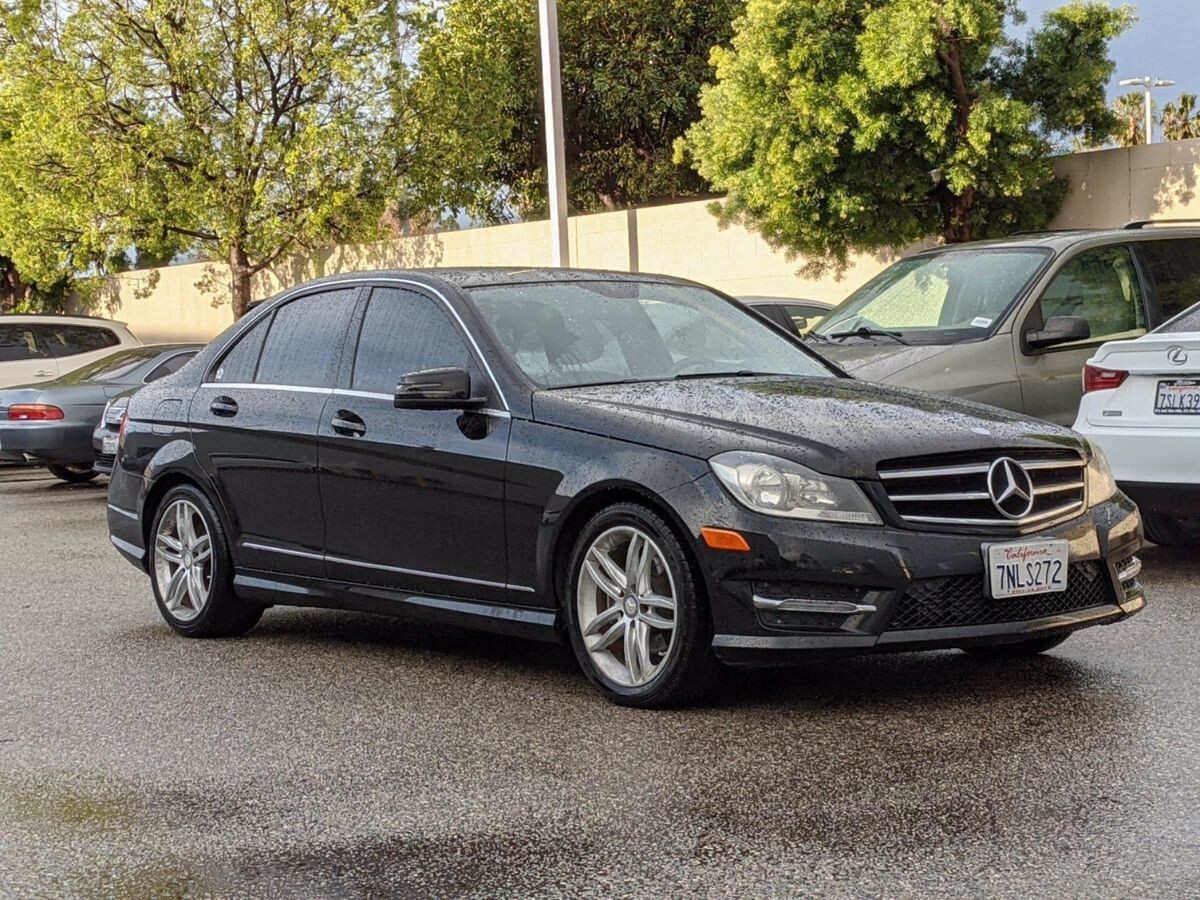
2. Mercedes-Benz C-Class
The Mercedes-Benz C-Class epitomizes luxury, advanced engineering, and driving refinement, making it a strong contender in the compact executive car market. However, similar to BMW, its standard drivetrain warranty is limited to 4 years or 50,000 miles.
This relatively short coverage period reflects Mercedes’ approach to warranty as a balance between offering initial reassurance and managing long-term repair liabilities in a segment known for complex technologies.
The C-Class inclusion is essential because it highlights the contrast between premium vehicle experience and the extent of manufacturer-backed protection.
Many buyers equate luxury with comprehensive warranties, but Mercedes instead focuses on delivering a high level of craftsmanship and performance upfront, urging customers to consider extended warranties or maintenance plans for ongoing peace of mind.
This strategy places more responsibility on owners after the initial coverage expires, which can be expensive given the sophisticated drivetrain components involved.
Featuring the C-Class underscores the importance of understanding warranty length when investing in vehicles where repairs can be costly, and it encourages prospective owners to plan for the eventual transition from manufacturer support to self-funded maintenance.
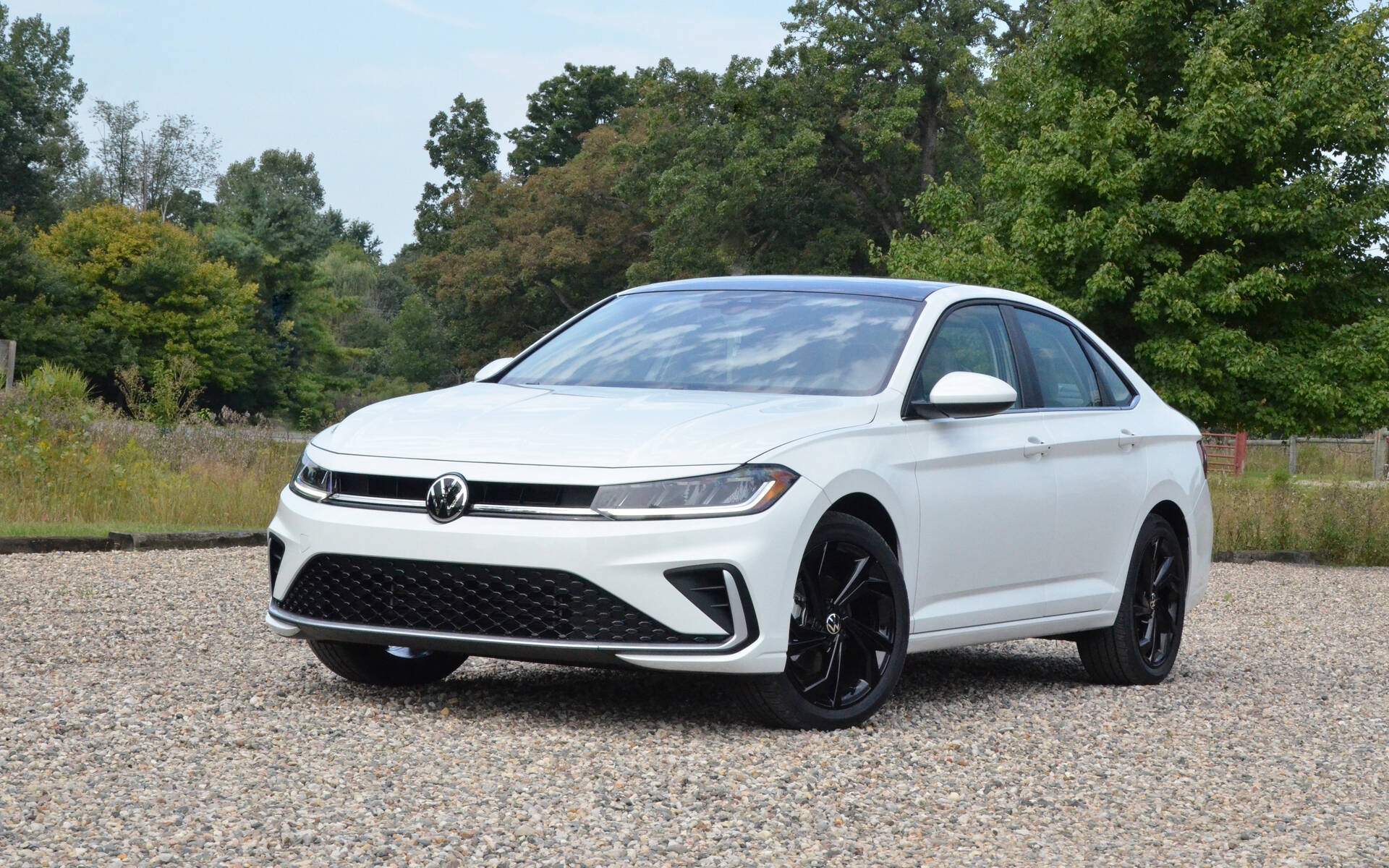
3. Volkswagen Jetta
The Volkswagen Jetta, a popular compact sedan with a reputation for solid engineering and handling, also limits its drivetrain warranty to 50,000 miles in many versions or markets.
While VW has made strides in quality and safety, the Jetta’s warranty term does not match the extended coverage some competitors offer, especially in budget and mid-range segments.
Highlighting the Jetta for this group underscores the significance of warranty duration as a factor in purchase decisions.
Although the Jetta is often praised for its overall value and driving experience, the relatively short coverage period means owners should anticipate and budget for potential repair costs starting around the 50,000-mile mark.
This warranty framework reflects Volkswagen’s conservative risk management, balancing affordability with protection.
Buyers drawn to the Jetta for its driving qualities benefit from understanding that upfront warranty support ends relatively early, impacting both ownership cost and vehicle resale values.
This example illustrates how even established brands with solid reputations can have constraints on coverage that affect long-term ownership satisfaction.
4. Ford Mustang
The Ford Mustang, an iconic sports car with strong appeal among enthusiasts, carries a standard drivetrain warranty that typically concludes at 50,000 miles or 4 years.
This is common within the performance vehicle sector, where manufacturers may emphasize driving excitement and design over extended warranty promises.
Featuring the Mustang here is important because it reveals the trademark balance manufacturers strike between performance engineering and warranty risk.
The drivetrain in a Mustang endures varying stresses from spirited driving, and the 50,000-mile limit reflects caution about long-term reliability under these conditions.
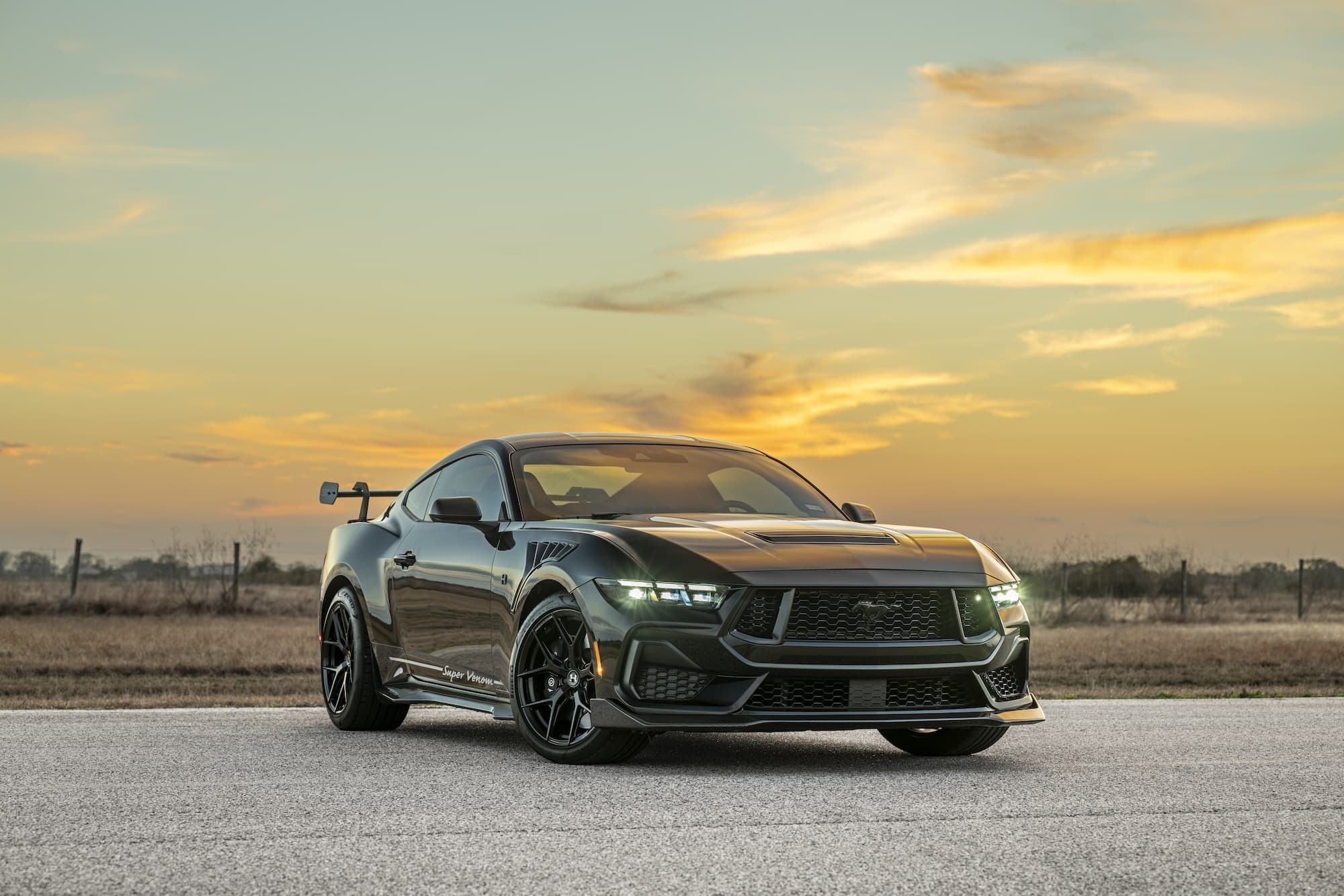
For buyers, understanding this limitation is crucial when planning ownership costs and maintenance, especially if they intend to hold the car for many years.
The Mustang’s warranty does not diminish its appeal but frames expectations around future expenses and the importance of regular maintenance.
The example also highlights how sport-focused vehicles often prioritize initial experience over extended coverage, which contrasts with some family or utility models offering longer protection.
5. Subaru BRZ
The Subaru BRZ, a lightweight sports coupe revered for its handling and affordability, also comes with a drivetrain warranty expiring around 50,000 miles.
This aligns with Subaru’s general warranty strategy for many of its models, which tend to offer decent initial coverage but without lifetime commitments.
Including the BRZ shows how warranty terms relate to vehicle type and brand philosophy. Subaru emphasizes reliability and driving pleasure but couples this with a warranty term that encourages buyers to consider proper maintenance and possibly additional coverage.
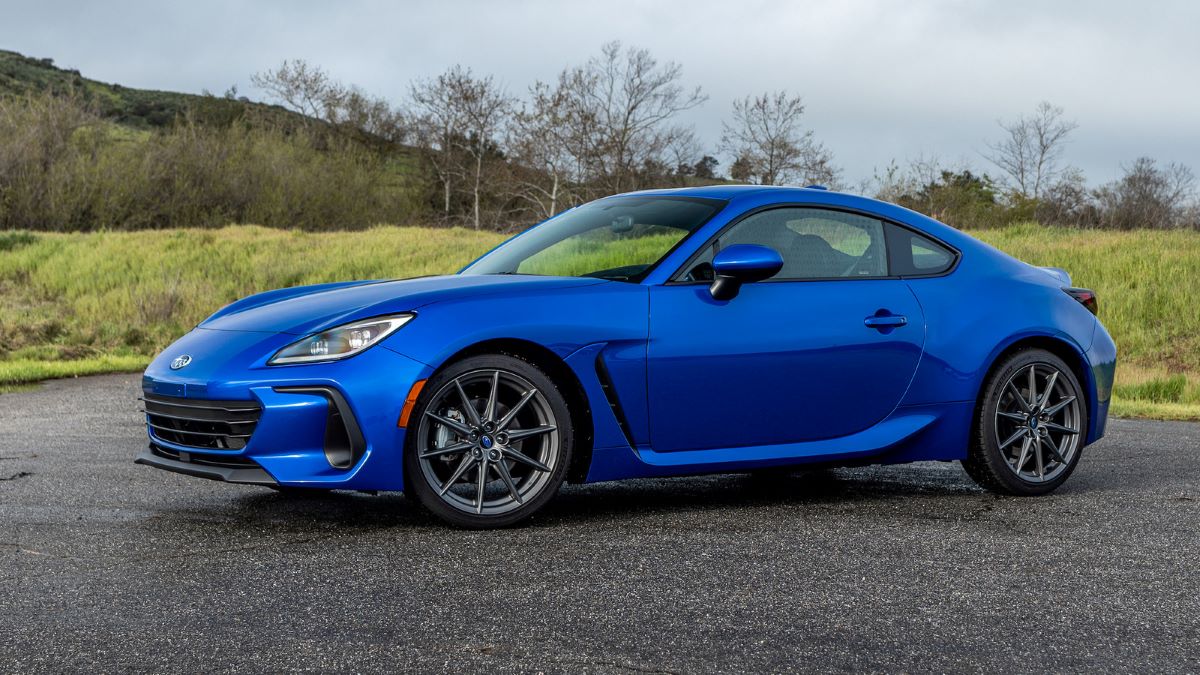
The BRZ’s relatively short warranty period reflects confidence in build quality, yet recognizes that extended protection is not always feasible for niche sports models.
Owners should be aware that most drivetrain repairs beyond the warranty window will require out-of-pocket expenditure or aftermarket coverage.
This example illustrates the balance automakers strike between engineering confidence and business considerations in warranty offerings.
Warranties are a crucial part of a vehicle purchase, influencing long-term ownership costs and customer confidence. Some manufacturers provide lifetime drivetrain warranties, while others limit coverage to 50,000 miles.
These variations reveal distinct approaches to product support, reliability assurance, and customer relations in the automotive industry.
Lifetime drivetrain warranties represent a manufacturer’s strong belief in the durability of their vehicles’ mechanical components, offering lasting protection against costly repairs as long as the original owner keeps the car.
Conversely, a 50,000-mile cap reflects a more cautious stance, balancing the risks of repair liabilities with business costs and encouraging buyers to manage maintenance costs prudently.
Vehicles with lifetime drivetrain warranties generally appeal to buyers seeking peace of mind and long-term value. For example, the Kia Soul’s warranty, often dealer-backed, influences buying decisions by reducing concerns over expensive repairs.
The Hyundai Sonata extends its 10-year/100,000-mile warranty through certain dealerships, offering reassurance and contributing to Hyundai’s reputation for dependability.
Similarly, the Mitsubishi Outlander offers select dealers’ lifetime coverage, emphasizing reliability for families and budget-conscious customers.
In the luxury segment, the Genesis G80 stands out by matching high-end comfort with impressive warranty terms, appealing to premium buyers concerned with long-term maintenance costs.
Lastly, the Dodge Grand Caravan, favored in family and commercial markets, leverages lifetime coverage to secure customer loyalty and underscore dependability.
On the other hand, several well-known models restrict drivetrain coverage to 50,000 miles. The BMW 3 Series, despite its prestige, offers a limited four-year/50,000-mile warranty, placing greater maintenance responsibility on owners beyond that period.
Likewise, the Mercedes-Benz C-Class adheres to a similar warranty term, requiring buyers to consider extended plans due to the potential expense of repairing luxury drivetrain components.
The Volkswagen Jetta pairs solid performance with a warranty of comparable length, reflecting the brand’s balanced approach to coverage and cost.
The Ford Mustang, emphasizing performance and driving exhilaration, follows the same pattern typical in sports cars, where longer warranty commitments may be less common.
Lastly, the Subaru BRZ offers decent initial coverage but no lifetime drivetrain warranty, consistent with Subaru’s strategy to combine reliability with reasonable warranty terms.
In summary, understanding the distinctions between lifetime drivetrain warranties and those capped at 50,000 miles is essential for prospective buyers. Lifetime warranties offer owner assurance and potential savings, tying customers closer to brands and dealerships.
Limited warranties, often found on luxury or performance vehicles, push owners toward proactive maintenance and possibly additional coverage.
By examining these differences, consumers can better navigate vehicle choices aligned with their expectations for reliability, cost management, and peace of mind over the life of their vehicles.
Also Read: 5 Cars With Best Long-Distance Comfort vs 5 That Sink After Hours
