

When choosing a vehicle, one of the most critical elements influencing both the driving experience and vehicle lifespan is the transmission. It acts as the bridge between the engine and the wheels, managing power delivery and gear changes.
A transmission that remains firm, shifting gears smoothly and without slipping, can make a significant difference. It reduces repair costs, avoids downtime, and ensures your vehicle performs consistently, even as mileage climbs.
Alternatively, some transmissions begin to slip prematurely sometimes as early as by 70,000 miles, which can lead to costly repairs, reduced performance, and driver frustration.
Automotive professionals, buyers, and enthusiasts all benefit from understanding which transmissions tend to hold up under normal driving conditions and which are more prone to slipping failures.
Such knowledge can be crucial for decisions ranging from buying a used car to planning maintenance schedules or simply appreciating the complexity of automotive components.
This article first brings attention to five transmissions known for their exceptional durability and consistent refusal to slip, even after extensive mileage.
Each transmission’s engineering success is explained, highlighting why they remain dependable choices for millions of drivers.
Following that, the focus shifts to five transmissions that, despite initial promise, commonly develop slipping issues before 70,000 miles. The causes, typical symptoms, and maintenance implications of these less reliable transmissions are discussed to provide a comprehensive comparison.
Whether you are a driver, mechanic, or vehicle shopper, gaining insights about transmission lifespan and common failure points adds value to how you select, maintain, or repair your automobile. The aim here is to provide thorough, balanced guidance through the intricacies of transmission technology and real-world reliability.
Also Read: 5 Vehicles With Smoothest Rides and 5 With Jarring Suspensions
5 Transmissions That Never Slip
A smoothly operating transmission improves not only propulsion but also fuel efficiency, ride comfort, and drivetrain longevity. Slipping happens when the transmission’s internal friction components such as clutch packs or bands fail to maintain proper engagement.
The result is a loss of power transfer, unusual engine revving, harsh shifting, or delayed acceleration. Transmissions that resist this problem tend to have superior engineering designs, quality materials, precise hydraulics, and smart control systems.
The five transmissions discussed in this section have acquired solid reputations based on high mileage reports, minimal slipping complaints, and positive feedback from automotive experts and owners.
Each one utilizes specific strategies to maintain friction, manage heat, and adapt to driving styles, illustrating the range of approaches manufacturers take to enhance durability.
Understanding why these transmissions avoid slipping offers useful perspectives on what makes a transmission dependable.
It also encourages careful maintenance, which can further extend their service life. These transmissions come from a variety of manufacturers and vehicle segments but share a common track record of reliable power delivery.
1. Toyota U660 Automatic Transmission
The Toyota U660 automatic transmission is a standout component in Toyota’s lineup, powering popular vehicles such as the Camry, RAV4, and Highlander. This transmission’s reputation for lasting well beyond 200,000 miles without slipping issues is well-earned with good cause.
Central to the U660’s durability is its robust mechanical design combined with an advanced adaptive control system. Clutches and bands in this transmission feature high-grade friction materials that handle extended engagements without degradation.
Toyota’s hydraulic system is engineered to maintain stable pressure that firmly locks clutch packs during shifts, minimizing the chance of slip. Rather than relying on complex electronic updates, the U660’s simplicity contributes to its reliability fewer electronic components means fewer failure points.
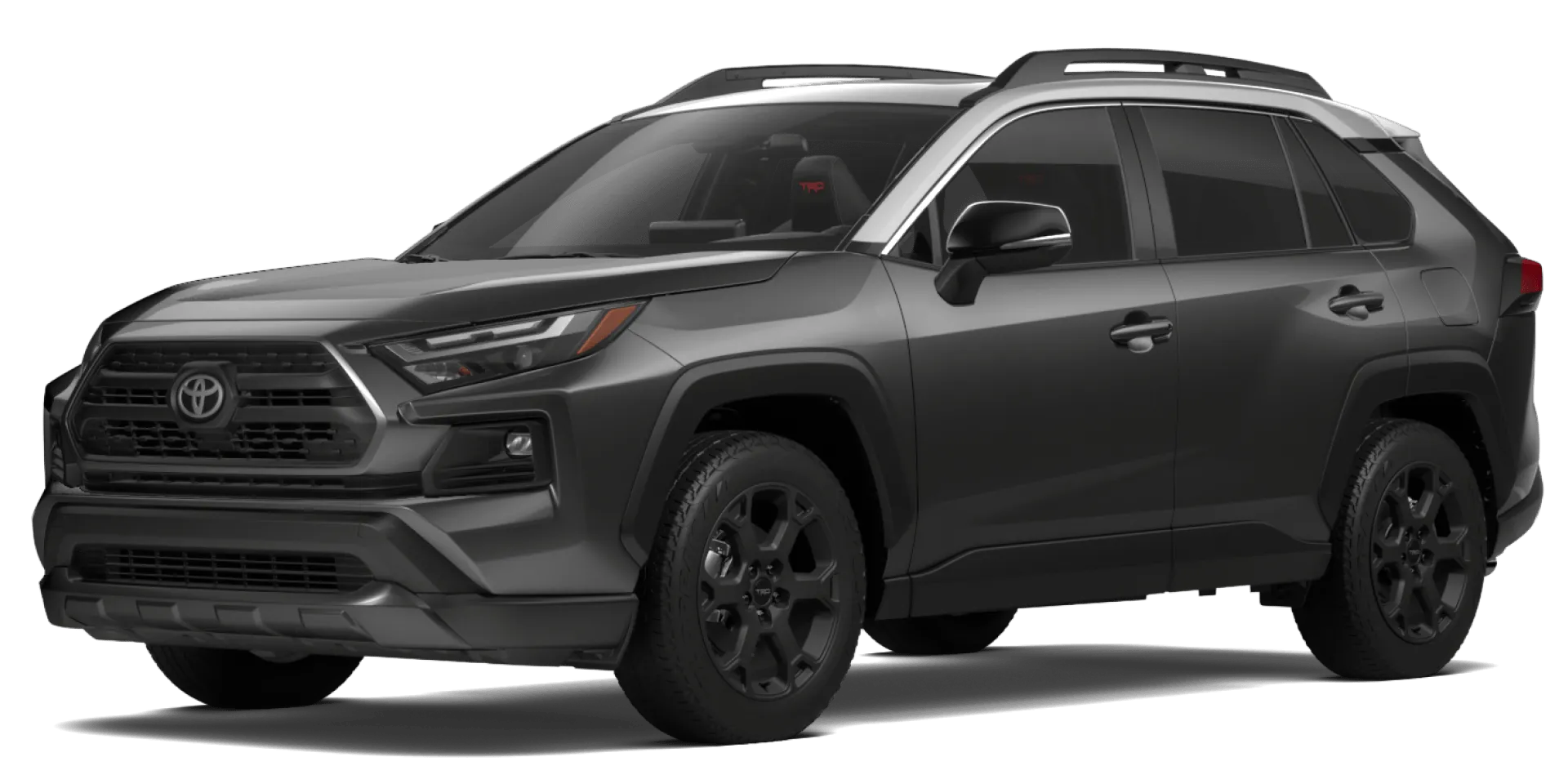
Toyota’s rigorous development process includes exhaustive bench testing and real-world driving simulations. These build confidence that the transmission will resist the heat and mechanical wear factors that often cause slipping elsewhere.
Owners who adhere to Toyota’s fluid change intervals tend to experience smoother, more consistent shifts and longer-lasting transmissions.
Additionally, the U660 uses solenoids that adjust fluid flow dynamically, learning driving habits and road conditions. This results in optimized clutch engagements that reduce unnecessary wear.
When combined with Toyota’s reputation for parts availability and experienced mechanics, the U660 transmission becomes a dependable choice for drivers seeking longevity without frequent transmission concerns.
2. Honda ZF 5-Speed Automatic Transmission
The Honda ZF 5-speed automatic transmission, prevalent in Honda vehicles from the late 1990s to early 2010s, is another transmission known for impressive lifespan free from slipping problems. Found commonly in the Honda Accord and Civic, this transmission blends mechanical effectiveness with high-quality manufacturing.
One of its hallmarks is precision machining of internal components that reduces friction and distributes heat efficiently. This mechanical accuracy helps clutches and bands sustain engagement pressure without premature wear.
The transmission fluid recommended by Honda supports temperature stability and lubricating performance, protecting moving parts from damage and slipping.
Despite its 5-speed configuration, this transmission offers smooth gear changes under various load conditions, thanks largely to its hydraulics design and fluid flow management. It has fewer complex electronics compared to modern automatics, which often results in better long-term reliability.
Vehicle owners seldom report slipping as an early issue and the transmission regularly surpasses 200,000 miles with basic maintenance alone.
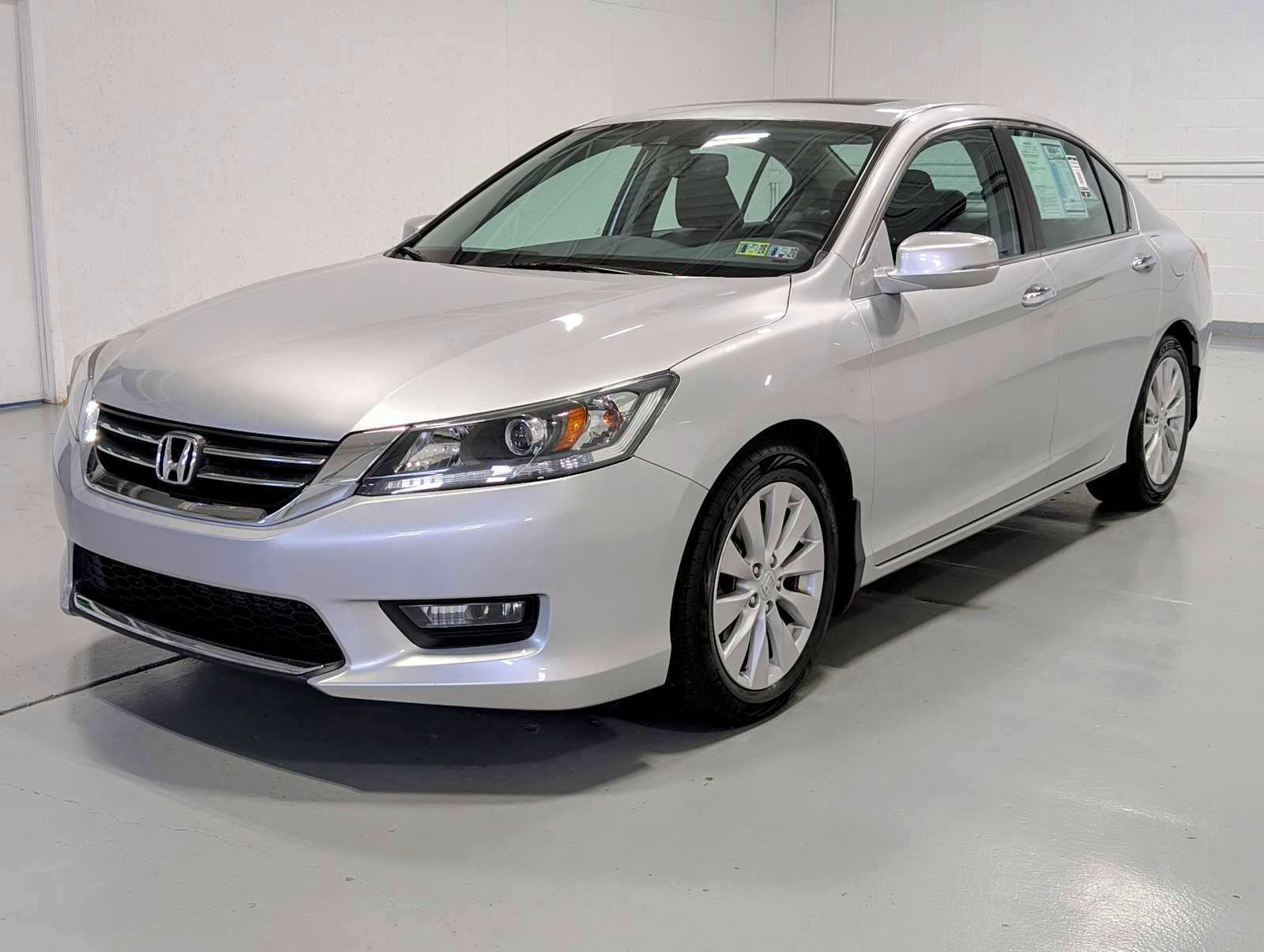
When repairs are needed, most tend to involve minor component servicing rather than complete overhaul, thanks again to the transmission’s simple yet effective structure.
This transmission’s dependable service life and ease of maintenance contribute to Honda’s overall reputation for reliability.
Those considering used Honda models fitted with this ZF transmission can expect strong durability and consistent power delivery over the years.
3. Aisin AW TF-80SC Transmission
The Aisin AW TF-80SC is a versatile 6-speed automatic transmission featured in a variety of vehicles such as General Motors models, Volvos, and Jaguars. It receives consistent praise for its engineering balance and consistent resistance to slipping under regular maintenance.
Aisin’s key design philosophy for this transmission centers on meticulous hydraulic control and premium friction materials.
The clutch packs are made to resist wear and maintain firm lockups even with heavy use, while solenoids precisely manage fluid pressures during gear shifts. These factors prevent the slip that commonly occurs when clutch materials overheat or become contaminated.
Furthermore, the TF-80SC incorporates adaptive shift logic that adjusts to individual driving characteristics, lowering unnecessary mechanical strain and improving operational smoothness. This intelligent control limits the abrupt or forceful shifts that can degrade clutch packs prematurely.

Many owners and mechanics report mileage exceeding 250,000 without slipping complaints, noting the transmission’s impressive tolerance to stop-and-go traffic, highway cruising, and diverse climate conditions. It offers fairly straightforward servicing options, as parts availability remains high.
Used in models like the Chevy Equinox, Saab 9-3, and Volvo S40, the TF-80SC demonstrates that combining solid mechanical design with intelligent electronic management can result in a transmission often spared the common slipping failures.
4. ZF 8HP Automatic Transmission
The ZF 8HP transmission is widely considered one of the best automatic transmissions developed in recent years. Its 8-speed design provides a vast range of gear ratios that optimize engine performance and fuel economy, while maintaining smooth shifting that resists slipping.
Manufactured with precision in Germany, the 8HP includes advanced components such as multi-disc clutch packs made from high-strength friction materials and a torque converter designed for efficient power transfer with minimal heat buildup. The resulting mechanical resilience improves resistance against wear and early slip.

An integral part of the 8HP’s design is its comprehensive electronic management system. It dynamically adjusts shift timing and pressure based on driving conditions, load, and driver habits.
This adaptability lowers stress on clutch packs by reducing harsh engagement and transfer shocks, which are prime contributors to slip in less refined transmissions.
With use in luxury and performance vehicles from BMW, Audi, Jeep, and others, the ZF 8HP has established a robust reputation for reliability when maintenance guidelines are respected. Many models with this transmission easily surpass 200,000 miles without slipping incidents.
Owners who regularly update transmission fluid and follow recommended service intervals benefit primarily from this transmission’s built-in mechanical strength coupled with its intelligent control systems that uncomplicate longevity.
5. Ford 6R80 Automatic Transmission
The Ford 6R80 is a 6-speed automatic transmission designed expressly for trucks and SUVs, including the popular F-150 and Expedition. This transmission is valued for its strength and ability to withstand heavy towing loads and rugged use without slipping failures.
One reason for this robustness is the usage of friction materials in clutch packs engineered to endure elevated heat and constant pressure, common in truck applications. Its hydraulic system carefully controls clutch engagements with a design that avoids pressure fluctuations that commonly cause slipping.
The 6R80 also incorporates a torque converter lock-up mechanism, which enhances mechanical efficiency and reduces heat production. These engineering choices combine to minimize clutch wear and slipping tendencies compared to less specialized transmissions.
Owners of vehicles fitted with the 6R80 report thousands of miles of trouble-free shifting, even in severe duty cycles, when adhering to scheduled fluid changes and inspections. The transmission’s design balances ruggedness with maintenance accessibility, supporting long-term durability.
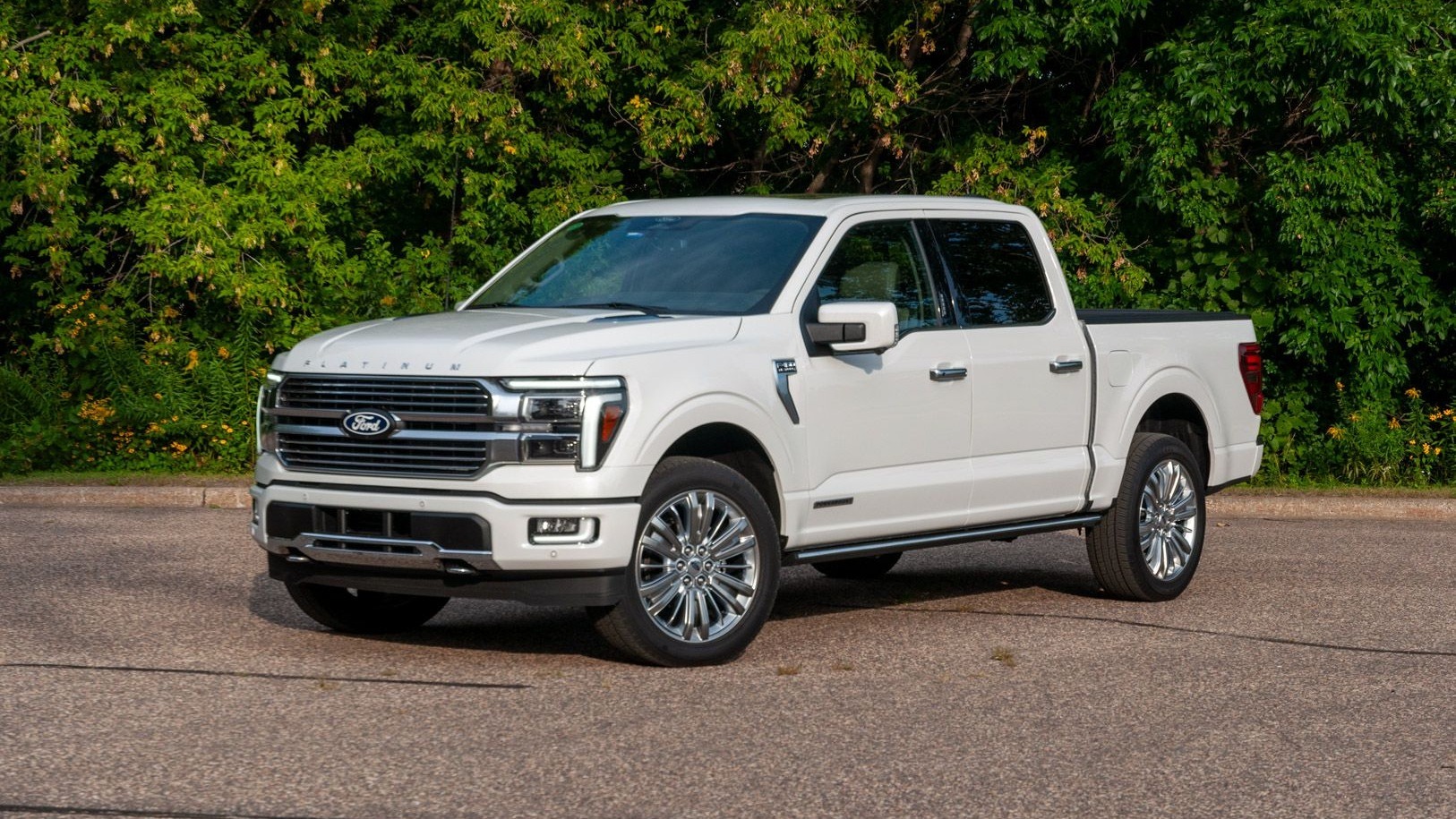
Given its widespread use and proven performance, the 6R80 remains a highly recommended automatic transmission for drivers prioritizing endurance and smooth power delivery under demanding conditions.
5 Transmissions That Slip by 70,000 Miles
While certain transmissions enjoy long lifespans without slipping, others demonstrate concerning tendencies to slip early in their mileage.
Slipping typically happens due to premature wear of clutch friction materials, weaknesses in hydraulic pressure management, or electronic control system malfunctions.
Transmissions slipping before 70,000 miles pose significant challenges for owners, including costly repairs, possible transmission replacements, and suboptimal vehicle performance.
Early slipping can cause symptoms such as delayed gear engagement, unexpected engine revving, harsh or jerky shifting, and drivability issues.
Factors behind early slipping include fragile design choices, materials ill-suited for typical operating conditions, reliance on complex or under-tested electronics, and improper or neglected maintenance. Identifying these transmissions helps consumers avoid unexpected expenses or prepare for preventive servicing.
Below are five transmissions often reported to develop slipping problems under or near the 70,000-mile mark, complete with details on why these issues arise and the implications for vehicle owners.
1. Chrysler 62TE Transmission
The Chrysler 62TE, a 6-speed automatic transmission found in models such as the Dodge Journey and Chrysler 200, is notorious for early slipping problems. Many drivers face slipping symptoms by around 50,000 miles, including rough shifting and delayed throttle response.
The root cause lies mainly with weak clutch pack materials that wear prematurely, failing to hold firm engagement. This leads to inconsistent power transfer and slipping sensations.
Additionally, the transmission control module programming in the 62TE tends to cause erratic hydraulic pressures, worsening the problem.
Owners report frustrating delays during gear changes and decreased overall drivability. Chrysler has attempted to address these woes with software updates and redesigned parts, but slipping remains a common complaint.
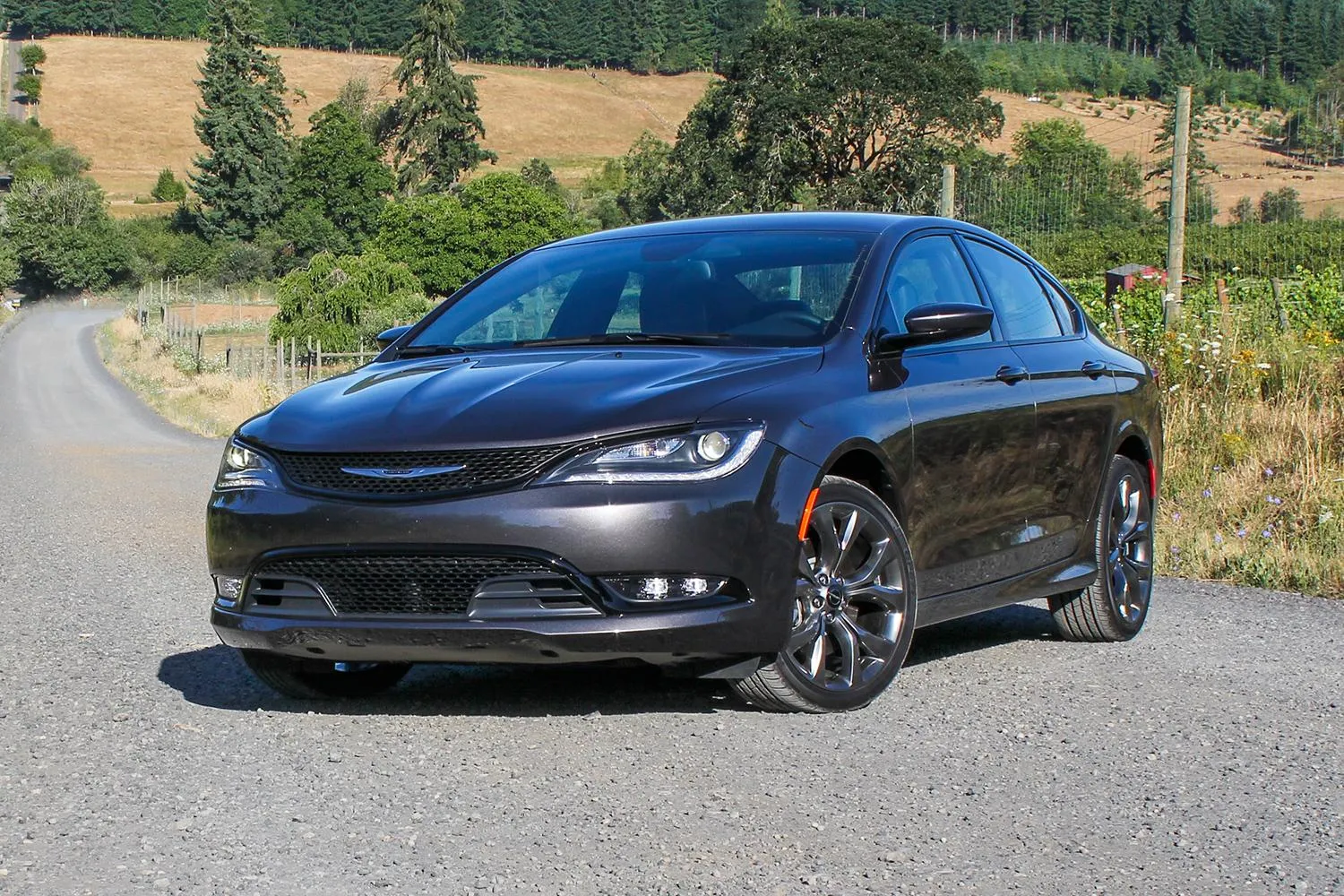
Because the transmission’s internal components lack robustness, it often requires early and expensive maintenance or replacement. Buyers should be wary when considering vehicles equipped with the 62TE and prioritize reviewing service records and known fixes.
2. Ford 6F35 Transmission
The Ford 6F35, prominent in smaller Fords and certain Mazda models, exhibits slipping well before 70,000 miles in many cases. This transmission struggles with clutch pack wear due to friction materials that do not hold up well under standard driving stresses.
Slipping manifests as hesitation during shifts, rough acceleration, or delayed engagement. The hydraulic system controlling clutch pressure also shows sensitivity, with pressure inconsistencies magnifying wear and contributing to early slip.

Incorrect or infrequent transmission fluid changes further accelerate clutch degradation, as the 6F35 requires specific fluid types and regular service to mitigate problems. Repair costs can be unexpectedly high, sometimes necessitating a rebuild or replacement.
Drivers should inquire carefully about the transmission’s service history and consider third-party inspections before purchasing vehicles with the 6F35 transmission.
3. GM 6T40/6T45 Transmission
Used in compact vehicles such as the Chevrolet Malibu and Cruze, the GM 6T40 and 6T45 6-speed 자동 transmissions are known for premature slipping caused by clutch wear and solenoid failures. Their focus on fuel economy often means lighter friction materials that are less durable.
Slipping symptoms appear near 60,000 miles, including slipping during acceleration and difficulty achieving smooth shifts. Insufficient cooling in the transmission system can exacerbate these issues by allowing heat to deteriorate components faster.

Though GM has issued technical bulletins to address some of the problems, instances of early failures remain frequent. Consistent fluid maintenance and transmission cooling are necessary to minimize slipping risk.
4. Nissan RE0F10A CVT Transmission
The continuously variable transmission (CVT) model RE0F10A found in many Nissan vehicles suffers from slipping or shuddering issues commonly before 70,000 miles.
CVT functioning depends on a steel belt and variable pulley system, which can wear prematurely from heat or neglect.
Slipping in the RE0F10A shows through hesitations and shuddering during acceleration. Inadequate fluid changes and overheating increase belt wear, reducing grip and causing slippage.

Early models also encountered calibration issues with transmission controls, further affecting reliability. Strict adherence to recommended synthetic transmission fluids and service intervals is vital to avoiding major failures.
5. Honda HFXA CVT Transmission
This CVT transmission in some Honda models has been reported to slip prior to 70,000 miles. It operates with a belt-and-pulley mechanism that relies heavily on proper hydraulic pressure and fluid quality.
Premature belt and pulley wear arise due to fluid degradation, driving habits, or under-maintenance. Slipping commonly presents as juddering or hesitation acceleration.
While software updates or fluid replacements can help early cases, chronic issues often require expensive overhauls or replacements. Awareness of these tendencies is critical for owners and prospective buyers.

The contrast between transmissions that reliably avoid slipping and those prone to early slipping problems highlights the intricate balance of design, materials, electronic controls, and maintenance.
Investing time to understand these factors and maintaining transmissions according to manufacturer recommendations can greatly extend transmission life and avoid frustrations.
Every transmission has limits, but choosing vehicles with proven transmission durability and adhering to proper servicing schedules minimizes slipping risk and maximizes driving enjoyment.
Choosing the right transmission can significantly affect a vehicle’s performance, reliability, and maintenance costs.
Some transmissions have established reputations for durable, slip-free operation even after hundreds of thousands of miles, while others tend to develop slipping issues surprisingly early, often within 70,000 miles.
Understanding these differences is vital for drivers who want to avoid unexpected repairs and ensure smooth driving over the vehicle’s life.
Among the transmissions known for their toughness and ability to resist slipping is Toyota’s U660 automatic transmission, found in popular models like the Camry, RAV4, and Highlander.
Its combination of straightforward mechanical design, high-quality friction materials, and an adaptive control system allows it to maintain firm clutch engagement under varied driving conditions.
This design, paired with Toyota’s thorough testing and reliable hydraulic pressure management, helps the U660 often surpass the 200,000-mile mark without slipping, as long as routine maintenance is followed.
Similarly, the Honda ZF 5-speed automatic transmission, common in late 1990s to early 2010s Honda Accord and Civic models, benefits from precise engineering and simplified construction that controls friction and heat buildup inside the transmission.
When used with recommended fluids and maintained correctly, it delivers dependable shifting and longevity, frequently exceeding 200,000 miles without slipping issues. Mechanics and owners alike praise its reliability and relative ease of repairs when needed.
The Aisin AW TF-80SC transmission extends this list with its presence in vehicles such as the Chevrolet Equinox, Volvo S40, and Jaguar models.
Its sophisticated hydraulic system and premium clutch materials enhance durability, while adaptive shift logic reduces unnecessary mechanical wear.
Many drivers report excellent performance beyond 250,000 miles, with minimal slipping problems, illustrating how combining intelligent electronic management with solid mechanical foundations can produce long-lasting transmissions.
The German-engineered ZF 8HP 8-speed automatic transmission further showcases technological advancement aimed at achieving both efficiency and durability.
Equipped with high-strength clutch packs and an advanced electronic control system, it manages gear shifts with precision, reducing stress that often causes slipping.
Thanks to thorough engineering and regular fluid maintenance, many vehicles with this transmission – including offerings from BMW, Audi, and Jeep commonly reach or exceed 200,000 miles without shifting issues, making it a popular choice for those valuing smooth power delivery and longevity.
Ford’s 6R80 automatic transmission rounds out the list of robust units designed for heavier-duty vehicles like the F-150 and Expedition SUVs.
Built to handle heavy towing and rugged conditions, it combines tough friction materials and well-calibrated hydraulics to avoid slipping even under high heat and torque.
With proper maintenance, users often experience extended transmission life free from early wear or slipping, reinforcing its reputation for durability within demanding applications.
On the other hand, some transmissions are plagued by early slipping problems, creating significant challenges for owners and affecting overall reliability.
The Chrysler 62TE transmission, found in vehicles like the Dodge Journey and Chrysler 200, suffers from clutch packs that wear prematurely and a control module prone to causing inconsistent hydraulic pressures.
Such weaknesses often lead to slipping issues as early as 50,000 miles, accompanied by rough shifting and delayed engagement, which diminish drivability and increase repair costs. Despite software attempts to address the problems, fundamental design limitations persist.
Similarly, Ford’s 6F35 transmission, used in smaller Ford and Mazda vehicles, struggles with clutch wear stemming from softer friction materials and unstable hydraulic pressure control. Slipping symptoms manifest during gear changes and acceleration with roughness and delay noticeable to drivers.
The problem worsens with infrequent or improper fluid changes, sometimes necessitating expensive repairs or full replacements long before the vehicle reaches 70,000 miles.
General Motors’ 6T40 and 6T45 6-speed automatic transmissions, found in compact models like the Chevrolet Malibu and Cruze, prioritize fuel efficiency but have garnered a reputation for premature clutch wear.
Frequent slipping around 60,000 miles is commonly reported, often linked to insufficient transmission cooling and solenoid failures.
GM has attempted to mitigate these issues through technical bulletins and updates, yet slipping remains a concern that impacts owner satisfaction and longevity.
The Nissan RE0F10A CVT transmission faces different mechanical challenges due to its continuous variable design. Many Nissan owners experience slipping or shuddering before 70,000 miles, primarily caused by premature wear of the steel belt and pulleys.
Overheating and neglecting fluid maintenance exacerbate these problems, while early software calibration faults have reduced reliability. Strict adherence to fluid service intervals and fluid type is essential to minimizing slipping and prolonging transmission life.
Lastly, the Honda HFXA CVT transmission, present in select compact models, is similarly sensitive. Premature belt wear, hydraulic pressure irregularities, or fluid quality issues commonly cause juddering and slipping before 70,000 miles.
While early intervention with software updates or fluid changes may alleviate symptoms, persistent problems usually require costly overhauls or replacements.
In summary, transmissions that maintain stable friction material engagement, efficient hydraulic pressure management, and intelligent control systems generally avoid premature slipping, often delivering reliable service beyond 200,000 miles.
Conversely, transmissions with softer clutch materials, weaker hydraulic control, or less robust electronics tend to experience slipping failures early, leading to driver frustration and increased maintenance expenses.
For vehicle owners and shoppers, recognizing these factors and committing to recommended maintenance can mean the difference between a transmission that lasts and one that slips prematurely.
Also Read: 5 Obscure Pickup Brands With Durable Trucks vs 5 Famous Trucks With Nightmares
