
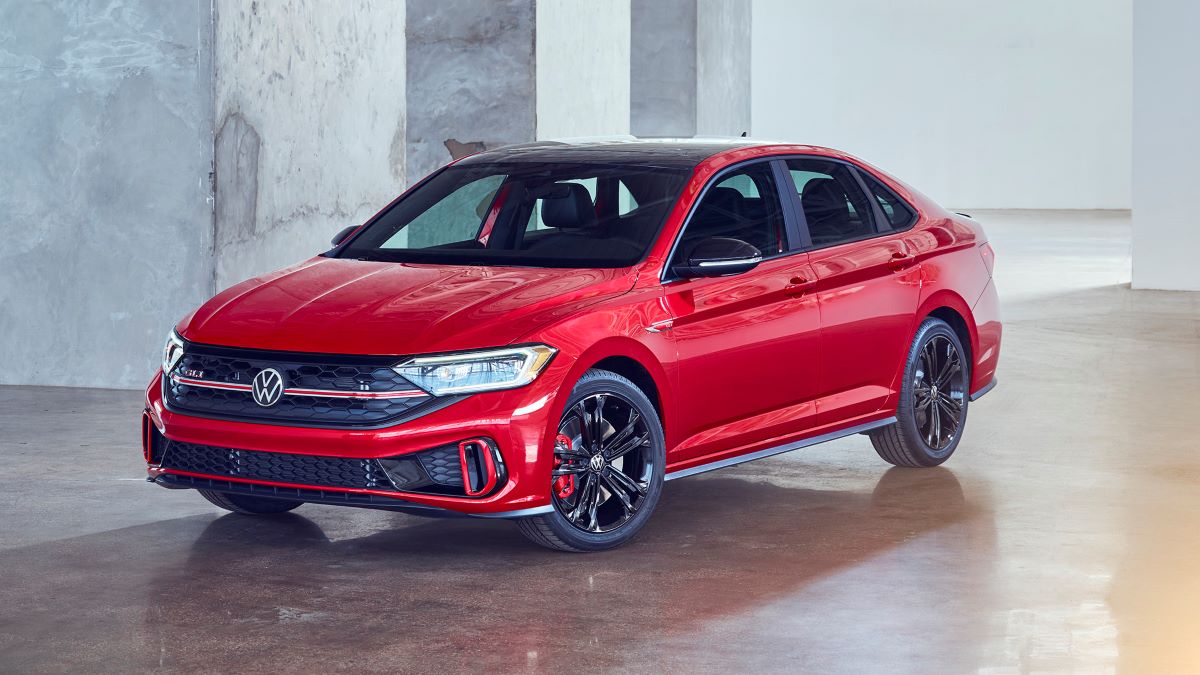
When thinking about vehicle reliability, particularly during stressful moments in traffic, the topic of stalling becomes a major concern.
Many drivers have experienced that tense second when their engine shutters unexpectedly at a busy intersection, making them vulnerable and powerless in the midst of bustling city life.
Conversely, plenty of modern vehicles are designed with enhanced fuel delivery systems that ensure a constant, reliable flow of fuel, making stalls far less frequent, no matter the driving environment.
Both scenarios cars that rarely, if ever, stall and those that are notorious for quitting at the worst possible moments, directly affect driver confidence, safety, and long-term satisfaction.
This comparison takes a careful look at two groups of vehicles: those equipped with robust, stall-proof fuel systems and those that, for various reasons, may be more susceptible to stalling under common traffic conditions.
By understanding both sides, drivers can make more informed decisions, whether searching for their next car or striving to better maintain the one already in the garage.
Beyond convenience, reliability in the face of stop-and-go driving speaks to advancements in engineering, the importance of regular maintenance, and the impact that even minor flaws in fuel delivery can have on everyday road experiences. This balance of strengths and weaknesses continues to shape what drivers value most.
Also Read: 5 Performance Cars That Are Also Safe vs 5 Sports Cars That Lack Safety Nets
Cars with Stall-Proof Fuel Systems
Few things are worse than your car letting you down in the middle of rush-hour traffic. Reliably running engines are the heartbeat of modern road safety and convenience.
For decades, automakers have invested heavily in systems that keep engines churning even when stuck in endless red lights or creeping up a congested boulevard. This focus goes beyond just preventing annoyance; it directly influences driver confidence and urban mobility.
Stall-proof fuel systems blend innovative technology with rigorous efficiency. Modern systems often use advanced fuel injection, electronic controls, and sensitive monitoring hardware that instantly adapts to changes in throttle, load, and conditions.
Such features respond quickly if fuel quality changes, if the pressure drops, or if sudden braking or acceleration occurs. Automakers that nail this technology allow drivers to feel secure, even in cities infamous for stop-and-go gridlock.
Highlighting five vehicles renowned for their dependable fuel systems showcases how diverse brands and models each approach reliability.
This selection isn’t just about the best-selling cars or the most expensive ones; it emphasizes those with a reputation for keeping their engines quietly running where other vehicles might fail.
While no vehicle can completely eliminate mechanical failure, these five stand out for giving drivers fewer reasons to worry about being stranded when it matters most.
1. Toyota Corolla (Stall-Proof Engineering)
The Toyota Corolla consistently ranks as one of the most reliable vehicles worldwide. Its reputation for steady performance, particularly in urban traffic, owes much to a carefully engineered fuel system that prioritizes uninterrupted power.
Toyota equips the Corolla with electronic fuel injection systems capable of monitoring and adjusting the fuel-air mixture hundreds of times per second.
This precision ensures that, even with sudden changes in driving conditions or fuel quality, the engine receives exactly what it needs to maintain combustion.
The computer-controlled system also stores data on recent engine performance, allowing it to detect subtle shifts that might indicate impending trouble. If irregularities arise, the system adapts instantly, reducing the risk of unexpected stalling.
The Corolla’s fuel system also incorporates fail-safes to prevent vapor lock, one of the common culprits behind sudden engine stalls, especially in hot weather or at high altitudes.
Multiple sensors keep tabs on temperature and fuel pressure, quickly opening extra valves if any sign of trouble emerges. Maintenance is made straightforward; the system design not only makes diagnostics easy, but also ensures that worn-out components give noticeable signals before failure occurs.
Toyota’s deep-rooted emphasis on reliability reflects its understanding of driver anxiety, particularly for those who depend on their vehicle for work or family commitments.
Writing about the Corolla matters because it represents how sustained engineering improvements deliver real benefits to ordinary people.
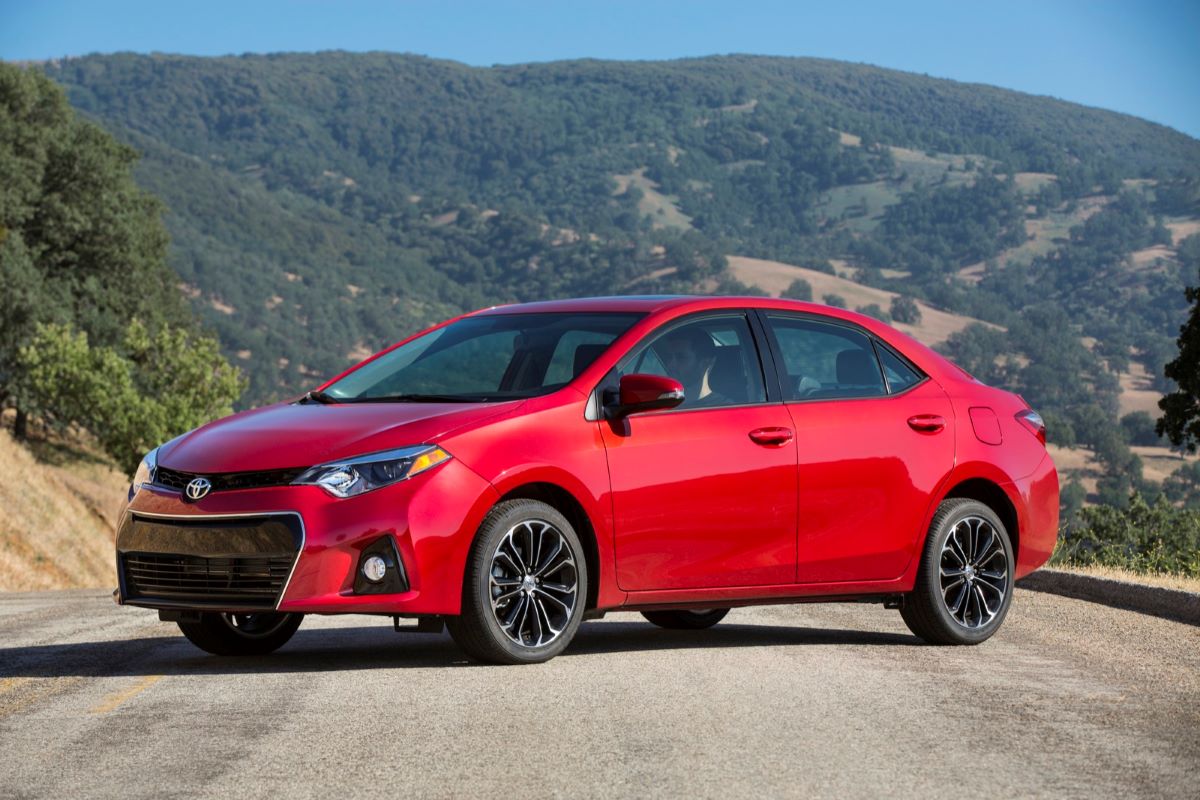
It shows the rewarding results of long-term focus on eliminating known failure points, especially under conditions where minor flaws could quickly become major headaches.
By maintaining these rigorous standards, Toyota ensures that even drivers in tough, unpredictable traffic have one less thing to worry about.
2. Honda Civic (Proven Stability in Urban Life)
The Honda Civic has long been praised for its blend of affordability and resilience. A major part of this praise stems from a fuel system engineered to withstand the rigors of daily commutes and urban congestion.
Honda’s Multi-Point Fuel Injection (MPFI) system in the Civic exemplifies precision. Each cylinder gets its own injector, managed by a central electronic control unit that tailors the fuel pulse for every combustion cycle based on temperature, altitude, and load.
This tight control allows the engine to keep running, even when confronted with sharp throttle changes, idling at stoplights, or dealing with low-grade gasoline that might unsettle other engines.
What sets the Civic apart is how its system gracefully handles wear and tear. The computer notifies the driver early about issues such as clogged injectors or a failing pump, rather than waiting for a complete stall as the warning.
High-quality filtration components screen out impurities, sharply reducing the chances of fuel delivery interruptions. In cold conditions, the system is programmed to provide richer fuel mixtures at startup while monitoring air intake to avoid choking the engine.
Another decisive advantage is Honda’s tradition of overbuilding key components choosing long-life sensors, robust pumps, and low-maintenance filters throughout the fuel system.
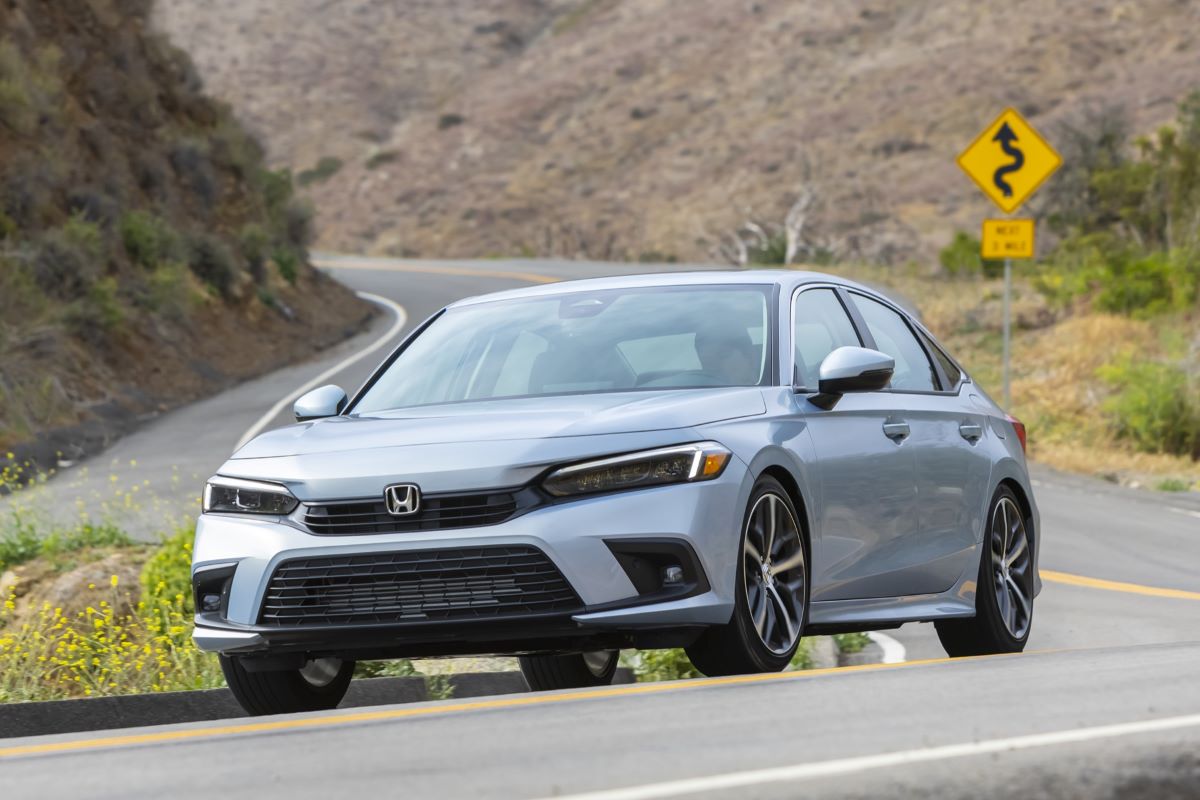
These choices are not only intended to avoid embarrassing roadside breakdowns but are a testament to Honda’s response to customer feedback, particularly from drivers frustrated by previous generations of less reliable city cars.
Focusing on the Civic shows how even a relatively affordable car can set a benchmark for fuel-delivery reliability amid the variable demands of urban life.
3. Mazda3 (Smart Engineering for Steady Idling)
Mazda’s signature Skyactiv technology redefines efficiency, and the Mazda3 showcases how a modern engine can stay stall-proof in heavy traffic. The philosophy behind Mazda3’s fuel system is simple: maximize responsiveness while minimizing complexity.
The gasoline direct injection (GDI) employed in Mazda3 delivers fuel directly into the combustion chamber using high pressures, controlled electronically for every single engine stroke.
What makes Mazda’s approach special is the use of finely tuned sensors that constantly measure fuel temperature, ambient air, throttle position, and even subtle vibrations, adjusting the system in real-time to maintain optimal combustion.
Mazda also integrates advanced knock sensors that can pick up on minor irregularities before they become engine-threatening.
Too often, vehicles with less sensitive controls can experience stalling if the engine tries to compensate abruptly. In contrast, the Mazda3 smooths over fluctuations, especially valuable when waiting through long traffic signals or inching forward during commute hours.
Another key factor is durability. Mazda designs its fuel pumps and filters to withstand long idle periods and repeated starting, two scenarios that stress lower-quality systems.
Maintenance schedules are realistic and communicated clearly, preventing unpleasant surprises. This means that even drivers who push their car hard urban stop-and-go included, can expect steady operation year after year.
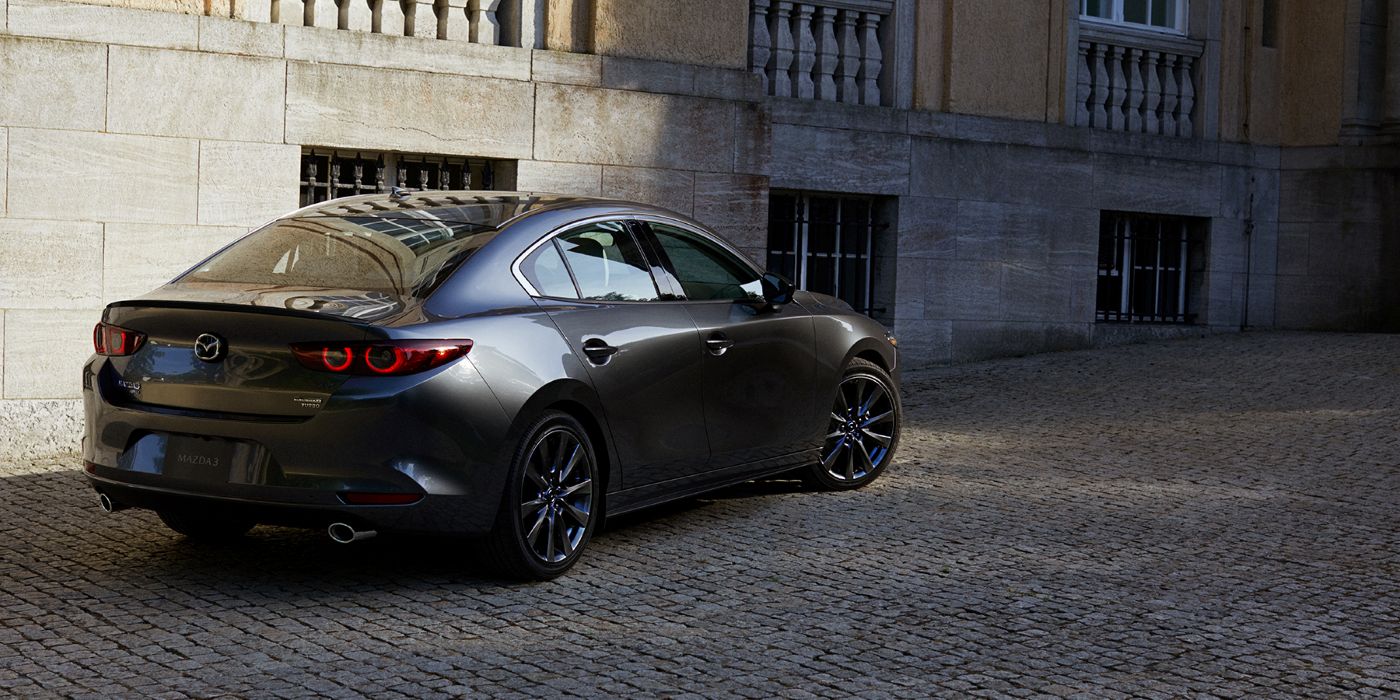
Writing about the Mazda3 here underscores the way engineering innovation translates directly into real-world reliability.
Mazda’s continuous refinement of its fuel-injection systems is more than a marketing slogan; it’s a genuine response to drivers wanting peace of mind, whether they’re covering long highways or running daily errands downtown.
4. Subaru Impreza (All-Weather Stall Resistance)
The Subaru Impreza is synonymous with versatility. Aside from its well-regarded all-wheel-drive system, its stall-proof performance stands out, especially in climates where weather volatility challenges even the most advanced vehicles.
Subaru’s fuel system blends sequential multi-port fuel injection with a specialized feedback loop that matches fuel delivery to driving and environmental conditions.
This system quickly responds when drivers go from coasting to sudden acceleration, maintaining steady idling when stuck in snow or intense summer heat. The system’s design cuts down on the risk of flooding the engine, even if the throttle is pumped repeatedly in panic situations.
Another advantage is Subaru’s practice of focusing on cold-weather performance. Recognizing that many drivers live in places with severe winters, Subaru equipped the Impreza’s engine management with algorithms that provide extra fuel at startup and monitor exhaust gas for signs of incomplete combustion, eliminating classic stall triggers like engine vapor lock or lean mixture at low temperatures.
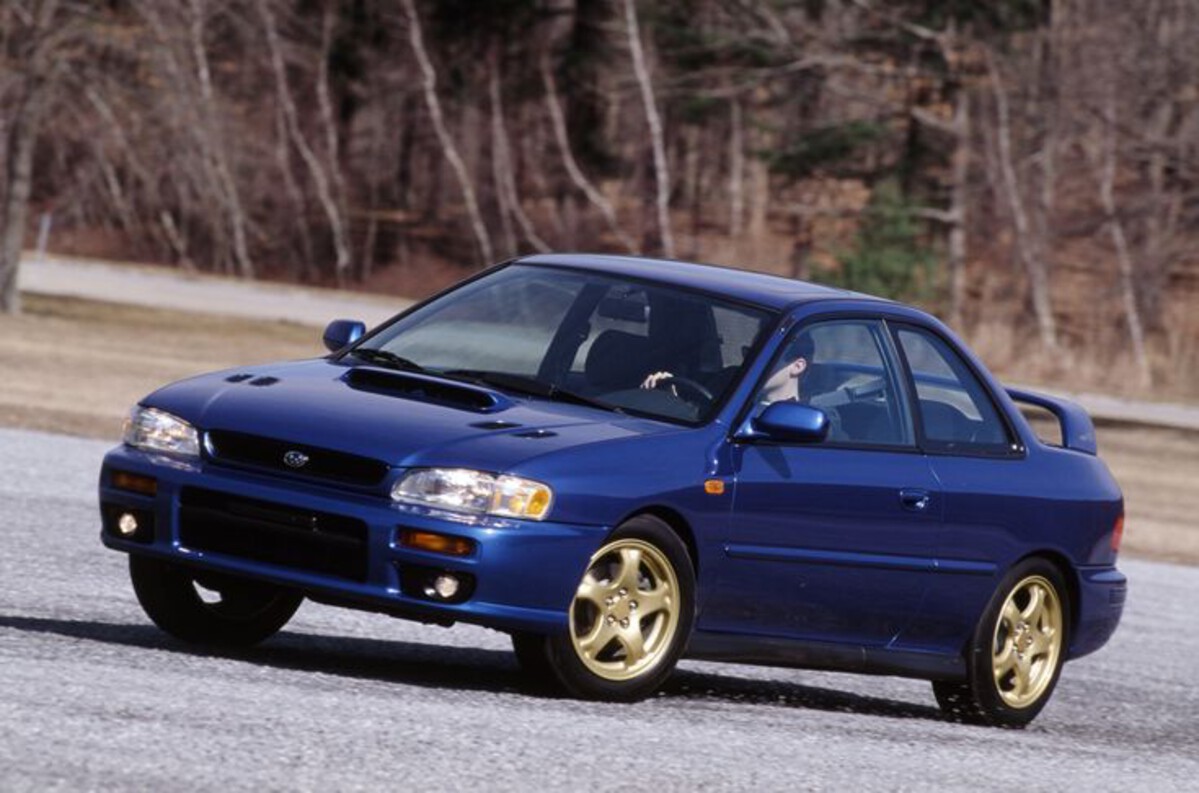
Maintenance access further reduces risk. Subaru positions its fuel filters and pumps for easy access, allowing rapid diagnosis and replacement, which in turn helps keep the system pristine. The inclusion of multiple warning systems means drivers are rarely surprised by impending fuel issues.
Highlighting the Subaru Impreza illustrates how a focus on all-season reliability gives drivers an extra layer of assurance, whatever the weather or traffic level. It’s not just about surviving winter, but about making every commute feel less like a gamble, even on the most unpredictable days.
5. Volkswagen Golf (German Precision for Urban Survivability)
Volkswagen’s Golf represents a tradition of practical, everyday engineering. Its stall-proof fuel system is crafted to keep the engine reliably running in busy city environments, regardless of traffic or weather disruptions.
The Golf uses a direct injection system that combines real-time data from numerous sensors to maintain balanced fuel delivery.
Highlights include high-precision injectors and software that carefully regulates the amount of gasoline entering the engine based on immediate needs.
The Golf’s electronic control unit quickly corrects for unexpected loads, such as air conditioning kicking in or aggressive steering input at low speeds, preventing stalling that could plague less sophisticated engines.
Beyond software excellence, physical hardware plays a vital role. The fuel pump and filter are designed for longevity and swift intervention if anomalies are detected.
Even at high mileage, Golf drivers report robust performance without a drop in idle stability or startup reliability a testament to Volkswagen’s choice of premium materials and durable construction techniques.
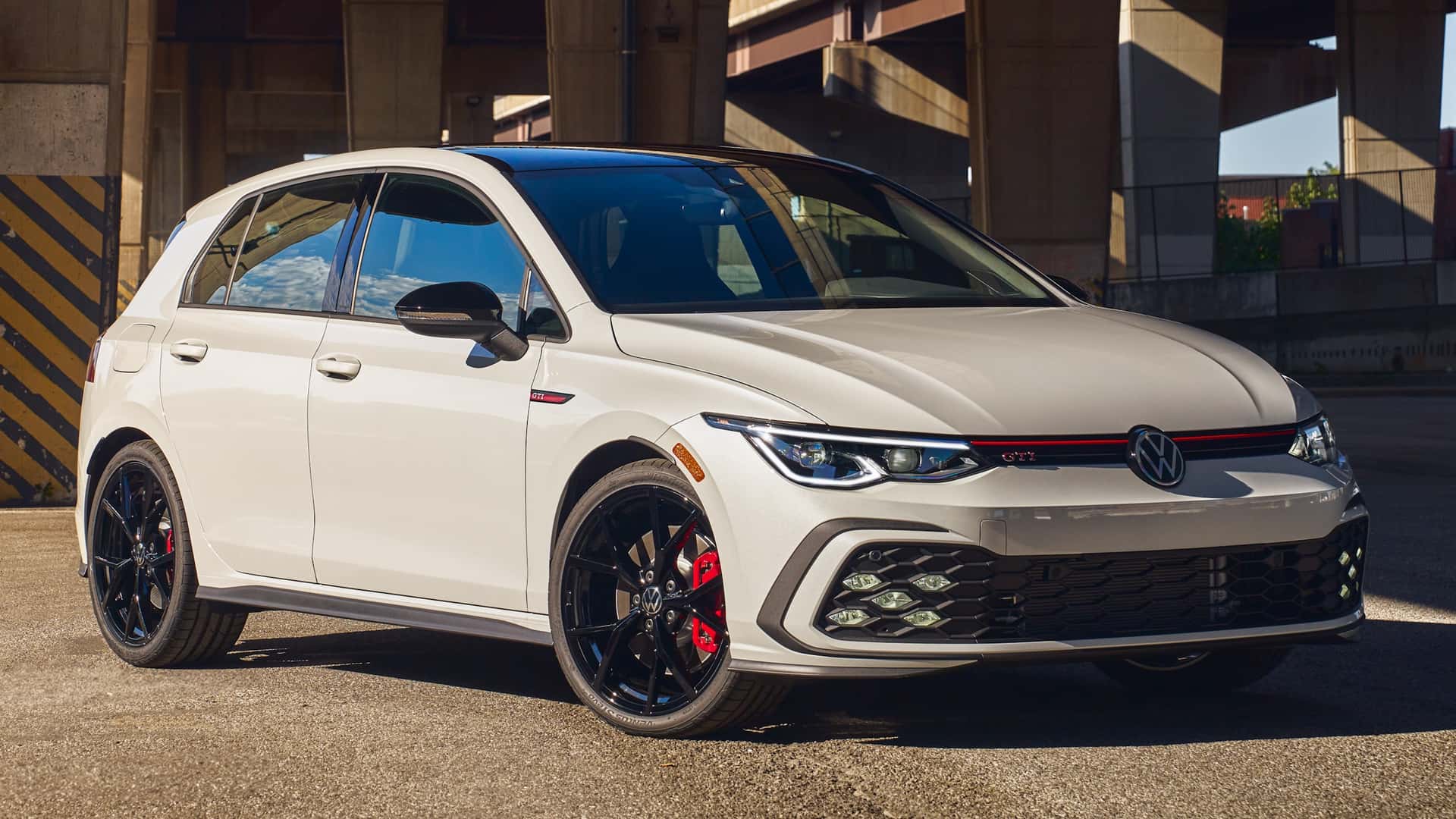
Volkswagen’s attention to customer feedback also shapes system improvements, as each new generation incorporates lessons from millions of city drivers worldwide.
Lifting the Golf as an example underlines the importance of combining technical innovation with real-world testing. Reliable fuel systems are not just for luxury cars; practicality and day-to-day peace of mind matter just as much as performance specs and brand prestige.
Cars That Stall in Traffic
Not every car makes city driving smooth. While some vehicles are known for robust engineering that keeps drivers moving even during the grind of rush hour, others repeatedly crop up in driver complaints about stalling or unresponsive engines amid the pressure of urban life.
Stalling in traffic is more than just a minor annoyance: it leads to safety risks, interrupts schedules, and often results in costly repairs or roadside assistance that could have been avoided with better system design or more proactive maintenance.
The causes of frequent stalling range from poorly designed or aging fuel delivery systems to weak sensors and inflexible software that fails to adjust to real-world conditions.
In many cases, models that stall are not necessarily at the bottom of the price ladder; some suffer from inherent quirks in their engineering, while others are simply neglected, with warning signs ignored over months or years.
Starting with five cars that have earned a reputation, rightly or wrongly, for stalling in traffic highlights key pitfalls drivers may face. Each case explores not just the mechanics but the real experiences of owners left stranded.
By shining a light on these problem areas, readers can make more strategic choices, either through attentive maintenance, smarter shopping, or simply setting realistic expectations before their next urban adventure.
Addressing this side of the equation brings much-needed balance to how we think about cars and confidence on busy roads.
1. Ford Focus (Common Urban Stalling Issues)
The Ford Focus, especially in its earlier model years, gained a reputation for stalling during stop-and-go traffic, frustrating many city commuters.
Much of the problem traces back to the vehicle’s fuel and ignition system design, which sometimes struggled to maintain stable combustion under low-speed, high-load conditions.
Many Ford Focus models feature fuel delivery setups and engine control units that are sensitive to injector wear or clogged fuel filters.
Over time, this sensitivity can lead to inconsistent fuel pressure, resulting in hesitation or sudden engine stalls at intersections or in heavy traffic.
Another contributing factor is the idle air control valve, whose malfunction was a frequent complaint among owners. When this valve sticks or becomes clogged, the engine cannot properly adjust idle speed, causing it to die unexpectedly.
Further complicating matters are software issues with the engine management system. Firmware bugs in certain model years meant the computer was slow to adapt to rapid throttle changes, causing surges or stalls when drivers attempted to accelerate away from a stop.
Transmission interaction in automatic versions also sometimes caused conflicts that affected idle stability.
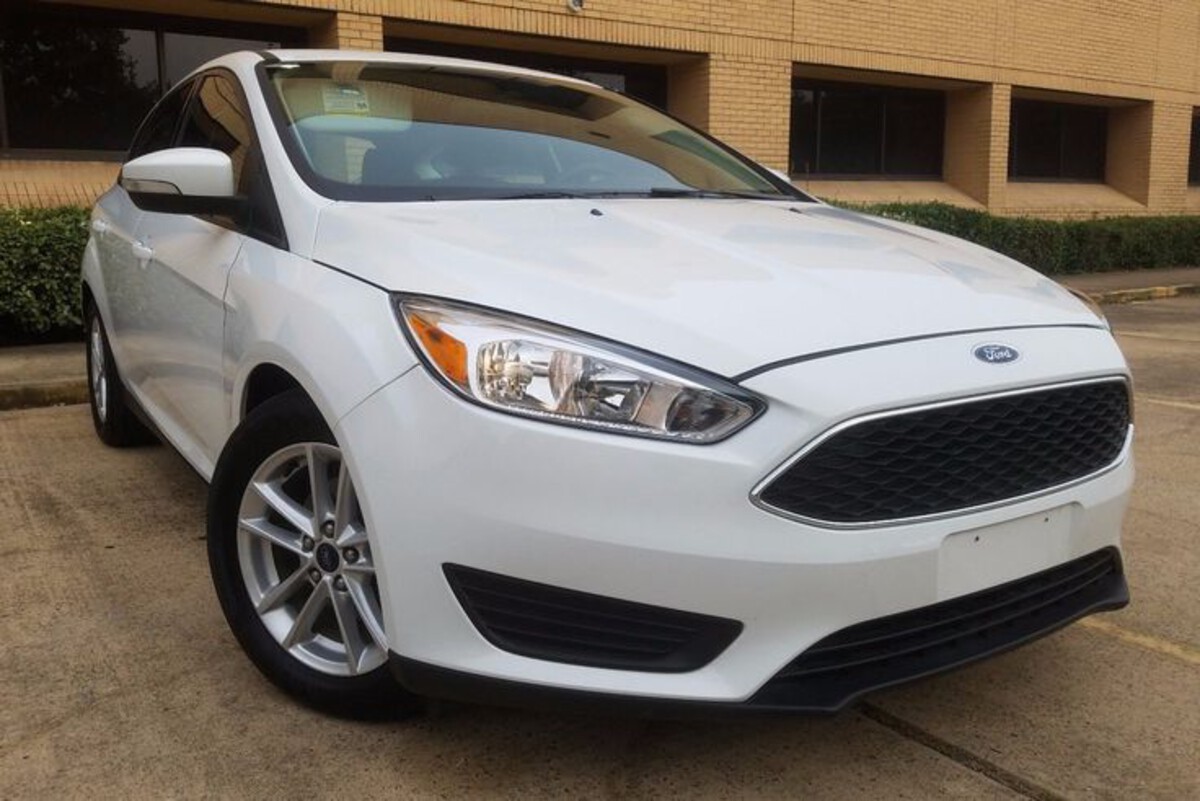
Ford responded to many of these complaints with recalls and updated software patches, but some drivers continue to experience intermittent stalls, especially if routine fuel system maintenance is neglected.
Writing about the Ford Focus here shows how a combination of moderately sophisticated technology and wear factors can undermine fuel delivery reliability, making it a cautionary case for drivers who value smooth urban driving above all else.
2. Jeep Cherokee (Fuel System Vulnerabilities in Traffic)
The Jeep Cherokee, particularly models from the early 2010s, gathered criticism for stalling issues that often surfaced in dense traffic or stoplight conditions.
The cause was largely traced to its fuel pump and injection controls, which sometimes failed to maintain consistent pressure during frequent stop-start driving.
Jeep’s design sometimes suffered from fuel pump overheating, which caused temporary fuel starvation and engine shutoffs.
The problem was exacerbated by high engine temperatures during summer months or in heavy traffic jams, precisely when steady fuel supply is critical.
Additionally, the electronic control module did not always respond swiftly to fluctuations, leading to engine hesitation or stall.
Owners frequently reported the engine dying shortly after coming to a stop or while idling for extended periods.
These symptoms were sometimes misdiagnosed as ignition coil or sensor failures, delaying effective repairs. Without prompt intervention, repeated stalls could damage the catalytic converter, compounding repair costs.
Fiat Chrysler Automobiles (FCA) issued some recalls and extended warranty coverage for related fuel system components to address these issues.
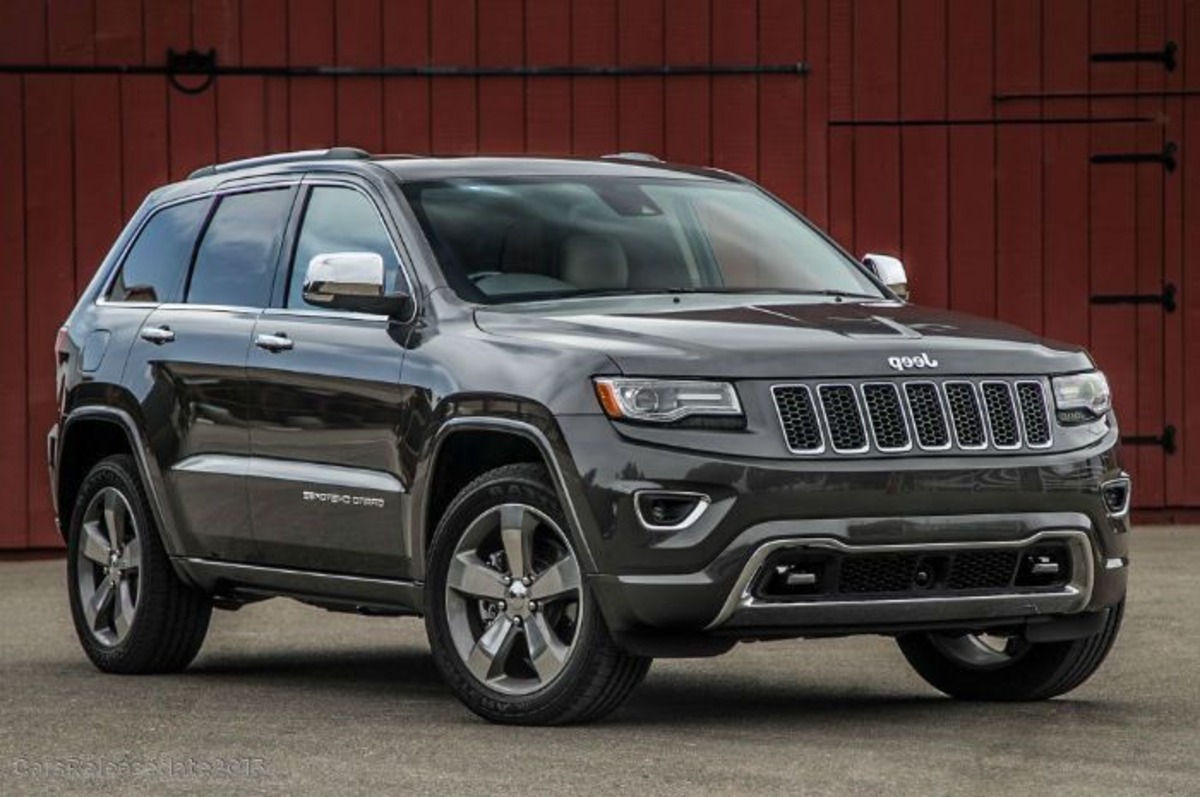
Yet, drivers of affected Jeep Cherokee models often needed to remain vigilant about fuel filter changes and system diagnostics.
Including the Jeep Cherokee emphasizes how even well-regarded SUVs can fall victim to stalling due to thermal and software management gaps, especially in urban stop-and-go environments, reminding drivers to consider not just power but sustained reliability.
3. Volkswagen Jetta (Stalling Complaints in Stop-and-Go Traffic)
The Volkswagen Jetta, while praised for its European styling and solid build, has seen multiple owner reports of stalling at low speeds or during traffic lights. Particular focus falls on earlier versions equipped with direct injection engines prone to fuel system quirks.
One common issue involves the high-pressure fuel pump, which in some cases delivered inconsistent fuel flow at idle due to wear or contamination.
The result was an engine that could stumble or stall unpredictably, particularly when the injector timing wasn’t perfectly calibrated.
The electronic control unit sometimes required software updates to smooth out throttle response, without which drivers reported erratic engine behavior.
Another point of concern was the dual-mass flywheel in manual transmission variants, which could cause vibrations and rough idling that interfered with steady engine operation at low speeds. Automatic models, meanwhile, sometimes suffered from torque converter issues influencing engine performance during stops.
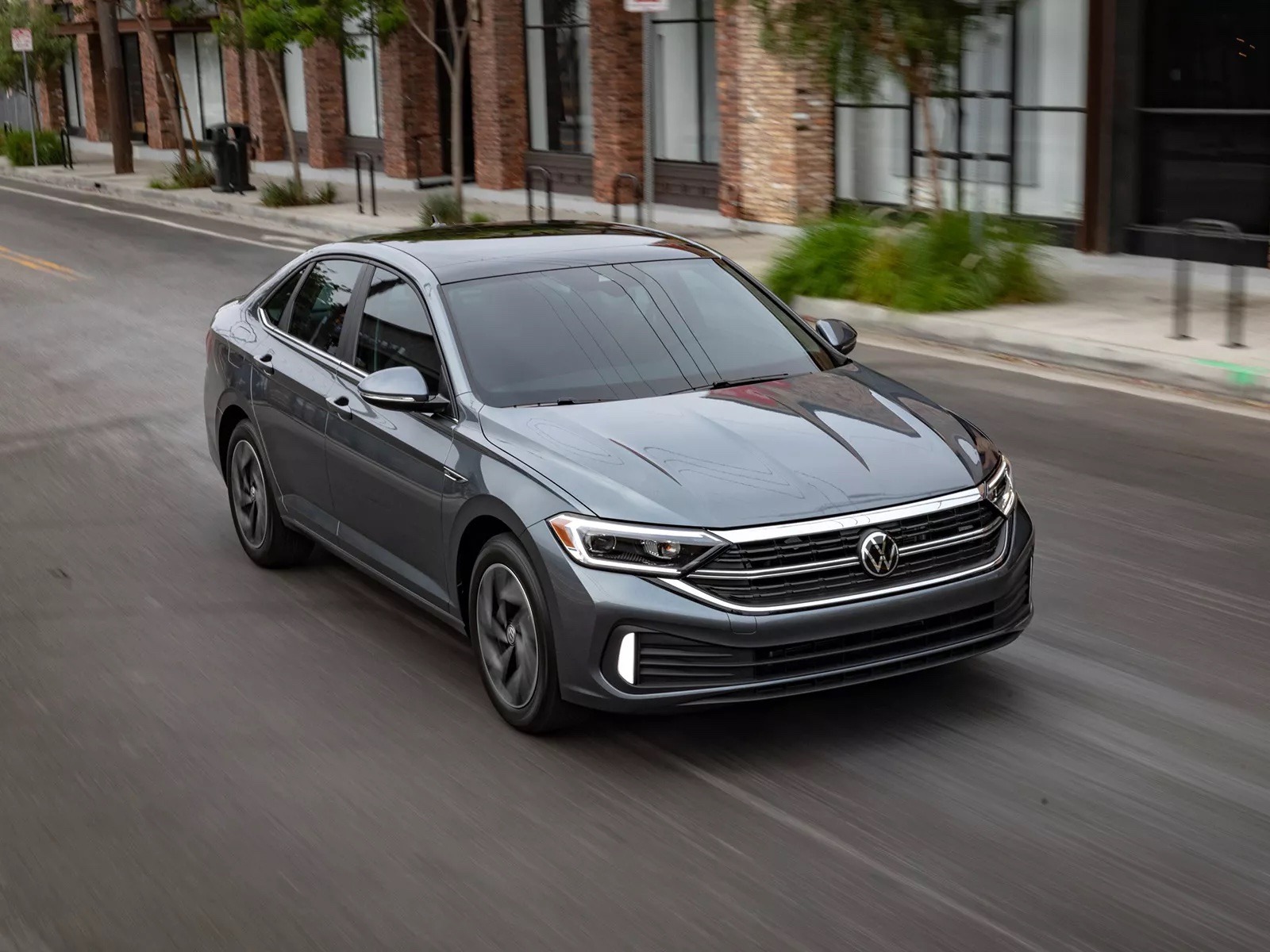
Volkswagen provided service campaigns addressing fuel pump replacement and ECU calibration, but not all owners reported complete resolution. Drivers in cities noted that frequent short trips and stop-start conditions accelerated some of these faults.
Writing about the Volkswagen Jetta brings forward the risks associated with complex fuel injection technology that, while designed for performance and efficiency, may struggle without timely maintenance or updates in real-world driving conditions.
4. Mini Cooper (Stalling Problems Under Urban Stress)
The Mini Cooper is beloved for its compact size and engaging driving dynamics, yet it also has a history of stalling troubles, especially in city driving. Stalling often emerges from issues with its fuel injection system and throttle body sensors, which can cause inconsistent engine idling.
Earlier models frequently experienced problems with the idle control valve and mass airflow sensor, with build-ups or faulty readings leading to erratic fuel-air mixtures. These imbalances often caused the engine to stall at stop signs or traffic lights.
Additionally, wiring harness faults related to these sensors sometimes triggered warning lights but not always early enough to prevent stalls.
Another contributing factor was software glitches in the engine control unit that delayed adjustments needed during rapid throttle changes or prolonged idling periods. This sometimes resulted in the engine cutting out unexpectedly, especially when drivers shifted pedals or stopped suddenly.
BMW’s ownership of Mini led to several service bulletins and part replacements aimed at correcting these faults, though many Mini owners needed repeated repairs to keep stalls at bay. The complexity and premium engineering also meant repairs could be more expensive than average.
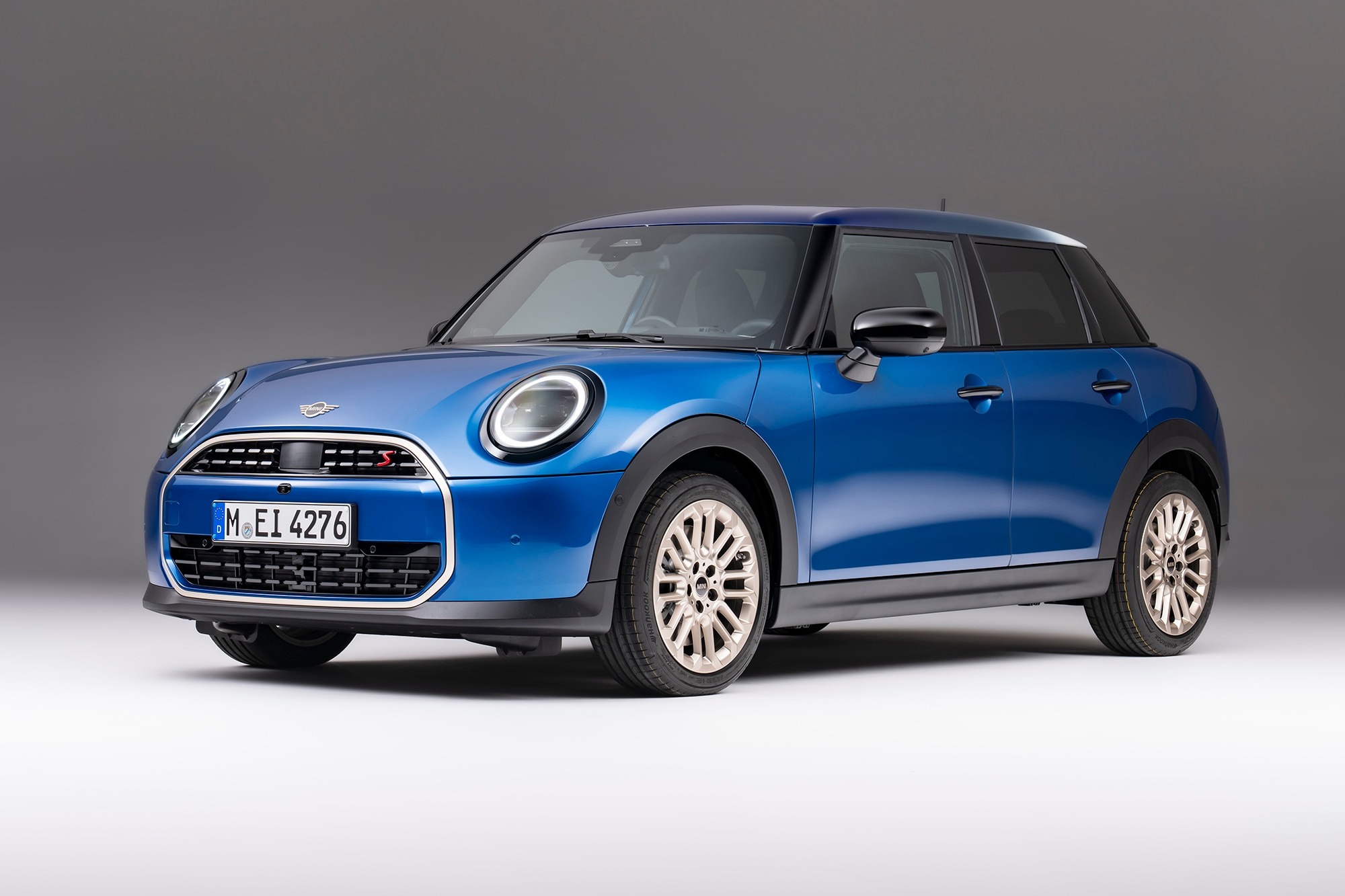
Discussing the Mini Cooper here illustrates the trade-offs between sporty performance and the demands of reliable, smooth fuel delivery in slow-moving traffic situations, areas that automakers constantly balance but sometimes miss.
5. Nissan Altima (Urban Stalling and Fuel Delivery Concerns)
The Nissan Altima, a popular midsize sedan, has encountered stalling complaints in certain model years, especially within congested city environments.
Notable causes include issues with the fuel pump module and idle air control system, which under stress fail to keep the engine running when idling or creeping forward.
Owners often reported the engine shutting off abruptly after stopping or during prolonged idling, sometimes requiring a restart to resume movement.
This was traced to fuel pressure drops caused by pump wear or debris clogging the fuel filter, compounded by idle control valves that struggled to maintain a steady base RPM.
Additionally, problems with the throttle position sensor and its interaction with the engine computer sometimes manifested as hesitation, followed by stalling under load changes common in stop-and-go traffic.
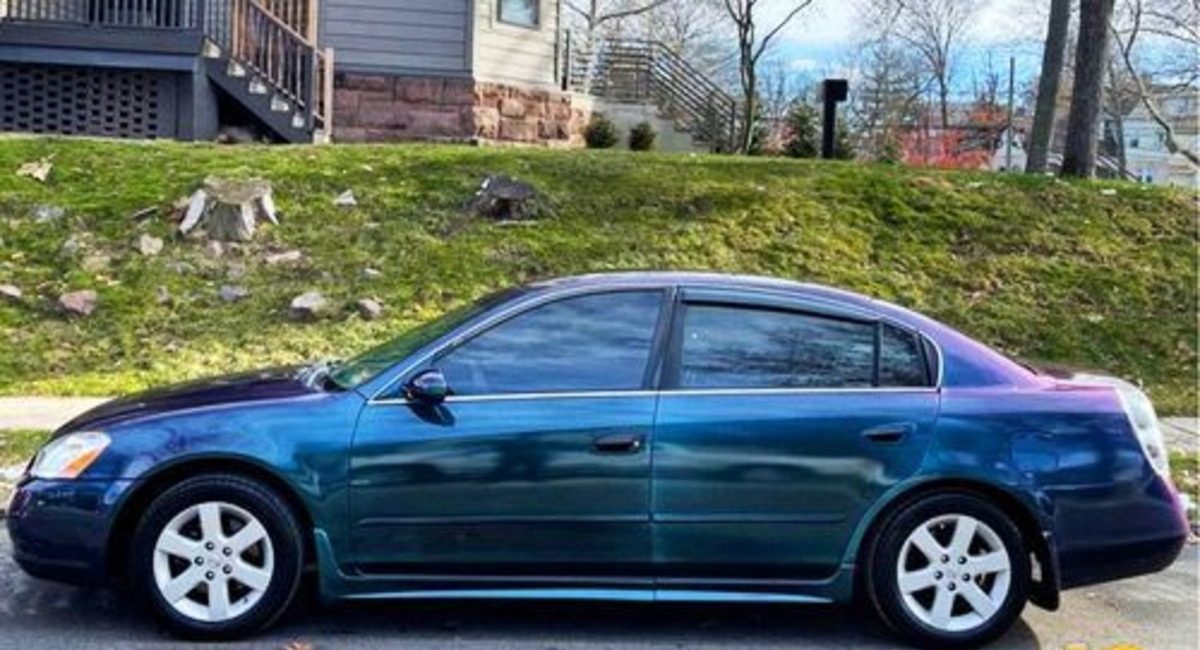
Nissan dealers addressed many of these concerns through updated parts and software recalibrations, but recurring issues persisted if maintenance schedules were missed.
Highlighting the Nissan Altima’s challenges serves as a reminder that even mainstream models must be carefully maintained and that fuel system design must prioritize consistent performance under the tricky conditions of urban driving.
Also Read: 5 Pickup Heads with No Gasket Issues vs 5 with Head Gasket Failures by 120,000 Miles
