

Automobiles today are engineered with incredible precision, but not all engines are created equal, especially when it comes to oil circulation.
Efficient oil flow governs not only engine longevity but also impacts performance, particularly under strenuous conditions. As more drivers demand increased reliability for their high-performance vehicles, the subject of oil pumps has received heightened attention.
Performance aficionados often opt for high-flow oil pumps to ensure consistent lubrication, especially during aggressive driving or racing. These pumps aim to reduce the risk of oil starvation and the premature wear associated with high temperatures and extreme loads.
Conversely, stock oil pumps remain the standard equipment for most factory vehicles. Designed primarily for everyday driving, these pumps can sometimes become a bottleneck when faced with relentless heat or spirited driving habits.
This mismatch can lead to overheating, resulting in significant wear, potential engine damage, or outright failure.
Understanding the distinctions between cars equipped with high-flow pumps and those that struggle with stock variants is crucial for anyone considering modifications or worried about engine reliability under stress.
This guide will examine five vehicles that benefit from high-flow oil pumps and five that have documented overheating concerns with their stock systems, providing insights for both enthusiasts and everyday drivers.
Also Read: 5 Cars With Ergonomic Dash Layouts vs 5 With Poor Ergonomics
5 Cars with High-Flow Oil Pumps
Performance car enthusiasts often modify their engines to extract more power and reliability, especially when demanding conditions push mechanical components to their limits. One key upgrade that consistently yields results is the installation of a high-flow oil pump.
This component is engineered to deliver a greater volume of oil throughout the engine, ensuring that critical parts receive adequate lubrication and cooling, particularly at high revolutions per minute (RPM) or under intense load.
The choice to fit a high-flow oil pump often arises after drivers experience the limitations of the stock system, such as oil starvation or rising temperatures during extended track use, spirited driving, or increased horsepower builds.
Each vehicle featured in this section symbolizes a commitment to performance. Owners frequently recognize the stock oiling systems’ shortcomings when tuning for significantly more horsepower than originally intended, or when the factory design intended for regular street driving simply cannot cope with track-day scenarios.
Discussing these five vehicles highlights the unique reasons drivers upgrade to high-flow oil pumps and how such a modification can transform both reliability and engine lifespan.
The detailed examples provide practical insights into real-world benefits, common issues addressed, and why high-flow oil pumps have become a cornerstone upgrade for specific platforms loved by automotive enthusiasts.
1. Chevrolet Corvette C6 Z06 (LS7 Engine)
The Chevrolet Corvette C6 Z06 stands as a testament to American engineering, equipped with the 7.0L LS7 V8, renowned for delivering brute force and exhilarating performance.
However, the LS7 engine has earned a reputation for oiling issues, especially when subjected to extreme driving conditions.
Many owners found that the factory oil pump, while suitable for regular spirited street use, fell short on the racetrack, leading to low oil pressure warnings and the specter of catastrophic engine failure.
The LS7’s dry-sump lubrication system was a step in the right direction, intended to address oil starvation at high RPM.
But aggressive laps and aerodynamic grip could expose a lack of oil volume, particularly in high-g corners or under hard acceleration, where oil sloshing and heat build-up strain the lubrication system.
Enter the high-flow oil pump upgrade, which directly tackles the pressure drop by increasing both the volume and consistency of oil delivered throughout the engine.
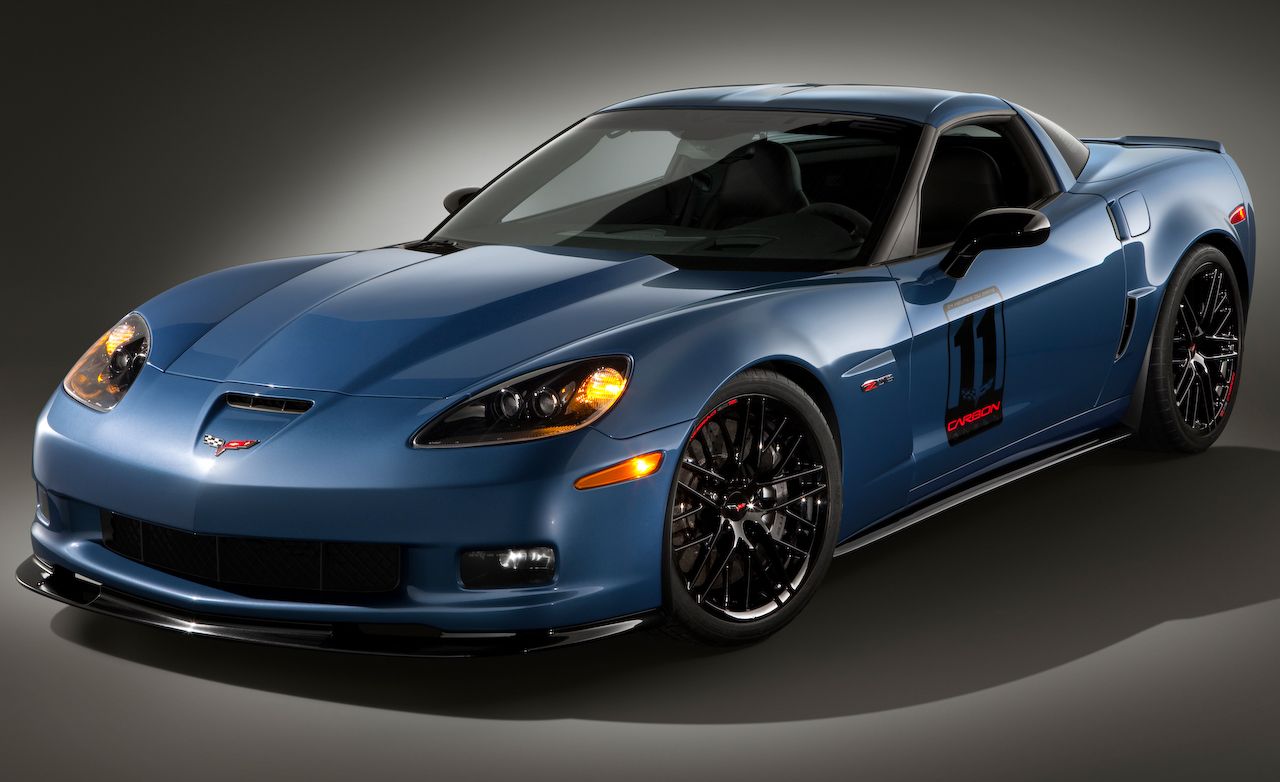
Why mention the Z06? Simply put, it’s a car many owners buy with track use in mind. The LS7 is famed for its high-revving nature and track credentials, but also notorious for bearing failures and decreased reliability when run hard with the stock oiling system.
As a result, high-flow oil pump kits have become a must-have modification among Corvette C6 Z06 owners seeking peace of mind during HPDE events or competitive racing.
Upgrading ensures proper lubrication at all times, protecting the investment and allowing the legendary LS7 engine to thrive without the lurking threat of oil starvation.
2. Nissan GT-R R35
The Nissan GT-R R35 occupies a unique space among modern performance vehicles, boasting a twin-turbocharged V6 that can be tuned for sky-high power outputs.
The factory oil pump functions well within the original performance envelope, but when GT-R owners pursue significant power upgrades, sometimes exceeding 1,000h,p the limitations of the stock oiling system become evident.
The VR38DETT engine, with its complex forced induction and high RPM operation, generates intense heat and requires rapid, uninterrupted oil circulation.
Experiences from both professional tuners and seasoned GT-R owners indicate that the high-performance community faces an increased risk of oil starvation with the stock pump, particularly on track or during high-boost scenarios.
High-flow oil pumps step in to address these challenges, offering increased oil volume and improved pressure stability when the engine demand is at its peak.
Discussing the R35 GT-R here is important because it reflects a common trend among performance car owners: as the search for more horsepower intensifies, so does the need to bolster ancillary systems such as oil delivery.
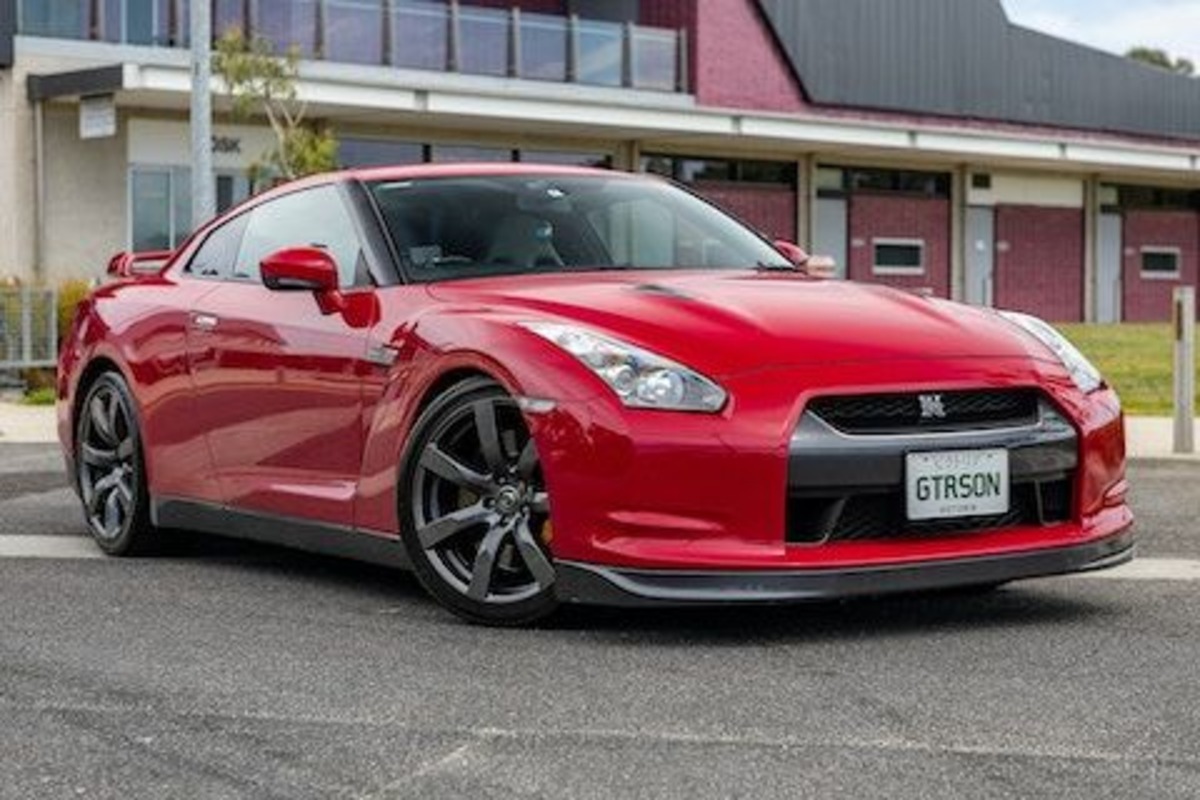
The high-flow pump solution has proven pivotal for those seeking to push the VR38DETT to its limits reliably. A well-chosen high-flow oil pump helps safeguard against costly failures, allowing enthusiasts and professionals alike to extract phenomenal performance from this already potent platform.
3. Ford Mustang GT500 (Shelby, Supercharged V8)
The Ford Mustang GT500, especially model years equipped with the supercharged 5.2L V8, embodies American muscle at its most ferocious. The lure of these vehicles often includes drag racing, circuit events, and substantial aftermarket performance upgrades.
Ford’s stock oiling system, while robust under everyday use, can come up short under the extraordinary stresses imposed by aggressive supercharger pulleys, high-boost operation, and prolonged high-speed runs.
High-flow oil pumps emerge as a vital safeguard for the GT500 when power levels stretch far beyond factory specifications.
Owners pushing for 700hp or more frequently report oil pressure drops at sustained high RPM, especially with modifications that increase cylinder pressures and rotational speed.
The increased oil flow not only maintains bearing lubrication but also aids in dissipating the significant heat produced by the blown V8 under strenuous operation.
Highlighting the Mustang GT500 in this context demonstrates the intersection of American muscle tradition with modern engineering challenges.
These vehicles are engineered for sheer torque and acceleration, yet owners routinely seek to enhance every aspect of performance.
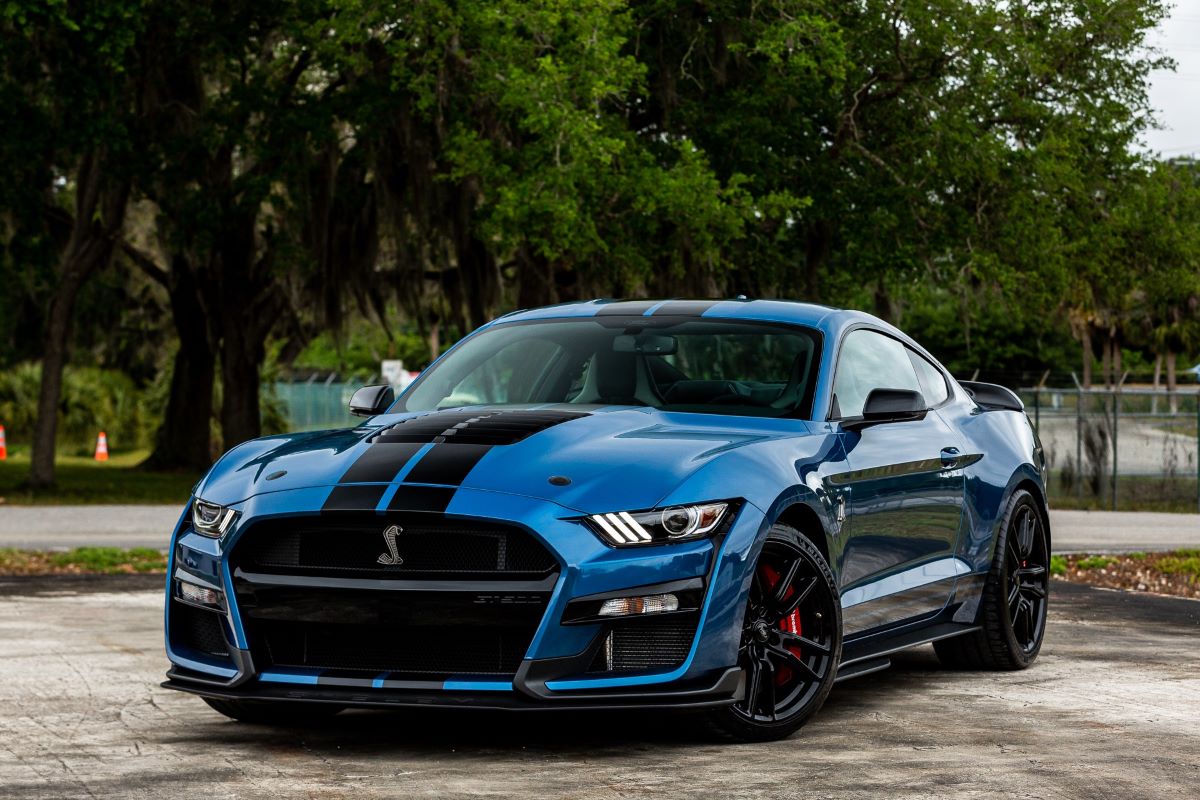
Investing in a high-flow oil pump is not only a common-sense modification for serious builds but also an insurance policy, protecting one of Ford’s most revered engines from premature wear or catastrophic damage during the pursuit of ever-greater power.
4. Subaru WRX STI (EJ257 Engine)
The Subaru WRX STI, equipped with the venerable EJ257 turbocharged flat-four, is beloved by turbocharged all-wheel-drive enthusiasts worldwide. Yet, the factory oil pump is frequently cited as a weak link, particularly in heavily tuned or track-driven cars.
Subaru’s turbocharged boxer engine is known for generating considerable heat and pressure, with oiling issues frequently discussed in enthusiast forums.
The stock oil pump often struggles to maintain adequate flow and pressure at sustained high RPM or under increased boost. This shortfall contributes to a range of failures from spun bearings to turbocharger wear.
High-flow oil pumps are a popular answer within the community, offering peace of mind and greater engine longevity. Enhanced oiling prevents critical lubrication breakdowns and helps keep engine temperatures in check, especially during rally runs or high-speed pursuits.
The inclusion of the WRX STI here is essential because it reflects how a performance-oriented car, marketed with motorsport pretension,s can still benefit tremendously from aftermarket oiling upgrades.

Given the EJ-series’ predisposition for bearing failures and overheating, aftermarket high-flow oil pumps are a near-necessity for anyone asking more of their Subaru than the average enthusiast. This upgrade represents a proactive measure to keep performance and reliability in harmony.
5. BMW E46 M3 (S54 Engine)
The BMW E46 M3, equipped with the high-revving S54 inline-six, enjoys legendary status among drivers who crave purity and sharpness on both the street and track. Renowned for producing peak power near the redline, the S54 engine is celebrated for its spirited performance.
However, this reputation comes with a caveat: numerous reports over the years have documented oil starvation and pressure loss during extended high-speed cornering or track use, leading to costly bearing failures.
BMW engineers designed a capable oiling system for spirited daily driving, but the S54’s appetite for RPM can reveal its vulnerabilities, particularly during track days or with sticky tires that generate significant lateral forces.
Aftermarket high-flow oil pumps address the specific challenge of maintaining steady oil pressure at high engine speeds and under dynamic load swings, delivering the volume necessary to keep the S54’s internals safe.
Discussing the E46 M3 in this context illustrates that even a car praised for its engineering excellence can benefit from thoughtful upgrades.

Many performance enthusiasts regard the high-flow oil pump not as an optional modification but as a practical step toward ensuring the longevity of a prized performance machine.
For those who regularly push the legendary M3 on road courses or twisty backroads, the benefit is clear: robust lubrication and peace of mind, even in the face of aggressive driving.
5 Cars with Stock Pumps That Overheat
Vehicle reliability hinges largely on engine health, and a crucial part of that equation is oil flow and temperature regulation.
While factory-equipped oil pumps are designed to cater to typical driving conditions, they often fall short when subjected to high-stress environments or performance upgrades.
In particular, certain models have earned notoriety for stock oil pumps that struggle to cope, resulting in elevated oil and engine temperatures. These issues can manifest during spirited driving, on racetracks, or when modifications place additional demands on the lubrication system.
Highlighting cars with a history of overheating due to their stock oil pumps provides vital context for drivers considering pushing their vehicles beyond regular commuting.
Some models, despite an otherwise robust mechanical reputation, become infamous among enthusiasts for chronic oiling issues.
For these vehicles, engine damage from excessive heat can occur even under moderate strain, exposing the design’s shortcomings and sparking aftermarket solutions and technical debates among owners.
By examining five specific vehicles known for these problems, this section underscores the importance of oiling system capacity and highlights when stock reliability hits a thermal barrier.
1. Mazda RX-8 (Renesis Rotary Engine)
Mazda’s RX-8, powered by the Renesis rotary engine, is often admired for its lightweight chassis, agile handling, and unique powertrain.
However, this innovation came at a cost, particularly regarding the engine’s oiling and temperature management. Unlike conventional piston engines, rotaries generate more heat per unit of displacement and are notorious for their tendency to run hot.
The stock oil pump in the RX-8 struggles to circulate adequate oil volume, especially as oil temperatures climb during spirited driving or track sessions.
Owners frequently report incidents of overheating, with symptoms ranging from flickering oil pressure warnings to more catastrophic failures like apex seal wear or engine seizure.
The limitations of the factory oil pump are compounded by the engine’s small oil passages and dependence on oil for cooling as well as lubrication.
These issues are exacerbated if routine maintenance is overlooked or if the engine is subjected to prolonged high-rev operation, both common scenarios for RX-8 enthusiasts.
Why highlight the RX-8 here? The rotary engine’s quirks require a particularly attentive approach to lubrication and temperature control.

A better understanding of the RX-8’s challenges especially related to its stock oiling system can inform both prospective and current owners about crucial care steps.
Many have undertaken extensive aftermarket modifications, like adding oil coolers or high-capacity pumps, to mitigate these well-documented concerns. The RX-8 stands testament to the need for robust oiling in unique or high-strung engine configurations.
2. Ford Focus ST (Ecoboost Engine)
The Ford Focus ST, sporting a turbocharged 2.0L EcoBoost engine, is a favorite among hot hatch enthusiasts, balancing everyday usability with punchy performance.
However, the stock oil pump and its associated lubrication system have come under scrutiny, especially among drivers who modify boost levels or participate in spirited driving events.
The stock pump, adequate for daily driving, can reach the limit of its capabilities under sustained high speeds or increased output from aftermarket modifications.
Instances of engine overheating and premature oil breakdown are not rare in the Focus ST community, especially after extended aggressive driving sessions or in warmer climates.
The turbocharger magnifies this problem, raising oil temperatures quickly and challenging the stock pump to keep up with increased demand.
Reports of oil starvation, especially at high RPM or under heavy boost, have prompted some owners to invest in oiling upgrades, such as additional cooling and even aftermarket pumps.
Including the Focus ST here illustrates that performance-oriented models, even from the factory, can harbor weak spots in critical systems.
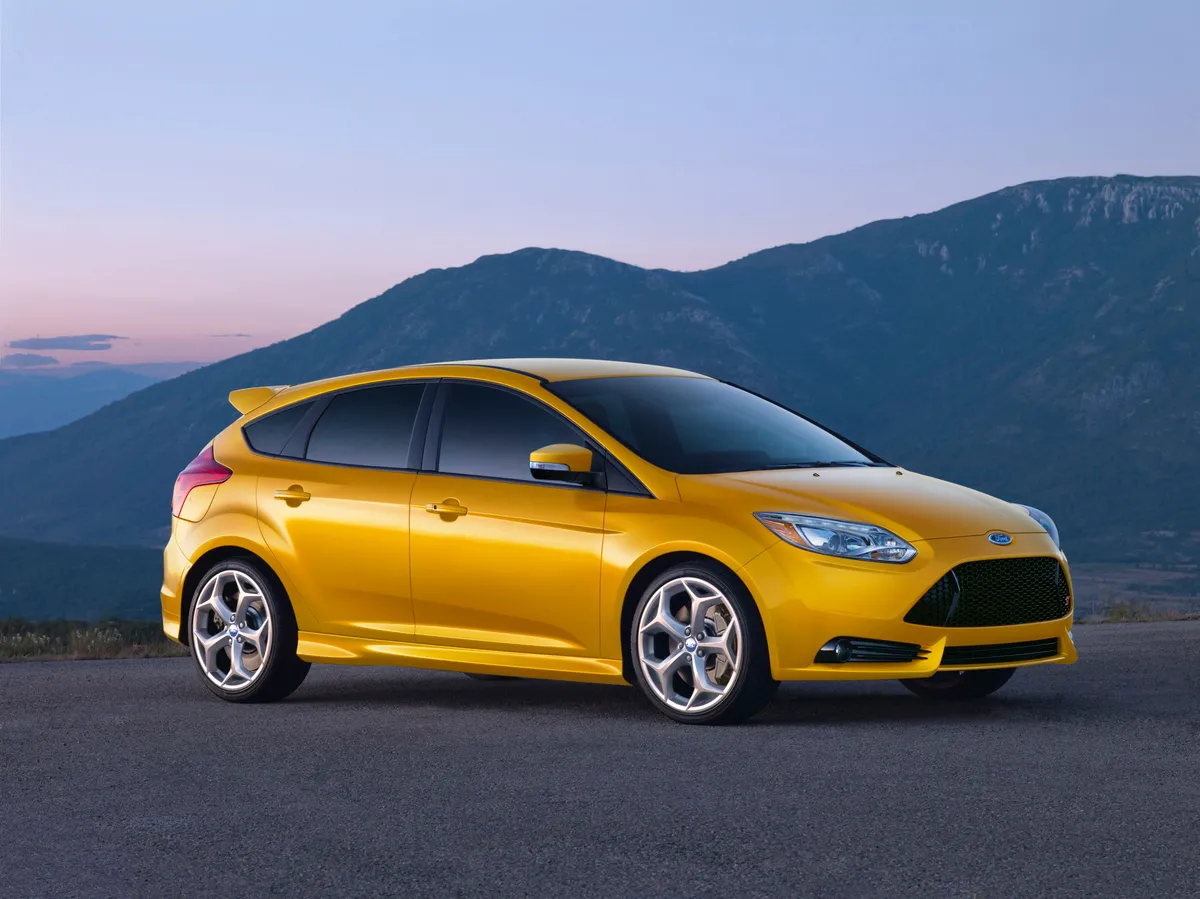
The car’s popularity among tuners means that many encounter the stock pump’s limitations sooner than anticipated.
Awareness of these challenges encourages wise maintenance decisions and may motivate preventative upgrades, especially for those keen to keep their Focus ST running reliably during both daily duties and spirited excursions.
3. Toyota 86 / Subaru BRZ (FA20 Engine)
The Toyota 86 and Subaru BRZ represent a collaboration aimed at delivering affordable, balanced rear-wheel-drive performance. Central to this experience is the FA20 four-cylinder boxer engine, engineered for responsive power delivery and a high-revving character.
Despite these strengths, the stock oil pump and overall lubrication system have faced criticism for overheating and pressure loss, particularly under track or autocross conditions.
Drivers regularly report seeing oil temperatures climb uncomfortably high during circuit events.
The FA20 engine, with its compact packaging and high-rev design, can outpace the stock oil pump’s capacity for sustained lubrication and cooling at the upper end of its performance envelope. This scenario is exacerbated by upgrades such as stickier tires and turbocharger or supercharger kits, which increase both heat and oil demand.
Highlighting the Toyota 86 and Subaru BRZ in this discussion is necessary, as their affordable sports car credentials make them popular for time attack, autocross, and weekend track days settings where stock oiling limitations are quickly exposed.
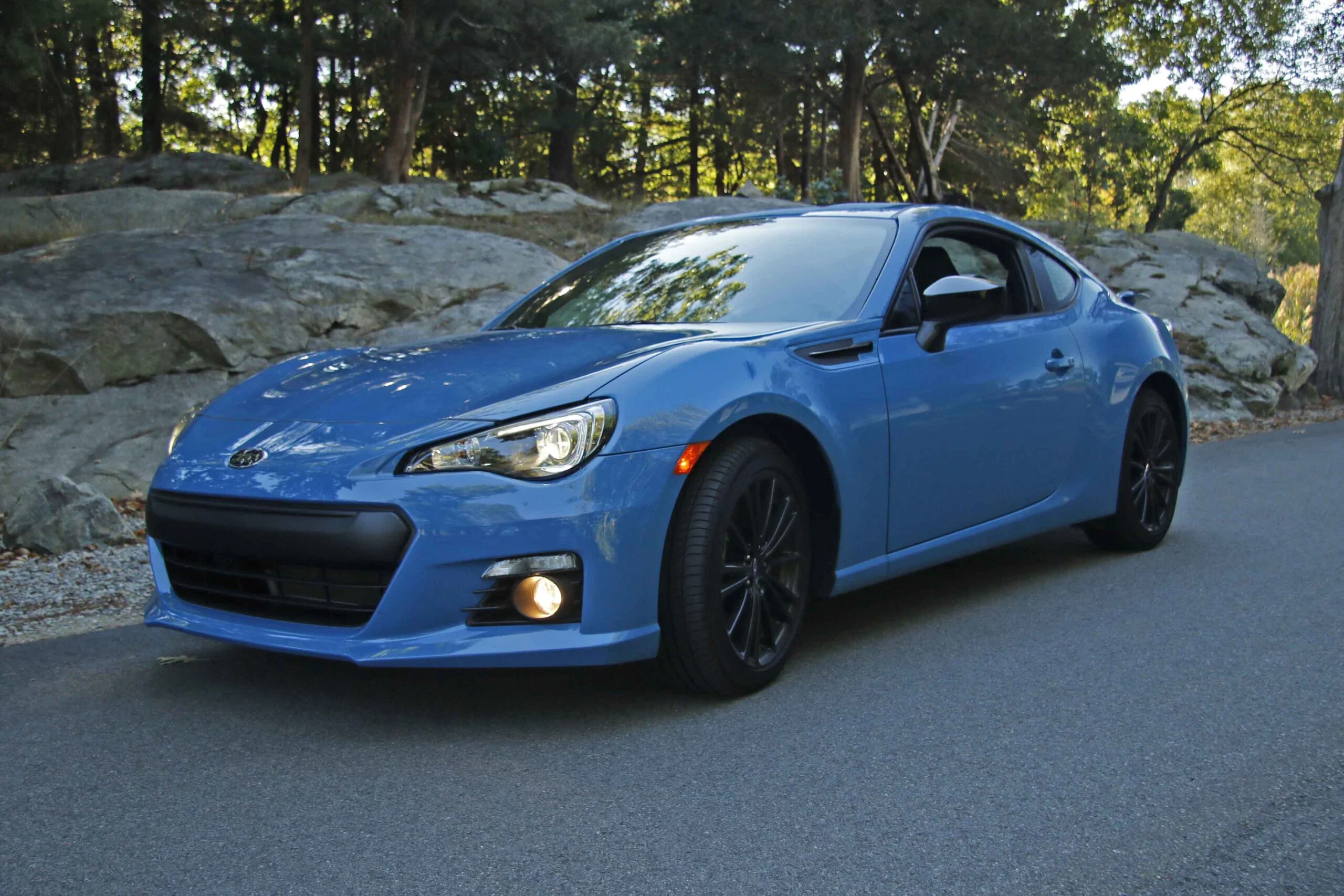
Many owners invest in additional oil coolers or high-capacity pumps to avoid oil-related engine failures, illustrating how even well-designed sports cars benefit from proactive solutions when pushed far beyond the expectations of their original design parameters.
4. Dodge Challenger SRT Hellcat
The Dodge Challenger SRT Hellcat, with its supercharged 6.2L HEMI V8, is a potent demonstration of American horsepower. Built to deliver immense straight-line speed, the Hellcat dominates drag strips and open roads alike.
However, when this mountain of power is exercised vigorously, the stock oiling system has been found lacking. High oil and engine temperatures during extended runs or repeated full-throttle blasting have prompted concern, and owners have increasingly reported oil pressure drops under such duress.
The massive power output and intense thermal loads demand a correspondingly robust lubrication system, which the stock pump sometimes struggles to provide.
This mismatch leads to the risk of bearing damage and shortened engine lifespan if proper cooling and oiling enhancements are not implemented.
Many Hellcat owners remedy these issues with upgraded oil coolers or by switching to high-flow aftermarket oil systems, especially when engaging in regular drag racing or high-speed track sessions.
The Hellcat’s inclusion here serves as a cautionary tale about pushing factory systems to their absolute limits. The temptation to unlock all the performance a supercharged V8 offers must be balanced with an awareness of mechanical vulnerabilities.
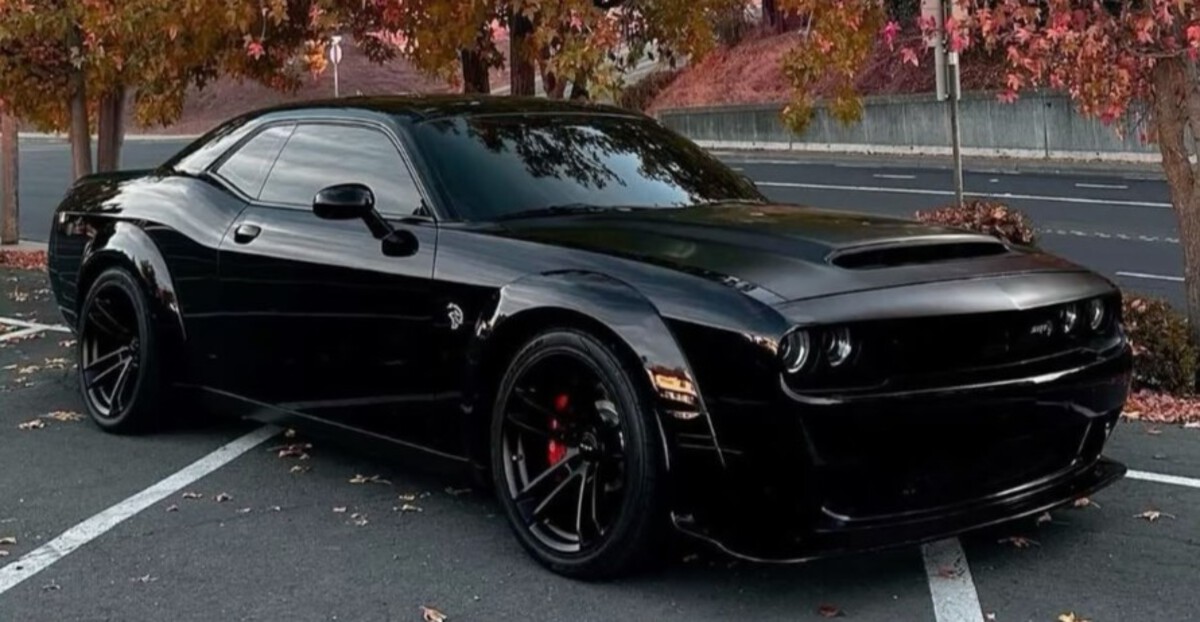
Owners vying for reliable, consistent performance quickly learn the limitations of relying solely on the factory oil pump, particularly when heat is the defining enemy.
5. Volkswagen GTI MK7 (EA888 Engine)
Volkswagen’s GTI, especially in its MK7 iteration with the EA888 turbo-four engine, is revered for blending practicality and enthusiastic performance.
Despite its balanced nature, the stock oiling system has been identified as a source of trouble among drivers who frequent track events, modify their engines, or simply enjoy spirited driving.
The EA888’s turbocharged design means the oil pump must serve both lubrication and cooling roles, with significant demands placed upon it during boost-heavy use.
Owners cite rising oil temperatures and the onset of pressure warnings during prolonged aggressive driving, particularly on warm days or after repeated high-speed sessions.
The stock pump, optimized for a mix of economy and performance, can falter under these stressors, occasionally leading to turbo or main bearing issues. Some within the community turn to aftermarket pumps or oil cooler upgrades to fortify the system against repeated abuse.
Highlighting the GTI MK7 demonstrates that even vehicles recognized for well-rounded engineering are not immune from shortcomings when it comes to oiling capacity under duress.

The widespread nature of this issue among enthusiasts, coupled with the GTI’s strong following as both a daily driver and weekend warrior, makes oiling upgrades an important consideration for those committed to maintaining longevity alongside spirited performance.
This article contrasts vehicles equipped with high-flow oil pumps against those with stock oil pumps prone to overheating, emphasizing the critical role of oil circulation in engine performance and longevity.
High-flow oil pumps are essential upgrades for performance cars subjected to intense loads, maintaining proper lubrication and preventing oil starvation during demanding conditions.
Five examples include the Chevrolet Corvette C6 Z06, Nissan GT-R R35, Ford Mustang GT500, Subaru WRX STI, and BMW E46 M3 vehicles often modified or driven aggressively where enhanced oil flow safeguards engine components and supports high-RPM reliability.
Conversely, several factory vehicles are known for stock oil pumps that struggle with heat management under stress, leading to overheating and potential engine damage.
These include the Mazda RX-8 with its rotary Renesis engine, Ford Focus ST’s EcoBoost engine, Toyota 86/Subaru BRZ’s FA20 boxer, Dodge Challenger SRT Hellcat’s supercharged V8, and Volkswagen GTI MK7’s turbocharged EA888 engine.
In these cases, the oil pump’s limited capacity can cause oil pressure drops and elevated temperatures during spirited driving or track use. Many owners opt for aftermarket oiling solutions to mitigate these issues and preserve engine health.
Overall, understanding these distinctions helps car enthusiasts and everyday drivers identify when upgrading from stock oil pumps is critical to ensuring optimal engine performance and preventing premature wear or failure.
Also Read: 5 Affordable EV Startups That Deliver and 5 That Fall Short
