
The hybrid vehicle world presents a fascinating paradox in automotive reliability. While the technology has matured significantly over the past two decades, not all hybrid models are created equal when it comes to long-term dependability.
Recent reliability surveys reveal that only 19% of the plug-in hybrids (PHEVs) and regular hybrid cars reported on had any issues, demonstrating that gasoline-electric hybrid vehicles are proving to be more reliable, too beyond their fuel-saving benefits.
However, beneath this encouraging statistic lies a more complex reality. While some obscure hybrid models have achieved remarkable longevity through conservative engineering and proven powertrains, several popular hybrid vehicles have faced significant challenges, particularly with fuel pump systems.
These failures can be attributed to the unique demands placed on fuel systems in hybrid applications, where fuel pumps must operate under varying conditions as the gasoline engine cycles on and off frequently.
The contrast between reliable obscure hybrids and problematic popular models often comes down to engineering philosophy, manufacturing quality, and the complexity of integration between electric and gasoline systems.
Lesser-known hybrids frequently benefit from mature, time-tested components and simpler hybrid architectures, while mass-market models sometimes suffer from cost-cutting measures or the growing pains of newer technologies.
Understanding these differences is crucial for consumers seeking dependable hybrid transportation that will serve them well for years to come, making the distinction between hidden gems and potential problem vehicles more important than ever in today’s automotive marketplace.
5 Obscure Hybrids That Last
These lesser-known hybrid vehicles deliver exceptional longevity through conservative engineering, proven components, and meticulous quality control that enables decades of reliable service while their popular competitors suffer from premature component failures and expensive repairs.
Their understated designs incorporate robust fuel systems, dependable electric motors, and time-tested battery technologies that resist degradation and mechanical problems far better than heavily marketed alternatives that prioritize sales volume over engineering excellence.
The combination of reasonable pricing, excellent parts availability, and straightforward maintenance creates ownership experiences that consistently exceed expectations while delivering superior fuel economy and environmental benefits.
From reliable manufacturers with proven hybrid expertise to practical models with extensive real-world testing, these vehicles demonstrate that hybrid excellence often comes without mainstream recognition, providing efficient transportation that outlasts more celebrated competitors through superior fundamental engineering.
1. Toyota Crown Hybrid (2013-2018)
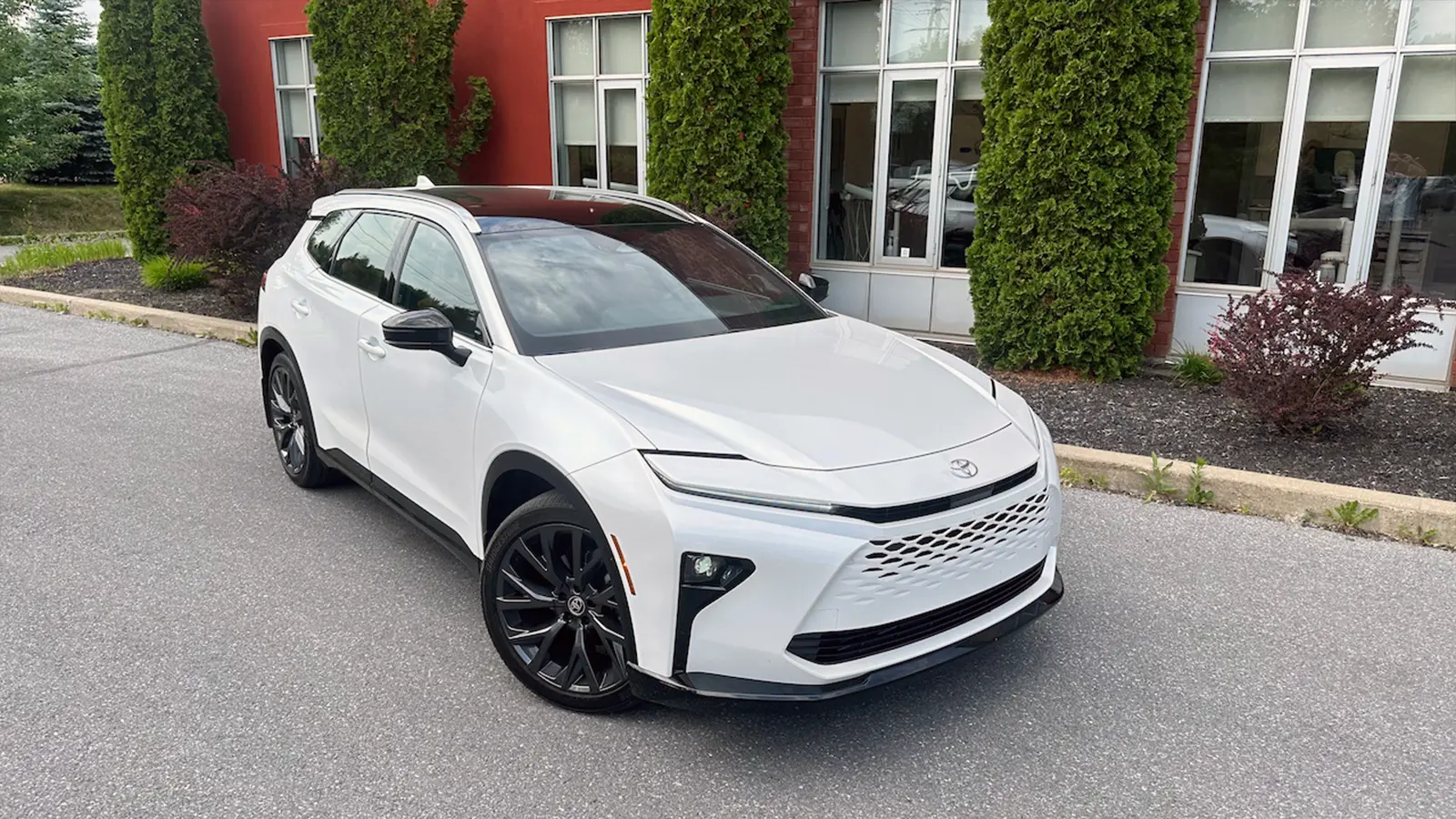
The Toyota Crown Hybrid represents one of the automotive world’s best-kept secrets in hybrid reliability. This luxury sedan, primarily sold in Japan and select Asian markets, has earned a reputation for exceptional longevity that rivals Toyota’s most dependable conventional vehicles.
Built on Toyota’s mature Hybrid Synergy Drive system, the Crown Hybrid combines a 2.5-liter Atkinson-cycle four-cylinder engine with an electric motor, producing a total system output of around 220 horsepower while achieving impressive fuel economy figures.
What makes the Crown Hybrid particularly noteworthy is its conservative engineering approach. Toyota deliberately over-engineered many components, using robust materials and proven technologies rather than pushing the boundaries of hybrid innovation.
The nickel-metal hydride battery pack, while less energy-dense than modern lithium-ion alternatives, has demonstrated remarkable durability with many examples exceeding 300,000 miles without significant battery degradation.
The hybrid system’s cooling architecture is particularly well-designed, featuring redundant cooling circuits that prevent overheating even under extreme conditions.
The Crown’s fuel system benefits from Toyota’s extensive hybrid experience, incorporating high-quality fuel pumps and advanced fuel management systems that adapt seamlessly to the hybrid powertrain’s unique demands.
Unlike some hybrid systems that stress fuel components through frequent start-stop cycles, the Crown’s fuel pump operates within optimal parameters, contributing to its exceptional reliability record.
Maintenance requirements remain minimal, with most owners reporting only routine service needs well beyond 200,000 miles.
Perhaps most importantly, the Crown Hybrid’s limited production numbers meant that Toyota could maintain stricter quality control standards. Each vehicle received more individual attention during assembly, and the lower volume allowed for more thorough testing and refinement.
This attention to detail, combined with Toyota’s legendary reliability engineering, has created a hybrid that consistently outperforms expectations, making it a hidden gem for those fortunate enough to find one in markets where it was officially sold.
2. Lexus CT 200h (2011-2017)
The Lexus CT 200h stands as a testament to what happens when premium engineering meets hybrid efficiency in a compact package. This luxury hatchback, based on Toyota’s proven Prius powertrain but refined with Lexus’s attention to detail, has achieved remarkable reliability figures that often surpass its more mainstream Toyota counterpart.
The CT 200h’s hybrid system combines a 1.8-liter Atkinson-cycle engine with an electric motor, delivering a combined 134 horsepower while achieving EPA ratings of 43 mpg city and 40 mpg highway.
What sets the CT 200h apart from other hybrids is its sophisticated integration of luxury features with hybrid technology. Lexus engineers spent considerable effort ensuring that the hybrid system’s operation remained virtually imperceptible to occupants, requiring more robust components and better sound insulation.
This attention to refinement translated into more durable systems, as components were designed to operate smoothly under all conditions rather than simply meeting minimum specifications.

The vehicle’s fuel system exemplifies this premium approach. The CT 200h employs higher-grade fuel pumps and more sophisticated fuel management electronics than typically found in economy hybrids.
These components were selected not just for their reliability, but for their ability to operate quietly and smoothly throughout their service life. The fuel system’s integration with the hybrid powertrain is particularly well-executed, with advanced algorithms that minimize stress on fuel delivery components during the frequent transitions between electric and gasoline power.
Long-term ownership reports consistently praise the CT 200h’s reliability, with many owners reporting trouble-free operation well beyond 150,000 miles.
The vehicle’s compact size and lightweight construction reduce stress on all mechanical components, while Lexus’s comprehensive quality control ensures that each system meets premium standards.
For those seeking a reliable luxury hybrid that flies under the radar, the CT 200h represents an excellent choice that combines Lexus refinement with Toyota’s proven hybrid reliability.
3. Honda Insight (First Generation, 1999-2006)
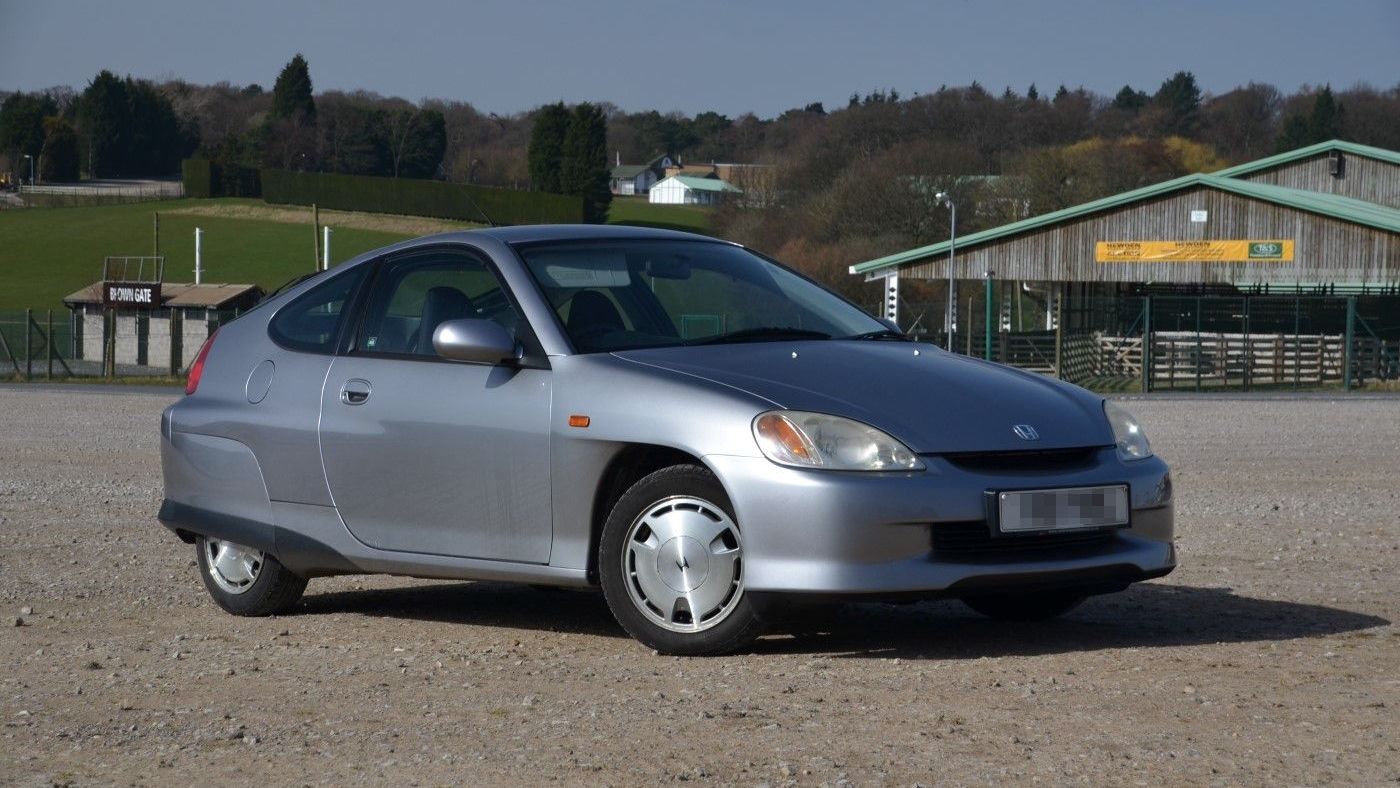
The original Honda Insight holds a special place in hybrid history as not only the first hybrid vehicle sold in America but also one of the most reliable.
This two-seat coupe pioneered Honda’s Integrated Motor Assist (IMA) system, featuring a lean-burn 1.0-liter three-cylinder engine supplemented by a thin electric motor mounted between the engine and transmission.
While its 73 horsepower output was modest, the Insight achieved remarkable fuel economy figures of up to 70 mpg highway, establishing benchmarks that some modern hybrids still struggle to match.
The first-generation Insight’s reliability stems from its relatively simple hybrid architecture. Unlike more complex full-hybrid systems, Honda’s IMA setup used the electric motor primarily to assist the gasoline engine rather than power the vehicle independently.
This simpler approach reduced the number of potential failure points and allowed Honda to focus on perfecting the interaction between the electric and gasoline systems.
The nickel-metal hydride battery pack, while smaller than those in contemporary hybrids, has proven remarkably durable, with many original units still functioning effectively after more than two decades.
The Insight’s fuel system represents a masterclass in hybrid engineering simplicity. The fuel pump and delivery system were designed to work seamlessly with the lean-burn engine’s unique requirements while accommodating the hybrid system’s operational characteristics.
Unlike later, more complex hybrids that place additional demands on fuel systems through frequent engine cycling, the Insight’s engine runs more consistently, reducing wear on fuel system components. This design philosophy has contributed to exceptional long-term reliability, with many examples surpassing 300,000 miles with minimal major repairs.
Manufacturing quality was another key factor in the Insight’s reliability success. Honda produced the vehicle in limited numbers with careful attention to build quality, ensuring that each component met strict specifications.
The aluminum space-frame construction not only contributed to the vehicle’s impressive fuel economy but also its long-term durability, as aluminum’s corrosion resistance helps maintain structural integrity over time.
For hybrid enthusiasts seeking a proven, reliable platform, the original Insight remains an exceptional choice that combines historical significance with outstanding dependability.
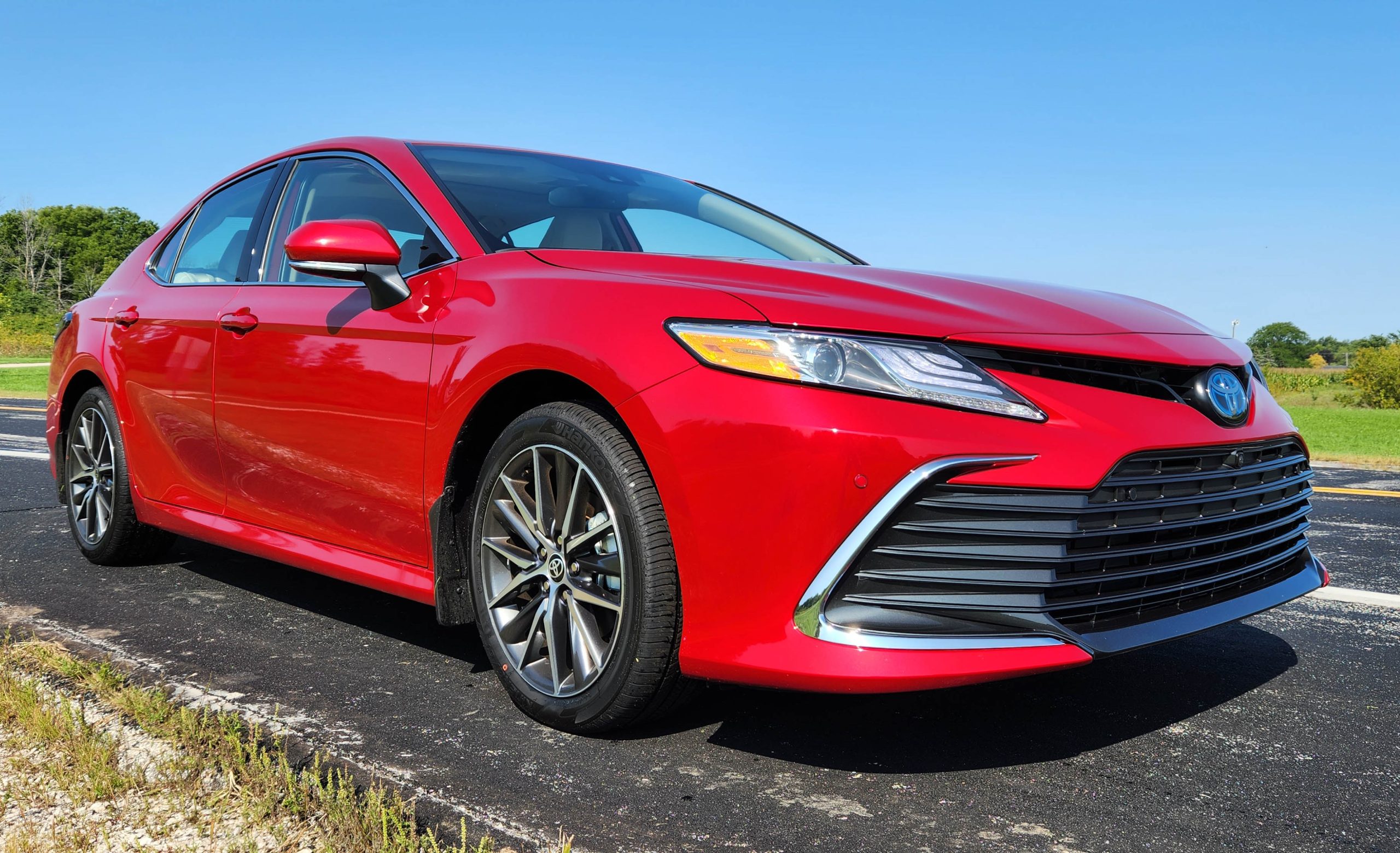
4. Toyota Camry Hybrid (2007-2011, First Generation)
The first-generation Toyota Camry Hybrid established the template for reliable mainstream hybrid sedans, combining Toyota’s proven Hybrid Synergy Drive with the Camry’s reputation for dependability.
This full-size sedan paired a 2.4-liter four-cylinder engine with Toyota’s sophisticated hybrid system, producing a combined 187 horsepower while achieving impressive fuel economy figures of 33 mpg city and 34 mpg highway. What makes this generation particularly noteworthy is its conservative engineering approach, prioritizing reliability over cutting-edge technology.
Toyota’s decision to base the Camry Hybrid on the well-established Camry platform provided a solid foundation for hybrid integration. The company had already perfected the basic architecture through years of Prius development, allowing engineers to focus on adapting the system to a larger, more powerful application.
The result was a hybrid system that operated with the same reliability as Toyota’s conventional powertrains while delivering significantly better fuel economy.
The nickel-metal hydride battery pack, positioned in the trunk area, benefited from excellent ventilation and protection from the elements, contributing to its exceptional longevity.

The fuel system in the first-generation Camry Hybrid demonstrates Toyota’s methodical approach to hybrid engineering. Rather than developing entirely new fuel delivery components, Toyota adapted proven systems from their conventional vehicles, modifying them to work optimally with the hybrid powertrain’s requirements.
This approach minimized the risk of new failure modes while ensuring that technicians familiar with Toyota vehicles could service the hybrid system effectively.
The fuel pump, in particular, was selected for its proven reliability record and ability to maintain consistent pressure throughout the hybrid system’s operational cycles.
Long-term reliability data strongly supports the first-generation Camry Hybrid’s reputation for dependability. Many examples have exceeded 250,000 miles with only routine maintenance, and battery replacement rates remain exceptionally low compared to other hybrid vehicles of the same era.
The vehicle’s success in taxi and fleet applications, where reliability is paramount, further demonstrates its robust engineering. For buyers seeking a reliable hybrid sedan with proven longevity, the first-generation Camry Hybrid represents one of the best choices in the used hybrid market.
Also Read: 5 Underrated Compact SUVs vs 5 Overrated Crossovers That Disappoint
5. Ford Escape Hybrid (2005-2012)
The Ford Escape Hybrid stands as one of the most underappreciated hybrid vehicles ever produced, combining Ford’s practical SUV platform with Toyota’s licensed hybrid technology to create a remarkably reliable and capable vehicle.
As the first hybrid SUV available to American consumers, the Escape Hybrid broke new ground while establishing an impressive reliability record that has stood the test of time.
The system combines a 2.3-liter Atkinson-cycle four-cylinder engine with Ford’s adaptation of Toyota’s Hybrid Synergy Drive, producing 155 horsepower while achieving EPA ratings of 36 mpg city and 31 mpg highway.
Ford’s partnership with Toyota for the Escape Hybrid’s powertrain proved to be a masterstroke in reliability engineering. By licensing Toyota’s proven hybrid technology rather than developing their system, Ford was able to benefit from years of Toyota’s hybrid development and refinement.
The result was a hybrid system that operated with Toyota-like reliability while being integrated into Ford’s practical and well-regarded Escape platform.
The nickel-metal hydride battery pack, virtually identical to those used in contemporary Toyota hybrids, has demonstrated the same exceptional longevity that Toyota’s systems are known for.

The Escape Hybrid’s fuel system benefits from both Ford’s conventional vehicle expertise and Toyota’s hybrid-specific knowledge. Ford engineers worked closely with Toyota to ensure that the fuel delivery system could handle the unique demands of hybrid operation while maintaining the durability standards expected in SUV applications.
The fuel pump and related components were selected for their ability to provide consistent performance throughout the hybrid system’s operational range, from electric-only driving at low speeds to full hybrid assistance during highway driving.
What makes the Escape Hybrid particularly appealing is its combination of hybrid efficiency with genuine SUV capability. Unlike car-based hybrids, the Escape Hybrid offers higher ground clearance, all-wheel drive availability, and substantial cargo capacity while maintaining impressive fuel economy.
This versatility, combined with its proven reliability record, has made it a favorite among environmentally conscious buyers who need more space and capability than traditional hybrid sedans can provide. Long-term ownership reports consistently praise the vehicle’s dependability, with many examples exceeding 200,000 miles without major hybrid system issues.
5 Popular Hybrids With Fuel Pump Failures
These widely sold vehicles plague owners with recurring fuel pump failures, system contamination issues, and expensive repairs that contradict their eco-friendly marketing and reputation for advanced engineering excellence in hybrid technology applications.
Their problematic fuel delivery systems incorporate vulnerable components, inadequate filtration, and design flaws that cause premature failures despite manufacturer claims of superior reliability and reduced maintenance requirements compared to conventional vehicles.
The combination of premium pricing, frequent service bulletins, and costly repairs creates ownership frustration as buyers discover that popularity and environmental credentials cannot compensate for fundamental mechanical defects in critical fuel system components
From mainstream brands with high-volume production to celebrated models with known reliability issues, these hybrids prove that market success and green marketing mean nothing when basic fuel delivery reliability fails during normal operation, undermining both efficiency promises and owner confidence.
1. Honda Accord Hybrid (2014-2017)
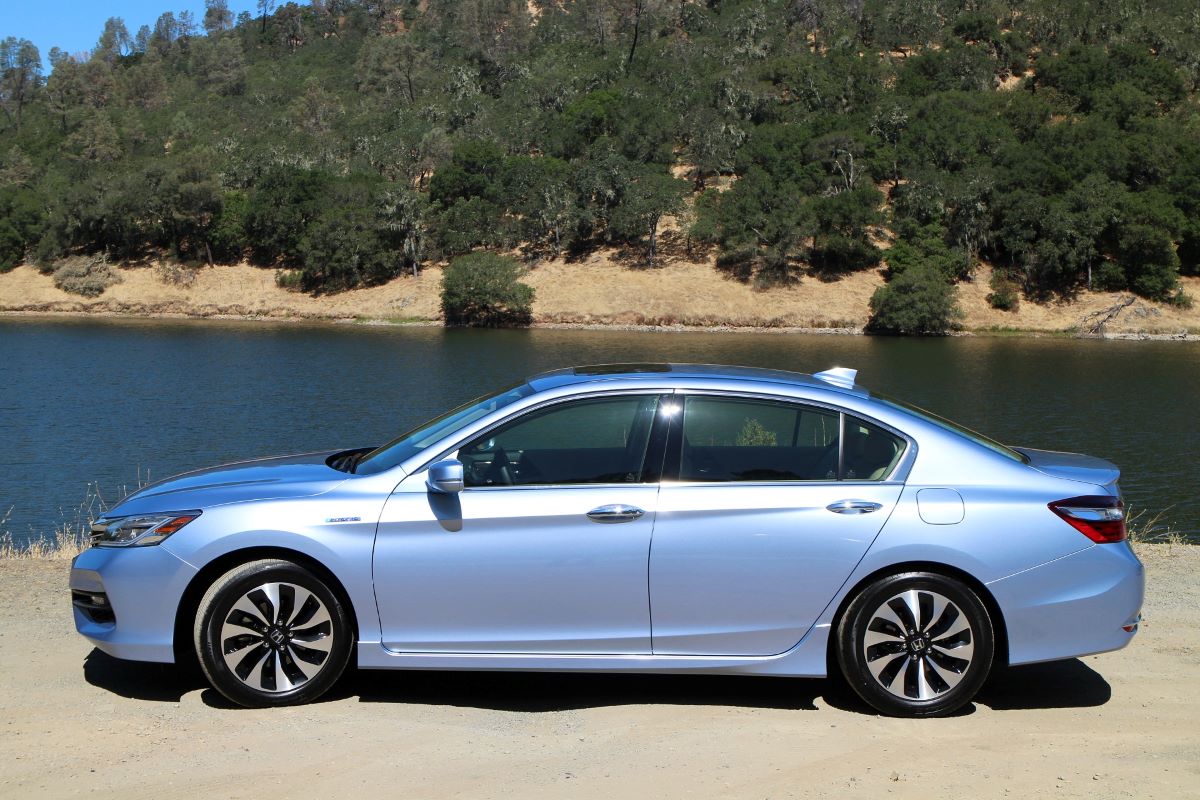
The Honda Accord Hybrid’s fuel pump problems represent one of the most significant reliability issues to affect a mainstream hybrid sedan. Despite Honda’s generally strong reputation for reliability, the Accord Hybrid has experienced widespread fuel pump failures that have frustrated owners and highlighted the unique challenges of hybrid fuel system design.
The issue primarily affects models from the 2014-2017 generation, where Honda’s recall affects the Honda Accord and Accord Hybrid from 2023 and 2024, indicating that fuel pump problems have persisted across multiple generations of this popular hybrid.
The root cause of the Accord Hybrid’s fuel pump failures stems from the complex demands placed on the fuel system by Honda’s two-motor hybrid architecture. Unlike simpler hybrid systems, the Accord Hybrid’s sophisticated powertrain requires precise fuel delivery coordination between the gasoline engine and electric motors.
The fuel pump must maintain consistent pressure while accommodating frequent engine start-stop cycles, varying load conditions, and the hybrid system’s regenerative braking energy recovery. These demanding operational requirements have proven to exceed the capabilities of the original fuel pump design.
Honda’s fuel pump supplier changes during the Accord Hybrid’s production run contributed to the reliability problems. Cost reduction pressures led to the adoption of lower-grade fuel pump components that, while meeting initial specifications, could not withstand the long-term stresses of hybrid operation.
The pumps typically begin failing between 60,000 and 100,000 miles, manifesting as intermittent stalling, difficulty starting, and reduced fuel economy. In some cases, complete fuel pump failure has left drivers stranded, creating significant safety concerns.
The fuel pump failures have had broader implications for the Accord Hybrid’s market reputation and resale value. Despite Honda’s attempts to address the issue through recalls and extended warranties, many potential buyers remain wary of the model’s fuel system reliability.
Repair costs can be substantial, often exceeding $2,000 when performed at dealerships, and the complex hybrid integration means that fuel pump replacement requires specialized knowledge and equipment. For current owners, regular fuel system maintenance and prompt attention to any performance anomalies are essential to minimize the risk of catastrophic failure.
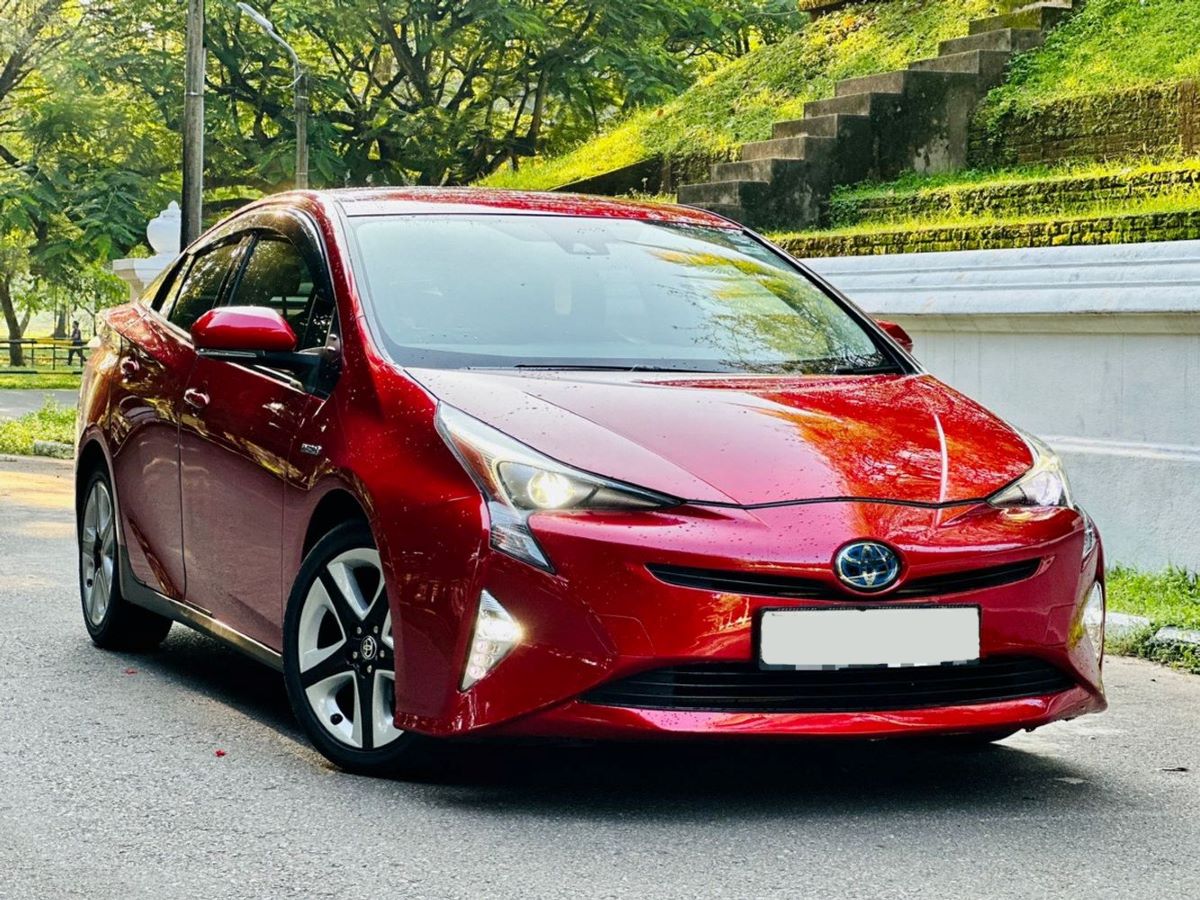
2. Toyota Prius (2010-2015, Third Generation)
The third-generation Toyota Prius, despite its reputation for reliability, has experienced notable fuel pump issues that have affected thousands of owners worldwide.
This is particularly surprising given Toyota’s typically excellent track record with hybrid reliability and their extensive experience with hybrid fuel systems.
The problems primarily manifest in vehicles with higher mileage, typically appearing between 120,000 and 180,000 miles, and can result in complete loss of power and stranding.
The fuel pump failures in the third-generation Prius appear to be related to the increased complexity of the hybrid system and the specific demands it places on fuel delivery components.
Unlike the simpler second-generation Prius, the third generation introduced a more sophisticated hybrid architecture with improved efficiency but also more complex operational requirements.
The fuel pump must accommodate not only the standard engine operation but also the various hybrid modes, including EV-only driving at low speeds and the seamless transitions between electric and gasoline power.
Contributing factors to the fuel pump failures include the use of lower-grade fuel pump materials in certain production runs and inadequate protection against fuel contamination.
The Prius’s sophisticated fuel management system, while generally effective, can be sensitive to fuel quality issues that might not affect conventional vehicles.
Contaminated fuel or water infiltration can damage the fuel pump’s internal components, leading to premature failure. Additionally, the fuel pump’s location within the fuel tank makes it susceptible to debris accumulation over time.
The economic impact of fuel pump failure in the third-generation Prius is significant for owners. Replacement costs typically range from $1,500 to $2,500, depending on whether the work is performed at a dealership or independent shop.
The complexity of accessing the fuel pump in the Prius requires substantial labor time, as the rear seat and interior components must be removed to access the fuel tank.
For many owners of high-mileage vehicles, the cost of fuel pump replacement approaches or exceeds the vehicle’s remaining value, creating difficult financial decisions about whether to repair or replace the vehicle.
3. Honda CR-V Hybrid (2020-2024)
The Honda CR-V Hybrid has experienced significant fuel pump reliability issues that have led to multiple recalls and widespread owner complaints.
Honda’s recall affects the 2023 to 2025 CR-V Hybrid, demonstrating that these problems have persisted across multiple model years of this popular compact SUV.
The fuel pump failures in the CR-V Hybrid are particularly concerning because they often occur in relatively new vehicles with low mileage, sometimes appearing within the first 30,000 miles of ownership.
The CR-V Hybrid’s fuel pump problems stem from Honda’s ambitious attempt to maximize fuel efficiency through an advanced two-motor hybrid system.
This sophisticated architecture places unique demands on the fuel delivery system, requiring precise coordination between the gasoline engine and electric motors across various driving conditions.
The fuel pump must maintain consistent pressure while accommodating the hybrid system’s frequent transitions between different operating modes, including electric-only driving, hybrid assist, and engine-charging operations.

Manufacturing quality control issues have compounded the CR-V Hybrid’s fuel pump problems. Reports indicate that certain batches of fuel pumps from Honda’s suppliers contained defective internal components that could not withstand the operational stresses of hybrid driving.
These faulty pumps typically fail suddenly, without warning signs, leaving drivers stranded and potentially creating dangerous situations. The failure pattern suggests inadequate testing of fuel pump components under real-world hybrid operating conditions during the vehicle’s development phase.
The ongoing nature of the CR-V Hybrid’s fuel pump issues has created significant warranty and customer satisfaction challenges for Honda. Many owners have experienced multiple fuel pump failures, with some vehicles requiring three or more pump replacements within their first few years of ownership.
This pattern suggests that Honda’s solution may not fully address the underlying design or manufacturing issues. The repeated failures have eroded confidence in the CR-V Hybrid’s reliability and have led some owners to pursue lemon law claims or seek alternative transportation solutions.
4. Hyundai Sonata Hybrid (2016-2019)
The Hyundai Sonata Hybrid’s fuel pump failures represent a significant reliability concern that has affected thousands of vehicles and highlighted the challenges faced by manufacturers new to hybrid technology.
Unlike established hybrid manufacturers with decades of experience, Hyundai’s relatively recent entry into the hybrid market has resulted in some growing pains, with fuel pump reliability being among the most prominent issues. The problems typically appear between 50,000 and 90,000 miles and can result in complete power loss and potential safety hazards.
Hyundai’s fuel pump issues in the Sonata Hybrid appear to stem from inadequate component specification and testing during the vehicle’s development.
The company’s ambitious push to compete with established hybrid manufacturers led to accelerated development timelines that may not have allowed sufficient time for comprehensive long-term testing of critical components.
The fuel pump, while meeting initial performance specifications, has proven unable to withstand the unique operational stresses imposed by Hyundai’s hybrid system architecture over extended periods.

The specific design of Hyundai’s hybrid system contributes to the fuel pump reliability problems. The Sonata Hybrid uses a transmission-mounted electric motor configuration that creates unique fuel delivery requirements compared to other hybrid architectures.
The fuel pump must maintain precise pressure control while accommodating the complex interactions between the gasoline engine, electric motor, and sophisticated transmission system. These demanding operational requirements have exceeded the durability limits of the original fuel pump design.
Quality control variations in fuel pump manufacturing have exacerbated the Sonata Hybrid’s reliability issues. Reports from owners and technicians suggest that certain production batches contained fuel pumps with inferior internal components or inadequate quality control procedures.
These defective units typically fail suddenly, often manifesting as complete loss of power while driving. The unpredictable nature of these failures has created significant safety concerns, particularly when they occur in traffic or during highway driving conditions.
5. Kia Niro Hybrid (2017-2022)
The Kia Niro Hybrid has experienced fuel pump reliability issues that mirror those found in its corporate sibling, the Hyundai Sonata Hybrid, reflecting shared component sourcing and similar hybrid system architectures.
These problems have been particularly frustrating for Niro owners because the vehicle was marketed as a reliable, practical alternative to established hybrid models, yet has experienced failure rates that significantly exceed industry averages for fuel pump reliability.
The Niro Hybrid’s fuel pump problems appear to be related to the complexity of Kia’s dual-clutch transmission-based hybrid system. This sophisticated architecture, while offering smooth operation and good fuel economy, places unique demands on the fuel delivery system that differ significantly from conventional automatic transmission hybrids.
The fuel pump must maintain consistent performance across a wide range of operating conditions while accommodating the rapid gear changes and precise torque management required by the dual-clutch system.

Supplier quality issues have played a significant role in the Niro Hybrid’s fuel pump failures. Like many manufacturers, Kia has faced pressure to reduce costs while expanding their hybrid offerings, leading to the selection of fuel pump suppliers based primarily on price rather than proven reliability in hybrid applications.
The resulting fuel pumps, while meeting initial specifications, have demonstrated inadequate durability under real-world operating conditions, typically failing between 60,000 and 100,000 miles.
The economic impact of fuel pump failure on Niro Hybrid owners has been substantial, particularly because many failures occur shortly after the vehicle’s warranty expires.
Replacement costs typically range from $1,800 to $2,800, depending on labor rates and whether additional fuel system components require replacement.
The complexity of the Niro’s hybrid system means that fuel pump replacement often requires specialized diagnostic equipment and expertise, limiting repair options to dealerships or hybrid-specialized independent shops, which typically command premium labor rates.
Also Read: 5 Lesser-Known Sedans That Outlast Legends vs 5 Famous Sedans That Let You Down
