
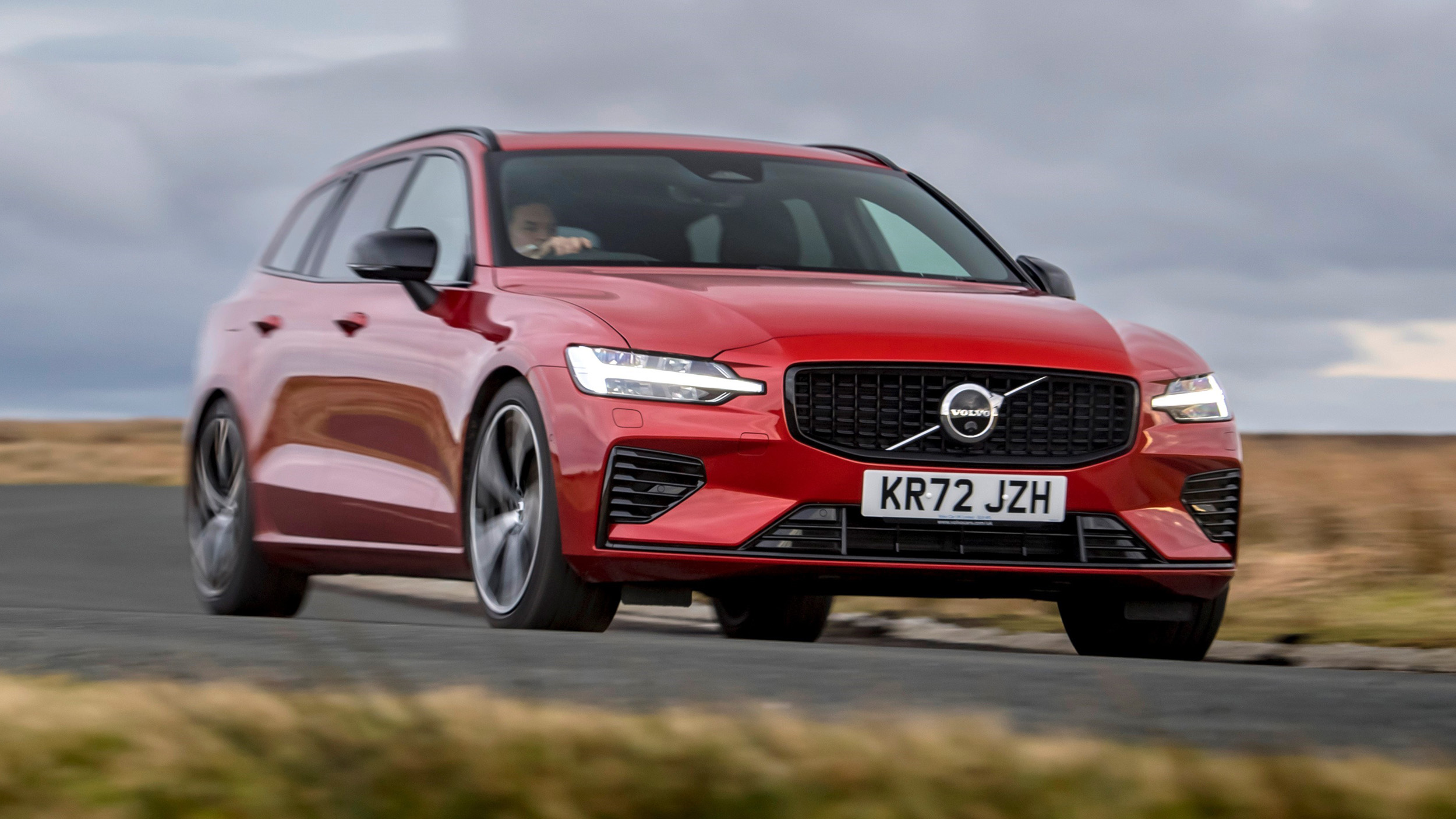
In the modern automotive world, the station wagon has become an endangered species, accounting for less than two percent of all vehicle sales in the United States.
Meanwhile, SUVs dominate showrooms and driveways, promising capability, style, and status. However, this popularity contest doesn’t always align with long-term reliability and practical ownership costs.
While consumers flock to the latest three-row SUVs with flashy infotainment systems and bold styling, a select group of wagon enthusiasts quietly enjoy superior fuel economy, lower maintenance costs, and impressive longevity from their understated choices.
The irony is striking: many of today’s most coveted SUVs, despite their premium prices and marketing appeal, suffer from significant reliability issues that can leave owners stranded and facing expensive repair bills.
Complex all-wheel-drive systems, turbocharged engines, and elaborate electronic features often translate to more potential failure points. The remaining station wagons on the market typically feature time-tested drivetrains, simpler mechanical systems, and designs refined over decades of production.
This automotive reality check reveals five little-known wagons that consistently deliver exceptional reliability and longevity, standing in stark contrast to five trendy SUVs that frequently disappoint owners with premature failures, costly repairs, and poor long-term dependability.
The wagons may lack the commanding road presence of their SUV counterparts, but they offer something far more valuable: peace of mind and genuine value for money over the long haul.
5 Little-Known Wagons That Last
These overlooked utility vehicles deliver exceptional longevity through proven sedan-based platforms, conservative engineering, and straightforward mechanical systems that provide decades of reliable family hauling without the complexity and failure points plaguing modern crossover alternatives.
Their robust construction incorporates time-tested powertrains, simple suspension designs, and practical cargo solutions that resist wear and environmental damage while maintaining excellent fuel economy and driving dynamics superior to taller SUV competitors.
The combination of depreciated purchase prices, reasonable maintenance costs, and genuine utility creates ownership experiences that maximize both practicality and reliability.
From respected manufacturers with wagon expertise to understated models with extensive development programs, these vehicles demonstrate that optimal family transportation comes through proven engineering rather than trendy styling, providing dependable cargo capacity that outlasts more fashionable competitors through superior fundamental design and construction quality.
1. Volvo V60
The Volvo V60 represents everything that made Swedish engineering legendary, wrapped in a sleek, understated package that flies under most buyers’ radar.
While Volvo’s SUV lineup garners most of the attention, the V60 quietly delivers exceptional reliability with its proven powertrains and robust build quality.
The base 2.0-liter turbocharged four-cylinder engine, borrowed from Volvo’s extensive parts bin, has been refined through years of development and produces adequate power while maintaining impressive fuel economy ratings of 24 MPG city and 31 MPG highway.
What sets the V60 apart from flashier competitors is its conservative engineering approach. Rather than chasing the latest technological trends, Volvo focused on perfecting existing systems.
The eight-speed automatic transmission is a proven unit shared across multiple model lines, reducing complexity and increasing parts availability.
The available all-wheel-drive system is mechanically simple compared to the computer-controlled systems found in many modern SUVs, resulting in fewer potential failure points and lower long-term maintenance costs.
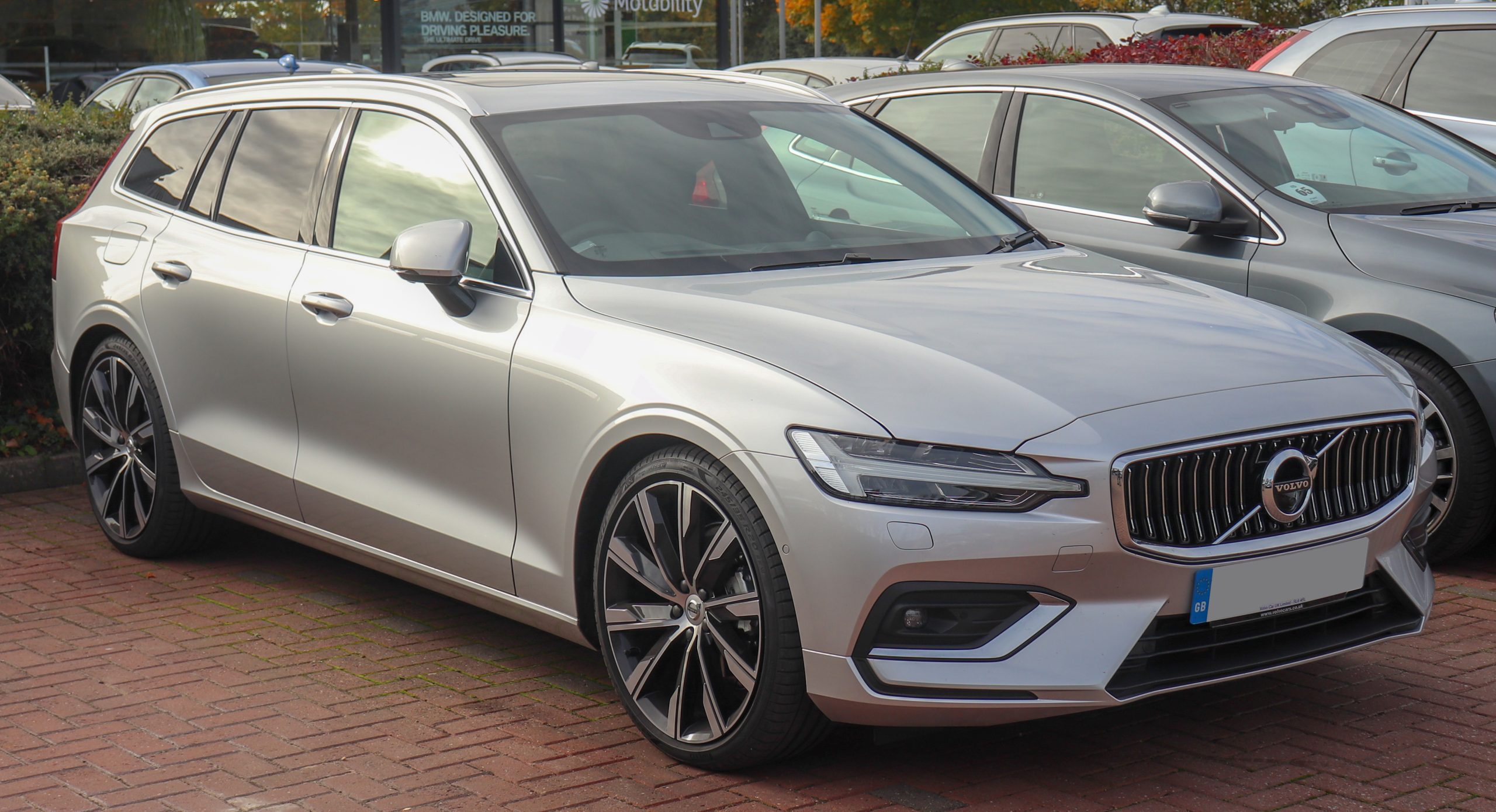
The V60’s interior showcases Scandinavian minimalism at its finest, with high-quality materials that age gracefully and intuitive controls that don’t overwhelm drivers with unnecessary complexity.
The infotainment system, while not the flashiest on the market, provides reliable functionality without the glitches that plague more ambitious systems.
Cargo space is genuinely useful, offering more practical loading area than many compact SUVs while maintaining a lower loading height that makes everyday use more convenient.
From a reliability standpoint, the V60 benefits from Volvo’s decades of wagon expertise. The platform has been thoroughly tested and refined, with most initial bugs worked out through previous generation models.
Owner reports consistently praise the V60’s ability to rack up high mileage with minimal issues, particularly when equipped with the naturally aspirated engines in certain markets.
The Swedish attention to detail shows in small touches like robust door handles, quality switchgear, and paint that resists the elements better than many premium competitors.
2. Subaru Outback
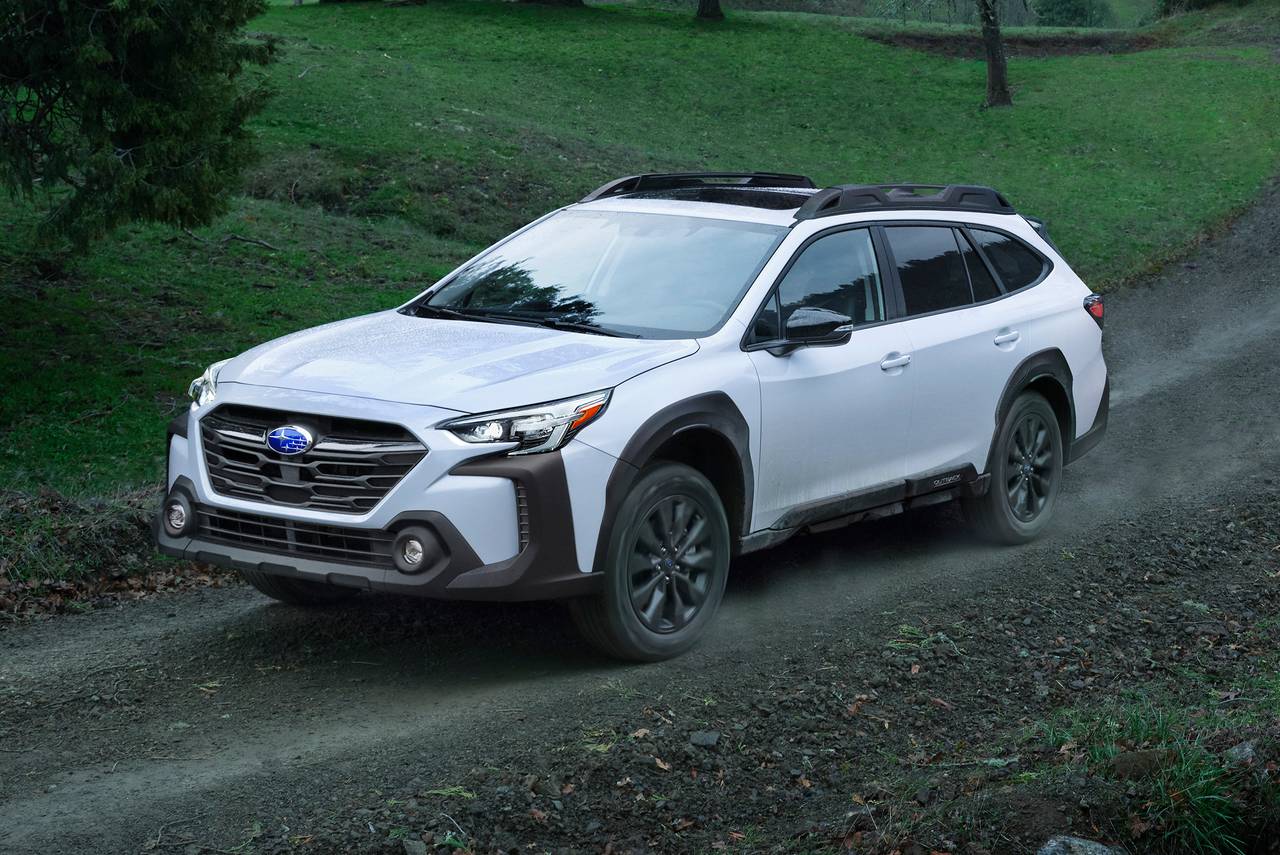
The Subaru Outback has achieved something remarkable in today’s automotive world: it’s simultaneously practical, reliable, and genuinely capable without sacrificing any of these qualities for style points.
While technically classified as a crossover by some, the Outback’s wagon DNA runs deep, offering the kind of long-term dependability that has made it a favorite among outdoor enthusiasts, families, and anyone who values substance over flash.
The horizontally opposed “boxer” engine configuration, while unusual, provides inherent balance and durability that many conventional engines can’t match. Subaru’s commitment to all-wheel drive as standard equipment gives the Outback genuine capability that puts many SUVs to shame.
Unlike the on-demand systems found in most crossovers, Subaru’s full-time AWD constantly monitors conditions and adjusts power distribution proactively.
This system has been refined over decades and is mechanically robust, with fewer electronic components to fail compared to more complex alternatives.
The ground clearance advantage over traditional wagons allows the Outback to handle rough roads and light off-road duties that would challenge lower vehicles.
The interior prioritizes function over form, with controls that make sense and materials chosen for durability rather than luxury appeal. The seats, while not the most stylish, provide excellent support for long drives and are designed to withstand years of use without showing excessive wear.
Cargo space is exceptionally well-designed, with a low load floor and wide opening that makes loading bulky items easier than in many taller SUVs. The rear seats fold nearly flat, creating a genuinely useful cargo area that rivals much larger vehicles.
Perhaps most importantly, the Outback’s reliability record speaks for itself. Consumer Reports consistently rates Subaru highly for dependability, and the Outback specifically benefits from mature, proven technology.
The continuously variable transmission (CVT), while not exciting to drive, is designed for longevity rather than performance, with fewer moving parts than traditional automatics.
Regular maintenance is straightforward and affordable, with parts readily available and service procedures well-understood by technicians nationwide.
This combination of capability, practicality, and reliability explains why so many Outback owners become repeat customers, often driving their vehicles well past 200,000 miles before considering replacement.
3. Mercedes-Benz E-Class Wagon
The Mercedes-Benz E-Class Wagon represents the pinnacle of what a station wagon can achieve when engineering excellence takes precedence over market trends.
While Mercedes focuses most of its marketing efforts on SUVs, the E-Class Wagon quietly delivers the kind of refined performance and bulletproof reliability that built the German automaker’s reputation.
The various engine options, from the fuel-efficient four-cylinder to the robust six-cylinder units, are all proven powerplants with extensive development behind them, offering longevity that justifies the premium purchase price through years of dependable service.
What distinguishes the E-Class Wagon from its SUV siblings is the inherent stability and handling characteristics that come with a lower center of gravity and longer wheelbase.
The air suspension system, when properly maintained, provides both comfort and load-carrying capability that adapts to changing conditions without the complexity of some competitor systems.
The wagon’s aerodynamic efficiency translates to better fuel economy than comparable SUVs, while the spacious interior offers genuine luxury without the compromises often found in three-row utilities.
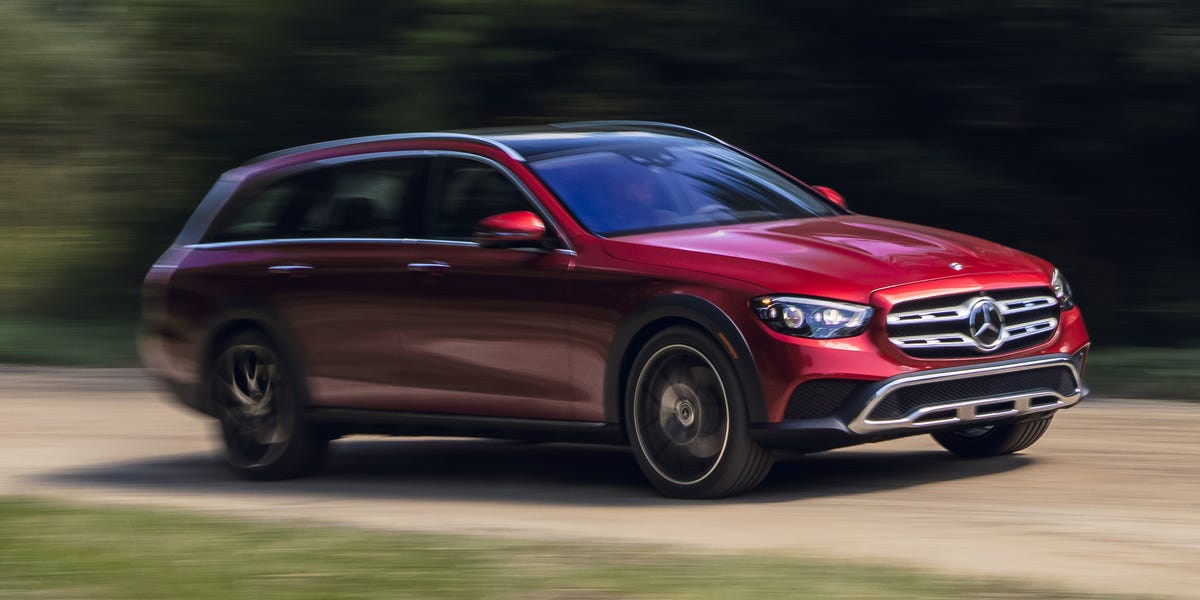
The build quality is evident in every detail, from the solid feel of the doors to the precision of the switchgear. Mercedes uses high-grade materials throughout the cabin, with leather, wood, and metal trim that ages gracefully rather than showing premature wear.
The seats are engineered for long-distance comfort, with multiple adjustment options and memory functions that work reliably year after year. The cargo area is both spacious and flexible, with features like a power tailgate and folding seats that operate smoothly even after years of use.
From a reliability perspective, the E-Class Wagon benefits from Mercedes’ conservative approach to proven technology. Rather than rushing the latest innovations to market, Mercedes typically perfects systems in their flagship models before trickling them down to volume vehicles.
This means E-Class Wagon owners get mature, debugged technology that has been thoroughly tested. The extensive dealer network and parts availability ensure that maintenance and repairs, while not inexpensive, are straightforward and predictable.
Many E-Class Wagons remain in service well past 300,000 miles, a testament to the fundamental solidity of the design and the quality of materials used throughout.
4. Audi A4 Allroad
The Audi A4 Allroad occupies a unique niche in the wagon world, combining the refinement of a luxury sedan with the versatility of a crossover and the reliability of German engineering at its finest.
While Audi’s SUV lineup captures most consumer attention, the Allroad represents the company’s decades of experience building capable, long-lasting vehicles that don’t need to make excuses for their practicality.
The turbocharged four-cylinder engine, while small in displacement, delivers ample power through its broad rev range while maintaining reasonable fuel economy figures that put larger SUV engines to shame.
The Quattro all-wheel-drive system is perhaps Audi’s greatest technical achievement, providing sure-footed traction in all conditions without the fuel economy penalty of truck-based systems.
Unlike many on-demand AWD systems that react to wheel slip, Quattro proactively distributes power based on driving conditions, providing confidence-inspiring handling that makes the Allroad feel planted regardless of weather or road surface.
The system’s mechanical simplicity, despite its sophisticated operation, contributes to long-term reliability and relatively modest maintenance requirements.
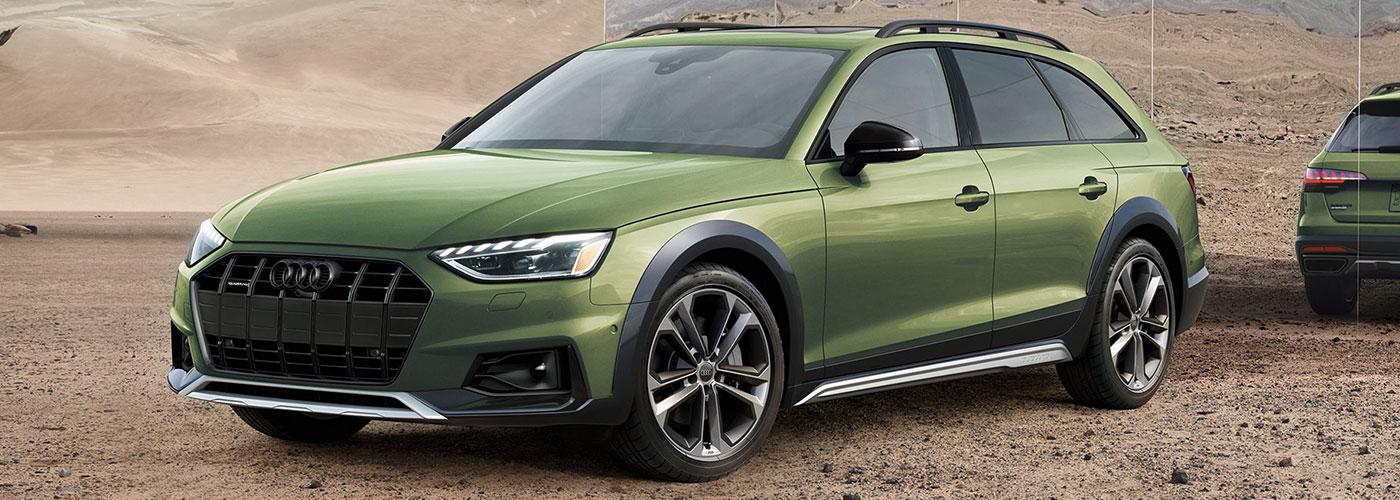
Interior quality reflects Audi’s commitment to materials and construction that justify the premium price. The MMI infotainment system, while complex, is logically organized and generally reliable in operation.
Physical controls are precisely weighted and designed to function smoothly for years of daily use. The seats strike an excellent balance between support and comfort, with memory functions that operate consistently and adjustment ranges that accommodate a wide variety of drivers.
Cargo space is genuinely useful, with clever storage solutions and a loading height that makes everyday use practical. The Allroad’s reliability profile benefits from Audi’s methodical approach to development and the maturity of its core systems.
The turbocharged engine, while initially concerning to some buyers, has proven robust in long-term use when properly maintained. The air suspension system provides excellent ride quality and load-leveling capability, and while it requires periodic attention, it’s generally reliable when serviced according to schedule.
Perhaps most importantly, the Allroad’s sophisticated engineering doesn’t come at the expense of serviceability, with most maintenance items accessible to qualified technicians and parts availability that reflects Audi’s global presence.
Also Read: 5 Bargain Sports Cars That Stay Reliable vs 5 Headline-Grabbing Models That Fail
5. BMW 3 Series Touring
The BMW 3 Series Touring represents the perfect synthesis of driving pleasure and practical utility, delivering the kind of dynamic performance that made BMW’s reputation while offering cargo space and versatility that shames many SUVs.
While BMW markets its extensive SUV lineup as the future, the 3 Series Touring quietly demonstrates that traditional wagon virtues of balance, efficiency, and pure driving enjoyment remain relevant in today’s market.
The available engines, from the fuel-efficient four-cylinder to the potent six-cylinder units, are all thoroughly developed powerplants that prioritize longevity and smooth operation over flashy specifications.
The chassis tuning strikes an ideal balance between comfort and control, with suspension components that manage to provide both excellent handling characteristics and reasonable ride quality.
The lower center of gravity compared to SUV alternatives translates to superior stability in emergency maneuvers and more predictable handling in all conditions.
The precise steering and well-calibrated brakes provide the kind of driver confidence that makes every journey enjoyable, whether commuting through city traffic or tackling winding country roads on weekend adventures.
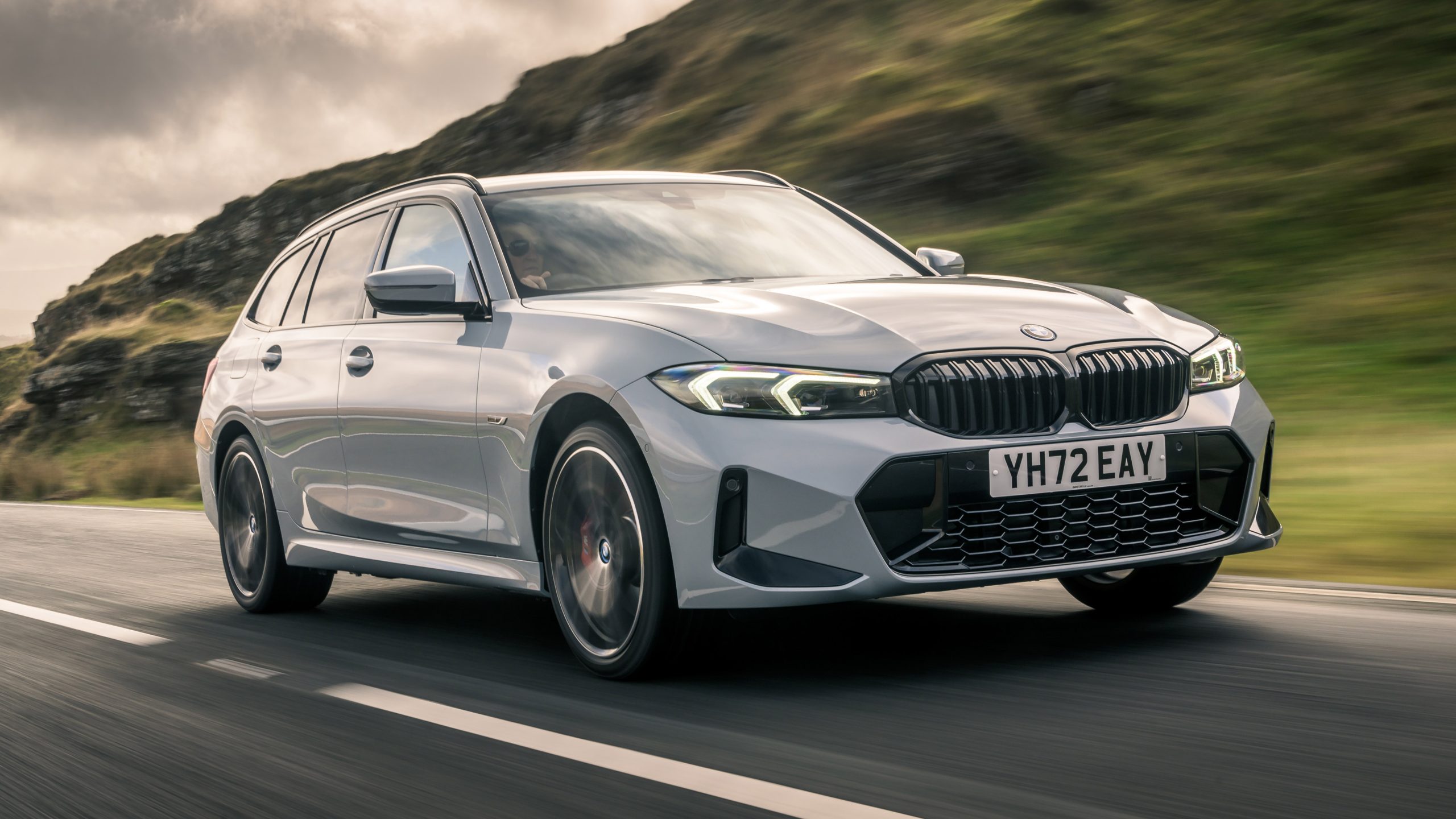
Interior appointments reflect BMW’s understanding of what drives enthusiasts’ value most: clear instrumentation, logical controls, and seats that provide support during spirited driving while remaining comfortable during long trips.
The materials are chosen for durability and tactile quality rather than visual impact, resulting in cabins that age gracefully and maintain their appeal over years of use.
The cargo area is intelligently designed, with features like underfloor storage and tie-down points that make practical use easier than in many ostensibly more practical SUVs.
From a reliability standpoint, the 3 Series Touring benefits from BMW’s decades of experience building sports sedans and the company’s commitment to engineering excellence.
The inline engines are inherently balanced and designed for high-mileage service, while the manual and automatic transmissions are proven units that prioritize smooth operation and longevity.
The all wheel drive system, when equipped, is mechanically robust and designed to enhance rather than compromise the driving experience. Regular maintenance is straightforward, with service intervals designed around real-world usage patterns and parts availability that reflect BMW’s global dealer network.
5 Trendy SUVs That Don’t Last
These heavily marketed crossovers disappoint owners with frequent breakdowns, expensive repairs, and reliability issues that contradict their popular image and premium pricing built on styling trends rather than engineering excellence or proven mechanical systems.
Their complex platforms incorporate unproven technologies, cost-cutting measures, and problematic components that generate constant maintenance headaches despite crossover positioning that suggests superior capability and dependability over traditional alternatives.
The combination of inflated purchase prices, specialized service requirements, and disappointing durability creates ownership nightmares as buyers discover that trendy design and marketing appeal cannot compensate for fundamental engineering compromises that prioritize profit margins over customer satisfaction.
From celebrated brands following fashion over function to popular models with known manufacturing defects, these vehicles prove that SUV styling and market popularity mean nothing when basic mechanical reliability fails, transforming family haulers into expensive repair burdens requiring constant professional attention.
1. Range Rover Evoque
The Range Rover Evoque burst onto the luxury SUV scene with dramatic styling that immediately captured attention and sparked countless imitators, but beneath its fashion-forward exterior lies a troubling pattern of reliability issues that have plagued owners since its introduction.
While the Evoque’s bold design and premium interior appointments create an undeniably appealing first impression, the reality of ownership often involves frequent trips to the service department and repair bills that can quickly eclipse the vehicle’s initial purchase price premium.
The turbocharged engines, while providing adequate performance, have proven sensitive to maintenance schedules and quality of fuel, with premature failures not uncommon even with proper care.
The nine-speed automatic transmission represents one of the Evoque’s most significant weak points, with owners reporting erratic shifting, delayed engagement, and complete failures requiring expensive replacement.
The transmission’s complex programming and numerous solenoids create multiple potential failure points, and repairs often require specialized diagnostic equipment and technician training that isn’t universally available. Even when functioning properly, the transmission exhibits behavior that many owners find frustrating, including hesitation during acceleration and rough shifts under certain conditions.
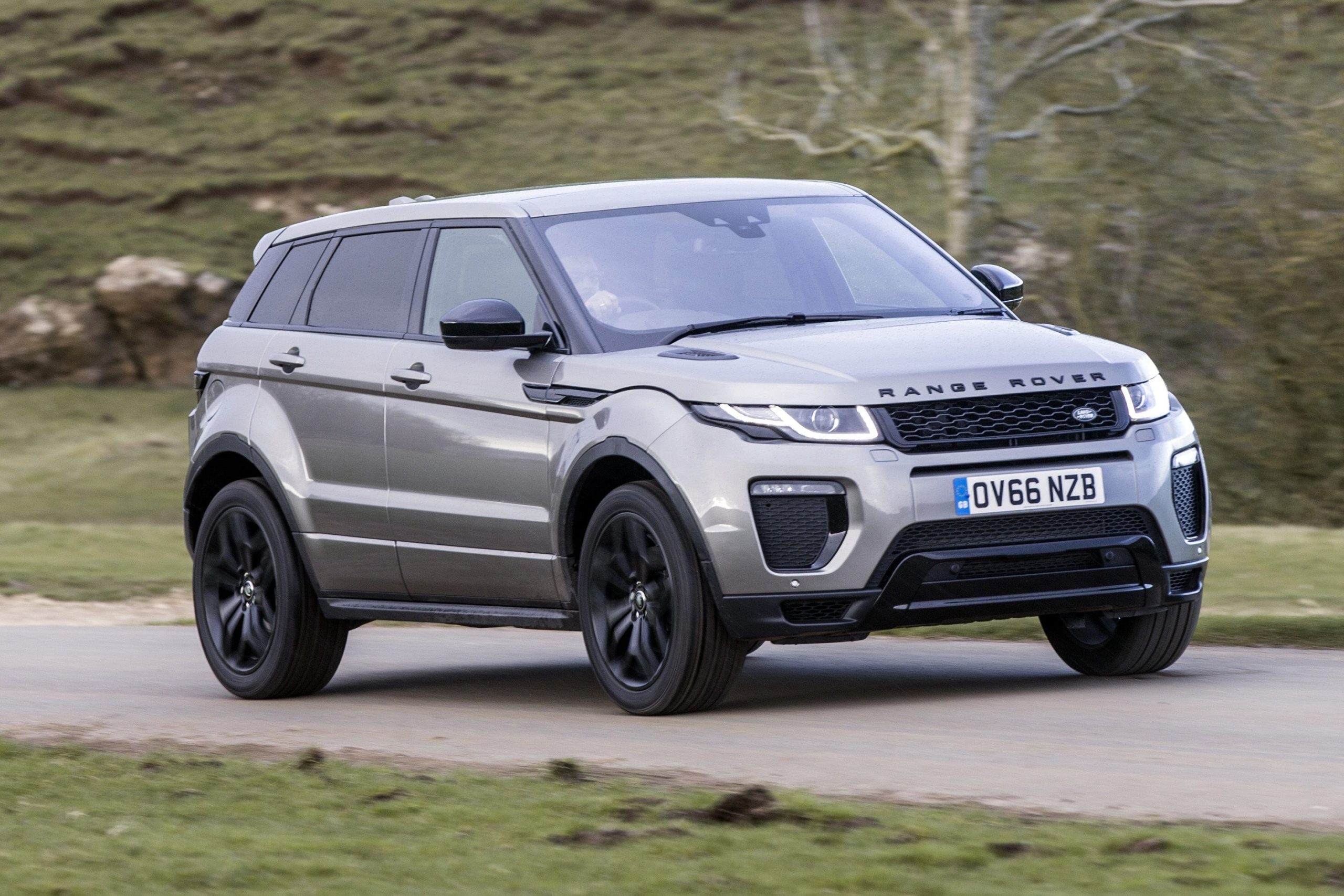
The Evoque’s electrical systems have proven particularly problematic, with infotainment glitches, sensor failures, and intermittent problems that can be difficult to diagnose and expensive to repair.
The extensive use of electronic controls for basic functions means that simple mechanical failures can cascade into complex electrical problems. Door handles, window regulators, and climate control systems have all shown premature failure rates that are concerning for a vehicle in this price range.
The sophisticated terrain management system, while impressive when functioning properly, adds another layer of complexity that contributes to long-term reliability concerns.
Perhaps most frustrating for owners is the unpredictability of these problems. While some Evoques provide relatively trouble-free service, others begin experiencing issues almost immediately after purchase, with problems that may recur even after expensive repairs.
The lack of consistency in reliability makes it difficult for potential buyers to assess their risk, and the premium repair costs associated with Range Rover’s boutique dealer network mean that even minor problems can result in significant expense.
Consumer satisfaction surveys consistently rank the Evoque below average for reliability, with many owners expressing regret about their purchase decision and reluctance to buy another Land Rover product.
2. Volkswagen Taos
The Volkswagen Taos represents a particularly disappointing entry in the compact SUV segment, combining the high expectations associated with German engineering with reliability problems that have left many owners questioning the wisdom of their purchase decision.
Consumer Reports placed only one vehicle below the Volkswagen Taos when ranking the least reliable cars for 2024, a distinction that speaks volumes about the systemic issues plaguing this supposedly well-engineered compact SUV.
The turbocharged 1.4-liter engine, while providing adequate power and reasonable fuel economy, has proven sensitive to carbon buildup and requires premium fuel to operate properly, adding to long-term ownership costs.
The dual-clutch automatic transmission, borrowed from Volkswagen’s European parts bin, exhibits behavior that many American drivers find unacceptable, including jerky low-speed operation, delayed engagement, and premature clutch wear that can require expensive replacement.
The transmission’s computer programming seems poorly calibrated for stop-and-go driving conditions common in American cities, resulting in harsh shifts and stuttering acceleration that feels broken even when functioning within specifications.
Service departments often struggle to address these complaints because the transmission is operating as designed, leaving owners frustrated with behavior they cannot accept.
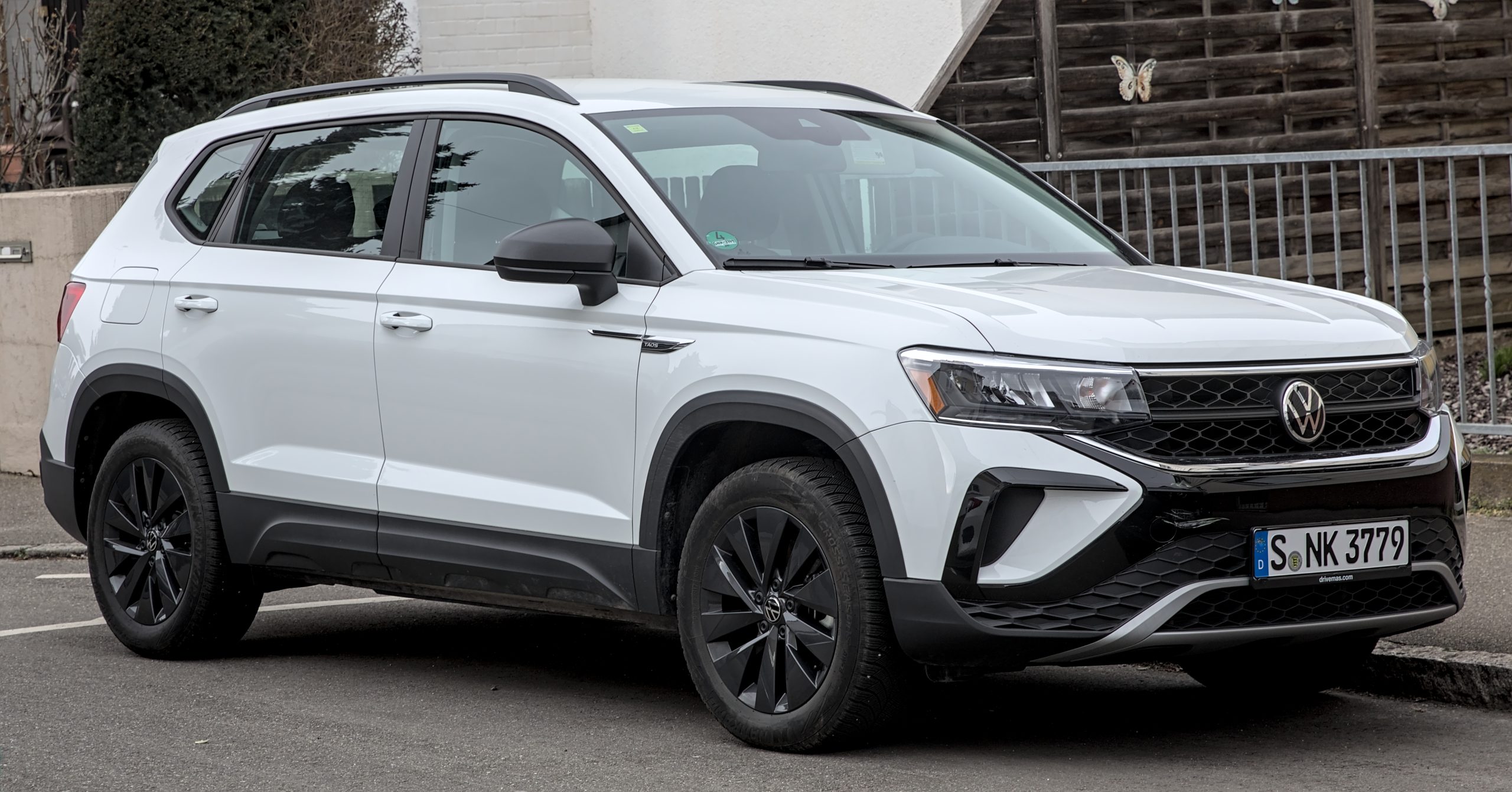
Interior build quality issues plague the Taos despite Volkswagen’s reputation for solid construction. Owners report premature wear of seat materials, rattling trim pieces, and electronic malfunctions that affect everything from the climate control system to the infotainment display.
The touch-sensitive controls, while modern in appearance, lack the tactile feedback that allows drivers to operate them without taking their eyes off the road, and they’re prone to false inputs and unresponsive behavior that can be dangerous in traffic situations.
The Taos’s reliability problems extend beyond mechanical issues to include software glitches that can affect vehicle operation and safety systems. Updates are frequently required to address known problems, but these updates often introduce new issues while failing to completely resolve existing ones.
The complexity of diagnosing and repairing modern automotive electronics means that even simple problems can result in extended downtime and expensive diagnostic fees.
Perhaps most concerning is Volkswagen’s history of discontinuing support for previous models, leaving owners of older vehicles struggling to find parts and service expertise as their vehicles age.
3. Nissan Murano
The Nissan Murano has long been praised for its distinctive styling and comfortable ride quality, but beneath its attractive exterior lies one of the automotive industry’s most notorious reliability weak points: Nissan’s continuously variable transmission (CVT).
While CVT technology promises improved fuel economy and smooth operation, Nissan’s implementation has proven catastrophically unreliable, with transmission failures occurring at relatively low mileage and replacement costs that often exceed the vehicle’s remaining value. The problem is so widespread that it has spawned class-action lawsuits and forced Nissan to extend warranties on affected vehicles.
The CVT’s problems manifest in various ways, from slipping and shuddering during acceleration to complete failure that leaves vehicles stranded. The transmission’s rubber belt and pulley system, while theoretically simpler than traditional automatics, proves sensitive to driving conditions and maintenance schedules.
Even vehicles that receive regular service according to Nissan’s recommendations can experience premature CVT failure, and the high cost of replacement often makes repair economically unfeasible for older vehicles. The transmission’s unique design also means that many independent shops lack the expertise and equipment necessary for proper service.
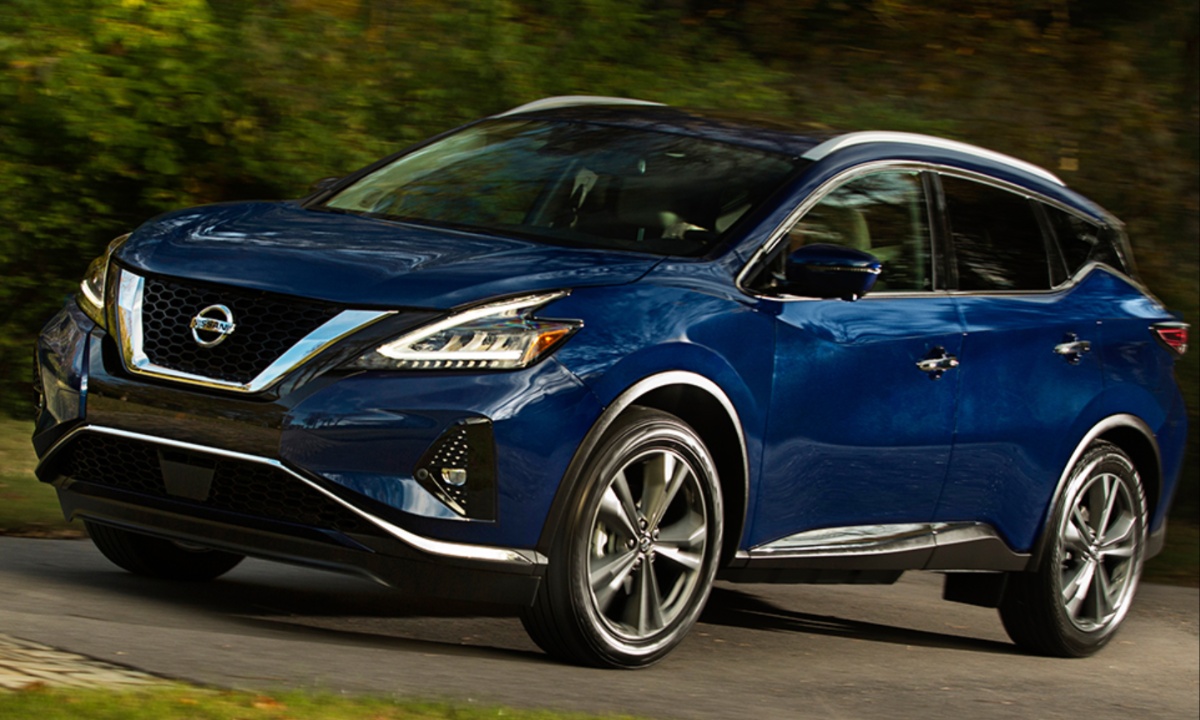
Beyond the transmission issues, the Murano suffers from electrical problems that affect multiple systems throughout the vehicle. Door locks, window motors, and various sensors have shown premature failure rates that contribute to high long-term ownership costs.
The infotainment system, while feature-rich, exhibits glitches and freezing problems that require regular resets and occasional software updates. Climate control systems have proven particularly problematic, with blend door actuators and compressor failures occurring more frequently than in comparable vehicles.
The Murano’s reliability problems are compounded by Nissan’s declining reputation among service professionals and parts suppliers. As the brand’s market share has eroded, finding qualified technicians and obtaining parts has become more difficult and expensive.
Many owners report extended wait times for repairs and limited availability of experienced service advisors who understand the vehicle’s specific problems.
The combination of frequent failures, expensive repairs, and poor service support makes the Murano a particularly risky choice for buyers seeking long-term reliability and reasonable ownership costs.
4. Jeep Compass
The Jeep Compass represents one of the most disappointing attempts to capitalize on the SUV boom, combining the Jeep brand’s rugged reputation with reliability problems that would be embarrassing in any vehicle, regardless of price point.
Built on a platform shared with various Fiat Chrysler products, the Compass suffers from the systemic quality control issues that have plagued the merged company since its formation.
The available engines, while adequate for basic transportation, lack the refinement and durability that buyers expect from modern vehicles, with premature wear problems affecting everything from timing chains to oil consumption rates.
The nine-speed automatic transmission, sourced from ZF but calibrated by Jeep engineers, exhibits problematic behavior that includes harsh shifting, delayed engagement, and hunting between gears during steady-state driving.
The transmission’s programming seems particularly poorly suited to the Compass’s engine characteristics, resulting in frequent downshifts during highway driving and sluggish response when acceleration is needed.
Service departments often struggle to address these complaints because the transmission typically tests within specifications even when exhibiting unacceptable behavior.
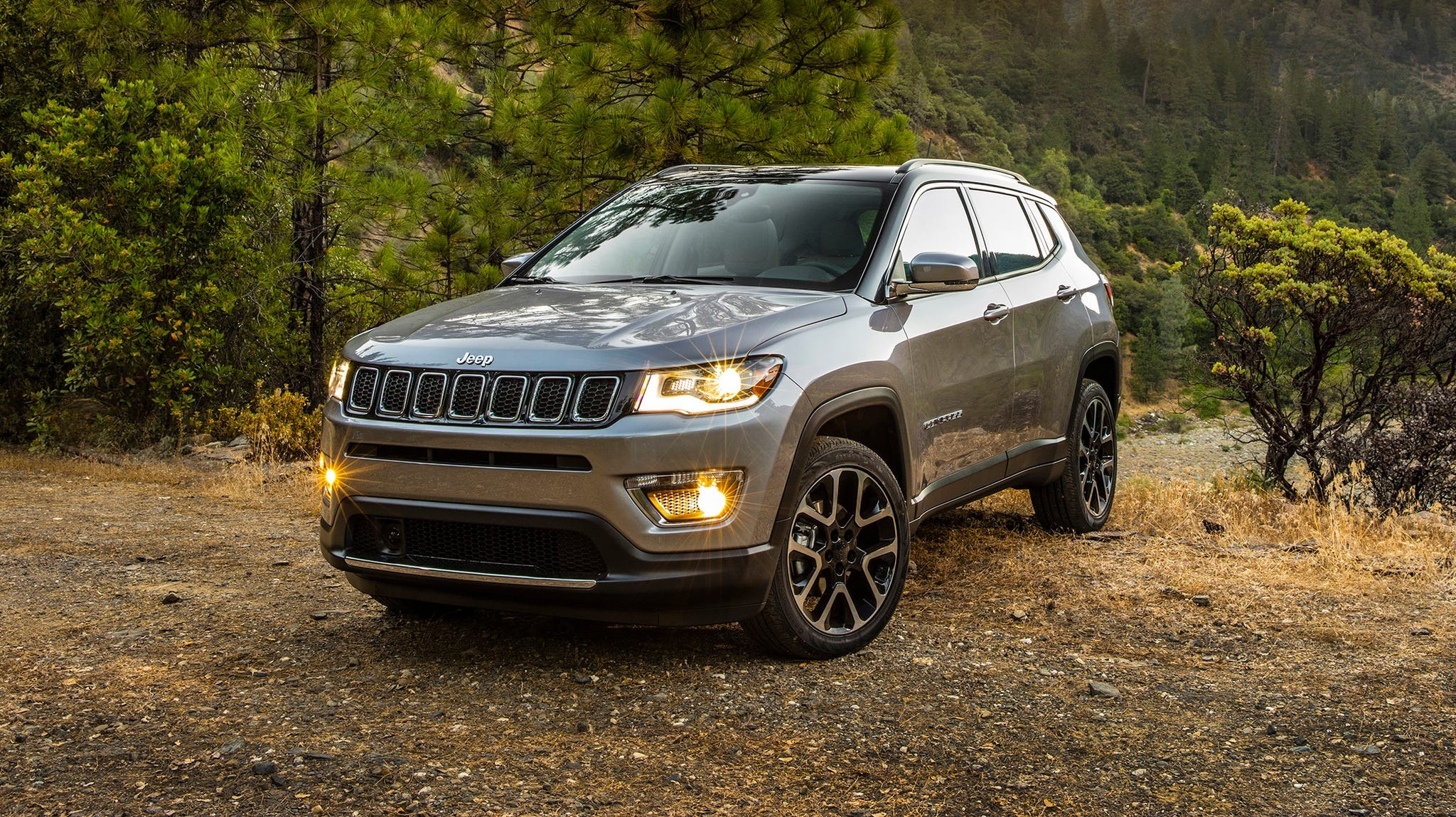
Interior quality issues are immediately apparent to anyone familiar with competitive vehicles in the segment. Cheap plastics, ill-fitting trim pieces, and electronic controls that feel flimsy detract from the ownership experience and suggest corners cut during development.
The infotainment system, based on Fiat Chrysler’s Uconnect platform, suffers from slow response times, occasional freezing, and menu structures that make simple tasks unnecessarily complicated.
Climate control effectiveness is inconsistent, with some owners reporting inadequate heating or cooling performance even when systems are functioning properly.
Perhaps most concerning for potential buyers is the Compass’s track record of safety-related recalls and technical service bulletins addressing problems that should have been caught during development testing.
Issues ranging from fuel system problems to electrical fires have required dealer visits and in some cases, vehicle buybacks under lemon laws. The frequency of these problems suggests fundamental development and quality control issues that extend beyond normal manufacturing variations.
Consumer satisfaction surveys consistently rank the Compass near the bottom of its competitive segment, with many owners expressing regret about their purchase decision and warning others to avoid the vehicle entirely.
5. BMW X4
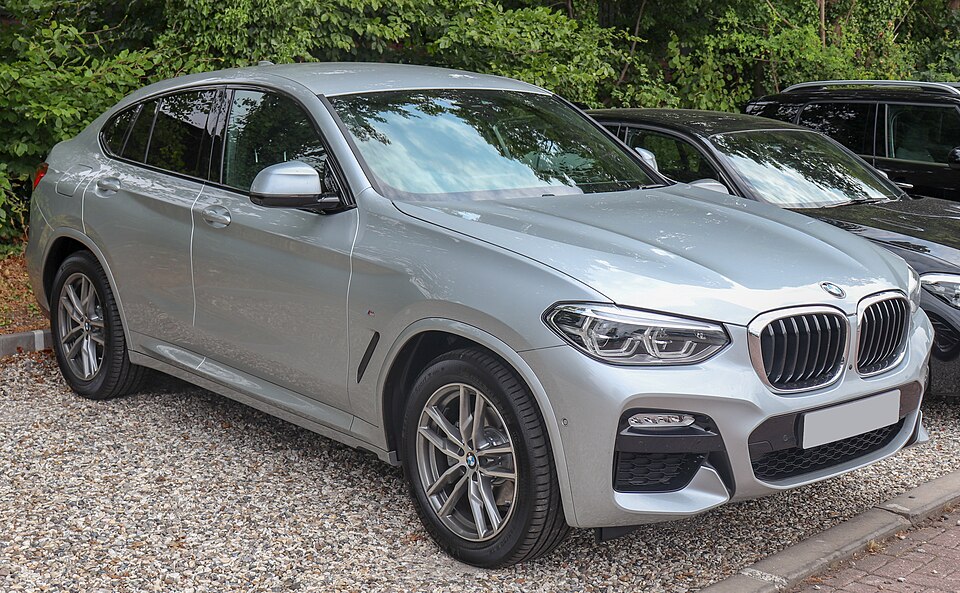
The BMW X4 represents everything wrong with the modern luxury SUV market: unnecessary complexity, questionable reliability, and premium pricing that doesn’t translate to premium ownership experience.
While BMW’s traditional vehicles built the company’s reputation on driving dynamics and engineering excellence, the X4 prioritizes style over substance, resulting in a vehicle that looks impressive in showrooms but disappoints owners with frequent problems and expensive maintenance requirements.
The turbocharged engines, while powerful, require premium fuel and exhibit sensitivity to maintenance schedules that can result in expensive repairs when neglected.
The X4’s signature feature, its sloped roofline that creates a coupe-like profile, comes at the expense of practicality and introduces structural complications that affect long-term durability.
The complex body panels and specialized components required for the unique shape increase manufacturing costs and repair complexity, while reducing the cargo space and rear-seat headroom that buyers expect from SUVs. The styling also requires sophisticated sealing systems to prevent water intrusion, and these systems have proven problematic in long-term use.
The advanced all-wheel-drive system, while capable when functioning properly, introduces multiple potential failure points through its complex electronic controls and mechanical components.
The system’s reliance on various sensors and actuators means that even minor component failures can result in complete system shutdowns and expensive diagnostic procedures.
The integration with stability control and traction management systems creates cascading failure modes where problems in one system can affect multiple vehicle functions.
Interior electronics represent another significant reliability concern, with the iDrive infotainment system, while feature-rich, proving susceptible to software glitches and hardware failures that can affect basic vehicle operation.
The extensive use of electronic controls for functions that were previously mechanical means that simple problems can require complex and expensive solutions.
Climate control systems, seat adjustments, and even basic lighting functions rely on electronic modules that can fail unexpectedly and require expensive replacement.
The cumulative effect of these problems is an ownership experience characterized by frequent service visits, unpredictable repair costs, and frustration levels that don’t match the vehicle’s premium positioning in the marketplace.
Also Read: 5 Obscure EVs That Hold Value vs 5 Famous EVs That Depreciate Fast
