
Chevrolet has long been synonymous with American automotive reliability, offering vehicles that balance performance, comfort, and durability.
From rugged trucks to practical sedans and nimble subcompacts, many Chevy models have earned a reputation for longevity, with some continuing to deliver strong performance years after their release.
In a world where vehicles can be disposable, these Chevys stand out for their dependable engineering, thoughtful design, and proven reliability. Whether it’s the spacious 2020 Impala, the versatile 2012 Silverado 1500, or the efficient 2011 Volt, each model showcases Chevrolet’s commitment to producing cars and trucks that withstand the test of time.
For buyers seeking vehicles that remain capable, affordable, and trustworthy, understanding which Chevys maintain their strength can guide smart decisions in the used car market. This list highlights ten standout models that continue to run strong today, demonstrating the enduring appeal of the Chevy brand.
1. 2020 Chevrolet Impala
The Chevrolet Impala, one of the longest-running nameplates in American automotive history, ended its production in 2020. By its final year, the model lineup had been reduced to just two trims, all equipped with a 3.6-liter V6 engine producing 305 horsepower and 264 lb-ft of torque, paired with a 6-speed automatic transmission.
While no longer the performance icon it once was, the 2020 Impala remains a comfortable, reliable large sedan that appeals to buyers seeking practicality over flash.
The last-generation Impala, introduced in 2014, prioritizes comfort and smooth driving. Acceleration is steady, and the ride quality is plush without feeling overly soft or floaty. The sedan’s spacious interior and large trunk make it well-suited for families or those needing cargo capacity.
However, it has its drawbacks: handling is ponderous, steering is overly sensitive, and thick front roof pillars can limit visibility on curves. Despite these minor flaws, the Impala performs its role as a comfort-oriented full-size sedan effectively.
One of the 2020 Impala’s strongest selling points is reliability. According to CarEdge, there’s only a 4% chance of requiring major repairs within the first five years. Annual maintenance costs are estimated at just $568, lower than the average for full-size sedans, according to RepairPal.
Consumer reviews reinforce this reputation, with Cars.com giving it a 4.8/5 rating and U.S. News & World Report awarding it a predicted reliability score of 82/100, labeled “Great.” Owners frequently praise its durability, with many reporting long-term trouble-free ownership.
The Impala also excels in safety, having received a five-star rating from the National Highway Traffic Safety Administration (NHTSA) and top “Good” scores from the Insurance Institute for Highway Safety (IIHS). Standard safety equipment includes a rearview camera, while optional features such as blind-spot monitoring, rear cross-traffic alert, and forward collision warning enhance driver assistance.
The 2020 Impala marks the end of an era, making it the final model year. While large sedans are less popular in the current SUV-dominated market, the Impala’s proven reliability, spacious interior, and relatively low maintenance costs make it a practical choice.
Competitors like the Kia Cadenza and Toyota Avalon offer slightly more refined handling, but the Impala remains a solid option for those seeking a dependable, full-size American sedan.
2. 2012 Chevrolet Silverado 1500
The 2012 Chevrolet Silverado 1500 is a versatile and dependable full-size pickup that continues to be a top choice in America’s highly competitive truck segment. Celebrated for its combination of utility, comfort, and durability, the Silverado caters to a wide range of buyers from work-focused customers to those seeking a more luxurious daily driver.
The 2012 model offers an expansive lineup of engines, from a 4.3-liter V6 producing 195 horsepower to a 6.2-liter V8 delivering 403 horsepower. A mild-hybrid option powered by a 6.0-liter V8 paired with two electric motors further expands the Silverado’s appeal. Multiple trim levels ensure there’s a Silverado for nearly every need and budget.
The Silverado 1500 delivers capable performance across its engine range. The base 4.3-liter V6 provides modest power suitable for light-duty tasks, while the 4.8-liter and 5.3-liter V8s enhance acceleration and towing capacity.
The top 6.2-liter V8 transforms the Silverado into a muscular performer, capable of 0–60 mph in just 6.6 seconds in Edmunds testing. Properly equipped, the truck can tow up to 10,700 pounds.
Buyers can choose between rear-wheel drive and four-wheel drive, with 4WD models offering either a traditional floor-mounted selector or the Autotrac system, which automatically engages 4WD when slippage is detected. Ride quality is smooth, with minimal wind and road noise, making the Silverado comfortable for long-distance drives despite its large footprint.
The 2012 Silverado is known for reliability and solid build quality. It scores 86/100 in J.D. Power’s Quality and Reliability Rating, with an annual maintenance cost of approximately $682 and a 5% chance of major repair, according to RepairPal.
While the Work Truck interior is utilitarian, higher trims provide a more refined experience with comfortable seats, improved materials, and advanced features like a hard-drive-based navigation system. Owners generally report satisfaction with the Silverado’s durability and low likelihood of significant repairs.
The 2012 Silverado comes with robust safety equipment, including antilock disc brakes, electronic stability control, traction control, and OnStar. Front seat side airbags and side curtain airbags are standard, while four-wheel disc brakes are available through the Max Trailering package.
Government crash tests awarded four stars, with particularly strong performance in both frontal and side-impact evaluations. The Insurance Institute for Highway Safety gave the crew cab model a top “Good” rating for frontal-offset crashes and “Acceptable” for side-impact protection, reflecting its solid safety credentials.
The Silverado’s interior varies greatly by trim. The base Work Truck is functional but plain, focusing on durability over aesthetics, while higher trims like LT and LTZ offer comfortable bucket seats, power-adjustable pedals, and advanced infotainment.
Crew cab models feature spacious rear seating with fold-up cushions for additional cargo space, though interior storage is modest. Navigation and convenience features improve significantly in higher trims, making the Silverado versatile for both work and daily life.
Despite minor drawbacks such as the wide turning radius, aging V6 engine, and less refined base interior, the 2012 Chevrolet Silverado 1500 remains a competitive and dependable choice in the full-size pickup segment. It offers strong towing performance, a comfortable ride, multiple engine options, and solid reliability, maintaining its status as a practical and capable truck for a variety of buyers.
3. 2016 Chevrolet Malibu Limited
The 2016 Chevrolet Malibu Limited represents the final phase of the previous-generation Malibu, offered alongside the fully redesigned 2016 Malibu. Designed as a value-focused midsize sedan, it provides reliability and practicality for buyers seeking an affordable, dependable car without the latest features.
Unlike the new model, the Malibu Limited comes exclusively with a 2.5-liter inline-4 engine producing 197 horsepower and 191 lb-ft of torque, paired with a six-speed automatic transmission and front-wheel drive. While not the most powerful or fuel-efficient in its class, it delivers adequate performance for daily commuting and family driving.
The 2.5-liter engine provides sufficient acceleration for a midsize sedan, though it lags behind newer turbocharged or hybrid rivals. EPA fuel economy estimates are 24 mpg city, 34 mpg highway, and 27 mpg combined, aided by a stop-start system that shuts off the engine when idle.
The ride is smooth, with low road and wind noise, and handling is secure but not sporty. Comfort and refinement are prioritized, making the Malibu Limited a suitable choice for commuting and long drives, but less appealing for buyers seeking a dynamic driving experience.
Reliability is a strong point for the Malibu Limited. RepairPal estimates annual maintenance costs at $448, below the class average, and assigns a 4/5 reliability rating. CarEdge reports a 5% chance of major repair within five years. Owners praise its dependability and low ownership costs.
Some common issues noted by Consumer Reports and other sources include engine pre-ignition, brake vacuum pump failures, “shift to park” warnings, and occasional electronic throttle body or accelerator pedal malfunctions. Despite these potential concerns, the Malibu Limited remains a solid choice for cost-conscious buyers.
The Malibu Limited comes equipped with a range of safety features. Standard equipment includes antilock brakes, traction and stability control, front knee airbags, front and rear side airbags, side curtain airbags, and the OnStar telematics system with crash notification and roadside assistance.
A rearview camera is available, while an Advanced Safety package adds forward collision warning, lane departure warning, blind-spot monitoring, and rear cross-traffic alert.
Government crash tests awarded five stars for crash protection, including total frontal and side-impact scores. The similar 2015 Malibu earned “Good” ratings from IIHS in frontal-offset, side-impact, roof strength, and whiplash protection tests.
The Malibu Limited offers a comfortable and well-laid-out cabin, though rear legroom is limited compared with competitors. Front seats provide comfort, with optional eight-way power adjustments, while rear passengers may feel cramped, making child seat installation more challenging.
The dashboard is visually appealing, though some center-stack controls can be confusing at first. The MyLink touchscreen offers smartphone integration, but it can be slow to respond. Trunk space is 16.3 cubic feet, with 60/40-split folding rear seats for expanded cargo capacity.
While the Malibu Limited lacks the turbocharged engine and upscale features of the redesigned model, it remains a reliable and affordable midsize sedan.
Smooth ride quality, quiet cabin, strong safety ratings, and low ownership costs make it a practical choice for families and budget-conscious buyers. Potential issues are generally manageable with routine maintenance, making the 2016 Malibu Limited a dependable used-car option in its class.
4. 2022 Chevrolet Malibu
The 2022 Chevrolet Malibu stands as the last midsize sedan offered by a traditional U.S. automaker, making it a rare choice for buyers seeking a made-in-America family car. Despite being based on a 7-year-old platform, the Malibu remains a practical, reliable sedan with multiple engine options, decent interior space, and a reasonable trunk.
The base L trim has been eliminated for 2022, leaving four trims: LS, RS, LT, and Premier. All trims come with turbocharged engines, with the 1.5-liter inline-4 standard in the LS, RS, and LT, producing 160 horsepower and 184 lb-ft of torque.
The top Premier trim is equipped with a 2.0-liter inline-4 that generates 250 horsepower and 260 lb-ft, paired with a nine-speed automatic transmission, providing stronger acceleration and a more engaging driving experience.
The 1.5-liter turbocharged engine offers adequate performance for daily commuting, though acceleration is modest compared with rivals. Fuel economy is competitive, and front-wheel drive is standard. Ride quality is comfortable, with low levels of wind and road noise, but handling is not particularly sporty.
The Premier trim’s 2.0-liter engine delivers more power and responsiveness, giving the Malibu a more satisfying drive. The CVT in lower trims and the nine-speed automatic in the Premier are smooth, but the sedan’s seven-year-old design limits modern refinement, including optional rather than standard advanced driver-assistance features.
The 2022 Malibu has strong reliability credentials. J.D. Power gives it a predicted reliability rating of 85/100, while RepairPal assigns a 4/5 rating. Annual maintenance costs average $532, lower than the midsize segment average, and major repairs are unlikely in the first five years.
Owner feedback is generally positive, with reports of long-lasting vehicles. Potential issues include the “Shift to Park” message caused by a shifter safety switch, oil consumption concerns with the 1.5L engine, and possible rodent damage to soy-coated wiring. Following the recommended maintenance schedule, using synthetic oil, and addressing warning messages promptly can help maintain reliability.
The Malibu offers a roomy cabin for four adults, though rear-seat space is adequate rather than generous compared to rivals. The dashboard design is simple but dated, with limited storage and a low-mounted layout.
The available MyLink touchscreen system provides smartphone integration, but it can respond slowly. Trunk space is sufficient for everyday use, and the interior materials and seating comfort are satisfactory for its class, particularly in higher trims with optional features such as power-adjustable seats.
Safety equipment is strong for its class, including standard antilock brakes, traction and stability control, front and side airbags, side curtain airbags, and OnStar telematics. Advanced driver-assistance systems such as adaptive cruise control, lane departure warning, and blind-spot monitoring are optional on all trims. No recalls have been reported for the 2022 model, and crash-test performance remains solid.
The 2022 Malibu’s strengths lie in its reliability, affordability, and American-made status. However, it lags behind competitors like the Honda Accord, Hyundai Sonata, Kia K5, and Toyota Camry in design, technology, and standard safety features. For buyers seeking a dependable, low-maintenance sedan with decent performance, the Malibu remains a viable option, especially when properly maintained.
5. 2011 Chevrolet Cruze
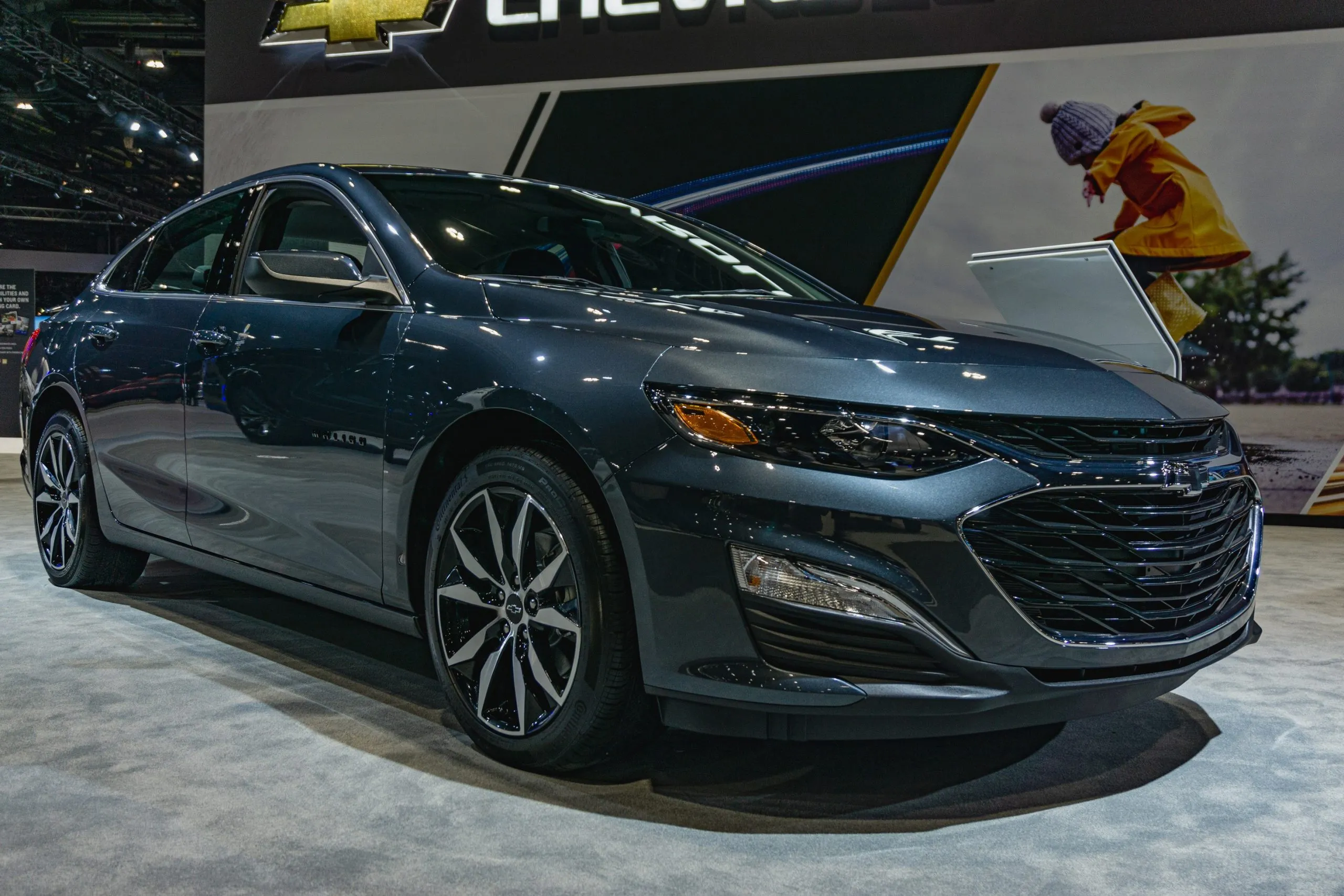
The 2011 Chevrolet Cruze marked a major step forward for Chevrolet in the compact car segment, replacing the outdated Cobalt. Sold globally under various names, the Cruze offered a wide range of gasoline and diesel engines, including the unique North American 2.0-liter turbo-diesel.
Engine options ranged from a 1.4-liter turbocharged inline-4 producing 138 horsepower to a 1.8-liter inline-4 with 138 horsepower, while torque varied from 130 lb-ft to 266 lb-ft for the diesel. Transmission choices included a 5-speed manual, 6-speed manual, or 6-speed automatic, offering versatility for different driving preferences.
The Cruze provides a balance of fuel efficiency and performance. The base 1.8-liter engine produces adequate acceleration for city and highway driving, while the 1.4-liter turbo adds more torque, improving low-end responsiveness. The fuel-economy-focused Eco trim achieves up to 42 mpg on the highway with the manual transmission.
Edmunds testing shows the LTZ trim accelerates from 0–60 mph in 9.6 seconds, which is typical for this class. Handling is notably sharper than the previous Cobalt, and the suspension delivers a comfortable ride without excessive softness. The LTZ trim features a sportier suspension, providing firmer control while remaining manageable for daily driving.
The 2011 Cruze has mixed reliability feedback. RepairPal rates it 4/5, and J.D. Power gives a Quality and Reliability Rating of 77/100. Some owners report vehicles reaching high mileage when maintained properly.
Common problems include water pump and thermostat failures in the cooling system, valve cover and PCV valve cracks, turbocharger issues in the 1.4L models, oil leaks, and occasional transmission failures. Positive experiences are usually tied to proactive maintenance, including frequent synthetic oil changes and early attention to minor issues.
The Cruze’s “twin cockpit” interior provides a more upscale feel than prior Chevrolet compact cars, with soft-touch materials and a two-tone design. Front seats are supportive, adjustable, and comfortable, while rear seating is less roomy, especially for taller passengers.
Trunk capacity is impressive at 15 cubic feet, exceeding many competitors like the Honda Civic, which offers 12 cubic feet. Controls are intuitive, and higher trims provide added convenience features, contributing to a more refined cabin experience.
All 2011 Cruze models come with standard stability control, antilock brakes, front and rear side airbags, side curtain airbags, and front knee airbags. The LTZ trim upgrades to four-wheel disc brakes, improving stopping performance.
Government crash tests awarded the Cruze five stars in both frontal and side-impact categories, and IIHS testing rated it “Good” in frontal-offset and side-impact tests. Brake testing shows the LTZ stops from 60 mph in 122 feet, competitive for the segment.
When considering a 2011 Cruze, it is essential to verify maintenance records, check for coolant and oil leaks, and watch for warning signs such as engine trouble lights or unusual noises.
While some owners experience excellent reliability, others report frequent repairs. The Cruze stands out in the compact segment for its handling, interior quality, and available diesel engine, but buyers must be vigilant with maintenance to ensure long-term durability.
Also Read: 5 Chevy Suburban Years That Outlast Rivals vs 5 That Fail Early
6. 2017 Chevrolet Trax
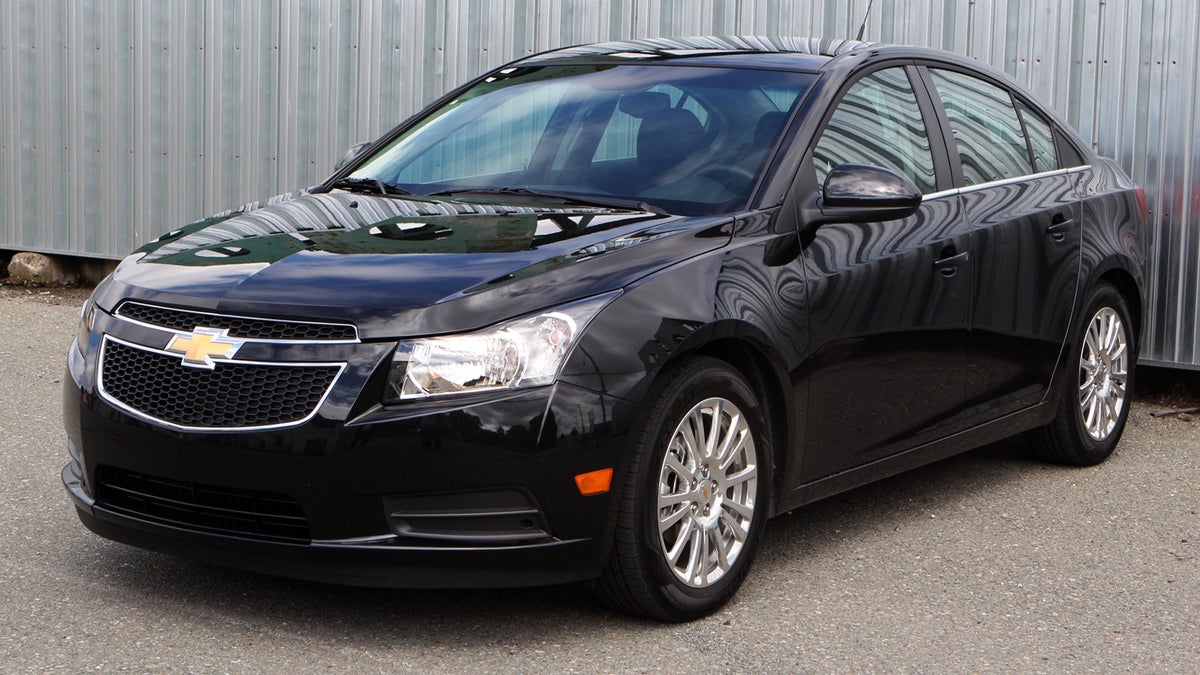
The 2017 Chevrolet Trax is Chevrolet’s smallest SUV, designed for urban driving and buyers seeking an affordable, compact crossover. First introduced in 2013, the Trax underwent a major refresh for 2017, with updated exterior styling, improved interior features, and new technology options.
It comes with a range of gasoline engines, including a 1.3-liter turbocharged inline-4, a 1.6-liter inline-4, and a 1.8-liter inline-4, producing between 115 and 138 horsepower and torque from 114 to 148 lb-ft. Transmission choices include a 5-speed manual, 6-speed manual, and 6-speed automatic, providing versatility for different driving preferences.
The Trax’s small footprint makes it highly maneuverable and easy to park in tight city streets. LS and LT trims with 16-inch wheels offer a more comfortable ride, while the LTZ’s 18-inch wheels lead to a slightly firmer, busier ride. Steering is somewhat vague, especially at highway speeds, requiring minor corrections to maintain a straight line.
The engine performs adequately in city driving, but highway acceleration for merging or passing demands careful planning. The six-speed automatic transmission is smooth and responsive, helping extract the most performance from the modest engine. Cornering stability is competent, though the Trax lacks the engagement and grip of sportier rivals.
The 2017 Trax has strong reliability scores for its class. J.D. Power assigns it a Quality and Reliability rating of 80/100, while RepairPal rates it 4/5.
Average annual maintenance costs are about $501, lower than many competitors, and the chance of major repairs within five years is around 7%. Owners report the vehicle is durable and inexpensive to maintain, making it a practical choice for buyers seeking a small, dependable SUV.
Despite its compact size, the Trax provides useful interior space. Front seats are comfortable with ample headroom and legroom, while the rear seats can accommodate two adults comfortably if neither exceeds six feet in height. Cargo capacity is 18.7 cubic feet behind the rear seats and expands to 48.4 cubic feet with the rear seats folded.
A flat load floor is possible when the seat bottoms are lifted first. Interior quality is modest, with hard plastics covering most surfaces and few soft-touch materials.
The small center console limits storage, but the MyLink infotainment system with a 7-inch touchscreen supports Apple CarPlay and Android Auto for smartphone integration. The touchscreen can be slow at times, but it provides access to music, navigation, and apps like Spotify.
Standard safety equipment includes antilock brakes, traction and stability control, front and rear side airbags, curtain airbags, knee airbags for the driver and front passenger, and OnStar telematics. FWD models feature front disc/rear drum brakes, while AWD models have four-wheel disc brakes.
The Trax received five-star ratings in government crash tests for front and side impacts. The IIHS awarded “Good” ratings in small- and moderate-overlap front-impact tests, side-impact, roof strength, and head restraint evaluations. Advanced safety options such as blind-spot monitoring, rear cross-traffic alert, forward collision alert, and lane departure warning are available on higher trims.
The 2017 Trax is a practical and affordable subcompact SUV that excels in maneuverability, technology integration, and reliability. However, the ride can be choppy on rough roads, interior materials are basic, and the engine lacks power for spirited driving.
It competes against vehicles like the Mazda CX-3, Honda HR-V, Jeep Renegade, and Fiat 500X, offering a reasonable balance of space, technology, and maintenance costs for budget-conscious buyers.
7. 2011 Chevrolet Volt
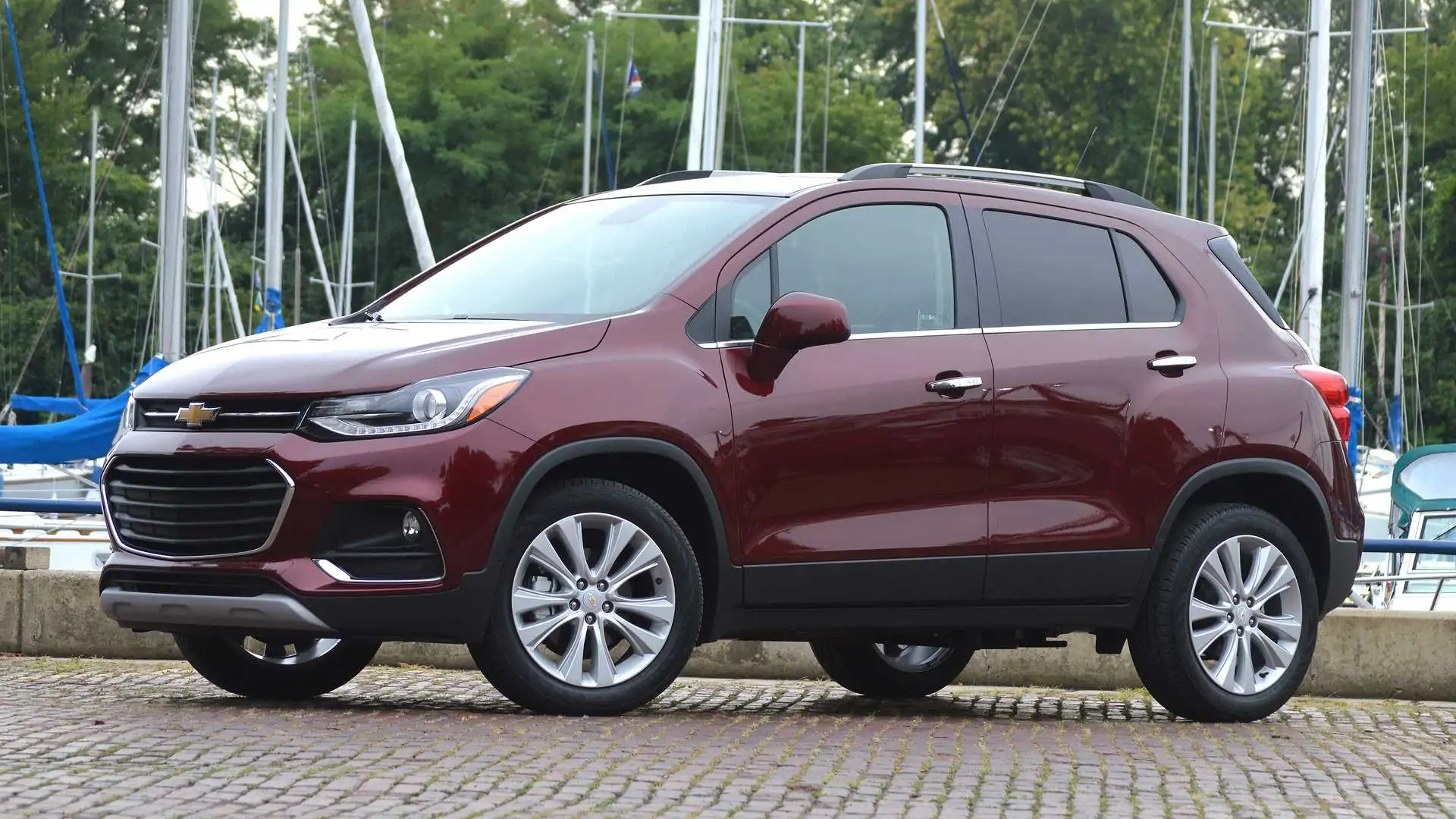
The 2011 Chevrolet Volt was a groundbreaking plug-in hybrid that introduced the General Motors Voltec powertrain to production vehicles. This series-parallel hybrid system uses two electric motors to drive the wheels while a 1.4-liter gasoline engine functions primarily as a generator, extending the driving range when the battery depletes.
The Volt could travel up to 40 miles on electric power alone, making it highly efficient for daily commuting, while the gasoline engine allowed for trips of up to 300 miles without stopping for a charge.
The Volt’s electric motor delivers 149 horsepower and 273 lb-ft of torque, providing brisk acceleration from a standstill. In electric-only mode, it goes from 0 to 60 mph in 9.2 seconds, while engaging the engine generator reduces this to 9 seconds.
The car is front-wheel drive and uses a single-speed transmission, contributing to a smooth and quiet ride in city driving. Steering is precise, though the Volt feels slightly nose-heavy around corners.
The brake pedal is sensitive, requiring careful modulation, but stopping distances are strong, measured at 124 feet from 60 mph. The car transitions seamlessly between battery and engine power, with minimal disruption to driving.
The 2011 Volt is surprisingly reliable given its complex hybrid system. J.D. Power assigns it a Quality and Reliability rating of 89/100, while RepairPal gives it 4/5 stars. Annual maintenance costs average $575, and many examples have reached more than 150,000 miles with proper care.
The high-voltage battery is covered by an eight-year, 100,000-mile warranty and has shown minimal degradation under normal conditions. Some owners have reported electrical issues, particularly with the LCD information display, and specialized Voltec-trained mechanics may be needed for certain repairs.
Inside, the Volt features a futuristic, tech-focused cabin with a distinctive center stack, touch-sensitive controls, and a digital gauge cluster that visually indicates energy efficiency. The front seats are comfortable, though there is no power-adjustable driver seat.
Rear seating is limited to two passengers with restricted headroom and legroom. Cargo space is constrained by the battery pack, providing 10.6 cubic feet with seats up, expanding modestly when the rear seats fold down. Infotainment includes a color display and integration with media and navigation functions, though some touchscreens can respond slowly.
The Volt excels in fuel economy if regularly charged. For short commutes within the electric range, gasoline consumption can be negligible. Once the battery is depleted, the gasoline engine provides 31.4 mpg in mixed driving. The plug-in hybrid setup allows owners to minimize fuel costs, particularly for city driving.
Standard safety equipment includes antilock brakes, stability control, front and side airbags, curtain airbags, and knee airbags for the driver and front passenger. The Volt performed well in brake testing and delivers a secure, controlled driving experience.
The 2011 Volt is an innovative, fuel-efficient, and reliable vehicle for buyers interested in plug-in hybrid technology. However, potential owners should be mindful of limited rear passenger space, modest cargo capacity, possible electrical issues, and the need for specialized service for complex hybrid components. Regular charging and attentive maintenance help ensure long-term durability and performance.
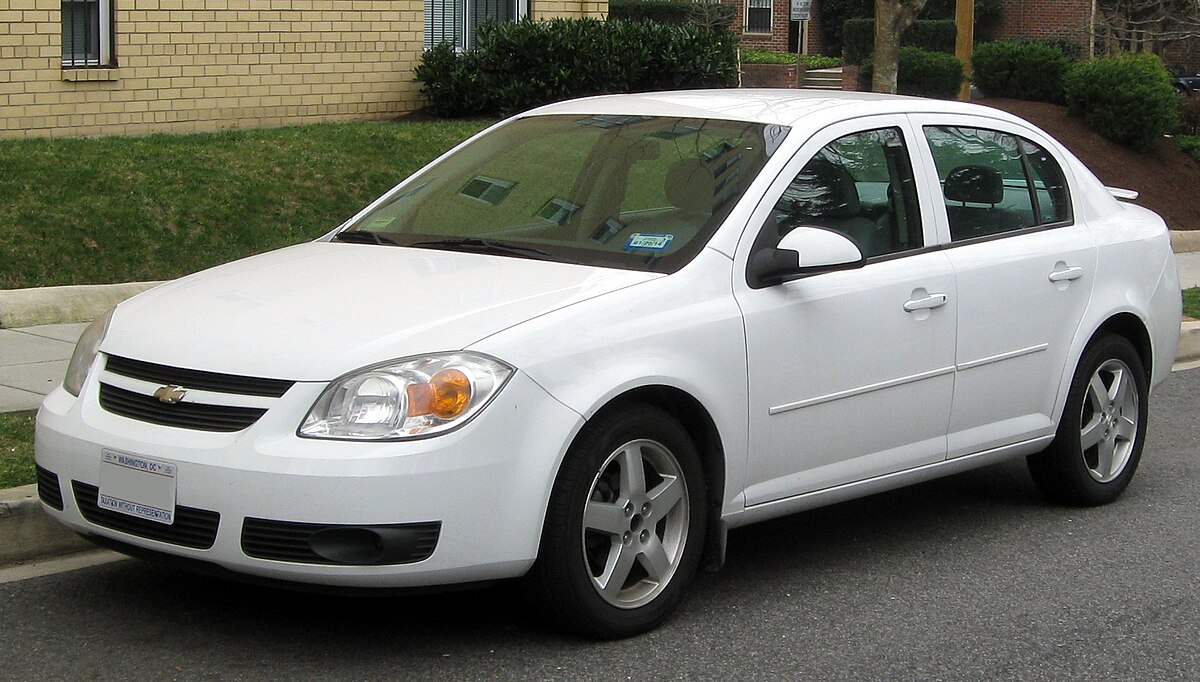
8. 2007 Chevrolet Cobalt
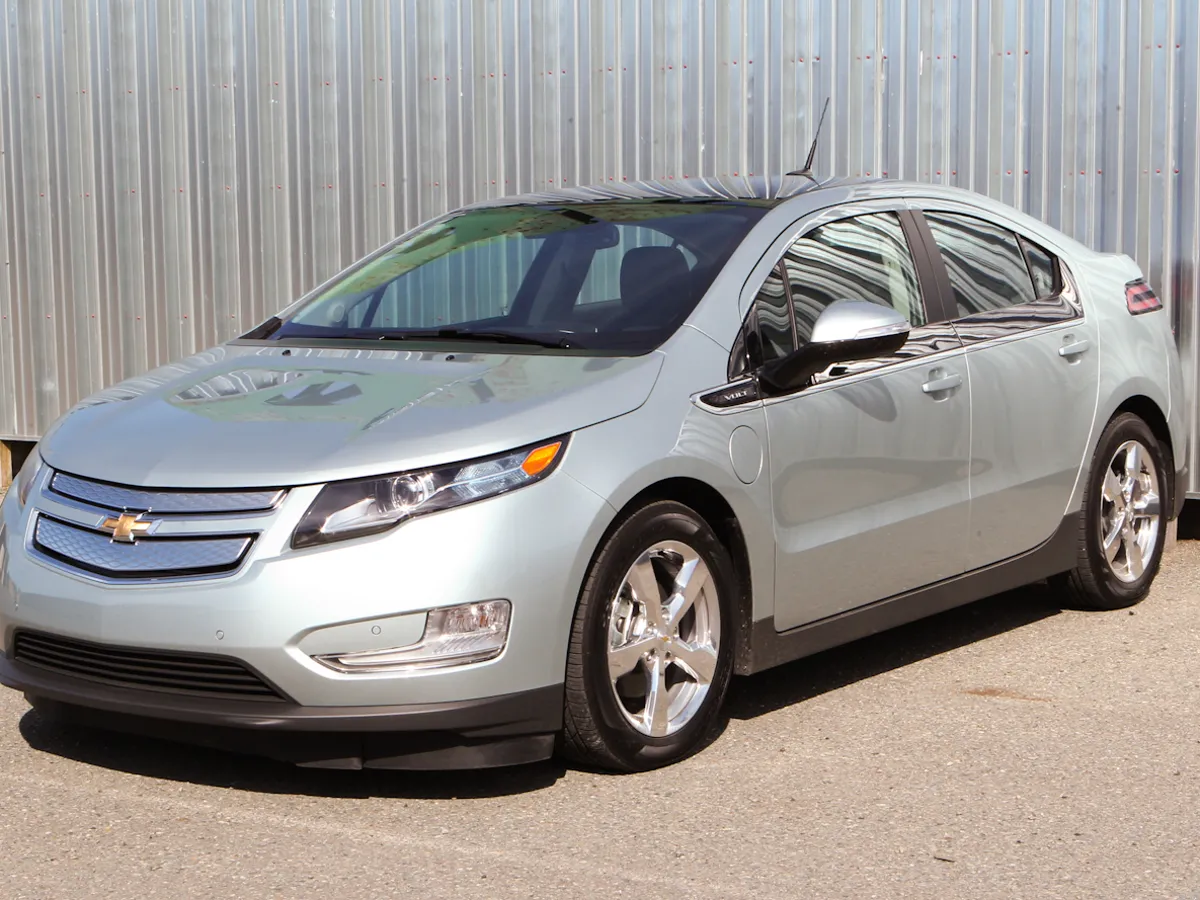
The 2007 Chevrolet Cobalt replaced the aging Cavalier as Chevrolet’s compact car offering, presenting a more modern entry in the economy segment. Built on GM’s Delta platform, it shared components with the Chevrolet HHR and Saturn Ion and was offered as a 3-door coupe or 4-door sedan.
The sportier SS versions, especially the Supercharged coupe, appealed to enthusiasts seeking a performance-oriented compact car, with enhanced engines and tuning options for a more engaging drive.
Standard Cobalt models feature a 2.2-liter inline-4 engine producing 148 hp and 152 lb-ft of torque, paired with a 5-speed manual or 4-speed automatic transmission. The SS versions provide more power, including a 2.0-liter supercharged inline-4 generating 205 hp and 200 lb-ft, allowing the SS Supercharged coupe to reach 0-60 mph in about seven seconds.
Acceleration is strong for a compact car, and the ride is smooth and quiet for daily driving. However, handling is less precise than some competitors, with noticeable body roll and electric steering offering minimal feedback. SS models improve cornering response and add larger wheels, delivering a sportier driving experience.
The 2007 Cobalt has a solid reliability record, with RepairPal rating it 4.5/5 and J.D. Power giving a Quality and Reliability score of 81/100. Average annual maintenance costs are low at $315, and some vehicles have surpassed 210,000 miles with proper care.
Common issues include wiring problems affecting turn signals or speakers, axle failures, evaporator leaks, and ignition switch recalls. More serious mechanical concerns, such as timing chain tensioner or thrown rod failures, have been reported but are less frequent. Careful inspection and verification of maintenance records are essential when purchasing a used Cobalt.
The Cobalt’s interior is practical and functional. Base models feature simple materials, while LTZ and SS trims add leather, wood-grain accents, or faux aluminum details. Front seats offer acceptable support, but rear seating is flat and low, reducing comfort for taller passengers.
Gauges and audio systems are modern for the time, while SS models provide a sportier, more driver-focused cabin. Despite its improvements over the Cavalier, the Cobalt lags behind competitors like the Honda Civic or Mazda 3 in terms of refinement and seat comfort.
Safety features include antilock brakes, optional side curtain airbags on LS models, and OnStar telematics on most trims. The IIHS awarded a “Good” rating for frontal offset tests, while side-impact ratings varied from “Acceptable” to “Poor,” depending on airbags. NHTSA tests gave four stars for driver frontal impact, five for passenger frontal impact, and mixed ratings for side impacts.
The 2007 Cobalt delivers strong acceleration, particularly in SS models, with fuel-efficient engines suitable for commuting. Low maintenance costs and high mileage potential make it attractive for budget-conscious buyers. However, handling, rear-seat comfort, and cabin refinement fall short of segment leaders.
Reliability depends on individual vehicle care, so thorough inspection and review of service history are recommended. The Cobalt represents a cost-effective and practical option for buyers seeking basic performance and affordability in a compact car.
9. 2007 Chevrolet HHR
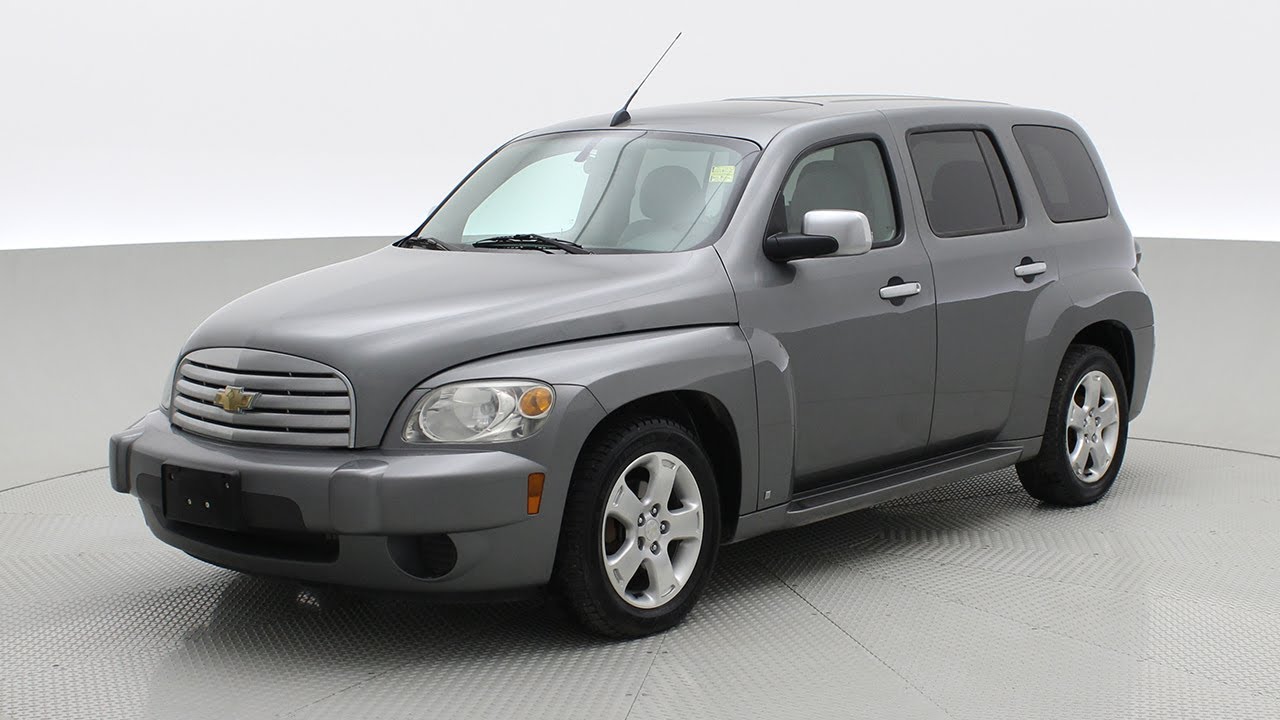
The 2007 Chevrolet HHR stands out for its retro styling inspired by the 1940s Chevrolet Suburban. Built on GM’s Delta platform, the HHR shares components with the Chevrolet Cobalt, Pontiac G5, and Saturn Ion, contributing to solid reliability.
The Heritage High Roof design provides excellent visibility, and the tall, roomy cabin maximizes passenger comfort and cargo space, making it a practical choice for families or urban drivers. The HHR was also available as a panel van, adding utility for small businesses.
The base HHR comes with a 2.2-liter inline-4 engine producing 149 hp and 152 lb-ft of torque, while the 2.4-liter engine, standard on higher trims, generates 175 hp and 165 lb-ft. A five-speed manual transmission is standard, with a four-speed automatic optional.
Acceleration is adequate, though the HHR’s weight and taller body make it less nimble than lighter competitors. Handling is soft, with noticeable body roll on curves and a numb electric steering feel. Braking straight-line stability can be inconsistent during hard stops. The suspension delivers a smooth and quiet ride, making relaxed driving the HHR’s strong suit.
The 2007 HHR is considered reasonably reliable, earning a J.D. Power Quality and Reliability score of 78/100 and a RepairPal rating of 4/5. Average annual maintenance costs are $353, and some vehicles have achieved more than 261,000 miles.
Common issues include electrical problems from faulty body control modules or ground connections, timing chain wear, and transmission shifting concerns at higher mileage. Proactive maintenance such as regular oil changes with quality synthetic oil and timely transmission fluid replacement can help extend drivetrain life.
The HHR’s cabin is both functional and attractive, with metal-rimmed gauges and a user-friendly stereo head unit featuring large dials and a scrolling display. Front and rear legroom is generous, and the rear seats fold flat to create a large, easy-to-clean cargo area with a maximum capacity of 63 cubic feet.
Cloth seats are adequate, while optional leather provides better cushioning. Some interior plastics are of lower quality, and window controls are awkwardly placed behind the shifter. The tall roof and boxy design enhance interior space, making the HHR one of the more practical compact wagons.
Front disc and rear drum brakes are standard, with ABS optional on lower trims and standard on the 2LT. Traction control accompanies automatic transmission orders, though stability control is not offered. Side curtain airbags are optional. The HHR earned five-star NHTSA ratings for both front and side-impact crash tests, reflecting strong protection for occupants in the event of a collision.
The 2007 HHR offers good fuel economy, a smooth ride, and versatile interior space. Its retro styling and roomy cabin make it a distinctive choice in the compact wagon segment.
Drivers should be aware of potential electrical and drivetrain issues and address them proactively. The HHR is best suited for those who value utility and comfort over sporty handling or aggressive performance. With careful maintenance, it can serve as a reliable and practical vehicle for both families and small businesses.
10. 2022 Chevrolet Spark
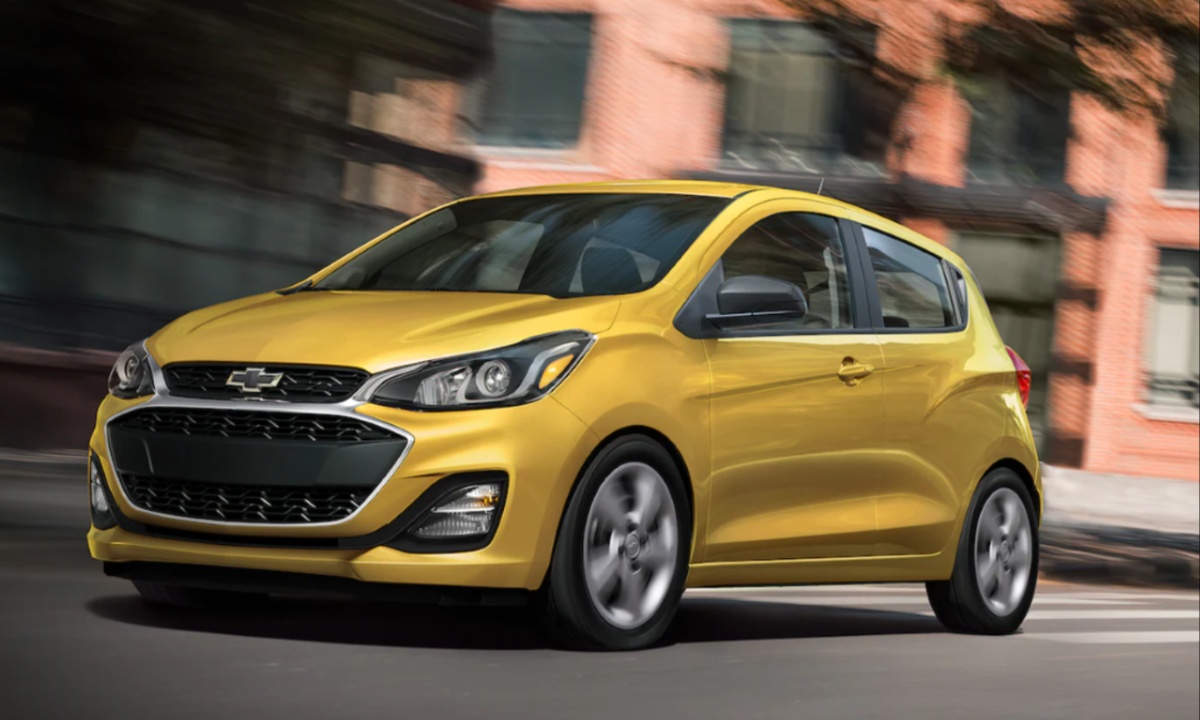
The 2022 Chevrolet Spark is a subcompact hatchback offered in four trims: LS, 1LT, Activ, and 2LT. All trims are powered by a 1.4-liter four-cylinder engine delivering 98 horsepower and 94 lb-ft of torque. Buyers can choose between a five-speed manual transmission or a continuously variable transmission (CVT), with the manual showing greater reliability over time.
The Spark has earned a strong reputation for reliability and low ownership costs, making it appealing for city commuters and first-time car owners. Its compact size, stable platform, and simple mechanical layout contribute to a design that is durable and easy to maintain.
Owners often commend the car for its fuel efficiency, which averages around 40 miles per gallon, and for its accessible engineering that allows for straightforward repairs and DIY maintenance. Standard electronic stability control, StabiliTrak, enhances handling and control in various driving conditions.
Some drivers have reported occasional issues with the CVT, while the manual transmission generally performs consistently well. Other problems are minor and infrequent, with a few owners noting brake vacuum concerns or other small quirks.
The 2022 Chevrolet Spark is well-suited for those seeking affordable, reliable transportation with a practical, fuel-efficient design. Drivers who prefer a manual transmission may benefit from added dependability, while the car’s simple construction and widely available parts keep maintenance and repair costs low.
Its small footprint makes it easy to park in tight spaces and handle urban traffic, providing a dependable and straightforward option for budget-conscious buyers looking for a practical subcompact hatchback.
The ten Chevrolet models featured here prove that durability and reliability remain at the heart of Chevy’s legacy. From compact city cars like the 2022 Spark to family-friendly sedans such as the 2022 Malibu, and from innovative hybrids like the 2011 Volt to powerful workhorses like the Silverado, these vehicles exemplify versatility and long-term value.
Each model combines solid engineering with practical features, low maintenance costs, and strong safety ratings, making them dependable choices for a wide range of drivers. While automotive trends evolve, these Chevys demonstrate that certain models can transcend time, continuing to deliver performance, comfort, and peace of mind.
For enthusiasts, commuters, and families alike, owning one of these vehicles means embracing a piece of Chevrolet’s enduring heritage cars and trucks built not just to last, but to thrive on the road for years to come.
Also Read: 5 Chevy Silverado Years That Run Forever vs 5 That Don’t
