Whether you’re facing the scorching heat of Arizona or the icy grip of Minnesota winters, not all cars are up to the challenge.
Some vehicles are engineered to handle the most extreme climates in the U.S., while others are best left in temperate states like California or coastal Oregon.
Understanding how your vehicle handles temperature extremes, snow, road salt, or relentless sun is essential especially if you live outside a mild-weather bubble.
Cars Proven in Extreme Climates
Here’s a look at five vehicles proven to perform in harsh climates, and five that notoriously struggle when the weather turns hostile.
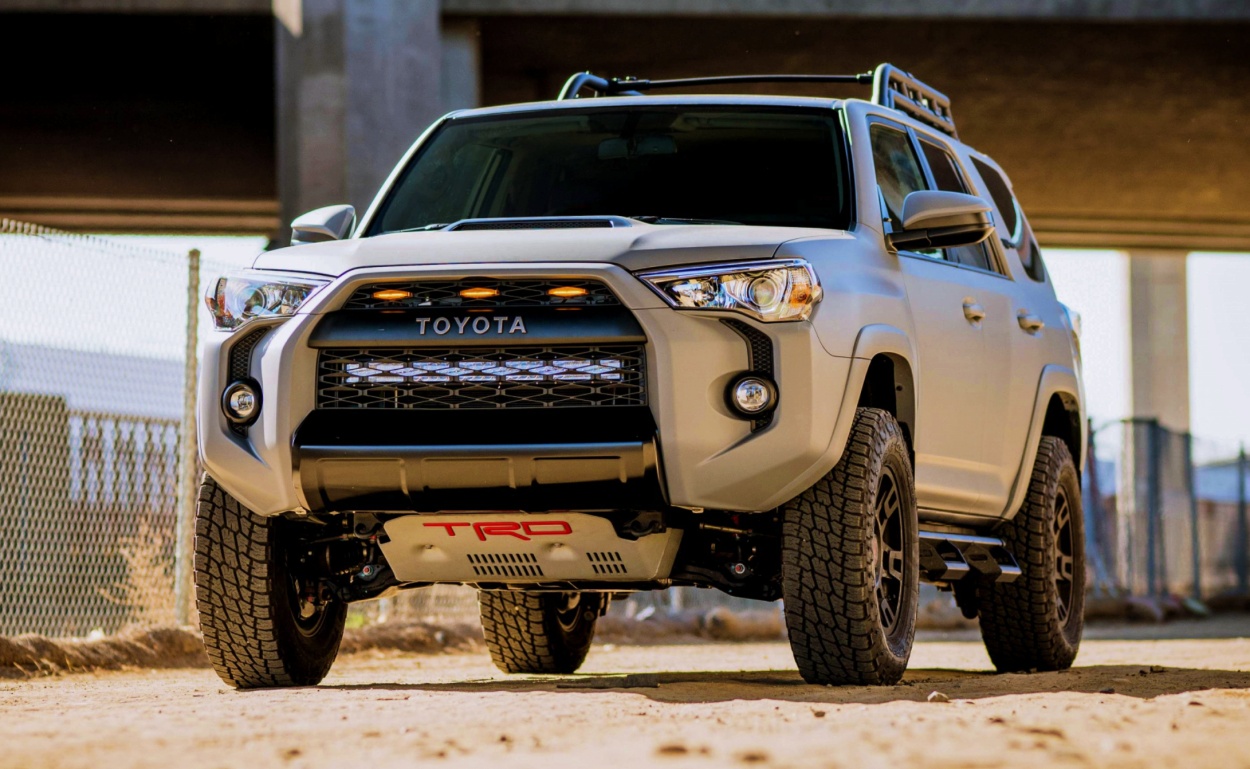
1. Toyota 4Runner
The Toyota 4Runner has long been praised for its rugged build and off-road readiness, but it also thrives in extreme climates.
From the dusty backroads of the Mojave Desert to the icy streets of Anchorage, the 4Runner’s body-on-frame design, durable powertrain, and proven 4WD system make it a reliable workhorse.
It’s built to endure high heat without overheating and resists corrosion thanks to solid rustproofing ideal for road salt-heavy regions.
After more than ten years of selling the same fifth-generation 4Runner, Toyota has finally decided to break the cycle. Enter the 2025 model, a long-anticipated refresh that brings modern upgrades while staying true to the rugged formula that’s kept the 4Runner both relevant and popular. After getting behind the wheel in Southern California, it’s obvious this latest iteration takes a significant leap forward.
The 2025 version still looks and feels like a 4Runner, only this time, it’s been sharpened and polished for today’s market. And if you’re the type who wants to see every curve, angle, and crease, we’ve got over 200 photos ready to give you that full 360-degree view.
Let’s start with the TRD Off-Road trim. This version sports a striking Heritage Blue paint job paired with a straightforward black interior. Under the hood, it packs the hybrid 2.4-liter engine mated to an eight-speed automatic transmission and four-wheel drive.
From the photos above, you’ll notice the cabin keeps things simple. The second row offers decent room, although the cargo area takes a slight hit due to the battery pack intrusion. Even so, the TRD Off-Road Premium doesn’t skimp on gear, 18-inch wheels, 33-inch tires, and a booming 14-speaker JBL sound system all come standard.
Below that sits the TRD Off-Road trim without the Premium badge. This version swaps out the hybrid for a non-hybrid 2.4-liter engine, uses an 8-inch infotainment screen, and downgrades to eight speakers.
Still, it keeps the same 18-inch wheels, 33-inch tires, and multi-terrain selectable driving modes that make the pricier version so capable. Finally, there’s the standout: the new Trailhunter trim. This one first made waves on the Tacoma last year, and now it’s bringing its A-game to the 4Runner.
The Trailhunter comes out swinging with steel rock rails, steel underbody armor, an ARB roof rack, Rigid Industries LED lighting, and bold 18-inch bronze wheels. The included photos even show it tackling rugged trails, proving it’s not just for show.
2. Subaru Outback
In the snowy regions of the Northeast and upper Midwest, the Subaru Outback has become a winter staple.
Its symmetrical all-wheel drive, combined with excellent ground clearance and winter-friendly features like heated seats and windshield de-icers, make it an obvious choice.
Subaru’s boxer engine layout also keeps the center of gravity low, aiding stability on icy roads.
Nearly 30 years ago, Subaru took a Legacy station wagon, equipped it with all-wheel drive, raised the suspension, added rugged SUV styling elements, and called the finished product the Outback. That winning formula has stood the test of time, and Subaru hasn’t tinkered with it much since.
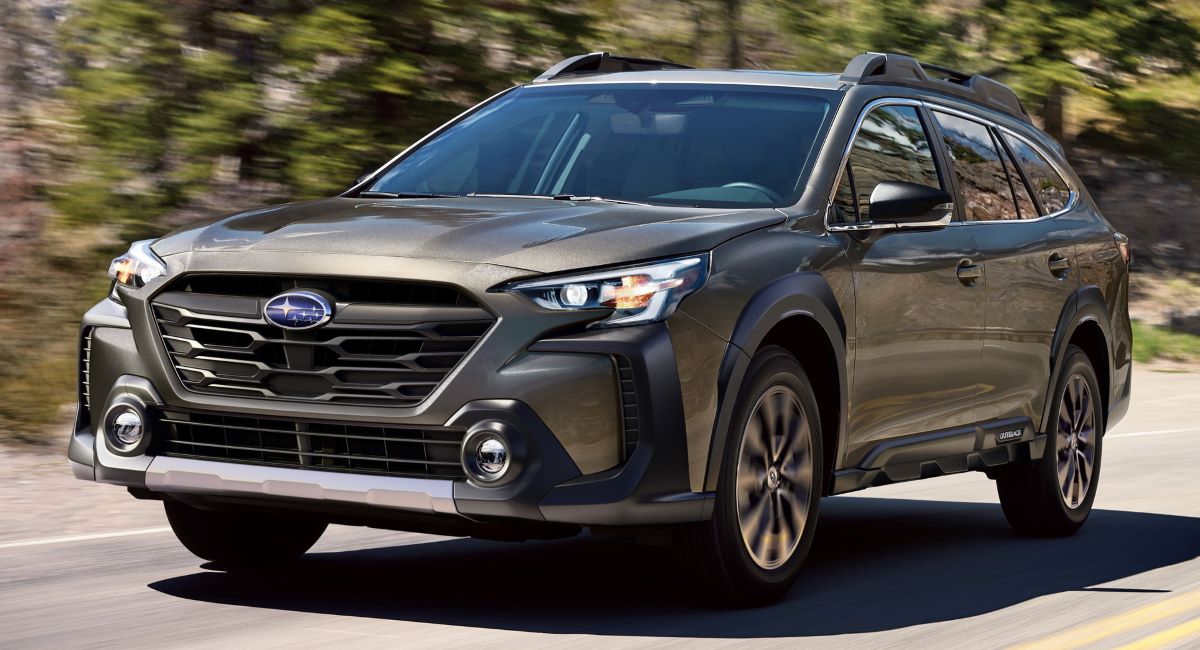
Today, the 2025 Subaru Outback remains a cornerstone of the brand’s lineup, positioned squarely between the smaller Forester and the larger Ascent. Affordable, weather-ready, and built to last, the 2025 Outback continues to be a practical, safe, and reliable option for singles, families, and empty nesters alike.
When the original 1996 Subaru Outback hit the market, it was one of the first crossover SUVs to grace American roads. Fast forward to today, and nearly every automaker has its own version of a crossover.
To keep its edge, Subaru leans into its adventurous spirit with the Outback Wilderness. Think of it as the automotive version of a Double-Double at In-N-Out, an “Outbacked” Outback.
You’ll spot it easily thanks to its copper accents, aggressively flared wheel arch trim, and a suspension that’s been lifted even higher to offer an impressive 9.5 inches of ground clearance.
Add in the bold bumper design, all-terrain tires, and a heavy-duty roof rack, and this trim looks ready to take on anything. Inside, the Wilderness features water-resistant synthetic leather, so you can get it wet, muddy, and messy without a second thought. Cleaning it up afterward is just as easy.
3. Ford F-150
America’s best-selling vehicle for decades, the Ford F-150 earns its reputation with performance that holds up from subzero North Dakota mornings to triple-digit Texas summers.
With available off-road packages, snow-ready drive modes, and solid heat resistance, the F-150 is built with U.S. climate extremes in mind.
Higher trims also offer features like remote start and heated steering wheels for cold-weather comfort. Now deep into its 14th generation, the Ford F-Series remains the bestselling vehicle in the United States. With what feels like an endless list of configurations, it’s no surprise this full-size pickup dominates the market.
After its major redesign in 2021 and a facelift in 2024, the F-150 is expected to roll into the 2026 model year with few, if any, substantial changes.
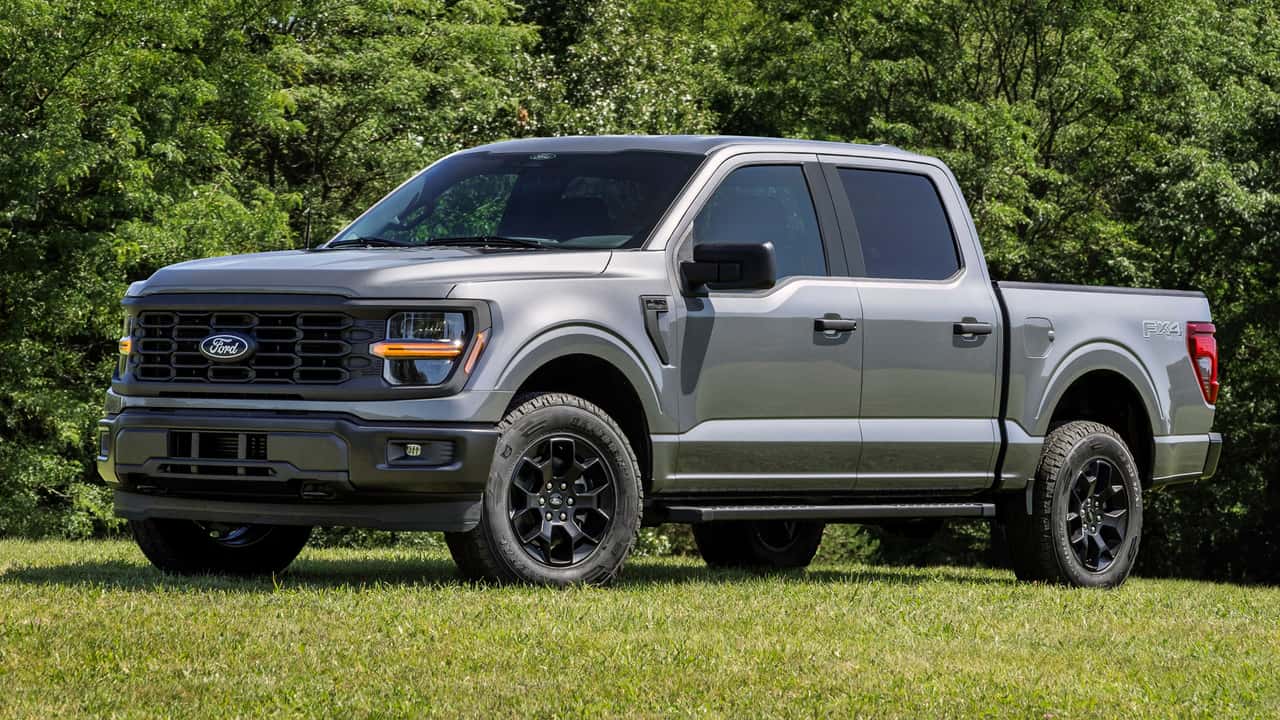
The wildly popular F-150 continues to stand out by offering an almost overwhelming number of customization options, letting buyers tailor their trucks to fit specific needs and preferences.
Whether you’re looking at the gas-only versions, the hybrid models, or the all-electric F-150 Lightning, there’s an option to suit just about every budget and use case. Lower trims deliver no-nonsense work capability, while the top-tier models lean into true luxury territory.
Despite the variations across trims, the F-150 generally offers a comfortable ride, whether loaded or empty. The long-held belief that only a V-8 can handle serious towing and hauling doesn’t hold up here, Ford’s twin-turbo V-6 engines deliver plenty of muscle.
Still, the automaker continues to offer the 5.0-liter V-8 and a hybrid powertrain, ensuring buyers have multiple strong options to choose from.
4. Jeep Grand Cherokee
The Grand Cherokee doesn’t just conquer trails it handles extreme weather with confidence. Thanks to advanced 4WD systems like Quadra-Trac II, snow and ice are manageable.
The vehicle’s interior also offers good insulation, and options like ventilated seats come in handy in hot southern states. The Grand Cherokee is a go-to for both winter adventurers and desert dwellers alike.
The Jeep Grand Cherokee starts out costing several thousand dollars more than competitors like the Kia Telluride and Hyundai Palisade, think of it as paying the “Jeep-brand tax.”
Its upper trims even creep into the price range of certain luxury SUVs. That said, the Limited trim strikes the best balance of value and features, offering far more than the base Laredo and appealing strongly to buyers who want a touch of luxury.
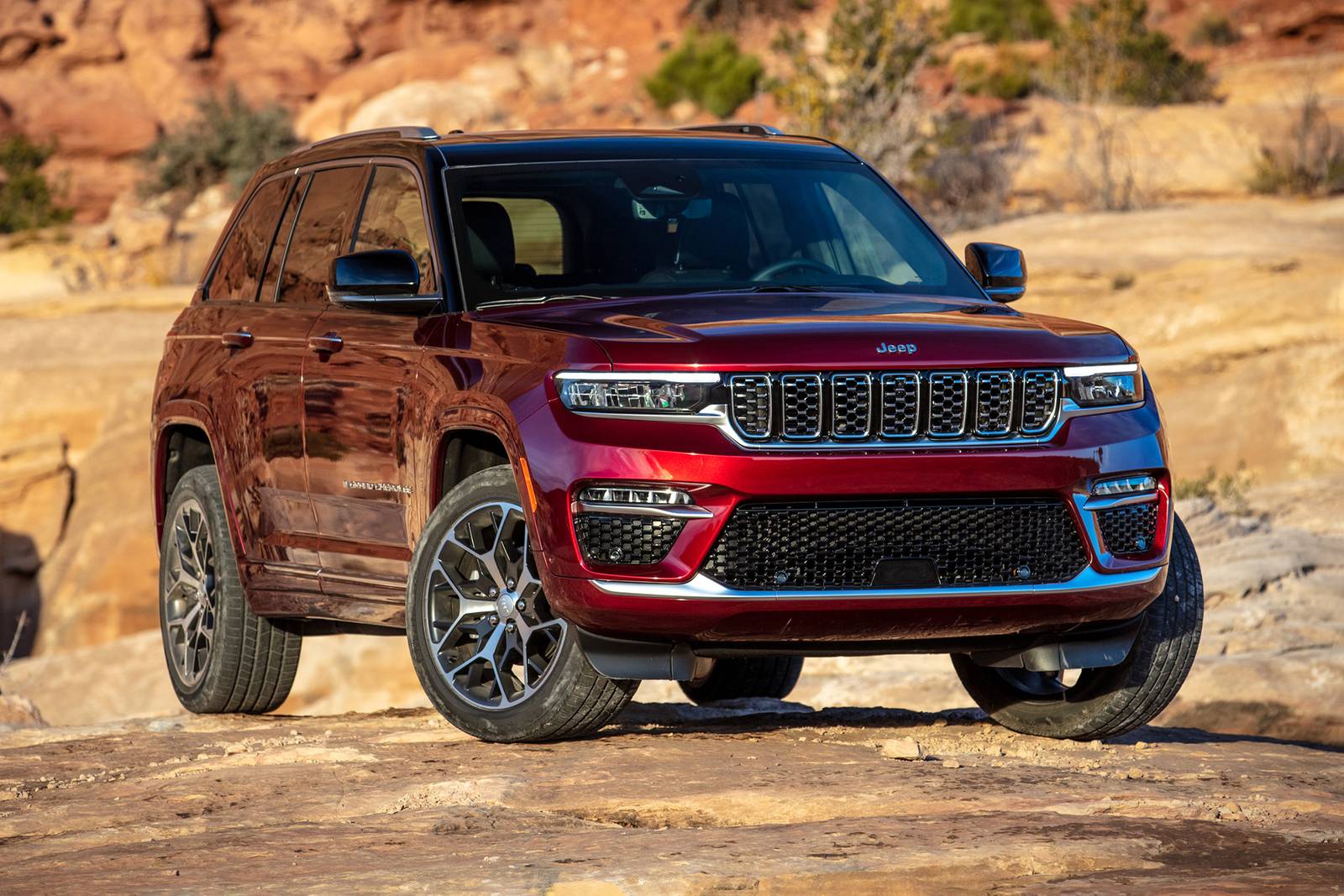
The Limited comes well-equipped with leather upholstery, a power liftgate, heated front and rear seats, power-adjustable front seats, interior ambient lighting, automatic high beams, and remote start. For those wanting an even more upscale experience, we’d recommend adding the Lux Tech Group II package.
This bundle upgrades the Grand Cherokee with rain-sensing wipers, a wireless phone charger, perforated leather seats, ventilated front seats, a power-adjustable steering column, a digital rearview mirror, second-row sunshades, a 360-degree camera system, parking sensors at both ends, and a collision-avoidance system designed to assist during intersection travel.
Under the hood, the Grand Cherokee runs a 293-hp 3.6-liter V-6. Rear-wheel drive comes standard, while multiple all-wheel-drive systems are available, including one equipped with an electronically locking limited-slip rear differential for enhanced traction.
The Trailhawk trim pairs the advanced Quadra-Drive II AWD setup with a front anti-roll bar disconnect, boosting wheel articulation for serious off-road capability.
On the road, the Grand Cherokee remains impressively composed across the lineup, delivering a smooth and refined ride. The upper trims, with their air springs and adaptive dampers, take that comfort to an even higher level.
5. Volvo XC70 (Discontinued but Legendary)
While no longer in production, the Volvo XC70 remains a cult favorite in cold-weather climates like Vermont and Colorado.
Built with Scandinavian sensibility, it excelled in snow and freezing conditions, offering AWD, high ground clearance, and exceptional reliability in low temperatures.
Many used examples are still on the road today, a testament to its rugged northern heritage. With the arrival of the 2015 V60 and XC70, Volvo once again offers the two-wagon lineup it had before the V50 was discontinued in 2011.
However, longtime Volvo enthusiasts are likely to take one look at the V60’s sleek, sporty silhouette and gravitate instead toward the larger XC70, which caters to families with its roomy cargo area and available built-in booster seats.
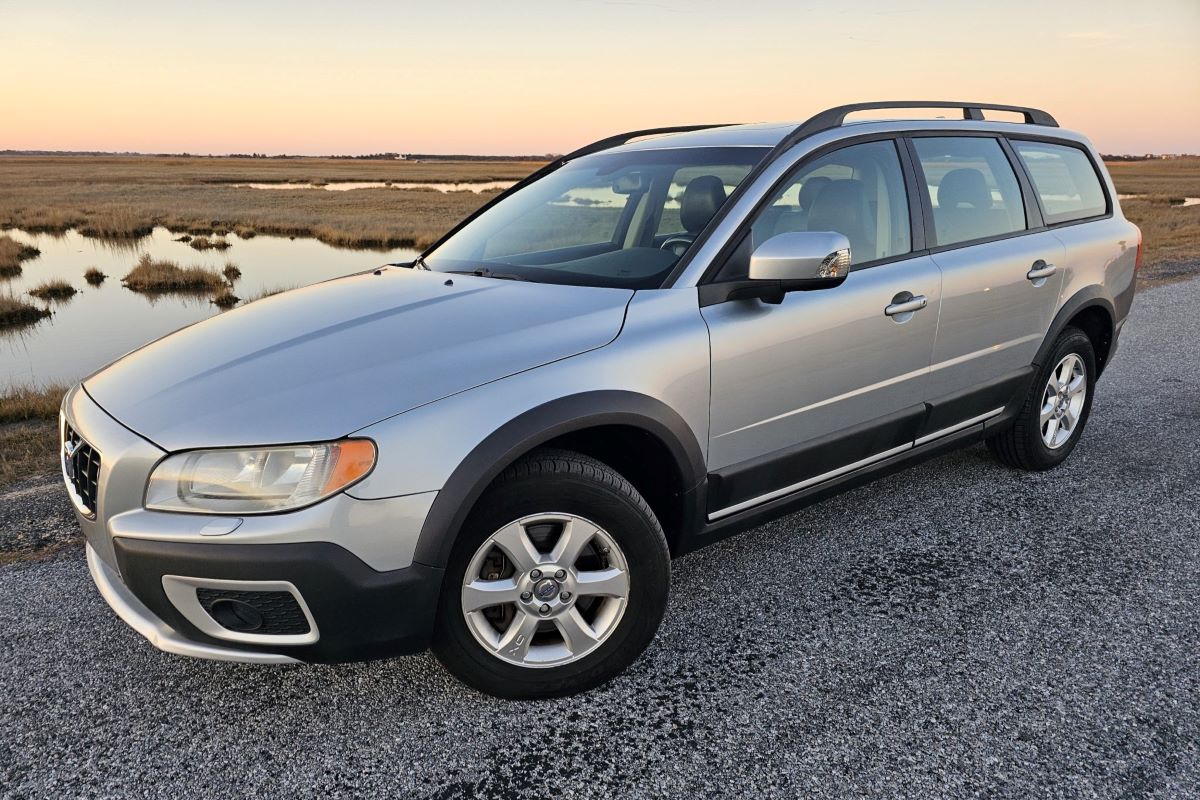
After its refresh in 2014, the 2015 XC70 replaces the base front-wheel-drive 3.2 engine with the new T5 Drive-E powertrain. This setup features a direct-injected, turbocharged 2.0-liter inline-four producing 240 horsepower, while delivering 24 mpg in the city and 31 mpg on the highway.
Those fuel economy figures align with the 2015 XC60 and mark a notable improvement over the 2014 front-drive XC70 3.2, which was rated at 18 mpg city and 26 mpg highway. The upgrade comes with a price increase of $910, bringing the 2015 XC70’s base price to $36,325.
As with all Drive-E models, the base XC70 is equipped with an eight-speed automatic transmission, automatic stop-start technology, brake-energy regeneration, and a selectable Eco driving mode.
This mode enhances efficiency by shutting off the air conditioning and allowing the engine to coast during off-throttle driving situations at speeds above 40 mph.
Cars That Struggle Outside Mild Weather
Not all cars are built to handle everything Mother Nature throws their way. While some vehicles are engineered to power through snowstorms, heavy rain, and scorching heat, others start to show their weaknesses as soon as conditions turn extreme.
From poor traction in icy climates to overheating under relentless summer sun, certain models simply aren’t cut out for life beyond mild, predictable weather.
In this article, we’ll break down which cars fall short when the forecast gets rough, why they struggle, and what to keep in mind if you live in a place where the weather is anything but average.
1. Fiat 500
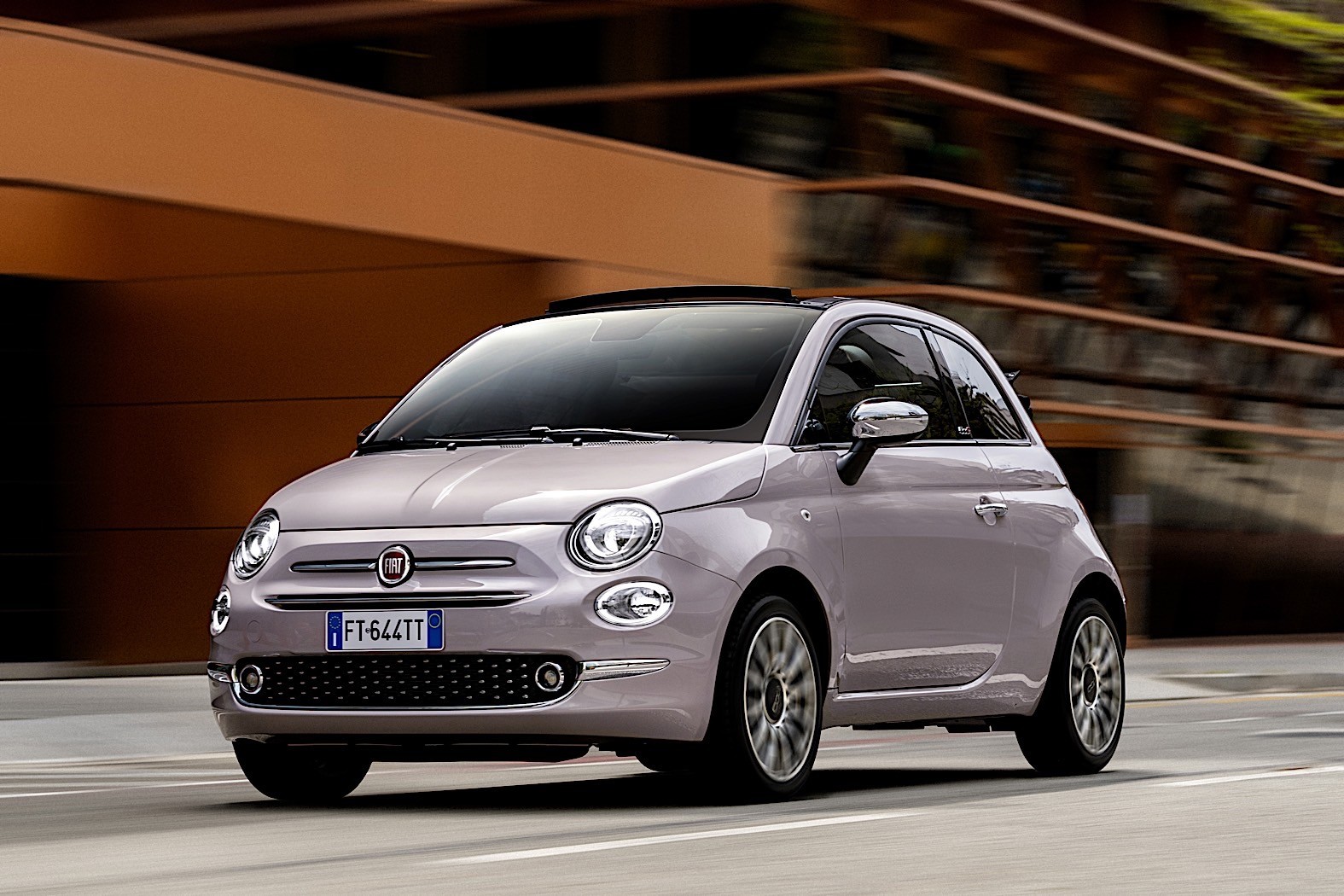
The Fiat 500 was designed for narrow European streets and sunny weather not American winters or desert heat.
Its small size and lightweight build don’t fare well in snow, and its HVAC system has been criticized for underperforming in both cold and hot conditions.
Moreover, rust resistance is poor, especially in salt-prone areas, making it a risky pick for four-season states.
2. Chevrolet Spark
While the Chevy Spark is a budget-friendly commuter, it’s not built for rugged climates. The HVAC struggles in temperature extremes, and its low ride height makes it vulnerable in snowy conditions.
Reliability drops in harsh weather, with battery and starter issues frequently reported in cold regions. It’s best kept in warmer, drier areas like Southern California.
The 2022 Chevy Spark delivers far more than you might expect for its budget-friendly price tag. As the most affordable car in America, it’s easy to assume it’s barebones, but the Spark proves otherwise, living up to its name with a spirited personality.
Its exterior design is sharp without appearing over-styled, and its playful character is further highlighted by a selection of vibrant paint colors.
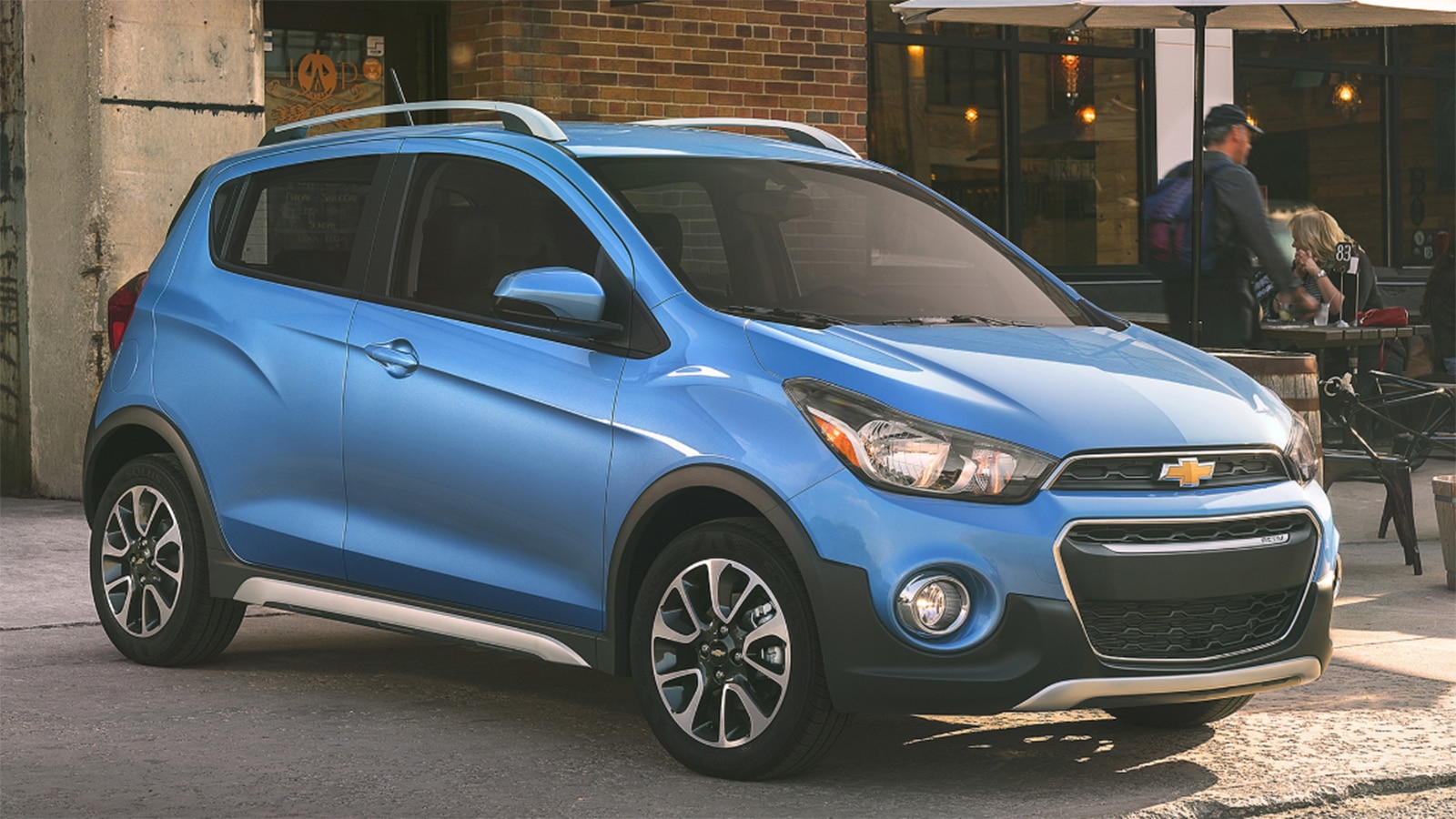
While the powertrain lacks punch, a common trait in this segment, the Spark sets itself apart with impressive grip, a composed ride, and agile handling.
Road noise stays at a minimum, and only truly rough pavement manages to disrupt the suspension. Unlike some low-cost rivals, the Spark feels solidly built, giving it an edge in overall refinement.
Inside, the cabin keeps things simple yet welcoming, featuring an appealing layout and a surprisingly capable infotainment system. The base LS trim sticks with manual windows and locks, but higher trims offer excellent feature-per-dollar value.
With the Honda Fit now out of the picture, the Chevy Spark stands as a leading contender for the economy-hatch crown. It’s worth comparing against the Kia Rio, but between those two, we’d easily choose either over the Mitsubishi Mirage.
3. Tesla Model 3
The Tesla Model 3 is a tech-forward marvel, but cold weather remains a known Achilles’ heel. Battery range drops significantly in freezing conditions, sometimes by 30–40%.
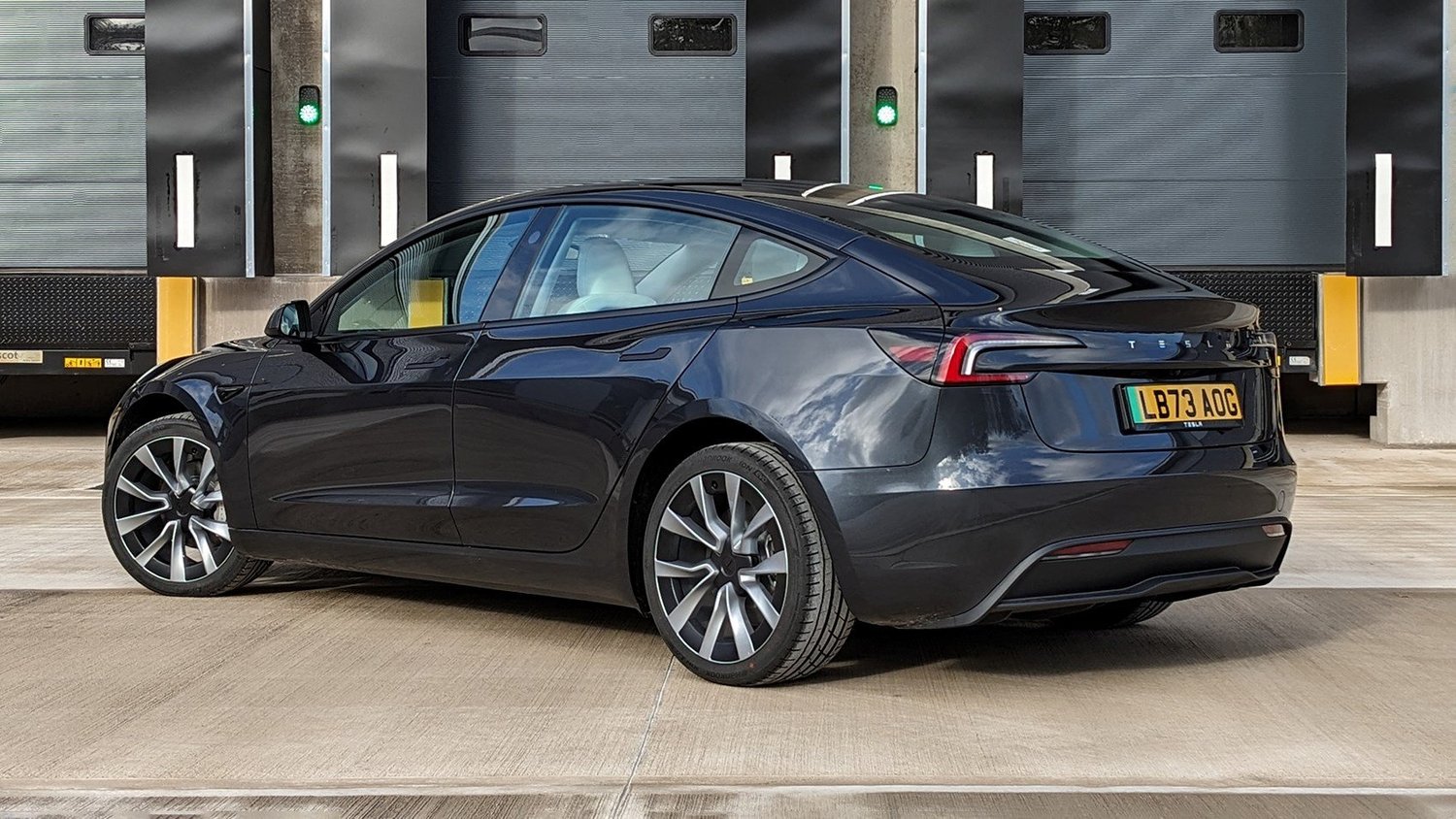
Charging times increase, door handles can freeze, and HVAC performance can be inconsistent during deep winter months. Owners in states like Michigan or Maine often report needing to adapt to these winter-related quirks.
After undergoing a major refresh last year, the Tesla Model 3 carries its momentum into 2025, maintaining its stronghold in the EV market. As Tesla’s most affordable model, it continues to be the benchmark against which other electric cars are judged.
With excellent everyday drivability, a competitive starting price, and access to Tesla’s extensive charging network, its popularity is easy to understand, even if Tesla’s overall appeal has lost some of its luster. Key competitors to the Model 3 include the Hyundai Ioniq 6, BMW i4, and Toyota Prius.
The Tesla Model 3 Highland represents a clear step forward compared to its predecessor. It delivers a smoother ride, a quieter cabin, and better seating ergonomics.
The list of standard features has grown, and while driving range remains largely unchanged, it was already competitive, though slightly less impressive than anticipated. Pricing stays mostly consistent, reinforcing the Model 3’s position as a strong value in the EV market.
The Model 3 still shines in areas like its clean, user-friendly interior design and generous cargo capacity. Yet, Tesla’s quirks remain a mixed bag. The removal of traditional stalks behind the steering wheel means common controls are now embedded within the steering wheel and central touchscreen.
This touchscreen dominates the car’s interface, but its reliance on menus for nearly every function can make simple tasks unnecessarily complex. And while Tesla continues to refine its self-driving software, it still has a long way to go before it lives up to its ambitious promises.
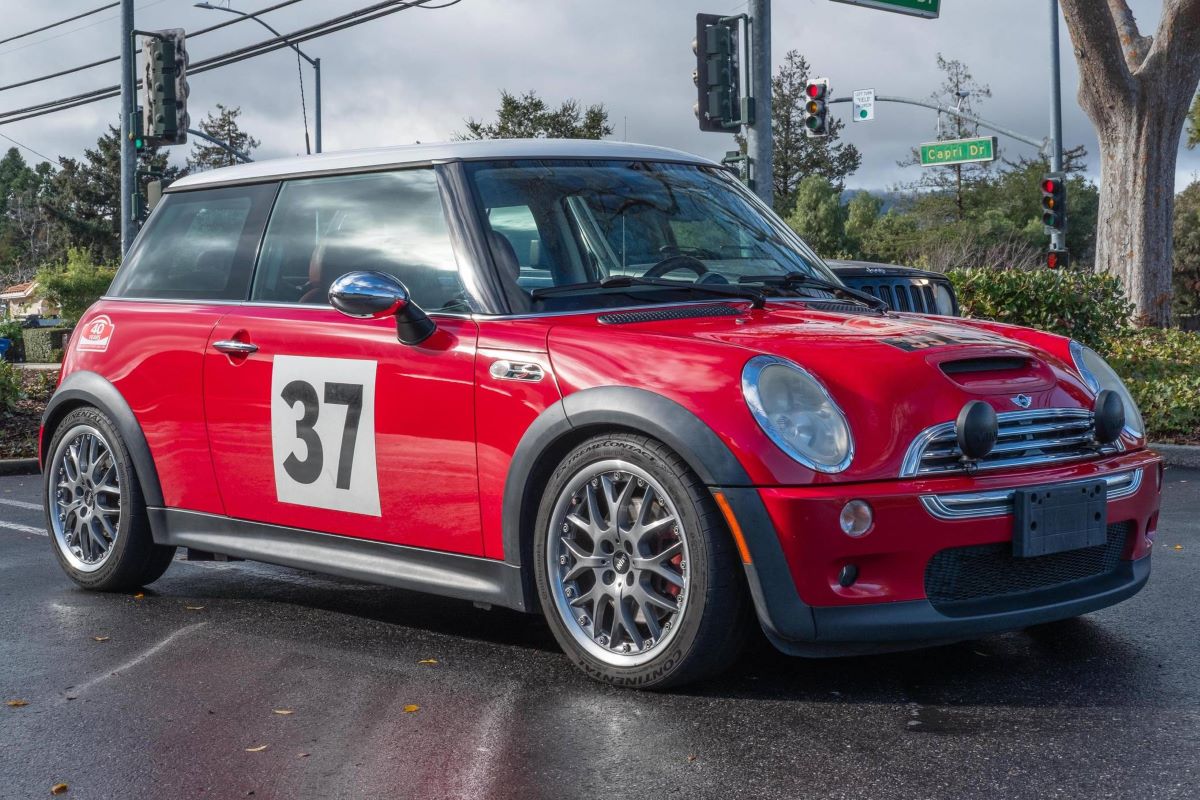
4. Mini Cooper
The Mini Cooper is stylish and agile but doesn’t hold up well in severe weather. Its small wheelbase makes it vulnerable in snowy and icy conditions, and its turbocharged engines have shown susceptibility to overheating in extreme heat.
Additionally, many owners complain about the lack of sufficient climate insulation for colder environments. Reliability drops especially outside the temperate zones.
Mini’s most iconic offerings, the compact Cooper hatchback and convertible, have been thoroughly redesigned for 2025, receiving a sleek new appearance and modernized features from top to bottom.
The Cooper Electric was the first to debut, proving that even with updates, the Cooper remains unmistakably a Mini. The gasoline-powered versions follow suit, retaining their instantly recognizable styling while introducing the sportier S trim once again.
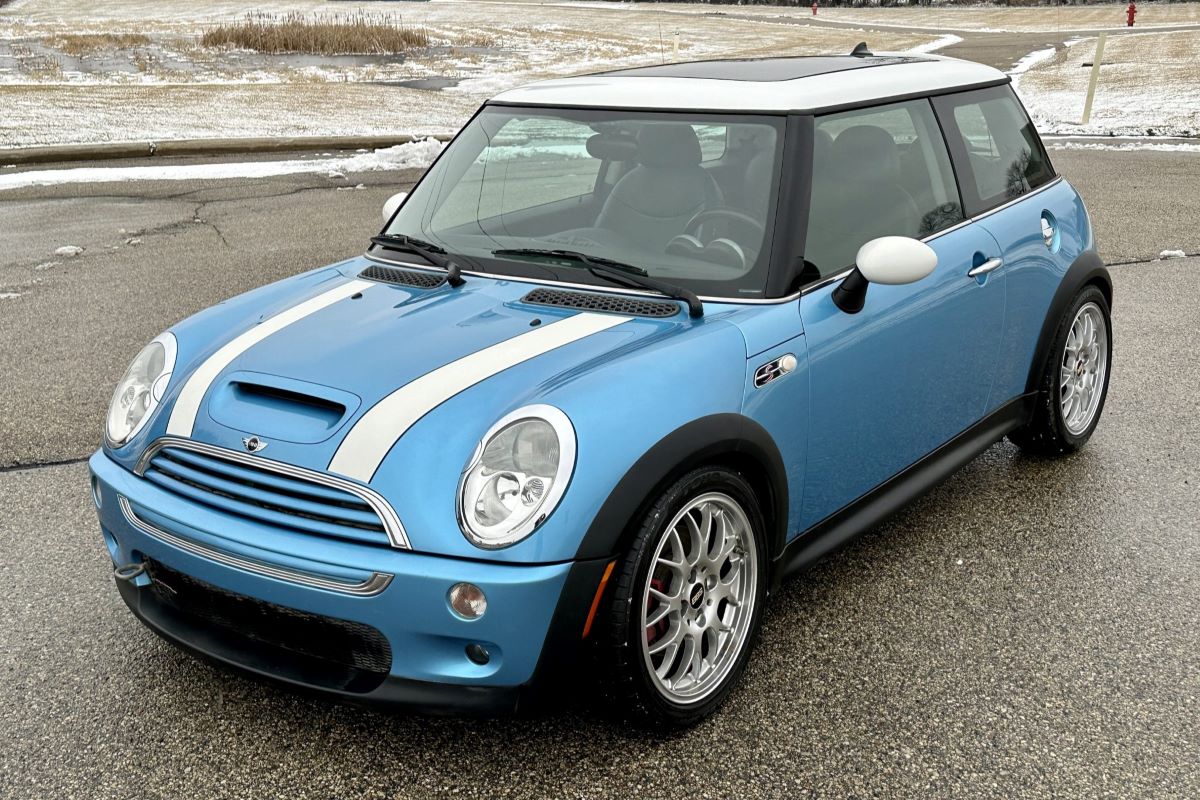
Every model features a turbocharged four-cylinder engine paired with a seven-speed dual-clutch automatic transmission. The standard Cooper delivers 161 horsepower, while the S trim ups the ante with 201 horses. Although the Cooper remains a small car, the refreshed cabin design creates a more open, airy atmosphere.
Mini has also upgraded interior materials, lending the 2025 Cooper a more premium feel. The new two-door Cooper S will arrive first, followed by the entry-level Cooper, with the five-door and convertible models to come shortly after.
Both the Cooper and Cooper S are powered by a turbocharged 2.0-liter four-cylinder engine. The base Cooper produces 161 horsepower, while the S model cranks out 201 horsepower, 12 more than last year’s Cooper S.
A seven-speed dual-clutch automatic is standard, and unfortunately, Mini is expected to discontinue the six-speed manual for this generation.
Behind the wheel of the Cooper S, the torquey engine and characterful exhaust note make the drive engaging. Handling remains as precise and lively as ever, with sharper cornering dynamics and a more refined ride than previous models. The convertible variant delivers just as much fun, with the added bonus of open-air driving that amplifies the experience.
5. Mazda MX-5 Miata
The Miata is a beloved sports car, but not one meant for snowdrifts or 110°F heat. Rear-wheel drive and low ground clearance make it nearly unusable in snowy conditions.
Convertibles are inherently less insulated, which leads to poor heating in winter and weak cooling in summer. While it’s a blast to drive on a coastal highway, the Miata is far from ideal for Chicago winters or Arizona summers.
Mazda executives revealed to R&T that the upcoming MX-5 will feature a naturally aspirated 2.5-liter Skyactiv Z engine. This marks a significant jump from the current 2025 model’s 2.0-liter unit and will be the largest displacement engine Mazda has ever installed in an MX-5.
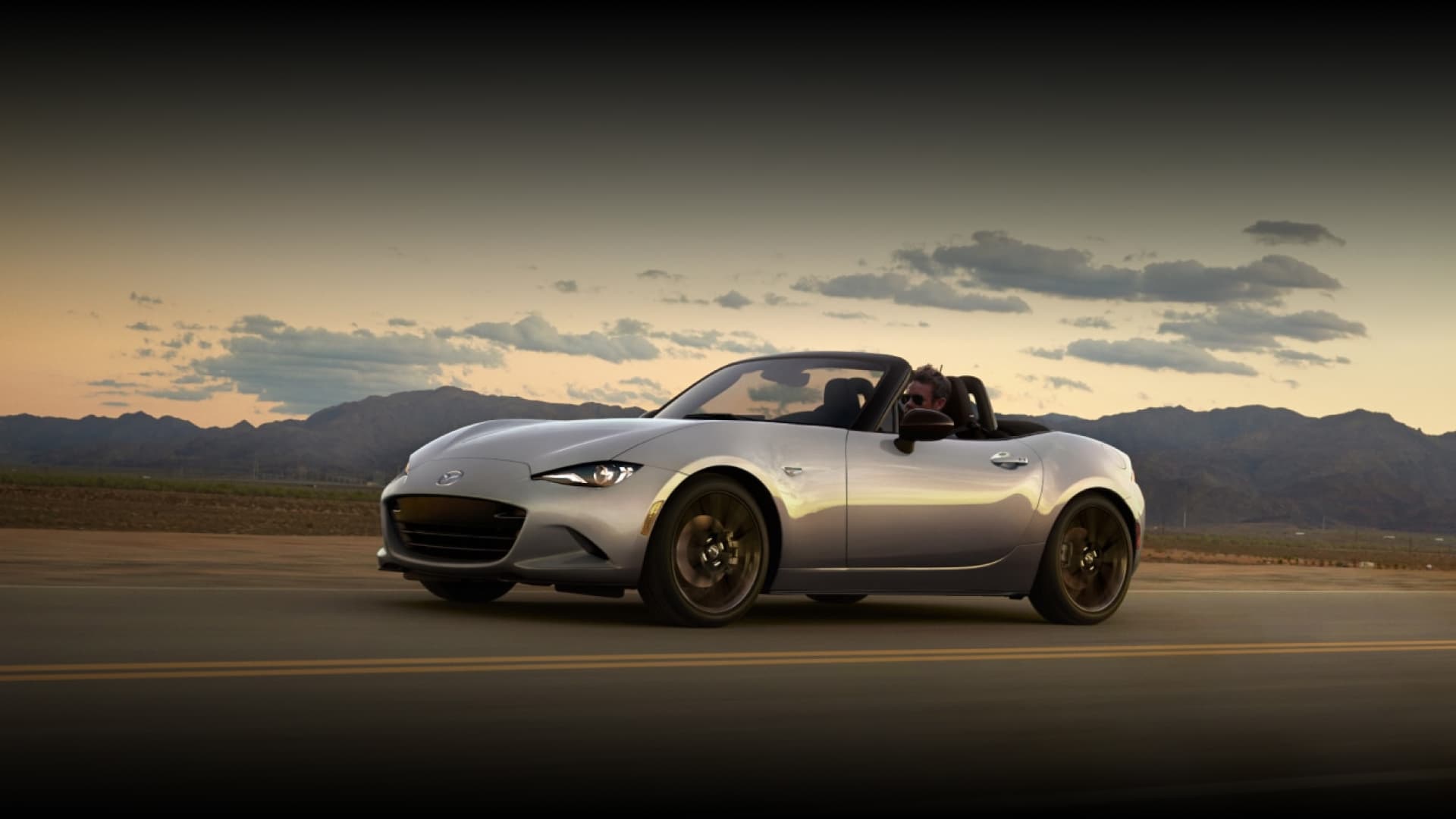
However, this increase in size doesn’t translate to a dramatic surge in power. To comply with emissions regulations, Mazda must run the engine in “Lambda:1” settings, which reduces output. The move to a larger 2.5-liter engine is intended to counteract that power loss and maintain the car’s familiar power-to-weight ratio.
Mazda has faced consistent pressure from the U.S. market to boost the MX-5’s power, yet the company has resisted those demands.
This wasn’t a guaranteed outcome, as the MX-5 must also comply with the stringent Euro 7 emissions standards in Europe, the same regulations that effectively ended the manual transmission in the Golf GTI.
Mazda explored the possibility of an electric powertrain for the MX-5 and hasn’t completely ruled it out for the future if regulations demand it. For now, though, the internal combustion engine remains the winner, primarily because it keeps the car lighter, a core value of the MX-5 experience.
Choosing a car that matches your climate is crucial for both comfort and long-term reliability.
The U.S. spans a massive range of weather extremes, from dry desert heat to icy northern winters, and not every vehicle is built to handle that kind of variation.
The models listed here offer a helpful guide so whether you’re braving snow, heat, or both, you can steer clear of headaches and keep your vehicle performing at its best.