
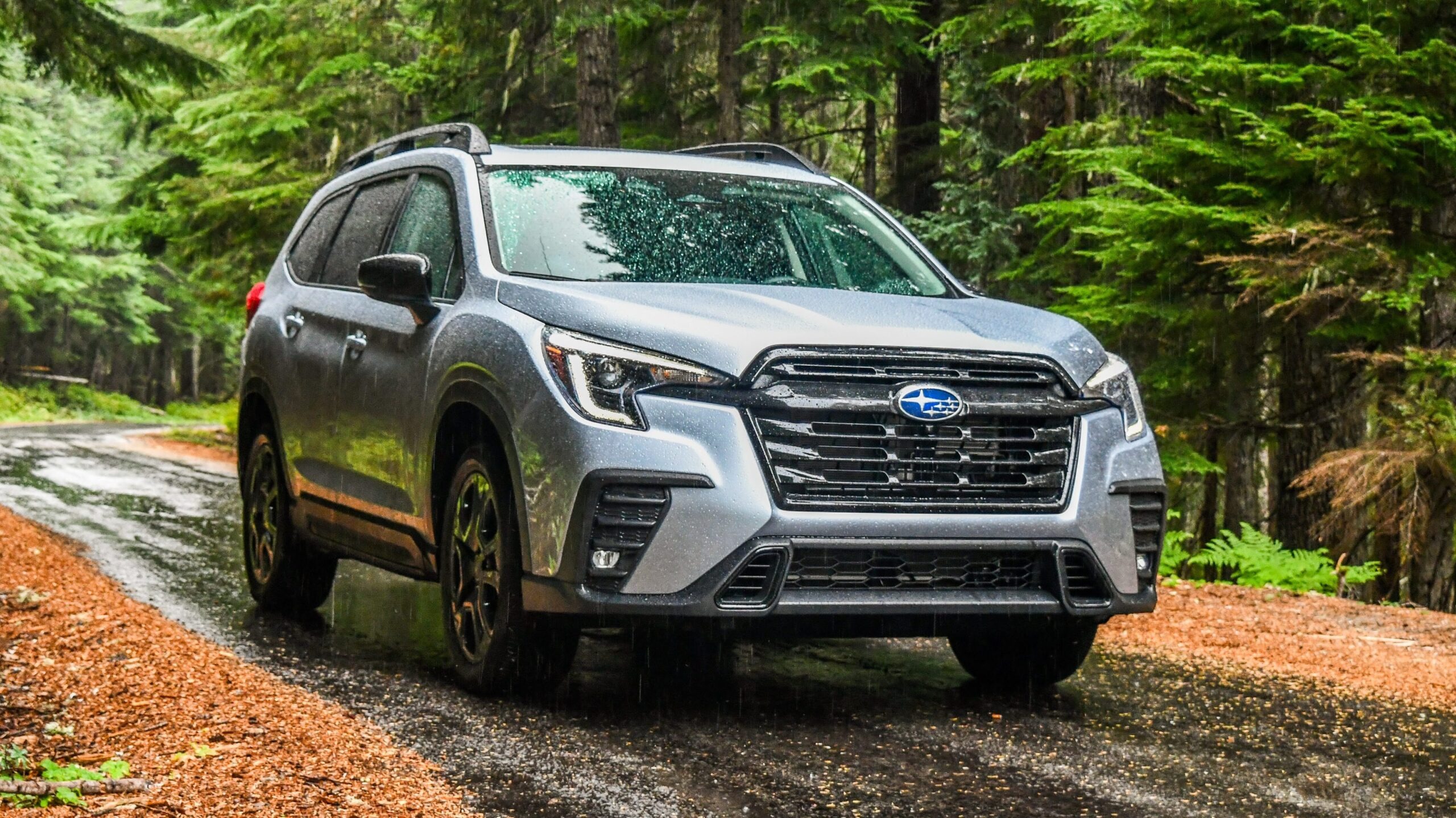
When talking about sport utility vehicles, how the drivetrain operates plays a huge role in how reliable and efficient the ride turns out.
Whether someone is facing heavy rain, icy roads, or even dry pavement, the performance and safety of an SUV can depend strongly on the type of all-wheel drive system it carries. Some vehicles come with permanent all-wheel drive setups that are always active.
Others use systems that can disconnect automatically or with driver input, often using a transfer case. These differences affect more than just off-road adventures. They also influence fuel economy, repair costs, wear and tear, and everyday driving confidence.
Many car owners appreciate the steady feel that permanent all-wheel drive provides. It removes the guesswork from conditions that may suddenly change.
When the system is always running, all four wheels keep working together, sharing power based on what the road needs. That kind of system often leads to stronger traction and more stable handling in most conditions.
SUVs equipped with automatic or manual transfer case disconnect systems are designed to enhance fuel efficiency or minimize mechanical stress when extra traction is not required. While this may sound like a good idea in theory, the reality is that these systems often face reliability issues.
Some of them are known to fail without much warning. Others develop mechanical faults that can leave the vehicle stuck in either two-wheel or four-wheel drive. The problem becomes even more frustrating when those malfunctions happen during severe weather or when trying to drive up or down steep slopes.
Understanding the difference between these two types of systems can help a buyer make better decisions. It also helps existing owners prepare for what might come up down the road.
From this comparison, we will examine five SUVs that feature permanent all-wheel drive and five others with transfer case disconnect setups that have exhibited issues over time.
By comparing the two categories, it becomes easier to see which vehicles are more dependable under daily driving or challenging weather. Each section gives a detailed breakdown based on known reliability, performance, and common mechanical complaints.
SUVs with Permanent AWD

1. Audi Q7
The Audi Q7 has built its reputation on being a luxurious yet capable family SUV. One of the major strengths of this model is its use of the Quattro all-wheel drive system. Unlike part-time AWD setups, the Quattro system is always engaged. This feature brings serious benefits in terms of grip, road handling, and general control, whether the surface is dry or slippery.
The design of this drivetrain means that the Q7 constantly delivers power to all four wheels. Power is distributed intelligently depending on the driving conditions. When cruising along the highway, the system might send more torque to the front wheels for balance.
But if the rear wheels begin to lose traction, the setup adjusts instantly to make sure the driver remains in control. Because of this, the Q7 performs well both in light off-road scenarios and on paved roads where conditions change quickly.
Audi has been consistent with this system, and over several model years, the reliability of Quattro in the Q7 has remained strong. It helps with cornering stability and keeps the vehicle planted, which is very important for a larger SUV. Owners often comment on how secure the ride feels during heavy rain, snow, or gravel driving.
Another plus is that this permanent setup removes the need for the driver to think about changing between two-wheel and four-wheel modes. There is no switch to flip, no dial to turn.
The system does all the thinking in the background, allowing drivers to focus on the road. This simplicity becomes especially useful during high-pressure situations, like reacting to a sliding car in front or when accelerating uphill on a wet incline.
It is also worth mentioning that Audi has done a solid job of designing the Q7 with service and durability in mind. The system is built to handle thousands of miles without needing major service on the AWD components. So, when it comes to long-term dependability, the Audi Q7 gives buyers peace of mind, especially in regions that face snow, icy roads, or frequent rain.
2. Subaru Outback
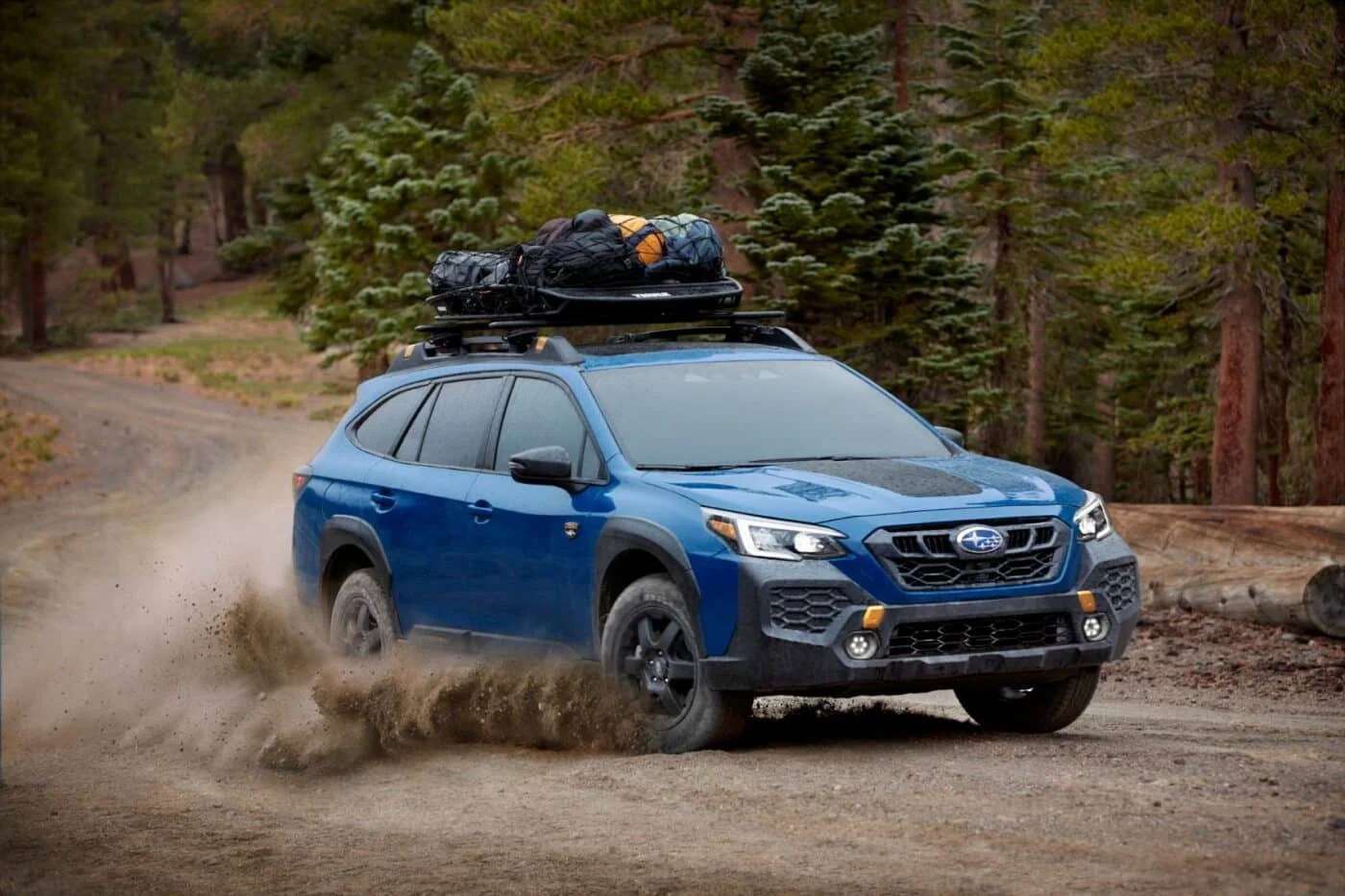
The Subaru Outback is widely recognised for its standard all-wheel drive system. Unlike many SUVs that offer AWD as an upgrade or optional package, the Outback includes it across all trims. Subaru’s Symmetrical All-Wheel Drive system is always active, offering better stability, balance, and control without the need for driver input.
What sets this vehicle apart is how even its AWD layout remains. Power is consistently split between the front and rear wheels, helping the car stay planted no matter the driving condition.
Whether going through sharp turns or taking on snow-covered streets, the Outback tends to feel more grounded than other crossovers in its class. This system also helps to prevent understeering or oversteering, which makes driving safer and more predictable.
Another strength of the Outback’s permanent AWD is its low center of gravity. Subaru uses a flat-four engine, also called a boxer engine, which helps balance weight throughout the chassis. This design works hand in hand with the AWD setup, producing smoother control and more direct steering feedback.
Over the years, Subaru has refined this system. Unlike many disconnect-style setups, the Outback’s all-wheel drive rarely experiences mechanical faults tied to sudden disengagement or sensor failure. Drivers in areas with snowstorms or wet roads often speak highly of how this system holds up during extreme weather.
It also helps that maintenance on Subaru’s AWD components is relatively straightforward. There are fewer complicated electronics and no buttons to switch between modes.
This reduces the chance of malfunction and keeps repair costs down. Because the system does not need to activate or deactivate, wear and tear is distributed evenly across all drivetrain components.
From driving across country highways to managing mountain paths during winter, the Outback keeps its footing. Buyers looking for an SUV that offers constant support without extra complication find strong value in this setup. Subaru’s approach proves that keeping the system running full-time can often lead to fewer long-term problems.
Also Read: 5 Cars That Stay Valuable Enough to Buy New vs 5 That You Should Always Buy Used
3. BMW X5 xDrive
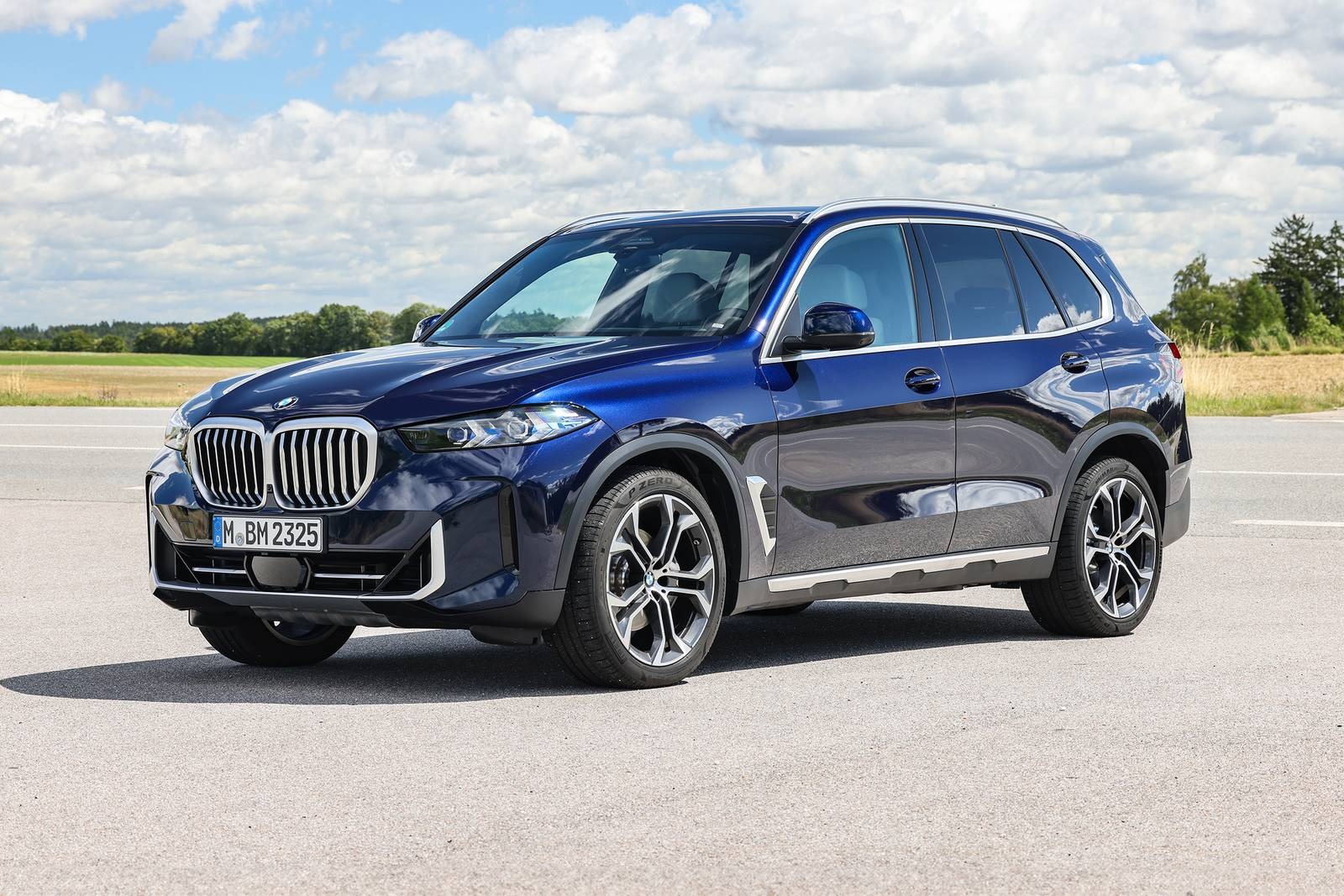
BMW’s xDrive system has been part of their design for years, and the BMW X5 benefits from this intelligent all-wheel drive approach. Unlike systems that engage only when the car senses slippage, xDrive remains active throughout the drive. This creates a more seamless connection between performance and control, especially when roads are unpredictable.
The xDrive system adjusts torque across the axles using sensors that track wheel speed, steering angle, and road conditions. Although the setup stays on at all times, it continuously recalibrates how much power each wheel receives. The benefit here is smoother cornering, quicker response in emergencies, and more composed acceleration on loose surfaces.
One reason drivers choose the X5 is that it combines comfort with a sporty feel. The permanent AWD system supports this combination by letting the vehicle hug corners like a smaller sedan while still having the ground clearance of a true SUV. When rain or snow covers the road, the difference becomes more noticeable, especially during sharp braking or quick lane changes.
The reliability of BMW’s AWD in the X5 also stands out. Though regular maintenance is always required, especially for premium brands, the system itself does not suffer from frequent mechanical faults linked to transfer case failure or disengagement.
There is no dependency on driver decisions to switch modes, either. Whether cruising in dry weather or working through sleet and ice, the vehicle handles all the decision-making in real time.
With xDrive, power starts with a slight rear-wheel bias, giving the X5 a sportier edge. As road conditions demand, the system redistributes the power without delay. This helps the vehicle hold traction during acceleration, especially when merging onto highways or climbing hills with poor grip.
For buyers who want a luxurious SUV that also handles like a performance car while still offering dependable grip, the BMW X5 xDrive brings together these qualities through its always-active system.
4. Mercedes-Benz GLE
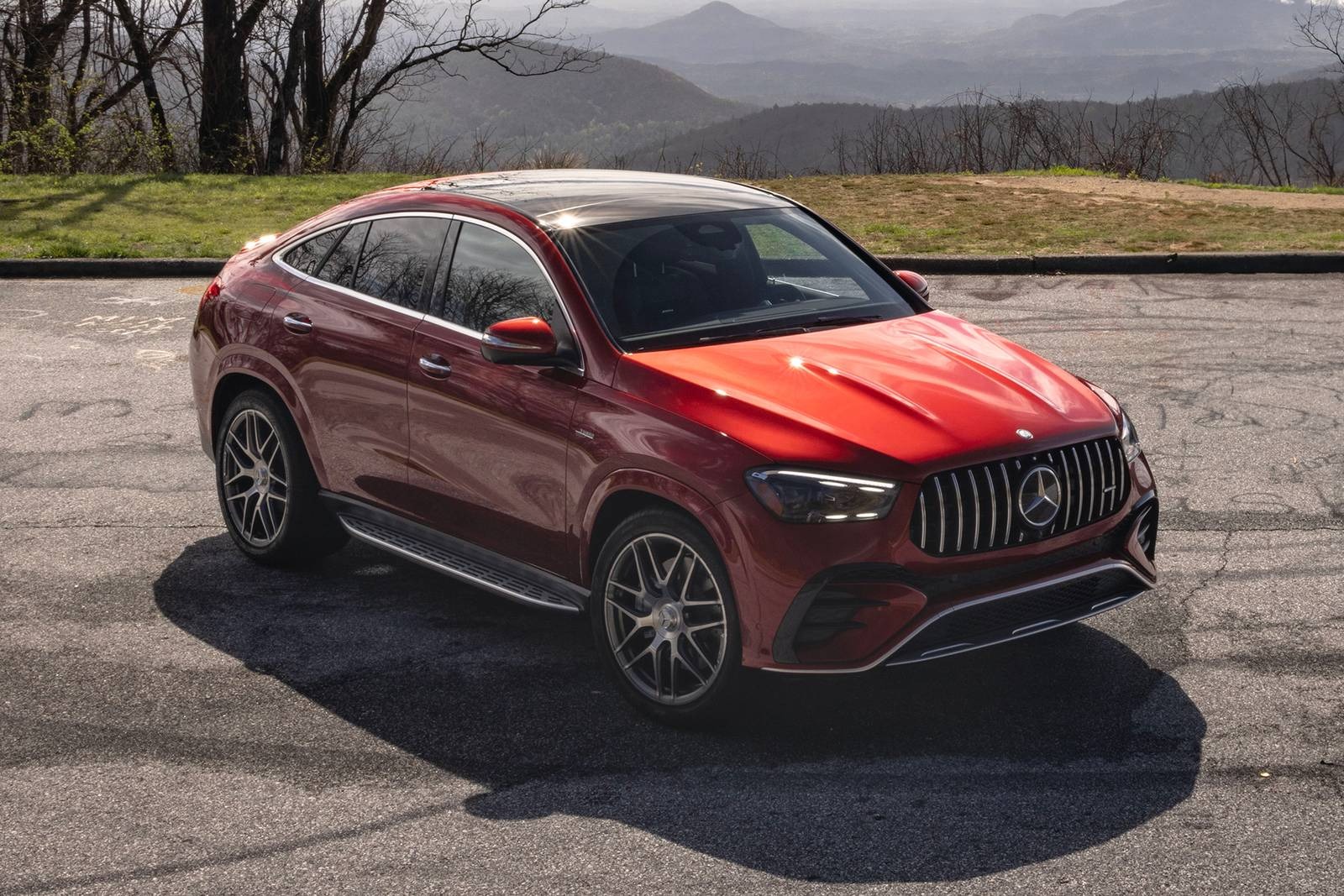
The Mercedes-Benz GLE enters this comparison as a mid-size SUV that carries both style and mechanical strength. What gives it an edge in poor weather and mixed terrain is the 4MATIC system, which remains engaged at all times. Unlike SUVs that depend on switchable modes, this system keeps all wheels powered continuously.
Power in the GLE is distributed across all four wheels in a way that feels natural and smooth. When the road turns slippery or uneven, the vehicle doesn’t lag or stutter as it responds.
Instead, it maintains a calm balance, allowing drivers to move forward with confidence. This permanent drive system also works together with Mercedes’ advanced suspension, providing better road feel and control.
One benefit of full-time all-wheel drive in the GLE is its predictability. Drivers do not need to second-guess the grip level or worry about flipping a dial during stressful conditions. Everything adjusts on its own, using sensors and mechanical balance that Mercedes engineers have tested extensively.
In terms of long-term use, the 4MATIC system has shown itself to be reliable, especially when maintained correctly. Common issues tied to transfer case disconnect systems, such as poor engagement, broken actuators, or failed sensors, do not frequently show up with this setup. Since the system doesn’t engage and disengage, the wear is distributed more evenly. This reduces sudden mechanical failures and limits unexpected repair costs.
Another benefit worth pointing out is that the GLE’s AWD setup improves towing performance. Because all four wheels always receive power, the SUV gains better control over trailer weight and road pull. This becomes very useful for drivers who haul boats, small trailers, or equipment.
When looking at a combination of luxury, mechanical stability, and all-season driving comfort, the GLE stands out. It’s a permanent system that removes the guesswork and brings a level of refinement and road confidence that drivers can appreciate in both city and countryside drives.
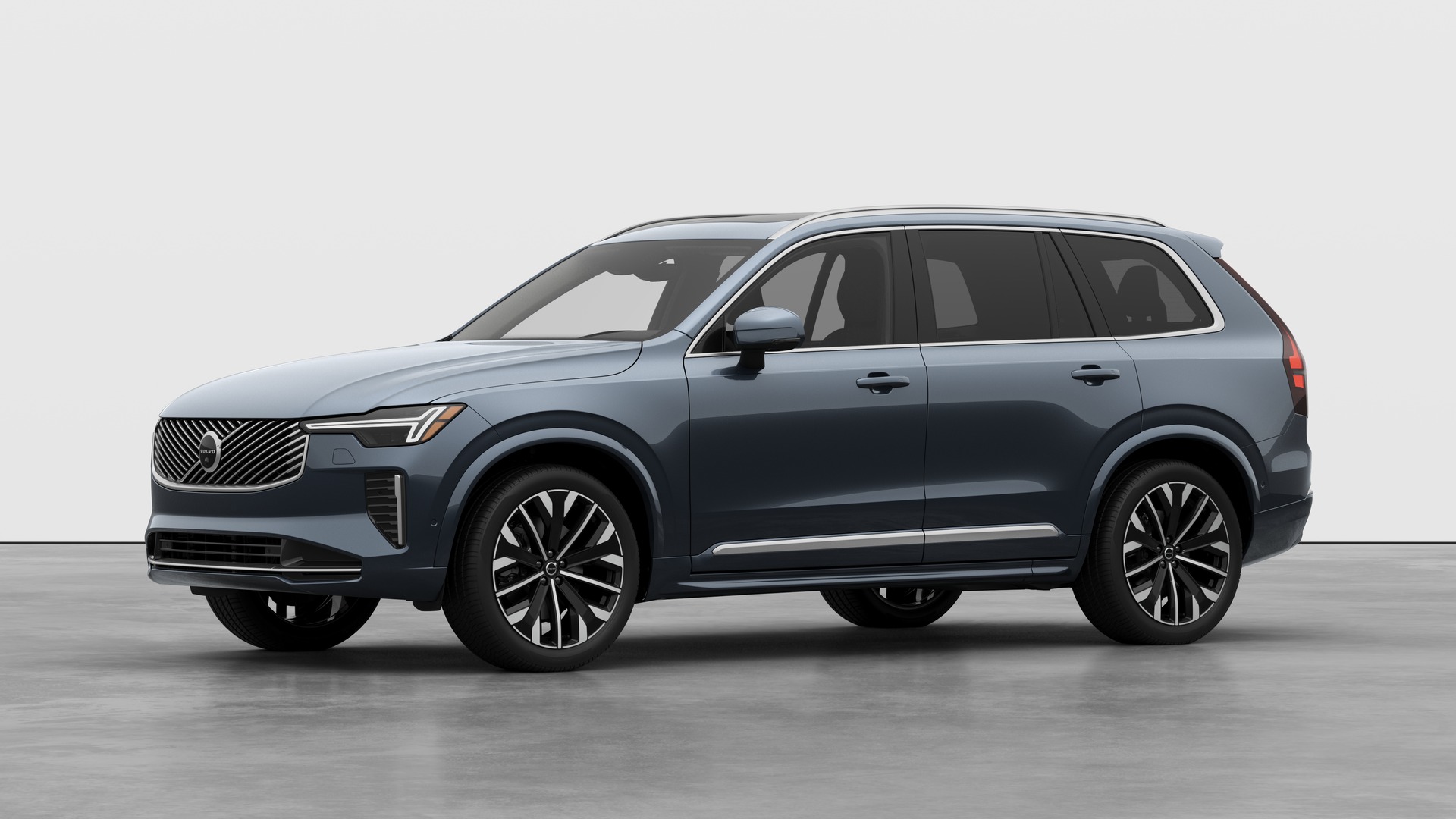
5. Volvo XC90
Volvo’s XC90 delivers a solid example of how permanent all-wheel drive can improve road safety and enhance long-distance comfort. Volvo’s AWD system remains active no matter the driving situation, and this consistent engagement of all four wheels contributes to the vehicle’s sense of security and control.
The XC90 uses an electronically controlled system that constantly adjusts power delivery between front and rear axles. While it behaves like a front-wheel-drive SUV during light cruising to save energy, it immediately balances power when road conditions demand. The system’s quick responsiveness helps the vehicle stay composed during rain, snow, gravel, or even sandy conditions.
Unlike part-time systems that require driver input or rely on complicated disconnect components, the XC90’s AWD removes the risk of delay or mechanical failure from switching modes.
Power transfer happens behind the scenes using a computer system that reacts faster than any human adjustment. Because of this, traction loss is reduced during emergency stops or when accelerating on slippery slopes.
Volvo also built this SUV with family travel in mind. The AWD setup enhances safety by improving tire grip during cornering or braking, especially when carrying passengers. Add the company’s focus on crash protection, and you have a vehicle that delivers safety from both a mechanical and structural standpoint.
Maintenance records for the XC90 AWD system show that failures are rare when basic service routines are followed. There’s no need to repair disconnect switches or recalibrate transfer case controls, which are common issues in SUVs with part-time systems. The simplicity and consistency of full-time AWD give owners peace of mind, especially during long-distance travel through variable climates.
Volvo’s system may not be aimed at aggressive off-road use, but it performs reliably in almost any on-road condition. For buyers looking for strong all-season control without complicated technology or unreliable switches, the XC90 continues to offer an excellent balance of refinement, capability, and confidence.
SUVs with Transfer Case Disconnect Issues
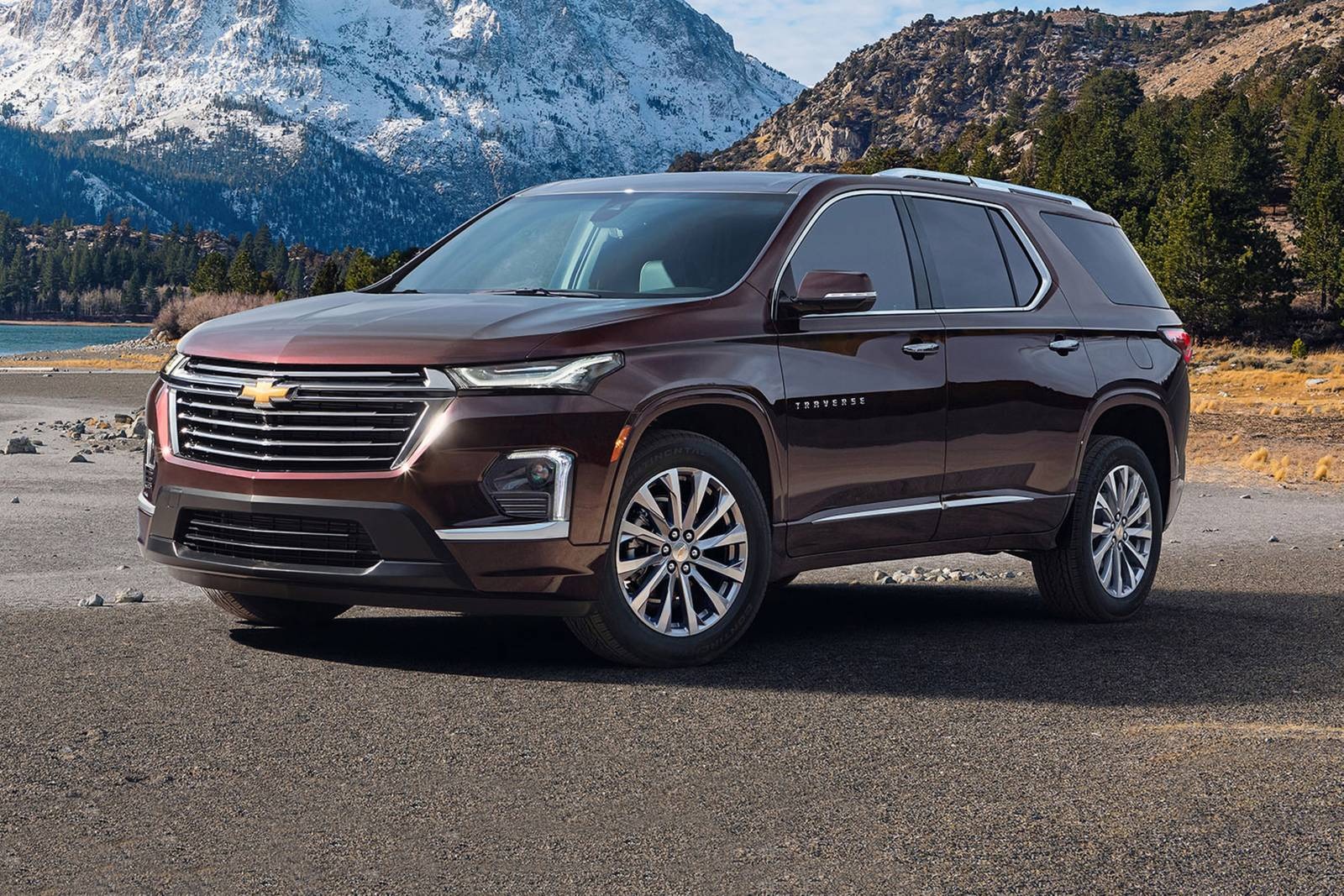
1. Chevrolet Traverse
The Chevrolet Traverse may offer generous space and family-friendly features, but its all-wheel drive version has faced several complaints tied to the transfer case system. This SUV does not run on permanent AWD.
Instead, it uses a part-time setup that engages when needed and disconnects during light driving. The transfer case manages this switch by directing torque when slip is detected. But as time goes on, this component often develops problems.
Drivers have reported hearing grinding sounds from underneath the vehicle, especially while turning or accelerating from a stop.
These noises are often linked to worn gears inside the transfer case or failing clutches that cannot properly engage or release power. When the system becomes unreliable, the vehicle may either remain stuck in front-wheel drive or suddenly engage AWD, leading to jerky handling.
Another major issue is that the system often doesn’t give a warning before malfunctioning. Unlike modern vehicles with clear dashboard alerts, Traverse models sometimes fail to alert the driver about AWD disengagement until loss of control becomes noticeable. This can be risky during rain or snow, when traction is most needed.
Owners also report higher repair costs since the transfer case involves both electrical and mechanical parts. Actuators that control the torque split are known to fail, and replacing them requires labor-intensive work. Even software updates to fix calibration problems have not stopped complaints in some models.
The AWD setup in the Traverse may have been intended to save fuel by running in two-wheel drive during most situations, but these fuel savings come at the cost of mechanical durability. Drivers living in areas with unpredictable weather or who regularly drive on rough surfaces may find this system less dependable than expected.
The Chevrolet Traverse continues to be popular because of its size and comfort, but its AWD version has not proven itself as reliable as permanent systems. Anyone considering this vehicle for driving in challenging weather or on poor roads should pay close attention to past service records and AWD-specific concerns.
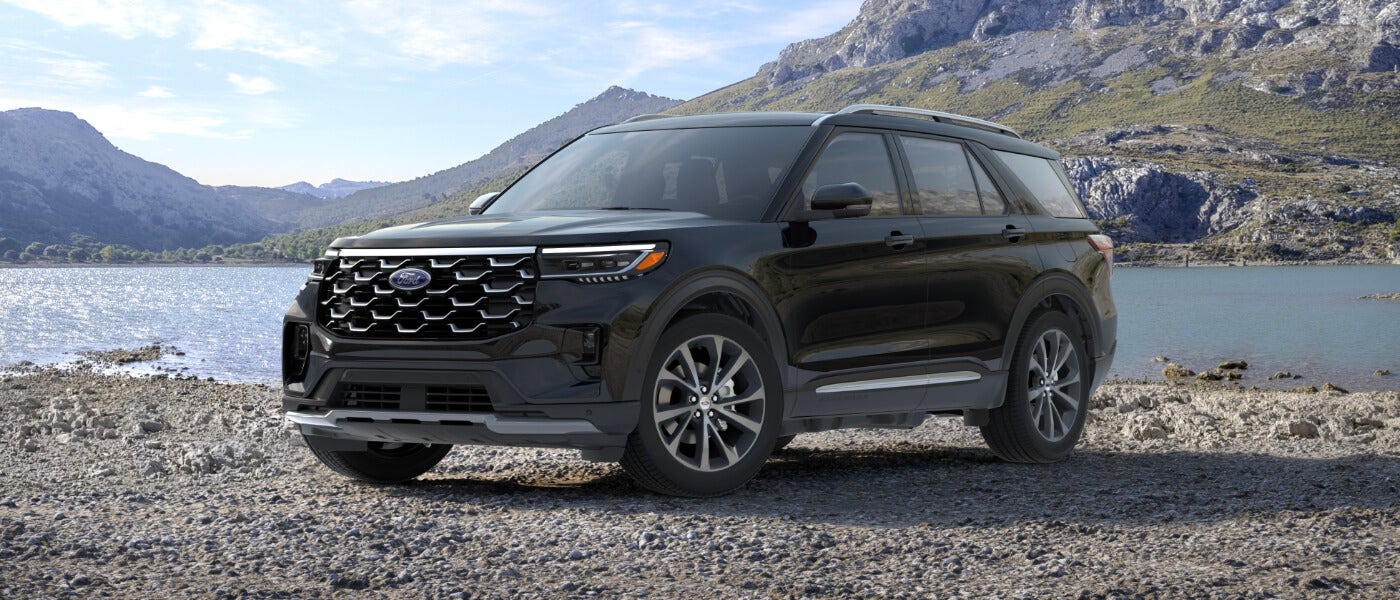
2. Ford Explorer
The Ford Explorer has been one of the most recognized mid-size SUVs across the United States. Over the years, its AWD versions have moved away from mechanical transfer cases toward more electronic systems. While this approach has improved efficiency, it has also introduced reliability concerns tied to transfer case disconnect issues.
This SUV operates using a system that begins in front-wheel drive and automatically sends torque to the rear wheels only when it detects slippage. On paper, this sounds like a good solution to improve gas mileage. However, in real use, it often results in delayed responses or mechanical faults.
One of the most frequent issues involves the rear differential clutch pack not engaging properly. When that happens, the AWD system either takes too long to respond or fails.
In colder areas, where roads freeze often, several owners have reported instances where the system failed to activate at all, causing dangerous slides and unpredictable steering. Some also mention dashboard errors stating “AWD off” or “4WD temporarily disabled” after hitting potholes or rough pavement.
Another common issue involves sensors that monitor wheel speed and torque demand. These parts are crucial for the system to switch from two-wheel to four-wheel drive. But they tend to be sensitive to dirt, ice, and electrical shorts. When they stop functioning properly, the whole system becomes confused and fails to change torque where needed.
To make matters worse, the Explorer’s AWD system uses multiple modules and wiring harnesses. Tracing a fault through these layers often requires dealership-level diagnostics. This drives up repair bills, especially when electronic actuators or clutch mechanisms must be replaced.
Although the Ford Explorer offers strong towing capacity and plenty of tech features, its AWD reliability has not always matched expectations. For drivers needing dependable traction during harsh weather or on unpaved roads, a full-time system may provide greater peace of mind than the Explorer’s part-time AWD with electronic disconnect.
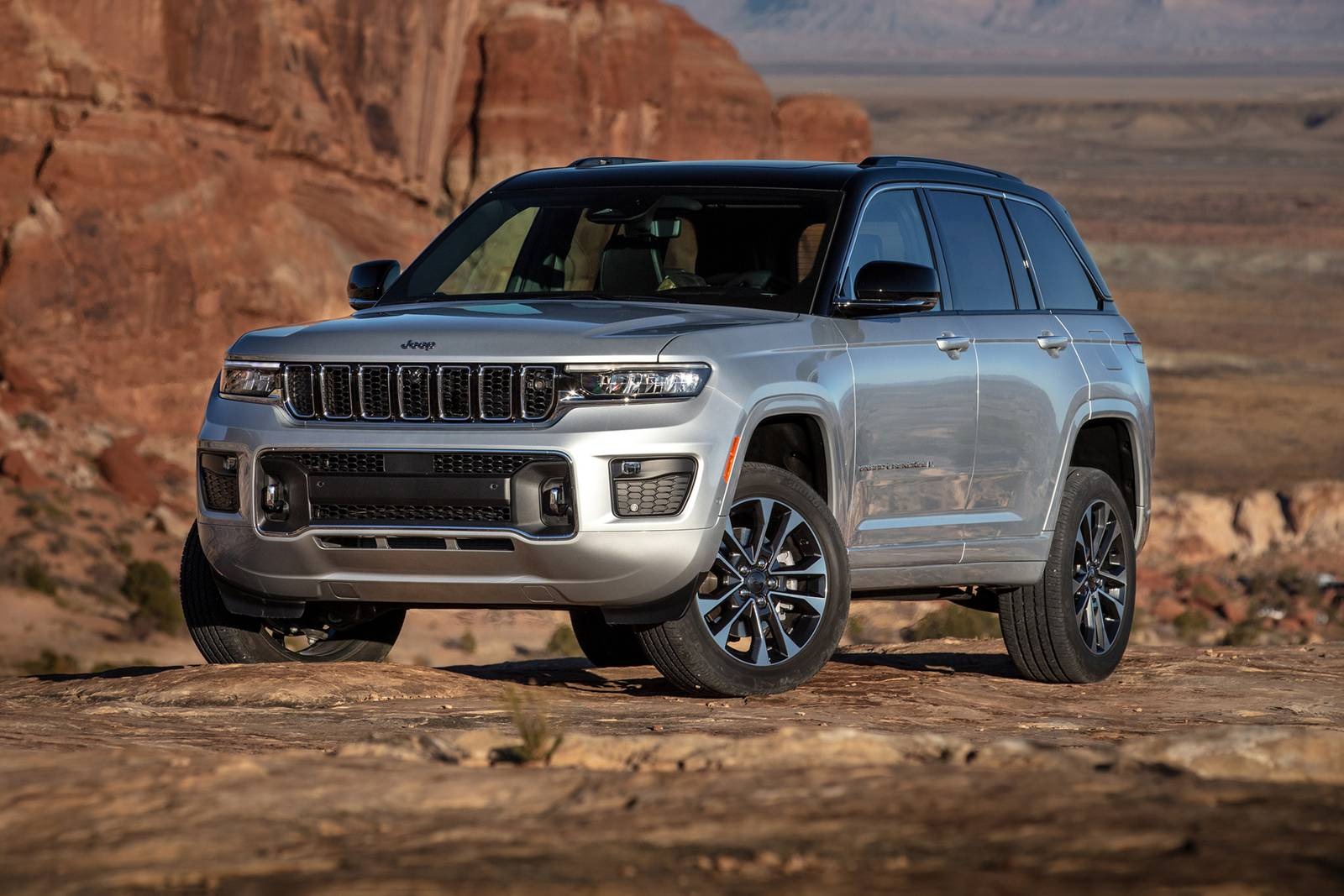
3. Jeep Grand Cherokee (Pre-2022 Models)
Older models of the Jeep Grand Cherokee, especially those before the 2022 redesign, used a part-time all-wheel drive system that often developed transfer case-related problems.
While Jeep is known for its off-road capabilities, not all Grand Cherokee trims come with their more durable 4×4 setups. Many daily-use variants featured AWD systems with disconnect functions that frequently encountered trouble in the long run.
The system was designed to stay in two-wheel drive during light use, switching automatically to AWD through an electronically controlled transfer case when slippage was detected. Unfortunately, this change was not always smooth. Drivers reported loud noises, slow engagement, and complete failure of the AWD system during snowy or slippery conditions.
In some models, the internal chain within the transfer case would stretch or wear out, causing vibrations or an inability to properly split power between the wheels. Other complaints included repeated warning messages about service being needed for the 4WD system, even when no visible issue was present. These errors often pointed to failing sensors or software glitches.
The problem was not limited to high-mileage vehicles. Some Grand Cherokee owners reported issues before reaching 60,000 miles. One of the contributing factors was the system’s dependence on electronics to control a mechanical process. Moisture exposure, corrosion, and wiring faults often interrupted signals between sensors and actuators.
Repairing these issues could become frustrating because Jeep dealerships needed special tools to diagnose and recalibrate the software. Replacement parts like the transfer case motor and control module were not cheap either.
Although Jeep improved the durability of its AWD systems in newer models, the earlier versions caused plenty of dissatisfaction. Buyers who want an SUV capable of year-round performance should take care to choose trims equipped with full-time 4×4 systems rather than relying on automatic disconnect AWD versions from earlier years.
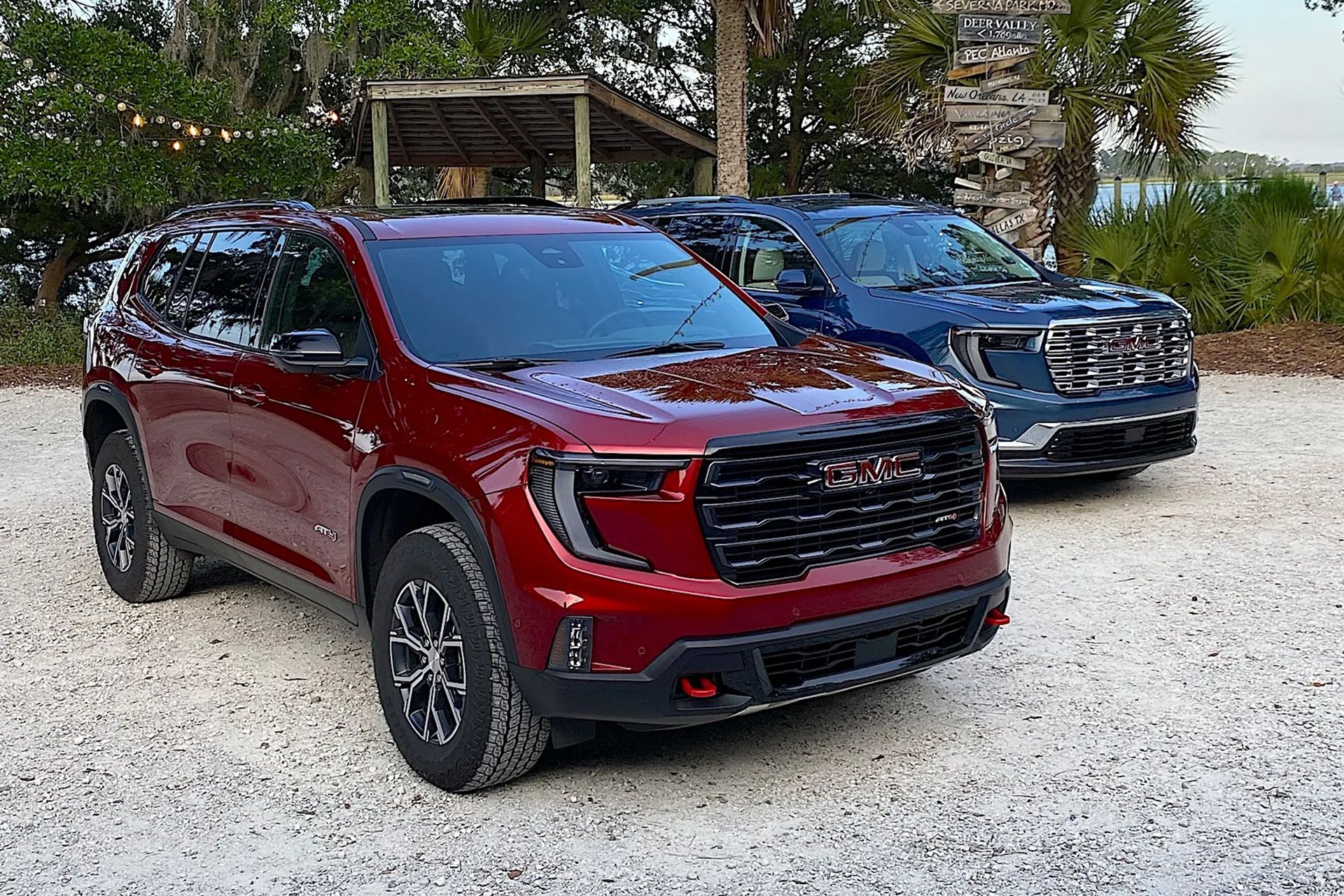
4. GMC Acadia
The GMC Acadia stands as a mid-size SUV that tries to strike a balance between comfort and occasional all-terrain ability. While some trims are fitted with all-wheel drive, the system used depends on an automatic transfer case that disconnects power from the rear wheels when not in use. Unfortunately, this setup has led to repeated complaints among owners, especially during winter or off-road usage.
Instead of providing consistent four-wheel control, the AWD system in the Acadia only activates when sensors detect slippage. The issue arises when these sensors become less responsive or fail.
As a result, the system may either engage too late or not at all. Some drivers have shared experiences of the SUV sliding or struggling for grip when climbing a wet hill or merging onto a snowy highway.
A separate problem involves the transfer case motor, which is responsible for applying torque to the rear axle. In certain Acadia models, this motor tends to wear out prematurely.
When this happens, drivers notice reduced traction and may receive dashboard warnings such as “Service All Wheel Drive.” Diagnosing and fixing this issue can cost more than expected because of the wiring difficulty and the need for module reprogramming.
The Acadia also includes a button that allows the driver to turn the AWD system off manually. Although this was added for fuel-saving reasons, some users forget to activate the system when conditions worsen. That adds an extra step that permanent AWD setups avoid altogether.
While the Acadia continues to appeal to families due to its roomy interior and modern technology, its AWD version has not gained the same trust from owners who frequently drive in snow or rain.
Buyers who need constant and reliable all-wheel performance may find better value in systems that operate full-time without the risk of electrical or mechanical disengagement during critical moments.
Also Read: 5 Performance Cars That Stay Valuable And 5 That Become Worthless
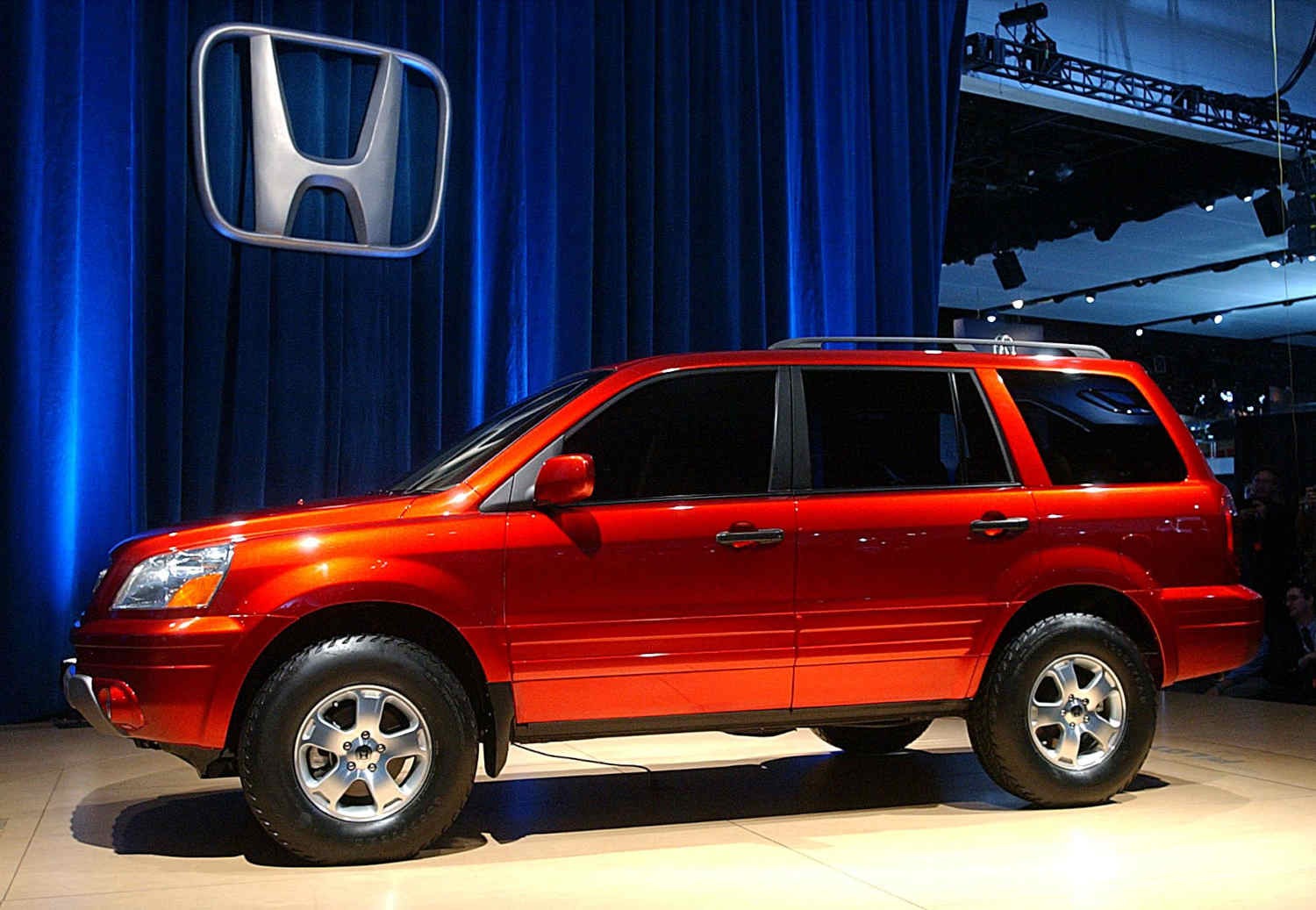
5. Honda Pilot (Previous Generations)
The Honda Pilot, known for its reliability and spacious design, has faced some disappointments with earlier versions of its all-wheel drive system. This SUV uses what Honda refers to as a Variable Torque Management system, which only activates when the system detects traction loss.
While this design was intended to offer better fuel economy, it often struggles with timely engagement and long-term dependability.
Instead of powering all four wheels consistently, the Pilot operates mostly in front-wheel drive. When wheel slip is detected, power is sent to the rear through a rear differential controlled by a transfer clutch.
The problem here is that engagement can sometimes lag, especially in icy or muddy conditions. Some drivers mention that by the time the system responds, the vehicle has already started sliding or losing control.
Common complaints include clunking sounds from the rear axle area and repeated dashboard alerts signaling AWD failure. These usually come from wear in the clutch mechanism or electrical failures in the torque control unit.
Others note that after driving for long periods in hot weather, the AWD system deactivates automatically to protect itself, which limits its usefulness when climbing or towing.
Another frustrating point for owners is that these AWD components are difficult to service outside of Honda-certified workshops. Repairs often involve software resets in addition to mechanical part replacements, which adds to both the cost and repair time. Some systems also suffer from leaks or poor fluid management, which leads to overheating or premature wear.
Later generations of the Honda Pilot saw improvements to the AWD system, including better heat protection and quicker engagement. But those looking at used models from earlier production years should be aware of these issues.
For drivers who live in areas where road conditions change suddenly, relying on a system that may pause or hesitate before acting can create serious safety concerns.
