
When truck buyers talk about reliability, conversations often center around engines, transmissions, or towing ability.
But there’s one system that quietly plays a life-saving role every time a vehicle is in motion the brakes. Among the many components that keep braking systems safe and dependable, brake lines are often overlooked.
These lines carry pressurized brake fluid, and if they’re compromised, stopping distance increases, and safety is thrown out the window. Unfortunately, not all trucks are equal when it comes to how well their brake lines resist rust, moisture, and damage over time.
Some trucks are built with sealed or treated brake lines designed to resist internal and external corrosion. These trucks tend to age better in wet or salty environments, keeping their braking systems intact for years without intervention.
On the other hand, some models especially those with exposed steel lines or poor underbody protection are far more likely to experience rust, leaks, and eventual failure if not caught early.
This article compares five trucks known for having factory-sealed or corrosion-resistant brake lines against five that are frequently reported for rusted or leaking lines.
These insights are especially useful for used truck buyers, rural drivers, or anyone living where roads are often wet, salted, or unpaved.
Also Read: 5 SUVs with Integrated Skid Plates vs 5 that Rust Beneath
5 Trucks with Sealed Brake Lines
Brake lines aren’t flashy, but they’re one of the most critical safety components in any vehicle. When they’re sealed properly and protected from moisture, they can last the life of the truck without needing to be touched.
That kind of peace of mind matters, especially for people who use their trucks hard or live in regions where salt, mud, and wet roads are a regular part of life.
Trucks with sealed brake lines, either through smart routing, rust-resistant coatings, or use of materials like copper-nickel, are far less likely to suffer from leaks or sudden brake failure down the road.
This list highlights five trucks that have earned a reputation for long-lasting, sealed brake lines.
Whether it’s thanks to factory-installed protective wraps, improved underbody coatings, or simply thoughtful design, these trucks stand out for their resistance to brake line rust and corrosion.
For buyers who value longevity, minimal brake system maintenance, and a truck that won’t leave them guessing during inspections, these choices offer clear advantages.
Each truck here has proven itself through owner experience, mechanic observations, or both, and the goal is to spotlight what sets them apart in terms of brake line durability, because not having to replace lines is a benefit anyone can appreciate.
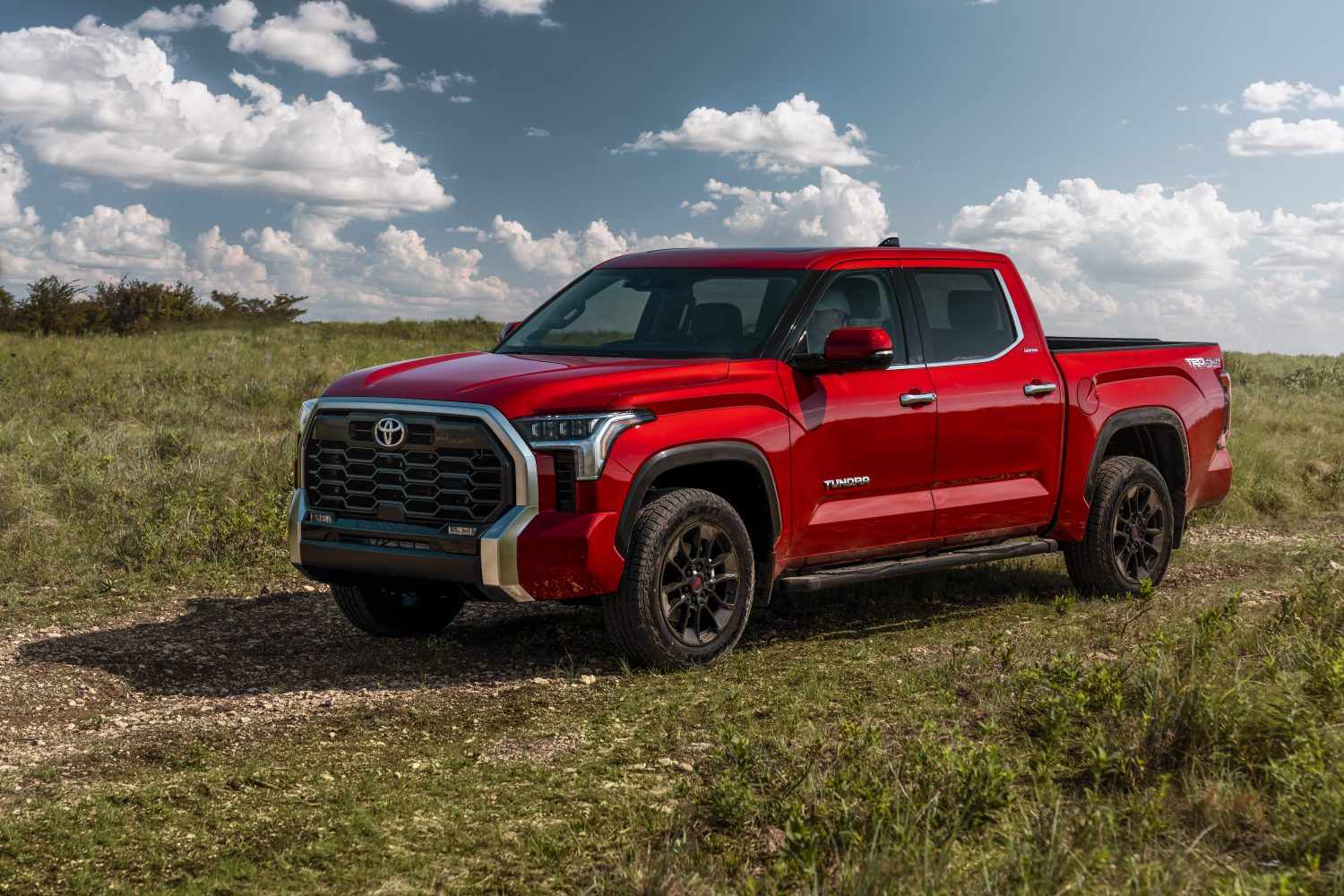
1. 2014–2021 Toyota Tundra
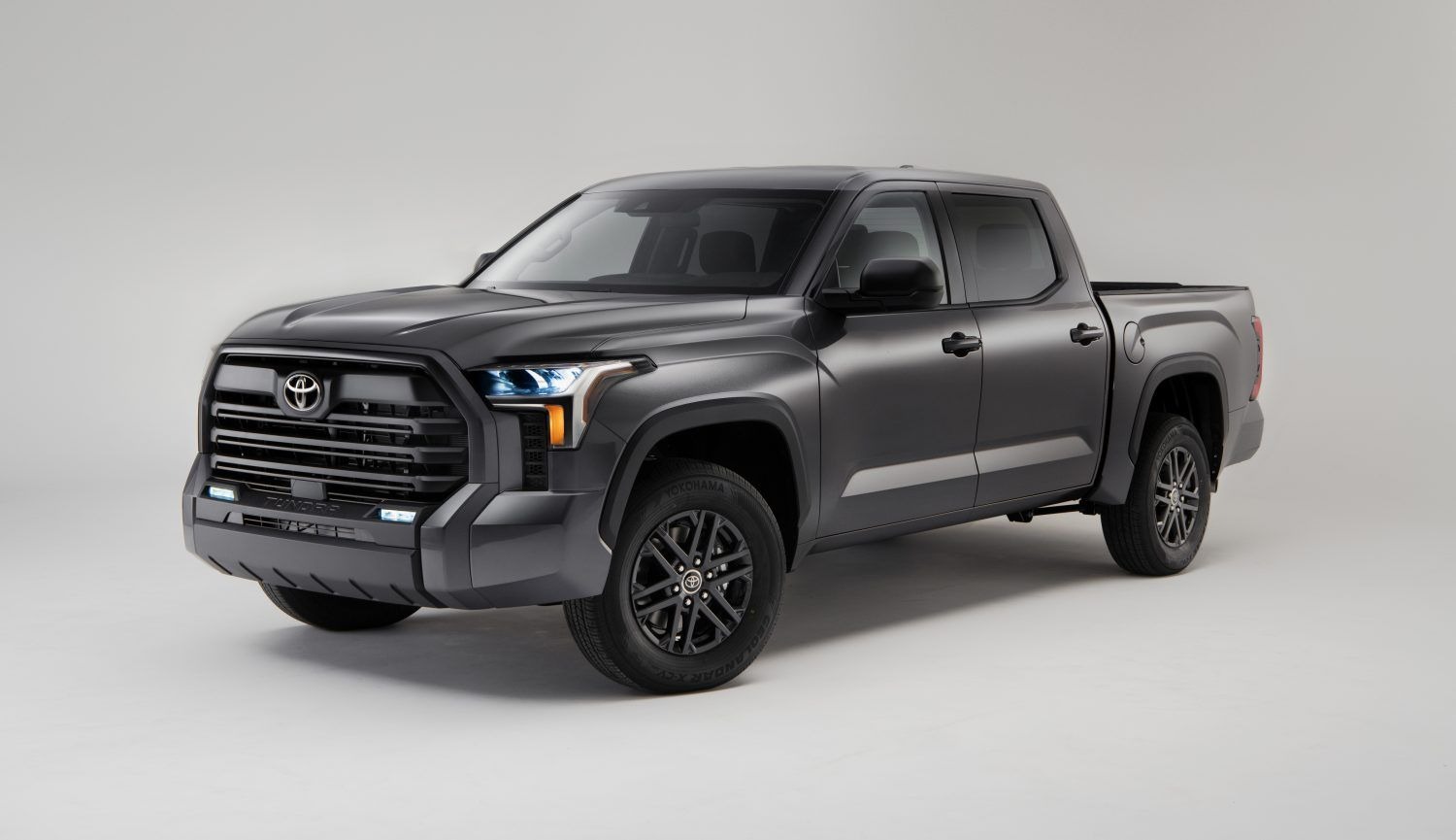
The Toyota Tundra built between 2014 and 2021 stands out not just for its solid drivetrain but also for how it manages brake system durability.
One of the key reasons mechanics and long-term owners rarely report brake line issues on this generation is Toyota’s attention to corrosion protection across the underbody.
The brake lines are routed smartly along the frame, often shielded by plastic or positioned above other undercarriage components, minimizing their exposure to road debris and salt spray.
More importantly, Toyota used coated steel brake lines for this generation, which helps significantly reduce the risk of rust development. In regions with harsh winters or where salt brine is commonly used, trucks without this protection often suffer from pitting, weakening, or even outright failure in as little as 6–8 years.
The Tundra, by contrast, consistently makes it past the 10-year mark with little to no brake line corrosion.
This model’s record is especially impressive given that many Tundras are used in demanding environments like construction, snow removal, and heavy towing.
Yet forums and service bulletins rarely reflect any systemic problems with the lines. The lack of recall campaigns involving brake hydraulics for these years further supports its reputation.
It’s worth noting that the truck’s high resale value and loyal following also reflect how owners feel about its long-term build quality.
For anyone wanting a truck that won’t surprise them with a costly brake line replacement, this generation of Tundra is one of the safest bets on the used market.
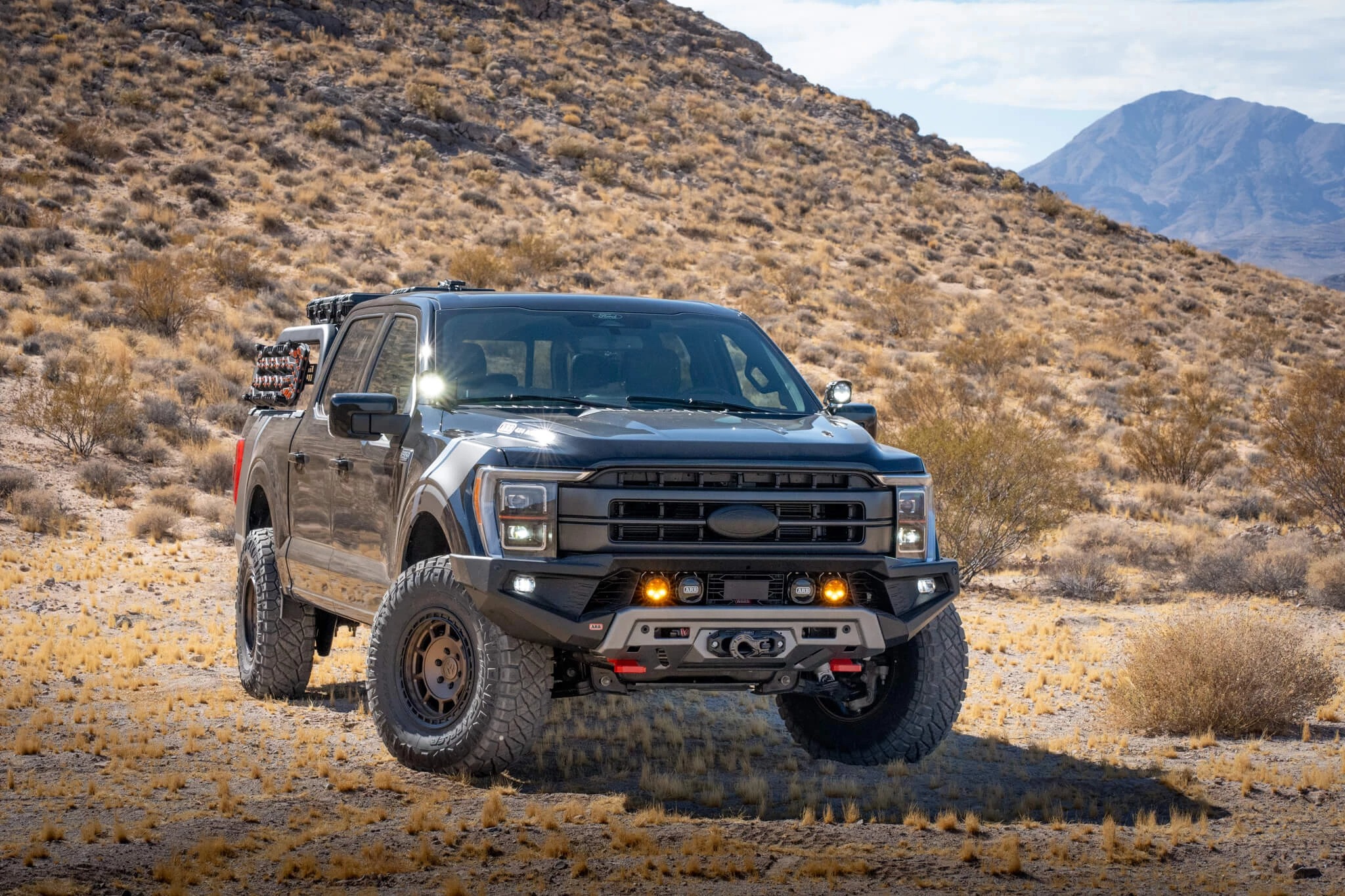
2. 2015–2022 Ford F-150 (Aluminum Body Models)
The 2015 redesign of the Ford F-150 brought plenty of headlines due to its move to an aluminum body, but less discussed and equally important was the improved corrosion resistance of its brake system.
Ford engineers knew that switching to an aluminum frame required rethinking underbody protection across the board. This included better treatment of brake lines, which were historically prone to rust in earlier models.
These newer F-150s use a combination of nylon-coated steel lines and corrosion-resistant brackets to prevent rust from forming where moisture tends to collect.
The lines are routed along the top side of the frame rails where water exposure is minimized, and they’re also clipped into place in ways that avoid abrasion or flex points that can eventually lead to failure.
Drivers in states like Michigan, New York, and Pennsylvania where salt on the roads eats away at unprotected metal, report very few complaints about rusted lines on these models.
That’s a major shift from Ford trucks of the early 2000s, which frequently suffered from rusted-through steel lines by the 10-year mark.
In addition to better materials, Ford also refined its assembly process. Brackets, grommets, and line clamps were upgraded to reduce metal-on-metal contact that often leads to surface corrosion.
As a result, these trucks have become reliable choices for those needing a full-size pickup without the headache of early brake line failure. It’s one of the more meaningful but less flashy upgrades in this F-150 generation and a big reason why they’re holding up well over time.
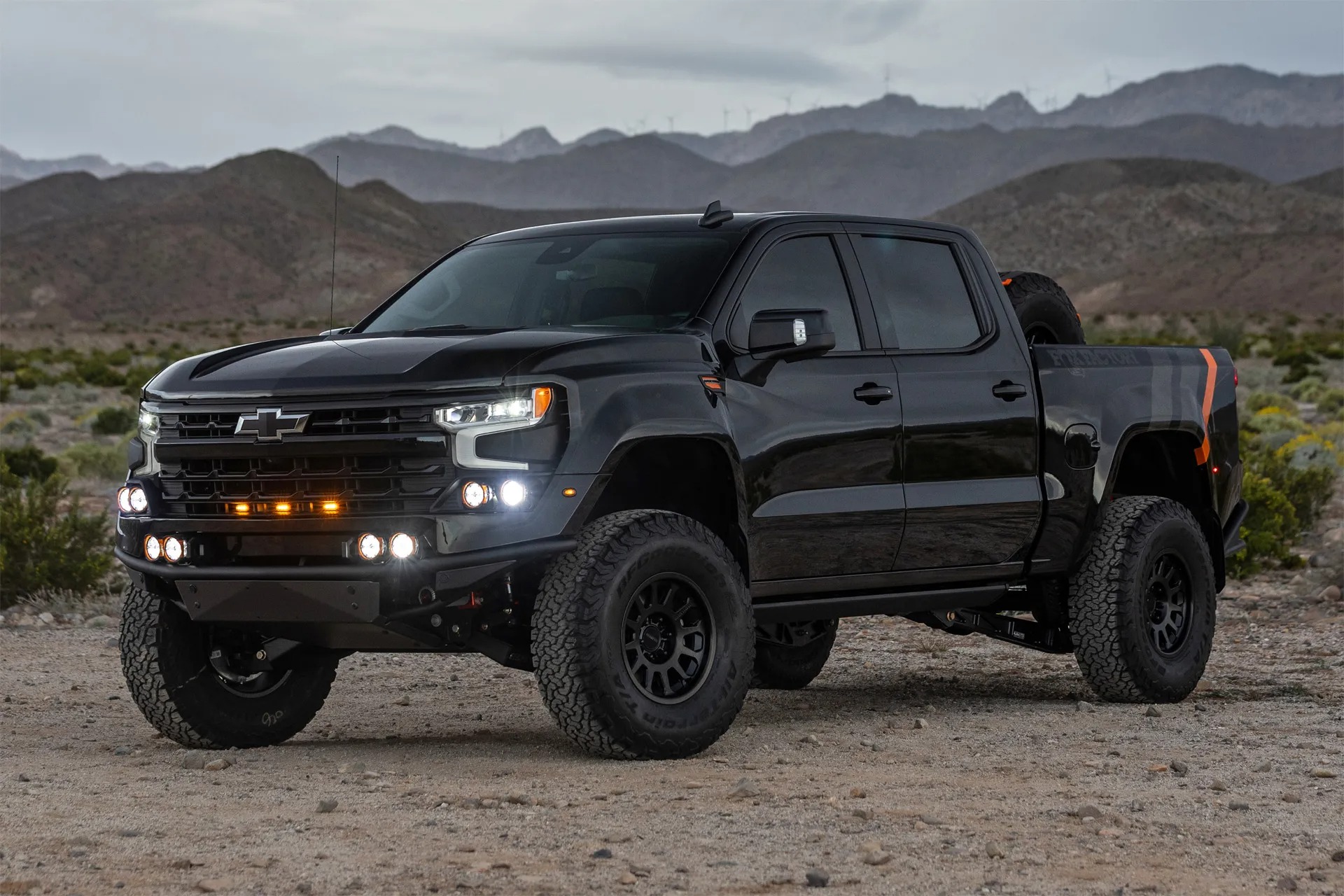
3. 2007–2013 Chevrolet Silverado 1500 (With Factory Coated Lines)
While earlier General Motors trucks were notorious for brake line corrosion, GM took clear steps to address the issue starting in the late 2000s.
The 2007–2013 Chevrolet Silverado 1500 models, particularly those that came with the factory-installed coated brake lines, stand out as a noticeable improvement over the previous generation.
Owners who opted for trucks built after mid-2007 often benefited from nickel-copper alloy or polymer-coated lines that helped resist rust much better than the bare steel used previously.
What makes this generation notable is that GM began taking corrosion more seriously, especially for trucks destined for northern U.S. and Canadian markets.
In fact, this generation was subject to improved undercoating applications and line routing adjustments that aimed to keep lines away from splash zones under the truck. These changes came after years of complaints and warranty claims tied to brake failure due to line rust in prior models.
Mechanics regularly point out that Silverados from these years, if equipped with the coated lines, tend to avoid the sudden brake line bursts that plagued older models.
The brake system longevity is noticeably better, and preemptive replacements are rarely necessary before the 12–15 year mark if routine inspections are kept up.
Buyers should confirm whether a used Silverado from this generation has the improved lines, as not all trims had them from the factory.
But when present, the difference is clear. These trucks offer a reliable, rust-resistant brake system that allows owners to focus more on regular maintenance and less on unexpected hydraulic failures.
4. 2016–2023 Nissan Titan
The second-generation Nissan Titan, starting in 2016, brought several upgrades over its predecessor.
Among those changes, the design of the brake system and its improved corrosion resistance became one of the more practical benefits, especially for truck owners who drive in wet or salted conditions.
Nissan equipped the Titan with steel brake lines that feature corrosion-resistant coatings and routed them in a way that avoids prolonged exposure to moisture and road grime.
One of the most effective changes was the use of protective plastic sleeves around portions of the lines, especially where the lines are exposed near the wheel wells or underside. These sleeves help shield the steel lines from sand, salt, and water spray.
Nissan also positioned the lines further inward on the frame compared to earlier models, reducing the chances of direct exposure to splash zones and kicked-up debris.
Titan owners from rust-prone areas like the Northeast and Midwest often report that the brake lines show no signs of flaking or pitting even after several years of service.
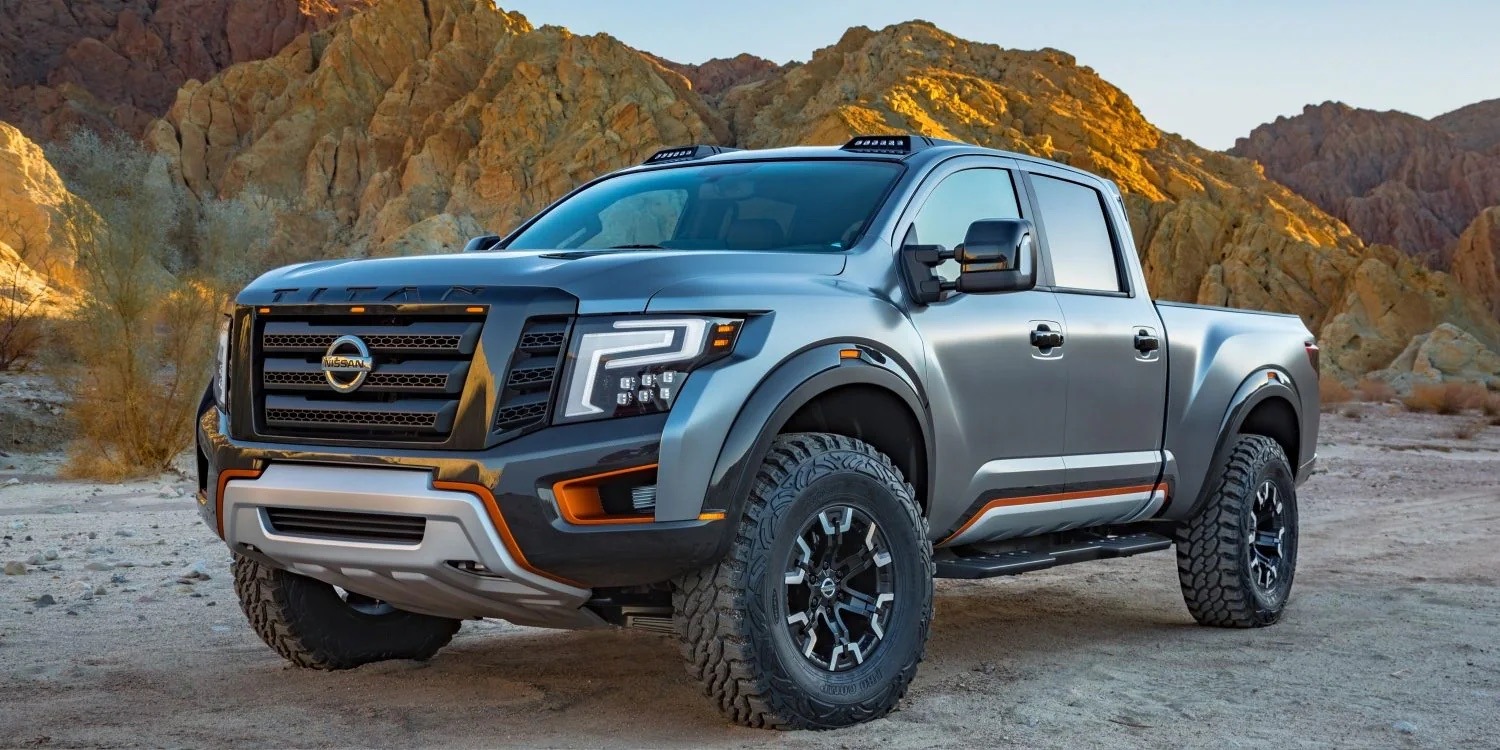
Unlike some older trucks that develop soft pedal feel or sudden line failures after only 7–8 years, Titans from this generation routinely pass inspections without brake line concerns, even after a decade.
Although the Titan doesn’t dominate the full-size truck market, its brake system design is one area where it holds its own. For used buyers looking for a dependable work truck that won’t require costly hydraulic work due to corrosion, the 2016–2023 Titan is a solid and often overlooked choice.
5. 2009–2018 Ram 1500 (With Factory Upgraded Brake Lines)
The 2009–2018 Ram 1500, especially those produced after 2012, gained recognition for being far more resistant to brake line corrosion than its earlier versions.
Ram addressed previous criticisms by switching to zinc-coated steel brake lines in many of these models, along with better underbody routing and added insulation where the lines were exposed to harsh road spray.
Before these improvements, older Dodge trucks had a reputation for brake line failure due to rust, particularly in northern states where salt was a regular threat.
Ram’s shift toward coated lines, plus improved grommet placement and fewer exposed joints, helped extend the lifespan of the brake system significantly. These updates also contributed to fewer complaints and service bulletins tied to hydraulic failures, especially on trims built from 2013 onward.
Another key point in this generation’s favor is the use of underbody frame coatings that protect both the frame and attached lines.
The smoother, more consistent finish allows less salt and dirt to accumulate in the first place, making preventive care more effective and reducing long-term risk. For drivers who haul heavy loads or regularly tow, this added brake system reliability makes a real difference in ownership confidence.
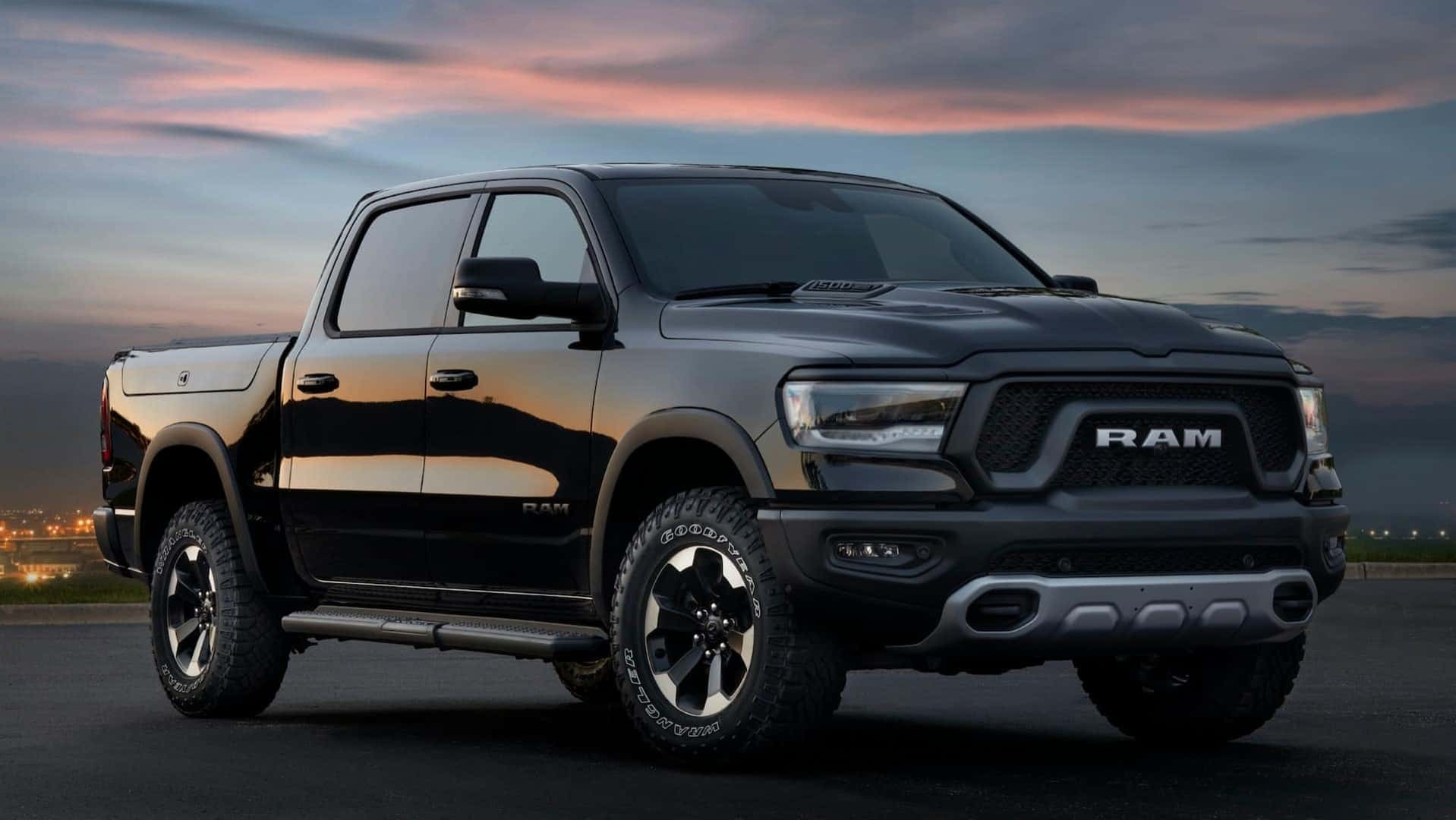
While no system is completely immune to corrosion, the 2009–2018 Ram 1500, with the right build configuratio,n has proven to be one of the more dependable half-ton pickups in terms of brake line longevity.
It offers peace of mind in climates where rust is a real threat and stands as a well-rounded option for anyone prioritizing low-maintenance safety systems.
5 Trucks with Rusted, Leaking Lines
Brake line failure is one of the most dangerous problems a truck can develop. Unlike worn-out pads or noisy rotors, rusted and leaking brake lines usually give little warning.
One moment you have full braking power, and the next, your pedal goes soft or drops to the floor. In trucks, where weight and stopping distance are already greater than most passenger vehicles, this type of failure can lead to serious accidents.
Unfortunately, certain models are far more prone to this issue, especially those built with uncoated steel lines, poor routing choices, or underbody designs that trap moisture and salt.
This section focuses on five trucks that are widely reported to suffer from premature brake line rust. Whether it’s through mechanic complaints, recall history, or owner forums filled with similar issues, these models have a pattern that can’t be ignored.
Most of these problems show up once the truck reaches 6 to 10 years of age, and they’re particularly severe in regions with winter road treatments.
Understanding which trucks are vulnerable to brake line corrosion helps buyers avoid surprises and make better decisions.
These five examples serve as a warning that not all trucks are created equal when it comes to the reliability and durability of their brake hydraulics.
1. 1999–2007 Chevrolet Silverado 1500
The 1999–2007 Chevrolet Silverado 1500 is one of the most frequently cited examples of brake line rust and failure.
Despite the truck’s strong engine options and decent towing capacity for its time, this generation of Silverado gained a bad reputation for dangerously corroding brake lines, particularly in northern climates.
GM used bare steel lines without sufficient protective coatings, and many were routed along the frame rails where water, salt, and debris accumulated.
Mechanics across the U.S. began seeing patterns of sudden brake line failure, often with little to no warning. Owners reported going to step on the brake pedal only to have it sink to the floor, sometimes while towing or driving at highway speeds.
The severity of the issue eventually triggered a National Highway Traffic Safety Administration (NHTSA) investigation. While no recall was issued specifically for the brake lines, GM issued service bulletins acknowledging the problem and began offering replacement kits made from nickel-copper alloy.
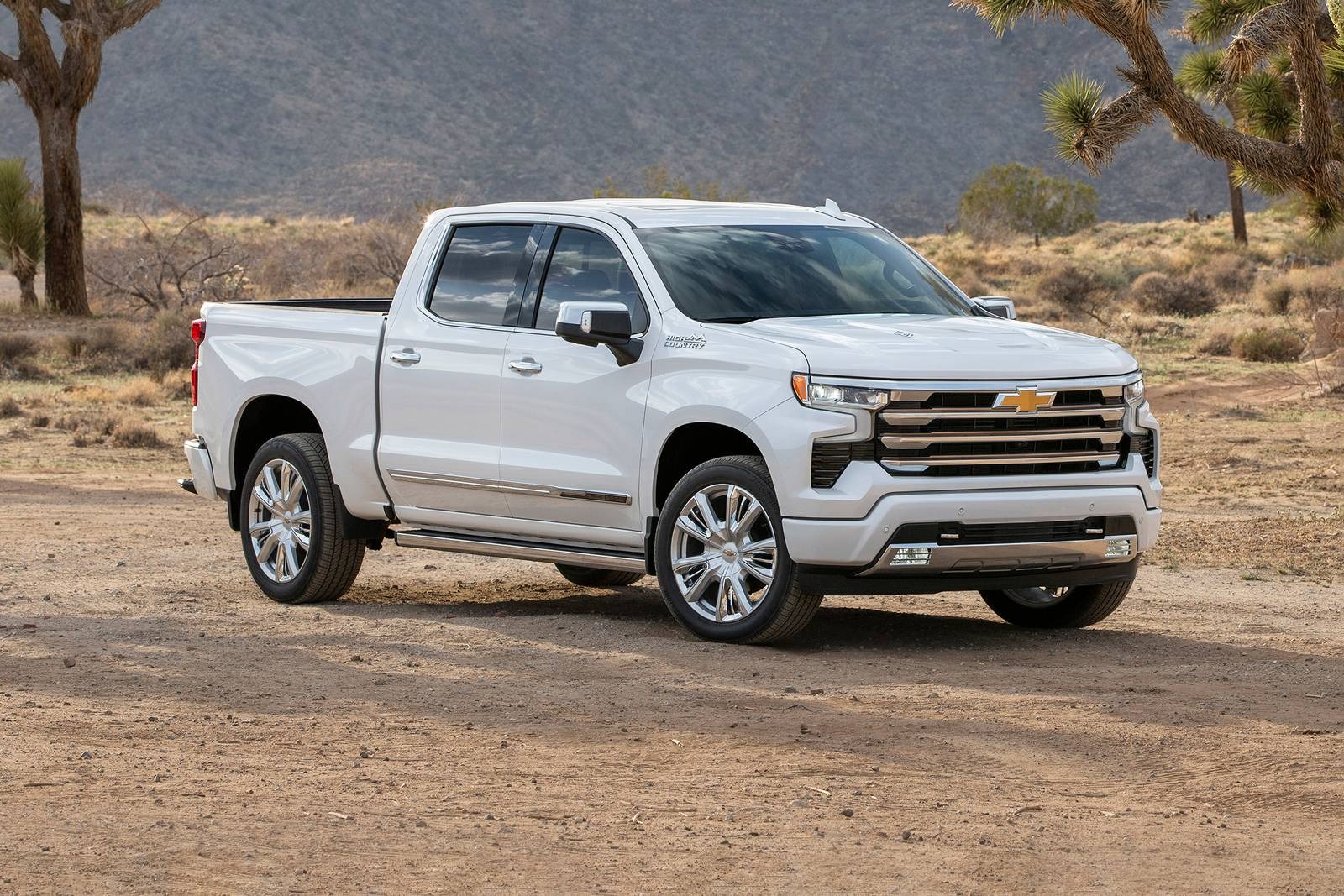
The financial and safety impact on owners was significant. Many were forced to replace all the brake lines at once, a labor-intensive and expensive job that could easily run over $1,000.
This wasn’t a matter of gradual wear it was a design oversight that led to complete system failure in too many cases. Even today, used trucks from this generation should be closely inspected underneath before purchase.
Unless the brake lines have already been replaced with rust-resistant alternatives, this Silverado remains one of the clearest examples of how critical line material and routing choices really are.
2. 2004–2006 Ford F-150
The 2004–2006 Ford F-150 may have been popular for its strong frame and spacious interior, but it struggled badly when it came to underbody corrosion, especially brake lines.
These trucks were built during a time when Ford was still using uncoated steel lines that offered little protection from moisture, salt, or road chemicals. As a result, drivers in snowy or coastal regions frequently encountered rust buildup that led to leaks or sudden failures.
A particularly dangerous pattern with this F-150 generation was that the rust often formed in areas hidden behind brackets or plastic covers, making early detection difficult.
Many owners found out about the issue only when the brake pedal went soft, or during a failed inspection. Some reported near misses while towing or descending hills, where full braking force is absolutely essential.
Service shops quickly became familiar with this issue, often recommending a full brake line replacement well before the vehicle hit 100,000 miles.
The work isn’t cheap or quick. Line routing on these models makes replacement time-consuming, and depending on corrosion levels, mounting points often need to be repaired or replaced along with the lines themselves.
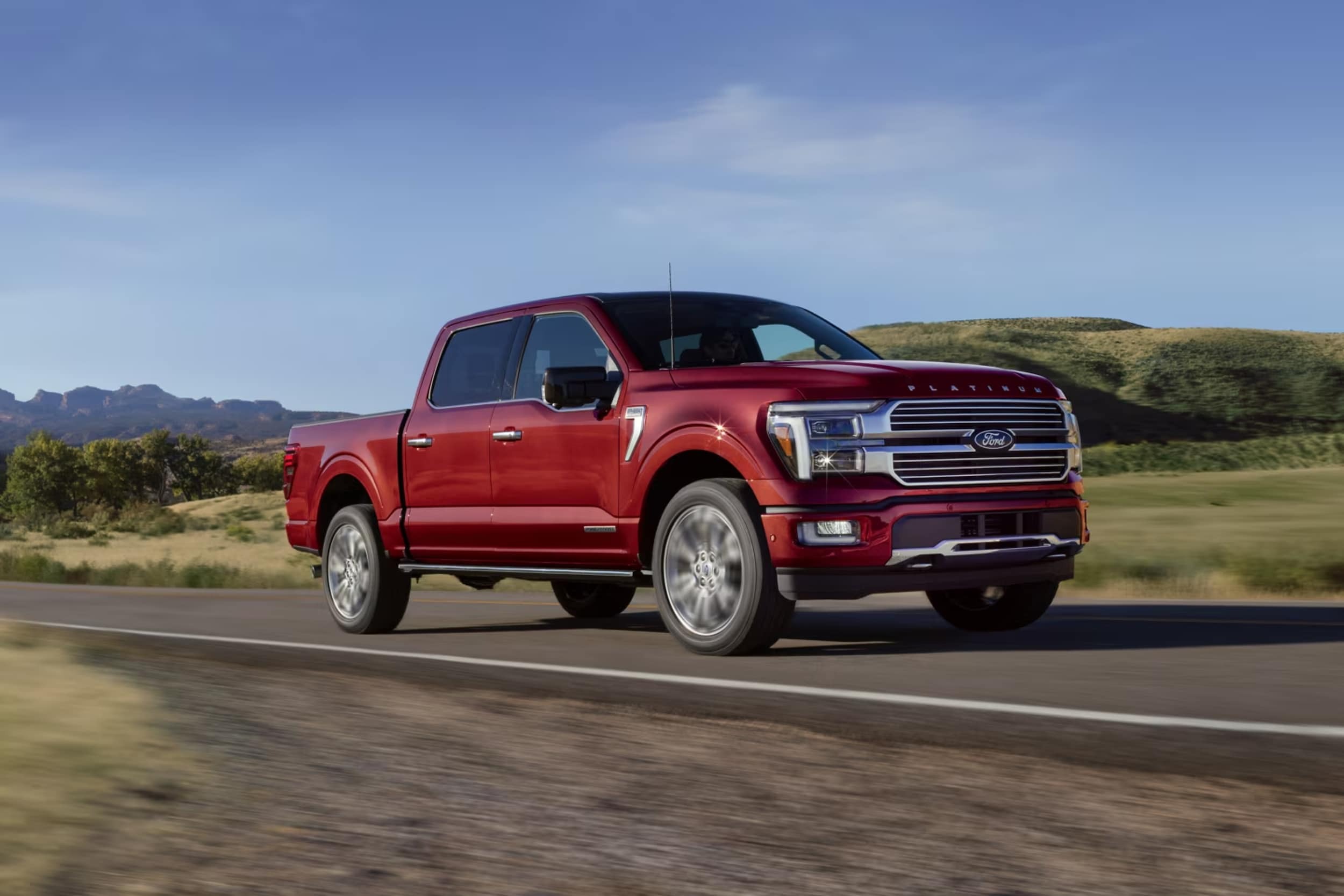
Although Ford began addressing corrosion problems more seriously in later model years, this specific generation stands out for how consistently the brake lines failed across a wide range of conditions.
It serves as a warning that even trucks known for their power and durability can fall short if small but critical systems like the brake lines are neglected in the design phase.
3. 1998–2003 Dodge Dakota
The second-generation Dodge Dakota, produced from 1998 to 2003, may have offered strong V8 options and mid-size versatility, but it’s also remembered for serious issues with brake line corrosion.
The factory-installed lines were made of untreated steel and ran along areas of the frame that were highly vulnerable to rust, especially the rear sections near the axle and crossmembers. These locations trap moisture, and once corrosion starts, it spreads fast.
Owners in northern climates were hit the hardest. Salted winter roads quickly ate away at the exposed lines, and many drivers experienced soft brakes or total line failure with little advance warning.
Some mechanics even began recommending preemptive replacement of all brake lines once these trucks reached 80,000 miles, particularly if they’d seen multiple winters.
What made the problem worse was the Dakota’s line routing design. Sharp bends and exposed joints made the lines more likely to trap dirt and salt, and once the rust set in, pinhole leaks or complete blowouts became common.
A soft brake pedal or fluid dripping from the frame was often the first and only sign of trouble by then, the damage was already done.
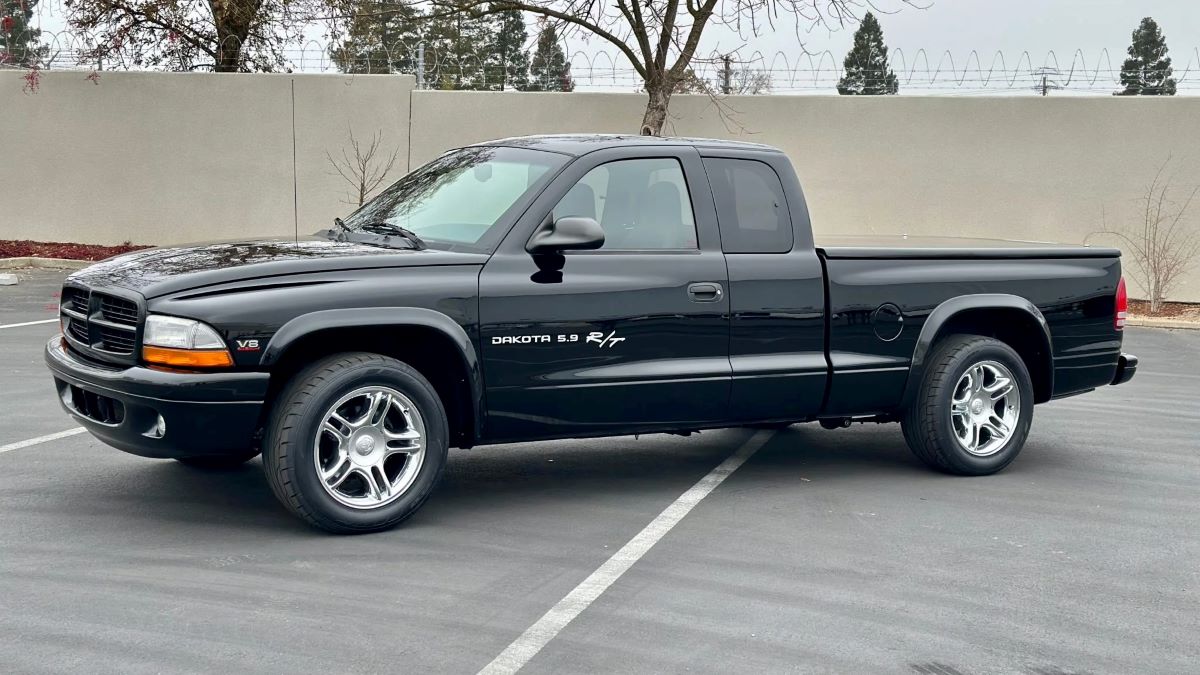
Many of these trucks are still on the road, often as work or farm vehicles, but a large number of them have already had their entire brake line systems replaced.
Anyone considering one of these Dakotas as a used purchase should check the brake lines closely. It’s not just a routine concern with this model it’s a known weak spot that demands attention.
4. 2000–2006 GMC Sierra 2500HD / 3500HD
The heavy-duty versions of the GMC Sierra built from 2000 to 2006 are frequently praised for their towing strength and long-lasting drivetrains. However, when it comes to brake lines, these trucks are among the most problematic in their class.
GM used plain steel lines without sufficient protective coating, and the routing along the truck’s frame left them exposed to salt spray, standing water, and grime all of which led to severe corrosion over time.
Unlike minor surface rust seen on some components, the brake line issues in this generation often advanced to full perforation. In many cases, owners didn’t realize there was a problem until they lost braking power entirely.
This is especially concerning for a heavy-duty truck often used for hauling or towing large trailers. The extra weight makes any reduction in braking force far more dangerous.
Mechanics commonly recommend a complete brake line replacement once these trucks pass the 7–10 year mark, even if they’ve been lightly driven.
In many regions, this replacement becomes almost a requirement if the truck hasn’t been garage-kept. The cost can be significant, especially since corrosion often spreads to brackets and other hydraulic components.
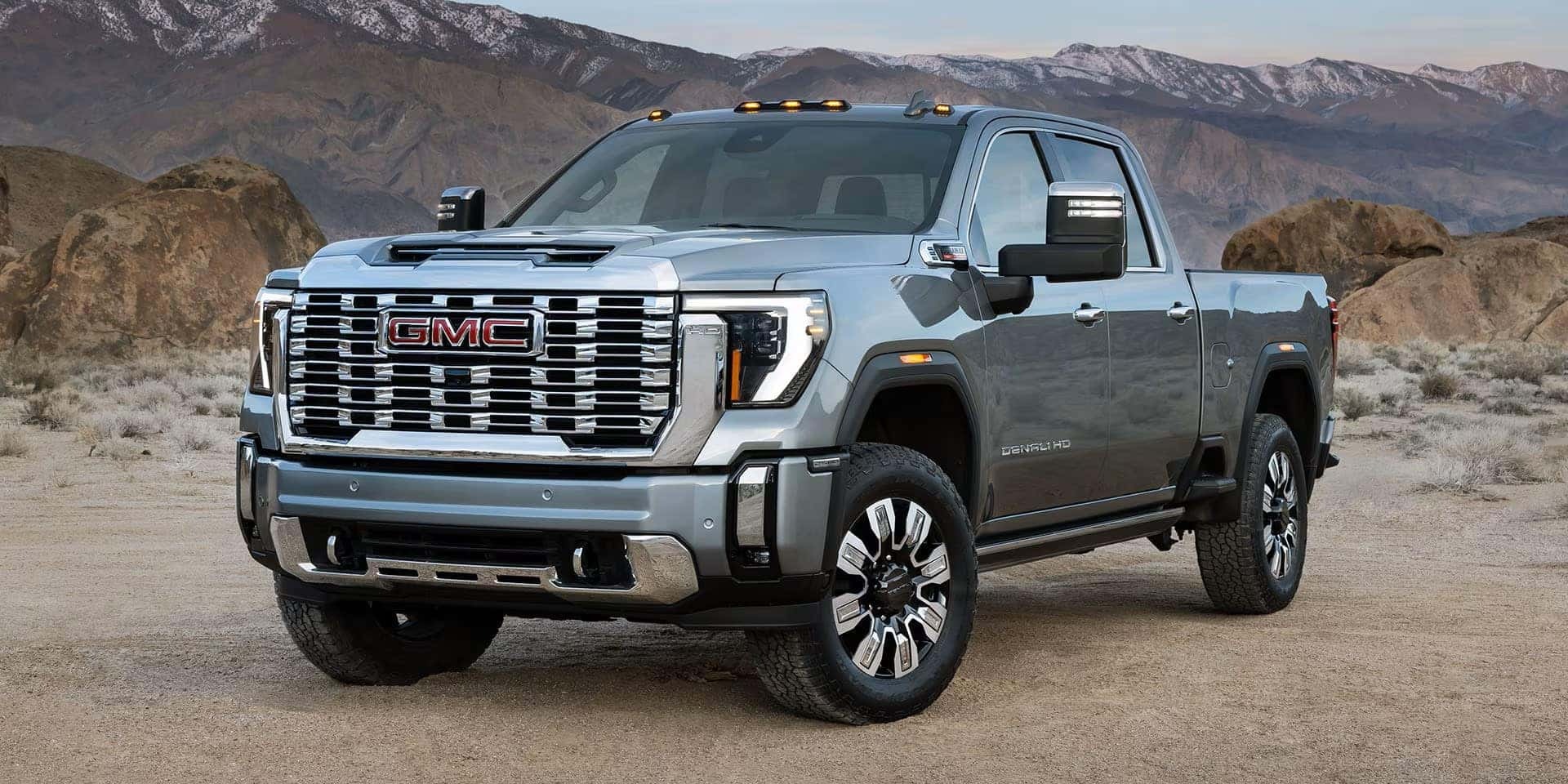
While GM began addressing the issue in later models by offering replacement kits with nickel-copper lines, this generation remains a warning sign.
Buyers looking at these trucks on the used market should assume the factory lines are either compromised or already replaced. If they haven’t been upgraded, a full inspection and likely replacement should be considered non-negotiable.
5. 2003–2008 Toyota Tundra (First Generation)
Though Toyota is often praised for long-term durability, the first-generation Tundra built from 2003 to 2008 had a serious flaw that caught many owners off guard rusted brake lines. The issue wasn’t just about the lines themselves, but the underbody as a whole.
These trucks were built with minimal corrosion protection in key areas, especially the frame and hydraulic line mounts. In snowbelt states, this led to extensive undercarriage rust, including critical brake system components.
Numerous Tundra owners reported brake line failures between years 7 and 10 of ownership, usually after repeated exposure to winter road salt. In many cases, the lines failed near the rear of the frame, where they were most exposed to trapped moisture and salt spray from the tires.
Some drivers experienced near-total brake failure without much warning. Brake pedal softness, visible leaks, and warning lights only appeared after significant damage had already taken place.
Toyota eventually issued a limited service campaign focusing on severe frame rust, including in some cases the replacement of brake lines if they were clearly compromised. However, these campaigns didn’t cover every vehicle or region, and many trucks were repaired at the owner’s expense.
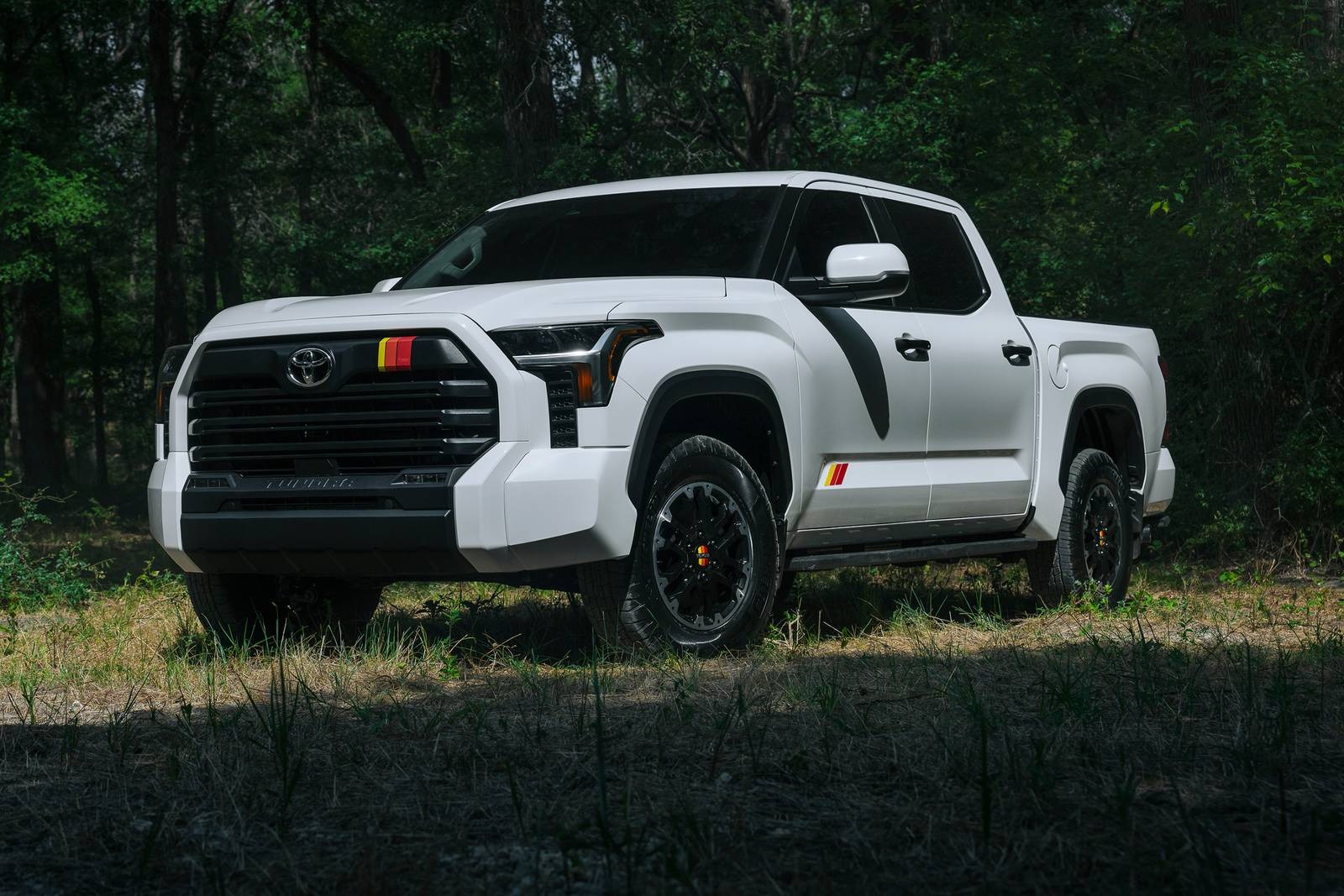
Today, buyers considering this Tundra on the used market are strongly advised to check the frame and brake lines thoroughly.
While the engine and transmission are often still in great shape, the brake system can be a hidden danger. Unless the lines have already been replaced with upgraded materials, rust remains one of the biggest weaknesses in this generation.
Also Read: 5 Cars with Lifetime Wheel Bearings vs 5 with Bearings Grinding at 80,000 Miles
