
Automotive engineering often highlights specific components that make a noticeable difference in both longevity and performance. One such aspect is the type of material used for exhaust systems.
Stainless-steel exhaust systems are sought after for their durability, resistance to corrosion, and their sleek visual appeal, which often outlasts the lifespans of many vehicles.
In contrast, stock exhaust systems built from less resilient materials are frequently susceptible to rust. This not only shortens their functional life but can also adversely affect a vehicle’s overall performance and safety.
Consumers frequently face a crossroads when selecting vehicles should they prioritize models equipped with stainless-steel exhausts, which are designed to stand the test of time, or accept the standard offerings that may rust as years go by?
This decision has direct consequences for maintenance schedules, running costs, and the day-to-day experience on the road. Furthermore, the presence of a stainless-steel exhaust can even influence resale value, making it an important factor for those who think ahead.
To fully appreciate the impact of this choice, examining vehicles from both categories reveals not only the technological and economic considerations but also the daily realities for owners.
The following sections will highlight vehicles known for their robust stainless-steel exhausts, followed by cars infamous for rust-prone systems, to assist those weighing longevity and reliability against potential pitfalls.
Also Read: 5 SUVs with Integrated Skid Plates vs 5 that Rust Beneath
5 Cars with Stainless-Steel Exhaust Systems
The use of stainless steel in exhaust systems stands as a testament to advancing technology and a commitment to quality in automotive design. Stainless-steel exhausts provide a critical edge, offering both resilience and improved performance.
These systems resist the pitting, corrosion, and structural weakness that can reduce the effectiveness of traditional exhausts.
As a result, vehicles equipped with stainless-steel exhausts generally require less frequent maintenance and can endure harsh weather or challenging driving conditions without showing signs of fatigue.
Selecting a vehicle with a factory-installed stainless-steel exhaust is not just about durability. Owners often benefit from enhanced exhaust flow, which can enhance performance and efficiency.
Additionally, stainless steel’s visual allure gives these systems a distinct appeal among enthusiasts. The following vehicles were chosen because they exemplify outstanding use of stainless-steel exhausts due to their engineering, reliability, and consumer feedback.
Each entry will explain not just what places these cars in this group but also why their reputation justifies attention when comparing long-term ownership value.
1. Chevrolet Corvette (C7 and C8 Generations)
The Chevrolet Corvette has built a reputation for combining thrilling performance with iconic American styling. One key feature that enhances the ownership experience is its stainless-steel exhaust system, standard on both the C7 and C8 models.
The presence of this component signals a focus on longevity and consistent performance, which is essential in a car engineered for spirited driving.
Stainless-steel exhausts on the Corvette serve multiple purposes. The resistance to corrosion means that owners rarely face issues with rusted pipes or failing mufflers, even in areas with harsh winters or high humidity.
This is crucial because these vehicles are often used for both everyday commuting and occasional track days, subjecting the exhaust to considerable thermal and environmental stress. The exhaust’s ability to resist heat deformation further speaks to its quality.
Beyond the technical benefits, the stainless-steel setup supports the Corvette’s signature acoustics. It contributes to the aggressive yet refined sound that drivers expect from a high-performance sports car. This durability translates into cost savings over time, as replacements or repairs due to rust are uncommon.
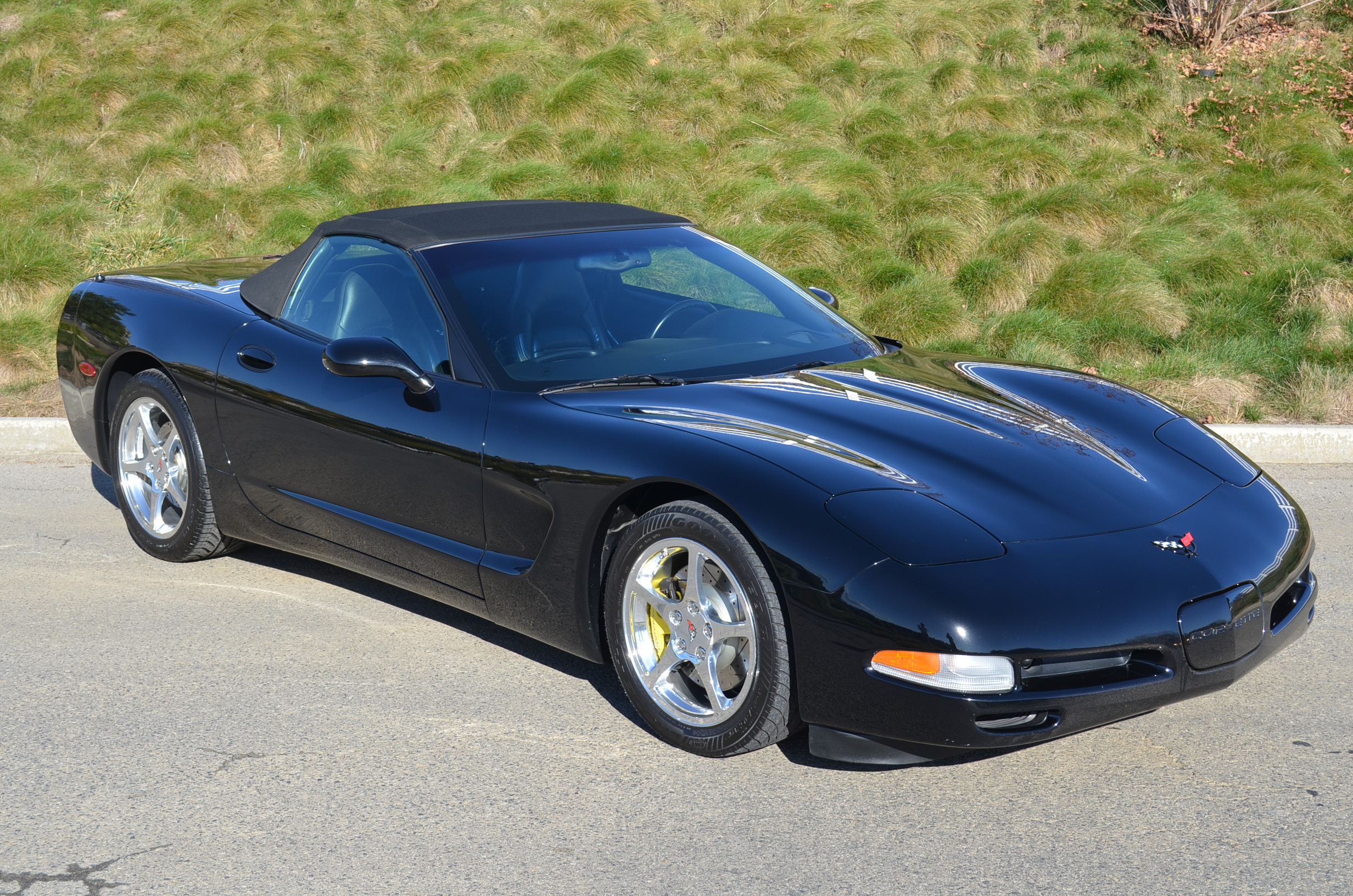
Highlighting the Corvette in this context helps shed light on why many discerning buyers place such high value on factory stainless-steel exhausts. It isn’t just about looking good; it’s about ensuring that every drive feels as exciting on day 1,000 as it did on day one.
By design, this engineering choice underlines Chevrolet’s commitment to delivering not only power but also dependability over the car’s lifespan.
2. Ford Mustang GT (Recent Generations)
The Ford Mustang GT has long been a symbol of performance, but its practical features often go unnoticed. A significant advantage for modern Mustang GT owners is the inclusion of stainless-steel exhaust components.
These are engineered not just for lasting lustre but for resisting the elements, which is especially important in markets where road salt and moisture are ongoing concerns.
Choosing to spotlight the Mustang GT’s exhaust isn’t just a nod to its classic status. The system’s stainless-steel construction directly supports Ford’s promise of longevity and low maintenance costs.
Compared to vehicles with traditional mild-steel exhausts, Mustang GT owners report fewer worries about rust-through or costly fixes.
A stainless-steel exhaust supports the car’s attractive growl and ensures that resonance remains crisp and undistorted by corrosion. Ford also leverages the durability of stainless steel to engineer lighter, more efficient systems, which can contribute to modest gains in fuel economy and handling.
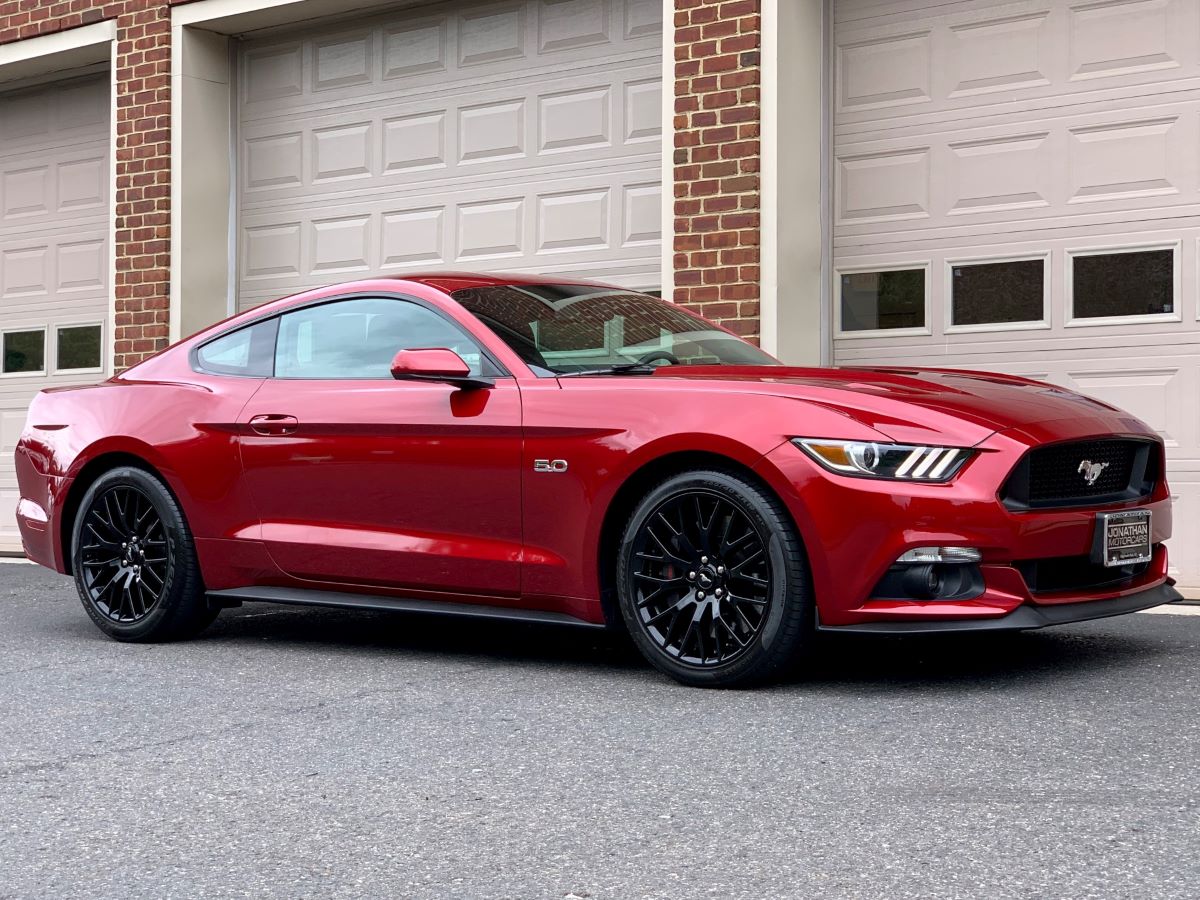
Writing about the Mustang GT in this context clarifies why performance doesn’t have to come at the expense of reliability. The exhaust system here is an unsung hero, ensuring years of driving enjoyment, minimal headaches for owners, and stronger resale prospects.
This focus benefits not just dedicated enthusiasts but also those seeking a durable, engaging everyday car.
3. Honda Accord (Recent Generations)
The Honda Accord, known for its balance of practicality and longevity, distinguishes itself further with stainless-steel exhaust components in recent models.
This thoughtful engineering is particularly relevant for families and commuters who expect trouble-free ownership over many years.
Selecting the Accord for this feature highlights how stainless-steel exhausts aren’t reserved for sports cars. Honda’s use of the material underscores its reputation for supplying vehicles that rarely surprise owners with costly repairs.
Rust-prone exhaust systems can lead to failed emissions tests or unexpected leaks, but Accord drivers largely avoid these headaches due to Honda’s material choice.
The Accord is celebrated for keeping repair bills low. Its robust exhaust system, immune to most common forms of corrosion, plays a big role in this.
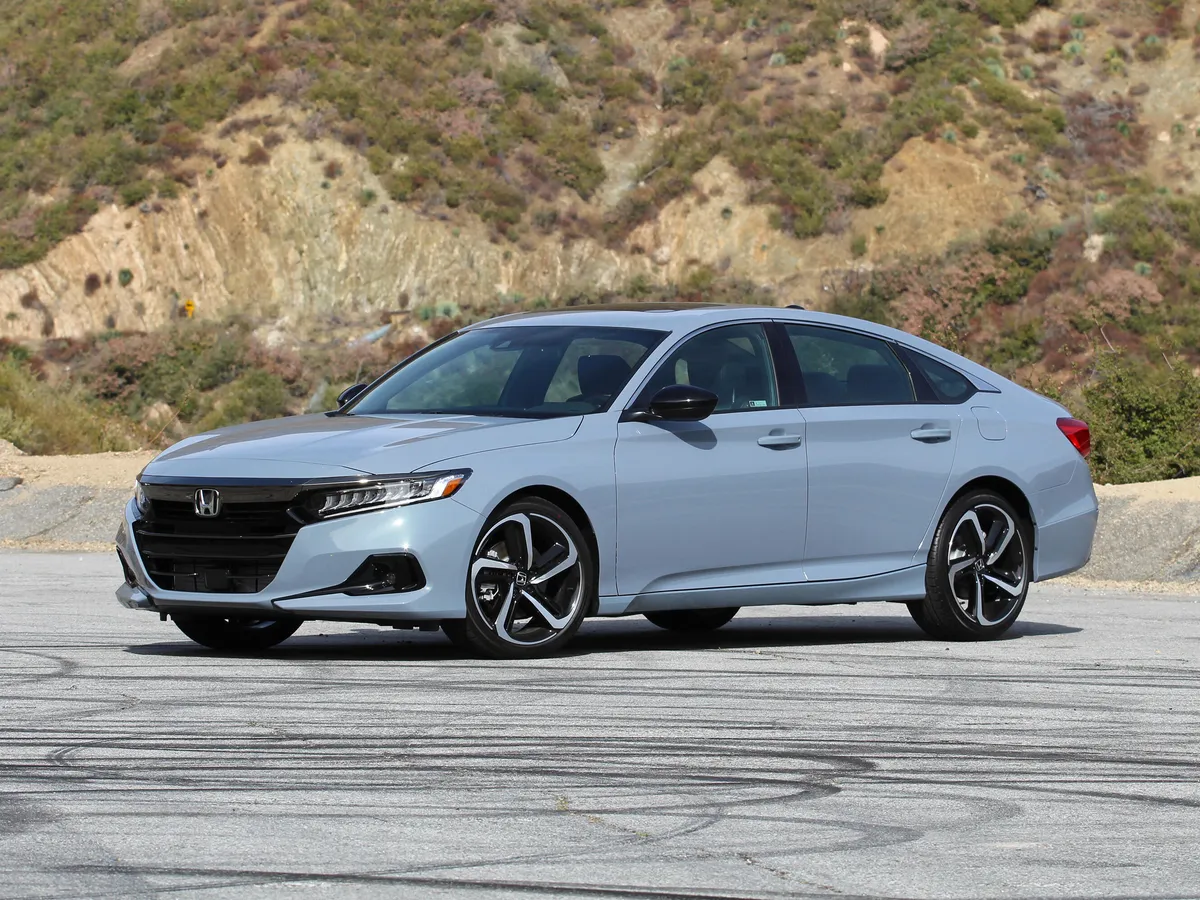
Whether driven in rainy climates, snowy environments, or coastal regions, the Accord’s exhaust reliably maintains its integrity.
Focusing on this vehicle demonstrates how stainless-steel exhausts serve practical needs for everyday drivers. It shows how minor improvements in materials can contribute significantly to satisfaction, preservation of value, and reduced lifetime costs.
This kind of engineering foresight is why the Accord continues to earn top marks among shoppers looking for hassle-free transportation.
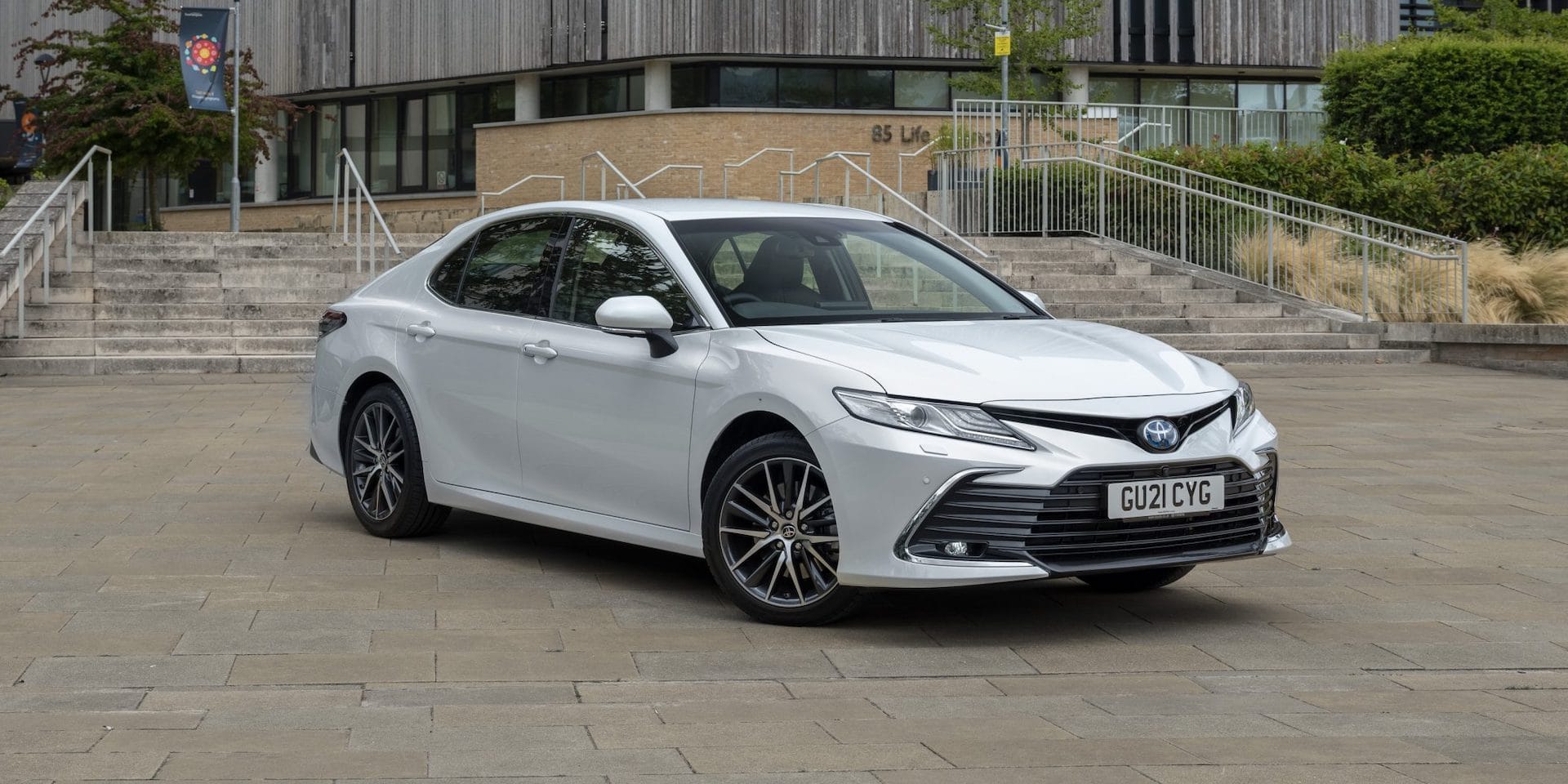
4. Toyota Camry (Recent Generations)
Toyota’s commitment to manufacturing reliable and long-lasting vehicles is evident in their use of stainless-steel exhaust systems, particularly in the widely popular Camry.
Including the Camry in this discussion provides a glimpse into how even mass-market family vehicles can benefit from higher-quality materials.
The Camry’s stainless-steel exhaust offers several advantages. This material resists the progression of rust much more effectively than traditional exhausts, an especially valuable trait for owners in regions plagued by snow, salt, or humidity.
This enables drivers to avoid the common problems of rattling, holes, or failed mufflers that often plague cars with cheap, rust-prone systems.
Moreover, the Camry’s use of stainless steel supports Toyota’s wider reputation for ensuring each vehicle’s operational life grows closer to its theoretical maximum. Mechanically inclined buyers and casual users alike appreciate the reduction in unexpected repairs.
Highlighting the Camry here helps illustrate how widespread the benefits of stainless-steel exhausts have become.
No longer restricted to high-performance or luxury vehicles, this feature is making everyday cars like the Camry easier to own, more enjoyable to drive, and ultimately more trustworthy over the long haul.
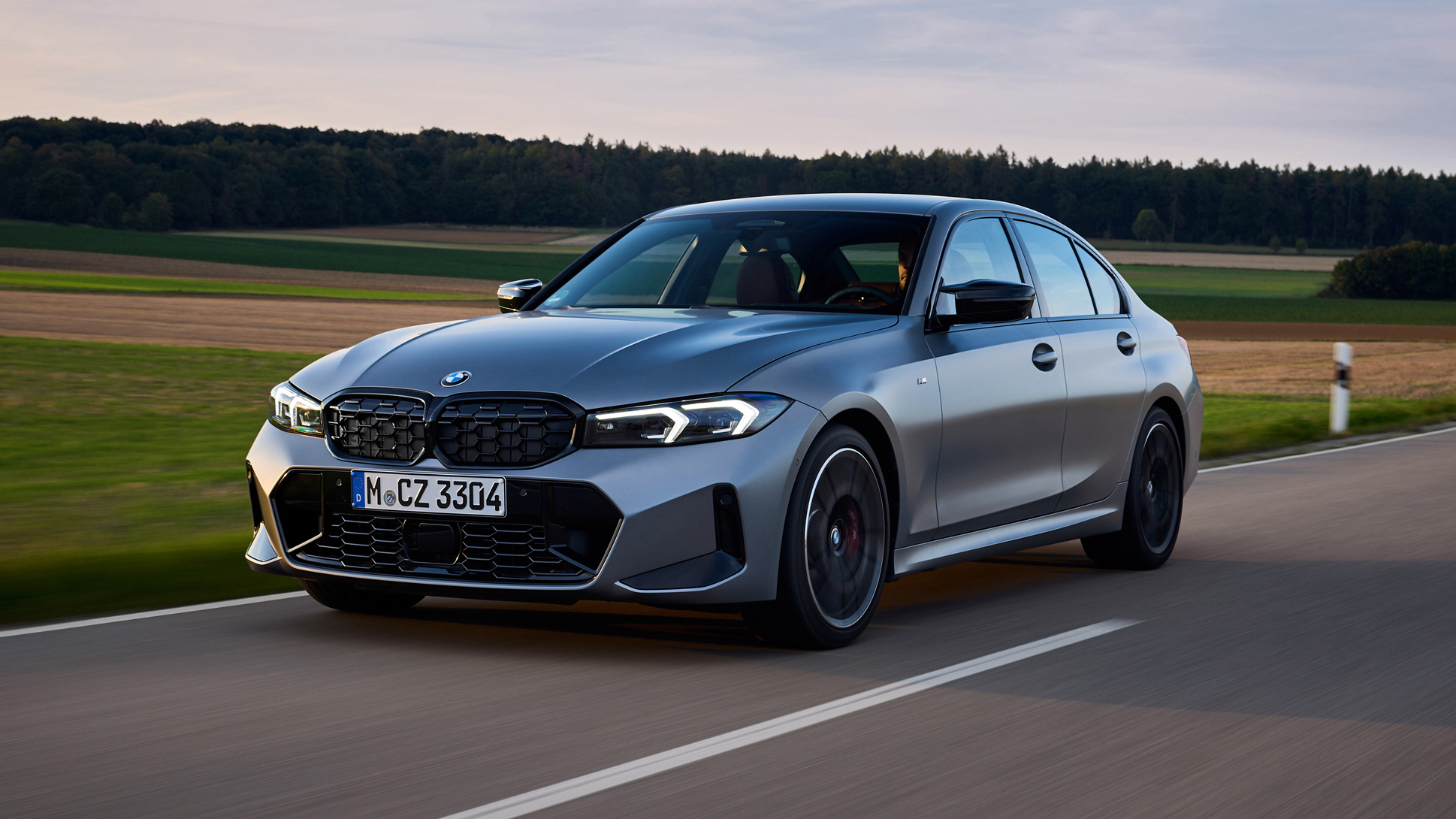
5. BMW 3 Series (Recent Generations)
The BMW 3 Series blends sportiness with daily practicality, and part of that formula is a commitment to quality in peripheral systems such as the exhaust.
Recent models come equipped with durable stainless-steel exhausts, intended to withstand not just daily use but also the spirited driving that BMW encourages in its owners.
Focusing on the 3 Series is appropriate because longevity is an expectation at this price point. Stainless steel ensures the exhaust remains structurally sound and visually appealing for years, even as the car racks up miles and faces less-than-ideal weather.
Routine exposure to moisture or road debris rarely leads to brown, flaky pipes the 3 Series’ exhaust keeps its composure.
This material choice reflects BMW’s broader philosophy: reliability must be engineered into every component, not just the engine or transmission.
The exhaust’s resistance to rust prevents many of the rattles and leaks that can tarnish the experience of owning a sports sedan. It also helps preserve the vehicle’s precise exhaust note, an often-overlooked enjoyment for enthusiasts.
Writing about the 3 Series here emphasizes that premium brands go to great lengths to build systems that will endure, reinforcing why this model holds its reputation for satisfaction and durability well over a typical ownership period.
5 Cars with Rusting Stock Systems
While stainless-steel exhausts offer clear advantages, many vehicles on the road are still delivered with exhaust systems made from mild steel or other less durable materials.
These systems often develop significant rust within just a few years, particularly when exposed to road salt, humidity, and wide swings in temperature.
Owners are frequently faced with costly repairs, increased exhaust noise, and even emissions failures, which can lead to fines or a failed vehicle inspection.
Highlighting vehicles that have been criticized for having rust-prone exhausts is a way to inform buyers of potential maintenance issues ahead of time.
This transparency helps consumers make more informed purchasing decisions and emphasizes the practical downsides of cost-saving measures during manufacturing.
By shedding light on these models, we can better understand the trade-offs that come from choosing vehicles that prioritize upfront affordability over material longevity.
The following cars have been singled out due to widespread reports of premature exhaust corrosion, significant maintenance complaints, and a pattern of owner frustration.
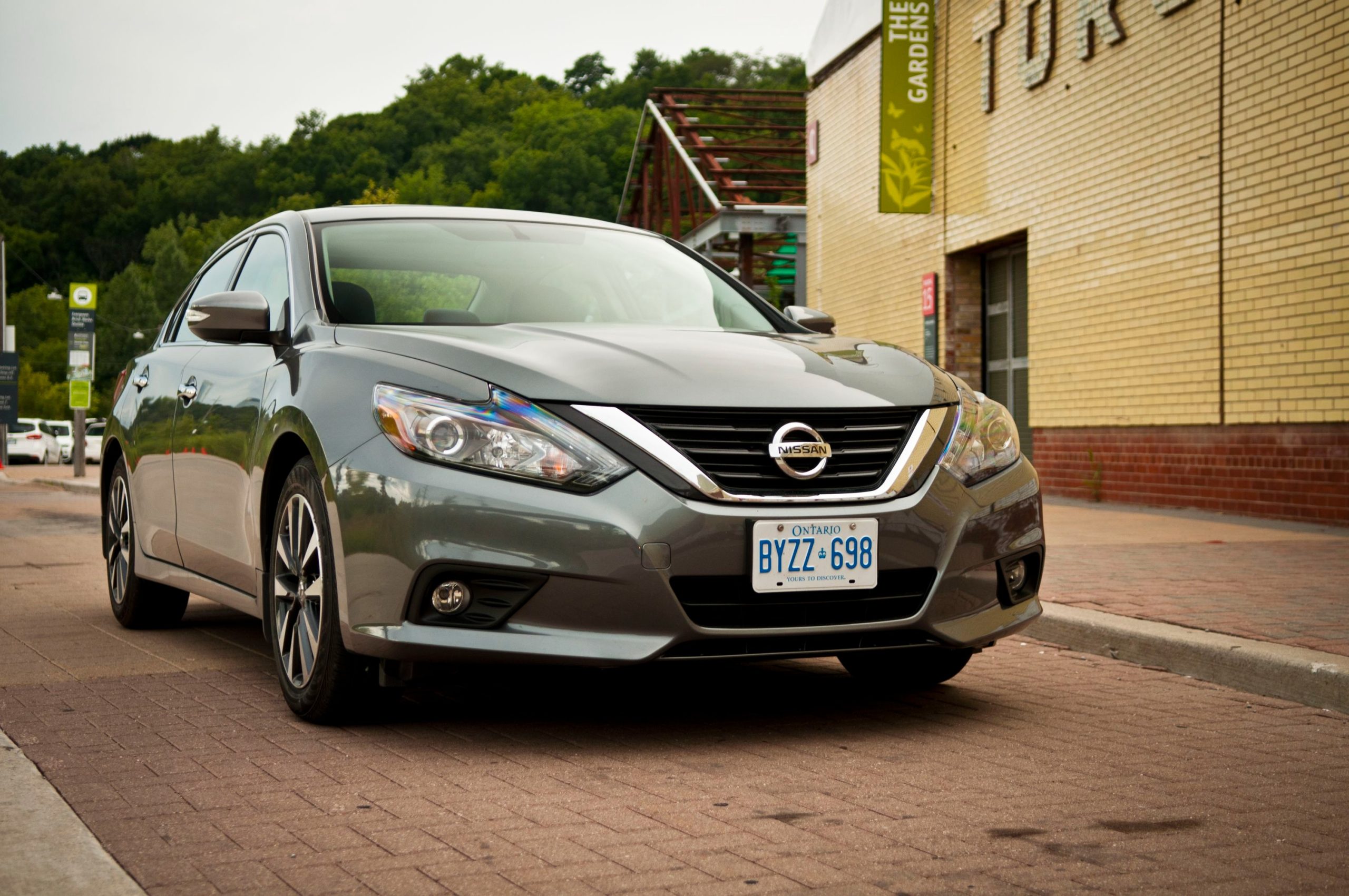
1. Nissan Altima (Early 2000s Models)
The Nissan Altima, particularly the models manufactured in the early 2000s, provides an illustrative example of the challenges that come with less durable stock exhaust systems.
These vehicles were commonly outfitted with exhausts formed from mild steel, a cost-effective but vulnerable material that tends to deteriorate rapidly in real-world conditions.
The decision to focus on the Altima is motivated by the high volume of owner complaints regarding rusted mufflers and pipes, sometimes occurring within a few years of purchase.
For those living in areas where salt is used on the roads in winter, the speed at which the exhaust components corrode can be especially disheartening.
The impact is not limited to visual concerns; exhaust leaks may develop, contributing to a decline in performance, a louder cabin, and even potential emissions issues.
Investigating the Altima’s rust issues underlines the broader implications of material selection during manufacturing. Buyers who prioritize low upfront costs might find themselves frustrated by repeated repairs and additional expenses over the car’s lifetime.
Including the Altima here serves as a reminder that long-term satisfaction is often influenced by more than just the initial purchase price.
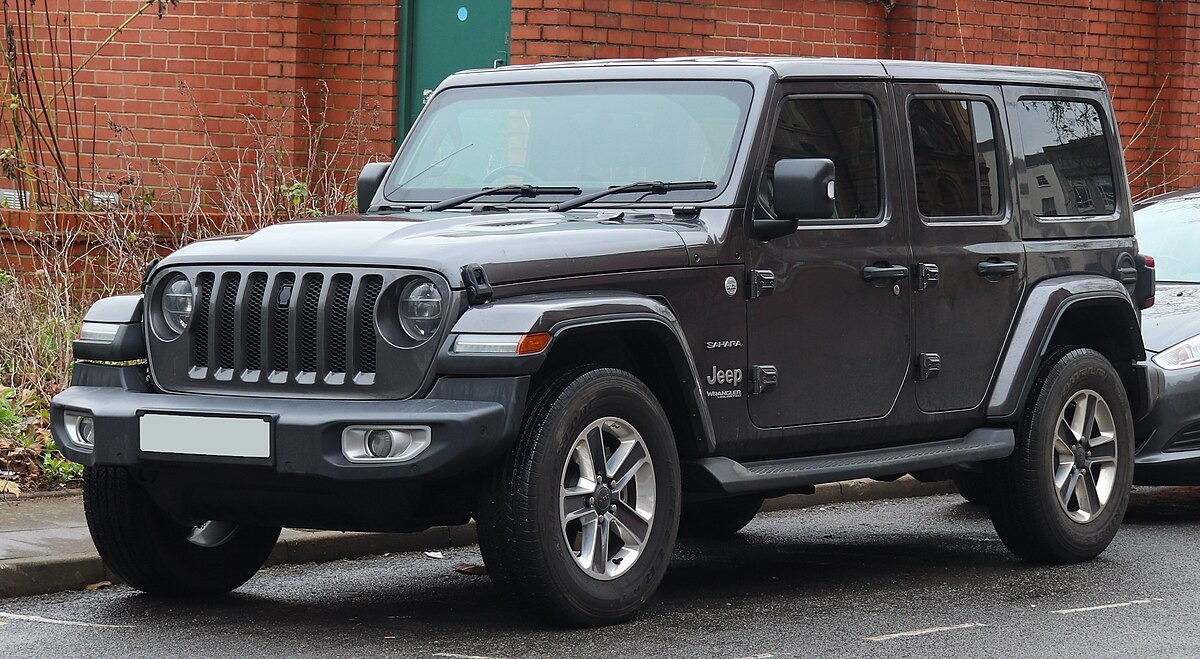
2. Jeep Wrangler (Early to Mid-2000s Models)
The Jeep Wrangler, a staple for off-road enthusiasts, is famous for its ruggedness. However, earlier models, such as those from the early to mid-2000s, were equipped with stock exhaust systems that proved vulnerable to rust.
The selection of mild steel as a base material meant that, in practice, regular encounters with mud, water, and road salt began attacking the exhaust from day one.
Focusing on the Wrangler in this context highlights how real-world usage can quickly expose the shortcomings of less durable materials. Many owners reported the need for full exhaust replacements within five years, with rust sometimes leading to complete component failure.
This not only interrupts the driving experience but adds to ownership costs, especially for those who use their Wranglers in climates that accelerate corrosion.
Examining this model’s issues demonstrates the value of robust engineering and the potential false economy of saving money on cheaper materials during production.
Owners expecting resilience sometimes face disappointing trade-offs when mild steel does not perform under conditions the vehicle is otherwise built to conquer.
3. Subaru Outback (2000s Models)
Subaru’s Outback line, commonly lauded for its reliability and utility, encountered notable criticism regarding its stock exhaust systems in models from the 2000s. These vehicles’ mild steel exhaust components frequently rusted, particularly in regions with harsh winters or substantial rainfall.
The Outback’s inclusion in this list underscores how even well-regarded brands can face setbacks when cost containment guides material selection. Owners of these vehicles faced a recurring challenge: rust led to loud exhaust leaks, failed inspections, and in some cases, more significant engine problems if exhaust gases were not properly routed.
The inconvenience and expense of repairs or replacements became a shared experience among those who kept these vehicles long-term.
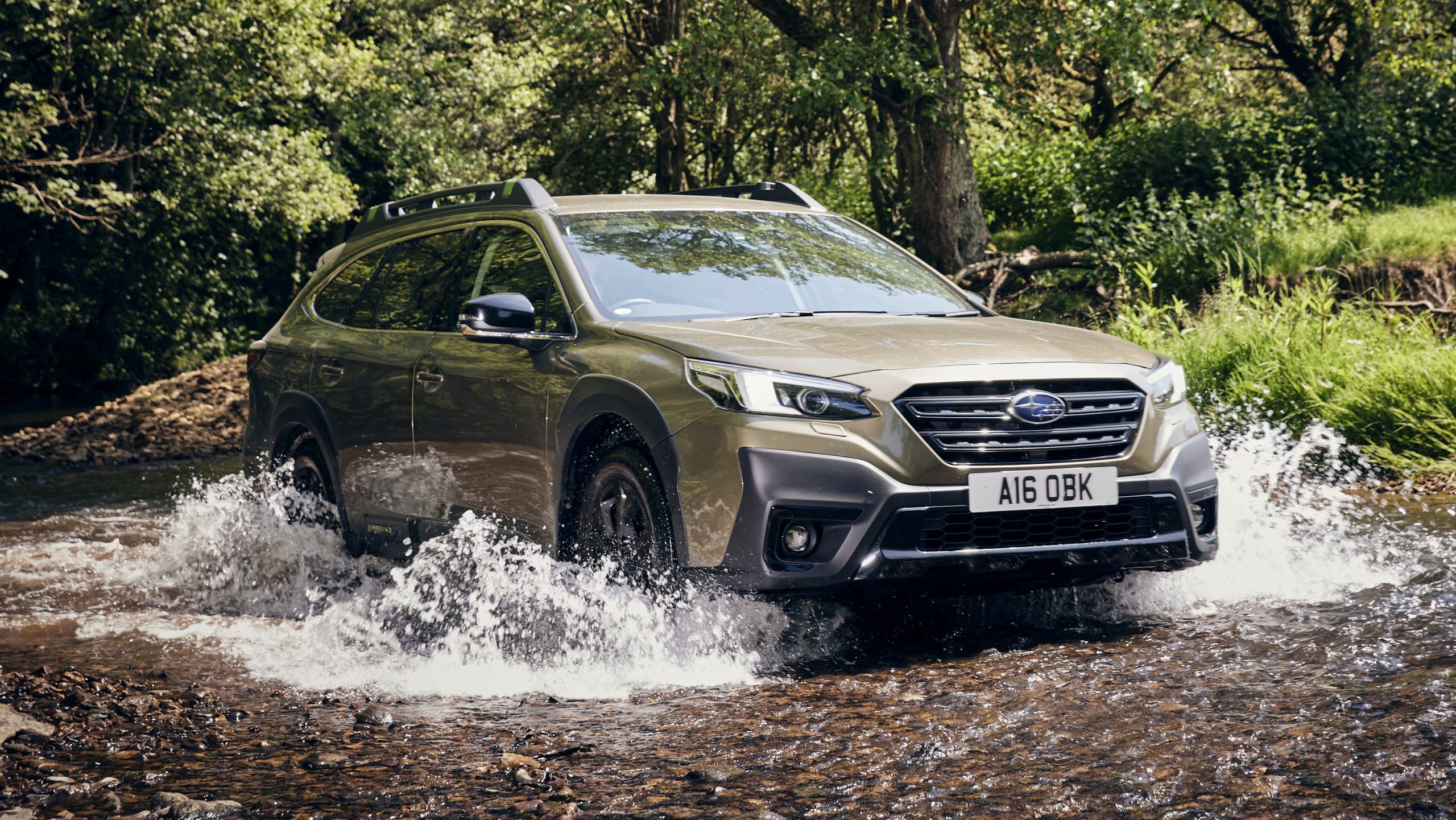
Discussing the Outback helps clarify how neglecting the exhaust system can tarnish the overall reputation for reliability that a brand may otherwise enjoy. It also highlights the importance of thinking holistically when evaluating a car’s expected cost of ownership.
4. Volkswagen Passat (Early to Mid-2000s)
The Volkswagen Passat, particularly those produced in the early to mid-2000s, is another vehicle that struggled with rust-prone stock exhausts.
Designed without the benefits of stainless steel, these systems were often the subject of warranty claims and out-of-pocket repairs in affected regions.
The Passat stands out in this discussion due to the contrast between its refined European image and the frustration caused by frequent exhaust failures.
For owners, irritation grew as components rusted through prematurely, sometimes exacerbated by complex underbody layouts that made repairs more labor-intensive and costly.
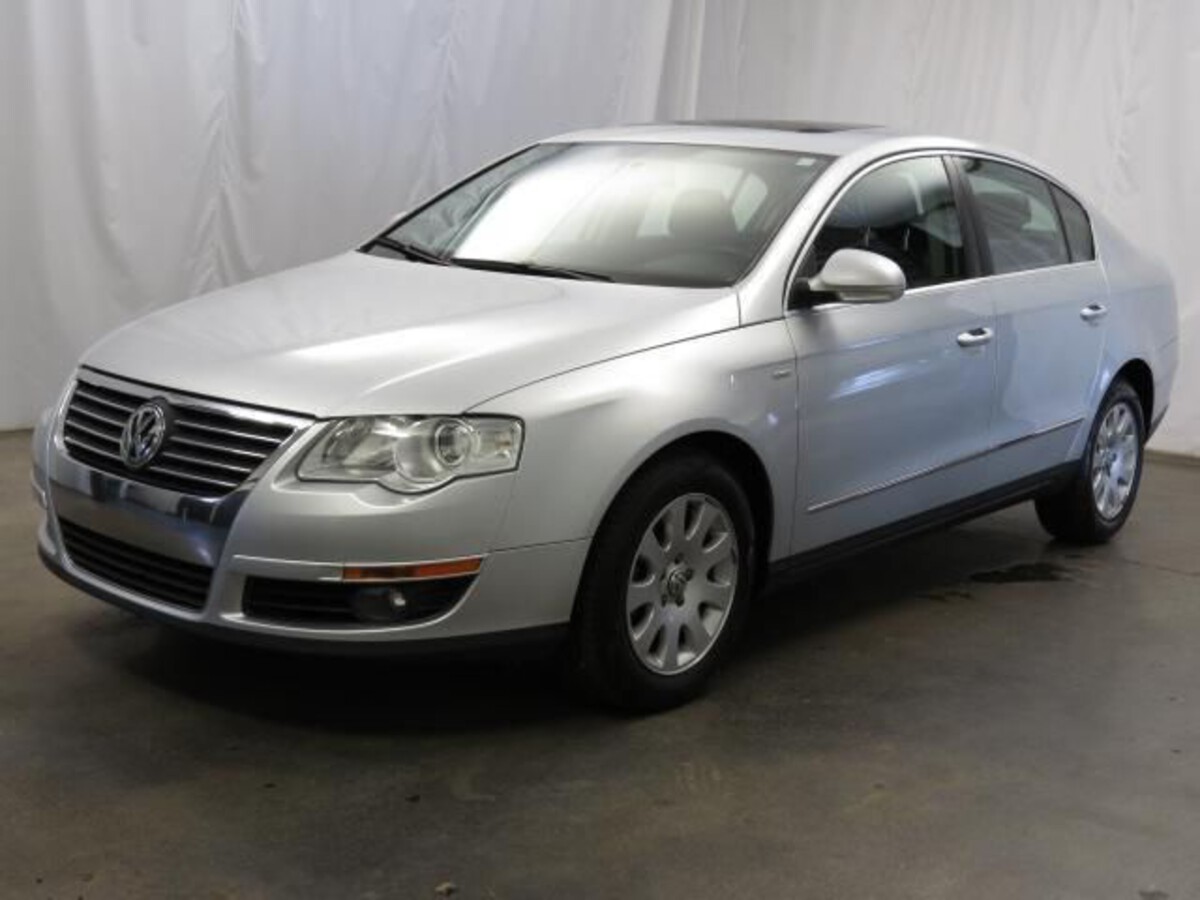
Chronicling the Passat’s issues with rust-prone exhausts provides important context for those considering used models or evaluating the brand’s construction choices during this period.
It demonstrates how even cars with a premium brand association can be let down by overlooked components, ultimately impacting their desirability and satisfaction levels.
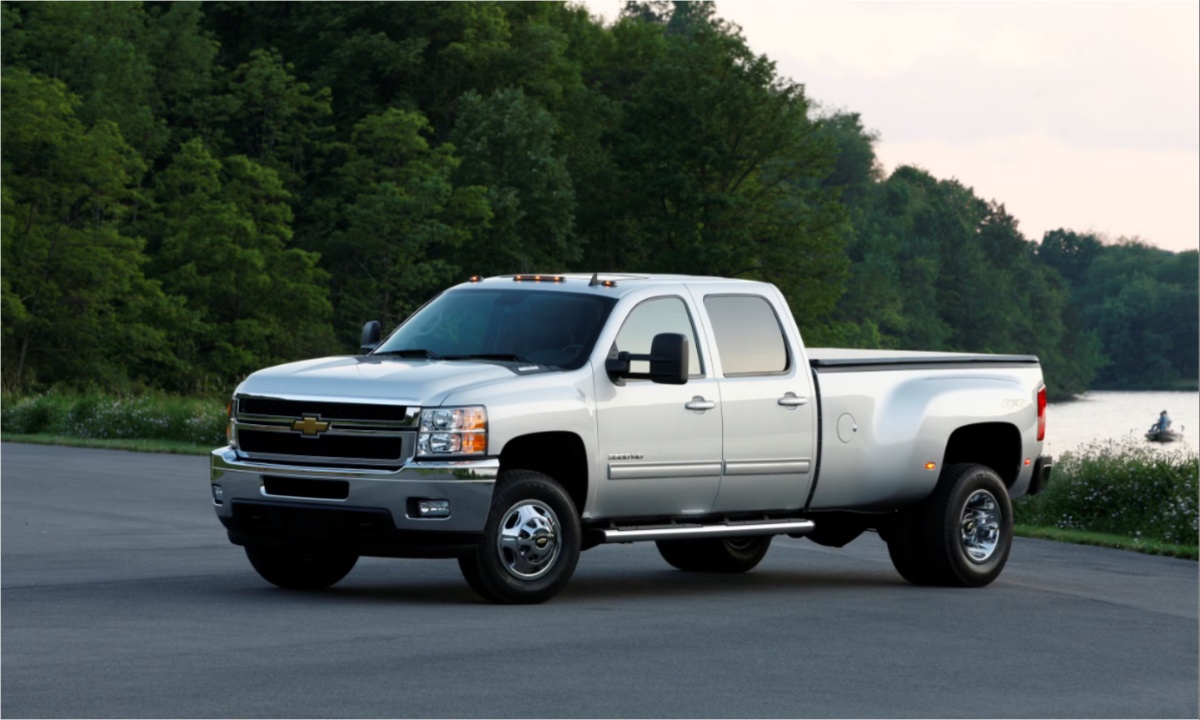
5. Chevrolet Silverado (Early 2000s)
Full-sized pickups like the Chevrolet Silverado are designed to be workhorses, yet early 2000s models often fell short in exhaust system durability.
Stock pipes and mufflers made from mild steel began rusting astonishingly quickly for vehicles expected to handle tough jobs and variable climates.
Including the Silverado here is meant to highlight how cost-cutting moves can undermine a vehicle’s core promise of resilience.
Owners reported issues ranging from unsightly undercarriages to the outright failure of exhaust supports and mufflers, sometimes within only a few winters.
This reality forced many to pay out-of-pocket for aftermarket solutions utilizing stainless steel, which should have been present from the start.
Writing about the Silverado in this light helps potential buyers understand that brand reputation or vehicle type does not guarantee robust material choices.
Learning from the frequent issues reported by Silverado owners can encourage greater demand for quality and reliability in what are marketed as dependable, rugged vehicles.
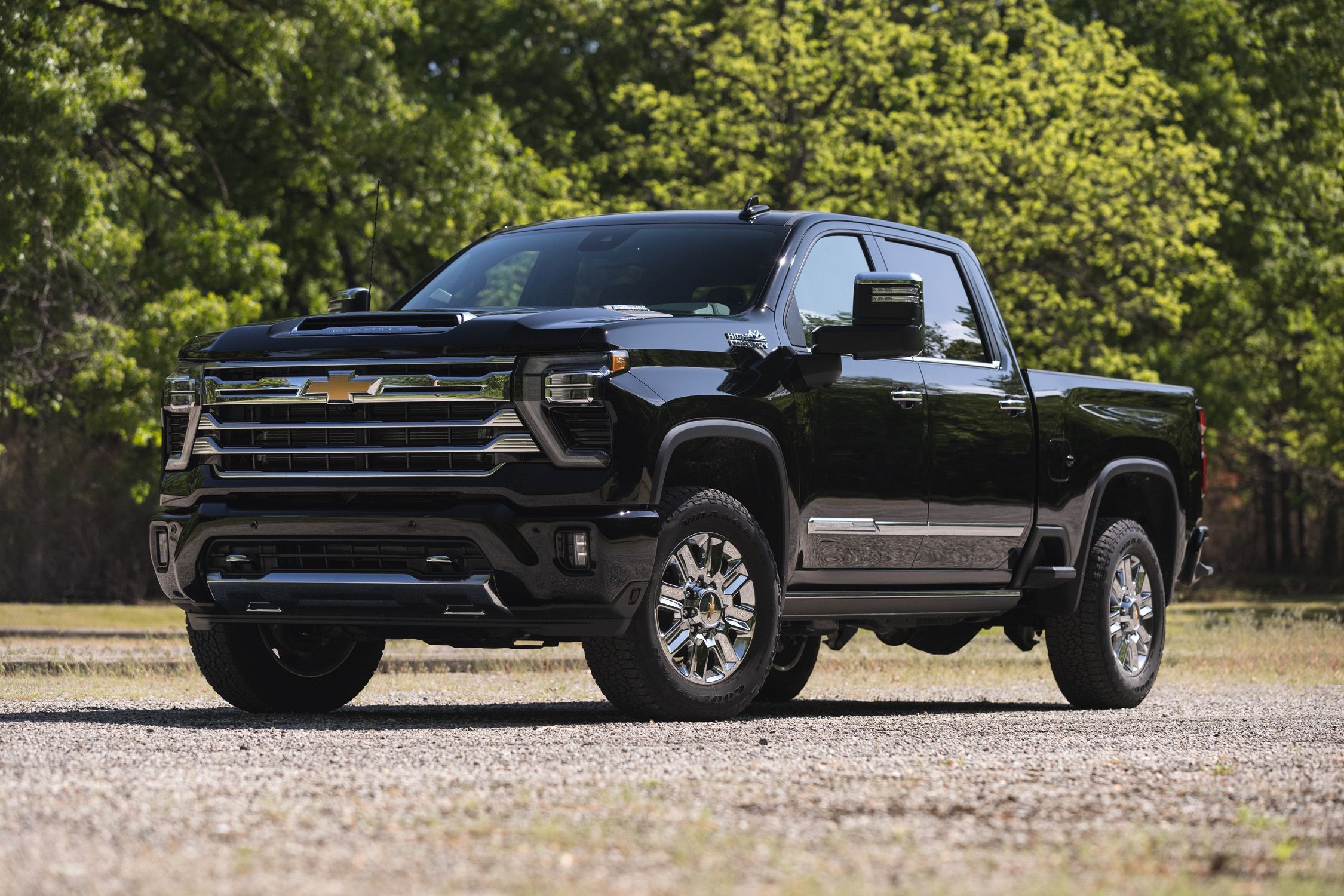
This work covers both the advantages of stainless-steel exhaust systems and the practical drawbacks of rust-prone alternatives, offering in-depth analysis to guide consumer understanding and future vehicle choices.
The discussion contrasts two main categories of vehicle exhaust systems: those made from stainless steel and those constructed from standard, rust-prone stock materials. This comparison reveals how material choices directly affect durability, maintenance, performance, and overall ownership satisfaction.
Stainless-steel exhaust systems have gained favor for their enhanced resistance to corrosion, longevity, and aesthetic appeal.
Vehicles equipped with these systems experience fewer issues with rust and degradation, which translates into lower repair costs and preserved vehicle performance over time. Key examples include the Chevrolet Corvette (C7 and C8), Ford Mustang GT, Honda Accord, Toyota Camry, and BMW 3 Series.
Each of these models demonstrates different facets of the benefits stainless steel delivers. The Corvette uses this material to maintain structural integrity under intense thermal and environmental stresses, ensuring consistent performance and the signature exhaust sound.
The Ford Mustang GT benefits from corrosion resistance and lighter construction, boosting durability and even contributing slightly to efficiency.
Honda Accord and Toyota Camry incorporate stainless steel to reinforce their reputations for reliability and low maintenance costs, ensuring fewer repairs related to exhaust rust in diverse weather conditions.
Lastly, the BMW 3 Series exemplifies how premium automakers engineer exhaust systems that endure typical wear while preserving the vehicle’s precise acoustic character, all while meeting the expectations of a premium-quality vehicle.
On the other hand, a variety of vehicles remain plagued by exhaust systems made of mild steel or similar materials that rust prematurely.
This type of exhaust often fails within a few years due to exposure to moisture, road salt, and temperature fluctuations, leading to leaks, increased cabin noise, failed emissions tests, and costly replacements.
Vehicles notably affected include early 2000s models of the Nissan Altima, Jeep Wrangler, Subaru Outback, Volkswagen Passat, and Chevrolet Silverado.
The Nissan Altima’s stock exhaust frequently succumbs to rust, particularly in climates that utilize road salt, resulting in muffler and pipe deterioration.
The Jeep Wrangler, while rugged off-road, suffers from rust-related exhaust replacements due to its mild steel construction, offsetting its otherwise robust nature. The Subaru Outback, praised for reliability, struggles with premature exhaust corrosion causing leaks and inspection failures.
The Volkswagen Passat, despite its premium brand image, faces owner frustration with frequent rust-related exhaust issues and repair complexity.
The Chevrolet Silverado, a full-sized pickup designed for tough conditions, also has a reputation for early rust on its stock exhaust, which undermines its durability claims and often leads owners to seek aftermarket stainless-steel solutions.
This comparison highlights the importance of material selection in exhaust design, as it directly influences vehicle longevity and owner satisfaction.
Stainless-steel exhausts provide a valuable investment in durability and reduced maintenance, benefiting both performance-oriented and everyday vehicles.
Conversely, rust-prone mild steel exhausts may save costs initially but often result in inconvenience, added expenses, and deteriorated driving experience down the line.
Understanding these differences equips buyers with clearer expectations and helps them prioritize durability issues when choosing vehicles, especially those subjected to harsh driving environments.
The analysis encourages greater demand for higher quality exhaust systems and promotes awareness of potential hidden costs associated with rusting stock systems.
Overall, this examination underscores how a seemingly small design decision plays a significant role in the vehicle’s long-term value and reliability.
Also Read: 5 Trucks with Dual Fuel Tanks vs 5 with Single Weak Tanks
