
The interior of a car plays a critical role in the overall driving experience, combining comfort, aesthetics, and durability. However, prolonged exposure to sunlight can cause significant damage, impacting the look and longevity of the materials used.
Some interiors age gracefully under the sun, maintaining their color, texture, and comfort for years. Others are more vulnerable, suffering from fading colors and cracking surfaces that can diminish both the vehicle’s value and the satisfaction of ownership.
Sunlight, particularly ultraviolet (UV) radiation, interacts differently with various materials and finishes inside a car. Understanding which types of interiors withstand sunlight without significant deterioration is valuable for car owners, buyers, and manufacturers.
It helps make informed decisions about material choices and protective measures, ultimately enhancing a car’s lifespan and keeping its interior attractive.
This article focuses on two contrasting groups of car interiors: those that stand firmly against fading and those prone to cracking when exposed to sunlight.
By examining five examples from each category, the reasons behind their durability or lack thereof will be clear. This will guide readers in selecting interiors that align with their preferences for longevity and appearance in sunny conditions.
Also Read: 5 Cars with Lifetime Hatch Hinges vs 5 with Sagging Tailgates
5 Car Interiors That Don’t Fade
When considering the effects of sunlight exposure on car interiors, material selection stands out as one of the most significant factors influencing durability.
Some types of interiors have proven their ability to resist the damaging effects of UV rays, maintaining their original vibrancy and texture over time. Owners who drive in sunny climates or park their vehicles outdoors regularly find these materials especially advantageous.
Their resistance to fading means the vehicle’s interior remains visually appealing and comfortable long after its purchase.
This section presents five types of car interiors that do not fade easily under sunlight exposure.
These types are often carefully engineered or treated to provide UV resistance and color retention. Understanding their composition and the reason behind their durability explains why car manufacturers and consumers opt for these options.
Additionally, knowing about these interiors can assist in making smarter maintenance decisions, saving money on refurbishments and replacements in the long run.
Highlighting these five interiors aims to provide a clear perspective on which materials offer lasting color preservation.
It also helps identify practical benefits related to ownership experience, aesthetic satisfaction, and resale value when choosing interiors designed to endure sunny conditions.
1. High-Quality Leather with UV Protective Coating
Leather interiors are often synonymous with luxury and comfort, but not all leathers behave the same when exposed to sun. High-quality leather treated with UV protective coatings safeguards the interior from harmful rays that cause color fading.
This treatment forms a barrier that reflects a significant portion of UV light, preventing damage to the natural oils in the leather that keep it supple and vibrant.
Manufacturers typically apply special finishes during the tanning process or as an added treatment afterward to improve resistance.
These finishes also reduce the risk of drying out and discoloration, common problems in untreated leather. Car owners benefit from a leather surface that remains soft and visually appealing even after years of exposure to sunlight.
The reason for writing about this type lies in the widespread preference for leather interiors, especially in luxury cars, and the common misconception that leather always fades quickly. High-quality treated leather shows how innovation in material treatment can greatly enhance durability.
This type of interior supports a vehicle’s value retention and contributes to a premium experience, making it well worth the investment for those who want both aesthetics and resilience.
2. Synthetic Leather (Leatherette) with UV Stabilizers
Synthetic leather, known as leatherette, is a popular alternative to natural leather and offers notable advantages in terms of resistance to fading.
Unlike traditional leather, synthetic leather is made from plastic-based materials such as polyurethane or polyvinyl chloride. These materials are often engineered with UV stabilizers, compounds that provide enhanced protection against sunlight damage.
The UV stabilizers help to maintain the color and integrity of vinyl or polyurethane surfaces by absorbing or filtering ultraviolet rays. This reduces the breakdown of polymers responsible for cracking and discoloration.
Moreover, synthetic leather is less porous than natural leather, meaning it absorbs less heat and dries faster, which further reduces stress from sunlight exposure.
Highlighting synthetic leather in this discussion is important because it illustrates how technology and material science advancements create alternatives that combine style and durability. It is a common choice in modern car interiors because it balances aesthetics with ease of maintenance and enhanced resilience.
For consumers wary of leather’s upkeep or those seeking vegan-friendly options, synthetic leather with UV protection offers a practical and long-lasting interior solution.
3. Alcantara with Sun-Resistant Treatment
Alcantara, a synthetic suede-like material popular in sporty and luxury cars, is well-regarded for its unique combination of softness, grip, and durability.
What makes Alcantara notable for sun resistance is its ability to be treated with protective coatings that shield its fibers from UV damage. These specialized treatments prevent fading while maintaining the fabric’s breathability and texture.
Unlike natural suede or fabric upholstery, untreated Alcantara would likely fade or weaken under intense sun exposure, but treated versions offer remarkable stability in color and strength.
The material’s synthetic construction inherently provides better resistance to sunlight compared to natural fibers, while the sun-resistant finishing reinforces this advantage.
This interior material offers a niche yet growing option for those who want a plush, stylish alternative without sacrificing durability.
Writing about Alcantara highlights a middle ground between leather and textile that performs well under sunlight. It points to how surface treatments can extend the lifespan of delicate-looking materials, ensuring owners enjoy both luxury feel and long-term practicality.
4. Dark-Tinted Fabrics with UV-Resistant Dyes
Fabrics used in car interiors often come under scrutiny when exposed to sunlight, as colors can fade rapidly.
However, some dark-tinted fabrics dyed with UV-resistant dyes prove to be surprisingly durable. These specially designed dyes contain compounds that help retain the richness of color by resisting ultraviolet radiation’s effect on fabric fibers.
Dark colors absorb sunlight, and without proper treatment, they tend to suffer color loss or dulling faster than lighter shades.
UV-resistant dyes, combined with high-quality woven fabrics, create a protective environment that slows down degradation. This allows the interior to look fresh and intact for a longer duration.
This topic is relevant because fabric upholstery remains a preferred choice for many car models, especially those emphasizing comfort and breathability.
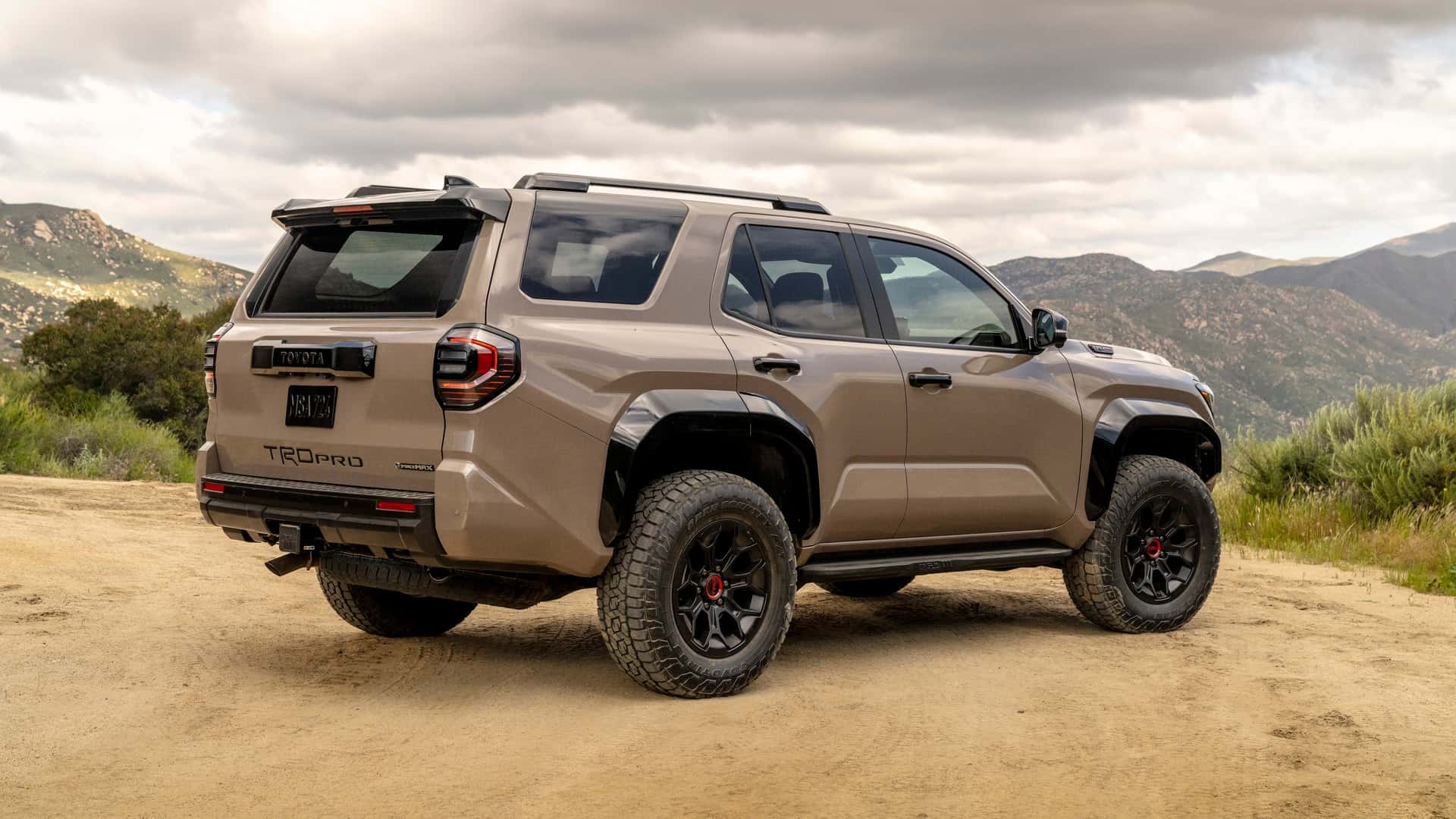
Discussing dark-tinted fabrics with UV-resistant dyes informs readers that not all fabric interiors are prone to fading and that smart dye technologies contribute significantly to interior longevity. Recognizing these details can impact decision-making during vehicle customization and purchasing.
5. Vinyl with UV-Blocking Additives
Vinyl has been a common material for car interiors, especially in areas like dashboards, door trims, and seats. Modern vinyl used in cars frequently includes UV-blocking additives, which significantly reduce the risk of fading from sunlight.
These additives work by absorbing and dissipating harmful UV radiation before it can penetrate or degrade the vinyl surface.
Vinyl’s non-porous nature also limits the penetration of heat and moisture, making it less likely to suffer from discoloration or brittleness. When combined with UV-blocking additives, this material becomes resilient against both fading and cracking under prolonged sun exposure.
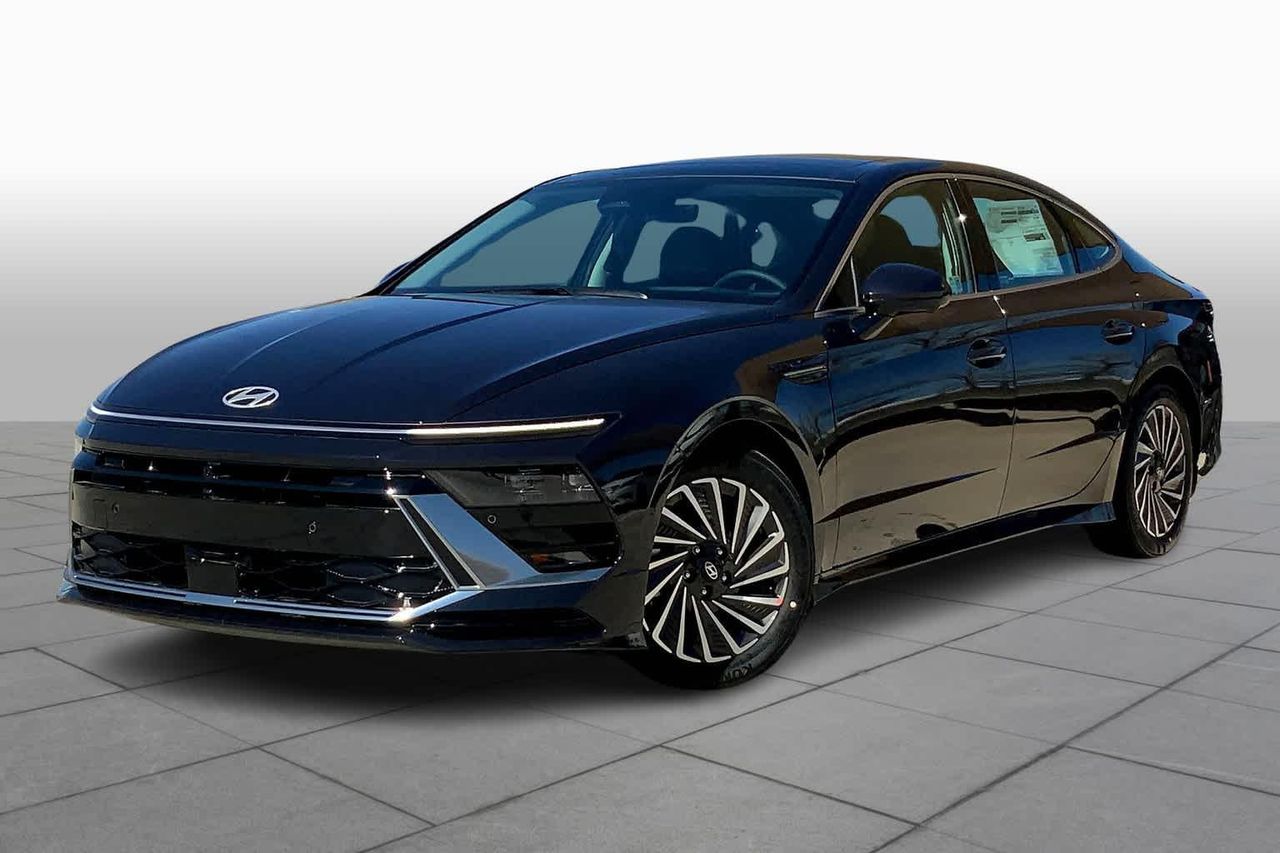
The reason for covering vinyl with UV-blocking additives is to spotlight an older material that has evolved with technology to meet today’s durability standards. Many drivers experience fading dashboards and door panels, yet modern treated vinyl challenges this reputation.
Understanding this helps consumers appreciate the advances made in conventional materials while making informed choices about which interiors will hold up better under sunny conditions.
5 Car Interiors That Crack in Sunlight
Sunlight exposure poses another serious challenge to car interiors beyond fading: cracking. When materials inside a vehicle are subjected to continuous ultraviolet radiation combined with heat, they can lose flexibility and develop fractures over time.
Cracked surfaces not only damage the aesthetic appeal of a car’s interior but also create discomfort during use and reduce overall value. Unlike fading, which primarily affects color, cracking is a physical deterioration that often requires costly repairs or full replacement.
This section focuses on five types of car interior materials that tend to crack under prolonged exposure to sunlight. These materials typically lack adequate UV protection or have inherent structural weaknesses that make them vulnerable.
Understanding why these interiors crack helps car owners recognize the risks and take preventive measures, such as shading, conditioning, or choosing alternative materials.
Highlighting these problematic interiors emphasizes the importance of durability in addition to appearance. It also provides insight for prospective buyers who want to avoid common pitfalls associated with sun damage.
By clearly identifying interiors prone to cracking, this guide supports smarter decision-making that can extend the lifespan and comfort of a vehicle’s inside environment.
1. Untreated Natural Leather
Natural leather that does not have any UV protective treatment is highly susceptible to cracking when continuously exposed to sunlight.
The absence of a protective barrier allows ultraviolet rays to break down the natural oils within the leather, drying it out. As the leather loses moisture, it becomes stiff and brittle, eventually developing cracks and peeling.
This deterioration starts as fine lines but progressively worsens into obvious fissures. Dry, cracked leather significantly reduces the visual appeal and comfort of car interiors. Furthermore, damaged leather can no longer provide the softness and flexibility that make it enjoyable to sit on or touch, leading to a diminished ownership experience.
Discussing untreated natural leather is important because despite its popularity, many car owners mistakenly assume all leather is equally durable. Without adequate care or protective treatment, natural leather demands special attention and maintenance to retain its properties.
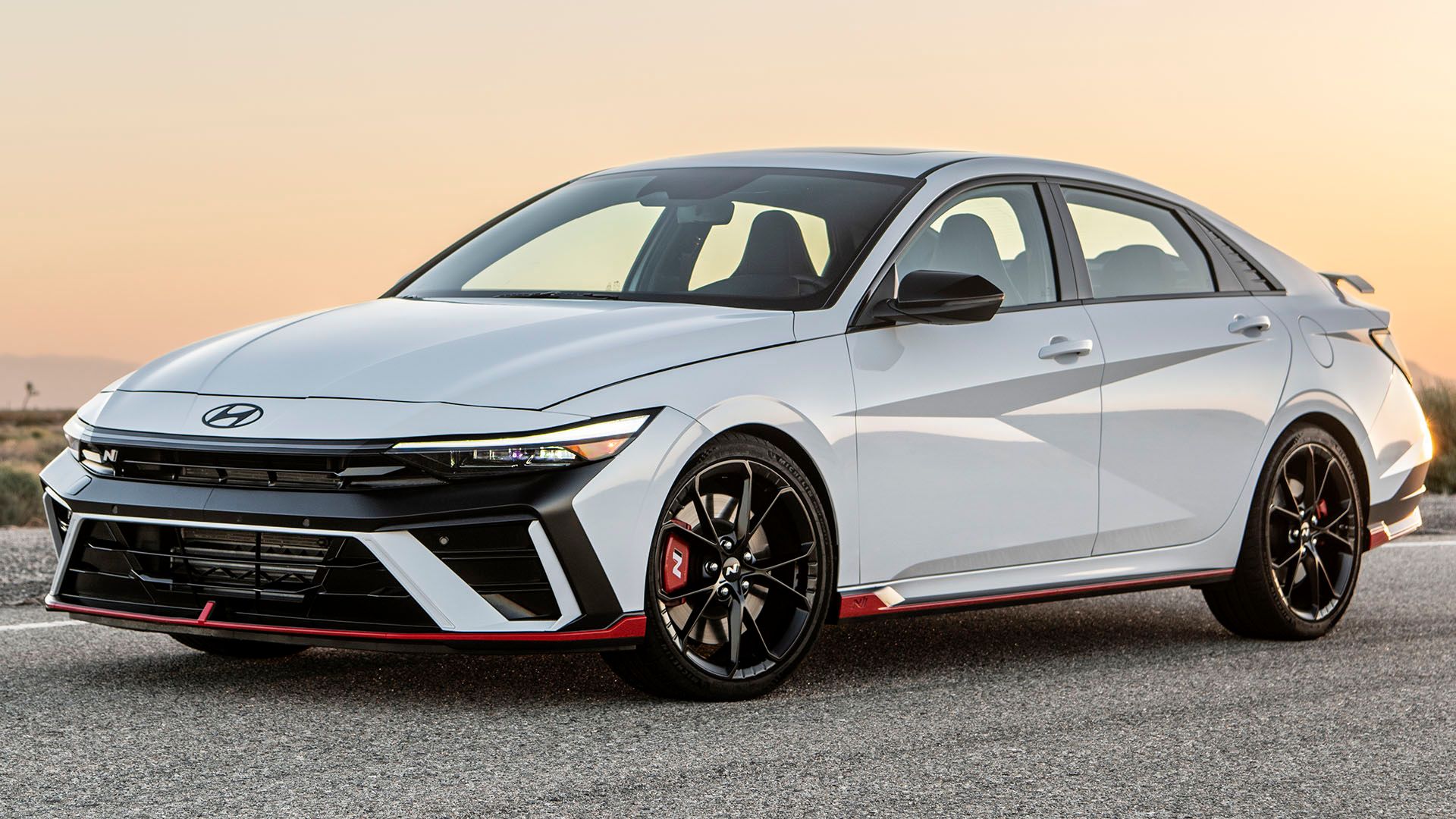
Writing about this illustrates the risks associated with accepting untreated surfaces and underscores the need for either protective coatings or regular conditioning routines.
Ultimately, untreated leather cracking highlights how natural materials require additional effort or advancement in treatment technology to withstand sun exposure, cautioning users to consider their climate and upkeep capabilities before selecting this option.
2. Poor-Quality Vinyl
Vinyl interiors made from lower-quality materials tend to crack quite easily under the influence of sunlight. Unlike premium vinyl enhanced with UV-blockers, cheap vinyl often lacks sufficient additives to safeguard against ultraviolet damage.
Over time, this leads to the polymer chains breaking down, causing the material to harden and fracture.
The problem is especially visible on dashboards, door panels, and seat surfaces that receive direct sun exposure. Once cracks appear, they can spread rapidly, leaving the interior looking worn and unkempt.
In addition to poor appearance, cracked vinyl may allow moisture and dirt to penetrate, resulting in further degradation and unpleasant odors.
Highlighting poor-quality vinyl serves as a warning to consumers about the risks of skimping on materials for cost-saving reasons. Though vinyl is favored for its easy cleaning and affordability, not all vinyl products perform equally under harsh sunlight conditions.
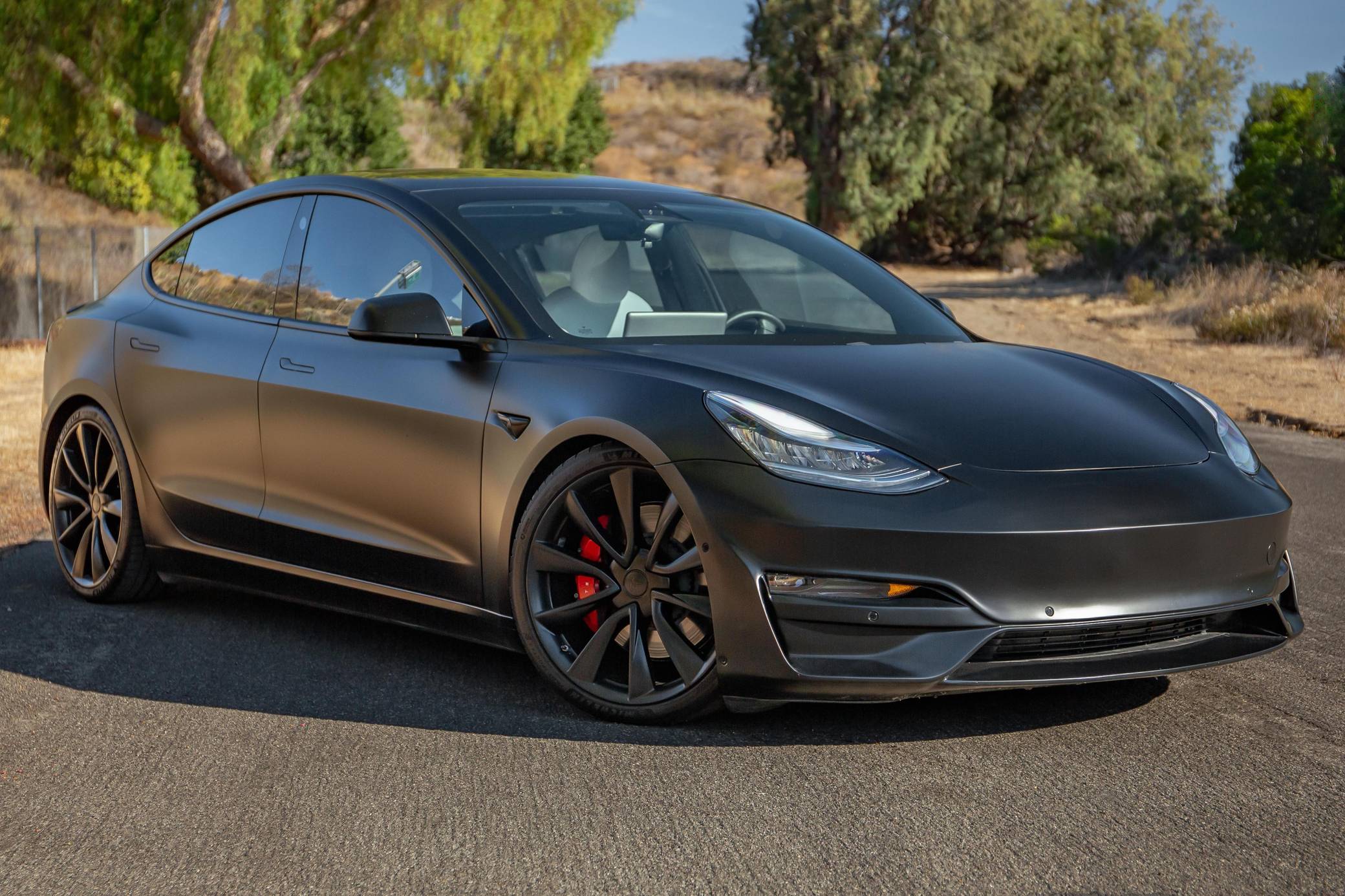
Understanding the weakness of inferior vinyl helps buyers choose better options or invest in preventive treatments like conditioners and protectants.
By focusing on this type of interior, readers gain awareness of how material quality directly determines longevity, emphasizing that upgrades in material standards translate into financially wiser and more comfortable ownership in the long run.
3. Untreated Fabric Upholstery
Fabric seats and panels without any sun-resistant treatment frequently suffer from surface cracking or fiber deterioration when subjected to direct sunlight for extended periods.
Although cracking might be less visually prominent than on leather or vinyl, heat and UV rays weaken the fabric’s structural fibers, causing brittleness and eventual splitting.
Untreated textile upholstery absorbs heat and sunlight deeply into its woven layers, accelerating wear and weakening of the threads, which compromises the fabric’s integrity.
This degradation often leads not only to cracks or tears but also to an uncomfortable seating experience as the cushioning beneath the fabric may become exposed and damaged.
This interior issue is noteworthy because fabric remains a widely used option, especially in vehicles where breathability and affordability are priorities. However, without proper UV protection, even durable-looking fabrics can become fragile and unattractive over time.
Writing about untreated fabric upholstery highlights an often-overlooked vulnerability due to its tactile softness and perceived comfort.
It encourages owners to consider products with UV-resistant treatments, sunshades, or regular protective care to prolong textile life and maintain a pleasant driving environment.
4. Plastic Components Without UV Protection
Plastic parts inside cars such as dashboards, air vent surrounds, and center consoles can become brittle and cracked when exposed to prolonged sunlight if they are not manufactured with UV resistance in mind.
Standard plastics degrade as UV radiation causes molecular breakdown, leading to color fading, surface chalking, and ultimately cracking.
This cracking not only spoils the visual cohesion of an interior but also affects how these components function. Cracked plastics can loosen or even break, requiring repairs or replacement that can be costly. The heat absorbed by dark-colored plastics can accelerate this damage.
This problem is significant because plastic forms a large portion of interior surfaces and controls. Without adequate UV additives or protective coatings applied during manufacture, these parts wear prematurely.
Bringing light to untreated plastic components helps car owners understand why certain interiors show more cracking problems and encourages investment in protective sprays, covers, or upgrades at purchase.
It also pushes manufacturers to prioritize UV stability in plastic formulations to enhance product longevity and customer satisfaction.
5. Low-Grade Synthetic Suede
Low-grade synthetic suede materials, often used as cost-effective alternatives to Alcantara or natural suede, are notoriously vulnerable to cracking and deterioration when exposed to intense sunlight.
Without specific protective treatments, the synthetic fibers become brittle, losing their softness and structural integrity.
Sunlight damages these fabrics by breaking down the polymers that bind the fibers together. This leads to the synthetic suede surface developing cracks or peeling away, which severely impacts the tactile feel and look of the interior.
Discussing low-grade synthetic suede is important because it reflects a common trade-off made in the automotive industry between cost and durability.
Vehicles outfitted with cheaper suede-like materials may initially appeal for their texture or appearance but can quickly reveal weaknesses under sunny conditions.
Confronting this issue informs prospective buyers and current owners about the long-term consequences of opting for bargain materials without UV protection.
It underscores the need for choosing higher-quality products or applying protective treatments to preserve both aesthetics and comfort in sun-prone environments.
Car interiors play a vital role in defining a vehicle’s comfort, aesthetic appeal, and longevity. However, exposure to sunlight can significantly affect the materials inside a vehicle, causing damage that impacts both appearance and durability.
Understanding which types of interiors withstand or succumb to sun damage is essential for car owners and buyers looking to preserve their vehicle’s value and comfort. The impact of sunlight primarily manifests in two damaging effects: fading and cracking.
Some materials maintain their vibrancy and flexibility under prolonged UV exposure, while others deteriorate, losing color or developing cracks. This discussion presents both categories to help inform better material choices and maintenance strategies.
Certain car interior materials are engineered or treated to preserve their color and texture despite continual sunlight exposure. These materials feature UV protection that either blocks or absorbs harmful ultraviolet rays, preventing the breakdown of pigments and fibers.
High-Quality Leather with UV Protective Coating: Natural leather, while luxurious, is vulnerable to fading if untreated. However, when treated with UV protective coatings during or after tanning, leather can retain its original vibrancy and softness for years.
These coatings act as barriers that reflect harmful UV radiation, preventing the drying and discoloration that untreated leather experiences. This treatment prolongs the leather’s lifespan and maintains the premium atmosphere inside the vehicle, justifying the often higher investment in treated leather interiors.
Synthetic Leather (Leatherette) with UV Stabilizers: Synthetic leather offers an effective alternative to natural leather with enhanced resistance to fading. Made from materials like polyurethane or vinyl, synthetic leather often incorporates UV stabilizers that absorb and filter UV rays.
Being less porous than natural leather, it absorbs less heat and dries quickly, which helps lessen stress from sun exposure. This material balances aesthetics, ease of maintenance, and durability and commonly appeals to those seeking vegan-friendly or budget-conscious options.
Alcantara with Sun-Resistant Treatment: Alcantara, a synthetic suede-like fabric prized for its plush feel and grip, is typically treated with coatings that protect its fibers from UV damage.
This treatment preserves both the material’s color and texture over time, making it suitable for sporty and luxury interiors where both appearance and performance matter. Treated Alcantara showcases how surface finishes on delicate materials can extend their resilience in sunny environments.
Dark-Tinted Fabrics with UV-Resistant Dyes: While fabrics are traditionally seen as prone to fading, dark fabrics dyed with UV-resistant dyes exhibit remarkable color retention. These dyes contain compounds that resist UV radiation’s effect on fibers, slowing color degeneration significantly.
Such treated fabrics are especially relevant for owners who prefer textile interiors for their breathability and comfort but want to avoid the rapid fading common with standard materials.
Vinyl with UV-Blocking Additives: Vinyl remains common in dashboards, door trims, and seat surfaces. When enhanced by UV-blocking additives, vinyl effectively prevents discoloration and embrittlement from sunlight.
These additives absorb and dissipate UV radiation before it damages the material, allowing modern vinyl surfaces to maintain color and flexibility. This upgrade in traditional materials helps improve longevity and overall vehicle interior aesthetics.
Contrasting with fading, cracking represents physical deterioration where materials lose flexibility, become brittle, and develop fractures caused by heat and prolonged UV radiation. This damage often necessitates costly repair or replacement.
Untreated Natural Leather: Leather without UV protective treatment suffers from drying out as UV rays degrade the natural oils that keep it soft. This moisture loss makes the leather brittle and prone to developing cracks and peeling surfaces.
Untreated leather’s deterioration lessens both tactile comfort and visual appeal, highlighting the importance of either treated leather or consistent conditioning for sun-exposed vehicles.
Poor-Quality Vinyl: Cheap or low-grade vinyl frequently lacks sufficient UV safeguards and thus cracks under sunlight. The polymer chains in inferior vinyl break down, causing hardening and fracturing on dashboards and other exposed surfaces.
This material’s fragility not only harms the appearance but also allows dirt and moisture to penetrate, accelerating further degradation and unpleasant odors. This reality serves as a warning against cost-cutting on interior materials without emphasizing UV protection.
Untreated Fabric Upholstery: Fabrics lacking any UV-resistant treatment slowly weaken under sun exposure. Although cracking may be less immediately visible, the fabric fibers become brittle and prone to tearing.
This affects both the durability and comfort of the seating, as underlying padding can also be damaged over time. Untreated fabric upholstery demonstrates that even textile interiors need protective solutions to sustain longevity in sunny climates.
Plastic Components Without UV Protection: Interior plastic parts such as dashboards, vents, and center consoles without UV additives degrade and crack from molecular damage caused by UV rays.
This cracking impacts both look and function since brittle plastics might break or become loose, requiring repair. Plastic forms a significant portion of interiors, so this type of damage can greatly impact the overall vehicle condition.
Low-Grade Synthetic Suede: Synthetic suede of inferior quality breaks down rapidly in sunlight. The polymers binding the fibers lose integrity, resulting in cracks and peeling surfaces.
Though superficially similar to higher-quality materials like Alcantara, low-grade synthetic suede lacks UV stabilizers, creating a sharp contrast in durability. This difference marks the cost versus quality trade-offs faced in automotive material selection.
Overall, the choice of car interior materials dramatically affects how well a vehicle resists sun damage. Selecting interiors with built-in UV protection and investing in treatments or care routines will help maintain a car’s value and comfort for the long term.
Being aware of which materials fade or crack under sunlight empowers owners and buyers to make informed and durable choices.
Also Read: 5 Vehicles with Lifetime Sunroof Seals vs 5 that Leak Rainwater
