
When it comes to heavy-duty vehicles that work long hours or cover wide distances, fuel capacity is one of the first things buyers look at. Trucks, whether for personal, commercial, or fleet purposes, need fuel efficiency, steady performance, and a setup that fits the driver’s needs.
Some trucks come with just one fuel tank, while others are designed to carry two. This difference might sound small, but it plays a major role in how often you stop to refuel, how long you can go on the road, and how smoothly your vehicle runs under pressure.
Vehicles with dual fuel tanks offer more mileage because they carry extra fuel. They allow drivers to spend more time moving and less time stopping at stations. They are especially useful for long-distance driving, cross-country hauling, or off-road trips where fuel stations are few.
Single fuel tanks are usually found in trucks meant for shorter trips or light-duty tasks. Even though these trucks may not have large fuel storage, they often come at a lower price, and their lighter weight sometimes helps with fuel use.
Choosing between a dual-tank truck and one with a single tank depends on how often you drive, how far you go, and the kind of load you carry. Drivers who often take long trips with heavy cargo may prefer the extra support dual tanks provide. For someone whose daily route covers less distance or focuses more on city driving, a truck with one tank may serve just fine.
In this article, you will see a side-by-side breakdown of five strong trucks that use dual fuel tanks and five that come with single tanks that do not measure up when it comes to fuel capacity or long-range support.
Each truck will be discussed based on its fuel system design, how it works under pressure, the comfort level it provides, and how it fits into different types of use. By the end, you will have a clear idea of which setup might suit your driving needs better, whether you care more about longer trips or lower upfront cost.
Trucks with Dual Fuel Tanks
1. Ford F-250 Super Duty
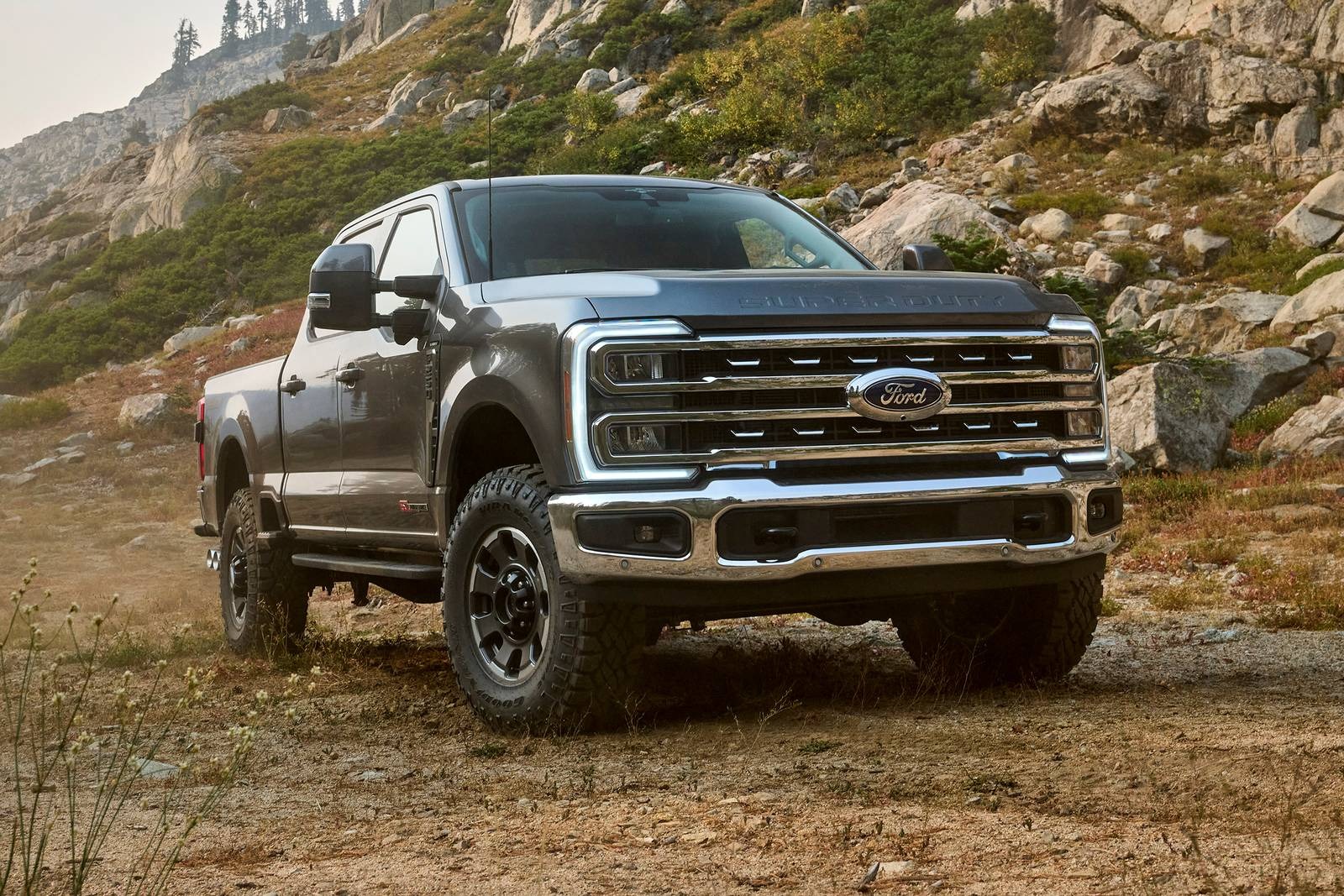
Ford’s F-250 Super Duty has built a reputation for being a truck that can handle tough assignments without flinching. One strong feature this model brings to the table is its optional dual fuel tank system.
With one tank sitting under the cab and another under the bed, the total fuel capacity moves well above what regular single-tank trucks can manage. This setup allows the F-250 to carry up to 48 gallons of fuel, depending on the trim and configuration.
For those who move goods across long distances or do serious towing, this feature gives peace of mind. You do not have to worry about stopping every few hours to look for a gas station.
This truck runs longer, and you can plan your refueling stops more freely. Also, with the dual tank system managed by an automatic valve switch, drivers do not need to do any extra work to switch from one tank to the other.
Apart from the larger fuel capacity, this truck also performs with stability on highways, hilly areas, or when moving through tough terrain. The engine options available also make sure power is never lacking. When paired with the Power Stroke diesel engine, the fuel economy improves, and the dual tank setup stretches the distance even more.
Another area where the F-250 scores high is cabin comfort. The Super Duty models now come with better interiors that reduce driving fatigue. Whether you drive across states or spend the whole day hauling tools, the comfort level stays top-class.
If you are the type who handles contracts that cover rural roads, energy fields, or inter-city haulage, the Ford F-250 with dual tanks becomes an ideal match. You get extra fuel, strong torque, and the ability to focus more on your job without worrying about range or downtime caused by frequent stops.
2. Chevrolet Silverado 3500HD
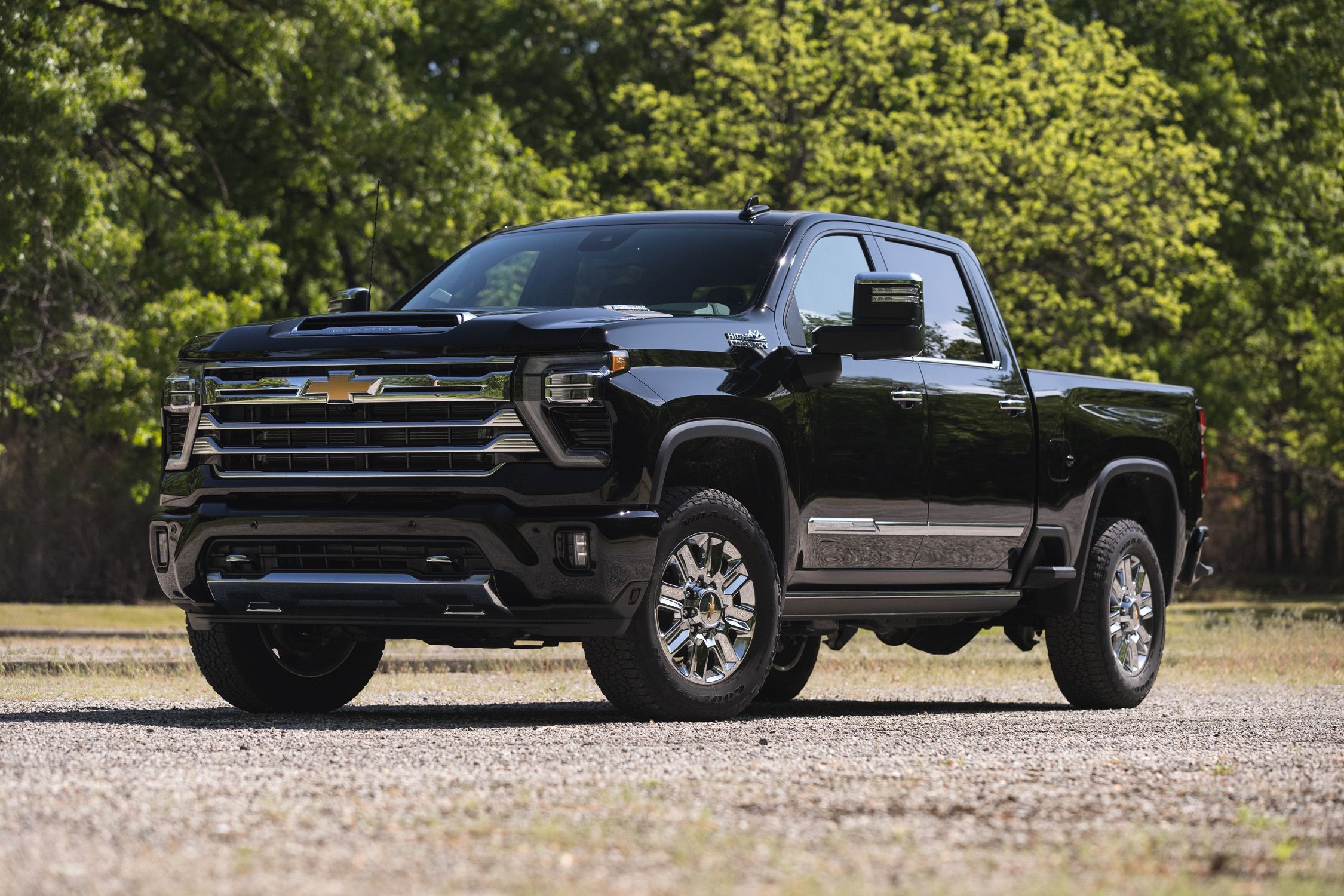
Chevrolet’s Silverado 3500HD is built for drivers who take heavy work seriously. This truck stands out by offering dual fuel tanks as an option, which increases how far you can go between refuels. With two tanks in place, the combined capacity reaches over 50 gallons, which gives it a major edge when doing long-distance travel or pulling heavy loads.
Many people who use this truck for construction jobs, farming, or long-haul delivery see how helpful it is to go longer without stopping. The fuel tanks are managed by the onboard system, and switching between tanks is smooth. You don’t even notice it while driving. This helps keep your focus on the road, especially when you’re moving through less populated areas.
Another strength of the Silverado 3500HD is how balanced it feels, even when carrying maximum payload. The dual fuel tanks do not affect its balance or weight distribution too much. Chevrolet designed the underbody to handle this feature without lowering driving quality.
Inside the truck, comfort is treated as a priority. The seats support your back well, even after several hours on the road. The infotainment system is user-friendly, and connectivity options are strong enough for those who need to keep up with logistics or customers while on the move.
Fuel economy may not be the strongest suit of the Silverado 3500HD, but the added capacity helps make up for that. It gives you more planning freedom, especially in areas where stations are far from each other. Whether you’re pulling a trailer across states or supporting a team on a remote work site, this truck’s dual tank system can keep up without trouble.
Choosing this model means getting a solid balance between power, range, and comfort. It handles long workdays well and has been tested across different environments.
Also Read: 5 Cars With Lifetime Engine Seals vs 5 That Leak Oil by 100,000 Miles

3. RAM 3500 Heavy Duty
Among the top performers in the heavy-duty truck segment, the RAM 3500 Heavy Duty shines with its strength and fuel efficiency. One of the features that makes it stand out is its dual fuel tank setup. The system is built to serve those who cover wide distances or handle serious work that keeps them on the road for long hours.
RAM offers the dual tank feature in selected configurations, allowing drivers to hold nearly 52 gallons of fuel at once. This helps drivers stay on task without worrying about refueling so often. It is especially useful for those who drive through the mountains, deserts, or other off-grid areas.
This truck also delivers strong performance when towing large trailers. Whether you are moving construction machines, farming gear, or a camper for cross-country travel, the dual fuel tank system keeps the truck steady and ensures you do not run out of fuel too quickly.
Inside the RAM 3500, drivers enjoy top-level comfort. The interior design comes with enough space, soft-touch materials, and practical controls. This truck was made for both work and relaxation. The suspension setup also helps reduce shocks from bumpy roads, which makes long drives easier on your body.
Even though the engine choices vary across trims, the Cummins diesel engine remains the most fuel-friendly. Pairing that engine with dual tanks gives you the freedom to stretch your journey without pause.
If your daily driving needs take you far or your business demands frequent road trips with heavy loads, this truck gives you the right tools. You will not have to stop just because your fuel is low. You can focus more on meeting your work goals or reaching your destination on time.
4. GMC Sierra 3500HD
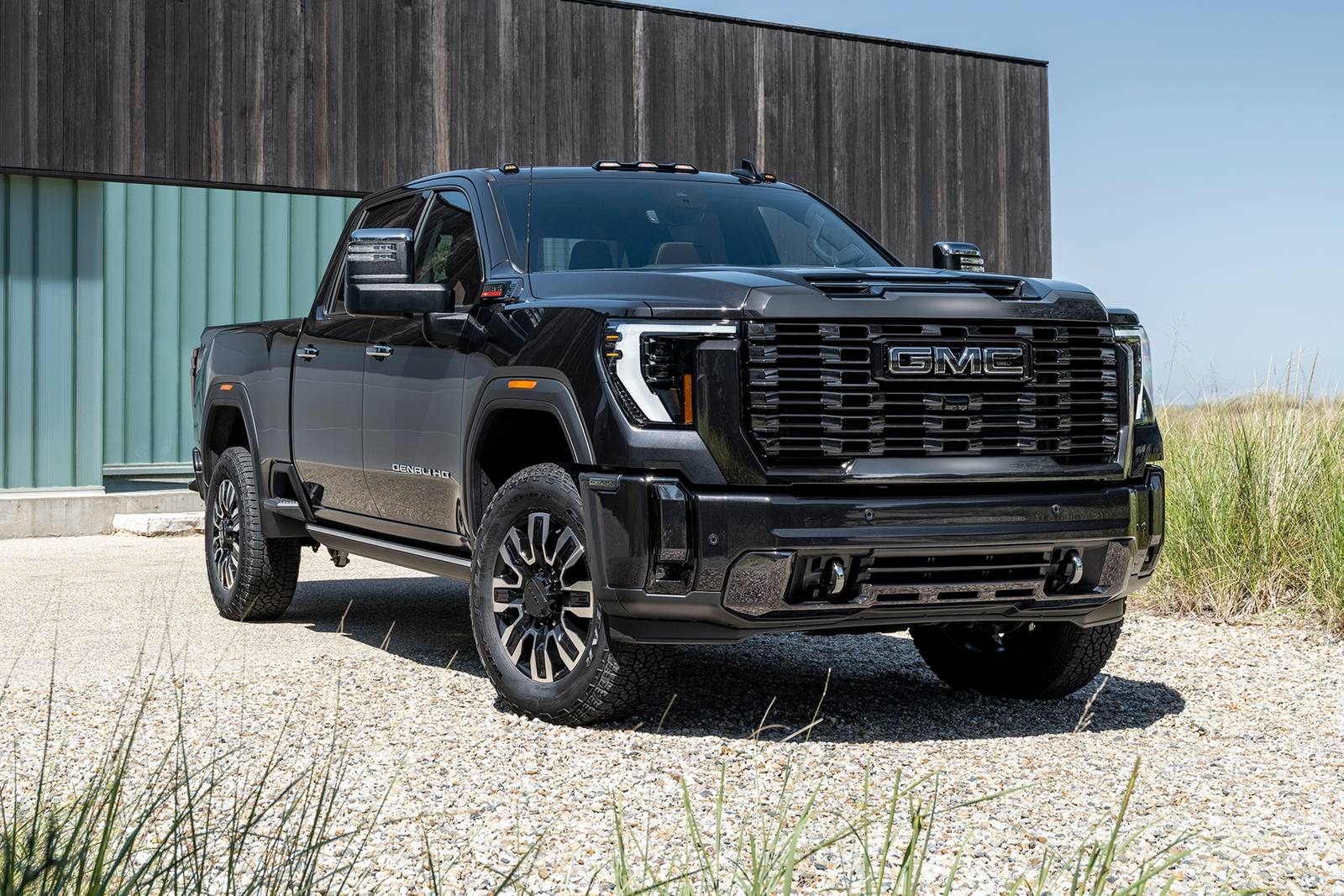
GMC Sierra 3500HD earns its place in this list because of the strong support it gives through its available dual-fuel tank setup. Built with the working man and woman in mind, this truck delivers a mix of power and long-range ability, thanks to the twin tanks that hold enough fuel for extended use.
This setup becomes a lifesaver when the route ahead includes remote paths or when the work schedule allows no time for multiple fuel stops. With both tanks full, some configurations of the Sierra 3500HD can carry nearly 55 gallons, placing it among the trucks with the highest fuel holding capacity.
Performance-wise, this truck shows consistency even under heavy loads. It maintains speed and stability while towing, and the engine never seems to run out of breath. The truck’s software handles tank switching without any need for manual control, so the transition remains smooth and hidden from the driver.
Its ride quality has also improved in recent models. The cabin is quiet, and the seats are shaped to support your back and shoulders over long stretches. People who spend hours inside a truck will find this one easier to drive than many others.
Also, when compared to single-tank trucks, the Sierra 3500HD reduces the number of work breaks needed just to refuel. This makes it a strong option for those who operate time-sensitive services like emergency repair, long-distance delivery, or power plant support.
If your job or travel plan demands power, fuel depth, and fewer stops along the road, this GMC truck is designed to help you work smarter. You can trust it to last through long days and cover serious ground without trouble.
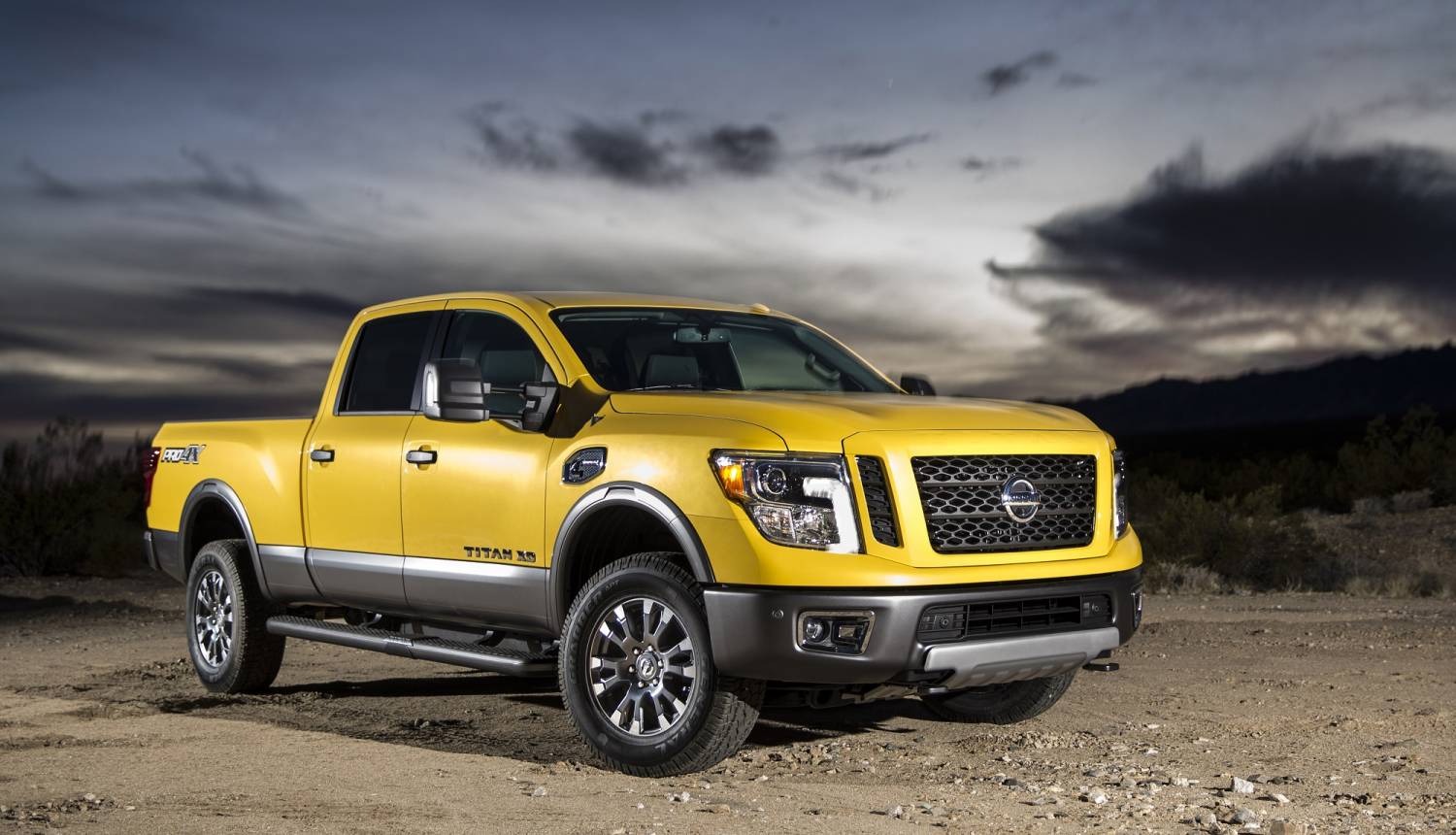
5. Nissan Titan XD
Nissan’s Titan XD may not always be the first truck people think about for heavy-duty work, but it does bring useful features to the table, especially when you go for its dual-fuel setup. Built for those who need more than what a half-ton truck offers but may not want a full-size three-quarter ton, the Titan XD meets drivers halfway.
This model can be configured with a dual-fuel tank system that gives you up to 48 gallons total. That extra fuel means less stopping and more driving, which is great for construction sites, towing tasks, or long-distance business travel. The truck switches between both tanks automatically, and the onboard display keeps you informed about how much fuel remains.
The Titan XD performs better when paired with the 5.0-liter Cummins diesel engine. While Nissan has phased out diesel in newer models, used options or earlier-year versions still offer this strong feature. The engine pushes steady torque, allowing drivers to tow, climb, and handle hard jobs without stress.
The truck also scores points with comfort. Nissan added good seat support and a layout that makes long hours inside less tiring. It has decent technology, too, touchscreen, connectivity features, and enough power outlets for gear.
For buyers who may want a reliable truck without moving fully into the larger-duty segment, the Titan XD serves as a strong middle option. The dual tank system fills in the gaps that many single-tank trucks struggle with. It becomes a smart choice for people who want fuel capacity, towing strength, and a more manageable driving size.
If your daily drive includes a mix of city roads and country trails or you’re pulling tools and gear between job sites, the Titan XD with dual tanks can give you that extra advantage you did not know you needed.
5 Trucks With Weaker Single-tank Setups
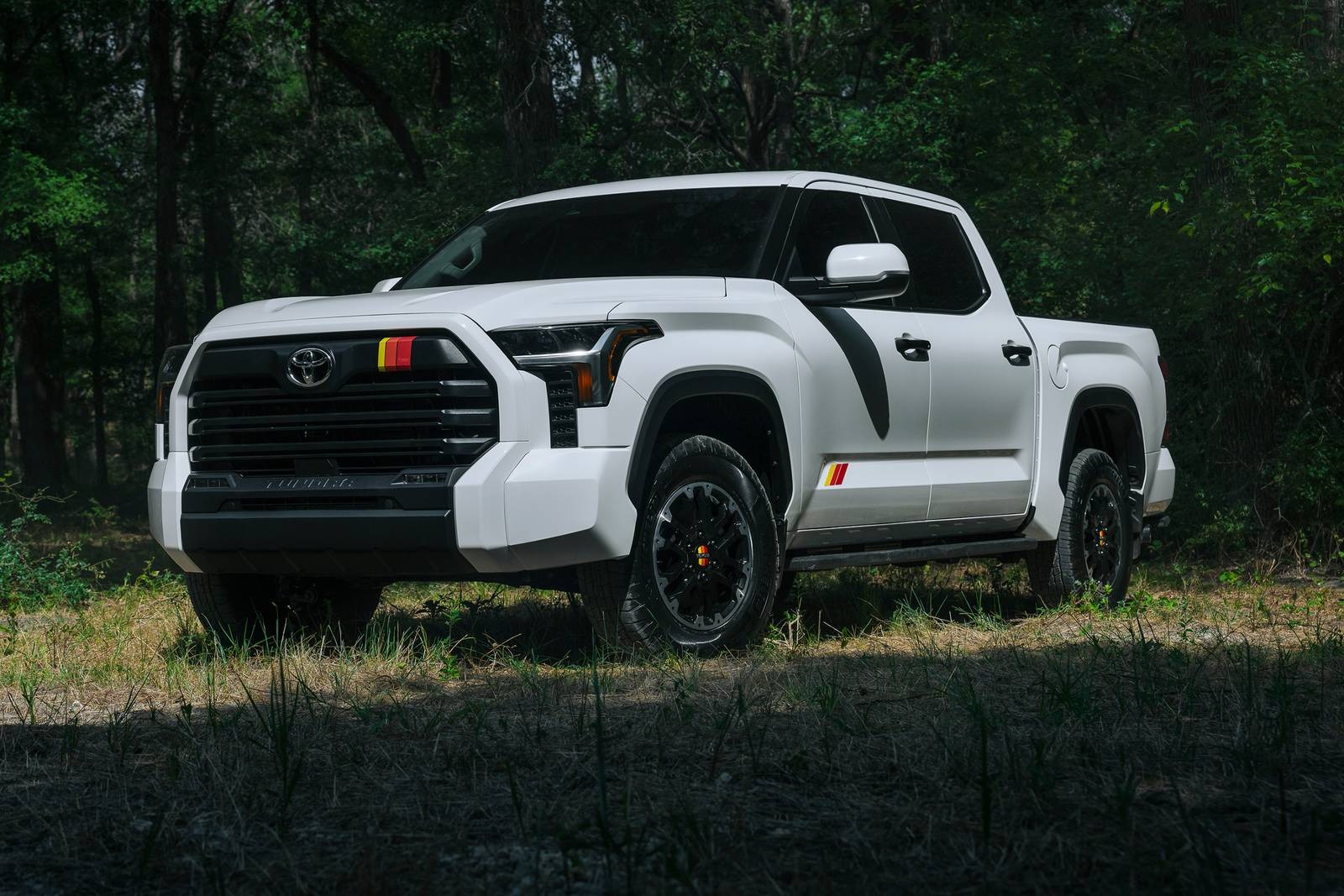
1. Toyota Tundra
Toyota Tundra is well-known for reliability and long-lasting engines, but when it comes to fuel tank capacity, it falls behind trucks with dual setups. The Tundra carries a single fuel tank that holds just around 32 gallons in its larger versions, and less in others. This becomes a challenge for drivers who want to go far without stopping every few hours to fill up.
The truck performs well under normal conditions. It can tow decently and run strong across highways and moderate trails. But the single tank limits how far it can go. For businesses that depend on long changes and minimum downtime, this setup becomes less practical.
Refueling more often increases cost and reduces productivity. Imagine stopping on a long stretch of desert road just because the tank runs dry too fast. For people who travel long routes or move through areas where fuel stations are far apart, this can cause delays.
The engine choices remain strong, and the V8 power helps with towing. But even with that, fuel use is high. So the combination of a smaller tank and higher fuel burn puts pressure on the driver to keep monitoring the fuel level closely.
Inside the cabin, Toyota did a good job. The interior is comfortable, and the build quality lasts. But comfort alone cannot make up for fuel shortages during heavy use.
Drivers who mostly work in cities or suburbs may not notice the weak tank setup as much. But for long-haul or off-grid work, the Tundra struggles to keep up with its dual-tank rivals. While dependable in other ways, it would have benefited a lot from an extra fuel tank.
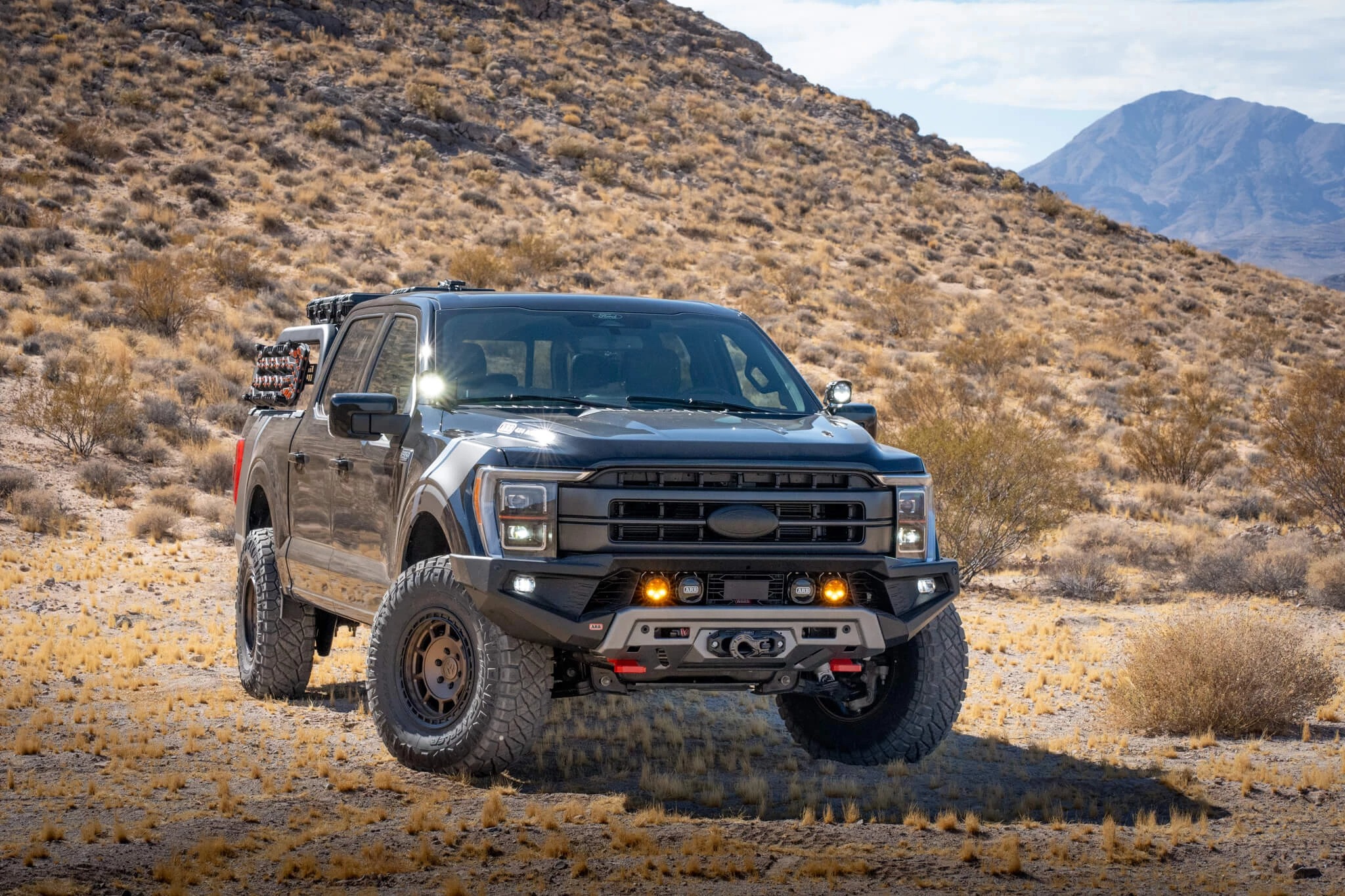
2. Ford F-150
Ford’s F-150 is one of the most purchased trucks across the United States, thanks to its flexibility, price range, and strong build. But for long-distance work or high-load jobs, the single tank setup becomes a drawback.
Most F-150 models come with a fuel tank that ranges from 23 to 36 gallons. While that might serve city driving or short trips, it does not match what dual tank trucks can offer.
The F-150 has multiple engine options. You can choose between EcoBoost, V8, or hybrid versions. Some offer good mileage, but fuel economy is not always enough to fix the limited tank size. Drivers who take this truck on long trips often need to stop for gas more often than those driving trucks with two tanks.
Even though it’s light and handles well on the road, the frequent refueling makes it less ideal for off-grid work, towing across states, or trips with heavy tools in the back. Dual-tank trucks stretch the travel limit without delay. The F-150, with its single tank, places a limit on how far you can go without stopping.
Ford did great with comfort, though. Inside the cabin, everything feels well-planned. There’s enough tech support, and it remains one of the easiest trucks to drive. But for people whose jobs involve long hours behind the wheel, having to find gas stations more often interrupts the flow of work.
Drivers who use their truck lightly or within one city may enjoy this setup. But for those who cover wide areas or have a tight work schedule, the F-150 with a single tank becomes less convenient. In many cases, the fuel range just cannot support the needs of more intense jobs.

3. Chevrolet Colorado
Chevrolet Colorado fits well into the mid-size truck group. It is made for drivers who want truck performance in a slightly smaller form. But this model comes with a single fuel tank that holds only about 21 to 24 gallons, depending on trim. For light-duty tasks and city driving, this works. For long-haul work, it limits movement too much.
Colorado comes with engine choices like the 2.5-liter four-cylinder, a V6, or the diesel option. Diesel versions can stretch fuel a bit, but with a small tank, the range still falls short when compared to trucks with dual tanks. It becomes clear that this truck was not designed for cross-country transport or heavy pulling.
When you add a trailer or heavy equipment to the truck bed, fuel use climbs fast. But because the tank is small, you’ll need to stop often to refill. This eats into work hours and breaks the rhythm of steady driving.
Comfort-wise, Colorado keeps up well with its rivals. It has solid seats, enough space for gear, and a dashboard that’s simple to use. Drivers feel fine inside, but comfort alone doesn’t fix the short travel range.
Chevrolet did not include a dual tank option for this model. That makes it hard for businesses or drivers who need to stay on the road longer. Unless your work stays inside town or covers short distances, this truck may not be able to carry out long assignments without interruption.
People looking for a casual-use truck will find Colorado helpful. But those looking for long-haul strength may run into trouble when they need to travel far or carry heavy cargo with no time to stop repeatedly.
Also Read: 5 Forgotten GM Cars That Run vs 5 Recent GM Models With Major Issues
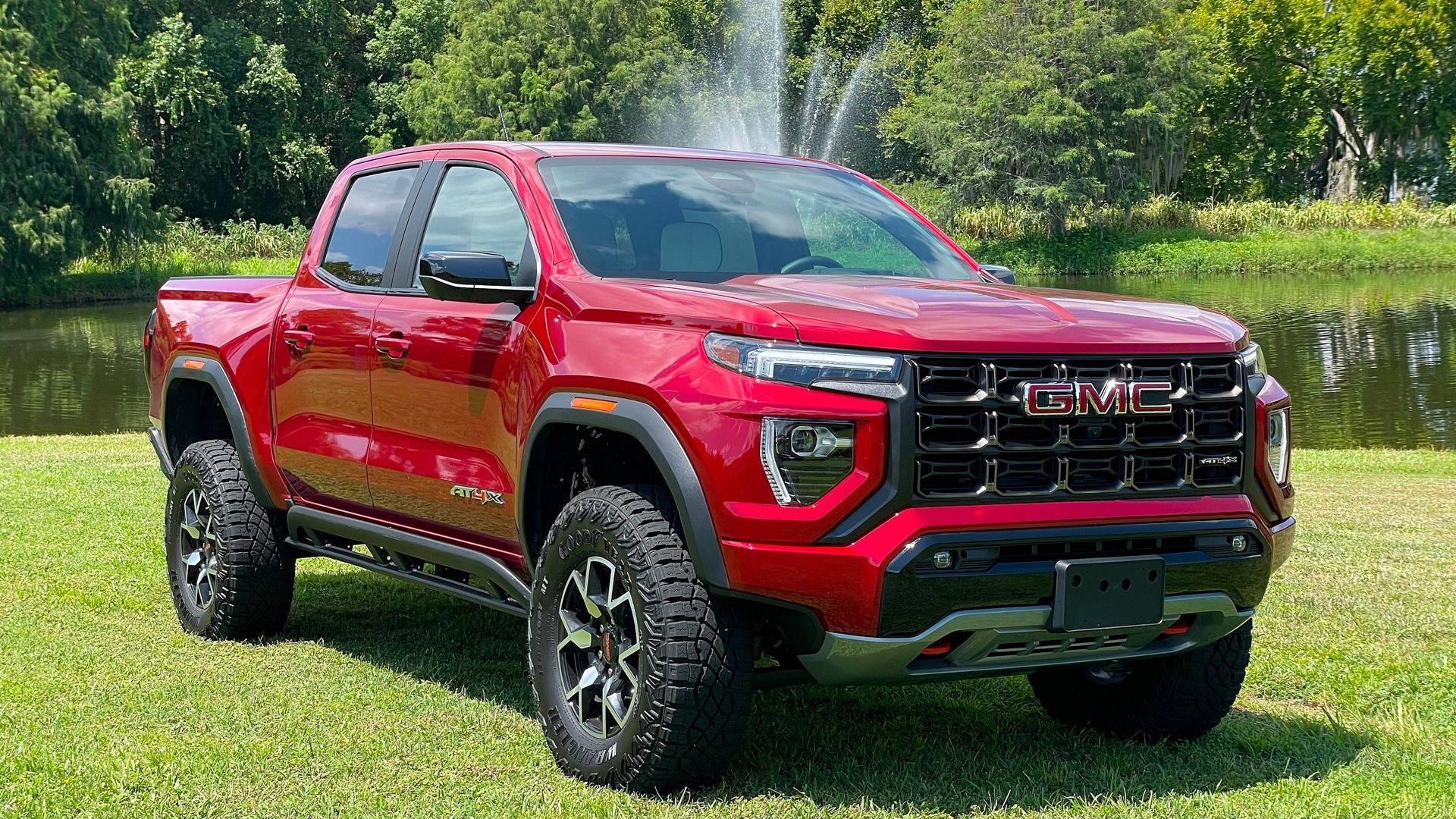
4. GMC Canyon
GMC Canyon stands among the popular mid-size trucks in the US because of its comfortable build, practical layout, and decent power. But when it comes to how far you can travel without stopping for fuel, this model lags behind trucks equipped with dual tanks.
The Canyon comes with only one fuel tank, and its capacity stays between 21 and 24 gallons, depending on the engine and trim level.
Drivers who use the Canyon mainly for daily driving, grocery runs, or quick commutes around town may not feel the pressure of its limited tank size. But once the job requires long-distance travel or pulling equipment across state lines, the single tank starts to feel like a weak point. This truck just does not allow for extended travel without needing a refill.
With engine choices like the 2.5L four-cylinder, 3.6L V6, and the available diesel option, Canyon has some variety. The diesel engine gives the best fuel efficiency, but with a small tank, that advantage gets cut short. You might save on mileage, but you’ll still find yourself stopping more often than you’d like.
Its towing ability is acceptable for its size, but once you attach weight behind it, fuel burns faster. Since you can’t carry extra fuel in a second tank, your range goes down quickly. And for those who drive through empty roads or farmlands where gas stations are rare, this becomes a serious problem.
Inside, the truck looks good and provides strong comfort features. There’s modern tech support, quiet insulation, and enough room for two to three passengers. Still, these nice features don’t solve the issue of limited distance per fill-up.
Anyone considering the Canyon for personal errands or short-haul tasks will enjoy it. But workers or drivers who rely on long-range movement should think twice before picking a truck with a single, small tank like this.
5. Honda Ridgeline
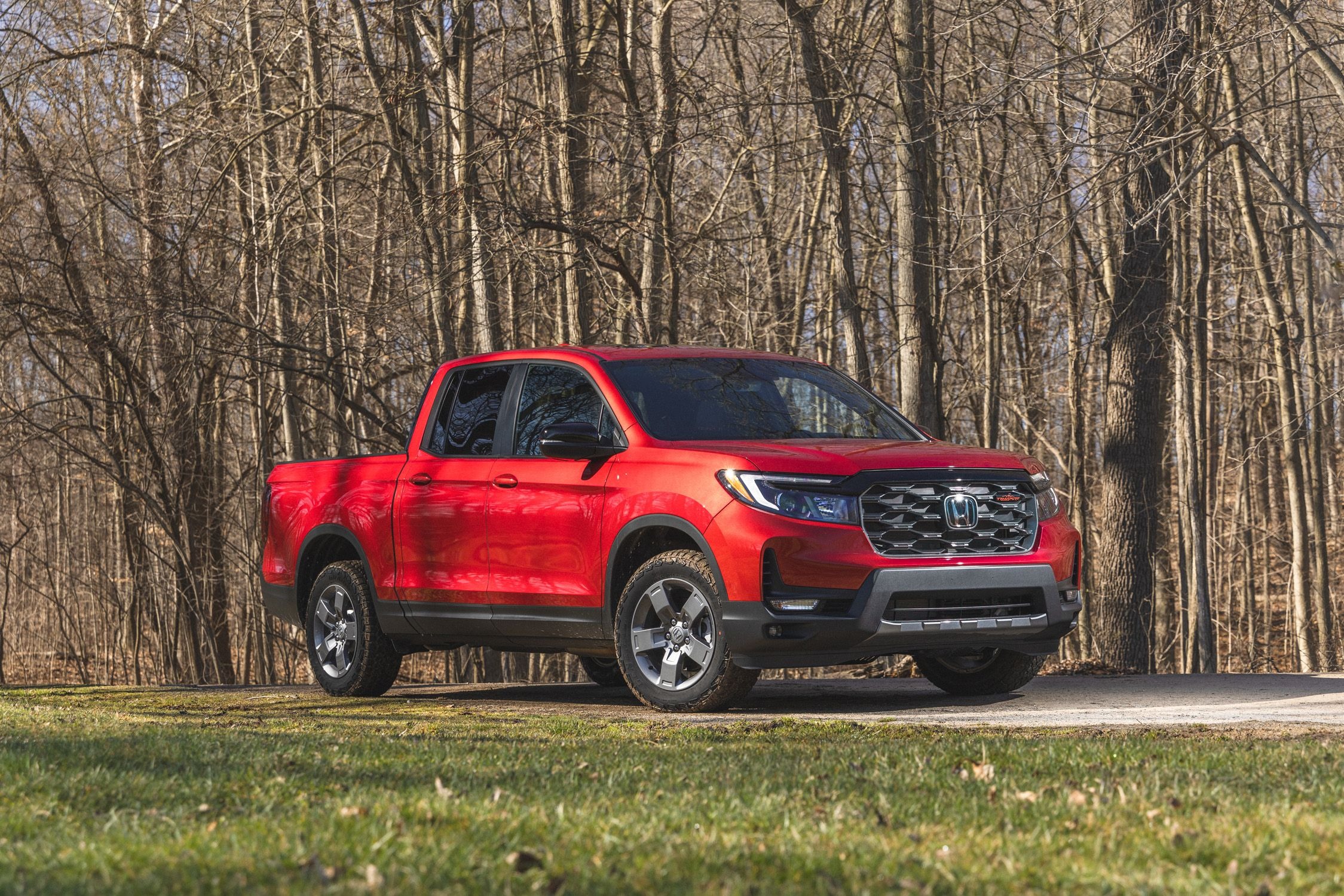
Honda’s Ridgeline offers a smooth driving feel, almost like a car, and that’s one reason many people choose it. It blends the look of a truck with the comfort of a crossover SUV. But it comes with a weak point that’s hard to ignore: it only has one fuel tank, and it holds just 19.5 gallons.
This low fuel capacity becomes a challenge once you take the Ridgeline beyond city limits. For people doing road trips, towing boats, or hauling work gear across longer paths, the tank runs out quickly. Without a second tank to back you up, you’re stuck finding a station every few hundred miles.
The Ridgeline doesn’t have a diesel option, and its only engine, a V6, delivers good power but burns through fuel faster under load. The truck tries to make up for this with slightly better mileage than some full-size models, but it still can’t match the range of a dual-tank setup.
Driving experience in the Ridgeline is smooth. It takes bumps well, rides softly, and the interior feels more like a sedan than a traditional truck. People who use it for light-duty tasks will appreciate how comfortable it feels. But for heavy use or long days on the road, comfort alone can’t balance out the short travel range.
There is no factory option to add an extra tank, and that means drivers are stuck with what they get from the start. It makes the truck less suitable for jobs that involve long stretches of driving, such as oil field work, long-distance towing, or delivery runs.
If your needs stay close to home and you don’t mind refueling more often, the Ridgeline works fine. But for anyone who values high fuel capacity and less downtime, this truck’s single, small tank becomes a serious weakness.
When you compare these two groups, five trucks with dual tanks and five with single tanks, you start to see a clear pattern. Trucks with dual tanks offer stronger support for long-distance work, heavy towing, and days when you just can’t afford to stop often. Whether it’s the Ford F-250 Super Duty with its 48-gallon capacity or the GMC Sierra 3500HD stretching up to 55 gallons, these machines are built to keep moving.
For industries like construction, logistics, farming, or cross-country delivery, every stop costs time and money. The more fuel you can carry, the more flexibility you get in planning routes and timing.
Dual tanks help workers finish their tasks on schedule, avoid getting stuck in remote places, and reduce the stress of watching the fuel gauge drop quickly. Single tank trucks like the Honda Ridgeline, Toyota Tundra, or GMC Canyon are better suited for casual or light use.
They are easier to manage for city errands, short daily drives, or basic hauling. But when you’re covering hundreds of miles or pulling a trailer through mountain roads, their smaller fuel capacity becomes a clear limitation.
Another thing to think about is how fuel tank size affects the way the truck feels when loaded. Trucks with dual tanks often spread weight better and keep balance during travel. That helps stability, especially when carrying uneven loads.
Comfort and tech features may be strong in both groups. Many single-tank trucks still offer heated seats, good stereo systems, or advanced driver aids. But that doesn’t replace the need for more fuel when the job calls for long hours and no time to stop.
At the end of the day, if your work depends on moving far and fast without refueling all the time, trucks with dual fuel tanks will always serve you better. They give you more control over your schedule, reduce fuel anxiety, and hold up under harder use.
