
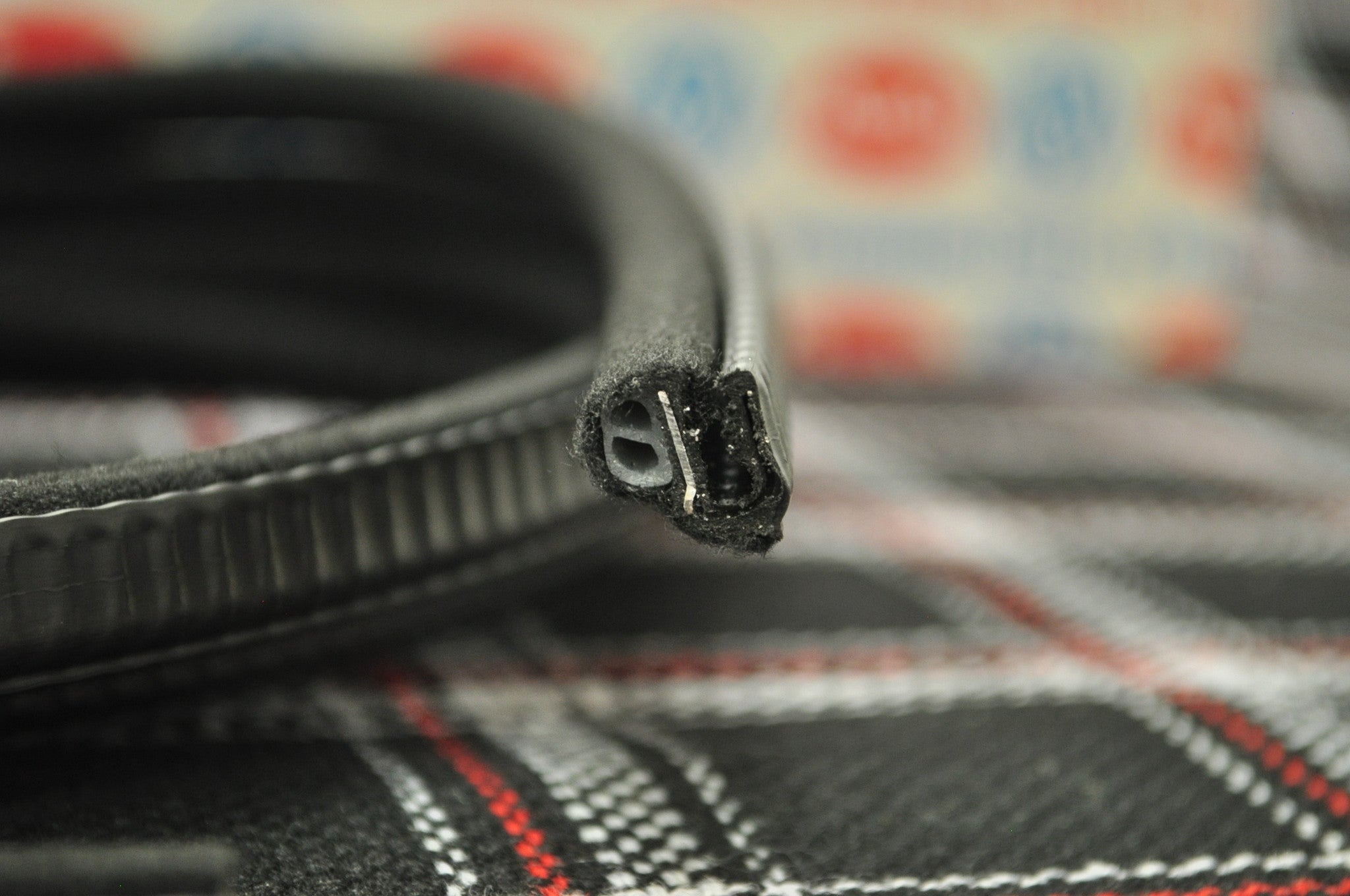
Sunroofs have become a very common feature in many cars across different brands, especially in vehicles designed for comfort, luxury or a more enjoyable driving experience. Most drivers enjoy the fresh air and sunlight that come in through the sunroof, and it helps to create a more relaxed feel inside the car.
But while this feature looks attractive, not all sunroof designs are built with long-term use in mind. Some models are known to have sunroof seal problems after a few years, and this can result in water leaks during rainfall.
What many people do not always consider is that water leaks from sunroofs can be frustrating and expensive. Once the seal begins to wear out or get damaged, even a light rain can allow water to pass through the edges and enter the vehicle’s cabin.
This might not seem like a big issue at first, but after a while, it can lead to unpleasant smells, mold, rusting, and in some cases, damage to electrical components. Repairs related to water leaks are not always cheap, especially when the moisture has reached parts of the dashboard or interior lighting.
While there are some vehicles where the sunroof seals hold up properly for as long as the car is in use, there are others that tend to experience early leakage issues even when maintained properly. Car buyers who live in areas with heavy rainfall or who often park outside should pay close attention to how well a vehicle’s sunroof is sealed.
We will carefully compare five car models that are widely known to come with durable, long-lasting sunroof seals, and five other vehicles that many drivers have reported to develop sunroof leaks after a few years.
This comparison can be useful if you are considering a vehicle with a sunroof, especially if you want peace of mind during stormy weather. Each model listed here will be explained in detail, so you can get a proper understanding of how these vehicles perform in real-life usage when it comes to sunroof sealing.
Vehicles with Lifetime Sunroof Seals
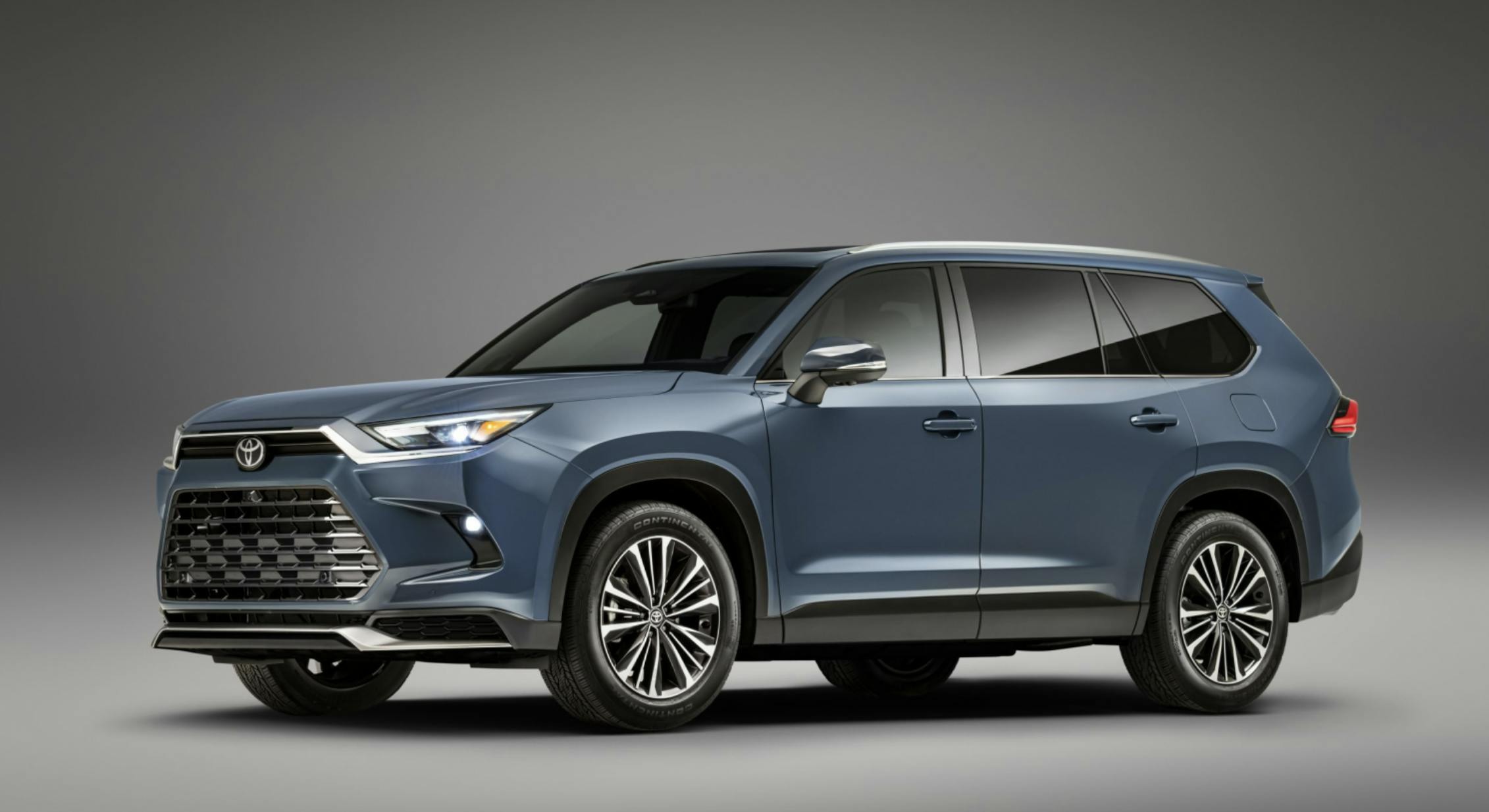
1. Toyota Highlander
Toyota Highlander has built a good name for itself not just because of its reliable engine but also because of its strong body design, which includes how well the sunroof components are sealed. This mid-size SUV has managed to keep up with changing consumer needs, offering comfort without reducing the vehicle’s durability.
One thing that stands out in the Highlander is the attention Toyota gives to its design, including small parts like the sunroof. The seal used around the sunroof of this model is not just thick but also tightly secured to the glass and frame.
This helps to block water from slipping through, even during strong rains. Many owners who have used the Highlander for over five to ten years have reported that their sunroof never leaked, even when the car was parked outside under heavy downpours.
In addition, the drainage system that works with the sunroof is also quite effective. Every sunroof has a system that collects any water that escapes the outer seals and directs it through small tubes out of the vehicle.
In many Highlanders, this drainage continues to function well for many years as long as it is cleaned once in a while. Because of the solid construction, even those who do not service the drainage often still do not experience leaks easily.
People who live in regions with constant rainfall or snowfall prefer vehicles like the Highlander because the build is made to hold up well in all kinds of weather. The rubber around the sunroof doesn’t crack easily, and it does not shrink quickly with time, which means it can stay in shape for many years.
Car owners who value a calm and dry interior, especially during harsh weather, can confidently go for the Highlander. Its sunroof system continues to perform well even when the car begins to age. Whether you use it for long-distance road trips or just for daily movement in the city, you can count on it to keep the water out and your interior protected.
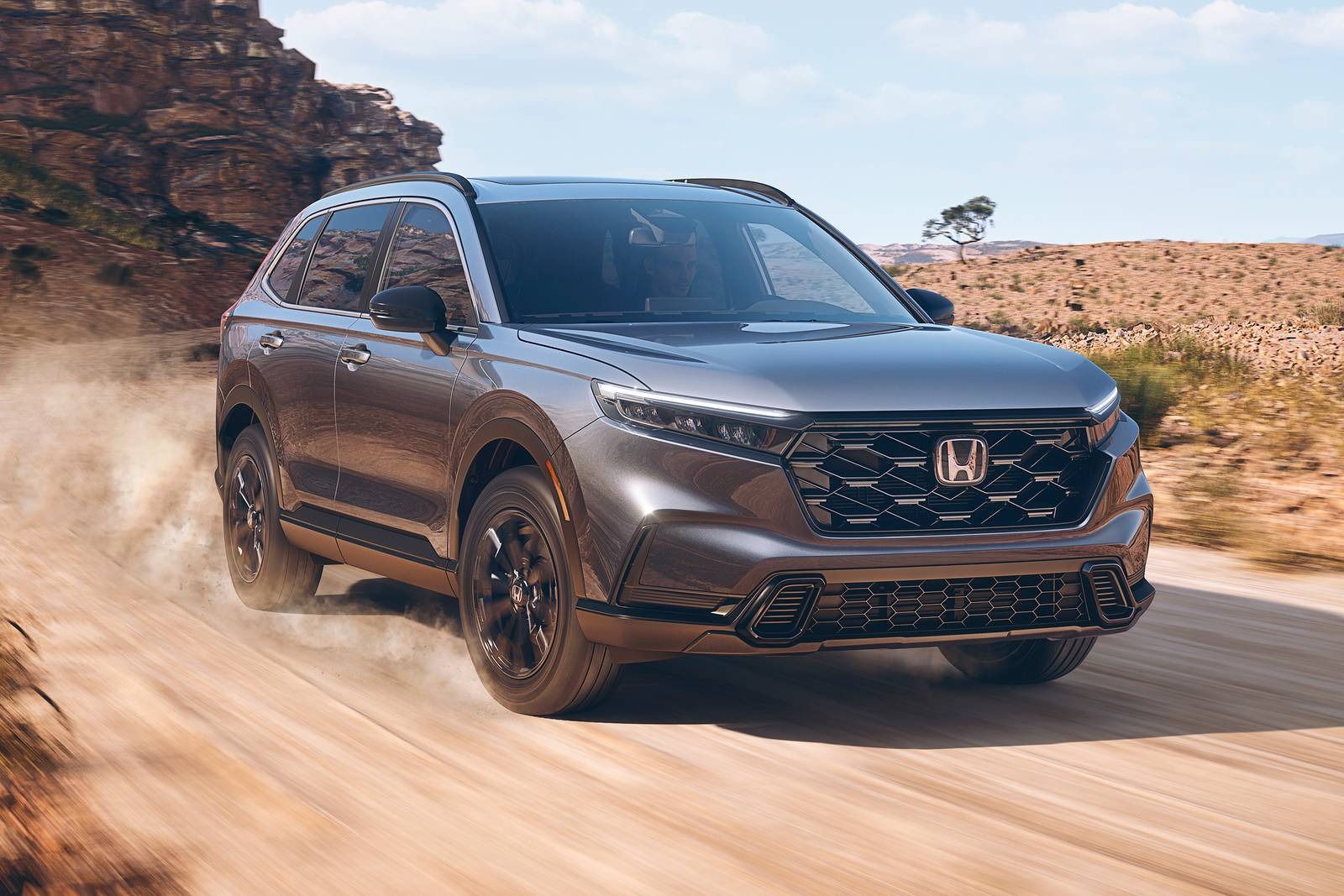
2. Honda CR-V
Honda CR-V stands out as a practical and efficient compact SUV, and one of the things that users continue to mention is how reliable the vehicle is across different weather situations.
Among many of its benefits, the sunroof system in the CR-V holds a strong record of resisting leaks for a long time. This is due to the careful engineering Honda applies in sealing this feature.
The sunroof seal on this vehicle fits tightly around the edges, holding up even as the car begins to age. While many other vehicles in its class begin to have leaking issues after four or five years, the CR-V sunroof has shown that it can go much longer without any need for replacement or adjustment.
Many users have driven their CR-Vs for over 100,000 miles without ever dealing with water getting through the sunroof. One major reason for this success is the type of rubber used to make the seal. It resists heat damage, so it does not dry up or break apart quickly when exposed to the sun and wind.
Also, the design around the sunroof keeps dirt and leaves from building up around the edges, which helps prevent the drainage holes from blocking. As long as normal car cleaning is done, the drainage system does its job properly.
Another good thing about the CR-V is how the roofline is shaped. It directs water away from the edges of the sunroof when the car is parked or moving. That small design detail adds extra protection because it reduces the chance of water building up around the seal.
Families who use this car daily do not need to worry when sudden rain falls. The interior stays dry, and there is no fear of musty smells or water dripping onto seats. If you are looking for a vehicle with a sunroof that stays sealed and protected even after several years of use, the CR-V is among the best choices available.
Also Read: 5 Cars With Legendary Battery Life and 5 That Need Jumping Weekly
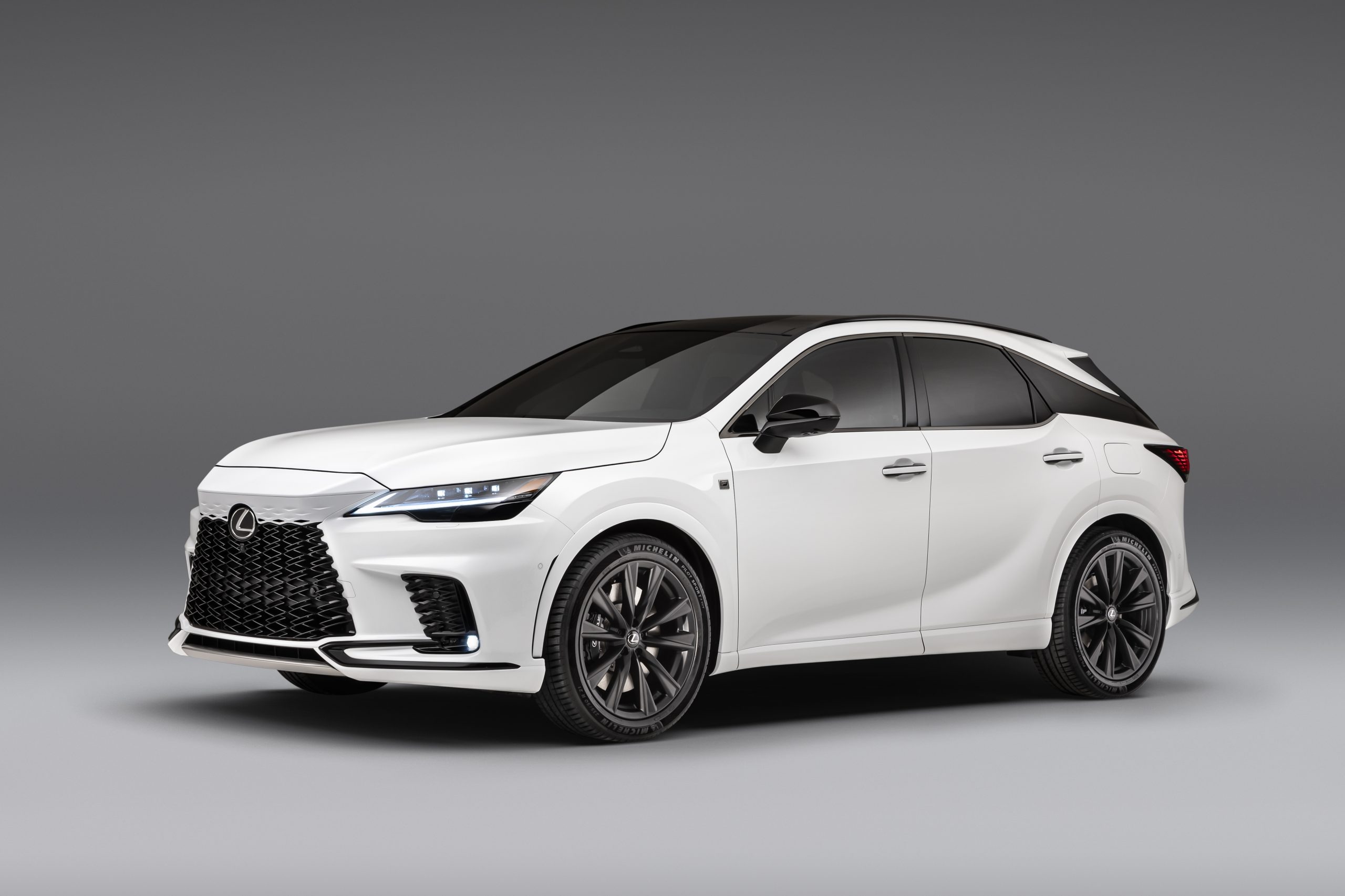
3. Lexus RX
Lexus RX is known for being a premium SUV that offers both comfort and strong engineering. From the way the cabin is put together to the features included, it presents itself as a vehicle built to last.
One area where this becomes clear is in the way the sunroof is sealed. Lexus engineers take extra care to make sure the seals around the glass panel stay firm and watertight after some time.
This model uses a more advanced type of rubber compound that holds its shape for years without wearing out or losing strength. This is especially useful in regions where the weather changes a lot during the year, like where summer heat and winter snow come back-to-back. The Lexus RX seal does not dry up easily or become weak from such weather.
Also, the internal structure around the sunroof includes sound-dampening materials. These not only keep road noise low but also help support the seal by reducing vibrations that may slowly loosen the frame after some time. Because of this, the sunroof system remains tight and free from leaks even after extended use.
Another feature worth mentioning is how well the water management system is planned. Water that may pass the outer seal during strong rainfall is redirected through smooth channels and tubing that lead it away from the cabin. This system continues working smoothly unless it is blocked by large debris, which is rare for this car.
Owners of the Lexus RX have often said that even after several years and many miles of use, their sunroof never lets in water. This track record makes it a strong option for those who want a quiet ride with no fear of rain damaging the interior. So whether you are someone who takes short daily drives or you enjoy long journeys, the RX remains dependable in both comfort and structure.
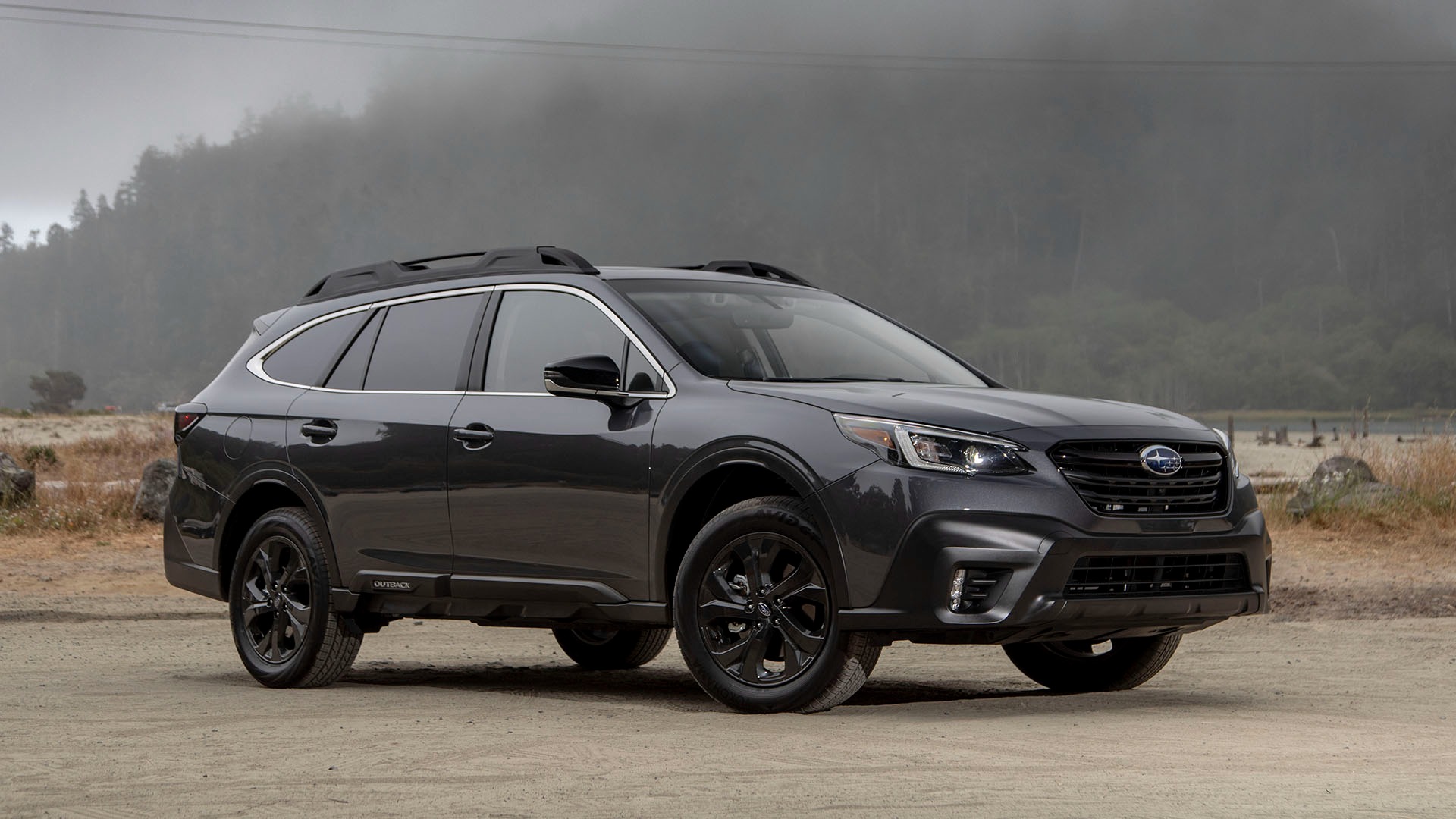
4. Subaru Outback
Subaru Outback is built for people who enjoy driving through various terrains, including rural roads, mountains, and snowy regions.
One feature that helps it perform well in such areas is the durable sunroof design that does not easily allow rainwater to enter the cabin. From the start, Subaru engineers made sure that weather resistance is part of the vehicle’s construction, and this includes the sunroof area.
The rubber material used in sealing the sunroof is one of the strongest you will find among mid-size crossovers. It stretches firmly across the opening and holds tight without letting gaps form after some time.
The shape of the seal also makes it harder for water to pool around the sunroof, even when the car is parked during a storm. As long as the drainage system is cleaned once or twice a year, you will hardly experience leakage.
Another benefit of the Outback’s design is the sloped roof, which gently pushes rainwater away from the seal zone. This means there is less pressure on the rubber to stop water, making the entire sunroof system more reliable. Even when driven in freezing temperatures where rubber in other vehicles might crack, the Outback holds up without a problem.
Drivers who live in states with regular rain or snow have given positive feedback about this model. Many have reported owning the car for seven to ten years with no single issue related to water leaks around the sunroof. Even used models of the Outback continue to hold their sealing strength better than some newer cars in its class.
If you are someone who values comfort and dry interiors, no matter the season, Subaru Outback delivers strongly in that area. Its sunroof seal is designed not just to last, but to withstand changing temperatures and exposure to outside conditions over many years.
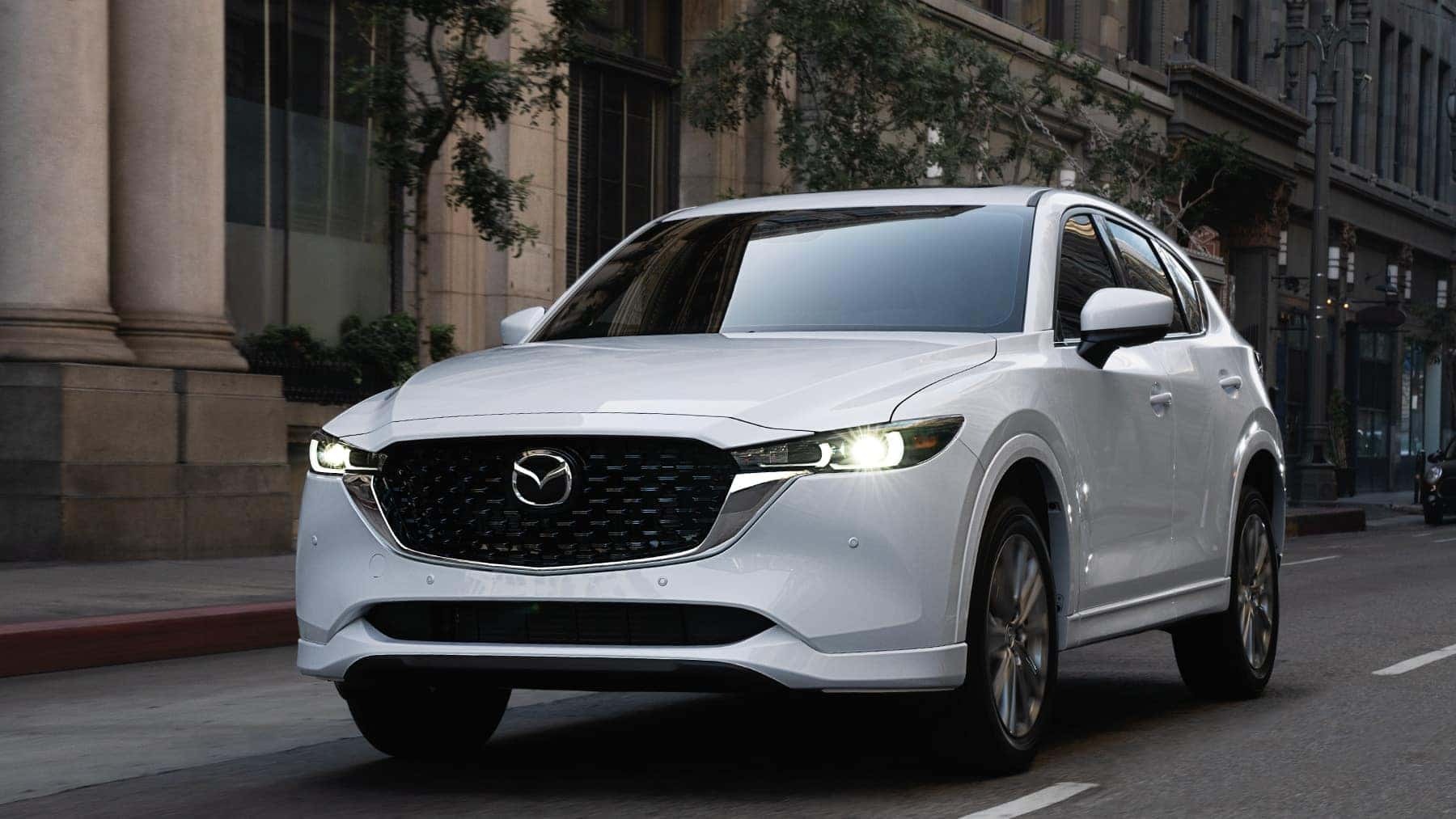
5. Mazda CX-5
Mazda CX-5 offers more than just stylish looks and smooth handling. Its interior build, especially around parts like the sunroof, reflects Mazda’s focus on detail and quality. This compact SUV has received good remarks from drivers who want their sunroof to remain free from leakage without constant worry or maintenance.
The CX-5 comes with a sunroof seal that is thick and well-fitted, designed to maintain its shape over years of use. Even when exposed to intense summer heat or icy winters, the seal holds up without cracking or shrinking. This prevents rainwater from finding its way inside the cabin, which is a common complaint among some other SUV brands after a few years.
Mazda also added a reliable drainage path around the sunroof that clears any water collected around the edges. The tubing and channels stay open as long as basic cleaning is done, such as removing dirt or dry leaves during a car wash. Many car owners have said they rarely check their sunroof area but still do not experience leaks, which points to the strength of the design.
Also, the way the CX-5 is shaped helps rainwater slide off quickly. The roof doesn’t let water stay too long around the sunroof area, and this reduces stress on the rubber seal. When all these features come together, they make the CX-5 sunroof seal one of the most dependable ones in the compact SUV class.
Owners who keep their cars for many years enjoy knowing that this part of their vehicle will continue working without extra cost or repairs. If you’re buying a new or used Mazda CX-5 and want peace of mind regarding rainy weather, this car remains a very solid choice with dependable sealing performance.
Vehicles that Leak Rainwater
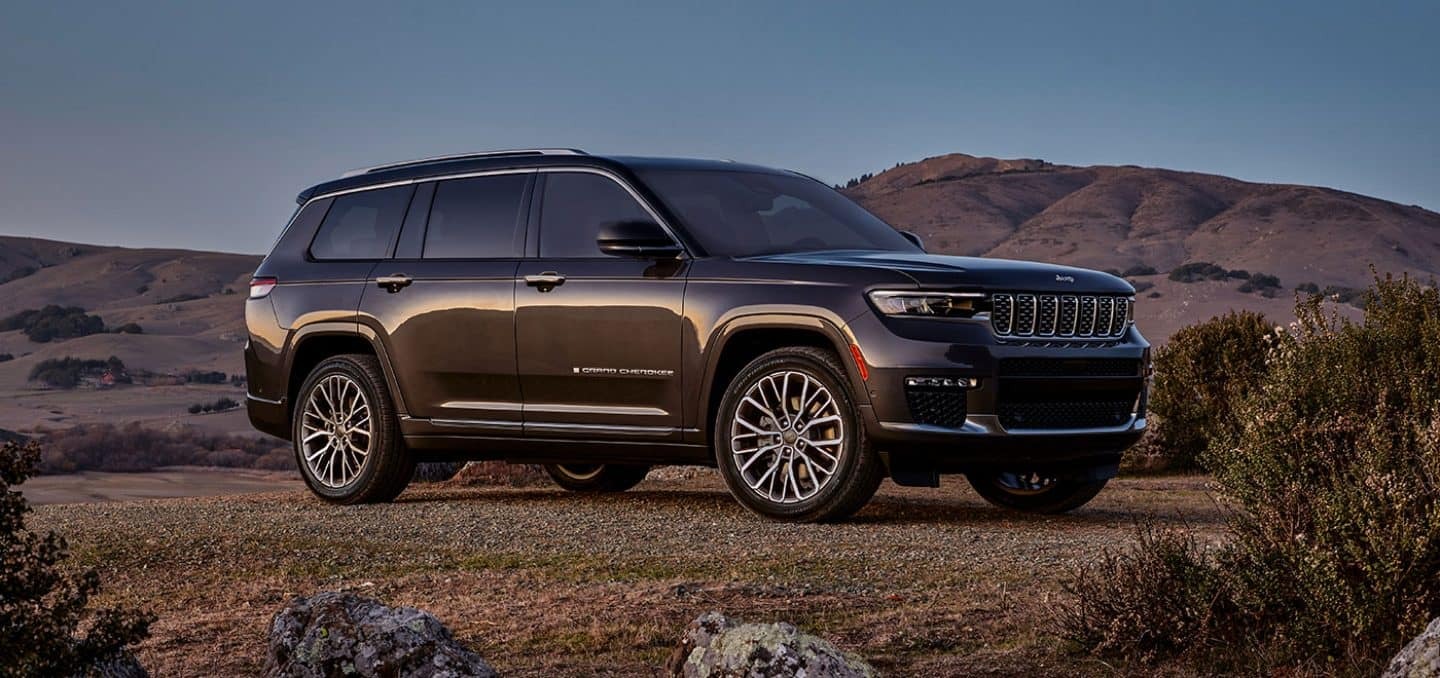
1. Jeep Grand Cherokee
Jeep Grand Cherokee has a strong reputation when it comes to off-road handling and engine power. However, the sunroof system on many models has faced complaints related to rainwater leaking inside after a few years of ownership. While the first few years may go without issues, the seal tends to weaken faster than expected.
Many drivers have shared that during moderate or heavy rain, they started noticing water dripping through the sunroof edges, especially from the front corners. This often happens even when the sunroof is shut completely. One of the causes could be the thinner rubber material used for the seal, which begins to lose flexibility and strength after regular exposure to heat and cold.
The drainage pipes in the Grand Cherokee also get clogged more easily than expected. Once the water has nowhere to go, it pools around the edge of the sunroof and finds its way into the cabin. This has resulted in water-stained headliners, wet floor mats, and, in some cases, malfunctioning interior lights.
Although some dealerships offer to fix the drainage blockage, the issue tends to return unless constant cleaning is done. For those who park outdoors often, this means they may need to clean the system several times a year just to prevent water from leaking in.
While the Grand Cherokee performs strongly in many areas, the sunroof system’s ability to hold out water is a weak point. For drivers in places with heavy rainfall or unpredictable weather, this may be a major inconvenience after some time. If you are considering this vehicle, it might be better to choose a trim without the sunroof option or plan for regular maintenance.
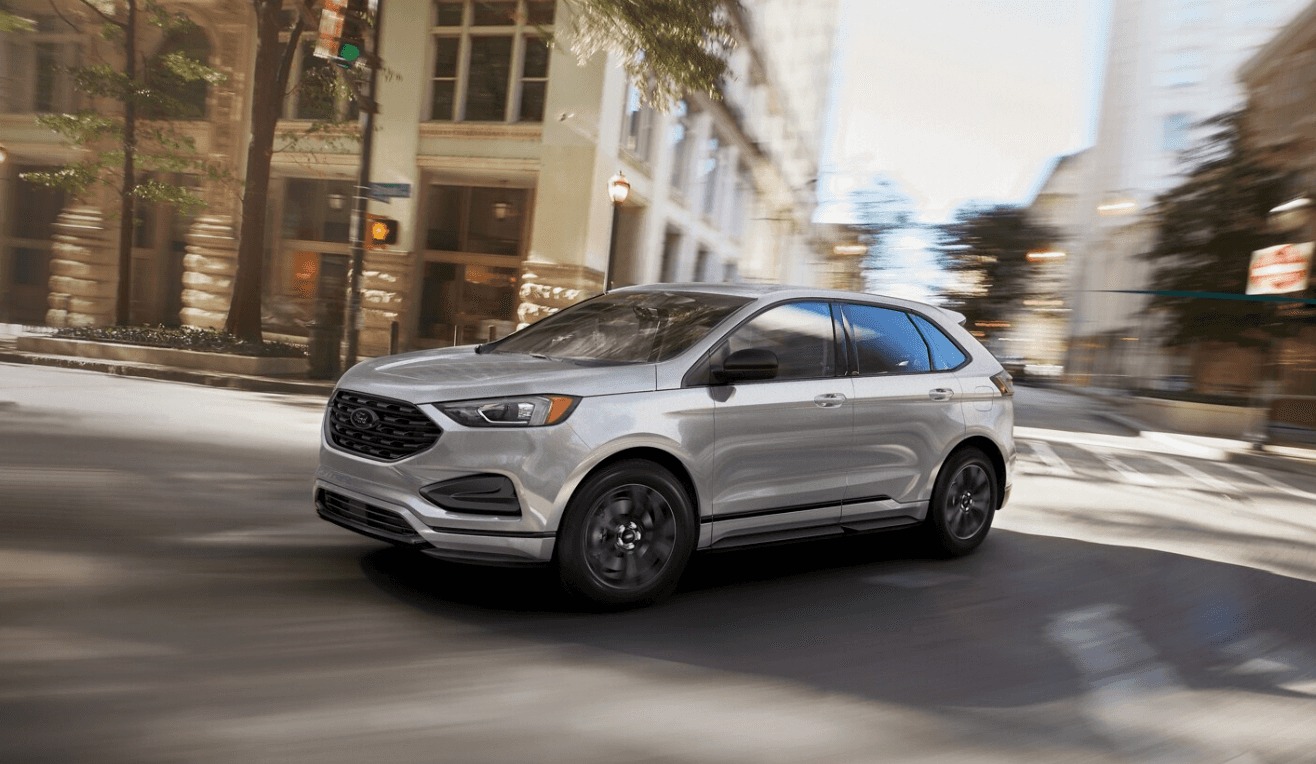
2. Ford Edge
Ford Edge is known for its roomy interior and quiet cabin, but many drivers have reported that its sunroof tends to develop problems related to water leakage earlier than expected. Some owners started seeing issues just three or four years after purchase, even with regular use and no visible damage.
The seal around the sunroof on the Ford Edge seems to be more affected by sun exposure and weather conditions than those on other mid-size SUVs. As the rubber begins to harden and shrink, tiny gaps form between the glass and the frame, which allows rainwater to slip in slowly. This becomes more obvious during long or heavy rains, especially when the car is parked on a slope.
Another concern is that the drainage system on some Edge models is poorly positioned. Instead of letting the water flow out quickly, it sometimes traps moisture, which makes it easier for leaks to develop during strong rain. Once the headliner gets wet, it is difficult to dry completely, and the interior begins to develop a musty smell.
Even after repairs or replacing parts of the drainage, some users say the problem came back months later. This leads to frustration and unexpected spending, especially for those who assumed the issue was fixed the first time.
Although the Edge offers comfort and space, its sunroof problems are something to think about before buying. Drivers who do not want to deal with cleaning tubes or repairing seals often prefer a version without the panoramic sunroof, which has shown more issues than the smaller glass panel options.
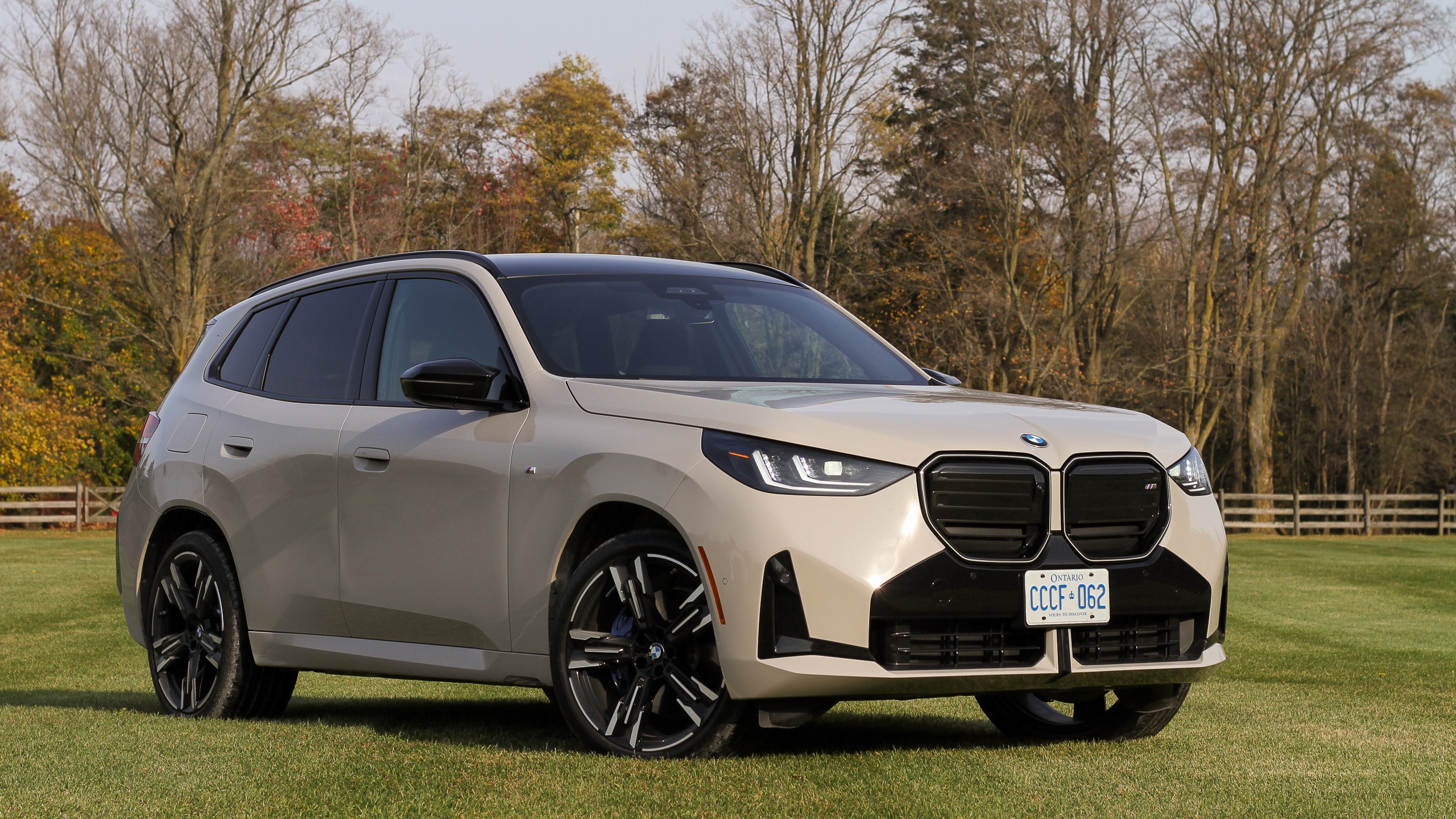
3. BMW X3
BMW X3 is a luxury compact SUV that attracts attention for its smooth ride and stylish design. But when it comes to sunroof sealing, it has received many complaints from owners. After several years of use, the seal and drainage system around the panoramic sunroof tends to fail, especially in places with high rainfall.
Even though the materials used are expected to meet luxury standards, the rubber around the sunroof becomes stiff or shrinks with heat and age. This creates tiny spaces where rainwater can get into the car. Many users have noticed dripping from the ceiling light area or wet seats when the sunroof seal fails to block the water completely.
One common issue is blocked drainage tubes. These are supposed to carry water away from the frame, but they clog easily. When that happens, the water builds up and enters the cabin from any weak point. Sometimes, even the vehicle’s electronics are affected when water reaches sensors or fuse boxes near the roof area.
Even though BMW service centers can offer repairs, they often suggest full seal or drainage replacements, which are expensive. And if the car is out of warranty, the cost can be frustrating.
Because of how frequently these issues show up after three to six years, drivers who want a long-term dry interior may want to choose carefully before going for the panoramic sunroof feature on the X3.
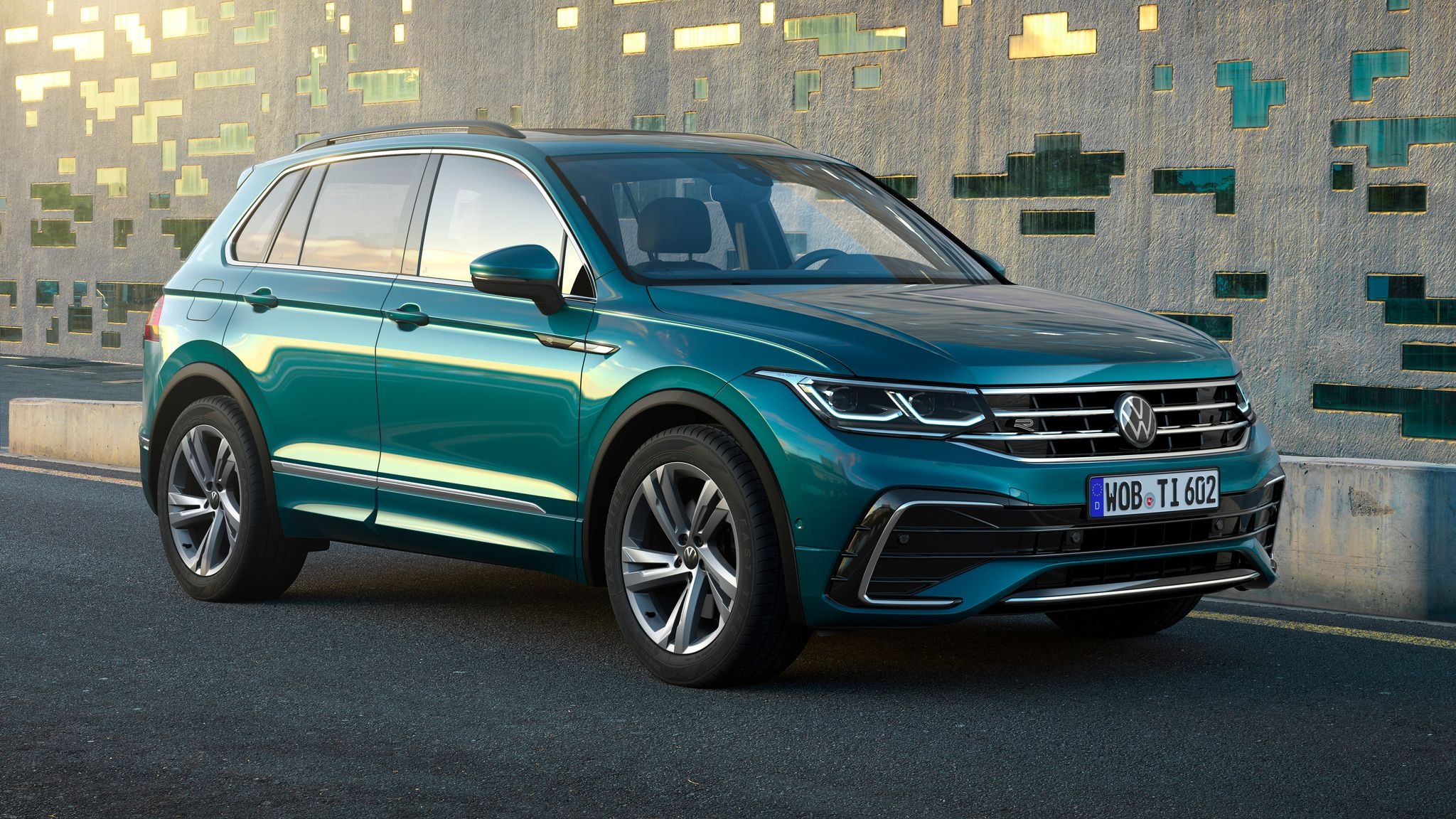
4. Volkswagen Tiguan
Volkswagen Tiguan has earned praise for its handling and stylish exterior, but one of the recurring complaints among long-term users involves the sunroof. Most of the issues begin to show up after four or five years of use, with water entering through the edges of the sunroof during rainy weather.
The panoramic sunroof available in several Tiguan trims tends to develop wear in the rubber seal much earlier than expected. While it may look properly shut, rainwater sometimes slips through the edges and drops into the cabin. This situation usually begins as a slow drip that some drivers ignore, but after a while, it increases and starts causing real problems inside the vehicle.
The drainage tubes also play a part in this issue. Tiguan’s drainage system, although well-designed on paper, gets blocked easily if dirt or leaves settle around the sunroof.
When this happens, water can no longer escape properly, so it backs up and enters the car through the weakest parts of the seal. In several cases, users have noticed moisture damage on the ceiling fabric and around the upper seatbelt housing.
In addition to physical water damage, some Tiguan owners have reported that the sunroof motor stops working because of water affecting the control systems nearby. This adds extra cost and hassle, especially for drivers who assumed a luxury-style panoramic sunroof would come with stronger protection.
Volkswagen dealerships can service the drainage system and replace the seal, but such repairs may not stop the leak permanently if the root problem isn’t addressed. People who live in regions with heavy rainfall or park their cars under trees have a higher chance of facing this issue. Those considering a Tiguan may want to avoid trims with the large sunroof if long-term water protection is a major priority.
Also Read: 5 Cars with Lifetime Coil Packs vs 5 with Packs That Misfire
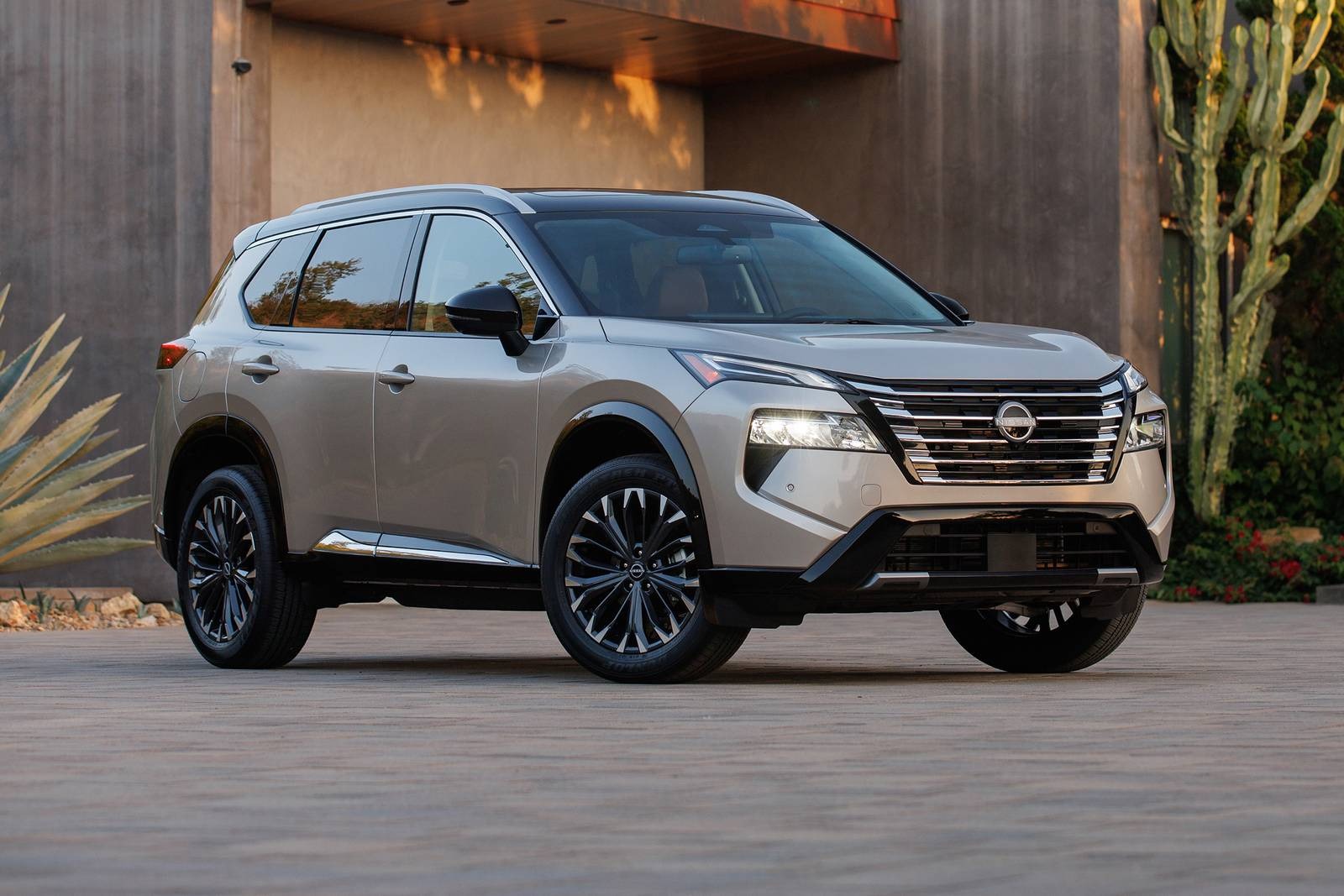
5. Nissan Rogue
Nissan Rogue remains one of the most popular compact SUVs in the US market. It offers good space, fuel economy, and affordability. But while many features work well, the sunroof system has been a weak spot, especially after a few years of driving.
Several owners have pointed out that their vehicles started to leak rainwater from the sunroof area, sometimes even when the glass was fully closed. One of the main reasons behind this problem is the rubber seal around the sunroof. It does not seem to hold its shape well once exposed to strong sunlight for long periods.
After some time, it begins to shrink or dry out, creating small spaces between the glass and the frame. This space is enough for rainwater to enter, especially during strong storms or if the car is parked on an angle.
The Rogue also uses a drainage system around the sunroof, but it gets blocked faster than expected in many cases. Leaves, dust, and other particles find their way into the drain holes and cause water to build up instead of flowing away. When that happens, it’s only a matter of time before the water finds its way inside. The result is a damp cabin, stained headliners, and sometimes electrical faults in the roof area.
What makes things more frustrating is that even after cleaning the drainage or replacing the seals, the issue may return. This has made some users regret choosing the panoramic sunroof option in this vehicle. People who park their cars outdoors often face the problem earlier than others.
Although the Rogue performs well in other parts, the sunroof leakage issue can become a headache for drivers after just a few years. Anyone interested in this vehicle should think carefully about whether they truly need the sunroof feature, especially if they plan to keep the car long-term or live in a rainy region.
Choosing a vehicle with a sunroof should not be just about how attractive it looks. It is also important to think about how long that sunroof will hold up, especially when facing different weather conditions.
While most modern vehicles now come with either a standard or optional sunroof, the durability of that feature depends heavily on the materials used, the strength of the seal, and the drainage layout surrounding it. From the vehicles listed above, it is clear that some brands take extra care in designing sunroof systems that last, while others tend to cut corners that eventually lead to leaks.
For example, the Toyota Highlander, Honda CR-V, Lexus RX, Subaru Outback, and Mazda CX-5 have shown strong sealing performance over many years. Their seals stay in shape longer, resist damage from heat or cold, and rarely allow water to enter the cabin even after thousands of miles on the road.
While models like the Jeep Grand Cherokee, Ford Edge, BMW X3, Volkswagen Tiguan, and Nissan Rogue have been linked to complaints of sunroof leakage, sometimes within just a few years of ownership.
These problems usually start small but can become major issues if ignored. Wet interiors not only make driving uncomfortable but also damage electronics and reduce the resale value of the car.
If you plan to buy a new or used vehicle with a sunroof, ask questions about the material used in the seals, how easy it is to clean the drainage system, and whether past drivers have faced leakage problems. You should also inspect the ceiling for any signs of past water damage, especially near the sunroof edges and the dome lights.
For those living in states with frequent storms, high humidity, or snowfall, it may be safer to avoid panoramic sunroofs on models with weak sealing records.
And if you must go for a sunroof, try to keep the drainage tubes clean and inspect the seals at least once a year. These simple steps can help you enjoy the benefits of a sunroof without the stress of unexpected leaks.
