
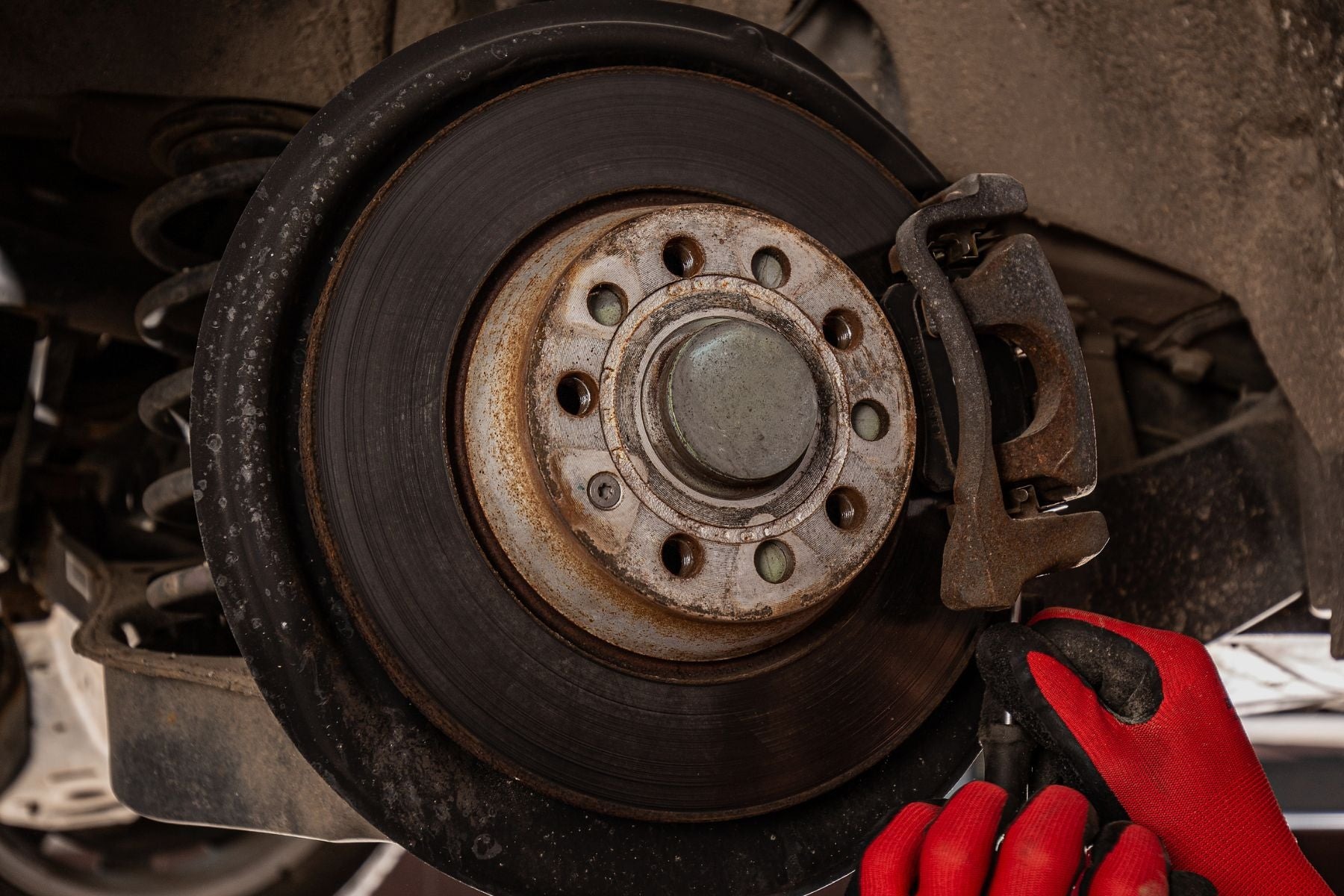
Wheel bearings might not be the first thing that comes to mind when people talk about car parts, but they quietly play a vital role in every vehicle’s performance. These small yet crucial parts are responsible for allowing your car’s wheels to spin with minimal friction.
Once they start to wear out or fail, the vehicle may begin to make grinding noises, steering may feel shaky, and the ride will generally be less smooth. That kind of issue can also lead to more expensive suspension damage if ignored for too long.
When manufacturers design cars, some focus on making their wheel bearings last throughout the life of the car, while others offer bearings that start giving drivers problems after about 80,000 miles.
Lifetime bearings are typically sealed and don’t require servicing, while others may wear down more quickly, depending on their design, usage, terrain, and driving style.
We’re going to look closely at 10 vehicles. Half of them are known for their strong and long-lasting wheel bearings that rarely give issues. The other half are examples of vehicles that often start developing bearing problems around the 80,000-mile mark.
Many drivers do not pay much attention to the health of their wheel bearings until the car starts making disturbing noises. In most cases, this issue sneaks in gradually and does not just appear suddenly.
When choosing a car, knowing how long the wheel bearings typically last can save both time and money in the long run. The difference between a smooth, quiet ride and one that constantly rattles could be as small as the quality of a wheel bearing.
Now let’s go through five cars that are known for having lifetime wheel bearings, which require very little or no replacement, before we go into cars that are more likely to experience wheel bearing noise, vibration, and potential failure once they clock around 80,000 miles.
Cars with Lifetime Wheel Bearings
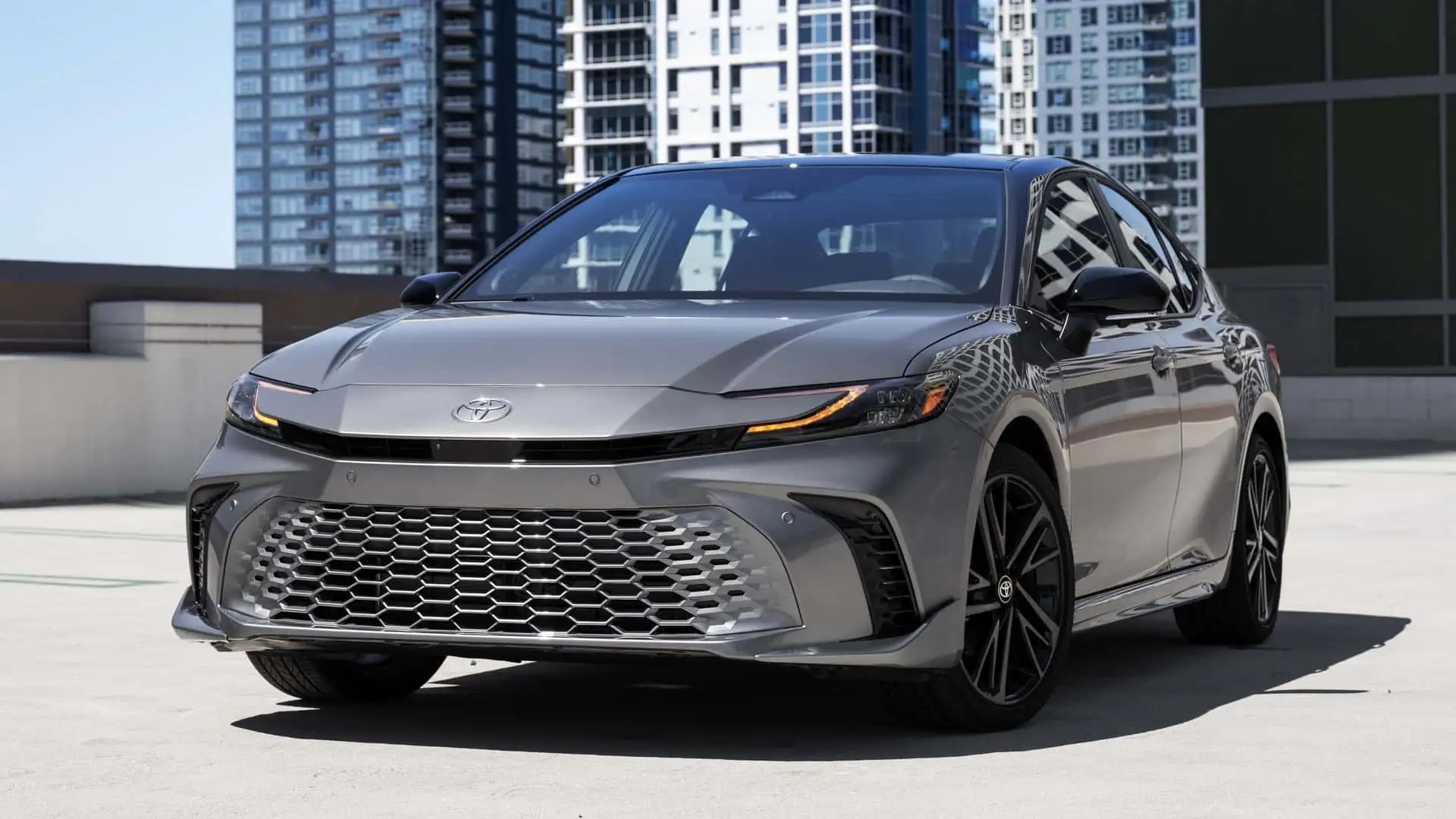
1. Toyota Camry
The Toyota Camry is widely recognised for having a dependable build and parts that hardly give unnecessary trouble. One of the standout features in this car is its wheel bearing durability.
Most owners enjoy a peaceful ride for many years without ever needing to replace the wheel bearings. This is partly due to Toyota’s engineering approach, where durability is prioritised in major components like the suspension and wheel assembly.
In many Camry models, the bearings come fully sealed. That means they are built in such a way that dirt, water, or grime cannot easily get in. As a result, they do not need regular greasing or any kind of scheduled maintenance.
For most people who drive normally on city roads or highways, these bearings can stay intact for as long as the car remains in use, even well past 150,000 miles.
Another reason Camry’s wheel bearings last so long is because of its front-wheel-drive layout. This type of design puts less pressure on the wheel hubs compared to rear-wheel-drive or all-wheel-drive systems.
The lighter stress helps the bearing keep its original performance for much longer. Whether the driver is commuting or going on long-distance trips, this design keeps wear and tear on the wheel bearings low.
Many car owners appreciate the low cost of owning a Camry because major repairs are few and far between. A strong suspension setup, coupled with excellent wheel bearings, adds to the long life expectancy of the vehicle.
Mechanics rarely list wheel bearing failure as a common problem with this car. This reliability helps drivers avoid the hassle and cost that often come with regular bearing replacements.
For anyone considering a sedan that offers dependable performance with fewer mechanical headaches, the Camry continues to be a top pick because of its strong wheel bearings and minimal long-term issues related to them.
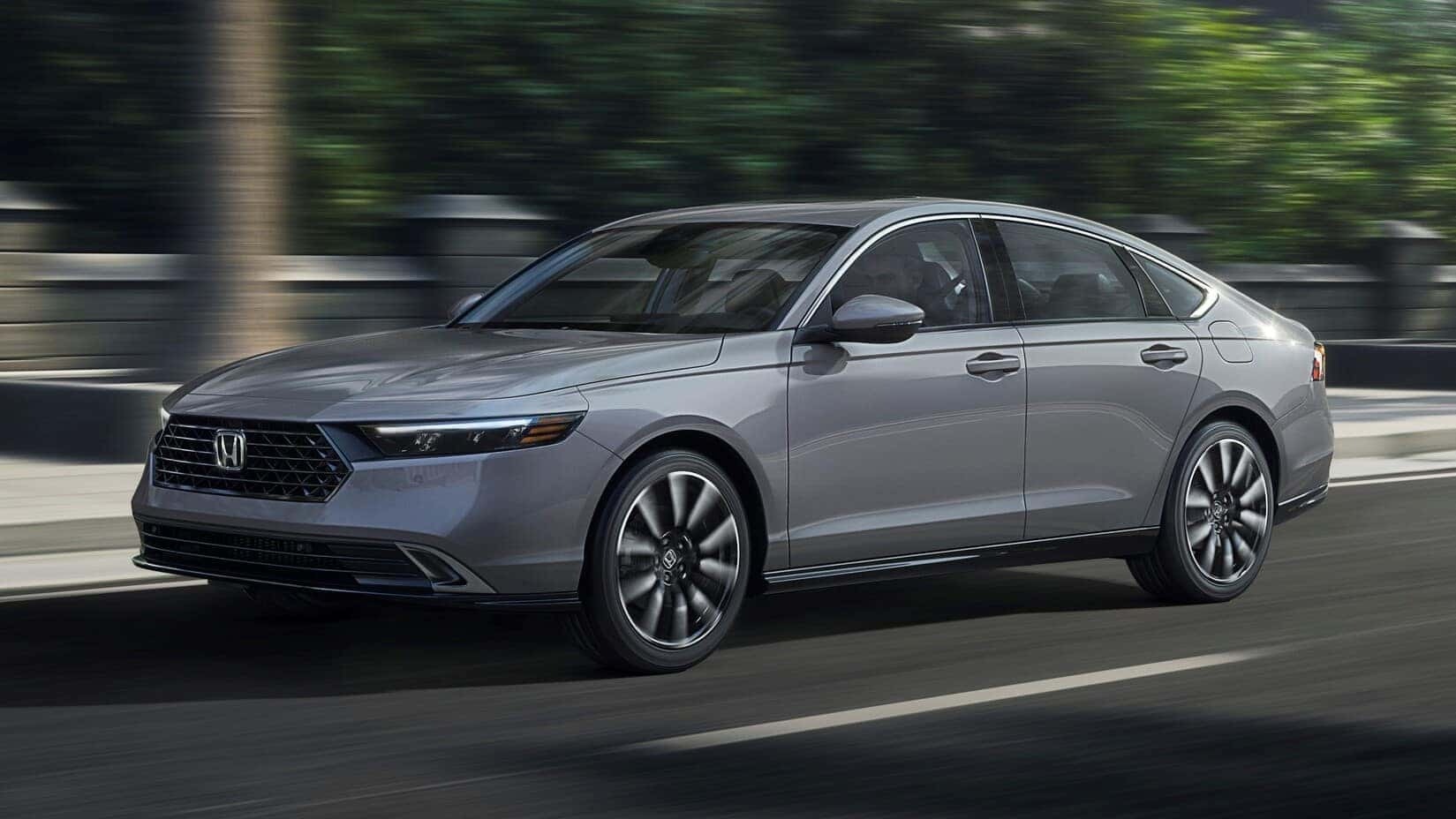
2. Honda Accord
The Honda Accord is another vehicle where drivers rarely need to worry about replacing wheel bearings. Across several model years, the Accord has built a solid reputation for being easy to maintain, and its strong wheel bearing performance plays a major part in that. The factory-installed bearings are usually sealed and designed to handle high mileage without showing signs of wear.
Honda’s focus on mechanical reliability means that the bearings are well protected against water and road debris, which are common causes of early failure. These sealed units do not require any kind of routine lubrication.
Because of that, there are fewer chances for errors during servicing that might lead to premature damage. Many drivers report driving their Accords beyond 150,000 miles without ever touching the wheel bearings.
The suspension system of the Accord is also built to be gentle on the wheel bearings. The car handles smoothly even on bumpy roads, without putting unnecessary pressure on the bearing units.
Whether it’s city driving or highway cruising, the Accord keeps its bearings steady, offering a quiet and stable ride with minimal rolling noise from the wheels. Mechanics and owners often agree that wheel bearing replacements are very uncommon on this vehicle.
This makes the Accord a smart choice for people who want a dependable daily driver without frequent visits to the workshop. Some older models still perform well on their original wheel bearings after more than a decade of use.
This kind of reliability is exactly what attracts many buyers to Honda in the first place. From strong engine performance to wheel components that last, the Accord remains one of the best examples of a sedan built to run for many years with low operating costs.
Also Read: 5 Forgotten Family Cars That Last vs 5 Bestseller Family Cars With Issues
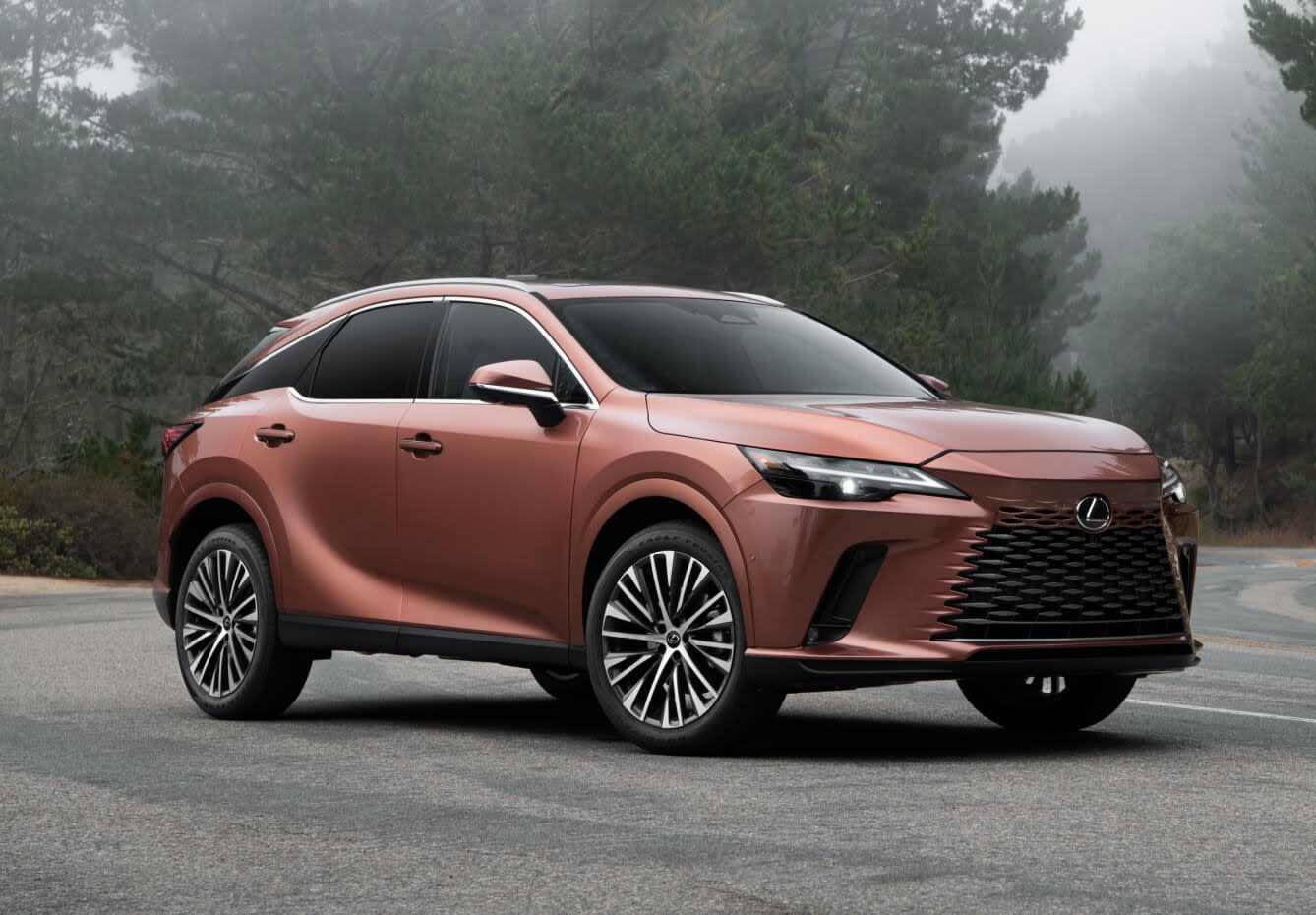
3. Lexus RX
The Lexus RX, being part of Toyota’s luxury brand, offers both comfort and mechanical endurance. It shares many parts with Toyota vehicles, including a similar wheel bearing design that is engineered for long service life. Whether it’s the RX 350 or other models in the RX line, drivers usually enjoy years of usage without any complaints about bearing noise or wear.
Most versions of the RX come with factory-sealed bearings that are resistant to water and dust. That makes them almost maintenance-free. These bearings are usually installed during the manufacturing process in such a way that they stay protected from road elements that often lead to early damage in lesser vehicles.
What makes the RX stand out is not just the quality of the parts, but how well everything works together. The weight of the SUV is balanced across the chassis, and the suspension system handles road impact without putting extra burden on the wheel hubs. That means less heat, less friction, and fewer chances of early bearing wear.
Many RX owners often report driving more than 120,000 to 150,000 miles without any bearing noise, humming sounds, or handling problems. Even when the car is used for daily commuting or cross-country travel, the bearings stay firm and consistent.
For people shopping for a reliable SUV that combines comfort with long-lasting mechanical parts, the RX stands out because it rarely develops bearing issues. Mechanics hardly include wheel bearing failure among common Lexus RX problems. That speaks to the level of trust this car has earned among both luxury buyers and repair experts.
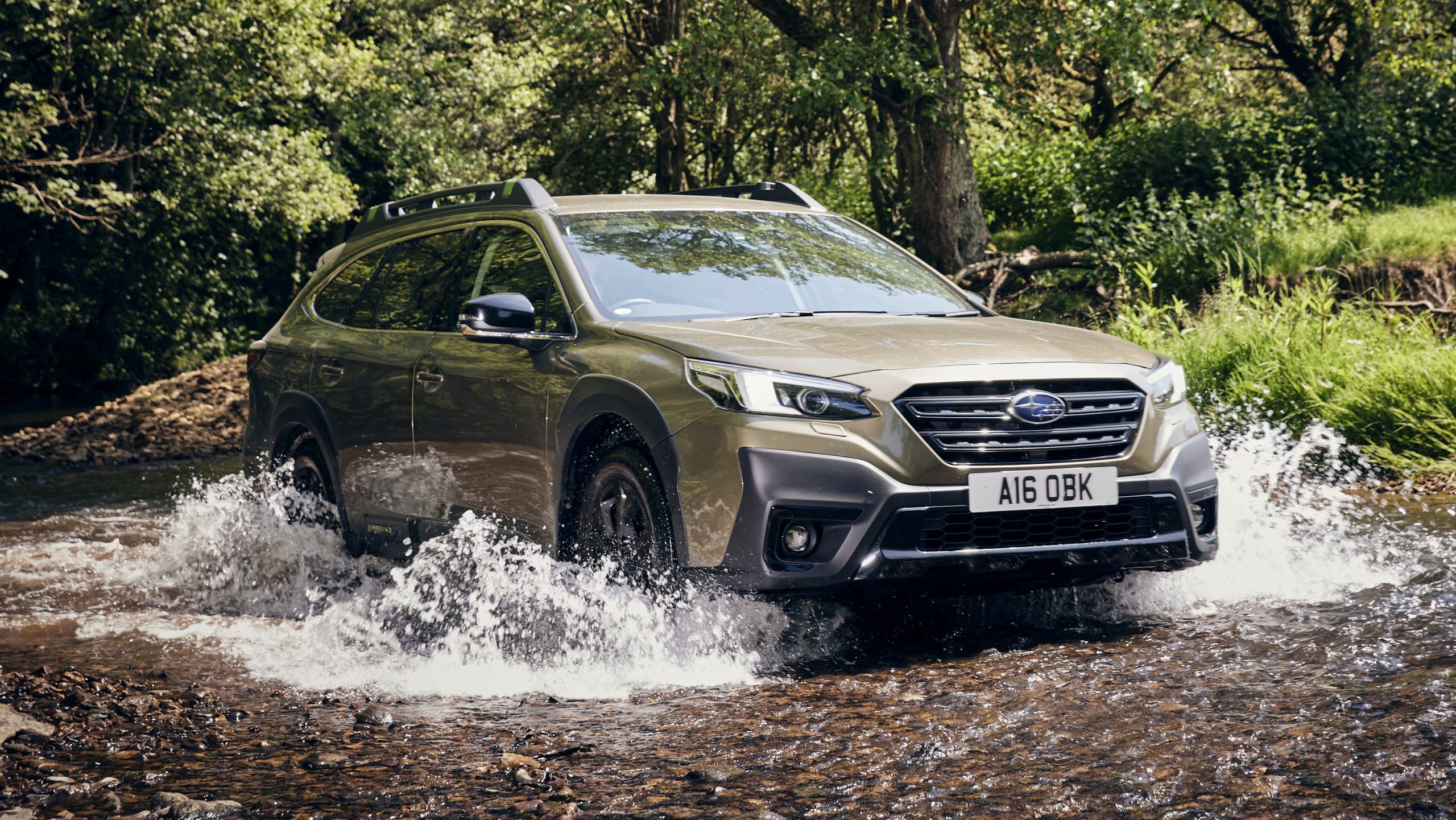
4. Subaru Outback
The Subaru Outback’s wheel bearing performance has improved as time goes on, especially in models released in the last decade. Older versions had a few issues in this area, but Subaru made adjustments that have helped their newer Outbacks enjoy better bearing lifespan. In models from 2015 onward, drivers often reach high mileage without having to replace bearings.
Part of this improvement is because Subaru improved the way the bearings are sealed and the materials used. Now, the newer Outback comes with better wheel bearing assemblies that resist moisture and dirt more effectively. That protection helps the bearings run longer without grinding or losing smoothness.
Another factor helping the bearing’s lifespan is Subaru’s symmetrical all-wheel-drive system. While all-wheel-drive systems typically put more load on bearings, Subaru’s version spreads that pressure evenly across all four wheels. That means no single bearing takes too much of the strain, and that balance helps them last longer.
Owners often say their Outbacks remain quiet and smooth for years without any wheel bearing replacement. Unless the car is constantly used on rough terrain or poorly maintained roads, the bearings can go far past 100,000 miles before showing any signs of failure.
This performance is what makes the Outback a good option for people who enjoy both city driving and weekend adventures. The car has enough ground clearance for rough roads but still offers the durability people expect in a family vehicle.
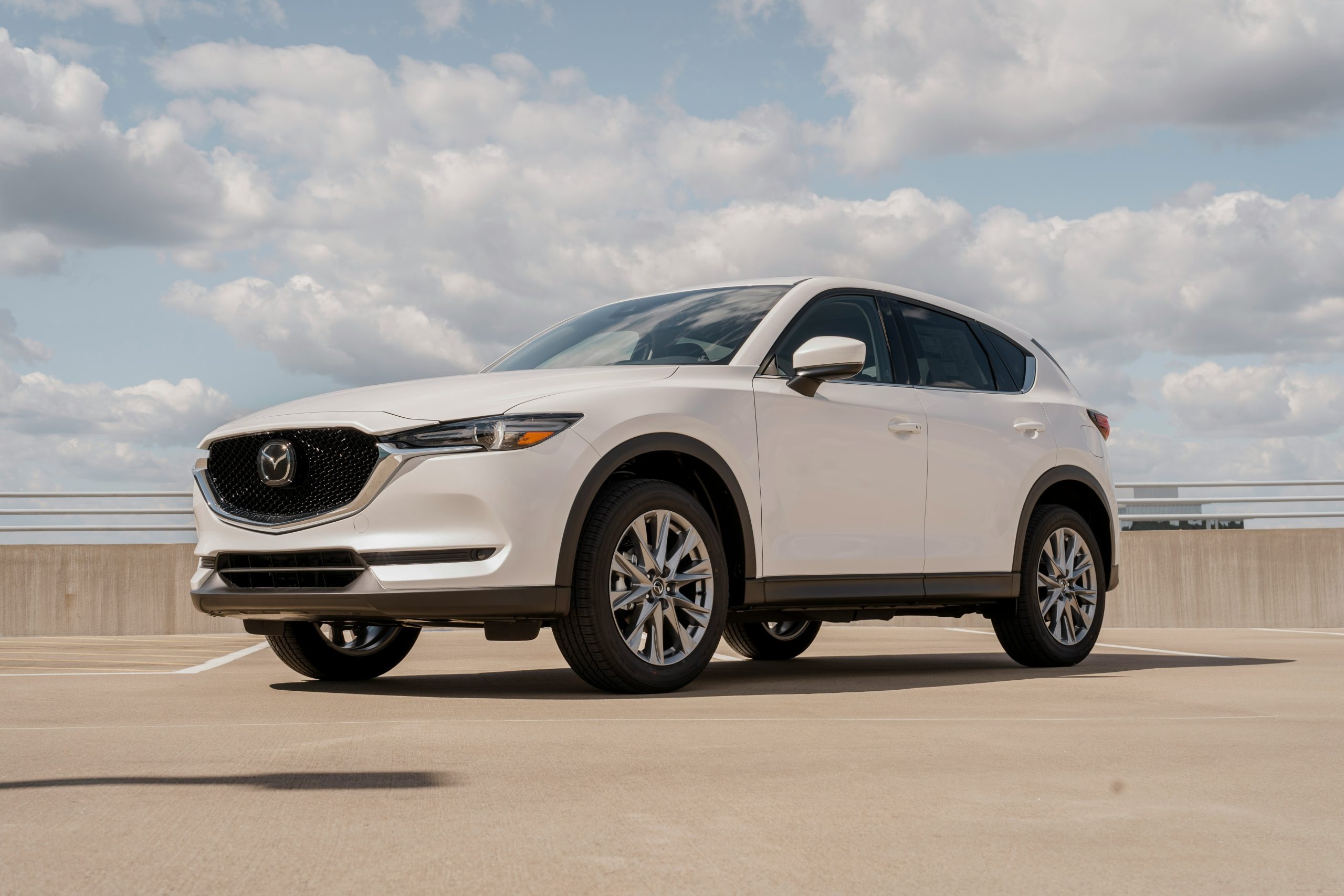
5. Mazda CX-5
The Mazda CX-5 has grown in popularity due to its fuel efficiency, stylish design, and low maintenance cost. One reason it keeps maintenance low is the quality of its suspension and wheel bearing components. The bearings used in most CX-5 models have a long lifespan and do not commonly cause problems for drivers.
Mazda designed these bearings to be fully enclosed, which helps prevent water and dirt from creeping in and causing internal damage. They also used materials that reduce friction and heat buildup, making them ideal for long-distance travel or daily commuting without risk of early wear.
Another reason CX-5 owners rarely complain about bearing problems is that the car’s suspension handles bumps gently, reducing pressure on the wheel hubs. Whether it’s city roads or highway cruising, the CX-5 maintains a smooth and silent drive. This low level of vibration also means fewer chances for bearing damage as time goes on.
Mechanics who work on these vehicles often say that wheel bearing failure is not a regular repair issue for the CX-5. Even those who buy used versions report that the wheel bearings continue to perform well long after the car crosses the 100,000-mile mark.
For drivers who want peace of mind while spending less on repairs, the Mazda CX-5 is a reliable option. Its bearing system is built to serve long-term, keeping owners away from the frequent grinding noise complaints that affect other cars in this category.
Cars with Bearings Grinding at 80,000 Miles
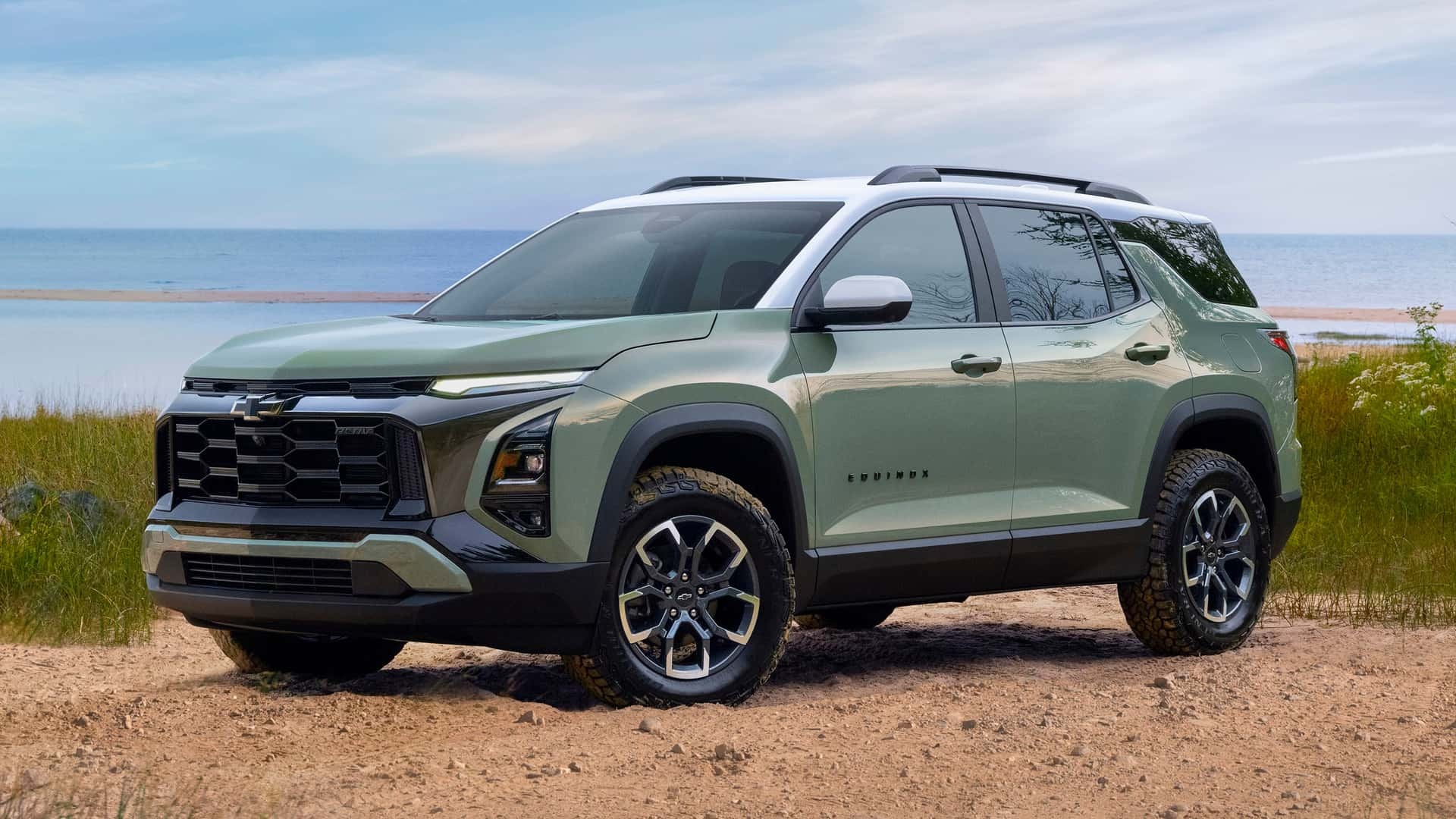
1. Chevrolet Equinox
The Chevrolet Equinox has been a strong seller for General Motors in the compact SUV segment, but its record with wheel bearings has not been great. Many Equinox owners have experienced bearing noise or complete failure just before or shortly after the 80,000-mile mark.
In several cases, the sound starts gradually, usually described as a humming or grinding noise from one of the wheels, and then becomes more noticeable with increased speed.
One of the major reasons behind this issue is the bearing design in earlier model years. These wheel hubs often come with a lower-grade bearing assembly that wears down faster when exposed to water, dirt, or heavy loads.
Because of the SUV’s weight and its front-wheel-drive layout in base trims, the front bearings tend to wear out quickly than those at the rear. This puts drivers in a situation where replacements become necessary far earlier than they should.
Even though the newer Equinox models have seen some improvement in build quality, this bearing problem continues to appear in maintenance records and forums.
Technicians usually recommend replacing both front bearings together when one starts failing, which adds more to repair costs. Left unattended, failed bearings on the Equinox can lead to steering problems, vibration, and even uneven tire wear.
Drivers who do a lot of highway driving or carry passengers frequently may notice the symptoms earlier. The sound often gets louder while turning, which is a common sign of bearing fatigue. This has led some Equinox owners to switch brands entirely after repeated bearing changes within a relatively short ownership period.
Despite being a comfortable and roomy crossover, the Equinox has yet to match its competitors when it comes to wheel bearing durability. While it performs well in other mechanical areas, this particular issue tends to frustrate owners who expect longer-lasting components.
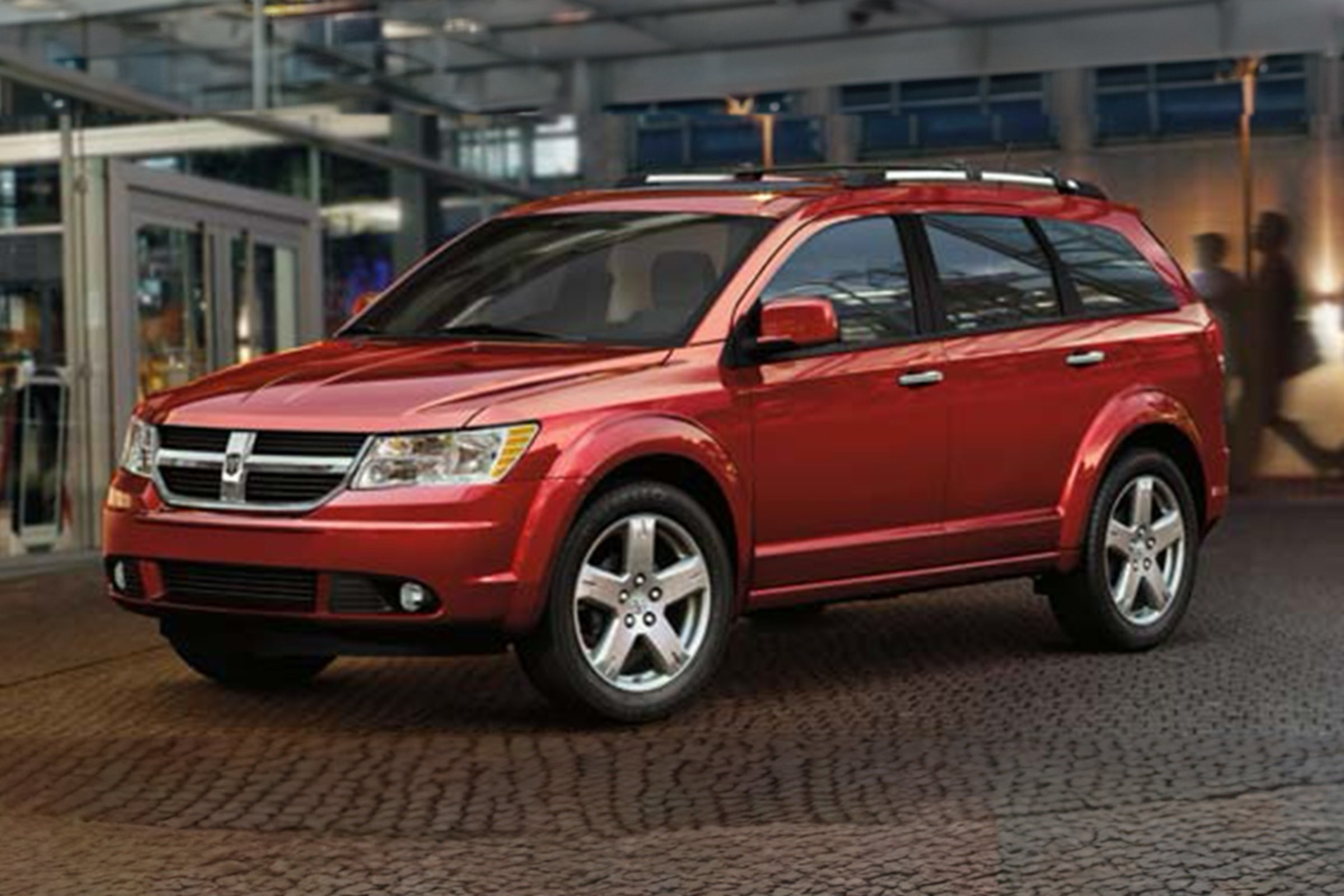
2. Dodge Journey
The Dodge Journey, though spacious and affordable, often ends up needing wheel bearing replacements earlier than many would expect. For several drivers, the first signs of trouble show up just before 80,000 miles, with noticeable humming noises during acceleration or while making turns.
As the mileage increases, the sound turns into a rough grinding that becomes more severe. This problem is especially common in Journeys from the 2009 to 2018 model years. One of the reasons is that Dodge used bearing hubs that are not well-sealed against outside elements.
In wet or dusty environments, these bearings tend to get contaminated quickly, leading to faster wear. Once the grease inside the bearing wears off or becomes dirty, friction increases, which accelerates the failure process.
What frustrates many owners is how frequently the bearing problem returns. Some drivers report having to replace wheel bearings multiple times, sometimes less than 30,000 miles after the last replacement. This cycle of early failure leads to increased maintenance costs and dissatisfaction with the vehicle’s long-term dependability.
Mechanics who work on the Journey often say the issue can affect any of the four wheels, although the front bearings are usually the first to go. Depending on the type of road the car is driven on, the problem might appear even earlier. Potholes, rough pavement, or sudden temperature changes seem to wear out the already weak bearings much quickly.
Although Dodge has improved other parts of the Journey across different model years, the wheel bearing remains a weak point. Unless replaced with a higher-quality aftermarket option, the factory bearings tend to fail before they even reach 100,000 miles. For those planning to buy this car, it helps to be prepared for potential bearing issues as part of regular maintenance.
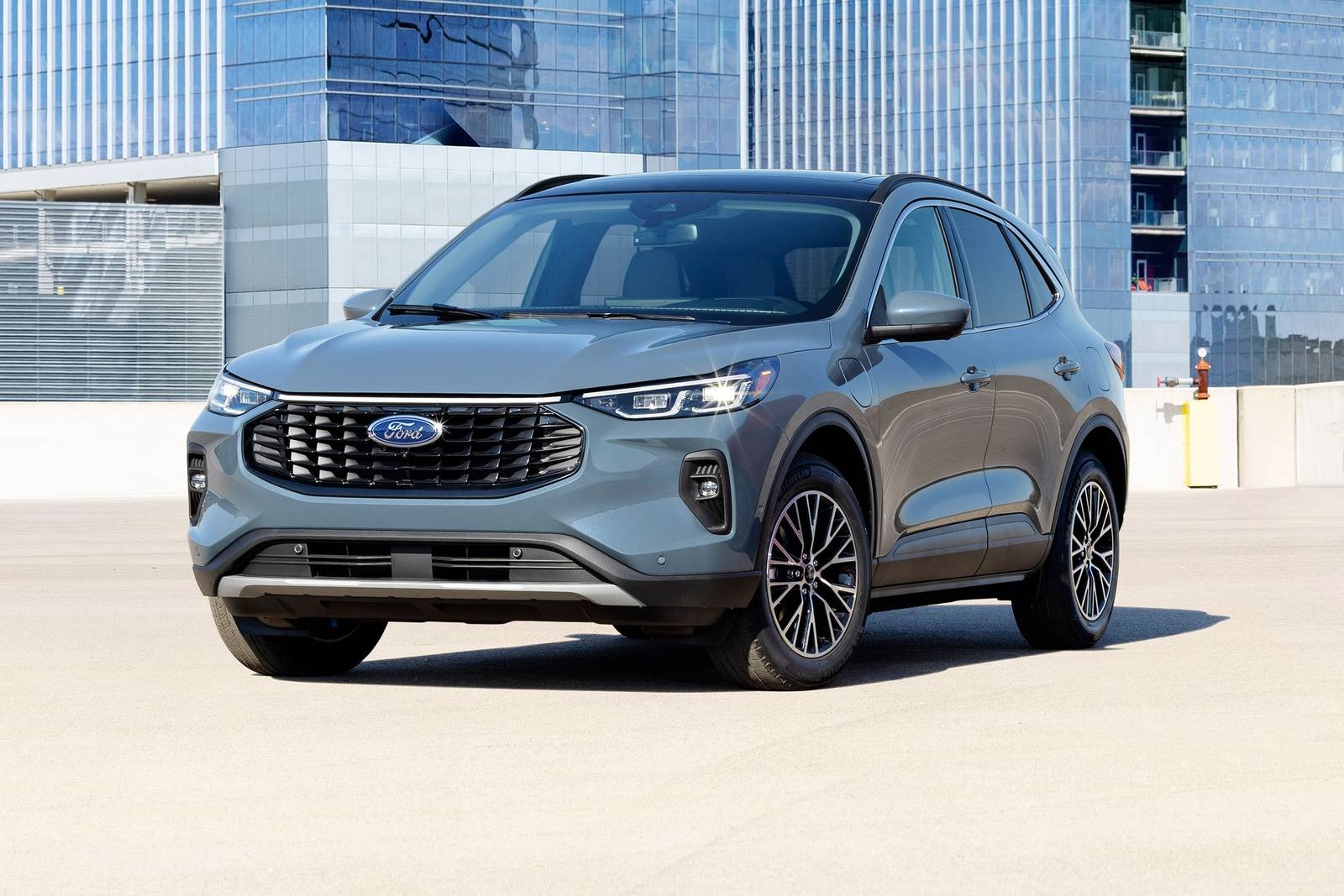
3. Ford Escape
The Ford Escape, while known for its quick acceleration and stylish design, often develops bearing problems far too early. Many owners begin to notice grinding noises, vibration, and tire wobble around 75,000 to 85,000 miles. These symptoms usually point to the start of wheel bearing wear, and in most cases, the affected parts need replacing shortly after the first signs appear.
Earlier Escape models, especially those from 2008 to 2014, experienced this problem more frequently. The issue is partly linked to the type of wheel bearing assembly used, which is prone to moisture intrusion and grease leakage. Once the inner surfaces dry out or become contaminated, the friction between metal components increases, which results in noise, heat, and premature failure.
In cities with lots of rainfall or road salt, like in the northern states, Escape owners often complain about bearings going out sooner than expected. Even though some bearing issues are covered under warranty early on, they tend to reappear with time, especially if the car is used heavily. Many mechanics report that once the first bearing fails, the others are likely to follow.
One of the downsides of the Escape is that the repair process is a bit more complicated than with some other cars. Replacing the bearings may require removing more components, which increases labor time and cost. Drivers who have to do multiple replacements within a short span often become frustrated with the added maintenance burden.
This car does well in performance tests and comfort, but the early failure of such a vital part takes away from the ownership experience. While the newer Escape generations have seen upgrades in bearing quality, buyers of earlier models need to stay alert once they pass 70,000 miles, especially if driving in harsh conditions.
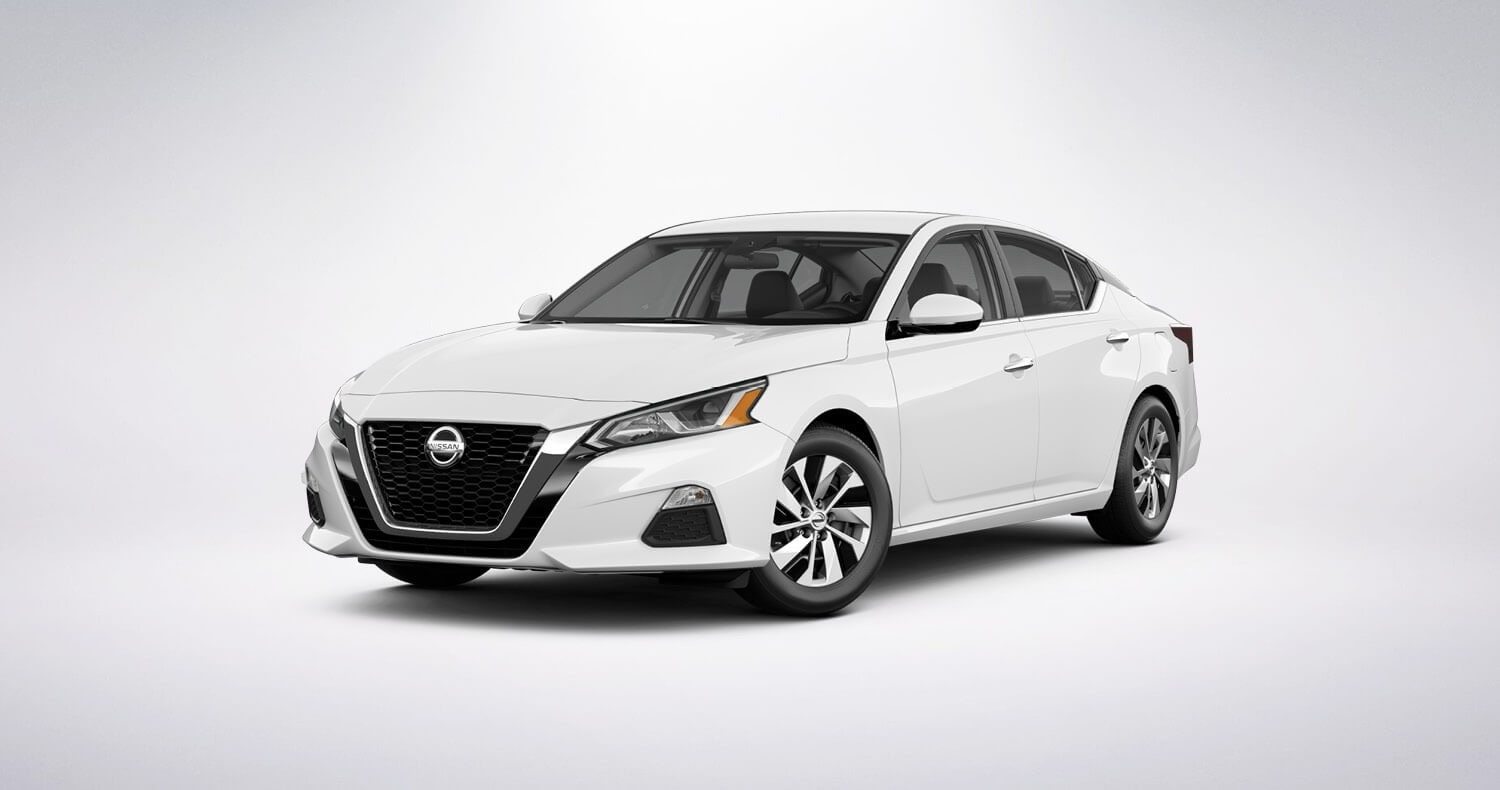
4. Nissan Altima
The Nissan Altima remains a popular choice for sedan lovers because of its fuel efficiency and smooth ride. However, one complaint that shows up frequently among drivers is the early development of wheel bearing issues, particularly between 70,000 and 90,000 miles. The problem often starts with a low humming noise coming from the wheels and later turns into a louder grind if ignored.
These symptoms are most common in Altima models released from 2007 to 2015. Many of them came with wheel bearings that were not fully sealed or were made with less durable materials.
This design allows for moisture and road particles to enter the assembly and affect its smooth rotation. Once the lubrication fails or wears out, the bearing starts creating resistance and makes the driving experience less comfortable.
The front wheel bearings are usually the first to go bad. As the wear progresses, steering may begin to feel loose or shaky, and tire noise may increase. Some drivers also report that their tires begin to wear unevenly because of bad bearings, adding tire replacement to the repair bill. Those who drive daily or use the car on rough roads tend to face this issue much earlier.
Another thing that makes the problem frustrating is that some Altima owners find themselves replacing bearings more than once, especially if the replacements are done using factory parts rather than premium aftermarket alternatives. Mechanics often recommend switching to higher-quality hubs once the first failure happens.
Despite the Altima’s strengths in comfort and fuel savings, the wheel bearing issue remains a concern for long-term ownership. Regular checks and early intervention can help avoid more expensive repairs. But for drivers looking for a sedan that doesn’t require frequent bearing replacements, the Altima may not be the ideal pick in this area.
Also Read: 5 Cars With Lifetime Engine Seals vs 5 That Leak Oil by 100,000 Miles
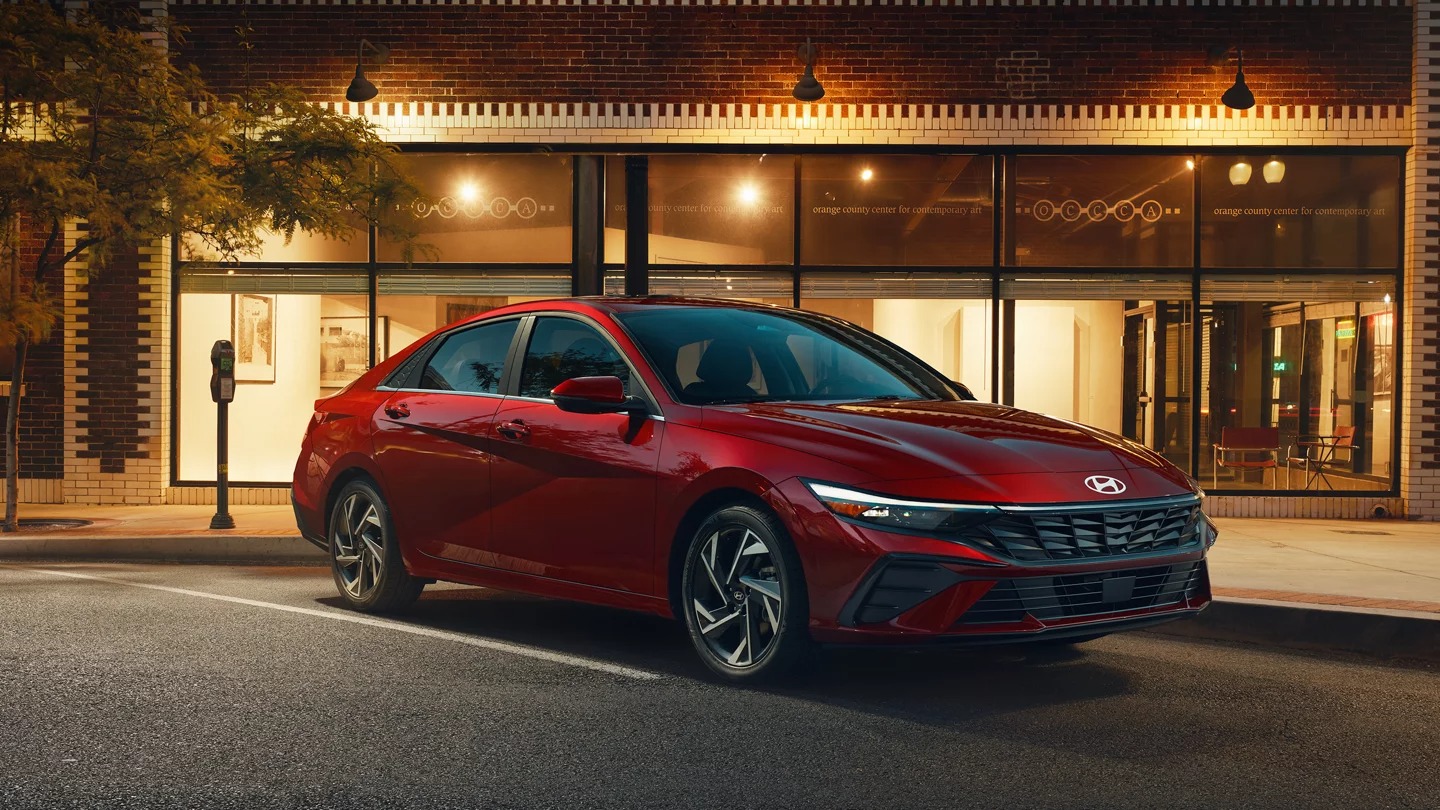
5. Hyundai Elantra
The Hyundai Elantra is often praised for its modern design and budget-friendly appeal. Yet many Elantra owners have faced unexpected wheel bearing issues around 80,000 miles.
What surprises most people is how quiet and smooth the Elantra is until the wheel bearing starts failing. Once the problem begins, the usual warning signs include a humming noise that grows louder during turns or at higher speeds.
The root of the problem lies in the quality of the bearings used in many Elantra models. While they function well for the first few years, they do not always hold up under long-term driving conditions.
Moisture, road salt, and uneven terrain often accelerate the wear process. By the time the odometer hits 80,000, many Elantras begin to show signs that a bearing replacement is needed. Mechanics often describe the process of replacing Elantra bearings as straightforward, but that does not make the issue any less frustrating for owners.
Many of them end up replacing one or more bearings sooner than expected. In some cases, owners also find that the new bearings do not last as long as they should, especially if installed with factory-level parts instead of upgraded options.
Another concern is that worn bearings can negatively affect other systems. For example, drivers have reported steering vibration, unusual tire wear, and alignment problems that all trace back to a bad bearing. These secondary issues increase the cost of maintenance and make the ownership experience less enjoyable.
Although the Elantra remains a smart choice in many categories, like fuel economy and features, the early bearing wear does take away from its value. Buyers planning to keep the car for a long time may want to prepare for this maintenance need or consider investing in better-quality parts early on to avoid repeated replacements.
