In the U.S., where harsh weather, gravel roads, crowded parking lots, and adventurous lifestyles are common, vehicle surfaces take a beating.
From tree branches on off-road trails to rogue shopping carts at suburban malls, scratches are part of everyday car ownership.
Fortunately, automakers have taken notice, offering models with more resilient paint finishes, durable exterior materials, or specialized coatings that help vehicles retain their showroom looks longer.
Below are 10 vehicles known for their scratch-resistant surfaces or body materials, combining style with toughness.
1. Jeep Wrangler
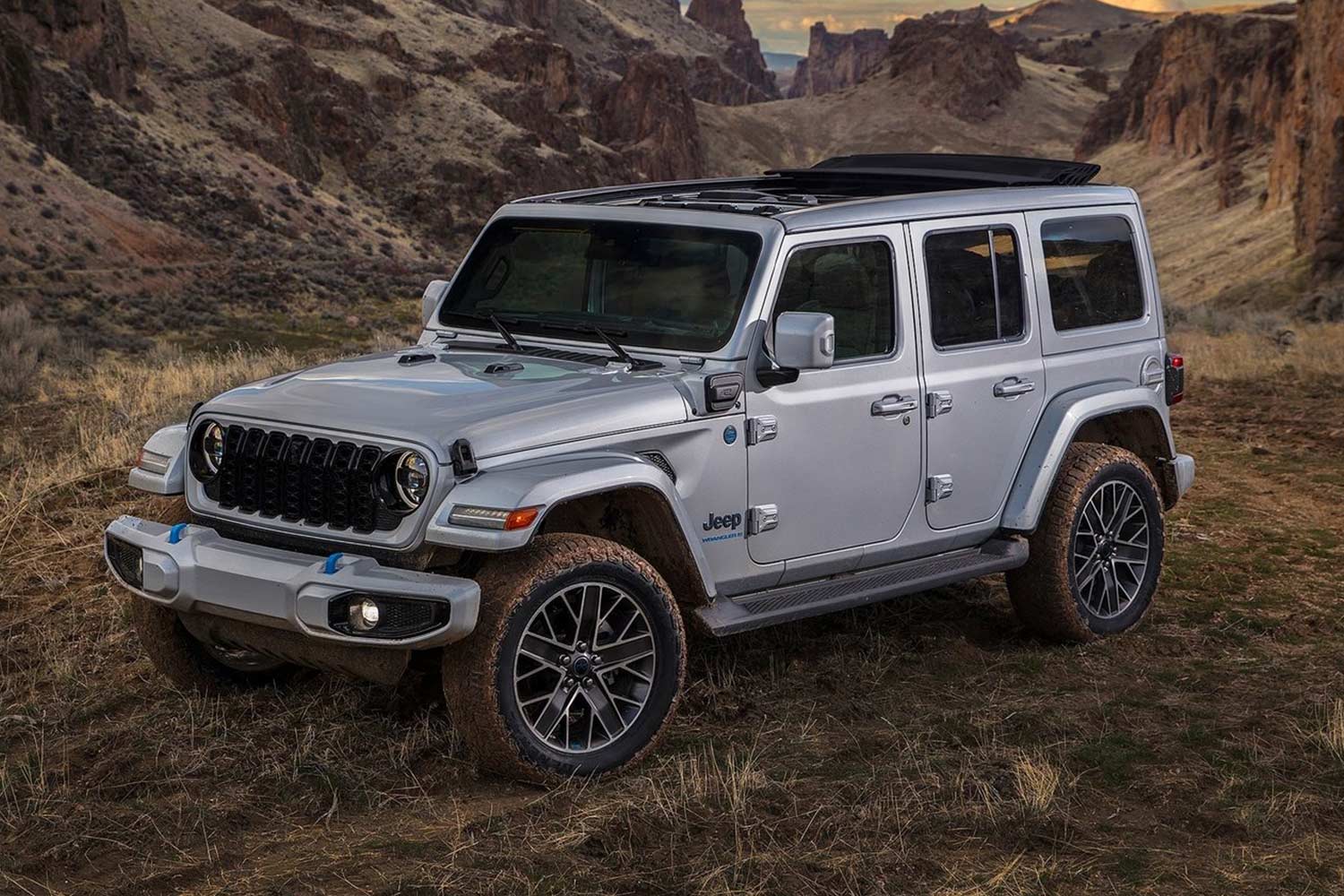
The Jeep Wrangler is built for rugged use, and it shows in the materials used.
While the base paint job is average in scratch resistance, many owners upgrade with Mopar’s heavy-duty fender flares, rock rails, and tube doors that use scratch-resistant powder coatings.
Also, aftermarket options like Kevlar or Rhino-lined wraps are popular for adding a near-impervious shield to the Wrangler’s exterior.
There’s no escaping the fact that the Jeep Wrangler is an unapologetically old-school off-roader. Its solid, heavy axles exaggerate every imperfection in the road, causing the body to shimmy in a way you simply won’t experience in the more polished and composed Land Rover Defender.
You’ll also hear a fair bit of suspension clatter when you hit potholes or raised drain covers. Add to that the roar from its chunky tyres at higher speeds, and the wind noise whipped up by its boxy silhouette, especially noticeable in hard-top versions and refinement clearly isn’t its strong suit. Even the rather rugged Toyota Land Cruiser manages to offer a quieter long-distance drive.
That said, compared with the Ineos Grenadier, which offers almost no steering feedback, the Wrangler feels surprisingly trustworthy in its responses.
Sure, even moderate cornering speeds can easily overwhelm the grip of its tyres, particularly the off-road-focused rubber on Rubicon models but the steering communicates clearly, letting you know exactly how much grip you’ve got to play with.
For the UK market, the Wrangler comes with just one engine: a 268bhp 2.0-litre turbocharged petrol mated to an eight-speed automatic gearbox as standard.
It doesn’t have the same vocal charm as the six-cylinder units found in the Ford Ranger Raptor or the Grenadier, but with an official 0-62mph time of 7.2 seconds, it outpaces both. On top of that, it’s smoother than the diesel-only Land Cruiser.
Where it falls short is the gearbox, which feels sluggish to respond to throttle inputs. The workaround? Slip it into manual mode and take control yourself with the chunky gear lever.
Speaking of levers, there’s another one on the centre console dedicated to off-road duty. This allows you to shift from two- to four-wheel drive and select different 4×4 modes. It’s noticeably stiffer to move than the gear lever, but that stiffness matches the Wrangler’s rugged personality.
Once four-wheel drive is engaged, you can lock the centre differential to ensure equal power distribution to both axles. The low-range gearbox enhances throttle precision at slow speeds and multiplies torque, making it easier to tackle steep climbs.
On our test track’s heavily rutted off-road course, that combination gave the Wrangler a clear edge. While the Grenadier and Defender both got stuck on a tough hill, the Jeep powered straight up without hesitation.
Opting for the Rubicon trim unlocks the Wrangler’s full off-road potential. Beyond the beefier tyres, it adds locking front and rear differentials to further boost traction on slippery terrain.
Manually locking and unlocking differentials might sound daunting, but Jeep keeps it simple. Lock both at once with a rocker switch, and to disengage, just hit a large red button marked “Off.”
The Grenadier offers front and rear locking differentials too, but its system involves a multi-step process, and a misstep can confuse it, preventing proper engagement.
The Rubicon goes one better with a unique detachable anti-roll bar that allows for greater suspension travel. When disengaged, the experience is almost surreal, the body stays composed no matter how rough the ground gets.
No competitor offers this feature, and when combined with its other off-road hardware, it cements the Wrangler’s status as the most capable off-roader you can buy today.
Also Read: 5 Forgotten Family Cars That Last vs 5 Bestseller Family Cars With Issues
2. Tesla Cybertruck
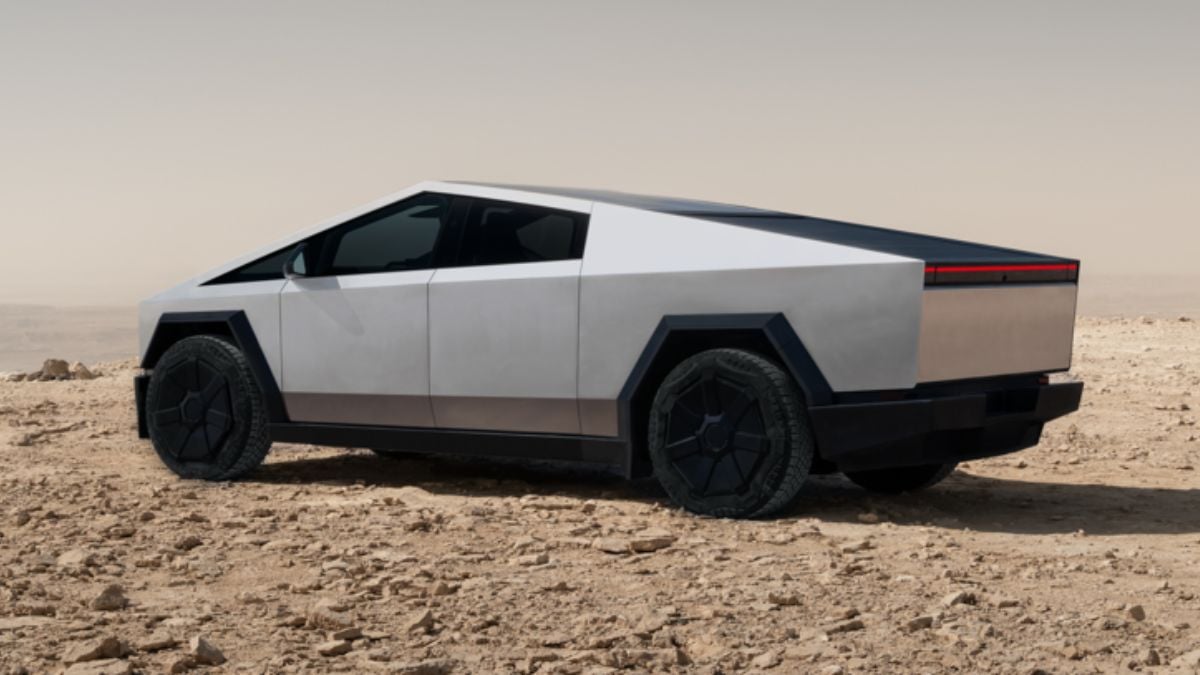
Love it or hate it, the Tesla Cybertruck is one of the most scratch-resistant vehicles ever built.
Its 30X cold-rolled stainless steel exoskeleton doesn’t require traditional paint, which means scratches from branches, tools, or even minor impacts don’t show as they would on a regular vehicle.
While stainless steel can still dent, it resists superficial scratches far better than clear-coated paint. The Cybertruck AWD packs a propulsion system that delivers a combined 600 horsepower. For those craving truly mind-bending performance, there’s the Cybertruck Beast, which boasts three motors producing a massive 834 horsepower.
Every Cybertruck comes standard with all-wheel drive and an adjustable air suspension that can raise or lower the vehicle on demand, offering up to 17 inches of ground clearance. Combine that with its 35-degree approach angle and 28-degree departure angle, and Tesla’s pickup is shaping up to be a serious off-road contender.
On pavement, the oversized Cybertruck surprises with its agility. We tested a Founders Edition Beast model and found that the pairing of rear-wheel steering with a variable-ratio steer-by-wire system significantly improved maneuverability in tight urban spaces—something you wouldn’t normally expect from a truck of this size.
3. Toyota 4Runner
The Toyota 4Runner is a staple among off-roaders and weekend warriors. The TRD Pro trim, in particular, comes with unique exterior styling, including black accents and skid plates with more robust coatings.
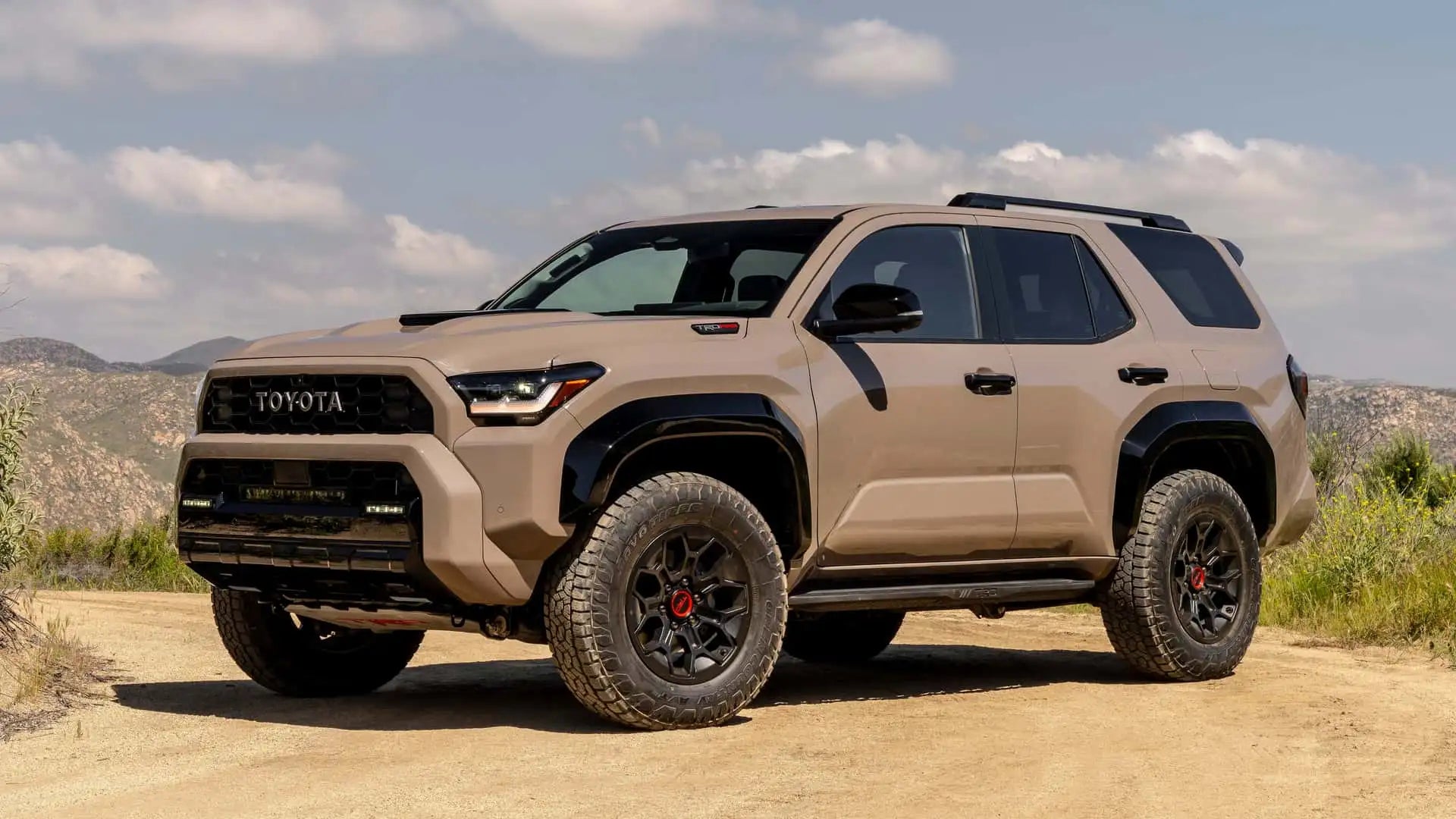
Toyota’s multi-layer clear coat system holds up well against brush contact and grit, especially when paired with aftermarket PPF (paint protection film).
Every 4Runner is powered by a 278-hp turbocharged 2.4-liter four-cylinder engine paired with an eight-speed automatic transmission. Rear-wheel drive comes standard, while a full-time four-wheel drive system is available as an option, complete with a two-speed transfer case offering both high and low ranges.
Toyota equips the 4Runner with a range of terrain-tackling features, including optional disconnecting stabilizer bars, a locking rear differential, and an off-road cruise control system. Hybrid versions add even more off-road hardware, such as manually adjustable dampers, although that model is reviewed separately.
During our time behind the wheel, both on pavement and off, the latest 4Runner impressed us with its improved road manners compared to the previous generation. Still, its bulk and somewhat lumbering nature serve as constant reminders that this is a truck-based SUV. Out on the trails, though, it’s genuinely enjoyable to drive, aided by excellent visibility and responsive steering.
4. Ford Bronco
The reborn Ford Bronco doesn’t just offer off-road prowess it also comes with durable trim components. Steel bumpers and modular fender flares in higher trims come with textured or powder-coated finishes designed to resist scratching from trail debris and rocky paths.
Paired with hardtop roof panels and easily replaceable doors, the Bronco is made to take a hit and still look good.
The Bronco Sport shares its platform with the compact Escape crossover, and all trims come standard with all-wheel drive. Power starts with a 180-hp turbocharged 1.5-liter three-cylinder engine, while an optional 250-hp turbocharged 2.0-liter four-cylinder is also offered.
Both engines are paired with an eight-speed automatic transmission, but the 2.0-liter version adds steering-wheel-mounted paddle shifters and upgraded cooling components for enhanced performance.
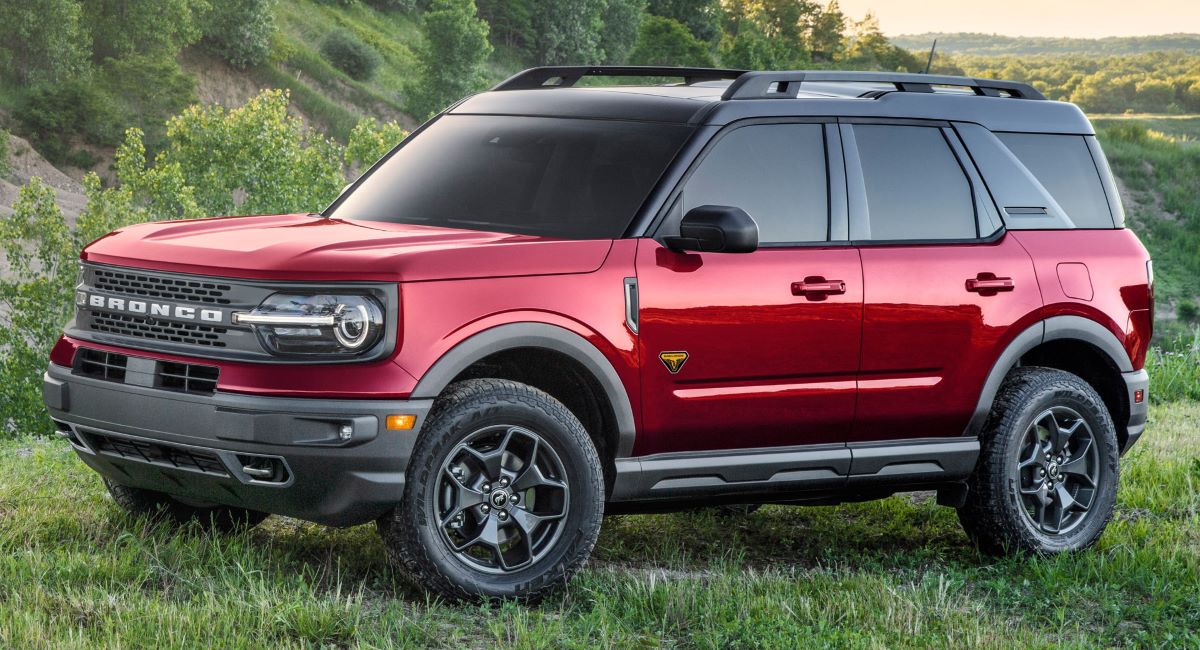
At the top of the lineup, the Badlands trim brings a host of exclusive gear, including a twin-clutch rear-drive unit with a differential lock, a feature also available on the Outer Banks Sasquatch.
Both the Badlands and Sasquatch-equipped models ride on all-terrain tires wrapped around 17-inch wheels, benefit from a 1.0-inch suspension lift for extra ground clearance, and feature tougher dampers for improved durability.
We drove the 2025 Bronco Sport Badlands Sasquatch on and off the pavement, and it proved to be a highly capable trail machine. Its aggressive, knobby tires create more road noise on the highway than the standard model’s, but otherwise, it remains just as nimble as any other Bronco Sport.
The 2.0-liter engine gives the Badlands a quick, eager character, whereas the base 1.5-liter in lower trims feels a bit strained at higher speeds.
Also Read: 8 Turbocharged Engines That Don’t Sacrifice Longevity
5. Subaru Outback Wilderness
The Outback Wilderness edition doesn’t just add off-road capability it comes with blacked-out, matte-finish plastic cladding that hides scratches remarkably well.
This model also features a more rugged roof rack, weather-resistant badging, and high-clearance bumpers.
Subaru’s factory paint and clear coat aren’t the thickest in the industry, but the Wilderness trim compensates with more durable, textured materials on high-contact zones.
Outback buyers can choose between two engines: a standard 182-hp 2.5-liter or an available 260-hp turbocharged 2.4-liter. Both are paired with a continuously variable automatic transmission (CVT) and come standard with all-wheel drive.
Subaru has worked to give the CVT characteristics closer to a traditional automatic to minimize the annoying engine drone, and for the most part, it succeeds. However, the last Outback we tested with the standard engine couldn’t defy physics, it delivered lackluster acceleration and a transmission that felt sluggish.
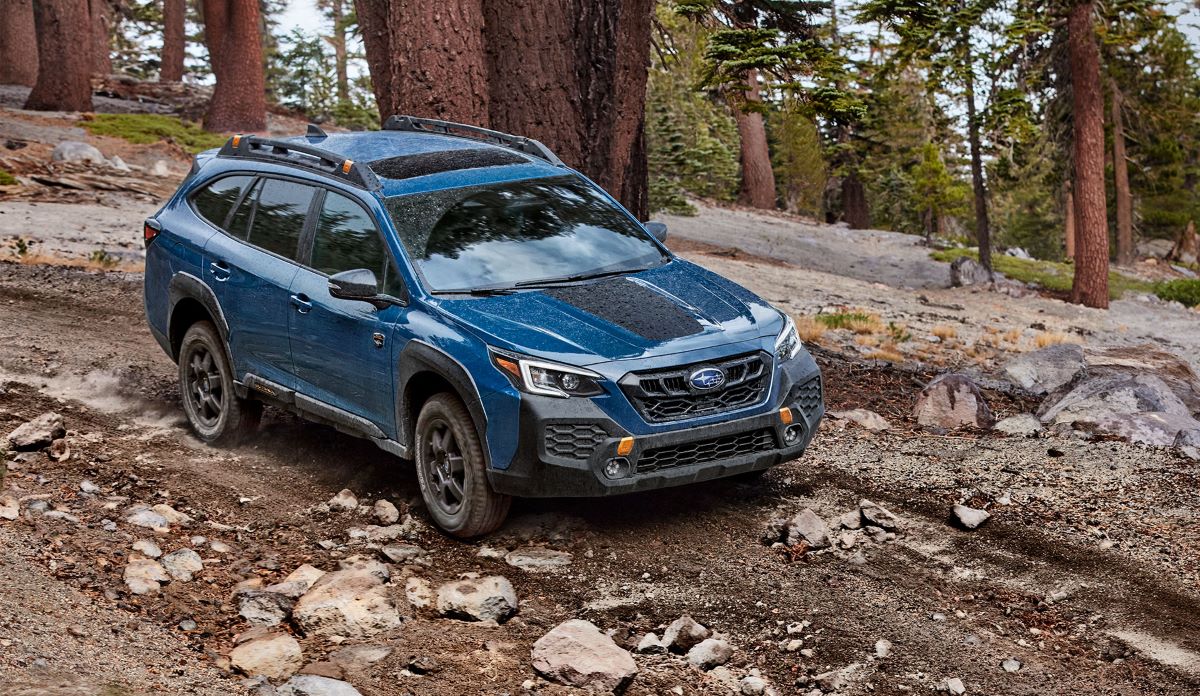
The turbocharged engine offered noticeably better response and acceleration during our test drive, though the transmission still failed to fully deliver on the performance potential.
Will most buyers care? Probably not, since they tend to prioritize ride comfort and the Outback’s capability for light off-road use. Its standard all-wheel drive is a real asset in bad weather, and the 8.7 inches of ground clearance is more than enough for worn trails and occasional rough patches.
For those wanting more, the rugged Wilderness model ups the ante with skid plates, beefier suspension, and 9.5 inches of clearance. It also introduces Snow and Mud drive modes to better handle challenging conditions.
Still, despite these upgrades, the Outback remains more car than hardcore off-road SUV. That translates to a comfortable ride around town and on the highway but a total lack of sporty character, something that might disappoint WRX enthusiasts considering this practical wagon.
On the plus side, towing capacity is solid: the standard engine can pull 2700 pounds, while the turbocharged version increases that figure to 3500 pounds.
6. Rivian R1T
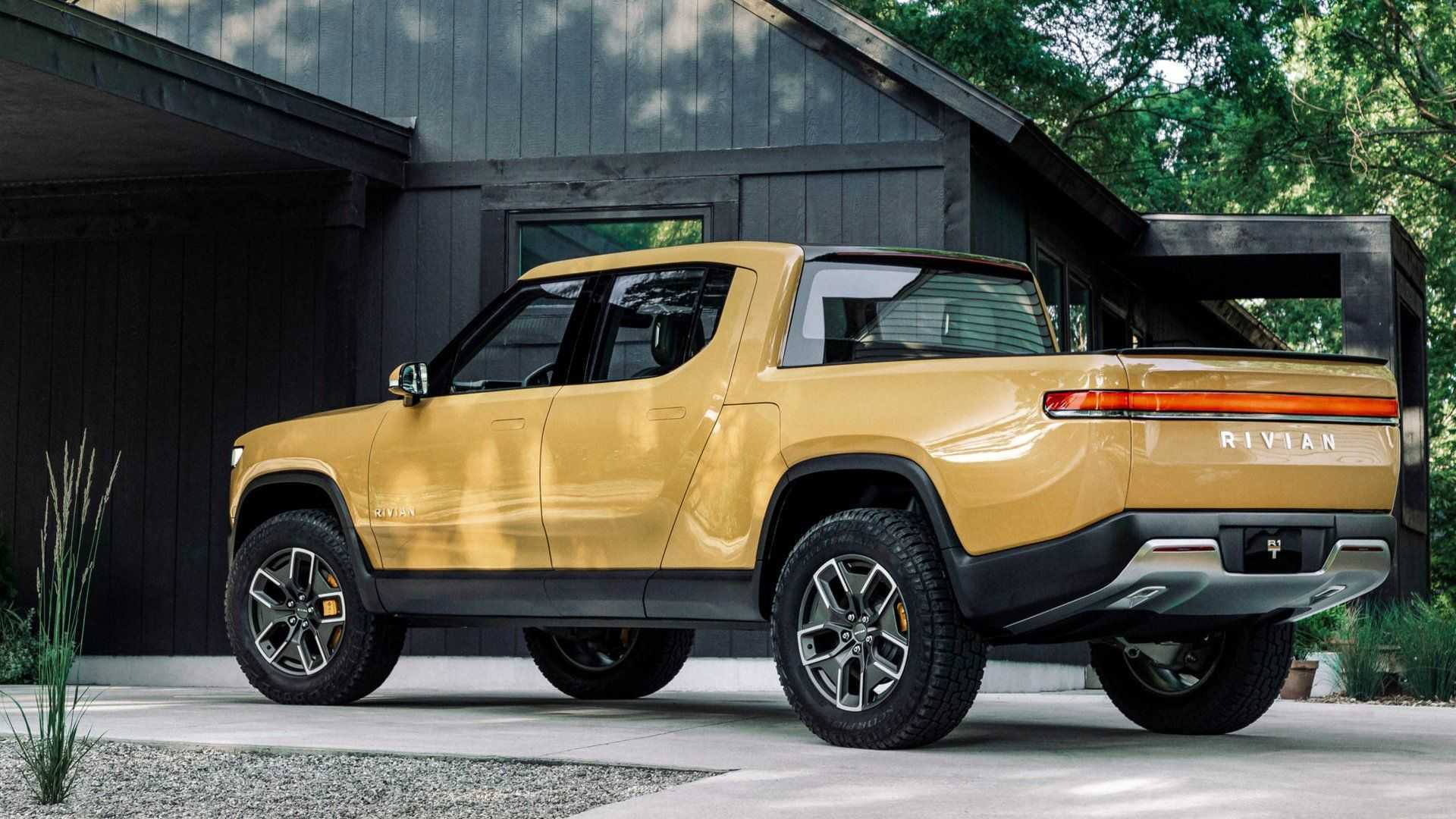
As a premium electric adventure truck, the Rivian R1T offers a scratch-resistant blend of materials. Its body panels include aluminum and thermoplastic components that resist dents and minor abrasions.
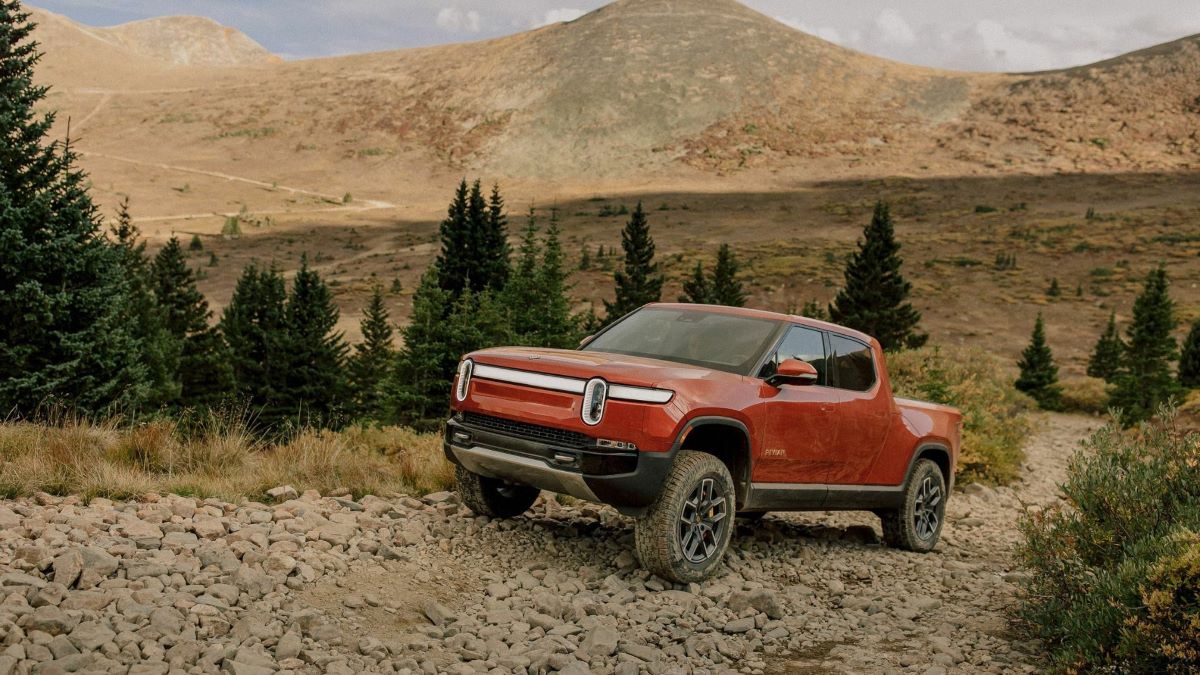
Plus, Rivian offers a factory-applied ceramic clear coat and color options that better hide blemishes. For buyers using their R1T on trails or job sites, it holds up better than many full-size rivals.
Rivian has updated the R1T with revised battery and motor configurations, introducing a better-equipped Ascend trim. This new trim is exclusively offered with the tri-motor Tri Max setup and will also be available with the quad-motor Quad Max configuration coming in 2025.
The truck’s infotainment system has been upgraded with more computing power and now features Connect+, giving owners access to streaming apps such as Apple Music and YouTube. However, Apple CarPlay and Android Auto remain absent.
Additionally, the R1T benefits from updated cameras, sensors, and software that enhance the performance of its advanced driver-assistance features, including several new ones. Rivian has also reworked the air suspension to improve both comfort and handling, while upgrading the truck’s electrical architecture with improved battery packs and faster processors.
7. Mercedes-Benz G-Class (G 550 Professional Line)
The G-Wagen, particularly in its more rugged configurations, comes with durable, military-grade exterior options. Matte finishes, powder-coated brush guards, and wheel arch extensions are all available straight from the factory.
The G-Class was originally designed as a military vehicle, and that heritage translates into materials that handle brushes with trees and tight parking with minimal cosmetic damage.
The G-class is becoming more aerodynamic for 2025. No, it’s not transforming into a sleek crossover like the EQS SUV, but subtle design tweaks aim to help the G550 slice through the air more efficiently. The grille, front bumper, and A-pillars have been reshaped, while a small spoiler on the roof’s leading edge channels air up and over the SUV.
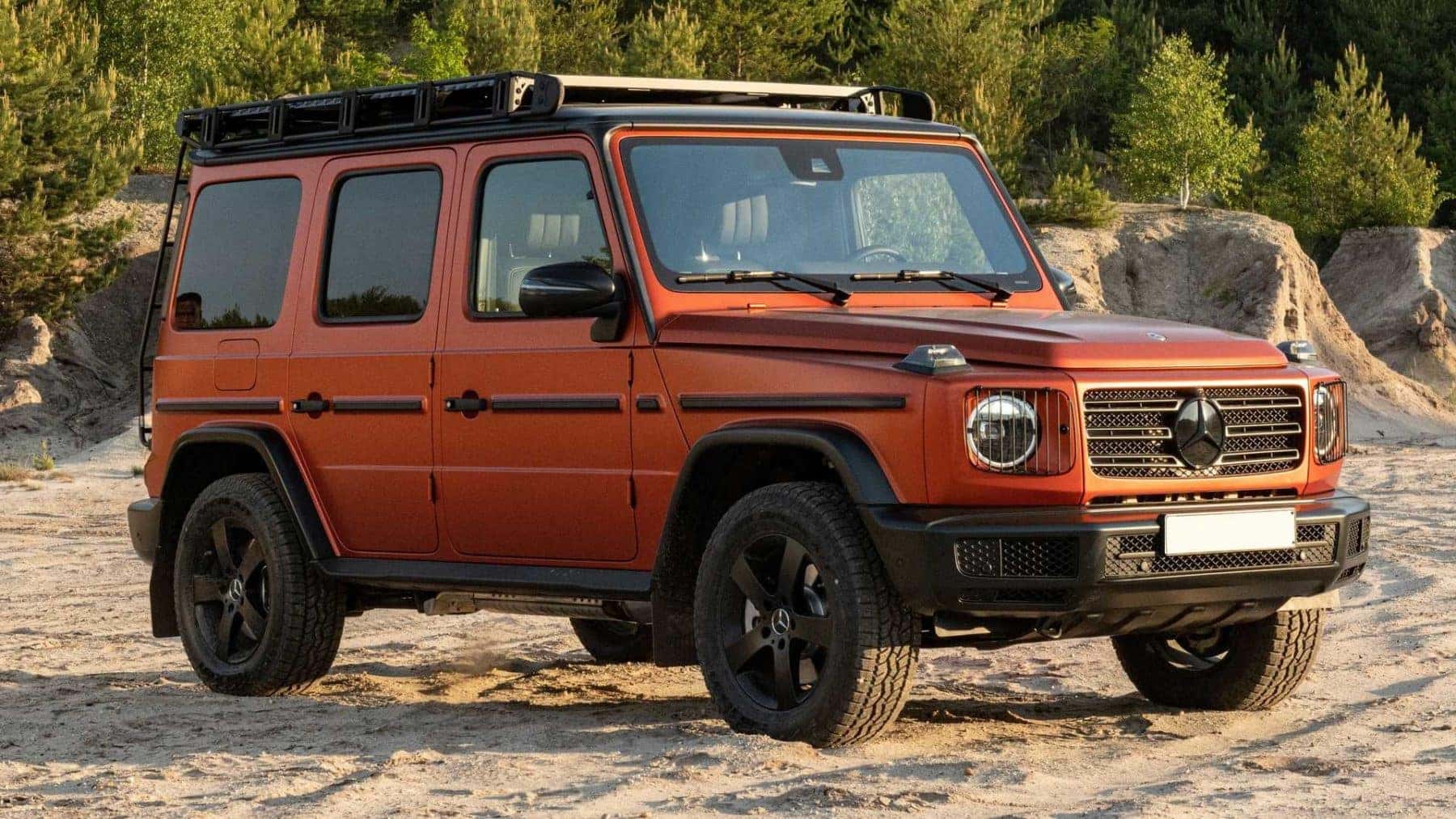
The biggest change lies under the hood: the 2024 model’s V-8 has been replaced with a turbocharged 3.0-liter inline-six paired with a 48-volt hybrid system. Horsepower climbs to 443, although torque dips slightly. Despite the drop in torque, acceleration should remain on par with the outgoing model.
Inside, the G550 now features the MBUX infotainment interface on its dashboard. This updated software offers expanded connectivity, including an optional rear-seat entertainment system with dual 11.6-inch displays capable of streaming video and browsing the web.
Other enhancements include a new 360-degree camera system that can display what’s underneath the vehicle, additional personalization choices through the Manufaktur program, and the availability of adaptive cruise control with a lane-centering feature. The 2025 Mercedes-Benz G-class starts at $149,400, with prices climbing to $163,700 depending on trim level and selected options.
8. Ram 1500 Rebel / TRX
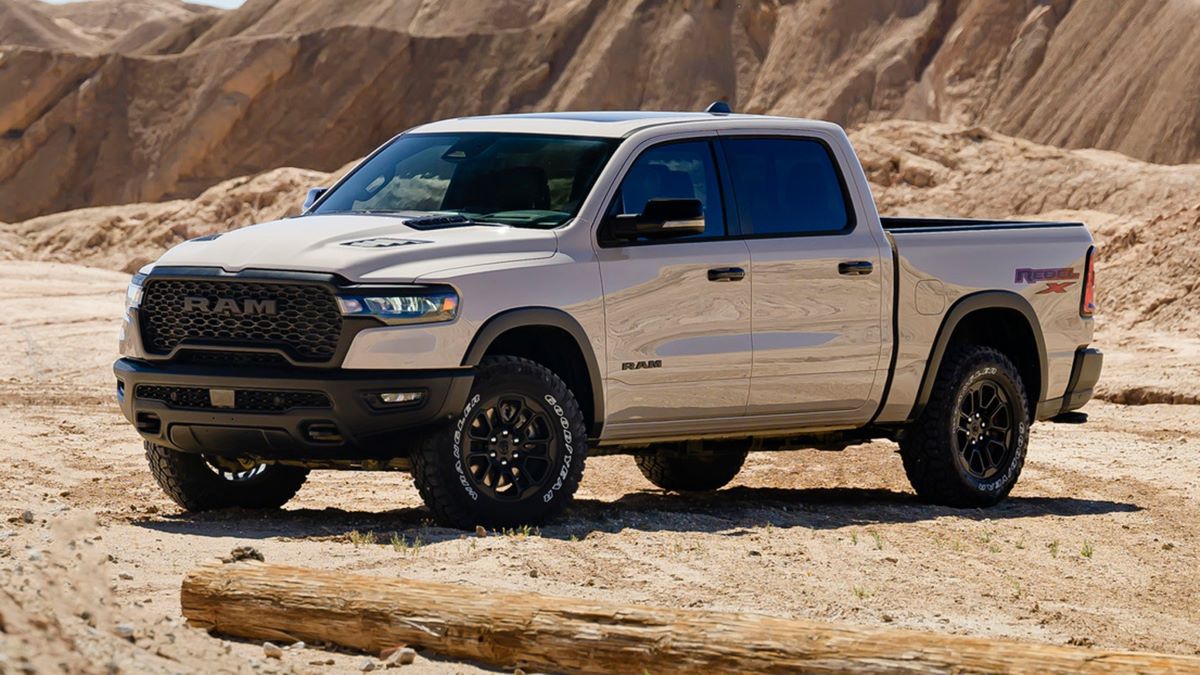
These off-road-ready trims of the Ram 1500 feature scratch-masking elements like black wheel arch moldings and powder-coated skid plates.
Ram also uses a multi-layer paint process, and the Rebel’s optional two-tone color scheme hides dust, dirt, and scratches much better than high-gloss competitors. These features are particularly helpful on construction sites or while towing through brushy terrain.
For 2025, Ram has refreshed its full-size truck with a facelift and a series of upgrades. The iconic Hemi V-8 is gone, replaced by a new twin-turbocharged inline-six available with either 420 or 540 horsepower.
While the exterior styling changes are subtle, they successfully modernize the look while keeping the truck as attractive as ever. The update includes new lighting elements, redesigned wheels, and an updated color palette.
Inside, the standard 8.4-inch touchscreen has been swapped out for a larger 12.0-inch display, with an even bigger 14.5-inch screen offered as an option. Additionally, buyers can now opt for a 10.3-inch passenger-side screen.
The Ram 1500 has long held the title of the most luxurious truck on the road, and the new range-topping Tungsten model takes that reputation even further. It comes loaded with quilted-leather upholstery, massaging seats, and premium touches like a 23-speaker Klipsch audio system.
This model year also introduces the Ramcharger plug-in hybrid and the fully electric Ram 1500 REV, though those models are reviewed separately.
9. Toyota Tacoma TRD Off-Road / Trail Edition
Toyota’s Tacoma, especially in off-road configurations, features heavy-duty plastic and composite materials on bumpers and lower doors.
These textured surfaces are less likely to show scuffs, while the Trail Edition adds blackout trim that hides scratches. The Tacoma’s optional protective film kits and exterior wraps also contribute to its reputation for holding up well in tough conditions.
Every nonhybrid Tacoma is powered by a turbocharged 2.4-liter four-cylinder engine, offered in two configurations and paired with either an eight-speed automatic or a six-speed manual transmission.
Buyers can choose between rear-wheel drive or four-wheel drive. The base 228-hp turbo four is exclusive to the entry-level SR trim, while the rest of the lineup benefits from the stronger i-Force versions, which produce up to 278 horsepower and 317 pound-feet of torque.
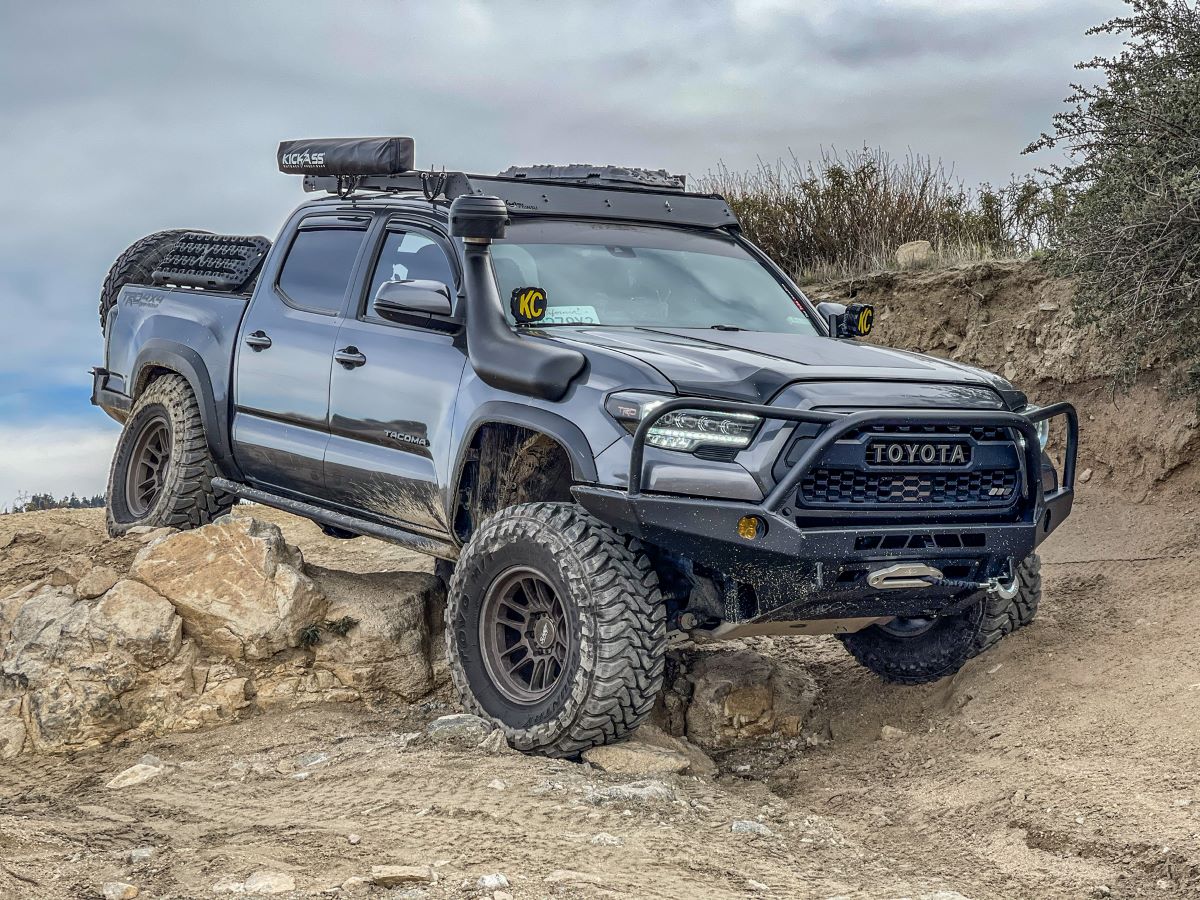
Although all Tacomas use body-on-frame construction, they differ in rear suspension setups. The SR, SR5 extended cab, and TRD PreRunner ride on traditional leaf springs, while the rest of the trims upgrade to coil springs.
We’ve driven several versions of the new Tacoma, including the TRD Off-Road, the PreRunner, and the manual-equipped model, and came away impressed with the truck’s improved on-road manners. Models fitted with coil springs deliver a much smoother ride compared to those with the older leaf-spring design.
In daily driving, the powertrain delivers more than enough muscle, handling city commutes and highway merges with ease. Still, the Tacoma shines brightest off the pavement. The off-road-oriented trims come equipped with the hardware needed to tackle just about any terrain you can throw at them.
10. Honda Element (used market gem)
Though no longer in production, the Honda Element is worth mentioning for its incredibly durable, scratch-resistant plastic body panels and utilitarian design.
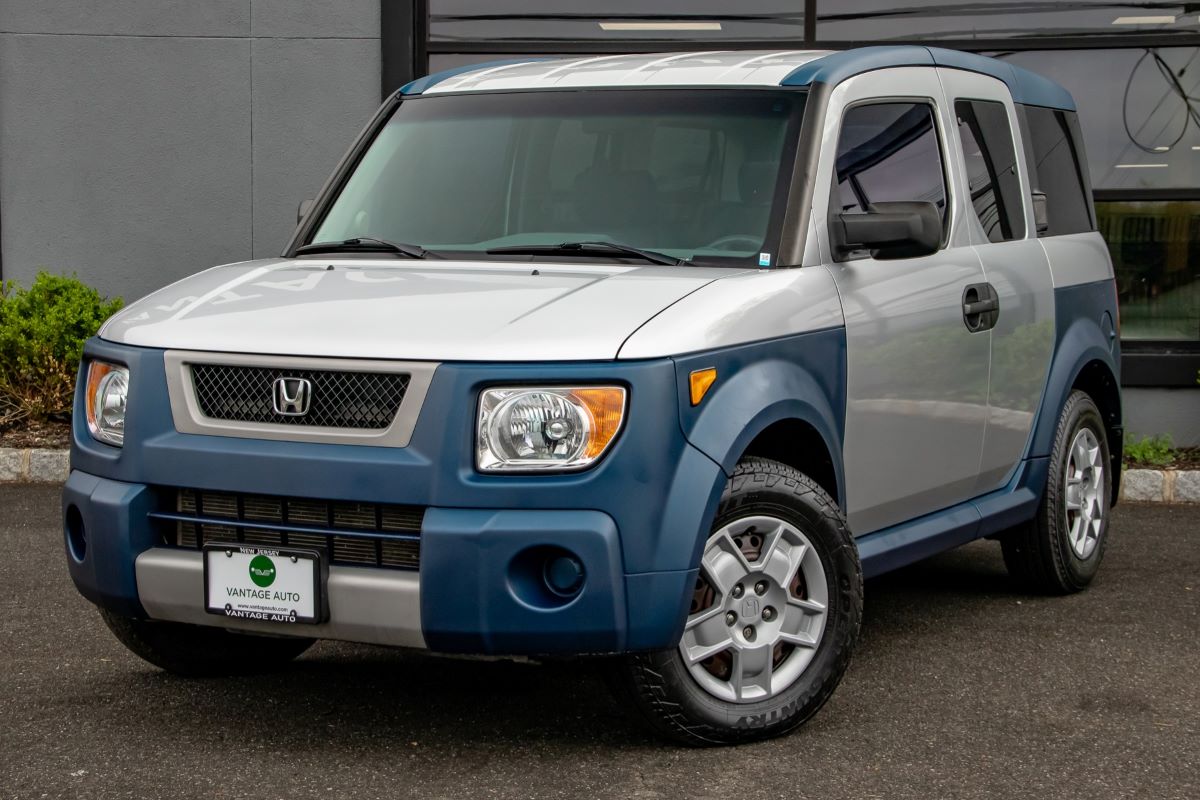
Made with dog owners, campers, and surfers in mind, the Element’s unpainted plastic panels shrug off scratches and dings that would mar a conventional car’s appearance.
It remains a favorite among outdoorsy types looking for resilience on a budget. The 2011 Honda Element stands out as a compact crossover SUV known for its iconic boxy shape and outstanding versatility. Designed with active lifestyles in mind, it delivers a roomy, highly functional interior that makes it a smart pick for a variety of uses.
Its one-of-a-kind styling combined with adaptable features continues to attract buyers who value both practicality and individuality.
For its final production year, the 2011 Element lineup has been simplified with the discontinuation of the SC trim and the removal of the optional navigation system. The focus shifts entirely to the LX and EX trims, both powered by a 2.4-liter four-cylinder engine mated to a five-speed automatic transmission.
Inside, the Element is engineered for functionality, offering a durable urethane-coated utility floor that’s easy to clean and water-resistant seating surfaces perfect for outdoor adventures.
The rear seats are exceptionally flexible, capable of folding flat, flipping up to the sides, or being removed entirely. This setup allows for up to 64 different seating configurations, accommodating everything from passengers to bulky gear.
The cabin delivers excellent headroom and legroom, ensuring comfort for both front and rear occupants. Its wide-opening side doors, paired with rear-hinged rear doors, make access effortless, although the absence of a central B-pillar means the front doors must be opened before the rear doors can be used.
With all seats upright, the Element offers 25.1 cubic feet of cargo space. Folding or removing the rear seats expands capacity dramatically to 74.6 cubic feet, easily handling larger loads. Additional storage, such as the spacious overhead console found in the EX trim, provides convenient spots for stowing smaller items.
For American drivers who regularly face gravel, trees, pets, or urban scrapes, choosing a vehicle with scratch-resistant surfaces can pay off in long-term resale value and aesthetics.
While no car is truly “scratch-proof,” these 10 vehicles offer some of the best real-world protection thanks to innovative materials, coatings, or design philosophy.
Whether you’re navigating an off-road trail in Colorado or parking in a tight New York City garage, your paint job and peace of mind will thank you.