
When buying a car, most Americans focus on performance, fuel economy, and tech features. But one aspect that’s often overlooked is seat cushion durability.
Over time, especially after 50,000+ miles, some vehicles develop sagging, flat, or uncomfortable seats impacting daily comfort and even contributing to back pain.
On the flip side, some cars surprise owners with seats that stay plush and supportive even after years of use. Below is a breakdown of five cars known for long-lasting seat cushions and five that struggle to hold their shape.
Cars Whose Seat Cushions Last
When it comes to car ownership, comfort often takes a back seat to performance, style, or even fuel economy but spend enough time behind the wheel, and you’ll quickly realize just how critical good seat cushions are. Over time, many vehicles develop sagging, worn-out seats that leave drivers shifting around to find support.
However, some cars are built with cushions that stand the test of time, retaining their shape, support, and comfort even after years of daily driving. In this article, we’ll take a closer look at cars whose seat cushions truly last, keeping both short commutes and long road trips comfortable for the long haul.
1. Toyota Avalon
The Toyota Avalon stands out for its supportive, wide seats that retain their shape well into high mileage. Owners of older Avalons frequently report minimal wear even after 100,000 miles.
The seat foam is dense and wrapped in high-quality leather or soft-touch cloth, providing comfort without flattening.
Whether it’s daily commuting or long highway drives, Avalon’s seating comfort remains top-tier even in older models.
The Toyota Avalon offers buyers two distinct powertrain options: one that runs solely on gasoline and another that incorporates a fuel-efficient hybrid system. The standard setup is a 3.5-liter V-6 producing 301 horsepower and 267 lb-ft of torque. This engine is paired with an eight-speed automatic transmission that drives the front wheels.

For those choosing the XLE or Limited trims, optional all-wheel drive is available, but it swaps the V-6 for a 202-hp 2.5-liter four-cylinder engine.
In our testing, the V-6 powered Avalon reached 60 mph in just 6.0 seconds. However, opting for the 2.5-liter four-cylinder with all-wheel drive slows the sprint to 7.7 seconds, and the engine’s coarse character feels out of place in an otherwise refined sedan.
Models with “hybrid” in their name feature a 2.5-liter four-cylinder paired with two electric motors, delivering a combined output of 215 horsepower. This hybrid powertrain is matched with a continuously variable automatic transmission (CVT) that drives the front wheels.
For many shoppers considering a large sedan like the Avalon, comfort is a top priority—and this Toyota delivers. During our tests, it showcased well-mannered handling and did an excellent job of absorbing bumps and imperfections, keeping the cabin serene and composed.
2. Lexus RX
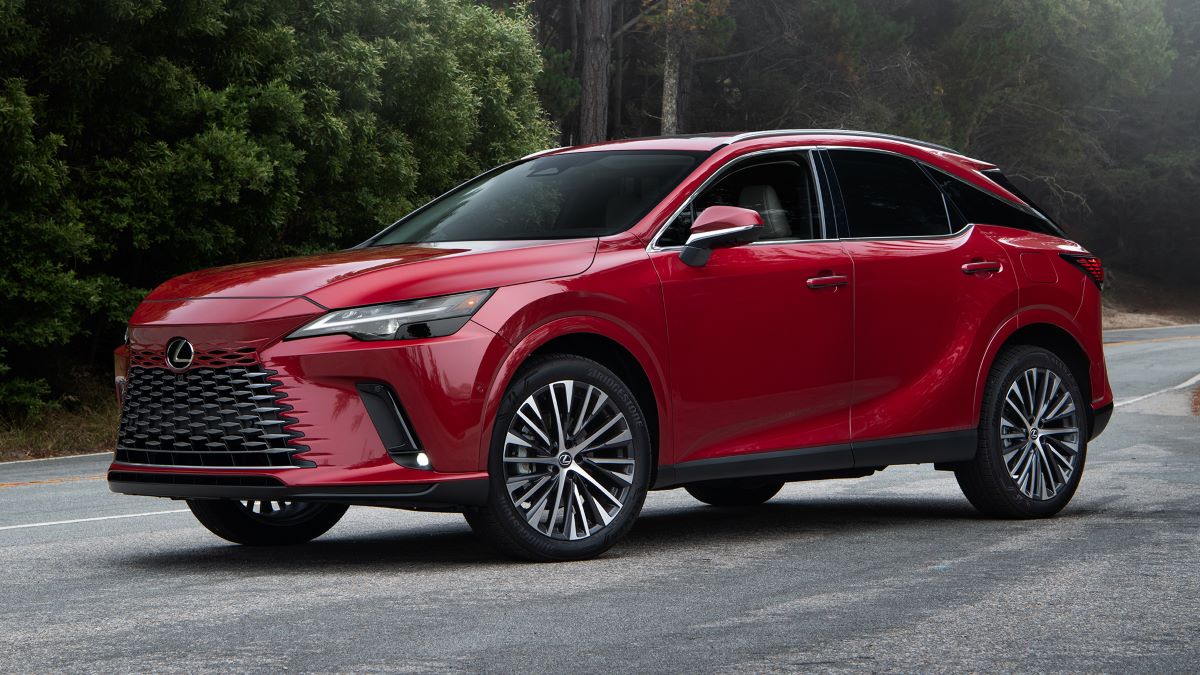
Lexus, Toyota’s luxury arm, builds its vehicles with longevity in mind and the RX is no exception. This luxury crossover is praised for its premium materials and exceptional seat foam density.
Even after a decade of use, the RX’s cushions remain firm and supportive, showing minimal signs of wear. The combination of craftsmanship and ergonomic design helps reduce pressure points, making it a favorite among drivers who prioritize comfort.
The Toyota Avalon offers buyers two distinct powertrain options: one that runs solely on gasoline and another that incorporates a fuel-efficient hybrid system.
The standard setup is a 3.5-liter V-6 producing 301 horsepower and 267 lb-ft of torque. This engine is paired with an eight-speed automatic transmission that drives the front wheels. For those choosing the XLE or Limited trims, optional all-wheel drive is available, but it swaps the V-6 for a 202-hp 2.5-liter four-cylinder engine.
In our testing, the V-6 powered Avalon reached 60 mph in just 6.0 seconds. However, opting for the 2.5-liter four-cylinder with all-wheel drive slows the sprint to 7.7 seconds, and the engine’s coarse character feels out of place in an otherwise refined sedan.
Models with “hybrid” in their name feature a 2.5-liter four-cylinder paired with two electric motors, delivering a combined output of 215 horsepower. This hybrid powertrain is matched with a continuously variable automatic transmission (CVT) that drives the front wheels.
For many shoppers considering a large sedan like the Avalon, comfort is a top priority—and this Toyota delivers. During our tests, it showcased well-mannered handling and did an excellent job of absorbing bumps and imperfections, keeping the cabin serene and composed.
Also Read: Top 10 Cars With Durable Upholstery Offering Long-Lasting Interiors
3. Honda CR-V
Honda’s best-selling compact SUV offers a surprising level of durability in the seating department. The CR-V uses thick, high-resilience foam that doesn’t easily compress.
Even cloth-trimmed seats in older models remain supportive, with many owners reporting that their 8- to 10-year-old CR-V seats still feel “like new.” The CR-V also benefits from a well-contoured design, reducing stress on the driver’s lower back.
The 2026 Honda CR-V remains one of America’s most popular small SUVs, and for good reason. It continues to be one of our test team’s top picks, offering a combination of comfort, space, and ease of driving that’s hard to beat.
Fuel economy is another strong point, with hybrid models delivering up to 40 mpg, an impressive figure in this segment. For 2026, the CR-V carries over mostly unchanged from the previous year, but it gains a few more standard features along with the introduction of a new trim level called the TrailSport.
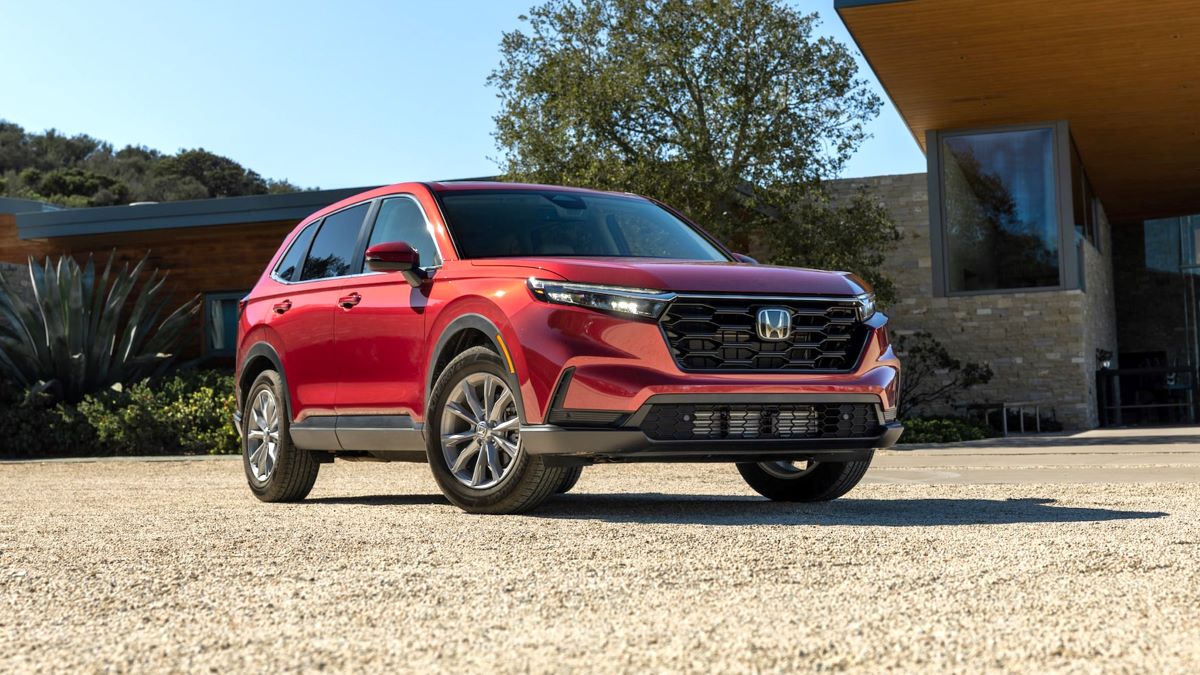
The new TrailSport trim adds a rugged twist to the CR-V’s lineup. This version sports revised front-end styling, gray-painted wheels, and black exterior accents, giving it a tougher, more adventurous appearance. It also comes fitted with all-terrain tires, which can provide a bit of extra grip on loose surfaces.
However, beyond these visual and minor functional updates, the TrailSport doesn’t offer additional trail-ready hardware. Unlike Subaru’s Forester Wilderness, it lacks increased ground clearance or other serious off-road upgrades. While the TrailSport certainly looks cooler than the standard CR-V, it’s best to keep its adventures limited to paved roads and mild trails.
4. Subaru Outback
Built for adventure, the Subaru Outback offers more than just all-weather capabilities. Its seats are made with road trips in mind, using high-density foam that resists collapse.
The seating materials particularly the leather trim in higher trims stand up well to temperature changes, moisture, and time. Outback owners praise its long-term comfort, even on older models that have racked up significant mileage.
The Subaru Outback comes with a choice of two four-cylinder engines: a standard 180-hp 2.5-liter or a more potent 260-hp turbocharged 2.4-liter, which is standard on the Wilderness trim and available on XT models.
Both engines are paired with a continuously variable automatic transmission (CVT). With standard all-wheel drive, 8.7 inches of ground clearance, and selectable variable-terrain drive modes, the Outback maintains its reputation as a capable light-duty off-roader.
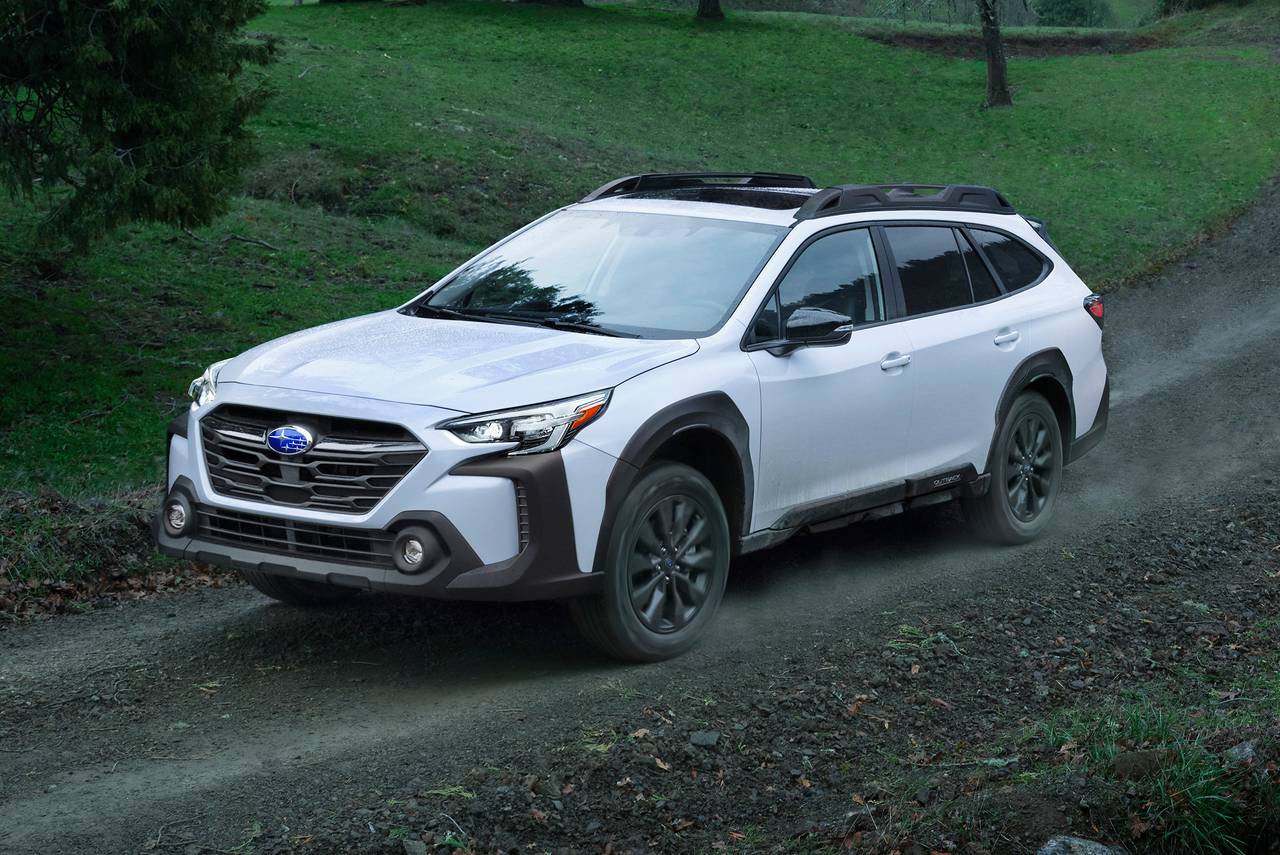
To enhance steering feel and responsiveness, Subaru has equipped the Outback with steering components borrowed from the rally-inspired WRX, specially tuned to improve both low-speed maneuverability and high-speed stability. For drivers seeking more off-road capability, the Wilderness trim steps up to the challenge.
Building on the previous generation’s formula, the 2026 Wilderness is expected to feature additional ground clearance, aggressive all-terrain tires, and rugged exterior styling, all complemented by the stronger 260-hp engine, making it the go-to choice for those who plan to spend serious time off the beaten path.
5. Mercedes-Benz E-Class (W212 Generation)
The W212-generation E-Class (2010–2016) remains one of the most comfort-focused Mercedes sedans in recent memory. The seats feature multilayer padding, lumbar support, and resilient foam that doesn’t sink with age.
Whether it’s the MB-Tex synthetic leather or full leather upholstery, both options show exceptional durability. Many owners report little degradation in seat quality even at 150,000+ miles.
The E350 is powered by a turbocharged 2.0-liter four-cylinder engine paired with a 23-hp electric motor, delivering a combined output of 255 horsepower.
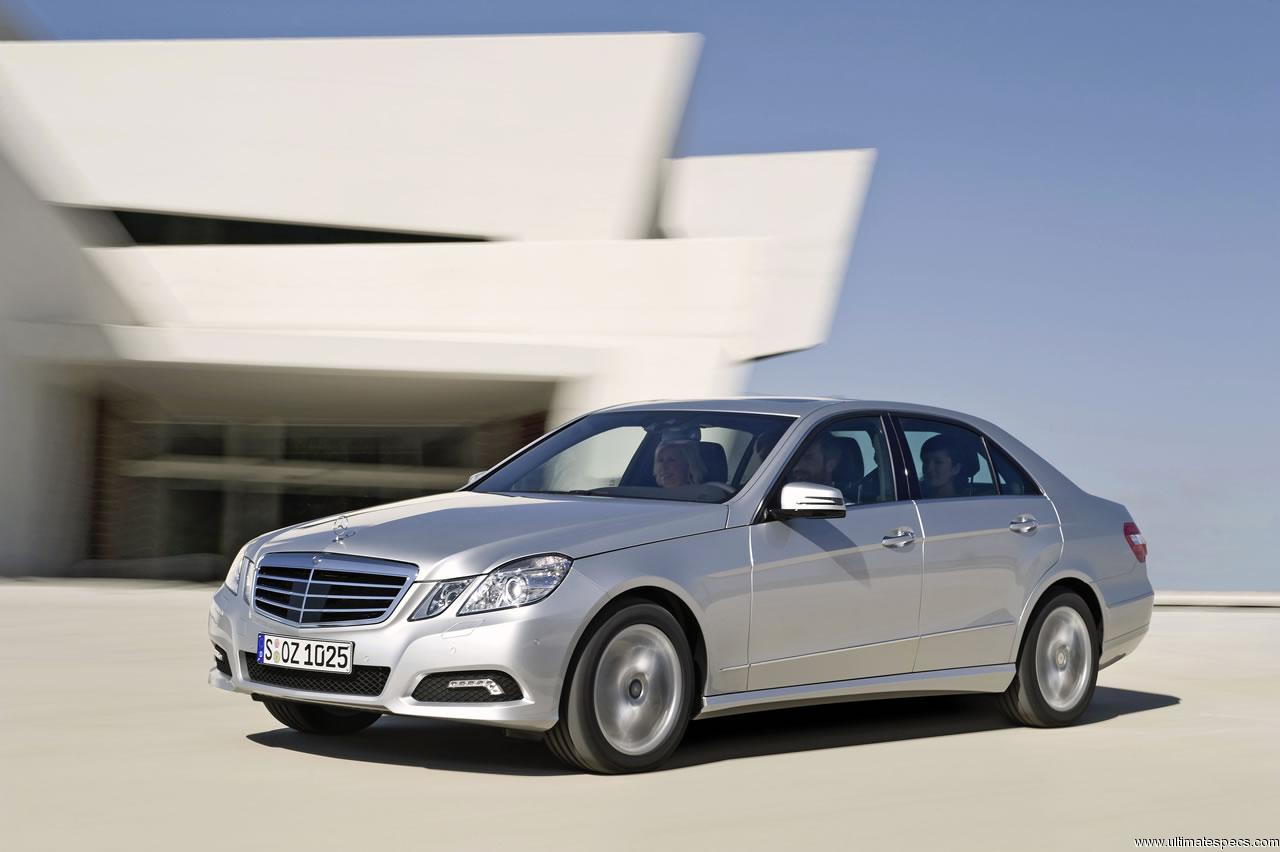
All-wheel drive is optional on the E350 but comes standard on all other E-Class models. Stepping up to the E450 gets you a similar hybrid configuration mated to a turbocharged 3.0-liter inline-six, boosting total output to 375 horsepower. These hybrid systems are designed to cut down on turbo lag while also smoothing out the operation of the auto start/stop function.
During our testing of the new E-Class, both powertrains impressed with their smooth and quiet power delivery. The E350’s four-cylinder provides ample speed, while the E450’s inline-six stands out with its stronger acceleration and refined, satisfying exhaust note.
For those seeking enhanced comfort, an optional adjustable air suspension replaces the standard steel-spring setup, offering an even more composed ride without sacrificing handling precision. Additionally, a rear-wheel steering system is available, improving maneuverability in tight spots and making the E-Class even more versatile.
Also Read: 5 Trucks That Improved Safety Over Generations vs 5 That Regressed
Cars With Sinking Seats
Nothing ruins a drive faster than a seat that feels like it’s collapsing beneath you. Over time, some car seats lose their firmness, leaving drivers sitting lower and less supported than when the vehicle was new.
This isn’t just uncomfortable, it can affect driving posture and even make long trips exhausting. In this article, we’ll dive into cars known for having seats that sink prematurely, why it happens, and what to watch out for if you’re considering one of these models.
1. Jeep Grand Cherokee (2011–2020)
Despite its popularity, many owners of the fourth-generation Grand Cherokee report that the seat cushions start to deteriorate as early as 50,000 miles.
Drivers note the seats become flat and unsupportive over time, particularly in the base trims. The foam tends to compress unevenly, leading to noticeable sag and discomfort on long trips.
The previous Grand Cherokee relied on a Jeep chassis paired with a Mercedes engine. The latest version flips that formula by adopting the platform from the 2012 Mercedes M-Class while using its own powerplant—built by VM Motori and developed under Fiat, the majority stakeholder in Jeep’s parent company, Chrysler.
It would be easy to credit Mercedes for the extensive improvements in this model, but that would be too simple. As Volvo has shown over the years, even the best platforms can be mishandled. Jeep, however, has managed to elevate its game considerably.
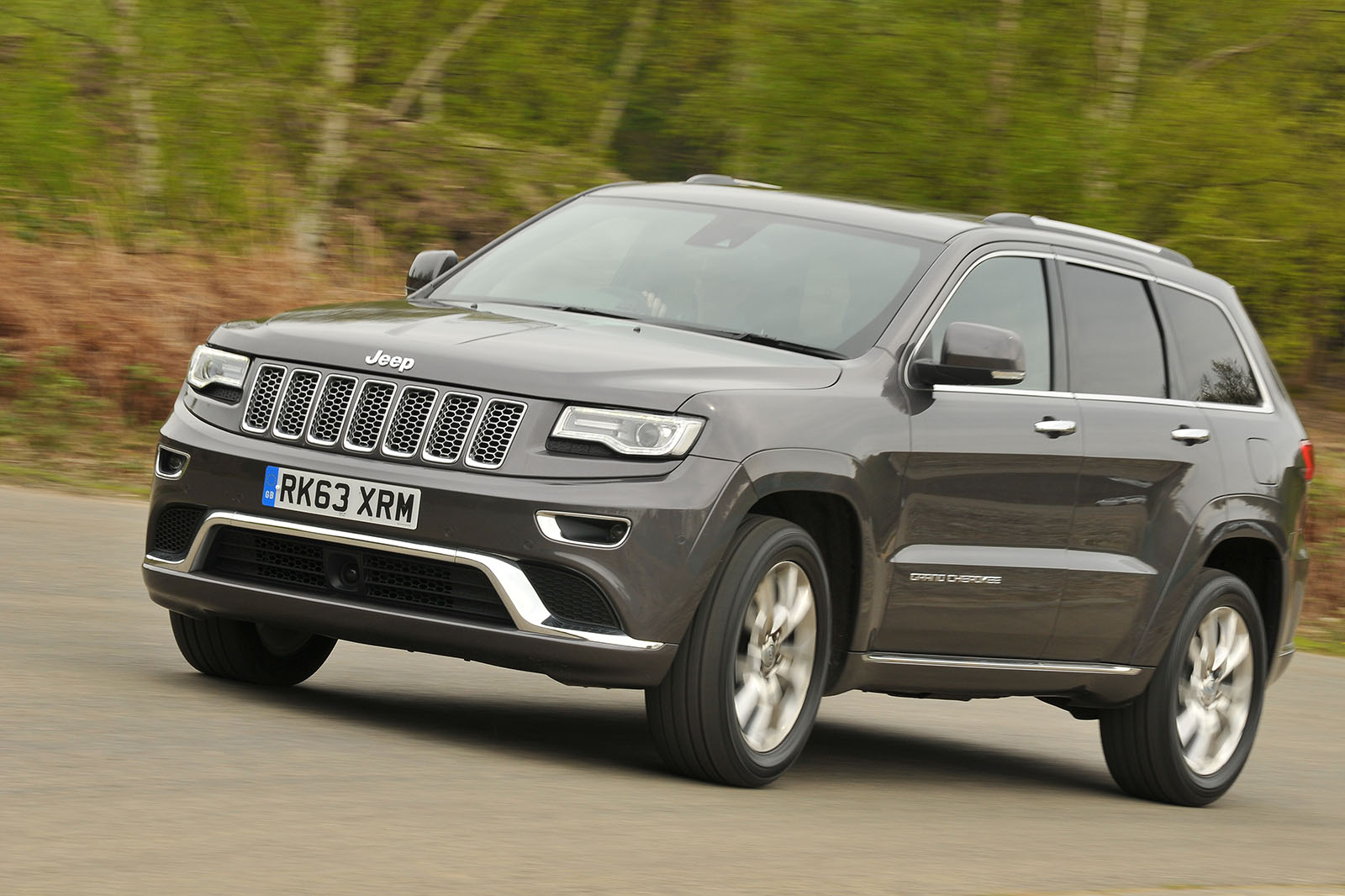
The engine itself is intriguing. While it shares the exact 2987cc displacement and identical bore and stroke dimensions with Mercedes’ 3.0-liter V6, the Fiat-developed unit integrates seamlessly into the platform with minimal re-engineering. Initially, its capabilities were constrained by a five-speed automatic transmission.
Considering that limitation, its emissions and fuel economy numbers are even more commendable than they seem at first glance.
This powerplant is expected to dominate UK Grand Cherokee sales. For those willing to spend extravagantly, there’s the SRT8, featuring a massive 6.4-liter V8 producing 461 bhp and carrying a price tag just shy of £68,000. We won’t dwell on it further during this review, but it’s worth noting for enthusiasts who crave maximum performance regardless of practicality.
Manually locking differentials are also not part of the package. However, drivers can still select various off-road modes through the rotary ‘Selec-Terrain’ dial. If that sounds suspiciously like Land Rover’s ‘Terrain Response,’ you’re not alone in thinking so—we see the similarity, too.
2. Chevrolet Malibu (2013–2018)
The mid-size Malibu is often faulted for poor seat comfort, especially in older used models. The seat cushions tend to sink over time, and the padding isn’t sufficient for longer commutes.
Owners commonly describe a “bottoming out” sensation after a few years, with support fading noticeably, especially for heavier drivers or frequent long-distance travel.
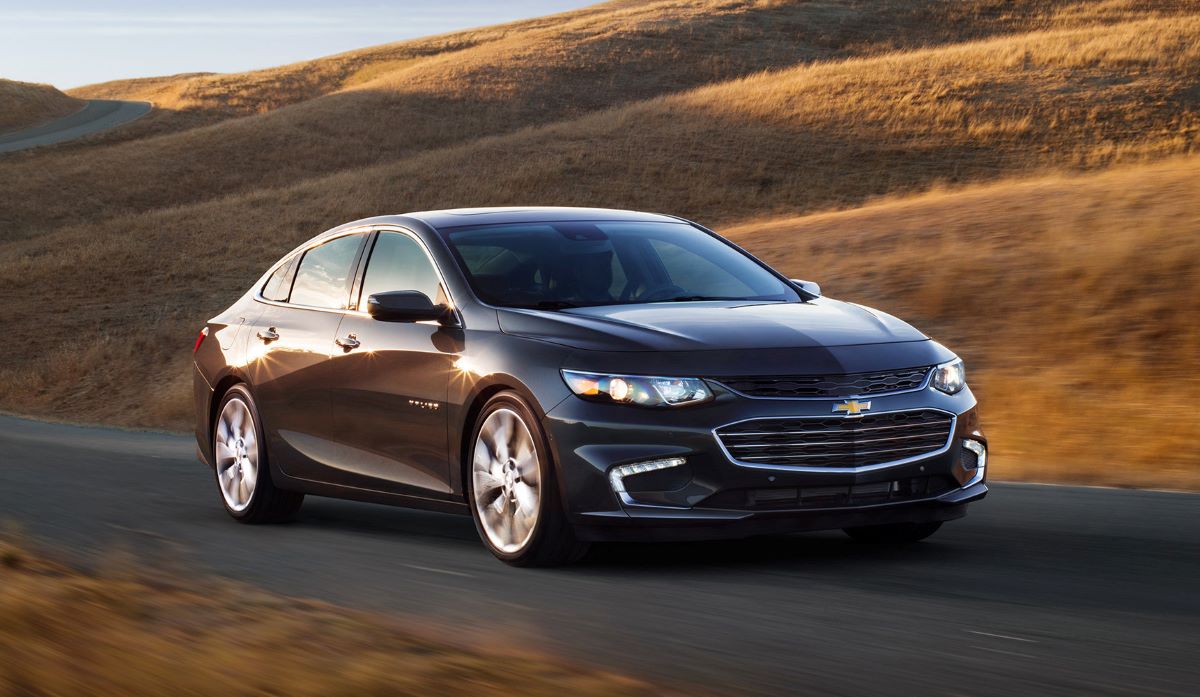
The 2018 Chevrolet Malibu makes a strong impression in the midsize sedan segment with its sleek design and well-rounded mix of features. It comes packed with modern technology and offers a spacious cabin, along with multiple engine options—including an efficient hybrid variant. Overall, it stands out as a solid choice in its class.
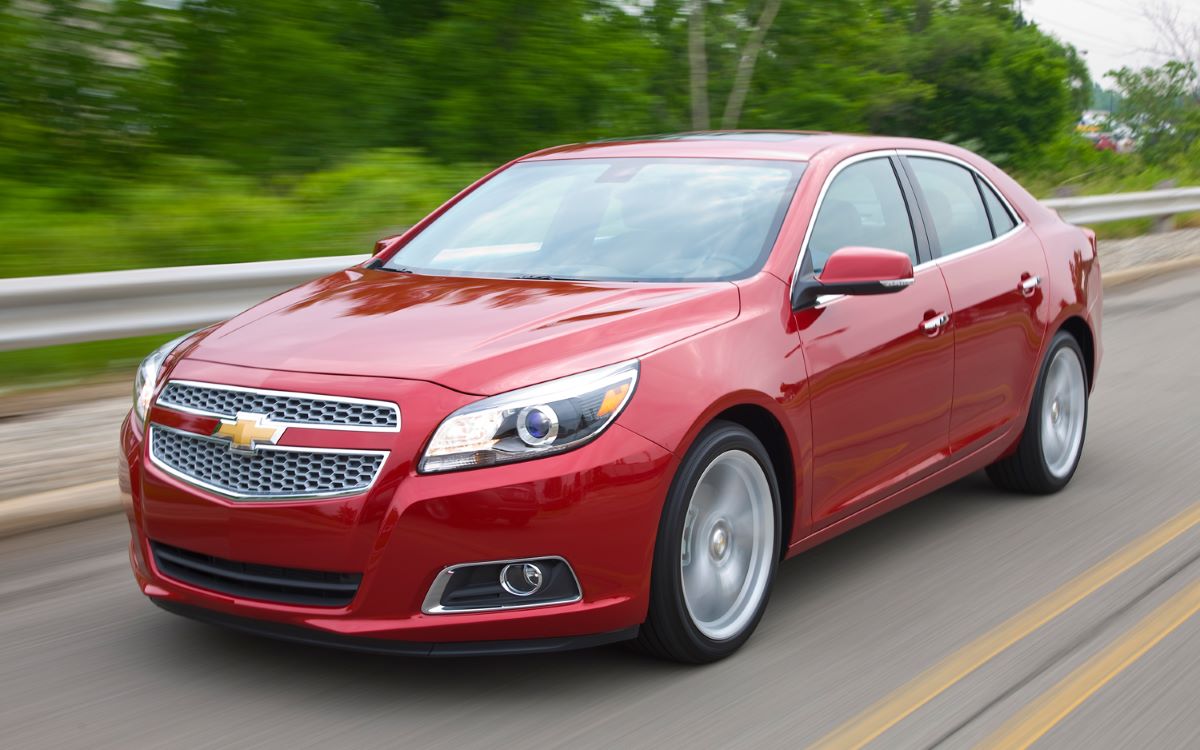
Since its full redesign in 2016, the Chevrolet Malibu has held its own as a strong contender in the midsize sedan category. While some competitors may edge it out with sharper driving dynamics or more value-packed features, the Malibu delivers a stylish and well-balanced package.
Chevrolet equips all trims except the base model with an array of sought-after amenities, ensuring it’s easy to find the features you’re after.
The Malibu also earns points for its composed handling, and the 2.0-liter turbocharged four-cylinder delivers brisk acceleration that adds to the driving experience. The Malibu Hybrid, on the other hand, impresses with its refined ride and outstanding fuel efficiency, achieving a combined 45 mpg.
3. Ford Escape (2013–2019)
While the Ford Escape delivers decent performance and features, its seats often fall short in long-term durability.
Owners report a sinking sensation and cushion flattening in both front and rear seats. By 60,000–70,000 miles, the lack of support can lead to fatigue on extended drives. This is especially true in base trims without upgraded seating packages.
The third-generation Ford Escape is a sporty compact SUV with seating for five. It delivers a confident road feel and features a spacious, well-appointed interior.
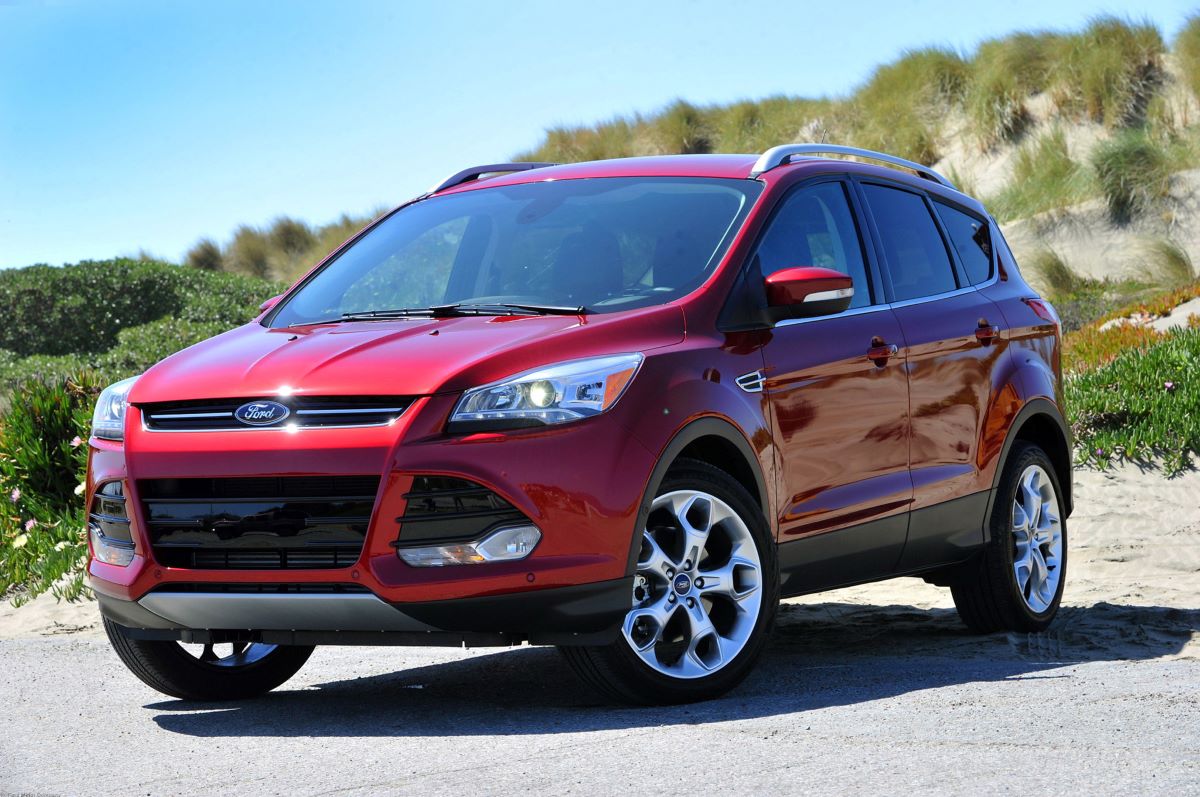
In the North American market, the Escape is offered with three different four-cylinder engine options and is available with either front-wheel or all-wheel drive. A six-speed automatic transmission is the only gearbox offered across the lineup.
For the 2017 model year, the Escape underwent a mild refresh that included a larger front grille, several interior enhancements, and the addition of new features such as Auto Start-Stop. Safety ratings also saw an improvement, with the NHTSA overall crash test score rising from four to five stars out of five.
4. Nissan Altima (2013–2018)
Although the Altima is a popular pick in the mid-size sedan segment, its “Zero Gravity” seats have drawn mixed reviews. Initially comfortable, the seats reportedly lose their cushioning faster than expected.
Over time, the seat padding compresses, and support especially in the lower back area becomes noticeably lacking, contributing to driver discomfort on long hauls.
It has only been three years since the Nissan Altima underwent a full redesign, yet in that short time many competitors have managed to outpace it in several key areas. The 2016 Nissan Altima aims to regain its standing with refreshed exterior styling, a few added features, and the introduction of a sportier SR trim.
The updated front end now sports a bold V-shaped grille that aligns it with the rest of Nissan’s lineup. Paired with sleeker headlights and taillights, these changes inject new energy into the Altima’s previously understated design.
Shoppers may also be drawn to the inclusion of adaptive cruise control, which is now offered alongside forward collision warnings and automatic braking.
Unfortunately, the interior did not receive the same level of attention during this midcycle refresh. The infotainment system, once a highlight, now feels dated compared to the advanced systems offered by rivals, and the cabin materials no longer stand out.
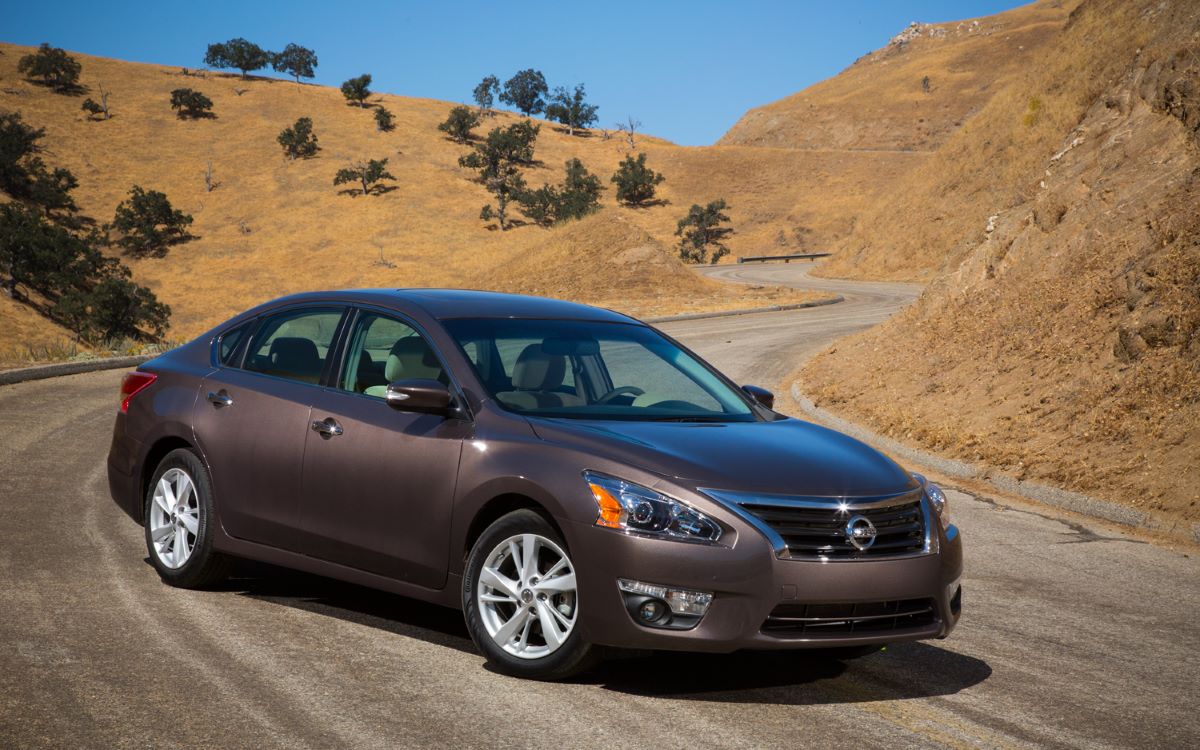
On the upside, engine performance remains strong, and both the four-cylinder and V6 powertrains deliver fuel economy figures that rank near the top of the segment.
Overall, while the current-generation Altima remains competent in 2016, it no longer holds the dominance it enjoyed in 2013. Against fresher and more highly rated competitors such as the Honda Accord, Mazda 6, Hyundai Sonata, and Kia Optima, its shortcomings are more evident.
The 2016 Nissan Altima’s base engine is a 2.5-liter four-cylinder producing 182 horsepower and 180 pound-feet of torque. Power is routed to the front wheels through a continuously variable transmission (CVT) designed with simulated stepped gears to mimic the feel of a traditional automatic.
According to the EPA, this setup achieves an impressive 31 mpg combined (27 city/39 highway), with the sport-oriented 2.5 SR model dipping slightly to 30 mpg combined (26 city/37 highway).
In Edmunds testing of a mechanically similar 2013 Altima 2.5, the car accelerated from zero to 60 mph in 7.8 seconds—an above-average time for its class.
The available 3.5-liter V6 generates 270 horsepower and 251 pound-feet of torque, launching the Altima to 60 mph in just 6.2 seconds. Fuel economy for the V6 remains competitive, rated at 26 mpg combined (22 city/32 highway). These figures, along with those of the four-cylinder, remain excellent for a midsize sedan.
5. Hyundai Elantra (2011–2016)
The early 2010s Hyundai Elantra models suffer from what many owners call “thin seat syndrome.” The cushions are slim and lose firmness with use.
As the miles add up, the foam begins to sag, particularly on the driver’s side, which sees the most wear. While later Elantra models improved seat quality, these years are best avoided for buyers prioritizing comfort and long-term seating integrity.
Seat degradation doesn’t just affect comfort it can impact your driving posture, fatigue levels, and even resale value. Sinking seats also make long-distance driving harder and can be expensive to repair if the foam or covers need replacement.
If you spend a lot of time behind the wheel, investing in a car known for strong seat durability is a decision your back will thank you for years down the road.
The 2016 Hyundai Elantra continues to present a fresh appearance among small sedans, which is impressive given its age in this highly competitive segment. However, it’s worth noting that this generation of Elantra first debuted back in 2011, making it the longest-running model among its key rivals.
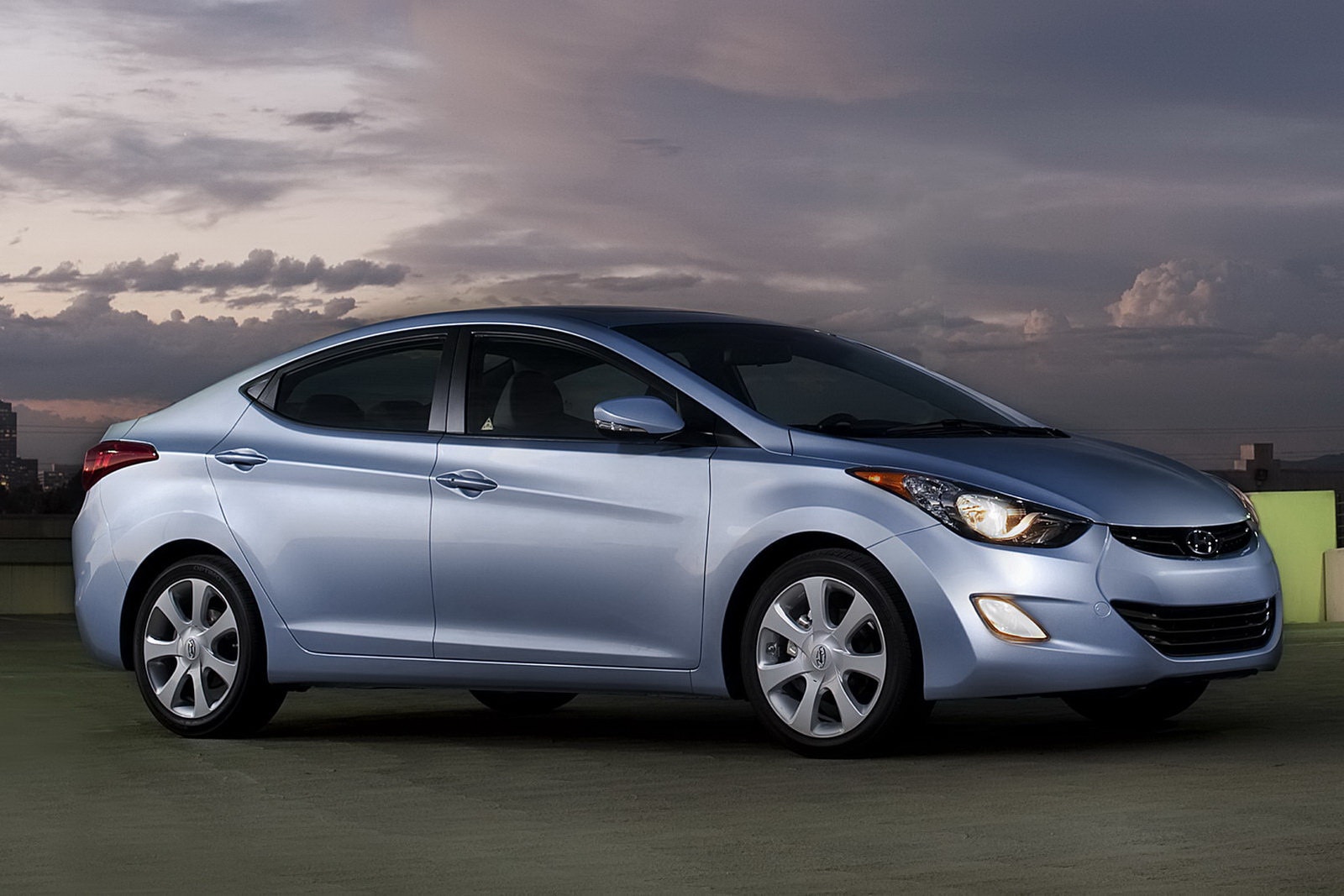
When evaluated strictly on value, the Elantra shows little sign of aging. Hyundai has long been known for packing its vehicles with features that exceed expectations, and that approach remains intact for 2016 with the introduction of the Value Edition trim.
This well-priced model is loaded with appealing extras, including alloy wheels, a sunroof, and keyless entry with push-button start, making it hard to justify stepping up to the higher trims. Even so, the Limited and Sport trims still offer additional amenities for those who want more, and they are priced more competitively than many premium versions of rival sedans.
If you’re searching for areas where the Elantra reveals its age, you won’t spot them in the features list. Instead, they become apparent once you spend time behind the wheel. Compared to newer competitors, the Elantra’s quiet cabin is a strong point, but its suspension struggles to soak up larger bumps, leading to a ride that isn’t as smooth as some of its rivals.
The widely used 1.8-liter engine also shows its limitations, particularly when tackling steep inclines or carrying a full load of passengers. For those seeking stronger performance, the Sport trim with its more powerful 2.0-liter engine is a better choice, though it comes at the cost of reduced fuel efficiency.
Seat comfort isn’t just about luxury it’s about longevity and everyday ergonomics. While cars like the Avalon and Lexus RX continue to impress with their resilient interiors, others like the Grand Cherokee and Malibu may leave you shifting uncomfortably.
For buyers of used cars in particular, checking the seat condition can offer a solid clue about a vehicle’s long-term build quality. If comfort and durability matter to you, the above list is a great place to start.
