When we talk about vehicle longevity, the conversation often revolves around engine performance, suspension integrity, and rust resistance. But there’s a quiet companion above every driver’s head that often gets overlooked, the headliner.
This fabric-covered material, which lines the roof of a vehicle’s interior, can reveal more about a car’s durability and design quality than most would expect.
While it may seem trivial at first glance, the condition of a vehicle’s headliner tells a vivid story about craftsmanship, environmental tolerance, and how well a car has aged over time.
Some vehicles, especially from well-engineered brands, manage to keep their headliners firmly intact even after 10 or 15 years.
Others, despite having solid powertrains or attractive designs, suffer from drooping, sagging, or completely detached roof liners just a few years into ownership. These failures not only ruin the aesthetic of a cabin but also hint at broader quality control oversights.
As an automotive enthusiast, I’ve peered into countless cabins, some with pristine interiors that smell of leather and care. These others betray their age with crumbling foam and fabric hanging like curtains.
It’s more than cosmetic. A sagging headliner can affect resale value, safety, and even driver comfort. It’s time to give headliners their due credit.
So buckle up, interior fanatics. We’re diving deep into the world of automotive roof liners. First, we spotlight five vehicles with headliners that stand the test of time, proudly clinging to the ceiling like they just left the showroom.
Then, we reveal five models that are disappointing with roof liners that fall flat. It’s time to look up, because what’s above your head matters more than you think.
5 Vehicles With Resilient Headliners
Some cars wear their age like a badge of honor, and it’s not just the engine or the paint job that tells their story. These five models exhibit impressive resilience in their interior construction, especially when it comes to their headliners.
Whether it’s due to superior adhesive materials, smart insulation, or simply meticulous quality control, these vehicles prove that a well-made cabin can stay intact for the long haul.
They manage to hold it together, even after years of sun, humidity, and road vibrations. Let’s get into the cars that continue to impress long after their warranty cards have yellowed.
ALSO READ: 5 Convertibles with Leak-Free Rollover Protection vs 5 with Top Failures
1. 2013 Toyota Land Cruiser
The 2013 Toyota Land Cruiser isn’t just an off-road king; it’s a fortress of build quality. Known for its body-on-frame ruggedness, the Land Cruiser doesn’t stop at brute performance. Step inside, and you’re welcomed by an interior that’s built to survive more than just desert expeditions. The headliner, in particular, showcases Toyota’s commitment to longevity.
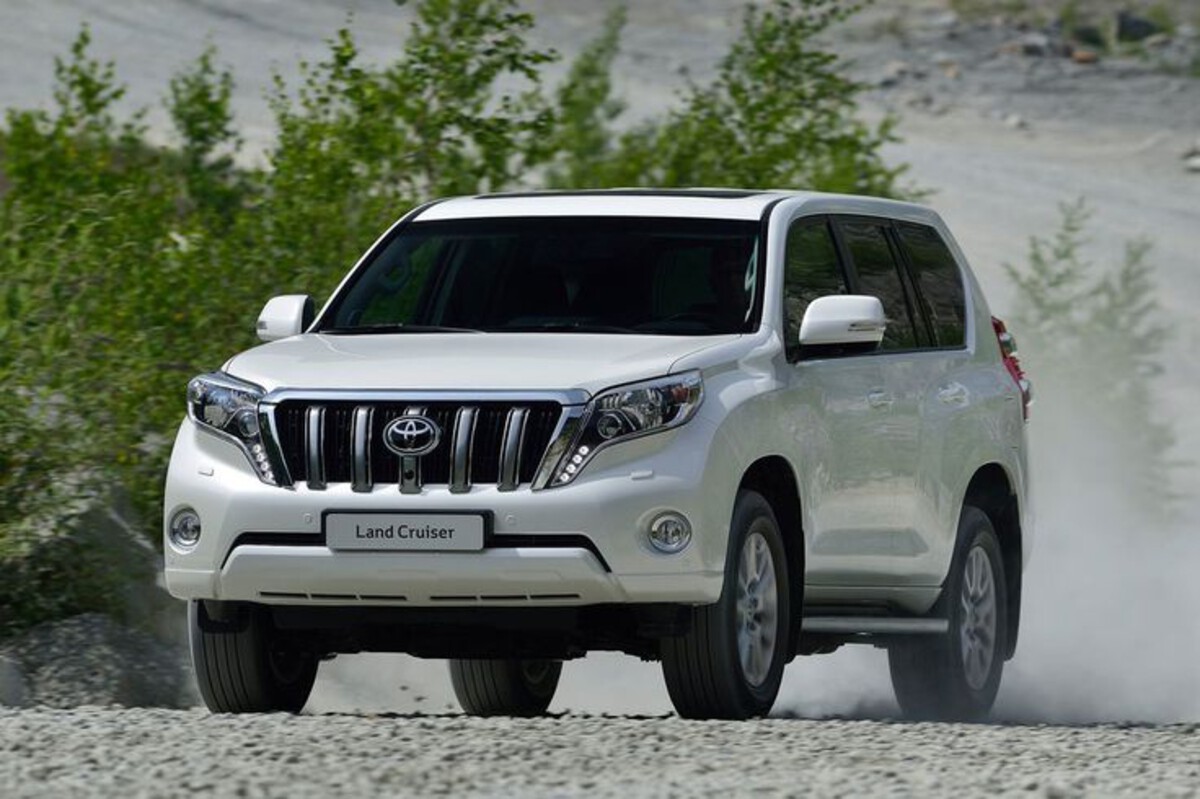
This vehicle was engineered for global environments from Middle Eastern heat to Arctic chill, and its interior materials reflect that mission. The headliner stays tight, neat, and well-fitted even after years of abuse. It uses a strong polyurethane foam and superior bonding agents that don’t degrade quickly like the cheaper glues found in economy cars. Even in models with sunroofs, the edges remain taut, with no signs of sag or separation.
The attention to detail extends to the mounting structure. The inner roof panel is thick and well-insulated, minimizing thermal expansion and contraction that typically cause roof liners to loosen. Many Land Cruisers on the road today, even with over 200,000 miles, still have flawless headliners, a testament to Toyota’s interior durability.
If you’re someone who values long-term ownership and doesn’t want to spend weekends re-gluing your car’s ceiling, the Land Cruiser won’t let you down. It’s an SUV built with both muscle and interior finesse.
2. 2016 Lexus RX 350
Lexus built its reputation on quiet cabins and refined luxury, and the 2016 RX 350 exemplifies this philosophy. Its headliner design is not just about looks; it’s about enduring silence and elegance. Even nearly a decade later, most RX 350s on the road retain pristine interiors, and the headliner plays a big part in that.
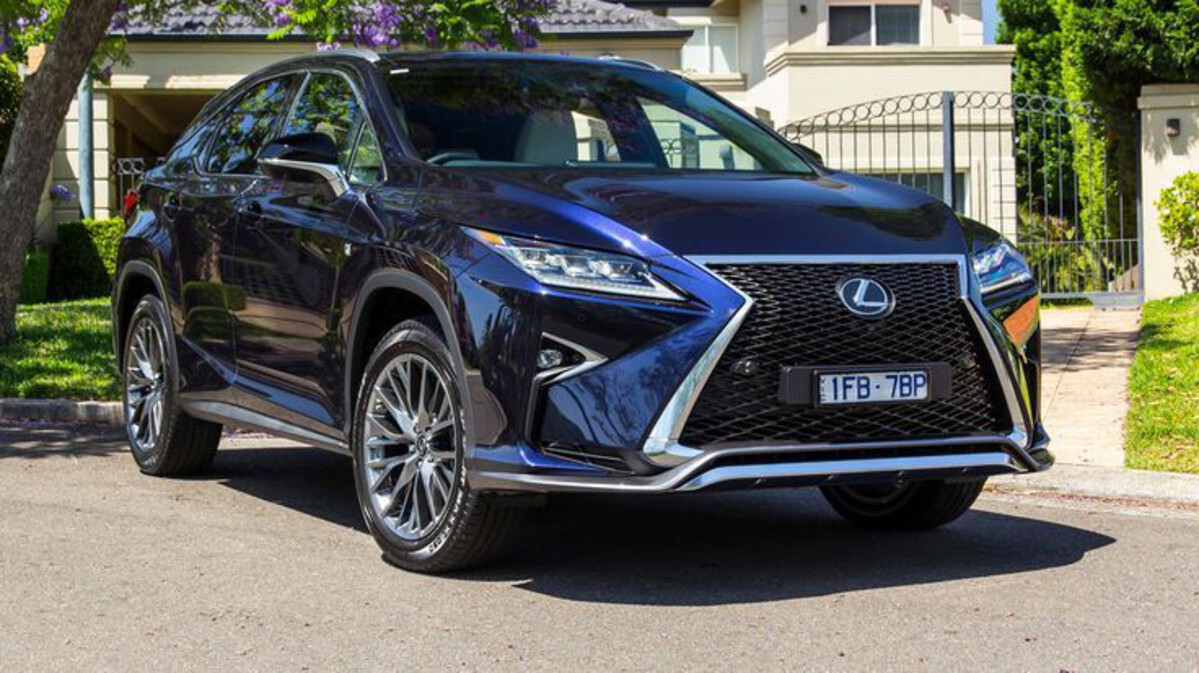
The RX 350’s cabin features a tightly secured, microfiber suede or woven fabric roof liner that’s not prone to sagging or detachment. Lexus engineers took the time to insulate the upper cabin from temperature fluctuations, using layered construction that prevents foam disintegration, a common culprit in headliner failures.
The use of premium adhesives and meticulous panel joining techniques ensures that the roof liner stays put. Additionally, the RX 350’s design avoids hard angles or large unsupported headliner surfaces, reducing stress points.
Even vehicles exposed to extreme temperatures in Southern states or high-humidity environments in coastal regions have headliners that still hug the roof like new.
It’s that obsessive Lexus attention to craftsmanship that makes the RX 350 shine. Not only does the car age gracefully, but it also requires less interior reconditioning than its peers. For anyone seeking a used luxury crossover with reliable interior quality, the RX 350 is an excellent pick.
3. 2014 Honda Accord
The 2014 Honda Accord has earned its place in the durability hall of fame, and its headliner resilience is just another checkmark in its reliability résumé. Honda’s mid-size sedan staple combines function with intelligent design, and its interior is built with longevity in mind.
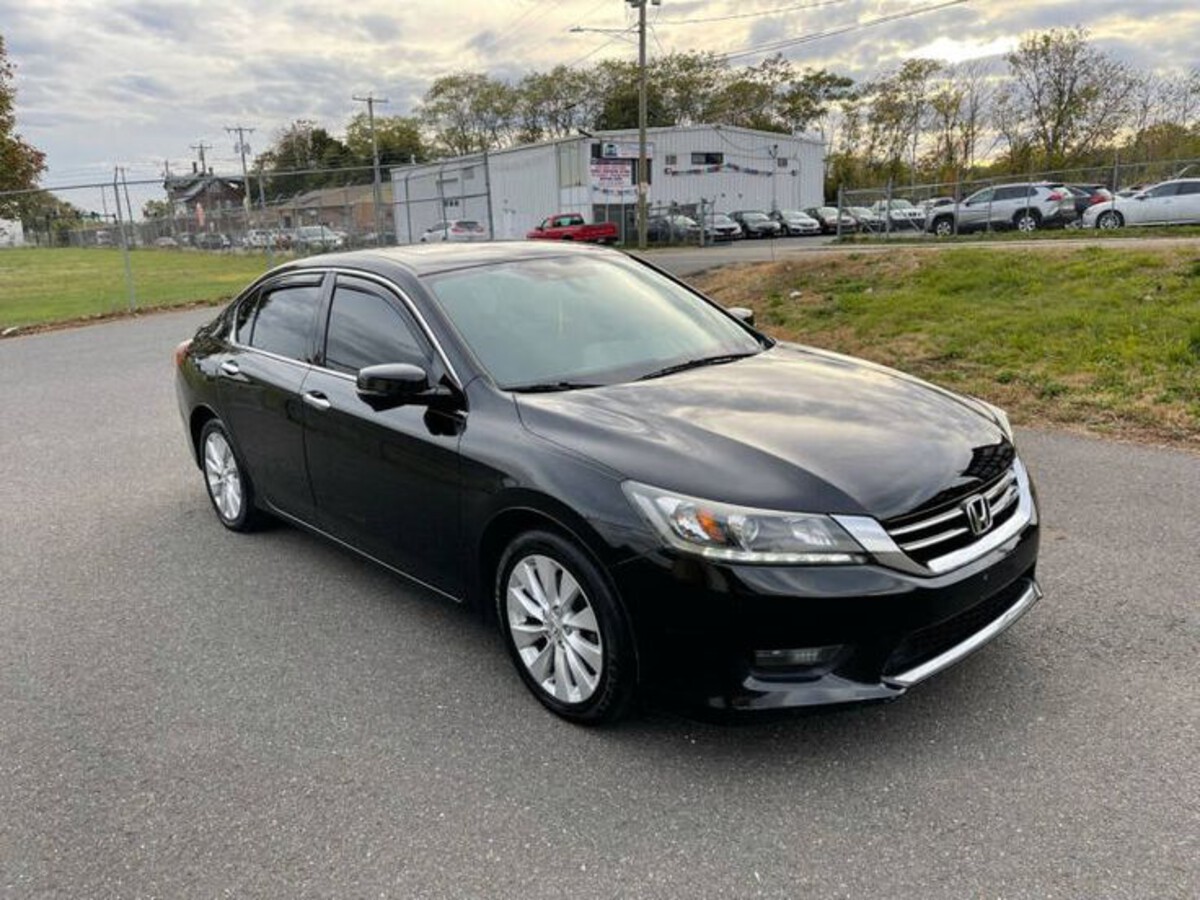
Unlike many sedans of its generation, the Accord does not suffer from widespread headliner sag issues. That’s largely because Honda used a denser foam and high-temp-resistant adhesives, knowing that this vehicle would be a long-term workhorse.
The structure of the roof was also engineered to keep the liner in place with better contour support, making it less susceptible to sag even after 10+ years of ownership.
Additionally, the fit and finish of the interior trim around the edges of the headliner is done so precisely that it creates a seal, protecting the foam core from moisture infiltration. In cars with sunroofs, extra reinforcement panels help maintain rigidity and prevent fabric warping around the edges.
Whether you’re commuting in a snowy Michigan winter or a sweltering Arizona summer, the Accord’s interior refuses to surrender. It may not wear a luxury badge, but it punches far above its weight in build quality. A great choice for drivers who care about both mechanics and interior finish.
4. 2017 Subaru Outback
The 2017 Subaru Outback isn’t just a family-friendly crossover. It’s a vehicle that knows how to age gracefully, and that includes the often-ignored headliner. Subaru’s focus on all-weather capability spills into cabin durability, too.
Outbacks from this era rarely show signs of roof liner sag, even after a decent mileage haul.
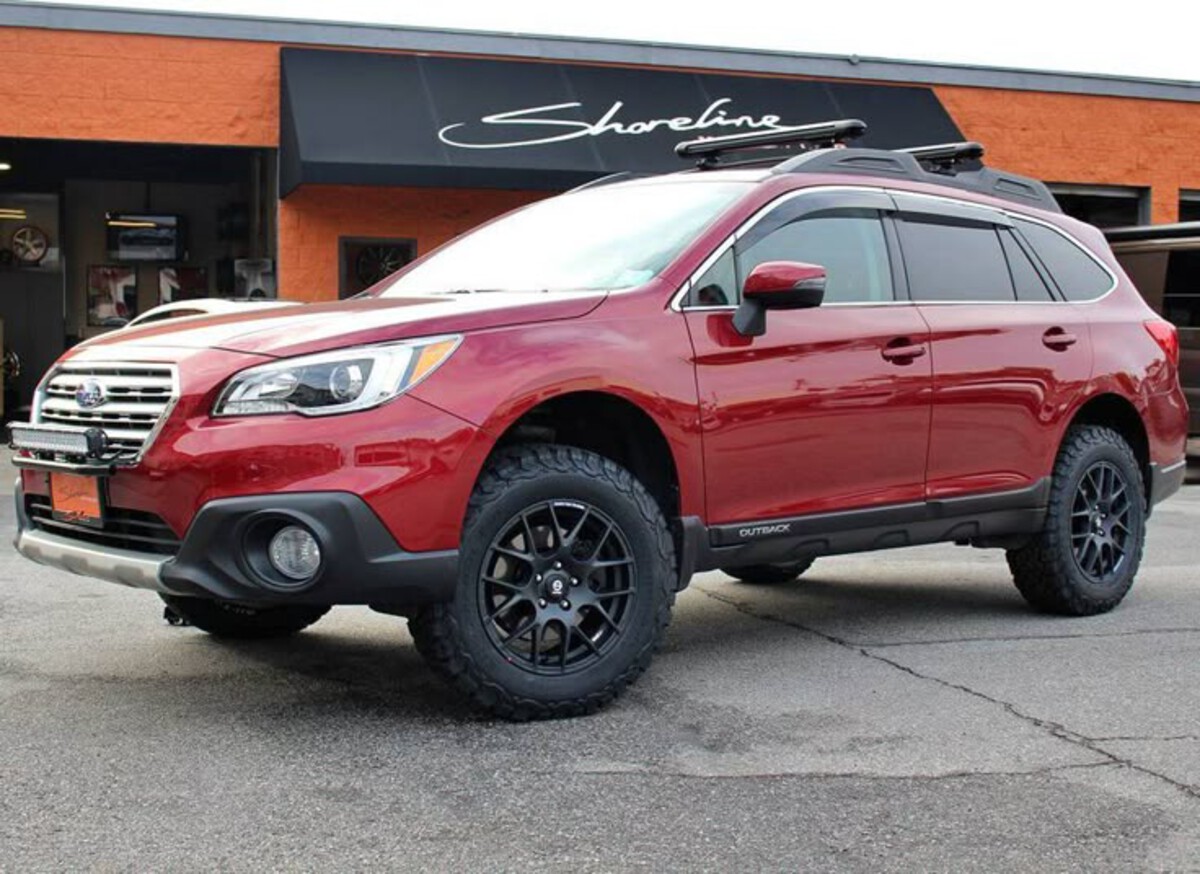
That’s largely due to Subaru’s clever use of thermally stable materials and solid adhesive compounds that don’t degrade quickly under UV exposure. For outdoor adventurers who regularly park under the sun or in the snow, this is huge.
Subaru also benefits from a symmetrical cabin design where air and heat are distributed evenly. This avoids hotspot stress that could prematurely degrade the adhesive layers behind the headliner. Moreover, the Outback uses a smooth, textured headliner fabric that remains in place without bubbling or wrinkling over time.
Owners praise the cabin for its noise insulation and its resistance to rattle, and a stable headliner contributes significantly to that. For people who treat their vehicles like utility tools but still expect the cabin to hold up, the 2017 Outback stands tall, and so does its roof lining.
5. 2012 Mercedes-Benz E-Class (W212)
Say what you will about long-term maintenance on European vehicles, but the 2012 Mercedes-Benz E-Class W212 offers an interior that resists time’s grip, especially when it comes to the headliner. While earlier Benz models had their interior quirks, the W212 was a return to solid build quality.
Mercedes employed a reinforced headliner with multi-layer fabric backing, glued with industrial-grade adhesives capable of withstanding central European and Middle Eastern climates alike.

Even used E-Class sedans with high mileage and sunny histories usually still have their headliners in place with zero sags.
Design-wise, the E-Class features a slightly domed roof with few flex points, minimizing headliner fatigue. Additionally, the cabin seals tightly against moisture and heat, protecting the foam core from delamination.
While other cars of the same luxury tier may show their age with sagging fabric and detached panels, the E-Class interior continues to look composed. If you’re seeking an older executive sedan that still presents well at valet, this Benz makes an excellent case for itself.
5 Vehicles With Sagging Roof Liners
Not every car holds its interior together with dignity. For some, the roof liner is one of the first indicators that corners were cut. These five vehicles are notorious for sagging headliners, often just a few years into ownership.
Whether it’s due to inferior glue, foam that degrades under heat, or poor engineering tolerance, these models have earned a reputation for roof-liner failure. In some cases, it’s merely cosmetic.
In others, it interferes with visibility or drops chunks of foam dust onto passengers. If you’re shopping used, these are the cars that may require a staple or a full upholstery job.
ALSO READ: 5 Performance Cars That Are Also Safe vs 5 Sports Cars That Lack Safety Nets
1. 2008 Dodge Grand Caravan
The 2008 Dodge Grand Caravan is a symbol of practicality a minivan meant to haul kids, groceries, and gear with no fuss.
But when it comes to interior durability, especially the headliner, it leaves much to be desired. Ask any owner who’s had their headliner droop like a tired curtain, and you’ll hear the same frustration.
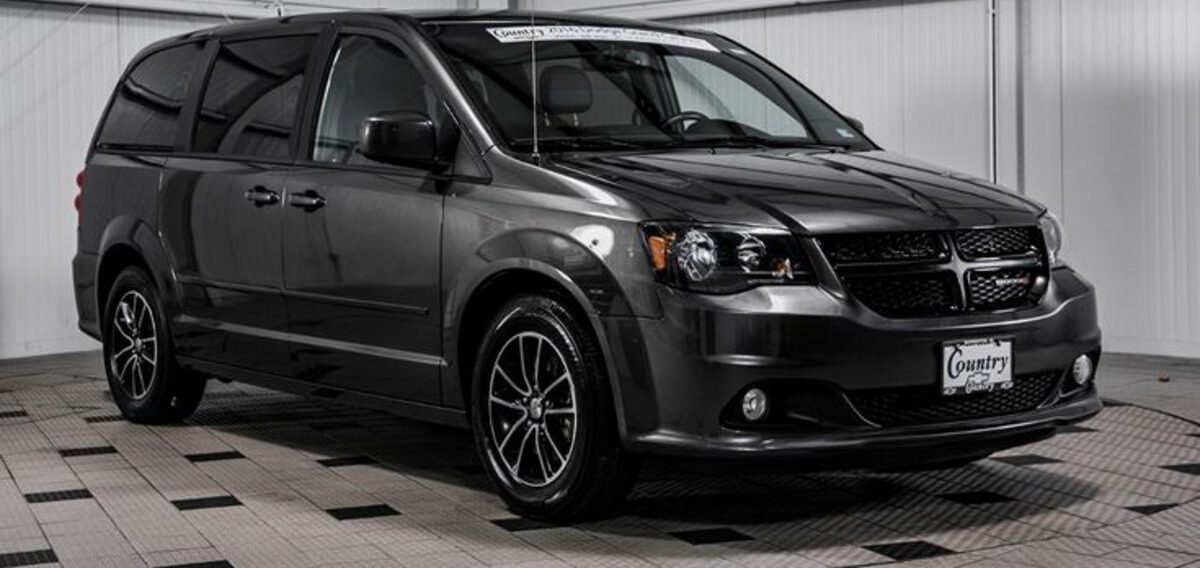
Within just a few years of ownership, many Grand Caravans suffer from sagging or even completely detached roof liners, particularly in the rear sections near the cargo area. The problem stems from subpar adhesive and foam that breaks down rapidly under heat and humidity.
It’s especially common in warmer regions where the roof gets exposed to direct sunlight. Once the foam backing starts to disintegrate, the fabric peels away and hangs sometimes flapping around like a hammock above the third row.
The Caravan’s large, flat roof design doesn’t help either. There are fewer structural reinforcements compared to sedans or SUVs, so once gravity begins its work, there’s little stopping the inevitable droop. Even vehicles with relatively low mileage aren’t immune.
To make matters worse, fixing a sagging headliner in a minivan isn’t easy. The panels are massive and removal often means stripping out lights, A/C vents, and trim pieces.
For a family hauler that promises reliability, the Grand Caravan’s headliner issue is a persistent letdown. It’s a shame, considering how otherwise utilitarian the vehicle is. Interior-wise, though, this van really could have used a sturdier upper layer.
2. 2007 Chevrolet Trailblazer
The 2007 Chevrolet Trailblazer may have delivered solid V6 and V8 performance, but inside, it told a different story, one of failing roof liners and disappointing material choices. Among midsize SUVs of its era, the Trailblazer stands out for a headliner issue that’s as widespread as it is frustrating.
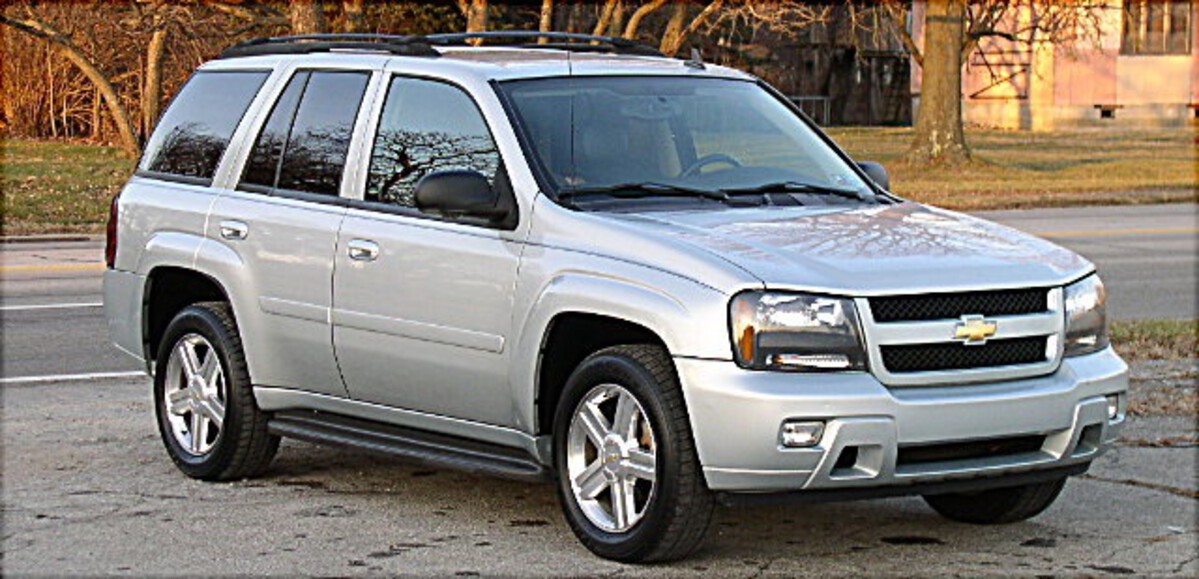
Owners report sagging within five to seven years of ownership, sometimes even earlier in high-heat areas. The failure often begins near the sun visors or dome light and quickly spreads like a slow-moving avalanche across the ceiling. The fabric begins to bubble, droop, and finally detach, exposing the crumbling yellow foam beneath.
The culprit is a combination of weak adhesive and a thin foam backing that doesn’t hold up under daily thermal cycling. The Trailblazer’s flat, broad roofline accelerates the issue. Add a few hot summers or frequent defroster use, and the sagging is nearly guaranteed.
Fixing it? Well, it’s not easy unless you’re prepared to pull the entire headliner board and start fresh. Many owners resort to thumbtacks or spray adhesive, but these are short-term patches at best.
For a vehicle marketed as a rugged SUV, the Trailblazer’s interior clearly didn’t live up to expectations. The sagging roof liner became such a common complaint that upholstery shops know exactly what you’re calling about the moment you say “Trailblazer.”
It’s a disappointing flaw in an otherwise capable SUV, and one that continues to frustrate used buyers today.
3. 2009 Volkswagen Jetta
Volkswagen gets plenty of praise for its performance and cabin ergonomics, but when it comes to the 2009 Jetta, there’s one interior flaw owners can’t overlook the infamously sagging headliner. In fact, VW models from this generation are almost legendary for this issue, and the Jetta is no exception.
Many 2009 Jettas start showing signs of headliner failure after just six to eight years, sometimes even sooner in sunbelt states.
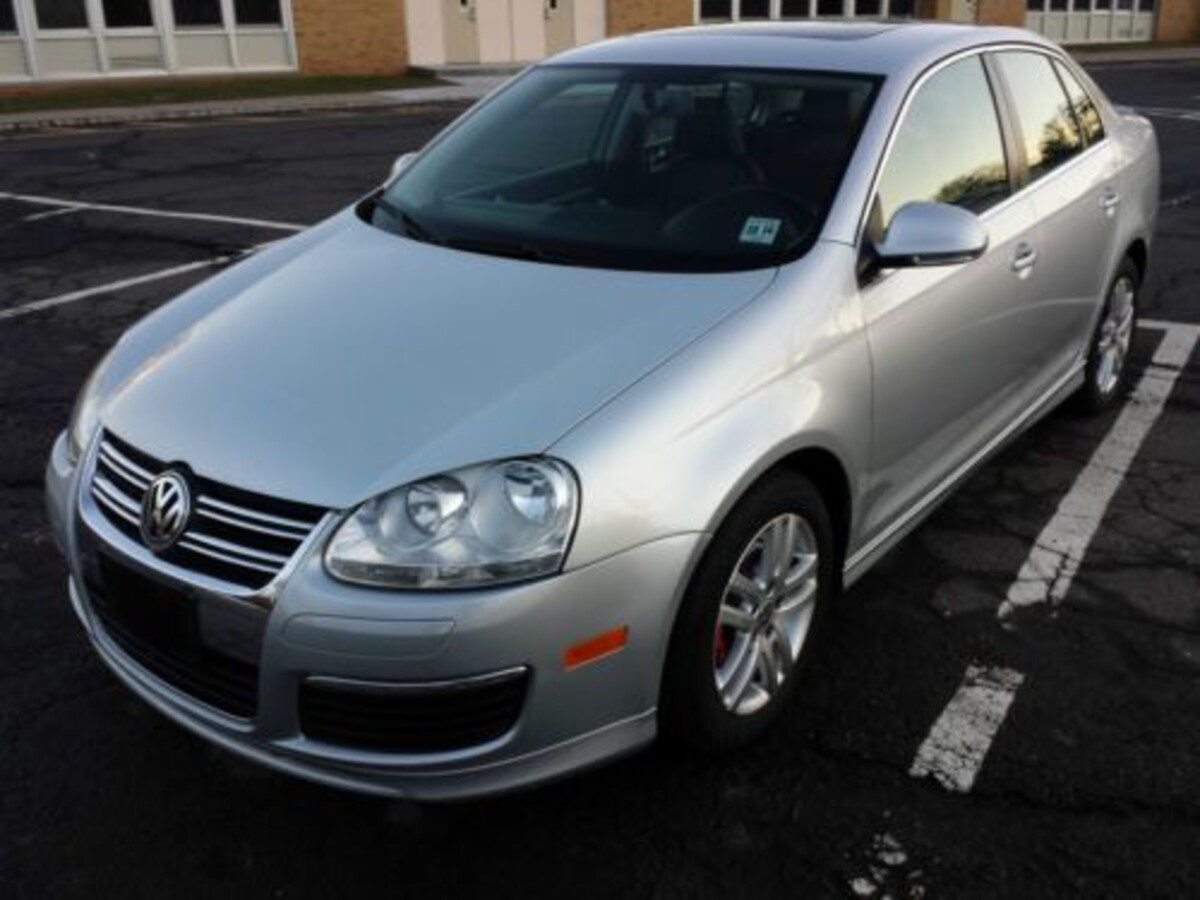
The fabric begins to bubble and separate, particularly near the front windshield and rear quarter areas. Over time, the droop extends across the entire roof, eventually hanging low enough to touch passengers’ heads.
The root cause is a combination of poor adhesive and an aggressively thin foam substrate that breaks down quickly in heat and humidity.
Even careful owners who garage their vehicles have reported sagging. It’s not uncommon to see a Jetta on the road with a completely removed or stapled-up headliner.
What makes it even more frustrating is that everything else in the cabin feels so refined the switchgear, the layout, the seats. But look up, and it’s like you’re in a totally different, neglected vehicle.
Repairs are often expensive since many upholstery shops need to strip and rewrap the entire headliner board. For a car marketed as a premium compact, the Jetta’s headliner issue seriously undermines its long-term value and interior reputation.
4. 2011 Ford Focus
The 2011 Ford Focus was a turning point for the model, introducing sleeker styling and upgraded tech. But when it comes to long-term interior durability, especially regarding the headliner, this model fell short. Too many owners have faced the annoying and unsightly issue of fabric falling from above.
The problem often begins subtly a minor bubble near the rear dome light or sun visors. Within a year or two, it spreads.
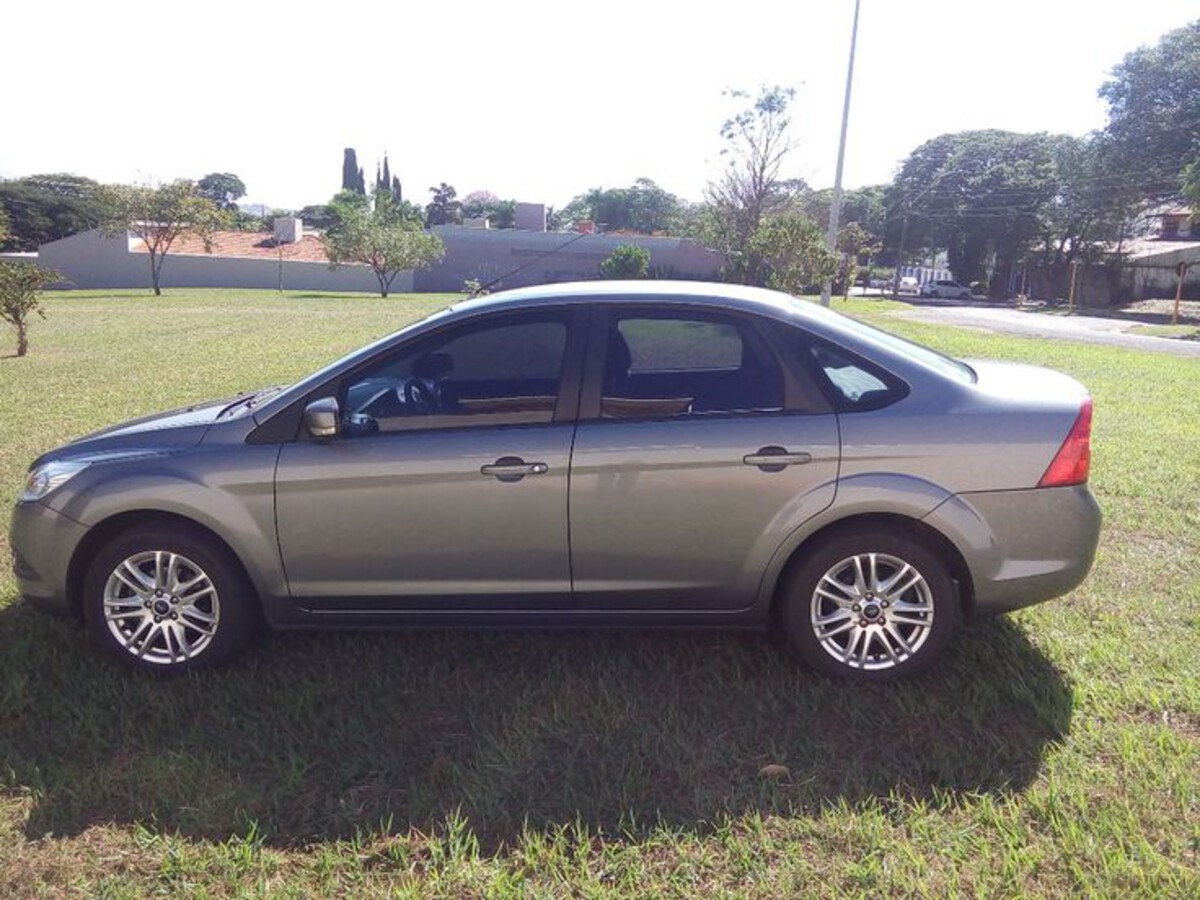
The foam backing loses adhesion, the material delaminates, and eventually, the fabric folds or droops in large patches. This not only ruins the car’s interior appeal but also presents a visual obstruction for taller drivers.
What’s particularly frustrating is that the headliner in the 2011 Focus isn’t even exposed to excessive wear it just fails from the inside. The fault lies in cost-cutting measures where Ford used lower-grade adhesives that couldn’t withstand regular thermal cycling. In hotter regions, the deterioration is accelerated, but even northern climates aren’t immune.
Fixing it typically involves pulling out the headliner board, which in a compact car, can be surprisingly labor-intensive due to tight interior space and complex trim. Many owners turn to push pins, but these are far from elegant solutions.
For a car that was supposed to represent the “new Ford,” the interior letdowns, especially the headliner, feel like a step backward. It’s a reminder that style alone isn’t enough; longevity matters too.
5. 2006 BMW 5 Series (E60)
BMW’s 5 Series is often associated with luxury, precision, and a sporty yet refined drive. But for the 2006 E60 generation, there’s a notorious Achilles’ heel the sagging headliner. Yes, even a high-end German sedan isn’t immune to interior fabric failure.
Many E60s, even well-maintained ones, show headliner problems after eight to ten years. It typically starts at the C-pillars or near the rear light housing.
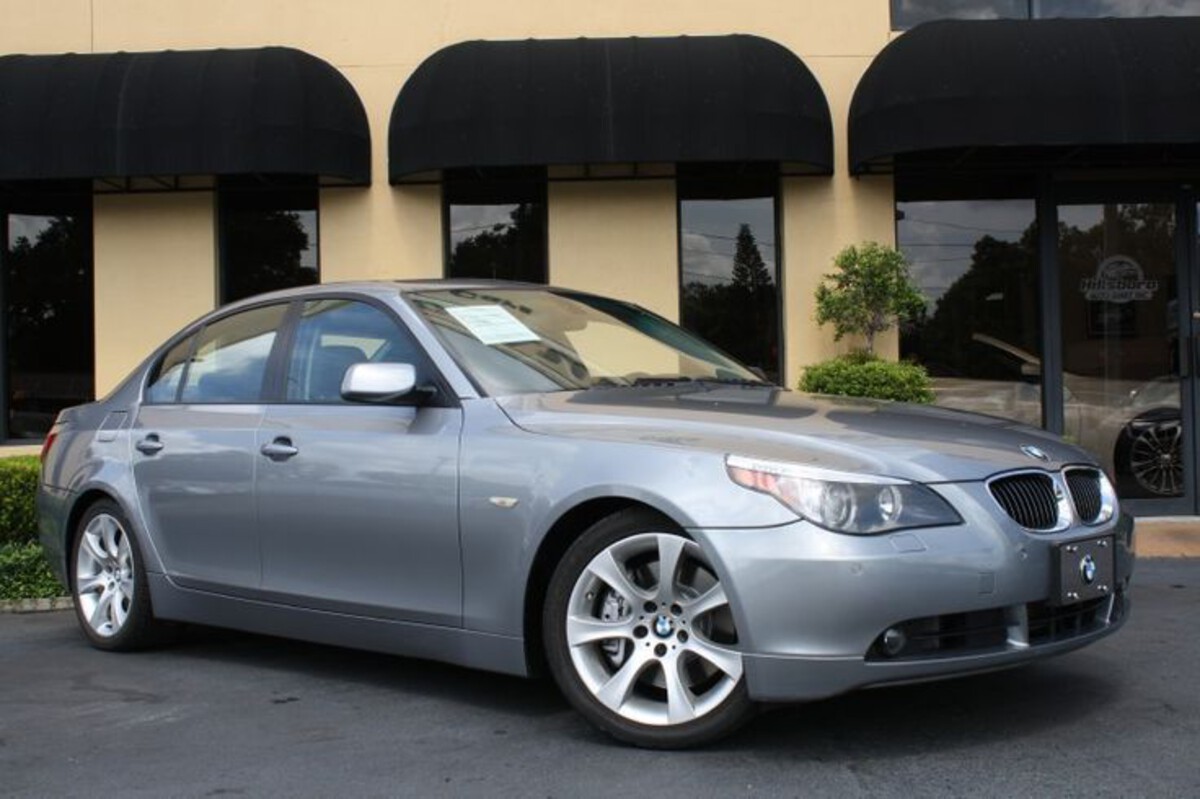
Soon, the liner begins to peel away from the board in increasingly large sections. For those with sunroofs, the area around the shade panel becomes a hotspot for sag as well.
BMW opted for a soft-touch fabric over a lightweight foam backing, but the adhesive used didn’t hold up well over time, especially in areas with wide temperature swings. The sagging is not only ugly but makes the car feel far older than it is a huge hit for a model that once commanded executive-level presence.
Removing and repairing the headliner is also complex and costly due to the vehicle’s numerous trim components and electronics. Luxury or not, many E60s end up with thumbtacks or temporary glue jobs. It’s a bitter pill for owners who expect better from a premium marque.
Despite its driving dynamics, the E60’s interior aging especially the roof liner, is a letdown that taints its otherwise strong reputation.
The integrity of a vehicle’s headliner may not be the first thing you think of when evaluating its durability, but it speaks volumes about the automaker’s commitment to quality.
A resilient headliner is not just fabric stuck to the roof it’s a sign of robust material science, smart design, and respect for the driver’s long-term experience. Vehicles like the Toyota Land Cruiser, Lexus RX 350, and Honda Accord show that when manufacturers take the time to get the little things right, those choices echo through every mile.
On the flip side, when headliners start sagging prematurely, it sends a message. It says that someone, somewhere along the line, approved substandard materials or cut corners.
It becomes more than just a cosmetic issue it impacts how drivers perceive their vehicle, how passengers experience the cabin, and how much pride an owner can take in their car. Worse, it can diminish resale value and cost hundreds in repairs.
This ceiling-level detail so often dismissed as trivial ends up separating the truly well-built vehicles from the mediocre. It’s about longevity, craftsmanship, and care. For the enthusiast, the collector, or the everyday commuter, a car’s headliner can be a quiet but telling sign of whether that car was built to last or simply built to sell.
So the next time you step into a car and look up, remember what you see there might just tell you everything you need to know.