
For many American drivers especially parents, pet owners, adventurers, and tradespeople easy-to-clean car floors can be a game-changer.
Whether you’re dealing with muddy boots, spilled coffee, pet hair, or snack crumbs, the ability to quickly clean up messes without scrubbing carpets saves time and keeps the vehicle looking fresh.
While most cars come standard with traditional carpeted floors, some models offer rubberized or vinyl flooring, removable mats, or flat floor designs that simplify maintenance.
Below are 10 vehicles known for having easy-to-clean flooring that caters to practicality without compromising on comfort.
1. Ford Bronco
The Ford Bronco was designed with adventure in mind, and that includes how easy it is to clean after a rugged weekend. Most trims, especially the Badlands and Black Diamond, feature marine-grade vinyl seats and rubberized floors with drain plugs.
You can hose down the interior without worrying about damage, making it a favorite for off-road enthusiasts and beachgoers.
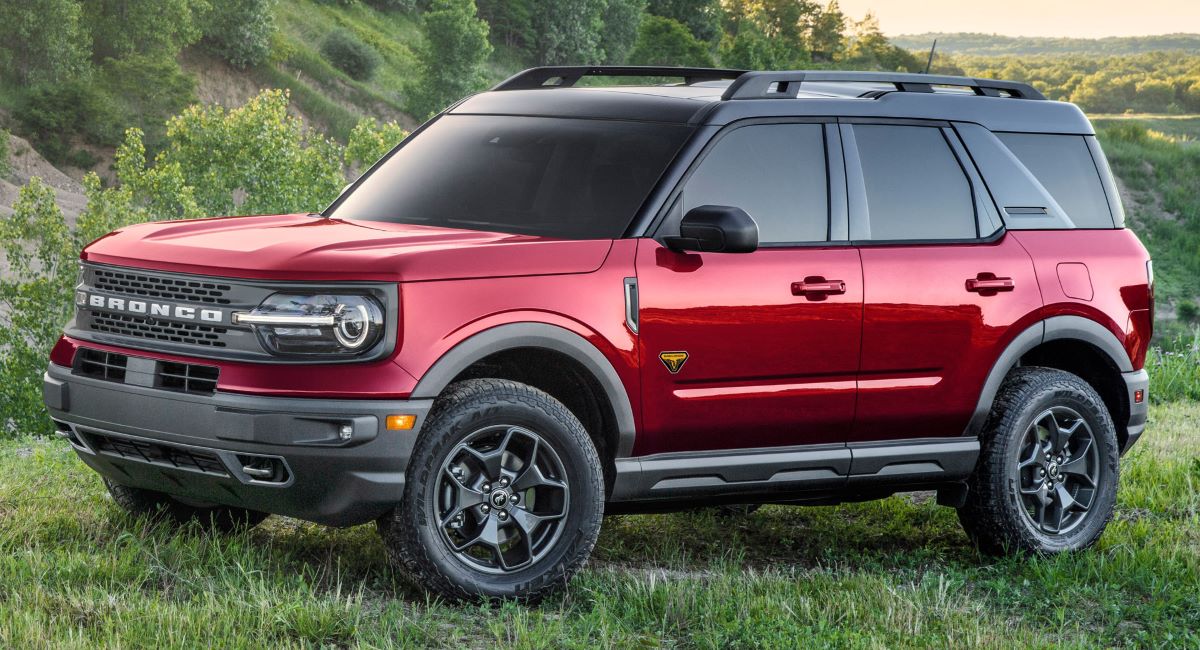
When Ford brought back the Bronco nameplate in 2021, it quickly became one of the most eagerly awaited vehicle launches in recent history. The revived Bronco was completely redesigned and purpose-built to go head-to-head with the Jeep Wrangler, and Ford pulled out all the stops to craft a true modern go-anywhere SUV.
Offered with either two or four doors, a choice between a manual or automatic transmission, and equipped with serious off-road gear, the Bronco comes in configurations to suit nearly every off-road enthusiast.
For the 2025 model year, Ford isn’t making any sweeping changes. The standout update is the introduction of a retro, 1970s-inspired appearance package called Free Wheeling, which is offered as an option on the Big Bend trim.
2. Jeep Wrangler
Like the Bronco, the Jeep Wrangler is built to tackle dirt, sand, and water and clean up just as easily. It comes standard with durable flooring that can be wiped or rinsed clean.
Drain plugs in the floorboards allow for a complete wash-out, and rubber mats help contain everyday debris. Jeep’s commitment to utility makes the Wrangler a reliable option for families and adventurers alike.
The standard engine is a 285-hp 3.6-liter V-6, which comes paired with a six-speed manual transmission, while an eight-speed automatic is available as an option. That eight-speed automatic is standard equipment on the four- and eight-cylinder models.
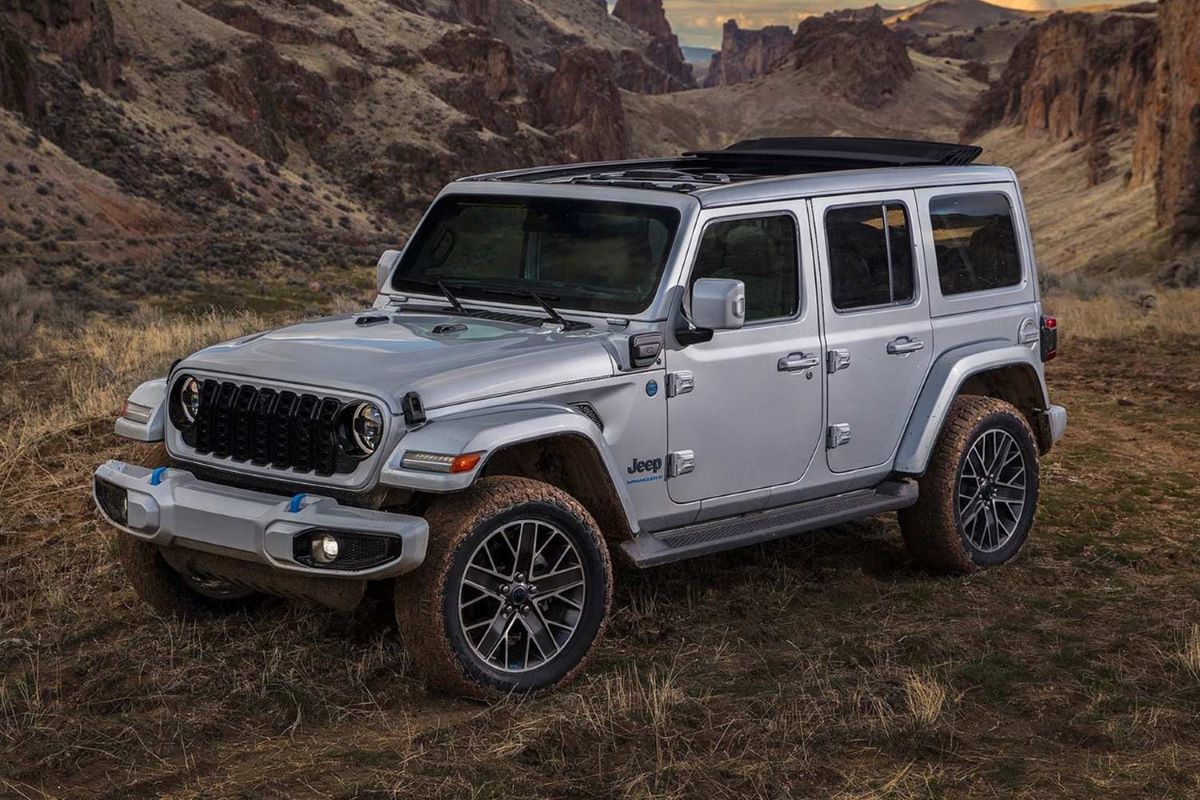
At the top of the range, a 470-hp 6.4-liter V-8 is exclusive to the wild Rubicon 392 Final Edition and is matched exclusively with the eight-speed automatic. True to its heritage, every Wrangler comes ready to hit the trails, with part-time four-wheel drive standard on most trims.
A full-time system is optional on the Sport, Sahara, and Rubicon, while it comes standard on the 392. Although Jeep has improved the Wrangler’s handling over the years, it still retains that old-school, trucklike character when compared with the more polished SUVs and pickups on the market.
The four-door model manages to deliver a reasonably smooth ride over rough terrain, but the shorter-wheelbase two-door tends to bounce around more noticeably over larger bumps.
In testing, a base two-door Wrangler Sport equipped with the V-6 and six-speed manual transmission reached 60 mph in 6.1 seconds. The four-cylinder-powered four-door Sahara posted a 6.5-second run to 60 mph.
The Rubicon, weighed down by its heavy-duty off-road gear and wearing less street-friendly tires, is slower; a four-cylinder four-door Rubicon managed the sprint in 7.1 seconds.
Also Read: Top 10 Cars With Fuel-Saving Tech That Stay Reliable
3. Honda Element (Used Market)
Though discontinued after 2011, the Honda Element remains a cult favorite for its utilitarian interior. The floors are made of thermoplastic urethane, making them exceptionally easy to clean with a mop or hose.
Its clamshell doors and boxy design allow for easy access and make it a great choice for pet owners or outdoor hobbyists shopping in the used market.
The 2008 Honda Element was a compact crossover SUV that blended distinctive styling with highly practical features, appealing to drivers who valued versatility and functionality. Its signature boxy shape, paired with a roomy interior, made it a favorite among those with active lifestyles.
The Element offered generous cargo space and adaptable seating configurations, enhancing its usability for a wide range of needs. Built on the same platform as the Honda CR-V, it delivered a car-like driving feel while preserving the utility expected from an SUV.
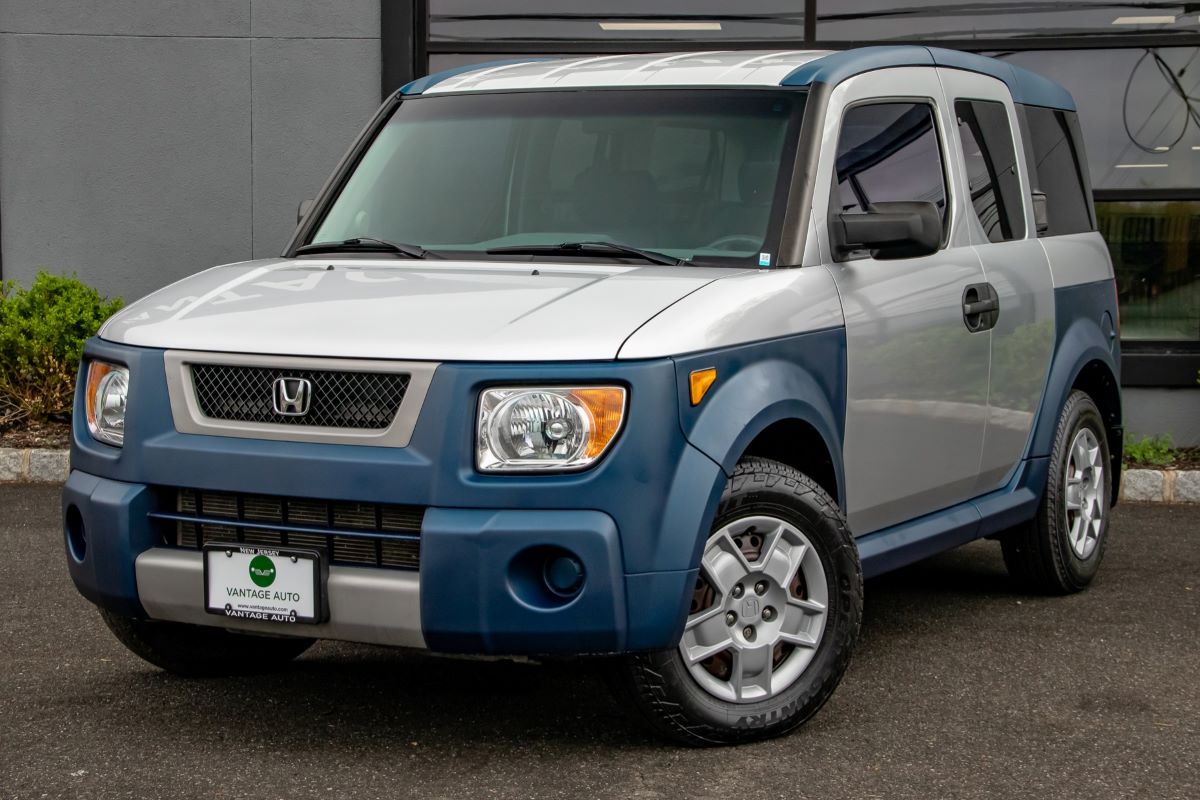
Within the competitive compact SUV and crossover market, the 2008 Honda Element went up against rivals like the Toyota RAV4, Kia Soul, and Ford Escape. Despite facing stiff competition, it managed to stand out by emphasizing practicality, easy-to-clean interior materials, and clever cargo management solutions.
For the 2008 model year, changes to the Honda Element were minimal, as it retained its familiar design and core features. The most notable update was the introduction of Royal Blue Pearl as a new exterior color option for the SC trim.
Other than this addition, the Element carried on largely unchanged, continuing to deliver the spacious interior, flexible cargo options, and everyday usability it had become known for.
The cabin of the 2008 Element was purposefully designed for utility. Standard equipment included air conditioning, full power accessories, a tilt-adjustable steering wheel, cruise control, and a 100-watt CD stereo system.
Moving up to the EX trim brought added features such as alloy wheels, body-color fenders and door handles, a cargo-area-mounted power outlet, waterproof rear seats, a 270-watt audio system with MP3 compatibility, an auxiliary input jack, satellite radio, and steering-wheel-mounted audio controls.
The SC trim catered to buyers seeking a sportier vibe, offering a lowered suspension, 18-inch alloy wheels, projector-beam headlights, body-colored bumpers and roof, along with unique interior accents that set it apart.
4. Subaru Outback Wilderness
The Subaru Outback Wilderness trim includes all-weather floor mats and waterproof materials that resist staining and moisture.
While not as hose-down friendly as a Bronco or Wrangler, the Outback still shines in its class with practical flooring choices. It’s ideal for campers, skiers, and anyone who frequents the outdoors but still wants a car-like ride.
The Wilderness proves to be a surprisingly enjoyable freeway companion, stereo shortcomings aside. Typically, a suspension lift combined with knobby tires spells disaster for on-road behavior, often resulting in a harsh, noisy ride and a loose, unsettled feeling between the chassis and body.
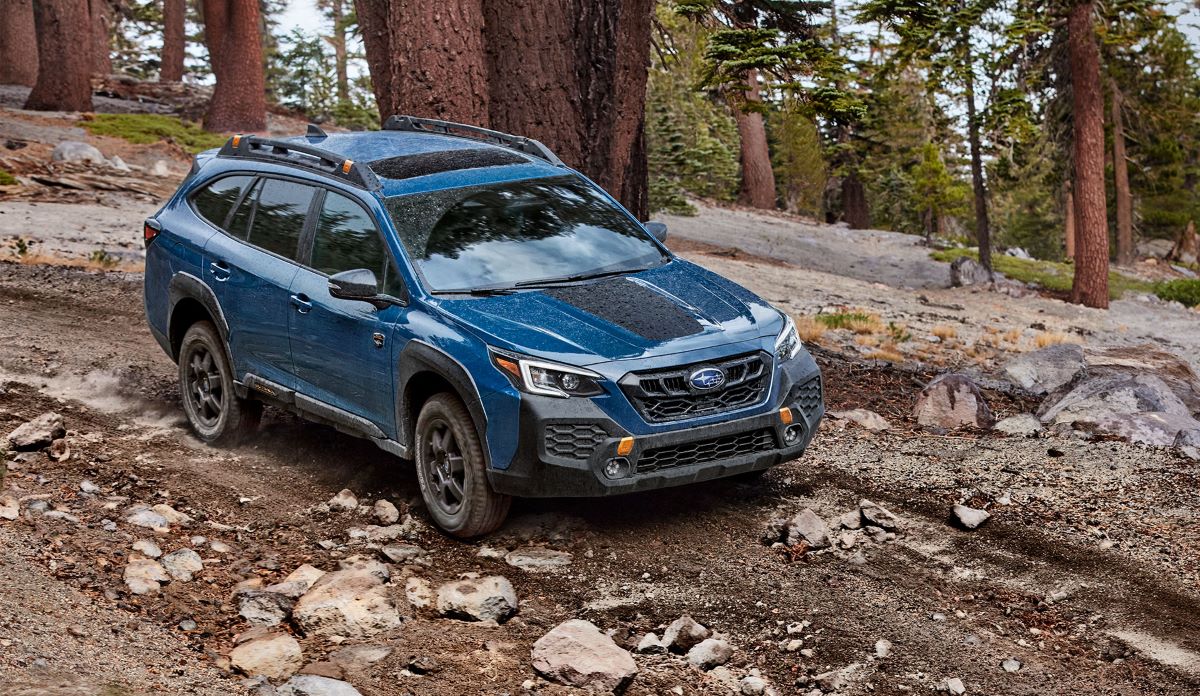
The Wilderness takes advantage of the additional sidewall provided by its 255/65R17 Yokohama Geolandar A/T tires, the extra length from its taller springs, and the increased travel of its shocks. While the steering wheel exhibits a noticeable dead spot at center, the more aggressive suspension setup, and the alignment adjustments that come with it, still allow the Wilderness to track straight and true.
The powertrain matches the chassis in capability. Its 2.4-liter turbocharged four-cylinder generates more than enough muscle, delivering 260 horsepower at 5600 rpm and, more crucially, 277 lb-ft of torque at just 2000 rpm.
This boxer engine feels lively and responsive; at no point did I wish for more power when accelerating onto the freeway or pushing to 90 mph to complete a pass. The CVT complements the engine well, eagerly delivering power and keeping the motor firmly within its sweet spot.
I’m not expecting an Outback to flaunt performance credentials, yet the Wilderness, thanks to its CVT tuning, managed to surprise me. The experience even sparked visions of an Outback STi, armed with a few extra ponies and a three-pedal setup.
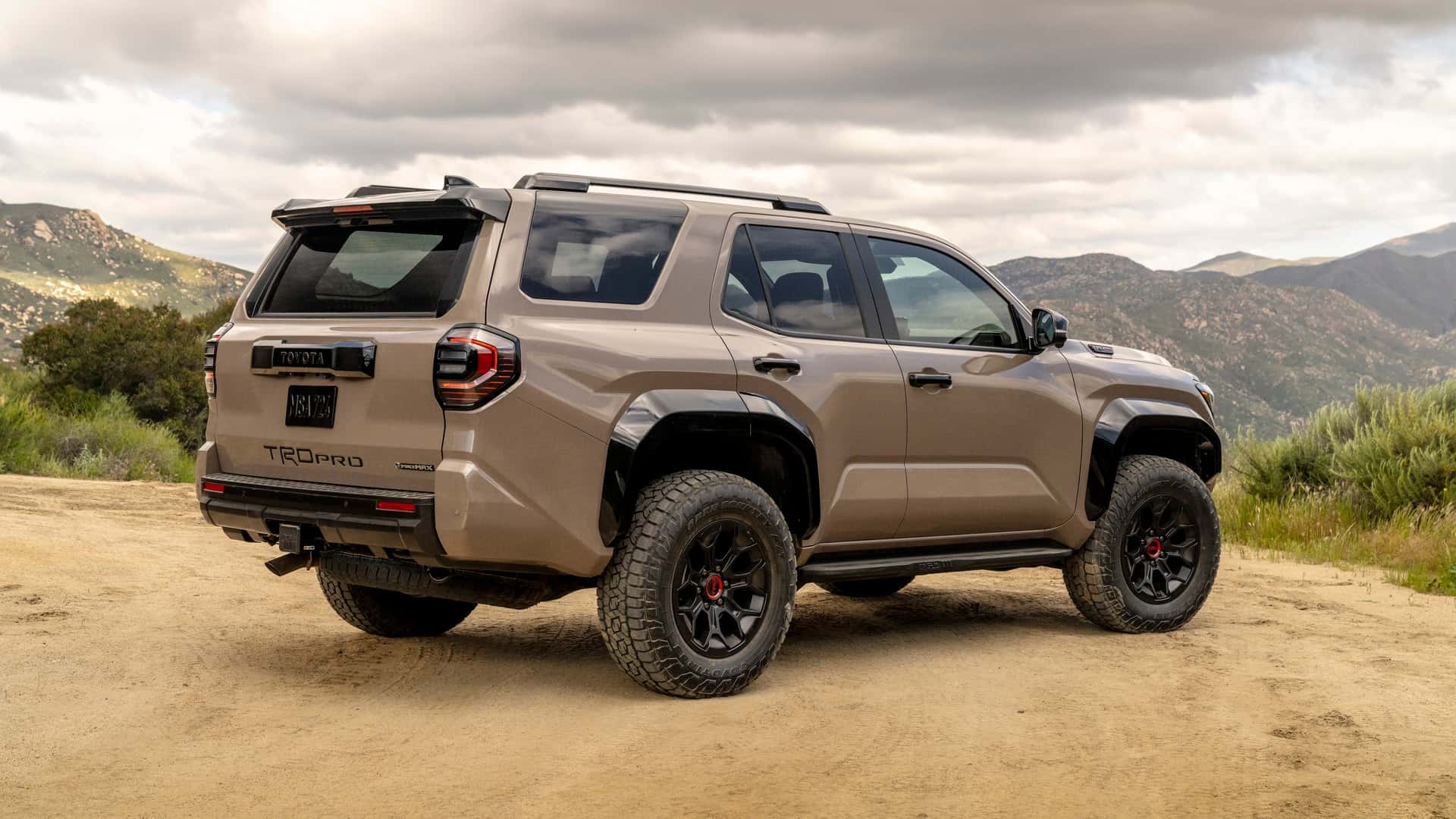
5. Toyota 4Runner TRD Pro
The Toyota 4Runner, especially in its TRD Pro or Trail Special Edition trims, includes rugged, weather-resistant interior components.
Optional rubber mats and a cargo area made of hard plastic make cleaning up after muddy dogs or camping gear straightforward.
It’s a favorite among those who want traditional SUV capabilities with utility-focused design. Here’s yet another model built on the brand’s TNGA-F platform, making it the eighth vehicle to use this architecture, counting the Land Cruiser and Lexus GX as separate models, which they are.
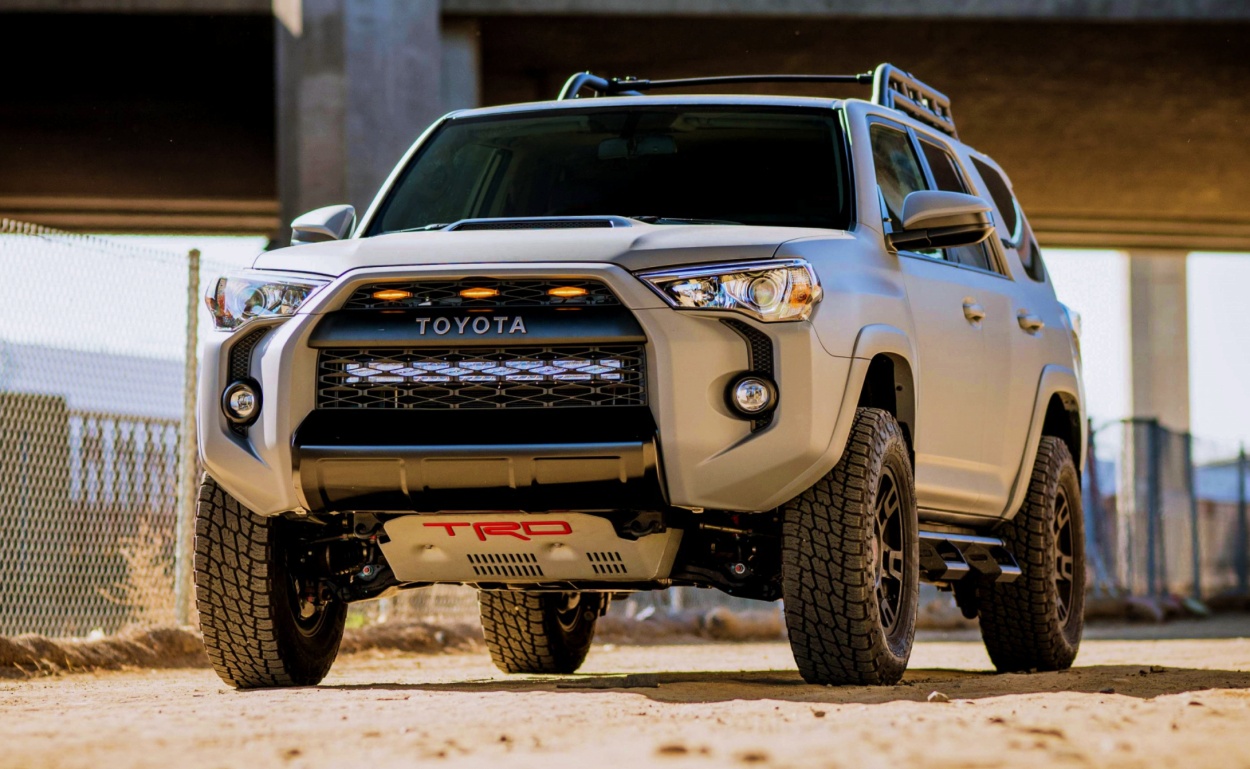
The headline change is the departure of the six-cylinder engine, replaced by either a turbocharged inline-four or a hybridized version of that same turbo four. Sitting at the top of the lineup is the TRD Pro, or sharing the crown with the newly introduced 4Runner Trailhunter, which comes in at the same hefty starting price of $68,350.
This range-topping TRD Pro is offered exclusively with the hybrid powertrain. Set aside any preconceived notions about electrification, the i-Force Max Turbo Hybrid setup delivers a strong 326 horsepower and an even more impressive 465 lb-ft of torque.
Toyota has also retired the old five-speed automatic in favor of a much more refined eight-speed unit. This new transmission doesn’t just shift better; it also contributes to a significant boost in fuel economy. Where the outgoing model managed only 16/19 mpg city/highway, the updated version now posts 23/24 mpg, a substantial and commendable improvement.
Also Read: 5 Pickups with the Fewest Recall Campaigns and 5 with the Most
6. Ram 1500 Tradesman
For truck buyers looking for a no-nonsense workhorse, the Ram 1500 Tradesman trim stands out. It can be equipped with vinyl flooring instead of carpet, perfect for job sites, farms, and messy hobbies.
Spills and dirt are easily wiped clean with a cloth or quick spray. The floor design emphasizes durability and simplicity over aesthetics.
The Hurricane straight-six embodies the “strong but silent” persona, only raising its voice when you really lean into the throttle. Thanks to its turbochargers muting the exhaust note and the use of acoustically laminated front side windows combined with insulation-packed front fenders, both wind and powertrain noise are kept impressively subdued.
This is both a blessing and, in a way, a minor loss. The calm yet forceful power delivery lends this work truck an unexpected level of refinement whether cruising through the city or eating up highway miles.

Paired with an eight-speed automatic transmission that swaps gears quickly and seamlessly, the Tradesman’s powertrain wouldn’t feel out of place in a $90,000 German luxury SUV.
Still, it’s hard not to miss the distinctive burble and commanding honk of the outgoing Hemi V-8. While Ram’s decision to replace the Hemi with the Hurricane makes sense, the V-8’s soundtrack was easily its most charming trait.
Performance-wise, it never truly matched up to its rivals, and in the last couple of years, Ram saddled it with the 48-volt eTorque mild hybrid system, a setup notorious for inviting electrical gremlins without offering any real-world advantages.
The result is a truck that absorbs impacts with equal composure, whether the bed is empty or loaded with 1,600 pounds of compost. This combination of a smooth, settled ride and a serene cabin is a big reason why this work truck could easily double as a comfortable personal or family vehicle.
Tipping the scales at 5,474 pounds, the Ram 1500 ranks as one of the lightest full-size trucks we’ve tested in recent years, a factor that helped it achieve one of the shortest 60-mph stopping distances in its class at just 127 feet.
The steering, too, impresses with its responsiveness and precision for a vehicle of this size, though to be fair, both the Silverado and F-150 have stepped up their game in this area as well.
7. Chevrolet Tahoe PPV (Police Pursuit Vehicle)
Originally designed for law enforcement, the Chevy Tahoe PPV features easy-to-clean vinyl floors and durable plastics throughout the cabin.
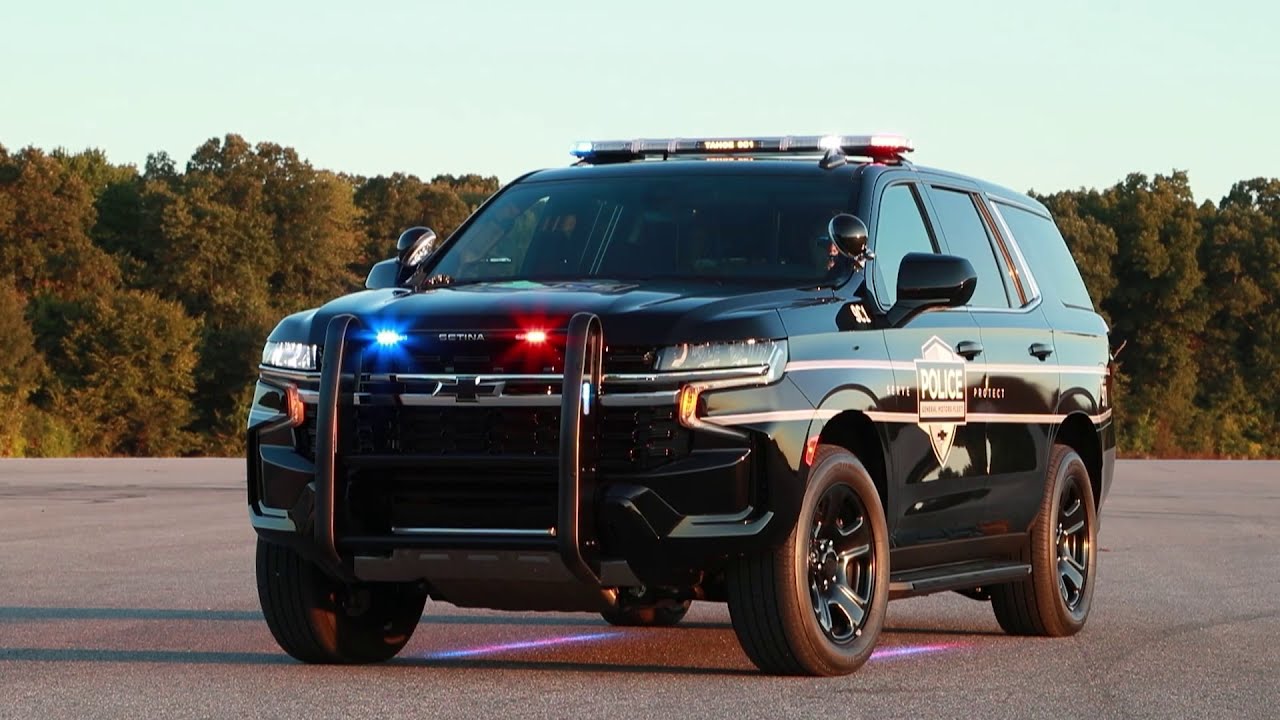
While it’s not a common civilian vehicle, used PPVs or fleet versions offer rugged interiors ideal for families with young kids or dogs. No fabric means minimal cleanup, no matter what gets dragged inside.
Beneath the hood sits a tried-and-true 5.3-liter V-8 engine. This version benefits from rocker covers borrowed from the Chevrolet Camaro ZL1, enhancing crankcase ventilation and enabling the Tahoe to better endure high lateral-acceleration scenarios.
To meet the demanding needs of law enforcement, the police-spec Tahoe also comes equipped with heavy-duty cooling systems for both the engine oil and transmission fluid.
Mirroring the exterior styling of the Z71 trim, the police Tahoe sports a higher approach angle and a functional front skidplate, boosting its off-road capability.
Chevrolet has also refined the vehicle’s electrical architecture, making it easier to integrate aftermarket police equipment seamlessly. Inside, specially designed front seats provide extra hiproom, ensuring comfort for officers wearing utility belts during long shifts.
8. Kia Telluride (With All-Weather Mats)
The Kia Telluride doesn’t come standard with a vinyl floor, but when equipped with factory all-weather mats and cargo liners, it becomes very family- and mess-friendly.
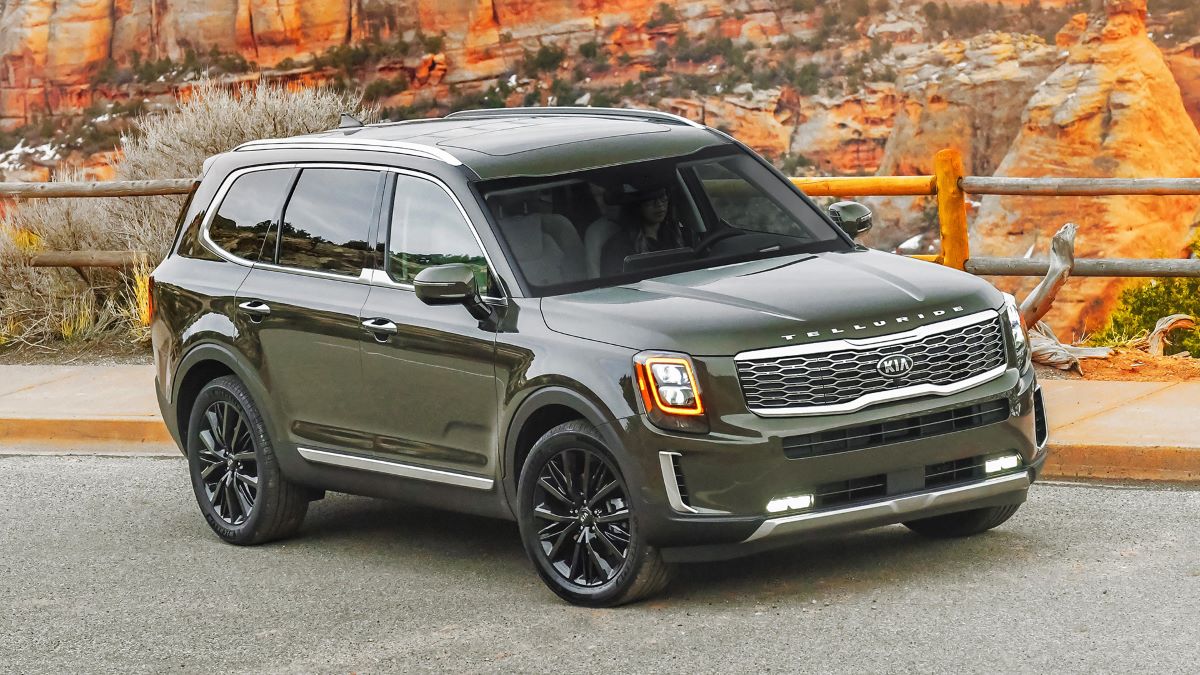
The mats are thick, custom-fit, and easy to pull out and hose down. For those who want a refined interior with a practical side, this setup strikes a nice balance.
The Kia Telluride debuted in 2020 as a challenger to established three-row SUVs such as the Toyota Highlander, Subaru Ascent, and Honda Pilot. Rather than simply holding its own, the Telluride quickly rose to the top of the segment.
It delivers an enjoyable driving experience, provides abundant storage space, boasts an open and airy cabin, and carries a stylish, attractive design. For five years running, the Telluride has remained the benchmark in its class, making it difficult to recommend any other SUV when this one sets the standard so high.
9. Tesla Model Y
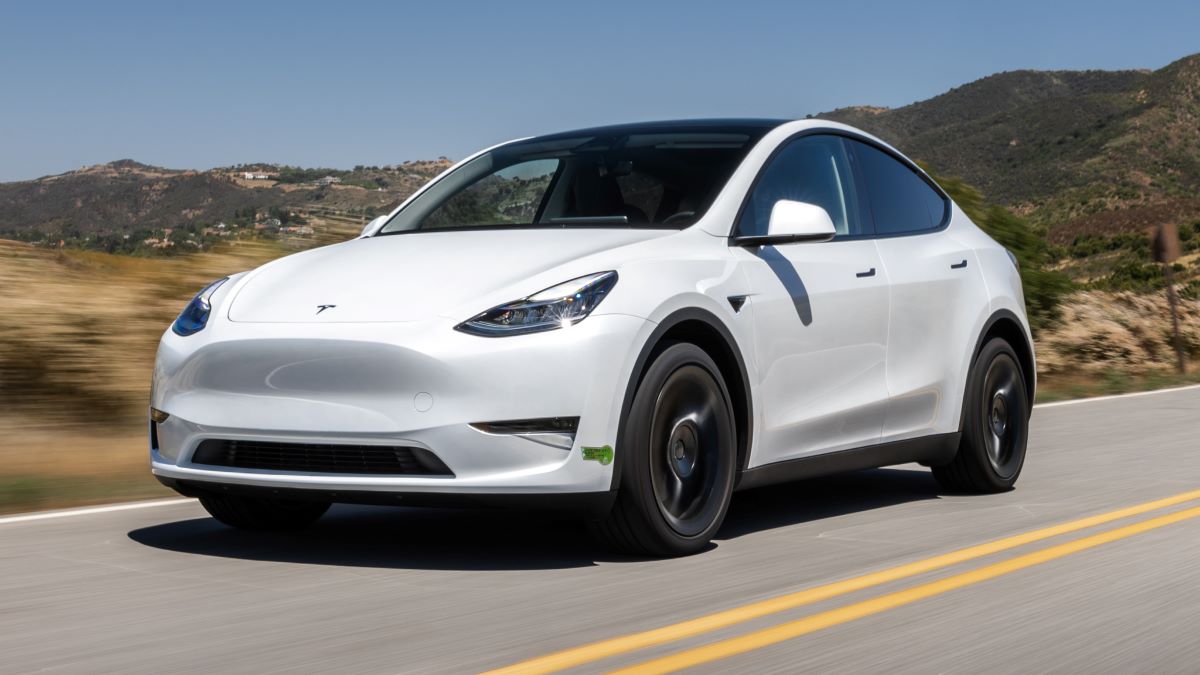
Tesla’s Model Y offers a minimalist cabin with flat, unobstructed flooring and optional rubberized mats.
Thanks to the lack of a traditional transmission tunnel and the vehicle’s raised design, dirt and debris are easier to sweep or vacuum.
The faux-leather “vegan” seating and synthetic floor materials resist staining and wipe down easily, appealing to tech-savvy, low-maintenance drivers.
Every version of the Tesla Model Y delivers strong performance even the base RWD (rear-wheel drive) model officially sprints from 0–60 mph in 5.6 seconds, easily leaving the least expensive Kia EV6 behind.
Sitting above the entry model is the slightly quicker Long Range RWD, followed by the Long Range AWD (all-wheel drive), which holds the crown as the quickest variant, launching from a standstill to 60 mph in just 4.6 seconds.
As expected, the Long Range trims also offer the greatest driving distances between charges. The Long Range RWD officially claims up to 387 miles, while the heavier, faster AWD version still delivers an impressive 364 miles. Even the entry-level RWD can officially cover 311 miles on a single charge, though it’s worth remembering that these official figures are difficult to replicate in everyday driving conditions.
Prior to its mid-life update in early 2025, the Model Y’s ride comfort was far from its strongest asset. However, with the suspension tweaks introduced in the facelift, it now feels more composed over rough surfaces.
Still, if comfort is your top priority, there are better options out there, including the Audi Q4 e-tron, Kia EV6, and Skoda Enyaq. The Model Y’s firm suspension means you’ll experience more seat-jostling over bumps than you might prefer.
It’s worth noting that our experience has been limited to the top-spec Long Range AWD riding on optional 20-inch alloy wheels (19-inch wheels are standard). Versions equipped with the smaller wheels may very well offer a smoother ride.
10. Toyota Sienna (Hybrid Minivan)
The Toyota Sienna, especially when equipped with optional rubber floor liners and a flat second-row floor, becomes surprisingly easy to maintain.
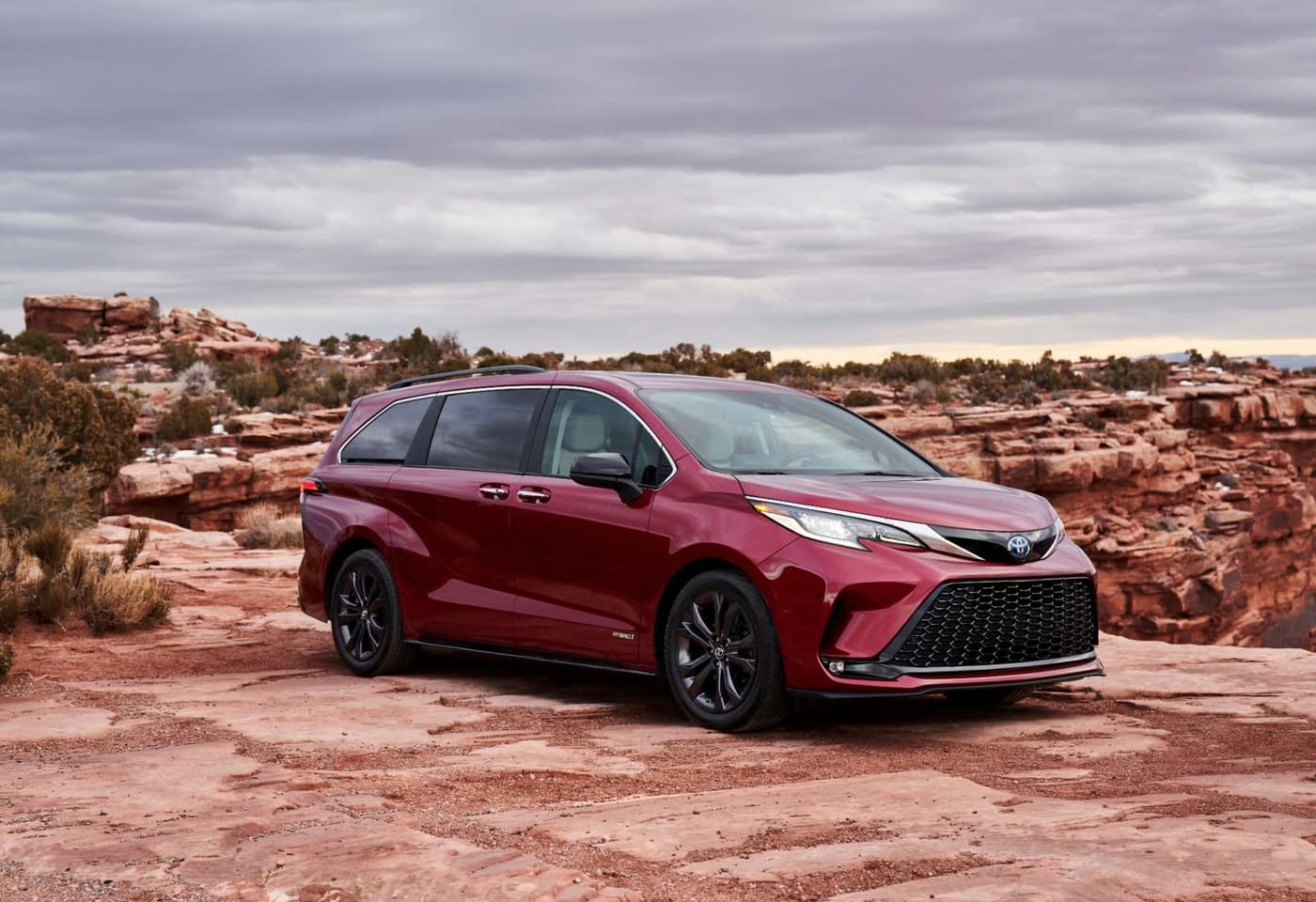
It’s a top pick for large families, daycare owners, or rideshare drivers thanks to its spacious interior and stain-resistant materials. Parents appreciate how effortlessly they can clean up crumbs, markers, or spilled juice boxes.
Three-row SUVs can’t match the practicality of minivans, and Toyota’s Sienna remains one of the most enduring options in the segment. First launched in 1998, this family hauler hit its 25-year milestone with the 2023 model, and Toyota continues to sell thousands each month across North America.
While the minivan market isn’t as strong as it once was, the Sienna still competes fiercely with rivals like the Honda Odyssey, Chrysler Pacifica, and Kia Carnival. If you’re searching for a Toyota three-row hybrid with more muscle, the Sequoia is worth a look.
For 2025, the Sienna receives several updates. The interior benefits from refreshed styling and technology, including new cabin screens, while premium touches like a built-in vacuum and refrigerator are now available.
The Sienna Woodland gets new wheels and mats, and the XSE features black window trim, black door handles, a metallic grille, and black headlight trim. Both the XSE and Woodland lose the traditional blue tint on the Toyota badge, previously a sign of electrification.
Opting for a minivan over an SUV is a bold move, but for many families, it’s the right call. The Sienna stands out with its standard hybrid powertrain, which offers impressive fuel economy and excellent range. However, the gas engine does protest under heavy throttle—an understandable trade-off since competitors have torquey V-6 engines.
Still, power delivery remains smooth, and the overall driving experience is calm and composed. Storage is another strength, with clever packaging like the two-tiered center console, though some rivals still offer more total interior space. A larger, more intuitive central touchscreen and upgraded cabin materials enhance its appeal, making it a solid value even if it’s not the class leader in every respect.
Performance remains consistent with previous models. The hybrid setup combines a 2.5-liter naturally aspirated inline-four with an electric motor in FWD versions, while AWD models add a second motor at the rear axle.
Toyota has slightly updated the driver-assist tech, introducing an advanced Rear Seat Reminder with millimeter-wave radar that can send SMS alerts and automated calls via Safety Connect. However, the Sienna still uses Toyota Safety Sense 2.0 rather than the newer 3.0 suite, which may arrive with its next major redesign.
Inside, the Sienna seats two up front and three in the third row, with the second row offered as a bench or captain’s chairs. Third-row legroom and cargo space are competitive with the Odyssey and Pacifica.
For 2025, USB-C ports are standard, with one USB-A retained in the center console. The model also gets an ECU update for better cybersecurity, improved call clarity with a dual-microphone system, a stronger wireless charging pad, and available refrigerator and vacuum.
The 2025 Toyota Sienna comes in six trims—LE, XLE, XSE, Woodland Edition, Limited, and Platinum—with slight price increases reflecting its upgrades.
Whether you’re off-roading through the mountains or simply managing daily life with messy toddlers, the convenience of easy-to-clean flooring can’t be overstated.
These 10 vehicles offer different ways to simplify cleaning, from rubberized floors and drain plugs to smartly designed all-weather mats.
For American drivers who prioritize both function and form, these models offer peace of mind without sacrificing practicality.
