In the American performance scene, tuning is often seen as a rite of passage taking a factory sports car and adding more power, better response, and sharper handling.
But not every vehicle responds kindly to this kind of treatment. Some engines and drivetrains simply aren’t built to handle the extra stress, leading to costly repairs down the road.
Fortunately, a select group of sports cars offers the best of both worlds: thrilling performance upgrades and long-term reliability. Here are seven sports cars that stay dependable even after you start turning up the heat.
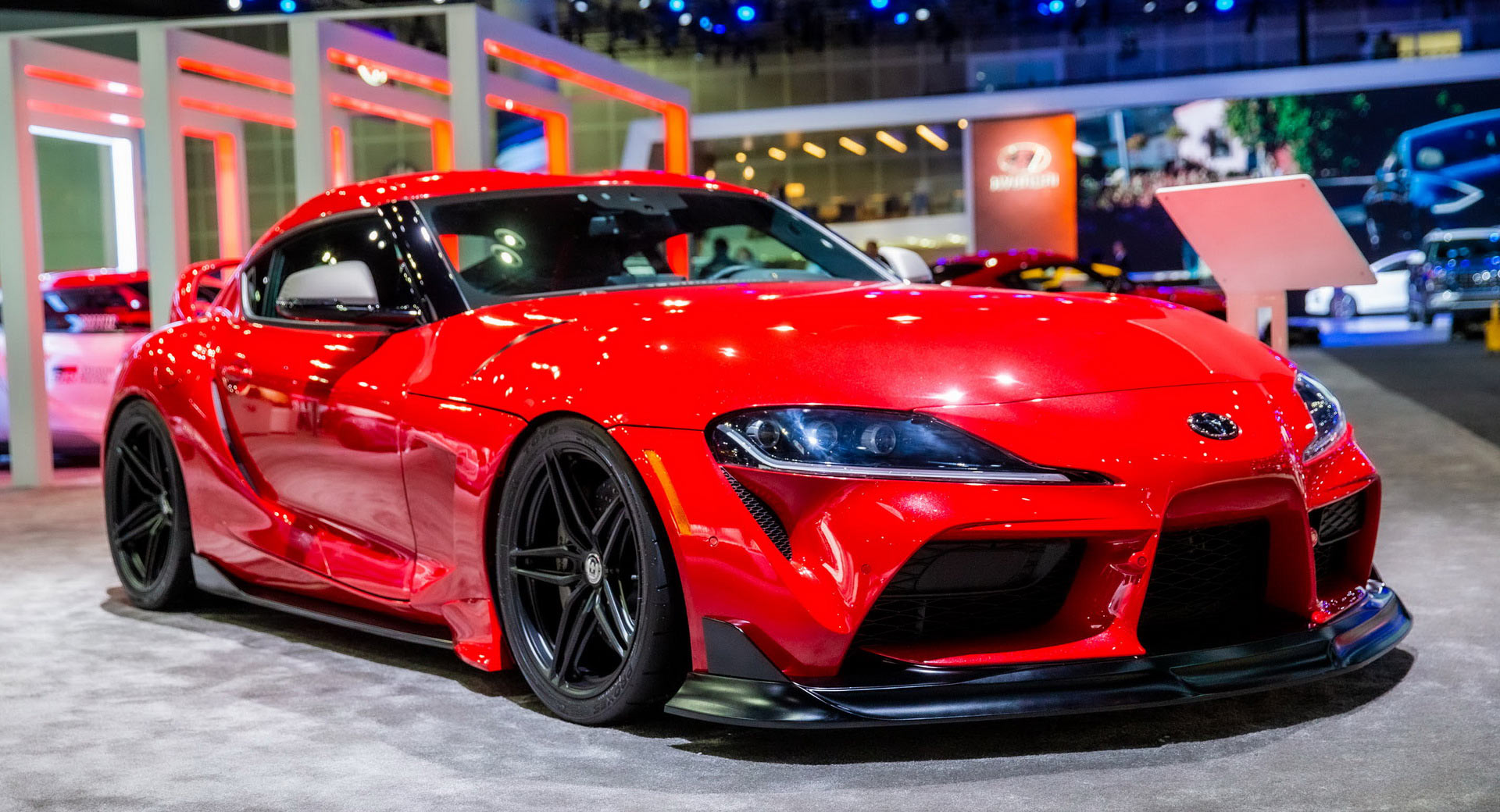
1. Toyota GR Supra (2020–Present)
When Toyota partnered with BMW to create the fifth-generation Supra, it raised eyebrows but the end result has been a blessing for U.S. tuners.
The GR Supra’s B58 inline-six turbocharged engine is one of the most tuner-friendly powerplants on the market today.
With just a tune, upgraded intake, and downpipe, owners regularly push past 450–500 horsepower on stock internals. What’s more impressive is how well the drivetrain holds up.
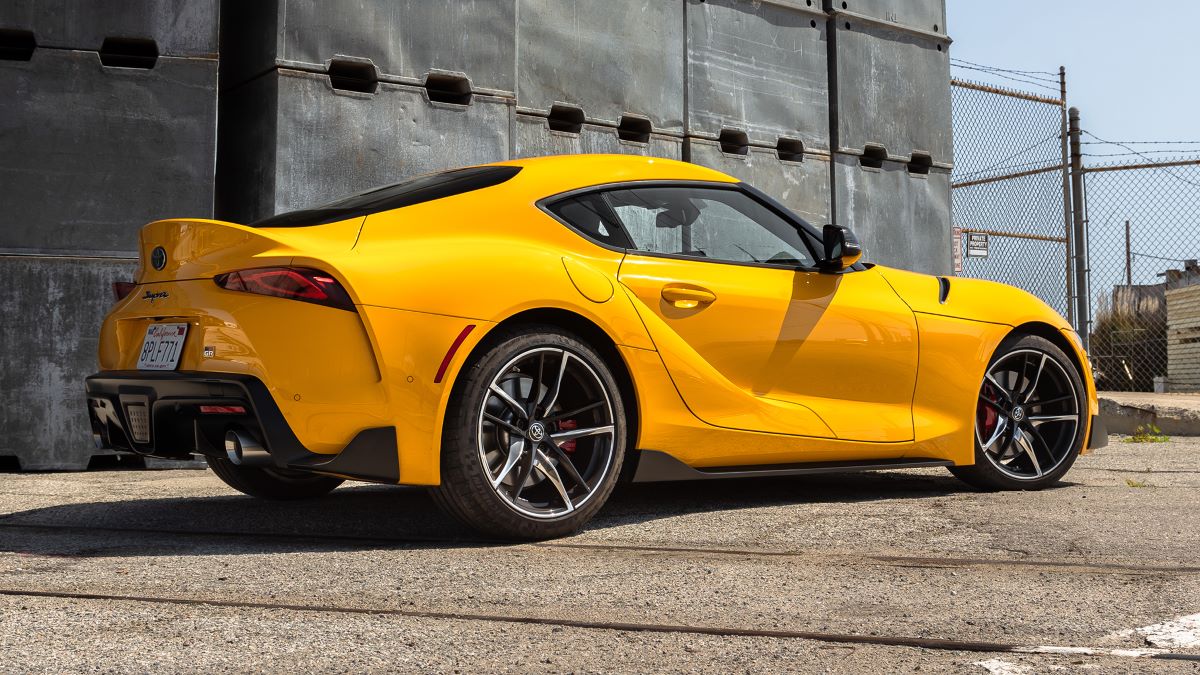
The engine, sourced from BMW but thoroughly vetted by Toyota, comes with strong internal components, solid cooling, and a ZF 8-speed automatic that’s more than up to the task.
It’s become one of the most reliable platforms for serious tuning while remaining smooth and drivable.
The Toyota Supra embodies a dual personality, offering two distinct driving experiences depending on the engine you choose. The four-cylinder Supra features the quickest steering in the lineup, and when paired with its grippy tires, lively engine, and more approachable price tag, it makes a strong case for itself.
However, as noted in previous reviews, this version’s rear end tends to bounce noticeably on anything less than perfect pavement. The six-cylinder variant isn’t just about added horsepower, it also delights with its exhaust’s satisfying pops and crackles.
That said, this high-spirited sports car demands respect: an overzealous throttle foot can make it tail-happy when exiting corners. Previous tests have even labeled it as one of the most challenging cars they’ve driven on a figure-eight handling course.
Toyota offers two turbocharged engine options for the Supra. The 2.0-liter four-cylinder, introduced in the 2021 model year, generates 255 hp and 295 lb-ft of torque. In testing, the Supra 2.0 hit 60 mph in 4.8 seconds. This engine also delivers an impressive fuel economy rating of 25/32 mpg city/highway.
Stepping up to the 3.0-liter inline-six provides a commanding 382 hp and 368 lb-ft of torque, cutting the 0-60 mph sprint to just 4.0 seconds. However, this added performance comes with a slight trade-off in efficiency, dropping fuel economy to 22/30 mpg.
2. Ford Mustang GT (2015–Present)
Few engines in modern muscle cars match the reputation of the 5.0L Coyote V8 found in the Ford Mustang GT.
From 2015 onward, this engine became even more advanced with features like dual-fuel injection and increased rev capabilities.
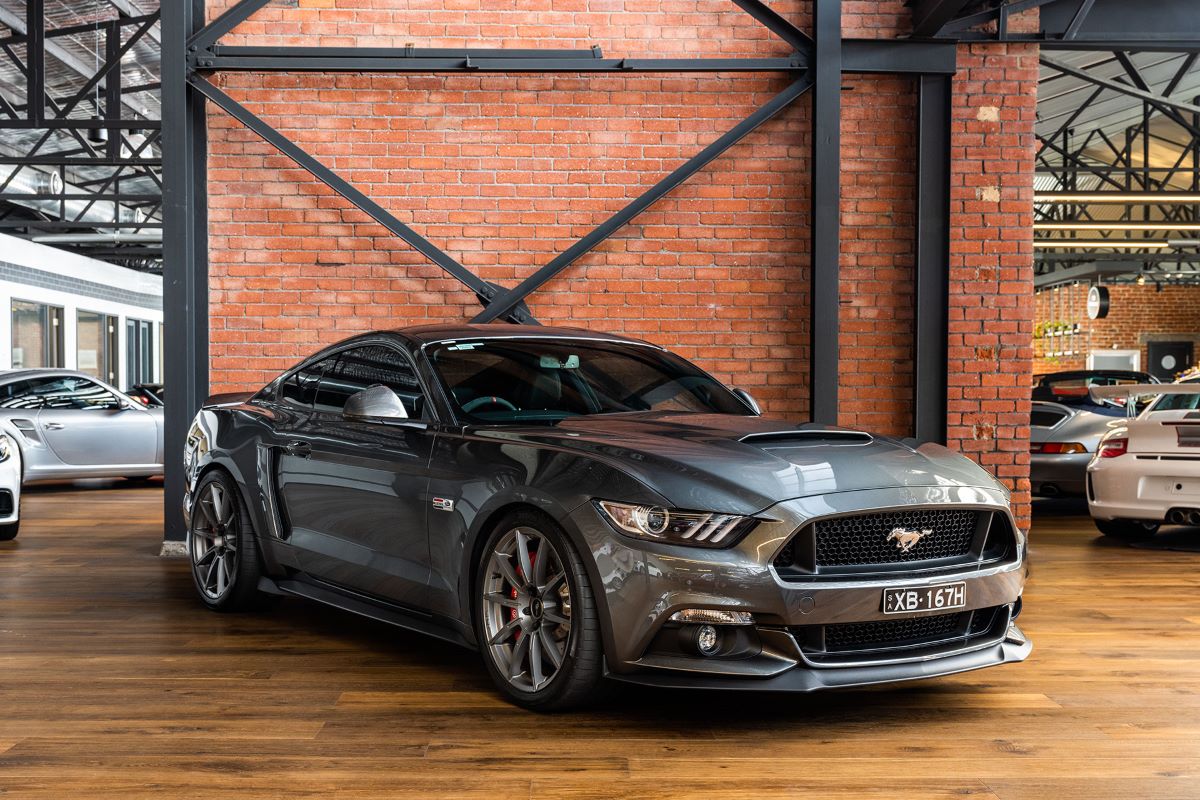
American tuners love the Mustang not only for its brute power but also because it handles forced induction like superchargers and turbo kits extremely well. With basic mods and proper tuning, 700+ horsepower is easily attainable while retaining drivability and longevity.
The vast availability of aftermarket parts and Ford’s own support through Ford Performance make the Mustang a go-to for enthusiasts who want power without a constant fear of engine failure.
Available in a wide range of models and backed by 52 years of heritage, the 2017 Ford Mustang’s appeal is easy to grasp. However, don’t mistake it for the bare-bones muscle car of decades past. The Mustang has undergone significant evolution, and this latest generation, which debuted just two years ago, can easily challenge even some European luxury cars.
One of the Mustang’s strongest draws is what lies beneath the hood. The Mustang GT’s V8 engine is the standout choice, delivering a smooth ride and an impressive 435 horsepower.
Even so, the more affordable V6 and turbocharged four-cylinder engines still offer a solid mix of power and fuel efficiency. Inside, the cabin is attractively designed, and the availability of Ford’s latest Sync 3 touchscreen interface, introduced last year, marks a huge improvement over the old MyFord Touch system.
Naturally, the Mustang faces stiff competition. The recently redesigned Chevrolet Camaro boasts more powerful engines, updated styling, an overhauled interior, and refined technology. Choosing between the two often comes down to brand loyalty, but it’s wise to test-drive both before making a decision.
The Dodge Challenger is also worth considering; while it’s less agile around tight corners compared to the Camaro or Mustang, it offers a smoother highway ride and greater space for both passengers and cargo. For those considering something beyond traditional muscle cars, European two-doors like the Audi TT or BMW 2 Series also present strong alternatives.
The fact that shoppers may cross-shop a Mustang with a BMW speaks volumes about how far this car has come. The bar for muscle cars and coupes has been raised significantly in recent years, and the Mustang clears it with ease.
With its advanced technology, excellent engine lineup, and sheer fun-to-drive factor, the 2017 Ford Mustang remains a leader in the coupe and convertible class. Whether you’re new to muscle cars or a longtime Mustang fan, this pony car deserves your attention.
Safety is another strong point for the 2017 Mustang. Standard safety features include antilock disc brakes, stability and traction control, a rearview camera, front-seat side airbags, side curtain airbags for coupes, and driver and front-passenger knee airbags.
Ford’s MyKey parental controls and hill-start assist (for manual models) also come standard. Optional safety tech on the EcoBoost Premium and GT Premium trims includes adaptive cruise control with forward collision alert and a blind-spot monitoring system with rear cross-traffic alert.
Performance in braking tests is impressive. In Edmunds testing, both the Mustang EcoBoost and Mustang GT equipped with the optional Performance package stopped from 60 mph in just 108 feet, which is better than average for the segment.
Stopping distances vary depending on equipment; a GT without the Performance package but with standard all-season tires stopped in 118 feet, while an EcoBoost convertible with summer performance tires managed an outstanding 104 feet.
Crash test results are equally reassuring. In government testing, the Mustang coupe earned a five-star rating overall, including five stars each for total front-impact and side-impact protection.
Also Read: 5 Vehicles With Intuitive Controls vs 5 With Confusing Layouts
3. Subaru WRX (2015–2021 FA20 DIT engine)
Subaru’s WRX has long held a place in tuner garages, and the 2015–2021 model with the FA20 DIT engine represents a more modern and reliable evolution of the platform.
While previous-generation EJ engines were infamous for head gasket failures and ringland issues, the FA20 offers better heat management and direct injection, making it more suitable for light-to-moderate tuning.
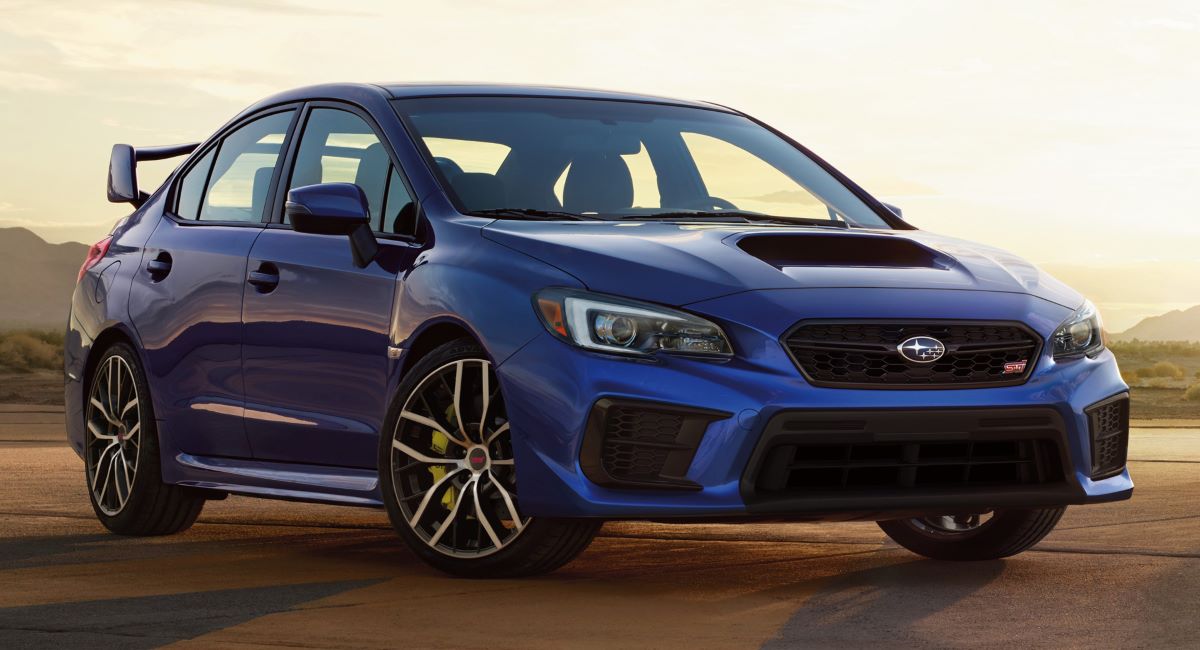
Many U.S. owners see reliable gains by adding bolt-ons like turbo-back exhausts, intercoolers, and a custom tune, often reaching the 300–350 hp range without touching the internals.
Reliability hinges on careful tuning, but the WRX remains a great AWD choice for those who want dependable turbo performance with daily-driver practicality.
Subaru’s redesigned 2022 WRX sticks to the winning formula of a sport compact sedan powered by a turbocharged flat-four engine driving all four wheels. The previous generation lingered on the market from 2014 to 2021 and was overdue for a refresh.
This latest WRX is a breath of fresh air for loyal fans and an enticing option for newcomers. While it primarily competes with front-wheel-drive models like Hyundai’s new Veloster N and the updated 2022 Volkswagen Golf GTI, it also measures up against the all-wheel-drive Golf R and turbocharged Mazda 3.
Built on an entirely new chassis, the 2022 WRX now uses a 2.4-liter turbocharged flat-four engine, an upgrade from the previous 2.0-liter. This powerplant produces 274 horsepower and pairs with either a six-speed manual transmission or Subaru’s enhanced continuously variable automatic, known as the Performance Automatic.
As always, the WRX retains its signature all-wheel-drive system. Adding to its list of upgrades, Subaru introduces an available adaptive suspension—something new for the WRX lineup.
Overall, the redesigned 2022 Subaru WRX delivers the improvements enthusiasts have been waiting for, making it a standout successor to the previous generation.
4. Chevrolet Camaro SS (2016–Present)
Chevy’s Camaro SS packs the same 6.2L LT1 V8 engine found in the Corvette Stingray, making it one of the most robust naturally aspirated platforms available for tuning.
This engine was engineered with performance in mind, featuring direct injection, strong internal components, and plenty of cooling capacity.
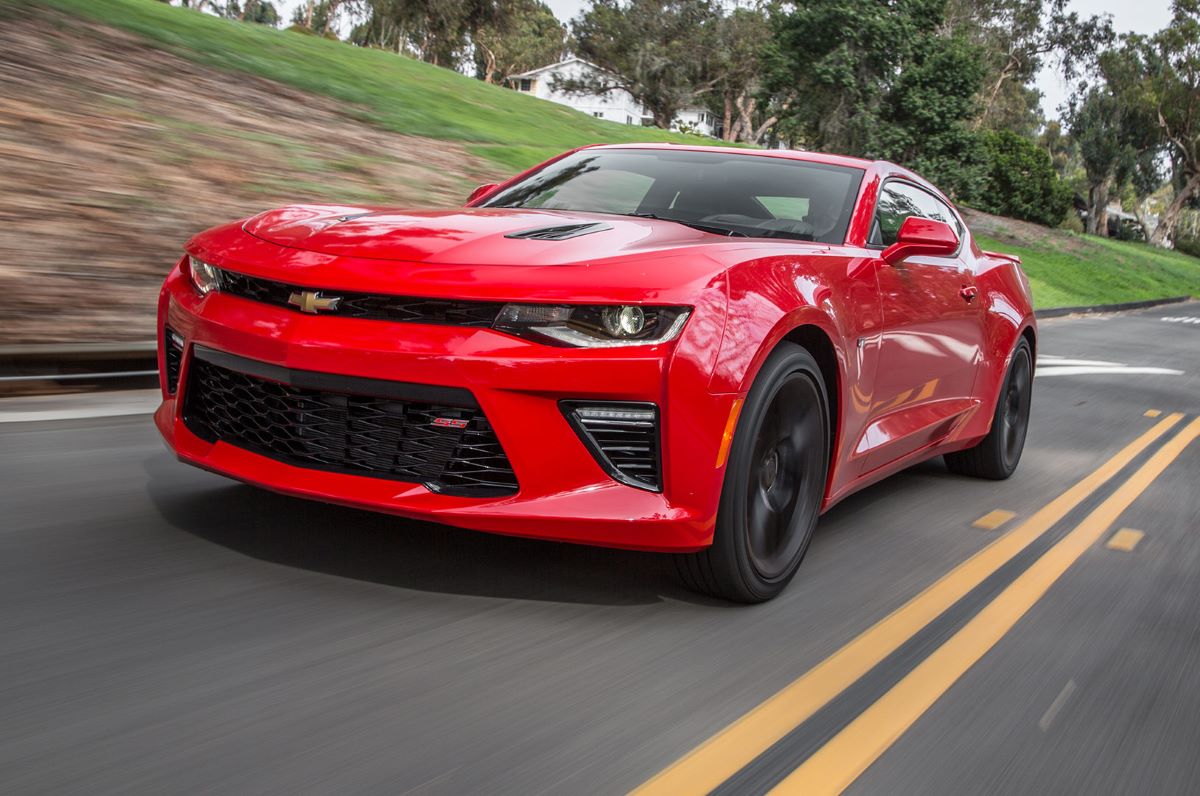
U.S. enthusiasts often add cold-air intakes, performance headers, camshaft upgrades, or superchargers without compromising reliability. The LT1 can handle over 600 horsepower with proper tuning and upgraded fuel systems.
Combine that with a strong 6-speed manual or 10-speed automatic transmission, and the Camaro SS stands as one of the best tuner V8s that doesn’t fall apart under pressure.
Beneath the hood of the entry-level Camaro sits a turbocharged 2.0-liter four-cylinder engine. It sounds almost sacrilegious but the performance speaks for itself. The 2016 Camaro’s turbo-four cranks out 275 horsepower and 295 pound-feet of torque while achieving more than 30 mpg on the highway, according to Chevy.
This engine also powers the Cadillac ATS and CTS, and like those cars, the Camaro rides on the “Alpha” platform. This platform is more compact than the one used on the 2010–2015 Camaro, resulting in a car that’s slightly shorter, narrower, and lower, and about 200 pounds lighter.
The V6 and V8 engines come standard with cylinder deactivation technology, shutting down half the cylinders during light acceleration to boost fuel economy. However, don’t mistake these engines for being tame. Both are more powerful than the outgoing versions.
The V6 now delivers 335 hp, up from 326 hp, and the Camaro SS benefits from a 29-hp boost courtesy of the same 6.2-liter V8 found in the C7 Corvette. For driving purists, the SS with a manual transmission includes a new rev-matching feature on downshifts, removing the guesswork from perfect shifts.
Adding to its performance pedigree, the SS can also be equipped with Chevy’s Magnetic Ride Control. This adaptive suspension system, once reserved for the high-performance ZL1, uses magnetic dampers to instantly adjust to road conditions.
Also Read: 5 Unknown European Wagons That Last vs 5 Popular Wagons With Problems
5. Mazda MX-5 Miata (ND, 2016–Present)
The ND-generation Mazda MX-5 Miata may not top horsepower charts, but it remains a legend for a reason balance, simplicity, and surprising durability under light tuning.
The 2.0L SkyActiv-G engine is well-engineered for high-revving excitement and can handle modest performance upgrades like ECU tunes, headers, and even low-boost turbo or supercharger kits.
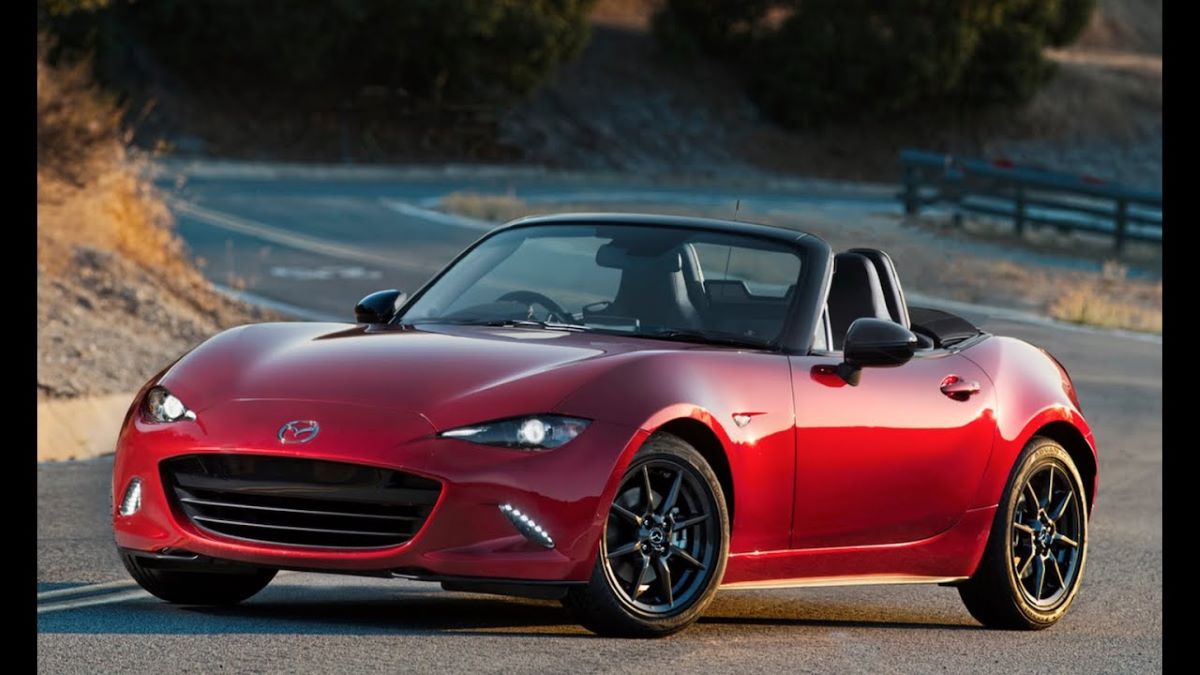
Many U.S. drivers install Flyin’ Miata or Edelbrock kits that push the Miata to 200–250 horsepower while maintaining OEM-like drivability.
Since the car is lightweight and not overburdened by excessive stress, its components wear slowly, and reliability remains strong even with spirited driving and track use.
6. Nissan 370Z (2009–2020)
The Nissan 370Z may be aging, but its 3.7L VQ37VHR V6 continues to impress in tuner circles for its reliability and strength under pressure.
Known for high-revving performance and solid oiling, the VQ engine responds well to naturally aspirated bolt-ons or forced induction setups with proper supporting mods.
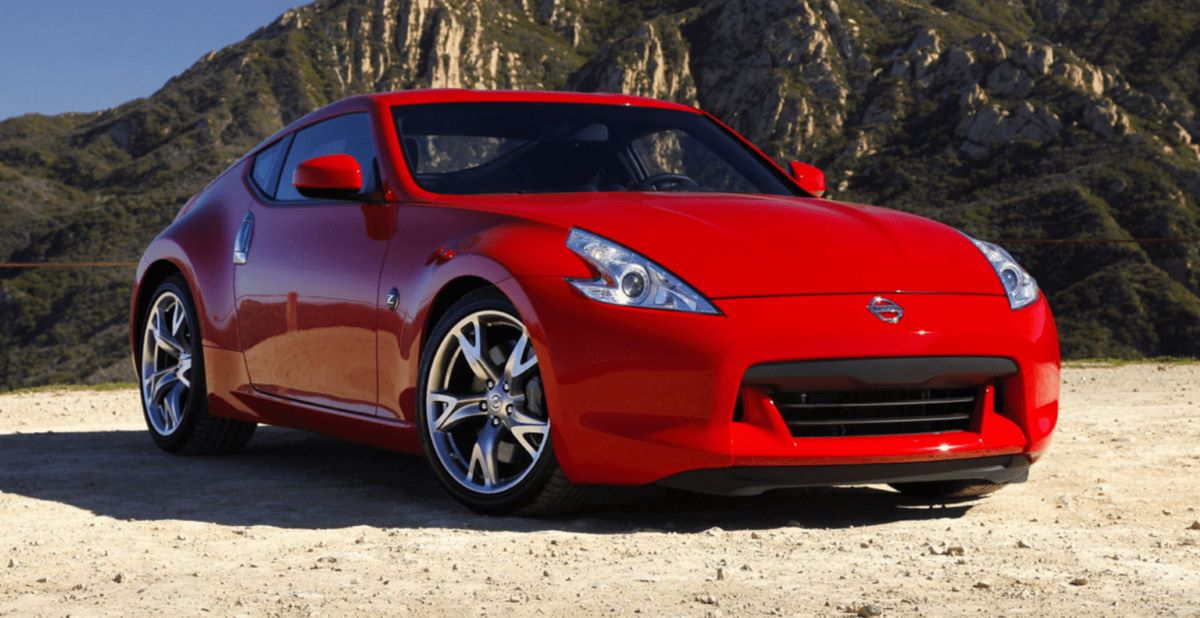
Tuners across the U.S. frequently install turbo kits, pushing power well into the 400–500 horsepower range without engine failure especially when upgraded fuel and cooling systems are part of the package.
The car’s simple electronics and relatively analog driving experience also make it easy to work on, making the 370Z a favorite for reliable DIY builds.
Nissan’s VQ V-6 has long been celebrated as one of the smoothest engines around, and in the 370Z, it’s no different. The standard version delivers a robust 332 horsepower and 270 pound-feet of torque.
Opting for the pricey NISMO model, offered with no extras aside from transmission choice, bumps output to 350 horsepower and 276 pound-feet of torque. While the Z softened into more of a grand tourer during the ‘80s and ‘90s, most versions have stayed true to a hard-edged sports car formula, and the current model follows suit.
On our initial drive, we praised its heavy yet precise steering, noting: “Body motions are virtually nonexistent, and the ride can be borderline harsh, but both traits remain appropriate to a dedicated sports car.”
The standard 370Z comes as either a coupe or a roadster (convertible), while the NISMO variant is exclusively coupe. The coupe’s hatchback cargo area sits behind the two seats, but storage is still tight at 6.9 cubic feet due to the sharply raked fastback design.
Inside, the gauge cluster consists of three large pods reminiscent of the original 240Z’s design, and it’s mounted to the steering column so it moves with the tilt adjustment for optimal visibility. The base model, the most popular of the lineup, features woven cloth seats, while the Touring trim upgrades to leather and synthetic suede for a more premium feel.
7. Porsche 911 Carrera (991 Generation, 2012–2019)
While not traditionally seen as a modder’s car, the Porsche 911 Carrera especially the turbocharged variants introduced after 2016 has quietly become a reliable tuning platform.
The 3.0L twin-turbo flat-six engines in the 991.2 generation offer huge potential with tunes alone, often gaining 100+ horsepower from software and supporting bolt-ons like intercoolers and upgraded intakes.
Porsche’s engineering is evident in how well the engine and dual-clutch PDK transmission handle these upgrades without stress.
With high-end tuners like Cobb and GIAC offering well-tested maps, 911 owners in the U.S. enjoy elite-level performance while still retaining the brand’s hallmark durability and refinement.
With its outstanding driving dynamics and exceptional twin-turbo flat-six engines, the 2022 Porsche 911 stands out as a near-perfect sports car, earning it an Editors’ Choice award. The only drawback is its price, which puts it out of reach for many enthusiasts. Beyond that, Porsche’s iconic two-plus-two delivers a driving experience that’s both immersive and versatile.
The hallmark flat-six engine, producing between 379 and 473 horsepower, delivers a distinctive snarl, and the lineup pairs this power with either a quick-shifting dual-clutch automatic or an engaging manual transmission.
Buyers can also choose between rear- and all-wheel drive, with the latter allowing year-round enjoyment. Available as a coupe, cabriolet (convertible), or the semi-convertible Targa, the 911 proves that athletic performance doesn’t have to compromise livability.
Its ride remains surprisingly compliant considering its extreme cornering abilities and race car-like steering feedback. Inside, the cabin offers a low-slung driving position, generous visibility, and the option for upscale appointments, making it both thrilling and comfortable.
For 2022, Porsche introduces the GTS trim to the 911 family. Equipped with a 473-hp version of the twin-turbo flat-six, the GTS is available with either the eight-speed automatic or the seven-speed manual, and it can be configured with rear- or all-wheel drive.
This trim comes in all three body styles and boasts unique upgrades such as a specially tuned suspension, 20-inch front and 21-inch rear wheels with black center locks similar to those on the 911 Turbo, and larger iron brake rotors also borrowed from the Turbo.
An available lightweight package removes the rear seats, adds carbon-fiber bucket seats up front, lightweight glass, and a rear-wheel steering system. The 2022 model also benefits from Porsche’s latest infotainment system, now with Android Auto. Additionally, Porsche celebrates 50 years of Porsche Design with a limited run of 750 special-edition 911 Targas.
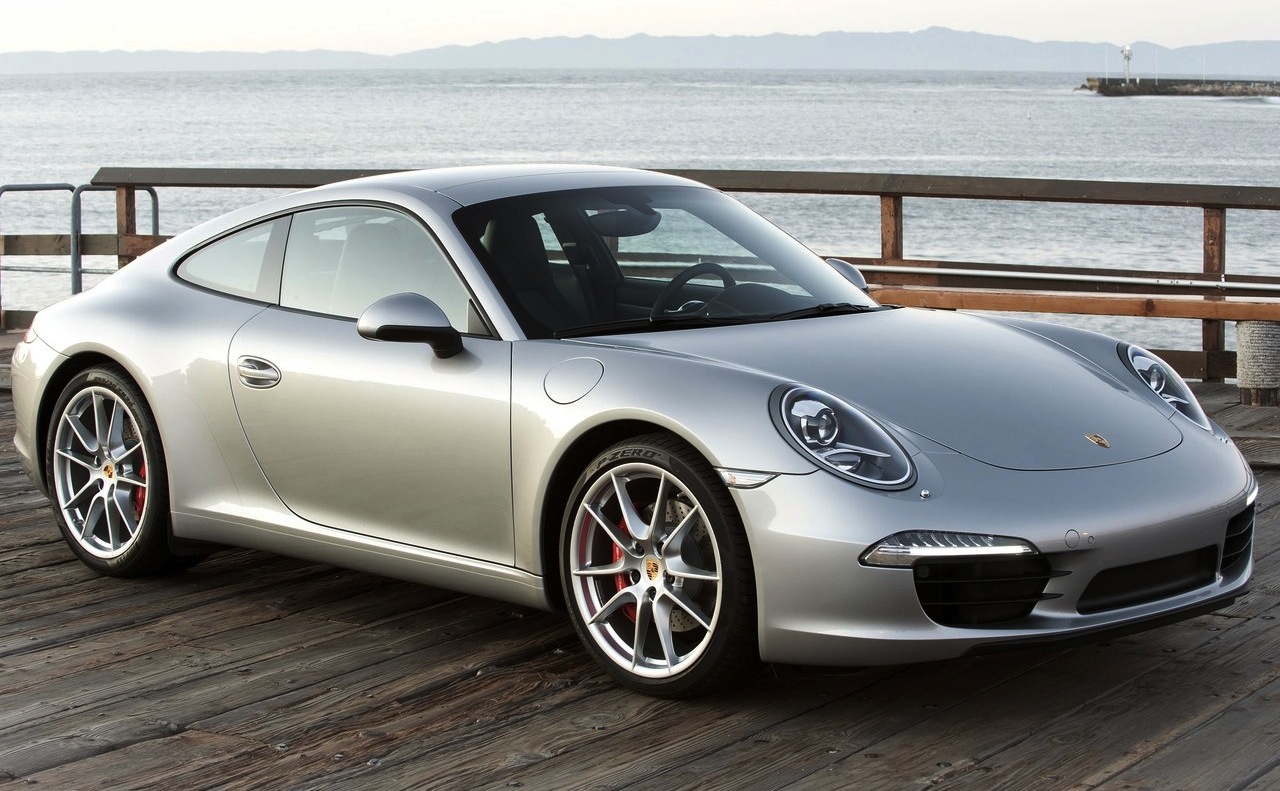
Pricing for the 2022 Porsche 911 starts at $102,550 and climbs to $185,150 depending on trim and options. The Carrera coupe starts at $102,550, while the Carrera S coupe, our recommended choice, comes in at $118,450.
Other trims include the Targa at $122,650, the Carrera 4S coupe at $125,750, the Carrera S cabriolet at $131,250, the Carrera GTS at $138,050, the Carrera 4S cabriolet at $138,550, the Carrera GTS cabriolet at $145,350, the Carrera 4 GTS at $145,350, the Carrera GTS coupe at $150,850, the Targa GTS at $158,150, and the Edition 50 Years Porsche Design topping the range at $185,150.
Based on extensive experience with various 911 models, the Carrera S earns our top recommendation. It offers 64 more horsepower than the base Carrera and delivers excitement with either the manual or the dual-clutch automatic.
Essential options include the Sport Chrono package, bringing launch control and additional drive modes and Sport Seats Plus for enhanced support. The Sport package adds a lower suspension and a more aggressive exhaust note.
Additional upgrades we’d pick are ventilated front seats, passive entry, a heated multifunction GT steering wheel, and Porsche’s Dynamic Light System Plus, which features adaptive headlights and automatic high-beams. For an unforgettable experience, Porsche’s Experience Center is a must.
At the heart of every 911 lies a rear-mounted twin-turbo 3.0-liter flat-six engine. The base Carrera produces 379 horsepower, the Carrera S makes 443 horsepower, and the GTS pushes that figure to 473. All models come standard with the rapid-fire eight-speed automatic transmission, while the S and GTS also offer a seven-speed manual for purists.
The coupe and cabriolet default to rear-wheel drive but can be optioned with all-wheel drive for four-season capability, while the Targa is all-wheel drive only. We’ve tested both the base Carrera and various versions of the Carrera S, confirming their track prowess and excellent grip in adverse conditions.
Regardless of configuration, every 911 launches with ferocious speed, particularly when using the superb launch control. In our testing, the GTS equipped with the automatic hit 60 mph in a blistering 2.8 seconds, while the manual version managed an impressive 3.2 seconds. Porsche’s optional sport exhaust enhances the driving experience further with a richer engine soundtrack.
Above all, the 911 remains both comfortable and engaging. Its steering is precise and communicative, cornering stability is exceptional, and the ride quality, while firm, retains enough compliance to handle daily driving with ease. This is a sports car that transitions effortlessly from casual cruising to adrenaline-pumping performance.
Not every sports car can handle being pushed beyond factory specs, but those built with strong internals, smart engineering, and aftermarket support can thrive under the wrench.
Whether you want to add forced induction, retune your ECU, or simply sharpen the suspension, the seven cars above offer platforms that stay solid long after the mods go in.
For U.S. drivers seeking performance and peace of mind, these are the sports cars that truly deliver.