
Chevrolet has built its reputation on offering vehicles that balance performance, comfort, and value. For many American families, a Chevy is the go-to choice for everything from daily commuting to towing the boat on weekends.
However, not all Chevrolets are created equal when it comes to long-term reliability. Some models can easily surpass 200,000 miles with proper care, while others can drain your wallet with costly repairs.
In this article, we’ll break down five Chevrolet models that are known to last a lifetime and five that tend to become money pits. If you’re in the market for a used Chevy or just want to know which models to trust, read on.
5 Chevrolets Known for Legendary Lifespans
Not all cars are built to go the distance, but Chevrolet has a few models that have proven themselves time and time again. These vehicles have earned reputations for racking up high mileage with minimal drama, provided owners stick to routine maintenance.
From rugged trucks to family-friendly SUVs, these Chevys have stood the test of time and continue to deliver dependable performance long after the odometer rolls past six digits.
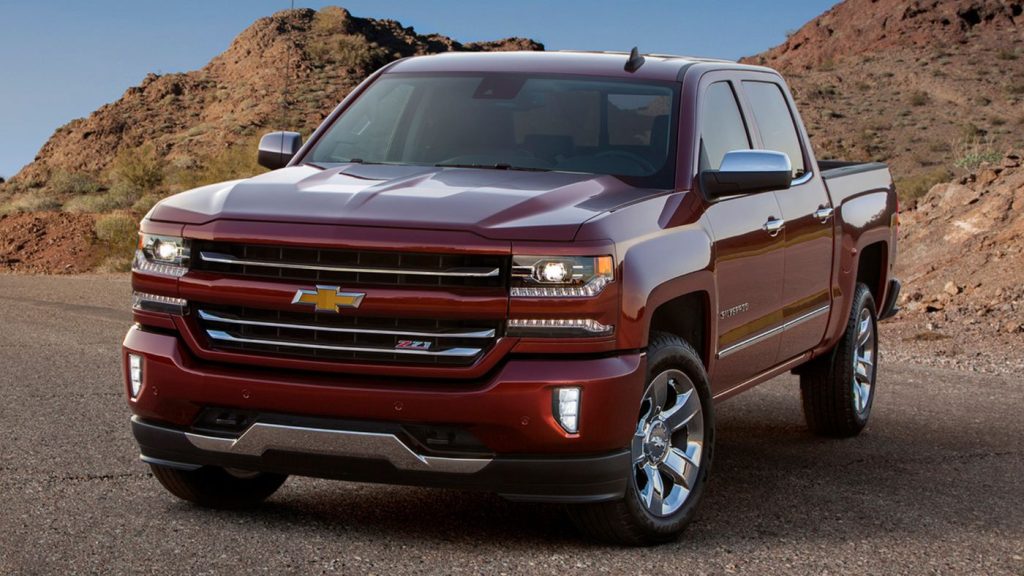
1. Chevrolet Silverado
The Silverado is the workhorse of Chevy’s lineup. With proper maintenance, it’s not unusual to see these trucks exceed 250,000 miles, and there are documented cases of models surpassing one million miles on original components.
Known for its rugged V8 engines and sturdy frame, the Silverado continues to rank high in reliability surveys. For truck buyers who want something that lasts, the Silverado is a solid bet.
It’s not hard to understand why the Chevrolet Silverado remains General Motors’ best-selling vehicle. For starters, Americans have an undeniable love for pickups. Beyond that, Chevrolet delivers by offering an impressive array of Silverado configurations to suit nearly every buyer.
The 2018 Silverado 1500 is available with three cab layouts, three bed sizes, and three engine options spread across six distinct trim levels. Whether your goal is a no-frills workhorse or a plush, feature-loaded cruiser, there’s likely a Silverado 1500 that fits the bill.
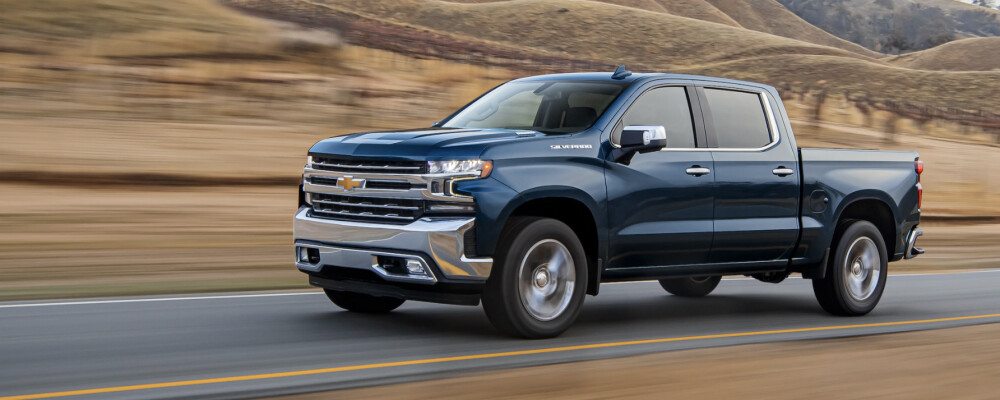
For 2018, Chevrolet introduced several upgrades that strengthen the Silverado’s already broad appeal. Features that were optional in previous years, including a rearview camera and a 7-inch touchscreen with Apple CarPlay and Android Auto — are now standard, even on the basic Work Truck trim.
Additionally, the eAssist package, which incorporates an engine stop-start system to boost fuel efficiency during city driving, is now offered nationwide after being limited to select California dealerships.
While the Silverado may not be as modern as the Nissan Titan, as lightweight as the Ford F-150, or as cushy as the Ram 1500, it remains a well-rounded contender in the full-size pickup segment. With its wide range of configurations, proven capability, and added tech, the 2018 Chevrolet Silverado 1500 deserves a serious spot on any truck shopper’s shortlist.
Also Read: Top 10 Cars With Durable Upholstery Offering Long-Lasting Interiors
2. Chevrolet Suburban & Tahoe
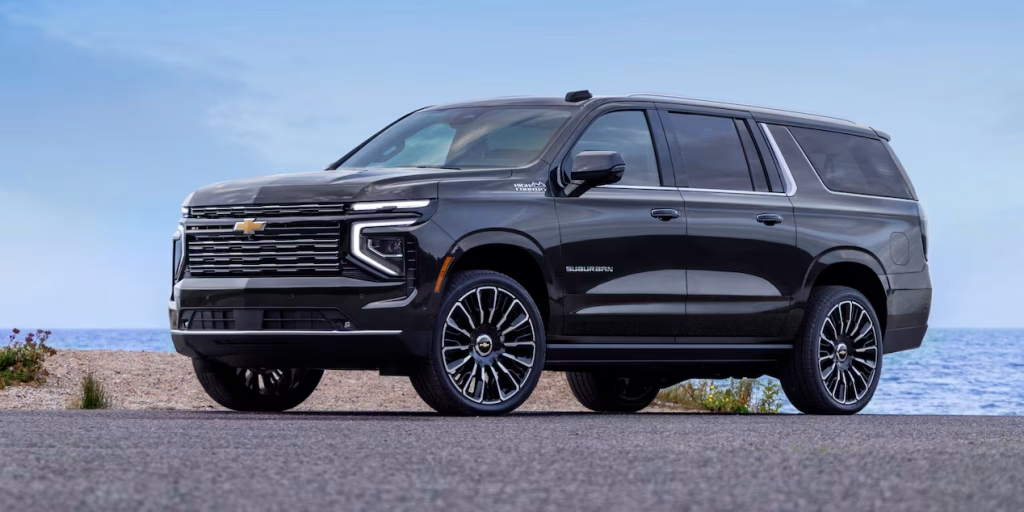
The Suburban is one of the longest-running nameplates in automotive history, and for good reason. Both the Suburban and Tahoe share a body-on-frame design with proven EcoTec3 V8 engines, giving them exceptional durability.
Many examples cross the 200,000-mile mark without major issues. These SUVs are favorites among families, law enforcement, and fleet operators because they simply keep going.
The 2025 Chevrolet Tahoe stands tall as a full-size SUV built to handle just about anything you throw at it. With its massive cabin, generous cargo capacity, and impressive towing abilities, this SUV is designed for families and adventurers alike.
Built on a rugged truck-based frame and powered by a choice between two potent V-8 engines or a fuel-efficient diesel inline-six, the Tahoe has the muscle to tow with confidence. For those who like to venture off the pavement, the Z71 trim comes specially outfitted to conquer off-road trails.
Inside, the Tahoe offers three rows of seating that can accommodate up to nine passengers. Buyers can customize the cabin to suit their tastes, ranging from a straightforward, no-frills layout to a more upscale design.
However, none of the Tahoe trims reaches the luxury level of its mechanical cousins, the GMC Yukon Denali or the opulent Cadillac Escalade. Front and center on the dashboard is a large infotainment display, thoughtfully angled toward the driver, with Apple CarPlay and Android Auto standard across the lineup.
While competitors like the Ford Expedition, Jeep Wagoneer, and Nissan Armada offer similar versatility and features, the Tahoe stands out with its refined on-road manners, a trait that drivers will quickly come to appreciate.
And for those who need even more space, Chevrolet offers the Suburban, a long-wheelbase variant of the Tahoe that’s ready to haul more passengers, more cargo, and just about anything else you can pack in.
3. Chevrolet Traverse (Pre-2015)
The first-generation Traverse (2009–2014) is a sleeper when it comes to longevity. When owners keep up with oil changes—especially to avoid timing-chain issues—these crossovers can hit 200,000 miles with ease. They offer a comfortable ride and roomy interior, making them a great long-term family hauler when properly cared for.
The third-generation Chevrolet Traverse takes several meaningful steps forward compared to its predecessor. Under the hood, the new 2.5-liter turbocharged engine delivers more horsepower and torque than the outgoing naturally aspirated V-6.
While the smaller engine doesn’t dramatically boost fuel economy, it enhances overall drivability with stronger low-end torque, though its engine note leaves something to be desired.
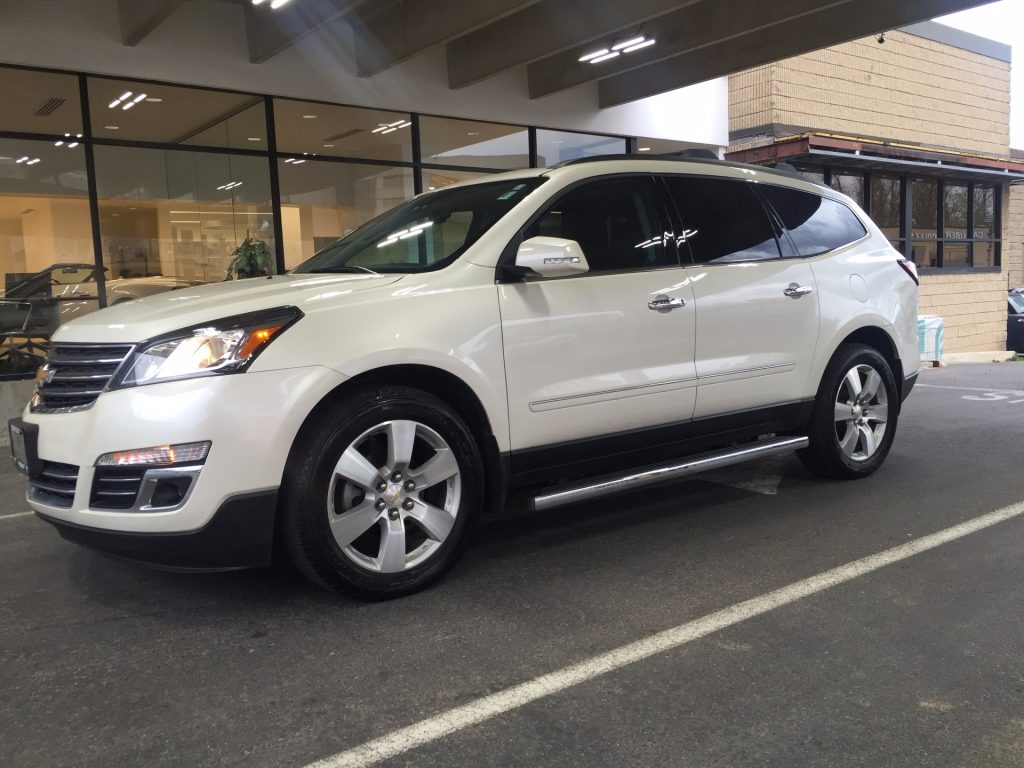
All 2025 Traverse models are powered by a turbocharged 2.5-liter inline four-cylinder engine producing 315 horsepower and 317 lb-ft of torque. This engine is paired with an eight-speed automatic transmission, with front-wheel drive as standard and all-wheel drive available. The SUV offers a maximum towing capacity of 5,000 pounds.
Fuel economy is rated at 20/27 mpg city/highway with FWD and 19/24 mpg with AWD. In MotorTrend testing, an AWD Traverse completed the 0-60 mph sprint in 7.4 seconds.
4. Chevrolet Impala (Late 1990s–2000s Models)
The Impala built its reputation on dependable V6 and V8 powertrains, solid construction, and spacious interiors. Models from the late ‘90s and 2000s have proven to be nearly bulletproof, often running well past 200,000 miles with routine maintenance. Affordable parts and easy repairs make these sedans a practical long-term choice.
The Chevrolet Impala’s powertrains accomplish their job without drama or over-the-top excitement. Although the Impala is exclusively offered with front-wheel drive, buyers have two engine choices.
The base model comes with a 197-horsepower 2.5-liter four-cylinder that feels somewhat underwhelming, while the optional 305-horsepower 3.6-liter V-6 provides a much livelier experience. Both engines are paired with a six-speed automatic transmission. Among the two, the V-6 is the clear standout.
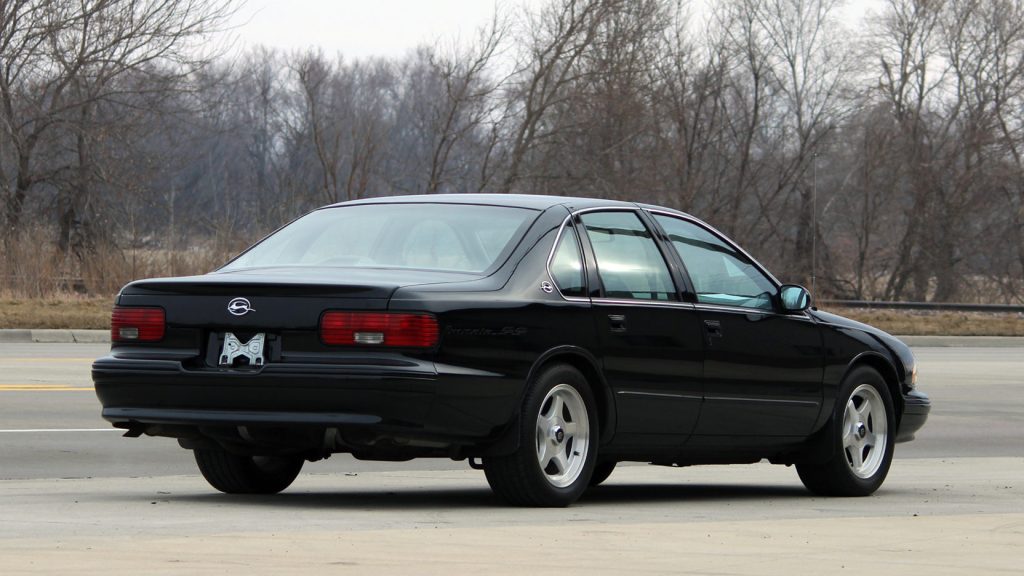
It delivers smooth, robust performance, offering excellent responsiveness in city driving and confident acceleration for highway merging and passing. While it may not top the charts in terms of outright speed, the Impala holds its own against other six-cylinder competitors.
On the road, the Impala presents a well-balanced character. It absorbs road imperfections with ease and maintains a quiet, comfortable ride. The steering is accurate and direct, though it lacks significant tactile feedback from the pavement.
Still, this sedan isn’t aiming to be a sports car. Instead, it handles most driving situations with grace, and from behind the wheel, it feels more agile than its large size would suggest.
5. Chevrolet Colorado (2015–2020)
Chevy re-entered the midsize truck market with a bang when it released the 2015 Colorado. With its durable 3.6L V6 or optional 2.8L Duramax diesel, the Colorado offers excellent reliability, decent towing capacity, and fewer surprise repairs.
This generation strikes a great balance between efficiency and ruggedness, making it a worthy contender for a long-term investment. The 2025 Chevrolet Colorado positions itself as one of the strongest contenders in the midsize truck segment.
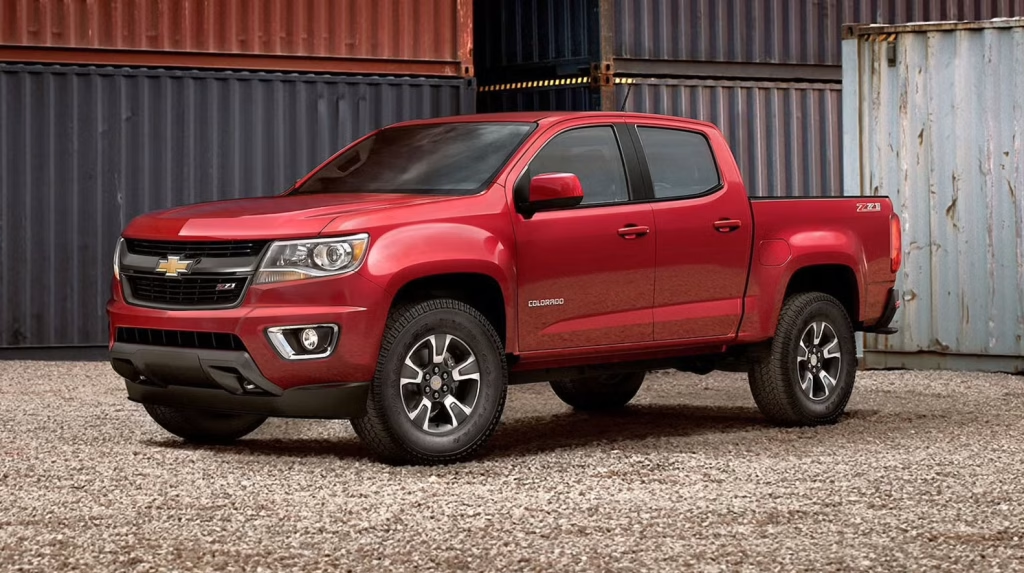
True to Chevrolet’s reputation, the Colorado delivers a wide selection of trim levels and option packages, allowing buyers to tailor the truck for anything from daily commuting and light hauling to serious off-road adventures. It also boasts some of the highest payload and towing capacities in its class, reinforcing its capability credentials.
What might surprise many drivers, however, is how refined the Colorado feels on the road. Beyond its rugged utility, it offers an impressively smooth ride and user-friendly technology features, making it just as enjoyable for everyday errands as it is for tackling tough jobs.
Also Read: Top 10 Buicks That Are Built to Last That Remain Iconic
5 Chevrolets That Are Money Pits
On the flip side, some Chevrolets look good on paper but turn into costly nightmares as the miles add up. Whether due to chronic mechanical flaws, high repair costs, or frequent breakdowns, these models have gained a reputation for draining wallets rather than delivering value.
If you want to avoid constant trips to the mechanic and expensive repairs, these are the Chevys you’ll want to think twice about before buying.
1. Chevrolet Equinox (2018–2020)
While the Equinox is a popular choice for families, newer models have been plagued by excessive oil consumption, turbocharger failures, and electrical issues. Some owners have reported adding a quart of oil every 1,000 miles, which quickly turns this SUV into a maintenance nightmare. A class-action lawsuit even addressed these engine flaws, making this model one to avoid.
The Chevrolet Equinox certainly checks many of the boxes expected of a compact SUV. It offers generous legroom for passengers in both rows and provides significantly more cargo space than a similarly priced sedan or hatchback.
The ride is smooth and comfortable, while the seats are designed to keep occupants supported during long drives. Another plus is that the Equinox stands out as one of the few vehicles in its class to offer an upgraded engine option.
However, its shortcomings become evident once you look closer. Pricing is a major sticking point, this SUV costs more than many of its competitors. The base L trim may appear budget-friendly on paper, but it’s a special-order model that’s rarely available on dealer lots.
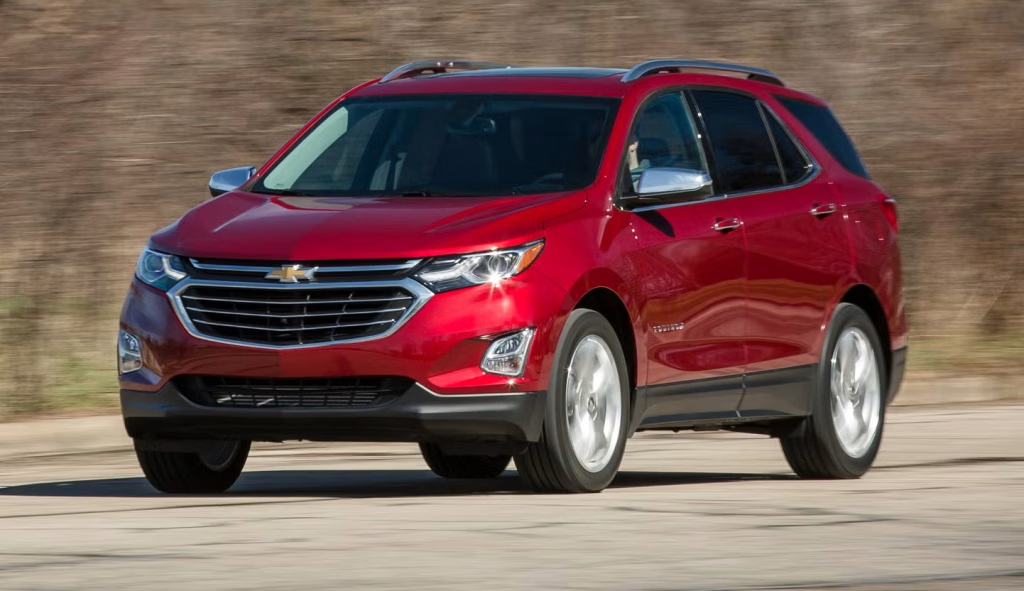
Stepping up to the LS trim will cost thousands more without adding meaningful features, and this pattern of higher prices compared to similarly equipped rivals continues across the lineup. The standard turbocharged 1.5-liter engine also underwhelms, feeling less responsive than competing powertrains.
Its fuel-saving stop-start feature only adds to the frustration, as it operates clumsily and cannot be switched off. Additionally, the optional panoramic sunroof eats into rear headroom, making taller passengers uncomfortable, though it’s worth noting this feature is optional across all trims.
For shoppers seeking a crossover with fewer compromises, there are stronger options to consider. The Honda CR-V offers more room for both cargo and passengers while delivering a more refined 1.5-liter turbo engine.
The Mazda CX-5 is fun to drive and also provides a robust optional motor. The new Ford Escape deserves attention as well, boasting more powertrain choices than any other vehicle in this segment.
2. Chevrolet Malibu (2016–2018)
The Malibu has suffered from a variety of problems, including failing transmissions, loss of engine power, and infotainment glitches. Transmission replacements alone can cost upwards of $2,000, and these failures often occur before hitting 100,000 miles. For buyers seeking long-term peace of mind, this generation Malibu is not the way to go.
The 2018 Chevrolet Malibu distinguishes itself in the crowded midsize sedan market with its sleek styling and well-rounded set of features.
It offers a spacious interior, is packed with modern technology, and comes with multiple engine choices, including an efficient hybrid variant. Altogether, it’s a compelling option for those seeking a balanced blend of style, comfort, and performance.
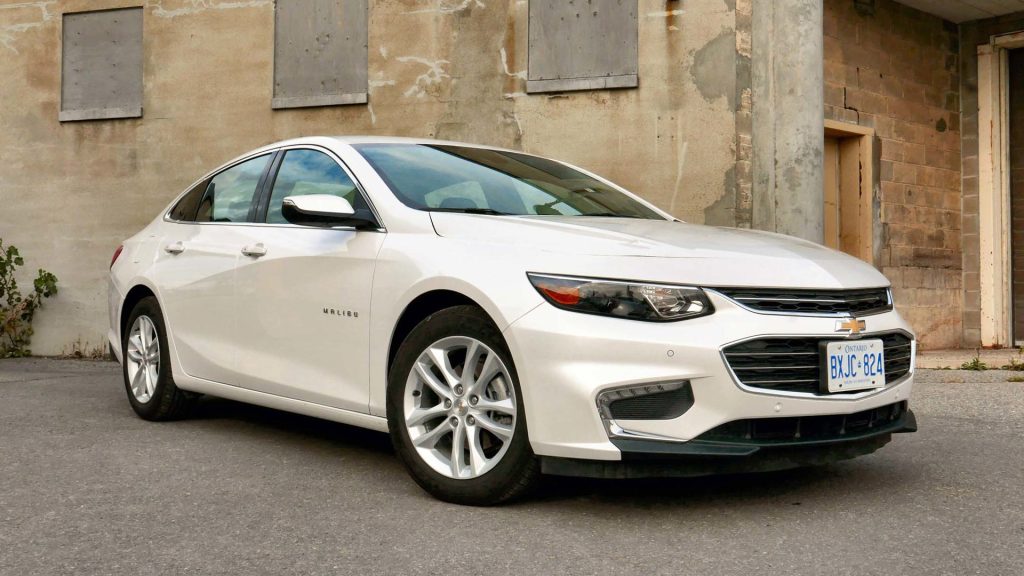
Since its full redesign in 2016, the Malibu has held its ground as a competitive player in its class. While some competitors may offer sharper handling or more features for the price, the Malibu strikes an excellent balance, delivering a stylish and versatile package that appeals to a wide range of buyers.
Chevrolet ensures that even trims above the base model are well-equipped, making it easy to find a version with the amenities you desire. On the road, the Malibu impresses with its poised handling, and the available 2.0-liter turbocharged four-cylinder engine provides lively acceleration that adds to the driving experience.
Meanwhile, the Malibu Hybrid stands out for its refined ride and exceptional fuel efficiency, boasting an impressive 45 mpg combined. The 2018 Malibu remains a strong contender in the midsize sedan category, thanks to its attractive design, technology-rich features, and versatile powertrain options.
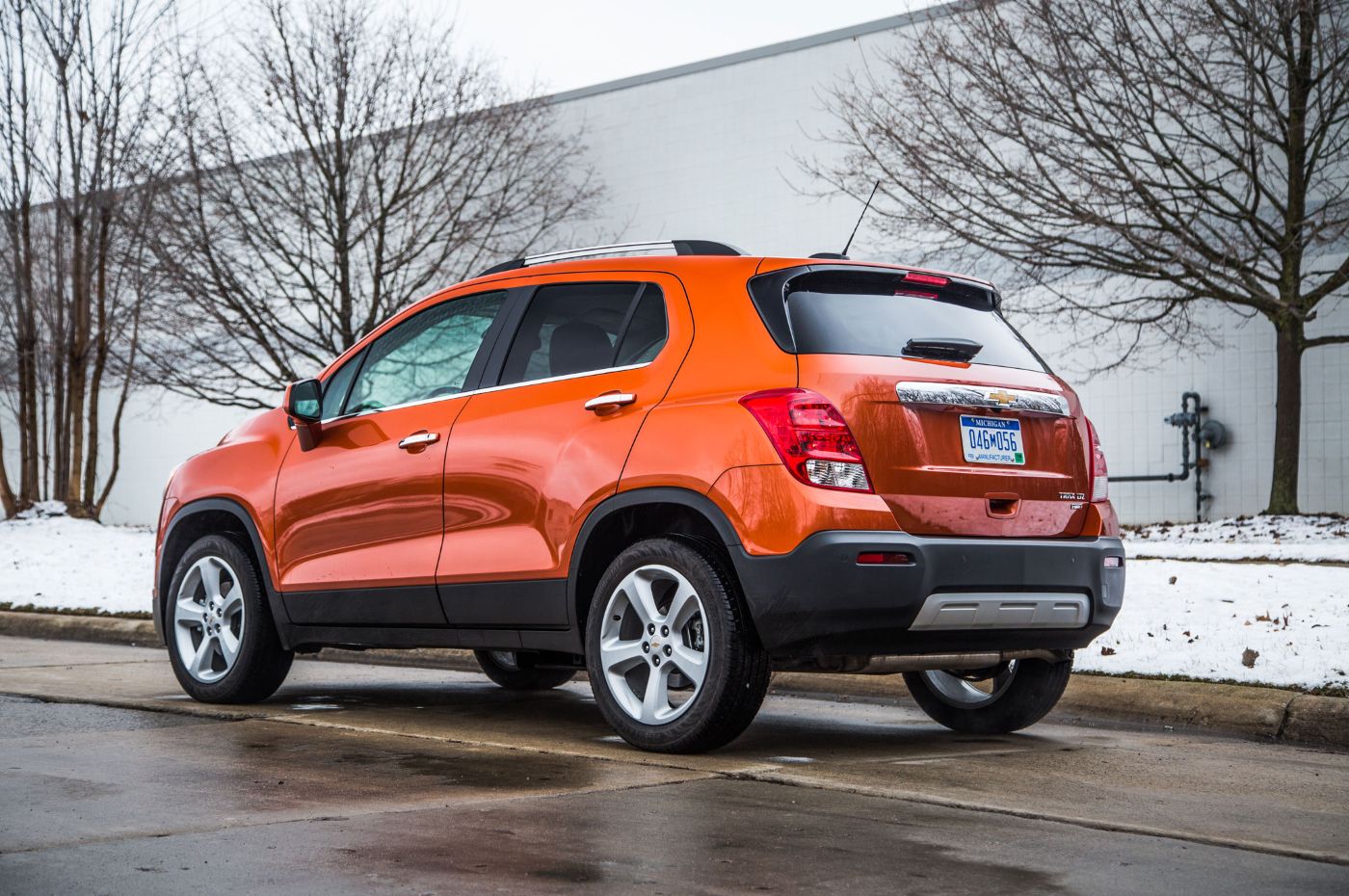
3. Chevrolet Trax (2015–2018)
Early Trax models are notorious for premature transmission failures, coolant leaks, and faulty sensors. Add rapid depreciation to the mix, and this subcompact SUV becomes a poor investment.
Although later models improved, the first few years remain a risky purchase for anyone hoping to avoid costly repairs. Meet the 2015 Chevrolet Trax, one of the latest entrants in the growing subcompact crossover SUV segment.
Positioned below the Equinox in Chevrolet’s lineup, the Trax bridges the gap between the compact Cruze sedan and the smaller Chevrolet Sonic, with which it shares its underlying platform. It stands taller than the Sonic, offers available all-wheel drive, and sports rugged styling cues that give it more of a truck-like appearance than a car-like one.
This elevated stance not only contributes to its bold look but also enhances interior usability. The high roofline provides excellent headroom, and the raised seating position in both rows allows for generous legroom. Despite its compact size, the Trax comfortably accommodates four adults with luggage, or five passengers if the rear occupants are children.
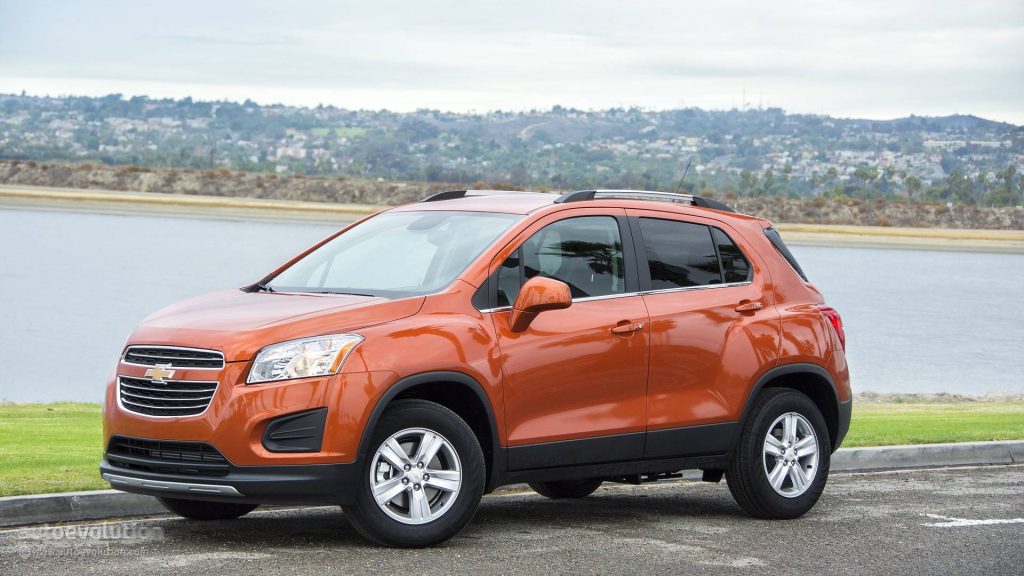
However, cargo space is not the Trax’s strongest attribute. Its maximum storage capacity lags behind many competitors, meaning buyers who frequently haul larger items or pets might find a hatchback or slightly larger crossover to be a better fit. Inside the cabin, the most noticeable shortcoming is the quality of the interior plastics.
These materials feel cheap and give the interior a budget-oriented vibe, despite the presence of advanced standard technology. Chevrolet’s MyLink interface stands out as a redeeming feature, offering smartphone integration and access to various apps, including a navigation app, which adds a modern touch to an otherwise modest interior.
4. Chevrolet Cobalt (2005–2010)
The Cobalt’s legacy is marred by safety recalls, including the infamous ignition switch defect linked to multiple fatalities. Beyond that, these cars have suffered from fuel leaks, power steering failures, and frequent electrical problems. Even if you find one running, the repair history makes this model a liability.
Chevrolet has long been involved in the small-car segment. Back in 1981, the GM division introduced the Cavalier as its response to the rising wave of imports dominating the market. The concept was straightforward: offer budget-conscious buyers a well-equipped, dependable car with multiple configurations to fit their needs.
However, Chevrolet took the “if it ain’t broke, don’t fix it” philosophy too literally with the Cavalier. The model didn’t receive its first significant redesign until 1995—a full 12 years into its lifespan. By then, competitors had surpassed it in nearly every category.
The 1995 Cavalier brought a fresh design, but underneath the styling, it still rode on an outdated platform. Poor chassis dynamics, subpar crash test ratings, and an overall lack of refinement held it back.
Even so, Chevrolet continued to push the Cavalier for another decade. Minor styling updates over the years did little to keep the car competitive, but aggressive rebates and incentives kept buyers interested. In recent years, maintaining sales required even larger rebates, signaling that a complete overhaul was overdue.
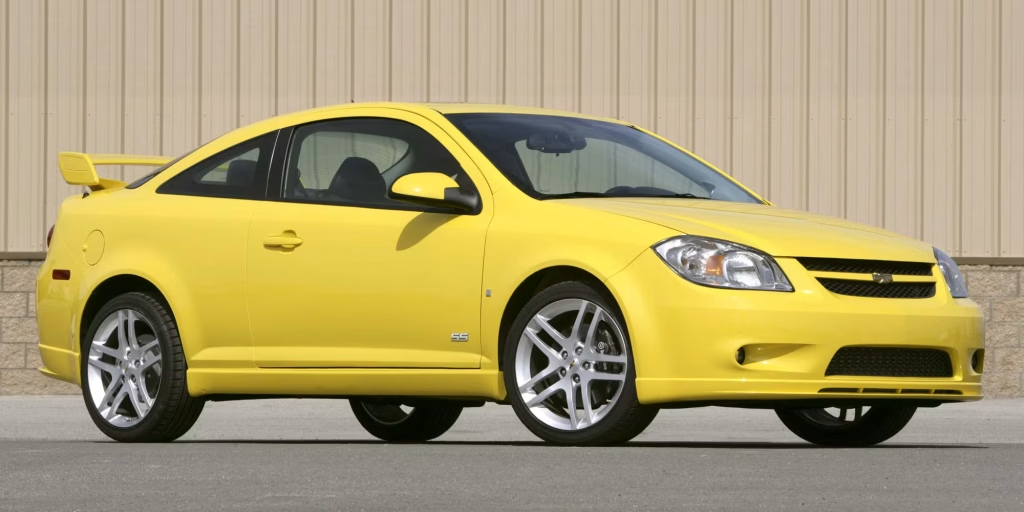
Chevy’s solution was to introduce an entirely new car so new, in fact, that it warranted a name change. Enter the Chevrolet Cobalt, designed to recapture small-car buyers who demand higher quality.
Rather than relying on a single model to cover all segments, Chevrolet split the market: the Aveo targeted budget-minded shoppers, while the Cobalt was aimed at buyers looking for a more upscale compact.
Built on the Delta platform shared with the Saturn Ion, the Cobalt offers a clean, conservative design inside and out. While opinions may be divided on the coupe’s quad round taillamps, the overall styling is unlikely to offend.
Inside, the Cobalt marks a dramatic improvement over the Cavalier, with better materials, more thoughtful design, and greater comfort. Reflecting its more premium positioning, the Cobalt comes well-equipped. All but the base trim include features like keyless entry, antilock brakes, and power windows.
Available as both a coupe and sedan, the lineup is topped by the sporty SS coupe, which packs a 205-horsepower supercharged engine. Other trims are powered by a capable 145-hp 2.2-liter four-cylinder carried over from the Cavalier, offering solid performance for everyday driving.
5. Models with Faulty 8-Speed Transmissions (2015–2019 Silverado, Camaro, Colorado)
Certain Chevy models equipped with the 8L45 and 8L90 eight-speed automatic transmissions have a bad track record. Owners report harsh shifting, hesitation, and occasional transmission failure. GM has faced lawsuits over these issues, and repairs can be expensive, making these particular years a financial headache.
According to GM Authority, General Motors is facing a class action lawsuit alleging that the Detroit-based automaker knowingly sold vehicles equipped with defective eight-speed automatic transmissions across a wide range of models. Recently, a federal appeals court ruled that GM must face this class action in court.
A Reuters report highlighted that drivers involved in the case claimed their vehicles experienced shuddering and shaking when shifting into higher gears, as well as hesitation and lurching when shifting into lower gears, even after repair attempts were made.
Additionally, the lawsuit alleges that General Motors instructed dealerships to reassure customers that these harsh shifts were “normal.” This litigation is significant in scale, covering approximately 800,000 vehicles, including 514,000 within the certified classes.
- If buying used, stick with models known for longevity: Silverado, Tahoe/Suburban, Impala, early Traverse, or the 2015–2020 Colorado.
- Avoid known problem years of Equinox, Malibu, Trax, and Cobalt unless you’re ready for high repair bills.
- Check for recalls—Chevy has had several in recent years, including issues with engines and transmissions in certain trucks and SUVs.
- Maintenance is key. Even the most reliable Chevy will fail if neglected. Keep up with oil changes, fluid checks, and timely repairs.
Chevrolet has produced both heroes and headaches over the years. Models like the Silverado, Tahoe, and Impala prove that with the right engineering, a Chevy can serve you well for hundreds of thousands of miles.
On the other hand, some models, particularly those plagued by design flaws or poor-quality components—can become money pits that eat into your budget.
When choosing your next Chevy, do your homework, avoid known trouble spots, and prioritize proper maintenance. With the right choice, your Chevy could be one of those legendary vehicles that just won’t quit.
