
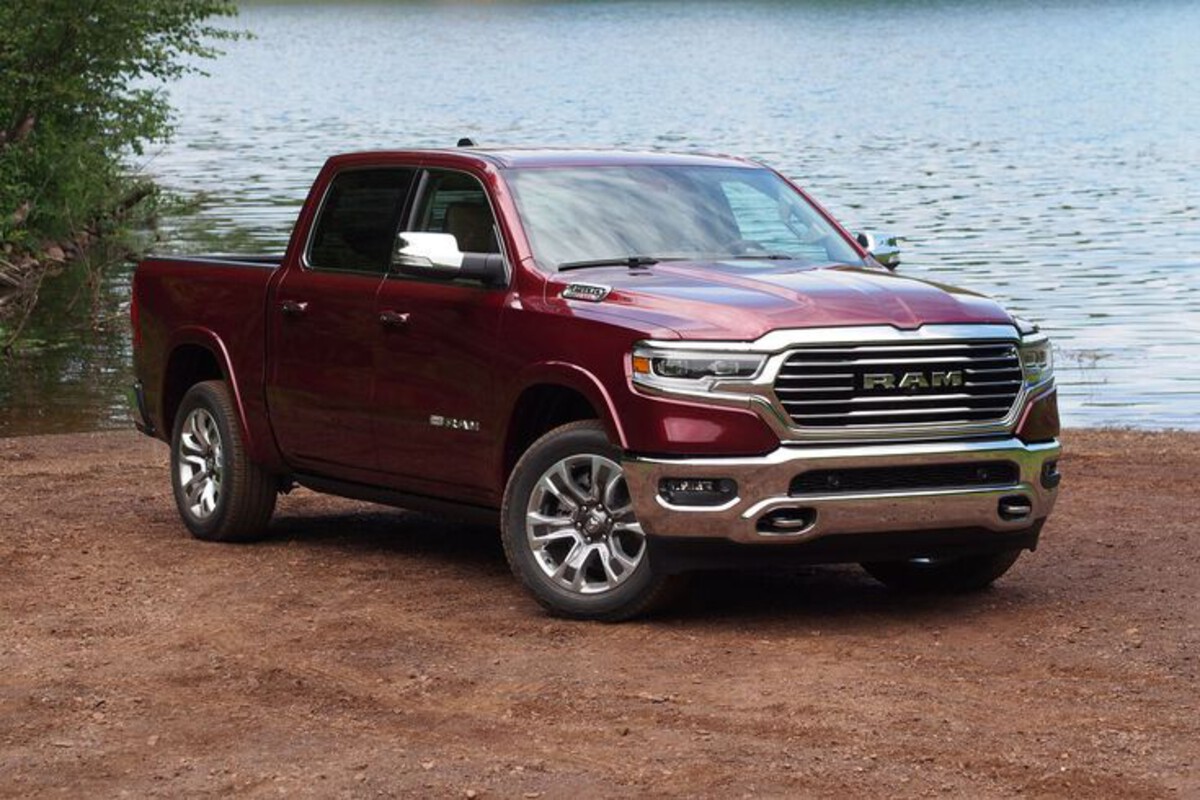
When shopping for a pickup truck, the age-old assumption that “more expensive equals better quality” doesn’t always hold true. The truck market presents fascinating contradictions where some budget-friendly workhorses outlast their premium counterparts by hundreds of thousands of miles, while certain luxury trucks struggle to maintain reliability beyond their warranty periods.
The key to understanding this paradox lies in engineering philosophy, manufacturing priorities, and target markets. Budget-friendly trucks are typically designed with simplicity, proven technology, and durability as primary concerns.
Manufacturers focus on robust drivetrains, straightforward mechanical systems, and components that can withstand years of abuse. These trucks prioritize function over form, using time-tested engines and transmissions that have been refined over decades.
Conversely, expensive trucks often emphasize luxury features, cutting-edge technology, and performance capabilities that can compromise long-term reliability.
Complex electronic systems, sophisticated suspension setups, and premium materials may provide superior comfort and capability initially, but they introduce multiple failure points that can be costly to repair and maintain.
This comprehensive analysis examines five budget-friendly trucks renowned for their longevity alongside five expensive trucks that have disappointed owners with reliability issues.
Understanding these distinctions can save you thousands in purchase price and maintenance costs while ensuring your truck serves you reliably for years to come.
Budget-Friendly Trucks That Last
These value-oriented work vehicles deliver exceptional longevity through proven powertrains, straightforward mechanical systems, and conservative engineering that prioritizes durability over luxury features while providing decades of reliable hauling and towing capability.
Their robust construction incorporates time-tested components, adequate cooling systems, and simple electrical layouts that resist failure and minimize maintenance costs while maintaining excellent payload ratings and real-world utility for commercial and personal use.
The combination of affordable purchase prices, widespread parts availability, and DIY-friendly maintenance creates ownership experiences that maximize both capability and value retention.
From reliable manufacturers with proven truck expertise to practical models with extensive fleet testing, these vehicles demonstrate that truck excellence comes through fundamental mechanical strength rather than premium pricing, providing dependable work capability that outlasts more expensive competitors through superior engineering philosophy and robust construction that prioritizes function over luxury amenities.
1. Toyota Tacoma (2005-2015 Generation)
The Toyota Tacoma from the mid-2000s to mid-2010s represents one of the most reliable mid-size trucks ever produced, offering exceptional value for money while delivering decades of dependable service.
Originally priced as an affordable alternative to full-size trucks, the Tacoma has proven its worth through consistent performance and minimal maintenance requirements.
The heart of Tacoma’s reliability lies in its powertrains. The 2.7-liter four-cylinder engine, while not powerful, is virtually bulletproof with proper maintenance.
This naturally aspirated unit features a simple design with minimal complexity, making repairs straightforward and affordable. The available 4.0-liter V6 provides more capability while maintaining Toyota’s reputation for longevity, with many examples surpassing 300,000 miles with routine maintenance.
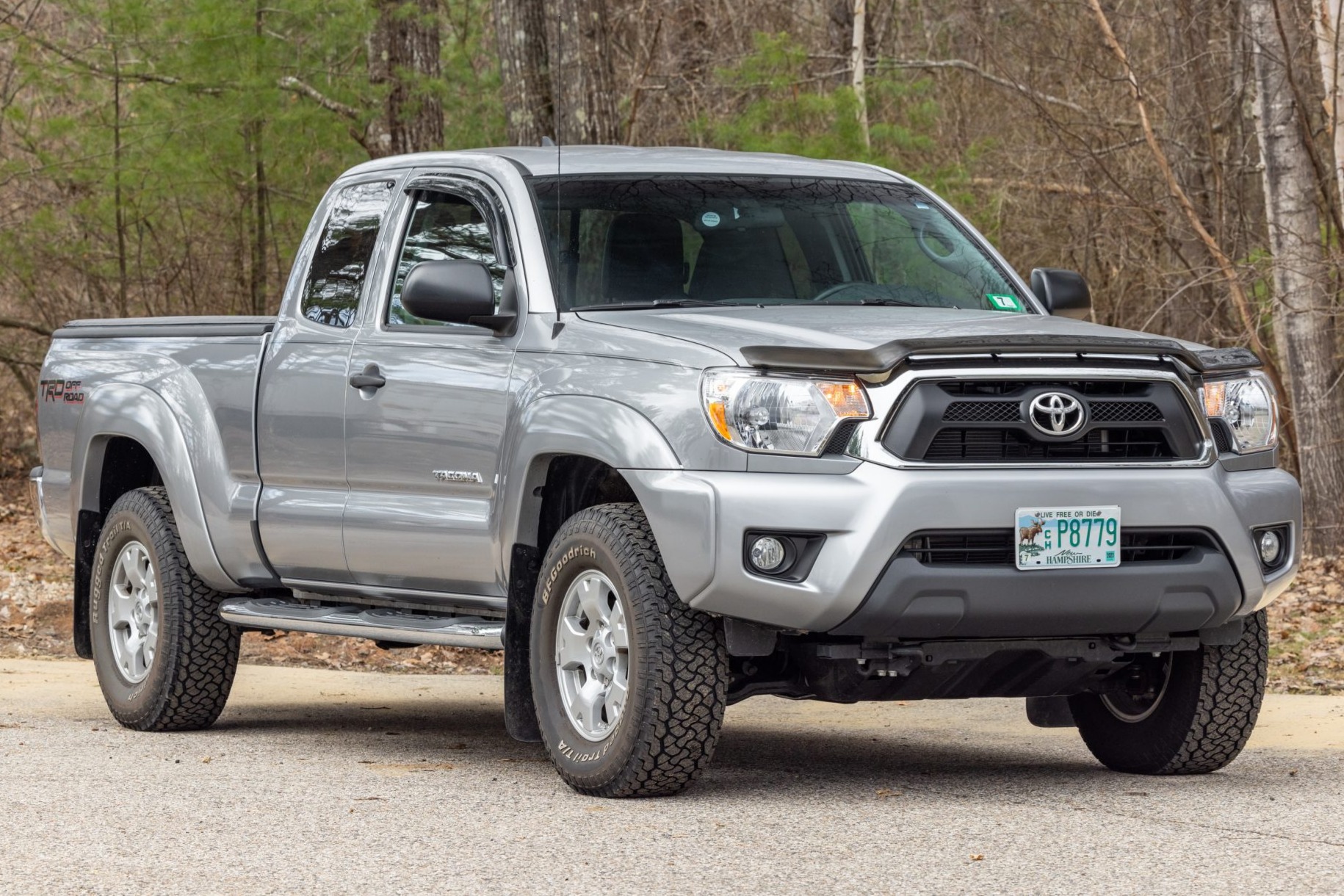
Toyota’s conservative engineering approach shines in the Tacoma’s transmission options. The five-speed manual transmission is robust and long-lasting, while the five-speed automatic, though not the smoothest, rarely experiences major failures.
The truck’s four-wheel-drive system is equally reliable, using proven technology that prioritizes durability over sophistication. The Tacoma’s body construction emphasizes longevity over luxury.
While interior materials may feel basic compared to modern trucks, they’re designed to withstand years of use without degradation. The dashboard plastics, while hard, resist cracking and fading. Seat fabrics are durable and easy to clean, making them ideal for work use.
Suspension components are engineered for durability rather than ride comfort. The front independent suspension and rear leaf springs provide adequate capability while maintaining simplicity for repairs. Brake systems are straightforward and parts are readily available at reasonable prices.
What makes the Tacoma particularly attractive is its resale value retention. Even with high mileage, these trucks command strong prices in the used market, reflecting their reputation for reliability.
Maintenance costs remain low throughout the vehicle’s life, with most repairs being straightforward and affordable. The extensive dealer network and parts availability ensure that keeping a Tacoma running is never a challenge, making it an excellent long-term investment for budget-conscious buyers who need dependable transportation.
2. Chevrolet Silverado 1500 (1999-2006 GMT800)
The GMT800 generation Chevrolet Silverado represents a sweet spot in full-size truck evolution, offering robust capability at an affordable price point while delivering exceptional longevity.
This generation struck an ideal balance between simplicity and capability, creating trucks that continue serving owners reliably decades after production ended.
The Silverado’s engine lineup during this period prioritized proven technology over cutting-edge features. The 4.3-liter V6, while basic, provides adequate power for light-duty use and exceptional fuel economy for a full-size truck.
The 4.8-liter and 5.3-liter LS-series V8 engines represent some of General Motors’ finest work, featuring aluminum blocks and heads that resist corrosion while providing strong performance and reasonable fuel economy.
The crown jewel of this generation is the 5.3-liter V8, which combines active fuel management with robust construction. These engines routinely exceed 200,000 miles with basic maintenance, and the aftermarket support ensures parts remain affordable. The 6.0-liter V8 option provides exceptional towing capability while maintaining the reliability characteristics of its smaller siblings.
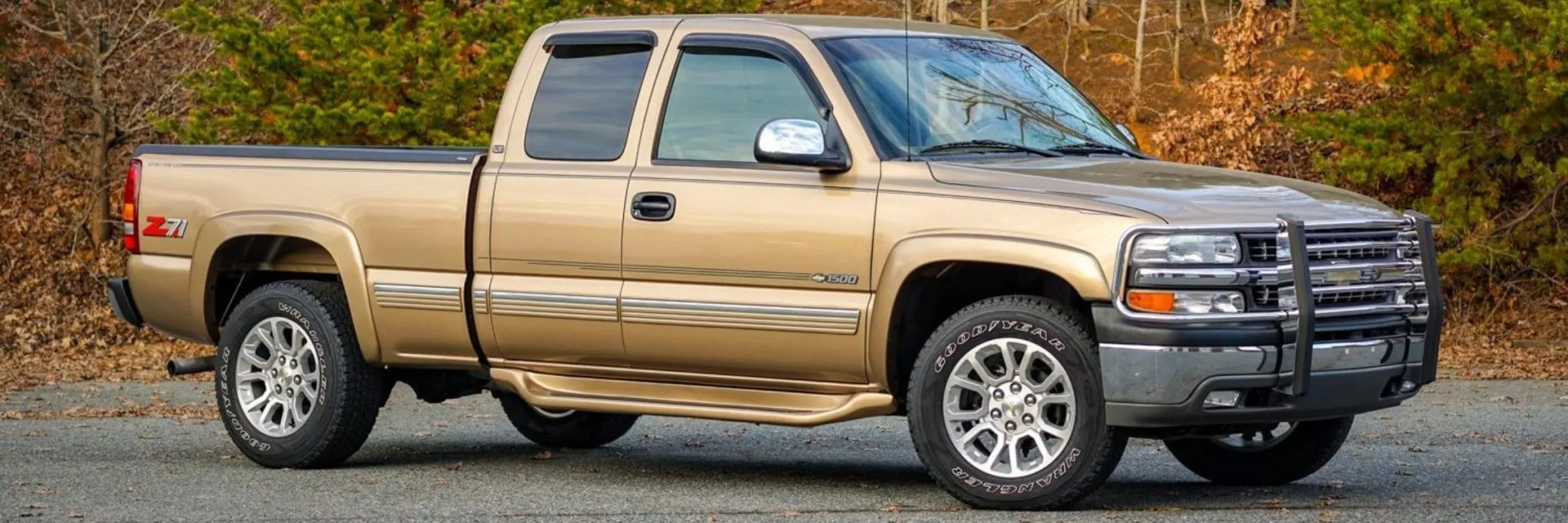
Transmission options during this period were well-matched to the engines. The four-speed automatic transmissions, while not sophisticated by modern standards, prove remarkably durable with proper maintenance. The available manual transmissions are robust and long-lasting, though less commonly found in the used market.
The GMT800’s construction quality emphasizes durability over refinement. Body panels are substantial and resist rust better than many competitors from the era. Interior materials, while basic, withstand years of use without significant wear. The dashboard design is functional rather than stylish, with controls that remain operable after decades of use.
Suspension systems prioritize capability and durability. The front independent suspension provides good ride quality while maintaining strength for heavy loads. The rear leaf spring setup is simple, effective, and easily serviceable. Brake systems are straightforward and parts remain readily available at competitive prices.
What makes the GMT800 Silverado particularly appealing is its combination of capability and affordability. These trucks can handle serious work while remaining comfortable for daily driving.
The extensive aftermarket support means customization and repair parts are readily available, while the simple mechanical systems ensure most repairs can be performed by competent home mechanics.
This generation’s reputation for reliability has been proven over two decades of service, making it an excellent choice for buyers seeking dependable transportation without premium pricing.
3. Ford Ranger (1998-2011)
The Ford Ranger’s extended production run from 1998 to 2011 created one of the most refined and reliable compact trucks in automotive history.
Through continuous improvement over thirteen years, Ford perfected the Ranger’s formula of simple, durable construction paired with efficient powertrains, resulting in trucks that continue serving owners reliably decades after purchase.
The Ranger’s engine lineup emphasized proven technology over innovation. The base 2.3-liter four-cylinder engine, derived from Ford’s proven Lima family, provides adequate power for light-duty use while delivering exceptional fuel economy.
This naturally aspirated unit features simple construction with minimal complexity, making maintenance straightforward and affordable. The available 3.0-liter V6 Vulcan engine offers more capability while maintaining Ford’s reputation for durability.
The pinnacle of the Ranger’s powertrain lineup is the 4.0-liter V6 SOHC engine, which provides strong performance and towing capability while maintaining excellent reliability. This engine routinely exceeds 200,000 miles with proper maintenance, and its popularity ensures parts remain readily available at reasonable prices.
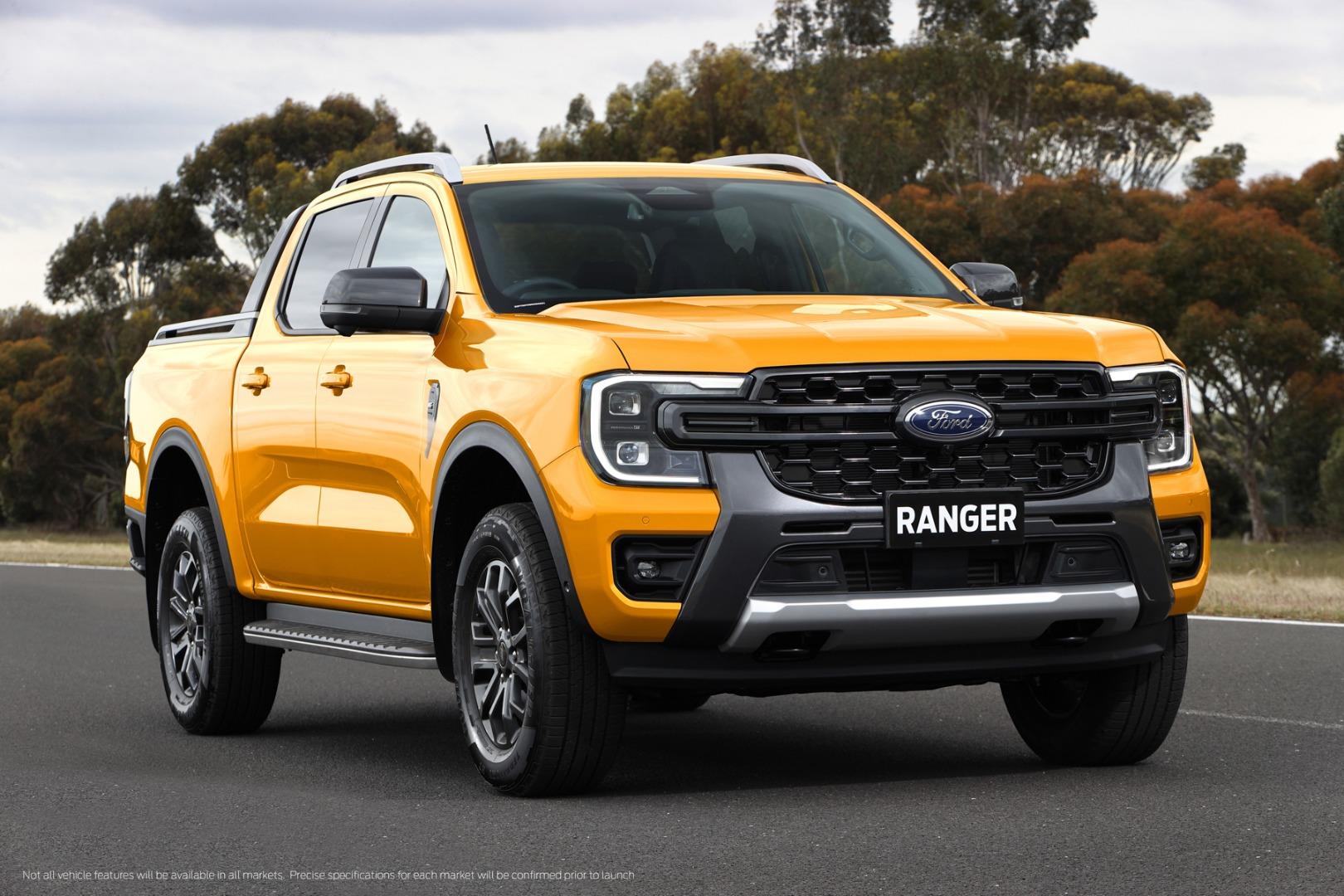
Transmission options were well-suited to the Ranger’s mission. The five-speed manual transmission is robust and provides excellent fuel economy, while the available automatic transmissions, though basic, prove remarkably durable with proper service.
The four-wheel-drive system, when equipped, uses proven technology that prioritizes reliability over sophistication. The Ranger’s construction quality reflects Ford’s focus on durability and value.
Body panels resist corrosion better than many competitors, while interior materials, though basic, withstand years of use without significant degradation. The dashboard design is functional and straightforward, with controls that remain operable after decades of service.
Suspension systems emphasize durability and capability. The twin I-beam front suspension, while criticized for handling characteristics, provides exceptional durability and load-carrying capacity. The rear leaf spring setup is simple, effective, and easily serviceable when repairs are needed.
What makes the Ranger particularly attractive is its manageable size combined with truck capability. These vehicles are easy to park and maneuver while providing genuine utility.
Maintenance costs remain low throughout the vehicle’s life, with most repairs being straightforward and affordable. The extensive parts availability and simple mechanical systems ensure that keeping a Ranger operational is never a challenge.
This combination of practicality, reliability, and affordability makes the Ranger an excellent choice for buyers seeking dependable transportation without the size and expense of full-size trucks.
4. Nissan Frontier (2005-2019 D40 Generation)
The Nissan Frontier D40 generation represents one of the most underrated success stories in the mid-size truck segment, offering exceptional reliability and capability at competitive prices.
Despite minimal updates throughout its extended production run, the Frontier’s conservative engineering approach created trucks that consistently outperform expectations for longevity and dependability.
The Frontier’s powertrain lineup prioritizes proven technology over cutting-edge features. The base 2.5-liter four-cylinder engine provides adequate power for light-duty use while delivering exceptional fuel economy for a mid-size truck.
This naturally aspirated unit features simple construction with minimal electronic complexity, making diagnosis and repair straightforward for technicians.
The star of the Frontier lineup is the 4.0-liter V6 VQ40DE engine, representing some of Nissan’s finest engineering work. This naturally aspirated V6 provides strong performance and towing capability while maintaining exceptional reliability.
These engines routinely exceed 250,000 miles with basic maintenance, and the robust construction resists common failure modes that plague more complex powertrains.
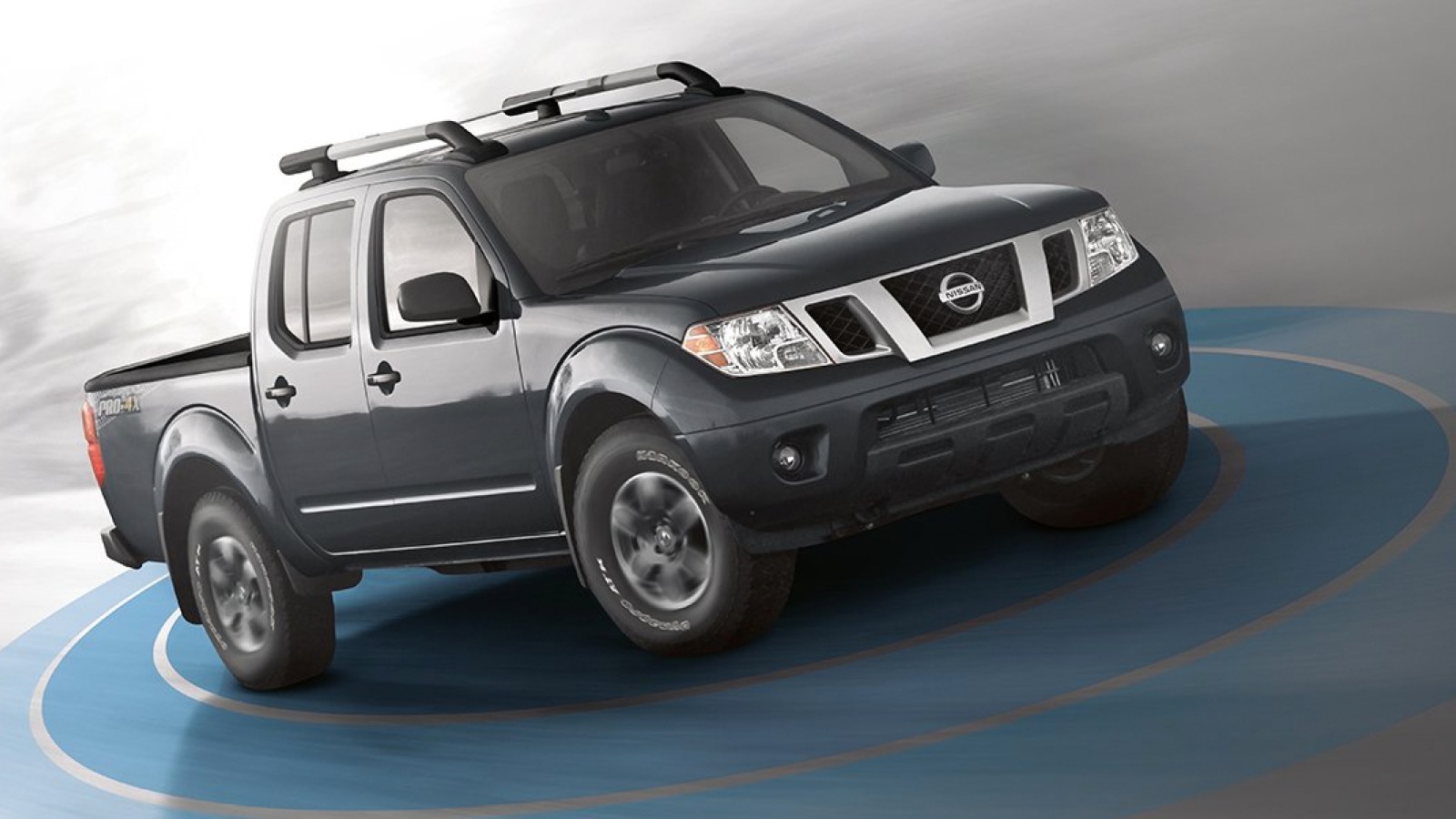
Transmission options complement the engines well. The six-speed manual transmission provides excellent durability and fuel economy, while the five-speed automatic, though not sophisticated by modern standards, proves remarkably reliable with proper maintenance. The available four-wheel-drive system uses proven technology that emphasizes durability over complexity.
The Frontier’s construction quality reflects Nissan’s focus on durability and value. Body panels are substantial and resist corrosion well, particularly compared to some domestic competitors.
Interior materials, while basic by luxury standards, withstand years of heavy use without significant wear. The dashboard design is functional and intuitive, with controls that remain responsive after years of operation.
Suspension systems prioritize capability and longevity. The front independent suspension provides good ride quality while maintaining strength for heavy loads.
The rear leaf spring setup is simple, effective, and easily serviceable when maintenance is required. Brake systems are straightforward and parts remain readily available at competitive prices.
What makes the Frontier particularly appealing is its combination of capability and simplicity. These trucks can handle serious work while remaining comfortable for daily driving.
The lack of complex electronic systems reduces potential failure points and keeps maintenance costs low. Parts availability is excellent, and the simple mechanical systems ensure most repairs can be performed by competent technicians without specialized equipment.
The Frontier’s reputation for reliability has been established through over a decade of consistent performance, making it an excellent choice for buyers seeking dependable capability without premium pricing or complexity.
Also Read: 5 Hatchbacks That Defy Wear vs 5 Microcars With Unreliable Components
5. GMC Sierra 1500 (2007-2013 GMT900)
The GMC Sierra GMT900 generation represents the evolution of General Motors’ successful full-size truck formula, combining proven powertrains with improved construction quality to create vehicles that deliver exceptional longevity at reasonable prices.
This generation built upon the reliability reputation of its GMT800 predecessor while incorporating refinements that enhanced durability and capability.
The Sierra’s engine lineup during this period emphasized proven LS-series technology. The base 4.3-liter V6 provides adequate power for light-duty use while delivering exceptional fuel economy for a full-size truck.
The 4.8-liter and 5.3-liter V8 engines represent refined versions of the proven LS architecture, featuring improvements in efficiency and durability while maintaining the fundamental reliability characteristics that made their predecessors legendary.
The 5.3-liter V8 with Active Fuel Management represents the sweet spot of the lineup, providing strong performance and reasonable fuel economy while maintaining exceptional reliability.
These engines routinely exceed 200,000 miles with basic maintenance, and the extensive aftermarket support ensures parts remain affordable throughout the vehicle’s life.
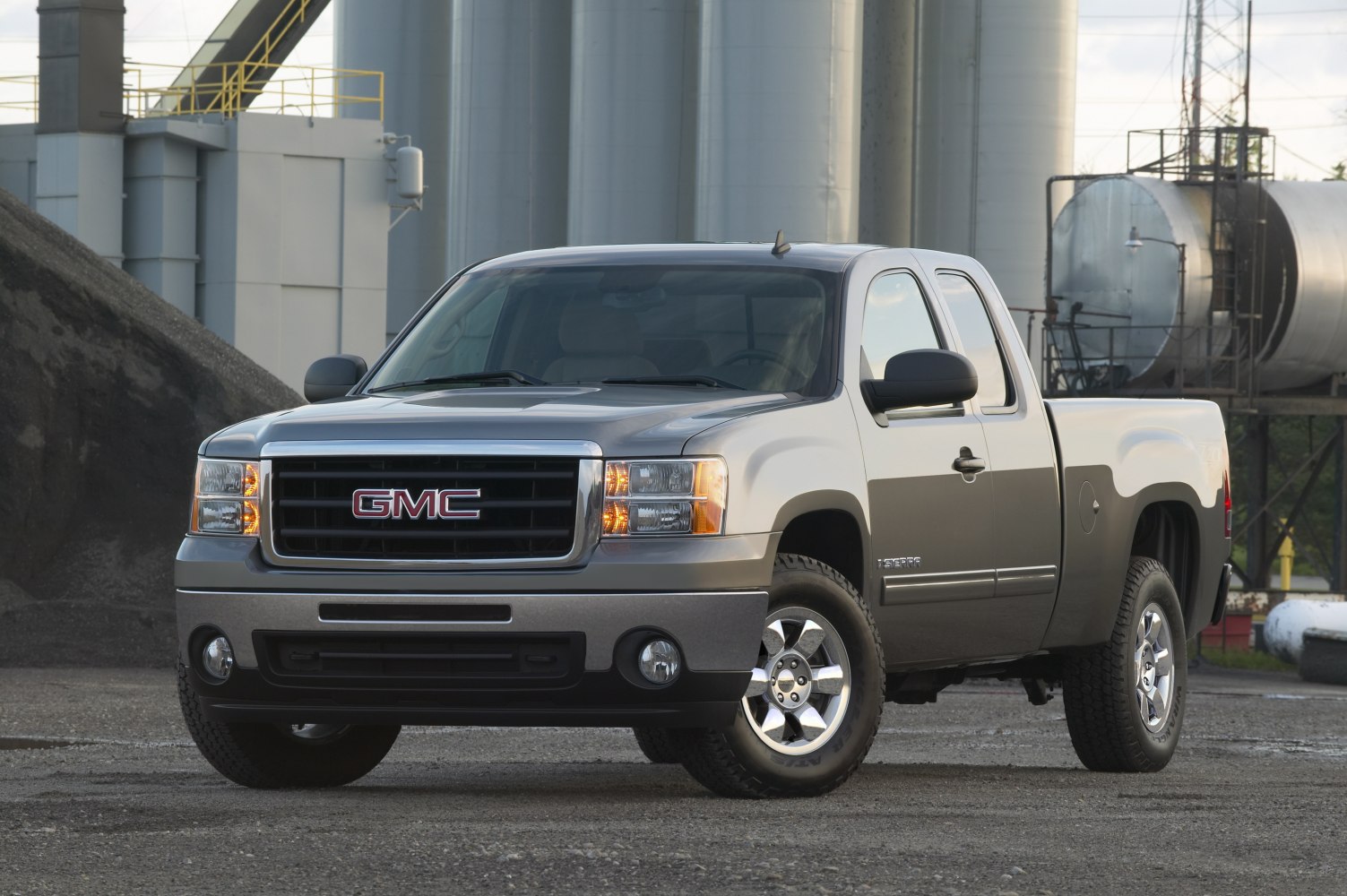
The available 6.0-liter and 6.2-liter V8 options provide exceptional capability for heavy-duty use while maintaining the reliability characteristics of their smaller siblings. The 6.2-liter engine, in particular, offers impressive performance without the complexity of forced induction systems.
Transmission options were well-matched to the engines and mission requirements. The six-speed automatic transmissions provide improved efficiency over previous generations while maintaining durability with proper maintenance.
The available manual transmissions, though less common, offer exceptional longevity and lower maintenance costs. The GMT900’s construction quality represents a significant improvement over previous generations.
Body panels are more substantial and resist corrosion better than many competitors. Interior materials show marked improvement in quality and durability, while the dashboard design balances functionality with improved aesthetics.
Suspension systems prioritize capability while improving ride quality over previous generations. The front independent suspension provides good handling characteristics while maintaining strength for heavy loads.
The rear suspension options, including both leaf springs and coil springs depending on configuration, offer excellent capability and durability. What makes the GMT900 Sierra particularly attractive is its combination of proven reliability with improved refinement.
These trucks offer genuine full-size capability while remaining comfortable for daily use. The extensive dealer network and parts availability ensure maintenance remains straightforward and affordable.
The simple mechanical systems reduce complexity while providing the capability most users require, making the Sierra an excellent choice for buyers seeking reliable transportation with genuine truck capability.
5 Expensive Trucks That Don’t Last
These premium-priced vehicles disappoint owners with frequent breakdowns, catastrophic failures, and astronomical repair costs that contradict their luxury positioning and advanced feature marketing through constant maintenance headaches that quickly exceed any initial capability advantages.
Their complex systems incorporate unproven technologies, exotic materials, and overstressed components that generate endless reliability problems despite premium pricing that suggests superior engineering and build quality over basic work truck alternatives.
The combination of inflated purchase costs, specialized service requirements, and disappointing durability creates ownership disasters as buyers discover that luxury features and advanced capabilities cannot compensate for fundamental engineering compromises that prioritize profit margins over basic reliability.
From celebrated manufacturers with poor quality control to flagship models with known catastrophic issues, these vehicles prove that truck pricing and luxury amenities mean nothing when basic mechanical dependability fails, transforming expensive investments into costly repair burdens requiring constant professional attention.
1. Ram 1500 EcoDiesel (2014-2019)
The Ram 1500 EcoDiesel represented Chrysler’s ambitious attempt to bring European diesel efficiency to the American half-ton truck market, commanding premium prices while promising exceptional fuel economy and capability.
Unfortunately, this sophisticated powertrain proved to be one of the most problematic engines in recent truck history, creating massive warranty claims and customer dissatisfaction that tarnished Ram’s reputation.
The heart of the EcoDiesel’s problems lies in its complex 3.0-liter V6 turbodiesel engine, sourced from VM Motori in Italy. While delivering impressive fuel economy figures and strong torque output, this engine suffers from numerous fundamental design issues that manifest as expensive failures well before typical truck replacement cycles.
The most notorious problem involves the emissions control system, which includes an extremely complex web of sensors, catalysts, and regeneration cycles.
The diesel particulate filter requires frequent regeneration cycles that many owners never complete properly, leading to clogged filters and expensive repairs. The selective catalytic reduction system proves equally problematic, with DEF injectors, NOx sensors, and control modules failing regularly.
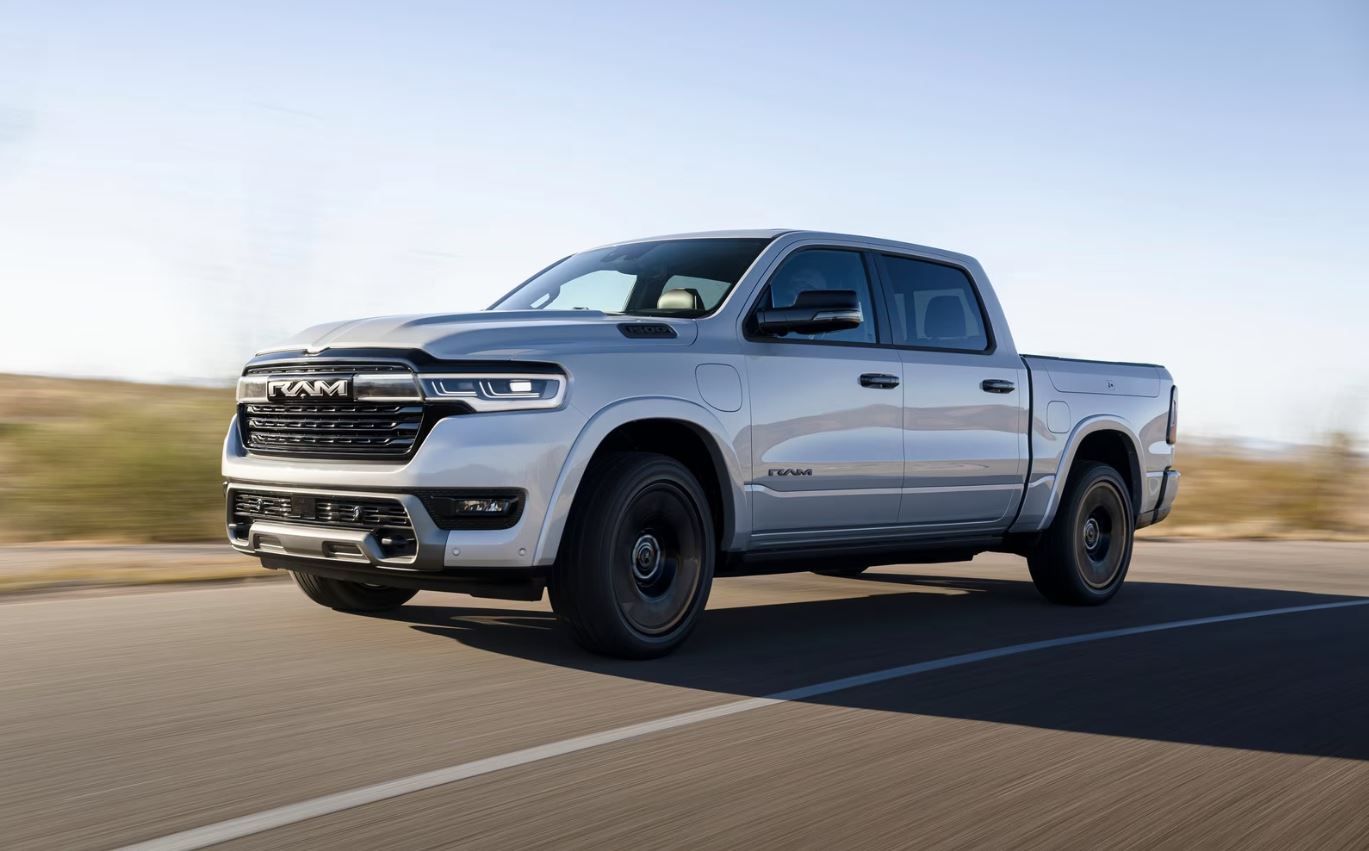
Engine internals present additional concerns. The timing chain system proves inadequate for the engine’s torque output, with premature stretching and failure occurring as early as 60,000 miles.
Crankshaft bearing failures, while less common, result in complete engine replacement under warranty. The turbocharger system, while providing strong performance, suffers from oil supply issues that lead to premature failure.
The eight-speed automatic transmission, while smooth when functioning properly, proves problematic when paired with the diesel engine’s torque characteristics. Transmission failures requiring complete replacement occur with alarming frequency, often multiple times within the vehicle’s warranty period.
Beyond powertrain issues, the EcoDiesel Ram suffers from typical FCA build quality problems magnified by the complexity of the diesel system. Electrical gremlins plague the sophisticated emissions control system, with multiple computer modules failing and requiring expensive replacement.
The air suspension system, when equipped, adds another layer of complexity and potential failure points. What makes the EcoDiesel particularly frustrating for owners is the combination of high purchase prices with extensive reliability problems.
These trucks commanded premium pricing over gasoline equivalents, yet delivered significantly worse reliability experiences. Maintenance costs are substantially higher than conventional gasoline trucks, with specialized diesel service requirements and expensive emissions system components.
The resale value impact has been severe, with EcoDiesel models depreciating rapidly as reliability problems became widely known. Many owners find themselves underwater on loans while facing expensive repairs that exceed the vehicle’s value.
The complexity of the diesel system makes independent repair challenging, forcing owners to rely on expensive dealer service throughout the vehicle’s life.
2. Ford F-150 3.5L EcoBoost (2011-2016)
Ford’s 3.5-liter EcoBoost V6, introduced as the flagship engine for the F-150 lineup, represented the manufacturer’s bold vision for the future of truck powertrains.
Combining twin turbochargers with direct injection, this sophisticated engine promised V8 performance with V6 fuel economy, commanding premium prices while targeting performance-oriented buyers.
However, the first-generation EcoBoost proved that complexity doesn’t always translate to reliability, creating expensive maintenance burdens that offset any fuel savings.
The EcoBoost’s fundamental problems stem from its aggressive engineering approach. The direct injection system, while providing excellent performance and efficiency, creates carbon buildup issues that plague many modern engines.
Without port injection to wash the intake valves, carbon deposits accumulate over time, reducing performance and requiring expensive cleaning procedures every 40,000-60,000 miles.
Turbocharger reliability presents ongoing concerns throughout the engine’s life. The twin turbos operate under extreme conditions, with inadequate oil supply systems in early production units leading to premature bearing failure.
Turbocharger replacement costs often exceed $3,000 per unit, and both turbos frequently fail within similar timeframes, doubling repair expenses.
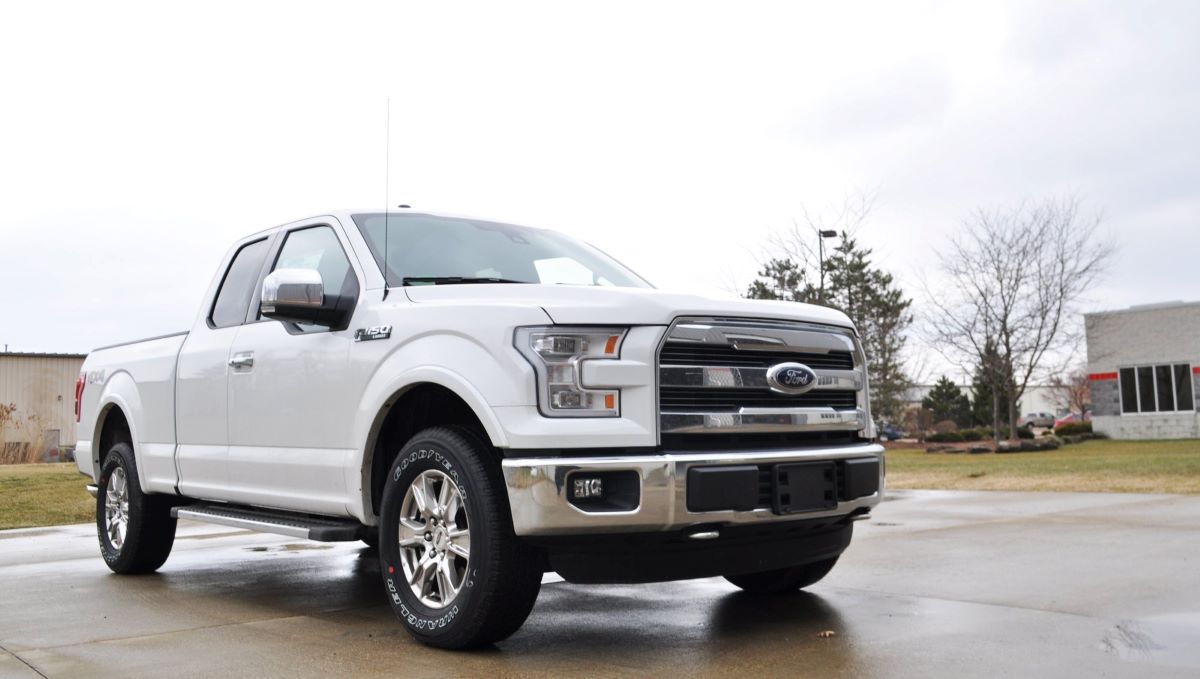
The timing chain system proves inadequate for the engine’s power output and operating conditions. Chain stretch occurs prematurely, often before 100,000 miles, requiring expensive repairs that involve significant engine disassembly.
The timing chain guides and tensioners also fail prematurely, sometimes resulting in catastrophic engine damage if not addressed promptly. Intercooler and charge pipe failures represent another common failure mode.
The plastic intercooler components prove inadequate for the pressure and heat cycling inherent in turbocharged applications. These failures often occur suddenly, leaving owners stranded and facing expensive towing and repair costs.
The sophisticated engine management system, while providing excellent performance when functioning properly, creates numerous failure points that prove expensive to diagnose and repair.
Multiple sensors, actuators, and control modules interact in complex ways, making troubleshooting challenging even for experienced technicians.
What makes the early EcoBoost particularly problematic is the combination of high initial cost with expensive ongoing maintenance requirements.
These engines commanded premium pricing over naturally aspirated alternatives while delivering significantly higher ownership costs. The complexity of the turbocharger and direct injection systems requires specialized service knowledge and expensive diagnostic equipment.
Ford’s extended warranty programs acknowledge the inherent reliability issues, but warranty coverage eventually expires, leaving owners to face the full cost of repairs. The sophisticated systems make independent repair challenging, forcing owners to rely on dealer service with its associated premium pricing.
The resale value impact reflects buyer awareness of reliability issues. EcoBoost-equipped trucks depreciate more rapidly than naturally aspirated equivalents, with many potential buyers avoiding the complexity and potential repair costs.
This depreciation compounds the total cost of ownership, making the EcoBoost one of the most expensive powertrain options in the long term despite its initial appeal.
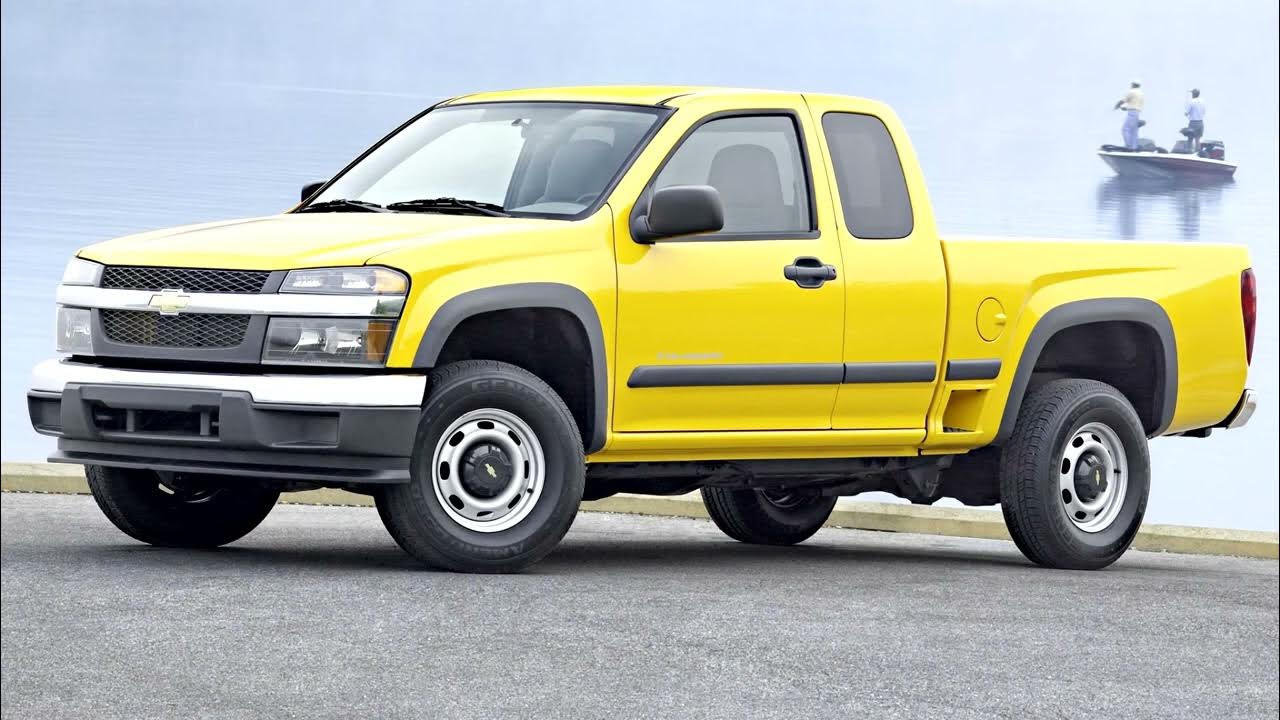
3. Chevrolet Colorado/GMC Canyon 2.8L Duramax (2016-2020)
General Motors’ return to the mid-size truck segment included an ambitious diesel option in the form of the 2.8-liter Duramax turbodiesel, promising European-level efficiency in American truck applications.
Commanding significant premiums over gasoline alternatives, this sophisticated engine attracted buyers seeking maximum fuel economy and towing capability.
However, the 2.8L Duramax proved that downsized diesel technology comes with substantial reliability and maintenance challenges that offset its theoretical advantages.
The Duramax’s primary issues center around its complex emissions control system, designed to meet stringent environmental regulations while maintaining performance.
The diesel particulate filter requires frequent regeneration cycles that prove problematic in typical American driving patterns. Unlike highway-focused European applications, American truck use often involves short trips and stop-and-go driving that prevents proper DPF regeneration.
When regeneration cycles fail to complete properly, the DPF becomes clogged, triggering expensive cleaning procedures or complete replacement.
DPF replacement costs often exceed $3,000, and many trucks require multiple replacements within their warranty periods. The frequent regeneration attempts also impact fuel economy, negating much of the diesel’s efficiency advantage.
The selective catalytic reduction system presents additional complexity and failure points. DEF injectors fail regularly, often requiring complete exhaust system disassembly for replacement.
NOx sensors prove equally problematic, with failures triggering limp mode operation that severely limits vehicle capability. The DEF system’s sensitivity to contamination creates additional maintenance requirements and potential failure modes.
Turbocharger reliability issues mirror those found in other modern diesel applications. The variable geometry turbocharger system operates under extreme conditions, with inadequate lubrication leading to premature bearing failure. Turbocharger replacement requires significant engine disassembly and often exceeds $4,000 in repair costs.
The sophisticated fuel injection system, while providing excellent performance when functioning properly, proves sensitive to fuel quality and contamination.
High-pressure fuel pumps fail prematurely, often contaminating the entire fuel system and requiring extensive repairs that can exceed $8,000. The multiple injection events per combustion cycle stress the injection system components beyond their design limits.
Engine internals show concerning wear patterns in high-mileage examples. The timing belt system, while quieter than chains, requires regular replacement at significant cost. The aluminum construction, while reducing weight, proves less durable than traditional iron diesel engines under heavy-duty applications.
What makes the 2.8L Duramax particularly frustrating is the substantial premium charged for diesel capability, combined with extensive reliability problems.
These engines added approximately $4,000 to the vehicle’s purchase price while delivering significantly higher maintenance costs throughout their service life.
The complexity of modern diesel emissions systems makes independent repair nearly impossible, forcing owners to rely on dealer service with associated premium pricing.
Specialized diagnostic equipment and training requirements limit service options and increase repair costs. The sophisticated systems require regular software updates and calibrations that add to ongoing maintenance expenses.
Resale values reflect buyer skepticism about diesel reliability, with Duramax-equipped trucks experiencing rapid depreciation as reliability issues became widely known.
Many owners find themselves facing repair costs that exceed their vehicle’s value, creating financial hardship and dissatisfaction with their premium purchase decision.
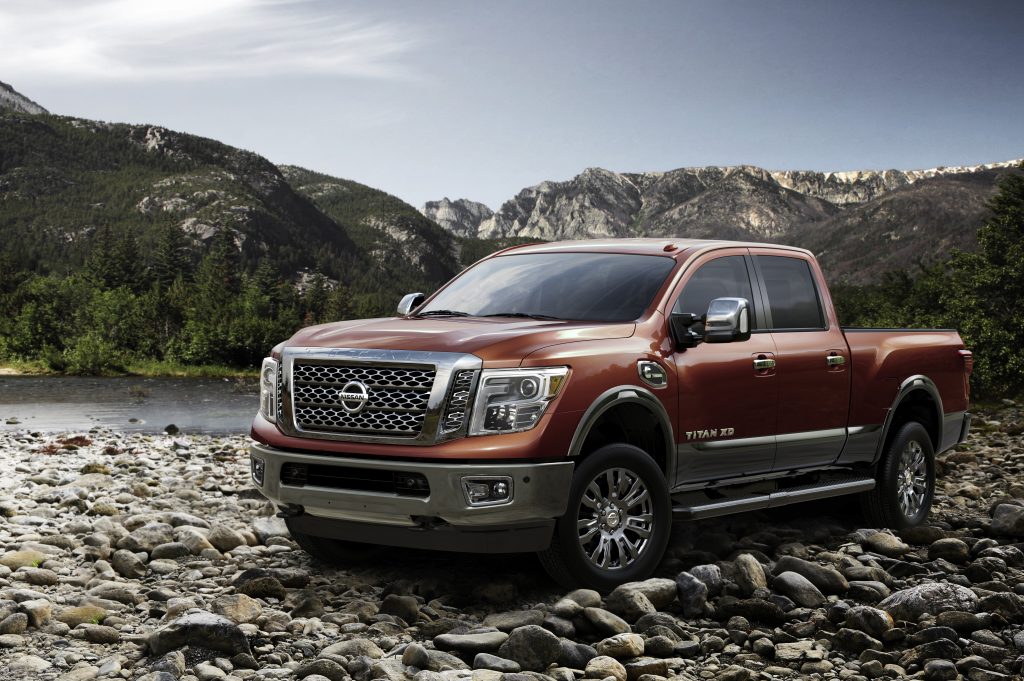
4. Nissan Titan XD 5.0L Cummins (2016-2019)
Nissan’s ambitious Titan XD represented the manufacturer’s attempt to create a unique heavy-duty truck category, positioning between traditional half-ton and three-quarter-ton segments.
The centerpiece of this strategy was a 5.0-liter Cummins V8 turbodiesel, promising the fuel economy of smaller diesels with the capability of larger engines.
However, this sophisticated powertrain proved to be one of the most problematic diesel engines in recent memory, combining complex European technology with American capability expectations in ways that created extensive reliability issues.
The 5.0-liter Cummins V8 suffered from fundamental design compromises that prioritized emissions compliance over durability. The complex emissions control system includes multiple layers of treatment that prove problematic in real-world applications.
The diesel particulate filter requires frequent regeneration cycles that many owners never complete properly, leading to expensive cleaning procedures or complete replacement.
The dual-stage turbocharging system, while providing impressive performance characteristics, introduces multiple failure points that prove expensive to repair.
The smaller primary turbocharger operates under extreme conditions and fails prematurely, often requiring complete replacement before 60,000 miles. The larger secondary turbocharger, while more durable, still experiences failures that require expensive repairs.
Engine internals present concerning durability issues despite Cummins’ reputation for diesel reliability. The timing chain system proves inadequate for the engine’s torque output, with premature stretching occurring as early as 40,000 miles.
Chain guide failures result in catastrophic engine damage, often requiring complete engine replacement under warranty. The sophisticated fuel injection system operates at extremely high pressures that stress components beyond their design limits.
High-pressure fuel pumps fail regularly, often contaminating the entire fuel system and requiring extensive cleaning and component replacement. Injector failures are equally common, with replacement costs often exceeding $5,000 for a complete set.
The cooling system proves inadequate for the engine’s heat rejection requirements, particularly during heavy towing applications. Radiator and intercooler failures occur regularly, often leaving owners stranded in remote locations. The complex cooling system design makes repairs expensive and time-consuming.
Transmission integration problems compound the engine’s reliability issues. The Aisin six-speed automatic transmission, while robust in other applications, proves problematic when paired with the Cummins diesel’s torque characteristics. Transmission failures requiring complete replacement occur with alarming frequency, often multiple times within the warranty period.
What makes the Titan XD particularly disappointing is Nissan’s premium positioning combined with extensive reliability problems. These trucks commanded prices competitive with established heavy-duty models while delivering significantly worse ownership experiences.
The sophisticated diesel system requires specialized service knowledge that many Nissan dealers lack, creating service difficulties and extended downtime.
The complexity of the emissions control system makes independent repair nearly impossible, forcing owners to rely on dealer service with associated premium pricing. Parts availability proves challenging, with many components requiring extended lead times that leave trucks out of service for weeks.
Resale values collapsed rapidly as reliability problems became widely known. The combination of poor reliability, limited dealer support, and questionable long-term manufacturer commitment created a perfect storm of depreciation that devastated owner equity.
Many owners find themselves significantly underwater on loans while facing repair costs that exceed their vehicle’s value, making the Titan XD one of the most financially devastating truck purchases in recent memory.
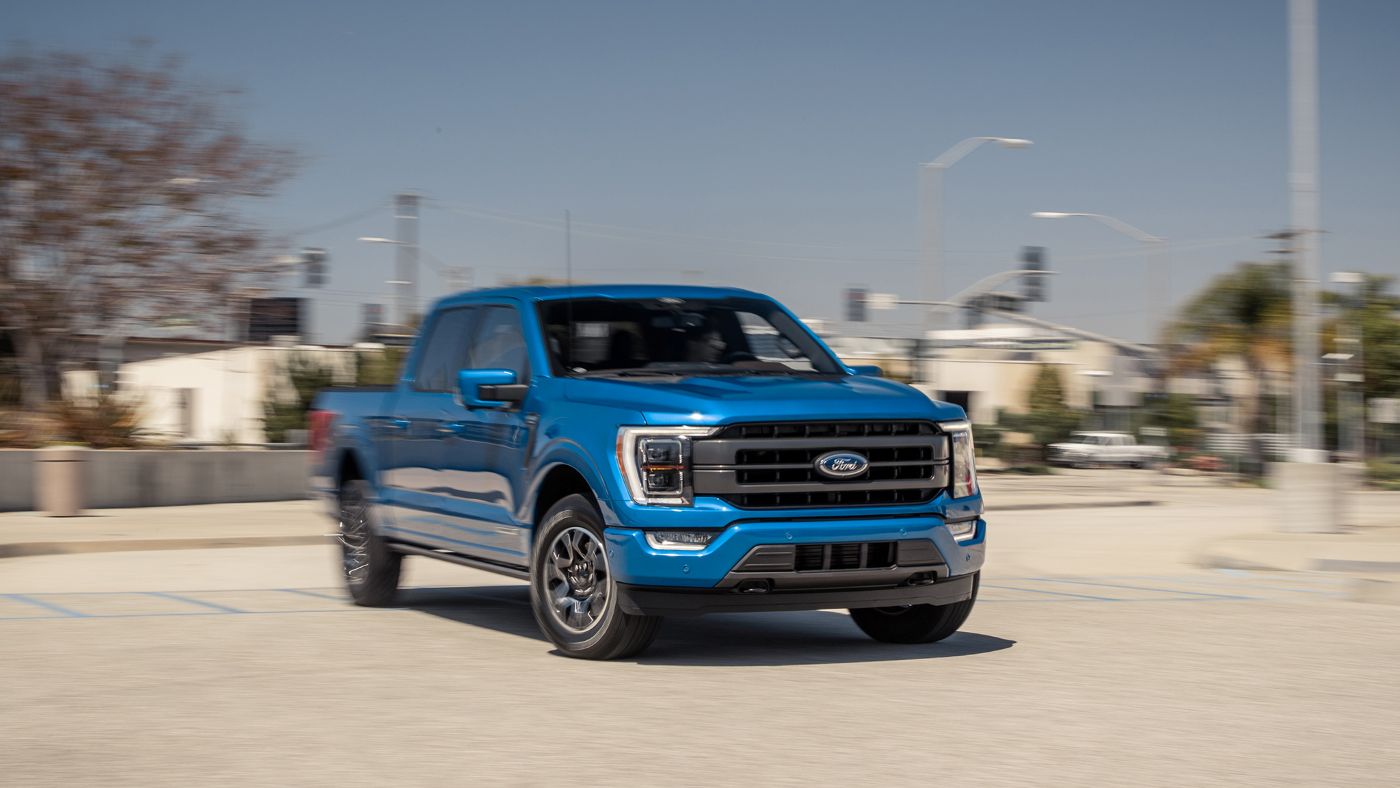
5. Ford F-150 PowerBoost Hybrid (2021-2023)
Ford’s PowerBoost hybrid system represents the manufacturer’s latest attempt to combine traditional truck capability with modern efficiency technology, commanding premium prices while promising improved fuel economy and enhanced capability.
However, this complex system introduces numerous failure points and maintenance challenges that significantly increase ownership costs while delivering questionable real-world benefits.
The PowerBoost system combines a 3.5-liter twin-turbocharged V6 with an electric motor integrated into the 10-speed automatic transmission, creating a complex powertrain with multiple potential failure modes.
The electric motor, while providing additional torque and efficiency, adds complexity to an already sophisticated transmission system that proves problematic in traditional applications. Battery system reliability presents ongoing concerns throughout the vehicle’s life.
The lithium-ion battery pack operates under extreme temperature conditions that accelerate degradation, particularly in hot climates or heavy-duty applications. Battery replacement costs often exceed $8,000, and many vehicles require replacement within their warranty periods due to rapid capacity loss.
The sophisticated power management system requires multiple computers and control modules that interact in complex ways, creating numerous failure points that prove expensive to diagnose and repair.
High-voltage electrical system problems require specialized service knowledge and equipment that many technicians lack, limiting service options and increasing repair costs.
Cooling system complexity increases dramatically with the hybrid system’s requirements. Multiple cooling circuits serve the engine, transmission, electric motor, and battery systems, with individual component failures often affecting multiple systems. The complex cooling system design makes repairs expensive and time-consuming.
The 10-speed automatic transmission, already problematic in non-hybrid applications, proves even more challenging when integrated with the electric motor system.
Transmission failures requiring complete replacement occur regularly, with repair costs often exceeding $6,000. The sophisticated transmission control software requires regular updates that add to ongoing maintenance requirements.
Turbocharger reliability issues carry over from previous EcoBoost applications, with the added complexity of hybrid system integration creating additional failure modes.
The turbochargers must work in conjunction with the electric motor system, creating operating conditions that accelerate wear and reduce component life.
The sophisticated engine management system, while providing impressive performance when functioning properly, creates numerous failure points that prove expensive to diagnose and repair.
Multiple sensors, actuators, and control modules interact with both the traditional engine systems and hybrid components, making troubleshooting extremely challenging even for experienced technicians.
What makes the PowerBoost particularly problematic is the substantial premium charged for hybrid technology combined with extensive reliability issues and limited real-world benefits.
These systems add approximately $4,000 to the vehicle’s purchase price while delivering significantly higher maintenance costs and complexity throughout their service life.
The hybrid system’s complexity makes independent repair nearly impossible, forcing owners to rely on dealer service with associated premium pricing.
Specialized diagnostic equipment and training requirements severely limit service options, often requiring owners to travel significant distances for qualified service.
Software integration issues plague the system, with regular updates required to address compatibility problems between various control modules.
These updates often introduce new problems while attempting to solve existing issues, creating an ongoing cycle of software-related failures and service visits that frustrate owners and increase costs.
Also Read: 5 Underrated Vans That Last for Years vs 5 Flashy Vans That Break Down Early
