When we step into a vehicle, we’re greeted by more than just the steering wheel or digital display. One of the most tactile and visual elements we interact with is the door panel.
These side panels serve as a barometer for how seriously an automaker takes cabin quality. A well-built door panel signals attention to craftsmanship, from soft-touch materials and padding to firm armrests and secure switchgear.
A poorly designed one, however, can ruin the experience of an otherwise competent machine. Many buyers underestimate the importance of door panel quality.
Yet, seasoned enthusiasts know that creaky plastics, peeling trims, and rattly switches are often the first signs of larger neglect in interior construction.
The sound the door makes when it shuts, how firmly the handle feels when pulled, and whether the storage bin flexes or not, these are cues that set apart cars designed with pride from those slapped together with cost-cutting in mind.
In this article, we pit five standout models with top-tier door panels against five that fail to deliver the tactile quality one would expect for the price.
Whether you’re slamming the door shut on a sports sedan or gently closing the rear hatch of an SUV, that tactile feeling and construction quality matter. It’s not just aesthetics. It speaks to durability, insulation, and driver satisfaction.
Let’s open the doors literally and figuratively to the best and worst interior panel designs currently on the road, starting with the five models that absolutely nail the execution of their door craftsmanship.
5 Models With Quality Door Panels
Some automakers still take pride in how their cars feel on the inside. These five models show that door panels can be more than just filler. They can represent a brand’s commitment to premium quality, thoughtful ergonomics, and long-lasting durability.
You’ll find soft-touch surfaces where it counts, solid door latches, noise insulation built into the structure, and attention to detail that separates these from the forgettable crowd.
Whether luxury or mainstream, these models feel solid from the moment you grip the handle to the second the door thuds shut. These aren’t just well-engineered doors, they’re complete experiences.
ALSO READ: 5 Cars With Solid Center Consoles vs 5 With Flimsy Storage Bins
1. 2024 Lexus RX 500h
The Lexus RX 500h delivers luxury without screaming about it. Open any of its doors and you’re greeted with a sense of refinement that extends deep into the door panels themselves.
Padded with premium leatherette and contrast stitching that doesn’t fray or misalign, these panels blend soft touch with durability. Unlike many rivals in the midsize luxury SUV space, Lexus doesn’t rely on hard plastics hidden in the lower door bins or armrest surrounds. Everything you feel and see has been designed for the long haul.

The door closing sound is a deep, satisfying thunk, the kind that makes you feel like you’re entering a bank vault. Lexus also integrates ambient lighting elegantly into the panels, not as a gimmick but as a way to enhance the nighttime vibe.
The switchgear, too, is crisp and solid, with window controls that don’t rattle or stick. Even after a few years of ownership, RX owners often report no peeling trim or fading materials a testament to the brand’s commitment to longevity.
The integration of acoustic glass and sound-dampening materials inside the doors. It doesn’t just keep road noise out. It makes the car feel serene.
For buyers tired of flimsy-feeling interiors and door panels that warp with heat or age, the RX 500h is a benchmark in doing it right. Lexus understands that quality starts with the basics, and these door panels prove it.
2. 2024 Audi Q5 Sportback
Audi has long been the gold standard when it comes to interior fit and finish, and the Q5 Sportback continues that legacy.
Its door panels showcase the brand’s precision-oriented design language, wrapped in finely stitched leather, brushed aluminum, and an attention to layering that few others match.
Slide into the driver’s seat, and your elbow naturally rests on a thick, well-padded armrest that doesn’t squish under pressure. The doors shut with authority, a muted and solid thud that eliminates any doubts about build quality.
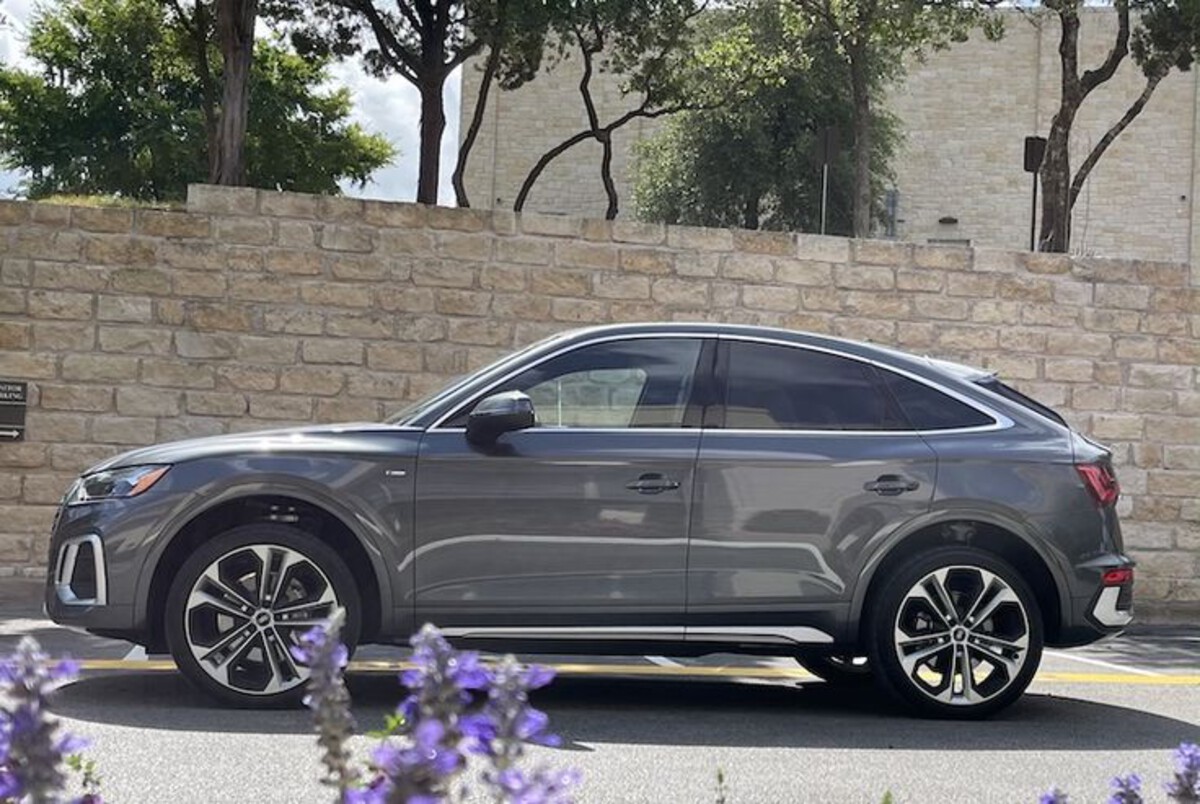
The top half of the panel uses soft-touch materials that feel premium without being flashy. Below, storage bins are lined and don’t rattle with bottles or miscellaneous items.
Audi even paid attention to the feel of the door handle, a piece many brands overlook, giving it weight and a satin-finished metal that resists fingerprints and scratches.
Inside the doors, insulation layers keep out wind and tire noise, helping the Q5 feel like a true luxury contender even at highway speeds.
The LED accent strips subtly change color based on the drive mode or your personal setting, adding visual polish without becoming distracting. Most importantly, even after tens of thousands of miles, these panels hold up. No squeaks, no warped edges, and certainly no detached trim pieces.
While the Q5 Sportback might not shout its excellence from the rooftops, its door panels whisper luxury with every touch. It’s an example of how Audi continues to sweat the small stuff and why that makes all the difference.
3. 2023 Toyota Camry XSE
You shouldn’t be especially not the Camry XSE. This isn’t your grandma’s Camry. Toyota has pushed this trim into near-premium territory, and it shows in the door panel design.
The XSE’s interior panels feature red-stitched leatherette inserts, soft armrests, and piano black accents that feel well-executed rather than gimmicky.
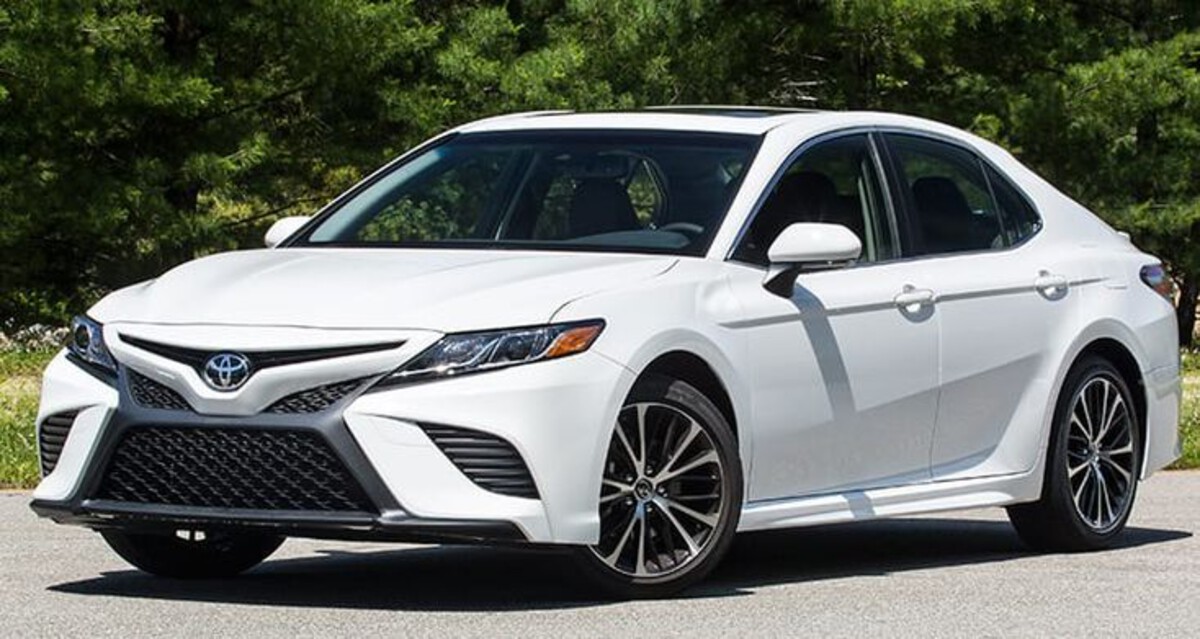
Close the door, and you’ll notice how tightly it fits into the frame, free from the tinny reverberation common in many mid-size sedans.
The armrests are thick and don’t compress uncomfortably, while the window switches operate smoothly with none of the resistance or plastic-on-plastic friction you’d expect at this price point.
Toyota also designed the storage pockets to be deep and stable, making them practical and free of creaks even after repeated use.
The Camry XSE doesn’t try to pretend it’s a Lexus, but it borrows enough refinement to feel upscale without going over the top. These door panels are made to last.
Unlike competitors that sneak hard plastics below the waistline, the Camry ensures that every touchpoint feels carefully thought out. That’s what makes it a standout in its segment – it respects the driver’s daily experience.
4. 2024 BMW 5 Series (G60)
The G60 generation of the BMW 5 Series is a masterclass in how to execute modern luxury. BMW’s focus on tactile satisfaction is clear the moment you touch the door panels.
A blend of synthetic leather, open-pore wood, and customizable ambient lighting creates a premium environment that feels cohesive and cutting-edge. The doors close with a mechanical precision that’s neither too heavy nor too light, giving an impression of solid German engineering.
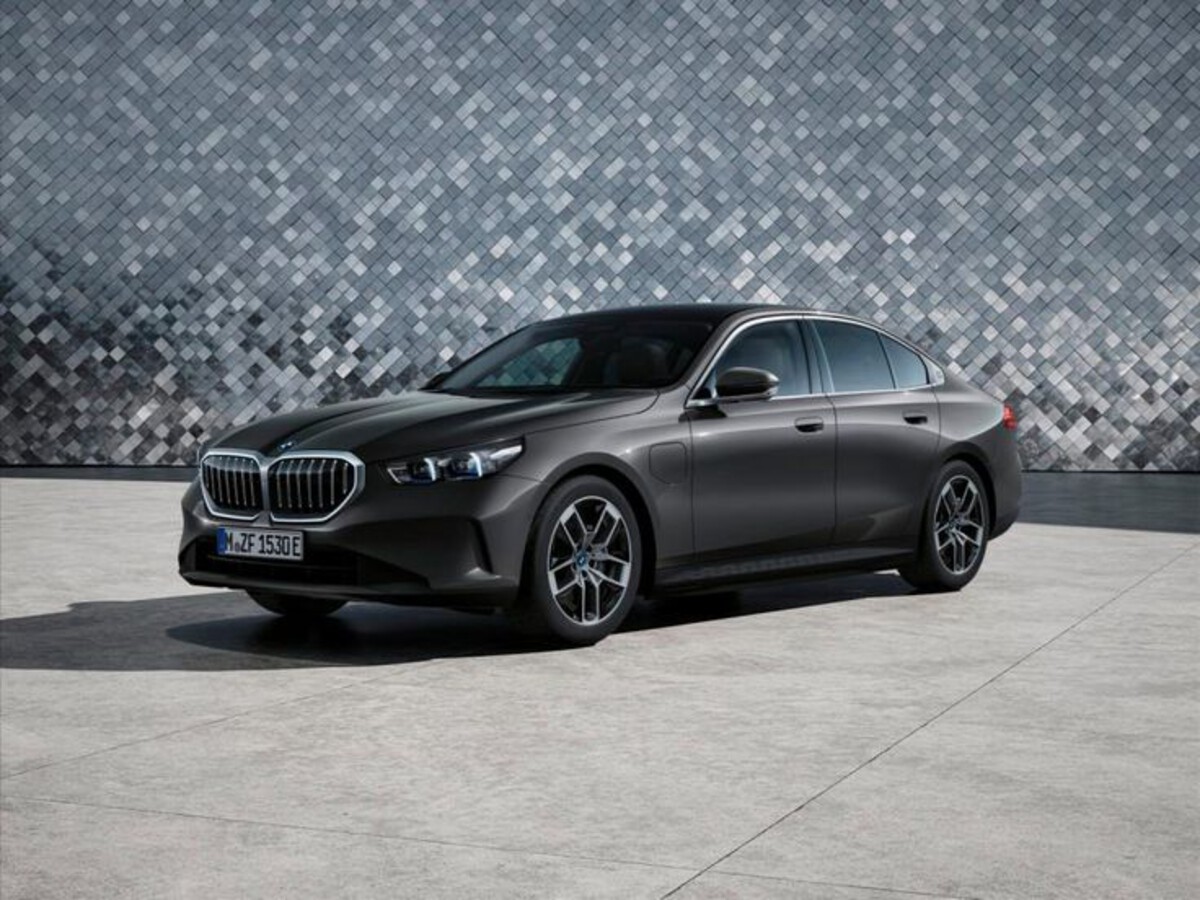
Ergonomics is also carefully considered. The door-mounted controls for memory seats and mirrors are placed intuitively and respond with well-damped clicks. Even the speaker grilles framed in polished metal feel integrated rather than tacked on.
The armrest padding is robust enough to stay supportive on longer drives, and there’s virtually no flex in the lower bins or trim.
BMW adds acoustic material within the panel cavity, giving the cabin a hushed ambience even at triple-digit speeds. It’s not just about silence. It’s about control.
The 5 Series makes the driving environment feel composed, and the door panel execution plays a major role in that experience. Everything about it suggests quality meant to endure years of ownership without the material fatigue that plagues lesser vehicles.
5. 2023 Volvo XC60 Recharge
Volvo’s XC60 Recharge takes Scandinavian design and backs it up with serious structural quality. Open the doors, and you’re greeted by real wood inlays, soft Nappa leather, and textured aluminum trim that feels carved rather than stamped.
The XC60’s door panels don’t just look expensive, they feel substantial, from the sound of the latch to the depth of the storage compartment.

There’s a tactile softness to every part of the panel, yet it doesn’t come at the expense of durability. Even the power window controls have a damped motion that avoids any clunky feel.
What makes the XC60 unique is how it blends sustainability with luxury. The panels use recycled materials without ever appearing compromised or cheap.
The design also takes into account safety and acoustics. With thick sound insulation and laminated side glass, the XC60 isolates you from the outside world better than many cars twice its price.
And none of this refinement fades over time. Owners routinely praise how tight and rattle-free the doors remain even after years of family use and exposure to harsh climates.
Volvo didn’t just build an attractive door panel. They engineered an experience that reinforces the XC60’s focus on well-being and long-term satisfaction. It’s a car that takes you seriously right down to the stitching on the door pocket.
5 Models With Flimsy Interiors
While some automakers pour effort into cabin quality, others fall flat. The models listed below suffer from door panels that feel like afterthoughts. Cheap plastics, rattly trim, paper-thin padding, and creaky hinges undermine the user experience, especially after a few years on the road.
These are the cars where the illusion of value falls apart the moment you close the door or rest your arm against the panel. Owners of these vehicles often complain about loose door bins, fading trim, and materials that simply don’t hold up to real-world usage.
Whether it’s poor assembly or cost-cutting gone too far, these models serve as reminders that door panel quality is more than cosmetic. It’s a test of long-term livability. Let’s look at five offenders that just didn’t make the grade when it comes to interior build integrity.
ALSO READ: 5 Cars So Reliable They Appreciate vs 5 That Become Worthless Used
1. 2023 Jeep Compass
At first glance, the 2023 Jeep Compass might seem like a decent compact SUV with rugged charm. But get inside, and the story changes quickly. One of the most persistent criticisms from owners and reviewers alike is the Compass’s poor interior quality, especially when it comes to the door panels.
Made mostly from hollow-feeling plastics, the panels feel brittle to the touch and show signs of wear early on. The armrests offer minimal cushioning and often flex under pressure a sign that structural reinforcement is lacking.

Even basic elements like the door handle feel toy-like. They creak when pulled and lack the mechanical confidence you’d expect from a vehicle in this price bracket. The storage pockets are thin, sharp-edged, and prone to rattling with the smallest items.
Even more frustrating is the lack of noise insulation. Wind and tire noise intrude easily through the doors, turning long drives into droning experiences.
With sun exposure, many Compass models begin to show fading and warping in their interior door panels within a few years. This cheapness undermines the rest of the vehicle, especially since Jeep markets the Compass as a rugged urban explorer.
A durable, quality door should match that image. Instead, owners are left with trim pieces that loosen, switches that feel flimsy, and materials that don’t hold up.
2. 2022 Nissan Kicks
The Nissan Kicks delivers great fuel economy and a low entry price, but one look at the door panels and you realize exactly where corners were cut. The panels are awash with hard, scratch-prone plastics that feel like something from the early 2000s.
There’s almost no soft-touch material to be found, not even where your elbow naturally rests. Armrests are stiff, the paneling echoes when tapped, and even the speaker grilles feel like thin clip-ons rather than built-in components.
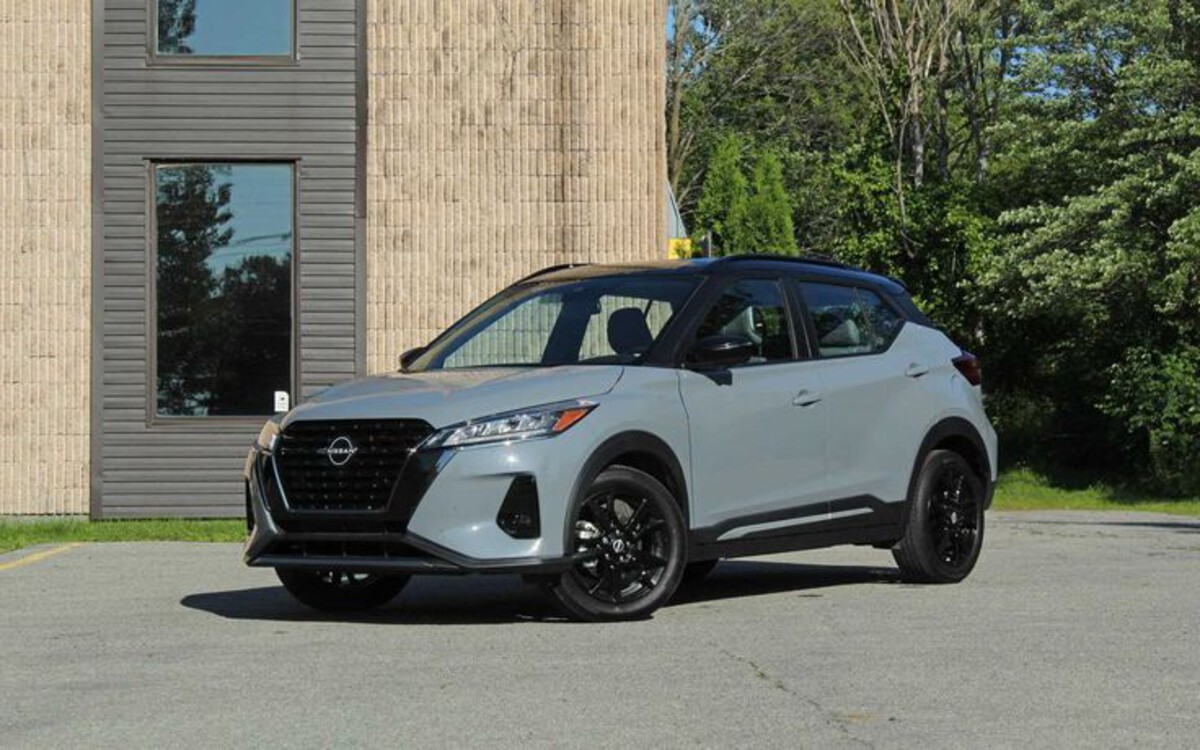
The Kicks suffers from rattles that develop early in the ownership period, particularly around the window switches and door pulls. It’s not uncommon to hear plastic squeaking with every bump in the road, especially as the cabin ages.
Nissan has been called out for interior quality issues in several of its smaller models, but the Kicks feels like a step back even by their standards.
Another big miss is in soundproofing. The door structure does little to block outside noise, which gives the Kicks a tin-can quality on the highway.
Water intrusion through the window seals has also been reported in some climates, which only worsens the perceived cheapness. The doors shut with a clang rather than a solid thunk, making every entrance feel underwhelming.
For budget-conscious buyers, the Kicks may make sense, but there’s no excuse for such poor door panel quality. Even on entry-level models, there’s room for improvement and the Kicks is living proof that going cheap here damages the ownership experience.
3. 2023 Chevrolet Trax (Previous Generation)
Chevy redesigned the Trax for 2024, but if you’re considering a used 2023 or earlier model, beware of its interior quality, especially the door panels.
The outgoing Trax was a small SUV that felt dated long before its final model year, and its cabin materials reflect that. The door panels feel like they were pulled from an economy car of the past decade, with brittle textures and minimal padding.

The upper portions are molded plastic that scratches easily and feels hollow. The armrests are barely cushioned and flex noticeably when leaned on.
Door latches often feel disconnected from the mechanism inside, and some owners report a laggy feel when unlocking or opening the door, never a good sign. If you knock on the lower portion of the panel, it resonates like an empty container.
Over time, temperature fluctuations and sunlight exposure wreak havoc on these materials. Warping around the window switches, peeling vinyl, and discoloration are common complaints among long-term Trax owners.
Storage compartments within the doors also suffer from poor fitment, often popping out of alignment or developing rattles.
The saving grace for the Trax was its price, but even budget-conscious buyers deserve better door construction than what the 2023 model offered.
In many ways, this vehicle felt like a stopgap until Chevy could fix its design missteps. Thankfully, the redesign addressed many of these flaws, but the previous generation still lingers on lots and in used listings, waiting to disappoint.
4. 2022 Mitsubishi Mirage G4
The Mitsubishi Mirage G4 tries to be an affordable sedan in an era when small sedans are disappearing, but its interior is arguably one of the weakest in the industry. The door panels are shockingly thin, with hard molded plastic throughout and zero padding on the armrests.
Even the most forgiving drivers will find it uncomfortable to rest their elbows for long periods. The overall feel is hollow, and slamming the door sounds more like a toolbox lid than a car.

Window switches are wobbly, trim pieces often misalign from the factory, and the doors themselves seem to flex when closed forcefully.
There’s minimal sound insulation, so even light rain sounds like a drumline. The panel material seems to attract scratches and marks like a magnet, and it doesn’t take long before even a new Mirage starts looking worn.
The storage bins are awkwardly shaped and can’t hold much without items sliding or rattling around. Owners also report buzzing from the speaker mounts and even occasional panel gaps where the trim meets the dash or weatherstripping.
These issues don’t just affect aesthetics they suggest underlying structural cost-cutting that doesn’t inspire confidence in long-term durability.
If you’re commuting short distances and just want basic transport, the Mirage might suffice, but know that you’ll be reminded of its compromises every time you shut the door or interact with the trim. It’s a bare-bones experience, and the door panels might be its most obvious weak spot.
5. 2021 Ford EcoSport
Ford’s EcoSport was never a darling of the subcompact SUV market, and its interior door panels are a big reason why. Cost-cutting is evident throughout the cabin, but the doors suffer especially from poor design and materials.
The plastics feel cheap and thin, the armrests lack adequate padding, and the fitment leaves much to be desired. Close the door, and you’ll often hear a plastic rattle or echo not exactly confidence-inspiring.

What’s worse is the lack of refinement in switchgear. The window buttons have a hollow click, and the door handles feel like they’re barely connected to the mechanism inside.
Over time, the trim edges around the panels tend to separate slightly, especially in hot climates, leading to unsightly gaps and even sharp edges. The door bins are narrow and unlined, so anything placed inside ends up vibrating or bouncing around during the drive.
Noise insulation is minimal. Wind whips through the seals on the highway, and road noise creeps in from beneath the paneling. It’s a noisy, shaky experience that doesn’t hold up well over time.
Even though Ford tried to market the EcoSport as a global product with modern flair, it came off feeling dated and underdeveloped. The door panels are a daily reminder of its shortcomings.
The EcoSport’s demise in many markets is no surprise, and its interior plays a major role in that downfall. Owners expecting quality construction will quickly realize they were sold something less than solid. Even budget vehicles deserve better than this.
Door panels may seem like minor details to some, but true automotive enthusiasts know they set the tone for everything that follows. They are the handshake before the drive, the first contact that tells you whether your car is built with pride or simply assembled to meet a bottom line.
The five models with quality door panels exemplify what it means to care about the entire user experience. These cars aren’t just functional; they’re tactile, intentional, and built to last.
From the deep thud of a BMW 5 Series door closing to the plush textures inside a Lexus RX, these touches turn everyday driving into something more fulfilling.
On the other hand, the flimsy interiors of the lower-tier models remind us how quickly the illusion of value crumbles when corners are cut. Rattling bins, creaky plastics, and paper-thin trim kill the vibe instantly.
It’s not just about looking nice on day one it’s about how a car feels after 30,000 miles of commuting, weather changes, and real-world usage. A solid door panel reflects good design. A flimsy one reveals cost-cutting that affects comfort, safety, and satisfaction.
At the end of the day, the quality of a car’s door panel is more than just about luxury or looks. It’s about craftsmanship, resilience, and the kind of pride an automaker puts into their product.
Whether you’re car shopping or evaluating your current ride, pay attention to those panels. They’re telling you a story about the car and it’s always worth listening.