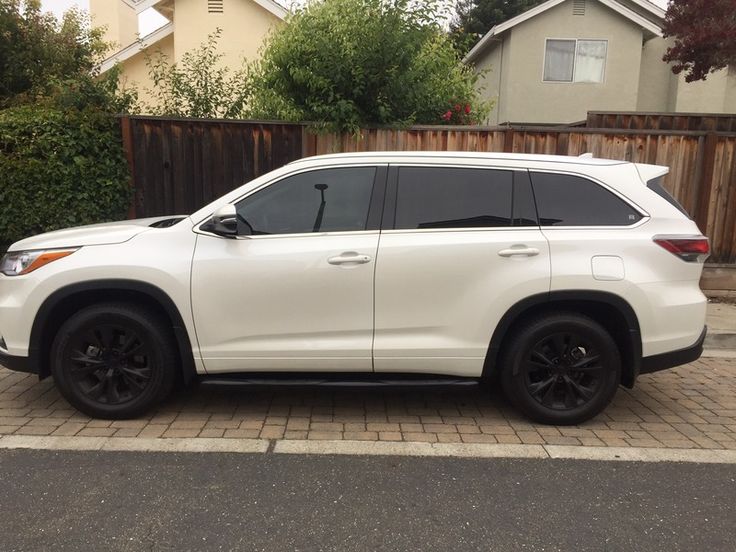
The headliner might not be the first thing you notice when stepping into a car, but for true automotive enthusiasts, it’s a detail that matters. A clean, firm, well-fitted headliner speaks volumes about the care, durability, and build quality of a vehicle.
It’s one of those interior touches that silently proves whether a car was engineered with longevity in mind or simply thrown together for mass-market appeal. When the roof liner starts to sag, peel, or bubble, it not only disrupts the visual harmony of the cabin but also hints at deeper issues poor material choices, rushed production, or long-term neglect.
Over the years, some vehicles have built reputations for their bulletproof interiors, including sturdy roof liners that never sag despite years of heat, humidity, and mileage.
Others, however, have infamously suffered from failing headliners that detach like a curtain coming loose from its rod. For anyone considering buying used or even looking at longevity in a new model, headliner integrity isn’t something to ignore.
This blog takes a passionate dive into ten vehicles, five that hold their roof liners proudly, and five that often leave owners dealing with drooping fabric and foam residue. We’re not just talking about luxury sedans or off-road beasts.
From compact commuter cars to SUVs and even pickup trucks, a resilient or failing roof liner can crop up in any segment. So, whether you’re scouting for a reliable daily driver or chasing that weekend warrior with durability to match, consider this your enthusiast’s guide to what holds up above your head and what’s likely to fall flat.
5 Vehicles With Resilient Roof Liners
Some vehicles simply stand the test of time, and their interiors reflect that resilience. A strong roof liner is more than just fabric and foam it’s a signal that the manufacturer prioritized quality materials and robust adhesive practices.
These vehicles have shown over the years that even after extensive sun exposure, off-road abuse, or long commutes, their headliners don’t budge. No drooping corners, no unsightly bubbles, and no embarrassing foam crumbles falling onto the passenger seats.
When a car retains its roof liner even after a decade or two, it enhances the entire cabin’s vibe. You get in, and there’s no distraction above your head, just a solid, firm lining that looks as good as it did the day it rolled off the production line.
Whether it’s due to smart engineering, high-quality adhesives, or climate-conscious design, these five vehicles have earned their place on this list. They’re the go-to choices for those who hate sagging fabric and appreciate cabin durability that lasts.
ALSO READ: 5 Vehicles With Scratch-Proof Trim vs 5 With Chipped Paint Edges
1. 2014 Toyota 4Runner
The Toyota 4Runner is a name that’s often synonymous with durability, and the 2014 model delivers exactly that even in places many overlook, like the headliner.
This rugged midsize SUV is built to endure rough terrains, extreme weather, and years of daily abuse, and its interior materials reflect that same commitment to longevity. Owners consistently report that even after a decade, the headliner looks tight and clean, with no signs of peeling or sagging.
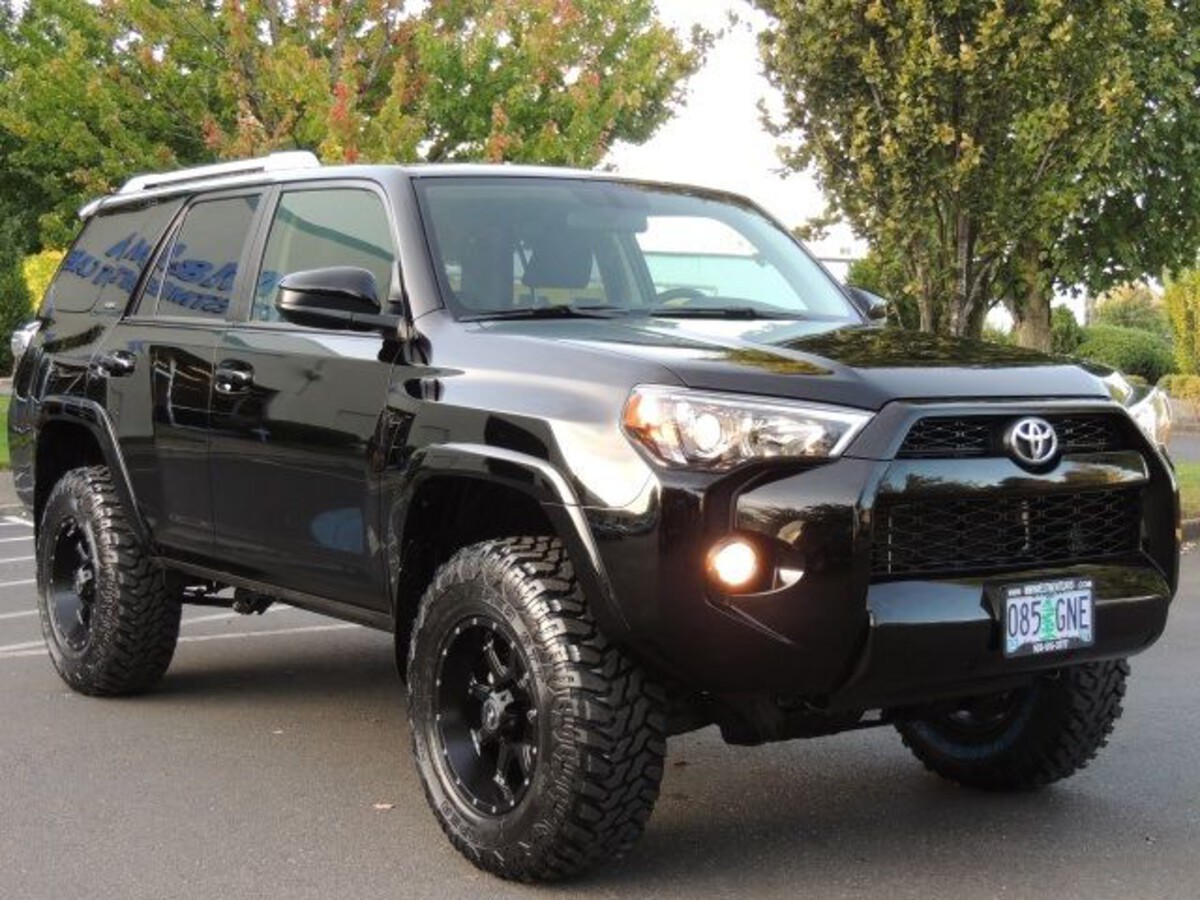
One major reason behind this success is Toyota’s use of high-density foam and tightly woven fabric bonded with long-lasting adhesive. The headliner doesn’t just stick it stays embedded. Whether it’s been driven through desert heat or arctic cold, the 4Runner’s roof lining holds up. It’s a no-fuss, no-fail design that supports the vehicle’s already legendary reliability.
Moreover, the 4Runner is frequently used as an overland and adventure vehicle, meaning its interior sees a lot more movement, climate changes, and general stress than the average family SUV. Yet, the headliner remains impressively intact. That’s a testament to Toyota’s commitment to quality, even in places most manufacturers cut corners.
If you’re looking for an SUV with a go-anywhere attitude and a roof liner that can match the toughness of its powertrain, the 2014 4Runner is a proven contender. It’s one of those rare vehicles that makes you feel confident not just in how it drives, but in how well it will hold up inside over the years.
2. 2011 Honda CR-V
The 2011 Honda CR-V is one of those cars that continues to show up on reliability lists, and for good reason. It’s the sort of SUV that just doesn’t quit. That includes its interior quality, where the roof liner deserves a special mention. Even after years of daily commuting, family hauls, or city traffic, this CR-V’s headliner remains neatly in place.
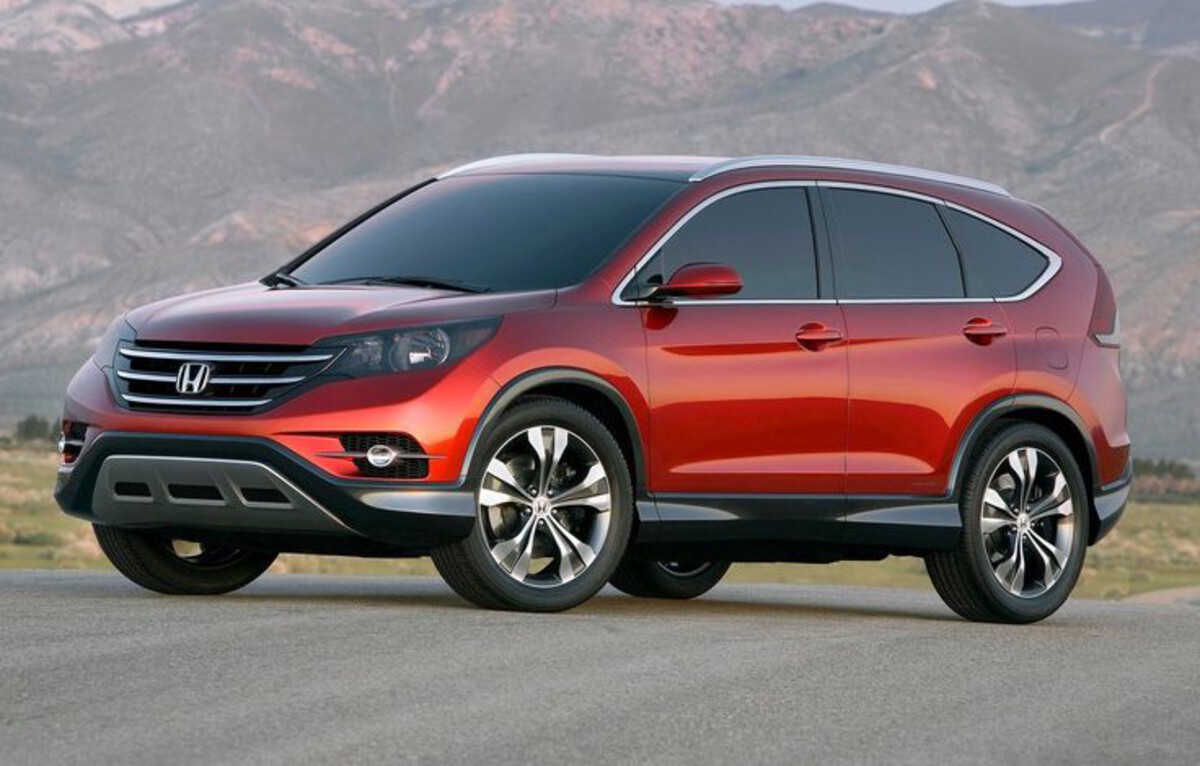
What sets the 2011 CR-V apart is how well its interior components age. Honda focused heavily on material selection in the late 2000s, and this generation benefited greatly from that strategy.
The headliner uses fabric that’s both tightly woven and bonded with strong adhesive that withstands high humidity and temperature fluctuations. There’s no bubbling around the dome light, no peeling near the sun visors, and no sagging over the cargo area.
The CR-V is also widely known for its low maintenance costs and owner satisfaction. While some vehicles at this age start showing signs of fatigue inside the cabin, the CR-V’s ceiling still looks fresh and uniform. It’s an especially popular choice among used car buyers for exactly this reason: the inside looks better than you’d expect, even after a decade or more of use.
Whether you’re hauling kids, dogs, or weekend gear, the 2011 CR-V keeps its composure from top to bottom. And for those who care as much about how the cabin ages as they do the reliability of the engine, this compact SUV punches above its weight. It proves that durability in a vehicle isn’t just about the mechanics; it’s in the details, like a roof liner that never gives up.
3. 2016 Lexus RX 350
When it comes to luxury that doesn’t fall apart over time, the Lexus RX 350 consistently raises the bar. The 2016 model, in particular, is a perfect blend of plush comfort and high-grade resilience. Step inside, and you’ll immediately notice how well the materials have been selected and assembled. The headliner is one of the finest examples of this attention to quality.
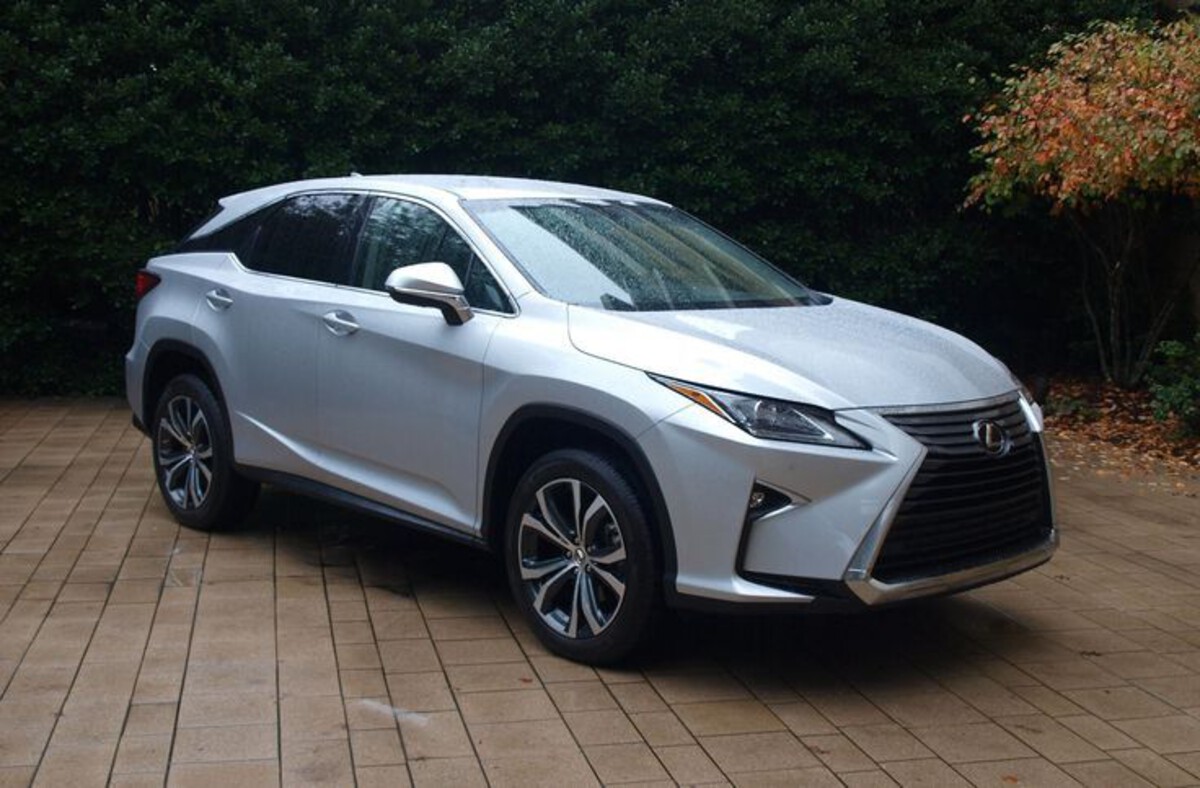
Wrapped in high-end fabric with extra layers of sound insulation, the RX 350’s roof liner not only looks elegant but is also built to last. Lexus uses superior adhesives and multi-layer construction that resists delamination even in high heat.
This is critical for a car often parked under the sun, where interior temperatures soar. In the RX 350, the liner doesn’t droop or peel. It maintains a taut, seamless look well past the 100,000-mile mark.
Owners routinely praise the car for aging gracefully. Whether it’s the stitched dash, soft-touch panels, or the ceiling, everything retains its premium feel. It’s the kind of SUV where every inch, including the roof, feels like it was engineered for the long haul.
For enthusiasts who appreciate not just performance but lasting luxury, the 2016 Lexus RX 350 is a solid bet. It’s a reminder that durability and refinement can go hand in hand, and it stands as a shining example of how a well-made headliner contributes to an overall superior driving experience.
4. 2013 Subaru Outback
If ever there were a vehicle built for outdoor enthusiasts who refuse to compromise on interior quality, it’s the 2013 Subaru Outback. This wagon-like crossover is a favorite among hikers, campers, and long-haul commuters alike, and one of its quiet strengths is how remarkably well the roof liner endures. Many owners report no headliner issues even after crossing the 200,000-mile threshold.
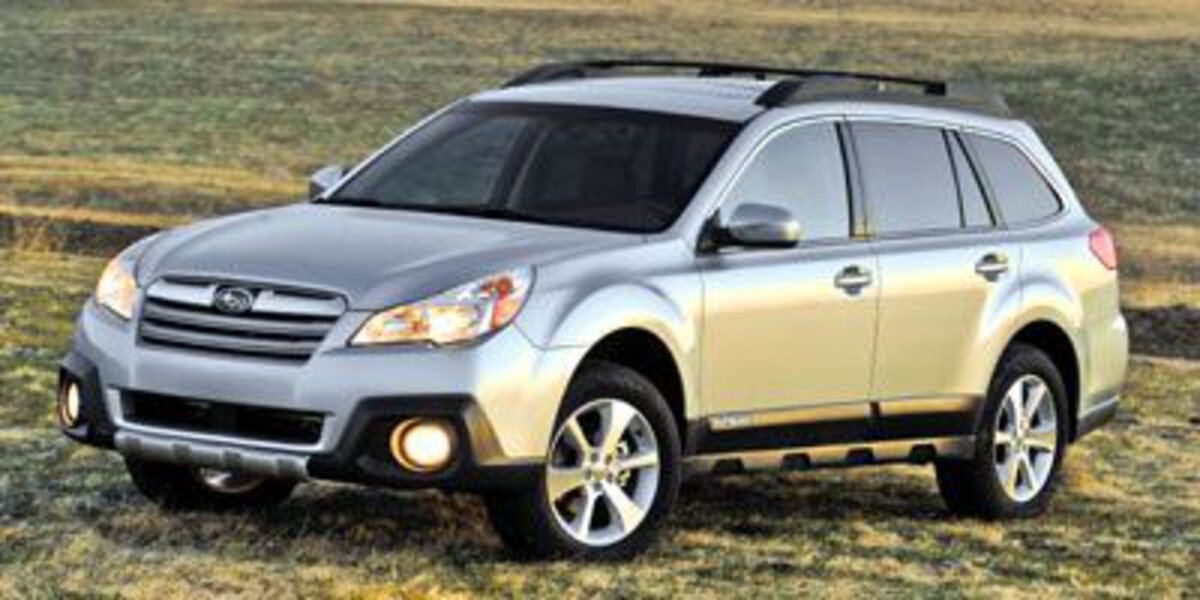
Subaru’s engineering decisions in the fourth-generation Outback leaned heavily toward practicality and longevity. The roof liner in the 2013 model is a blend of tightly-stitched fabric layered over dense foam, all bonded with a heat-resistant adhesive.
Whether the car’s been loaded with surfboards or ski gear, gone through humid summers, or survived winters where cabin heaters are always on full blast, the headliner rarely gives in to sagging or bubbling.
Another factor in its durability is the simplicity of its ceiling design. With fewer cutouts, minimal sunroof interference, and clean overhead lighting integration, there’s less stress placed on the liner itself. That helps it remain snug, even after a decade of wear.
For drivers who live active lifestyles and expect their vehicles to reflect the same sense of endurance, the 2013 Outback checks the boxes. It’s not just what’s under the hood or in the all-wheel-drive system, it’s also in the cabin where it counts. This Subaru delivers ruggedness with refinement, and its headliner is a testament to that ethos.
5. 2020 Ford F-150
America’s favorite pickup doesn’t just bring muscle to the table; it also brings surprising interior resilience. The 2020 Ford F-150, particularly in its higher trims, features one of the most robust headliners in the truck world. Whether it’s used for heavy-duty construction, weekend hauling, or daily commuting, the cabin remains solid and the roof liner stays perfectly in place.
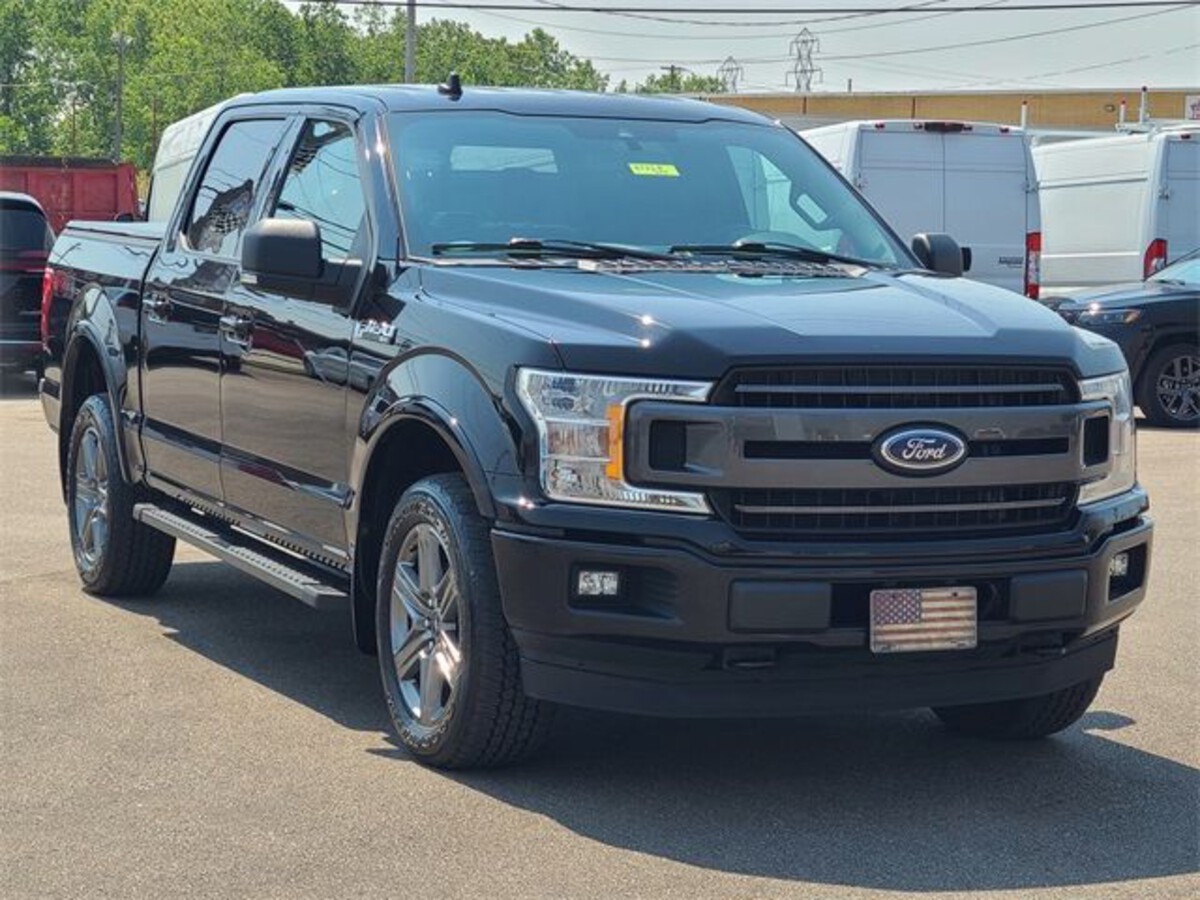
What makes the F-150’s headliner stand out is its reinforced construction. Ford incorporated additional insulation and heavier backing into the liner to improve cabin quietness. That had the side benefit of making it more resistant to sagging. Even in hot southern states or damp northern climates, the headliner in this model tends to hold strong without puckering or drooping.
Another win for this truck is that it often comes equipped with auxiliary roof-mounted equipment like overhead consoles or sunroof components. Despite those design complexities, the liner’s finish remains tight and professional. It’s built to withstand years of abuse, from work boots to roof-mounted tool racks, without giving you grief in the cabin.
Owners of the 2020 F-150 frequently praise how “new” the truck feels even several years in. The durability isn’t just mechanical it’s visual and tactile, and the ceiling is no exception. For anyone in need of a truck that keeps it together both under stress and over time, the F-150’s roof liner proves Ford knew what it was doing with this generation.
5 Vehicles With Peeling Headliners
Some vehicles may shine with performance, price, or practicality, but fail miserably when it comes to interior quality. One of the most frustrating signs of this drop-off is the peeling, sagging, or bubbling of the headliner. It’s not just unsightly, it’s often messy and can even be a safety issue when fabric starts drooping near visibility lines.
This isn’t always about age. Sometimes it’s a matter of poor adhesive, low-grade foam, or careless design. You might see these issues in hot, humid climates first, but they eventually catch up to vehicles everywhere. Once the roof liner starts failing, it often snowballs. Fixing it isn’t always cheap or easy, especially in models where replacement requires taking apart trim, consoles, or even airbags.
The five vehicles listed below have developed reputations among enthusiasts and mechanics alike for headliners that just don’t hold up. They might excel in other areas, but once you’re dealing with sagging fabric and foam particles raining down, it’s hard to focus on much else.
ALSO READ: 5 Vehicles With Scratch-Proof Trim vs 5 With Chipped Paint Edges
1. 2007 Dodge Grand Caravan
The Dodge Grand Caravan has long been celebrated for its practicality, but interior build quality has been one of its weak spots, especially when it comes to the 2007 model. If you’ve owned one, you’ve probably experienced or heard complaints about the sagging headliner. It’s a common issue that tends to show up by the time the vehicle hits 100,000 miles or sometimes even sooner in humid climates.
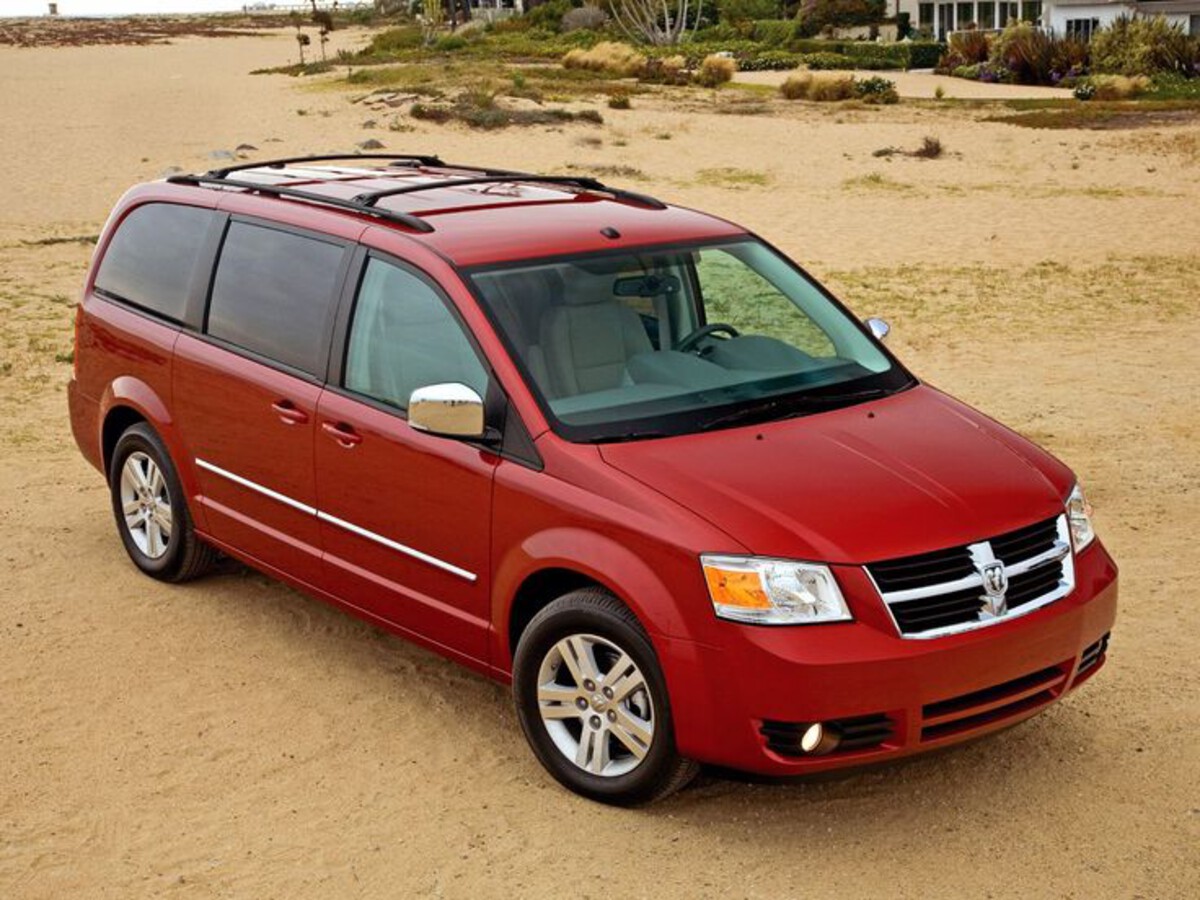
What makes it worse is how quickly the deterioration happens. First, the liner starts to bubble near the dome lights. Then it begins to peel around the edges. Eventually, whole sections start to droop, leaving drivers to deal with fabric brushing against their heads and rear-seat passengers staring at an interior roof that looks like it’s melting.
This isn’t a result of hard usage, either. Even gently used Grand Caravans suffer from this issue. The root of the problem lies in the choice of materials. The foam backing used in this generation tends to degrade and release gases over time, which breaks down the adhesive. Once that bond is gone, gravity takes over.
To make things worse, replacing the headliner in the Grand Caravan isn’t easy. The liner spans a large surface area and includes multiple cutouts for climate control, lighting, and entertainment systems. Removing and reinstalling it is labor-intensive, which means high costs if you’re not tackling it yourself.
While the 2007 Grand Caravan is unbeatable in terms of family hauling and versatility, its failing roof liner is a black mark that has frustrated countless owners. It’s a classic example of a practical car let down by poor material decisions.
2. 2008 BMW 3 Series (E90)
The 2008 BMW 3 Series, part of the E90 generation, has long been a favorite for enthusiasts who value driving precision and German engineering. But when it comes to interior durability, specifically the headliner, it’s a different story. This model, despite its performance prowess, is notorious for sagging roof liners, especially in warmer climates.
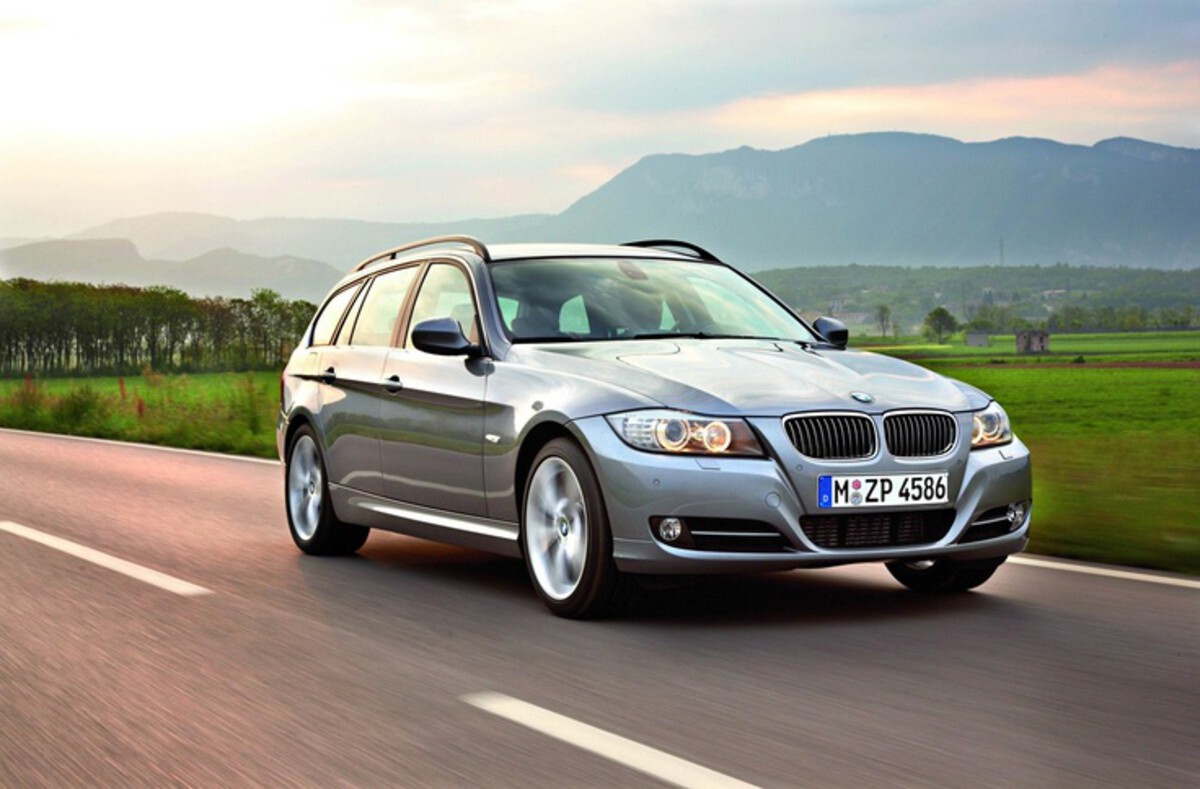
The issue stems from BMW’s use of a foam-backed fabric liner that, over time, begins to delaminate. Heat accelerates the breakdown of the foam, and in a car with limited roof ventilation and high interior temperatures, the glue simply gives out.
What starts as minor bubbling above the driver’s head quickly evolves into large sections peeling away. Sunroof-equipped models suffer even more, as the heat intensifies around the glass panel and puts additional stress on the adhesive.
This problem is made more frustrating by the 3 Series’ otherwise premium feel. The leather, trim, and dash all age fairly well, but the headliner falling apart kills the luxury vibe. Drivers who pride themselves on maintaining a clean cabin find themselves taping up corners or paying for complete reupholstery far sooner than expected.
DIY fixes are common in the E90 crowd, but they’re temporary at best. Whether it’s pinning it up, using headliner tacks, or trying spray adhesive, nothing quite restores that tight factory fit. For a car that promises “The Ultimate Driving Machine,” it’s disappointing to see the roof liner become such a consistent failure point.
The E90 BMW 3 Series remains a legend for its road manners and performance balance, but it’s hard to ignore the embarrassment of a peeling ceiling, especially when you’re pulling into a meet or showing it off at a local event.
3. 2012 Jeep Liberty
The 2012 Jeep Liberty was built to be rugged on the outside, but its interior quality often tells a different story. One of the most commonly reported issues, especially in used models nearing the 100,000-mile mark, is the deteriorating headliner. Sagging fabric and collapsing foam are all too familiar in these vehicles, tarnishing what should be a reliable, off-road-ready SUV.
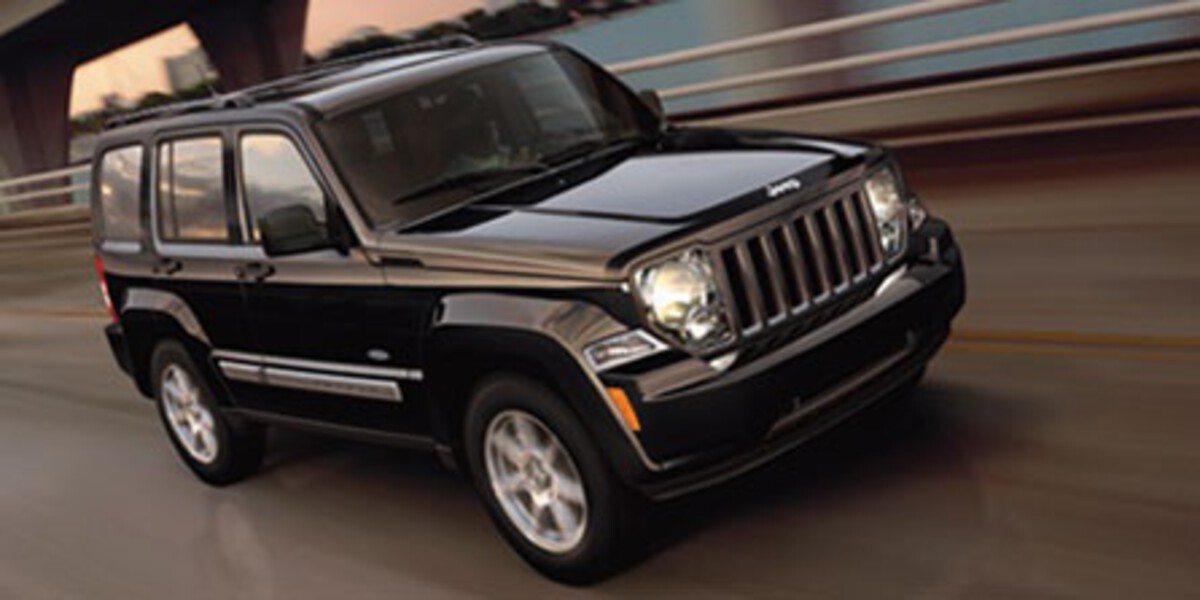
Owners often notice the headliner beginning to sag near the sun visors or rear cargo area. This is usually the result of a poor-quality adhesive that fails when exposed to prolonged heat.
Considering the Liberty’s popularity in regions with intense summer temperatures, it’s not surprising that headliner issues are widespread. Once the fabric begins to separate, it rarely stops, often requiring a full liner replacement.
Unlike other compact SUVs, the Jeep Liberty’s boxy design and spacious headroom mean more surface area and more opportunity for the liner to give in. It’s also harder to fix due to the way the trim panels and side airbags integrate into the ceiling structure. That leads to costly labor for a seemingly minor cosmetic flaw.
The irony is that the Liberty is marketed for those who take the road less traveled. But when the liner’s falling on your head during a trail ride, it really undermines that image. Even well-maintained Libertys with great off-road capability suffer from this letdown, making the sagging headliner a notorious weak link in the model’s legacy.
If you’re considering a used Liberty, it’s worth looking up literally. That fabric roof may just be waving at you, and not in a good way.
4. 2010 Chevrolet Impala
The 2010 Chevrolet Impala may have offered a comfortable ride and large-car practicality, but its interior didn’t exactly win awards for longevity. A known sore spot is the headliner, which has been the subject of countless complaints among long-term owners. It’s not unusual to find Impalas of this era with sagging ceiling fabric, often hanging in sheets by the time the odometer rolls past 120,000 miles.
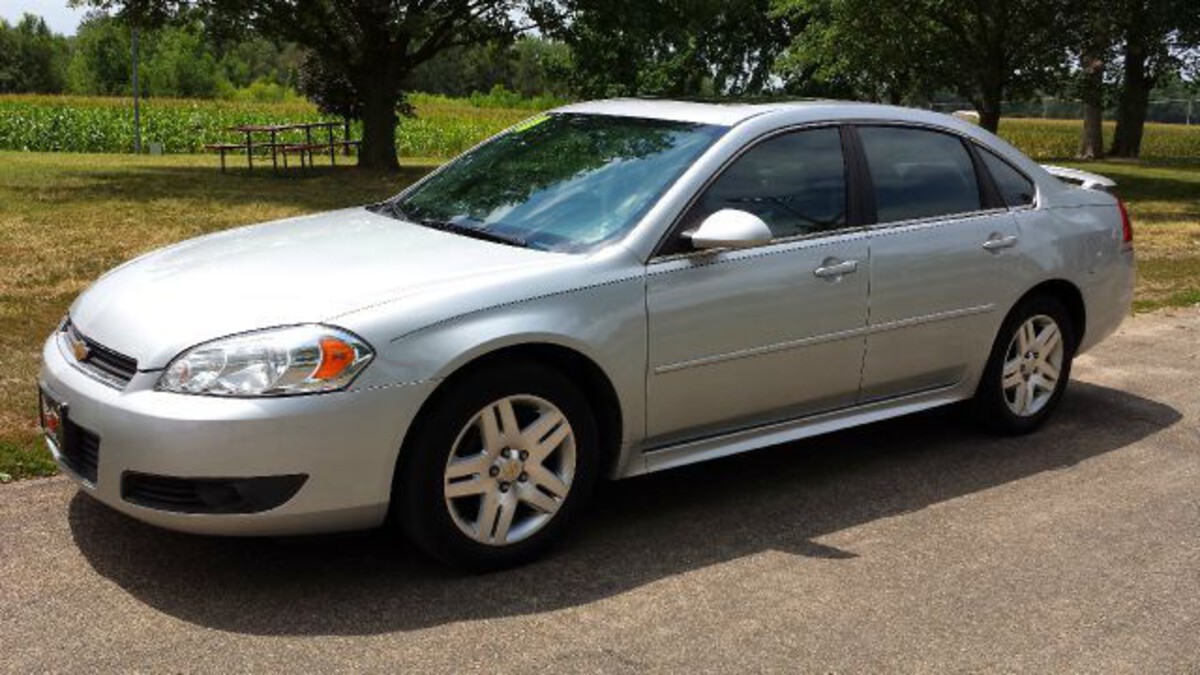
The issue comes down to GM’s use of subpar foam backing and adhesive that doesn’t hold up to the heat and age. In sunbelt states especially, the liner begins to detach early around the rear dome lights or A-pillars, then progressively gets worse. Rear passengers sometimes find themselves brushing fabric off their heads just to see out the back window.
This model also lacks additional insulation or backing layers that could have helped the headliner resist collapse. The result is a liner that degrades rapidly and leaves an otherwise decent sedan looking worn out and neglected. Given that the Impala was often used as a fleet or rental vehicle, it’s not uncommon to see them with half-torn roof fabric and discolored foam peeking through.
While the Impala remains affordable on the used market and has decent performance from its V6 engine, the failing headliner is a buzzkill. It ages the cabin prematurely, and for a car meant to represent American comfort and value, it’s a poor reflection of long-term build quality.
If you’ve got an eye on a 2010 Impala, you’ll want to inspect the ceiling closely. That peeling headliner could be your first clue into what corners were cut inside the cabin.
5. 2006 Volkswagen Passat
The 2006 Volkswagen Passat has often been praised for its sleek styling and smooth highway manners, but it also has a less celebrated claim to fame: a failing headliner. VW’s mid-2000s sedans are infamous for this issue, and the Passat is right in the thick of it. Many owners have reported peeling, sagging, or even falling headliners well before reaching the 100,000-mile mark.
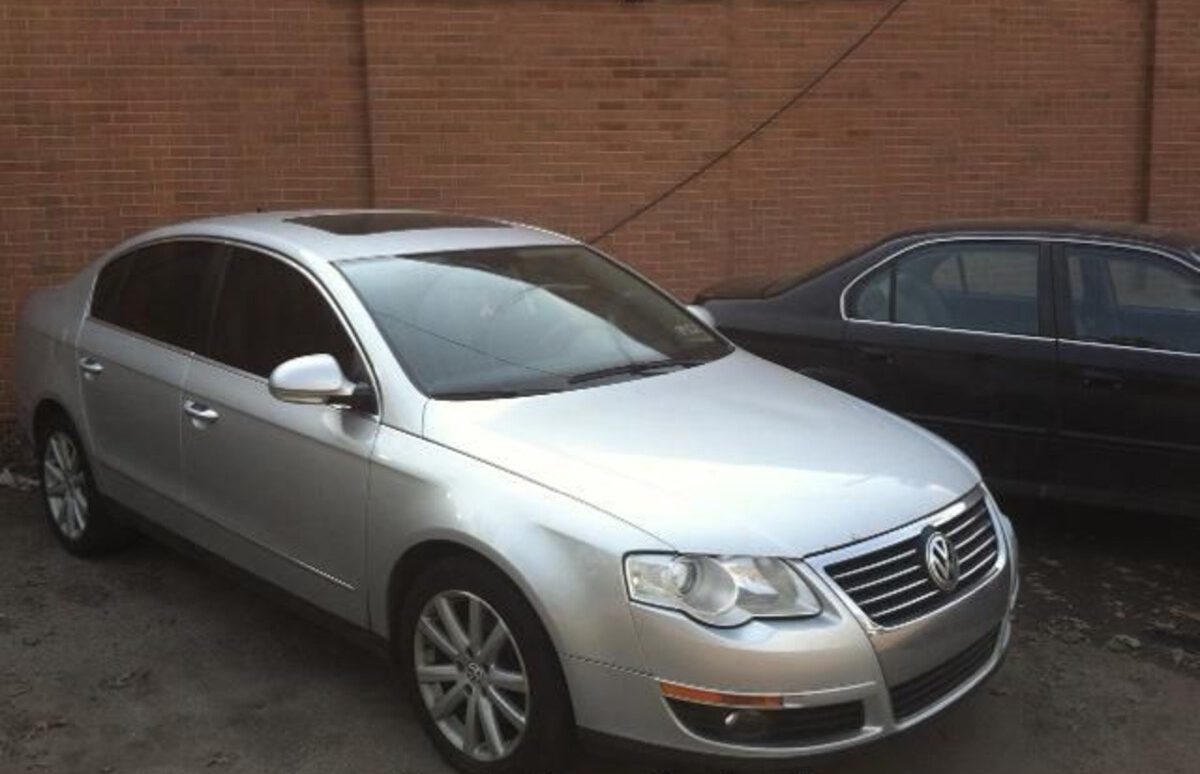
It starts with slight bubbling near the rearview mirror or sunroof panel and quickly progresses to larger swaths of the liner drooping away from the ceiling. The root cause lies in a combination of soft foam that disintegrates over time and adhesive that simply wasn’t strong enough to last more than a few years under heat stress.
The issue isn’t just cosmetic either. In models with curtain airbags, a sagging headliner can actually interfere with airbag deployment or complicate repair access. That adds a safety angle to what initially seems like a visual nuisance.
To make matters worse, replacing the liner in the Passat is particularly tricky. The tight cabin dimensions, integrated dome lights, and wiring all make removal and reinstallation a job best left to professionals. That means most owners either live with a drooping ceiling or fork out several hundred dollars for a proper fix.
For a car that was once billed as a premium European alternative to Japanese sedans, the 2006 Passat’s headliner woes are a big letdown. The materials may look soft-touch and refined, but when they start falling on your head, the illusion fades fast.
What sits above your head while you drive says a lot about how your car was built. A resilient headliner doesn’t just signal good craftsmanship it’s often the result of thoughtful engineering, durable materials, and long-term vision. The vehicles with solid roof liners tell us something important: these manufacturers thought about how their cars would age, not just how they’d look at launch.
Cars like the Toyota 4Runner, Honda CR-V, and Lexus RX 350 offer more than just reliability in the engine bay, they give you an interior that ages with grace.
Their roof liners stay in place even after miles of punishment, proving that durability can be silent, invisible, and still incredibly valuable. These vehicles are reflections of companies that believe in standing the test of time, not cutting corners where the customer won’t immediately look.
On the flip side, vehicles with peeling headliners like the Dodge Grand Caravan, Jeep Liberty, or VW Passat remind us of how quickly a cabin can fall apart when shortcuts are taken.
While these cars may perform well in other departments, their crumbling interiors diminish the driving experience. Nobody wants to brush sagging fabric off their head or stare at foam peeking out during a long road trip. It breaks the spell that a well-designed car should cast.
For enthusiasts, this isn’t just about comfort or looks; it’s about respect for the machine. A headliner should stay up. A roof should stay quiet and sealed. That attention to detail separates a vehicle that earns your trust from one that just gets you from A to B. So next time you’re car shopping, don’t just check under the hoo,d look up. The ceiling might tell you everything you need to know.