
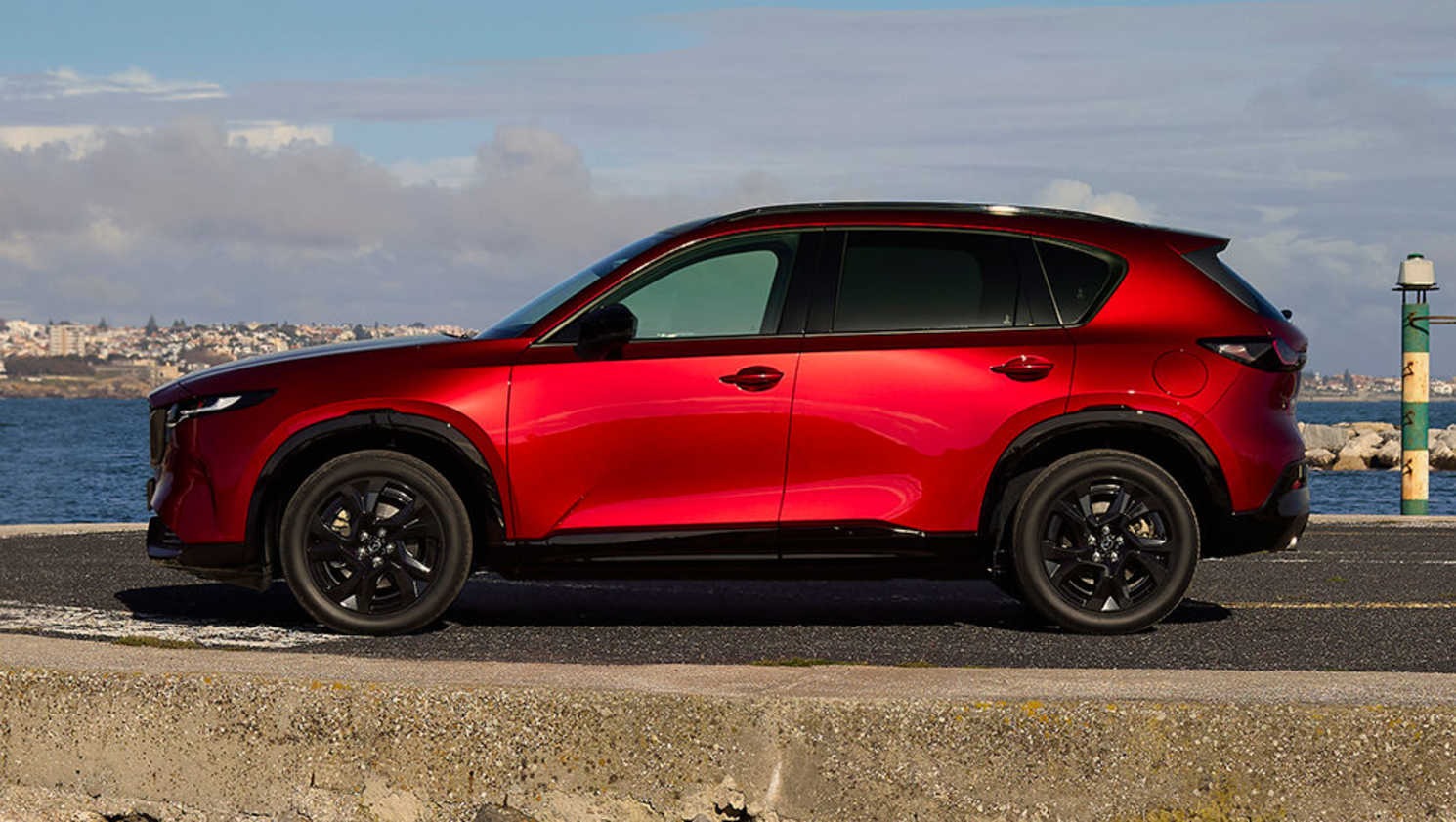
When talking about hybrid cars these days, many people expect reliable performance and fuel savings combined. Some models go beyond the normal benchmarks and give owners years of service beyond what they expect.
Others end up giving trouble early and cause frustration despite early promise. We will provide you with clear insight into five hybrid models that exceed expectations with long-lived reliability and strong real-world results. It also points out five hybrid models that tend to suffer premature faults and reduced lifespan compared with expectations.
On each profile, we have included details about why certain models perform so well and how they deliver years of dependable driving. The models that fail early are analysed with reasons behind their shortcomings, including mechanical issues and declining resale value.
5 Hybrids That Outlast Expectations
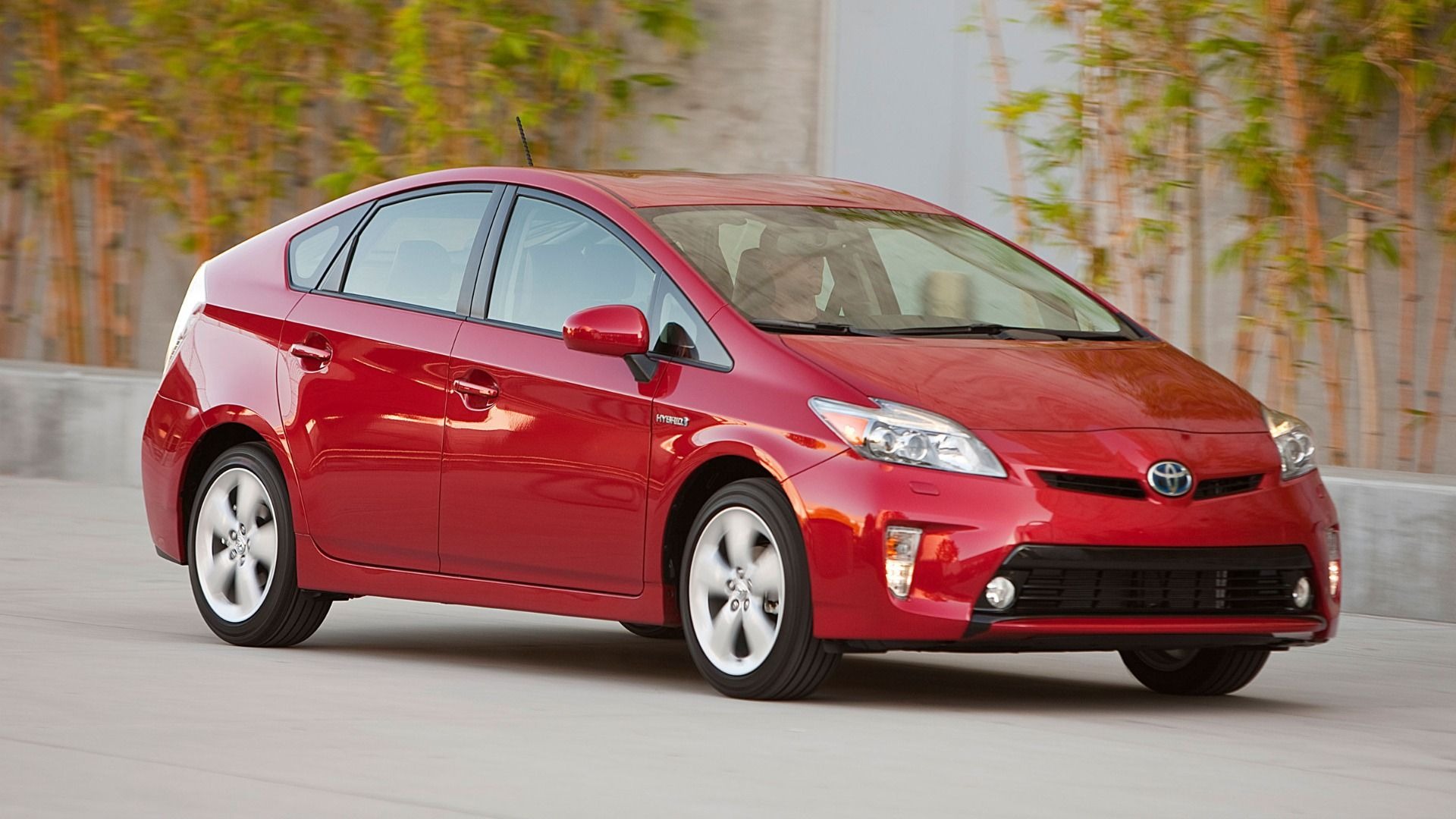
1. Toyota Prius (third and fourth generation models)
The Toyota Prius, especially models from around 2012 through 2018 and then later versions around 2016 through 2021, often last far beyond expected mileage. Many of these vehicles hit 200,000 miles and more with proper maintenance.
The hybrid battery pack in these models rarely fails unexpectedly and tends to degrade slowly. Owners often experience fuel economy in the high 50s mpg consistently in real, daily driving conditions.
These Prius models benefit from extensive parts availability and extensive service knowledge. When replacement parts are needed, they are widely available and often affordable.
Mechanics in the US are familiar with the hybrid system, which reduces surprises during servicing. The regenerative braking system also helps reduce wear on physical brake pads and rotors, so routine maintenance costs stay lower than with many conventional cars.
The interior tends to remain comfortable and functional over the years of use. Dashboard materials resist wear better than many alternatives in this category. The engine and hybrid system show resilience even when owners skip some minor service intervals by accident.
This resilience contributes to long lifespans. For drivers who commute daily or use a vehicle for rideshare work, the Prius often continues delivering high mpg and low service bills even after heavy mileage.
Fuel usage remains competitive even as these vehicles age. The hybrid management software updates from Toyota have helped maintain efficiency. Hybrid battery replacement costs when needed are manageable compared to other lesser-supported brands. As long as cooling fans are maintained and software stays up to date, these models continue to perform reliably.
Drivers find that beyond the expected life span, these Prius vehicles still deliver solid reliability, predictable costs, and great fuel economy. Many owners report owning a Prius well beyond ten years with minimal major repairs and consistent hybrid efficiency. This is why the Prius third and fourth generation models regularly outlast what most people assume at purchase.
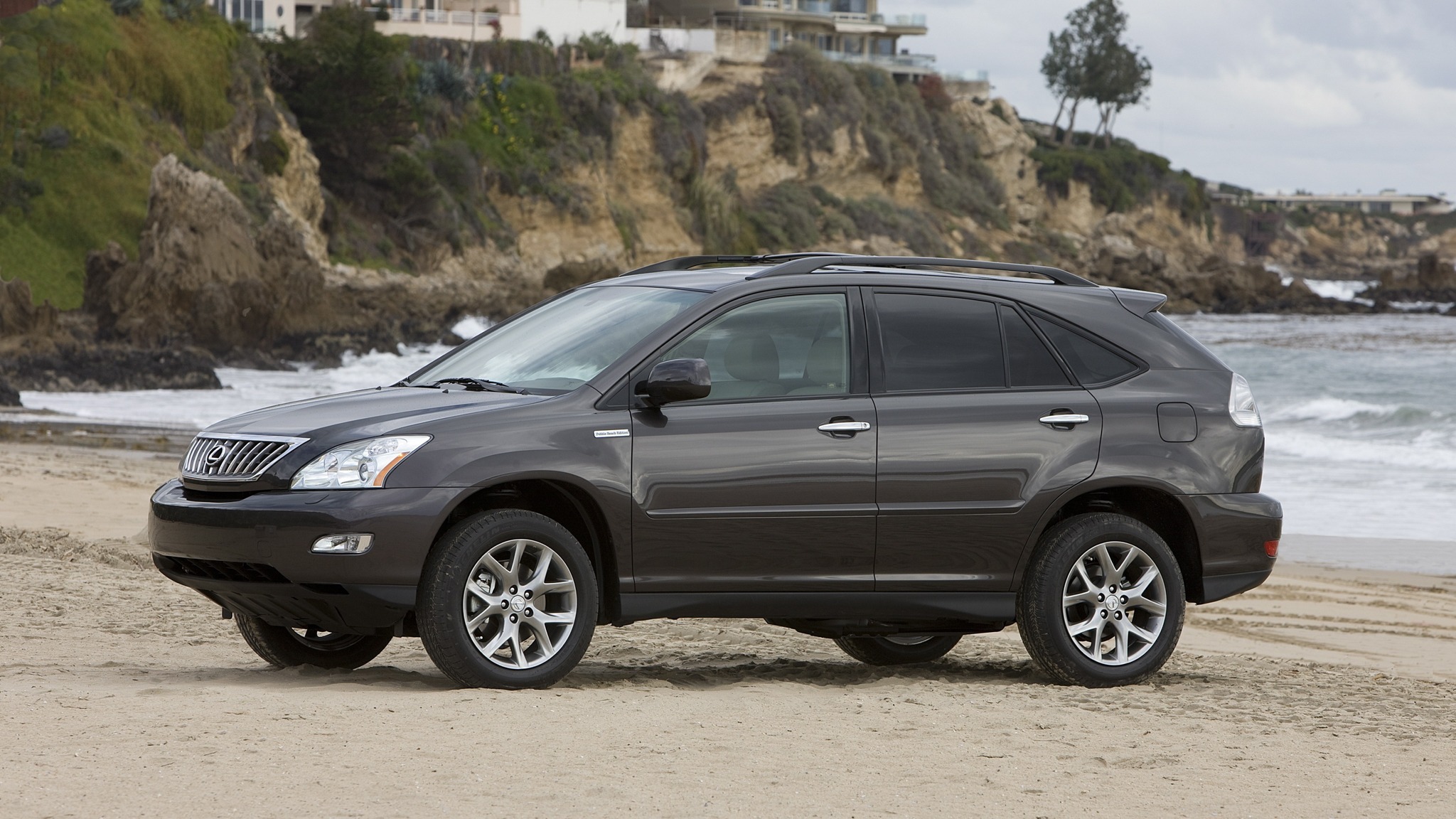
2. Lexus RX 450h (second generation)
Lexus RX 450h models produced between 2010 and 2015 show impressive endurance. This mid‑size luxury hybrid SUV still gets praised for low trouble rates well past 150,000 miles. The hybrid system blends a smooth four-cylinder engine, electric motors, and a continuously variable transmission that tends to resist major issues when maintained well.
A strong point is that the hybrid battery in the RX 450h is temperature-controlled with active cooling. This limits degradation in warm climates across the US. The brand reputation for build quality and strong corrosion protection adds to the long lifespan of bodies and components. Owners report lasting five or six years with no major hybrid component replacement.
Service intervals remain predictable, and many service centres and dealerships know these vehicles thoroughly. Oil change, coolant, hybrid coolant, brake fluid, and transmission fluid services, when performed on schedule, help support the long-term reliability. The engine itself, being similar to reliable Toyota units, proves robust. Electric motor failures are rare and tend to appear only in very high-mileage vehicles.
Interior comfort and seating materials resist tearing and wear very well, even after extended travel and heavy use. The suspension system remains smooth, and owners rarely report strut or control arm issues before late in vehicle life.
With proper care, the RX 450h can remain in strong working order beyond 200,000 miles. Many drivers enjoy that luxury features continue to operate for many years without serious fault.
Fuel economy is reasonable for a large SUV and tends to remain stable even with ageing. Owners still see high twenties mpg combined in real driving. Because Toyota and Lexus parts share supply chains, the cost of repairs is usually lower than for other premium European brands. All of these factors contribute to the RX 450h second-generation models outperforming expectations over an extended time.
Also Read: 12 Used Cars You Can Sell for Nearly What You Paid
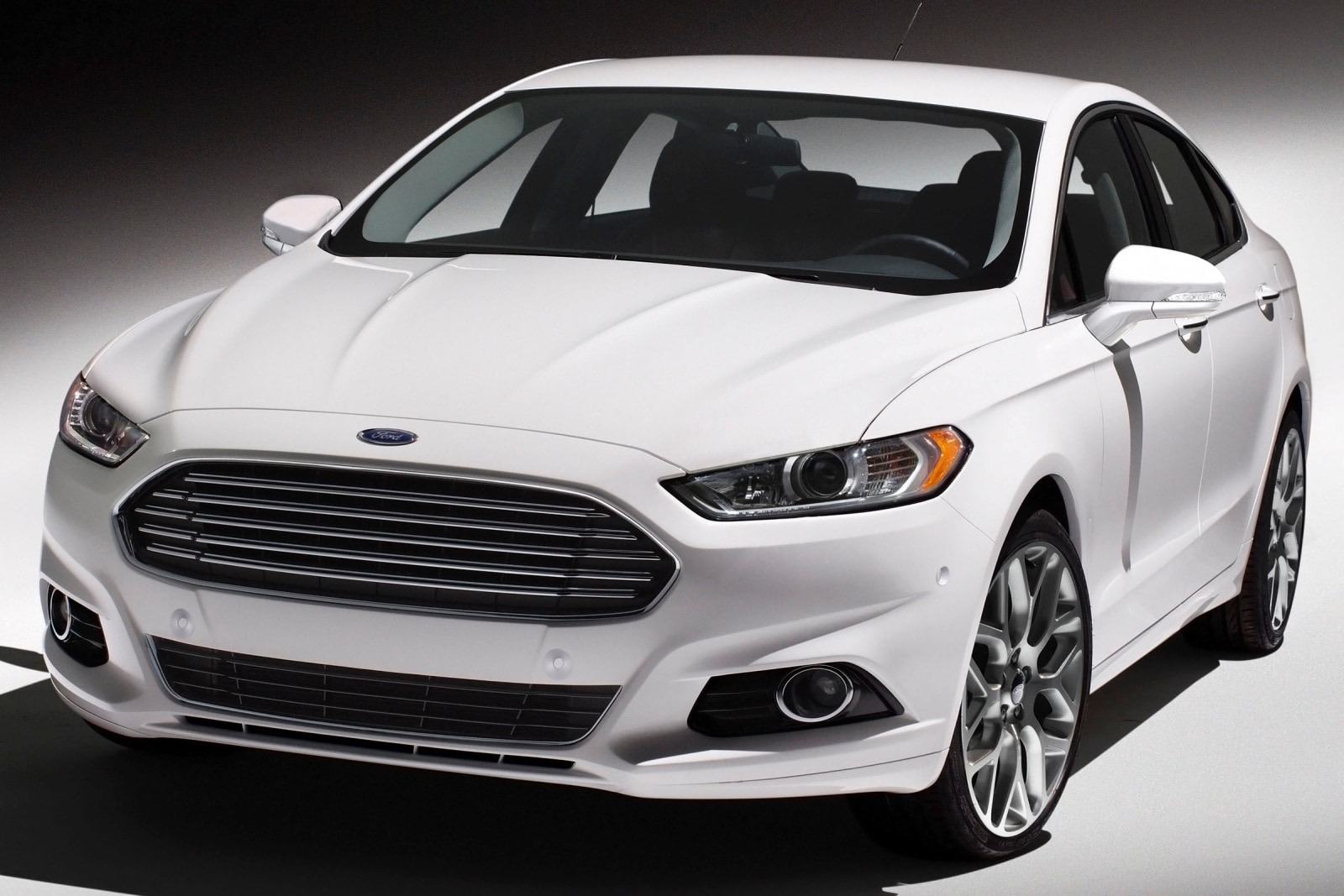
3. Ford Fusion Hybrid (2013-2016)
The Fusion Hybrid models built between 2013 and 2016 gained praise for long‑lasting performance. Many owners cross 200,000 miles with minimal hybrid system failures. The combination of a four-cylinder engine and electric motor within a dependable continuously variable transmission provides reliable service when regularly maintained.
Highlighted reliability stems from Ford’s early adoption of hybrid design on this midsize sedan. The battery pack uses modules that can be replaced individually if needed, instead of entire packs. This outcome often reduces repair costs. Fusion drivers often find residual battery capacity remains high even after more than a decade of service.
Mechanical parts and accessory systems remain widely available, since Ford produced high volumes. Transmission and electric drive controls tend to hold up unless subjected to misuse or neglected oil changes. Hybrid coolant system and brake regenerative features reduce wear and vibration in brakes and engine load. This helps reduce some early wear.
Real-life fuel economy remains stable as time goes on. Drivers often report mid‑40s mpg in mixed city and highway driving, even with older battery units. That makes these models attractive for mileage‑focused users even later in the vehicle’s lifespan. Interiors remain functional, though door panel materials may show some wear if heavily used, but do not usually cause serious operational issues.
Service history shows few major failures. The hybrid battery seldom needs full replacement, and the power level stays high. Transmission issues are rare in properly serviced vehicles.
Owners typically face routine service items only: brakes, tires, filters, and fluids. Many Fusion Hybrid vehicles provide nine or ten years of service without hybrid faults. That quality dramatically surpasses what drivers normally expect when buying a mid-size hybrid sedan.
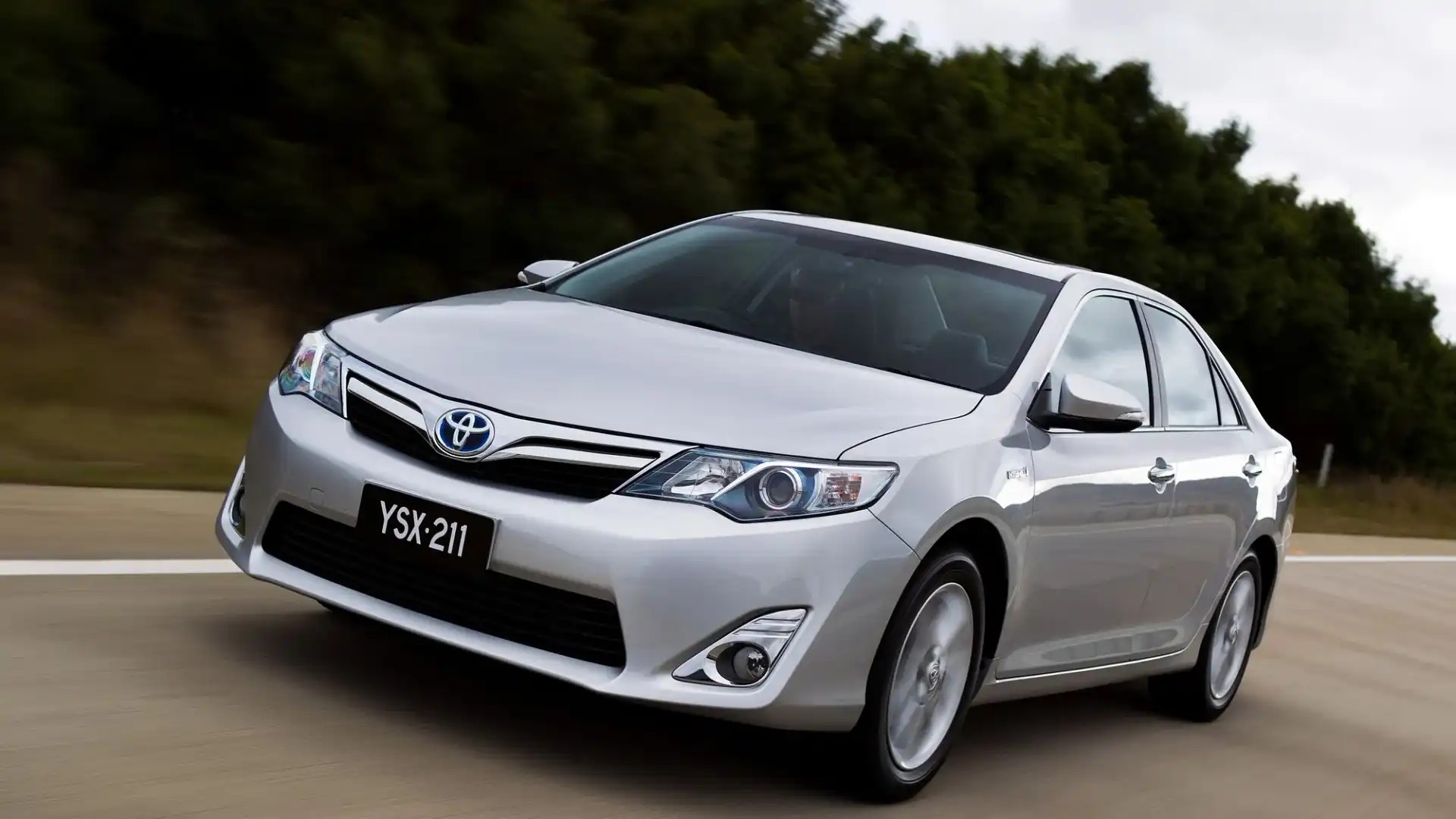
4. Toyota Camry Hybrid (2012-2017)
The Camry Hybrid models in production from 2012 through 2017 reliably exceed expected life spans. These vehicles use Toyota’s hybrid synergy drive system paired with a refined four-cylinder engine and battery pack that resists early failure. Drivers commonly see 200,000 miles or more with very few electric motor or battery issues.
Longevity arises from Toyota’s proven engine design and efficient cooling systems. The battery pack includes a fan and is partially enclosed to reduce exposure to heat. Strong support in Toyota service and parts channels supports replacement when necessary. Hybrid battery refurbishment options also exist in the US, offering cost savings for second-life use.
Many professional drivers and rideshare operators chose Camry Hybrid units because reliability remains high even under heavy use. Fuel economy stays in the high 40s mpg over the years of road use. Mechanical components like the water pump, accessory belts, and transmission remain strong if oil and coolant are changed on recommended schedules.
Interior materials hold up well, too. Seats resist sagging, and controls remain responsive over many years. Drivers seldom complain about electronics or comfort feature failures for ten years. Suspension and steering hold up well unless deeply pothole-ridden roads are encountered repeatedly.
Costs are manageable. If hybrid battery replacement is needed, the price remains acceptable given the high resale potential and long life afterwards. Many owners get ten years without battery service.
Brake life is extended by regeneration, reducing pad wear. This combination of enduring hybrid tech and routine care gives Camry Hybrid 2012–17 models a reputation for lasting well beyond buyer expectations.
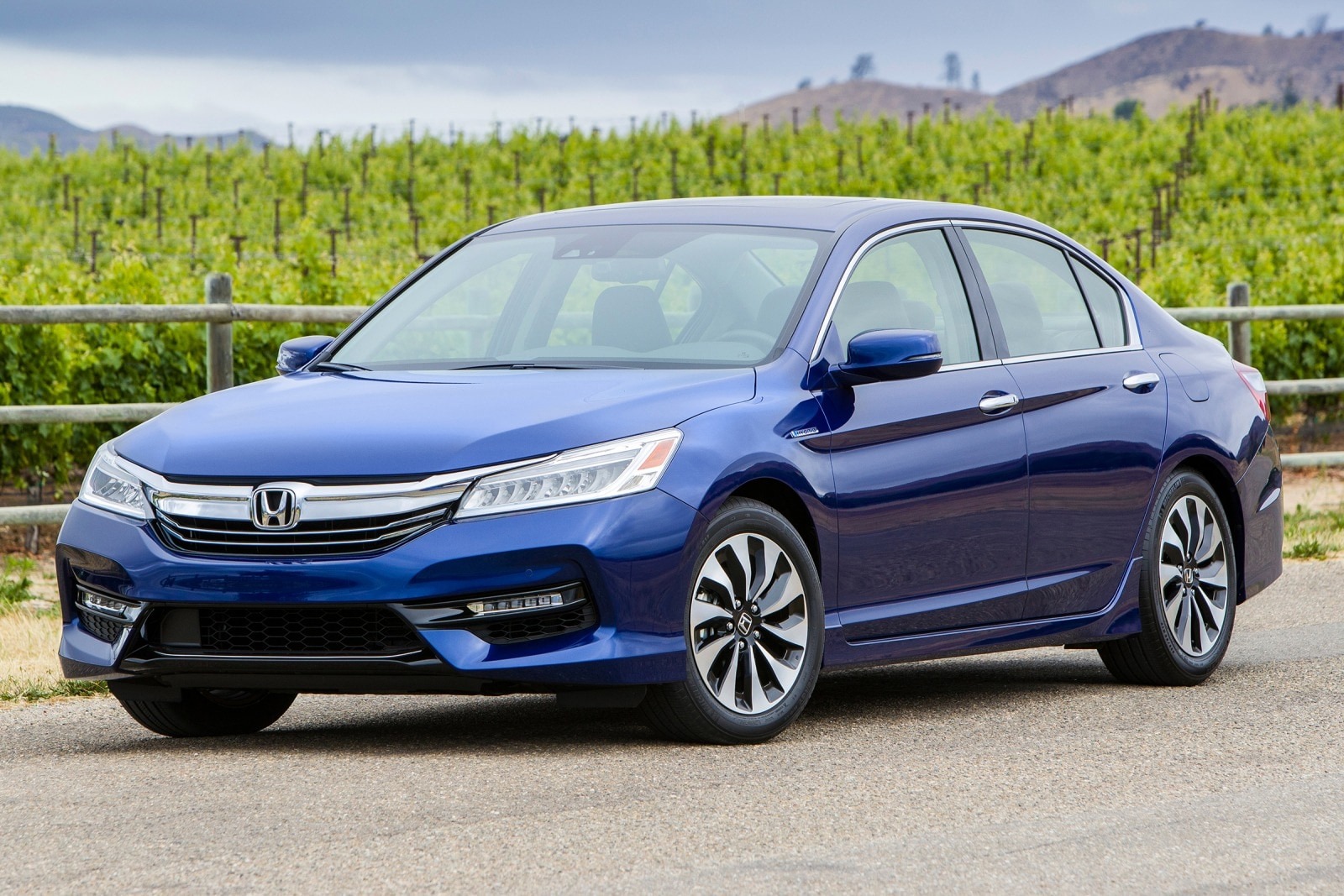
5. Honda Accord Hybrid (2014-2017)
Accord Hybrid from model years around 2014 to 2017 delivers long use with relatively few failures. Its hybrid system couples a direct injection Atkinson cycle four cylinder engine with electric drive motors in a two‑motor hybrid design. That setup proves both efficient and reliable when properly cared for.
The hybrid battery pack is compact and located under the rear seat. Cooling is passive yet effective in moderate climates. Owners in the US report strong battery health after high mileage. The power electronics and electric drive components rarely fail before 200,000 miles. This durability helps owners avoid costly replacement early.
Engine reliability remains high. Honda’s engine block and head designs have a low history of major failure. Regular maintenance, such as oil and filter changes, coolant service, and drive belt checks, helps preserve system integrity. Real-world fuel economy remains in the upper 40s mpg combined even after many years.
Interior quality remains pleasant for daily use. Controls and dashboard electronics hold up well. No serious failures occur until the vehicle is quite old. Suspension components also last long if driving conditions are moderate. There are a few reports of inverter or motor issues early on.
Repair parts for Honda are widely available and reasonably priced. Hybrid battery replacement or module service tends to cost less than European brands. Dealers and independent repair shops have become familiar with the system due to volume.
Many owners exceed ten years of service with only routine wear and repair. That reliability track record sets Accord Hybrid models in that period above many alternatives in real-life longevity.
Five Hybrids That Tend to Fail Early
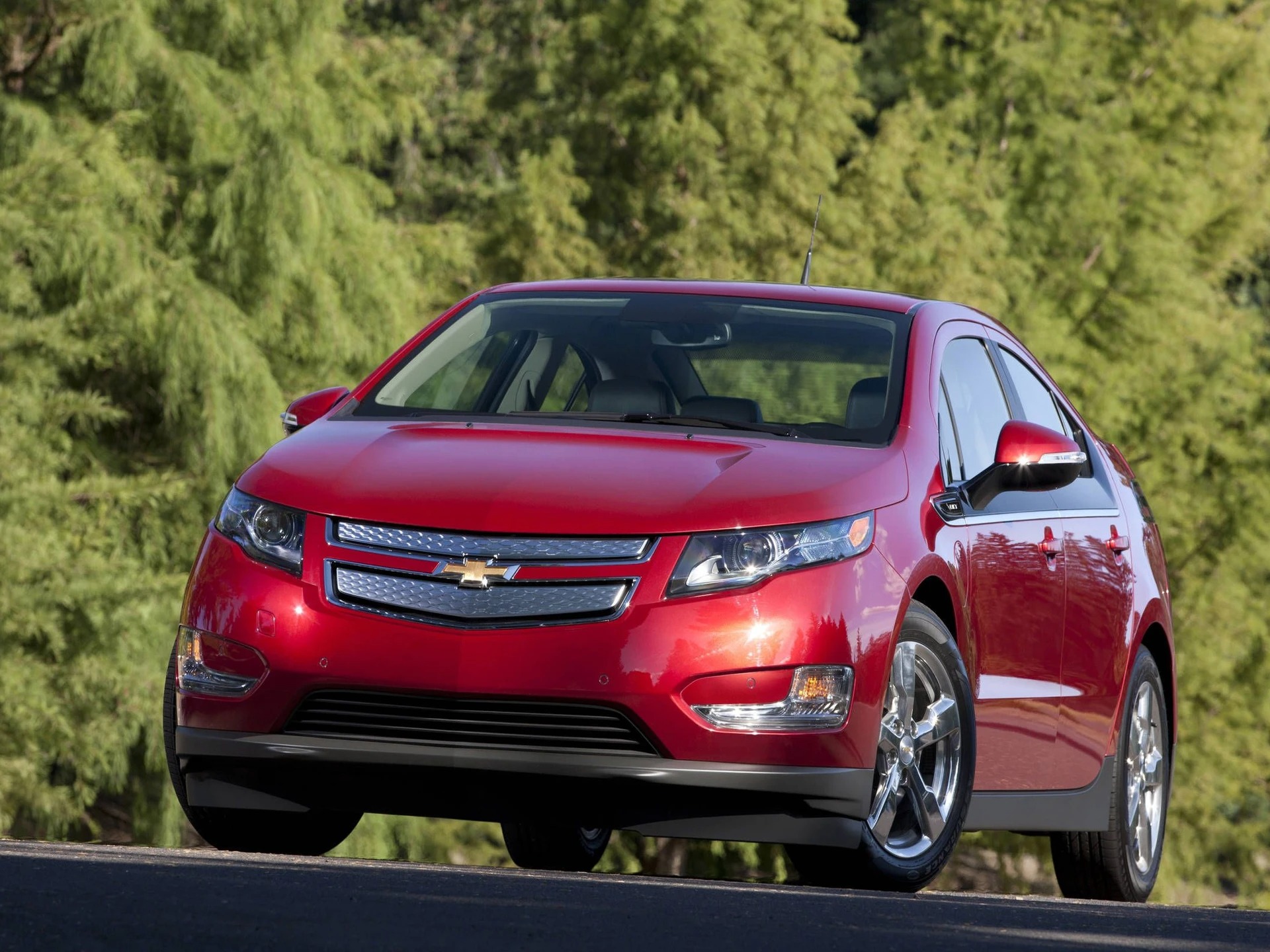
1. Chevrolet Volt (first generation 2011-2015)
Even though the Chevy Volt appeared advanced with its plug‑in hybrid design, the first-generation models often showed problems earlier. The battery technology and power electronics used in this era sometimes degrade faster than users expect. Reports suggest a leaf cell imbalance leading to a reduced range within six or seven years.
Modules inside the battery may fail prematurely, causing a range drop. Some owners needed full pack replacement after about 60,000 to 80,000 miles. Replacement costs often exceeded several thousand dollars.
That surprise expense eroded owner satisfaction. Cold weather performance also suffered range loss more quickly than conventional hybrids in the cold climates of the US.
Repair of power electronics or control module issues proved expensive. Diagnostic difficulty for some repair shops increased labor costs. Additionally, the cooling system for the battery could clog or underperform, causing thermal stress on cells. Once that happened, range and reliability declined unusually.
Interior components worn down earlier than expected in some units. The electric drive increased the probability of fault indicators. Some early models experienced check engine light errors associated with the hybrid drive before 100,000 miles. This caused tension with owners who expected long-lasting service.
Resale value drops were steep when hybrid battery life declined. Potential buyers often priced offers low or avoided models needing battery service. This led to lower trade‑in value and higher out-of-pocket costs.
In many cases, the vehicle did not deliver the lasting service owners assumed when they bought it. That mismatch between expectation and actual lifespan places first generation Volt among hybrids that tend to fail earlier than average.
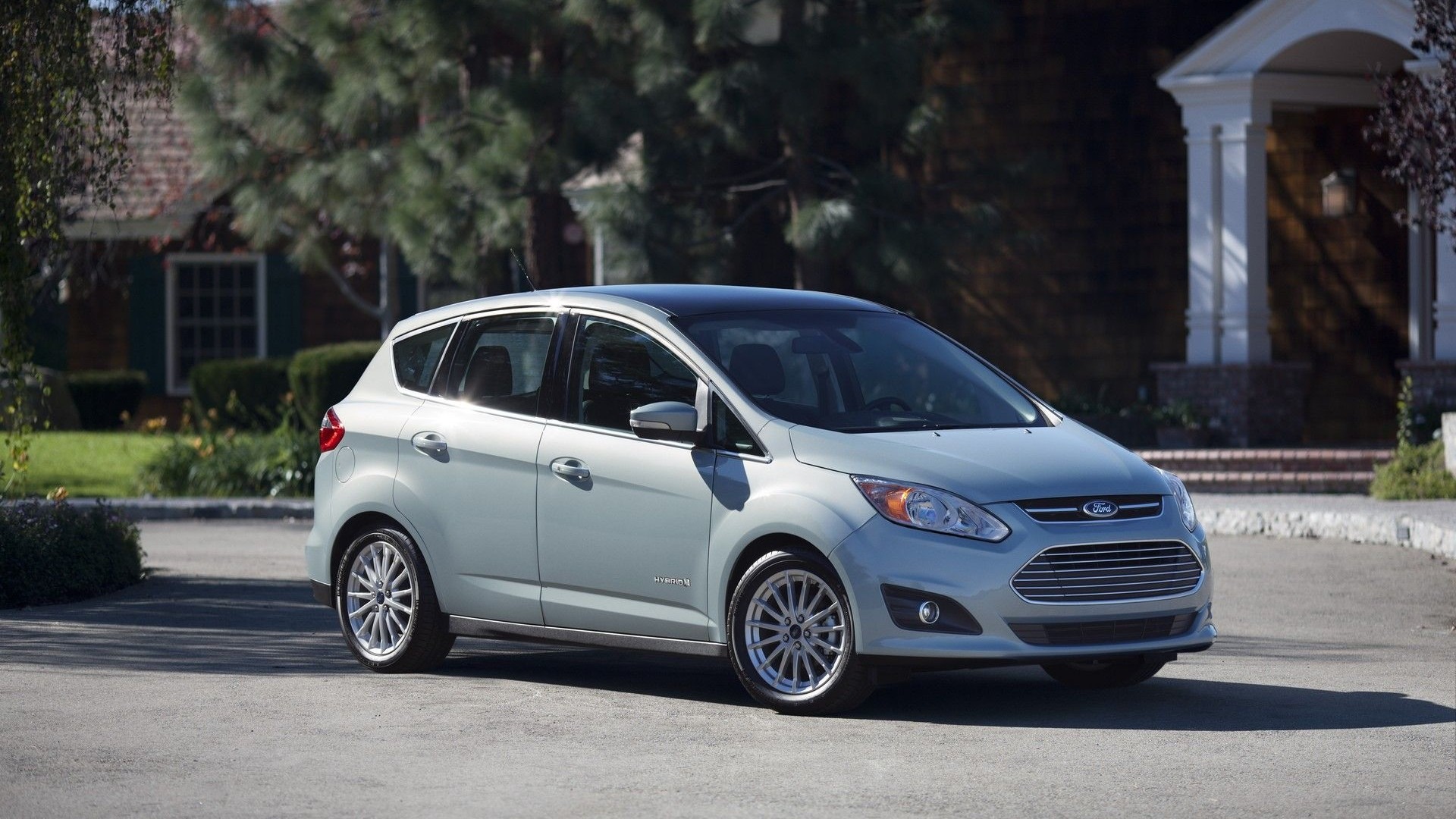
2. Ford C‑Max Hybrid (2013-2015)
Ford C‑Max Hybrid models made between 2013 and 2015 often suffer early battery and transmission faults. The continuously variable transmission used in this model was prone to slipping or electronic control failure under heavy use. The hybrid battery pack sometimes loses capacity faster than similar Toyota or Honda offerings.
Many owners report warning lights related to the transmission or hybrid system appearing before 100,000 miles. Repairs required dealer‑level diagnosis and part replacement. New transmission or battery module replacement could cost several thousand dollars. These costs often arrive well before owners expected the huge expense.
Heating or cooling issues in the battery system caused degradation to occur faster in warm US regions. Energy storage capacity decreased, reducing fuel efficiency. Real-world mpg often dropped from advertised mid‑40s to mid‑30s by 80,000 miles. Owners expressed dissatisfaction as performance declined.
Interior wear showed early degradation. Dashboard rattles and seat foam breakdown appeared in vehicles with moderate mileage. Control electronics for the hybrid system sometimes glitched, requiring software updates or part replacement. The combination of mechanical and electrical issues created user frustration early.
Resale value took a heavy hit as potential buyers avoided models with known hybrid risks. Many C‑Max Hybrids’ trade‑in values dropped sharply after warranty expiration. Owners facing early failure often found repair costs exceeding the remaining vehicle value. This mismatch pushed C‑Max Hybrid into the group of models that fail earlier than expected.
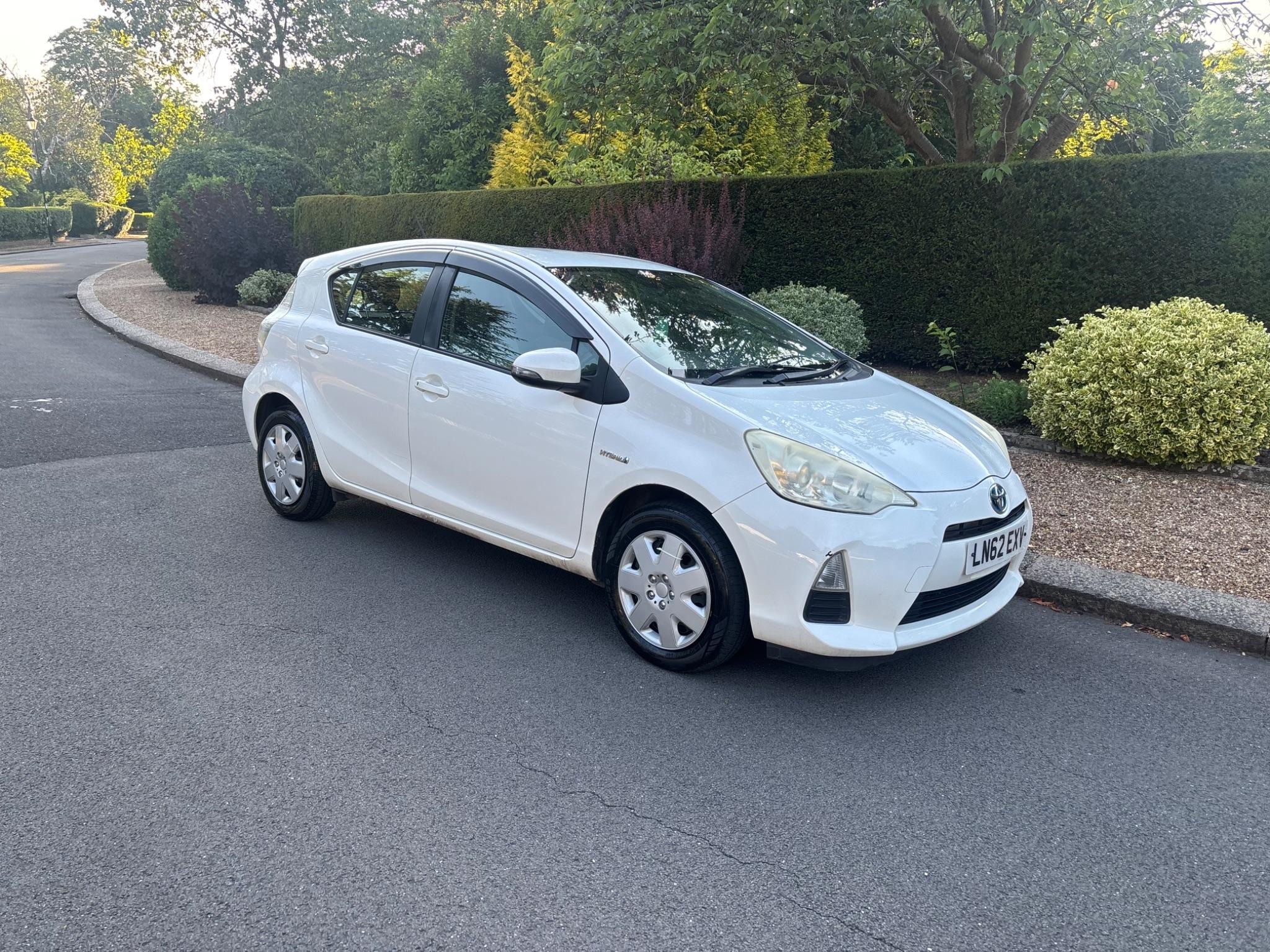
3. Toyota Prius c (nicknamed Aqua in some markets, 2012-2017)
Although based on Toyota’s reliability tradition, the Prius c small hybrid often fails early in comparison to other Prius variants. The compact battery pack used in these models has minimal cooling and tends to degrade sooner. Users sometimes report range reduction and sudden hybrid shutdown warnings near 100,000 miles.
The engine and transmission in the Prius c are taken from a very compact layout, and when combined with heavy urban stop‑start use, the transmission CVT can develop issues earlier.
Some drivers saw rough shifting or hesitation under load by around 80,000 miles. Hybrid battery cooling fan noise and limited airflow contribute to thermal stress on cells.
Interior build quality remains light. Materials wear faster compared with the mainstream Prius sedan. Dashboard and plastics may crack or discolor prematurely. Control interface buttons lose responsiveness as time goes on. For owners living in hot climates, the sun exposure causes fade and brittleness in plastic trims.
While fuel economy starts high in the high 40s mpg city, the drop becomes noticeable as battery capacity declines. Owners have seen combined fuel economy fall into the low 40s or high 30s mpg within five to six years. Replacement battery options are more limited in the US compared to standard Prius models.
Repair costs for the battery module or CVT replacement can outweigh vehicle value in early years. Some companies offer refurb packs, but long-term reliability remains uncertain. That risk, combined with shorter lifespan hybrid experience, makes Prius c models vulnerable to early failure pressure compared to the full-size Prius.
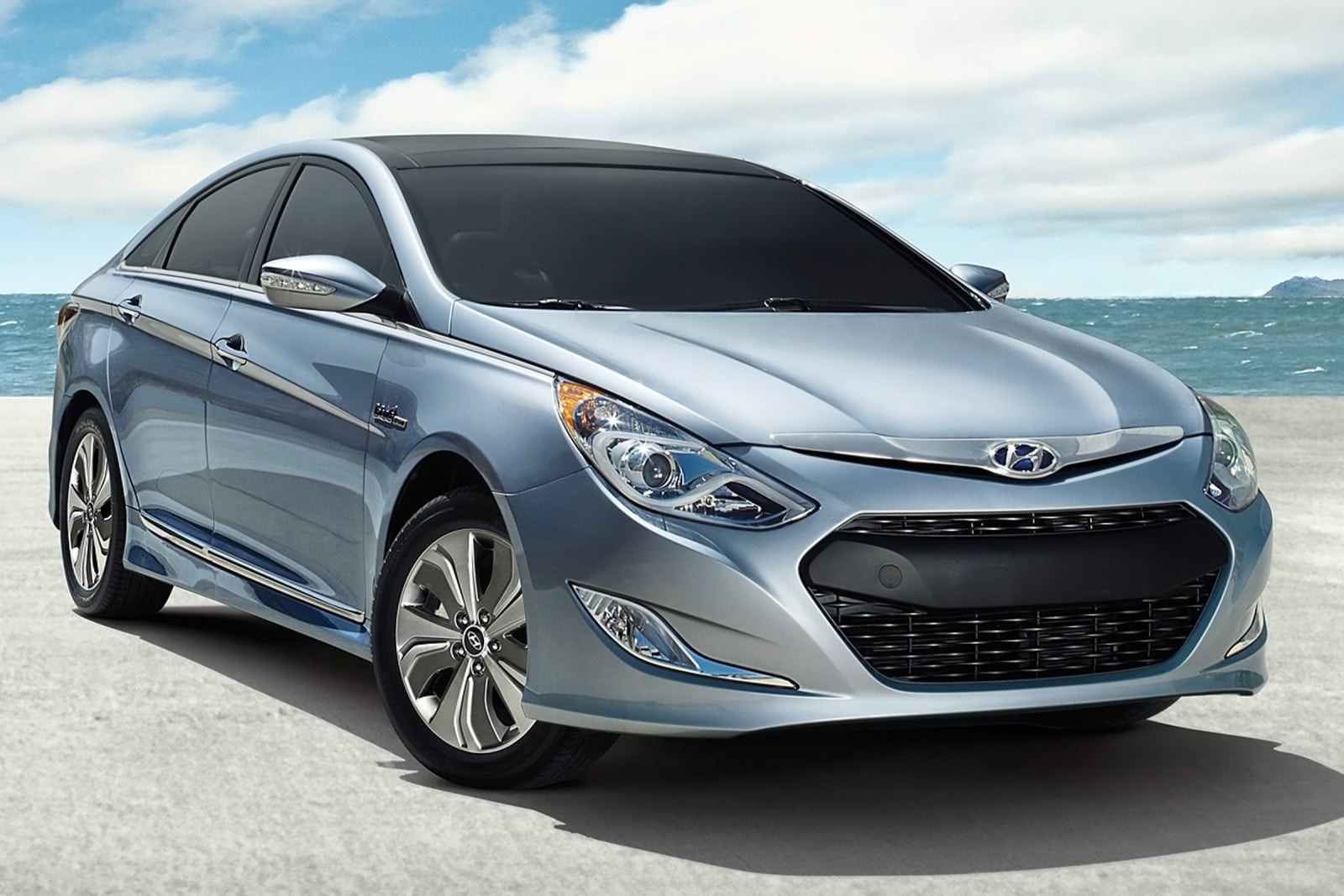
4. Hyundai Sonata Hybrid (2011-2014)
Hyundai Sonata Hybrid early models often present trouble sooner than expected. The hybrid system in these vehicles includes battery cooling and electronics that sometimes develop faults before 100,000 miles. Owners mention battery overheating or a drop in capacity, leading to diminished hybrid effectiveness.
Engine and transmission integration occasionally leads to software issues that trigger limp mode warnings. Hybrid drive motor or inverter faults may appear, causing a sudden cut in power. Repair shops unfamiliar with Hyundai’s hybrid layout may undervalue the issue and delay repairs. Replacement parts cost may surprise drivers.
Owners report a drop in fuel economy as time goes on. Returned hybrid mileage information shows a decline from mid to high 30s mpg combined to low 30s or worse within around 80,000 miles. That decline reduces cost advantage and owner satisfaction. Battery pack refurb options are limited and may cost close to half of the vehicle’s resale value.
Interior materials show earlier wear in seats and trim. Electric window switches and infotainment may fail or lag. These issues accumulate and erode driver confidence early in ownership. Service centres may recommend full hybrid system replacement rather than module repair, raising bills.
Resale value suffers accordingly. Buyers avoid these with a hybrid trouble history, reducing trade‑in worth. Many drivers find cost of servicing the hybrid system exceeds the remaining car value after five to six years. This pattern places early Sonata Hybrid models in the fail early group rather than as long-lasting hybrid choices.
Also Read: 5 Cars With Solid Center Consoles vs 5 With Flimsy Storage Bins
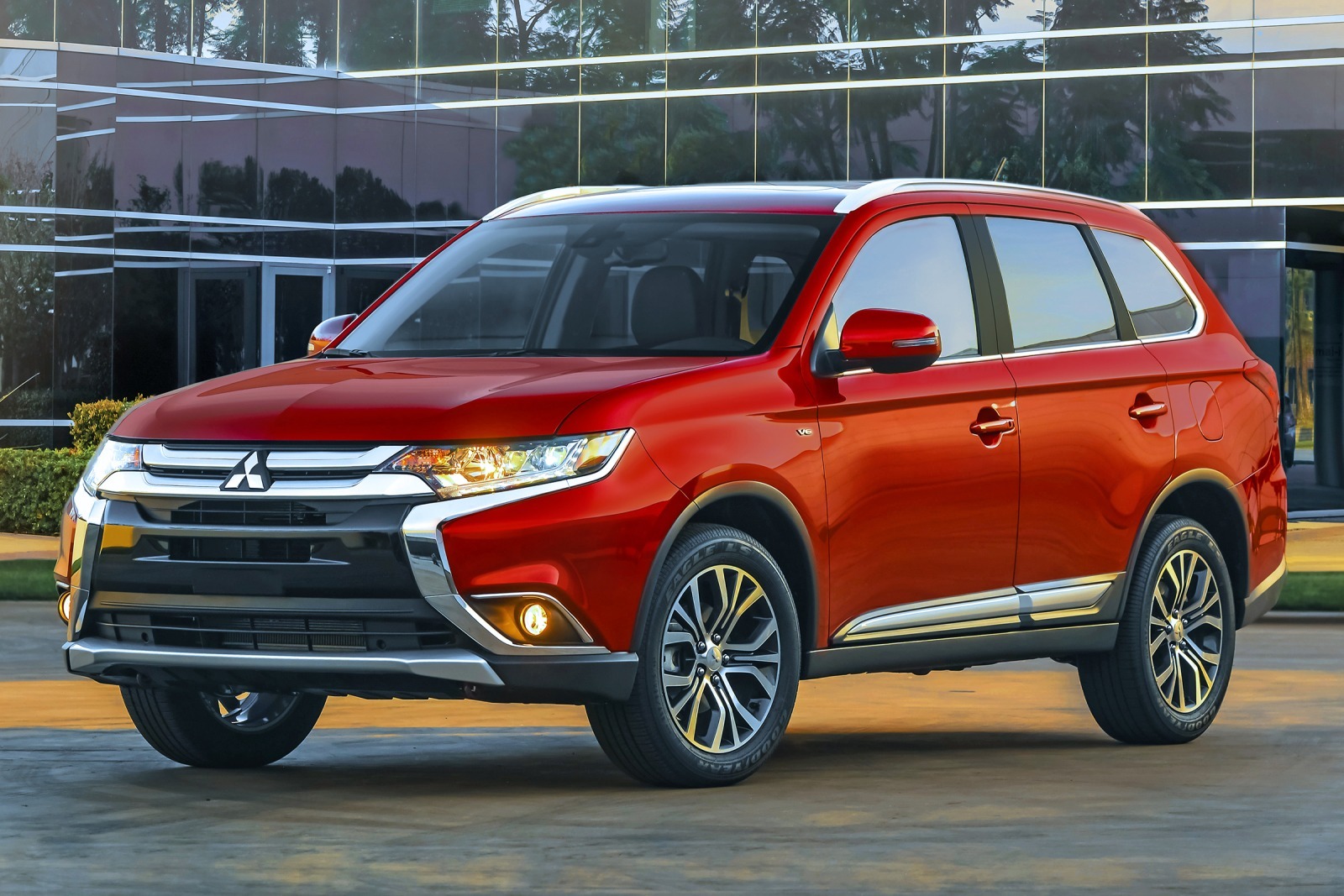
5. Mitsubishi Outlander PHEV (first generation 2014-2016)
The first-generation Outlander plug‑in hybrid electric vehicle often disappoints in long-term reliability. The complicated powertrain combining two electric motors for the rear wheels plus a front drive system adds difficulty and potential failure points. Early models often show battery degradation and inverter or motor faults by midrange mileage.
The battery pack cooling system was rudimentary, and heat management was limited. In warmer US regions, cells degrade faster, leading to reduced EV range and hybrid performance. Owners may find EV driving range drops after 50,000 miles. Combined fuel economy in hybrid mode also declines.
Electrical wiring harness complication increases the risk of connector corrosion or sensor failure. Inverter or motor module failures appear around 70,000 miles. Repair requires specialized technicians, and parts are less widely stocked in the US. Cost and wait time for replacement parts frustrate owners.
Chassis and suspension also produce noise long before major mileage is reached. Electric drive undercarriage components may rattle or suffer reverse torque twisting. Interior quality remains mediocre with wear on cabin plastics and seat coverings early on.
Resale value declines steeply for vehicles that have lost EV range or hybrid drive reliability. Buyers avoid units with known powertrain degradation. Repair costs can easily exceed the used vehicle value after 7 years. This combination of complication and early decline puts first generation Outlander PHEV in the group of hybrid models that fail prematurely compared to expectations.
Buying a hybrid car involves more than just choosing one with good fuel numbers. What truly matters is how the vehicle holds up after years of daily use. While some hybrid models continue to deliver strong performance long after the initial excitement wears off, others begin to show problems far earlier than expected.
As shown in this list, Toyota and Honda models tend to stand out for their lasting value and dependable systems. They prove that hybrids can match or even exceed the lifespan of traditional petrol vehicles when designed and built well.
At the same time, some vehicles carry promising technology but do not maintain quality as time goes on. These are the models where owners experience battery loss, frequent repairs, or high servicing bills earlier than expected.
In some cases, the repairs cost more than the remaining value of the car itself. That makes it important for buyers to look beyond appearance and test results and instead focus on real-life performance after several years of use.
For anyone considering a hybrid in the United States, doing careful research and checking how long each model lasts in daily use can help avoid regret. Longevity, cost of repairs, and ease of battery servicing are areas worth checking before making any decision.
Whether buying new or used, choosing the right hybrid means looking for those that have proven themselves as time goes on. That is where true value lies, and that is what separates strong performers from those who fail too soon.
