
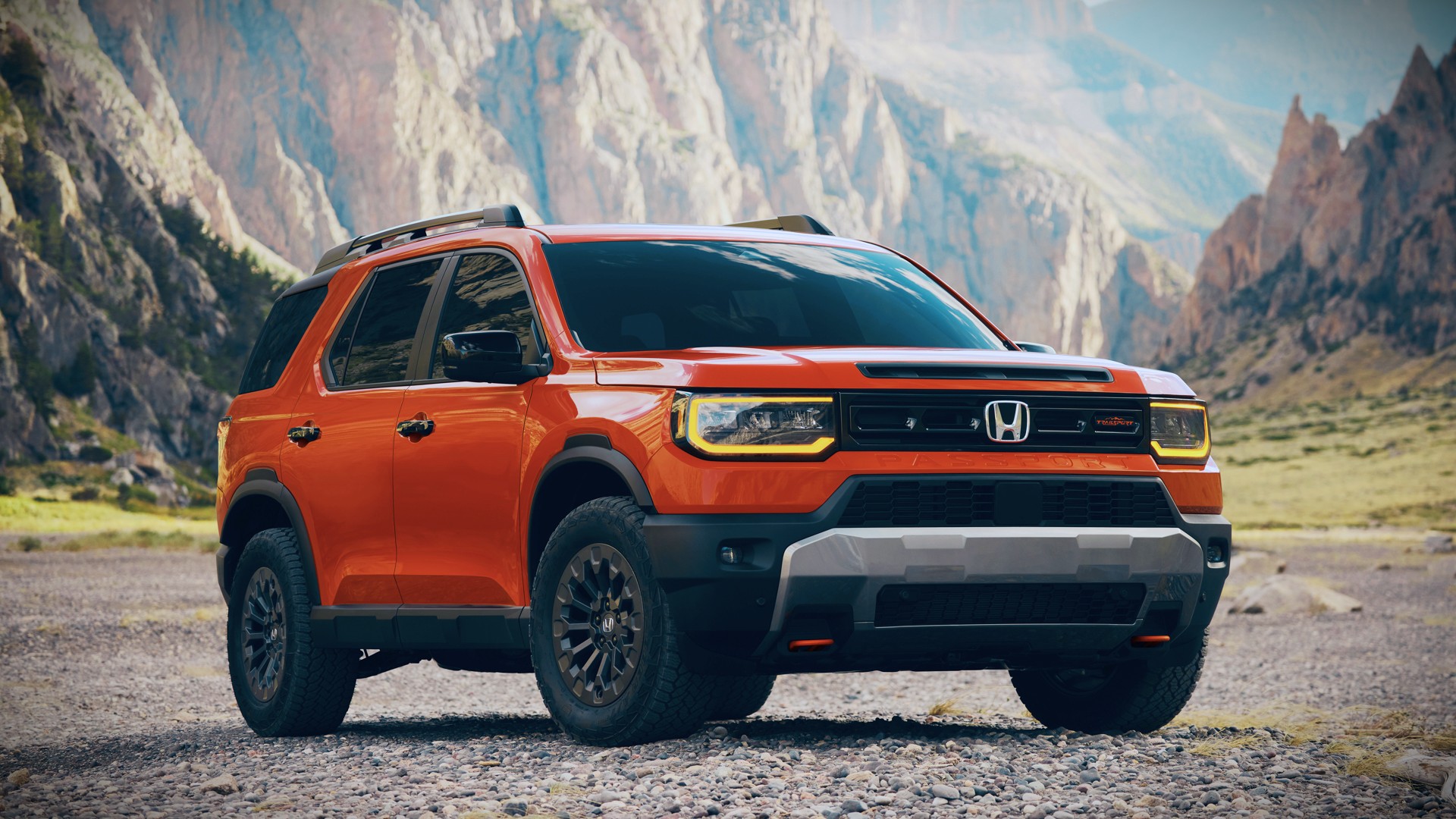
When it comes to buying a Honda, most buyers expect bulletproof reliability, and for the most part, the brand delivers. However, not every model lives up to Honda’s reputation. Some models are known for going hundreds of thousands of miles with minimal repairs, while others develop costly problems far too soon.
To help you make an informed decision, here’s a breakdown of five Honda models that rarely need major service and five that dealers often warn against.
5 Honda Models That Rarely Need Major Repairs
These Hondas have earned their reputation for durability and low maintenance. They’re the ones that keep repair bills light and ownership stress-free.
Honda HR‑V (2015–2022)
The HR‑V stands out for its dependability, with only about 12% of owners reporting issues. Problems tend to be minor, such as battery or A/C troubles, and are inexpensive to fix. This makes it a go-to choice for those who value low-cost ownership.
Honda enthusiasts will quickly notice that the Fit is no longer part of the lineup, which means the latest HR-V has shifted its foundation. Rather than sharing underpinnings with the smaller Fit, this new model is built on the larger Civic platform.
This change translates to a more spacious interior, especially for passengers in the back seat. However, the update comes at a cost, gone is the innovative Magic Seat setup that set the previous HR-V apart. This clever feature allowed the rear seat bottoms to flip up, creating vertical storage space for tall items. Its absence is disappointing, as it was a standout advantage in the segment.
With this redesign, the HR-V also inherits a more modern suite of technology, closely mirroring what’s found in the new Civic. The standard infotainment screen measures 7 inches, while the top EX-L trim upgrades to a 9-inch display.
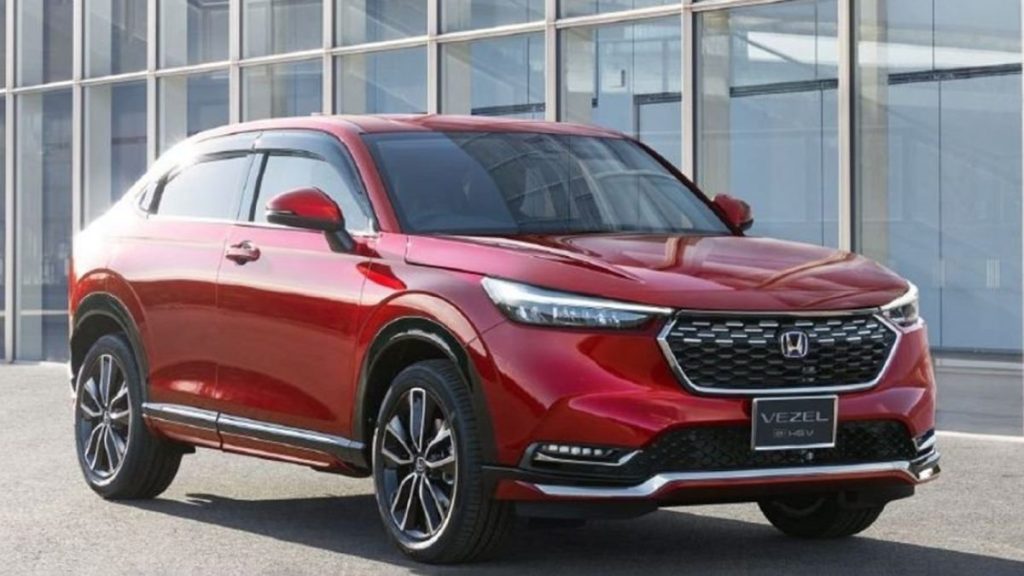
Both screens include Apple CarPlay and Android Auto integration, but only the EX-L offers the convenience of wireless connectivity. Unlike the Civic, though, the HR-V skips an integrated navigation system, which could be frustrating if you find yourself off-grid where cell service is spotty.
Under the hood, the 2023 HR-V sticks with what feels like the least innovative aspect of its redesign. It’s powered by a naturally aspirated 2.0-liter four-cylinder engine producing 158 horsepower and 138 lb-ft of torque. While those numbers reflect an improvement of 17 horsepower and 11 lb-ft over the previous generation, the boost feels modest given the vehicle’s larger size and weight.
Honda positions the HR-V as an entry-level SUV aimed at buyers who want practicality at an approachable price. Its main competitors include the Chevrolet Trailblazer, Mazda CX-30, Toyota Corolla Cross, and Volkswagen Taos. Overall, it delivers the utility most small SUV shoppers expect, though rival models may edge it out with a bit more flair. Check out our test team’s Expert Rating below for a deeper dive into where the new HR-V shines and where it falls short.
Honda Passport (Recent Generations)
Less common than other Hondas, the Passport ranks near the top for reliability. Few severe complaints and low repair costs make it an excellent mid-size SUV option.
The 2023 Honda Passport is like that reliable player on a team who doesn’t seek the spotlight but consistently delivers. Positioned in the crowded mid-size SUV segment, where more than two dozen competitors bring their own strengths, the Passport stands out not with flash, but with balance. Its well-rounded capabilities and lack of major drawbacks secure it a spot in the upper tier of this fiercely contested category.
This two-row SUV shares its foundation with the larger three-row Honda Pilot, benefiting from a solid platform while trimming unnecessary bulk. Every 2023 Passport comes loaded with Honda’s full suite of safety and driver-assistance features as standard, a reassuring touch for families.
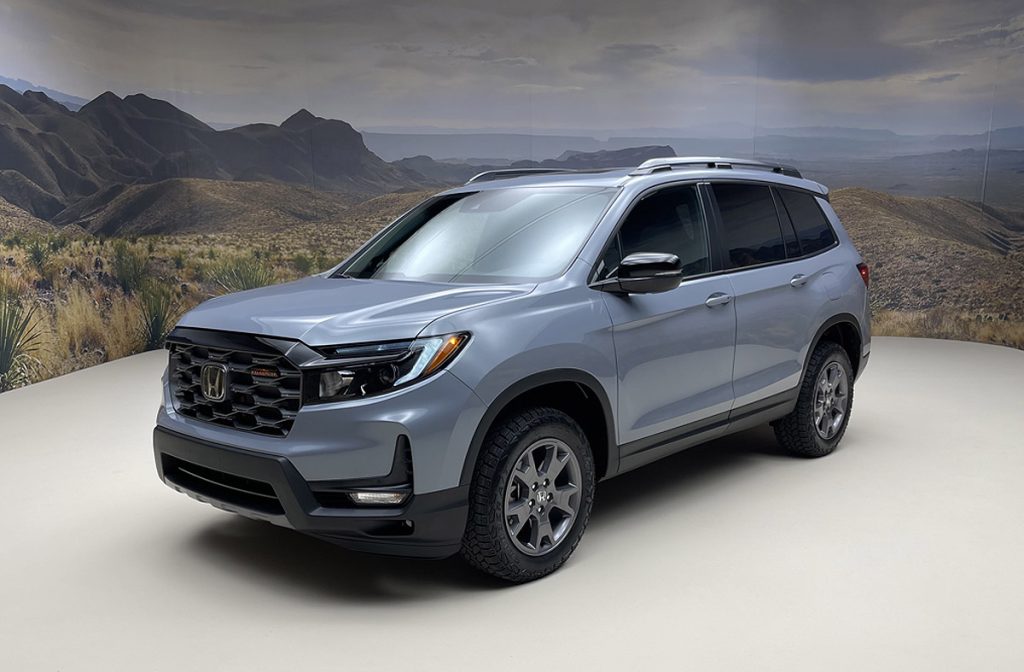
Under the hood, it packs a robust V-6 engine paired with a smooth nine-speed automatic transmission and standard all-wheel drive, delivering enough punch for daily driving and weekend adventures alike.
While the Passport won’t thrill with sporty handling, extreme off-road skills, or head-turning looks, it makes up for that with reliable performance, the ability to tow up to 5,000 pounds, and a comfortable cabin tailored for family duties. If you like what the Passport offers but need an extra row of seating, its close relative, the Honda Pilot, might be the perfect alternative.
Also Read: Top 10 Vehicles Whose Door Seals Stay Tight
Honda CR‑V (2018–2023)
This generation of the CR‑V is well regarded, with just around 11% of owners citing issues. The most common problems are minor—electrical quirks or battery replacements, making it a solid pick for families.
The 2025 Honda CR-V offers a solid mix of practicality, hybrid efficiency, and standard features, but it isn’t without flaws. The new lineup includes the regular e:HEV hybrid and the brand’s first e:PHEV plug-in hybrid. Both deliver smooth power, with the PHEV offering a competitive electric range (37.6 miles tested) and towing capacity of 1,500 kg.
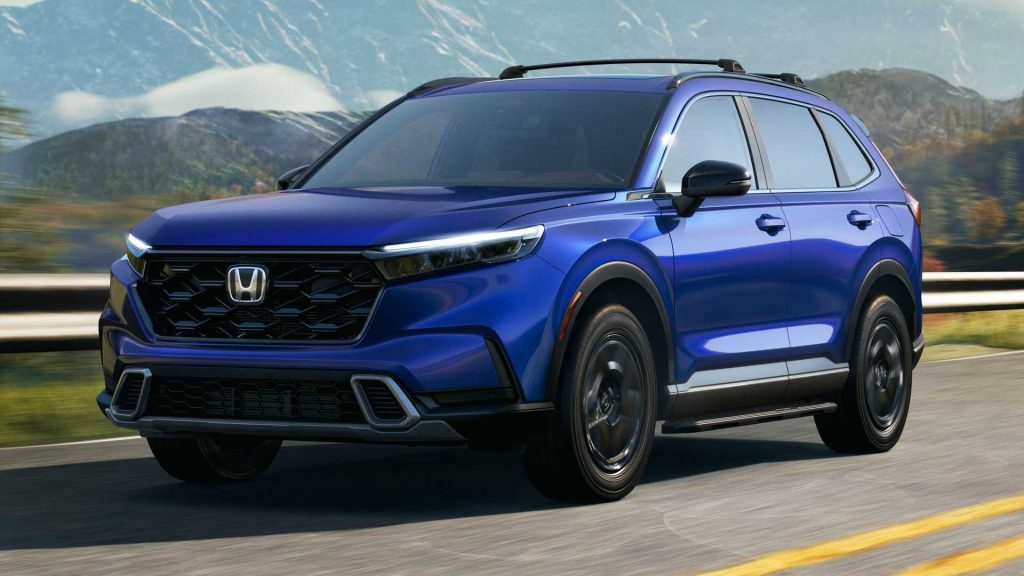
While the CR-V’s handling is secure and the interior spacious with versatile rear seats, it suffers from noticeable road noise, limited rear headroom, and a higher price compared to rivals.
The e:HEV in Elegance trim suits most private buyers, while the e:PHEV is ideal for company car drivers. Competitors like the Lexus NX offer faster performance and more premium interiors, but the CR-V remains a strong choice for those prioritizing efficiency and usability.
Honda Insight & Clarity Plug-In Hybrid
Both the Insight and Clarity PHEV have proven to be dependable, avoiding the major mechanical issues seen in some gas-only Hondas. Their hybrid systems have also shown long-term durability.
The Honda Insight stands out in the hybrid segment by blending lively acceleration with impressive fuel efficiency. Unlike many hybrids, it keeps pace with traditional compact cars and even outperforms several hybrid competitors.
Its 151-horsepower combination of a gas engine and electric motors allows it to sprint from 0 to 60 mph in 7.7 seconds. At low speeds, the Insight can run solely on electric power for about a mile, while harder acceleration brings the gasoline engine online with seamless transitions. Engine noise is noticeable only during aggressive driving; otherwise, the powertrain remains quiet and composed.
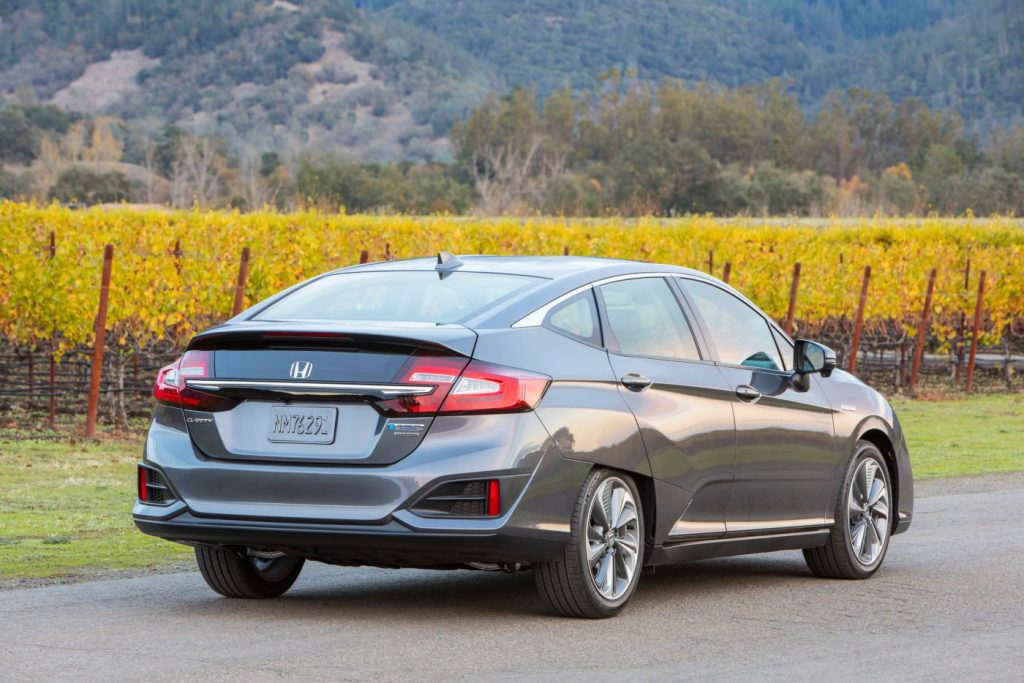
Driving the Insight is a refined experience. It’s quiet, comfortable, and exhibits confident handling, thanks to its mechanical similarities with the Honda Civic sedan.
While it doesn’t aim to be a sports car, its well-tuned suspension smooths out rough roads and its quick steering delivers responsive maneuvering. The braking system is another strong point, predictable, progressive, and free of the awkward feel that often affects hybrid brakes. Overall, the Insight combines the efficiency of a hybrid with the driving manners of a well-sorted conventional sedan.
Honda Fit (2007–2013)
Small but tough, the early Fit models earned a reputation for lasting well beyond 100,000 miles. Problems are typically minor, such as starter or ignition coil failures, and engine reliability is impressive.
The fully redesigned, second-generation 2009 Fit has generated a lot of buzz, and for good reason. Honda set out to preserve the original model’s lively character while incorporating several key upgrades.
The new Fit is 4.2 inches longer than its predecessor. While this might initially raise concerns, the curb weight remains nearly unchanged at around 2,500 pounds. Thanks to enhanced body rigidity and updated suspension components, handling has improved, and the new body structure benefits from Honda’s latest crash safety engineering advancements.
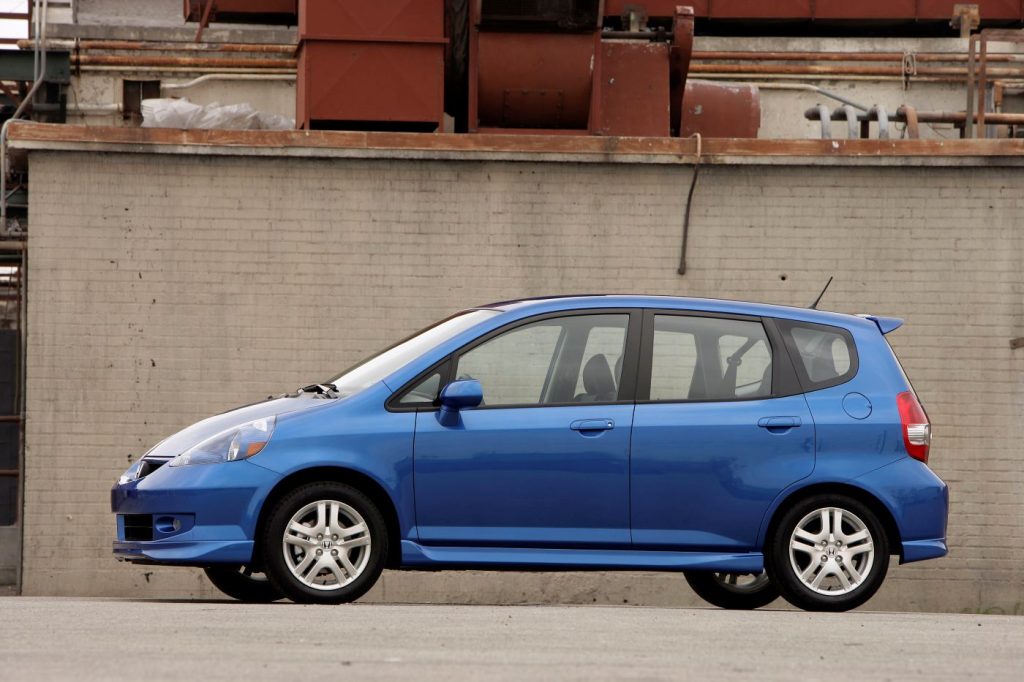
The additional length translates into more rear-seat legroom, giving passengers extra space to stretch out. It also simplifies cargo management, as the rear seats can now fold flat without removing the headrests.
The Fit continues to impress with its versatile rear seating, which still allows the cushions to flip upward, similar to a crew-cab pickup, creating a tall storage area. On the feature front, a telescoping steering wheel has been added, and for the first time, buyers can opt for a factory-installed navigation system and stability control.
Under the hood, the Fit retains its 1.5-liter four-cylinder engine, now refined with an improved i-VTEC variable valve timing system. While these updates don’t deliver significantly higher horsepower or dramatically better EPA fuel economy (both remain roughly the same as before), the broader powerband noticeably enhances overall drivability.
Also Read: 5 Forgotten SUVs That Grip vs 5 Bestsellers With Bad Suspension
5 Honda Models That Often Require Major Service
Not every Honda hits the mark. These models have well-documented issues ranging from transmission failures to engine defects, earning them a caution flag from many dealers.
Honda Accord (2003–2008)
The early 2000s Accord, particularly the 2003 model, is notorious for transmission failures, electrical problems, and brake rotor issues. Even the 2008 model was plagued with oil consumption and airbag recalls, making these years risky buys.
The 2006 Honda Accord arrives with refreshed interior and exterior styling along with a series of mechanical and feature upgrades. Observant buyers will spot the Accord’s updated fascias and redesigned alloy wheels.
Under the hood, minor engine enhancements, such as the addition of drive-by-wire throttle control, deliver a slight increase in horsepower for both the four-cylinder and V6 engines. This bump is more notable than it seems, considering the stricter SAE testing standards implemented this year.
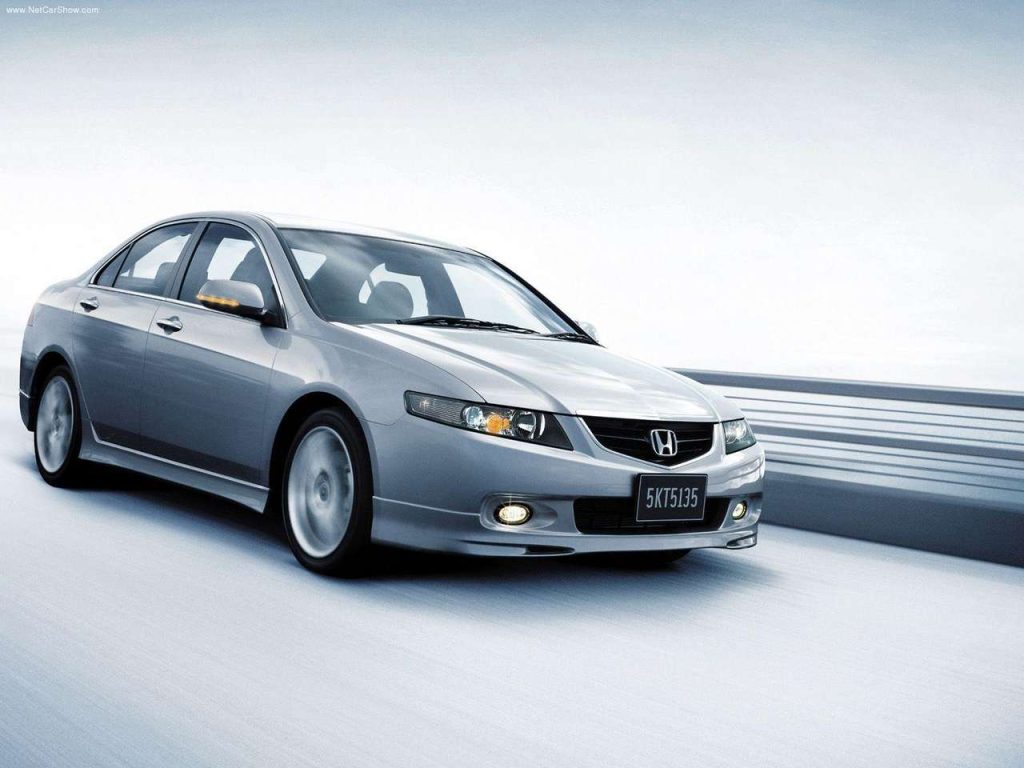
A significant change for enthusiasts is that the V6 sedan is now available with a six-speed manual transmission. Furthermore, all V6 models benefit from revised suspension tuning, 17-inch alloy wheels, and the addition of stability control.
On the trim side, the previous DX has been replaced by the new VP (Value Package), which now comes standard with air conditioning and cruise control. The LX V6 and Hybrid trims gain a moonroof, while the LX Special Edition adds alloy wheels, rear disc brakes, and a CD changer to its list of features.
The Accord Hybrid sees a few updates of its own, including the addition of stability control and the replacement of last year’s flat-fix kit with a temporary spare tire. However, its fuel economy rating drops from 29 city/37 highway to 25/34. Across the entire lineup, Honda has also added a smart maintenance system and daytime running lamps as standard equipment.
Honda Civic (2001–2011)
Certain Civic generations, especially 2001 and 2006–2011, are known for cracked engine blocks, transmission problems, and premature paint failure. While newer Civics regained their reliability, these years remain problematic.
The Civic Hybrid’s IMA system takes a step beyond the one used in the Insight, yet it still consists of the same core components: a gasoline engine, an electric motor, and an energy storage unit. Powering the car is a 1.3-liter four-cylinder engine.
Although it features a single overhead camshaft and only two valves per cylinder, a rarity for Honda, it remains one of the brand’s most advanced engines. Every element is engineered to maximize combustion efficiency and minimize fuel consumption.
The system even shuts down up to three cylinders during deceleration to improve battery recharging. On its own, this engine produces 85 horsepower and 87 lb-ft of torque.
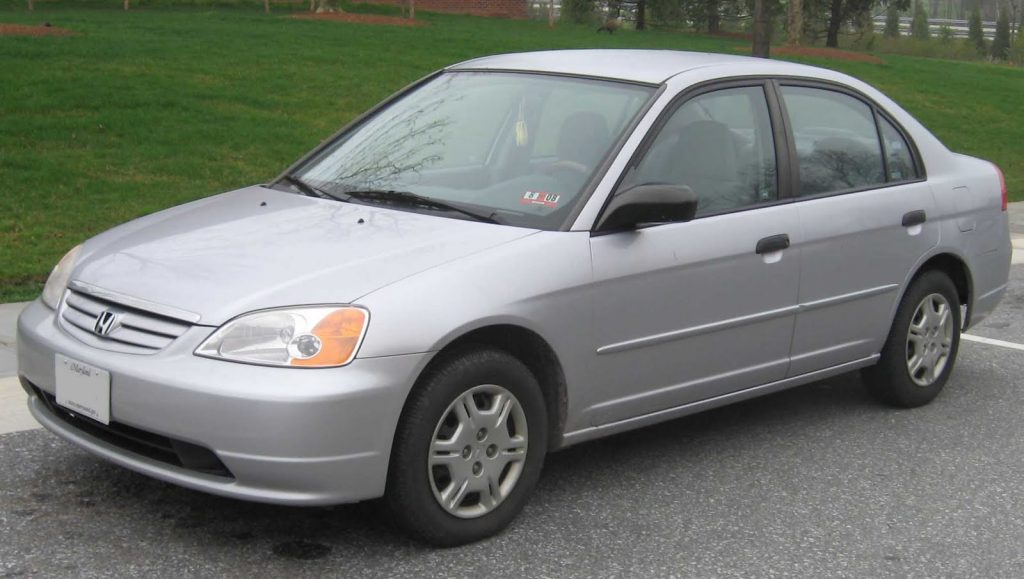
Mounted between the engine and transmission, the electric motor contributes an additional 13 horsepower and 46 lb-ft of torque. This motor assists the gasoline engine during acceleration and captures energy during braking or deceleration through regenerative braking. The nickel-metal hydride battery pack, which Honda integrates into the Intelligent Processing Unit (IPU), is housed between the rear seats and trunk.
While most of the driving power comes from the gasoline engine, the electric motor steps in as needed to provide extra thrust. Together, the engine and motor generate a total of 93 horsepower at 5,700 rpm and 116 lb-ft of torque at 1,500 rpm.
A five-speed manual transmission comes standard, while a continuously variable transmission (CVT) is available as an option, though torque output drops to 105 lb-ft when the CVT is equipped.
The Civic Hybrid isn’t a performance car, but its acceleration is on par with that of a standard Civic. With the manual transmission, it achieves an impressive 46 mpg in the city and 51 mpg on the highway. Opting for the CVT yields ratings of 48 mpg city and 47 mpg highway. Additionally, the EPA classifies the Civic Hybrid as an Ultra Low Emissions Vehicle (ULEV).
Honda CR‑V (1.5L Turbo Models 2017–2020)
The turbocharged CR‑V models developed a fuel dilution problem, where gasoline mixes with engine oil, leading to premature wear. Owners also reported issues with braking systems and infotainment malfunctions.
For 2020, Honda drops the LX trim’s sluggish non-turbocharged engine and replaces it with the previously higher-tier turbocharged 1.5-liter four-cylinder. This engine upgrade brings a welcome boost in performance without sacrificing efficiency.
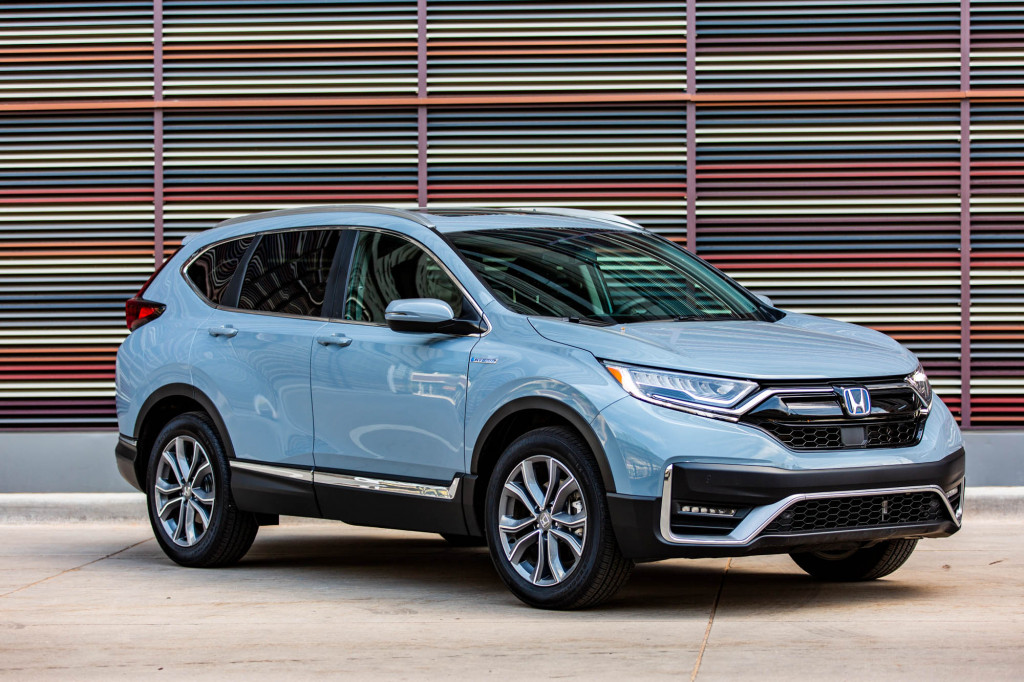
The 2020 model also makes Honda’s full suite of safety features standard across all trims, meaning even the base CR-V now includes adaptive cruise control and advanced crash prevention technology. Additionally, the refreshed styling and improved interior storage enhance the CR-V’s practicality and overall appeal.
Unfortunately, the CR-V still uses Honda’s older infotainment system, which lags behind the more intuitive setups found in the automaker’s newer models. This drawback aside, the 2020 CR-V continues to stand out as a well-rounded small SUV. While competitors like the Mazda CX-5 may edge it out in driving dynamics, no rival manages to blend utility, fuel economy, comfort, and performance as seamlessly as the CR-V.
Honda Pilot (2003–2005, 2009–2016) and Ridgeline (2017–2025)
Early Pilots suffered from transmission leaks and oil consumption, while later models with Auto Idle Stop are currently under investigation for engine restart failures. The Ridgeline from 2020–2025 shares this concern.
The name “Pilot” suggests leadership—defined as “a leader, or one employed to command a vessel.” Honda clearly intended its boxy crossover SUV to embody that meaning. But does the 2010 Honda Pilot actually lead the pack in the fiercely competitive midsize SUV segment?
In short: no. While Honda’s strong reputation will undoubtedly drive plenty of sales, a closer look reveals the Pilot to be an underwhelming entry from a brand known for excellence.
It boasts a usable third-row seat and flawless crash-test scores, but in almost every other area, it falls behind more polished rivals. Honda often takes the jack-of-all-trades approach to vehicle design, but with the Pilot, that approach results in mediocrity rather than mastery.
The shortcomings start with braking performance. In instrumented testing, the 2010 Pilot required nearly 150 feet to stop from 60 mph, more than 20 feet longer than many competitors. Its 3.5-liter V6 engine is smooth under hard acceleration, but 250 horsepower simply isn’t enough to move this 4,400-pound SUV with authority.
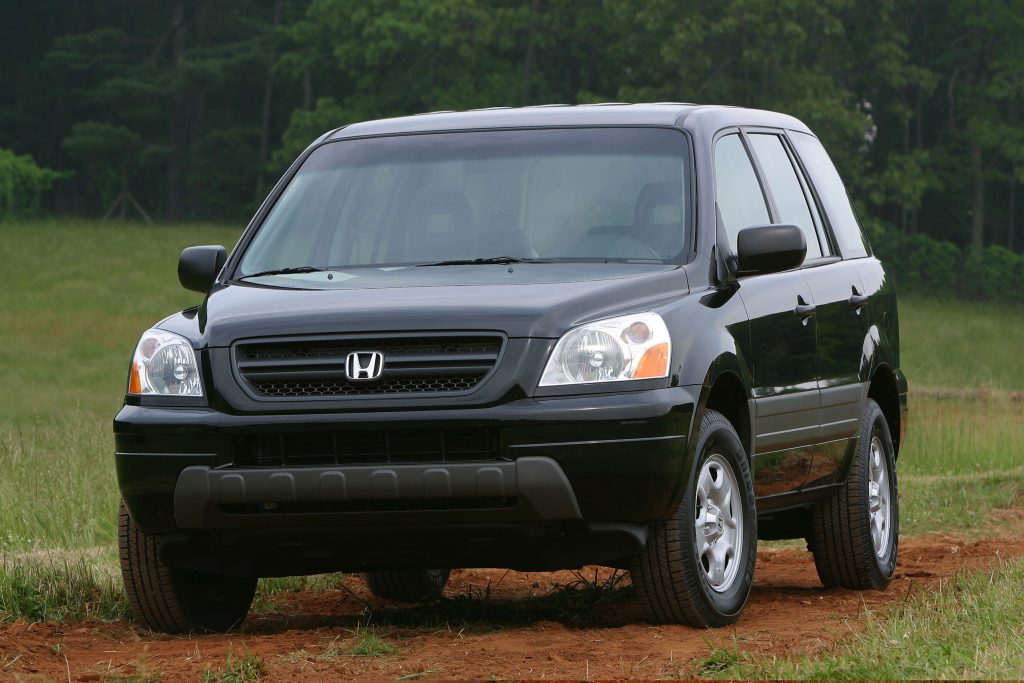
Fans of the Pilot’s boxy styling may be able to overlook these flaws, but there are better options in the class. Unless brand loyalty keeps you firmly in Honda’s camp, you’d be wise to test-drive alternatives like the Ford Flex, Hyundai Veracruz, Mazda CX-9, and GM’s Lambda-platform siblings, especially the Buick Enclave and Chevrolet Traverse, before committing to this SUV.
Powering the 2010 Honda Pilot is a 3.5-liter V6 producing 250 horsepower and 253 lb-ft of torque, paired exclusively with a five-speed automatic transmission. Front-wheel drive comes standard, while all models offer an available all-wheel-drive system.
This system can send up to 70 percent of torque to the rear wheels when the fronts lose traction, and it features a driver-selectable “lock” mode that maintains the maximum 70 percent rear torque split at speeds below 19 mph.
Honda Odyssey (1999–2001, 2002–2004)
First-generation Odysseys were plagued with serious transmission failures, often leading to costly repairs. Even later early-2000s models carried high repair rates, making them less desirable on the used market.
Honda still builds some of the most dependable vehicles on the road, but reliability depends heavily on the model and year. Introduced only two years ago, the second-generation Honda Odyssey quickly became the benchmark for minivans, dethroning Chrysler soon after its 1999 debut.
Honda’s reputation for reliability, combined with the Odyssey’s class-leading interior space and innovative features like a fold-flat third-row seat and second-row captain’s chairs that slide together to form a bench, has reignited consumer interest in the minivan market.
Under the hood, the Odyssey uses a 3.5-liter, 24-valve VTEC V6 engine, producing up to 210 horsepower and 229 lb-ft of torque on 91-octane fuel. When running on regular 87-octane, it delivers 205 hp and 217 lb-ft.
This V6, derived from the Accord’s 3.0-liter engine, offers extra power to handle the Odyssey’s added weight. Acceleration from a stop feels a bit sluggish, with most of the power coming in the mid-range—a trait many drivers might overlook but enthusiasts will notice. A little more low-end torque would make the driving experience even better.
The base LX trim comes well-equipped with features such as a height-adjustable driver’s seat, traction control, dual sliding doors, power windows (including power rear-vent windows), power locks, power mirrors, cruise control, a theft-deterrent system, front and rear air conditioning, and antilock brakes.
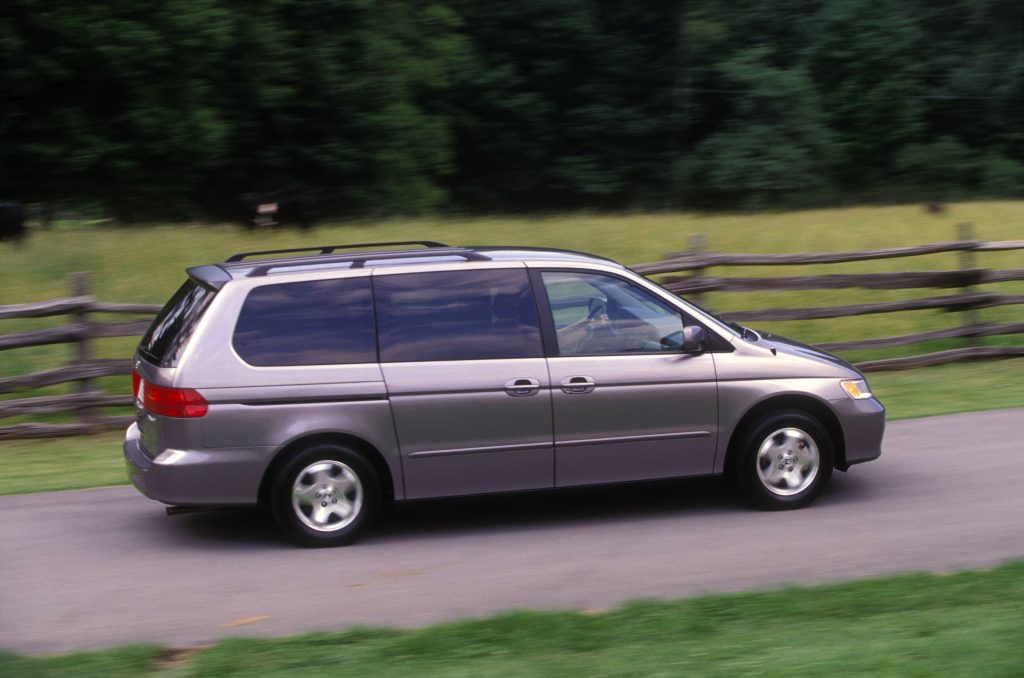
Moving up to the EX adds perks like dual power sliding doors, a roof rack, keyless entry, an eight-way power driver’s seat, alloy wheels, a CD player, and steering-wheel-mounted audio controls.
Riding on a four-wheel independent suspension, a first for the minivan segment,the Odyssey delivers a comfortable yet connected driving experience. Its wide track enhances stability, while body roll in corners is impressively controlled for a vehicle of this size.
One of the Odyssey’s standout features is the “magic” seat, a hideaway third-row that folds flat into the floor with minimal effort and no need for extra hands. The second-row seats are also versatile, functioning either as separate captain’s chairs or a bench.
The EX trim offers an optional navigation system that uses a single DVD for nationwide mapping. However, buyers may be disappointed by the lack of a factory-installed entertainment system or leather upholstery, though dealers are happy to install them for an extra cost.
Safety is another strong suit. The Odyssey comes standard with headrests and three-point seatbelts for all seven seating positions, setting a precedent in the minivan market. ABS, traction control, and Electronic Brake Distribution (EBD) also come standard. In government and insurance institute crash tests, the Odyssey earned perfect five-star ratings across the board, making it one of the safest vehicles in its class.
With its exceptional crash-test performance, innovative features, and massive interior space, the Honda Odyssey firmly positions itself as one of the ultimate family vehicles. For long-term peace of mind, the HR‑V, CR‑V (2018–2023), Passport, Insight/Clarity PHEV, and Fit (2007–2013) are safe bets.
On the other hand, be cautious with older Accords and Civics, CR‑Vs with the 1.5L turbo engine from 2017–2020, Pilots and Ridgelines with engine restart issues, and first-generation Odysseys. These models have histories that could lead to expensive headaches down the road.
