
Many buyers looking for a reliable SUV often place ride comfort as a top priority. Whether you’re going on long trips with your family or simply driving through daily traffic, the experience inside the cabin matters a lot. It is not only about having soft leather seats or extra legroom.
A comfortable ride also comes from how well the suspension absorbs rough roads, how quiet the interior is during motion, and how easy the steering feels when taking corners or driving at low speeds.
While some SUVs are truly built for smooth and easy rides, others have the shape and size of an SUV but behave more like wagons. These usually offer car-like handling, lower ride heights, and lighter builds.
Though they may look like SUVs, their driving character is closer to what you’d expect from a station wagon. For some buyers, this may be fine, especially for city driving or everyday errands.
But for others who expect a real SUV feel, the kind that glides over potholes, stays firm on bad roads, and gives an upright driving position, these SUV-wagon hybrids may come across as disappointing.
We will look at ten vehicles. Five of them deliver a ride that is soft, smooth, and pleasant, no matter the road condition. These are the ones that drivers and passengers can rely on for comfort during short and long drives. The other five, however, might surprise you.
Though they wear the badge of an SUV, their entire performance and road behavior feel more like wagons. Understanding the difference can help you make a smarter decision before visiting the dealership.
Let’s now look closely at these ten vehicles and see how they compare based on how they handle comfort and driving quality.
5 SUVs With Great Ride Comfort
1. Lexus RX
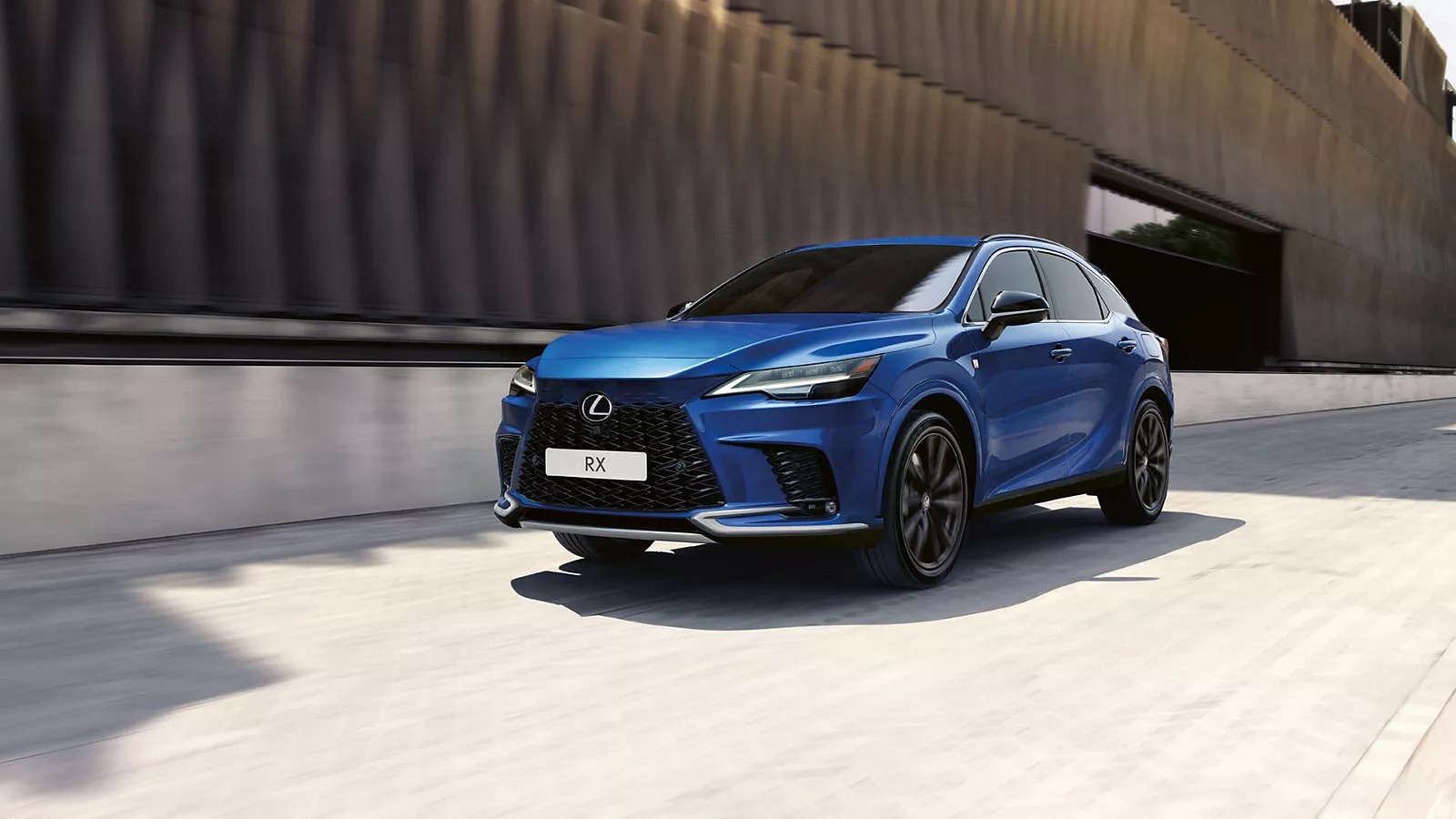
The Lexus RX has built a strong reputation for its ride comfort, and that remains one of its best qualities. This SUV not only looks elegant on the outside. Inside, everything feels soft and inviting. Once you get behind the wheel, it is clear that Lexus placed a high focus on making the driving experience as quiet and smooth as possible.
The suspension system in the RX does a brilliant job of keeping the cabin steady, even on uneven roads. Whether you are driving over rough patches or passing through speed bumps, the bumps barely register inside.
This is due to the use of adaptive variable suspension in higher trims, which adjusts in real-time to road conditions. It helps the car remain steady even when the road surface becomes unpleasant.
Lexus also paid serious attention to noise control. Double-pane glass in the front windows, thick sound-deadening materials, and the solid build quality keep road and engine noise outside.
Even when driving at highway speeds, you can have a conversation in a normal voice. This quietness adds to the sense of comfort that Lexus RX owners often praise.
Another strong point is the seat design. The RX provides wide, well-padded seats with enough lumbar support for long journeys. Whether you’re the driver or seated in the rear, there is no shortage of space. The climate system works quietly and evenly spreads air to all areas of the cabin, making things even more enjoyable.
It is also worth noting that the RX offers a smooth and responsive powertrain. The hybrid models especially provide strong fuel economy while maintaining quiet performance. The acceleration is not aggressive, but it suits the easy-going nature of this vehicle. The steering is light, and cornering is predictable.
If you want an SUV that delivers a calm and balanced ride with features that make daily driving less stressful, the Lexus RX fits the bill perfectly.
2. Hyundai Palisade
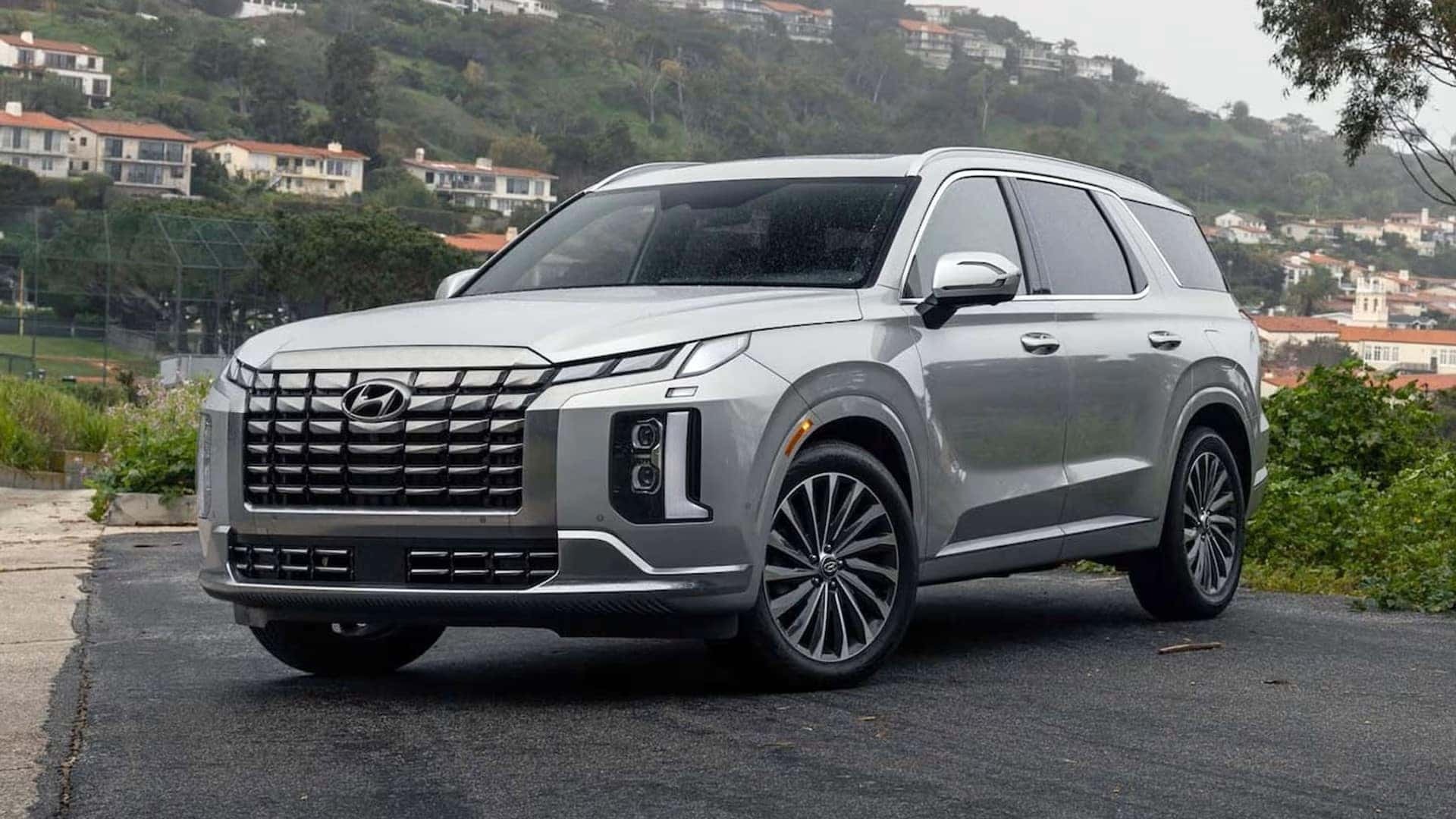
The Hyundai Palisade has made a name for itself as one of the most comfortable midsize SUVs on the market. Designed with families in mind, it manages to offer more than just three rows of seating. The real surprise lies in how smooth and quiet it feels on different kinds of roads.
From the moment you open the door, you’re welcomed by a spacious and well-designed cabin. Hyundai took a bold step in offering a luxury feel in a non-luxury SUV. The materials used inside, especially in the higher trims, feel soft to the touch.
The design is neat, and controls are easy to reach. But what makes it stand out more is how the suspension system handles broken roads and potholes. The Palisade stays stable, and even large bumps don’t upset the ride quality much.
Drivers will also appreciate how quiet the Palisade is. Engine noise is kept low, even when accelerating, and there is little wind noise even at high speeds. The use of acoustic glass and sound-insulating materials shows clearly that Hyundai wanted to create a relaxing environment for both the driver and passengers.
Another area where the Palisade stands out is seat comfort. All three rows offer soft cushioning and good support. The front seats come with heating and ventilation in many trims, while the second row can also be adjusted to a comfortable angle. Even adults seated in the third row will find enough room to sit properly, which is rare in this segment.
The driving character of the Palisade is easygoing. It does not feel sporty or overly sharp, but that works in its favor. The steering is light and predictable, and the brakes are smooth. This makes it suitable for city driving, school runs, and long-distance travel.
For anyone searching for an SUV that offers a smooth ride, quiet driving, and generous space, the Palisade is worth considering.
Also Read: 10 Cars That Don’t Blow Head Gaskets Before 200K
3. Mercedes-Benz GLE
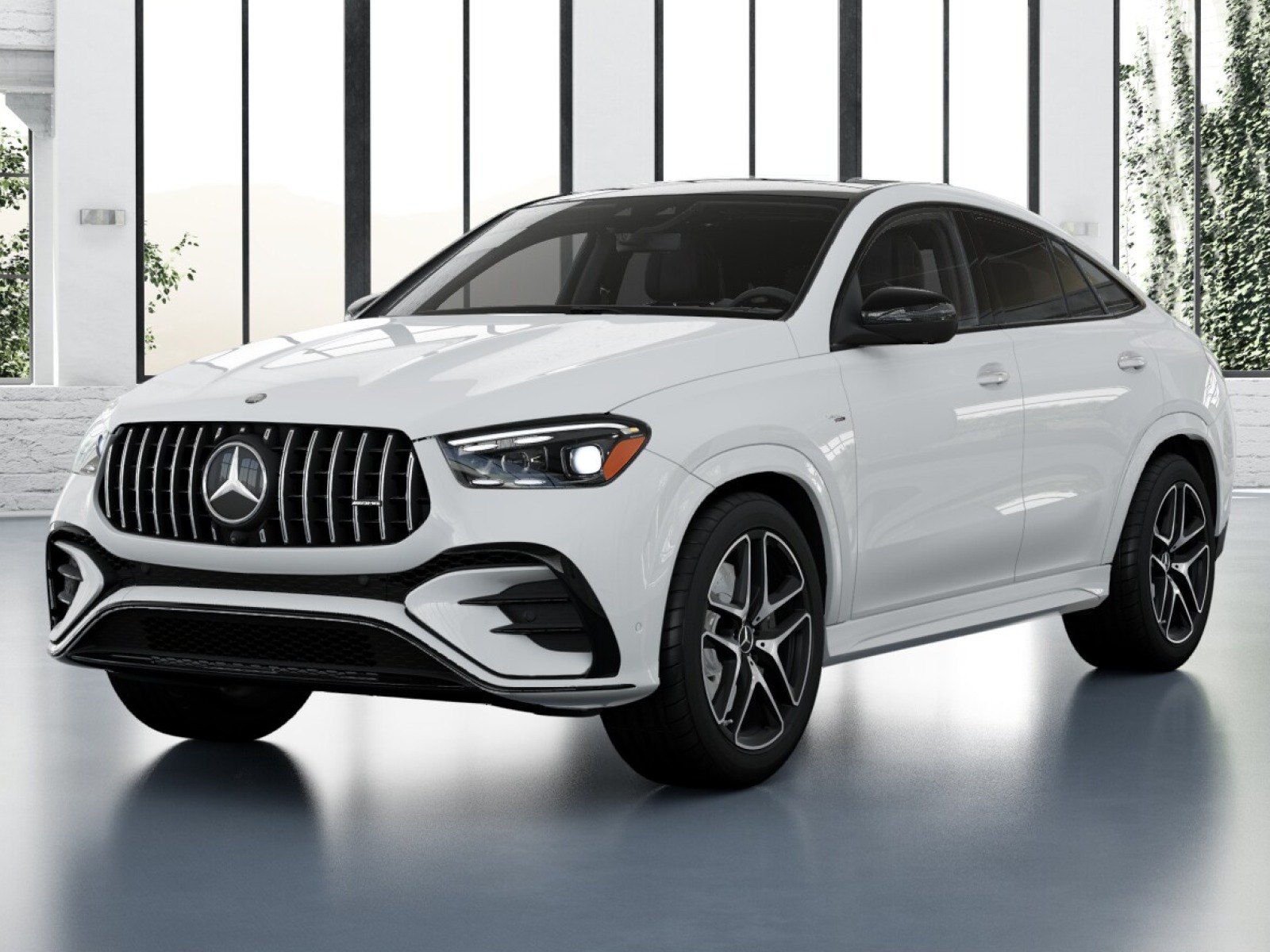
The Mercedes-Benz GLE brings together high-end design with a comfortable and peaceful driving feel. It stands as one of the strongest choices if you’re after luxury combined with strong ride comfort. This SUV feels more like a moving living room with the way it shuts out the outside world and glides across the road.
One of the main reasons why the GLE rides so well is its available air suspension system. When fitted with this feature, the SUV can adjust its height and firmness depending on road conditions and driving mode. This keeps the cabin calm, even when the road surface becomes rough or uneven.
Drivers can also change the settings depending on their preferences, offering flexibility. Inside the GLE, Mercedes-Benz has used top-level materials. From the soft-touch dashboard to the high-quality seat coverings, every part of the cabin feels premium.
More importantly, the seats offer excellent support and come with multiple adjustments, heating, and even massage functions in some versions. This level of attention to detail makes long drives less tiring.
The SUV is also very quiet when moving. Even when you drive at higher speeds or during heavy rain, very little noise enters the cabin. That adds to the experience and makes the GLE feel like a true luxury vehicle. Even the sound system complements this silence by offering clean and deep sound quality, creating a pleasant background during travel.
Though the GLE is not trying to be a sports car, it responds well to steering inputs and handles corners with ease. The powertrain delivers smooth acceleration and never feels rushed. Whether driving in the city or on wide expressways, the GLE remains calm and composed.
With its blend of comfort, space, and luxury features, the Mercedes-Benz GLE continues to be one of the best choices for anyone wanting a soft-riding and quiet SUV.
4. Toyota Highlander
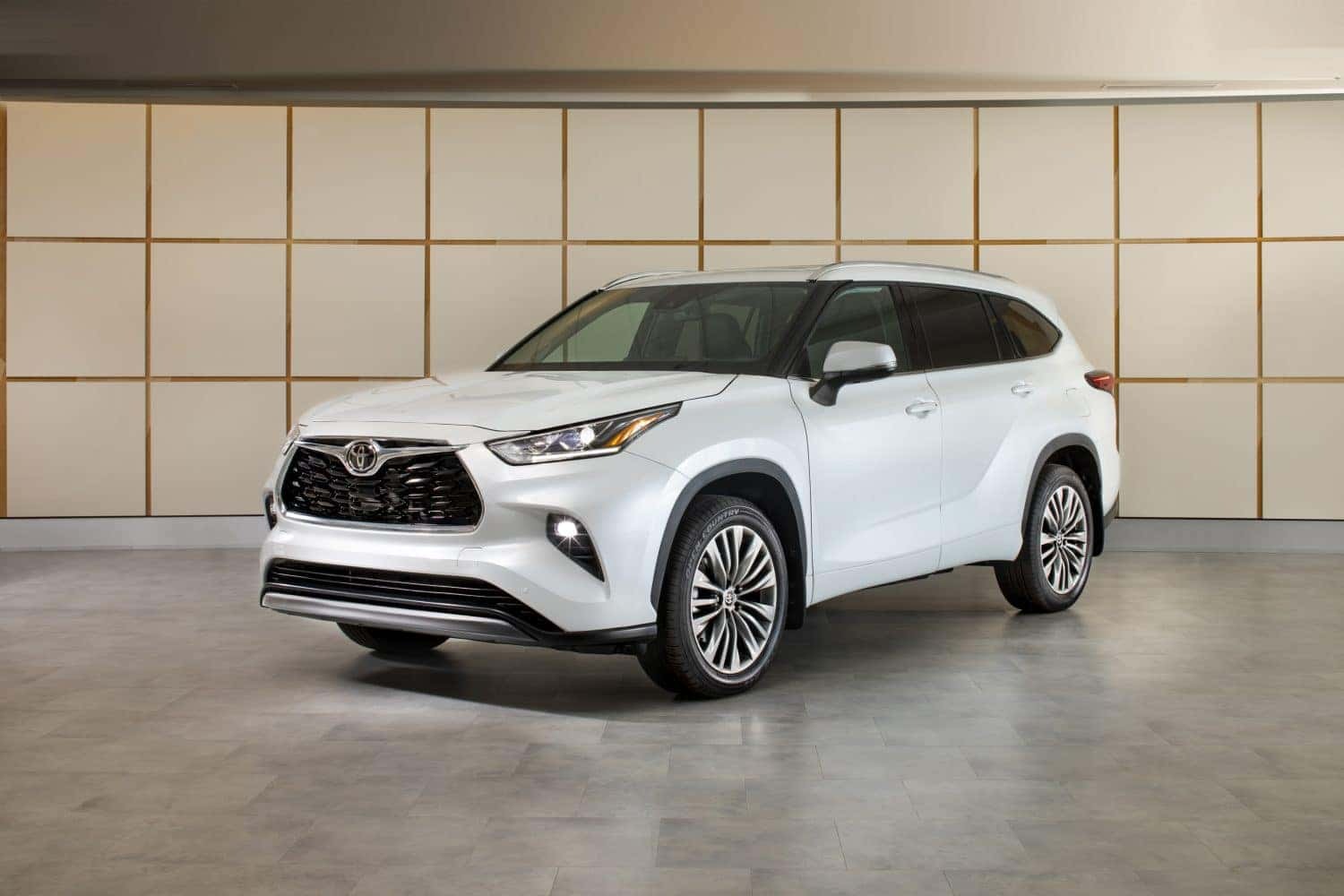
The Toyota Highlander has long been trusted by families for its space and dependability. But another area where it does very well is ride comfort. This midsize SUV has been designed to make driving less stressful, especially for those with long daily commutes or weekend road trips.
One of the biggest strengths of the Highlander lies in its suspension tuning. It handles road imperfections with care, meaning passengers rarely feel the roughness beneath the wheels.
Even over broken patches, the SUV stays level, and the cabin remains steady. Whether you are driving through city roads or country lanes, the Highlander does not shake or rattle unnecessarily.
Inside the vehicle, you will find soft seats, plenty of room, and user-friendly features. The seats are shaped in a way that supports your back and legs, especially during long drives.
The climate system distributes air evenly, and the insulation does a fair job of keeping outside noise away. You can hold phone calls or listen to music without having to turn up the volume unnecessarily.
Toyota also gave attention to how the steering and braking feel. The Highlander responds to commands with ease and does not feel heavy in tight spots. This helps when driving through traffic or when parking in narrow areas. Even with its size, the Highlander does not feel too large to manage.
The vehicle is also available as a hybrid, which brings quiet operation and good fuel use. This makes it a great choice for buyers who want to save money on fuel without giving up comfort.
With a well-rounded approach to ride comfort, interior quality, and everyday convenience, the Toyota Highlander remains a smart option for many households.
5. Kia Telluride
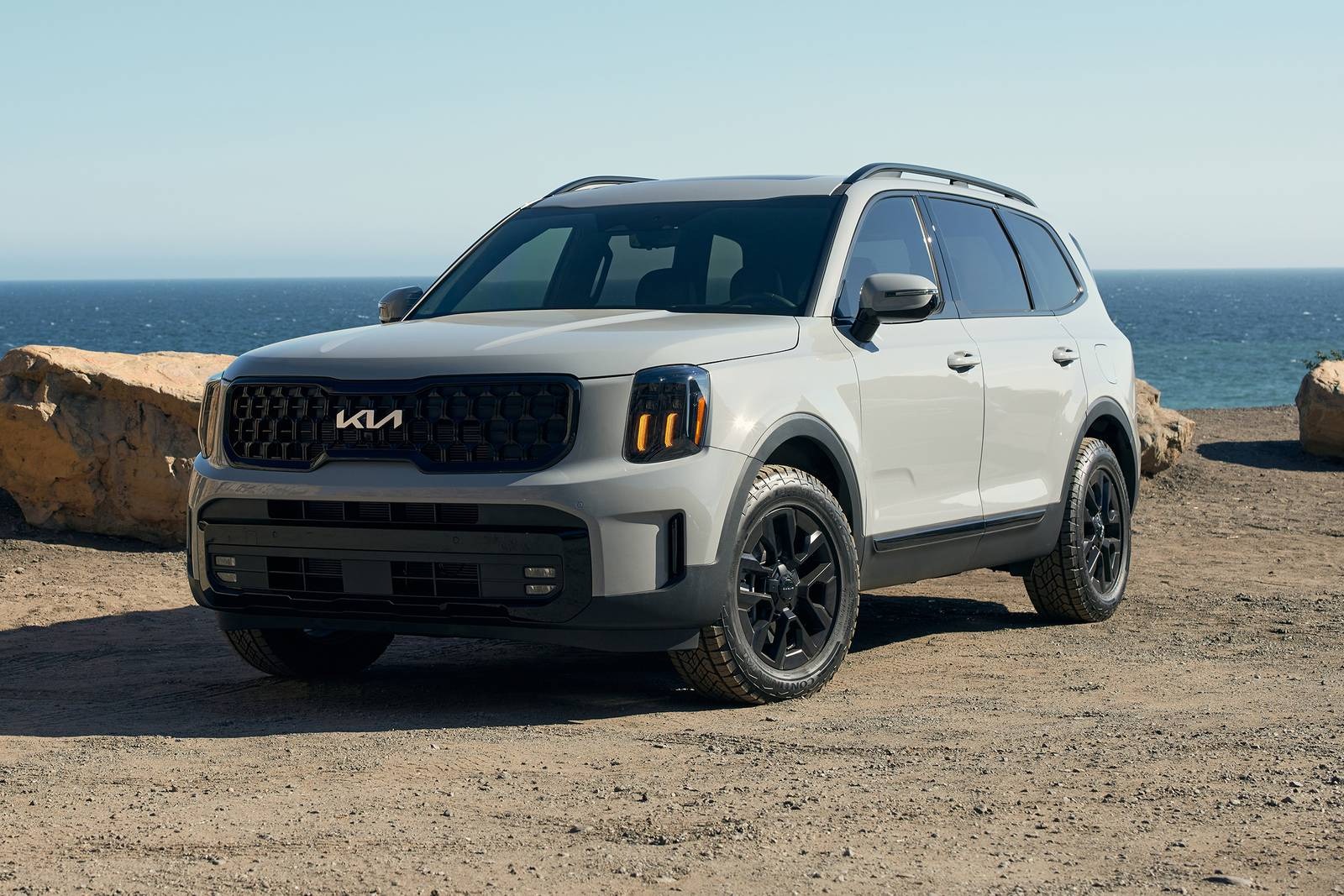
The Kia Telluride has received wide praise for its impressive comfort and spacious interior. Though it shares some mechanical parts with the Hyundai Palisade, the Telluride adds its character through smart design, solid build, and a suspension that delivers a calm driving experience.
Right from the first glance, the Telluride gives off a confident presence. It looks strong and stylish without being aggressive. Once you step inside, it becomes clear that comfort was one of the main goals behind this SUV. The cabin materials feel soft and well put together, especially in the upper trims. Controls are placed within easy reach, and the layout is simple but elegant.
On the road, the Telluride behaves like a refined vehicle. It does not bounce or shake, even when passing over rough areas. The suspension absorbs bumps quietly and efficiently, keeping passengers comfortable. This makes it a great option for people who often drive on imperfect roads or spend a lot of time in traffic.
The seats are wide and come with generous cushioning. The second row, especially with captain’s chairs, offers a relaxing space for passengers. Even the third row, which is often tight in many three-row SUVs, is decent enough for adults. Air vents reach all seating rows, and the air conditioning keeps the whole cabin cool without much effort.
Kia also made sure that the Telluride stays quiet during movement. Wind and engine sounds are kept to a minimum. The quietness inside the cabin is supported by solid insulation and sealed doors that reduce outside disturbance.
Steering is light but controlled, allowing the Telluride to feel planted when changing directions. Though not made for sporty handling, it gives a secure and confident feel behind the wheel. Its V6 engine delivers smooth power, and the transmission does its job without calling attention to itself.
If your priority is to enjoy a quiet, steady, and well-made SUV without paying luxury prices, the Kia Telluride remains one of the best picks on today’s market.
Now that we’ve seen five SUVs that offer strong ride comfort, let’s look at five others that may look like traditional SUVs on the outside but feel much more like wagons when you get behind the wheel.
These vehicles often focus on better fuel economy, a lighter driving feel, and a lower center of gravity, giving them more of a car-like experience.
5 SUVs That Feel Like Wagons
1. Subaru Outback
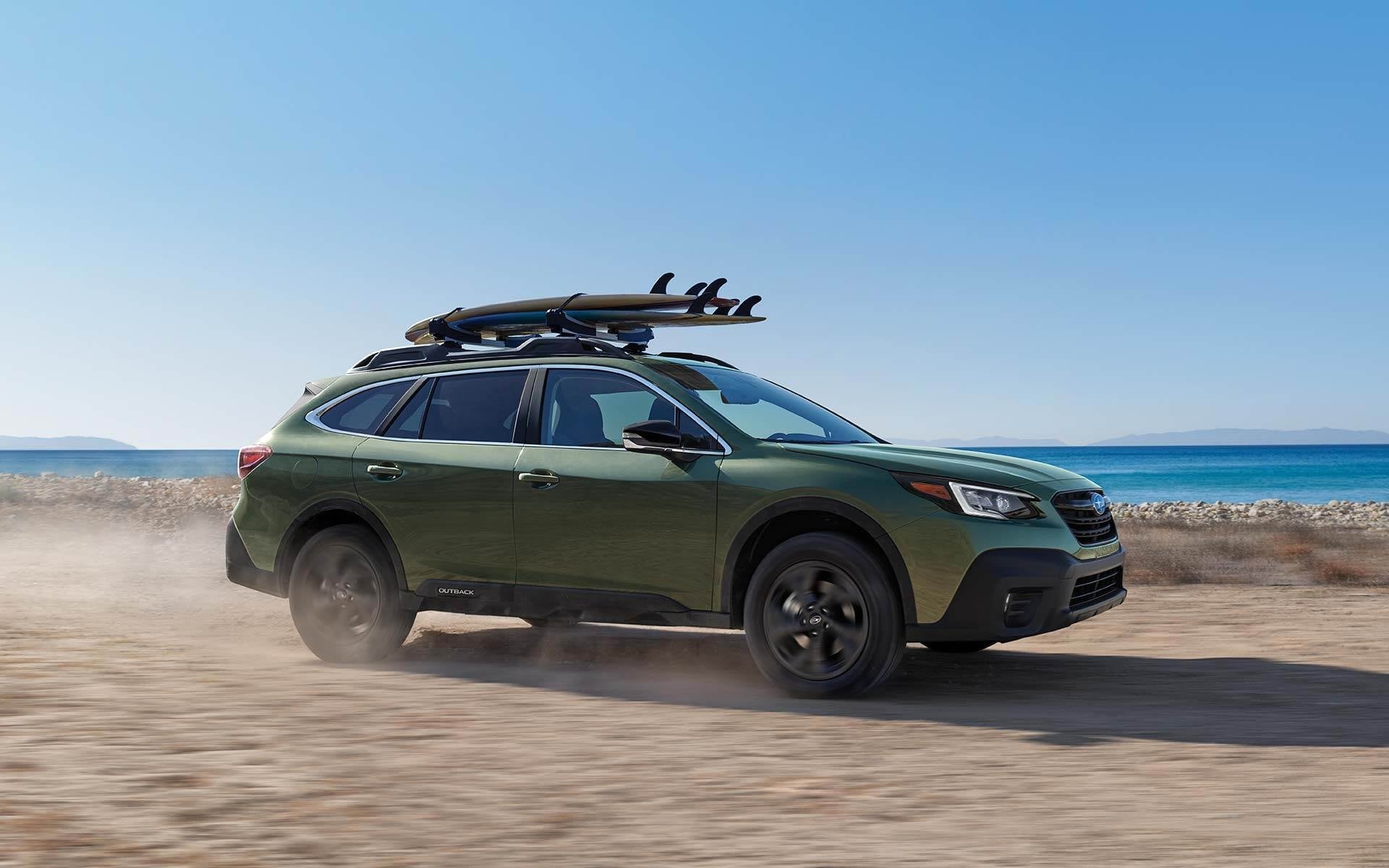
The Subaru Outback may be presented as an SUV in many showrooms, but its driving feel, shape, and handling remind drivers more of a raised wagon. It continues to blur the lines between the two segments, offering car-like ride behavior while also giving a touch of SUV practicality.
One of the most noticeable traits of the Outback is its low step-in height and slim profile. Unlike most SUVs with tall roofs and upright seating, the Outback sits lower to the ground and encourages a more laid-back driving position. While this helps with fuel economy and aerodynamics, it takes away from the commanding road view that true SUVs often provide.
On the road, the Outback drives very much like a family wagon. Its suspension is tuned for a mix of comfort and sharp response. Small road bumps are handled smoothly, but large potholes can still be felt inside the cabin. The ride is soft in many situations, but it lacks the heavier and more stable feel that larger SUVs offer.
Steering feedback in the Outback is light and responsive, which makes it good for city driving or quick lane changes. However, this also gives it a less grounded feel when compared to body-on-frame SUVs or even midsize crossovers built for rougher paths. You can easily tell that the Outback was not made for heavy-duty towing or rough off-road use.
Inside the cabin, Subaru has done a good job of keeping things modern and simple. There is enough tech, and the infotainment screen is easy to reach. The seats are fine for everyday driving, but they are not as thick or supportive as those found in comfort-focused SUVs.
Though Subaru labels the Outback as an adventure vehicle, buyers looking for that high-riding, firm SUV experience may feel like they are in a large station wagon instead. For some, that is a good thing. But for others, it might feel like less than what they expect from an SUV.
2. Mazda CX-5
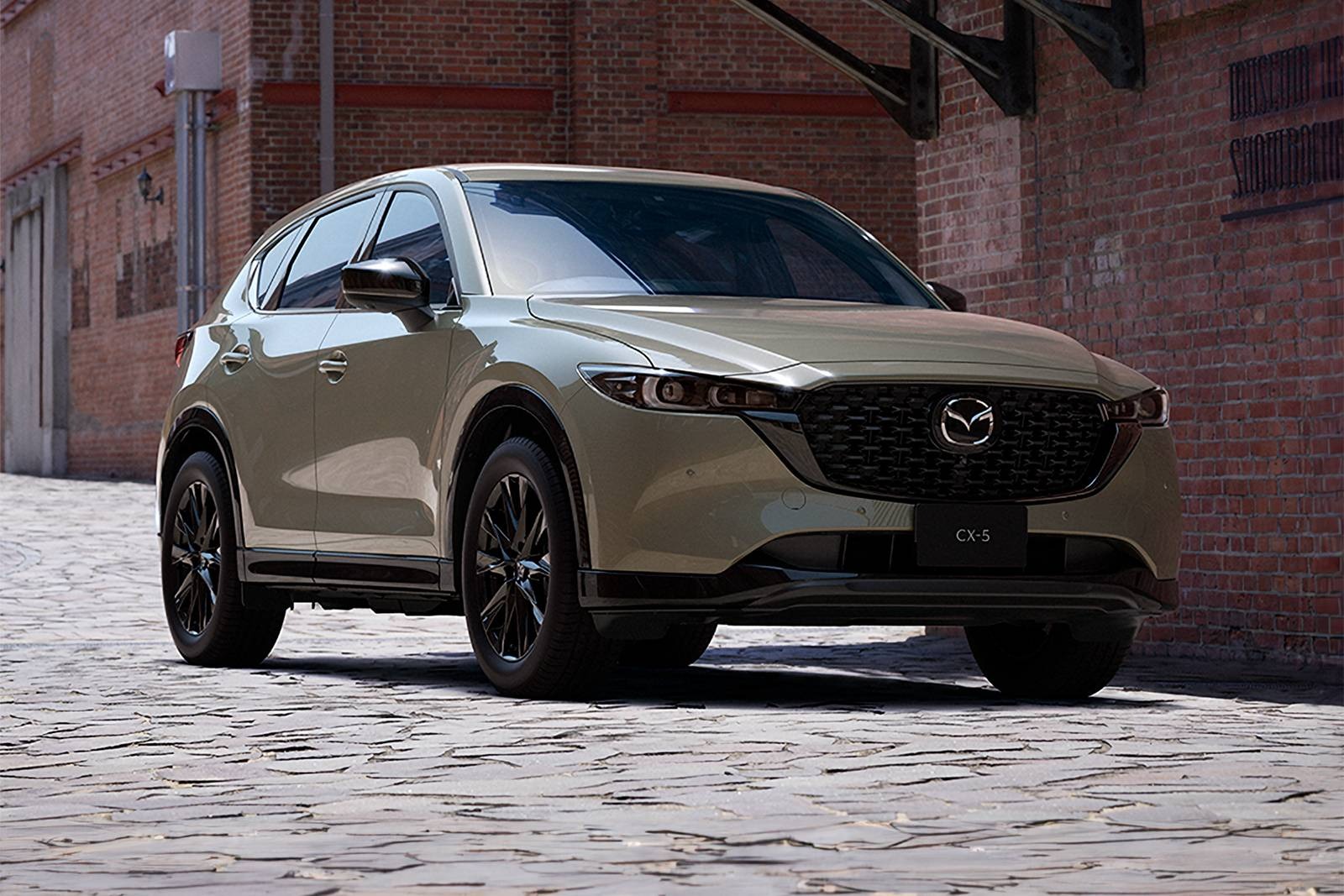
The Mazda CX-5 continues to be a popular choice because of its attractive design, lively handling, and quality interior. However, when talking about ride behavior, this SUV behaves more like a wagon than a truck-based utility vehicle. The low roofline, sporty steering, and car-like movement give away its sedan-like qualities.
The CX-5 is tuned for sharp handling, which is not something you usually associate with a relaxed SUV. Its steering is firm and precise, giving the driver a strong sense of control on winding roads. While this helps with fun driving, it also means the ride is slightly stiffer, and road imperfections can be felt more clearly.
Mazda uses a suspension system that keeps body roll low, but the trade-off is less softness over bad roads. On smoother highways, the ride feels balanced.
But when it comes to broken or patchy streets, the bumps are more noticeable than what you would get in a true comfort-first SUV. For people who care about smoothness, this can be a letdown.
The cabin is designed with care, offering a mix of clean lines and good materials. The seats are firm and supportive, which is good for shorter drives, but they may feel too stiff on longer trips. There is a sense of tightness inside, especially in the rear seats, where taller passengers may wish for more room.
From the outside, the CX-5 may look like it can compete with large SUVs. But its behavior on the road tells a different story. The lower stance and agile feel bring it closer to the driving experience of a hatchback or wagon.
Those who prefer sharp handling and a stylish design will enjoy the CX-5. But those searching for a soft, smooth-riding SUV with an upright view of the road might feel like they’ve picked a raised car, not a proper utility vehicle.
3. Volkswagen Tiguan
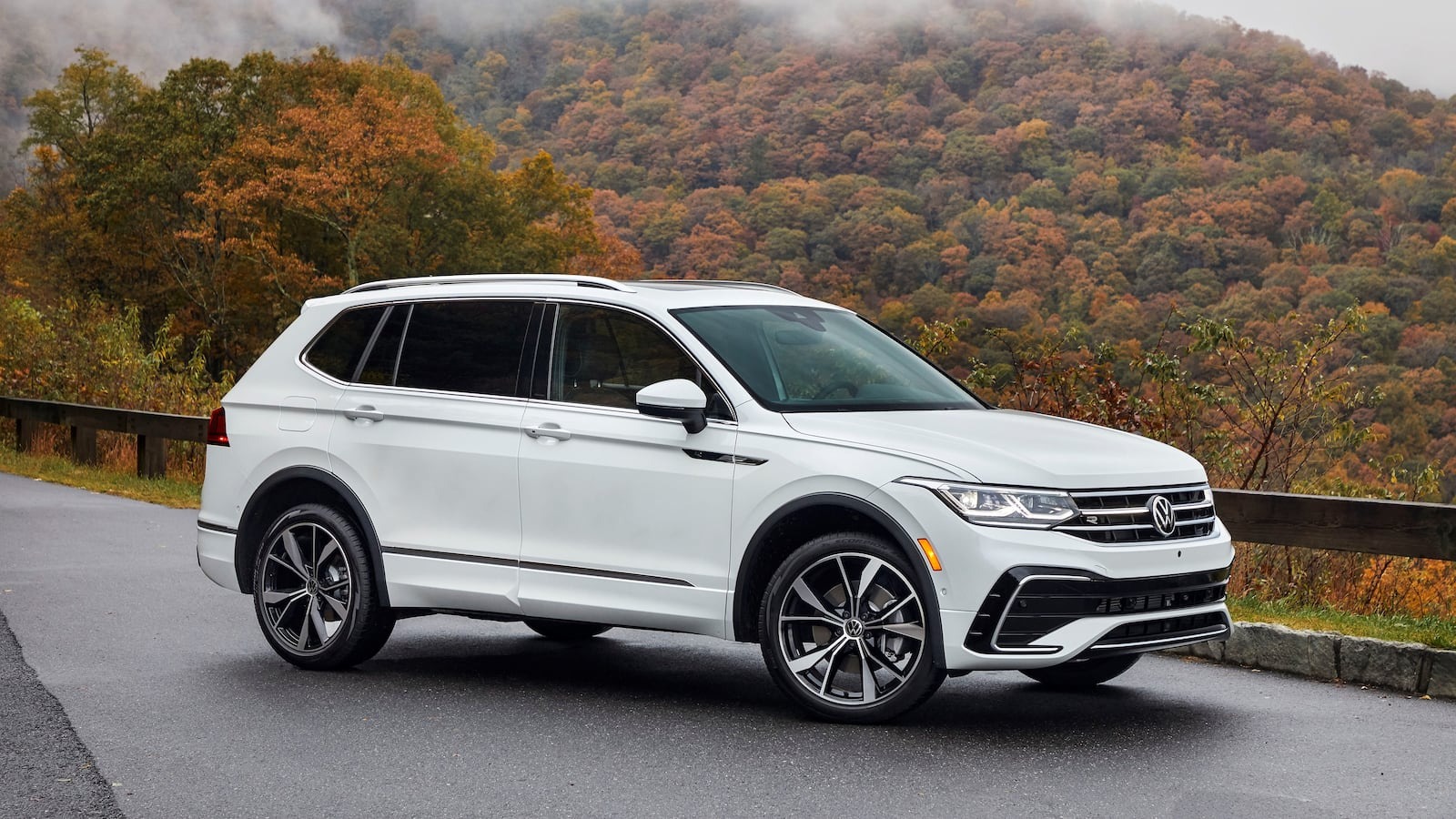
The Volkswagen Tiguan comes across as a practical and well-built compact crossover. But when it comes to the driving experience, it shares more with traditional wagons than with true SUVs. Its ride comfort is decent, but the general feel behind the wheel leans strongly towards car-like behavior, especially in the way it handles corners and road feedback.
Compared to larger SUVs, the Tiguan sits lower to the ground. This gives it a reduced step-in height and helps with better aerodynamics. But at the same time, it takes away that upright SUV posture that many buyers expect when they look for a high-riding vehicle. Inside, the seating position is more relaxed than commanding, and the view of the road is not as open.
When it comes to handling, the Tiguan responds much like a hatchback. It turns quickly and stays composed during lane changes. However, the suspension is firm, and it does not soak up rough patches as smoothly as some of its rivals.
On smooth roads, the Tiguan behaves well, but uneven roads can deliver slight jolts to the cabin, which reminds drivers that this vehicle is not aimed at full ride comfort.
Interior quality is one of its strong points. The layout is tidy, and the touchscreen system is responsive. But the seats are more on the firm side, and long-distance comfort is average rather than excellent. The second row offers decent legroom, though the third row (if equipped) is tight and best for children.
The powertrain options in the Tiguan offer enough strength for daily use, but there is no heavy pull or rugged feel under acceleration. It cruises comfortably at highway speeds, but the engine noise becomes noticeable when pushed hard.
For city users or smaller families, the Tiguan does its job well. But those expecting the rugged toughness and soft ride of a larger SUV might be left wishing it had more substance. It behaves more like a European wagon that has been given SUV-like clothing.
4. Honda HR-V
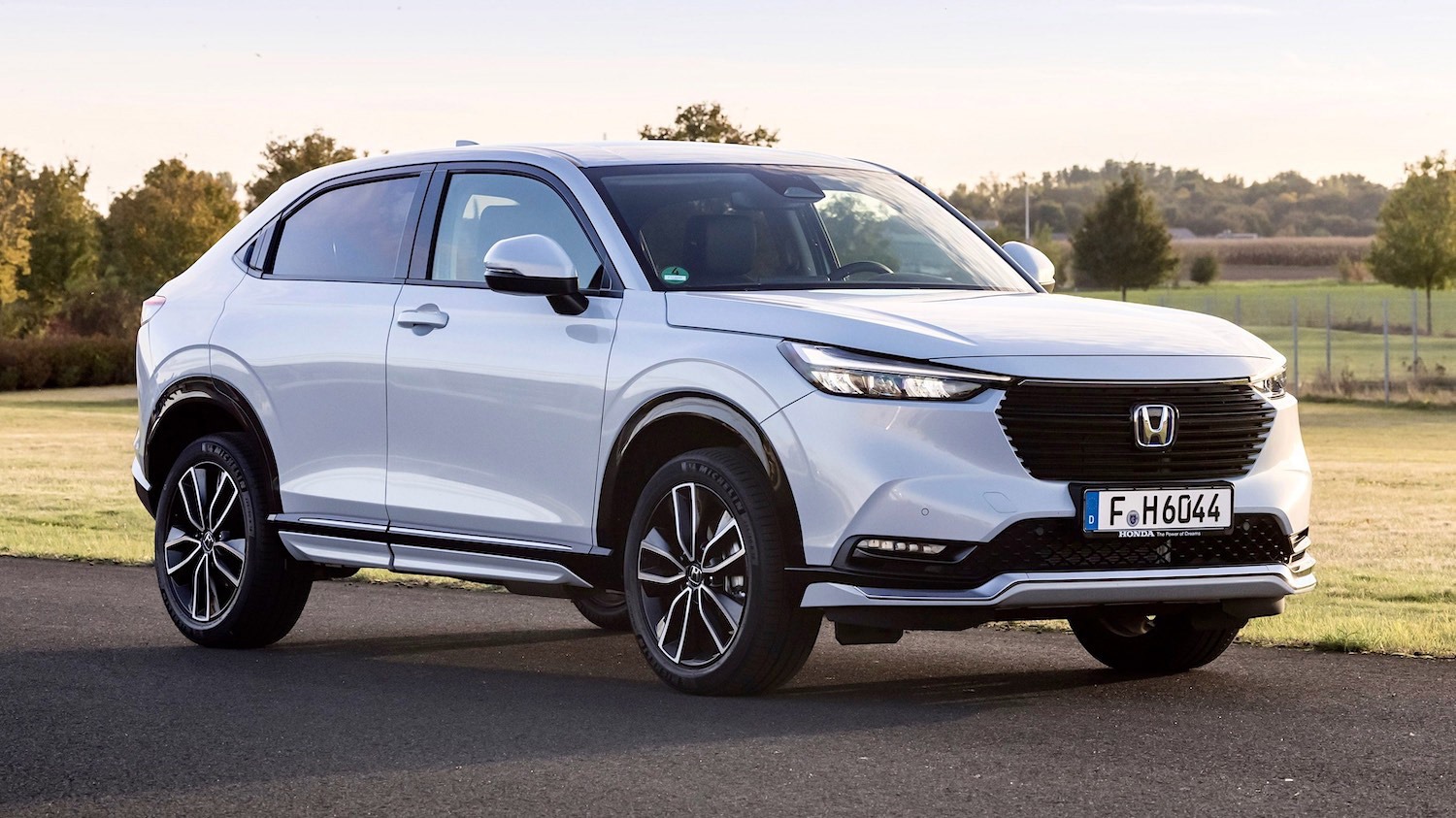
The Honda HR-V wears the SUV label, but its personality is much closer to that of a hatchback. From the way it rides to its entire stance on the road, this vehicle behaves more like a compact car with a bit more height. It does well in cities and offers practical features, but those looking for a cushioned SUV ride might not find what they’re after.
One of the most obvious giveaways is the driving height. The HR-V sits lower than many of its rivals, and the seating position feels more like a car than a tall SUV. This is good for drivers who want a grounded feeling and better handling. However, it lacks the elevated road view that many SUV buyers desire.
The ride quality is firm. The suspension manages to reduce harsh impacts, but it doesn’t hide them fully. You can feel small road imperfections more than you would in a comfort-first crossover. On highways, the HR-V remains stable, but on rough or poorly maintained roads, the cabin becomes less forgiving.
Handling is where the HR-V shines. It feels sharp and nimble, just like a hatchback. You can zip through traffic and make tight turns without stress. But this same behavior takes away from the relaxed and laid-back motion that many SUV users enjoy. There is little body roll, and the steering is quick, which supports its city driving appeal.
Inside the cabin, Honda did a solid job with design and space usage. The seats are shaped for support rather than softness, and taller drivers might wish for more shoulder room. The rear seat area is functional, and the boot space is fair for its size. It also comes with clever storage solutions.
While the HR-V will serve well as a daily car with the shape of a small SUV, its ride and handling feel make it closer to a lifted hatchback. Buyers must understand that what it offers in agility, it trades off in true SUV comfort.
Also Read: 10 Cars That Handle Daily Urban Abuse Without Falling Apart
5. Chevrolet Trax
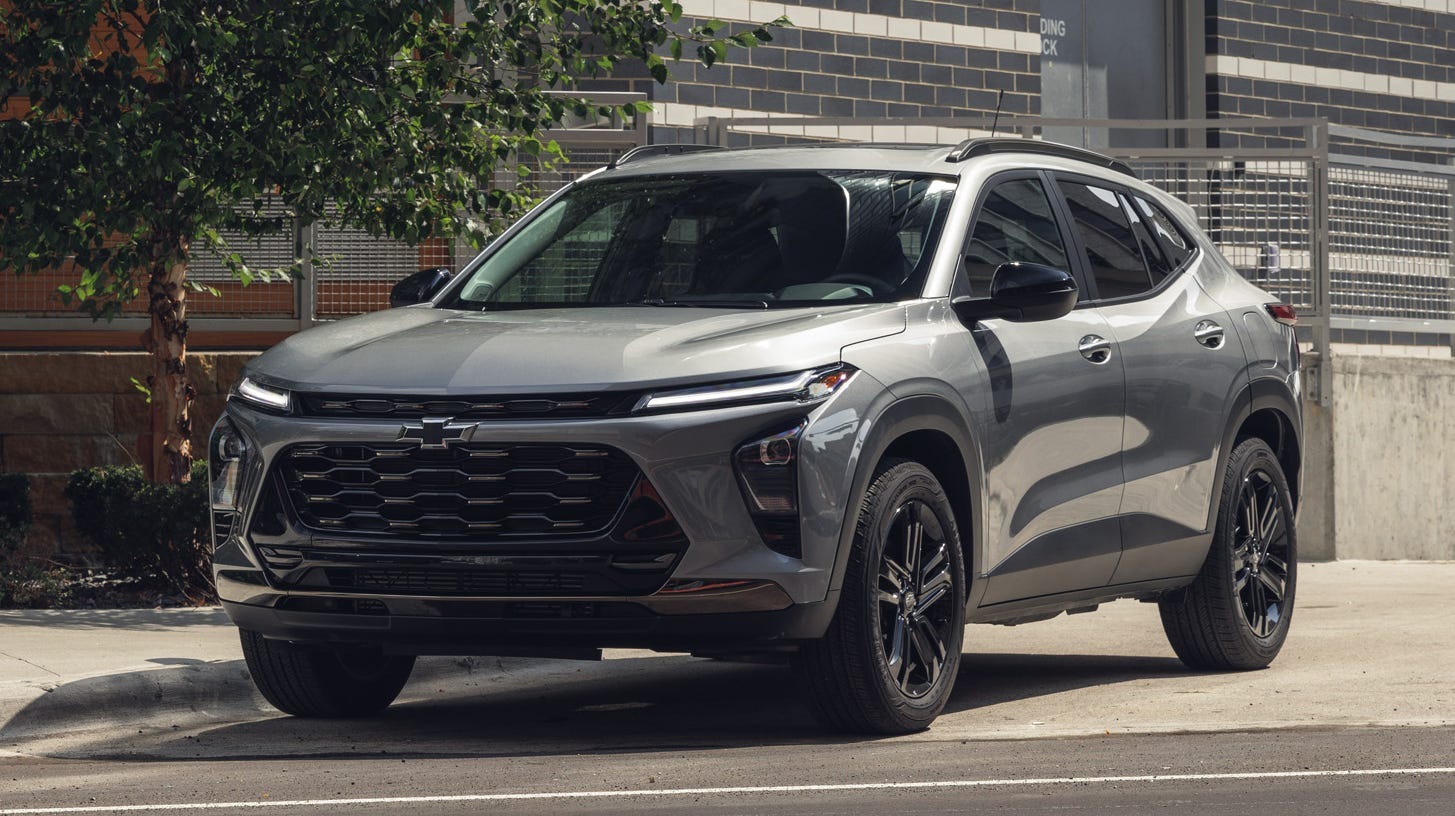
The Chevrolet Trax is built with urban living in mind. Its size and price make it a good choice for those who need something small and easy to manage in tight spaces. But when you look beyond the SUV styling, the Trax behaves more like a wagon or compact hatchback, especially when judged by how it rides and handles.
The first thing drivers will notice is the light build of the Trax. It doesn’t carry the bulk of a traditional SUV. This makes it very simple to drive around town, especially when dealing with traffic or tight parking spots.
However, the trade-off is in how it handles road imperfections. The suspension is basic and not tuned for high comfort. You feel more of the road through the seats and steering, especially over bumpy surfaces.
There is no real feeling of sitting high up. The driving position is slightly raised compared to sedans, but not enough to match what you get in larger crossovers. As a result, the view of the road is slightly better than in a car, but not wide or elevated like in true SUVs.
Inside, the Trax is clean and straightforward. Chevrolet kept the design functional, with no distractions. The seats are firm, and while they work fine for short trips, long journeys may feel tiring without extra padding or support. Rear seat space is tight for adults, and the boot space, while decent, feels more wagon-like than SUV-sized.
Its turbocharged engine gives it enough strength for city tasks, but there’s no deep engine grunt or heavy pull that one might associate with utility vehicles. It performs best when driven smoothly and without rush.
For those needing a compact and budget-friendly vehicle, the Trax does the job. But its light steering, firm suspension, and car-like handling mean that it leans much closer to a wagon in feel than what most would expect from a proper SUV.
Comfort plays a huge role in choosing an SUV, and not all options deliver the same kind of ride. Some models are tuned to handle bumpy roads with grace and offer a quiet, steady environment inside.
These include the Lexus RX, Hyundai Palisade, Mercedes-Benz GLE, Toyota Highlander, and Kia Telluride. Each one brings a smooth drive and a relaxing experience that drivers and passengers will value daily.
However, some vehicles wear the SUV badge but behave like wagons on the road. This includes the Subaru Outback, Mazda CX-5, Volkswagen Tiguan, Honda HR-V, and Chevrolet Trax. These ones may appeal to those who like car-like handling and a lighter feel, but will not satisfy those looking for a solid, soft-riding SUV.
Knowing how each vehicle behaves on real roads can help you decide what fits your needs best. Whether you want the softness of a family cruiser or the agility of a compact wagon, understanding the difference can save you time and regret after purchase.
