
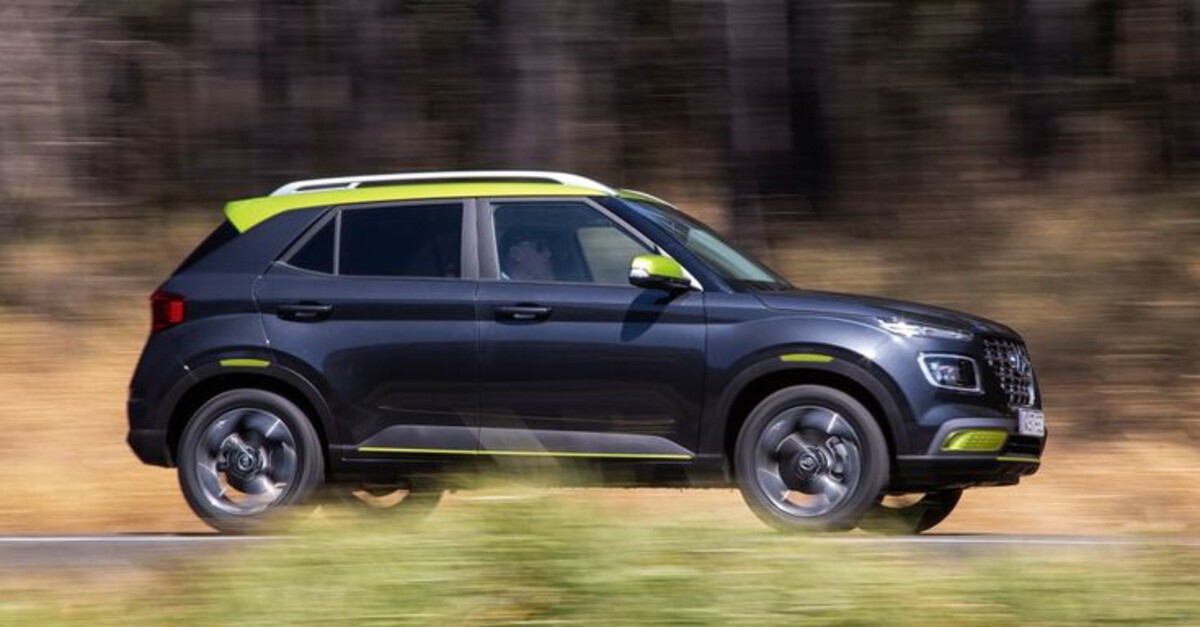
When shopping for a Hyundai, one crucial factor that often gets overlooked is tire longevity. While most buyers focus on fuel economy, reliability, and features, the hidden cost of frequent tire replacements can significantly impact your long-term ownership experience.
Some Hyundai models are gentle on their rubber, delivering exceptional tire life that can extend well beyond the industry average, while others seem to devour tires at an alarming rate, requiring replacements every year or two regardless of driving habits.
Most new tires can last anywhere from 25,000 to 80,000 miles, with the average set typically lasting for about 50,000 miles. However, this range can vary dramatically depending on your specific Hyundai model, driving conditions, and maintenance practices.
Performance-oriented vehicles with sport-tuned suspensions, wider tires, and aggressive alignment settings tend to wear through rubber much faster than their economy-focused counterparts. Similarly, vehicles with complex all-wheel-drive systems or those designed for maximum handling precision often sacrifice tire longevity for performance.
Understanding which Hyundai models fall into each category can save you thousands of dollars over your ownership period. A vehicle that requires tire replacement every 20,000 miles versus one that goes 60,000 miles on the same set represents a substantial difference in operating costs.
Beyond the financial impact, frequent tire replacements mean more downtime, more trips to the tire shop, and the frustration of unexpected expenses.
This comprehensive analysis examines ten popular Hyundai models, splitting them into two distinct categories: those that are remarkably easy on tires and provide excellent value for cost-conscious drivers, and those that prioritize performance over tire longevity.
Whether you’re a budget-minded commuter seeking maximum tire life or a driving enthusiast willing to pay the premium for enhanced performance, understanding these differences will help you make an informed decision that aligns with your priorities and driving style.
5 Hyundais That Rarely Need Tires
These well-engineered vehicles deliver exceptional tire longevity through precise suspension geometry, conservative alignment specifications, and balanced weight distribution that promotes even wear patterns while maintaining comfortable ride quality and predictable handling characteristics over extended mileage intervals.
Their thoughtful chassis design incorporates proper camber angles, optimized toe settings, and quality suspension components that prevent premature tire degradation while providing smooth operation across various road surfaces and driving conditions.
The combination of accurate factory alignment, robust suspension bushings, and intelligent weight distribution creates ownership experiences that maximize tire value while delivering dependable transportation.
From reliable sedans with proven suspension designs to well-balanced crossovers with quality components, these vehicles demonstrate Hyundai’s engineering capability to create automobiles that respect both owner budgets and tire longevity through superior chassis development that prioritizes even wear patterns and extended service intervals.
1. Hyundai Elantra (2017-2025)
The Hyundai Elantra stands as a shining example of tire-friendly engineering, consistently delivering impressive tire longevity that makes it a favorite among cost-conscious drivers.
With its well-balanced suspension tuning, conservative alignment specifications, and emphasis on comfort over aggressive handling, the Elantra typically allows drivers to extract 50,000 to 70,000 miles from a quality set of all-season tires under normal driving conditions.
The secret to the Elantra’s tire-friendly nature lies in its suspension geometry and alignment settings. Engineers prioritized ride comfort and tire wear over razor-sharp handling, resulting in minimal camber angles and toe settings that keep the tire’s contact patch evenly distributed across the tread surface.
The MacPherson strut front suspension and multi-link rear setup are tuned for compliance rather than ultimate grip, reducing the scrubbing forces that typically accelerate tire wear in sportier vehicles. Weight distribution also plays a crucial role in the Elantra’s tire longevity.
The sedan’s balanced 60/40 front-to-rear weight distribution helps ensure even wear patterns across all four tires, preventing the premature front tire wear common in heavily front-biased vehicles. The relatively modest curb weight of around 2,800 pounds means less stress on the tires during acceleration, braking, and cornering maneuvers.
Tire sizing contributes significantly to the Elantra’s impressive tire life. Most trim levels come equipped with 195/65R15 or 205/55R16 tires, which offer a good balance of sidewall height and contact patch size.
These dimensions provide adequate cushioning to absorb road impacts while maintaining reasonable grip levels without the excessive wear associated with low-profile performance tires. The moderate width prevents excessive heat buildup during highway cruising, a common cause of premature tire aging.
The Elantra’s electronic systems also contribute to tire preservation. The standard traction control and electronic stability control systems intervene smoothly when wheel slip is detected, preventing the aggressive tire scrubbing that can occur during loss-of-traction situations.
The system’s calibration prioritizes tire preservation over maximum performance, gently reducing power rather than allowing sustained wheel spin.
Regular maintenance becomes even more effective with the Elantra’s tire-friendly design. Simple practices like maintaining proper inflation pressure, rotating tires every 7,500 miles, and keeping the alignment in specification can easily push tire life beyond the 60,000-mile mark.
Many owners report achieving 70,000+ miles on their original equipment tires, particularly those who primarily engage in highway driving and maintain conservative driving habits.
2. Hyundai Venue (2020-2025)
The Hyundai Venue, despite being the brand’s smallest crossover, has earned a reputation as one of the most tire-friendly vehicles in the Hyundai lineup.
This subcompact SUV’s lightweight construction, conservative suspension tuning, and practical tire sizing combine to deliver exceptional tire longevity that often surprises owners accustomed to the rapid tire wear associated with many crossover vehicles.
At just 2,612 pounds, the Venue’s lightweight construction significantly reduces the stress placed on its tires during daily driving. This modest curb weight means less force transmitted through the contact patches during acceleration, braking, and cornering, directly translating to reduced wear rates.
The vehicle’s tall, narrow stance also contributes to its tire-friendly characteristics by reducing scrub during parking maneuvers and low-speed turns.
The Venue’s suspension system prioritizes comfort and tire preservation over aggressive handling characteristics. The MacPherson strut front and torsion beam rear suspension are tuned with generous compliance, allowing the wheels to follow road contours without excessive lateral forces that accelerate tire wear.
The relatively soft spring rates and progressive damping help maintain consistent tire contact with the road surface while minimizing the harsh impacts that can cause irregular wear patterns.
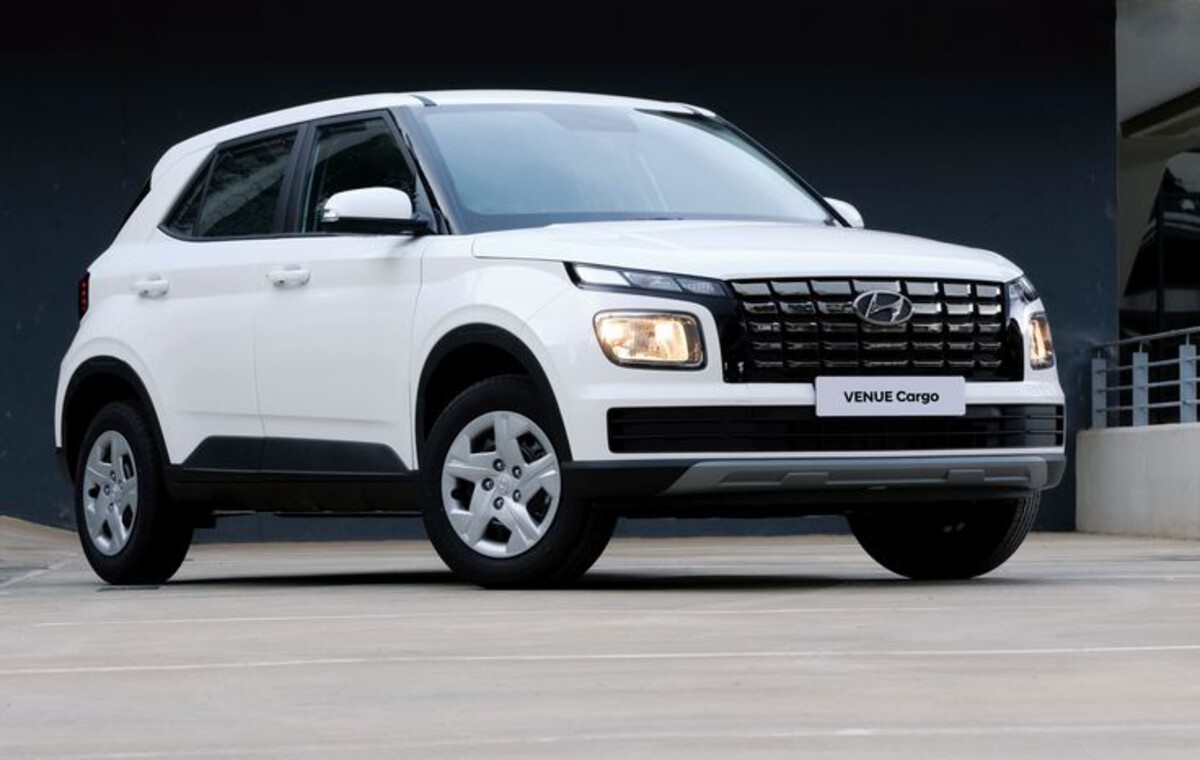
Standard tire sizing on the Venue consists of 205/60R16 all-season tires, a specification that strongly favors longevity over performance. The 60-series sidewall provides substantial cushioning against potholes and road irregularities, while the 205mm width offers adequate grip without the excessive rolling resistance and heat generation associated with wider tires.
This sizing strikes an optimal balance for tire life, typically allowing owners to achieve 55,000 to 65,000 miles under normal driving conditions. The Venue’s electronic stability and traction control systems are calibrated for maximum tire preservation.
Rather than allowing aggressive wheel spin or sliding that can rapidly wear tire treads, these systems intervene early and smoothly to maintain traction while minimizing tire scrubbing.
The all-wheel-drive system, available on higher trim levels, includes intelligent torque distribution that prevents excessive tire wear by avoiding unnecessary power transfer to wheels with limited traction.
Ground clearance and approach angles also contribute to the Venue’s tire longevity. With 6.7 inches of ground clearance, the vehicle can go through typical road obstacles without requiring aggressive tire scrubbing against curbs or road debris.
The higher seating position encourages more conservative driving habits, as the commanding view of traffic reduces the tendency for aggressive acceleration and braking that can accelerate tire wear.
Maintenance accessibility enhances the Venue’s tire-friendly reputation. The straightforward suspension design makes wheel alignments simple and affordable, encouraging owners to maintain proper specifications.
The vehicle’s simple tire rotation pattern and accessible tire pressure monitoring system make routine maintenance easier to maintain, directly contributing to extended tire life.
3. Hyundai Sonata Hybrid (2020-2025)
The Hyundai Sonata Hybrid represents the pinnacle of tire-friendly engineering within Hyundai’s sedan lineup, combining advanced hybrid technology with suspension tuning specifically optimized for maximum tire longevity.
The hybrid powertrain’s characteristics, combined with aerodynamically-focused wheel and tire specifications, create conditions that consistently deliver exceptional tire life often exceeding 65,000 miles.
The hybrid powertrain fundamentally changes the vehicle’s relationship with its tires through several mechanisms. The electric motor’s instant torque delivery eliminates the wheel spin and tire scrubbing common during combustion engine startups, particularly in stop-and-go traffic conditions.
Regenerative braking significantly reduces mechanical brake usage, minimizing the heat cycles that can accelerate tire aging and reducing the forward weight transfer that causes premature front tire wear.
Suspension tuning on the Sonata Hybrid prioritizes efficiency and comfort over sporty handling characteristics. The engineers calibrated the dampers and springs to minimize rolling resistance while maintaining adequate ride quality, resulting in suspension settings that are inherently gentle on tires.
The multi-link rear suspension and MacPherson strut front setup are tuned with minimal aggressive camber and toe settings, ensuring even wear across the tire’s contact patch.
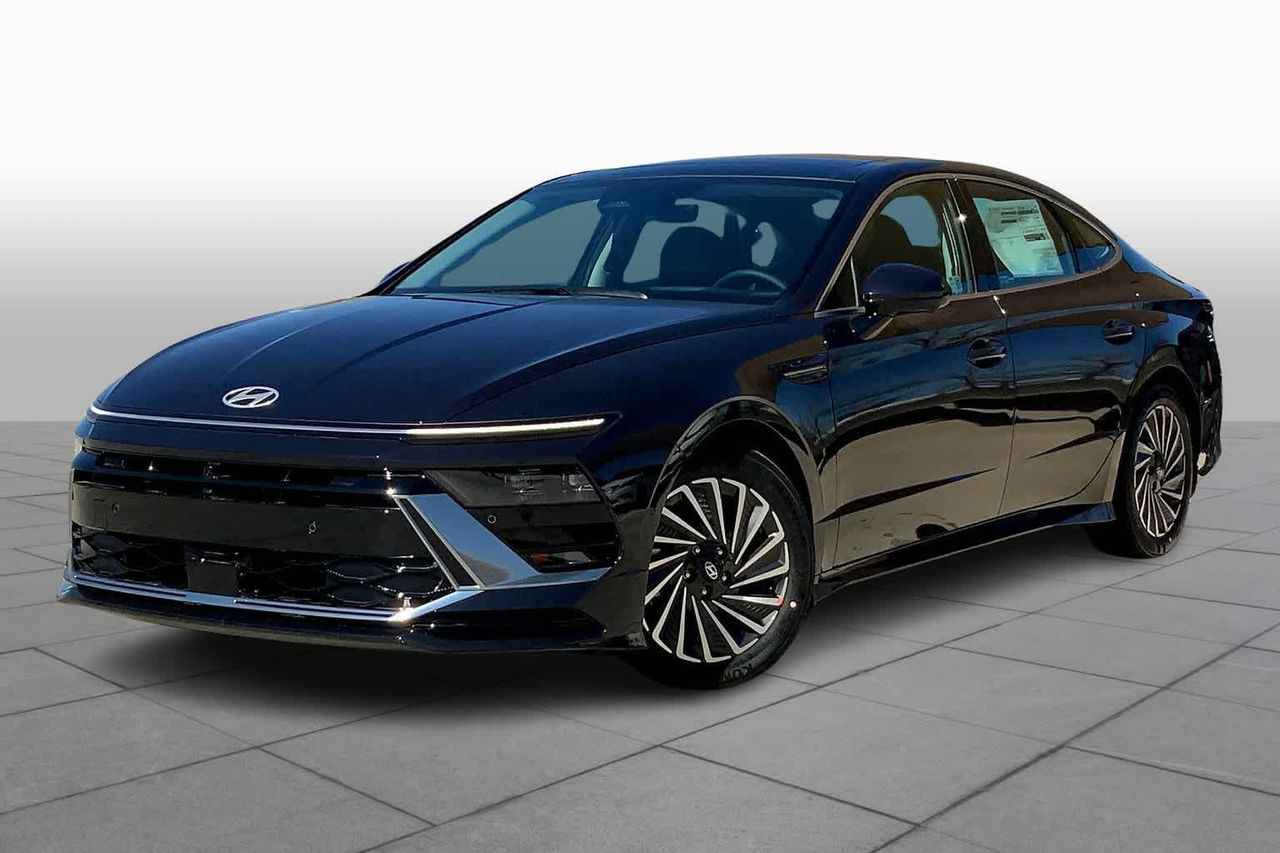
Aerodynamic considerations significantly influence the Sonata Hybrid’s tire specifications. The standard 205/60R16 tires on lower trims and available 235/45R18 tires on higher trims are specifically chosen for their low rolling resistance characteristics.
These tire compounds and tread patterns prioritize fuel efficiency and longevity over maximum grip, resulting in significantly extended tire life compared to performance-oriented tire specifications.
Weight distribution benefits from the hybrid battery placement, which positions the heavy battery pack low and centrally in the vehicle. This configuration creates a more balanced weight distribution than conventional sedans, reducing the excessive front tire wear common in front-wheel-drive vehicles.
The lower center of gravity also reduces body roll during cornering, minimizing lateral forces that can cause irregular tire wear patterns. The Sonata Hybrid’s advanced driver assistance systems contribute to tire preservation through several mechanisms.
The adaptive cruise control maintains consistent following distances, reducing the frequent acceleration and deceleration cycles that accelerate tire wear.
Lane-keeping assist prevents unnecessary steering corrections that can cause tire scrubbing, while the collision avoidance system reduces emergency braking situations that cause flat-spotting and premature tire wear. Electronic systems optimization extends beyond basic traction control to include hybrid-specific calibrations that maximize tire life.
The powertrain control module carefully manages power delivery between the gasoline engine and electric motor to minimize wheel slip, while the battery management system’s regenerative braking strategy reduces thermal cycling that can degrade tire compounds over time.
4. Hyundai Tucson (Base Engine, 2022-2025)
The base engine Hyundai Tucson, equipped with the naturally aspirated 2.5-liter four-cylinder engine, has emerged as one of the most tire-friendly crossovers in its class, delivering impressive tire longevity that often surprises owners transitioning from other brands.
The combination of conservative power delivery, well-balanced chassis tuning, and practical tire sizing creates conditions that consistently allow drivers to achieve 50,000 to 60,000 miles from quality tire sets.
The naturally aspirated 2.5-liter engine’s power delivery characteristics contribute significantly to tire preservation. Unlike turbocharged engines that can deliver sudden torque surges, the base engine provides linear, predictable power that reduces wheel spin and tire scrubbing during acceleration.
The 187 horsepower output is adequate for daily driving without encouraging aggressive driving habits that accelerate tire wear. The smooth power band encourages steady, consistent driving patterns that are inherently gentle on tires. Suspension engineering on the base Tucson prioritizes ride comfort and tire longevity over aggressive handling capabilities.
The MacPherson strut front and multi-link rear suspension systems are tuned with moderate spring rates and progressive damping that allow the tires to maintain consistent road contact without excessive lateral forces. The suspension geometry includes conservative camber and toe specifications that promote even wear across the tire’s contact patch.
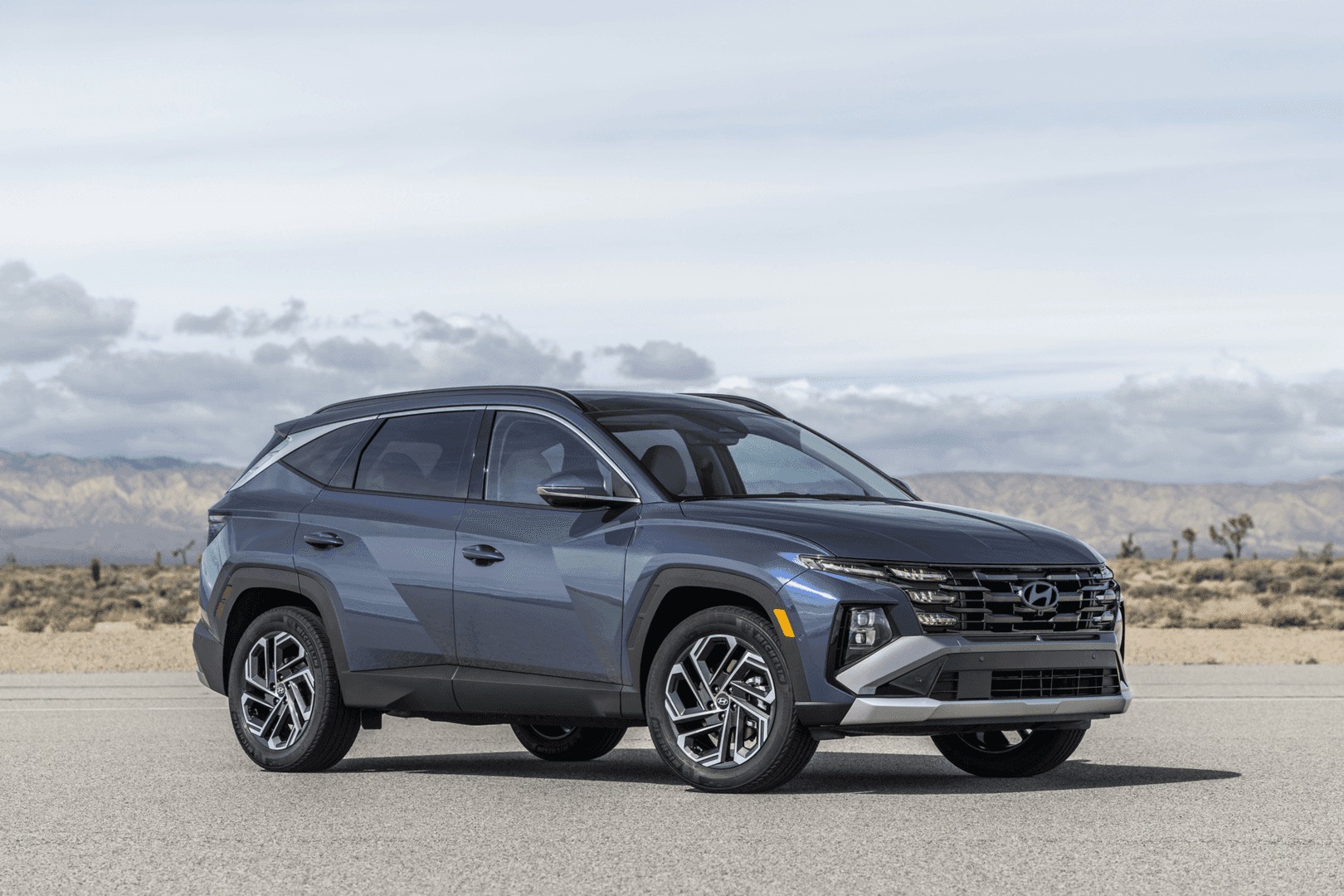
Standard tire sizing on base Tucson models consists of 235/60R18 all-season tires, a specification that balances capability with longevity. The 60-series sidewall provides substantial cushioning against road irregularities while the 235mm width offers adequate grip without excessive rolling resistance.
This sizing allows the tires to run cooler during highway cruising, significantly extending their service life compared to lower-profile alternatives. The Tucson’s all-wheel-drive system, when equipped, includes intelligent torque distribution that prioritizes tire preservation.
The system primarily operates in front-wheel-drive mode during normal driving conditions, reducing unnecessary wear on the rear tires. When all-wheel traction is needed, the system distributes power smoothly to prevent tire scrubbing and maintains even wear patterns across all four tires.
Electronic stability and traction control systems are calibrated for maximum tire life rather than ultimate performance. The systems intervene early to prevent wheel slip and maintain traction without allowing the aggressive tire scrubbing that can rapidly wear treads. The hill-start assist and hill descent control features reduce the likelihood of wheel spin on inclines, further contributing to tire preservation.
Ground clearance and approach angles contribute to the Tucson’s tire-friendly characteristics. With 8.6 inches of ground clearance, the vehicle easily goes through typical parking lots and driveways without requiring tire scrubbing against curbs or obstacles. The higher seating position provides excellent visibility, encouraging more conservative driving habits that naturally extend tire life.
Also Read: 5 Mercedes Models That Rarely Have Recalls vs 5 That Constantly Do
5. Hyundai Santa Fe (Base Engine, 2022-2025)
The base engine Hyundai Santa Fe, powered by the naturally aspirated 2.5-liter four-cylinder engine, stands out in the three-row crossover segment for its exceptional tire longevity and cost-effectiveness.
Despite its substantial size and capability, the base Santa Fe consistently delivers tire life that rivals much smaller vehicles, often allowing owners to achieve 55,000 to 65,000 miles from quality tire sets through careful engineering and conservative tuning approaches.
The naturally aspirated 2.5-liter engine’s 191 horsepower output provides adequate power for family hauling duties without encouraging aggressive driving behaviors that accelerate tire wear.
The engine’s linear power delivery eliminates the sudden torque spikes associated with turbocharged engines, reducing wheel spin and tire scrubbing during acceleration from stops. The smooth, predictable power band encourages steady driving habits that are inherently gentle on tire treads. Chassis engineering prioritizes comfort and tire preservation through careful suspension tuning and geometry optimization.
The MacPherson strut front and multi-link rear suspension systems feature spring rates and damping curves specifically calibrated to minimize tire wear while maintaining adequate ride quality for family use. The suspension geometry includes conservative alignment specifications that promote even wear patterns across all tire contact patches.
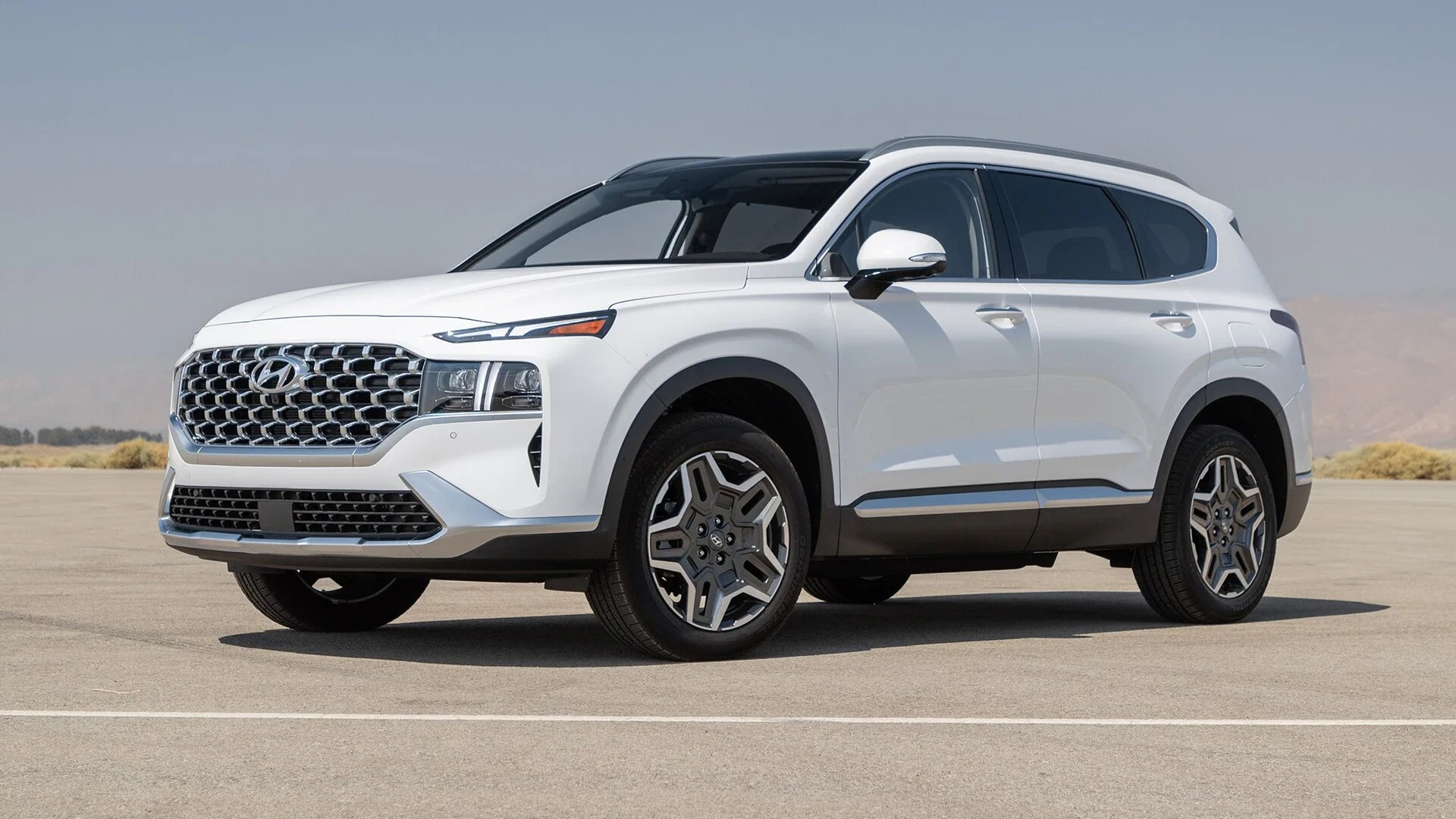
The Santa Fe’s substantial 4,112-pound curb weight is well-distributed through careful engineering, preventing excessive wear on any particular set of tires.
The low-mounted fuel tank and optimized component placement create a balanced weight distribution that reduces the front tire wear common in heavily front-biased crossovers. The three-row seating arrangement spreads passenger weight evenly, further contributing to balanced tire wear patterns.
Standard tire sizing consists of 235/65R17 all-season tires on base models, a specification that strongly favors longevity over ultimate performance.
The 65-series sidewall provides substantial cushioning against road impacts while the 235mm width offers adequate grip without excessive heat generation during highway cruising. This conservative sizing allows the tires to operate well within their design parameters, significantly extending service life.
The available all-wheel-drive system includes intelligent algorithms that prioritize tire preservation over maximum traction capability. The system operates primarily in front-wheel-drive mode during normal conditions, reducing unnecessary wear on rear tires.
When all-wheel traction is required, power distribution occurs smoothly to prevent tire scrubbing and maintain even wear across all four positions.
Electronic systems contribute to tire longevity through several mechanisms. The standard stability control and traction management systems intervene early to prevent wheel slip without allowing aggressive tire scrubbing.
The hill-start assist feature reduces clutch riding and wheel spin on inclines, while the available trailer stability assist helps maintain proper tire loading when towing.
5 Hyundais That Eat Rubber Every Year
These problematic vehicles burden owners with premature tire wear, frequent replacements, and excessive operating costs due to poor suspension geometry, inadequate alignment specifications, and design flaws that create uneven wear patterns despite normal driving conditions.
Their compromised chassis engineering incorporates aggressive camber settings, problematic toe specifications, and weak suspension components that accelerate tire degradation while generating handling problems and uncomfortable ride quality that compounds ownership frustration.
The combination of frequent alignment needs, expensive tire replacements, and recurring wear issues creates ownership disasters as buyers discover that competitive pricing cannot compensate for fundamental suspension design problems that prioritize styling over practical engineering.
From sport-tuned models with excessive negative camber to mainstream vehicles with known alignment issues, these cars prove that Hyundai’s engineering consistency varies dramatically across model lines, transforming economical transportation into expensive tire-eating machines requiring constant replacement and professional alignment services that quickly exceed typical maintenance budgets.
1. Genesis G70 (2019-2025)
The Genesis G70 represents the performance-focused end of Hyundai’s luxury spectrum, delivering exceptional driving dynamics at the cost of tire longevity that can frustrate owners unprepared for the reality of sports sedan ownership.
With its aggressive suspension tuning, performance-oriented tire specifications, and rear-wheel-drive dynamics, the G70 typically requires tire replacement every 15,000 to 25,000 miles, making it one of the most tire-hungry vehicles in the Hyundai portfolio.
The G70’s sport-tuned suspension system prioritizes handling precision over tire preservation through aggressive alignment specifications and firm damping rates.
The multi-link suspension front and rear features substantial negative camber angles that improve cornering grip but concentrate wear on the inner portions of the tire treads. The firm springs and aggressive anti-roll bars minimize body roll during spirited driving but increase lateral forces transmitted to the tires during everyday maneuvers.
Performance tire specifications compound the wear issues inherent in the G70’s chassis tuning. The standard 225/45R18 rear and 255/35R19 front staggered tire setup on Sport models creates several wear-accelerating conditions.
The staggered sizing prevents tire rotation, forcing the rear tires to wear independently and often requiring replacement in pairs. The low-profile sidewalls provide minimal cushioning against road impacts, increasing the likelihood of irregular wear patterns and reducing tire life.
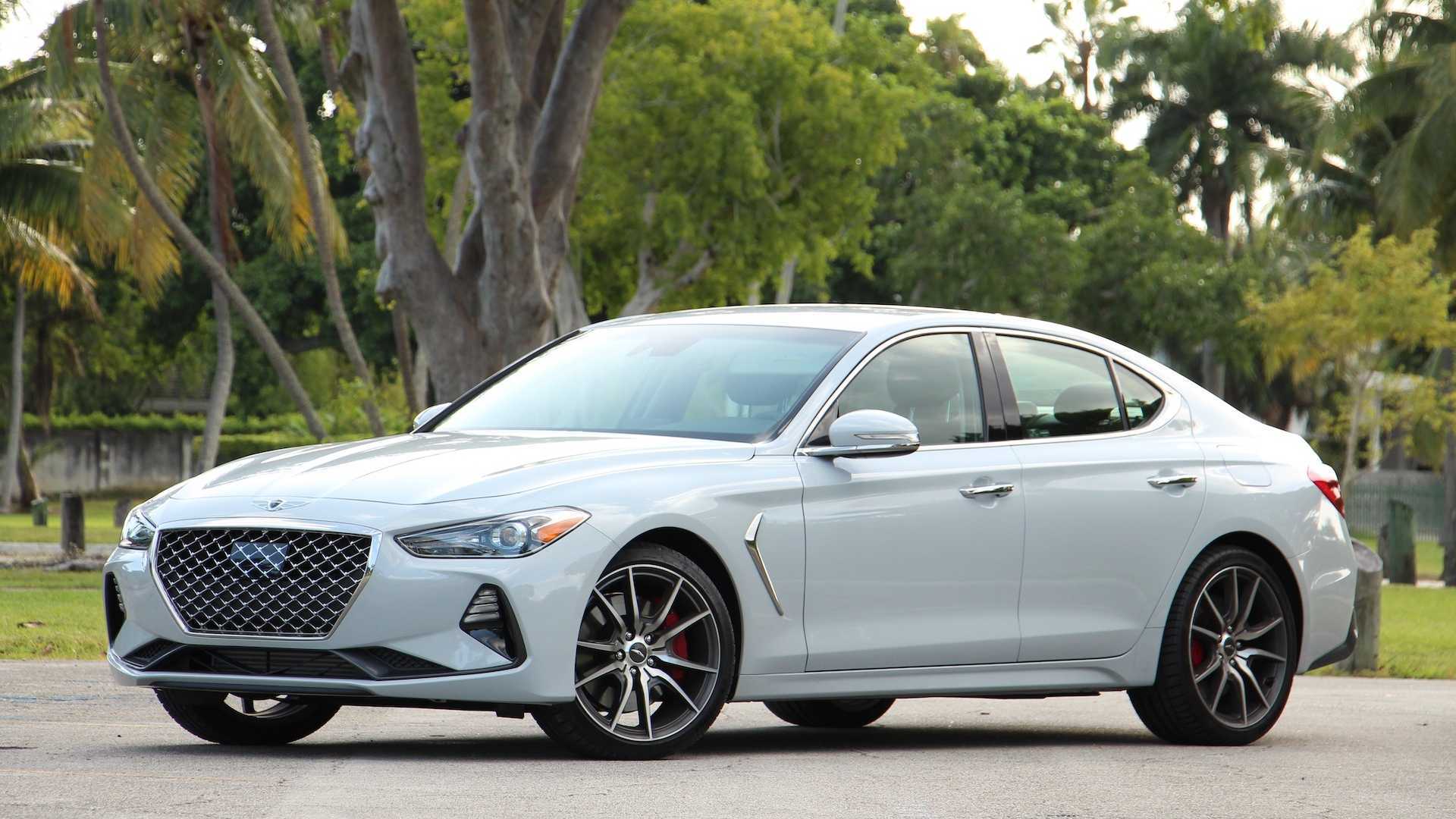
The rear-wheel-drive configuration, while providing excellent handling balance, contributes to accelerated tire wear through several mechanisms. The rear tires bear the responsibility for both acceleration traction and cornering grip, creating conflicting demands that accelerate wear rates.
The differential’s limited-slip function, while improving traction, causes tire scrubbing during tight turns and parking maneuvers that rapidly wear the outer edges of rear tires.
Engine characteristics significantly impact tire longevity in the G70. The available 3.3-liter twin-turbo V6 produces 365 horsepower and 376 lb-ft of torque, output levels that easily overwhelm the rear tire’s traction limits during aggressive acceleration.
The turbocharger’s boost delivery creates sudden torque spikes that cause wheel spin and tire scrubbing, particularly when accelerating from lower speeds. Even the base 2.0-liter turbo’s 252 horsepower can induce wheelspin under aggressive throttle applications.
Electronic systems in the G70 are calibrated for performance rather than tire preservation. The sport-tuned stability control and traction management systems allow more wheel slip before intervention, permitting tire scrubbing that would be prevented in more conservatively-tuned vehicles.
The multiple drive modes, including Sport+ settings, further reduce electronic intervention levels, allowing experienced drivers to exceed traction limits at the cost of accelerated tire wear. Brake system demands also contribute to tire wear through increased thermal cycling and weight transfer.
The high-performance braking system generates substantial heat during spirited driving, which transfers to the tires and accelerates compound degradation. The aggressive brake bias and firm pedal feel encourage hard braking that increases forward weight transfer and accelerates front tire wear patterns.
2. Veloster N (2019-2022)
The Hyundai Veloster N stands as the brand’s ultimate hot hatch, delivering track-capable performance that comes with the inevitable consequence of voracious tire consumption.
Designed specifically for enthusiasts who prioritize driving excitement over operating costs, the Veloster N typically consumes tires every 12,000 to 20,000 miles under spirited driving conditions, earning it a reputation as one of the most tire-demanding vehicles Hyundai has ever produced.
Track-focused suspension tuning creates the primary foundation for the Veloster N’s tire-hungry nature. The extensively revised suspension system features aggressive camber angles, minimal toe settings, and firm spring rates that maximize tire contact patch during cornering at the expense of even wear during straight-line driving.
The adaptive dampers, even in their comfort settings, maintain firm control that increases tire loading during everyday driving situations. The Performance Package models equipped with 19-inch wheels and Pirelli P Zero summer tires represent the extreme end of tire consumption within the Hyundai lineup.
These ultra-high-performance tires feature soft compounds that provide exceptional grip but wear rapidly under both aggressive and normal driving conditions.
The 235/35R19 sizing provides minimal sidewall cushioning, making the tires susceptible to damage from potholes and road irregularities while concentrating wear forces across a relatively small contact patch.
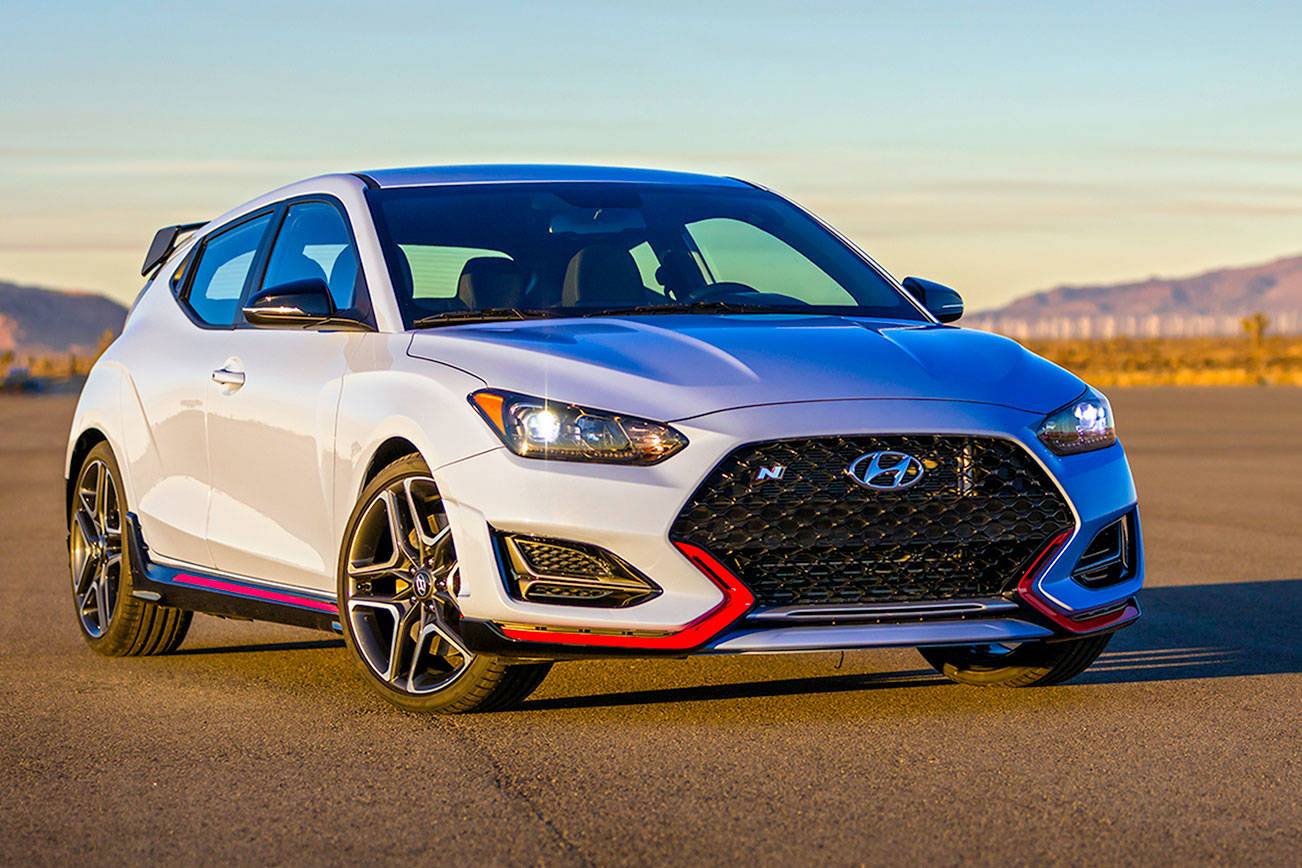
Engine characteristics play a substantial role in the Veloster N’s tire consumption patterns. The 2.0-liter turbo four-cylinder produces 275 horsepower (or 290 with the Performance Package), creating power levels that easily overwhelm front tire traction limits.
The aggressive turbo tune delivers substantial low-end torque that causes wheel spin and tire scrubbing during acceleration, particularly when launching from stops or exiting corners under power.
Front-wheel-drive dynamics create specific challenges that accelerate tire wear in high-performance applications. The front tires must simultaneously handle steering inputs, braking forces, and acceleration traction, creating conflicting demands that rapidly wear tire treads.
Torque steer and differential action during aggressive acceleration cause the tires to scrub sideways, wearing the shoulder areas while power is being transmitted to the wheels.
The limited-slip differential, while improving traction and handling, contributes to accelerated tire wear through increased scrubbing during parking maneuvers and tight turns.
The mechanical differential locks both front wheels together during high-load situations, causing the outer tire to scrub as it’s forced to match the inner tire’s rotational speed. This scrubbing action rapidly wears the outer edges of both front tires.
Electronic systems in the Veloster N prioritize performance over tire preservation through aggressive calibrations that allow substantial wheel slip before intervention.
The various drive modes, particularly N and N Custom settings, significantly reduce electronic intervention levels, allowing experienced drivers to exceed traction limits for extended periods. The launch control system, while providing consistent acceleration, subjects the tires to extreme loading that accelerates wear patterns.
3. Genesis GV70 (2022-2025)
The Genesis GV70, particularly in its higher-performance variants, exemplifies how luxury performance crossovers can be surprisingly demanding on tires despite their practical positioning.
With its sophisticated all-wheel-drive system, performance-oriented suspension tuning, and aggressive tire specifications, the GV70 typically requires tire replacement every 20,000 to 30,000 miles, representing a significant ongoing cost that can surprise owners expecting typical crossover tire longevity.
The GV70’s electronically controlled all-wheel-drive system, while providing excellent traction and handling capabilities, creates conditions that accelerate tire wear through complex torque distribution patterns.
The system constantly varies power between front and rear axles based on driving conditions, creating different loading patterns that prevent even wear across all four tires. The rear-biased torque distribution during normal driving concentrates wear on the rear tires, while aggressive acceleration transfers substantial loads to the front tires.
Suspension tuning prioritizes handling precision over tire preservation through sport-calibrated components and aggressive alignment specifications.
The multi-link suspension systems front and rear feature substantial negative camber angles that improve cornering grip but concentrate wear on the inner portions of tire treads. The adaptive dampers, even in comfort mode, maintain relatively firm control that increases tire loading during everyday driving maneuvers.
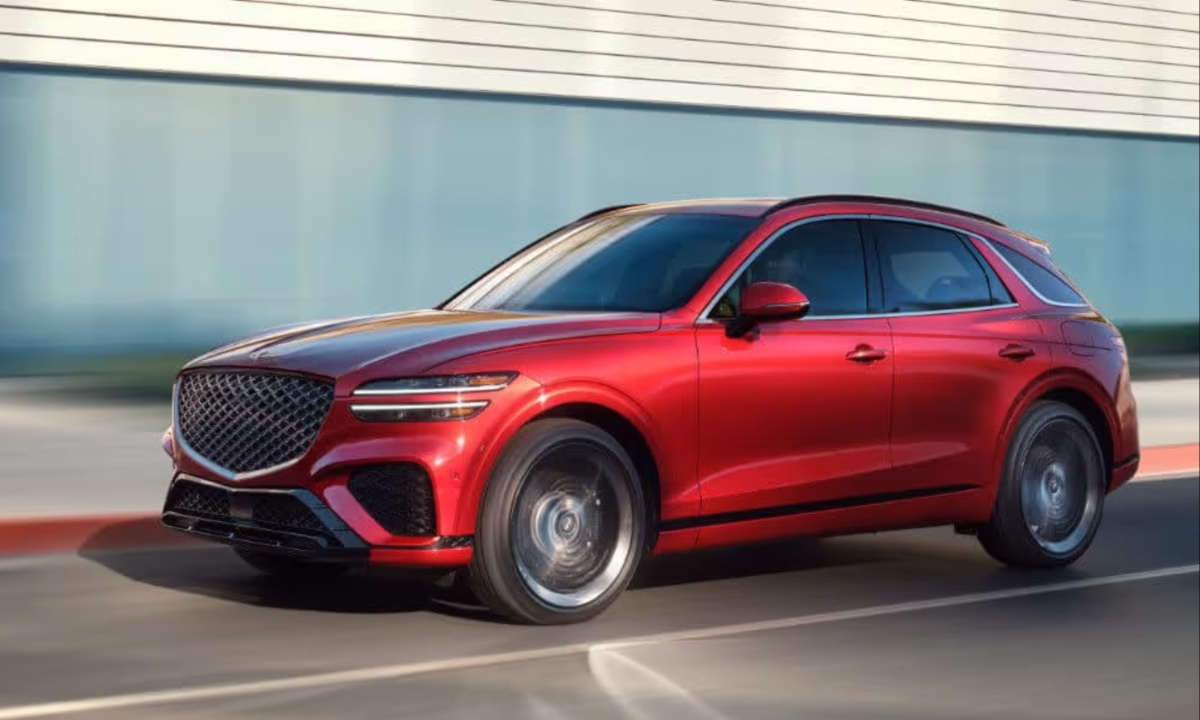
Performance tire specifications create additional wear challenges, particularly on Sport and Sport Prestige trim levels. The staggered tire setup with 255/45R20 front and 275/40R20 rear tires prevents rotation and forces independent wear patterns that often require replacement in axle pairs.
The low-profile sidewalls provide minimal cushioning against road impacts while the wide contact patches generate substantial heat during highway cruising, accelerating compound degradation.
Engine characteristics significantly impact tire longevity across the GV70 lineup. The base 2.5-liter turbo produces 300 horsepower and 311 lb-ft of torque, while the available 3.5-liter twin-turbo generates 375 horsepower and 391 lb-ft.
Both engines can easily overwhelm tire traction limits during aggressive acceleration, particularly the twin-turbo variant that delivers substantial low-end torque through the all-wheel-drive system’s rear-biased configuration.
The electronic limited-slip differential on higher trim levels enhances handling but contributes to accelerated tire wear through increased scrubbing during parking maneuvers and tight turns.
The system actively varies torque distribution between rear wheels to improve cornering response, but this action causes tire scrubbing as the differential forces speed differences between left and right tires during turning maneuvers. Brake system demands also contribute to tire wear through thermal cycling and aggressive weight transfer characteristics.
The large brake rotors and high-friction pads generate substantial heat during normal braking, which transfers to the tires and accelerates compound degradation. The sport-tuned brake bias creates aggressive forward weight transfer that concentrates wear on the front tires during deceleration.
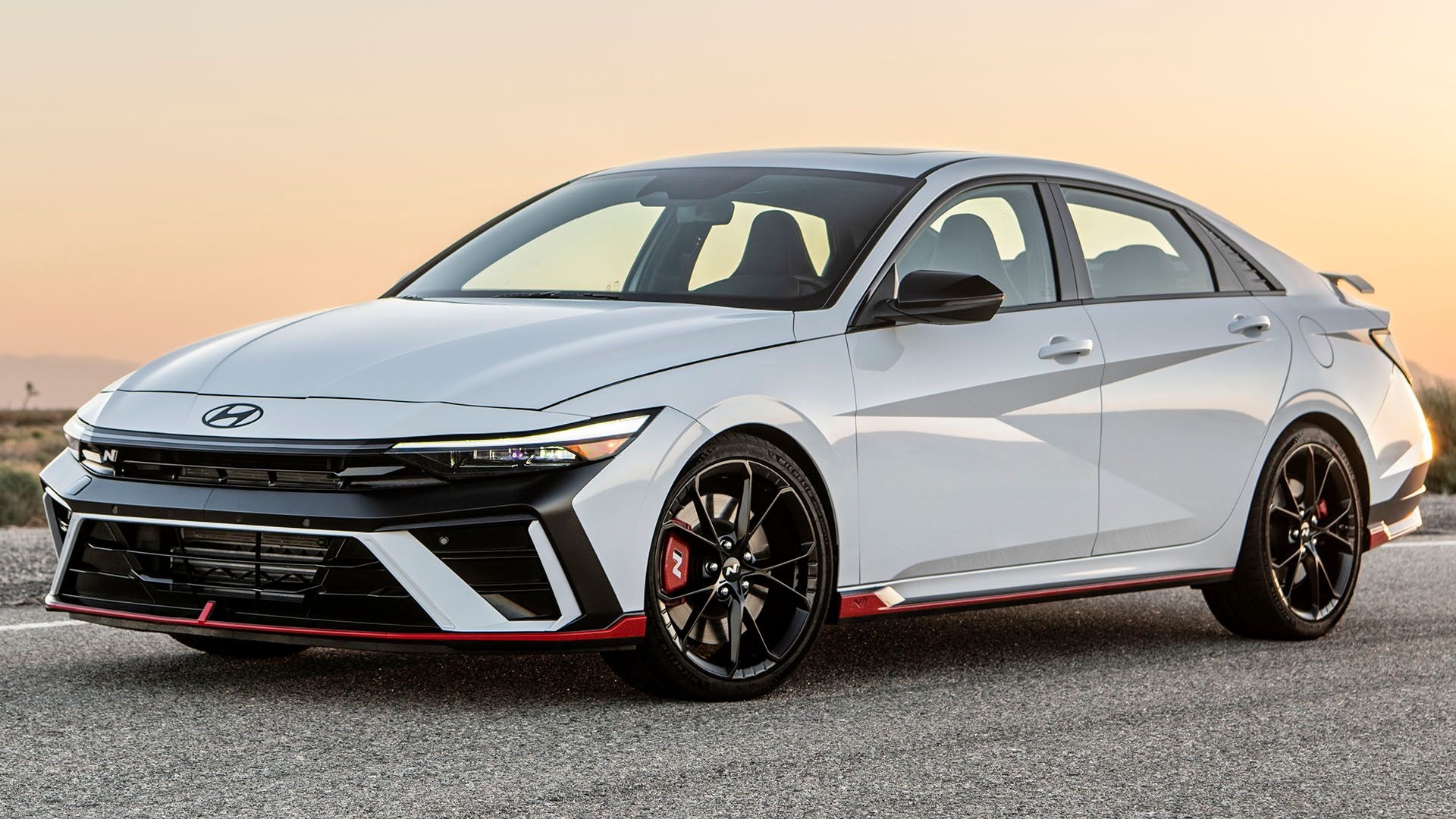
4. Elantra N (2022-2025)
The Hyundai Elantra N represents the brand’s commitment to serious performance in the compact sedan segment, delivering track-capable dynamics that inevitably result in substantial tire consumption.
As Hyundai’s answer to hardcore hot hatches and sport sedans, the Elantra N typically requires tire replacement every 15,000 to 25,000 miles under enthusiastic driving conditions, making tire costs a significant consideration for potential owners.
Track-derived suspension tuning creates the foundation for the Elantra N’s tire-demanding characteristics through aggressive alignment specifications and race-inspired calibrations.
The extensively modified suspension system features substantial negative camber angles, minimal toe settings, and firm spring rates that maximize tire contact during high-speed cornering at the expense of even wear during normal driving. The adaptive dampers maintain aggressive control even in their softest settings, increasing tire loading during everyday maneuvers.
Performance tire specifications compound the wear challenges inherent in the Elantra N’s chassis tuning. The standard 245/35R19 Michelin Pilot Sport 4S tires represent a compromise between street usability and track performance, but their soft compounds wear rapidly under both aggressive and normal driving conditions.
The 35-series sidewall provides minimal cushioning against road irregularities while concentrating wear forces across the relatively wide 245mm contact patch.
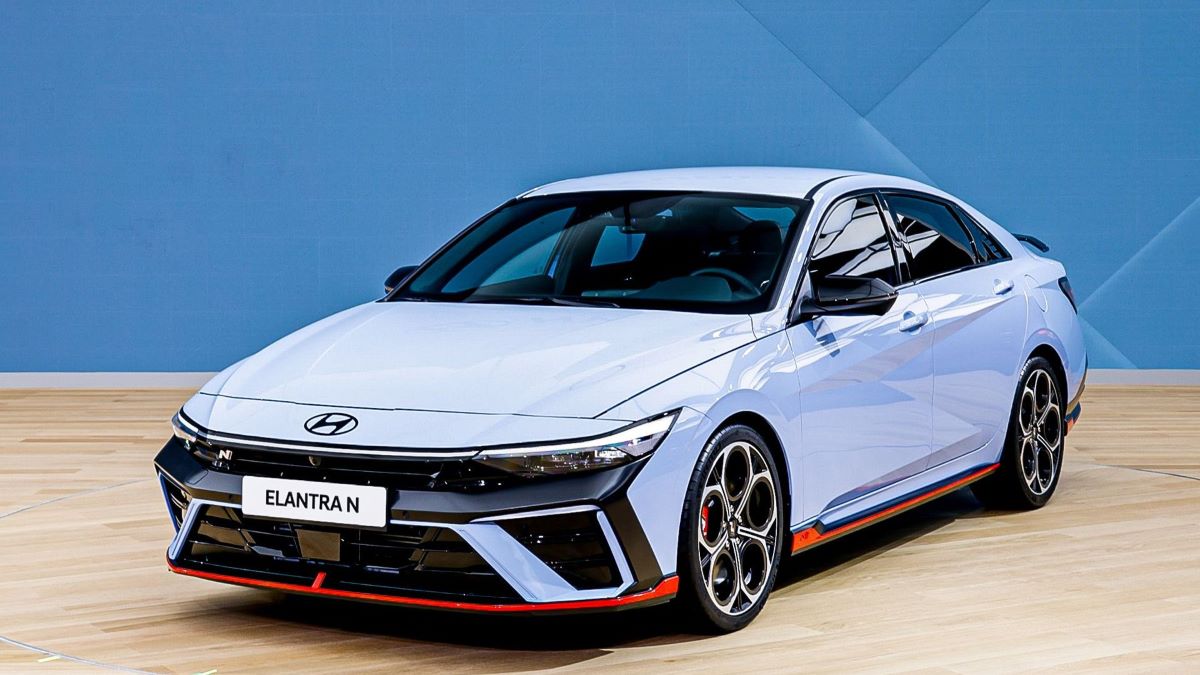
The high-performance 2.0-liter turbo engine produces 276 horsepower and 289 lb-ft torque, creating power levels that easily exceed front tire traction limits during aggressive driving.
The engine’s aggressive turbo calibration delivers substantial mid-range torque that causes wheel spin and tire scrubbing during acceleration, particularly when launching from stops or accelerating through corners under power. The overboost function temporarily increases output to 286 horsepower, further overwhelming tire traction capabilities.
Front-wheel-drive dynamics in high-performance applications create specific challenges that accelerate tire wear patterns. The front tires must simultaneously manage steering inputs, braking forces, and acceleration traction, creating conflicting demands that rapidly degrade tire treads.
The electronic limited-slip differential improves traction but causes tire scrubbing during tight turns and parking maneuvers as it forces both front wheels to rotate at similar speeds.
Electronic systems prioritize performance over tire preservation through aggressive calibrations that permit substantial wheel slip before intervention.
The various drive modes, particularly N and N Custom settings, significantly reduce electronic intervention levels, allowing experienced drivers to maintain tire slip angles that would be prevented in more conservative vehicles. The launch control system provides consistent acceleration performance but subjects the tires to extreme loading cycles.
The Elantra N’s track-focused features contribute to accelerated tire wear through systems designed for maximum performance rather than longevity.
The active exhaust system’s aggressive engine mapping encourages spirited driving that naturally increases tire wear rates, while the track-capable braking system generates substantial heat that transfers to the tires and accelerates compound degradation during aggressive use.
5. Santa Cruz (Turbocharged, 2022-2025)
The Hyundai Santa Cruz, particularly when equipped with the available turbocharged engine, presents an interesting case study in how performance-oriented powertrains can significantly impact tire longevity even in practical pickup truck applications.
While the Santa Cruz offers impressive capability and driving dynamics, the turbocharged variants typically require tire replacement every 25,000 to 35,000 miles, representing notably shorter intervals than conventional pickup trucks in this segment.
The 2.5-liter turbocharged engine produces 281 horsepower and 311 lb-ft of torque, creating substantial power levels that can easily overwhelm tire traction during aggressive acceleration or hauling situations.
The turbocharger’s boost delivery characteristics create sudden torque spikes that cause wheel spin and tire scrubbing, particularly when accelerating from stops with the truck bed loaded or when towing trailers approaching the 5,000-pound capacity limit.
All-wheel-drive system complexity contributes to accelerated tire wear through variable torque distribution patterns that prevent even loading across all four tires.
The HTRAC system varies power distribution between front and rear axles based on driving conditions and driver inputs, creating different wear patterns that can result in irregular tire degradation. The system’s sport calibrations in higher trim levels increase rear-wheel bias during acceleration, concentrating wear on rear tires during performance driving.
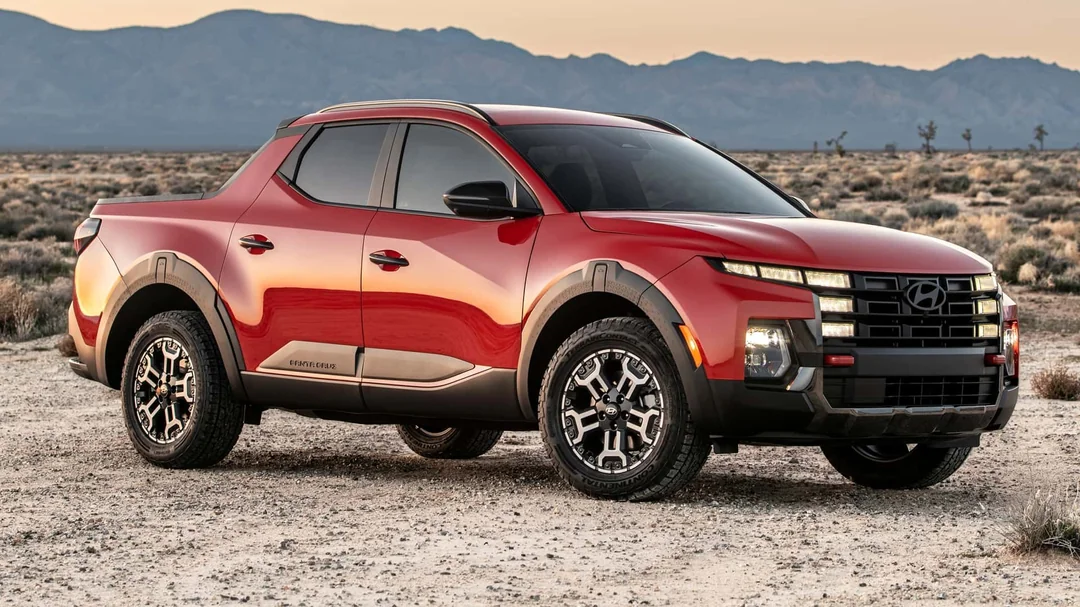
Suspension tuning balances capability with handling characteristics in ways that can accelerate tire wear compared to traditional pickup trucks. The independent rear suspension provides better ride quality and handling than solid axles but creates more complex wheel movement patterns that can cause irregular wear if alignment specifications drift from factory settings.
The sport-tuned variants feature firmer springs and dampers that increase tire loading during everyday driving maneuvers. Tire specifications on turbocharged Santa Cruz models prioritize capability and appearance over maximum longevity.
The standard 245/60R18 all-terrain tires on SEL Premium trim and available 265/50R20 tires on Limited trim provide excellent traction and ground clearance but wear more rapidly than highway-oriented tire compounds. The all-terrain tread compounds sacrifice some longevity for improved off-road traction and more aggressive appearance.
Load carrying and towing capabilities create additional tire wear scenarios unique to pickup truck applications. The Santa Cruz’s 1,611-pound payload capacity and 5,000-pound towing rating place substantial additional loads on tires during utility use.
These loading conditions increase tire temperatures, alter contact patch pressures, and create wear patterns that differ significantly from unloaded driving conditions, often requiring more frequent replacement intervals.
Electronic systems balance performance and capability in ways that can accelerate tire wear during spirited driving or heavy-duty use. The multiple drive modes include settings that reduce electronic intervention to maximize traction during off-road or towing situations, allowing wheel slip that rapidly wears tire treads.
The hill-start assist and hill descent control systems help manage challenging terrain but cannot eliminate the tire scrubbing associated with steep grade navigation.
The Santa Cruz’s unique positioning as a lifestyle-oriented pickup truck encourages driving behaviors that can accelerate tire wear compared to traditional trucks used primarily for utility purposes.
The car-like driving dynamics and performance-oriented powertrains invite more aggressive driving styles that naturally increase tire wear rates compared to conservative truck operation focused solely on hauling and towing efficiency.
Also Read: 5 Nissans That Stay Comfortable for Families vs 5 That Feel Cheap
