Volkswagen has long been a prominent name in the American car market, blending German engineering with practicality and often stylish design.
But while some VW models prove nearly bulletproof when it comes to engine longevity, others have gained notoriety for constant check engine lights, oil consumption, or full-blown mechanical failures.
If you’re shopping used or just curious about reliability trends, here’s a deep dive into five Volkswagens that rarely have engine trouble and five that are known for constant engine issues. When it comes to cars, reliability is king. Nobody wants to spend weekends in the repair shop or empty their wallet on unexpected engine fixes.
Volkswagens That Rarely Have Engine Trouble
Volkswagen has a mixed reputation, some models have earned a cult following for their engineering, while others have left owners frustrated with costly repairs. But here’s the good news: not all Volkswagens are created equal.
A handful of models have proven to be surprisingly durable, with engines that keep running strong mile after mile. In this article, we’ll break down the Volkswagens that rarely give owners engine trouble, so you know which ones are worth betting on.
1. Volkswagen Golf TDI (2009–2014)
The Golf TDI from this era is a diesel-powered hatchback that earned a reputation for being both frugal and dependable. The 2.0L TDI engine, especially the later Common Rail versions (post-2009), is known for its longevity when properly maintained.
Owners routinely report 200,000+ miles without major engine work. As long as emissions systems and timing belt intervals are respected, the engine itself is a tank.
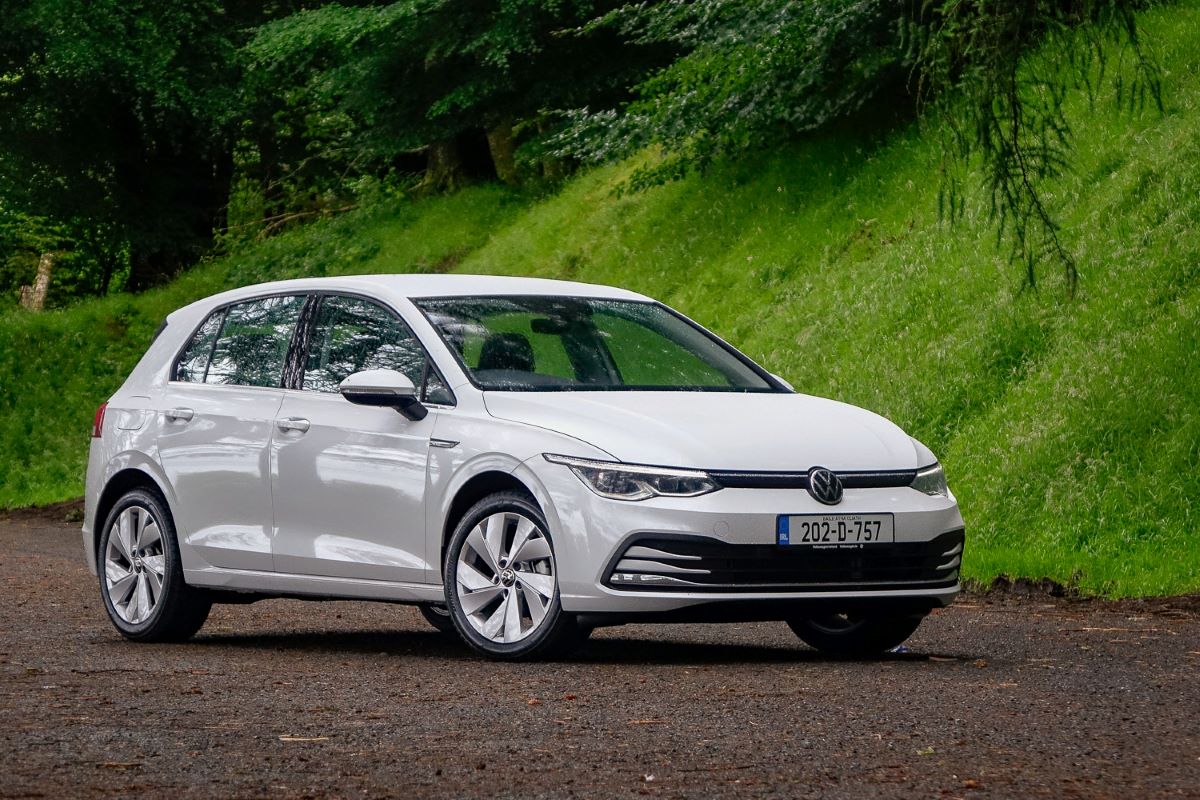
When stacked against other vehicles in its class, the VW Golf comes across as notably upscale. Its interior easily outshines competitors, including VW’s own 2011 Jetta, thanks to its refined design, high-quality materials, and overall comfort. With optional upgrades like a premium Dynaudio sound system and a navigation unit, this relatively economical hatchback starts to give off the vibe of a near-luxury car.
The strengths of the Golf extend beyond the cabin. Under the hood, buyers can choose between a lively 2.5-liter inline-five engine or a highly fuel-efficient turbodiesel that boasts an impressive 42 mpg on the highway.
The driving experience is equally rewarding, offering a composed on-road feel, sharp steering, and handling that inspires confidence. Much of this refinement is the result of the redesign introduced just the year before.
For shoppers in this segment, the 2011 Mazda 3 might attract those seeking even sharper handling and greater cargo space, though its interior falls short of the Golf in both design and quality. The 2011 Hyundai Elantra Touring, more budget-friendly, is also worth a look for its spaciousness, features, and sporty character.
Meanwhile, the charming 2011 Mini Cooper appeals to enthusiasts, but its steeper price tag and limited space are hard to overlook. Ultimately, the 2011 Volkswagen Golf rises above the competition by surpassing expectations and delivering that hard-to-find feeling of “more for the money.”
The base 2011 Volkswagen Golf 2.5L comes equipped with a 2.5-liter five-cylinder engine that generates 170 horsepower and 177 pound-feet of torque. In states adhering to California emissions standards, these Golf models earn a partial-zero-emissions vehicle (PZEV) classification.
Also Read: 5 Volkswagens That Run Forever and 5 That Constantly Stall
2. Volkswagen Passat VR6 (2006–2010)
The VR6-powered Passats might not be the most fuel-efficient, but they are among the most mechanically sound in VW’s lineup.
This narrow-angle V6 engine avoids many of the carbon build-up and timing chain tensioner issues seen in smaller turbocharged motors. It’s smooth, strong, and surprisingly durable when oil changes are kept consistent.
For 2006, Volkswagen tackled both form and function with the Passat, delivering a roof-to-rubber redesign that makes it bigger, faster, and more luxurious than ever. The latest generation grows by 3 inches in both length and width, while rear passengers benefit from an additional 2.4 inches of legroom.
Inside, the cabin steps up its game with top-tier materials and an even more upscale look, complemented by clever updates throughout the cockpit Excitement continues under the hood with the arrival of a 200-horsepower 2.0-liter turbocharged inline-four (2.0T), replacing the beloved 1.8T previously found in VW and Audi models.

This engine offers plenty of torque, 207 pound-feet, and pairs seamlessly with either a six-speed manual or VW’s six-speed Tiptronic automatic. For drivers seeking extra muscle to take on rivals like the Altima, there’s the narrow-angle 3.6-liter V6, delivering 280 hp and 265 lb-ft of torque, with an optional 4Motion all-wheel-drive system.
The Passat’s body is now 56 percent stiffer than its predecessor, and combined with an all-new fully independent suspension, it delivers a sportier driving experience. Body roll through corners is minimal, and the squat and dive issues that once plagued earlier models are completely gone.
Whether you’re considering an entry-level commuter trimmed in leatherette with the 2.0T and manual transmission, or an upscale family sedan boasting leather seating and the V6, the 2006 Volkswagen Passat is designed to impress. Though it carries a higher price tag than most midsize sedans, the Passat offers a premium feel throughout that few competitors can match.
3. Volkswagen Touareg V6 TDI (2011–2016)
Volkswagen’s mid-size luxury SUV with the 3.0L V6 TDI engine is impressively robust. Built with more Audi/Porsche DNA than most VWs, this model thrives under long-distance conditions.
Engine trouble is rare, provided you don’t skimp on maintenance especially with fuel system treatments and oil quality. The 2012 Volkswagen Touareg offers a well-rounded lineup that caters to a variety of buyers. Under the hood, options include a capable gasoline V6, a strong yet fuel-efficient TDI diesel, and a Hybrid model that lives up to its promise of delivering V8-like power with V6-level fuel economy.
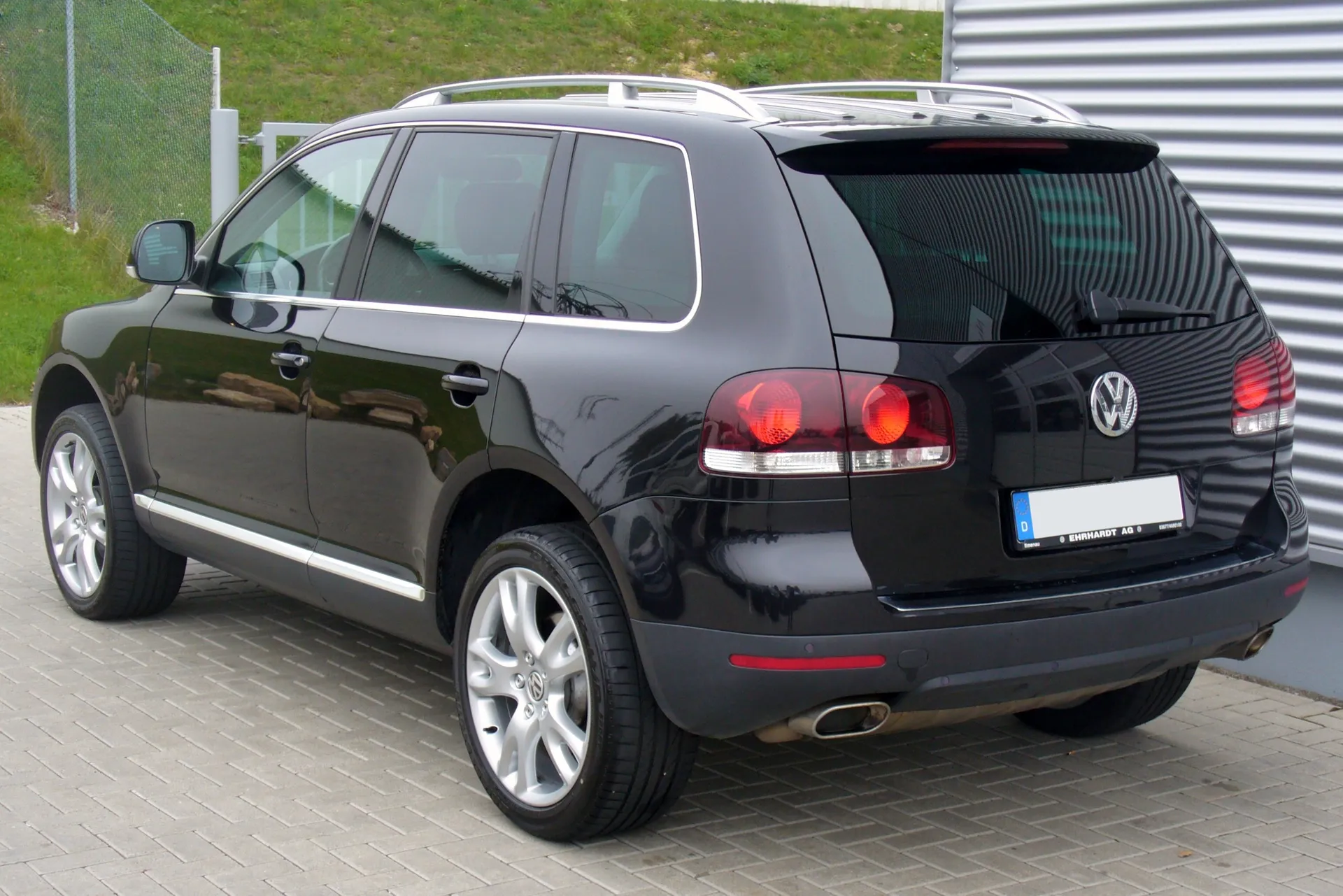
Inside, even the base Touareg feels upscale, rivaling interiors from luxury brands such as BMW and Lexus. Rich wood trim, metallic accents, and premium materials dominate the cabin, while modern electronics and entertainment features add to its appeal. There’s no third-row seating, and cargo space remains average for the segment.
Every 2012 Volkswagen Touareg comes standard with an eight-speed automatic transmission and all-wheel drive. The VR6 models feature a 3.6-liter gasoline V6 producing 280 horsepower and 265 pound-feet of torque. TDI versions are powered by a 3.0-liter turbodiesel V6 delivering 225 hp and an impressive 406 lb-ft of torque.
The Hybrid combines a supercharged, direct-injection 3.0-liter V6 with an electric motor, generating a combined 380 hp and 428 lb-ft of torque. According to Edmunds testing, this setup launches the Touareg Hybrid from 0 to 60 mph in just 5.8 seconds.
4. Volkswagen Jetta 2.5L (2005–2014)
Though not the most refined engine, the naturally aspirated 2.5L inline-5 used in many Jettas is an overbuilt and understressed motor.
It lacks the performance and fuel economy of VW’s turbocharged units but more than makes up for it with durability. Timing chains rarely fail, and these engines can hit high mileages with minimal internal wear.
The Jetta continues to deliver the confident handling and smooth ride expected from a German-engineered vehicle. This generation, introduced five years ago, may not turn heads with its styling as earlier Jettas did, but it still upholds the model’s tradition of offering a European driving experience at a price point that competes with more basic options in the small sedan and wagon segments.
The lineup was notably enhanced last year with the reintroduction of the Jetta TDI and the debut of the Jetta SportWagen. The TDI delivers strong performance paired with the excellent fuel economy of a turbodiesel engine, while the SportWagen blends the Jetta’s solid personality with the practicality of a wagon design.

After a hiatus caused by tightening emissions regulations, the TDI returned as a clean diesel that is fully 50-state compliant and offers an impressive combined fuel economy rating of 34 mpg. As for the SportWagen, it provides far more cargo room than VW’s own Tiguan compact SUV, 18 extra cubic feet with the seats upright and 10 more with them folded down.
The 2010 Volkswagen Jetta offers three engine choices. The S, Limited, and SE trims, along with the SEL sedan, are equipped with a 2.5-liter five-cylinder engine producing 170 horsepower and 177 pound-feet of torque. A five-speed manual transmission is standard, while a six-speed automatic with manual shift control is available as an option.
In performance tests, a manual-equipped Jetta SE accelerated from 0 to 60 mph in 8.6 seconds. EPA fuel economy ratings for the automatic stand at 23 mpg city, 30 mpg highway, and 25 mpg combined, while the manual earns 1 mpg less in city driving. In California and other states following its emissions standards, this engine receives a clean PZEV tailpipe emissions rating.
5. Volkswagen Beetle Turbo (2012–2016)
Equipped with the 2.0L TSI Gen 3 engine (not the problematic earlier versions), the later-model Beetle Turbo has proven to be surprisingly solid.
The newer engine design improved timing chain guides, oil consumption, and PCV reliability. When paired with a DSG or manual, these engines tend to avoid the headaches common in earlier turbo units.
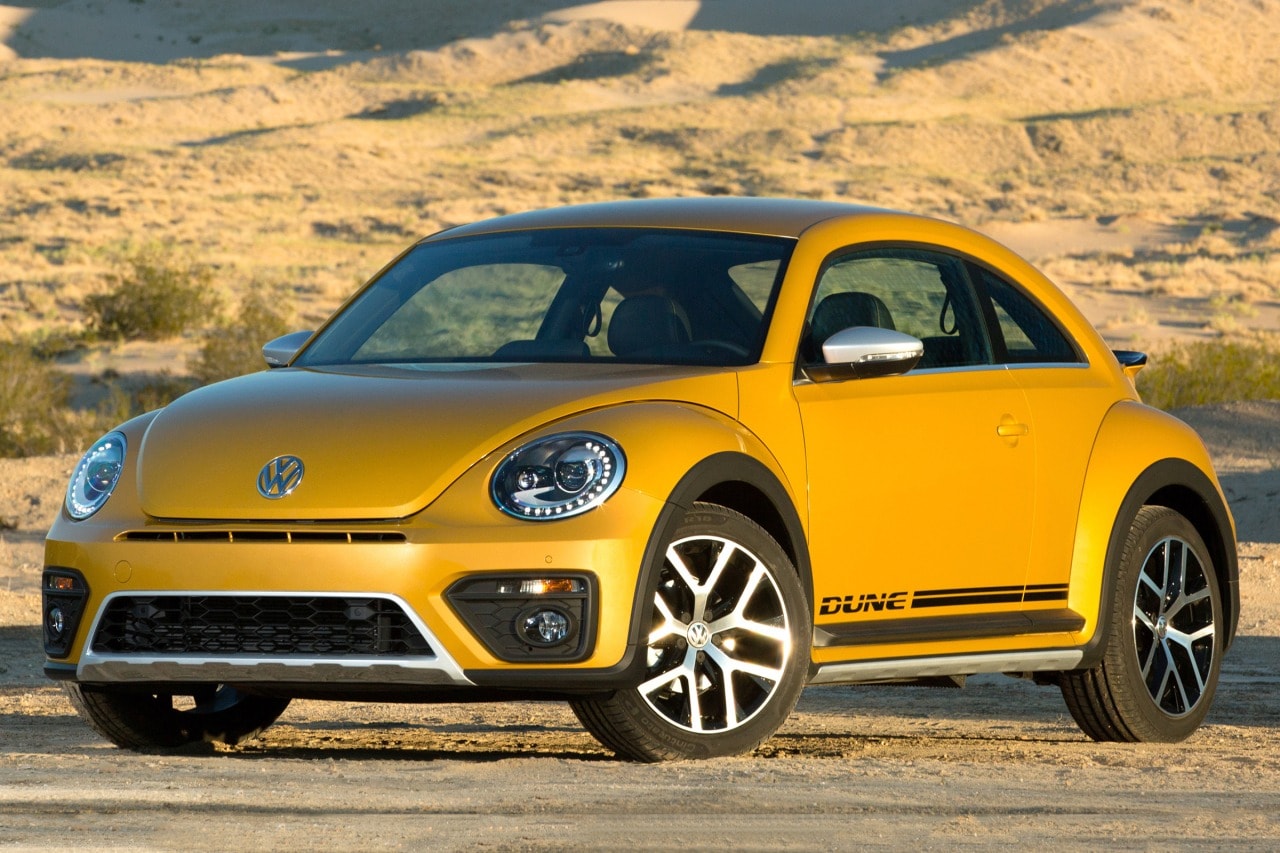
An entirely new model based on the most recent mechanical underpinnings from the redesigned VW Golf, the 2012 Beetle is a car that’s a little less cute but a lot more functional.
Indeed, the redesigned car is longer, wider, lower and has more upright A-pillars. This not only gives the Beetle more classic proportions, but also provides more legroom, a bigger trunk and a more natural driving position that dispenses with the previous car’s massive dash top and awkward sight lines around the windshield pillars.

The interior design has been redone as well to be modern without losing the Beetle heritage. The upright dashboard has an available drop-down glovebox, and it is color-keyed to the exterior to add a welcome splash of personality.
The design might not be as retro as the Mini Cooper, but then neither are its interior controls, and this is definitely a good thing. In fact, the Beetle gets the same sensible electronics features and control interface that you see elsewhere in the VW lineup, including Bluetooth, iPod and a navigation system.
Mechanically, the 2012 VW Beetle is mostly comprised of bits and pieces from the Golf. The unrefined and inefficient five-cylinder base engine is an unfortunate hand-me-down, while the Beetle Turbo’s spirited and efficient four-cylinder is a genetic blessing from the Golf GTI.
Estimated EPA fuel economy is 22 mpg city/29 mpg highway and 25 mpg combined with the automatic (22/31/25 with the manual), which is mediocre for a car this size.
Also Read: 10 Best Cars That Feel Expensive But Cost Pennies
Volkswagens That Constantly Have Engine Trouble
Not all Volkswagens are built to go the distance. While the brand is known for its sleek designs and German engineering, some models have a darker side, engines that just can’t seem to stay out of the shop.
From persistent oil leaks to catastrophic failures that leave owners stranded, these problem-prone VWs have gained a reputation for being more trouble than they’re worth. If you’re thinking about buying a used Volkswagen, you’ll want to know which models to avoid. In this article, we’ll call out the Volkswagens that constantly suffer engine trouble, so you don’t end up with a money pit on wheels.
1. Volkswagen Jetta 1.8T (1999–2005)
The Mk4 Jetta with the 1.8T turbocharged engine is notorious for sludge buildup, failed coil packs, turbo issues, and overall fragility if not meticulously maintained.
Many owners experienced premature engine wear due to long oil change intervals and a design that didn’t forgive neglect. These engines are sensitive and don’t tolerate shortcuts.
The Jetta, Volkswagen’s sedan counterpart to the Golf, has always been a favorite of ours. Like many German-engineered vehicles, it strikes a remarkable balance, allowing the driver to stay connected with the road’s nuances without compromising comfort. The fourth-generation Jetta made its debut in 1999, sporting a completely refreshed design, and for this year, buyers can expect minor changes in equipment.

The base GL model comes equipped with a 2.0-liter, four-cylinder engine that produces 115 horsepower and generates 122 foot-pounds of torque at 2,600 rpm, providing swift acceleration from a standstill. Standard features on the GL include side airbags, a cassette stereo, ABS, and heated remote mirrors.
The next step up is the GLS trim, which can be upgraded with an optional V6 engine and offers more features, such as cruise control, power windows and mirrors, and a center armrest. The big news for 2000 is the introduction of a turbocharged 1.8-liter four-cylinder engine in the GLS, known as the 1.8T.
This engine churns out 150 horsepower and delivers lively performance throughout the rev range, better yet, it comes at a more affordable price than the V6. Additionally, a Turbocharged Direct Injection (TDI) diesel engine is available on both the GL and GLS models. When paired with a manual transmission, the TDI achieves an impressive 49 mpg.
The top-tier Jetta GLX comes standard with the smooth and powerful 174-horsepower VR6 engine, along with a range of premium features such as rain-sensing wipers, automatic climate control, leather seats, self-dimming rearview mirrors, and tasteful wood trim.
2. Volkswagen Passat 2.0T (2006–2008)
The early versions of VW’s 2.0T FSI turbocharged engine (code: BPY) are plagued with multiple known issues: timing chain tensioner failures, oil consumption, carbon buildup, and weak cam followers.
While these problems were eventually ironed out in newer revisions, these early engines remain a reliability nightmare unless over-maintained. All Turbo, Komfort, and Lux models of the 2008 Volkswagen Passat are powered by a 2.0-liter turbocharged inline four-cylinder engine, delivering 200 horsepower and 207 pound-feet of torque.
The base Turbo models offer a choice between a six-speed manual transmission or a six-speed automatic, with the automatic being standard on both the Komfort and Lux trims. On the other hand, all 2008 Passat VR6 models come equipped with a 3.6-liter V6 engine that generates 280 horsepower and 265 pound-feet of torque, also paired with a six-speed automatic transmission.

Even with the automatic, the 2.0-liter turbo engine provides impressive performance, with a Passat sedan accelerating from 0 to 60 mph in 7.7 seconds. The front-wheel-drive VR6 models perform even better, achieving that same feat about a second faster.
However, the Passat VR6 4Motion comes in with much lower efficiency, offering only 16 mpg city/24 mpg highway. The front-wheel-drive VR6 model, with a rating of 17/26 mpg, is more in line with the average fuel economy for V6-equipped sedans.
The 2008 Passat comes well-equipped with safety features. Standard safety equipment includes antilock disc brakes, traction control, stability control, anti-whiplash front head restraints, front-seat side airbags, and full-length head curtain airbags. Additionally, rear-seat side airbags are available as an option on all trim levels.
3. Volkswagen CC 2.0T (2009–2012)
The CC was a stylish coupe-like sedan, but its 2.0T engine particularly in the earlier years suffered from the same FSI-related woes as the Passat: excessive oil burning, high-pressure fuel pump issues, and timing chain stretch.
Many owners also reported engine misfires that persisted even after replacing coils and injectors. The 2012 Volkswagen CC differentiates itself from its new Passat counterpart under the hood as well. While both models offer the same optional 3.6-liter V6, the CC comes standard with a more refined and powerful 2.0-liter turbocharged four-cylinder engine.
This engine is one of the finest in its class, offering excellent fuel economy and surprisingly quick acceleration for its power output. However, unlike the Passat, there is no turbodiesel option available for the CC. While the 2012 VW CC may have some practical limitations, we believe these are outweighed by its striking design and true German craftsmanship.

The CC provides a more stylish and sophisticated alternative to family sedans like the 2012 Honda Accord, 2012 Hyundai Sonata, and 2012 Passat. Additionally, a well-equipped CC can stand toe-to-toe with entry-level luxury vehicles such as the 2012 Acura TL, 2012 Audi A4, and Infiniti G Sedan. For the right buyer, this VW offering is a perfect fit.
The 2012 VW CC 2.0T models are front-wheel drive and are powered by a 2.0-liter turbocharged four-cylinder engine that generates 200 horsepower and 207 pound-feet of torque.
A six-speed manual transmission is standard on the Sport and R-Line trims, while a six-speed dual-clutch automated manual (DSG) is optional on those trims and standard on the Lux trim. Despite its relatively modest output, the lively 2.0T engine can accelerate the CC from 0 to 60 mph in just 7.3 seconds when paired with the DSG, which is about a second faster than most typical four-cylinder midsize sedans.
4. Volkswagen Tiguan 2.0T (2009–2015)
The first-generation Tiguan may look like a family-friendly compact crossover, but it’s under the hood where problems multiply. The 2.0T engine (again, FSI versions) is infamous for oil starvation and piston ring issues.
Many owners report burning a quart of oil every 1,000 miles or less. Timing chain problems are also common, often leading to complete engine failure if left unchecked.
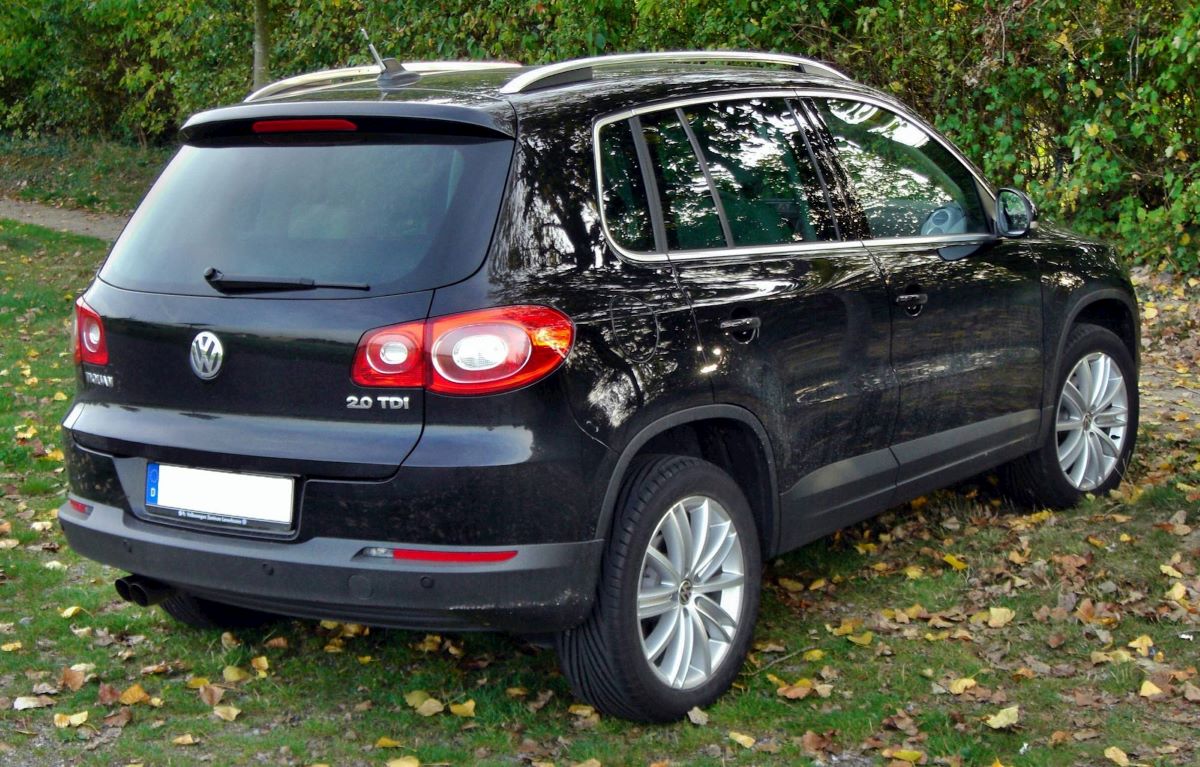
The 2015 Volkswagen Tiguan may be overdue for a complete redesign, but this compact crossover SUV still holds up surprisingly well. As expected from Volkswagen, the Tiguan strikes a balance between mainstream appeal and upscale refinement. While it’s priced slightly higher than many other small crossovers, it offers superior performance, a more refined experience, and a touch of exclusivity in return.
The driving experience is one aspect that doesn’t need any changes. Volkswagen’s German engineering shines through with the Tiguan’s responsive turbocharged four-cylinder engine, which keeps you fully engaged during your daily drive.
Inside, the Tiguan stands out with its high-quality materials and interior design, setting it apart from mainstream competitors. The ride quality is smooth and controlled, though the R-Line trim offers a firmer, sportier feel with its more rigid suspension.
5. Volkswagen Eos 2.0T (2007–2011)
The Eos convertible shares the same cursed early-2.0T FSI powertrain found in other models. While fun to drive, these cars are maintenance-intensive and have earned a poor reputation for engine durability.
Turbo failures, camshaft lobe wear, and rampant oil consumption mean that even well-maintained Eos models often end up in the shop. Volkswagen engines can be long-lasting if you know which ones to trust. Diesel engines like the TDI, the VR6 platform, and naturally aspirated options like the 2.5L inline-5 are generally safe bets.
Driving the 2007 Volkswagen Eos isn’t about chasing high speeds. Its soft suspension setup, even on models equipped with the Sport Package, means it doesn’t offer sharp handling.
This car isn’t aimed at hard-core driving enthusiasts, but it will certainly satisfy those looking for a comfortable convertible that still handles well on back roads. The Eos also features a beautifully crafted cockpit, which is sure to attract admirers. While the backseat is a bit tight for adults, it’s more than suitable for a couple of children.

With the 2.0T engine, the 2007 Volkswagen Eos faces stiff competition from other convertibles like the Ford Mustang, Mitsubishi Eclipse Spyder, Pontiac G6, Toyota Camry Solara, and Volvo C70. The Mustang and Eclipse provide more power in a straight line but lack the refinement and rear-seat space of the Eos.
The Pontiac also comes with a retractable hardtop, but its design isn’t nearly as polished as the Eos. The Toyota is the safe pick in this group, though it lacks the appeal of a hardtop.
The Volvo, on the other hand, shares many of the Eos’s qualities, but the VW has a significant price advantage. However, when equipped with the V6, the Eos becomes harder to justify as its price approaches that of the Volvo, not to mention those of Audi, BMW, and Saab models.
Meanwhile, early turbocharged gas engines, especially those using the FSI system, often come with a list of issues that require expensive, ongoing attention.
If you’re shopping used, always look for complete maintenance records, and be especially wary of models built between 2006 and 2012 with turbocharged gasoline engines.
They might come cheap, but the cost of ownership can be significantly higher than expected.
By knowing which models to avoid and which ones can take a beating, you can enjoy the VW experience without the unexpected repair bills.