
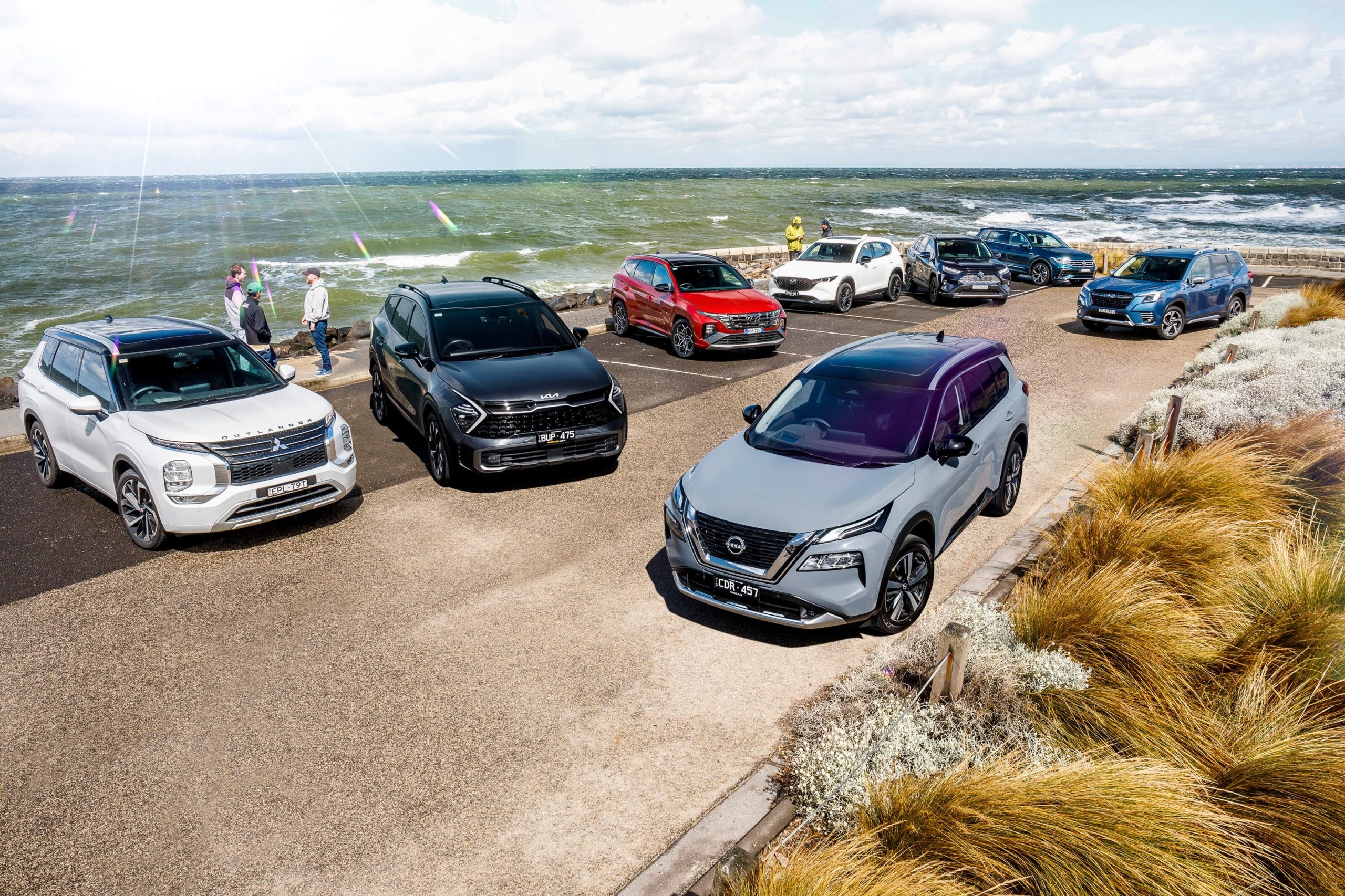
When you think about buying an SUV, one of the things that should not be ignored is how stable the vehicle feels when driving. SUVs are built to be strong and spacious, but if their weight is not evenly spread across the vehicle, they can feel shaky or even unsafe in certain driving conditions.
A balanced SUV handles better, stays firm when turning, and gives the driver more confidence on the road. Whether it’s during highway cruising, city driving, or off-road use, that sense of control is what many drivers want.
When an SUV does not carry its weight properly, it becomes uncomfortable to handle. You may notice body roll when you turn the wheel, or feel the car tilt too much when you go around corners. These problems come from the weight being too much in one part of the car, like being too top-heavy or having uneven weight between the front and back.
There are a few carmakers that really put effort into making sure their SUVs have proper weight balance. This allows the car to feel more planted while driving, especially at high speeds or on uneven roads.
Some of these SUVs even drive almost like smaller cars because of how well-balanced they are. On the flip side, several SUVs still struggle in this area, and the drivers are the ones who feel it the most when it matters.
We will first take a look at five SUVs that have very good weight balance. These are examples of what good engineering feels like behind the wheel. After that, we will look at five others that tend to feel unstable or wobbly, which affects the entire driving experience and comfort.
5 SUVs With Perfect Weight Balance
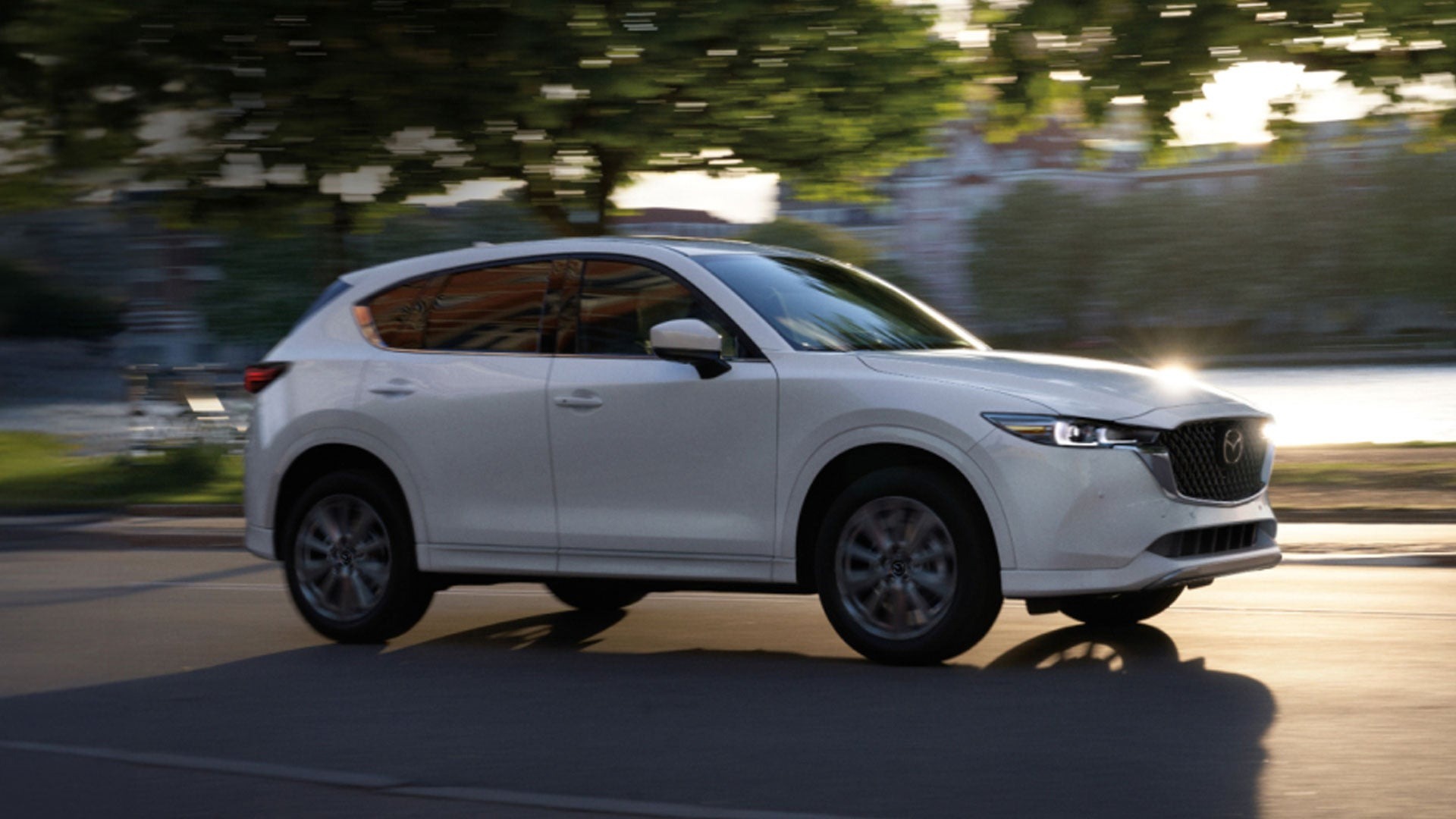
1. 2025 Mazda CX-5
The Mazda CX-5 has been praised by many drivers because of how it handles curves, bumps, and sudden movements. What makes this SUV special is the way the engineers built it to carry its weight properly. The balance between the front and rear parts helps the vehicle move with confidence, even when the road throws surprises at you.
Mazda designed the CX-5 with a low center of gravity. That simply means the heavier parts of the vehicle are closer to the ground. Because of that, the SUV does not lean too much during cornering.
This also makes it feel steadier when you are changing lanes quickly or making emergency stops. The placement of the engine and other parts in the front area of the car also works well with the rest of the structure, making the weight distribution smooth and reliable.
Inside the cabin, passengers enjoy a calm ride because the vehicle doesn’t bounce or shake without control. Even on rough roads, the suspension system and balance keep things under control. Some SUVs may look sporty, but drive like they are floating. The CX-5 is not like that. It gives you feedback from the road without making the ride too stiff. Drivers often say it feels like they are in a sedan, not an SUV, and that’s a big compliment.
Mazda also kept the entire size and weight in check. Instead of overloading the SUV with extra parts or very large wheels, they found a middle point that works well for city traffic, highway speed, and country roads. This vehicle is proof that size is not the only thing that makes a strong SUV. A well-thought-out balance can make a big difference in how a car behaves on the road.
For drivers who want an SUV that handles like a car but still gives them space and comfort, the Mazda CX-5 remains one of the best options out there for well-balanced weight distribution.
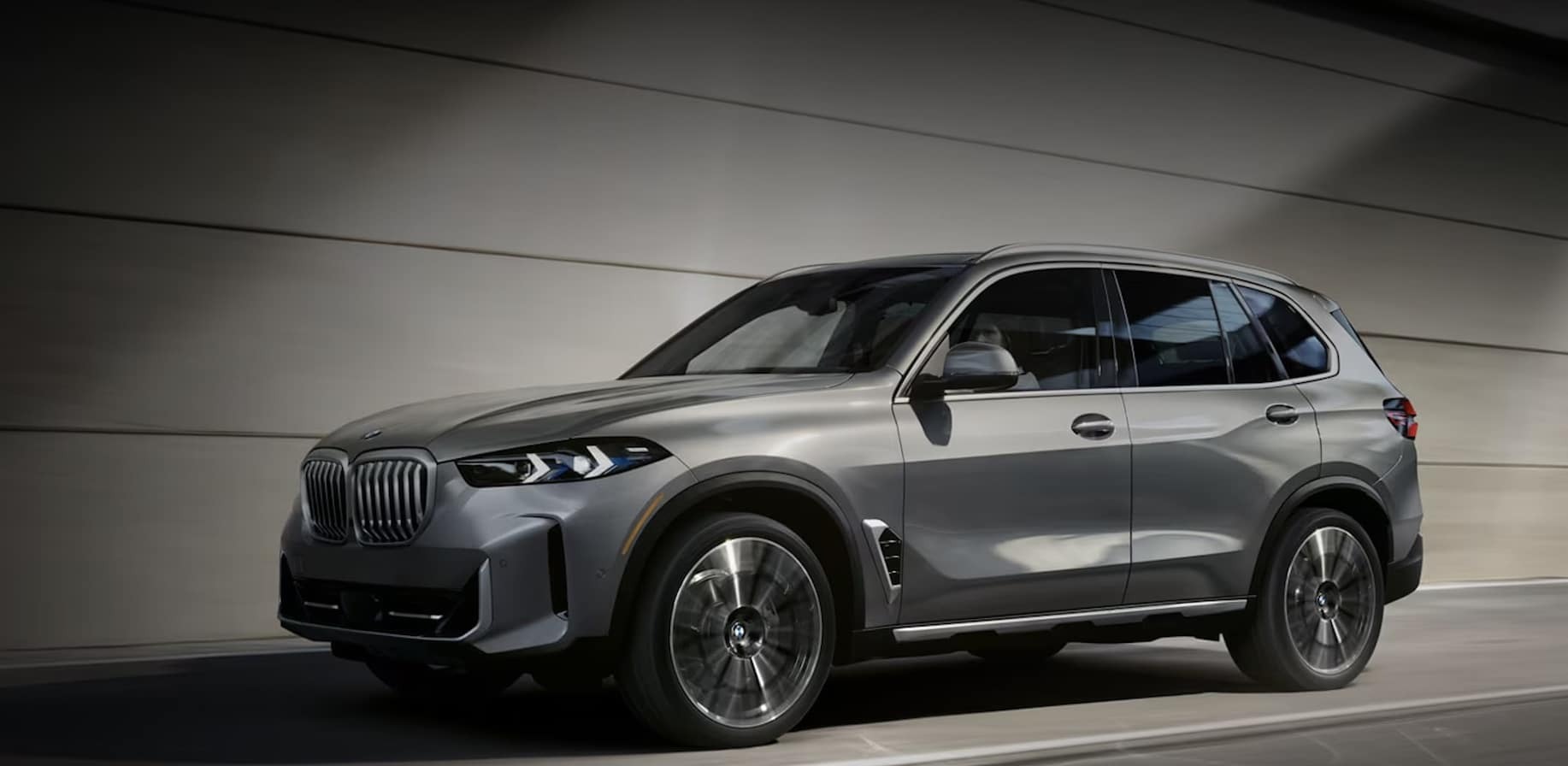
2. 2025 BMW X5
The BMW X5 stands out as a luxury SUV that brings together comfort, power, and careful engineering. One of its biggest strengths is how balanced it feels when you drive it. This SUV was made with serious attention to how weight is shared across the vehicle, and it shows from the moment you step on the gas or take a tight curve.
The engine placement, chassis design, and suspension all play a strong role in helping the X5 maintain excellent control. BMW went with a nearly 50:50 front-to-rear weight ratio, and that helps the driver feel in control in almost every situation. Whether you are speeding on the highway or driving through winding mountain roads, the X5 stays level and responds quickly.
Another thing that makes the BMW X5 special is its adaptive suspension system. This system adjusts automatically based on driving conditions. That means the SUV can remain stable even when road surfaces are uneven. If you’re carrying passengers or cargo, it still keeps a flat stance and won’t tilt like some other SUVs.
Drivers who enjoy a sporty ride often say the X5 feels more like a performance car than a bulky SUV. The steering is sharp, the brakes are firm, and the body stays in position even when pushed to its limits. This confidence comes from the balance BMW created by using lightweight materials and smart placement of heavy components.
Even inside the cabin, passengers benefit from how the car’s weight is managed. The seating position gives a solid view of the road while keeping the ride smooth and quiet. You will not feel like you’re being thrown from side to side during fast turns or sudden stops. That alone shows how well the weight has been planned and controlled.
If you’re looking for an SUV that mixes driving fun with premium build quality and stays firm no matter the condition, the BMW X5 should be near the top of your list.
Also Read: 5 Cars With Lifetime Engine Seals vs 5 That Leak Oil by 100,000 Miles
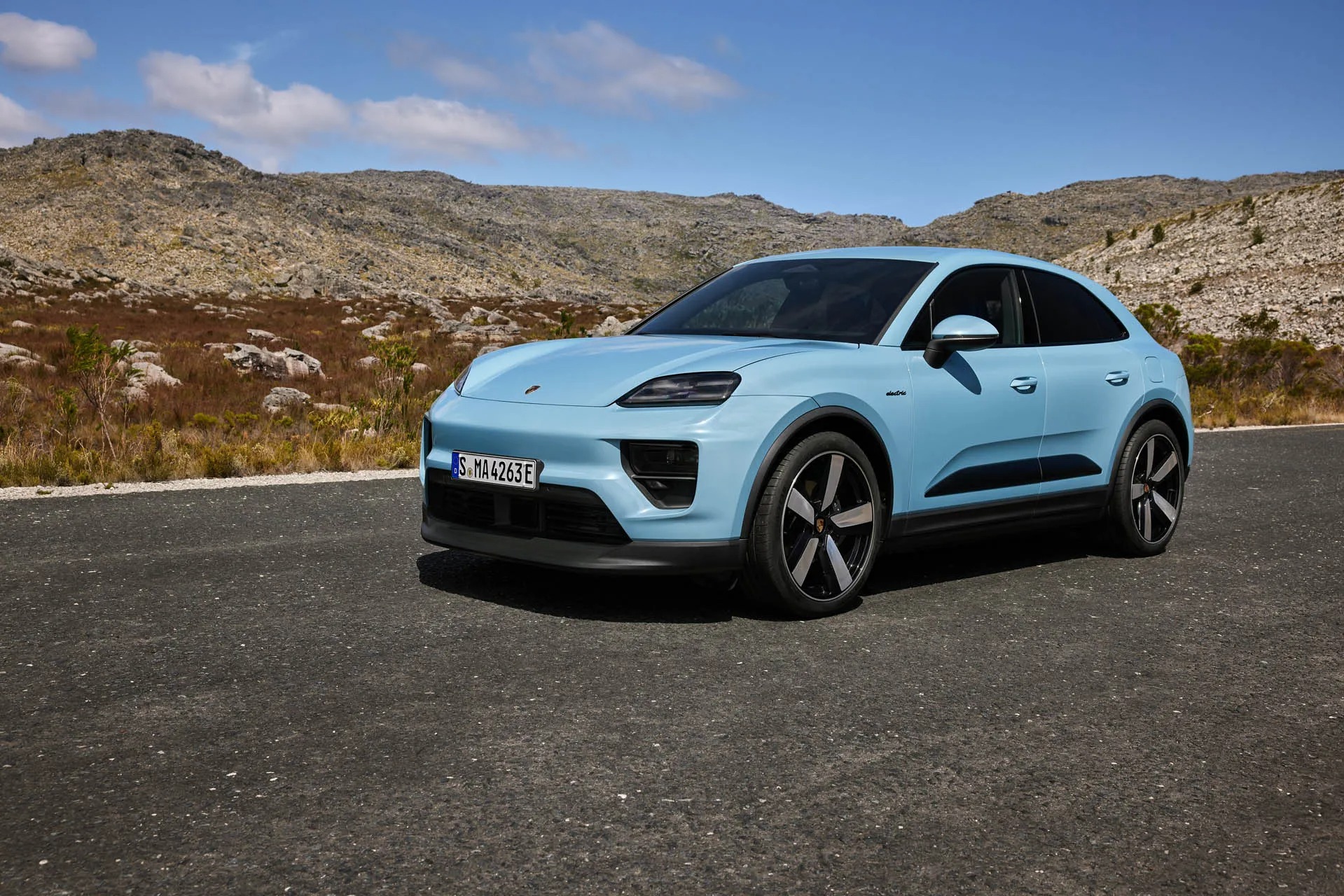
3. 2025 Porsche Macan
The Porsche Macan delivers driving pleasure that’s rare for SUVs, thanks to how the weight is carefully distributed across the body. This SUV was made to be driven with excitement, but it also gives you a smooth and firm feeling that many others in its category don’t provide.
Porsche placed the engine and transmission in such a way that both the front and rear stay connected. Even at high speeds, you won’t notice any wobble. Whether you’re taking corners or just cruising on a straight road, the Macan responds with great accuracy. That level of performance comes from how the weight is kept low and shared between the wheels.
The all-wheel-drive system in the Macan also plays a role in maintaining this stability. It adjusts power to the wheels that need it the most, especially when the car senses loss of grip. That way, you can enjoy a more planted ride even during rainy or snowy days. It feels less like a tall SUV and more like a luxury sports car that just happens to have extra space.
Another feature that adds to the Macan’s balanced feel is its suspension setup. Porsche uses a design that lowers the center of gravity and keeps the body from moving too much when turning. Even when you go over bumps or uneven parts of the road, the vehicle returns to position quickly without bouncing around.
Inside, both the driver and passengers can enjoy the comfort that comes with a smooth ride quality. You’re not likely to feel off-balance or uncomfortable, even on longer drives. Porsche also uses high-quality materials to keep the car lightweight but strong, making the drive feel more in control.
The Macan proves that an SUV can offer both high performance and reliable balance. If you want something sporty but also steady on the road, this one should be part of your shortlist.
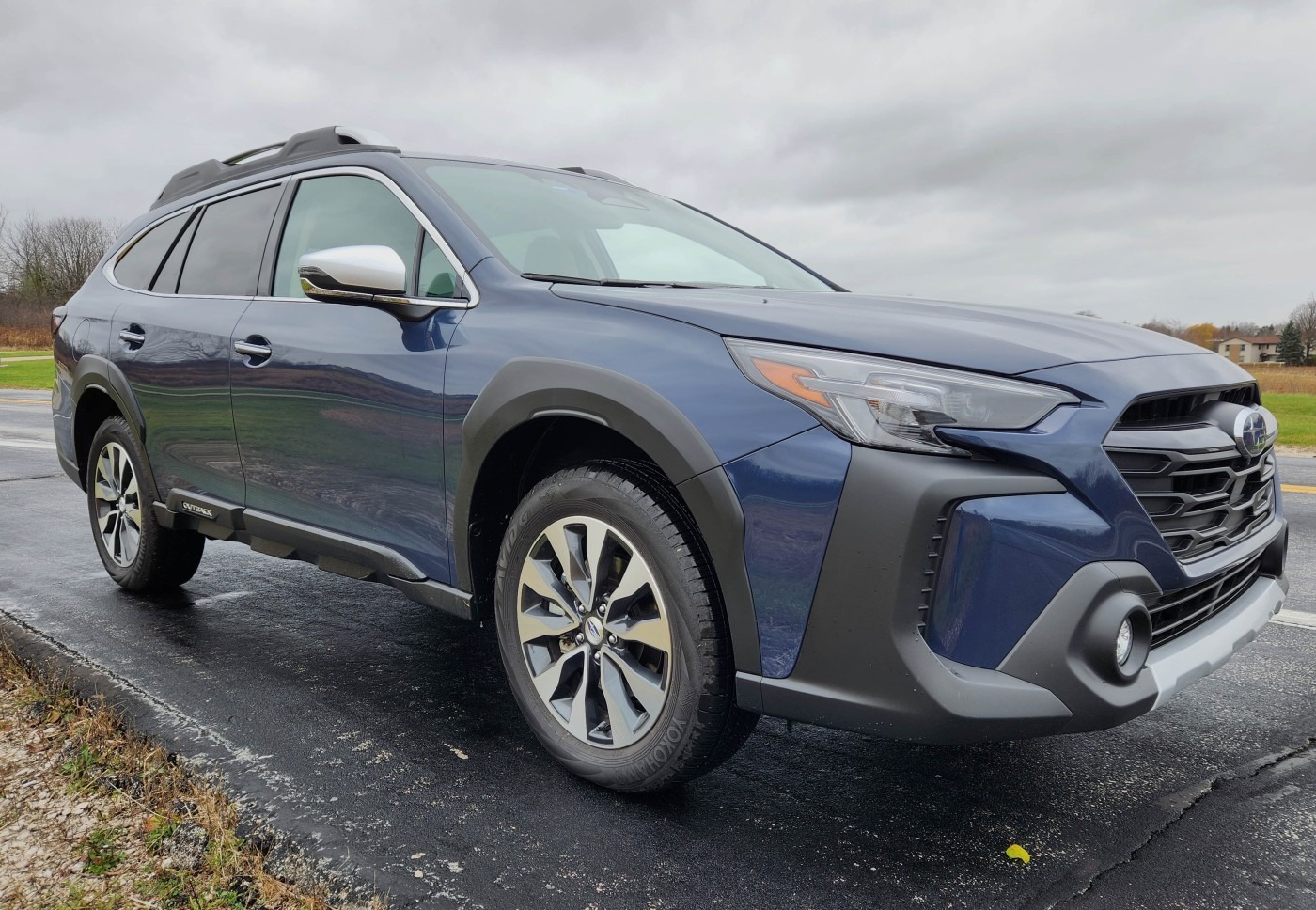
4. 2025 Subaru Outback
The Subaru Outback has always had a reputation for handling different terrains with ease, and one of the reasons it does so well is because of how its weight is spread out. Unlike some SUVs that struggle with turning or body sway, the Outback feels secure whether you’re on gravel, tarmac, or snow.
What makes the Outback especially strong in this area is Subaru’s use of the boxer engine. This engine type sits lower in the chassis, which helps bring the center of gravity closer to the ground. The result is a steady and balanced drive that many SUVs in its price range can’t offer. This helps reduce rolling motion, especially when you’re going through winding roads or sharp turns.
The all-wheel-drive system is another strength. It works together with the weight distribution to make sure every wheel grips the road well. If one part of the car loses grip, the system automatically moves power to the other parts, keeping the car stable and moving in the right direction.
Even when fully loaded with luggage or passengers, the Outback remains firm. Its suspension doesn’t sag too much, and it keeps the car at a good height for control. That’s very useful for drivers who go on family trips or drive long distances with heavy cargo.
Inside the car, the ride feels calm. There’s little body shake, and the steering is responsive without being too light. Subaru also paid attention to the materials used so that nothing feels too heavy or off-balance. From the tires to the roof rails, everything is part of the plan to make the SUV feel grounded.
If you’re someone who drives through different types of roads regularly and wants a car that will stay balanced no matter what, the Subaru Outback gives you that peace of mind.
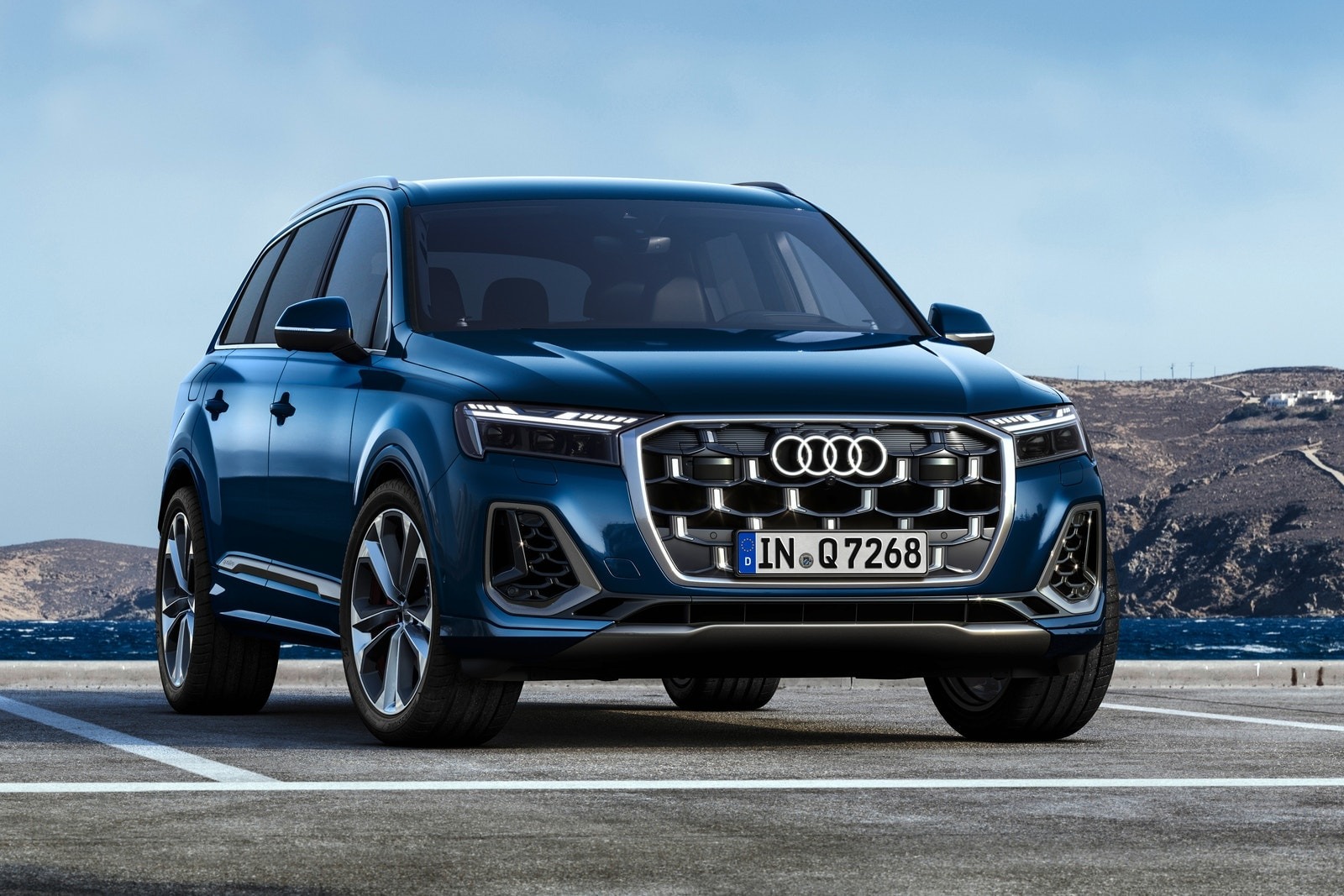
5. 2025 Audi Q7
The Audi Q7 manages to combine size, strength, and comfort in a way that still feels smooth and steady during every drive. For a large three-row SUV, it carries itself with the kind of confidence you usually expect from smaller cars. One of the main reasons for this is the thoughtful way its weight has been handled.
Audi designed the Q7 using a smart platform that spreads weight evenly from front to back. Despite having a powerful engine and extra features inside, it does not feel top-heavy. This is possible because Audi used lightweight materials such as aluminum in many areas of the frame. By reducing unnecessary weight while keeping the structure strong, the engineers created a large SUV that handles itself with calmness, even during fast turns or lane changes.
The quattro all-wheel-drive system is another strong point. It delivers grip to all four wheels and supports balanced movement during different types of driving. Whether you are going uphill, turning sharply, or braking in wet conditions, the car adjusts itself and keeps you on track. This system works with the suspension setup to keep the SUV flat during movement.
Inside, the seating layout, tech features, and cargo space do not take away from the car’s balance. Passengers often mention that the Q7 feels more like a luxury sedan once you’re seated, especially because the ride remains smooth and without any extra rocking. It handles highway speeds quietly and does not struggle with sudden road changes like potholes or uneven surfaces.
Even when fully packed with people and gear, the Q7 keeps its cool. It doesn’t lean too much when cornering or feel loose when braking hard. That kind of stability is what makes the Audi Q7 stand out among large SUVs.
If you are looking for something that fits a big family or long-distance trips but still feels steady and controlled on the road, the Audi Q7 brings that rare mix of power and balance in one package.
5 SUVs That Feel Wobbly
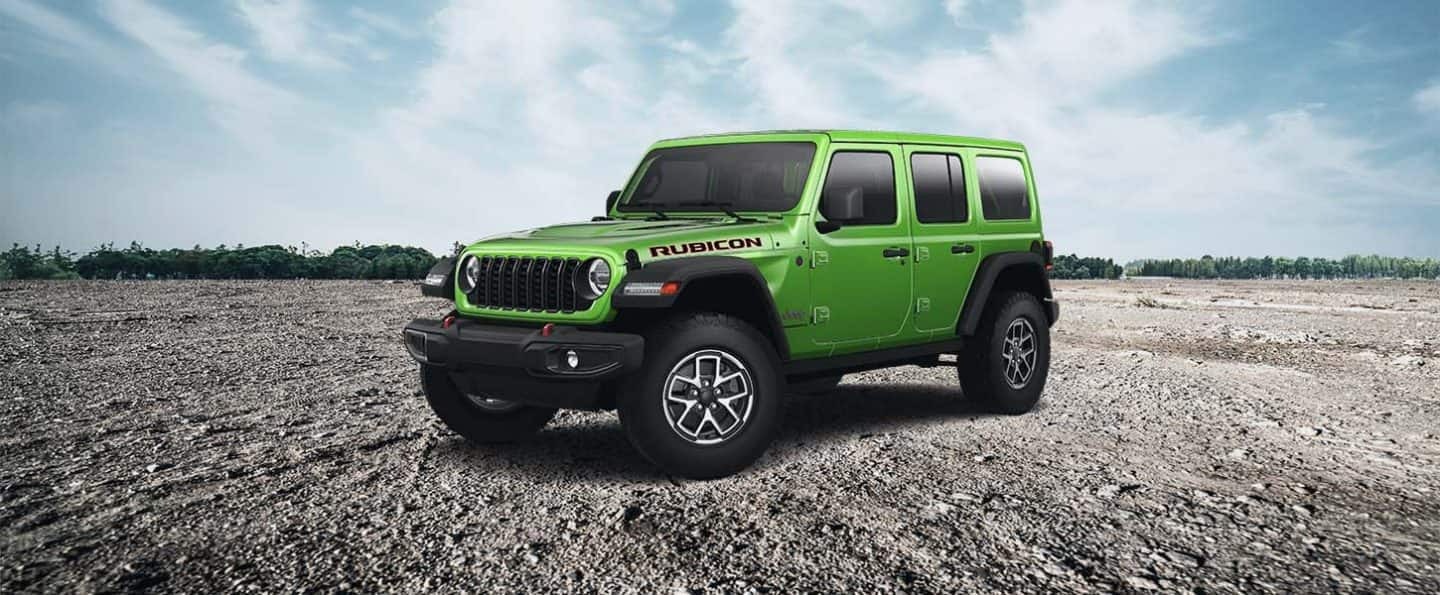
1. 2025 Jeep Wrangler Unlimited
The Jeep Wrangler Unlimited carries a strong image, especially with people who like off-road driving. But while it may look ready for anything, its weight balance tells a different story, especially when used for everyday driving on smooth roads.
One of the main challenges with this SUV is how high it sits. The body is placed far off the ground to handle rough terrain, which gives it that rugged look. However, this also makes the vehicle feel top-heavy. When you take a turn at moderate speed or have to swerve quickly, the Wrangler leans more than you might expect. That leaning is what makes the ride feel less stable.
Its body-on-frame construction adds to the problem. While this setup is great for off-road use, it does not help with on-road comfort. The weight is not evenly shared between the front and rear, especially when there are passengers or gear loaded. The bounce and roll become noticeable on highways and city roads.
Jeep also gave this SUV solid axles for extra durability off-road, but they don’t offer the same balance as independent suspensions. This leads to more shaking and movement when you hit bumps or cracks in the road. Even though it handles steep hills and mud with confidence, regular turns and sharp stops often feel rough.
Inside the cabin, the ride can get uncomfortable for passengers who are not used to that constant movement. Long trips can become tiring, especially if you’re driving through areas that require frequent lane changes or turns.
The Wrangler Unlimited works well for certain kinds of driving, but if you’re expecting a smooth, balanced ride that feels like a normal SUV, it may fall short. This is one vehicle that feels more at home off the road than on it. For daily use or high-speed highway travel, it might leave you feeling like you’re sitting on top of a rocking platform.
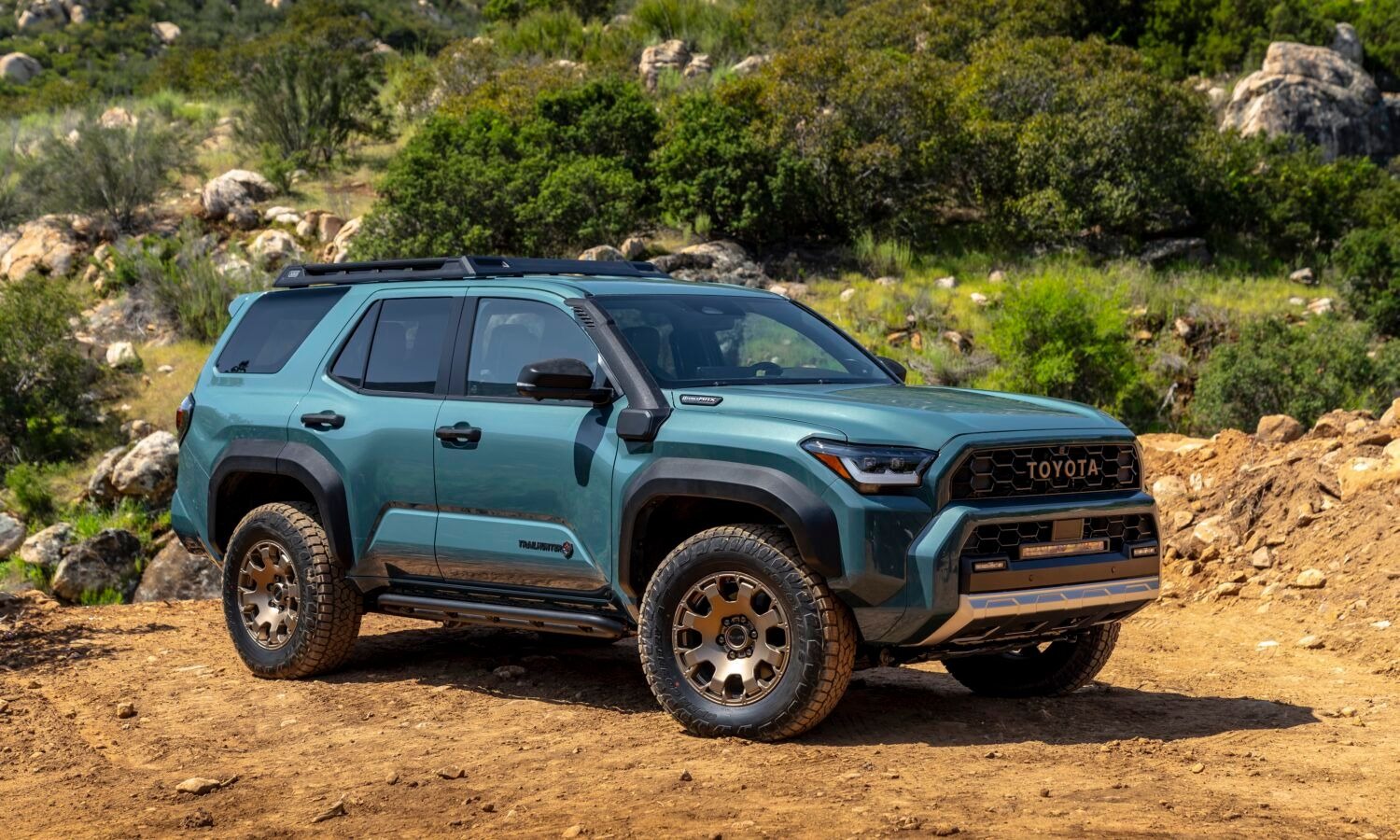
2. 2025 Toyota 4Runner
Toyota’s 4Runner is another SUV built with adventure in mind. People who enjoy driving on dirt roads or climbing steep paths usually have good things to say about its strength. However, when it comes to driving on regular roads, the 4Runner feels less secure, mostly because of how its weight is arranged.
This vehicle uses a body-on-frame structure like many trucks, which gives it strong support for rough paths. But this also makes the vehicle less smooth when used in town or on the highway. When making sharp turns or avoiding sudden roadblocks, the weight seems to change awkwardly. That kind of movement affects how steady the vehicle feels generally.
The center of gravity is another issue. Because the SUV sits high and has large tires, it creates a top-heavy feeling that can be hard to ignore. Even if you’re not driving too fast, the body roll becomes clear during turns. This makes it feel like the car could tip or lose grip, even though that may not happen.
When the 4Runner is loaded with passengers or luggage, the weight balance does not improve much. The rear suspension can sometimes sink too low, making the front feel too light. This affects how the car responds when braking or changing direction quickly. The result is a ride that feels like it’s always trying to catch its balance.
Toyota built the 4Runner with off-road driving in mind, so this SUV makes sense in places with poor roads or during camping trips. But for those who spend most of their time on smooth roads or highways, it might not deliver the comfort and control they expect from a family SUV.
For everyday driving or school runs, the 4Runner feels more like a tough truck than a balanced ride. It performs well in specific areas, but when judged for balance and comfort on the road, it shows signs of struggle.
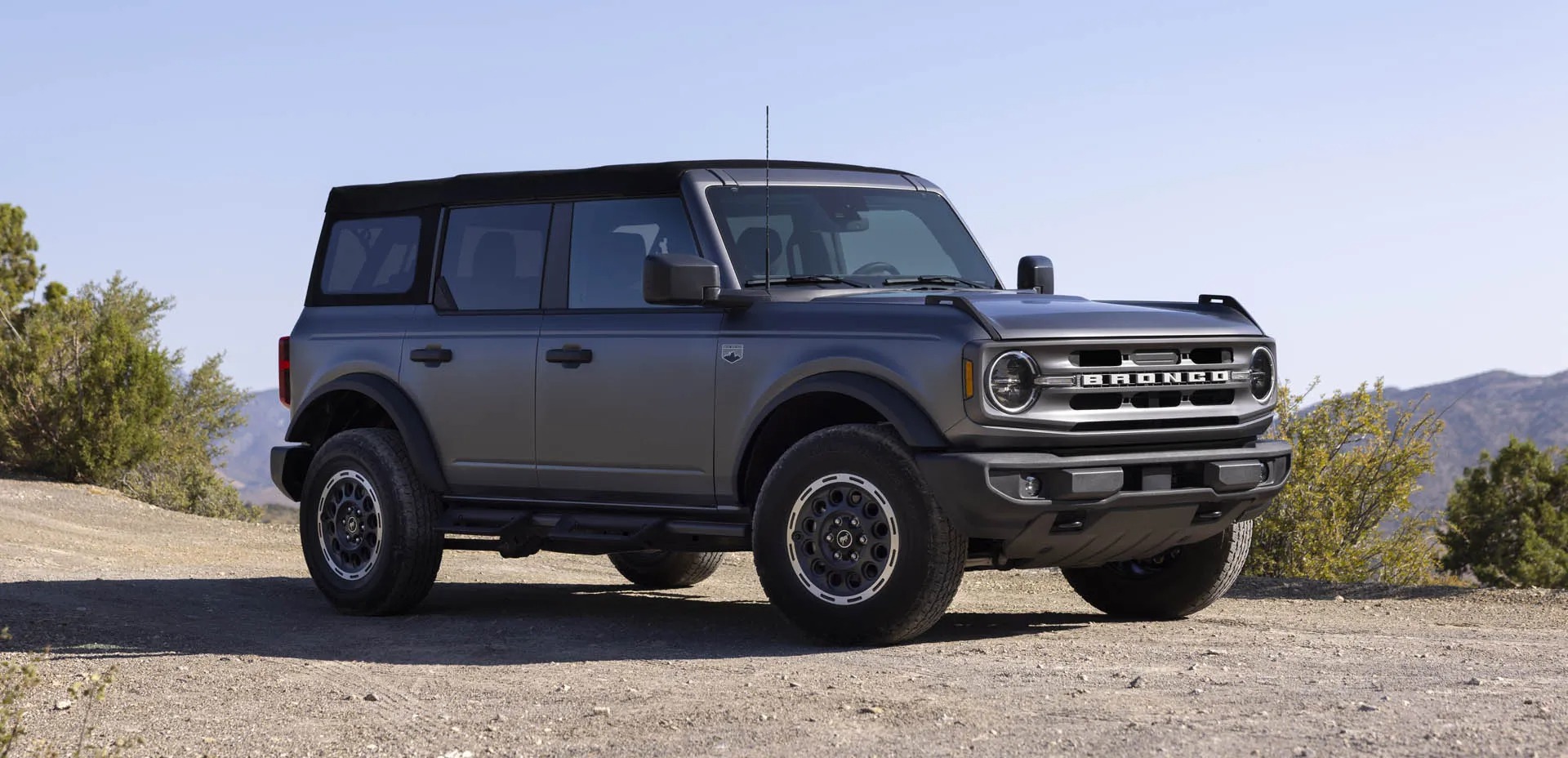
3. 2025 Ford Bronco
The Ford Bronco made a strong return with a bold design and off-road power. Many people love it for its retro look and ability to handle dirt paths and rocky surfaces. But when it comes to regular driving, especially on flat roads, the Bronco does not feel as steady as many of its rivals.
One of the first things you notice about the Bronco is its height. Just like other off-road-focused SUVs, it sits higher to avoid obstacles and handle deep mud or snow. But that added height means the center of gravity is also higher. Because of that, you start to feel more movement from side to side, especially during quick turns or lane changes.
Ford gave the Bronco a body-on-frame design, which helps with strength but not so much with weight balance. The structure makes it feel heavier at the top, and when you’re driving at highway speeds or through tight curves, that becomes more obvious. You can feel the body roll more than in many other SUVs, and it takes longer to settle after a sharp move.
Even though it has strong suspension and a four-wheel-drive system, the Bronco does not always stay flat during regular road driving. The movement of the car, especially when going over bumps or entering driveways at an angle, is more than some drivers would like.
Inside the car, passengers may feel the wobble during longer rides. While it performs well off-road, the feeling of being tossed slightly from side to side becomes uncomfortable after a while. And if you’re carrying a full load of passengers or gear, the balance seems to change even more.
The Bronco has plenty of followers for its adventurous nature, but for daily driving or regular city use, it may feel unsettled. If what you want is a stable and well-balanced SUV for everyday roads, this one might leave you wishing it felt a little more in control.
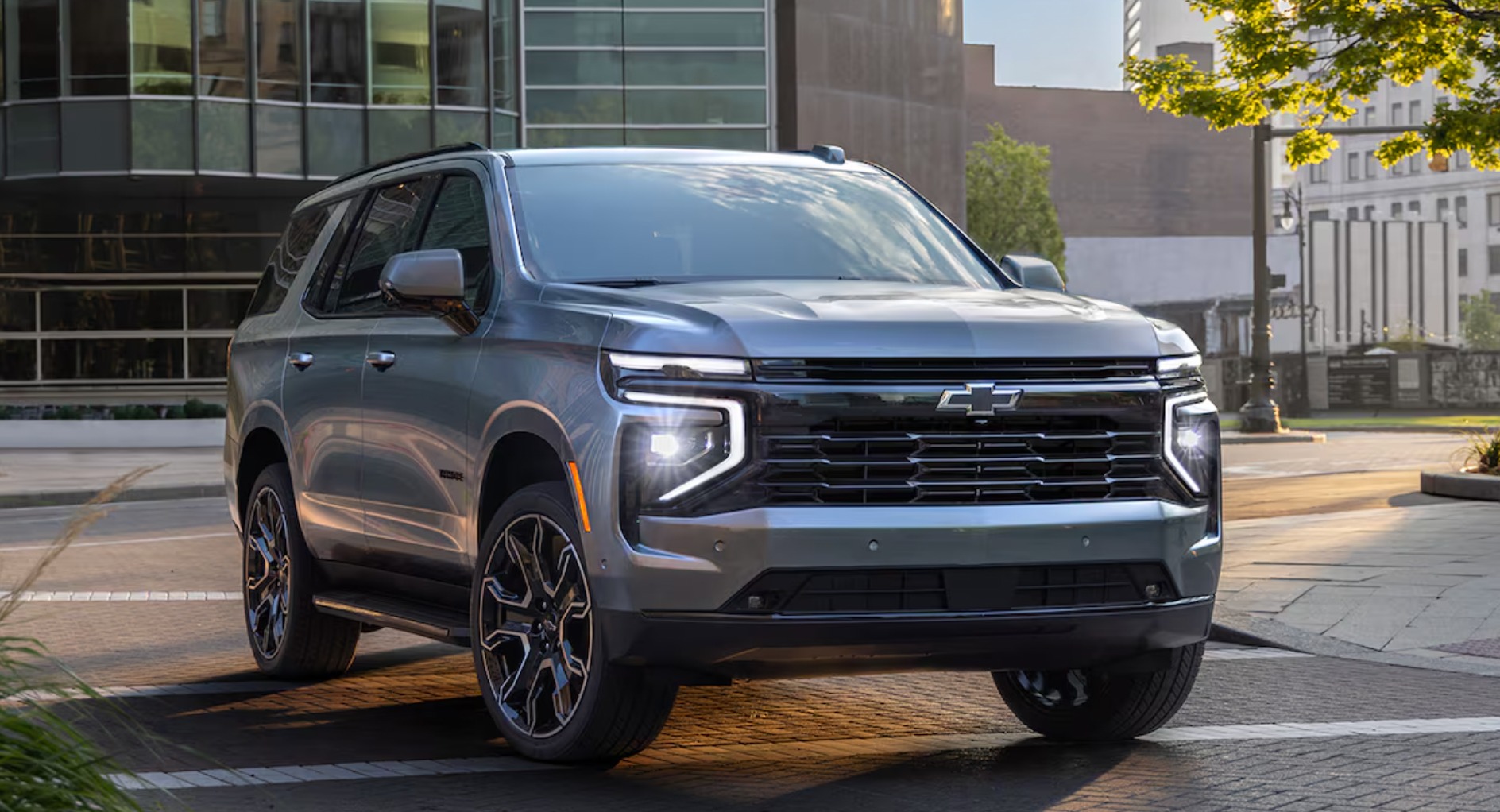
4. 2025 Chevrolet Tahoe
The Chevrolet Tahoe is among the biggest SUVs on the market, with plenty of space for people and cargo. It’s often chosen by families, government fleets, and drivers who want power and size. But one thing you quickly notice while driving it is how it behaves when turning or stopping quickly. This SUV shows signs of unsteadiness due to the way its weight is handled.
The Tahoe rides on a body-on-frame platform, the same type used in pickup trucks. While that makes it durable and able to pull heavy loads, it doesn’t help the balance. The structure feels strong but not very flexible when dealing with daily driving situations. You’ll feel the weight change from one side to the other when you go around corners, especially if you’re going just a little faster than usual.
Another challenge is the height. The Tahoe sits high off the ground, and when combined with its large frame, this creates a top-heavy feel. That’s where body roll comes in. The SUV tilts during sharp turns, and it takes a second or two to return to a flat position. Some drivers get used to it, but others find it tiring over long drives.
When carrying more people or extra weight in the back, the weight distribution gets even harder to manage. The rear might sag slightly, causing the front to feel too light. This affects how the steering responds and adds to the feeling of imbalance. You’ll also notice more movement when braking quickly, as the front end dips down more than expected.
Inside, passengers may not feel as comfortable during fast maneuvers. People seated in the third row especially notice more shaking. Chevrolet has made efforts to improve ride comfort through air suspension and other features, but the underlying issue of weight placement remains.
If you want a vehicle that carries many people and still has power for towing or long-distance driving, the Tahoe can work well. But if what you’re after is a smooth and balanced ride with limited body movement, this large SUV may feel too bulky and unsettled.
Also Read: 5 Cars That Go 100,000 Miles on Original Brake Pads vs 5 That Burn Through Pads Quickly
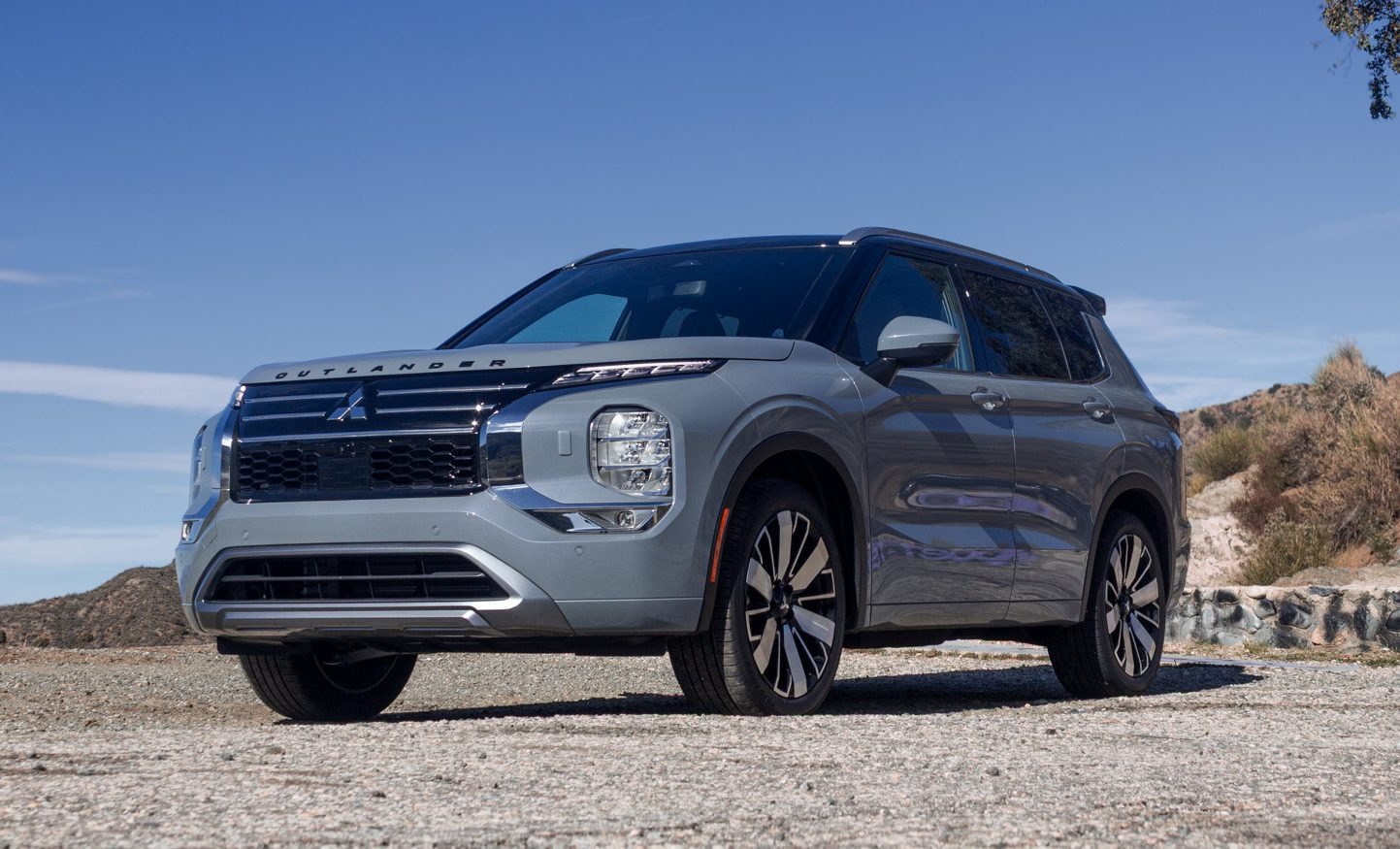
5. 2025 Mitsubishi Outlander
The Mitsubishi Outlander has caught attention with its updated design and modern interior. It looks sharp on the outside and offers practical features inside, but once you get behind the wheel, it becomes clear that the weight balance could be better. This SUV tries to blend affordability with comfort, but it doesn’t quite deliver the kind of control and steadiness that many drivers expect.
The problem starts with how the weight is shared between the front and rear. The Outlander tends to carry more of its mass towards the front, which causes issues when turning or coming to sudden stops. You’ll notice the nose of the vehicle dipping slightly under pressure, and the rear feels light at times, especially when there’s no one sitting in the back.
This front-heavy setup affects how the car reacts to sharp movements. Turning into corners feels less precise, and the steering doesn’t give as much feedback as needed. Drivers may need to slow down more than usual during curves to avoid body lean. That loss of firmness, even at normal city speeds, makes the SUV feel less in control compared to others in its class.
Another issue is with the suspension. While it tries to offer a soft ride, it doesn’t handle uneven roads very well. Instead of absorbing bumps cleanly, the Outlander can bounce slightly or feel unsettled after going over potholes. This creates more motion inside the cabin, which passengers might notice on long drives.
Even with improved materials and more modern features inside, the driving experience does not match the look. The balance issues become more obvious when the vehicle is loaded with passengers or groceries. The rear sometimes feels pushed down, and the response while turning becomes slower.
The Mitsubishi Outlander looks promising from the outside and offers decent comfort during quiet, straight-line driving. But when road conditions change or quicker movements are needed, the way its weight is managed makes it feel out of sync. Drivers looking for a firmer and more balanced ride might find this SUV not quite up to the task.
