
The U.S. car market is tough, Americans know what they like, and they’re not afraid to ignore what they don’t. Over the years, countless models have launched with big promises only to flop due to awkward designs, poor marketing, or simply arriving ahead of their time. Yet some of these underdogs didn’t stay down for long. They evolved, improved, and slowly won over skeptical drivers.
Today, many of the cars that once struggled to gain traction have become everyday staples, filling highways, driveways, and parking lots across the country. Whether it was a radical redesign, better reliability, or a shift in consumer tastes, these vehicles turned their reputations around in a big way.
In this list, we’re looking at 12 cars that went from being overlooked to impossible to ignore, and the key reasons they became part of the American driving landscape.
1. Toyota RAV4
When it debuted in the late ’90s, Americans weren’t sure what to make of the RAV4. Was it a car? Was it an SUV? Fast forward to today, and it’s the best-selling SUV in the country, thanks to its perfect blend of size, fuel economy, and reliability. The RAV4 essentially invented the crossover craze.
For 2025, Toyota has removed the rugged Adventure and TRD Off-Road trims from the RAV4 lineup, along with the more advanced all-wheel-drive system those models featured. Aside from these changes, the RAV4 remains largely unchanged for this model year.
The 2025 Toyota RAV4 starts at $31,000 and goes up to $39,305, depending on the trim and options. The trims are priced as follows: LE at $31,000, XLE at $32,510, XLE Premium at $35,400, and Limited at $39,305. The XLE Premium stands out as the best value, offering a long list of amenities not found on the LE and XLE.
These include fog lights, 19-inch wheels, a power liftgate, a moonroof, dual-zone automatic climate control, faux-leather upholstery, and a leather-wrapped steering wheel and shift knob. Since Toyota equips every RAV4 with its full suite of driver-assistance features, moving up to the Limited trim is only worthwhile if you need extras such as ventilated seats, a hands-free liftgate, or a 360-degree camera.
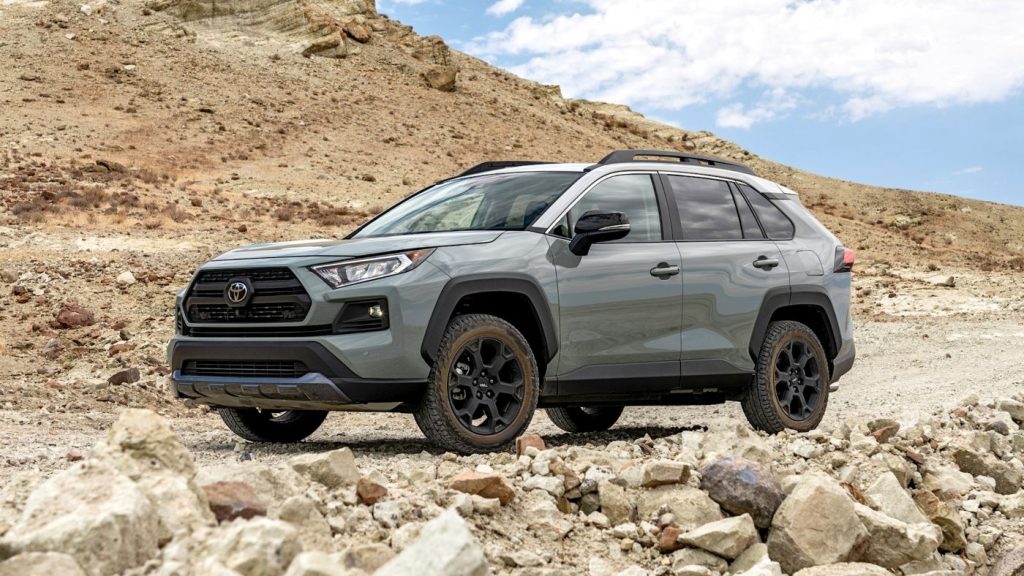
Under the hood, the 2025 RAV4 uses a 2.5-liter four-cylinder engine that produces 203 horsepower and 184 lb-ft of torque, paired with an eight-speed automatic transmission.
Front-wheel drive is standard, while all-wheel drive is optional across the lineup. While the engine is adequate, it can feel gruff under hard acceleration, particularly during highway passing attempts, and the transmission in our test vehicle occasionally stumbled when downshifting.
On the road, the RAV4 feels stable and composed during highway cruising and remains competent when navigating twisty sections. However, it does not inspire the same confidence as the driver-focused Mazda CX-50. Overall, the 2025 Toyota RAV4 remains a reliable and well-rounded compact SUV, even though it no longer offers the rugged capability that Adventure and TRD Off-Road buyers once enjoyed.
Also Read: 5 Best-Sellers That Deserve Their Popularity vs 5 That Surprise With Reliability Issues
2. Tesla Model 3
Early skepticism about electric vehicles kept Tesla niche, but the Model 3 changed the game. Affordable (by Tesla standards), quick, and packed with tech, it turned EVs into a mainstream choice. Now, it’s one of the most common electric cars on the road, and it’s reshaped how Americans view electric driving.
The 2026 Tesla Model 3 continues to be an outstanding entry point into the Tesla lineup, offering a balance of performance, technology, and efficiency that’s hard to match. As of now, it’s available in two variants: Long Range and Performance.
The base rear-wheel-drive version delivers an EPA-estimated 363 miles of range, while the all-wheel-drive version slightly reduces that figure to 346 miles. For drivers who crave more speed, the Performance trim trades a bit of range for extreme acceleration, rocketing from 0 to 60 mph in just 3.0 seconds compared to the 4.2 seconds achieved by the standard AWD version.
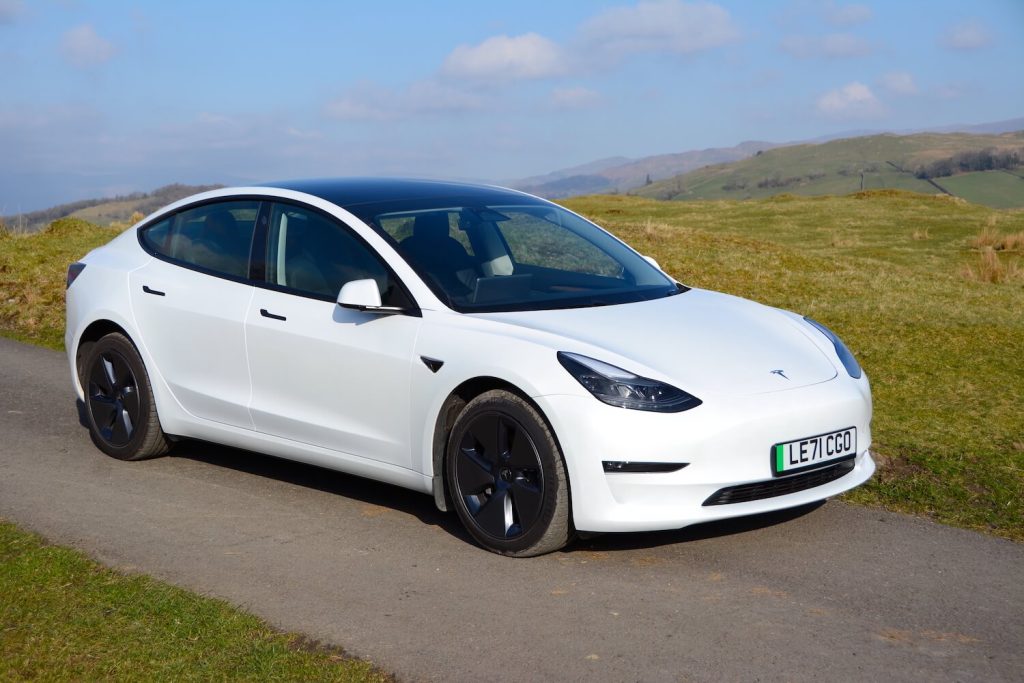
The Model 3 underwent its most significant refresh for the 2024 model year, and those updates continue to shine in the 2026 model. While Tesla only made subtle adjustments to the exterior, the interior received the most attention. The cabin now features ventilated front seats and a new 8-inch screen dedicated to rear passengers, elevating comfort and convenience.
Tesla also made a bold move by removing the traditional turn signal stalk, replacing it with steering wheel-mounted buttons, a change that has sparked mixed reactions. Overall, the 2026 Model 3 builds on its refreshed design, combining cutting-edge features with exceptional driving dynamics.
3. Subaru Outback
In the ’90s, Subaru was mostly a quirky brand for outdoorsy types. The Outback’s rugged wagon style and all-wheel drive eventually caught on, and today it’s a favorite for families and adventurers alike. It became the poster child for practical yet capable vehicles.
The Subaru Outback lineup offers two flat-four-cylinder engines to choose from. The standard 2.5-liter engine produces 182 horsepower, while the optional turbocharged 2.4-liter engine delivers a stronger 260 horsepower.
Both engines are paired with a continuously variable automatic transmission (CVT) designed to mimic an eight-speed gearbox in an effort to reduce the typical CVT engine drone. As expected from Subaru, every Outback comes standard with all-wheel drive, a feature that has become a hallmark of the brand (with the rear-drive BRZ being the exception).
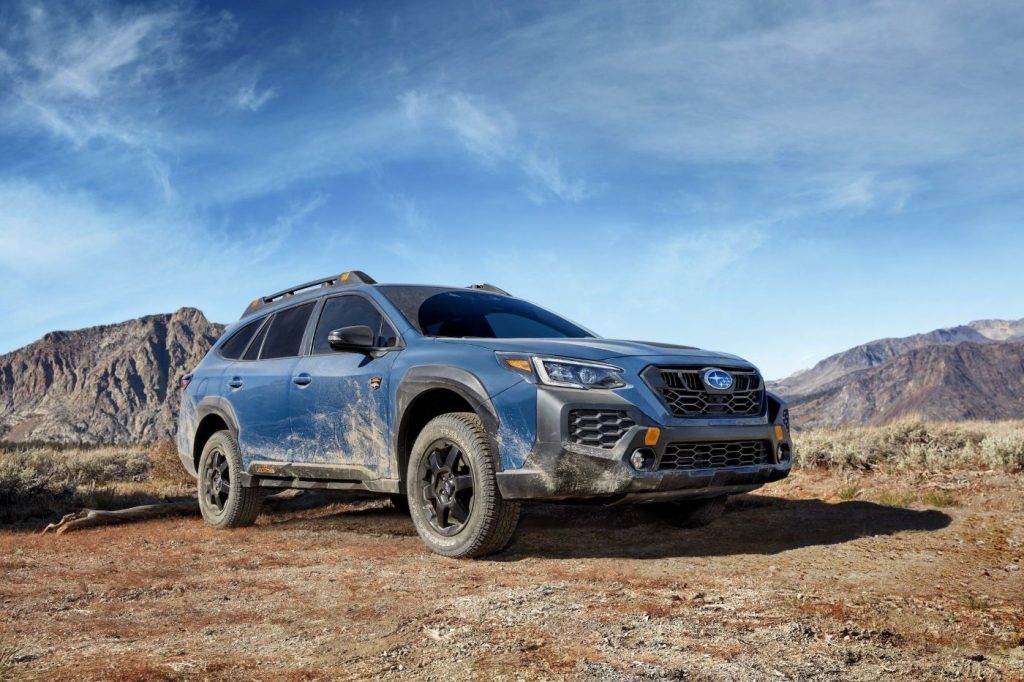
In terms of performance, the standard engine provides modest power, with acceleration that feels unremarkable and a transmission that tends to respond sluggishly. The turbocharged engine offers a noticeable boost in speed, but it still suffers from the same stubborn transmission behavior. Despite these shortcomings, the Outback focuses more on comfort and capability than outright athleticism.
With 8.7 inches of ground clearance and reliable all-wheel drive, it handles rough weather and uneven terrain with ease. Its suspension delivers a smooth, composed ride, and the steering remains accurate and effortless during highway driving.
While the Outback’s driving dynamics won’t excite enthusiasts,particularly WRX fans looking for a sportier feel, it excels in practicality. The base engine is capable of towing 2,700 pounds, while models equipped with the turbocharged engine can tow up to 3,500 pounds, adding to its versatility.
4. Hyundai Sonata
Hyundai’s early cars had a reputation for being cheap and unreliable. The Sonata flipped that perception by offering sharp styling, long warranties, and solid performance at a great value. Over time, it gained trust and is now a common mid-size sedan seen everywhere.
The 2025 Hyundai Sonata continues to be an appealing choice in the midsize sedan category. Available as either a hybrid or a traditional gas-powered model, it also offers the flexibility of front- or all-wheel drive.
The Sonata underwent a bold styling refresh in 2024, giving it a sharper and more daring appearance—exactly what sedans need to stand out in a market dominated by SUVs. Since that major overhaul, the 2025 model carries forward unchanged, maintaining its fresh look and well-rounded capabilities.
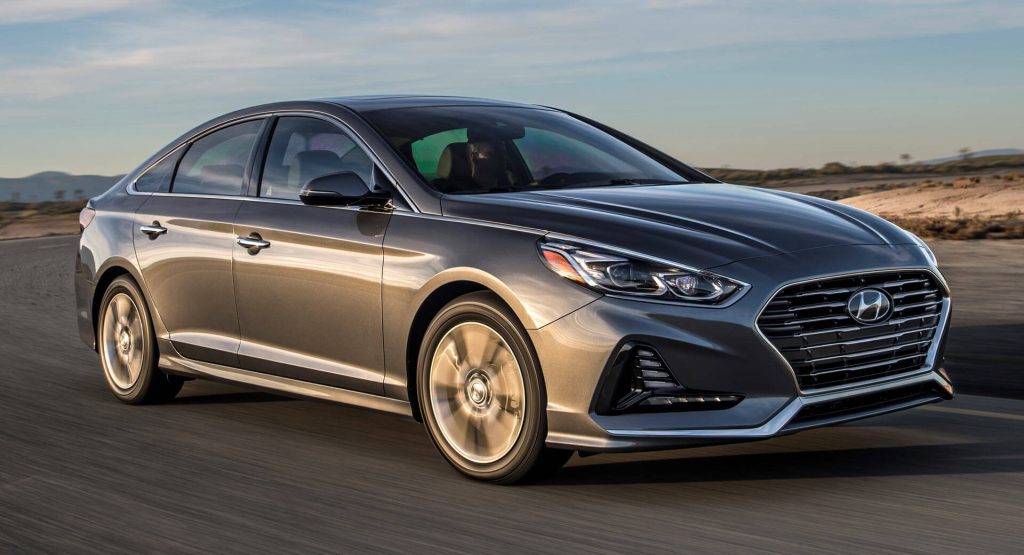
For those looking at cost efficiency, the Sonata SE remains particularly attractive, with lower-than-average monthly operating costs compared to typical midsize cars.
While the Sonata isn’t typically viewed as a performance car, the N Line trim proves otherwise. Under the hood, it packs a turbocharged 2.5-liter four-cylinder engine producing an impressive 290 horsepower.
Beyond the extra power, the N Line is fully loaded with every feature Hyundai offers for the Sonata, making it both a high-value and high-performing option. With its quick acceleration and engaging drive, the N Line stands out as the go-to choice for those who want a midsize sedan that’s both practical and unexpectedly fun to drive.
5. Jeep Cherokee
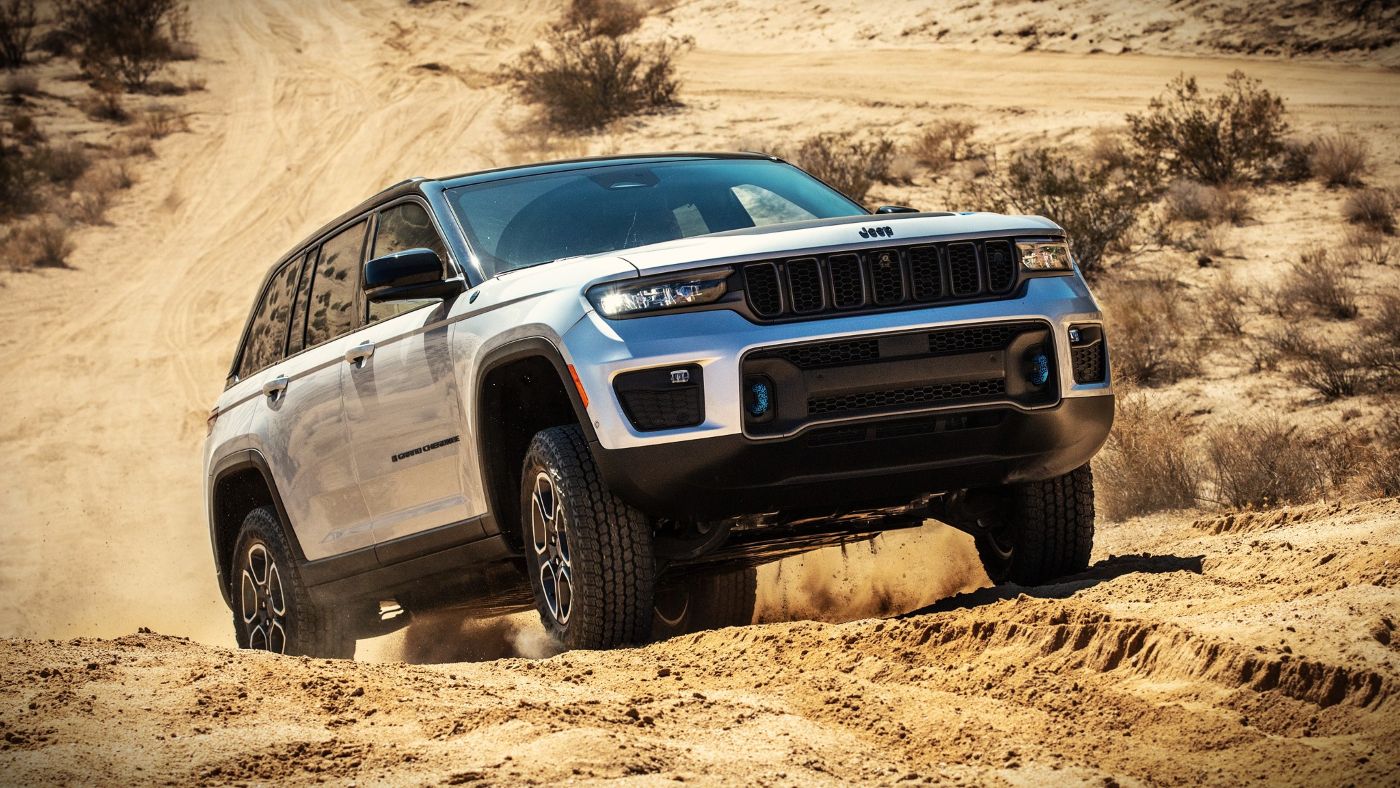
The Jeep Cherokee has had its ups and downs, but its rebirth as a modern crossover brought it back into the mainstream. Jeep’s strong brand appeal and the Cherokee’s mix of off-road ability and city comfort made it a go-to SUV for many families.
The Jeep Cherokee offers two engine options depending on the trim level. The Altitude Lux trim is equipped with a 180-hp 2.4-liter inline-four, while the off-road-focused Trailhawk comes with a more robust 270-hp 2.0-liter engine that delivers 295 pound-feet of torque.
Both engines are paired with a nine-speed automatic transmission and come standard with all-wheel drive. Although neither powertrain has been tested yet, the 2.0-liter turbo is just one horsepower shy of the V-6 that was available in last year’s Cherokee.
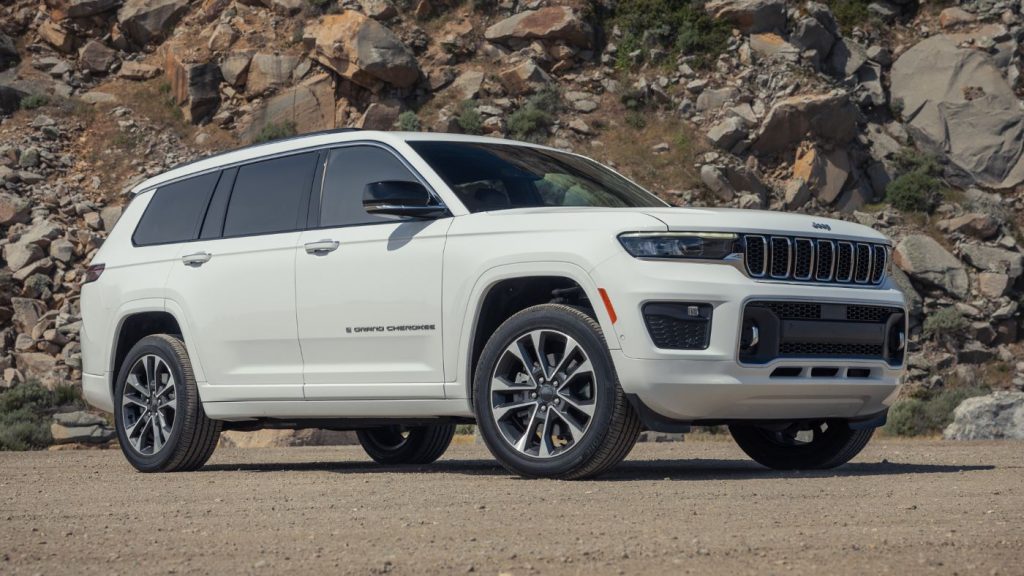
True to Jeep’s heritage, the Cherokee delivers a sense of heft and solidity, making it feel larger than many of its competitors. Its suspension is tuned firmly enough to control body roll during cornering, yet it still provides a comfortable ride.
Impacts are absorbed cleanly without excessive reverberation, and the vehicle maintains a stable, composed demeanor on the highway without feeling floaty. While the steering could benefit from more road feedback, it remains well-weighted and precise. Additionally, the firm brake pedal inspires confidence, and its 70-mph-to-zero emergency braking distance falls in line with the average for its class.
Also Read: 12 Vehicles With Surprisingly Low Insurance Premiums
6. Honda CR-V
Believe it or not, when the CR-V first arrived, the U.S. market wasn’t fully sold on compact SUVs. Now, it’s one of the most popular vehicles in America, appreciated for its reliability, interior space, and fuel efficiency. It’s hard to imagine a parking lot without one.
The Honda CR-V stands out as a well-handling and relatively quick option among family-friendly compact SUVs. It also performs admirably in terms of fuel efficiency, placing it in the top half of its class. Beyond performance, the CR-V wins points with thoughtful features such as cargo-area levers to fold down the rear seats and rear doors that open nearly 90 degrees, conveniences that the Toyota RAV4 does not offer.
However, the RAV4 surpasses the CR-V when it comes to interior modernity. The CR-V’s 7.0-inch touchscreen, which is mounted lower on the dashboard compared to screens in newer Honda models, makes its cabin feel slightly dated.
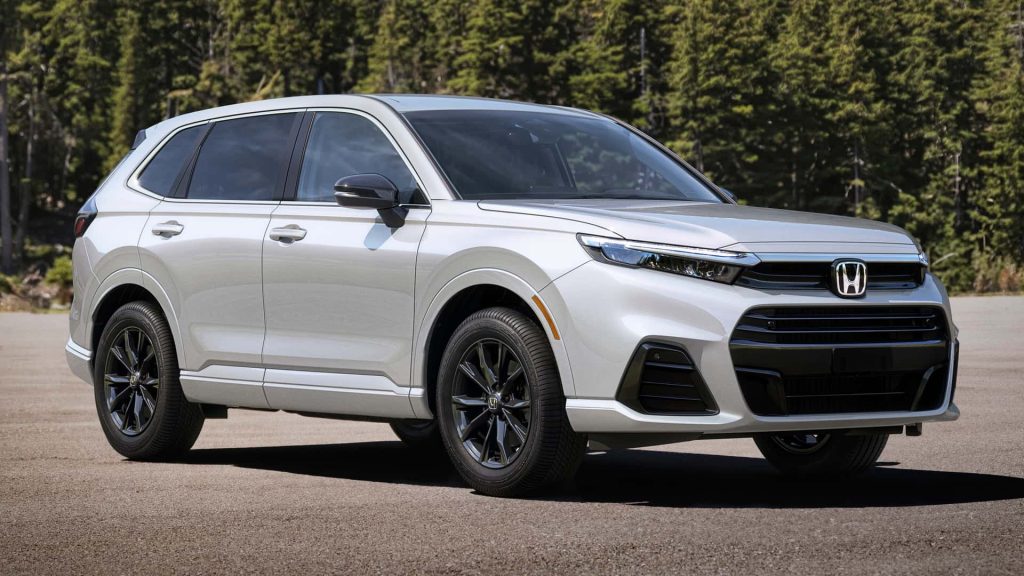
Still, for shoppers seeking a compact SUV under $40,000, both the 2022 CR-V and CR-V Hybrid serve as excellent choices. Potential buyers should also keep in mind that a fully redesigned 2023 Honda CR-V may soon be on the horizon.
When it comes to performance, all CR-V models, except the hybrid, use the same powertrain. A 1.5-liter turbocharged inline-four produces 190 horsepower and 179 lb-ft of torque, sending power to the front wheels as standard, with all-wheel drive available across the lineup.
This engine is paired exclusively with a CVT automatic. During testing, an AWD CR-V Touring achieved a 0-to-60-mph time of 7.8 seconds. Fuel economy is strong, with city/highway ratings of 27–28/32–34 mpg, and front-wheel-drive versions holding a slight efficiency edge over their AWD counterparts.
7. Kia Soul
When the Kia Soul first appeared, its boxy shape was polarizing. Over time, its quirky design, great warranty, and affordability won people over. Add in its fun marketing (remember those hamsters?), and the Soul went from an oddball to a mainstream hit.
Ten years ago, the market for boxy compact hatchbacks was thriving. Buyers seeking a quirky yet practical “box on wheels” had several options, including the Scion xB, Nissan Cube, Kia Soul, and the larger, SUV-like Honda Element. Fast forward to today, and only the Kia Soul remains. However, following its midcycle refresh for 2023, it sheds some of the quirky charm that once defined the model.
Launched in 2020, the third-generation Kia Soul modernized the classic boxy-hatch concept with sharper exterior styling, a simple yet distinctive interior, and a host of useful standard features.
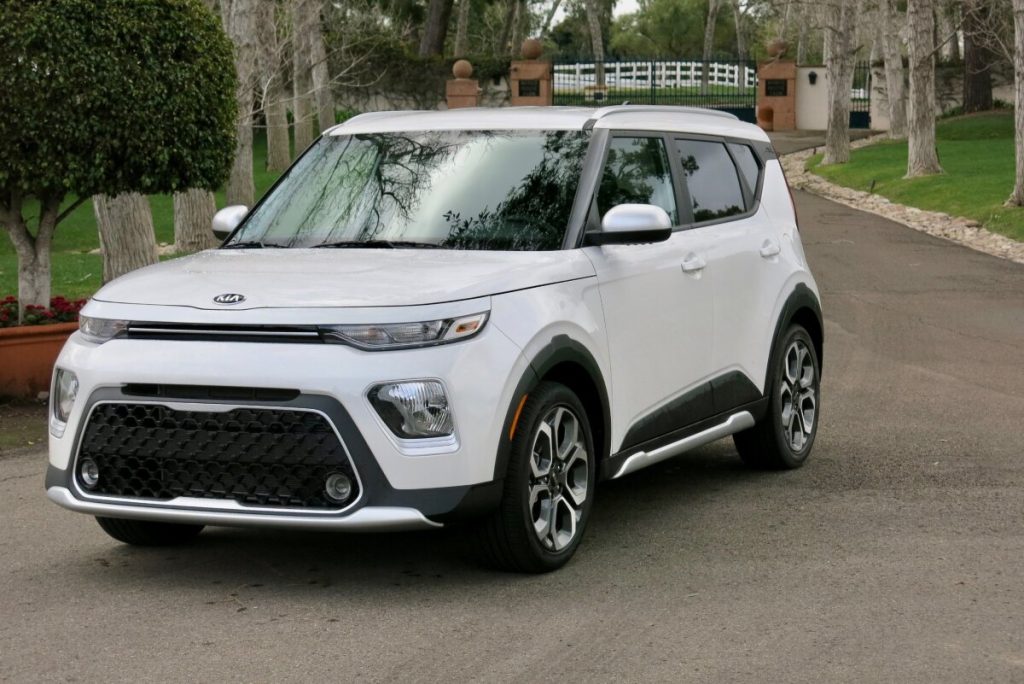
The 2023 Kia Soul continues that evolution, though not without trade-offs. This refreshed model swaps its signature slender headlights for larger, more conventional units. Additionally, Kia has dropped the sporty GT-Line Turbo trim, along with the turbocharged four-cylinder engine that came with it.
Even with these changes, the Kia Soul remains an affordable small car packed with features, offering exceptional value. Its boxy shape ensures a roomy cabin and cargo area, further enhancing its practicality. With other cube-shaped competitors now gone, the Soul primarily faces off against subcompact SUVs such as the Chevrolet Trailblazer, Hyundai Kona, and Mazda CX-30.
8. Ford Escape
The Escape started as a modest entry in the early 2000s SUV market. With each generation, it became more refined and feature-packed, transforming into a household name. Its hybrid versions have only boosted its appeal in today’s market.
With the mechanically related Bronco Sport covering the light off-road duties, the 2025 Ford Escape focuses squarely on everyday driving, the kind of commuting and errand-running that most compact SUV owners do. It delivers on the basics with two efficient engine options, a roomy cabin, and an intuitive infotainment system. However, when you look closer, the Escape starts to show its weaknesses.
The base three-cylinder engine is adequate but feels unrefined, and the interior materials in entry-level trims come across as cheap. Driving engagement is minimal, which might not bother everyone, but enthusiasts will find it uninspiring.
Additionally, the suspension tuning is too firm for a vehicle meant to ferry families comfortably. This is a tough class, with rivals like the Honda CR-V, Mazda CX-5, and CX-50 offering better driving dynamics and more upscale interiors. If fuel efficiency is your top priority, Ford also sells hybrid and plug-in hybrid versions of the Escape, reviewed separately.
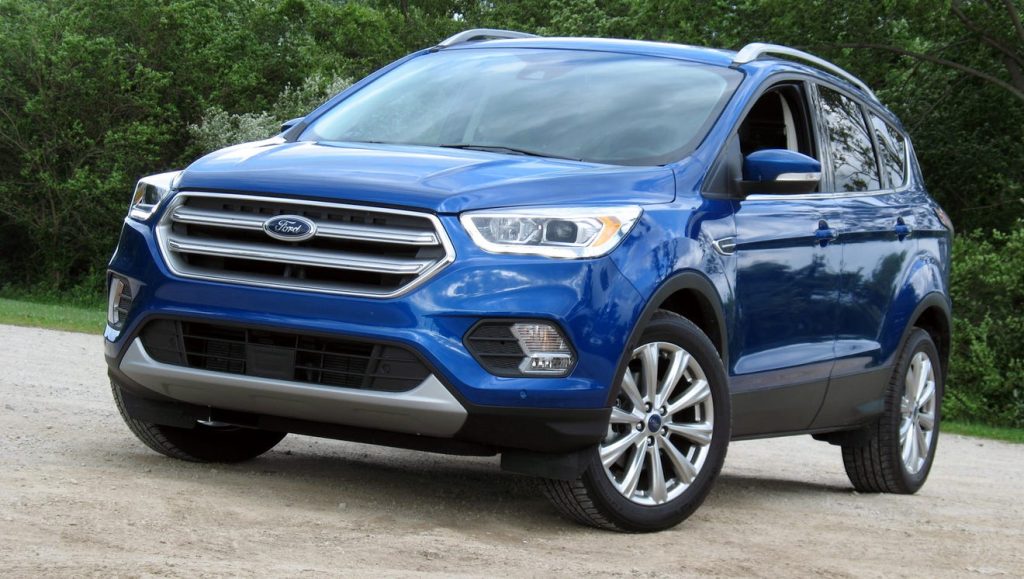
We recommend the ST-Line, as it’s the most affordable way to get the more powerful 250-hp turbocharged 2.0-liter four-cylinder engine. However, you’ll need to add the Select package to unlock all-wheel drive with this engine. The ST-Line also stands out with unique 18- or 19-inch wheels, body-colored lower cladding, a mesh grille, and a rear spoiler.
Inside, you’ll find black upholstery with red stitching and a sporty flat-bottom steering wheel. For those who want the latest tech, the Premium Technology package upgrades the standard 8.0-inch screens to a 13.2-inch infotainment display and a 12.3-inch digital gauge cluster.
The non-hybrid Escape offers two engine choices. The base is a 181-hp turbocharged 1.5-liter three-cylinder, available with either front- or all-wheel drive. While this engine is serviceable, it’s a bit gruff and lacks refinement.
The upgrade, a 250-hp turbocharged 2.0-liter four-cylinder, comes standard with all-wheel drive and delivers far better performance, making it the preferred pick. Both engines are paired with an eight-speed automatic transmission.
9. Chevrolet Equinox
Chevy was late to the small SUV party, and early Equinox models didn’t wow anyone. But Chevrolet improved the design, technology, and efficiency, making it a fierce competitor. Today, the Equinox is one of Chevy’s top sellers and a frequent sight on U.S. roads.
The Chevrolet Equinox’s turbocharged 1.5-liter four-cylinder engine struggles to impress, delivering just 170 horsepower and feeling underpowered in many driving situations. When equipped with the optional all-wheel-drive system, which adds extra weight, the Equinox demands a heavy right foot to reach highway speeds with any urgency.
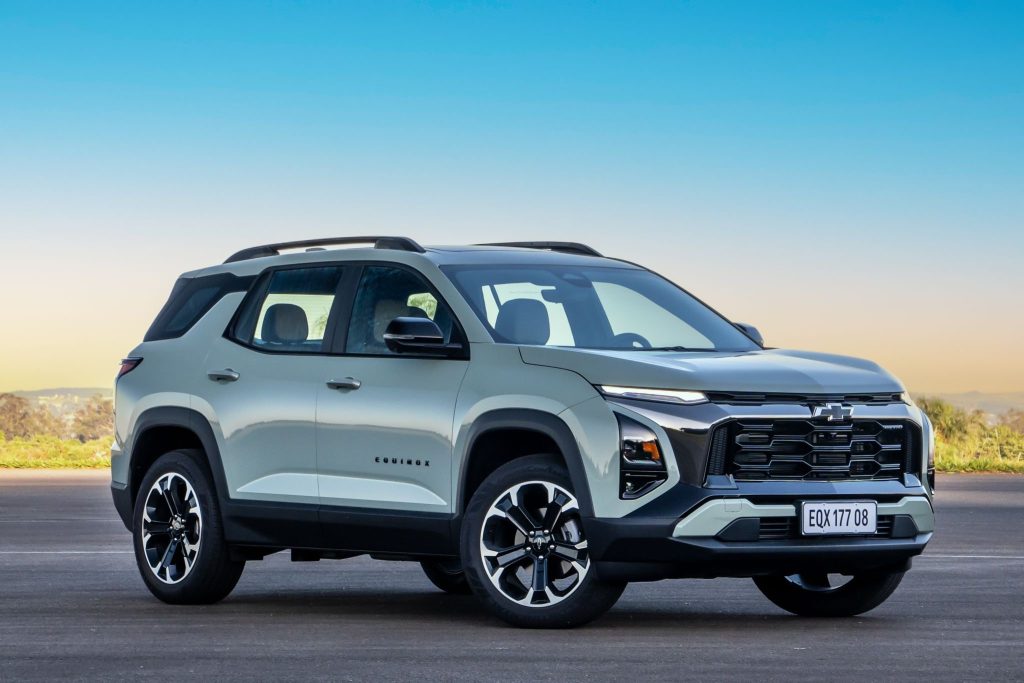
The standard six-speed automatic transmission shifts smoothly, but it prioritizes fuel efficiency to the point where it’s hesitant to downshift when you need more power. On the positive side, the Equinox is easy to drive and handles with competence, offering accurate and direct steering.
However, the ride can be on the harsh side, especially if you opt for the 19-inch wheels instead of the standard 17- or 18-inch options. Despite these drawbacks, the Equinox maintains some versatility, with the ability to tow up to 3,500 pounds when properly equipped.
10. Nissan Rogue
The Rogue’s early days were unremarkable, but Nissan’s focus on safety tech, affordability, and family-friendly features helped it explode in popularity. It’s now one of the best-selling crossovers in the country, rivaling the CR-V and RAV4.
For the 2022 model year, the Nissan Rogue replaced its sluggish 2.5-liter four-cylinder with a new turbocharged 1.5-liter three-cylinder engine producing 201 horsepower.
Alongside the new engine, Nissan updated the Rogue’s CVT transmission, which is said to improve both acceleration and fuel economy. The 2022 Nissan Rogue is priced starting at $28,485 and ranges up to $38,265 depending on trim and options. Among the available trims, the mid-tier SV model provides the best balance of features for the price.
It includes amenities such as 18-inch aluminum wheels, an eight-way power-adjustable driver’s seat, a 360-degree exterior camera system, and Nissan’s ProPilot Assist semi-autonomous driving technology. Opting for the SV Premium package is also worthwhile, as it adds a panoramic sunroof, roof rails, a power-operated rear liftgate, and faux-leather upholstery.
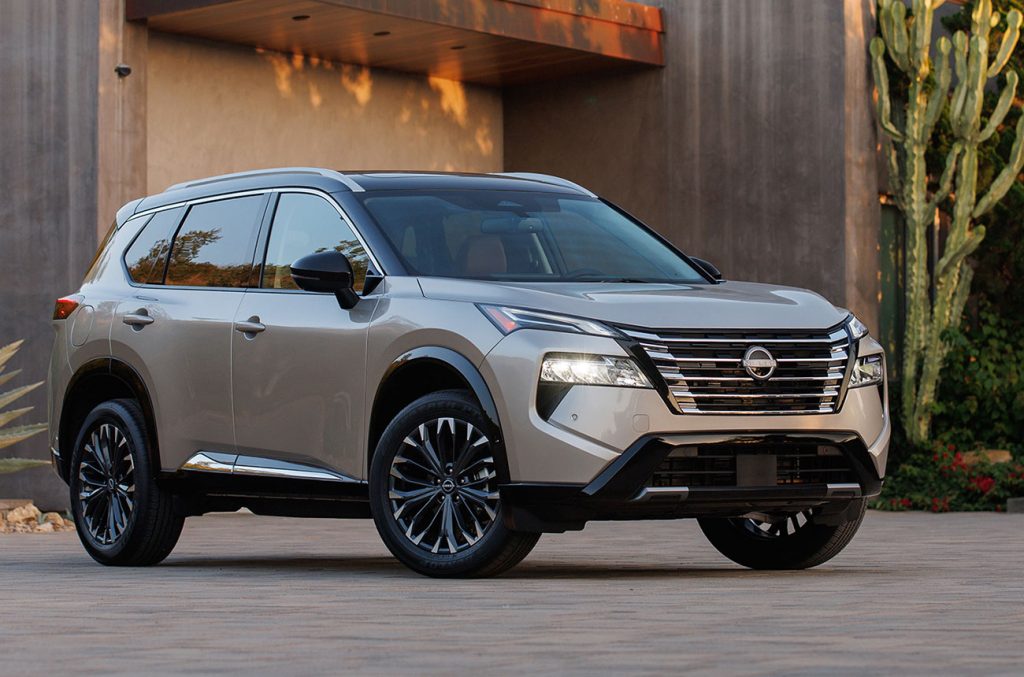
Every 2023 Rogue model comes equipped with the same turbocharged 1.5-liter three-cylinder engine that delivers 201 horsepower. This engine is paired with a continuously variable automatic transmission (CVT) and comes standard with front-wheel drive, while all-wheel drive is available as an option.
When the Rogue was redesigned in 2021, it carried over the non-turbo 2.5-liter four-cylinder from the previous generation, which was criticized for lackluster acceleration. T
he newer turbocharged three-cylinder feels livelier in everyday driving, but testing revealed only a modest performance gain, reaching 60 mph in 7.8 seconds, just 0.4 seconds quicker than the 2021 model. On the road, the Rogue delivers a smooth and comfortable ride that suits commuting and long trips, though its uninspiring handling prevents it from standing out among driving enthusiasts.
Fuel economy is one of the Rogue’s strengths. With front-wheel drive, it is rated at 30 mpg city and 37 mpg highway. Choosing all-wheel drive slightly lowers these estimates to 28 mpg city and 35 mpg highway, and selecting the top-tier Platinum trim drops the highway number further to 34 mpg.
11. Toyota Prius
When it launched, the Prius was seen as an oddball hybrid for eco-warriors. But as fuel prices rose and hybrid tech proved itself, the Prius became a symbol of efficiency. It’s now common across cities, suburbs, and even in rideshare fleets.
For 2022, the Toyota Prius lineup introduces a Nightshade edition, which is offered in three metallic colors: Silver, Super White, and Midnight Black. This special model includes black 17-inch wheels on front-wheel-drive versions, while all-wheel-drive models feature 15-inch wheels with black lug nuts. Inside, the Nightshade trim comes equipped with standard heated front seats and a heated steering wheel.
The 2022 Toyota Prius has a starting price of $26,170 and tops out at $34,465, depending on the trim and options selected. The lineup consists of several variants: L Eco at $26,170, LE at $27,380, LE AWD-e at $28,130, XLE at $30,390, XLE AWD-e at $30,570, Nightshade at $30,640, and the Limited at $34,465.
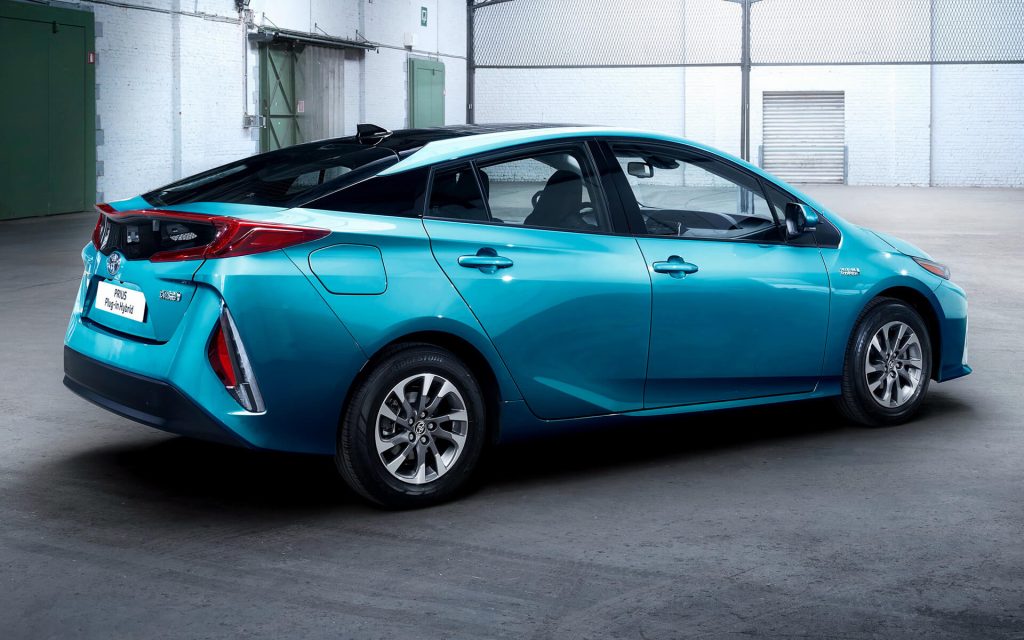
Although the XLE model adds desirable features such as power-adjustable seats, heated seat cushions, a heated steering wheel, enhanced proximity-key functionality, and a smartphone charging pad, these amenities may not justify the nearly $4500 increase over the L Eco. The base model already offers everything most drivers need, including conveniences like passive entry on the driver’s door and adaptive cruise control.
Every 2022 Prius is powered by a hybrid powertrain that prioritizes efficiency over performance. Unfortunately, it lacks exciting or even particularly engaging acceleration.
This is disappointing, as some rivals demonstrate that strong fuel economy doesn’t have to come at the expense of performance. Driving enjoyment and refinement are similarly lacking in the Prius. All-wheel-drive variants use an additional electric motor, which operates independently of the main hybrid system to power the rear wheels.
Like many hybrids, the Prius struggles with braking feel. The mix of regenerative and friction braking often results in inconsistent or numb pedal feedback, as we observed in testing. Coupled with the low-rolling-resistance tires common on hybrids, this can lead to longer stopping distances compared to similarly sized nonhybrid vehicles.
12. Mazda CX-5
Mazda’s SUVs used to live in the shadow of bigger brands. The CX-5’s stylish looks, sporty handling, and premium feel at a reasonable price helped it surge in popularity. Today, it’s one of the most recommended small SUVs in the U.S.
For 2021, the Mazda CX-5 receives its most significant update in the form of a new infotainment system. The outdated 7.0-inch display has been replaced by a larger 10.3-inch screen perched atop the dashboard.
This updated system runs the latest Mazda Connect interface and comes with Mazda Connected Services, offering a Wi-Fi hotspot and the ability to access remote vehicle functions through a smartphone app. Standard Apple CarPlay and Android Auto are also included.
The lineup introduces a new Carbon Edition, featuring exclusive Polymetal Gray paint and red interior upholstery. At the top end, the Signature trim adds a higher-resolution 360-degree camera, driver-attention alert, and rear automated emergency braking for added safety.
The 2021 Mazda CX-5 starts at $26,595 and climbs to $38,730 depending on trim and options. The lineup includes the Sport at $26,595, Touring at $28,335, Carbon Edition at $30,180, Grand Touring at $31,785, Carbon Edition Turbo at $31,985, Grand Touring Reserve at $36,610, and Signature at $38,730.
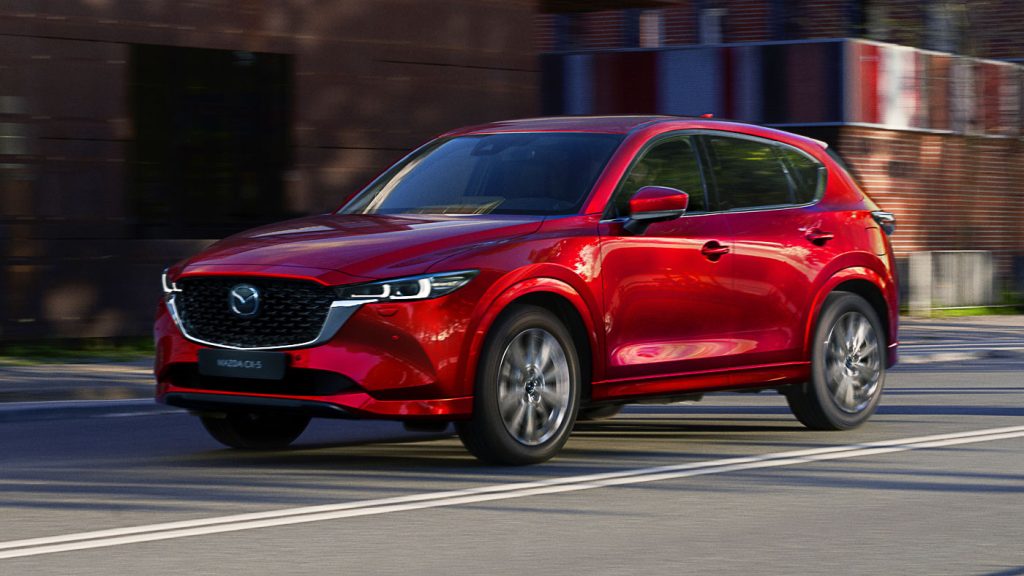
Under the hood, the CX-5 offers two engine options. The standard 187-hp four-cylinder delivers sharp throttle response around town, making the SUV feel livelier than its numbers suggest.
However, at highway speeds, such as when merging or passing, this engine can feel a bit strained. The optional 250-hp turbocharged engine provides noticeably stronger acceleration, as demonstrated during our tests. Both engines are paired with a responsive six-speed automatic transmission and are available with either front- or all-wheel drive.
Driving the CX-5 is a reminder of why it remains a standout in its segment. You don’t need to push it hard to appreciate its refinement. Its precise steering and composed handling make winding roads genuinely fun, while its suspension smooths out rough surfaces effortlessly.
ven on curvy roads, the CX-5 feels alive, with steering that offers satisfying feedback. The Signature model we tested also impressed with its brake pedal feel, delivering confident stopping power without being grabby or delayed.
These vehicles share a common story:
- Better Design: Later generations improved styling and features.
- Increased Value: Manufacturers upped their game on reliability and affordability.
- Market Trends: They arrived at the right time as consumer preferences shifted.
Cars like the Prius and RAV4 prove that public opinion can change dramatically. From quirky misfits to market leaders, these 12 models have earned their place on America’s roads. If history is any guide, today’s underdog might just be tomorrow’s best-seller.
