

As hybrid vehicles continue to grow in popularity, more drivers are weighing the long-term cost of ownership, not just fuel efficiency. One major factor often overlooked is how much it costs to repair these cars when something goes wrong. While hybrids generally save money at the pump, not all of them are easy or cheap to maintain.
Some models are designed with durability and accessible parts in mind, making them more affordable to fix. Others, however, feature complicated systems, specialized components, or limited service availability, which can make even a minor repair feel like a major financial problem.
Knowing which hybrids are budget-friendly when it comes to maintenance can save you from unexpected bills down the line. Whether you’re shopping for your first hybrid or considering a switch from a traditional gas-powered car, understanding the repair view is just as important as looking at MPG ratings.
From the cost of replacing hybrid batteries to the availability of certified mechanics, there are many hidden factors that influence a car’s reliability and repairability. We’ll point out five hybrid models known for being relatively easy and inexpensive to repair cars that strike a solid balance between innovation and simplicity.
Also, we’ll cover five hybrids that can become a burden as time goes on due to high repair costs, complicated technology, or scarce parts. By going through both sides, you’ll be better prepared to make an informed decision that fits your budget, both upfront and in the years ahead.
5 Hybrids That Stay Cheap to Fix
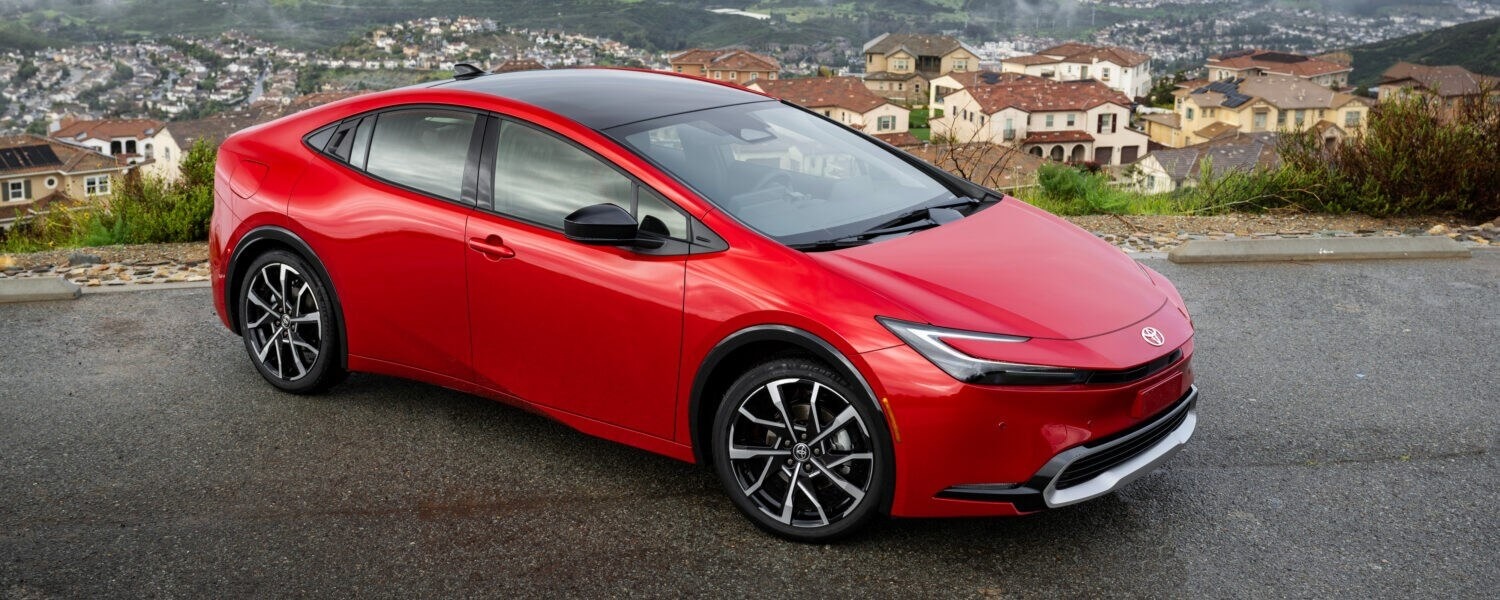
1. Toyota Prius
The Toyota Prius continues to hold a reputation for staying cheap to repair long after its launch. Mechanics across the United States learn to service Prius models because of their long presence in the market. Standard parts such as brakes, suspension components, and infotainment units remain widely stocked at many auto parts suppliers.
Even hybrid battery modules that need replacement often come as individual small modules rather than a full pack at once. That reduces both parts cost and labour time. Oil changes and brake service do not require specialised tools beyond what many shops already have. There are many training materials available for any mechanic who has not yet worked on this model, which keeps labour costs reasonable.
Another reason the Prius stays affordable relates to its regenerative braking system, which reduces wear on brake pads and rotors. A driver may get far extended mileage before needing brake pad replacement compared to a conventional gasoline vehicle. When brake service is required, parts remain standard sizes used on many Toyota products.
Suspension arms, control links, wheel bearings, and CV axles match common Toyota platform standards. Changing a hybrid inverter or onboard charger may attract higher labour costs, but these units rarely fail outside of accident damage or high mileage. When they do fail, replacement units remain widely available and can be sourced at a competitive price from salvage yards or third-party refurbishers.
Hybrid battery warranty often lasts eight years or 100,000 miles in many states in the US. Even after warranty expiry, many Prius owners find refurbished modules from used transplant packs cost a fraction of replacing brand new ones. Many independent workshops specialise in module replacement at a lower price.
These services avoid the need for labour-intensive full pack removal. Diagnostic equipment to scan the Prius hybrid system has become so common that many local garages already have appropriate OBD‑II hybrid scan tools.
In the rare case that the hybrid traction battery does fail and refurbishment is not viable, there remain reconditioned packs sold at a lower cost than OEM units. Labour to remove and reinstall remains straightforward, identical to many small crossovers.
Any repair of the cooling motor fan or battery temperature sensors uses commonly available parts. The electrical systems on Prius are well documented, and shops can procure wiring harness or control board replacements at a moderate price.
Toyota models generally have a wide presence in salvage yards, especially for popular vehicles such as the Camry and Corolla, sharing parts with the Prius. This further reduces the cost of replacement panels, interior trim, and mechanical parts.
That spare parts ecosystem helps keep the entire repair bills low if bodywork is needed. In shops that do general repairs, one sees many Prius models, so mechanics know what to expect when diagnosing hybrid system issues.
Insurance claims for minor accidents remain less expensive on the Prius since collision parts remain plentiful and repair time estimates are familiar. OEM sheet‑metal parts remain plentiful at dealer pricing, but many aftermarket panels exist, too.
Labour hours for collision repair are similar to small sedans, and shops rarely charge hybrid surcharges unless a major battery replacement is needed. The community of Prius owners online shares tips on how to save on repairs by doing minor services themselves. That knowledge also spreads to DIY mechanics and reduces the entire service costs.
When compared to other hybrids, such as some luxury brands, the Prius excels because Toyota chose simplicity in hybrid integration rather than heavy reliance on bespoke electronics and proprietary systems.
The mechanical systems do not require manufacturer‑only diagnostic computers to repair basic faults. For hybrid drive fault codes, many aftermarket scan tools show repair tips and basic troubleshooting steps. That lowers the barrier for smaller independent shops to offer affordable service.
All these factors combine. Parts availability remains high. Mechanic familiarity remains widespread. Battery repair options remain flexible. That keeps total repair and maintenance costs at relatively low levels among hybrid vehicles in the United States.
For many owners, that means buying replacement brake rotors, pads, filters, or battery modules costs little more than equivalent non-hybrid models. Routine service intervals follow the standard Toyota schedule with slight adjustments for hybrid fluid changes. That schedule uses oils and filters easily found. The Prius remains one hybrid where repair bills rarely shock the owner.
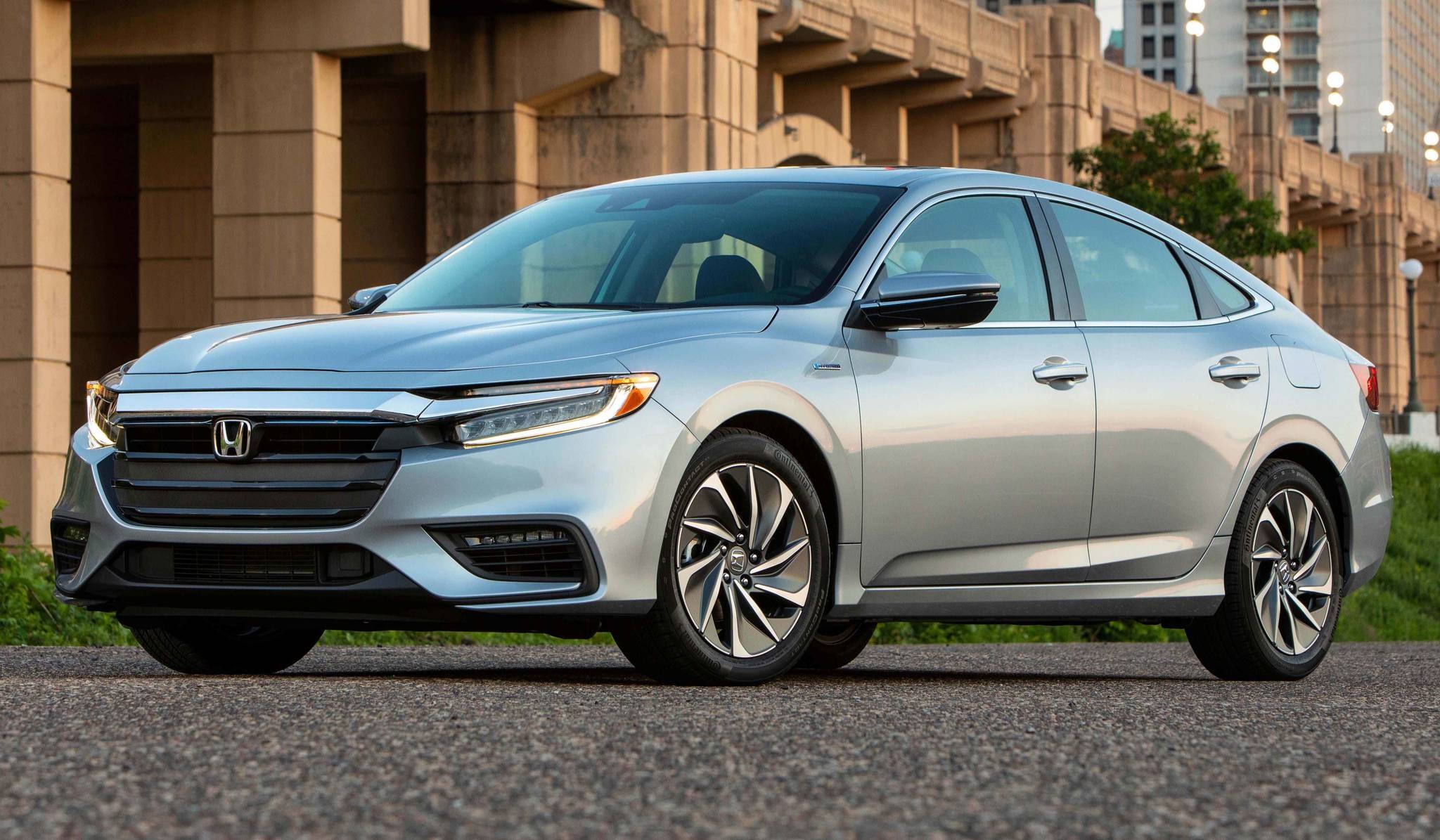
2. Honda Insight
The Honda Insight sits among hybrids that continue offering low-cost upkeep. Honda built this hybrid with many shared mechanical parts from its standard Civic and Fit lineups. That means brakes, clutches, suspension components, window motors, and interior trim pieces are reused from high-volume vehicles.
A mechanic who serves Civics or Fits already knows bolt patterns and part interchangeability for Insight models. This familiarity shortens labour time when repairs become necessary and helps keep repair bills down.
Regenerative braking also reduces wear on friction parts. Brake pads often last longer than standard vehicles. When replacement does occur, shops usually stock generic pads that match OEM specs and cost less than specialty friction materials.
Oil filters and engine air filters also match common Honda models, so parts cost remains low. Hybrid battery modules are modular in this model as well. Instead of replacing the entire pack, owners may buy individual modules online or through used battery refurbishers at a lower cost. This flexibility lowers both labour time and parts cost when servicing battery issues.
Insight hybrid inverter and electric motor are robust and rarely fail. When they do cause issues, used units are available from salvage hybrids at a lower price. Many independent garages already carry modules or convertible units, and staff know how to swap these with minimal additional training.
Honda scanners used for standard OBD‑II work can pick fault codes for hybrid drive and help identify module locations without requiring dealership tools. Another positive factor lies in the straightforward engine bay layout. Service points like engine oil filter, spark plugs, and coolant bleed locations remain easily accessible.
Body panels and crash repair parts share more commonality with Civic sedan parts. That helps reduce cost when you need collision repair. Insurance bills remain slightly lower for parts and labour compared to more complicated hybrid systems from luxury manufacturers.
Insight airbags and sensors remain shared with common models, so replacements after an accident or sensor fault don’t require expensive proprietary units. A shop dealing with Honda products will already stock or source these sensors cheaply.
That makes repair speed quick and costs relatively less. Many owners of Insight models carry out basic maintenance like air filter, cabin filter, and oil change themselves following manual instructions. That reduces labour expense further and makes servicing more straightforward.
Community of Insight owners online often exchange advice about cost-saving and DIY replacement of certain modules. Steps such as replacing oxygen sensors or the thermostat become accessible to DIY performers without advanced hybrid training. That saves visits to a shop, and the parts cost remains comparable to standard car gear.
Service intervals mimic the standard Honda schedule, apart from occasional hybrid coolant replacement and inverter oil top-up. These fluids are commonly stocked by many independent shops or parts stores. Basic preventative maintenance, such as brake pad replacement, tire rotation, belt change, or battery monitoring, remains low-cost.
Shops often treat Insight as an ordinary Honda and provide service quotes similar to Civic. Any mechanic dealing with hybrids will treat hybrid warnings with basic scan tools rather than quoting high dealership fees.
When battery modules need replacement, owners often find aftermarket refurbishers who sell matched modules nearly identical in spec to OEM but at a fraction of the price. That extends battery life without heavy expense.
Other components, such as the oxygen sensor, ignition coils, throttle body, and H E G heater element, are Honda off-the-shelf parts from non-hybrid models. That system commonality drives down price and makes repairs user-friendly.
Insight remains one of the hybrids whose repair profile stays similar to regular gasoline vehicles. This simplicity makes it affordable and practical for owners in the US wanting hybrid benefits without expensive repair exposure.
Many repair shops offer service quotes for the Insight that rival the same quotes for Civic or Fit. That represents real value for drivers seeking low repair overhead on hybrid technology.
Also Read: 5 Cars with Lifetime Coil Packs vs 5 with Packs That Misfire
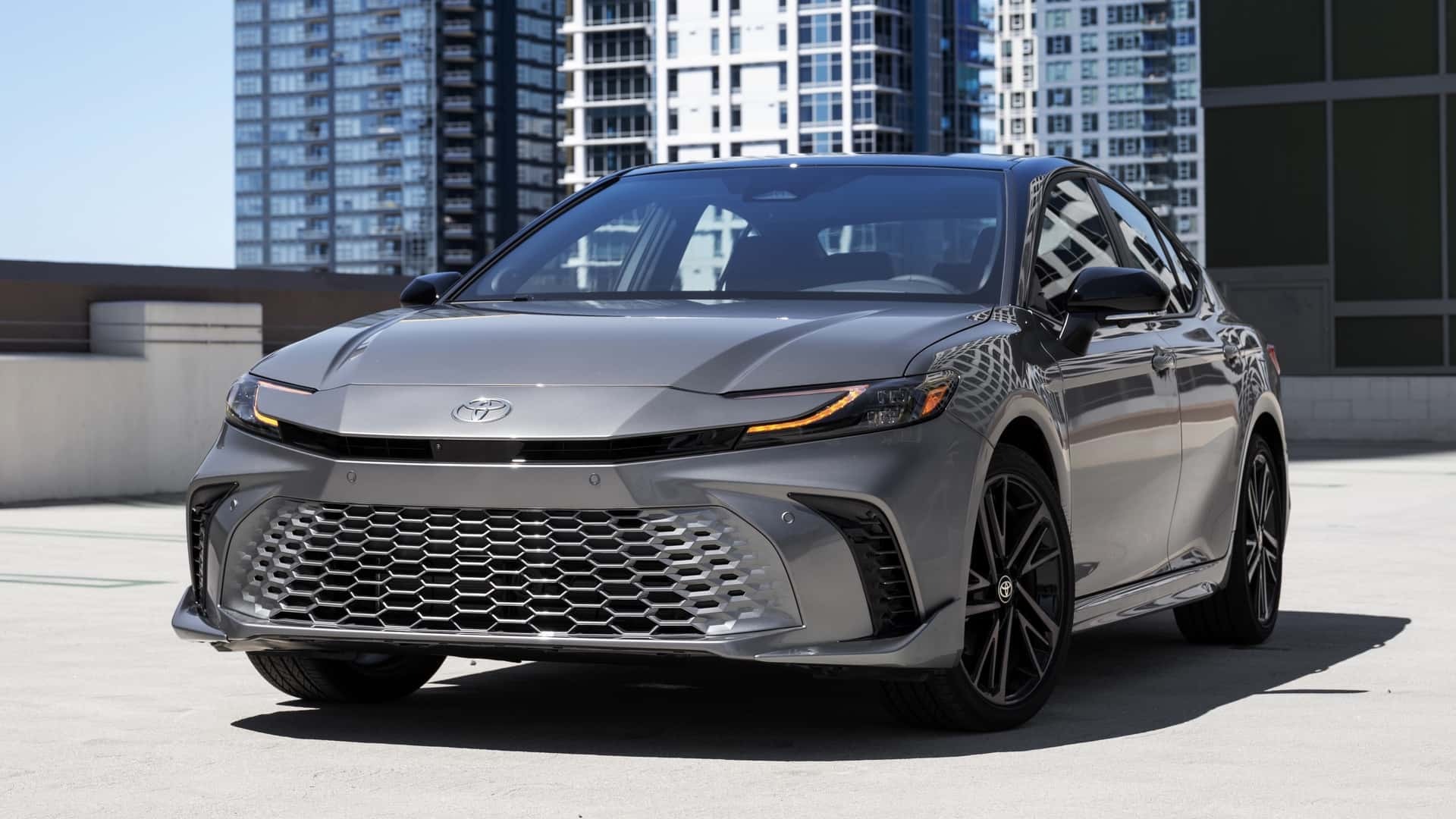
3. Toyota Camry Hybrid
Toyota Camry Hybrid uses many of the same proven components found in the regular Camry series. That means shock absorbers, brake system parts, air conditioning units, and HVAC control modules often match parts in gasoline versions. This interchangeability lowers parts cost and gives mechanics confidence.
A shop familiar with the Camry model will treat the hybrid version as an extension rather than a completely different platform. Oil filter, fuel filter, belts, hoses, alternator, and water pump remain similar to the gasoline Camry. These parts are widely stocked in auto shops across the United States.
The hybrid battery pack in the Camry Hybrid also uses a modular cell design. When one or several modules fail, technicians remove only those modules and leave the rest intact. This keeps the parts cost lower than replacing the entire pack.
Availability of used modules or refurbished ones increases as more hybrids enter the secondary market. Local salvage shops hold Camry Hybrid packs that can be harvested. The hybrid inverter and power control unit are robust units rarely needing replacement. If they do fail, replacement cost remains moderate, and labour remains similar to other sedans.
Another advantage includes Toyota tech bulletins and repair guides covering the Camry Hybrid extensively. Independent mechanics often have access to step-by-step instructions on replacing inverter coolant pumps or servicing traction battery cooling ducts. Training time remains low, and shops can quote reasonable labour rates.
The Camry braking system benefits from regenerative braking, which prolongs service life on rotors and pads. Brake pad replacement intervals stretch further than on conventional Camry models. When brakes require attention, parts are generic Camry pads and discs available through many suppliers at a low markup.
Collision repair on Camry Hybrid draws less premium since sheet metal parts differ little from gasoline Camry. Front fenders, doors, and trunk lids often swap from non-hybrid generations or remain identical.
That means body shops can use available parts without order delays. Insurance adjusters view the Camry Hybrid as a mainstream sedan, so part pricing remains competitive. Labor hours for body work remain standard Camry estimates without surcharges for hybrid integration.
Routine maintenance tasks like tire rotation, brake fluid flush, sh spark plug change, and coolant replacement use the same schedule as the gasoline version, with an extra cooling fluid interval.
Shops already servicing Camry know the exact locations of the hybrid coolant fill ports and inverter pump. Tools needed remain standard shop equipment. The hybrid filter and some seals differ, but parts remain available through regular parts distributors.
Owners often perform basic tasks at home, like cabin filter replacement, engine air filter replacement, and oil change after the hybrid service interval instructions. That cuts labour costs. DIY venues online detail step-by-step replacement of battery modules and sensors.
That knowledge empowers owner-level repair to avoid shop visits for minor faults. Hybrid battery warranty spans eight years in many states. Once the expired battery issue is still affordable through a module swap.
Camry Hybrid continues to show up in salvage yards in numbers, meaning used parts from wrecked units are always in supply. That reduces part cost for many common repairs. Electrical wiring harnesses for hybrid control systems also appear in salvage pools for low-cost replacements. That further lowers repair expenses when wiring fails due to rodents or wear.
Insurance estimates for Camry Hybrid after a collision remain close to estimates for gasoline Camry models. Part categories remain shared. All these factors ensure that the average lifetime repair cost remains near gasoline Camry levels. That makes this hybrid one of the most cost-effective models to fix in the hybrid market today in the US.
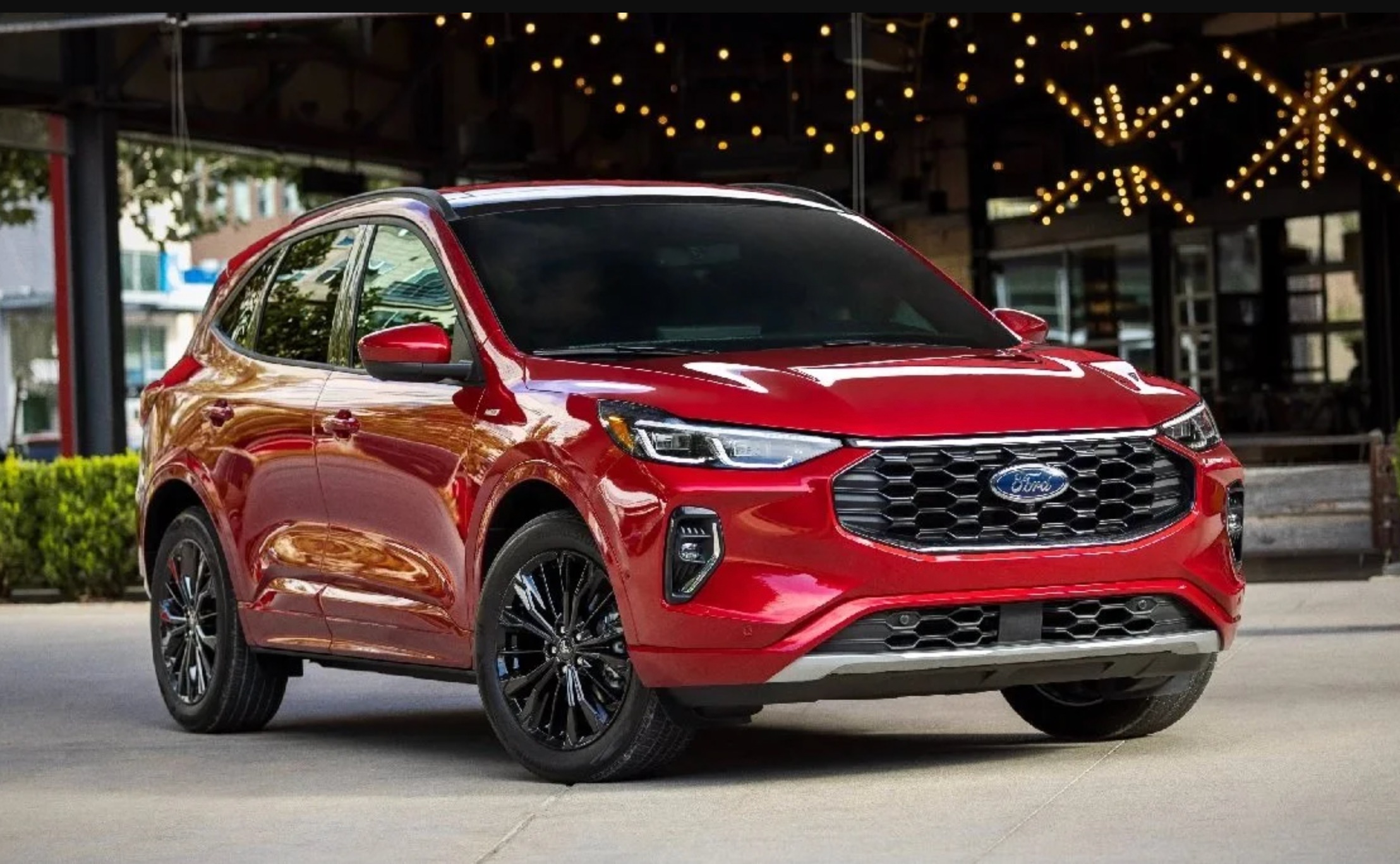
4. Ford Escape Hybrid
The Ford Escape Hybrid uses many parts shared with the gasoline Escape and Ford’s global parts catalogue. Brake components, shock absorbers, wheel bearings, and air conditioning parts remain identical or highly similar to non-hybrid models. Mechanics familiar with the Escape gasoline version can work on the Hybrid with minimal extra training. That efficiency lowers labour charges and repair times.
Hybrid battery modules in the Escape Hybrid are serviceable as submodules rather than a sealed pack. Failed cells can be replaced individually. Refurbished modules from used units sell at reduced rates compared to brand-new OEM packs.
Plenty of independent shops in the US perform module swap rather than full pack replacement. Power control unit, inverter, and onboard charger rarely fail under normal use. When failure occurs, salvage parts remain accessible through hybrid salvage networks.
Escape hybrid regenerative braking reduces the frequency of brake fluid flushes, pad, and rotor wear. Brake replacement intervals stretch further. When service becomes necessary, parts are available through Ford supply networks or aftermarket vendors.
Ford parts often cost less than parts for luxury hybrid brands. Oil filter,s air filter, rs spark plug,s and belts used for periodic maintenance match conventional Escape parts. Those parts remain cheap and easy to source.
Mechanics use Ford diagnostic tools and generic OBD‑II scanners that support Ford hybrid codes. These tools detect fault conditions quickly and help pinpoint a failing module or sensor. Shops know routine hybrid error codes for cooling pump failure, traction battery circuit resistance, and inverter issues.
That familiarity helps shops quote realistic labour estimates. Training manuals from Ford provide step-by-step instructions for tasks like replacing the traction battery, fan motor, or inverter coolant hoses.
Escape Hybrid body repair includes many components common to conventional Escape design. Front bumper valance, rear door panels, roof rail, and bumpers remain shared across hybrid and gasoline trims.
That part interchangeability speeds repair after minor accidents. Insurance repairs are priced accordingly, so owners seldom face inflated collision costs. Body shops treat the hybrid system carefully but do not add major surcharges for sheet metal replacement.
Owners can do basic services like changing cabin filters, engine air filters, and engine oil themselves. These parts match common Escape items. DIY maintenance reduces both parts and labour costs. Online forums guide step-by-step hybrid battery inspection or fan cleaning. That collective knowledge reduces reliance on dealer visits for small jobs.
Ford hybrid coolant and inverter fluid replacement intervals coincide with the service schedule, similar to the gasoline Escape. Those fluids are stocked by most auto supply stores. Shops servicing Ford models already hold these fluid types. Replacing thermostat oxygen sensors, ignition coils, fuse packs, and sensors remains identical to the gasoline version, making parts replacement inexpensive.
The Escape Hybrid proves to be a hybrid that stays affordable to maintain. Shared parts platform among gasoline and hybrid trims keeps parts cost down. High mechanical familiarity ensures lower labour.
Regenerative braking saves wear parts. Service-friendly layout helps both shops and DIY owners. That makes Escape Hybrid one of the more cost-friendly hybrids to fix in the United States.
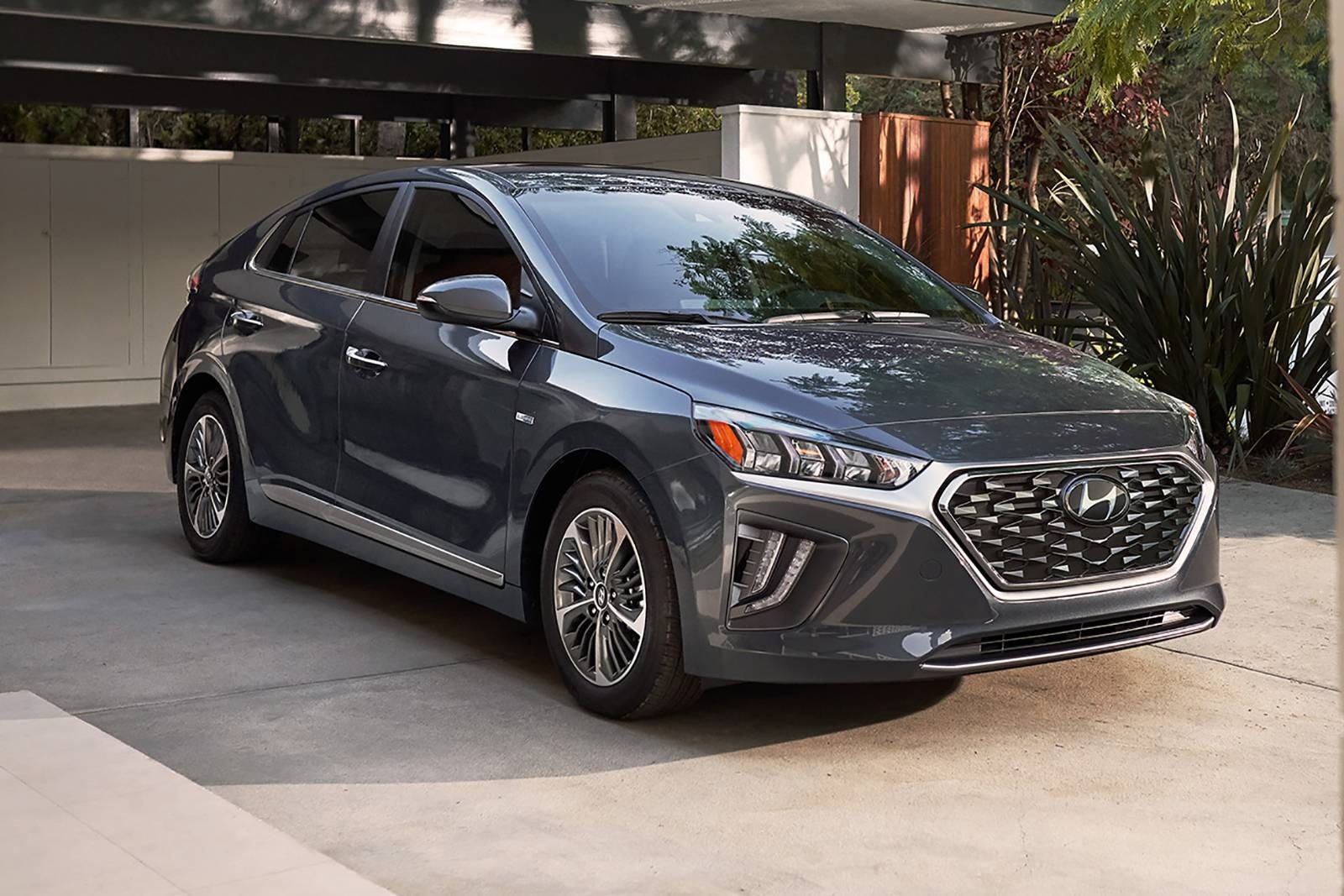
5. Hyundai Ioniq Hybrid
Hyundai Ioniq Hybrid benefits from sharing many systems with mainstream Hyundai models, such as the Elantra. Brake parts, wheel bearings, suspension components, and filters often match across those models.
Any shop familiar with Hyundai products can service the Ioniq without special equipment for body or mechanical servicing. Oil changes, spark plug changes, and brake service follow familiar patterns and use widely stocked parts. That keeps costs low.
Hybrid battery modules in the Ioniq are replaceable individually. Many third‑party battery refurbishers offer module replacement at competitive prices. Independent mechanics can swap these modules without high labour time.
The inverter and power electronics remain robust and rarely require full pack service. When replacement is needed, salvage units exist through used hybrid networks. That helps avoid paying full price dealer fees.
Regenerative brakes extend pad and rotor life greatly. Most owners notice a lower frequency of brake replacements. When they require service parts remain available from Hyundai or aftermarket suppliers at a reasonable cost. Shops servicing Elantra or Sonata will already stock brake pads that fit the Ioniq. That makes service quotes mirror those for gasoline models.
Hyundai diagnostic software supports hybrid scan functions. Basic fault codes show up on generic OBD‑II scanners, allowing many shops to diagnose issues without dealership equipment.
When special hybrid diagnostic features are needed, many independent garages already have access thanks to widespread Ioniq popularity. That reduces labour time and cost when diagnosing traction battery cell failures or inverter warnings.
Body repair often uses common panels shared with other Hyundai models or with regular Ioniq variants. Door skins, bumpers, panels, trim, and lighting parts are usually stocked by collision shops or parts suppliers.
Insurance estimates remain comparable to conventional hatchbacks rather than premium hybrids. Labour hours for structural repairs remain similar to Elantra estimates, making the cost manageable. Owners often replace cabin filters,engfiltersersr, and do basic services themselves.
That cuts labour needs. Many DIY guides show steps for module checking, cooling fan replacement, or sensor swap. That knowledge empowers owners to reduce repair visits for minor faults. Hybrid coolant and inverter fluid flush intervals align with the standard service schedule, and fluids are widely available.
Accessories like cabin fan motor, traction battery,y temperature sensor, or coolant pumps rarely fail early and replacements remain inexpensive. Wiring harnesses and connectors appear in used salvage inventories, reducing replacement cost further. Hyundai rarely charges premium parts markups for Ioniq.
This model remains one of the low-cost hybrid choices for US drivers wanting fuel efficiency with maintenance predictability. Commonality of parts with the Elantra and familiarity among mechanics support low repair quotes.
Battery repair flexibility and regenerative braking benefits help keep the total cost of ownership low. Independent repair shops across the US treat Ioniq Hybrid service similarly to conventional Hyundai models.
5 Hybrids That Aren’t Worth Owning
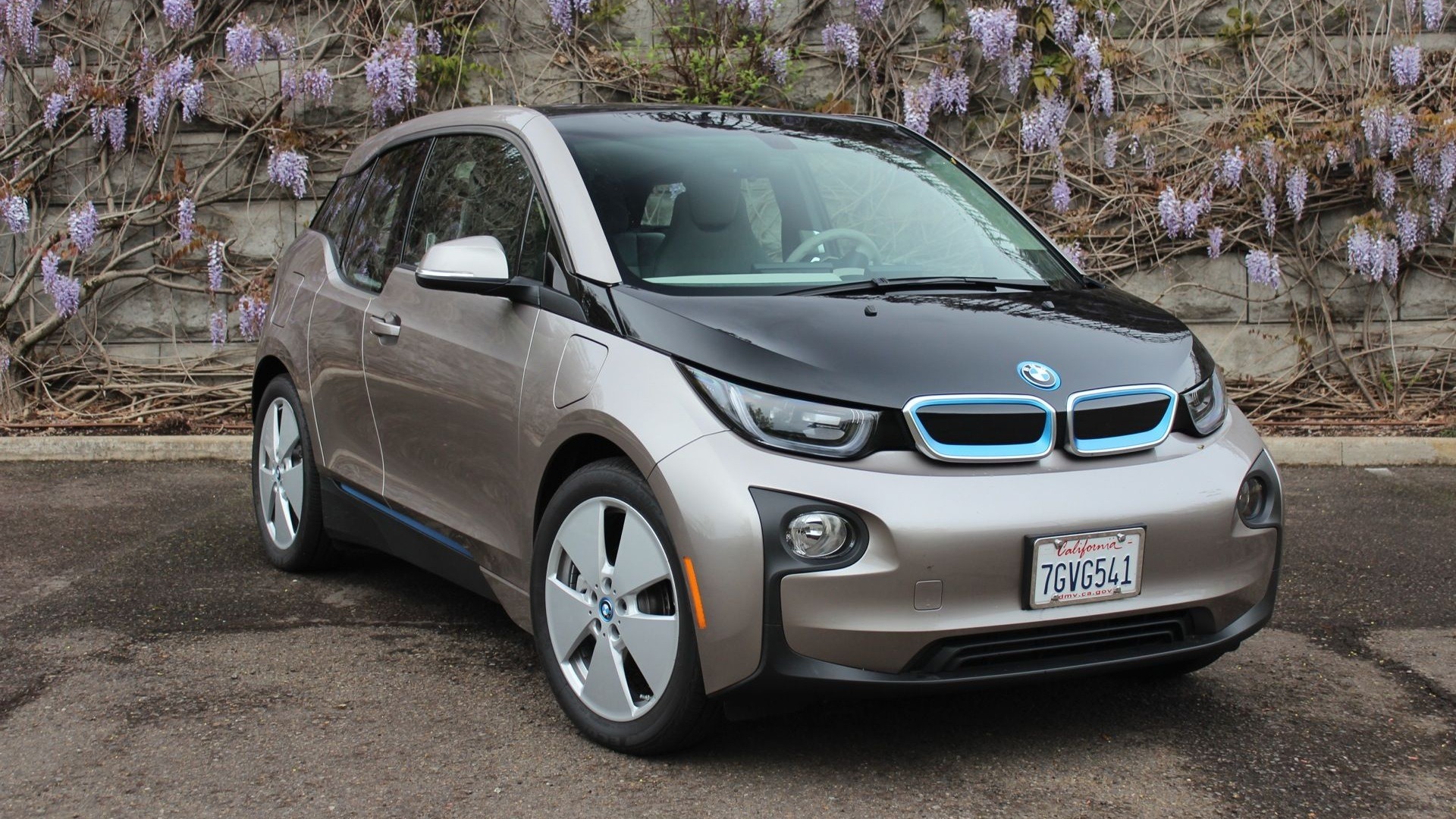
1. BMW i3 REx Hybrid
The BMW i3 REx hybrid comes with unique engineering that sets it apart from standard hybrids, but this uniqueness often means higher costs when repairs are needed. While the i3 REx delivers impressive fuel efficiency and compact city handling, maintaining this vehicle outside BMW dealerships can be difficult.
The car uses a carbon fiber reinforced body, which greatly drives up the cost of body repairs, especially in the event of even minor accidents. Not many body shops in the United States are equipped or certified to work with carbon fiber structures, leading to longer repair times and premium labour charges.
The range extender (REx) model includes a small gasoline engine that charges the battery when the electric charge is low. Although this sounds convenient, it adds a second powertrain that needs service, making repairs more complicated and expensive.
For example, replacing the gasoline engine’s fuel system components, such as the fuel pump or injectors, costs more because these parts are unique to the i3 REx and must be ordered through BMW suppliers.
Hybrid battery issues in the i3 REx also bring hefty bills. The battery is not modular like the ones used in Toyota or Honda hybrids. If a fault arises, it may require replacement of the entire unit, costing several thousand dollars.
Rebuilt or refurbished batteries are not widely available in the US, limiting the options for budget-conscious owners. Labour involved in battery replacement is extensive and requires trained technicians, adding further to the expense.
Electrical components within the i3 are sophisticated and often proprietary. Many standard scan tools cannot access all the car’s systems, so owners are often forced to visit dealerships or BMW-certified repair shops for diagnostics.
These visits typically come with higher hourly labour rates. Replacement of even small electrical modules like headlight control units or infotainment modules may require reprogramming using BMW software tools.
Some i3 REx drivers have reported issues with the cooling system, particularly with electric coolant pumps. Replacement of these components can be costly due to limited aftermarket alternatives. The compact design of the vehicle also makes access difficult, increasing the hours required for many mechanical repairs.
When it comes to insurance and collision repair, BMW i3 REx owners often face higher premiums due to the vehicle’s structure and the cost of replacement panels. OEM parts are frequently the only option, and aftermarket support remains limited. For example, door skins, fenders, and bumpers must usually be sourced directly from BMW, which are more expensive than comparable parts from other manufacturers.
Although the i3 REx offers a unique driving experience, the cost of ownership becomes high once warranty coverage ends. As the car ages, the battery and gasoline engine require more maintenance, and with limited independent shops willing to handle such complicated systems, repair costs tend to remain high.
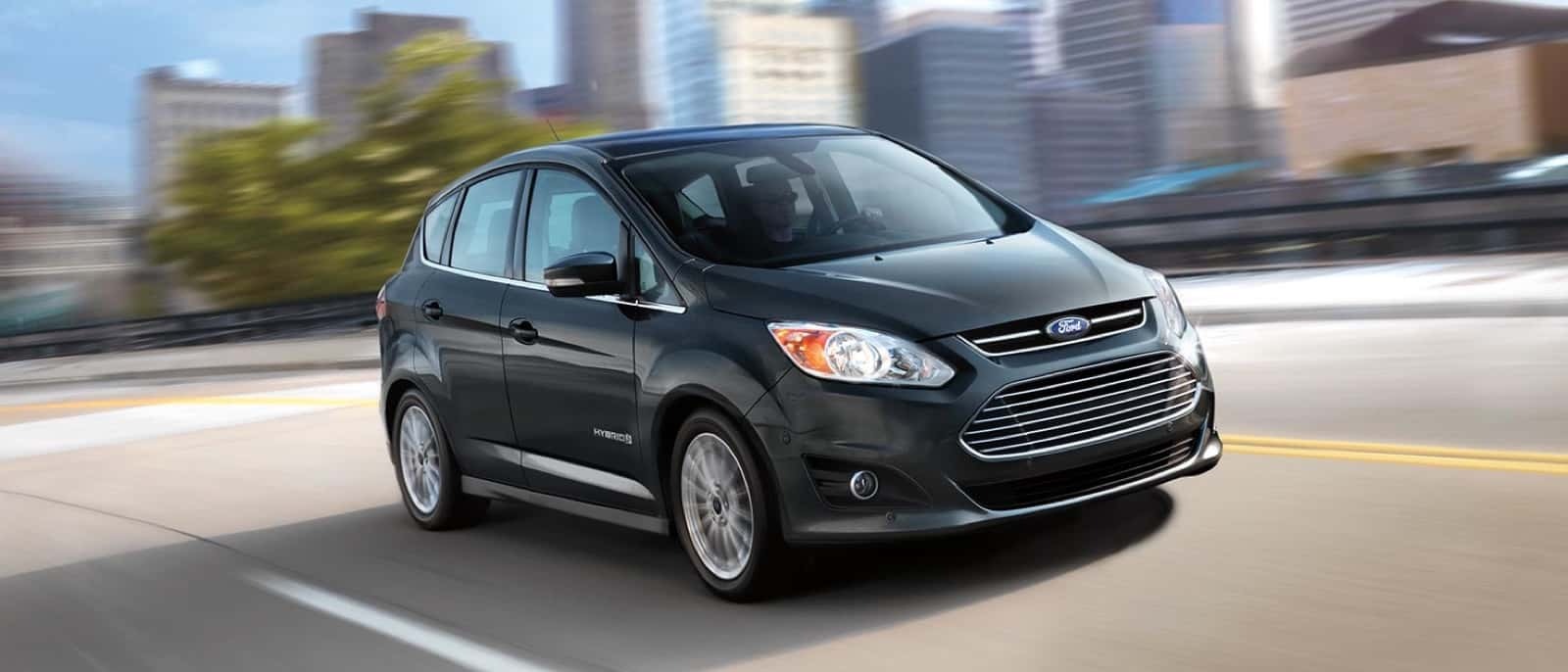
2. Ford C-Max Energi
The Ford C-Max Energi plug-in hybrid once attracted attention for blending electric driving with gasoline convenience. However, its long-term repair profile has turned out to be expensive.
One major reason for this is that Ford no longer produces the C-Max Energi, which affects parts availability and support. Many mechanics do not frequently see this model in their shops, meaning extra time is needed for diagnosis and repair.
This model combines a hybrid battery system with a plug-in electric module, leading to a complicated structure underneath. Battery-related problems can become a serious financial burden. For instance, when the main lithium-ion battery begins to degrade, owners face few affordable options.
The battery pack is sealed and not designed for easy cell-level replacement, so a complete battery swap is often required. That process can cost well over five thousand dollars, including parts and labour.
Many replacement parts are no longer widely stocked in retail auto parts stores, especially those related to the hybrid-specific systems. Even routine replacements, such as inverter coolant pumps or battery control modules, must be ordered from authorised Ford parts dealers, delaying repairs and increasing costs. Some parts have limited availability and may require shipping from other states or from international suppliers.
Unlike more common Ford models like the Escape or Fusion, the C-Max Energi does not share as many parts, making repairs less straightforward. For example, rear suspension components and rear-mounted hybrid modules are unique to the Energi version. Replacing or servicing these elements can take more time and labour, pushing up hourly costs.
The cooling system also presents challenges. Owners have reported failures in the cooling fans or clogged battery cooling ducts. Accessing and servicing these components often means removing rear interior trim or even the back seats, which adds unnecessary labour hours.
Infotainment and electronic systems in the C-Max Energi are tied into the hybrid control systems. When these fail, many shops cannot program replacement parts without access to Ford’s proprietary software. That leaves owners with dealership-only options, which come with higher rates.
Insurance costs are higher as well due to the plug-in battery system and hybrid drivetrain. After minor collisions, repair shops often require additional steps to safely handle the high-voltage components. Labour estimates frequently exceed what insurance adjusters initially expect.
As the model continues to age and fewer units remain on the road, the number of shops willing to work on the C-Max Energi continues to decrease. This lack of support adds to the already growing repair costs. While the car once seemed like a good balance of electric and gas, its maintenance profile has made it harder to justify keeping it for the long haul.
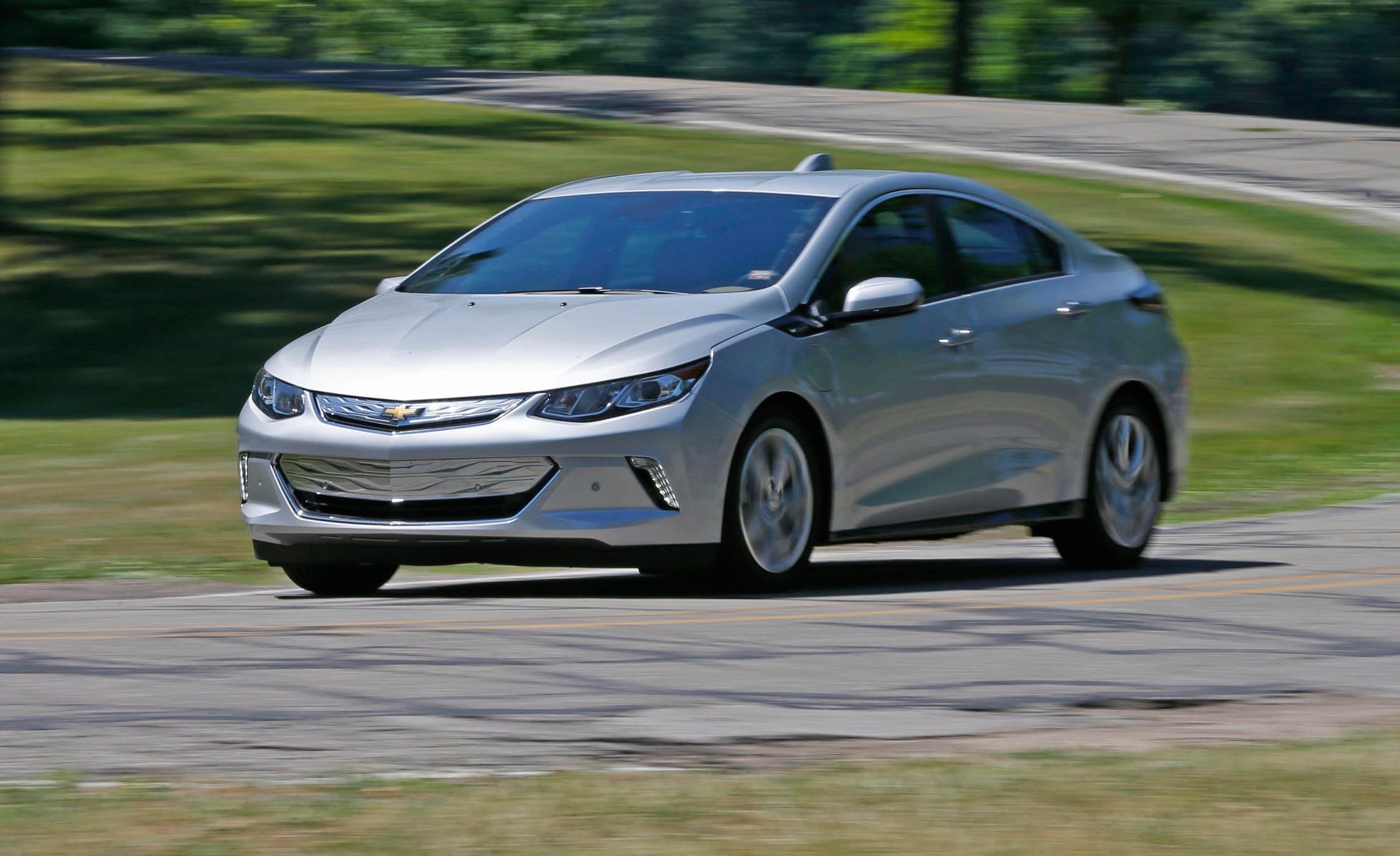
3. Chevrolet Volt
The second-generation Chevrolet Volt was an ambitious plug-in hybrid that featured advanced battery technology and an extended electric range. However, this innovation came with a price, especially once the car moved past its warranty period. Many owners have encountered repair costs that far exceed those of conventional hybrids.
The Volt’s battery system is large and sophisticated. While it delivers excellent electric-only driving range, servicing the battery can be problematic. Battery packs are sealed and not easily repaired or refurbished. In many cases, the only option is a full replacement, which can cost between four thousand and six thousand dollars. Labour charges also rise due to the need for special safety protocols when handling high-voltage systems.
The Volt’s power electronics are integrated tightly with its cooling and heating systems. When any part fails, whether it’s the inverter or electric heating unit, the car may limit driving or disable charging.
These parts are often available only through GM-authorised service centres, increasing downtime and cost. Shops without GM-specific scan tools or software cannot fully diagnose or reprogram replacement modules.
The Volt’s unique design means that even suspension repairs can be more difficult than expected. Certain control arms, bushings, and dampers are designed specifically for the Volt’s weight distribution. Parts are not always available from third-party sources. Owners often must order from the GM, and that delays repairs.
The infotainment system also poses problems when it fails. It is deeply tied to the hybrid interface and the vehicle’s charging functions. Replacement screens or head units require VIN-specific programming and, in many cases, only work when installed by certified technicians. This drives labour and parts costs higher than similar vehicles.
Collision repairs are another issue. The Volt has a complicated structure that includes heavy shielding around its battery. If this structure is damaged, repair shops often need special certification or guidance from GM before performing structural repairs. This makes even minor collisions expensive to fix.
The rarity of the Volt compared to conventional hybrids also plays a role. Fewer units on the road means fewer used parts in salvage yards and less familiarity among independent mechanics. Owners find themselves forced to visit dealerships for even basic services, driving costs higher.
While the Volt performs well and offers a solid driving range, many owners begin to question its long-term affordability after warranty expiration. Without a wide repair support network and with parts becoming less available, the Volt’s repair profile can turn costly very quickly.
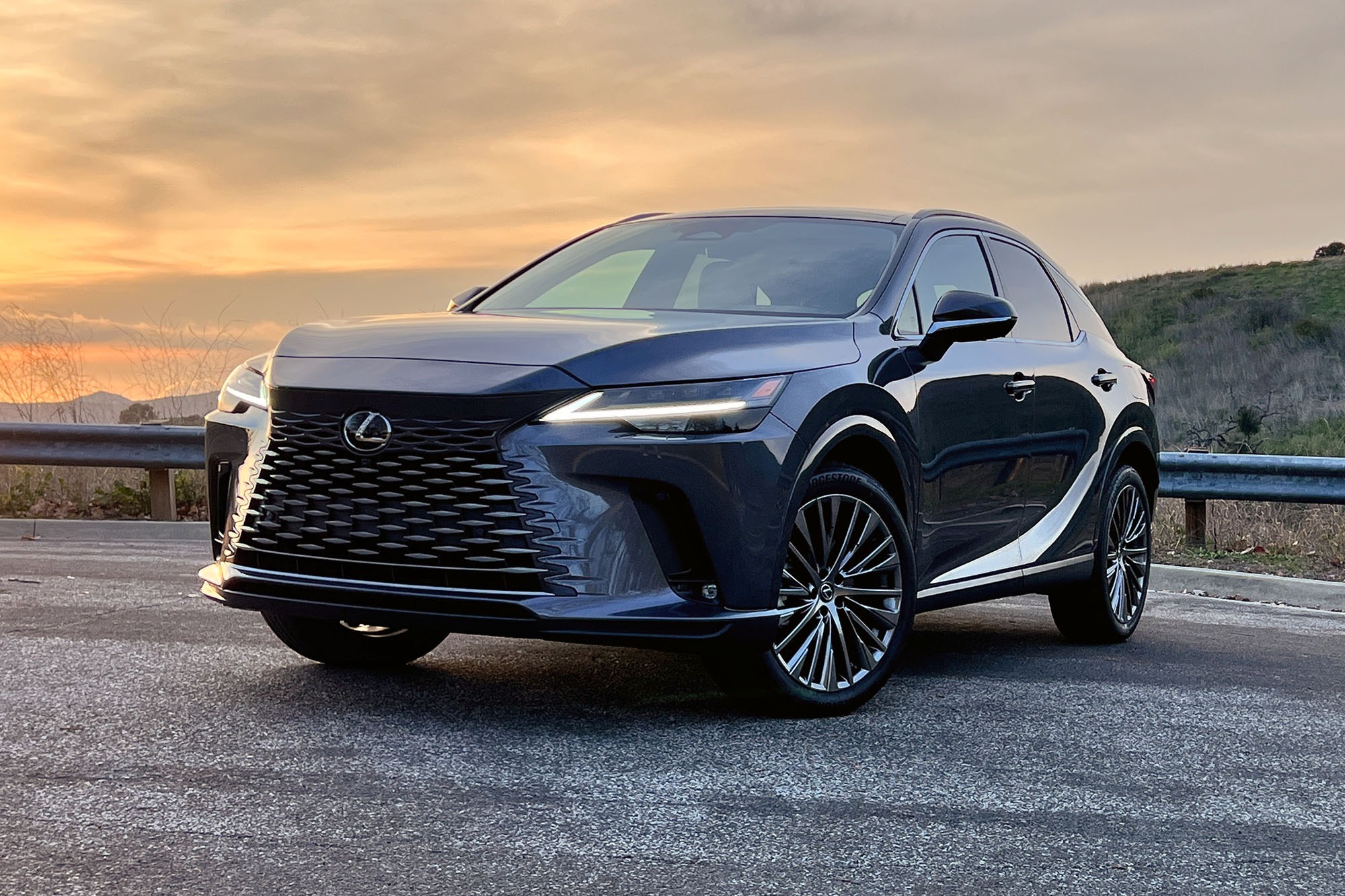
4. Lexus RX 450h
The Lexus RX 450h blends luxury with hybrid technology, offering smooth performance and premium features. However, its maintenance and repair costs remain high compared to non-luxury hybrids. The RX 450h shares many mechanical systems with Toyota, but its added complication and luxury-grade parts lead to more expensive service visits.
One of the main issues is that many of the hybrid-specific components are engineered for Lexus and not shared across the Toyota hybrid range. This includes unique inverter systems, additional cooling loops, and custom electronic control modules. When any of these components fail, replacements must be ordered from Lexus parts distributors. That leads to longer wait times and higher parts pricing.
The hybrid battery in the RX 450h is not as easy to access as in smaller Toyota hybrids. It often sits beneath the rear seats or cargo floor with tight packaging. Servicing or replacing battery modules takes longer, increasing labour charges. Full pack replacements cost more than those found in Camry or Prius hybrids because the RX uses a more powerful configuration to support all-wheel drive and a heavier vehicle weight.
Another factor lies in the vehicle’s interior and electrical components. The RX includes premium infotainment systems, rear entertainment screens, adaptive cruise sensors, and climate-controlled seating. If any of these parts fail, repair costs can spike. Many repairs require the removal of dashboards or seats, making access difficult.
Suspension components are also tuned for luxury comfort and may include adaptive dampers or air ride systems in some trims. These components fail more frequently than basic shocks and are expensive to replace. Independent shops may not stock them, and owners usually have to go through Lexus service departments.
Labour rates at Lexus-certified shops are higher than average. Owners who try to avoid dealership pricing often struggle to find independent shops familiar with hybrid Lexus systems. As the RX 450h ages, parts availability for older models begins to decline, making some repairs even more time-consuming.
Even simple repairs such as headlight replacement or bumper sensor adjustments can cost more than expected due to the precision involved and the technology behind the parts. Insurance premiums are usually higher as well because body repairs often involve luxury-grade materials, and labour estimates take hybrid safety procedures into account.
Though the RX 450h delivers luxury performance, owners should expect higher maintenance costs and fewer affordable repair options outside Lexus dealerships. That makes this model expensive to maintain, especially once it crosses the 100,000-mile mark.
Also Read: 5 Cars with Reinforced Control Arms vs 5 with Bent Arms Under Stress
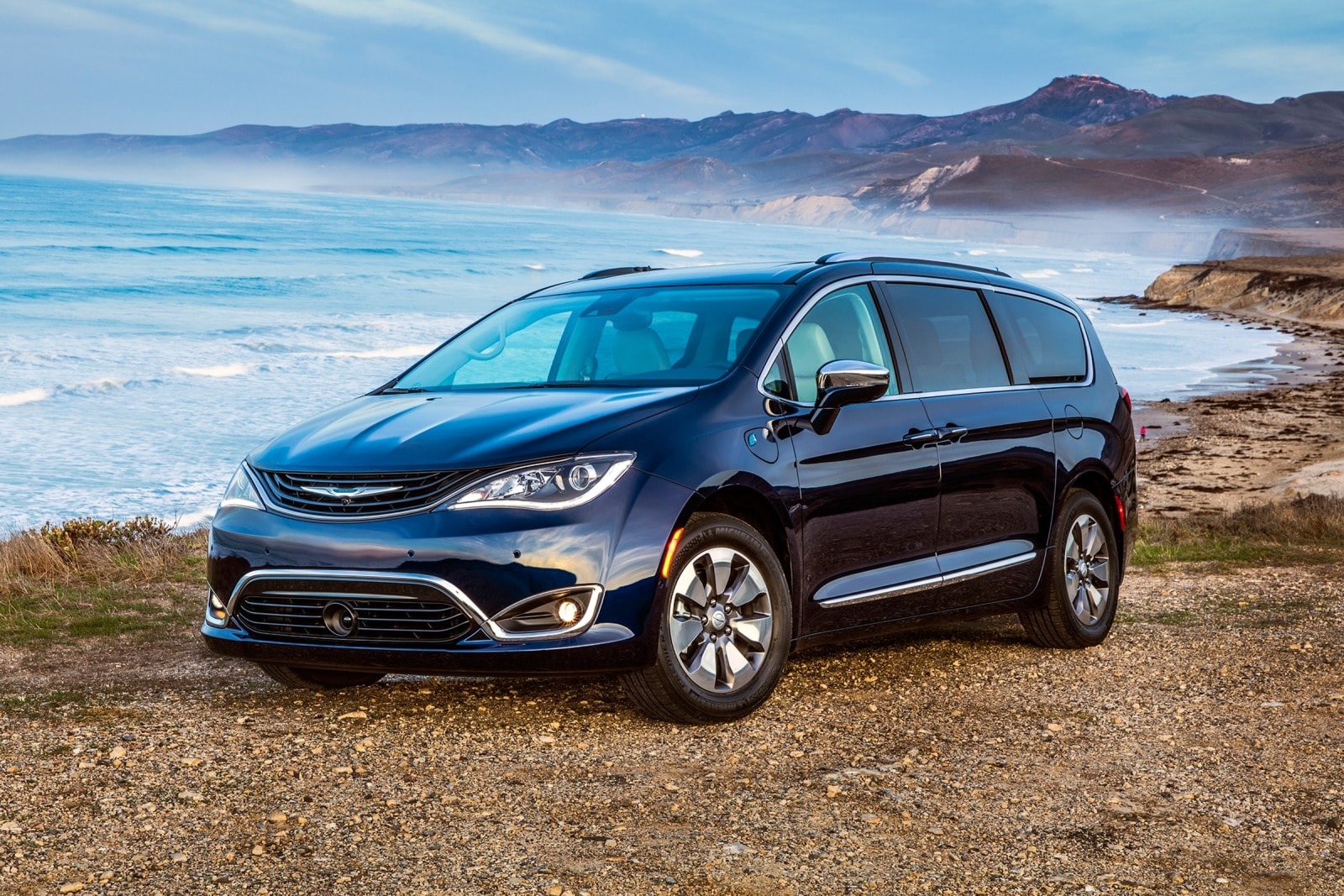
5. Chrysler Pacifica Hybrid
The Chrysler Pacifica Hybrid is the only plug-in hybrid minivan sold in the US, which gives it a unique position. However, this uniqueness leads to higher-than-average repair and maintenance costs. The Pacifica Hybrid combines a complicated hybrid system with a family-focused layout, making it difficult and expensive to service.
The hybrid battery is very large and located beneath the floor. Accessing it for diagnostics or repair requires removal of the second-row seats and trim panels. That adds many labour hours even for basic inspections. If the battery or its control system fails, full pack replacements can reach between six thousand and eight thousand dollars. Refurbished options are rare, and most shops recommend OEM packs due to a lack of third-party alternatives.
The hybrid system in the Pacifica is more complicated than in many sedans or crossovers. It includes dual electric motors, planetary gearsets, and multiple clutch packs. These parts are tightly integrated and not easily repaired.
When any one of these parts fails, it often requires removing the entire powertrain. Few independent shops have the training or equipment to handle such repairs, forcing most owners to visit dealerships.
Cooling systems are another weak spot. Some Pacifica Hybrid owners have reported recurring faults with electric coolant pumps or flow restrictions. These components require special parts that only come from Chrysler. Diagnostic processes take time and usually demand manufacturer-approved software.
Body repair also tends to cost more. Because the hybrid version has a different underbody compared to gasoline Pacificas, body shops must follow specific repair protocols after a collision. Rear-end damage involving the battery area can become costly due to high-voltage precautions and limited part supply.
Labor rates at Chrysler dealerships remain high, and many shops add time buffers when quoting repairs on the Pacifica Hybrid due to unfamiliarity. As the vehicle ages, these delays and costs compound. While the vehicle suits large families and offers excellent range for its class, the long-term cost to maintain often puts pressure on household budgets.
