
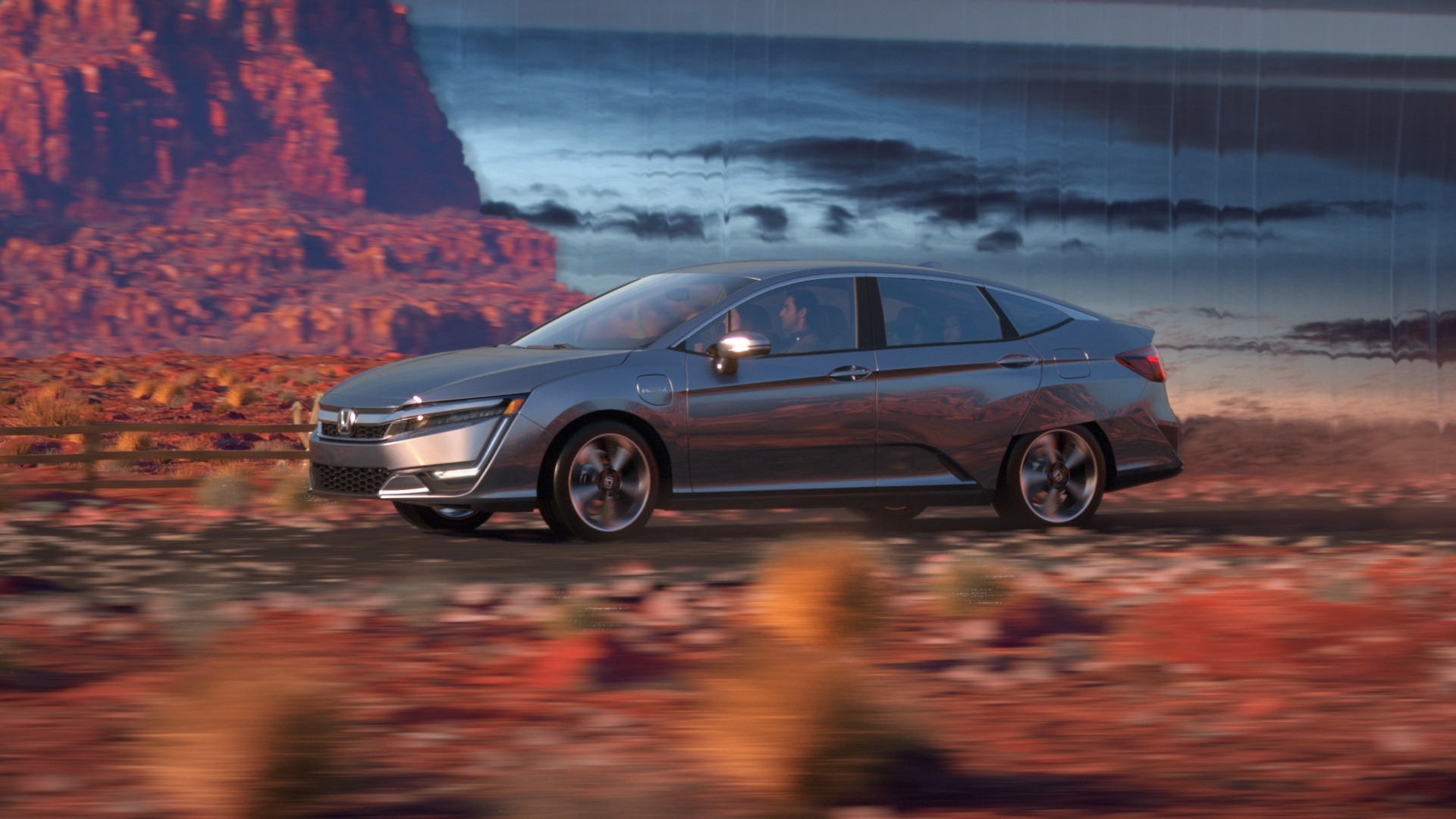
Many people today are looking for vehicles that offer both power and efficiency without needing to give up comfort or reliability. That is where hybrid cars enter the picture. These vehicles use a mix of petrol engines and electric motors to reduce fuel use, lower emissions, and sometimes improve performance.
While some hybrids focus only on saving fuel, others are built to compete directly with petrol-powered models in terms of acceleration and power delivery. Not all hybrids perform the same way. Some offer surprisingly strong driving ability, with quick response when you step on the pedal and smooth power delivery even at high speeds.
These hybrids don’t just save fuel, they give a driving experience that feels more refined and sometimes more exciting than what you get from a regular petrol car. But some hybrids feel slow, soft, or underpowered when compared to their gas-only versions. These may shine at the fuel pump but can leave drivers feeling less satisfied on the road.
We will go ahead and break down both sides. You will see five hybrid cars that outperform their petrol equivalents in main areas like acceleration, throttle response, and ride quality. You will also see five hybrids that miss the mark when compared to gas-powered rivals, especially in terms of speed and driving feel.
Each model is explained with simple words and clear details so you can better understand how it compares to its petrol counterpart. Whether you want performance, fuel savings, or a balance of both, this list will help you see which hybrids are ahead and which ones still have work to do.
5 Hybrids That Outdrive Gas Cars
1. Toyota RAV4 Prime
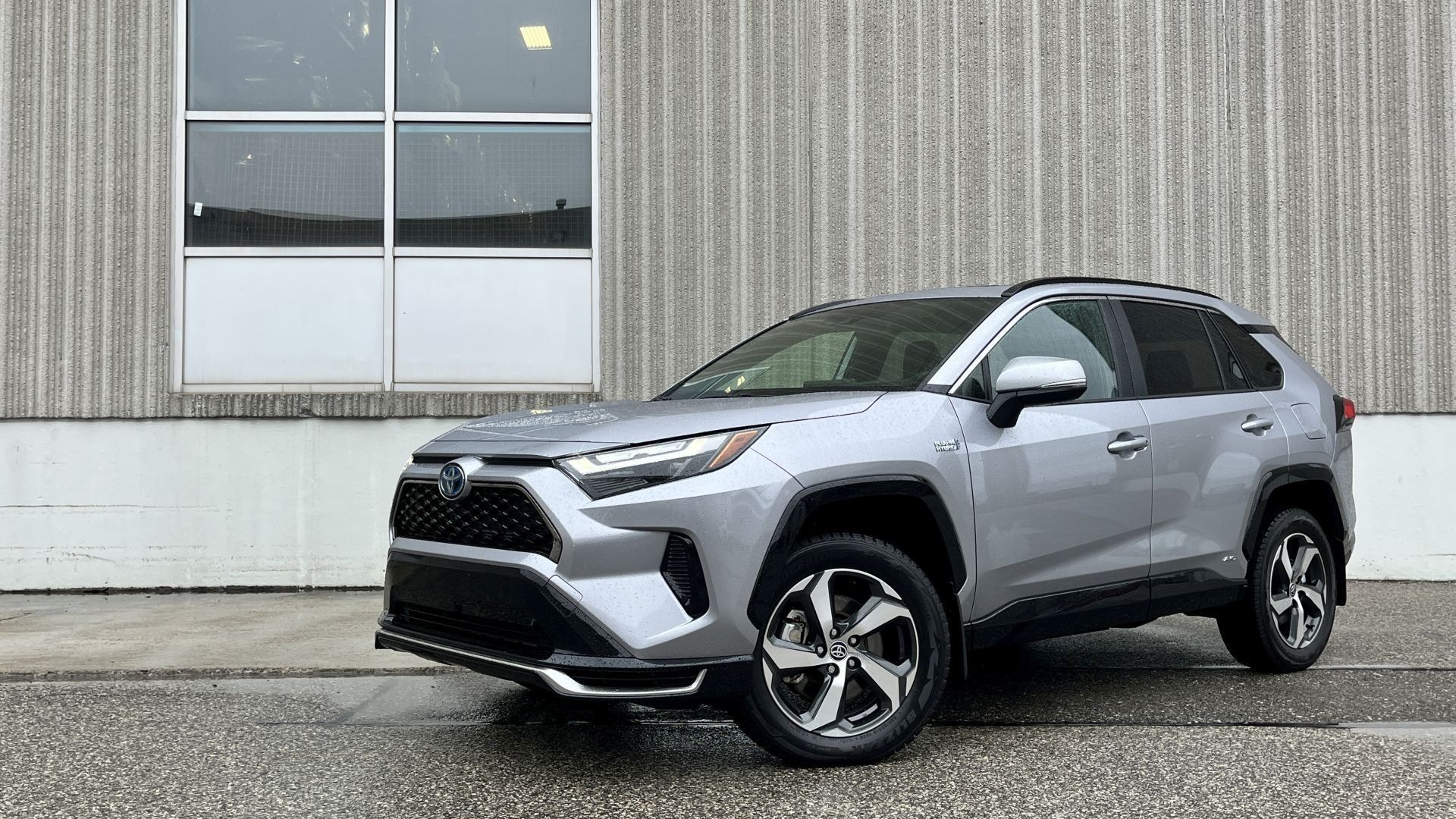
The Toyota RAV4 Prime is a plug‑in hybrid that often beats many petrol‑only compact SUVs in acceleration and efficiency. Its electric motor provides instant torque. That delivers a faster zero to sixty time than the petrol RAV4. When the battery is charged, the electric drive handles much of city driving. That reduces petrol use and boosts responsiveness.
Acceleration is impressive. The RAV4 Prime does zero to sixty in just around 5.5 seconds. That often matches or exceeds many petrol SUVs in its class. It also delivers more torque at low speeds. That means quick reaction when you press the accelerator. Handling is enhanced by the lower centre of gravity from the battery pack.
When comparing fuel usage, the Prime is more efficient than the regular RAV4. In hybrid mode, it achieves over 40 miles per gallon combined. In electric mode, it can travel nearly 40 miles with zero petrol. That makes it ideal for daily commuting. You avoid filling the petrol tank for several days if you charge regularly.
The driving feel gives greater response at takeoff and throttle elasticity. That ensures that passing manoeuvres feel smoother and safer. That performance edge over petrol RAV4 comes from the electric boost. The petrol engine supports longer journeys while the electric part covers short trips.
The interior and cargo space remain nearly the same as the standard model. That means you get improved drive without losing utility. The added weight of the battery does not cause noticeable understeer or sluggish cornering. You might note a marginally sharper corner entry. Ride comfort remains firm but controlled.
In real-world use, owners report feeling that the Prime handles more like a small sport SUV than a regular family crossover. They particularly enjoy the immediate torque and silent electric drive when starting. Charging at home overnight delivers a full range by morning. Public chargers extend the range for longer road trips.
Maintenance and reliability remain strong with the Toyota tradition. Warranty covers hybrid components as petrol parts. Servicing is similar to other RAV4 models, with occasional brake regeneration system checks. Running costs stay lower because fuel use drops massively. Insurance and road tax remain in line with standard gasoline models.
The RAV4 Prime stands out as a hybrid that outperforms the petrol variant in acceleration, responsiveness, fuel saving, and driving pleasure. Its combination of electric torque, petrol endurance, and everyday utility gives a package that many petrol buyers may find hard to match.
2. Honda Accord Hybrid
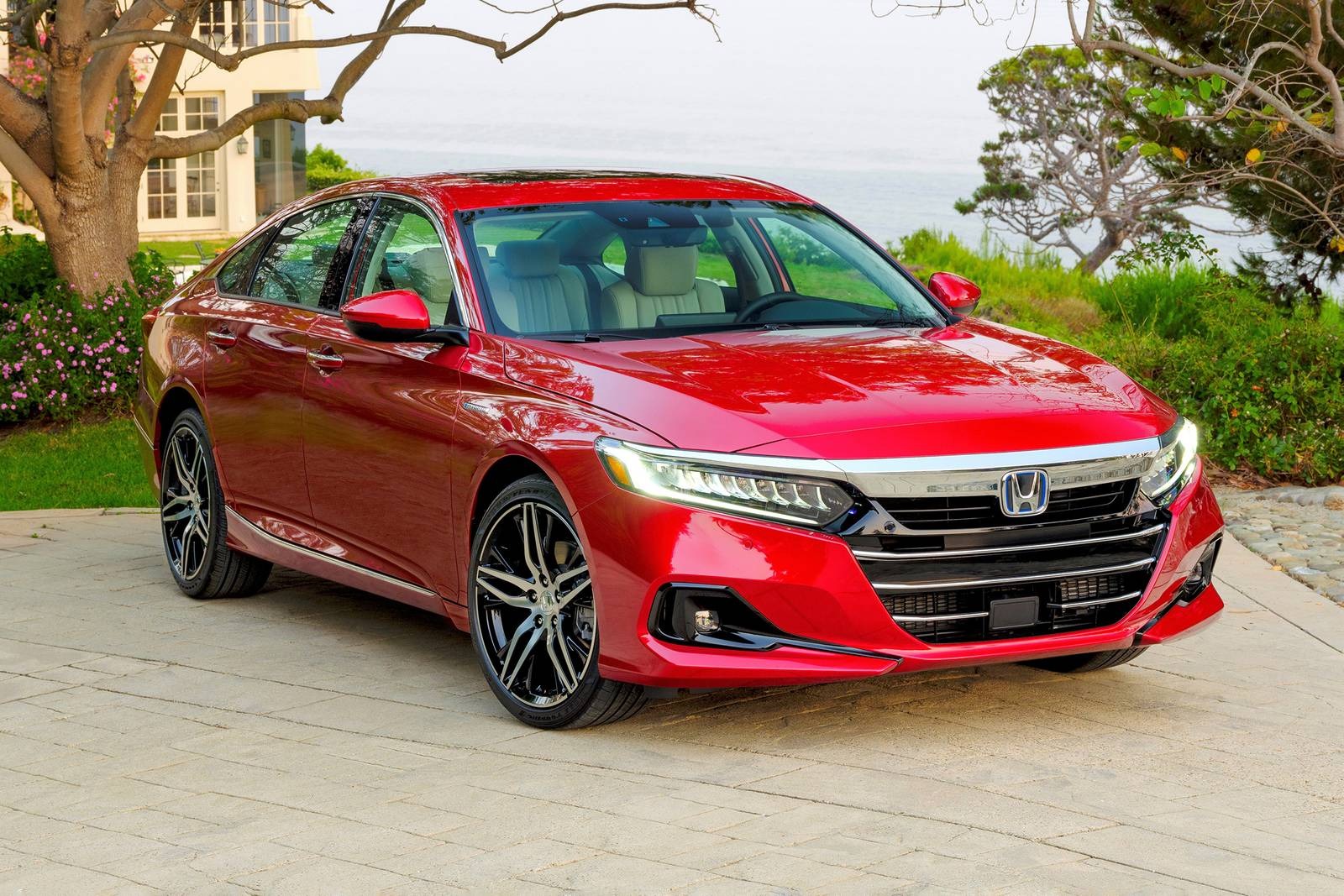
The Honda Accord Hybrid often accelerates faster than the petrol Accord even though its combined power output is lower. It uses a clever power split system that balances electric plus petrol motors. That produces immediate torque at low speeds while retaining smooth, long-range petrol power.
In tests, the hybrid model achieves zero to sixty in under 6.0 seconds. That is faster than some petrol four-cylinder Accords. The electric assistance delivers a smooth pull from idle without the delay of turbocharging. You feel instant movement when you press the accelerator pedal. Acceleration is seamless between electric and petrol drive.
Fuel economy improves over petrol models. In combined driving, it can achieve over 45 miles per gallon on average. That is better than many gas models in its class. You drive with little or no petrol consumption around town when the battery assists. On the highway, it continues to deliver efficient performance without compromising drive.
Drive dynamics remain strong. Steering is precise, and the weight distribution feels balanced despite the battery placement. Ride quality does not suffer from added mass. You experience firm suspension with confident control. The electric motors help in packaging, so cabin space is almost identical to the conventional version.
Owners mention that throttle response is lively and overtaking is confident. The hybrid powertrain changes between motors so smoothly that you may not sense the transition. That gives a refined driving feel. In practice, acceleration may leave petrol variants behind, especially at junctions or roundabouts.
Reliability records of Honda hybrid systems remain robust. Routine servicing is simple, and fuel system checks remain standard. The hybrid battery is covered under an extended warranty. Running costs are lower since petrol use drops and brake wear is limited by regenerative braking.
Cabin features match the petrol model. Infotainment, navigation, and space are comparable. The only noticeable weight comes from extra hybrid hardware. That rarely affects normal driving. For daily commuters and family drivers, the Accord Hybrid provides stronger step-off performance plus fuel savings in one compact package.
Also Read: 5 Cars That Stay Dry and Mold-Free and 5 That Leak Like a Faucet
3. Ford Escape Hybrid
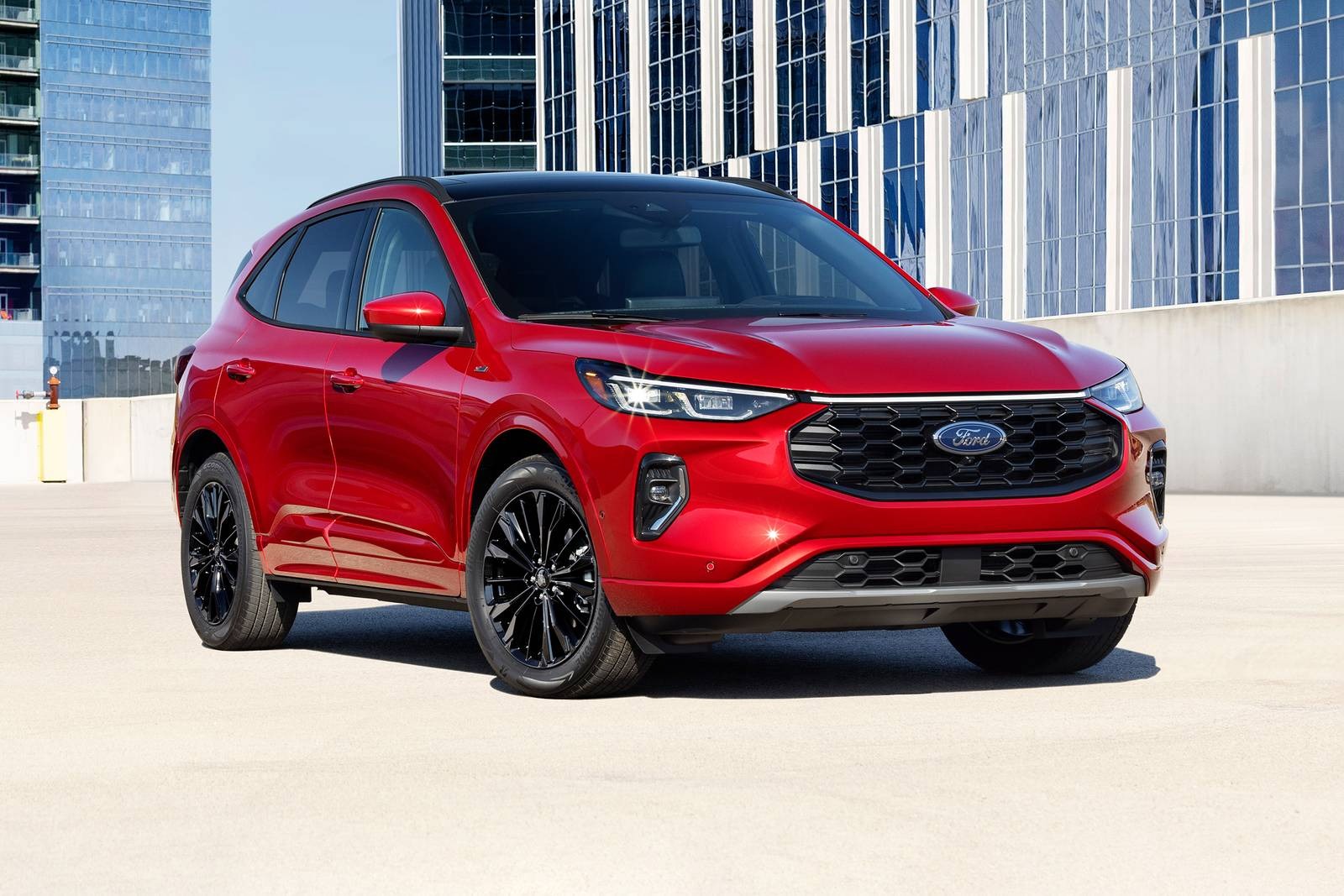
The Ford Escape Hybrid offers stronger low-end torque and quicker acceleration than the petrol Escape. Its hybrid system is tuned for responsiveness. That gives robust performance from a standstill and solid mid-range power.
In testing, it often achieves zero to sixty in about 6.5 seconds. That is quicker than the standard p, petrol Escape, which can be mid-sevens. The electric motor assists heavily under throttle load. That reduces lag and improves passing power.
Fuel economy improves greatly compared to the petrol variant. Combined mileage fill-upsaches above 40 miles per gallon. That makes for long drives between fill-ups. The electric drive handles local city miles without engaging the petrol engine.
Driving behaviour feels engaging. You sense quick throttle response and better torque delivery at city speeds. Transition between electric and petrol is smooth and usually unnoticed. The centre of gravity change is minimal so handling remains planted. Ride feels controlled.
Interior layout stays consistent with the petrol model. Cargo volume nearly matches in spite of batteries. Rear seat space is nearly identical. You lose minimal space to the hybrid components.
Users highlight that passing spirit feels stronger. If highway merge or short overtakes come often, the hybrid delivers extra grunt. You feel less hesitation and more assured movement. In an everyday suburb, a use of the system yields moments aa nd a stronger drive.
Maintenance needs mirror those of the petrol Escape. Hybrid systems require occasional checks, but servicing intervals are familiar. Brake pads last longer thanks to regenerative braking. Insurance premiums stay close to the petrol version. Fuel savings reduce the cost of ownership.
Trim levels remain similar, so you choose the same luxury and technology options. Differences appear mainly in the instrument cluster, showing charge levels and drive modes. Interior comfort and sound insulation remain high.
For buyers seeking efficiency with acceleration edge, the Escape Hybrid delivers better drive than its petrol sibling and also keeps costs low in long-term operation.
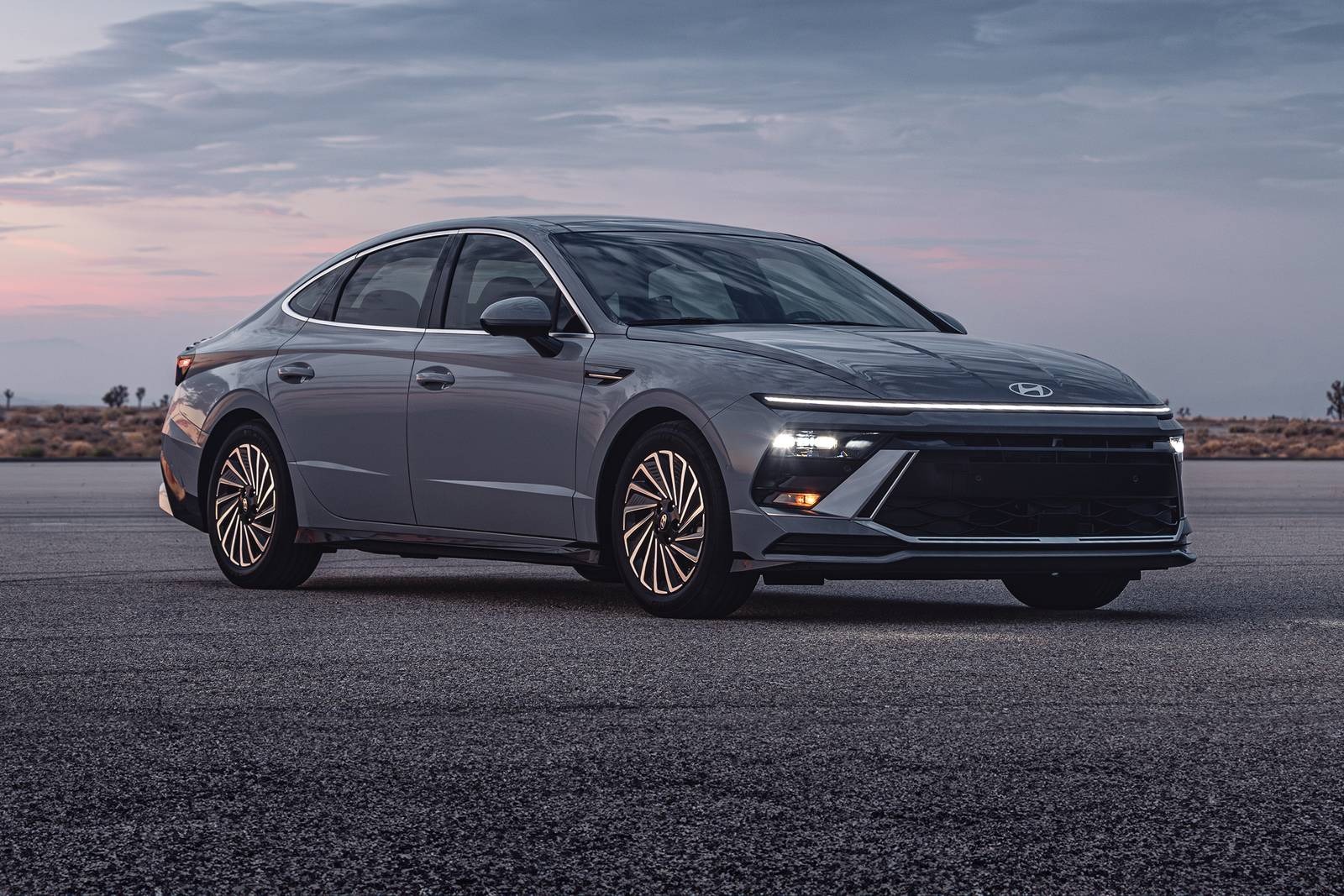
4. Hyundai Sonata Hybrid
The Hyundai Sonata Hybrid delivers stronger torque delivery and faster overtaking ability than the petrol Sonata. It pairs a petrol engine with electric motors in a refined package. That yields a responsive throttle feel and better fuel usage.
Acceleration is brisk. In testing, the Sonata Hybrid reaches zero to sixty often under 7.0 seconds, which beats some now with turbocharged petrol versions. That instantaneous electric torque helpswith city and highway passing. That smoothness when accelerating gives a refined driving feel.
Fuel economy excels. It averages above 45 miles per gallon combined. That surpasses most petrol Sonata models. The hybrid drive handles city low-speed operations without a petrol engine. That results in substantial fuel saving day to day.
Handling stays balanced. Battery weight is placed low and central. That keeps ride quality and steering feedback intact. You feel stable control over bumps and corners. Suspension tuning absorbs irregular surThe cabin well. Theabin off space aa peerol version. No sacrifice in trunk volume. Interior design integrates hybrid info displays. You can monitor charge distribution and usage via simple menu screens.
Drivers often note that throttle response feels crisp and passing feels more effortless. The hybrid system masks the engine start and switch. That supply of power when you need it gives confidence on open roads.
Reliability and long-term align with Hyundai’s hybridards. The hybrid battery warranty remains long-term. Brake wear is reduced through regenerative braking. Fuel savings quickly offset any h,ighe higher purchase price over the petrol model.
Trim selection matches the petrol Sonata, so you get the same comfort features. Stereo sea, ts, and safety tech remain consistent. Fuel gauges include EV mode indication, but cabin style stays the sathat me. Buyers who want better performance and fuel economy in one package find that long-term Hybrid offers a stronger drive than the petrol version and high long-term efficiency.
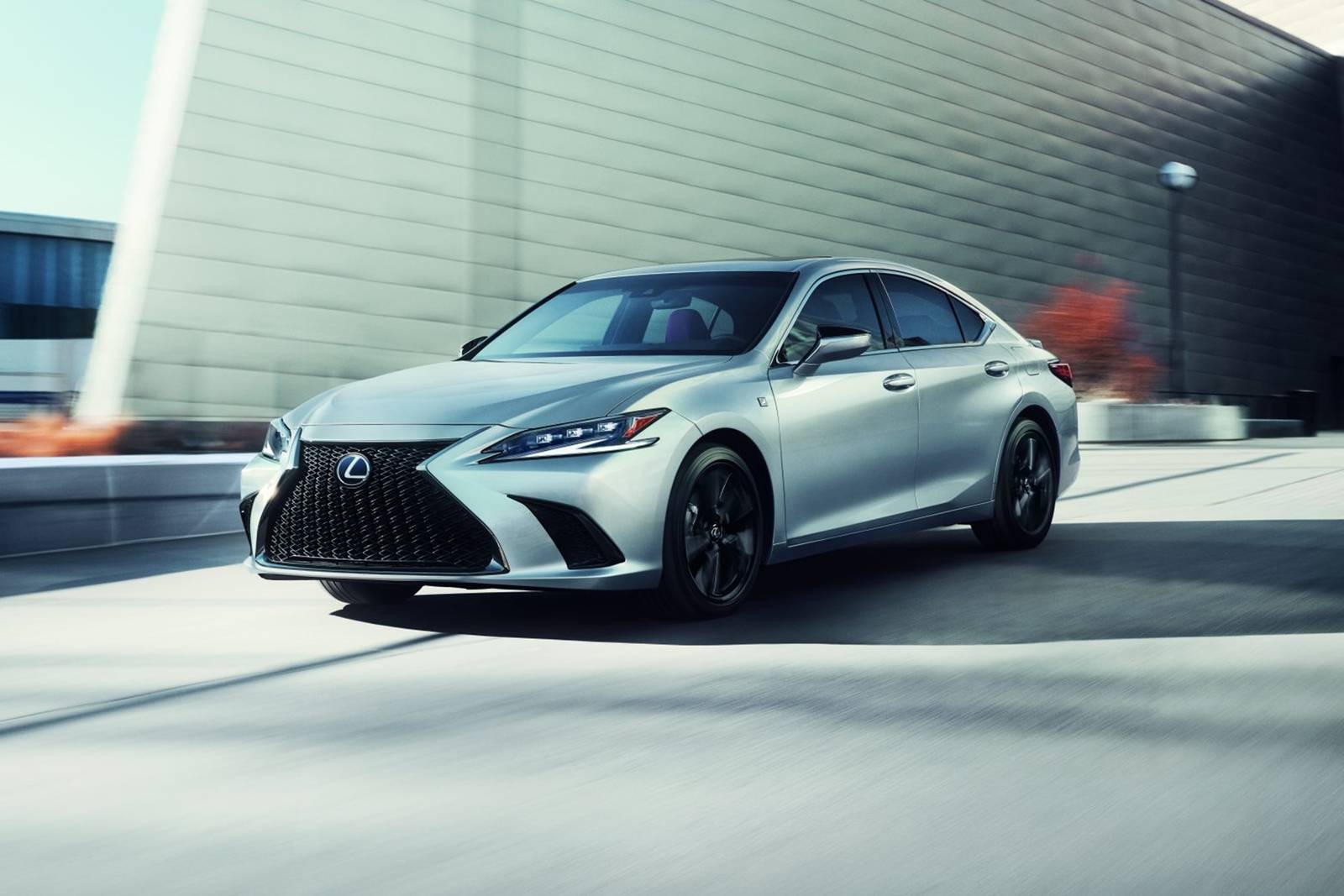
5. Lexus ES 300h
The Lexus ES 300h hybrid sedan outperforms petrol ES models in smoothness and low-speed torque. It blends luxury with responsive acceleration from the electric motor. That grants quieter takeoff and smoother transitions.
The h, hybrid system may not be faster in zero to sixty than the turbo petrol ES 350, but in real driving, the torque feel and smoothness give a more responsive experience in typical urban traffic. That is where trip times improve.
Fuel economy is excellent for a luxury sedan. Combined mileage often reaches above 44 miles per gallon. That stands far above petrol ES variants. Short trips can be electric only. That cuts petrol use and reduces engine noise.
Comfort quality remains top priority. Battery placement does not compromise boot space. Rear seat legroom stays general. The cabin is well-insulated. The hybrid powertrain functions with little vibration at low speeds.
Drivers appreciate that the car responds smoothly at takeoff without lag or rough move points. That smoothness delivers a more enjoyable drive, especially in city driving. The hybrid system’s blending of petrol and electric is refined.
Reliability and service of the following Toyota‑Lexus commitment. Hybrid components have long coverage. Brake wear reduces thanks to regeneration. Cost of operation drops with fuel savings. Technology and trims match petrol ES 300. Features like leather, hea, seat,d sthe eats and safety remain. Instrumentation adds a hybrid energy display, but the cabin style is classic Lexus.
Luxury drivers who value quiet, responsive drive together with excellent fuel economy benefit from the ES 300h. Its entire driving feel can feel more refined than the petrol ES, hence outdriving it in daily use.
Hybrids That Don’t Outdrive Gas Cars
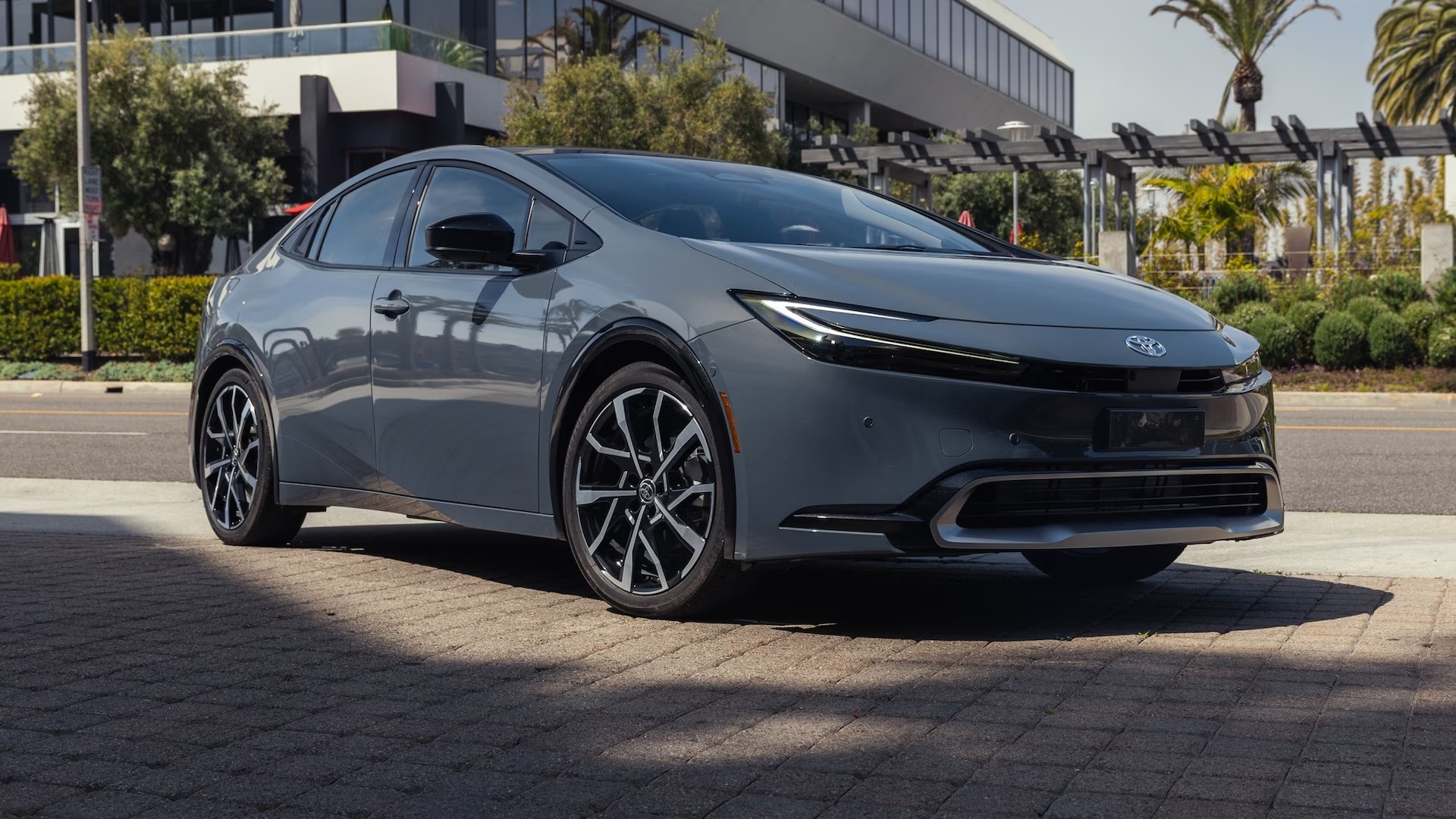
1. Toyota Prius
The Toyota Prius is famous for its fuel savings, but it rarely outdrives petrol hatchbacks in outright performance. The emphasis is on economy, not sportiness. That means it delivers modest acceleration and a low torque feel.
Zero to sixty takes around 10 seconds in most Prius models. That is slower than many petrol compact cars. Throttle response feels soft and slow to react. Passing requires planning and time. That effect limits fun behind the wheel.
City fuel economy is out, standing often over 50 miles per The highway economy also stays high. That keeps running costs extremely low. Owners appreciate low petrol use. Performance feel is gentle. Steering is light and not tuned for sport. Ride tuning favours comfort over agility. That results in body roll during cornering. Battery placement slightly reduces trunk space.
Interior Matthew Cheeconomicnomy focus. Materials are sturdy but not premium. Cabin technology remains user-friendly. Hybrid displays show consumption, but driving feedback is minimal. Drivers note that acceleration feels underwhelming and overtaking on fast roads feels slow. That can feel limiting, though the takeeel may feel artificial due to regenerative braking.
Reliability is strong with Toyota’s build quality. Maintenance is straightforward. Rcostsng cost remains low. Yet for drivers wanting stronger performance, the Prius does not match petrol cars in acceleration or handling. For those who prioritise economy over,r drive this hybrid is ideal. But when comparing the drive feel to petrol models, it does not deliver the same thrill or control.
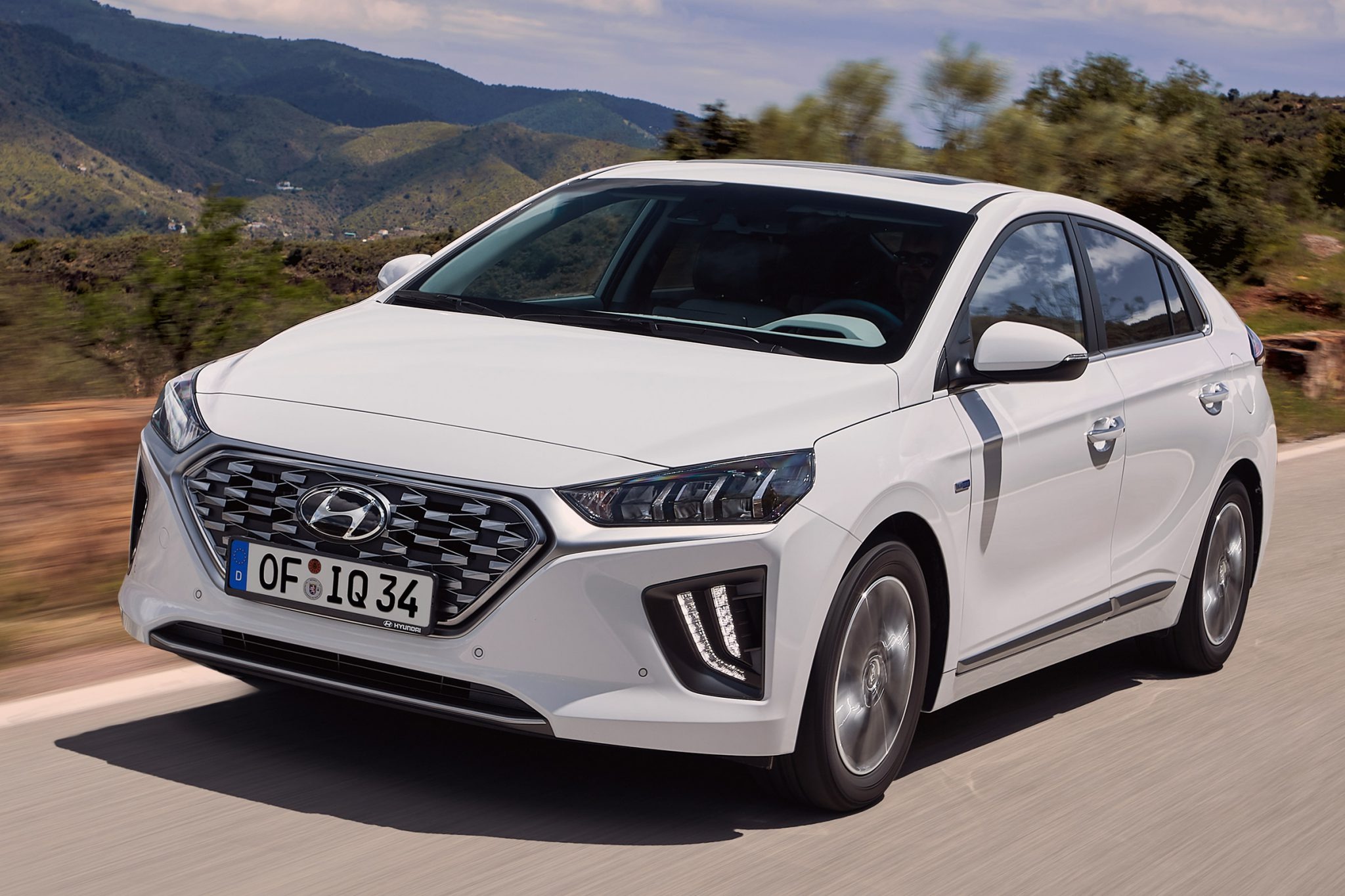
2. Hyundai Ioniq Hybrid
The Hyundai Ioniq Hybrid is built for eff, but it lacks punch for acceleration. That results in stakeholder off and limited responsiveness. The electric motor offers mild assistance, but performance feels subdued.
Zero to sixty takes over 10 seconds. That puts it besmall petroltrol small petrol cars. Pressing the accelerator, itraffic traffa i c yiel, ds soft throttle reaction. That can feel sluggish. Fuel economy is excellent, over 55 miles per gallon in city and highway., That makes it one of the most efficient hybrids. That softens running costs, but the sacrifice in driving feel remains clear.
Handling is competent but not engaging. Steering is light. The ride is soft. Body roll is noticeable in curves. Cabin space meets expectations, actions, but you sense the focus is comfort and economy, not sporty dynamics.
Interior materials feel simpler than the petrol compact Hyundai versions. Technology follows economic design. Displays emphasise fuel use. Comfort remains acceptable but not luxurious. Drivers confirm that acceleration is slow and merging on highways requires caution. Many compare it to driving a compact petrol car with weak power. That gives rise to frustration on open roads.
Reliability remains good. Battery and hybrid system warranty is included. Fuel cost remains low. That appeals to buyers who often drive a distance. Yet in terms of drive, the Ioniq Hybrid cannot match petrol performance. For commuters focused on fuel saving, not speed, this vehicle is fine. But drivers who expect quicker acceleration or sharper dynamics will feel the compromise.
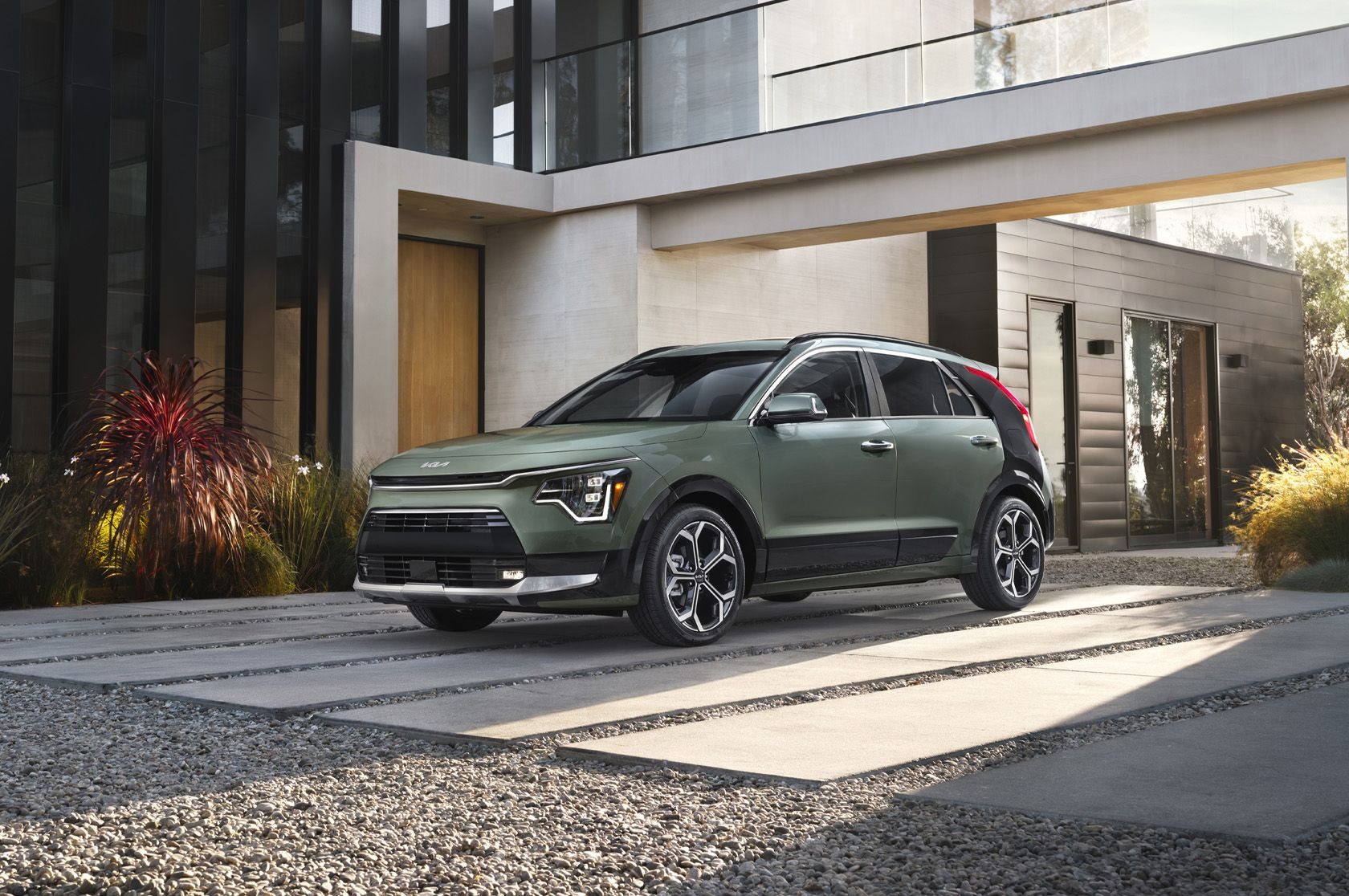
3. Kia Niro Hybrid
The Kia Niro Hybrid blends utility with economy but seldom beats petrol crossovers in acceleration. That hybrid system is tuned for frugal drive rather than spirited performance. Reaction feels gradual.
Zero to sixty is about 10.5 seconds. That lags many petrol small SUVs. Pressing the accelerator yields a slow response. City manoeuvres feel slow and deliberate. Fuel efficiency is strong at nearly 50 miles per gallon combined. That trims petrol costs. Cabin and cargo space win credit compared to hatchbacks. That hybrid package offers practicality with savings.
Handling is safe but lacking sharpness. Steering feels light. Suspension is tuned for comfort and softness. That leads to body roll when cornering. Battery placement is compact, so the trunk is acceptable.
Interior quality is decent but not sporty. Comfort is prioritised over tactile feedback. Infotainment works fine. Hybrid displays help the economy but give minimal driving thrill. Owners say overtaking takes planning and a longer distance. Merging onto freeways feels sluggish. That may frustrate those seeking more immediate acceleration.
Hybrid systems prove reliable under the Kia warranty. Running costs stay low. But drivers who expect petrol performance will find this model lacking. For utility and fuel saving, it is useful. But for driving feel it does not outperform petrol crossovers.
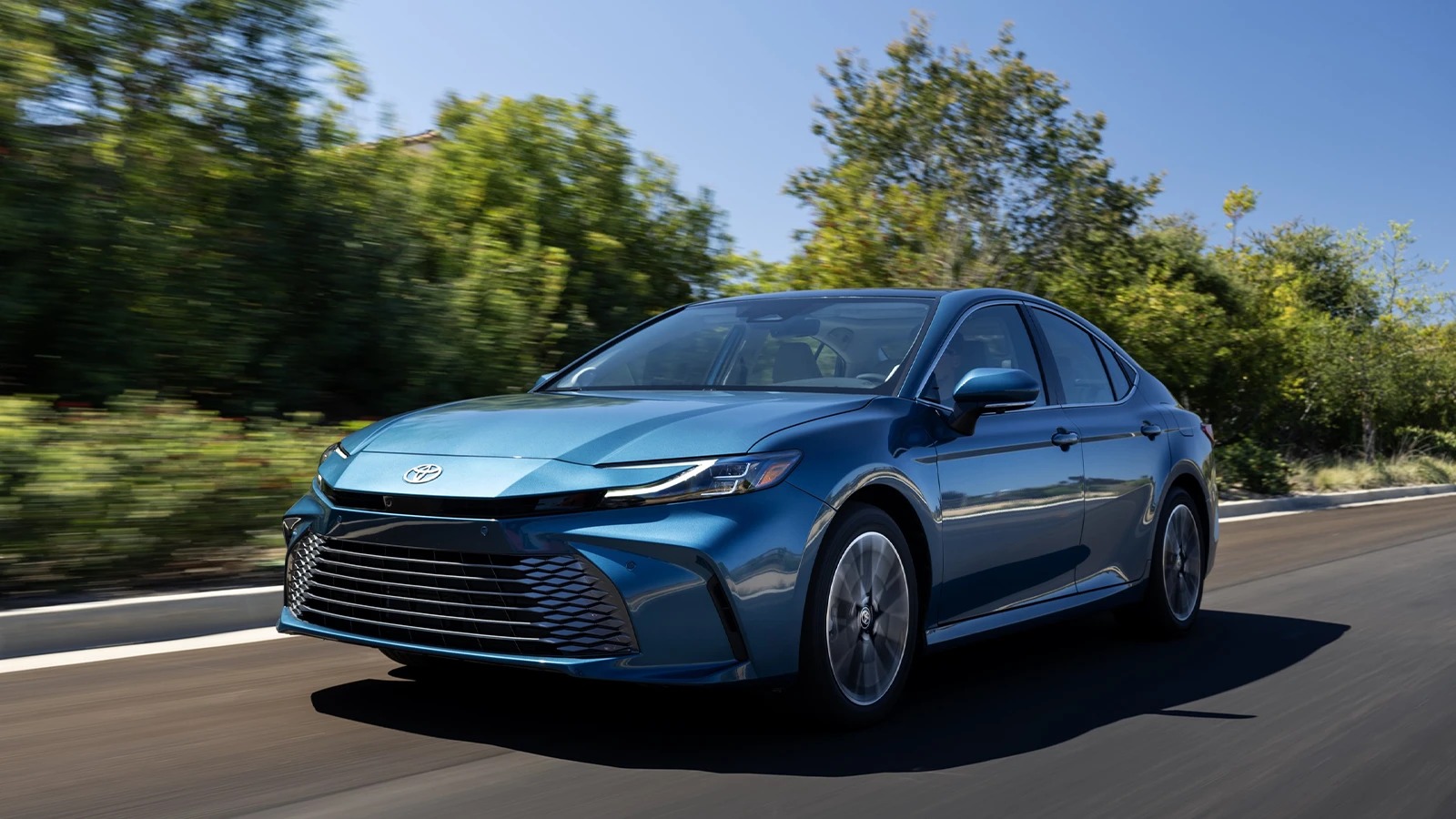
4. Toyota Camry Hybrid
The Toyota Camry Hybrid offers a smooth ride and fuel savings, but rarely beats the petrol Camry in acceleration or driving feel. That system is tuned more for economy than performance. Zero to sixty takes around 8.2 seconds in most variants. That is slower than Camry petrol turbo models. That electric assistance delivers modest torque, but the pace is limited.
Fuel efficiency stays high, around 46 miles per gallon combined. That means fewer visits to the petrol station. Comfort is a strong and solid interior quality. Driving feels composed but calm. Steering is precise but not sporty. Ride comfort is emphasised. That hybrid ride suits long-distance travel but lacks punch.
Trunk space matches the petrol Camry well. Rear seats are roomy. Cabin design is clean. Hybrid energy flow is visible on display. That helps drivers monitor efficiency. Users report overtaking feels slower, and acceleration feels flat. Highway merging may lag behind petrol variants. That can feel limiting when traffic is heavy.
Reliability history stays positive. Maintenance schedules follow the petrol model. Hybrid battery coverage is generous. Fuel savings accumulate as time goes on. Buyers wanting a luxury feel with economy may like it. But those expecting stronger acceleration or a more direct throttle feel may feel disappointed.
Also Read: 5 Older Cars Whose Airbags & ABS Still Work vs 5 with Safety Equipment Failures
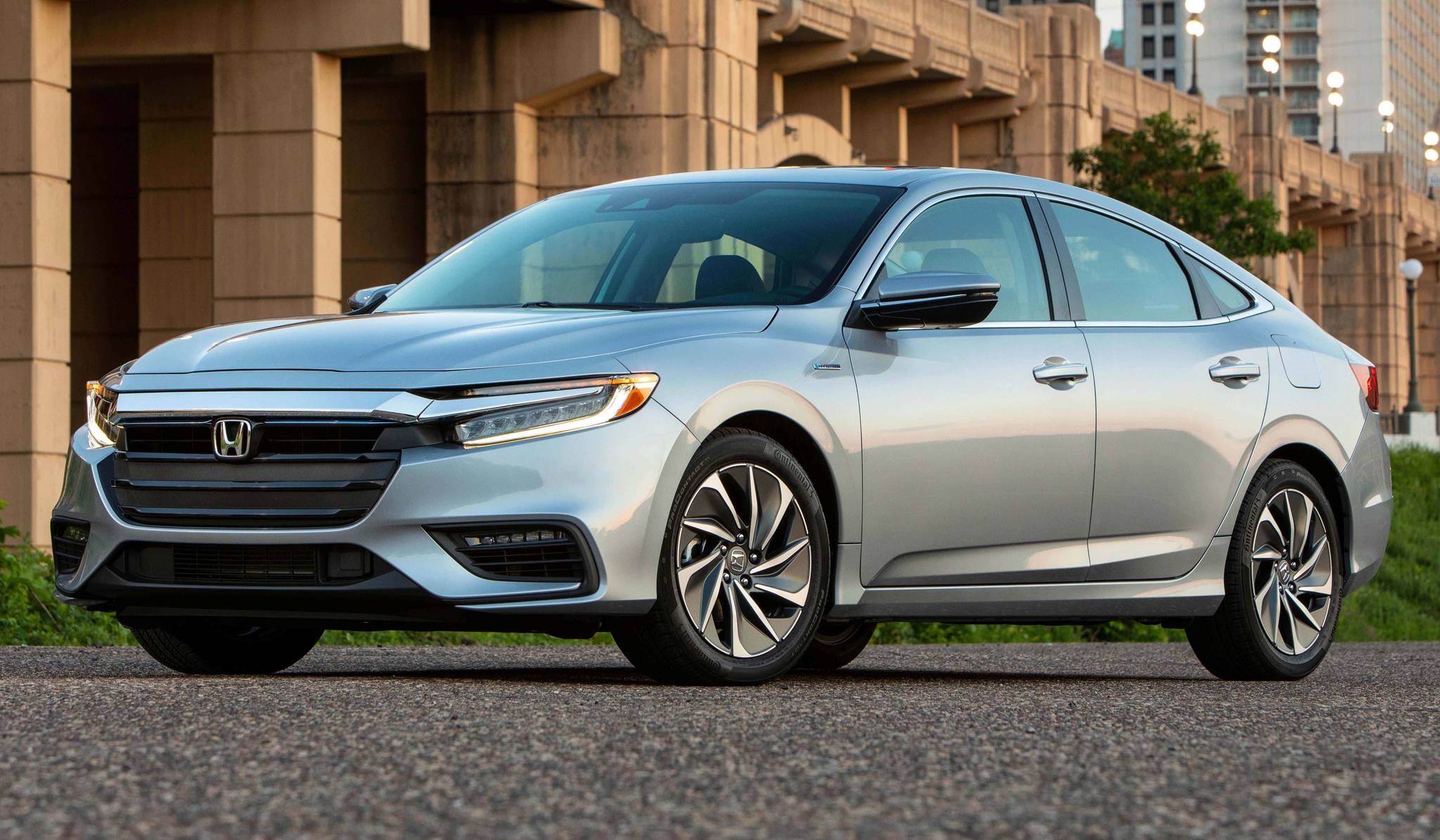
5. Honda Insight
The Honda Insight ht hybrid provides fuel gain and a smooth ride, but acceleration does not match the petrol Insight or petrol Civic. That hybrid setup focuses on comfort and economy. Zero to sixty takes around 8.1 seconds, which i,s slower than petrol variants with turbo engines. That electric assist helps, but does not improve performance.
Fuel economy is strong, often offering over 50 miles per gallon. That keeps fuel costs low for commuters. Ride feels refined, and the cabin is quiet. Handling remains safe but reserved. Steering lacks direct feel. Turn‑in feels dull. Ride tuning prefers smoothness over engagement.
Interior space matches the Insight design. Truis nk volume slightly smaller due to battery. Cabin materials are comfortable. Hybrid metrics appear on display. Drivers overtaking requiresrese,s distance and acceleration feels muted. That,t may frustrate keen drivers. For highway climbing or passing slower traffic, you may wait longer.
Reliability matches Honda standards. Brake wear decreases due to regenerative braking. Ownership cost stays reasonable thanks to fuel savings. For drivers valuing efficiency and a calm ride, this car works well. But for anyone expecting petrol punches the hybrid drive lacks drive edge.
Hybrid vehicles continue to change how people think about daily driving. Some of them provide stronger acceleration, better low-speed response, and much higher fuel savings than their petrol counterparts. Others fall short when it comes to performance, especially in areas like highway merging, overtaking, and general throttle feel.
From what we have seen, cars like the Toyota RAV4 Prime, Honda Accord Hybrid, and Ford Escape Hybrid show that hybrid systems can be tuned for both fuel economy and strong performance. These models deliver faster acceleration and smoother transitions than their petrol twins. In many ways, they give drivers the best of both options: less fuel use and better throttle response.
Some hybrids like the Toyota Prius and Hyundai Ioniq Hybrid focus too much on economy and sacrifice in terms of power and quickness. While they are reliable and excellent at saving petrol, they do not give the same driving satisfaction that many people expect from regular petrol-powered cars.
As more hybrids enter the market, buyers must consider their needs. If you want a vehicle that feels quick and handles daily traffic with ease, some hybrids will not disappoint. But if your goal is just to reduce fuel costs and you do not care much about speed or driving experience, those slower hybrids may still serve your purpose.
