
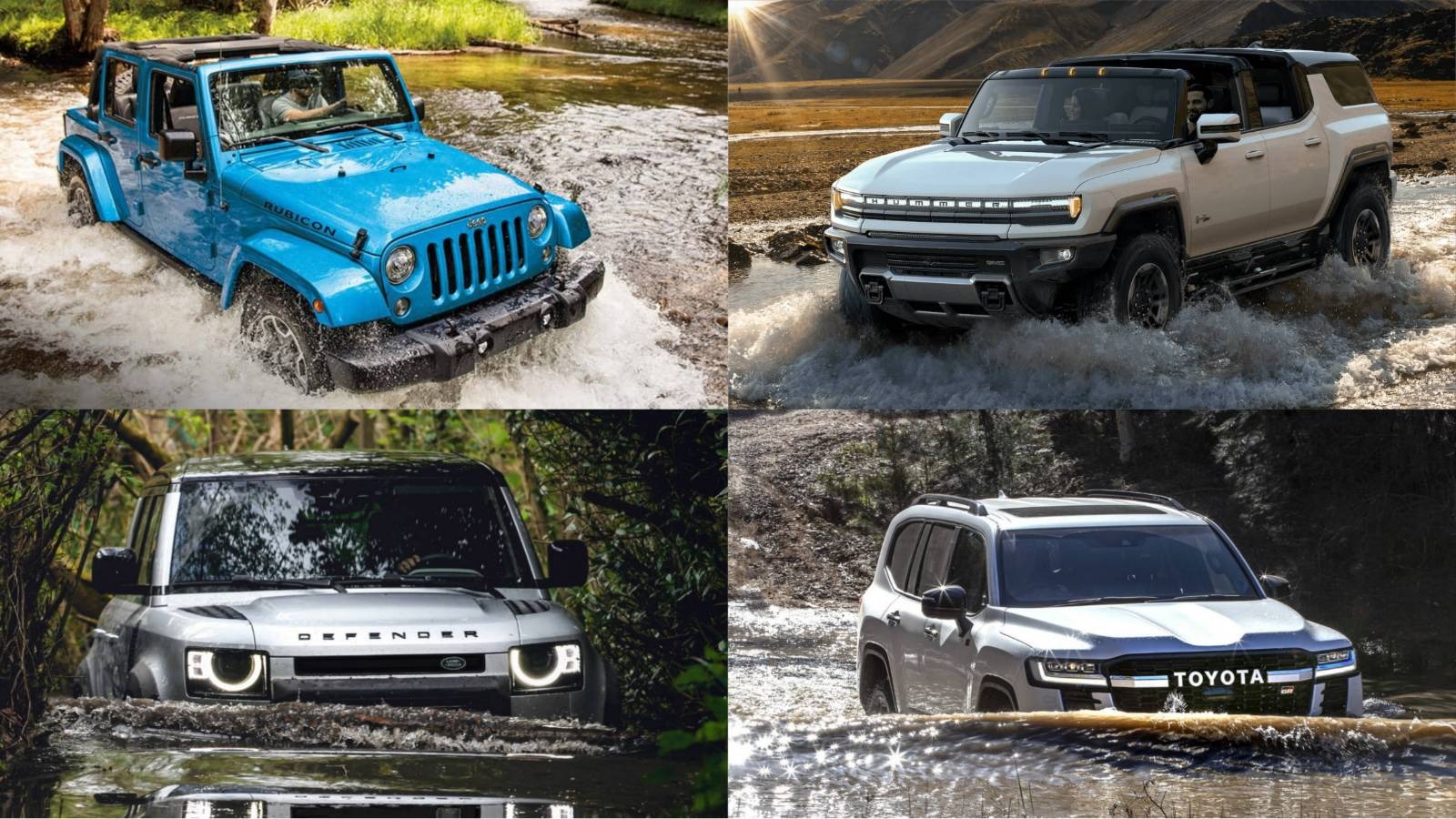
Any time heavy rain falls, flooding becomes a real concern, especially in places where storm drainage is weak or terrain is naturally low. While floods can damage homes, roads, and personal property, one of the most affected things tends to be vehicles.
SUVs may seem like the best option for bad weather because they sit high off the ground, but not all of them are built to handle wet and flooded roads. Some SUVs are properly sealed and come with strong waterproofing around electrical parts, while others are far more vulnerable to water damage than people expect.
Flood-prone locations like Florida, Louisiana, Texas, and parts of New Jersey deal with this issue frequently. For people living in those areas or anyone who wants peace of mind during storm season, having an SUV that can handle water without shutting down is very important. Unfortunately, not every SUV on the market today is good for wet conditions.
Some are built more for looks and city driving than rough or water-covered terrain. The way manufacturers design a vehicle’s wiring, placement of its air intake, waterproofing of the engine bay, and location of the battery can affect how it performs when the water starts rising.
So, if you’re planning to buy an SUV or you already have one and want to know whether it’s a good match for a flood zone, this list is for you. We’ll break down five SUVs that tend to hold up well when water is a problem, followed by five others that might leave you stranded in the middle of the road with fried electronics and costly repairs. Whether you’re commuting daily through high-risk areas or just want to feel safe when a heavy storm hits, the right vehicle makes all the difference.
5 SUVs That Survive Flood Zones
1. Toyota Land Cruiser
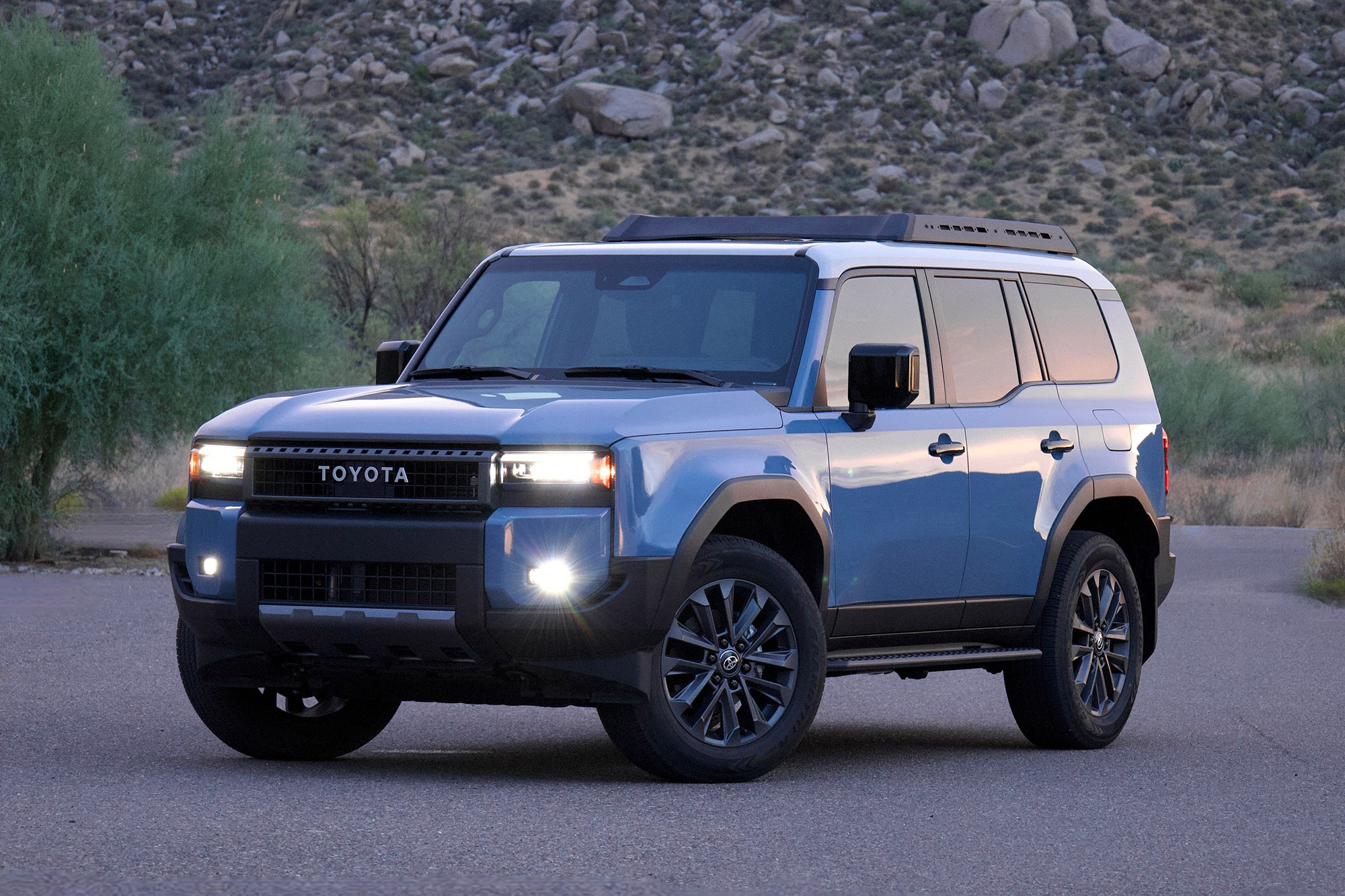
The Toyota Land Cruiser has earned a solid reputation among drivers who want something tough, reliable, and prepared for unexpected road conditions. When it comes to driving through floodwaters or areas with poor drainage, this vehicle stands out.
One of the main reasons the Land Cruiser performs so well is because of its body-on-frame construction. This design makes it more durable and less likely to suffer from water damage compared to unibody SUVs that have more exposed electrical parts.
Toyota built the Land Cruiser with off-road performance in mind, which means it also comes with high ground clearance. That clearance helps prevent water from reaching important parts like the engine and battery. It also comes with strong door seals and tight panel gaps, which keep water from seeping into the cabin or into the engine bay.
Another important feature is the air intake system, which is placed high enough to avoid sucking in water when driving through deep puddles or flooded roads. Once water enters the engine through the intake, it could cause hydrolock, which is usually fatal for most engines.
Besides the solid physical structure, Toyota added multiple protective features around its electrical system. Most of the connectors in the engine bay are well sealed, reducing the risk of shorts and damage when exposed to moisture.
This means drivers can have confidence that their vehicle will still start and run even if they go through several inches of water. That level of trust is what makes it a common choice in many countries that have rough terrain or seasonal floods.
In flood-prone regions, having a vehicle that won’t leave you stranded is extremely important. The Toyota Land Cruiser keeps proving that it’s more than just a big SUV with fancy features. Its strength lies in its practical design and strong build quality, which helps it survive even in the most unpredictable weather situations.
While it may come with a high price tag, many drivers see it as a worthy investment for the long term, especially when safety and dependability are major concerns.
2. Ford Bronco
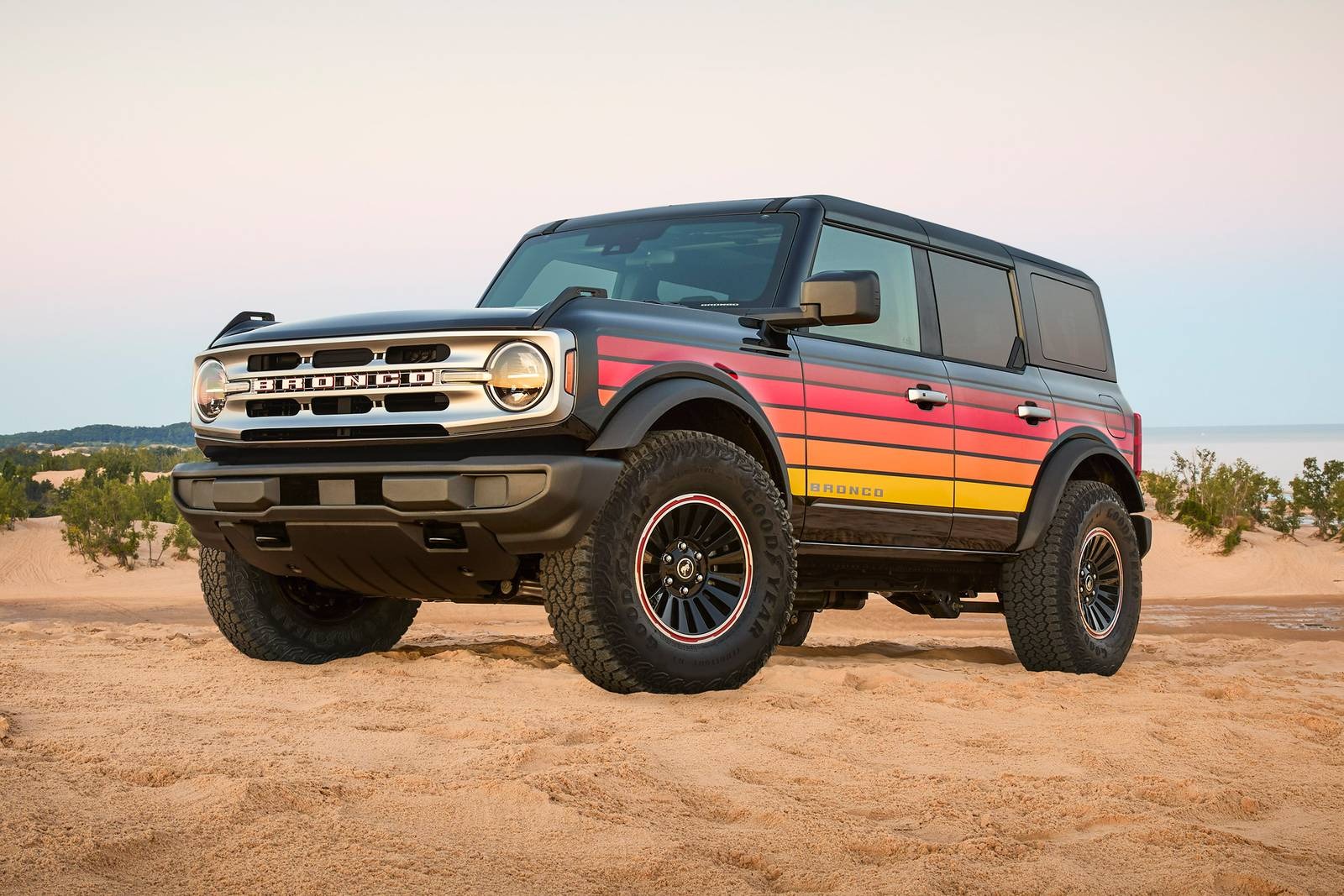
The modern version of the Ford Bronco didn’t just return to the market for looks or nostalgia. It came back with real performance and off-road capability that makes it useful in different weather conditions, including flood-prone environments. Ford designed this SUV with durability and off-road handling as top priorities, which naturally makes it better prepared for wet and challenging terrain.
One of the standout qualities of the Bronco is its available water fording depth, which can reach up to 33.5 inches when properly equipped. That means it can pass through over two and a half feet of water without damaging the engine or stalling out.
This is made possible by the Bronco’s high-mounted air intake system and its well-protected underbody. Ford also installed multiple skid plates that shield important mechanical parts, and the suspension is tuned to handle uneven or soft ground, like what you might find after heavy rainfall.
Inside the engine bay and throughout the frame, Ford made sure most of the electrical systems are sealed and protected. This includes connectors and wires that often cause problems in other vehicles when they’re exposed to water. The engineers gave special attention to water resistance, making this SUV more capable than many of its competitors.
The body is also designed with water-resistant features. Even the cabin can handle wet gear, mud, and mess, which shows that the Bronco wasn’t just meant for city driving. This SUV is made to work. While its retro look draws attention, the real benefit lies in its performance during tough weather conditions.
People who deal with flash floods or live in places where drainage is poor will find that the Ford Bronco delivers confidence. Whether you’re driving through flooded streets or crossing a stream on a trail, the Bronco proves that it’s not just about style but also strength. This kind of balance between looks and practical performance is what makes it a top pick for anyone looking for safety and reliability in wet conditions.
Also Read: 5 Luxury Sedans That Stay Solid vs 5 That Constantly Break Electronics
3. Jeep Wrangler
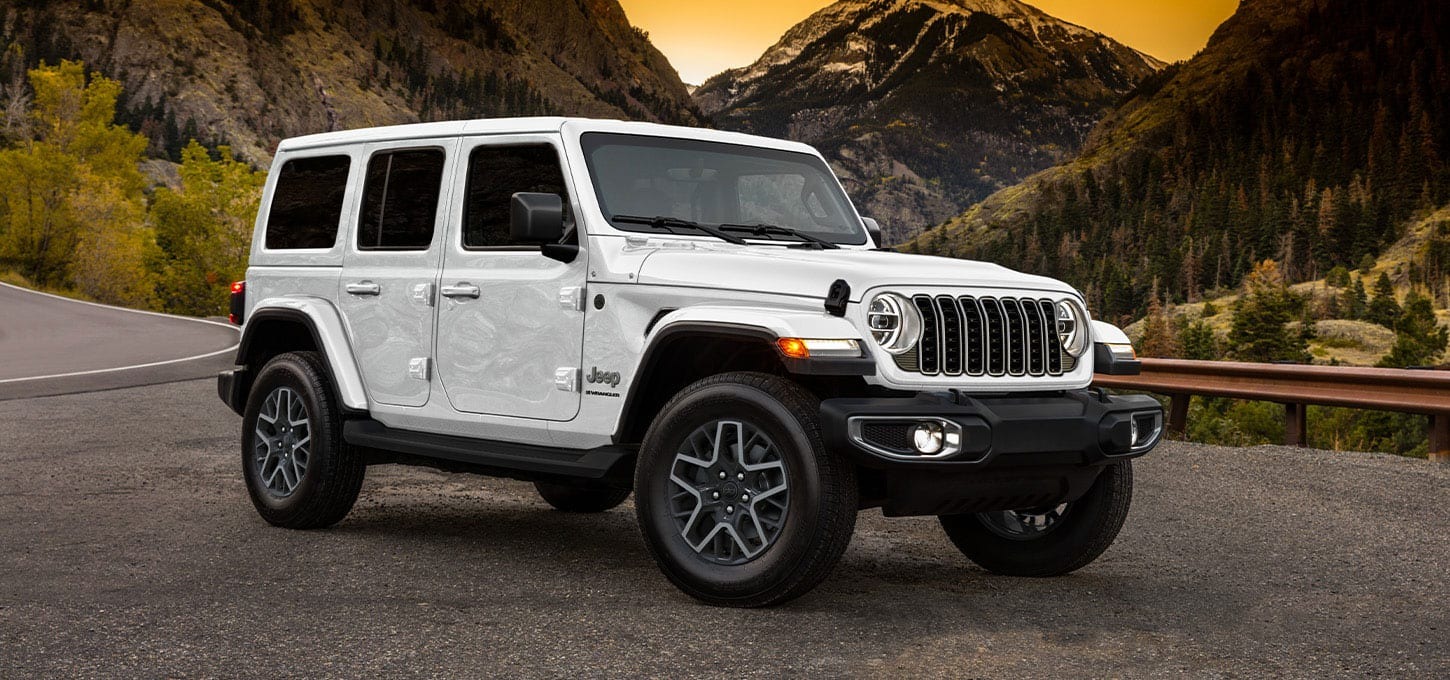
When it comes to vehicles that handle wet roads, uneven trails, and deep puddles without worry, the Jeep Wrangler always makes the list. This SUV has been trusted by off-road enthusiasts for decades, and a big part of that trust comes from how well it performs in areas where water is a threat.
The Wrangler’s high ride height gives it a major advantage during heavy rains or flash floods. It has a water fording depth of up to 30 inches, depending on the trim and setup. That means it can move through water without damaging the engine, gearbox, or sensitive electronics.
Jeep didn’t just rely on height alone, though. The vehicle’s air intake system is also placed in a location that helps prevent water from being sucked into the engine. Once water enters that system, most cars will stop working.
What makes the Wrangler even more impressive is how its components are arranged. Jeep placed many of the electric parts higher in the engine bay to reduce the chance of failure during water exposure.
There are also tight seals and waterproof connectors that prevent corrosion and electrical shorts. This kind of attention to detail gives peace of mind to drivers who find themselves on flooded roads or wet off-road paths.
Besides its water handling ability, the Wrangler’s four-wheel-drive system also plays a big part in keeping the vehicle moving during storms. Even when roads are slick or muddy, the Wrangler continues pushing forward. It doesn’t lose grip easily, which makes it more dependable than many other SUVs in similar conditions.
Jeep owners also enjoy a range of customization options, including adding a snorkel for even higher water protection. So if you’re planning to drive through areas that often flood or if you need a dependable vehicle for rainy seasons, the Jeep Wrangler remains a strong option. Its design wasn’t made just for looks; it’s built for performance when it matters most.
4. Mercedes-Benz G-Class
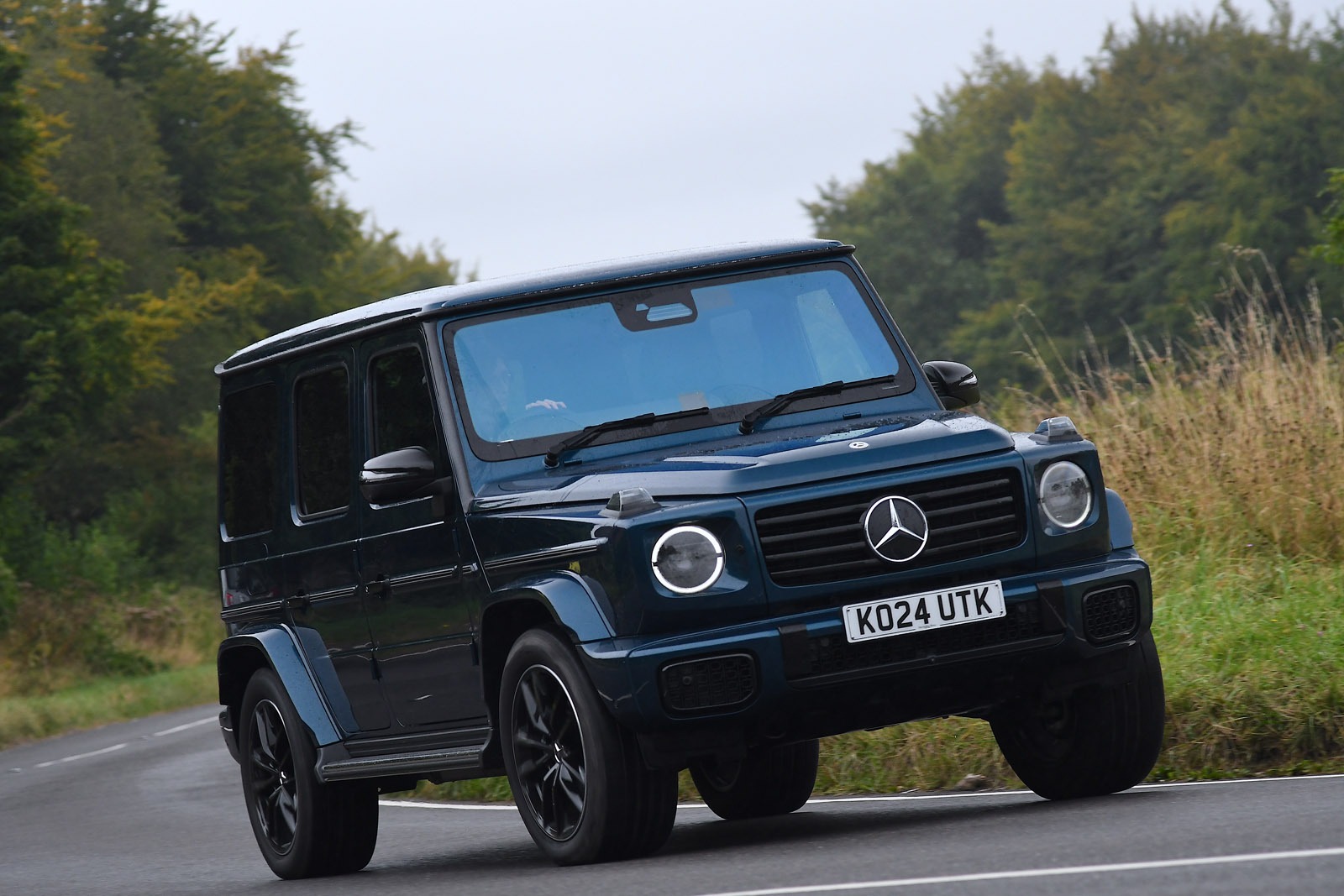
The Mercedes-Benz G-Class is more than just a luxury vehicle with a high price tag. This SUV is also known for its tough build and solid performance under rough conditions. Although many people associate it with wealth and style, it was originally designed for military use. That early purpose still shows in how well it handles rain, waterlogged roads, and deep puddles.
One thing that makes the G-Class stand out is its combination of ground clearance, sealing, and weight. It has a tall frame that allows it to drive through deep water, and the bottom is well protected against moisture and mud.
This means important parts like the battery, fuse box, and transmission stay dry even when others might not. The water fording depth of the G-Class goes up to about 27 inches, which is more than enough for most flood conditions.
Mercedes engineers gave extra care to sealing the vehicle’s electronics. Wiring, sensors, and control units are positioned carefully and protected using moisture-proof covers and connectors. Many vehicles of the same size and price range often fail in this area, but the G-Class performs well even during heavy storms.
Apart from its technical strength, the SUV’s drivetrain is also built for power and control. It comes with a permanent all-wheel-drive system and three locking differentials, giving it steady movement even on flooded streets or muddy paths. The weight of the G-Class also helps it stay grounded during strong water currents.
Even though the G-Class is often seen on city streets, its abilities during floods and bad weather make it a strong choice for those who want both comfort and durability. While it may cost more than other options, people who live in flood-prone locations may find it to be one of the safest long-term decisions they can make. Its strength lies not only in its performance but also in its protection against water-related issues that stop other vehicles in their tracks.
5. Subaru Outback Wilderness
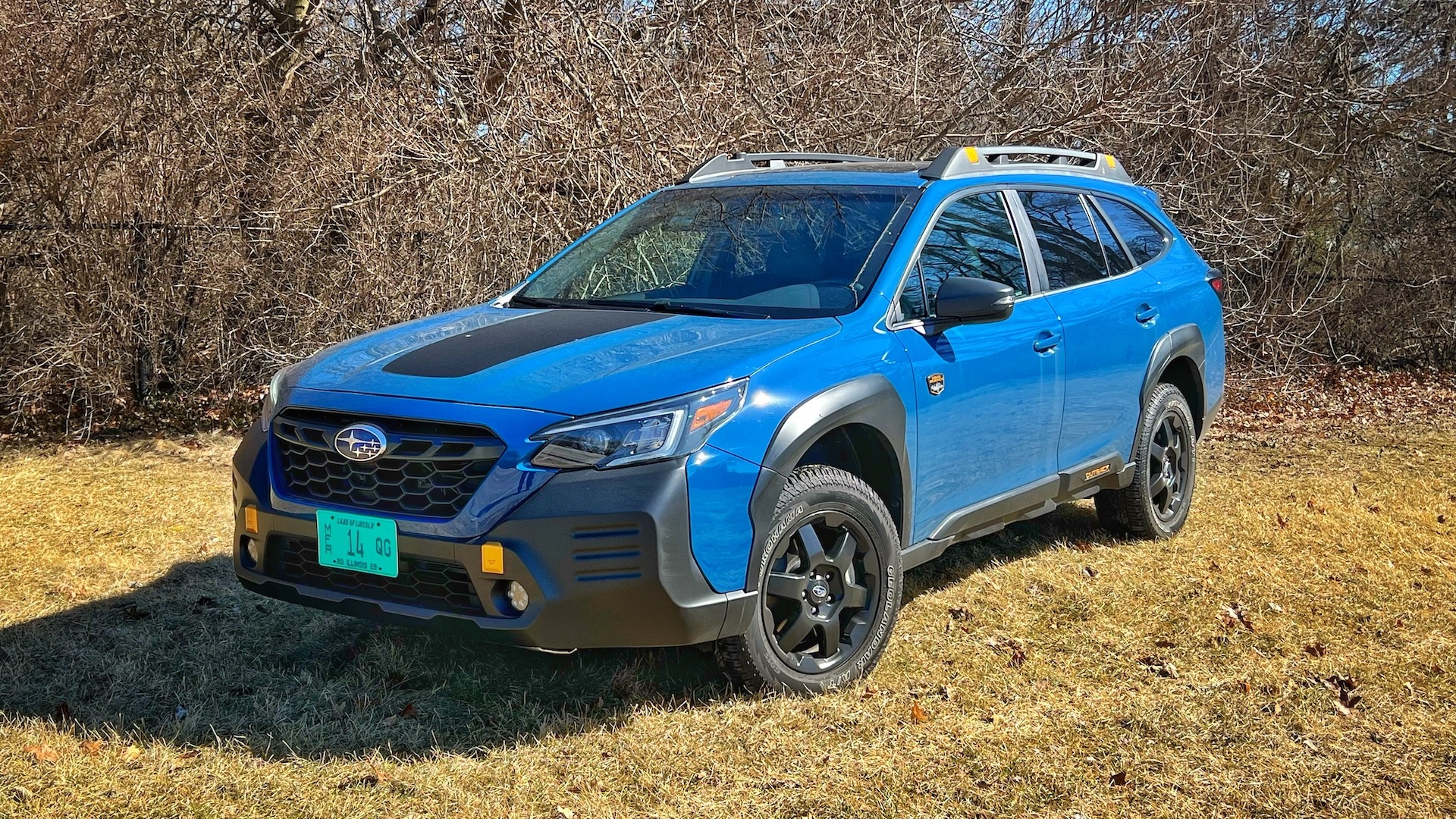
The Subaru Outback Wilderness may not be as tall or loud as some of the bigger names on this list, but it still stands strong when dealing with flooded environments. Built with a focus on outdoor performance and weather challenges, this SUV comes with unique advantages that help it manage water better than many expect.
What separates the Wilderness edition from the standard Outback is its raised ground clearance. It offers up to 9.5 inches, giving it a better ability to clear water and avoid damage from underbody contact.
The suspension system is adjusted for more demanding road conditions, and Subaru also included extra underbody protection that shields important parts like the oil pan, transmission, and fuel lines. These changes give it an edge during flash floods and deep puddles that appear after storms.
Subaru’s engineers also considered the placement of the electrical system. The connectors are tightly sealed, and the wiring is not positioned too close to areas where water tends to gather. This reduces the chance of short circuits when moisture enters the engine bay or cabin. The air intake is also placed high enough to avoid water from entering the engine during brief water crossings.
Drivers who choose the Outback Wilderness often appreciate that it combines everyday usability with off-road strength. It is practical for families and commuters, but still rugged enough to face heavy rain without major problems.
The all-wheel-drive system is standard on all Subaru vehicles, and in this model, it’s adjusted for tougher roads. That helps the car stay stable on wet surfaces and even during sudden movements caused by water pressure.
So, for people who want a reliable SUV that fits daily life and still stands firm in areas that flood often, the Subaru Outback Wilderness offers a comfortable and capable solution. Its smaller size may seem like a weakness, but when the rain falls and the streets fill up, it proves it can match some of the biggest names on this list.
5 SUVs That Fry Electronics in Flood Zones
1. Tesla Model X
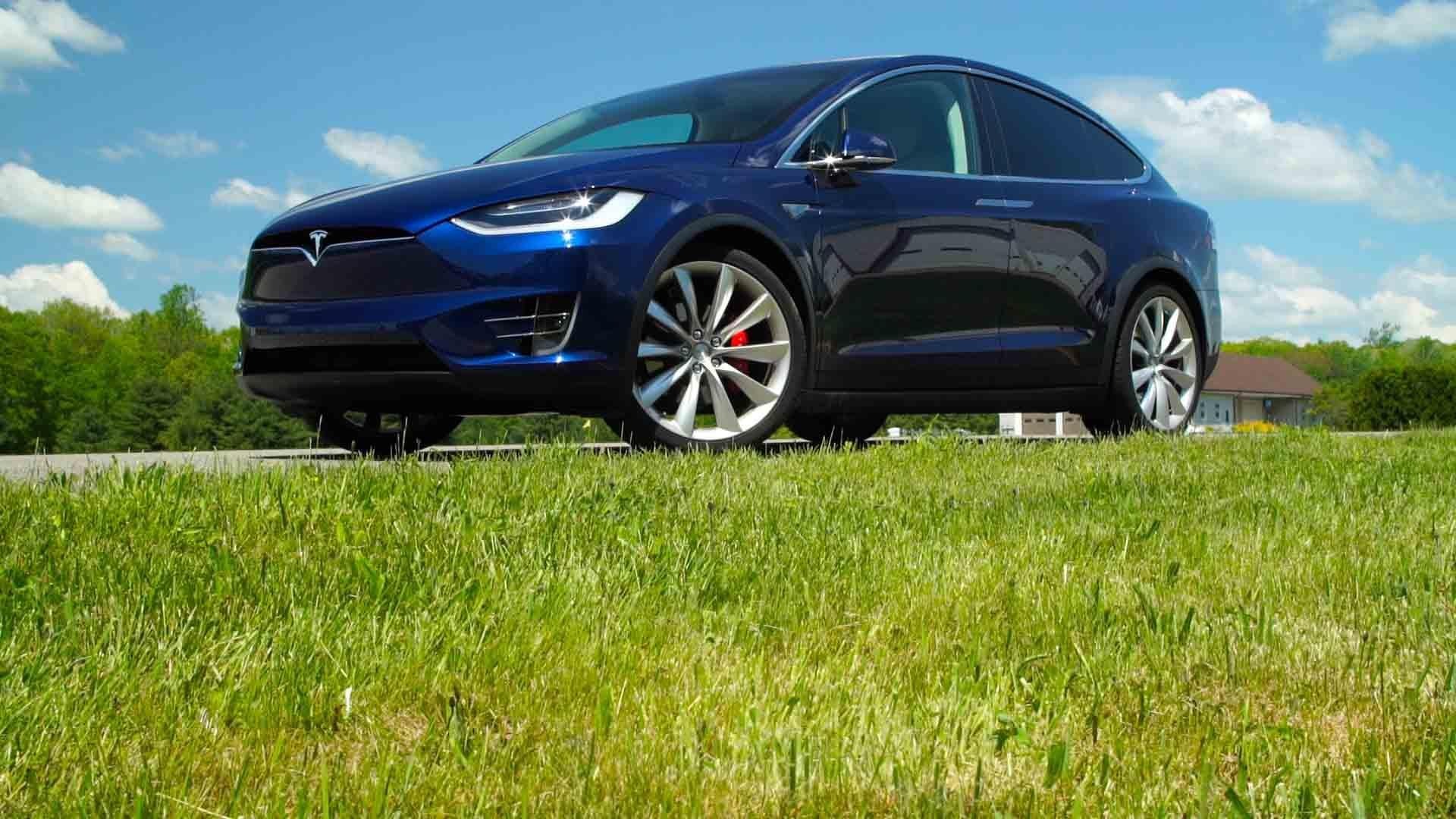
The Tesla Model X is a high-tech electric SUV with impressive features, but when it comes to driving through deep water or flood-prone areas, this vehicle often faces serious challenges. Its electrical system is much more complicated than that of a traditional gas-powered SUV, and because of that, exposure to water can result in major damage.
Electric vehicles like the Model X rely completely on batteries and computer systems for nearly every function. While Tesla worked on sealing the battery pack and other electric parts, these protections don’t always hold up when water enters through weak points.
Even short exposure to deep puddles can lead to issues with the powertrain, electronics, or sensors. If water seeps into any part of the system that isn’t perfectly sealed, the entire vehicle may shut down or suffer long-term damage.
Also, the Model X sits lower than many traditional SUVs. That reduces its ability to handle higher water levels. Unlike off-road vehicles with high air intakes and sealed underbodies, the Model X wasn’t designed to be used during storms or floods. The large touchscreen, electric door handles, and advanced sensors located around the body can all be affected by moisture, which might cause the vehicle to malfunction when it’s needed the most.
Drivers who live in areas with frequent flooding may face major repair bills if they use a Model X in such conditions. Although it has powerful technology and fast acceleration, these strengths don’t translate well to wet and flooded roads. Tesla may be working on improving water resistance, but as of now, it’s better to avoid deep water if you’re behind the wheel of a Model X.
2. BMW X5
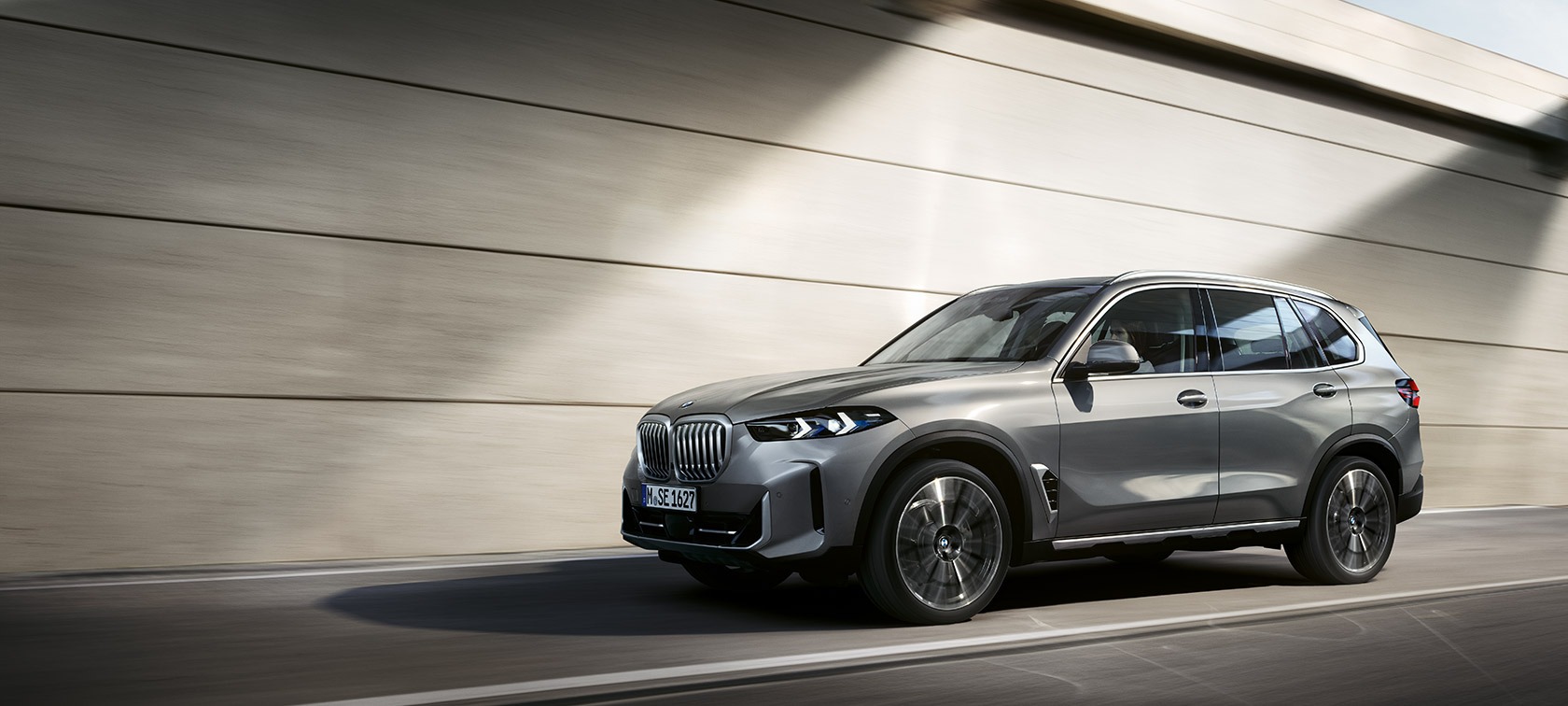
The BMW X5 is a luxury SUV that offers a smooth ride, high-end materials, and strong on-road performance. But when it comes to driving in flooded zones or through standing water, it has some weak points that drivers should know. Even though it has all-wheel drive and an elevated seating position, the X5 is not built for serious water exposure.
One major problem is the placement of sensitive electronics throughout the vehicle. BMW packed the X5 with advanced features, sensors, and control modules that make the driving experience more enjoyable.
However, many of these components are not well protected from water. In flood conditions, it’s easy for moisture to reach the control units under the seats, the wiring harness beneath the carpet, and the engine bay components, which can cause short circuits or total failure.
Another issue is that the air intake system on most X5 models is not located very high. That means water could enter the engine if the driver goes through a flooded street. Once that happens, the engine could suffer from hydrolock, which is one of the most expensive types of damage to repair. Water also tends to enter the cabin more easily in this model compared to some others, causing trouble with the dashboard electronics.
Although the BMW X5 performs well on dry pavement and offers comfort and power, people living in areas with frequent storms may want to think twice. Repair costs for damaged electronics and electrical systems in this SUV are very high, and it’s not designed to resist water the way true off-road SUVs are. For drivers who face flooded roads, the X5 might not be the best choice.
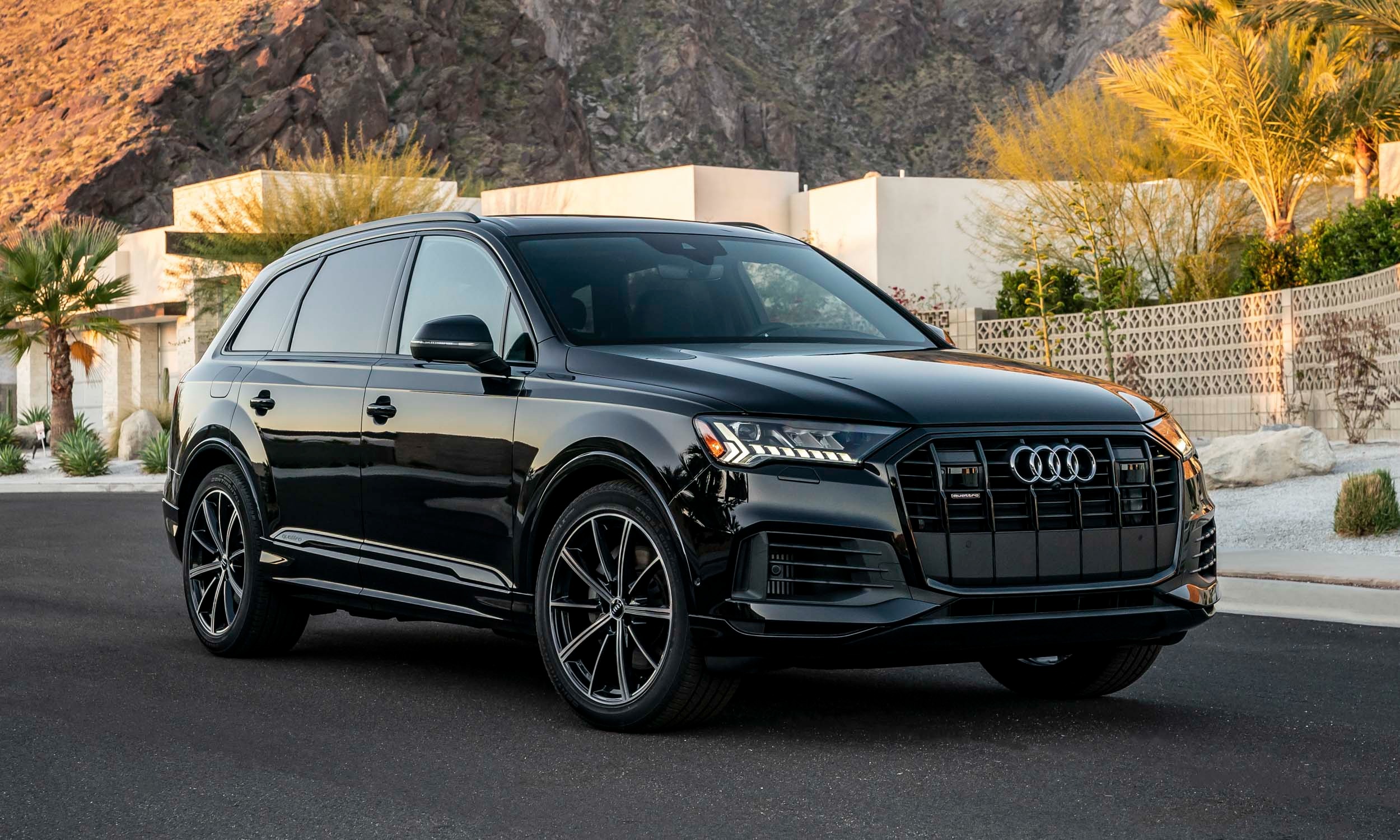
3. Audi Q7
The Audi Q7 brings together luxury, performance, and a clean design that appeals to many. However, one area where this SUV doesn’t perform well is during floods. With advanced electronics all over the vehicle, the Q7 becomes highly vulnerable when water starts to rise.
Many drivers don’t realise how low some parts of the Q7 are positioned. The placement of control modules beneath the floor, wiring along the door sills, and other parts close to the ground makes it easier for water to reach sensitive areas. During heavy rainfall or water crossings, these components can get soaked quickly, leading to electrical failure.
The Q7’s air intake system is also located in a spot that isn’t ideal for water resistance. A few inches of standing water can become a major problem if it enters the intake and reaches the engine. Hydrolock can ruin an engine permanently, and the cost of fixing it in a luxury car like the Q7 is extremely high.
In addition, Audi vehicles tend to use advanced electronics for almost everything inside the car. From the digital gauge cluster to the touchscreen controls, most functions depend on sensors and computers.
That’s fine in dry conditions, but once moisture enters the vehicle, those systems can stop working or behave unpredictably. Even if the vehicle looks fine from the outside, the internal damage may be hard to detect until days or weeks later.
For drivers in rainy or flood-prone locations, the Audi Q7 may not be the safest bet. Its luxury focus and complicated systems are not built for rough or wet environments. While it offers excellent road performance, it’s not the type of SUV that gives peace of mind when the roads turn into rivers.
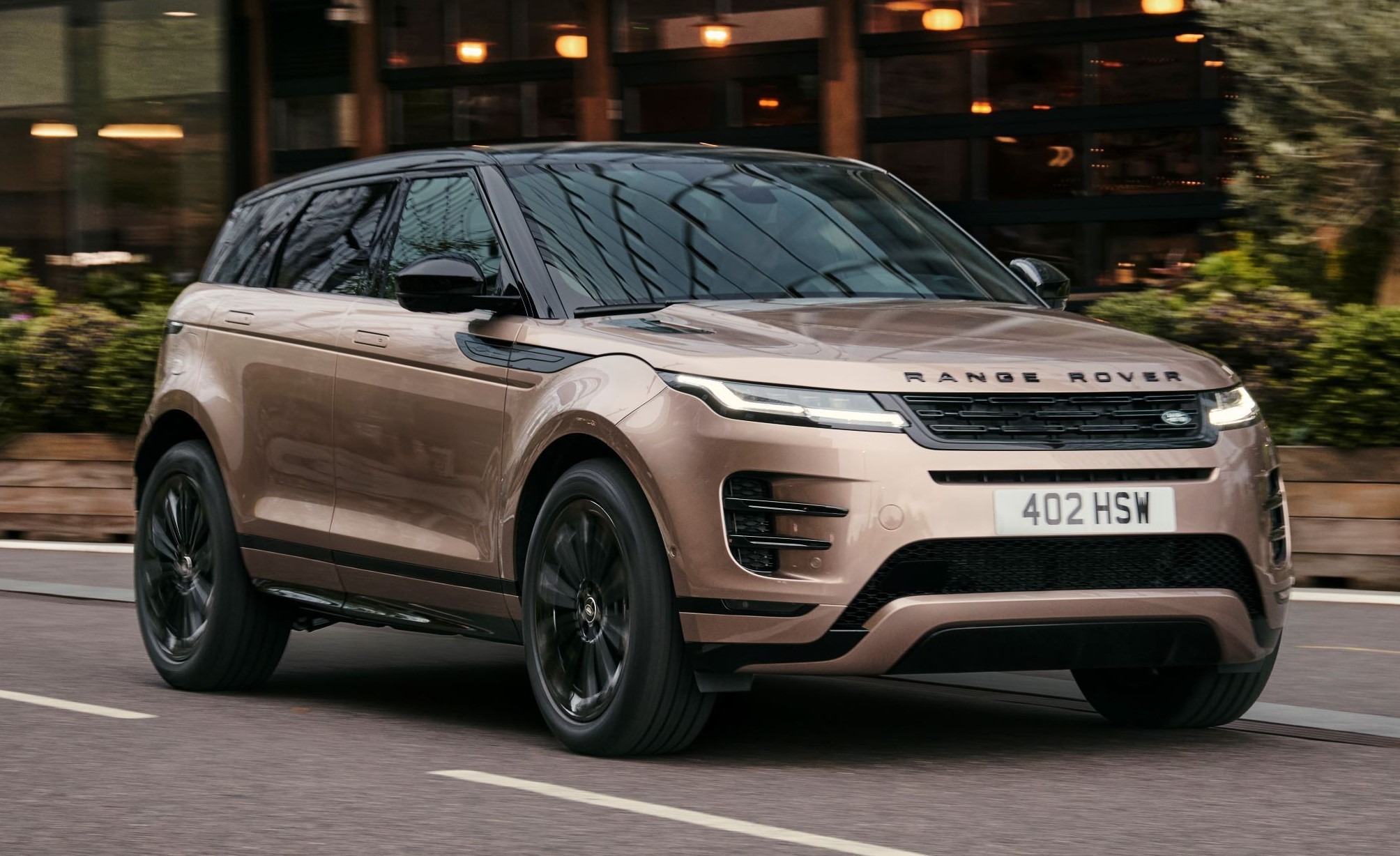
4. Range Rover Evoque
The Range Rover Evoque may look like it’s ready for anything, but under the surface, this compact luxury SUV has weak points that make it unsafe during flood situations. Despite being part of a brand known for off-road strength, the Evoque was built with more attention to appearance and comfort than true water protection.
One of the first issues drivers notice is the low placement of the engine air intake. In many cases, even shallow water can enter the system and reach the engine, causing serious damage. The electrical components are also not very high or well-sealed. Modules are placed in areas where moisture can build up, especially after driving through standing water.
The vehicle also depends on a large number of electric features that control everything from the suspension to the entertainment system. Once water touches these sensitive parts, malfunctions are likely to occur. Drivers have reported dashboard warnings, engine lights, and electronic failure even after small amounts of water enter the cabin or engine bay.
Besides the electronics, water tends to enter the interior more easily than in other SUVs. Weak seals around the doors and low door frames allow moisture to creep in, soaking the carpet and affecting the electrical wiring that runs under the seats and floor mats. That usually leads to expensive repairs that take weeks to fix.
The Evoque’s style may win points on city streets, but when the rain falls and flood alerts start, it becomes clear that this SUV was not designed for such conditions. Drivers who want a flood-ready vehicle should look for something built with stronger water protection. The Evoque simply doesn’t provide the kind of safety needed in flood-prone locations.
Also Read: 12 Used Cars You Can Sell for Nearly What You Paid
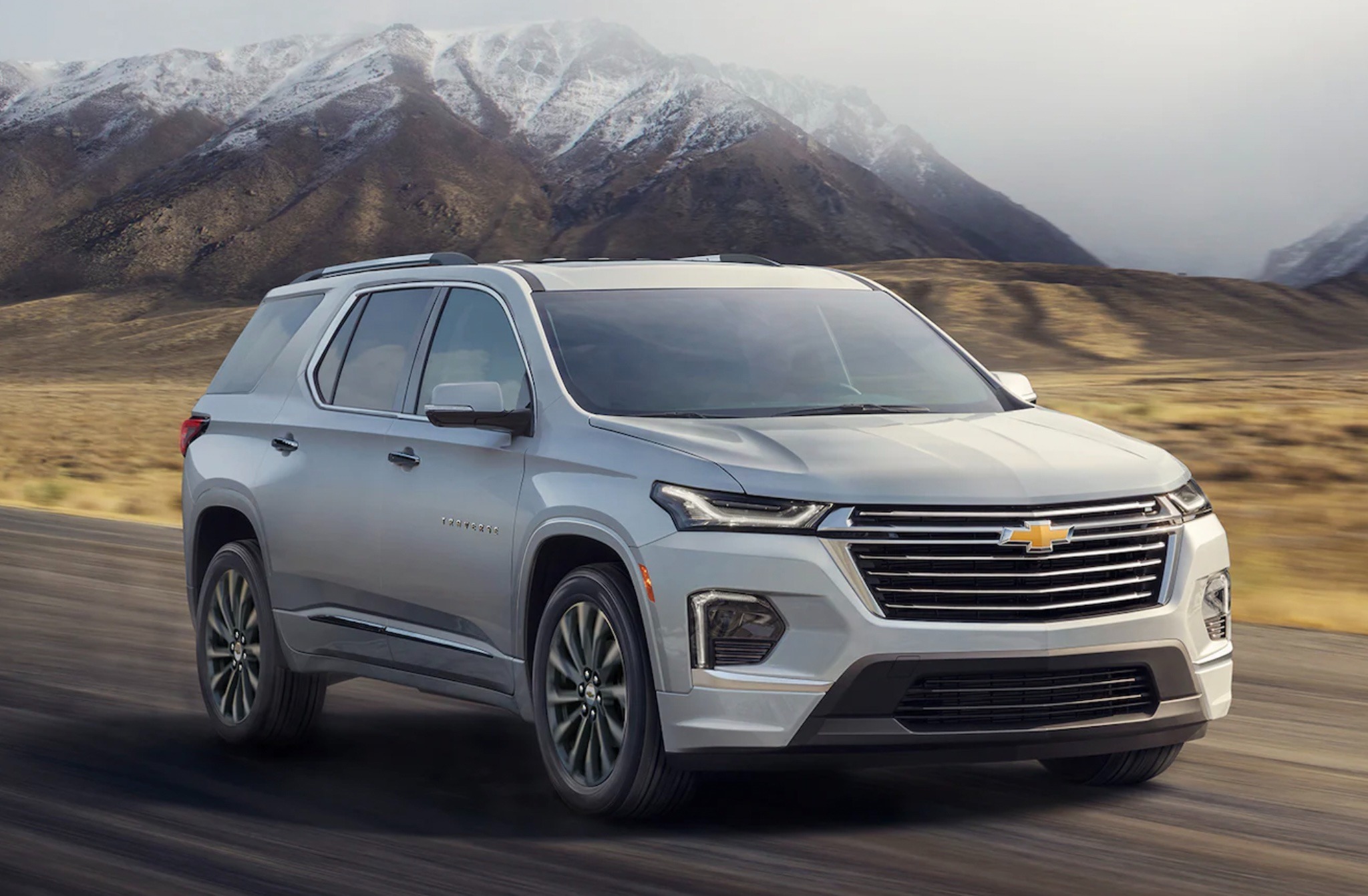
5. Chevrolet Traverse
The Chevrolet Traverse is a large family SUV with space for passengers and luggage, but its structure is not strong when it comes to driving through water. Unlike the more rugged SUVs made for off-road conditions, the Traverse leans toward comfort and road driving, and that shows in how it performs during flood situations.
First, the ground clearance is low compared to other SUVs. This increases the risk of water entering the engine bay and cabin during heavy rainfall or if the vehicle passes through even moderate flooding. The engine air intake is positioned in a spot where it can easily take in water, leading to hydrolock or stalling.
The electrical system in the Traverse is also not tightly sealed. Control units are placed in areas that are easily reached by water, and moisture tends to cause long-term problems once it enters the system. Even after the vehicle dries out, corrosion and sensor failure can appear weeks later, which leads to confusion and unexpected repairs.
Another weakness is the lack of strong underbody protection. With no shields to cover vital parts, water and debris can damage the fuel system, gearbox, and sensors underneath the SUV. While it performs well as a family hauler on dry roads, it’s not built to handle storms and floods.
Drivers in high-rainfall areas should keep this in mind before choosing the Traverse. Its design doesn’t support regular contact with water, and repeated exposure could lead to serious mechanical and electrical issues. A stronger SUV with better sealing and clearance may be a safer choice.
