When shopping for a premium SUV in the U.S., many buyers turn to GMC for its upscale styling, bold presence, and reputation for rugged refinement. But while power and comfort often take center stage, cabin noise or lack thereof is a crucial factor for long-term satisfaction.
Whether you’re gliding down the interstate or crawling through urban traffic, a quiet interior signals good build quality and comfort. Unfortunately, not all GMC SUVs hold up the same way after a few years on the road.
Here’s a breakdown of 5 GMC SUVs that maintain a serene cabin versus 5 that tend to develop rattles and squeaks around 40,000 miles.
GMC SUVs That Stay Quiet Inside
GMC has built a name for crafting SUVs that balance rugged capability with premium comfort. One standout trait among the best of them is their whisper-quiet cabins.
From clever sound-deadening materials to refined engineering, these models keep road and wind noise to a minimum, making long drives far more relaxing. In this article, we’ll highlight the GMC SUVs that excel at delivering a calm, serene ride no matter where the road takes you.
1. GMC Yukon Denali (2021–present)
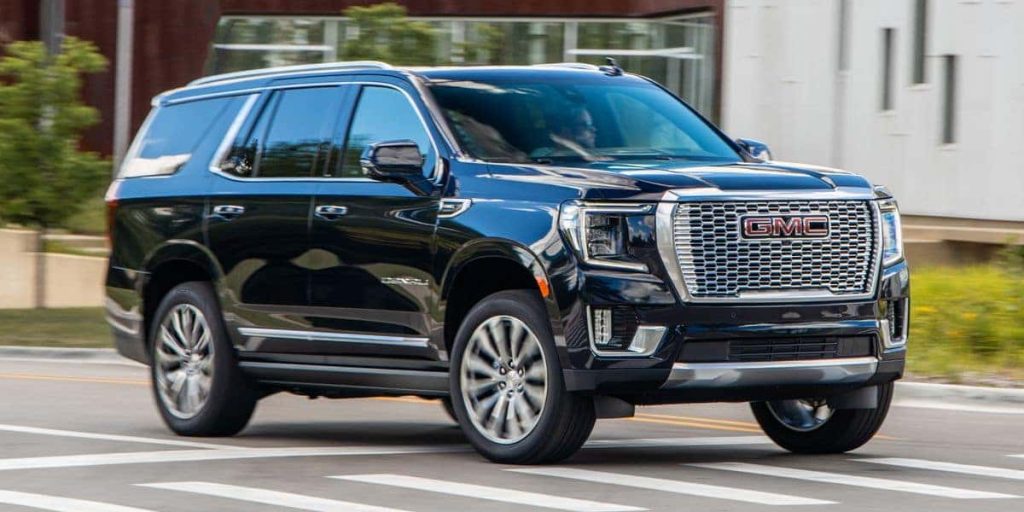
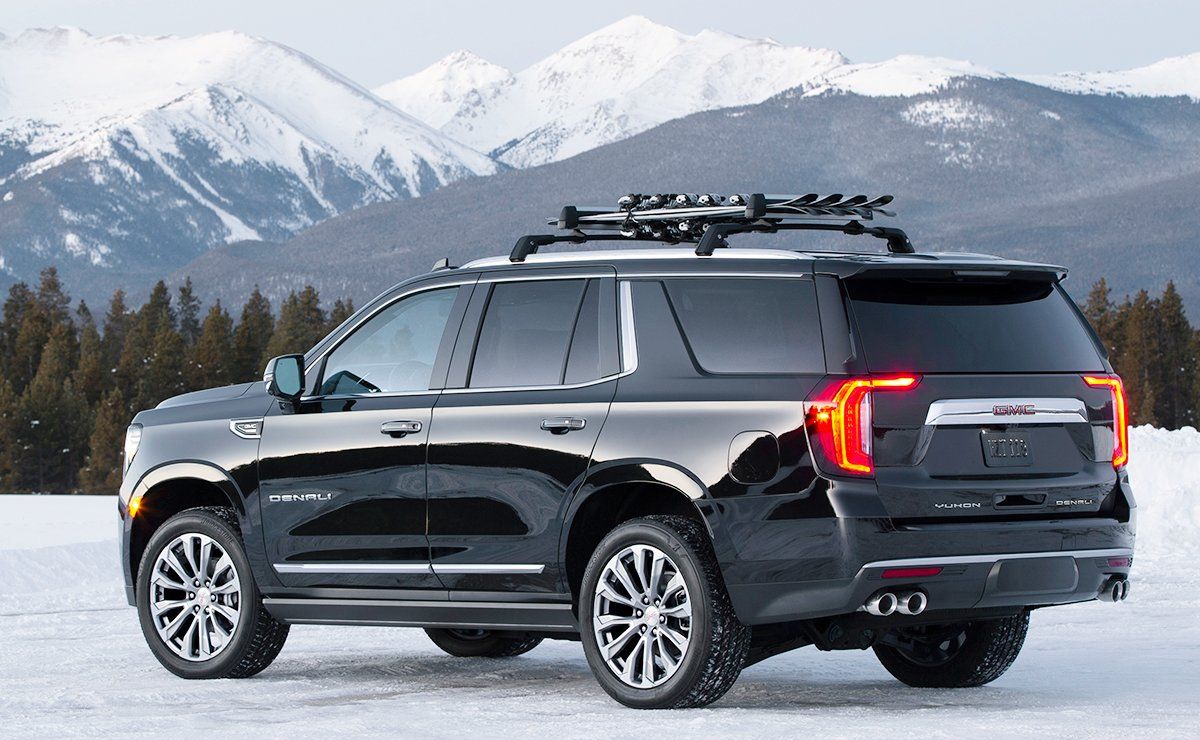
The full-size Yukon Denali stands out as one of the most refined GMC SUVs on the market. Designed to compete with luxury nameplates, the Denali trim includes active noise cancellation, acoustic-laminated glass, and sound-deadening materials throughout the cabin.
Owners consistently report that even at high mileage, wind and road noise remain minimal, and the solid chassis keeps rattles at bay. It’s ideal for long highway cruises or executive comfort.
In GM’s luxury SUV lineup, the 2023 GMC Yukon occupies the middle ground, sitting neatly between the Chevrolet Tahoe and the Cadillac Escalade.
It’s a tight spot to justify, but the Yukon brings plenty to the table. It boasts an expansive interior, powerful engine options, and upscale features like a refined adaptive air suspension.
These shortcomings aren’t dealbreakers, but they do make it tough to recommend the Yukon over a well-equipped Tahoe that costs less. Throw in strong competitors like the Ford Expedition, and the Yukon’s appeal starts to wane.
The Yukon offers three capable engine choices, each paired with a smooth 10-speed automatic transmission. Except for the off-road-oriented AT4, all trims come with the option of rear- or all-wheel drive.
The base engine is a 5.3-liter V-8, delivering 355 hp and 383 lb-ft of torque. In testing, a Yukon AT4 with this setup hit 0 to 60 mph in 7.2 seconds. Unfortunately, fuel economy is lackluster, topping out at 15/20 mpg city/highway.
For buyers focused on efficiency, the 3.0-liter turbodiesel I-6 is the smarter choice. It offers a respectable 21/27 mpg in front-wheel-drive models, while producing 277 hp and a robust 460 lb-ft of torque. This engine also leads the lineup in towing capacity, maxing out at 8,100 pounds.
Also Read: 5 Forgotten Family Cars That Last vs 5 Bestseller Family Cars With Issues
2. GMC Acadia (2020–2023)
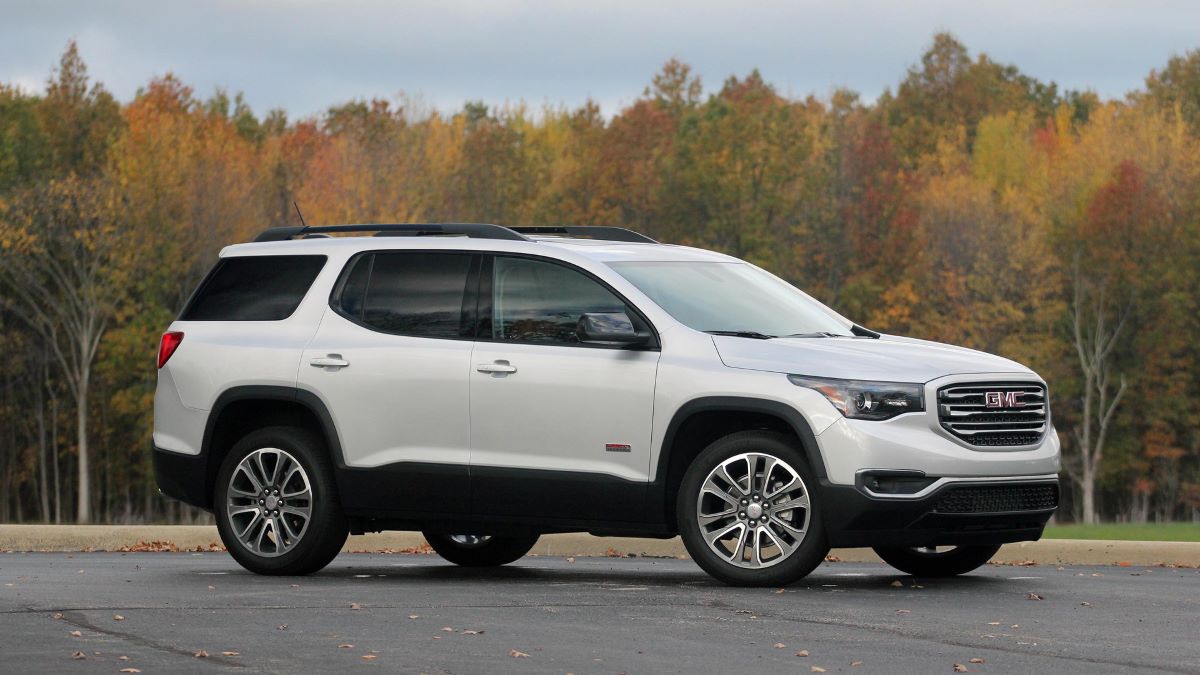
The mid-size Acadia, particularly in SLT and Denali trims, has been praised for its cabin quietness. GMC made improvements in the 2020 refresh with better door sealing, tighter panel gaps, and improved insulation.
Even after 40,000 miles, the suspension absorbs road imperfections without triggering loose panels or annoying vibrations. The tri-zone climate system is quiet as well, unlike some competitors that suffer from blower motor hum.
The GMC Acadia fits the bill for a midsize SUV, offering a range of styles from the standard model to the upscale Denali and the rugged-looking AT4, which adds an off-road vibe without necessarily delivering the capability.
While it does have its strengths, the second-generation Acadia has been on the market since 2017 and is showing its age against more modern competitors like the Hyundai Palisade, Kia Telluride, and Honda Pilot.
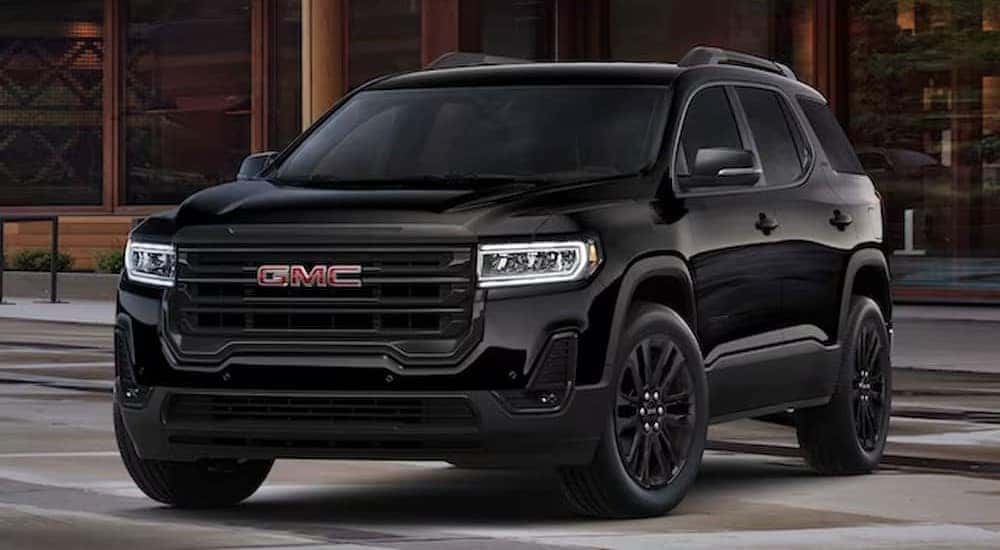
To remain competitive, the Acadia needs improvements in interior quality, engine refinement, and other key areas. General Motors is already preparing its factories to produce a next-generation version of this SUV.
The big question is when that new Acadia will actually arrive. Spy photographers have caught glimpses of camouflaged prototypes being tested on public roads, but it seems the redesign is still at least a year away.
Because of this, the 2023 Acadia is expected to continue mostly unchanged, retaining its uninspired interior and offering a choice between two engines: a 2.0-liter turbocharged four-cylinder producing 228 horsepower or a 3.6-liter V6 with 310 horsepower, the latter coming standard on AT4 and Denali trims. All signs suggest GM is aiming to debut the fully redesigned Acadia in 2023 as a 2024 model.
3. GMC Terrain (2018–2022)
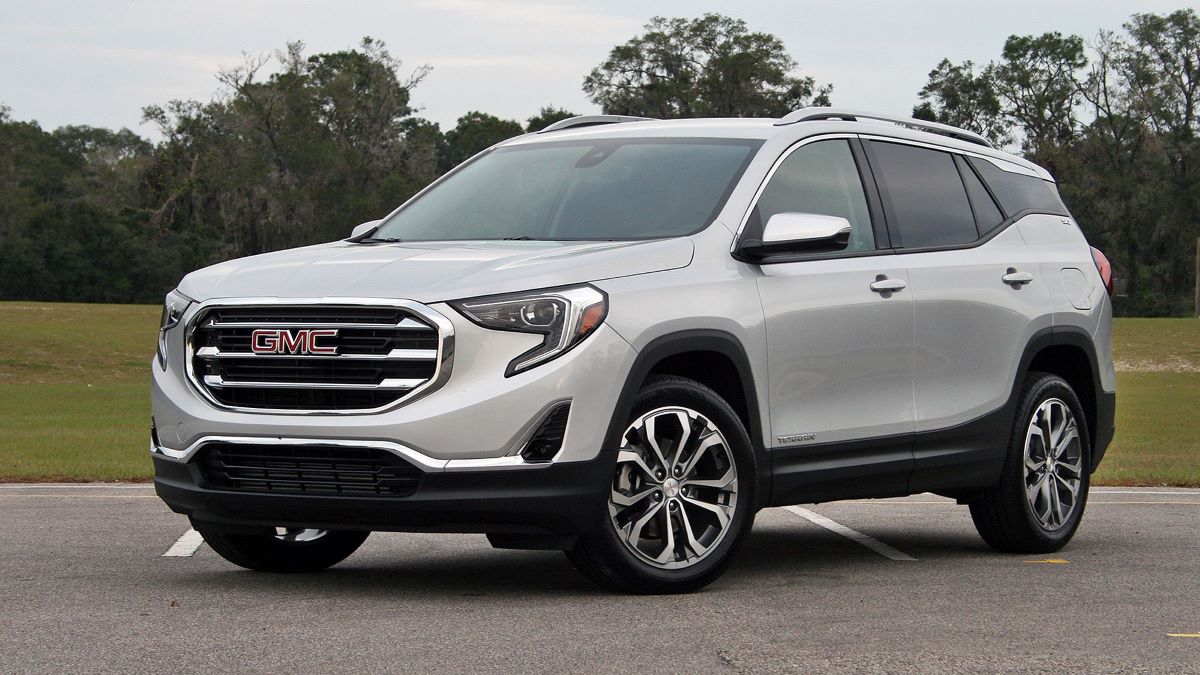
While compact, the Terrain is surprisingly refined. The 2nd-gen Terrain launched in 2018 with a focus on refinement, and the Denali trim offers an impressive NVH (noise, vibration, harshness) profile.
At 40K, many owners say it still feels tight, especially if properly maintained. Highway driving remains quiet, thanks to aerodynamic shaping and smart suspension tuning.
If you’re searching for a three-row SUV that delivers a comfortable ride, the 2023 GMC Acadia certainly fits the bill. As an added perk, it comes in a variety of trims, from the standard version to the eye-catching Denali and the more rugged-looking AT4, which offers the styling of an off-road vehicle.
No matter which model you lean toward, GMC positions the Acadia as an SUV that feels more upscale than many of its midsize competitors, yet without reaching the high price point of luxury models.
On paper, the Acadia sounds promising, but in reality, it struggles to stand out. This second-generation model has been around since 2017 and lags behind fresher competitors like the Hyundai Palisade and Kia Telluride, both of which offer more practicality and better interior quality for roughly the same cost.
Add to that the redesigned 2023 Honda Pilot, the relatively new Jeep Grand Cherokee L, and the spacious Volkswagen Atlas, and the Acadia’s edge dulls even further. While our testing team acknowledges it as a decent option, chances are you’ll find these other SUVs more appealing overall.
4. GMC Yukon XL (2021–present)
A longer version of the Yukon, the XL is popular among large families and corporate fleets. Despite its size, the cabin is engineered for comfort and quiet.
Even after years of use, the Yukon XL often holds up better than other extended SUVs due to superior build quality and noise-reducing materials. It remains composed even on rougher roads, with no major reports of dashboard rattles or seat squeaks.
The 2021 GMC Yukon and Yukon XL start at a base price of $52,595 and can reach as high as $72,820, depending on the trim level and selected options. Pricing breaks down as follows: the SLE starts at $52,595 and $55,295, the SLT is priced at $59,520 and $62,220, the AT4 comes in at $66,620 and $69,320, and the Denali tops the range at $70,120 and $72,820.
While the rugged AT4, with its bold styling and off-road gear, and the luxurious Denali, with its hand-stitched leather interior, are certainly enticing, the SLT stands out as the trim to choose.
This mid-range model hits the sweet spot by offering the features most buyers want without the steep price tag. Leather upholstery, heated and ventilated front seats, 20-inch wheels, a power rear liftgate, and a comprehensive suite of driver-assistance technologies come standard, making it a smart and well-rounded pick.
This version features a two-speed transfer case, 20-inch wheels wrapped in all-terrain tires, underbody skid plates, and an optional air suspension that can increase ground clearance by up to two inches. In testing, a fully loaded Denali equipped with the 6.2-liter V-8 delivered a brisk 0–60 mph time of 6.0 seconds and showed notable improvements in braking performance compared to the 2020 model.
Also Read: 5 Trucks with the Best Smartphone App Controls and 5 Clunky Apps
5. GMC Hummer EV SUV (2024–present)
GMC’s all-electric Hummer SUV might be all about extreme capability and torque, but it’s also surprisingly hushed. Without an internal combustion engine to drown out imperfections, GM prioritized insulation and structural rigidity.
Despite being relatively new, early feedback from owners suggests the Hummer EV SUV stays rock-solid and silent, with no early signs of creaking or body flex even under aggressive use.
Based on the Hummer EV pickup truck, and hinted at by the superscript in their model names, the SUV variant adopts a similar powertrain strategy, offering either two or three electric motors. The EV2 and EV2X feature a dual-motor setup that delivers an estimated 625 horsepower and what GM claims to be an eye-popping 7,400 pound-feet of torque.
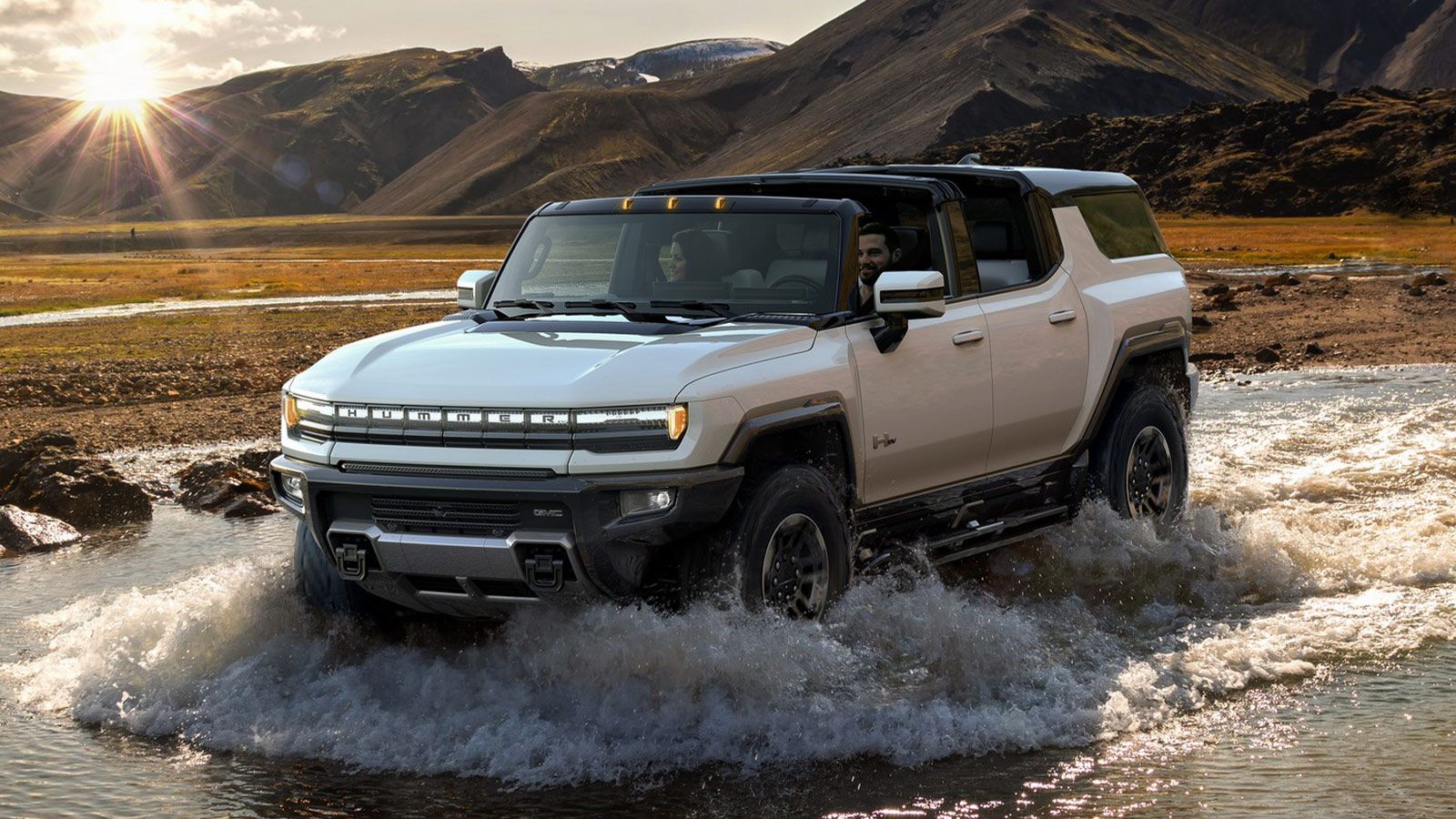
However, those torque numbers are highly misleading; the real-world maximum is expected to fall between 1,000 and 1,100 pound-feet. Even so, performance is impressive: during testing, the most powerful Hummer EV SUV rocketed to 60 mph in just 3.4 seconds, an astonishing feat for a vehicle of this size and weight.
Compared to the pickup, the SUV rides on a shorter wheelbase, 126.7 inches versus 135.6, which should improve its maneuverability in tight parking spaces and out on challenging trails.
It also inherits several standout off-road features from the truck, including four-wheel steering with CrabWalk and an adjustable air suspension with Extract Mode capable of raising the vehicle by six inches. GMC adds to its rugged appeal with a full-size spare tire mounted on the rear gate, enhancing both its look and practicality.
All these features combine to make the Hummer EV SUV not only a high-performance electric vehicle but also a serious contender for extreme off-road adventures.
GMC SUVs That Rattle at 40K
Not every SUV ages gracefully, and some GMC models start showing their quirks sooner than expected. Around the 40,000-mile mark, certain owners report an increase in rattles, vibrations, and interior noises that chip away at the premium feel these vehicles promise.
Whether it’s loose trim, worn suspension components, or just poor sound insulation, these issues can become noticeable and frustrating. In this article, we’ll dive into the GMC SUVs known for developing rattles around 40K miles and what you should watch out for if you’re shopping used.
1. GMC Terrain (2010–2017)
The first-generation Terrain was popular, but it didn’t age well in terms of interior durability. Owners frequently report rattles developing in the dashboard, door panels, and even around the panoramic sunroof (if equipped).
By 40,000 miles, many experience creaks from the center console and B-pillars, particularly in colder weather. The issue is especially noticeable on rough pavement or during cabin temperature shifts.
The 2017 GMC Terrain continues to be a versatile and generally competent crossover, but it faces tough competition in a crowded segment. Before committing to the Terrain, it’s worth comparing it with several standout rivals. Segment leaders such as the ever-reliable Honda CR-V, the recently refreshed Toyota RAV4, and the sporty yet practical Mazda CX-5 offer compelling alternatives.
The redesigned Kia Sportage is another strong contender, boasting a spacious backseat similar to the Terrain’s along with up-to-date cabin technology. Against such distinguished competitors, the 2017 Terrain must work hard to earn a spot at the top of your list.
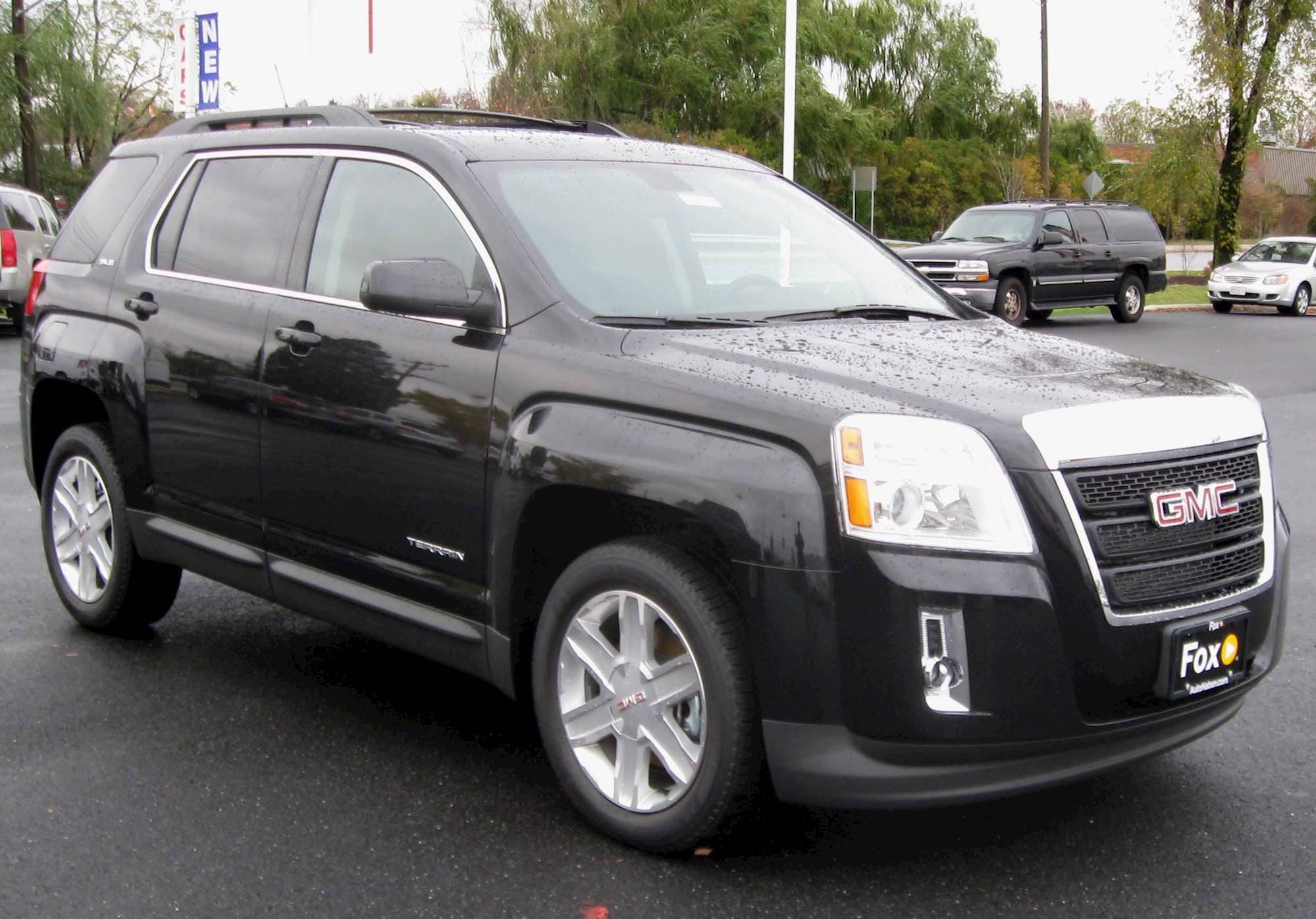
When it comes to safety, the 2017 GMC Terrain comes well-equipped. Standard features include antilock brakes, stability and traction control, front-seat side-impact airbags, side curtain airbags, and a rearview camera. It also comes with GM’s OnStar emergency communications system, which provides automatic crash notification, an emergency assistance button, remote door unlock, and stolen vehicle assistance.
For added peace of mind, advanced safety technologies are available as well. Lane-departure warning, forward-collision alert, rear parking sensors, and a blind-spot monitor with rear cross-traffic alert are optional on the SLE-2 and SLT trims, while they come standard on the top-tier Denali model.
In performance testing, a Terrain Denali V6 AWD delivered solid braking performance, coming to a stop from 60 mph in 122 feet. Safety ratings further bolster the Terrain’s appeal. In government crash tests, it earned an overall score of four out of five stars, receiving four stars for frontal-impact protection and five stars for side-impact protection. T
2. GMC Acadia (2007–2016)
While spacious and feature-rich, early Acadias were plagued with interior squeaks and rattles as they aged. Around 40K miles, many owners begin noticing sounds from the rear hatch area, seat tracks, and trim panels.
GM improved build quality in later models, but the first-gen Acadia remains known for its cabin noises, especially in AWD models that see more rugged use.
Taking everything into account, the 2008 GMC Acadia offers plenty of advantages. It has even emerged as the best-selling model among the Acadia/Enclave/Outlook trio, largely because of its balanced approach to style and design.
This makes it a highly recommended choice, particularly for buyers with large families who need space and versatility. However, if the Acadia doesn’t quite meet your expectations, there are worthy alternatives to consider, such as the newly introduced Mazda CX-9, the redesigned Toyota Highlander, and the consistently well-regarded Honda Pilot.
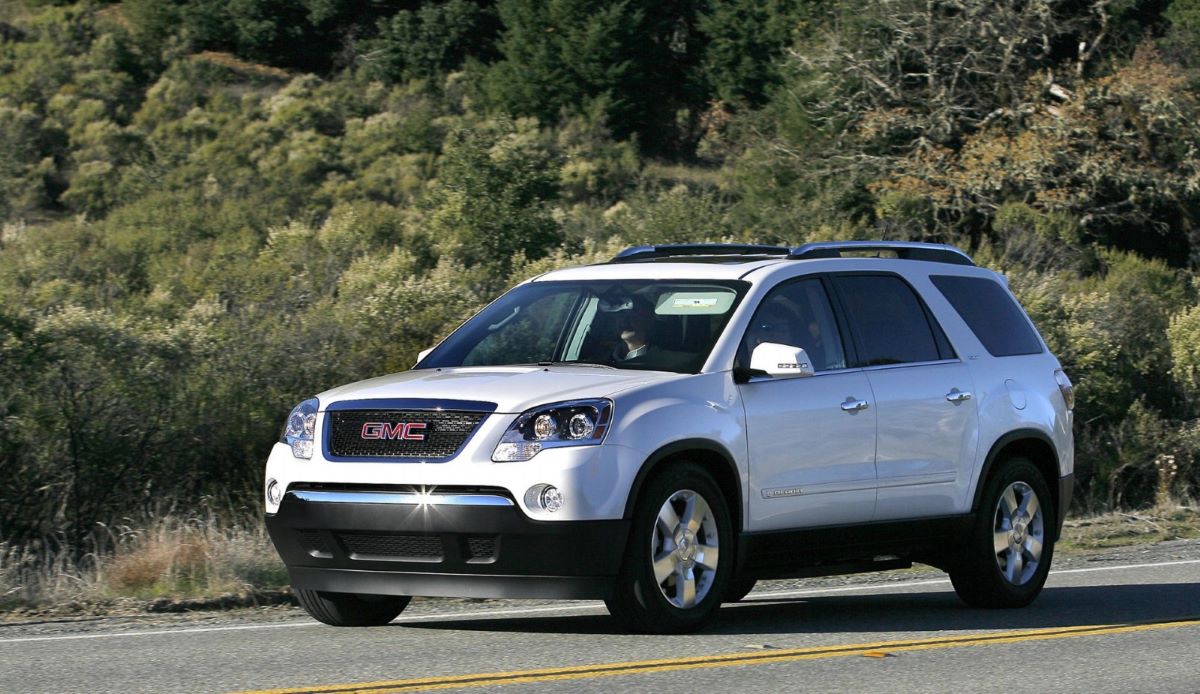
When it comes to performance and fuel efficiency, the 2008 GMC Acadia offers flexibility with the option of either front-wheel drive or all-wheel drive. Power comes from a 3.6-liter V6 engine delivering 275 horsepower and 251 pound-feet of torque across a wide rpm range.
Fuel economy for the front-wheel-drive model is rated at 16 mpg in the city and 24 mpg on the highway, while the all-wheel-drive version comes in slightly lower at 16/22 mpg. Properly equipped, the Acadia also offers a towing capacity of 4,500 pounds, which should suffice for most typical needs.
Despite GMC’s reputation for building rugged trucks, the Acadia’s AWD system is tuned more for handling bad weather than for tackling challenging off-road terrain.
This system operates automatically, requiring no input from the driver, and it smartly adjusts torque distribution based on traction needs. Depending on conditions, it can shift from delivering 90 percent of power to the front wheels and 10 percent to the rear, to as much as 35 percent front and 65 percent rear, ensuring stability and control when road surfaces become slippery.
3. GMC Envoy (2002–2009)
Although discontinued, the Envoy still has a strong following in the used SUV market. However, these vehicles tend to develop rattles early, particularly around the tailgate, dash vents, and glove box.
Loose interior clips and degrading insulation materials are common culprits. At 40K miles and certainly beyond most Envoys exhibit some degree of interior noise unless meticulously maintained.
GMC’s previous Envoy was essentially a dressed-up version of the standard Jimmy, and despite its strong V6 and plentiful options, it was handily outperformed by its rivals.
For 2002, GMC has retired the Jimmy name, making the Envoy its sole midsize SUV. This time around, the Envoy debuts with a far more complete package that positions it to compete much more effectively against its longtime nemesis, the fully redesigned Ford Explorer.
The Envoy benefits from a longer and wider body, giving it a more substantial presence while also providing a noticeable boost in interior space. Underneath, a new frame built with advanced hydroforming technology delivers rigidity levels typically reserved for high-end sedans.
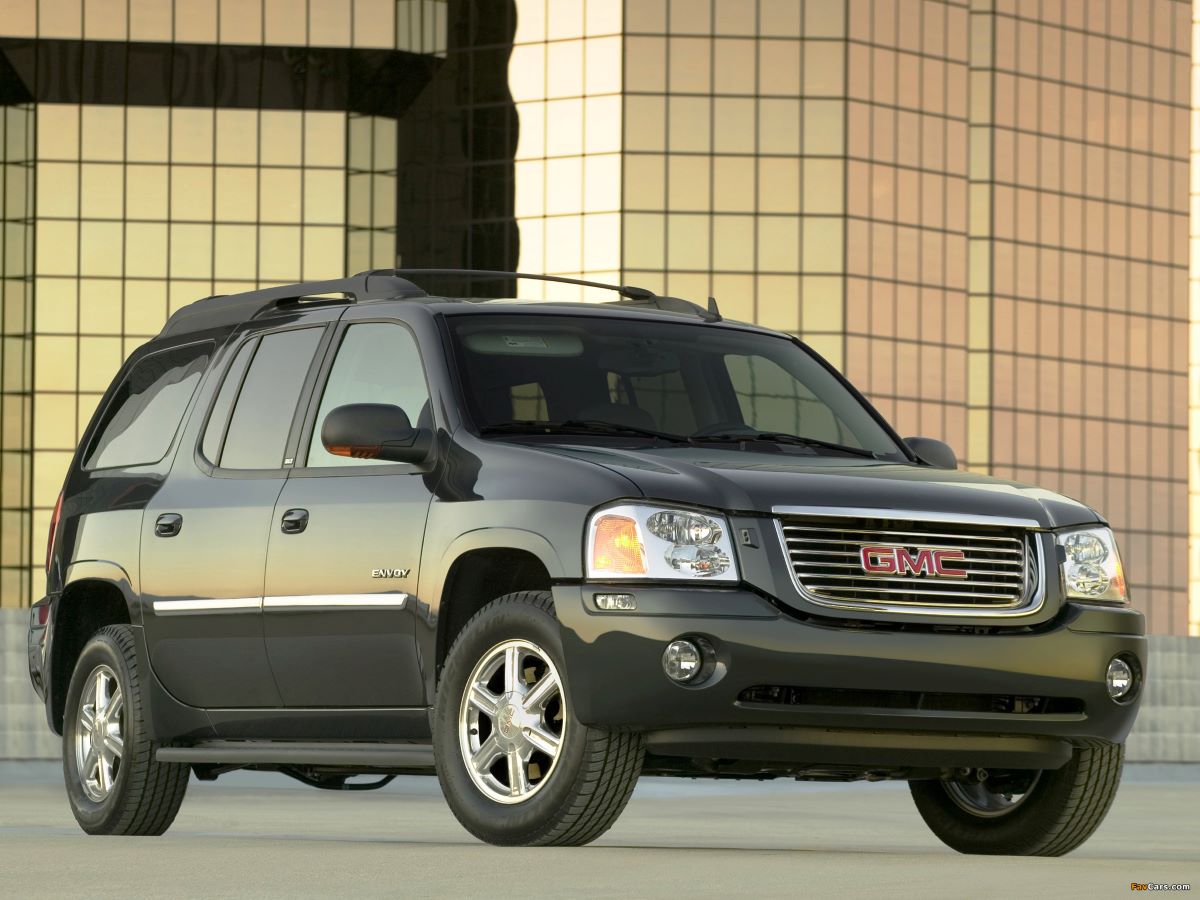
Pair this with a reworked suspension, dual A-arms with coilover shocks up front and a five-link coil spring setup in the rear, and the Envoy’s ride quality takes a big step forward. For those wanting even more comfort, an optional electronically controlled rear air spring suspension adds load-leveling and further isolation from road imperfections.
Powering the 2002 Envoy is GM’s new all-aluminum 4.2-liter inline six-cylinder engine. With 270 horsepower and 275 pound-feet of torque, it outguns most competitors’ V8 engines, let alone their V6 offerings. The engine’s peak torque arrives at a low 1,600 rpm, resulting in a flat powerband that ensures strong passing and merging power at virtually any speed.
4. GMC Jimmy (1998–2001)
The compact Jimmy SUV from the late ‘90s and early 2000s is known more for utility than refinement. These models are rugged, but their interiors were never tightly assembled.
By 40K, many suffer from dashboard buzz, headliner sagging, and rear cargo panel rattles. Off-road or rough city driving only exacerbates the problem.
Even with its minor 1998 redesign, the four-door GMC Jimmy still leans toward a conservative look, while the two-door models stand out with their fastback profile and distinctive side-window styling.
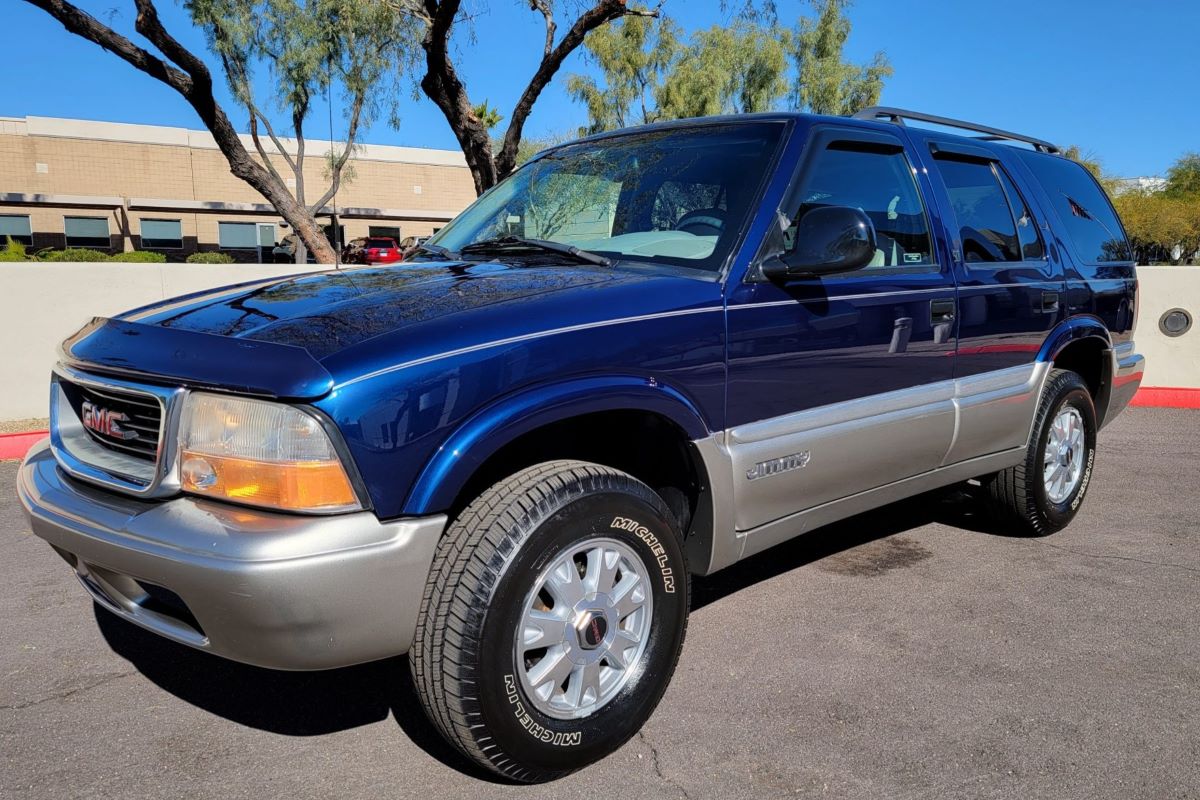
The four-door models benefit from an under-the-floor spare tire, which helps maximize cargo space. Inside, headroom is abundant, and there’s plenty of elbow room. The back seat, however, is less accommodating. It’s fine for kids, but adults will find the short cushion firm, and there’s barely any foot space under the front seats. Expect complaints from back there if you try to squeeze in three passengers.
On the road, the Jimmy is generally sure-footed. Still, in sharp maneuvers, it can briefly feel top-heavy, though this is more a reminder of its SUV nature than a real flaw. In winter conditions, the four-wheel-drive version inspires confidence, gripping well on snowy pavement. Whether accelerating or recovering traction in a turn, the 4WD system delivers a reassuringly planted feel.
5. GMC Acadia (2017–2019)
While an improvement over the first-gen model, the second-gen Acadia’s early production years weren’t immune to issues. Several owners reported creaking from the center console, rattles in the rear seat mounts, and fluttering noises from the A-pillar trim.
These problems typically start emerging between 30K and 50K miles, especially in models that have seen frequent daily use or have been driven in cold climates. GMC has come a long way in improving build quality and sound insulation in its SUV lineup.
The GMC Acadia offers two very different driving experiences depending on which engine you choose. The base 2.5-liter four-cylinder, pushing out 193 horsepower, focuses on fuel efficiency but comes up short in both power and capability, it’s only rated to tow 1,000 pounds, which limits its practicality for anything beyond light hauling.
Both engines are paired with a six-speed automatic transmission, and front-wheel drive is standard across the board, with all-wheel drive available as an option. The driving experience is solid for what it is.
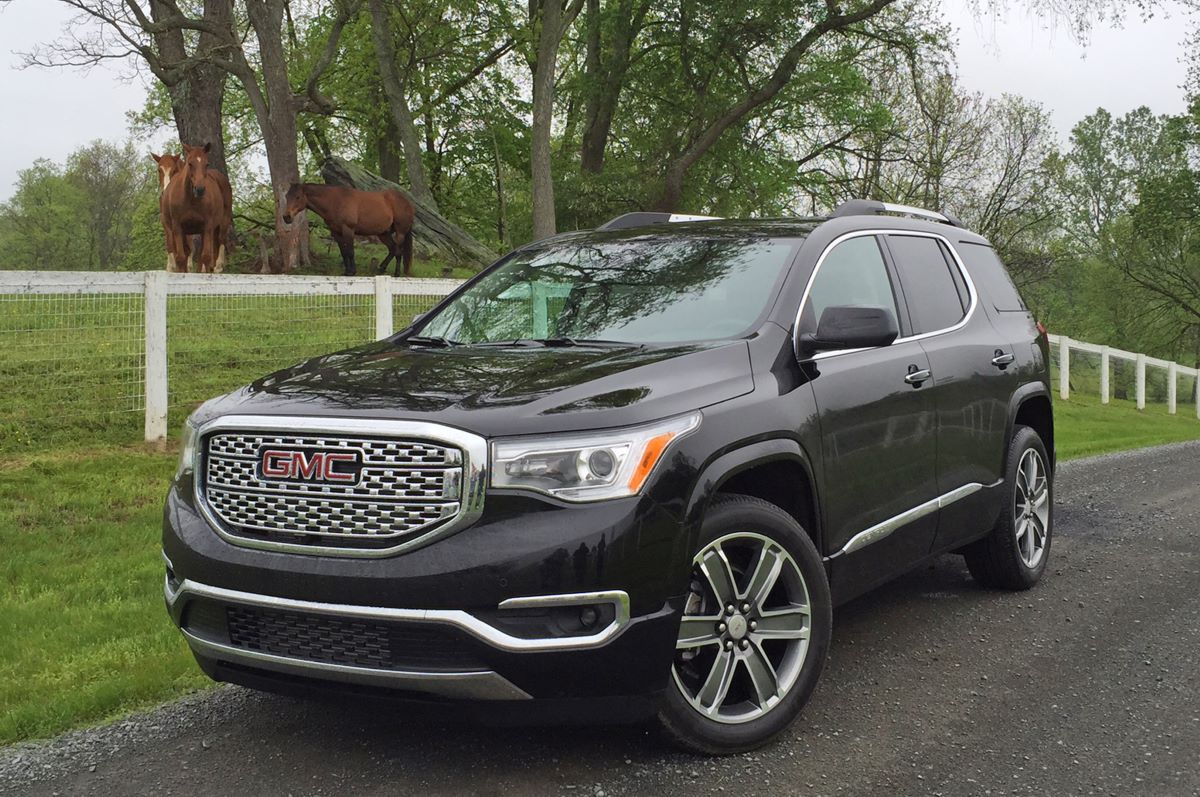
You’ll always be aware you’re piloting a larger vehicle, but it’s well-mannered. At high speeds, it can feel a bit heavy and less eager around corners, but that’s typical of the class. Under normal driving, the Acadia shines with a forgiving and stable ride that makes commuting or road trips easy.
For those who prioritize comfort, the adaptive suspension, standard on the Denali and optional on SLT-2 with AWDadds a nice touch. It continuously adjusts the dampers every two milliseconds, softening the ride over rough patches and firming up when you push it harder. This tech gives the Acadia a more refined feel than many of its mainstream rivals.
If a quiet, comfortable ride over the long haul is a priority, sticking to newer models especially in Denali or higher trims can help ensure a premium experience.
That said, older models or first-generation redesigns often lack the refinement needed to keep the cabin peaceful beyond 40,000 miles.
Whether you’re buying new or browsing the used market, paying attention to owner reports and test-driving on rough pavement can reveal a lot about an SUV’s true long-term composure.