
Chevrolet has been a cornerstone of American automotive history for over a century, known for producing vehicles that range from dependable family haulers to muscle-bound performance machines. However, not every Chevy is built equal when it comes to thermal management.
While some models consistently stay cool under pressure whether in traffic or during a hot summer road trip others are known for frequent overheating issues that leave drivers frustrated and stranded.
Here’s a breakdown of 5 Chevrolets that stay cool even in tough conditions versus 5 that are notorious for overheating, based on owner reports, reliability data, and real-world performance.
Chevrolets That Stay Cool
From practical daily drivers to rugged SUVs and performance icons, Chevrolet has built a lineup that blends style, capability, and innovation. Across the decades, certain Chevy models have stood out for their ability to stay relevant, delivering comfort, technology, and driving enjoyment even as trends shift.
This article takes a closer look at some of the Chevrolets that continue to hold their cool factor, proving why the bowtie badge remains a staple on the road.
1. Chevrolet Silverado 1500 (2019–Present)
Modern Silverado 1500 models benefit from improved engine cooling systems, including electric fans and redesigned radiators.
Especially in trims with the 5.3L and 6.2L V8s, the truck handles long hauls and heavy towing in hot climates with ease. GM also upgraded the transmission cooler in newer models, which helps maintain consistent operating temps even under load.
The 2021 Chevrolet Silverado 1500 was clearly engineered to claw back ground from Ford’s F-150 and Ram 1500, and Chevy made some smart moves with its updates. The big standout is the new Multi-Flex tailgate, which is more than a gimmick, it offers multiple configurations for easier loading, unloading, and even serves as a makeshift workbench.
Add in improved trailer-towing tech and upgraded infotainment, and the Silverado gets a serious usability boost. For buyers looking at high trims, the adaptive suspension option is a welcome addition, helping to tame what can otherwise be a rougher ride compared to Ram’s cushier setup.
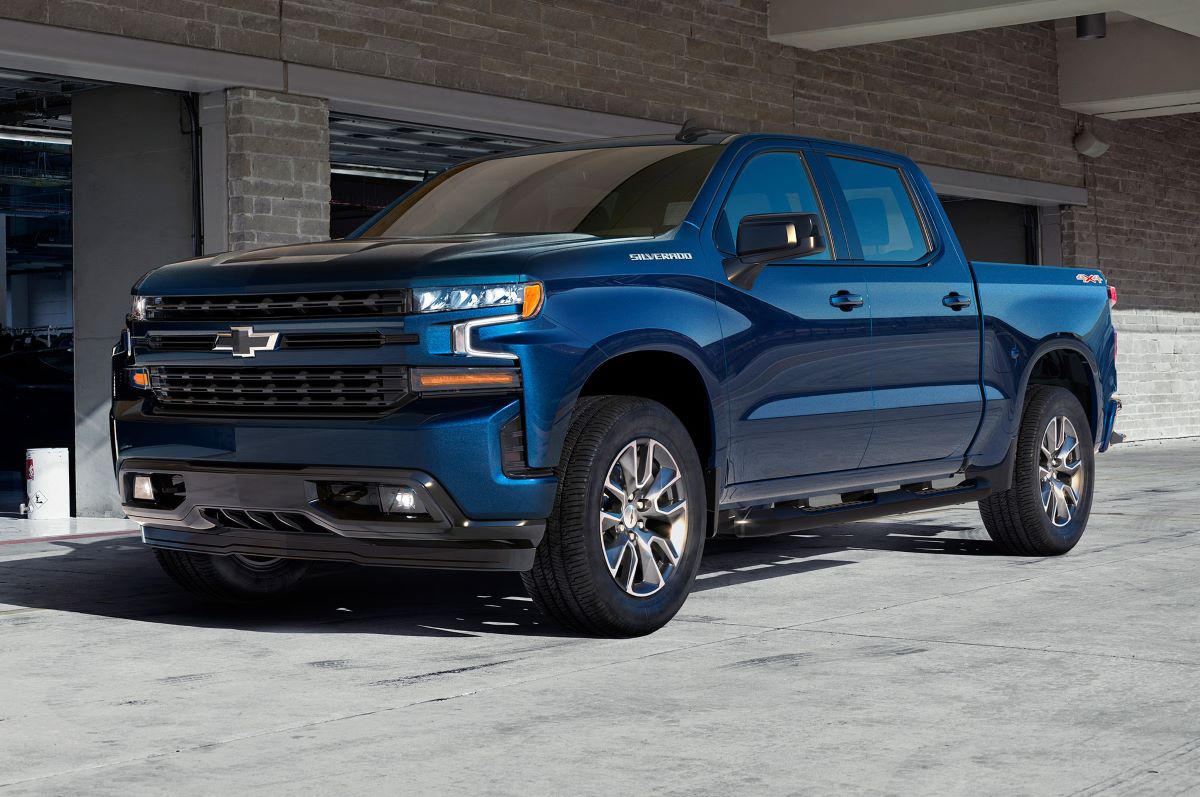
Trim and configuration options are almost overwhelming, but that’s a plus for tailoring the truck to your needs. Whether you want a basic workhorse or a near-luxury hauler, Chevy has something.
You get three cab sizes, regular, extended, and crew, paired with short, standard, or long beds, so you can dial in your exact setup. The Trail Boss trim also taps into the off-road trend, coming factory-lifted and ready to hit the trails.
On the used market, you can snag deals, like the High Country Crew Cab listed at $29,500 (albeit with higher mileage) or the LTZ Crew Cab at $38,123 with low miles and that beastly 6.2L V8. These prices undercut market value, so if you’re shopping for a 2021 Silverado, there are bargains to be had.
Bottom line: the 2021 Silverado doesn’t necessarily dethrone the Ram for comfort or the F-150 for innovation, but it bridges the gap and offers strong value, especially if you find a good used one.
Also Read: Top 10 Cars With Easy-to-Clean Floors and Accessible Interiors
2. Chevrolet Traverse (2018–Present)
The second-generation Traverse is a three-row SUV that was designed with families and road trips in mind. It features a robust 3.6L V6 engine paired with an efficient cooling system.
Owners in hotter states like Arizona and Texas consistently report that this crossover stays well within temperature ranges even during summer AC-blasting drives.
The 2018 Chevrolet Traverse was a major step forward for Chevy in the three-row crossover game. By stretching the dimensions and maximizing interior volume, it became the roomiest option in its class, 98.5 cubic feet of cargo space is hard to beat.
Even behind the third row, it offers more usable space than rivals like the Honda Pilot or Toyota Highlander, giving families a real advantage when it comes to hauling gear without having to fold seats down.
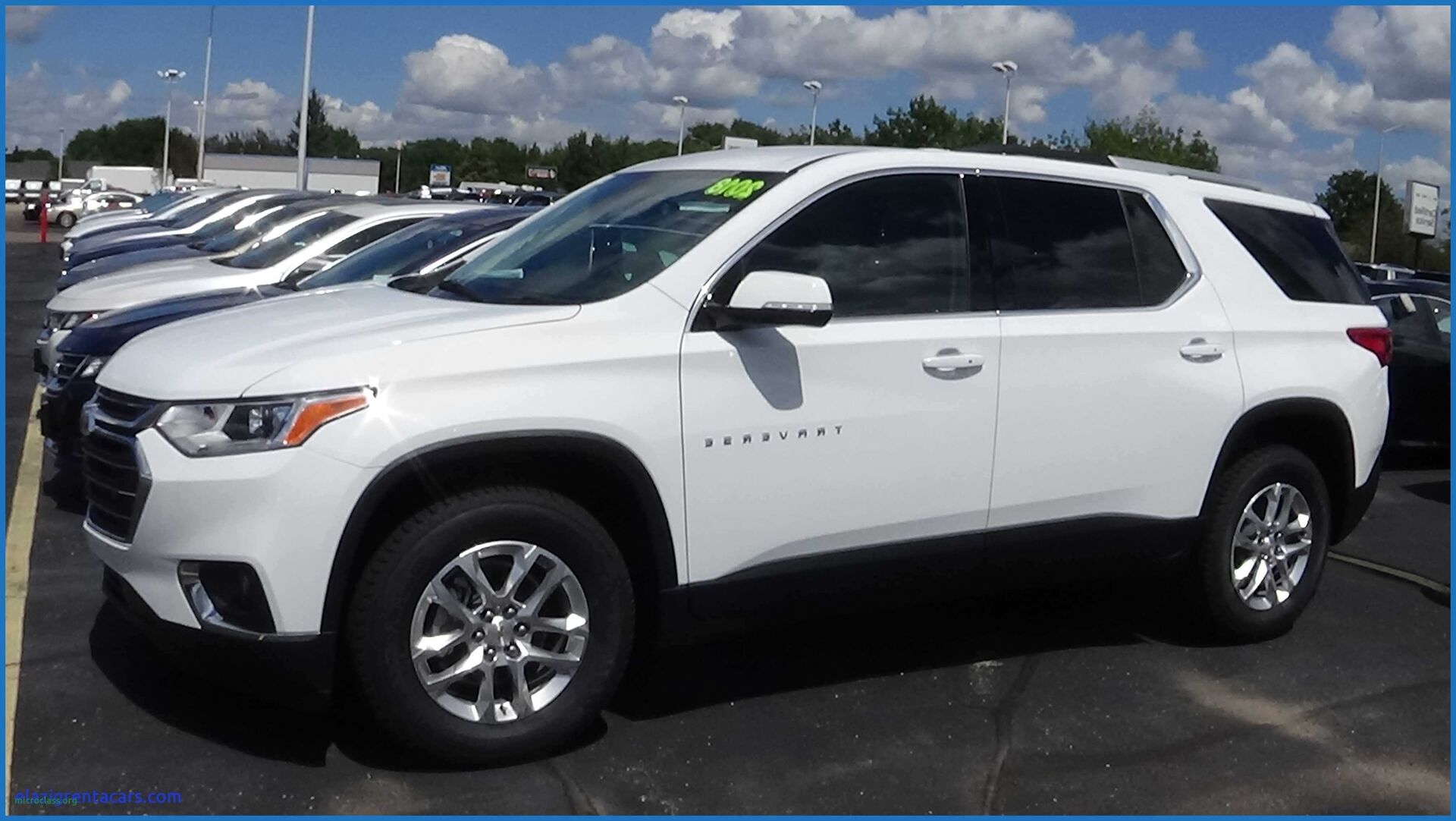
Performance-wise, Chevy didn’t reinvent the wheel, but they refined it. The carryover V6 got a healthy bump to 310 horsepower, paired with a new nine-speed automatic. The result? Strong acceleration and an efficiency gain to 21 mpg combined, which is solid for a vehicle this size. For buyers who want something different, the RS trim’s turbo four is an option, but most will prefer the power and smoothness of the V6.
Where Chevy really took a swing was with the High Country trim. It’s clearly aimed at near-luxury buyers, with premium leather, LED lighting, and an advanced AWD system. Pricing, however, pushes into territory occupied by the Acura MDX and Volvo XC90, which are tough competitors to outshine.
Overall, the 2018 Traverse hit a sweet spot: massive interior, solid powertrain, improved tech, and a trim lineup that ranges from affordable family hauler to luxury-lite. Mid-level trims are where most buyers will find the best balance of value and features, but the Traverse as a whole made itself a serious contender in the three-row segment.
3. Chevrolet Tahoe (2021–Present)
With its full-size frame and available 5.3L or 6.2L V8, the Tahoe could easily overheat if not properly engineered but Chevy nailed the cooling systems in its latest generation.
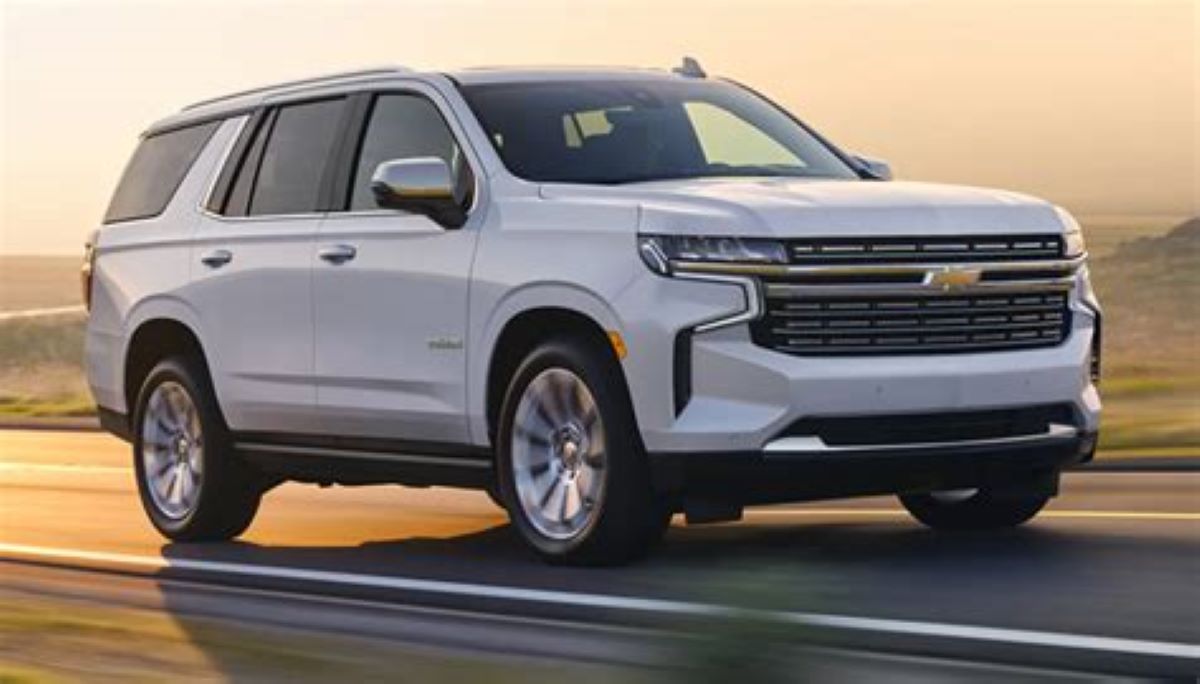
It features upgraded thermostats, larger fans, and a high-capacity radiator, keeping temps stable during towing, idling, or even in stop-and-go traffic.
The 2021 Chevrolet Tahoe was a much-needed overhaul, and Chevy delivered. The old model was functional but outdated, great at towing, mediocre at comfort. The redesign fixed many of those weak spots, making the Tahoe a more well-rounded full-size SUV while still keeping its truck-based strengths.
The biggest upgrade? Space. The third row, once cramped, now offers legitimate legroom, and cargo capacity explodes to 122.9 cubic feet with the seats folded. That’s a huge jump from the previous generation and puts it in serious contention with its top rival, the Ford Expedition. The Tahoe is now a true people-and-gear hauler without the compromises of the past.
Chevy also ditched the old-school solid axle for an independent rear suspension. This change alone transformed the ride. The new Tahoe feels smoother, more composed, and more forgiving over rough roads.
Inside, the Tahoe gets modern tech and better materials. You’ll find the expected safety features, big screens, and connectivity options, although like many GM products, the fanciest driver aids are usually reserved for higher trims. Towing remains a strong point, keeping it relevant for buyers who need muscle along with family-hauling capability.
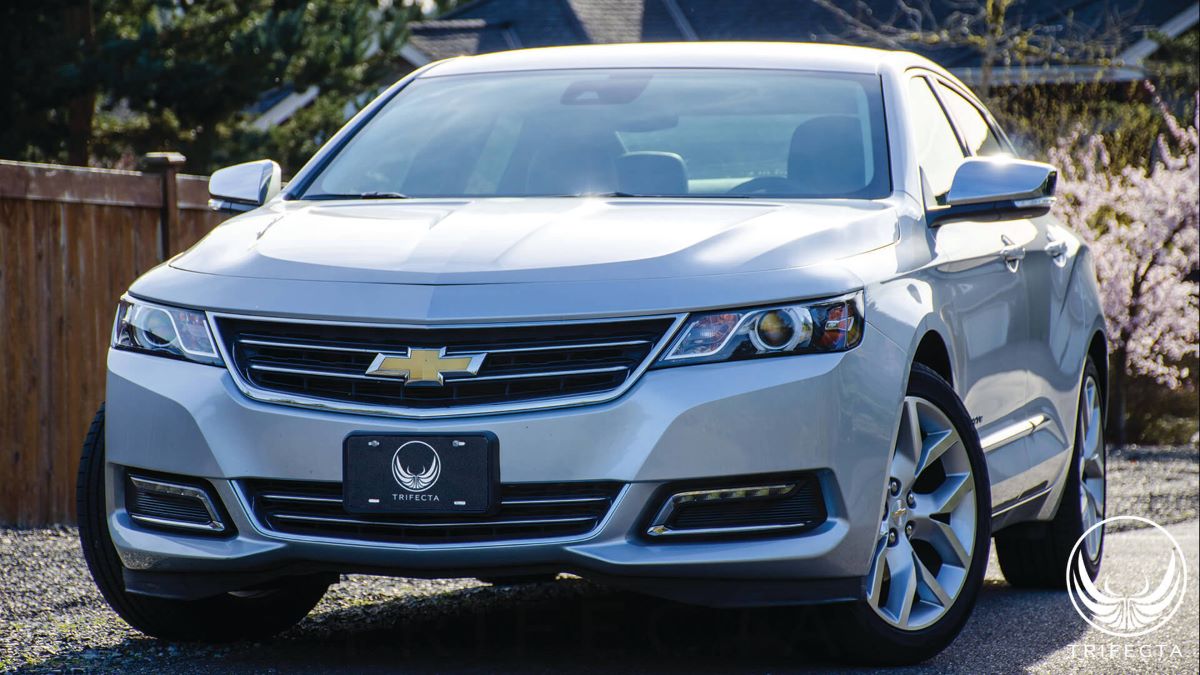
4. Chevrolet Impala (2014–2020)
The last generation of the Impala proved to be not only comfortable and spacious, but surprisingly reliable when it comes to engine temperatures.
Whether equipped with the 2.5L inline-4 or the 3.6L V6, Impalas rarely show overheating issues, thanks to solid design and straightforward maintenance.
After its dramatic redesign last year, the 2015 Chevrolet Impala continues on the same successful path, and with good reason: Chevy nailed it right out of the gate.
The previous-generation Impala had styling and features that appealed mainly to rental fleets, but the current version is stylish, well-equipped, and truly competitive among large sedans. In fact, it’s rare to see a car transform from underwhelming to outstanding so quickly. For anyone in the market for a full-size sedan, the Impala is an absolute must-test-drive.
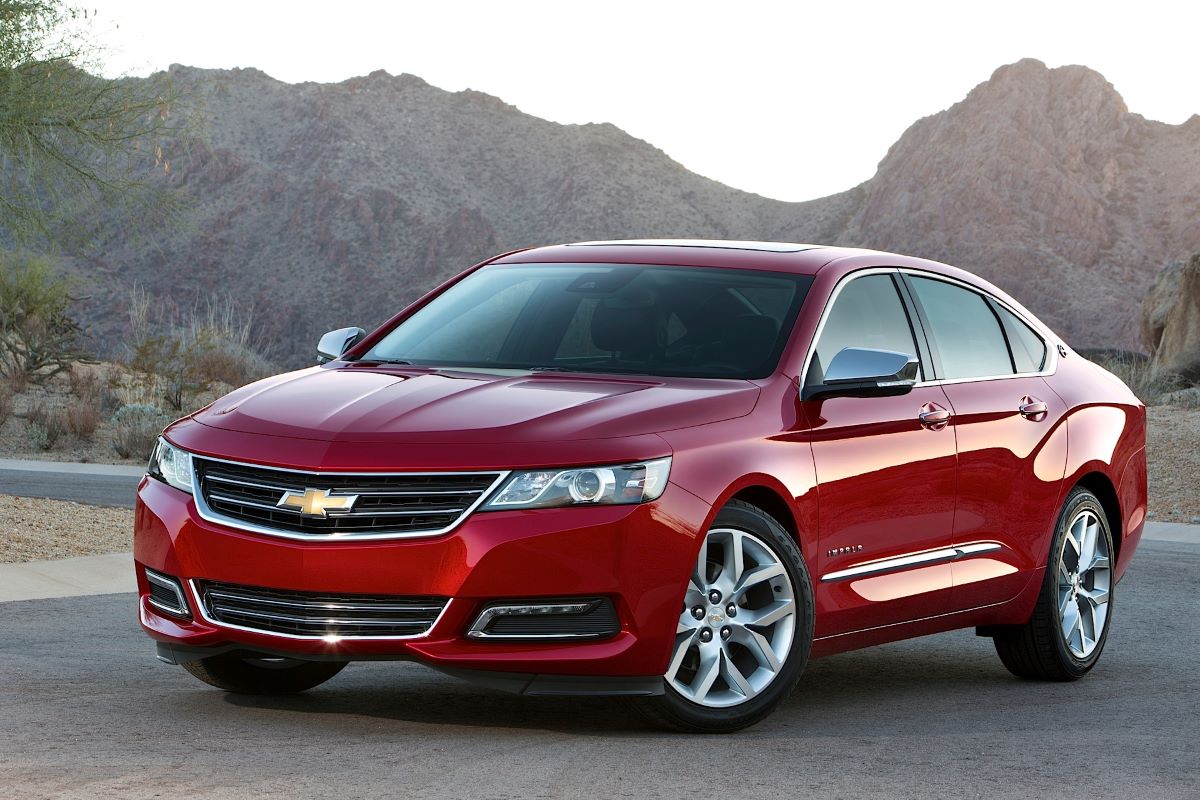
For most buyers, the main updates to the 2015 Impala include the newly standard in-car 4G data connection with WiFi capability, a welcome convenience—and the removal of the short-lived “mild hybrid” eAssist version.
However, those interested in cutting-edge technology should keep an eye out for the bi-fuel Impala arriving in the fourth quarter, capable of running on both gasoline and compressed natural gas (CNG).
While this variant will primarily target commercial and government fleets, it will also be available to individual consumers. No matter which powertrain you choose, the Impala stands out with its serene ride, spacious cabin, and massive trunk, qualities that are sure to win over anyone shopping for a large sedan.
5. Chevrolet Suburban (2015–2020)
The Suburban is a workhorse for large families, road-trippers, and even law enforcement agencies. The tenth-generation Suburban used improved airflow and cooling architecture to great effect.
This includes dual fan setups and transmission coolers, especially important when towing in high-heat states like Nevada and California.
While crossovers excel at many tasks, there are some things they just can’t handle, like legally carrying up to nine passengers or towing more than 8,000 pounds. For those heavy-duty needs, you need a full-size SUV with a powerful V8, and the 2020 Chevrolet Suburban fits that description perfectly.
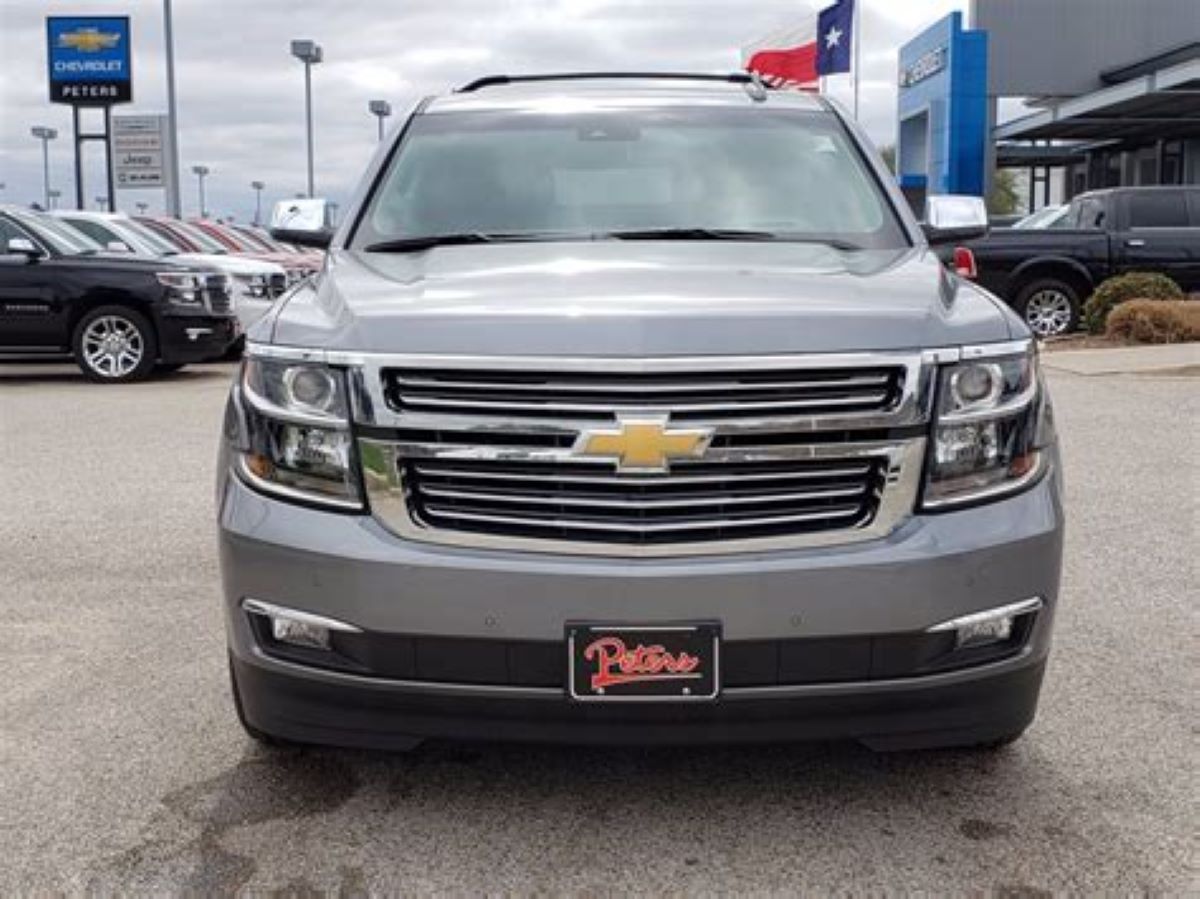
If it feels like the Suburban has been around forever, that’s because it practically has. Now in its 11th generation, this SUV continues to be the top choice for families and professionals who need serious passenger-hauling and towing capabilities.
The latest Suburban can also be outfitted with a wide array of modern amenities thanks to numerous option packages, including adaptive suspension, ventilated front seats, and cutting-edge safety tech.
However, the Suburban isn’t without its drawbacks. Its solid-axle rear suspension takes a toll on ride comfort, limits interior space, and makes loading cargo more cumbersome.
When compared side-by-side, the Ford Expedition feels more advanced in several areas, underscoring where the Suburban shows its age. Still, if you’re in the market for a three-row SUV with a robust V8 and impressive towing capacity, the Chevrolet Suburban remains one of the few vehicles that truly delivers.
Also Read: Top 10 Luxury Brands That Quietly Nail Reliability
Chevrolets That Overheat Constantly
Not every Chevrolet has earned a reputation for reliability. Some models have been plagued with cooling system flaws, engine design issues, or components that just can’t handle the heat. These problems can turn a simple drive into a frustrating, and often costly, experience. In this article, we’ll dive into the Chevys known for chronic overheating, why these issues happen, and what owners should watch out for.
1. Chevrolet Cruze (2011–2016)
The first-generation Cruze has long suffered from cooling issues. Its 1.4L turbocharged engine is prone to water pump failures, thermostat housing leaks, and radiator problems.
Many owners complain about sudden temperature spikes even with low mileage. Overheating was common enough that GM issued several technical service bulletins (TSBs).
The 2014 Chevrolet Cruze has several strengths working in its favor, starting with a range of efficient, well-performing four-cylinder engines. It also delivers a refined balance between ride comfort and handling, while sporting a clean, modern design inside and out that avoids unnecessary gimmicks.
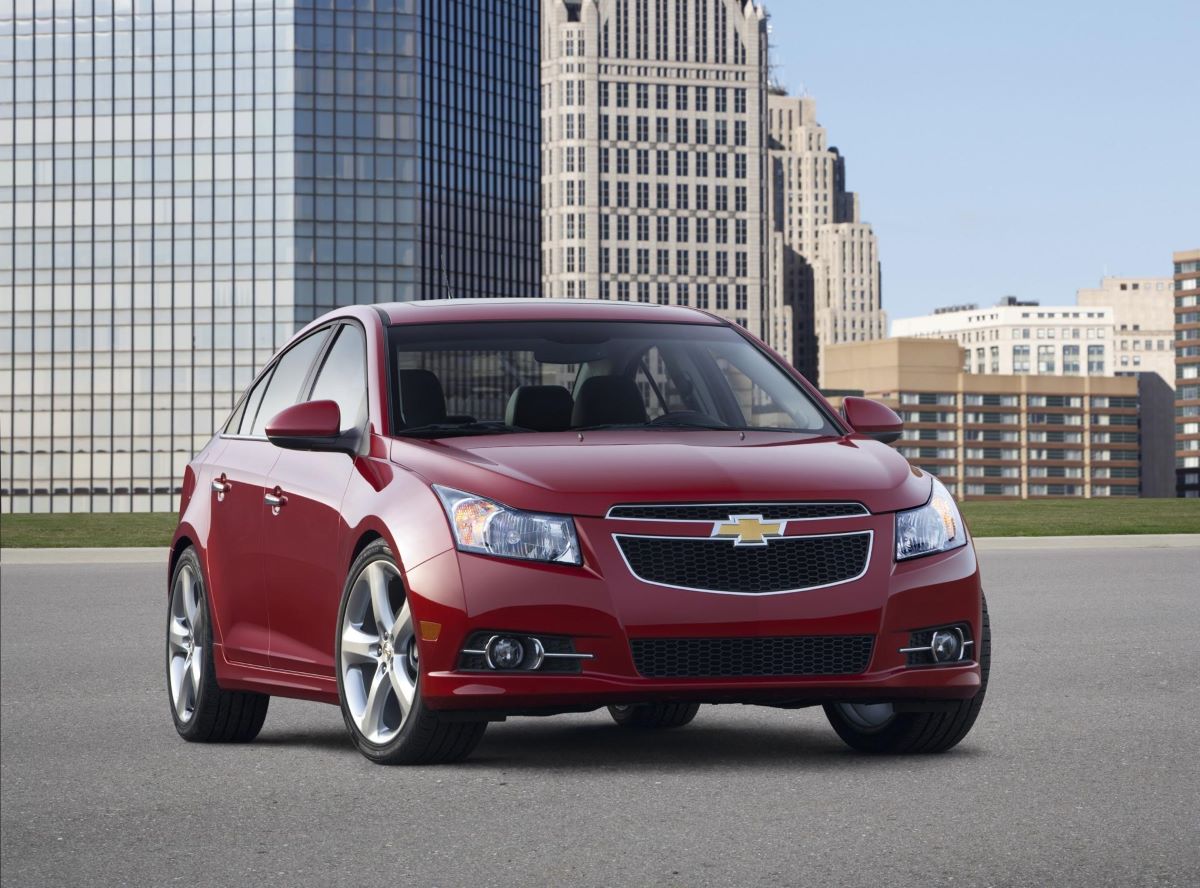
Rear-seat space is slightly on the tight side for this class, but it’s adequate for most passengers. Additionally, the Cruze boasts an unusually large trunk for a compact sedan, adding to its practicality. For 2014, Chevy adds some excitement to the lineup with the introduction of the Cruze Diesel.
This version is powered by a 2.0-liter turbodiesel four-cylinder engine and achieves an EPA-rated 33 mpg combined, putting it head-to-head with its only diesel rival in the U.S., the Volkswagen Jetta TDI. While the Jetta offers a roomier backseat and starts at a slightly lower price, the Cruze Diesel makes up ground with extra standard features like remote start and leather upholstery, which ultimately levels the playing field when comparing base prices.
2. Chevrolet Equinox (2010–2017)
Older Equinox models, especially those with the 2.4L Ecotec engine, are infamous for overheating. The primary culprit is head gasket failure combined with poor coolant flow and cheap radiator components.
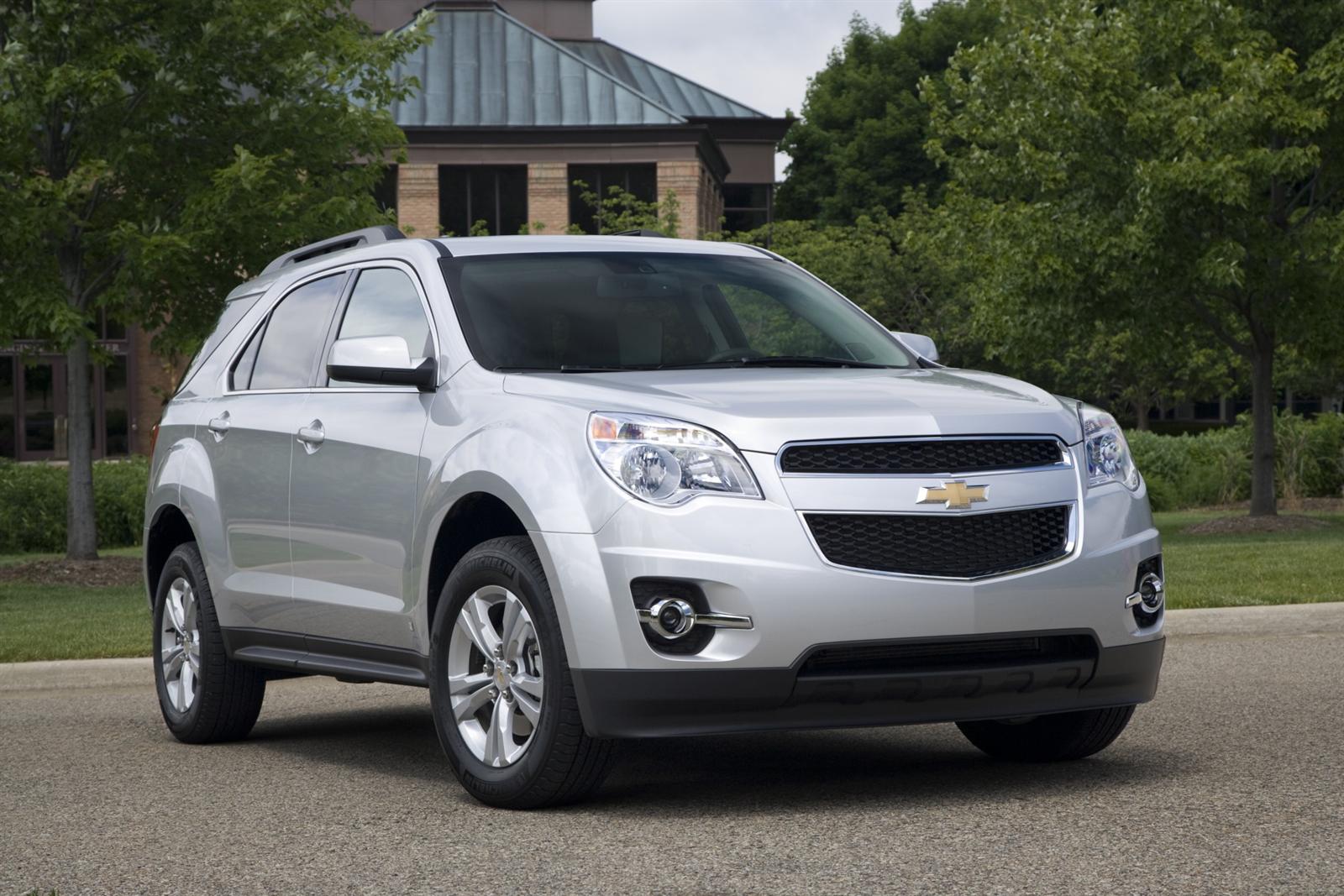
Many drivers also experience issues with the heater core, which causes cabin heat and cooling system instability.
After receiving several key updates last year, the 2017 Chevrolet Equinox continues largely unchanged, yet it still manages to attract attention from SUV shoppers. That’s no small feat considering the current model first hit the market back in 2010, practically ancient in automotive terms.
Many competing crossovers have undergone full redesigns since then, which makes it impressive that the Equinox remains in the conversation. Still, the real question is whether this aging model can truly hold its own against the latest rivals.
One area that raises concern is the base four-cylinder engine. While its EPA fuel economy ratings look appealing on paper, real-world driving tells a different story, with fuel efficiency falling short of expectations. Beyond that, this engine trails competitors when it comes to both acceleration and overall refinement.
On the upside, the available 301-horsepower V6 is a standout performer, delivering the kind of spirited power rarely found in this segment, provided you’re willing to spend extra for the upgrade.
There are other drawbacks worth noting, such as interior materials that feel a bit underwhelming and the limited availability of Bluetooth audio, which makes the Equinox seem somewhat dated. However, it redeems itself with a ride that’s smooth and quiet enough to satisfy most buyers, along with a roomy backseat that both slides and reclines to maximize comfort.
All things considered, the 2017 Equinox is a mixed bag. It offers a few strong selling points, particularly the V6 engine and passenger-friendly rear seating, but it also shows its age in ways that may give you pause. Before deciding, weigh your priorities carefully to see if this Chevy checks enough of the right boxes for you.
3. Chevrolet TrailBlazer (2002–2009)
While known for its ruggedness, the older TrailBlazer’s 4.2L inline-6 engine was plagued with cooling problems. Cracked radiator tanks, failed fan clutches, and thermostat issues led to frequent overheating, particularly during city driving or in warmer climates.
By 1999, the SUV craze was in full swing. Chevrolet saw an opportunity to mix luxury with rugged capability, giving birth to the Chevy TrailBlazer. This upscale version of the four-door Blazer came with a two-tone leather interior, a monotone exterior finish, and distinctive alloy wheels. However, the early TrailBlazer fell short of expectations.
It suffered from wide panel gaps, an outdated exterior design, and handling that left much to be desired, preventing it from truly standing out in the market.
The game changed in 2002 when Chevrolet completely overhauled the TrailBlazer. The redesign brought more power under the hood, sharper styling, and increased passenger and cargo space.
These upgrades improved its overall appeal, but they weren’t enough to propel it to the top of its class. In short, if you can live with the soft handling (with the SS trim being the notable exception) and don’t mind the bland interior design, the 2006 Chevrolet TrailBlazer remains a capable choice. That said, there are other vehicles that offer better all-around performance for the same or even lower cost.
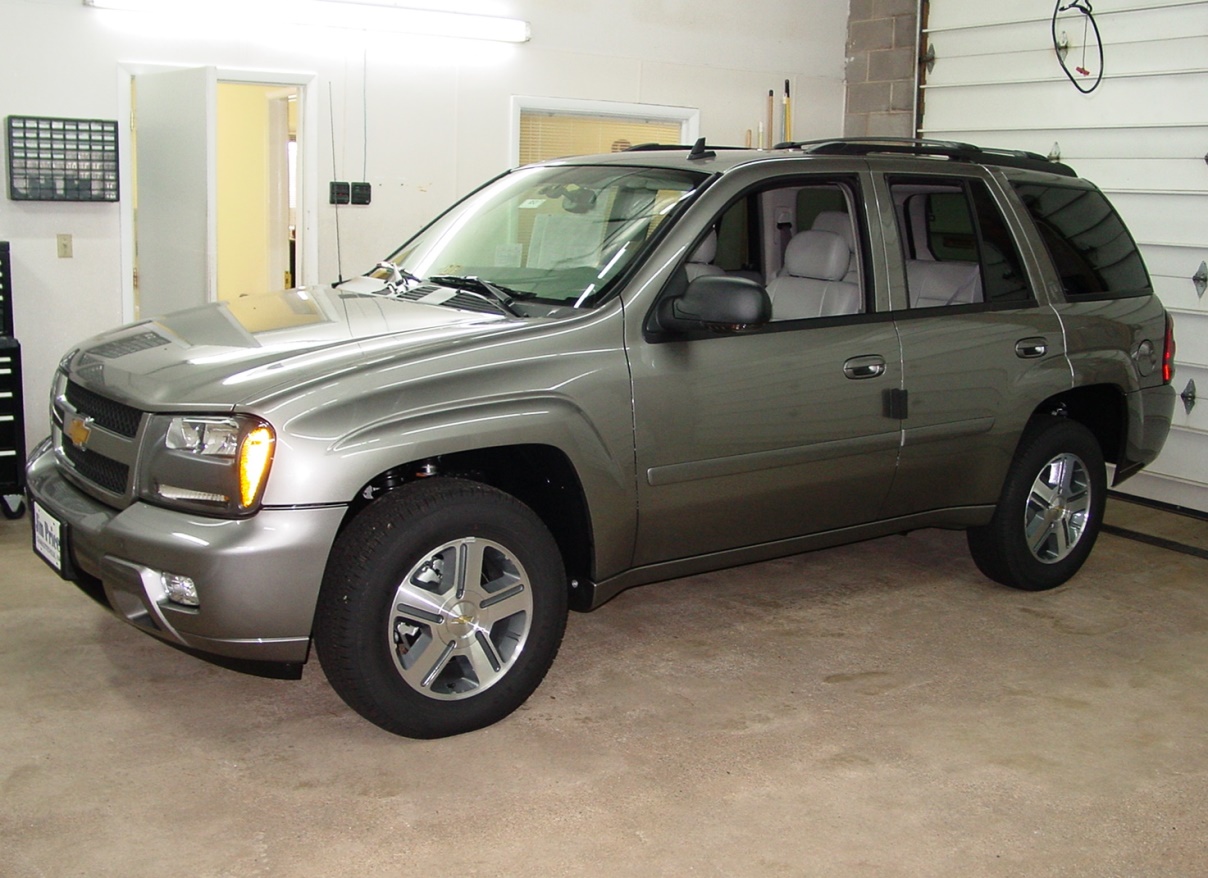
The TrailBlazer’s base engine is a 4.2-liter inline-six producing 291 horsepower and 277 lb-ft of torque. For those needing more towing muscle, the optional 5.3-liter V8 delivers 300 hp and 330 lb-ft of torque. At the top of the lineup, the SS model packs a 6.0-liter V8 cranking out 391 hp and 395 lb-ft of torque.
When properly equipped, V8 versions can tow up to 6,800 pounds, while the six-cylinder models manage up to 6,200 pounds. Buyers can choose between two-wheel and four-wheel drive, with the SS gaining an upgraded 4WD system featuring a Torsen center differential. The SS is particularly impressive, sprinting from 0 to 60 mph in just 6.3 seconds and covering the quarter-mile in 14.4 seconds.
4. Chevrolet Malibu (2008–2012)
This generation of Malibu suffered from numerous under-the-hood issues, and overheating was one of the top complaints.
Leaky coolant reservoirs, water pump malfunctions, and a faulty temperature sensor contributed to temperature spikes and coolant loss without warning lights. It was especially problematic in the 2.4L models.
The 2008 Chevrolet Malibu easily deserves a “Most Improved” award. While it still contends with strong competitors in the midsize sedan segment, such as the redesigned Honda Accord, the engaging Ford Fusion, the sporty Nissan Altima, and the ever-popular Toyota Camry, the Malibu is no longer a benchwarmer. Instead, it’s stepping onto the court, hustling for rebounds, sinking three-pointers, and steadily winning over buyers.
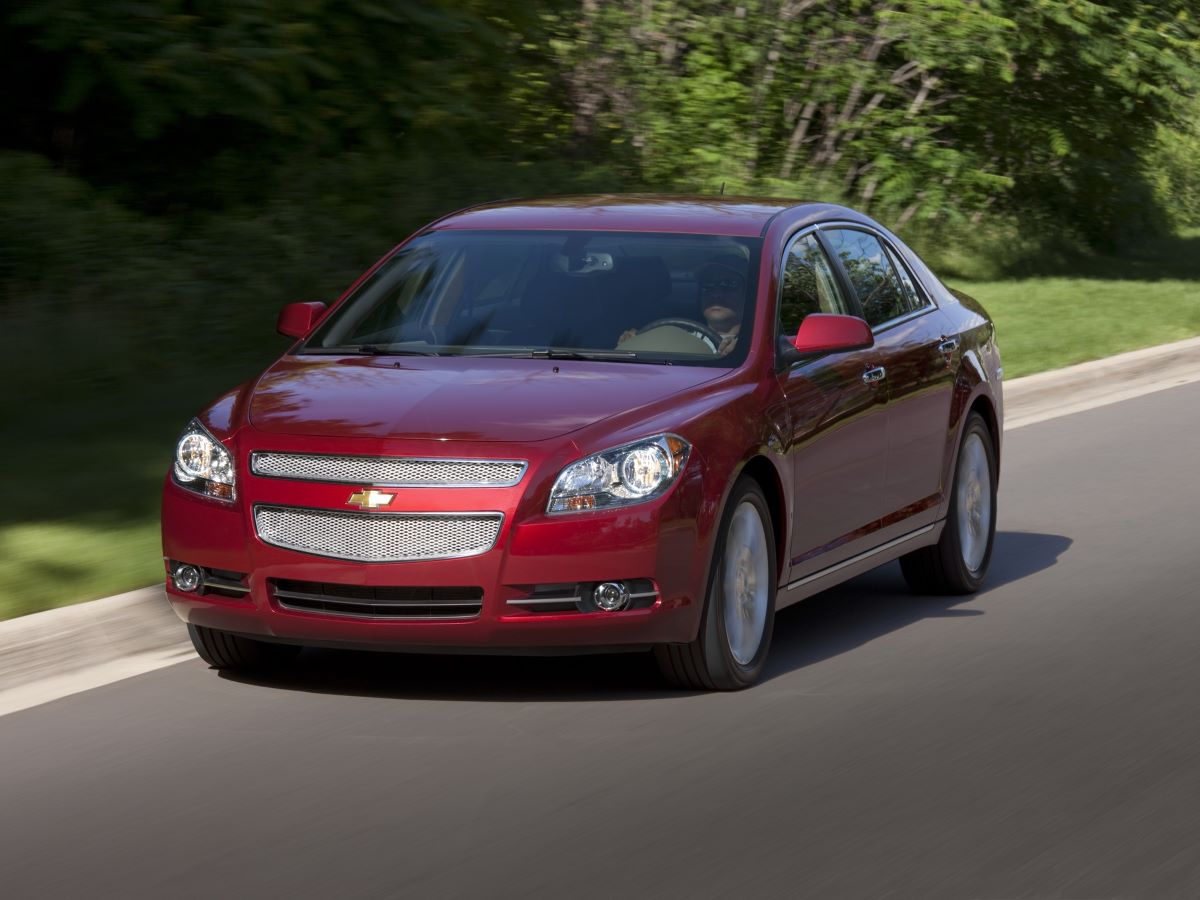
All trims except the LTZ come equipped with a 2.4-liter four-cylinder engine producing 169 horsepower and 160 lb-ft of torque. This engine is paired with a four-speed automatic transmission that drives the front wheels.
The LTZ trim, and optionally the 2LT, offers a more powerful 3.6-liter V6 generating 252 hp and 251 lb-ft of torque, mated to a six-speed automatic transmission with manual shift control. Later in the model year, the LTZ will also be offered with the four-cylinder engine paired to the six-speed automatic, giving it a performance edge over the lower trims stuck with the four-speed gearbox.
Although the Malibu tips the scales at around 3,500 pounds, the four-cylinder delivers respectable performance, achieving 0-60 mph in under 10 seconds. The V6, on the other hand, offers notably brisk acceleration, hitting 60 mph in just 6.6 seconds.
5. Chevrolet Aveo (2004–2011)
The Aveo was GM’s attempt at a budget compact car, and while it was inexpensive to buy, it often came at the cost of reliability.
Many Aveos suffer from head gasket failures, small radiators that clog easily, and thermostat issues. Inconsistent cooling fan operation also contributed to frequent overheating complaints.
Chevrolet, along with General Motors as a whole, has long struggled to deliver a strong contender in the budget-friendly subcompact category. That’s where the Chevrolet Aveo comes in. Born from GM’s acquisition of Daewoo Motor Company, the Aveo is essentially a rebadged version of the Daewoo Kalos, which has already seen success in other global markets.
Available as both a four-door sedan and a five-door hatchback, the Aveo is offered in three trim levels, with the base model starting around $10,000. Under the hood, it features a 1.6-liter DOHC four-cylinder engine producing 103 horsepower.
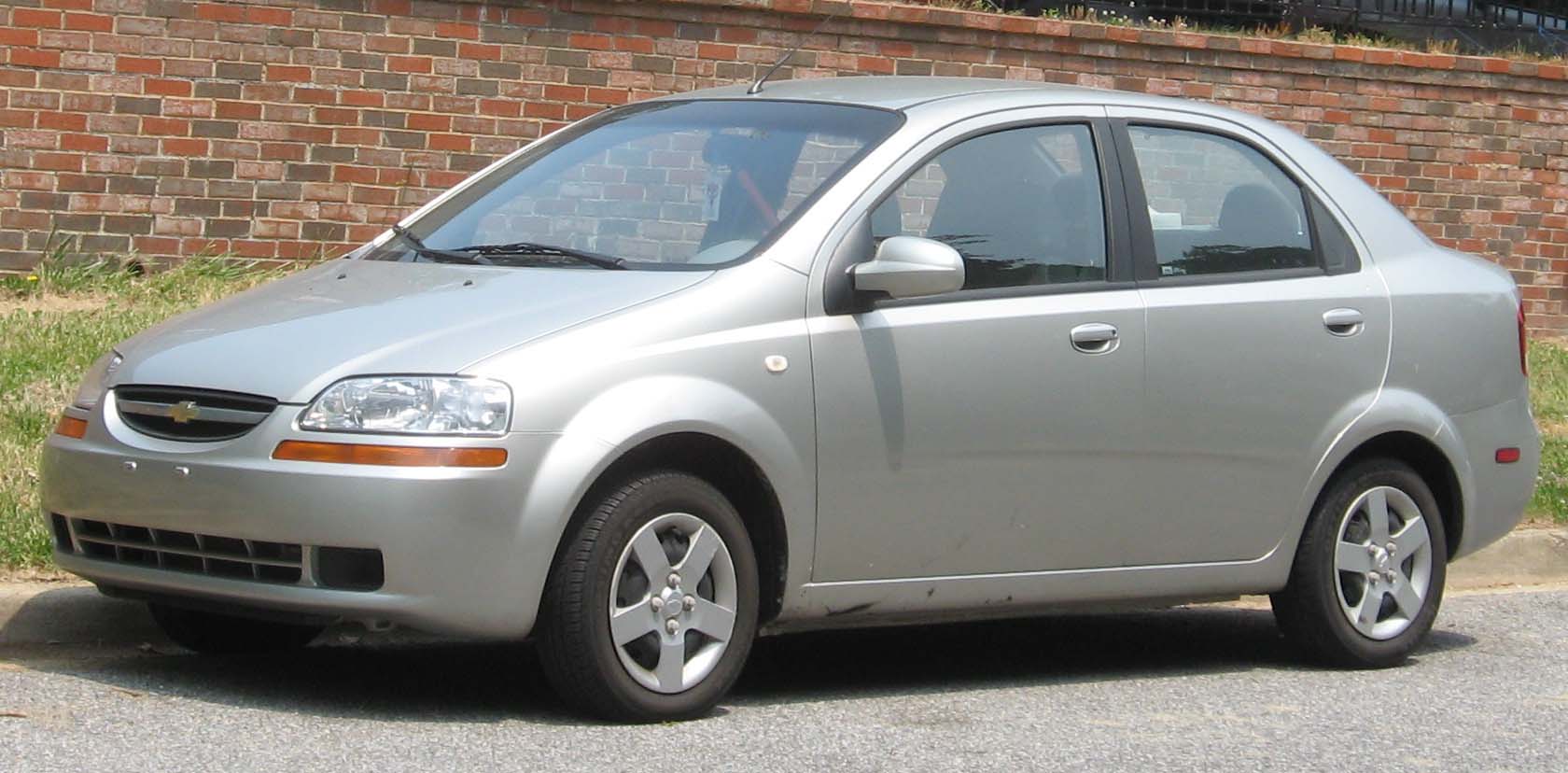
While power is modest, the Aveo delivers adequate performance, especially when paired with the automatic transmission, and handles better than many competitors in this segment. Despite being the most affordable vehicle in Chevy’s lineup, it offers an impressive selection of features.
LT models include air conditioning with filtration, an MP3-capable audio system, full power accessories, and remote keyless entry. Even the entry-level Special Value models cover the basics with power steering, an AM/FM radio, and a rear defroster.
When it comes to pricing, driving characteristics, and available amenities, the 2006 Chevrolet Aveo holds its own against the competition. However, its warranty coverage doesn’t match what you’ll find with brands like Hyundai or Kia, and it can’t claim the rock-solid reliability reputation of Toyota or Scion.
Before committing, it’s wise to weigh your options carefully. If financing incentives and a new-car warranty are high on your list, the Aveo is a sensible option. That said, a gently used, larger car, such as a Honda Civic, might ultimately serve you better.
For American drivers dealing with hot climates or long commutes, overheating can be more than just an annoyance it can mean engine damage and expensive repairs.
Fortunately, Chevrolet has improved its engineering over time, especially in its trucks and full-size SUVs, which now feature much better thermal management systems.
However, older or smaller models like the Cruze and Aveo still carry a reputation for unreliable cooling. When shopping for a used Chevy, it’s crucial to consider not just the engine specs or comfort features, but also how well the vehicle handles heat over time.
Checking service records for water pump replacements, thermostat issues, and radiator repairs can help avoid future problems and keep you from getting stuck on the side of the road with steam pouring out of the hood.
