Mercedes-Benz is a brand that has long symbolized prestige, engineering, and refined driving. Yet, not every Mercedes holds up equally well over time.
Some models exhibit long-lasting build quality, while others show signs of wear and reliability concerns much sooner than expected especially under American road and climate conditions.
Here’s a breakdown of five Mercedes vehicles praised for their durability, and five that tend to lose their shine quicker than they should.
Mercedes With Lasting Quality
When it comes to luxury vehicles that stand the test of time, few names carry the weight of Mercedes-Benz. Known for blending precision engineering with timeless design, Mercedes has built a reputation not just for performance but for longevity.
Whether it’s the smooth purr of an old E-Class or the enduring command of a G-Wagon, the brand’s commitment to quality continues to show up decades after showroom shine fades. In this piece, we explore what gives Mercedes its staying power and why “lasting quality” isn’t just a marketing line, but a promise kept.
1. Mercedes-Benz E-Class (W213, 2017–2023)
The E-Class has long been a benchmark for midsize luxury sedans, and the W213 generation continues that legacy.
It’s known in the U.S. for being a workhorse in both private and commercial (e.g., executive transport) use. With proper maintenance, it commonly hits 150,000+ miles without major issues.
The interior materials hold up remarkably well, even in hotter states like Texas and Arizona, and the powertrains especially the E350’s turbo-four and E450’s inline-six are both robust and efficient.
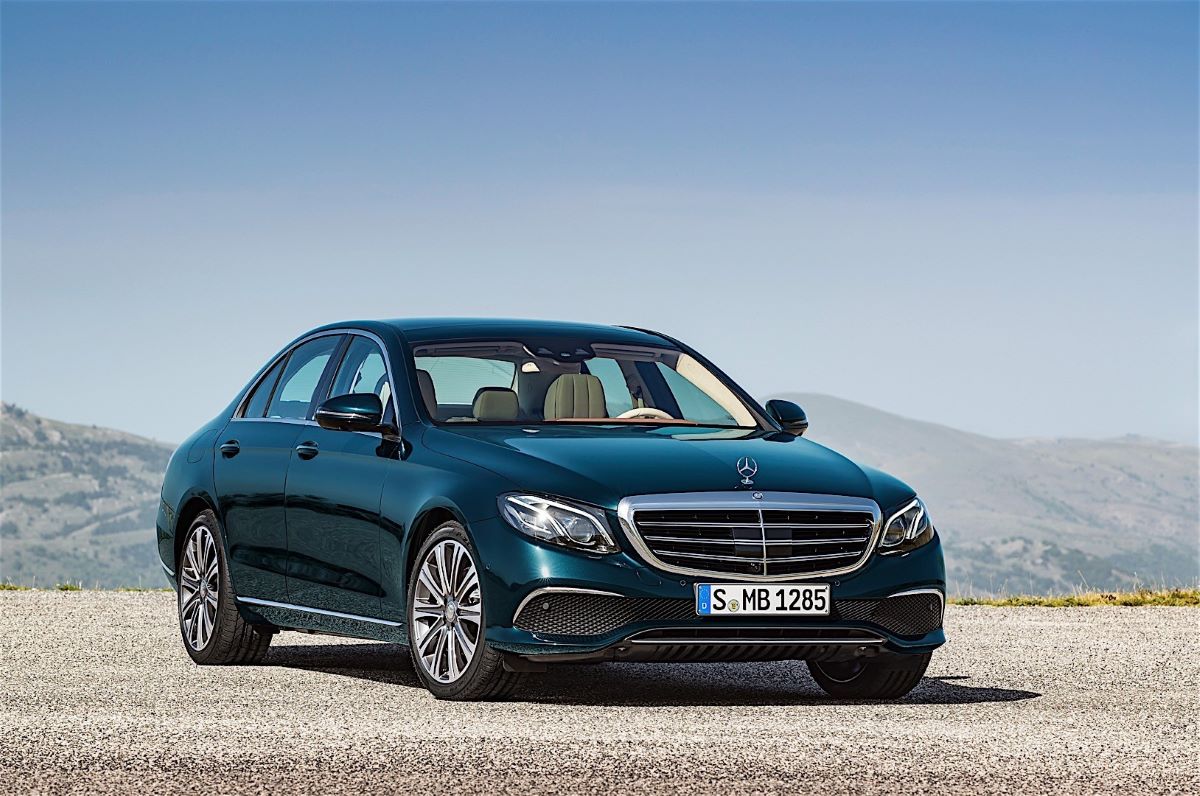
For 2018, Mercedes-Benz has fully redesigned the E-Class coupe and convertible, bringing them in line with the updates the sedan and wagon received the previous year. These refreshed two-door models now ride on a new platform, offer a more richly designed interior, and come equipped with more advanced driver safety aids.
In addition to the coupe and convertible changes, Mercedes has introduced new trim levels, including the E400 sedan and the high-performance AMG E63 S sedan and wagon.
The AMG E63 S, which replaces the previous E63 AMG, returns with increased power and torque, thanks to a new turbocharged V8 that is also more efficient. Meanwhile, the base E300 sedan and wagon benefit from added standard and optional equipment this year, rounding out a comprehensive update across the E-Class lineup.
Also Read: 5 Forgotten Family Cars That Last vs 5 Bestseller Family Cars With Issues
2. Mercedes-Benz GLE (2016–2022)
The GLE SUV, particularly the second-generation models, is known for its solid construction and strong resale value. U.S. owners have noted that models with the non-AMG powertrains tend to be more reliable in the long run, especially when equipped with the tried-and-true 3.5L V6.
Its interior technology doesn’t feel outdated as quickly as some rivals, and the cabin materials resist wear well, even after years of family use. When it comes to competitors, the list is noticeably shorter.
The BMW X5 is a desirable alternative with a distinctly sportier bent, while the Lexus RX 350 benefits from a thorough and impressive redesign. The elegant new 2016 Volvo XC90 may not have the Mercedes’ diverse engine portfolio, but it’s more spacious inside and decidedly different from the norm.
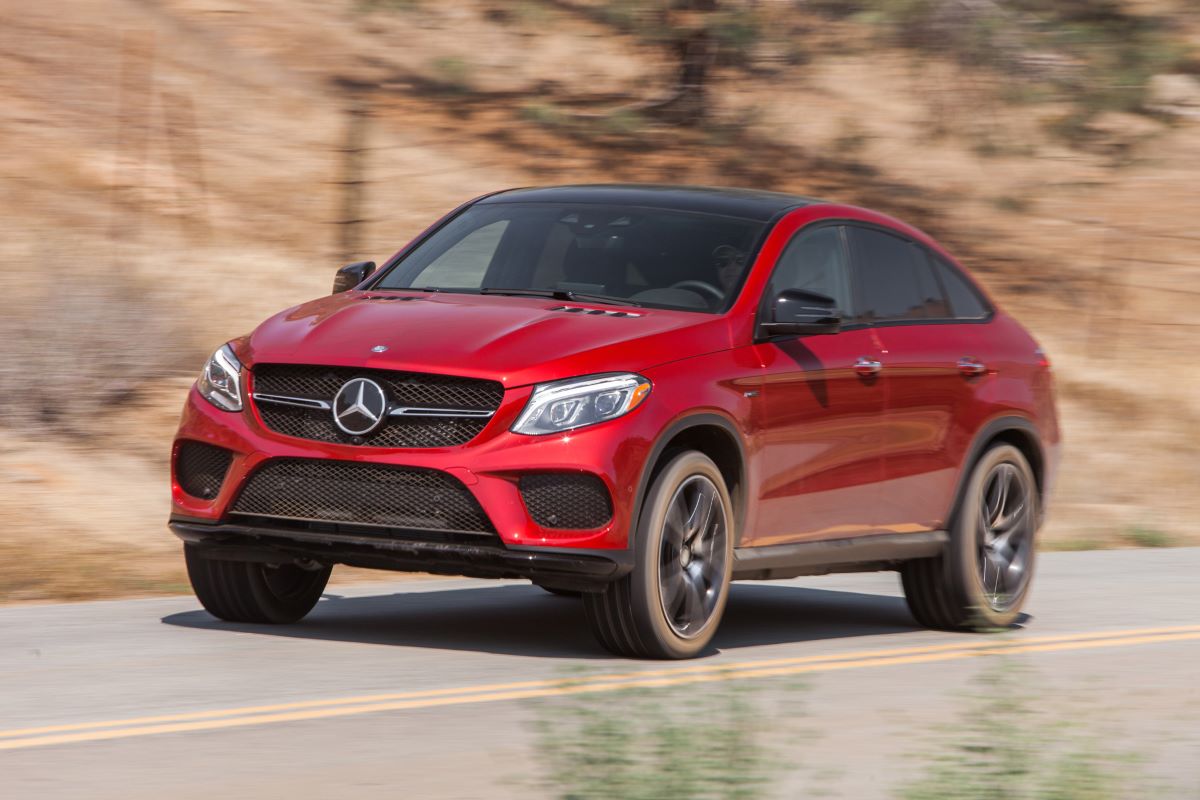
Ultimately, the new 2016 Mercedes-Benz GLE-Class occupies more or less the same space as the outgoing M-Class it replaces. It’s comfortable, well equipped and prestigious to own. Luxury crossover SUV shoppers would be wise to give it a look.
The 2016 Mercedes-Benz GLE-Class is offered with a total of six different powertrains, all of which are paired to a seven-speed automatic transmission. All-wheel drive (“4Matic”) is standard on all but the GLE350, where it’s an option that replaces rear-wheel drive. All engines come with fuel-saving automatic engine stop-start technology.
The GLE300d comes with a turbocharged 2.1-liter diesel four-cylinder engine that puts out 201 horsepower and a healthy 369 pound-feet of torque. The EPA rates this powertrain at an impressive 24 mpg combined (22 city/29 highway). Mercedes estimates the GLE300d will accelerate from zero to 60 mph in 8.9 seconds, an unimpressive time compared to diesel-powered rivals.
3. Mercedes-Benz S-Class (W222, 2014–2020)
Often referred to as the pinnacle of German engineering, the W222 S-Class lives up to the hype. While it’s a complex car, it ages gracefully when properly maintained.
Air suspension, often a concern, is surprisingly resilient on later models. Leather quality, wood trim, and switchgear remain first-rate after 7–8 years, making it a favorite among those buying used luxury cars. It’s especially reliable in rear-wheel-drive variants without all the added tech of the Maybach editions.
The S-Class lineup expands this year with two new models. The V-12-powered 2014 S65 AMG joins the lineup this year, as does the 2015 S-Class Coupe. The S-Class Coupe will serve as Mercedes’ new flagship for the time being, as it replaces the old Mercedes CL-Class. All-new last year, the 2015 Mercedes-Benz S-Class gains a few variants for the new model year.
The two-door S-Class Coupe joins the lineup this year, as does the high-power S63 AMG and S65 AMG. The base (a relative term, we know) 2015 S-Class comes standard in S550 form with a 4.7-liter twin-turbo V-8 producing 455 hp and 516 lb-ft of torque.
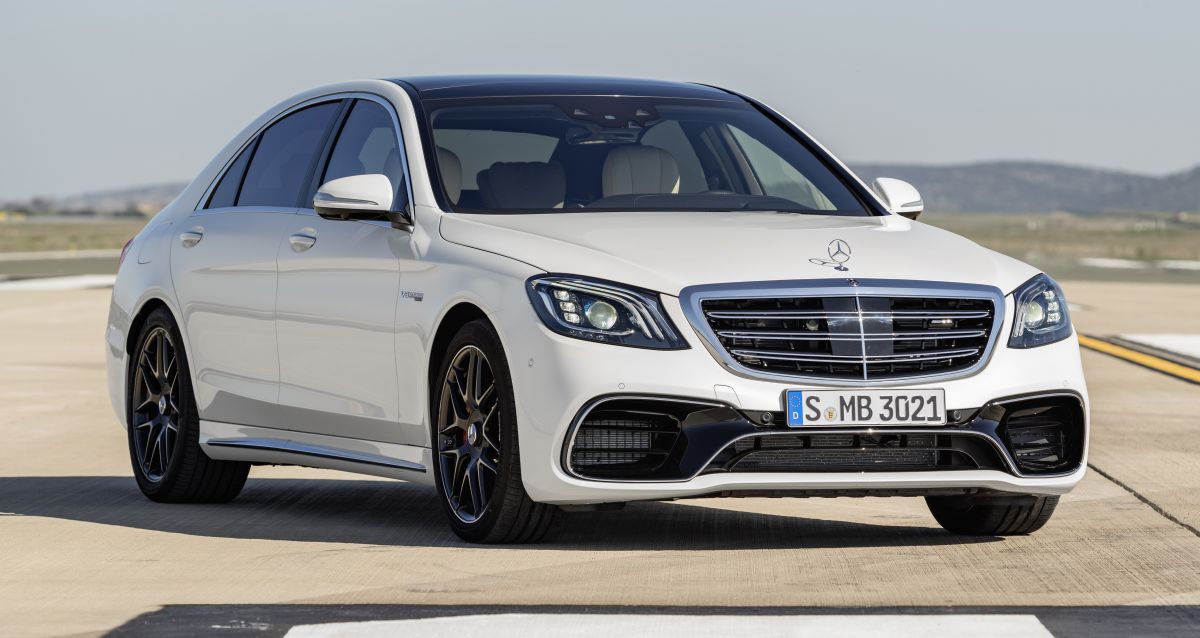
The S63 AMG gets a 5.5-liter twin-turbo V-8 making 577 hp and 664 lb-ft of torque, while the S65 AMG gets a 6.0-liter twin-turbo V-12 putting out 621 hp and a stupefying 738 lb-ft of torque. All S-Classes come standard with a seven-speed automatic. Rear-drive is standard, and all-wheel drive is available.
The 4.7-liter V-8 that powers the S550 is smooth and punchy, with impressive top-end bite for a turbocharged engine. Nail the gas, and you’ll be rewarded with a muted snarl that quickly subsides as you ease off and settle into cruise mode. On the highway, the new S-Class wafts with the serenity of a Rolls-Royce Phantom.
There’s something undeniably entertaining about hitting triple digits in a matter of seconds while ensconced in your own, perfectly tuned hyperbaric chamber.
4. Mercedes-Benz GLK-Class (2009–2015)
This compact SUV was Mercedes’ hidden gem. Built like a tank and relatively simple compared to newer models, the GLK350 with its naturally aspirated 3.5L V6 is nearly bulletproof.
Many U.S. buyers praise it for being the last of the “overbuilt” Benz crossovers its boxy structure even added to long-term interior durability. It may lack flashy tech, but that’s part of why it still runs strong today with minimal electrical gremlins.
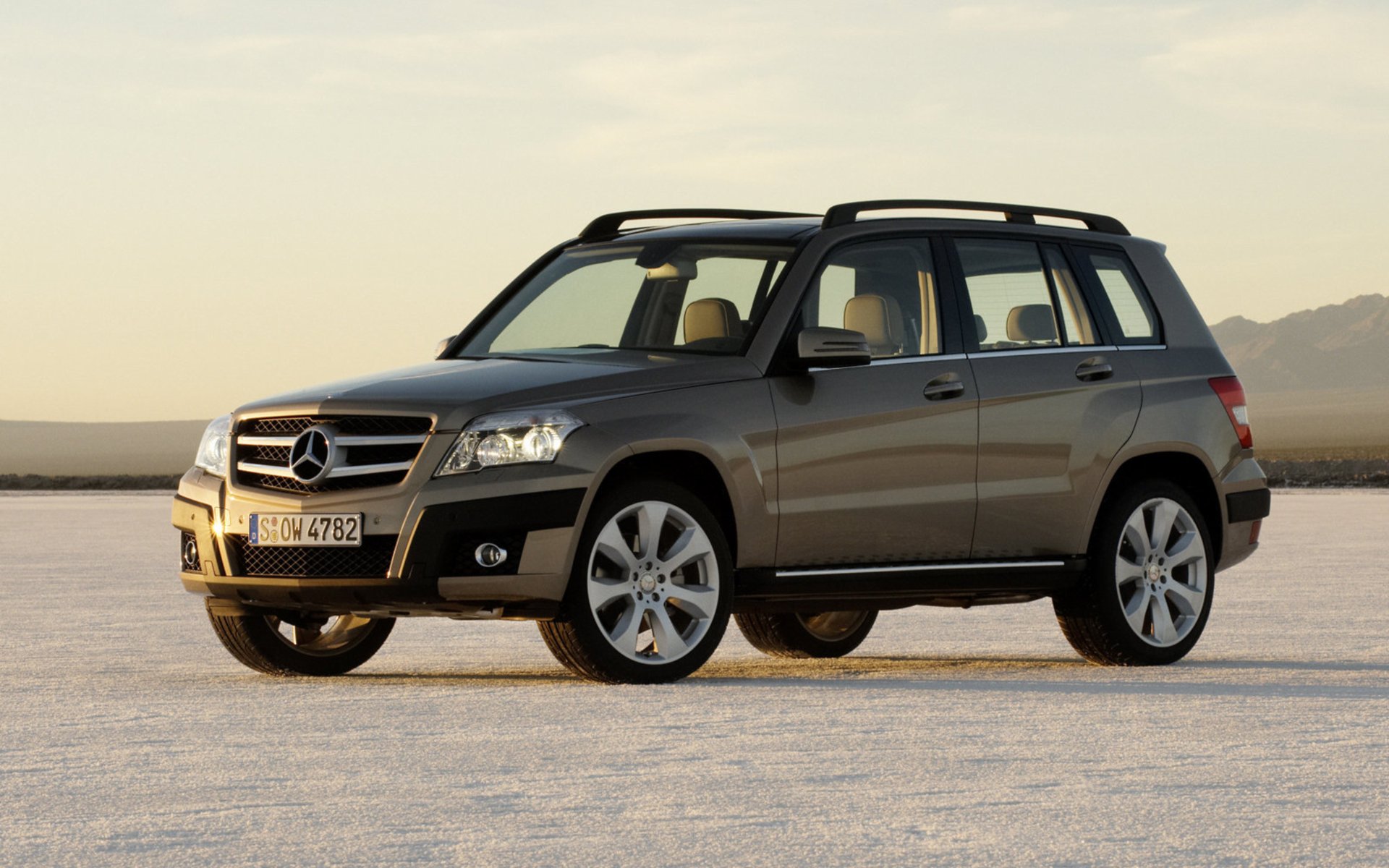
The 2010 GLK350 is the second-cheapest Mercedes you can buy in this country, but you’d never suspect it. The GLK is built to such a high standard that its price premium over most similarly equipped competitors seems well worth it. Close the GLK’s doors and the sound they emit gives the feeling of closing a bank vault, all that’s missing is that spinny wheel thing.
Go over railroad tracks and the body doesn’t flex a bit, nor does any jarring or jiggling greet your backside. This little SUV feels like you could drive over a grenade and experience nothing but a muted “thump.” The GLK350 may not be perfect, but when it comes to meticulous build quality, it simply has no equal in this segment.
In addition to its aforementioned ironclad feel, the GLK’s steering and ride are remarkably similar to the C’s. Not surprisingly, the GLK is built using a C-Class platform that’s been shortened by 4 inches and given some appropriately pumped-up SUV ground clearance.
5. Mercedes-Benz C-Class (W204, 2008–2014)
The W204 generation of the C-Class has gained a loyal following for its balance of luxury, performance, and dependability.
Compared to its predecessor and successor, it is notably more reliable. Its mechanical simplicity especially the C300 4MATIC trims has led to high mileage examples still running with original transmissions and engines.
Since the Mercedes-Benz C-Class’ last full redesign in 2001, the entry-level luxury sedan landscape has changed dramatically. Newer models have been offering ever higher levels of creature comforts and driving excitement.
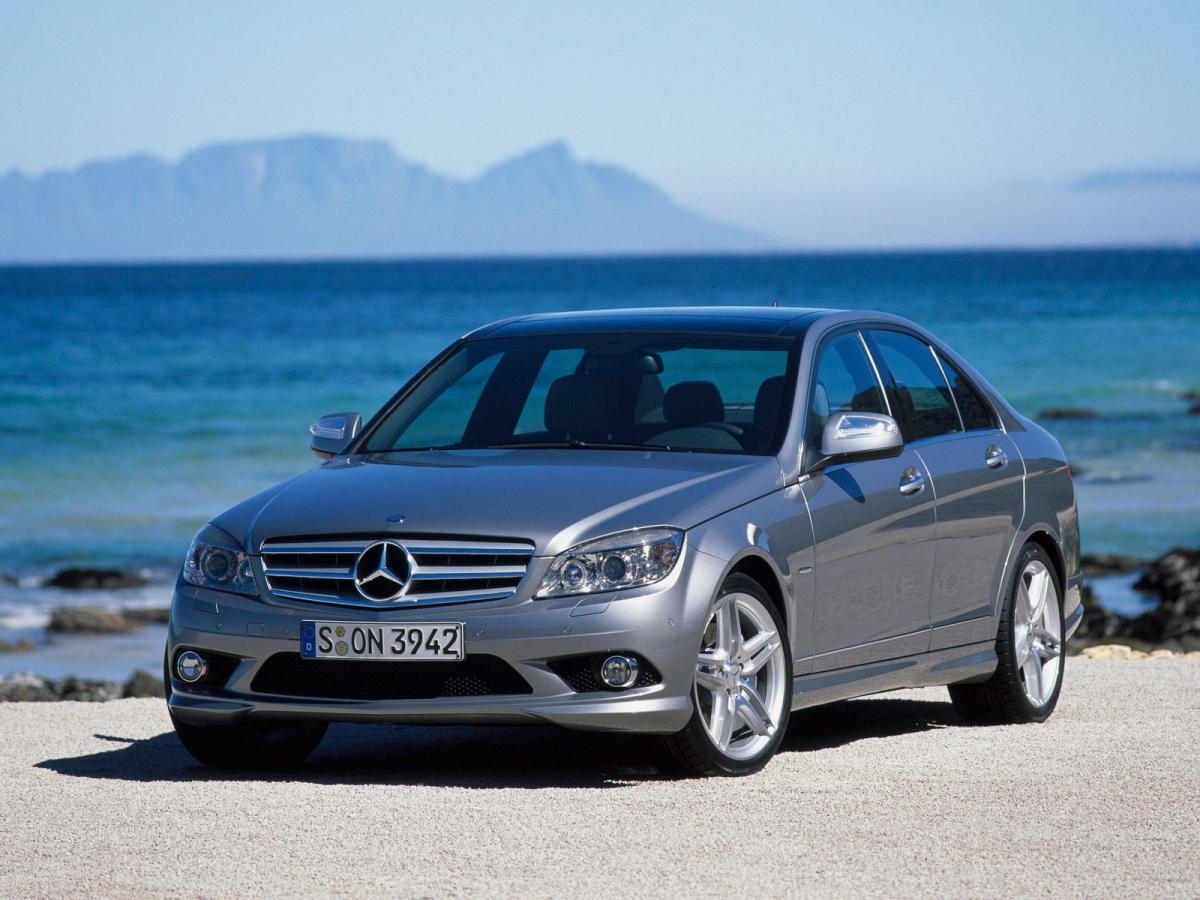
As such, Mercedes’ entry-level car has been at an increasing disadvantage, with its small backseat, uninspiring handling and ordinary cabin furnishings being the notable drawbacks. American consumers would seem to agree, with the C-Class’ archnemesis, the BMW 3 Series, outselling the C-Class by a considerable margin last year.
Mercedes-Benz’s cavalry arrives this year in the form of the fully redesigned 2008 C-Class. It’s meant to address many of the previous car’s faults. The wheelbase has been stretched slightly, improving interior space, especially in the rear seat.
It’s not a massive gain, but the resulting cabin is certainly larger and feels airier than it did before. The C-Class interior also benefits from new features, including a very impressive optional hard-drive-based navigation and surround-sound audio system, along with a much-improved version of the COMAND interface.
American buyers looking for an affordable yet premium used car often turn to this model.
Mercedes That Lose Their Shine Fast
Not all Mercedes are built equal. While the brand evokes images of timeless luxury and bulletproof engineering, some models simply don’t live up to the legacy. From early reliability issues to aging interiors that don’t hold up, there are Benzes out there that start strong but fade faster than they should.
Whether it’s cost-cutting in compact models or tech that doesn’t age gracefully, this article dives into the Mercedes vehicles that miss the mark when it comes to long-term quality and what buyers should know before signing on the dotted line.
1. Mercedes-Benz CLA-Class (2014–2019)
The first-gen CLA-Class was Mercedes’ attempt to capture the entry-level luxury market in the U.S., but it didn’t quite live up to the brand’s standards.
Owners have reported issues with the dual-clutch transmission, interior trim degradation, and rattles developing within just a couple of years.
The coupe-like styling came at the cost of interior space and comfort, and long-term reliability simply hasn’t been a strong suit, especially in hotter or urban environments.
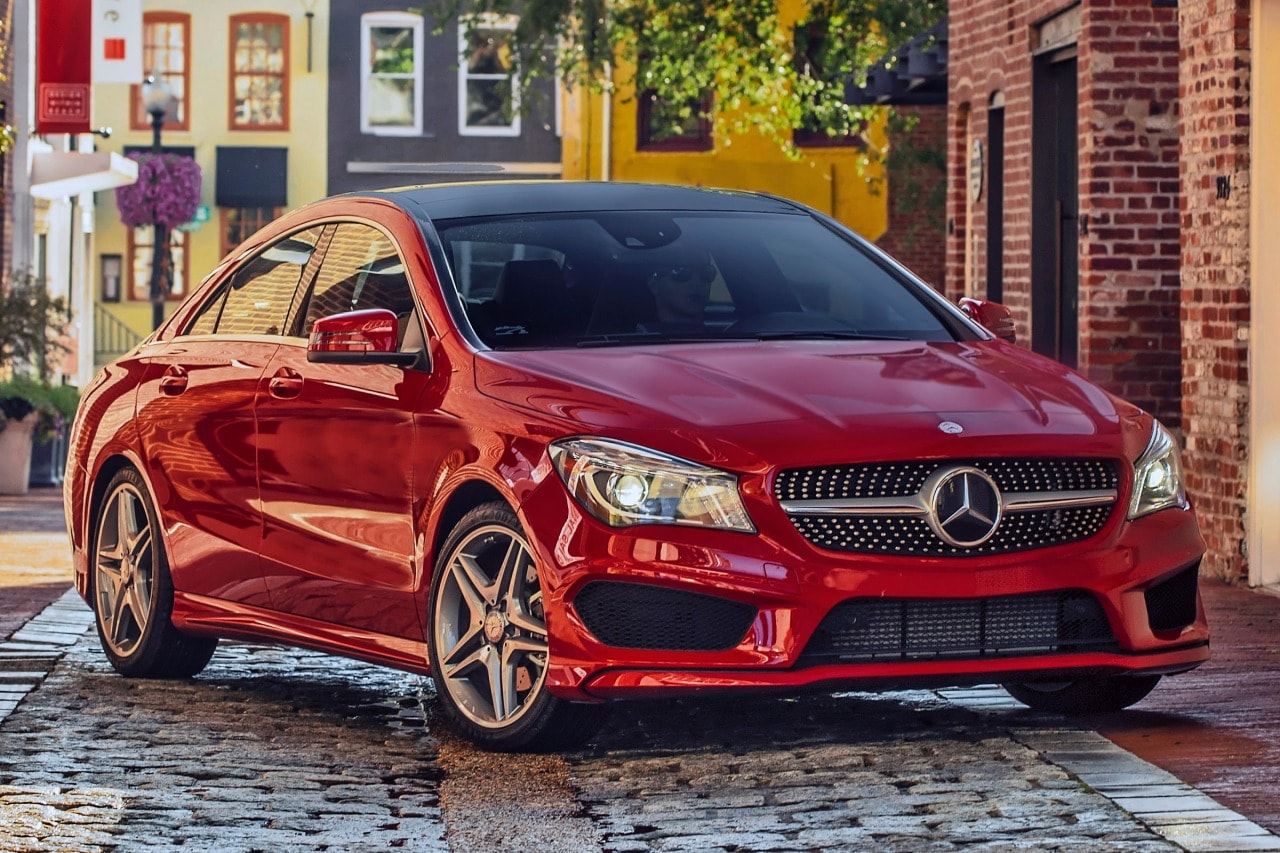
The 2019 Mercedes-Benz CLA-Class is a compact, coupe-like sedan that slots below the larger E-Class and CLS-Class and above the more conventional A-Class—read about that new model here. Front-wheel drive comes standard and all-wheel drive is optional.
The CLA 250 and CLA 250 4Matic come as the base trim and include a three-setting drive mode selector, 17-inch alloy wheels, a 4.5-inch instrument cluster display, MB-Tex leatherette upholstery, dual-zone climate control, keyless start, an 8.0-inch screen, a USB port, and Bluetooth.
The high-performance AMG CLA 45 model adds an AMG-tuned all-wheel-drive suspension, an AMG-tuned suspension, high-performance brakes, an AMG sport exhaust system, retuned power steering, Sport+ (replacing Eco) and Individual drive modes, 19-inch alloy wheels, keyless entry, a hands-free trunk, heated front seats, MB-Tex leatherette/Dinamica suede upholstery, and a Harman Kardon audio system.
2. Mercedes-Benz ML350 (2012–2015)
While this SUV looked promising, especially with its size and prestige, it ended up being plagued with electrical issues and premature drivetrain wear.
Owners in regions with cold climates like the Midwest have complained about failing sensors, brittle plastics, and costly repairs for things like air suspension and transmission-related problems. It’s often cited as one of the least satisfying Benz SUVs to maintain post-warranty.
Mercedes certainly gives you a wide range of engine options to choose from. Whether you’re seeking high fuel economy or high performance, this Mercedes-Benz crossover trumps its American- and Japanese-brand rivals when it comes to providing a choice of power to the people.
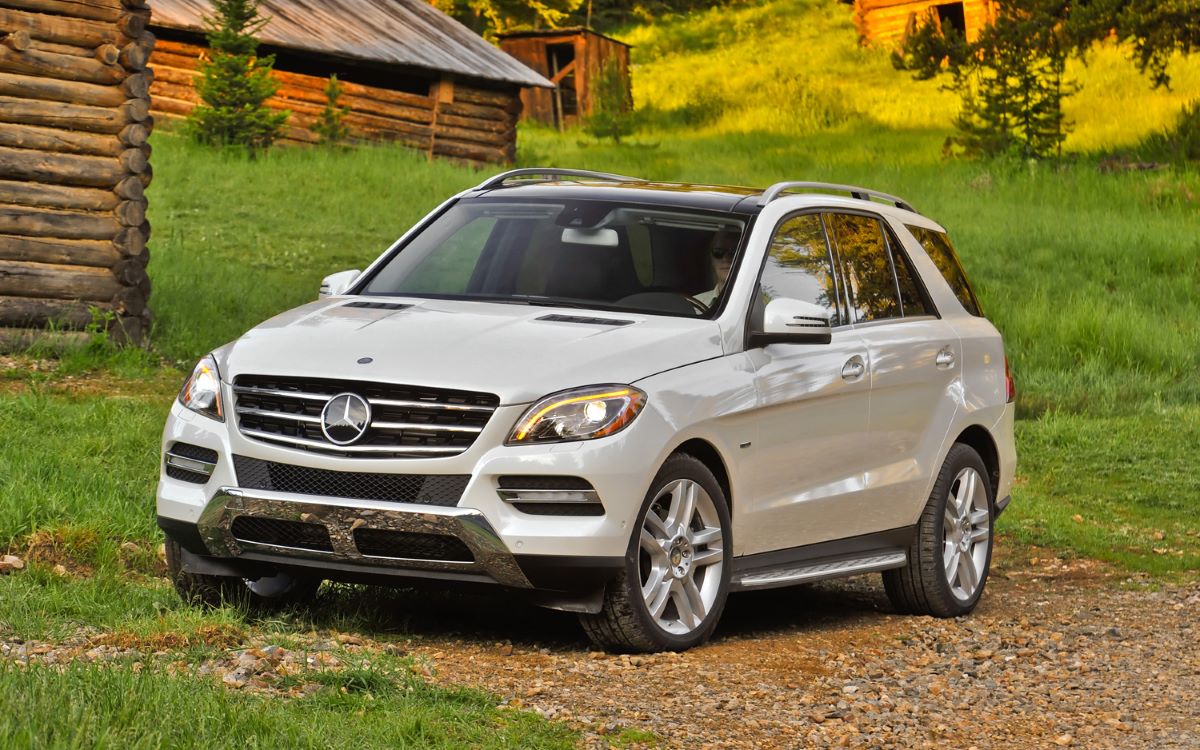
Although the popular, gasoline V6-powered ML350 carries over, the M-Class is refreshed with a new pair of models that each comes with an equally new engine. The ML250 Bluetec and its more efficient turbocharged four-cylinder diesel replaces the old six-cylinder ML350 Bluetec diesel, while the old V8-powered ML550 gives way to the turbocharged six-cylinder ML400.
These lower model numbers may be concerning to those who value the apparent prestige that comes with topping the neighbors with higher digits, but both should represent significant fuel economy gains versus their predecessors without any real noticeable drop in performance. And if a big number is ultimately what you’re seeking, the wild ML 63 AMG is still available, offering as much as 550 horsepower.
3. Mercedes-Benz GLA (2015–2020)
Like the CLA, the first-generation GLA was more about badge appeal than true Mercedes quality.
Based on a front-wheel-drive platform, it suffered from rough ride quality, cramped interior space, and persistent reliability issues especially in models with the 2.0L turbocharged engine that tends to develop oil leaks.
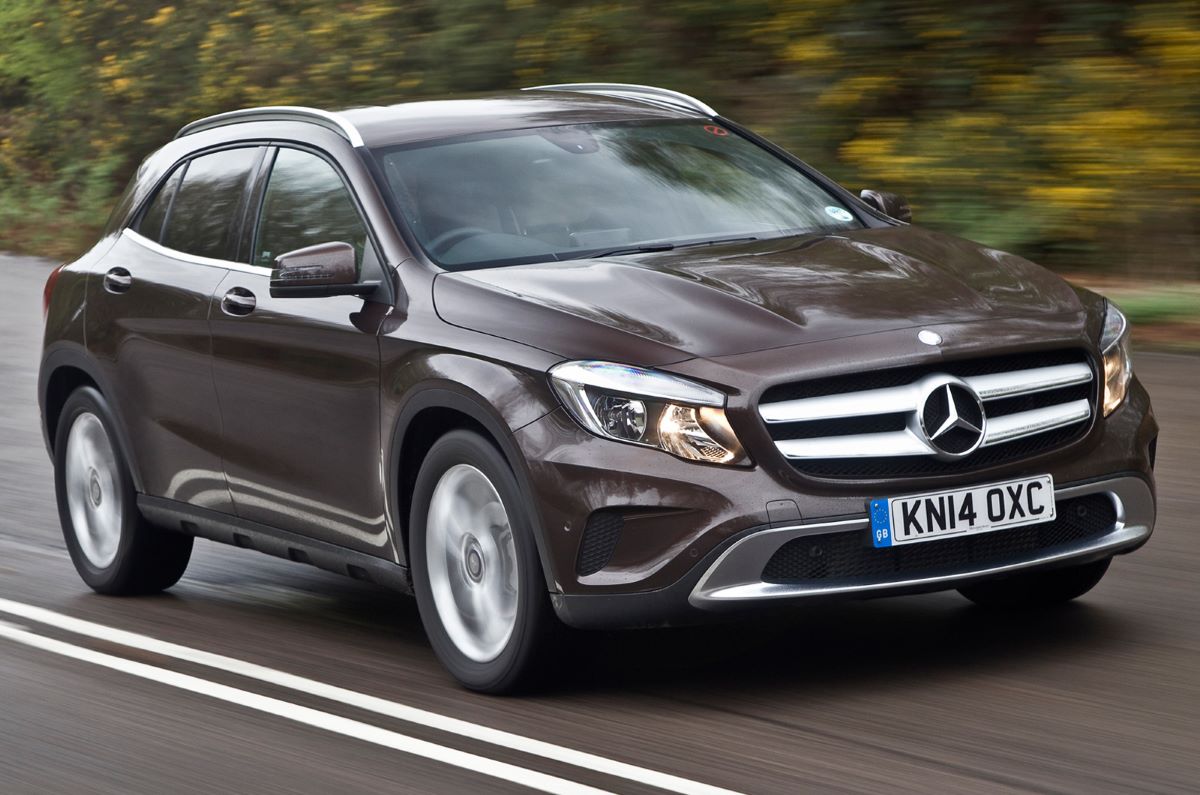
It’s a common complaint among U.S. buyers that the GLA feels more like a rebadged economy car than a luxury crossover.
The Mercedes-Benz GLA was one of the first subcompact luxury SUVs to arrive in America when it debuted for the 2015 model year. For 2020, it still has some appealing attributes, such as an attractive base price and pleasing performance. But there are also some significant drawbacks that you’ll need to consider.
First and foremost is the GLA’s stiff ride quality that can be intrusive on rough pavement. It’s jarring for any vehicle and is especially troubling for a Mercedes. The GLA is also a bit tricky to drive in traffic; the engine can be slow and inconsistent to respond when you want to accelerate. Then there’s the GLA’s interior, which isn’t particularly luxurious or roomy.
There is a light at the end of the tunnel. Mercedes will likely introduce an all-new GLA in the next year or two, and we expect it to be significantly improved. But if you can’t wait, we recommend checking out some rival SUVs that are newer and more appealing overall such as the BMW X1, the Mini Countryman and the Volvo XC40.
4. Mercedes-Benz C-Class (W205, 2015–2021)
While elegant and packed with features, the W205 C-Class didn’t age well. Numerous reports of malfunctioning infotainment systems, weak interior materials, and electrical gremlins have made this generation problematic.
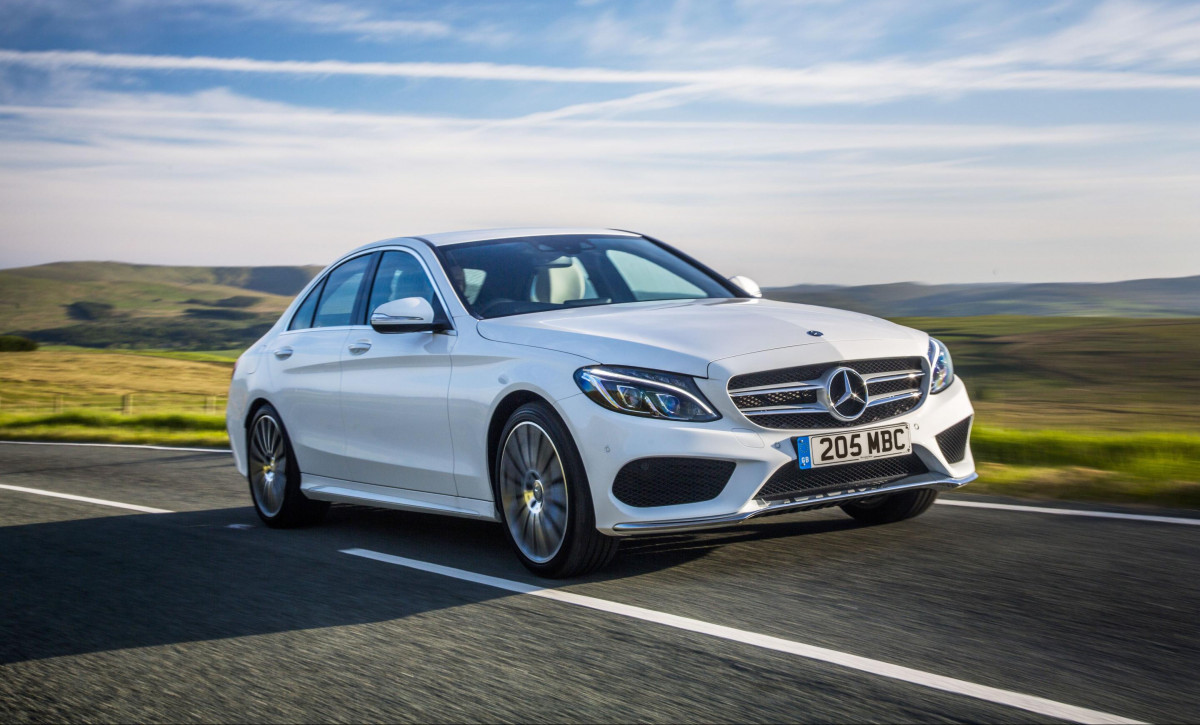
Leatherette seat coverings crack early in warm climates, and the small turbocharged engines have had a mixed reputation for longevity. For many American owners, it’s a case of beauty fading far too quickly.
Last redesigned four model years ago, Mercedes-Benz’s C-Class could be considered the elder statesman in the small luxury sedan and coupe classes. Normally, that’d be no big deal. But rivals from Audi and BMW have benefitted from more recent updates and come with fresher styling and the latest cutting-edge features.
In the Mercedes’ favor is an impeccable interior that has aged exceptionally well and is still packed with technology. Additionally, the 2019 C-Class gets a variety of updates, including restyled headlights and taillights, a power increase for some models, and updated tech such as standard Apple CarPlay and Android Auto and a new steering wheel with infotainment controllers taken from Mercedes’ newer vehicles.
As minor as these changes seem, they help to keep the 2019 Mercedes-Benz C-Class current in a strong field of vehicles that includes the Audi A4, BMW 3 Series and Lexus IS. It’s worth checking out, especially if you’re looking for a sedan that skews toward a traditional interpretation of luxury.
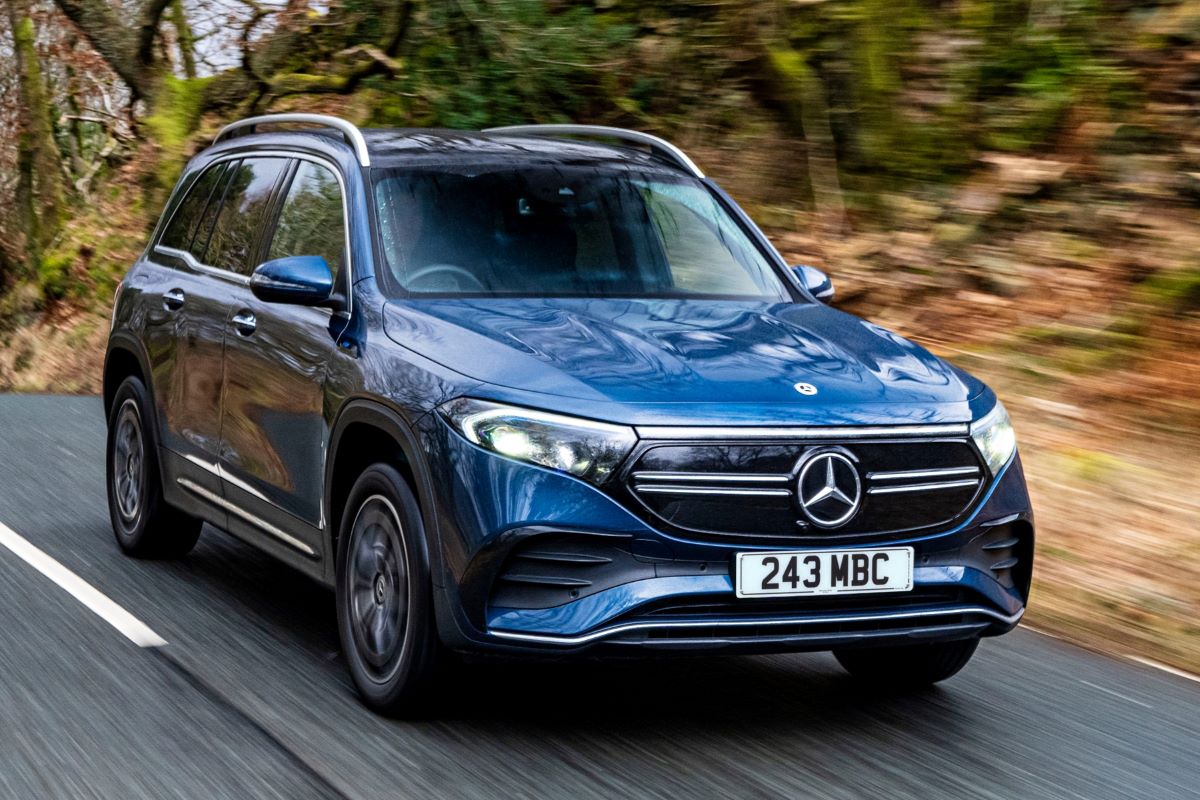
5. Mercedes-Benz EQB (2022–Present)
This all-electric compact SUV debuted with high expectations, but early owner feedback has highlighted inconsistent build quality and rapid battery degradation in some states with extreme climates.
Range loss in cold temperatures, infotainment glitches, and charging reliability concerns have surfaced even within the first year of ownership.
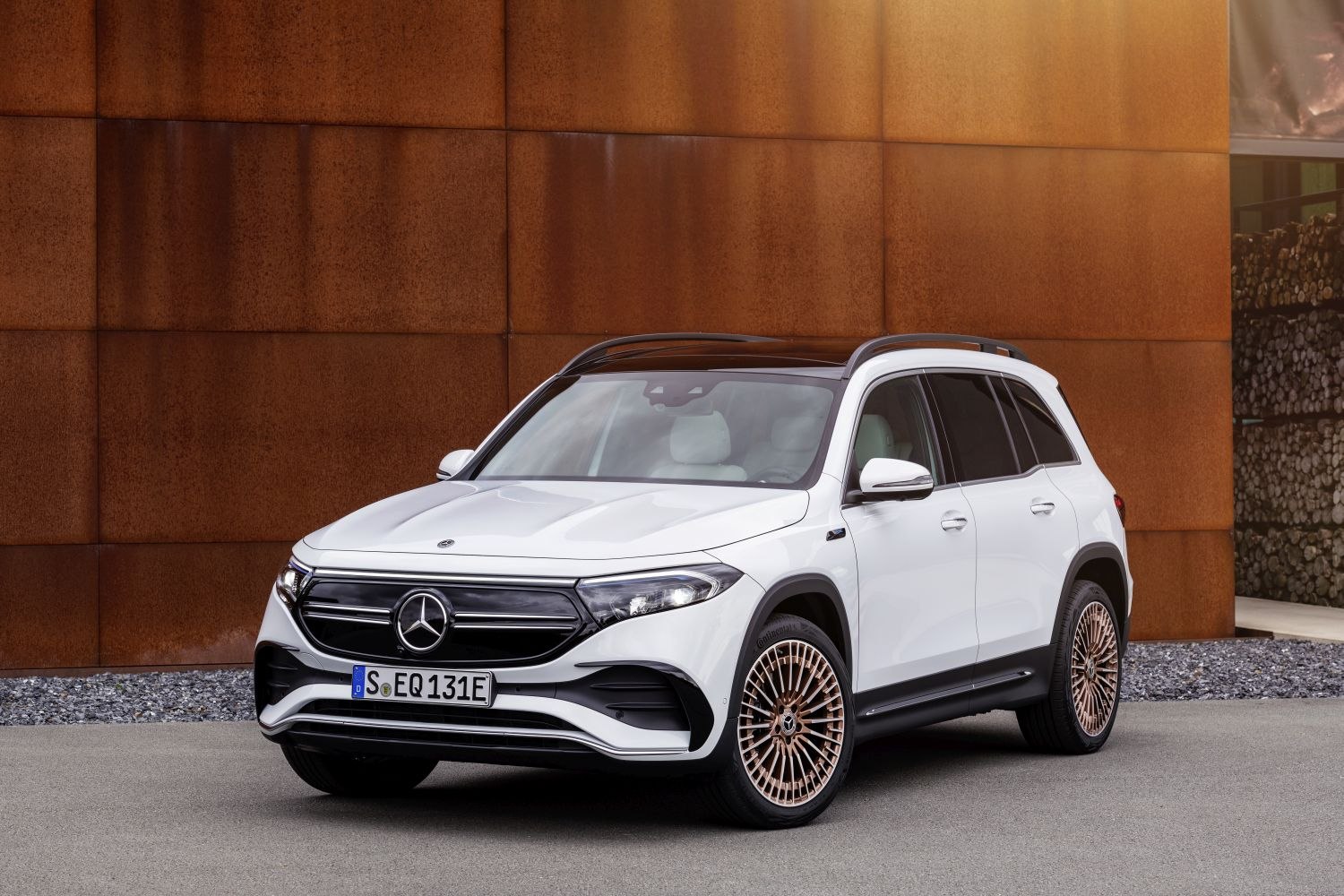
While Mercedes may refine it in future updates, the current EQB hasn’t earned trust as a long-haul EV in the U.S. market just yet.
Aside from minor styling changes, the 2022 Mercedes-Benz EQB looks just like the GLB inside and out. Underneath the bodywork, the EQB tells a different story. Mercedes yanks out the traditional internal combustion engine drivetrain and replaces it with front and rear electric motors and a lithium-ion battery boasting 66.5 kilowatt-hours (kWh) of usable power.
Though the two motors create a 4Matic all-wheel-drive system, Mercedes says the rear permanently excited synchronous motor does most of the work. When added traction is necessary, the front asynchronous motor activates to assist.
Mercedes offers the new electric SUV in EQB 300 4Matic and EQB 350 4Matic forms. As you might expect, the EQB 300 offers more driving range, while the EQB 350 supplies added power and better performance. Pleasingly, the GLB’s transformation from gas power to EV does not affect interior space.
The EQB offers standard five-passenger and available seven-passenger seating, though Mercedes is careful to explain the third-row seating is best only for shorter people and occasional use. The EQB has 22 cubic feet of cargo space behind its second-row bench seat and offers a maximum of 62 cubic feet with the second row folded down.
Mercedes-Benz still produces some of the most refined and luxurious vehicles in the world, but longevity varies widely by model and generation.
For American buyers, especially those who plan to keep their cars past the warranty period, doing your homework is essential.
Models like the E-Class and GLK stand the test of time, while others like the CLA and EQB may start losing their shine far too early. In the world of premium cars, not all stars continue to shine some fade faster than others.
Also Read: 5 Hidden Gem Convertibles vs 5 Popular Convertibles With Leaky Tops