For American drivers, reliability is more than just a buzzword it directly affects your wallet. One of the most expensive and frustrating engine issues a car owner can face is a blown head gasket.
It often means thousands in repairs, weeks without a vehicle, or even scrapping the car altogether. Nissan, a staple in the U.S. market for decades, has produced both exceptionally reliable and notoriously flawed engines over the years.
Here’s a closer look at 5 Nissan models that rarely suffer blown gaskets and 5 that have developed a reputation for it.
Nissans That Rarely Blow Gaskets
Reliability might not always be flashy, but for many drivers, it’s everything and when it comes to long-term engine durability, some Nissans have quietly built a reputation for just that.
While the brand has had its ups and downs over the years, there are standout models known for going the distance without popping a head gasket or landing in the shop with major engine trouble.
In this article, we spotlight the Nissans that have earned respect under the hood, models that keep their cool even when the mileage stacks up.
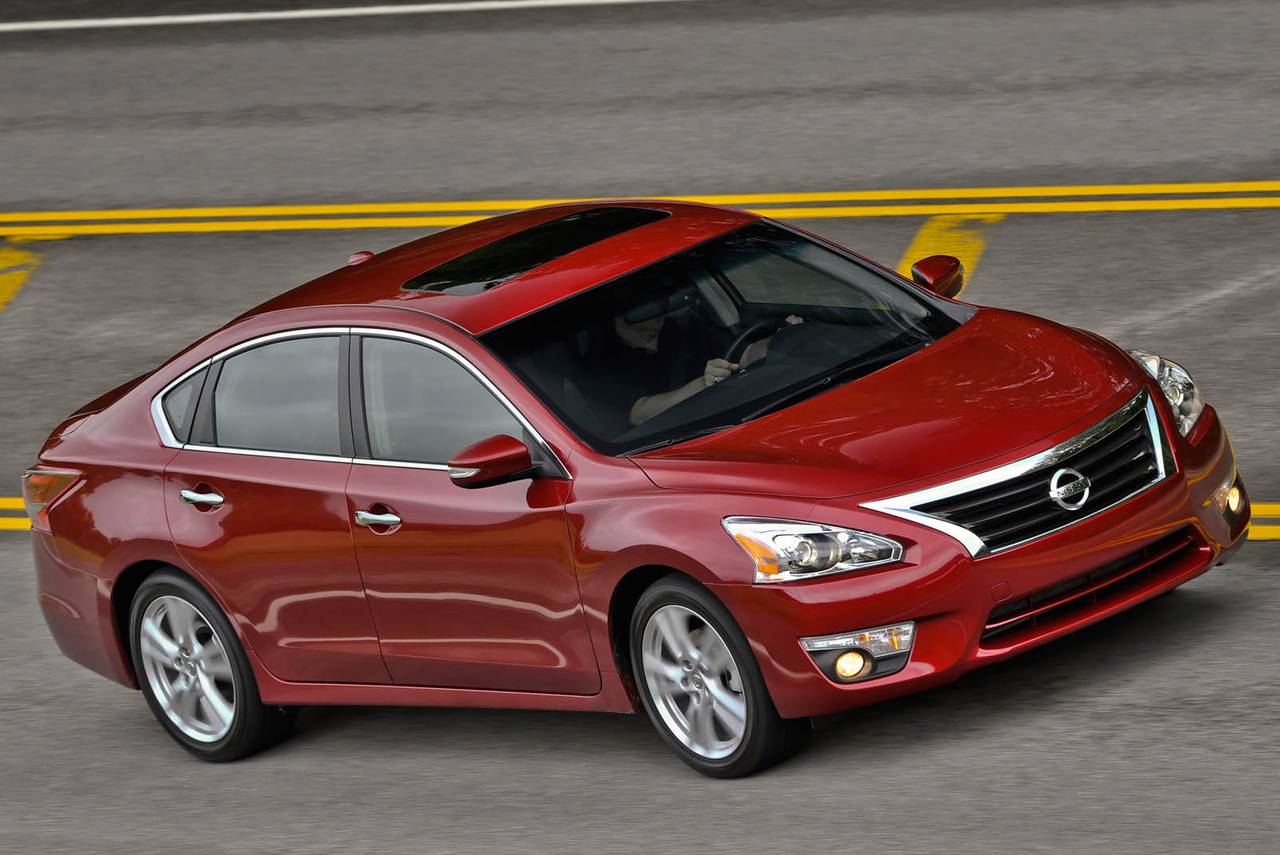
1. Nissan Altima (2013–2018, 2.5L 4-Cylinder)
The mid-2010s Altima with the 2.5L 4-cylinder engine (code: QR25DE) proved durable in daily use.
It’s one of Nissan’s most widely sold sedans in the U.S., and it generally performs well up to and beyond 150,000 miles without major engine issues especially gasket failures. The cooling system holds up under heat, and gasket materials are solid.
The 2016 Nissan Altima is powered by a 2.5-liter four-cylinder engine that generates 182 horsepower and 180 pound-feet of torque. This power is delivered to the front wheels via a continuously variable transmission (CVT) that incorporates simulated stepped gears, designed to mimic the feel of a traditional automatic.
According to the EPA, this setup delivers an estimated fuel economy of 31 mpg combined, broken down into 27 mpg in the city and 39 mpg on the highway.
For those seeking more power, the 3.5-liter V6 engine option delivers 270 horsepower and 251 pound-feet of torque, propelling the Altima from zero to 60 mph in just 6.2 seconds.
Despite its stronger performance, the V6 still maintains solid fuel economy, with EPA estimates of 26 mpg combined, 22 mpg city and 32 mpg highway. Both the four-cylinder and V6 variants offer fuel efficiency that is commendable for a midsize sedan.
In terms of safety, the 2016 Altima comes well-equipped across all trims. Standard features include antilock brakes, stability and traction control, front-seat side airbags, and full-length side curtain airbags.
A rearview camera becomes standard starting from the 2.5 S trim and up. Those opting for the SV and SL trims will also benefit from a blind-spot monitor and rear cross-traffic alert system.
Forward collision warning and mitigation with automatic braking are exclusive to the SL trims. Additionally, the available NissanConnect Services suite offers enhanced safety and security features such as automatic collision notification, emergency assistance, and stolen vehicle locating services.
2. Nissan Frontier (2010–2021, 4.0L V6)
The 4.0L V6 engine (VQ40DE) in the second-gen Frontier is often praised for its toughness. Commonly used for work, towing, and off-roading, it’s built to handle heat and stress.
This engine rarely suffers from head gasket issues even under load, making it one of the more dependable pickups in its class. The 2013 Nissan Frontier is available with two engine options to suit different needs. The extended-cab S and SV trims come equipped with a 2.5-liter four-cylinder engine that delivers 152 horsepower and 171 pound-feet of torque.
These models come standard with a five-speed manual transmission paired with rear-wheel drive, though a five-speed automatic transmission is also available as an option.
When equipped with the manual transmission, the EPA estimates fuel economy at 19 mpg in the city, 23 mpg on the highway, and 21 mpg combined. With the automatic transmission, those figures dip slightly to 17 mpg city, 22 mpg highway, and 19 mpg combined.
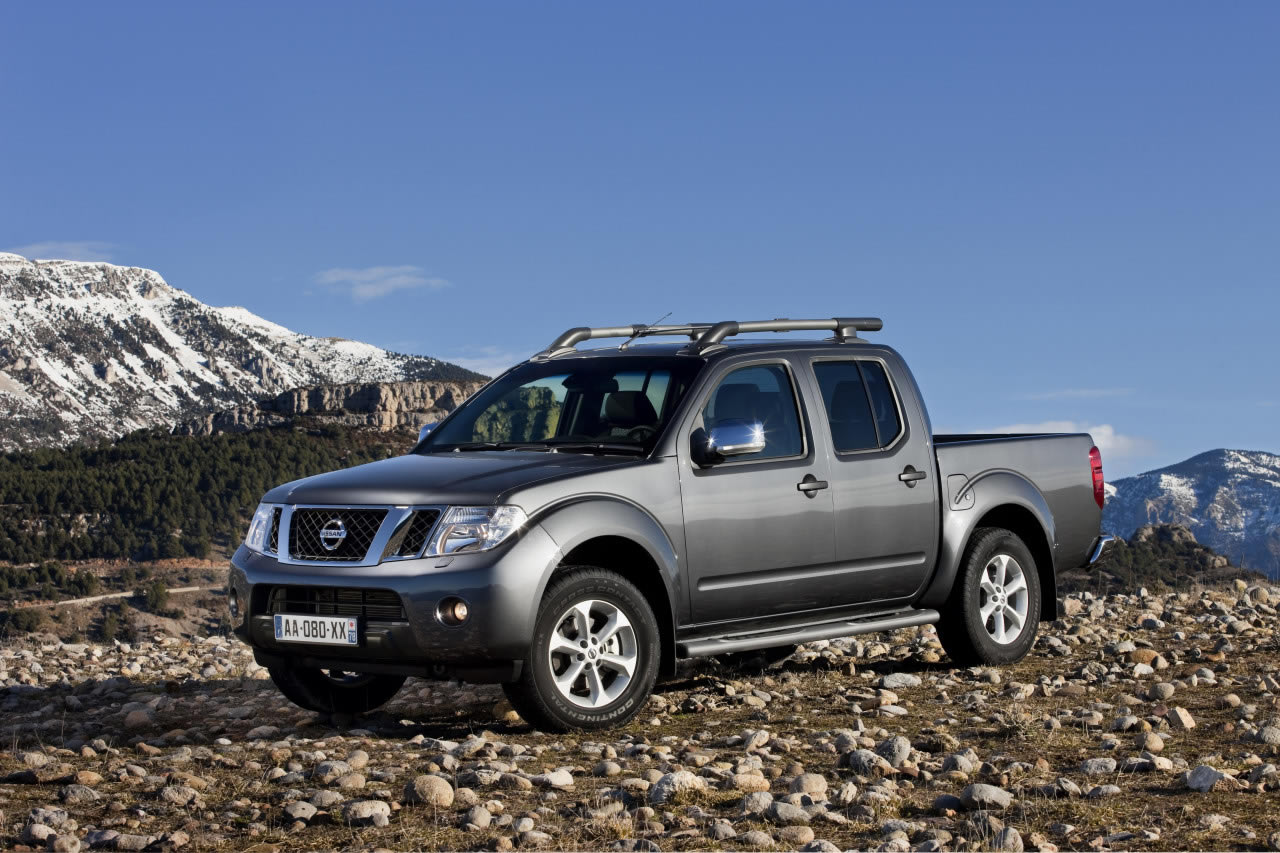
For drivers seeking more power, the SV extended cab offers an optional 4.0-liter V6 engine, which comes standard on all other Frontier models. This more robust engine puts out 261 horsepower and 281 pound-feet of torque.
The S, SV, and four-wheel-drive Pro-4X trims offer a choice between a standard six-speed manual transmission and an optional five-speed automatic, while the two-wheel-drive Desert Runner and SL trims are available exclusively with the automatic. Buyers can also choose between rear-wheel and four-wheel drive, depending on configuration.
In terms of fuel economy, the EPA rates two-wheel-drive models with the automatic transmission at 15 mpg city, 20 mpg highway, and 17 mpg combined. Meanwhile, the manual transmission yields 16 mpg city, 20 mpg highway, and 17 mpg combined with rear-wheel drive, and 15 mpg city, 20 mpg highway, and 17 mpg combined with four-wheel drive
3. Nissan Xterra (2005–2015, 4.0L V6)
Sharing the same VQ40DE engine with the Frontier, the Xterra also earned a solid reputation for engine durability. Despite being discontinued, many are still on the road today.
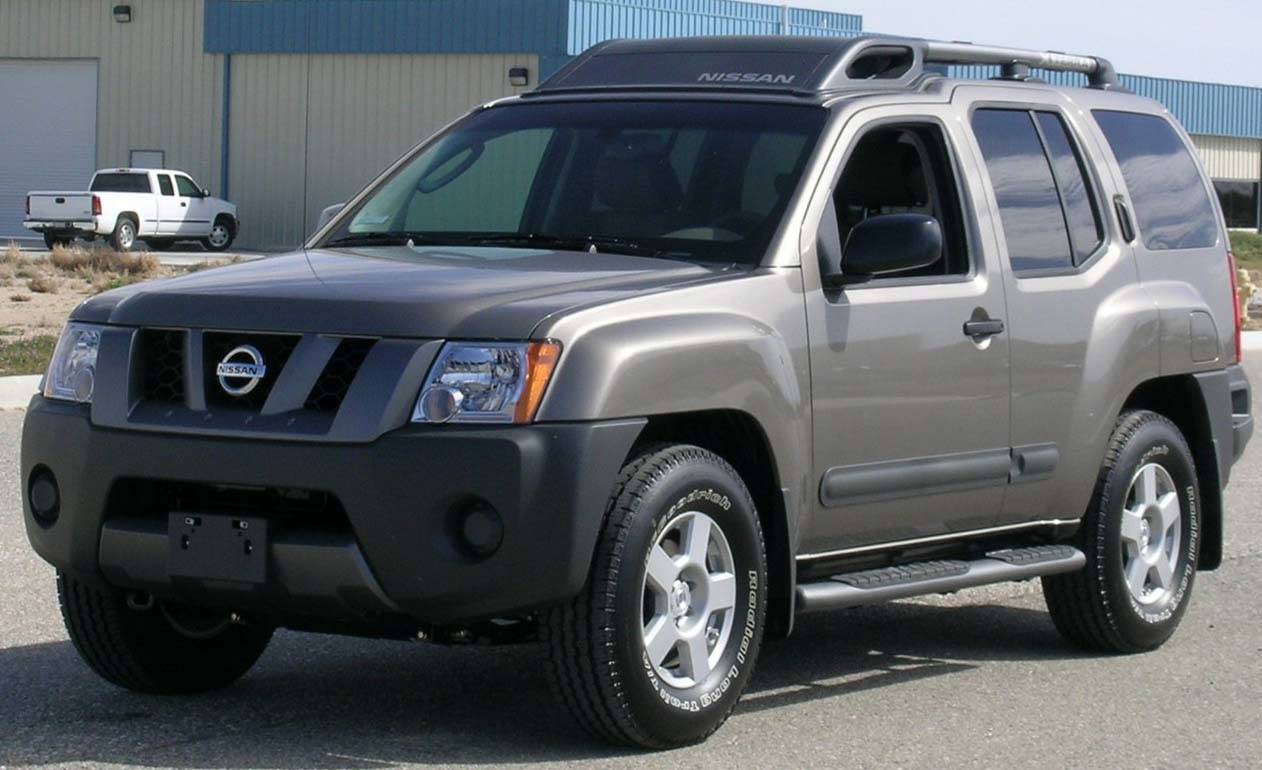
Enthusiasts report these SUVs cruising past 200K miles with original gaskets, assuming maintenance is done on time.
When you drive the 2015 Nissan Xterra back-to-back with a modern crossover, the vehicle quickly shows its age. Compared to its contemporary rivals, the Xterra feels rudimentary—some might even call it crude.
It handles clumsily when pushed through turns, lacking the refined driving dynamics of newer vehicles in the segment. Inside the cabin, there’s no getting around the widespread use of hard plastic surfaces, which further emphasizes its utilitarian nature. Fuel economy is another weak spot, trailing significantly behind what most crossovers can offer.
That said, for 2015, Nissan has made some effort to inject a bit more livability into the Xterra’s rugged package. “At least niceties like Bluetooth streaming audio, smartphone app integration and a 5-inch central display have trickled down to the S trim level for 2015, adding a welcome dose of civility to the Xterra’s no-nonsense formula.”
In today’s market, there are only a handful of purpose-built SUVs that still follow the traditional body-on-frame, off-road-capable formula, and the Xterra stands among them.
Under the hood, every 2015 Nissan Xterra is powered by a 4.0-liter V6 engine that delivers 261 horsepower and 281 pound-feet of torque.
Rear-wheel drive is standard on the X and S trims, though buyers can opt for a four-wheel-drive system that includes low-range gearing for serious off-road use. Meanwhile, the Pro-4X trim comes exclusively with four-wheel drive, cementing its place as the most trail-ready version of the Xterra.
4. Nissan Versa (2012–2019, 1.6L 4-Cylinder)
The subcompact Versa often flies under the radar, but it’s quietly reliable in engine longevity.
The 1.6L HR16DE engine isn’t powerful, but it’s not prone to overheating or high-compression stress. Gasket failures are rare, even in Ubers and delivery fleets that rack up serious mileage.
The 2014 Nissan Versa is a subcompact car built with two central priorities in mind: getting you where you’re going and doing it on the cheap. It’s not engineered to deliver thrills in corners or push you back into the seat with bursts of acceleration. Instead, the Versa focuses on reliable, no-frills transportation.
While it won’t impress anyone from a performance standpoint, it does a commendable job of taking you from Point A to Point B, and considering its notably low price point, the cabin accommodations are actually quite respectable.
For the 2014 model year, the Nissan Versa continues to stand out as a practical option for budget-conscious buyers who want a brand-new car without a hefty price tag. In fact, the Versa S has maintained its title as the most affordable new car available in the United States for over two years running.
A standout feature for the Versa, especially rare in the subcompact segment, is its exceptionally roomy backseat.
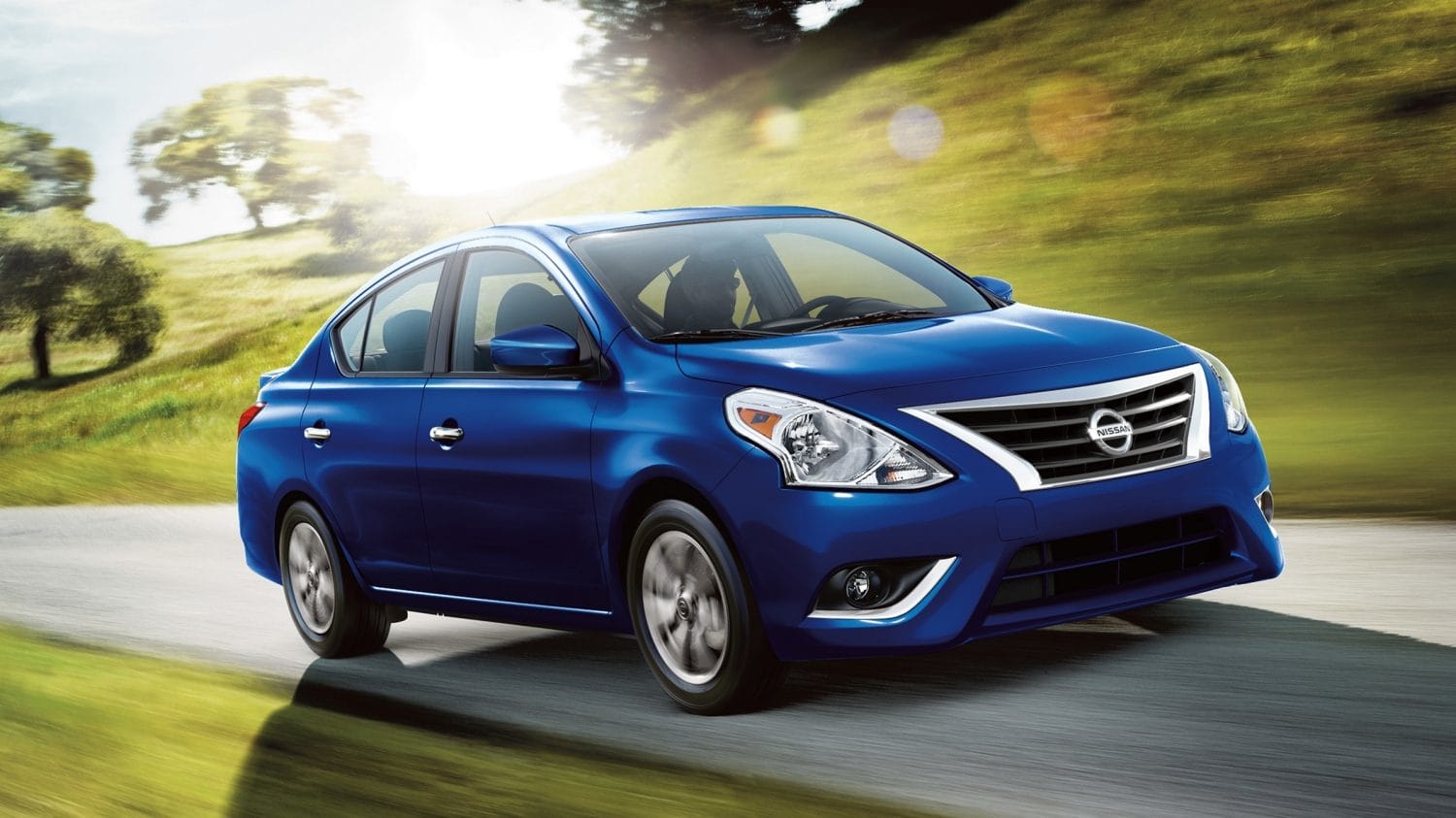
Even adult passengers will find generous legroom in the rear, giving the Versa a clear advantage for those who often transport taller riders. This spaciousness is a welcome relief compared to the more cramped accommodations offered by many of its rivals.
While performance and handling may not top the list of priorities for most subcompact car shoppers, they could become deciding factors after a few test-drives. In this area, the Versa does come up a bit short.
Apart from offering a comfortable ride, the car doesn’t bring much excitement behind the wheel. Rivals like the Ford Fiesta and Honda Fit are simply more engaging to drive, boasting sharper steering and better overall handling.
Another point to consider is that once you begin adding features to the 2014 Nissan Versa to match what other base-model subcompacts offer, its initial price advantage starts to diminish. That’s why it’s important to look closely at the full cost breakdown before making a decision.
Still, if your priorities include maximizing interior space for passengers while sticking closely to a tight budget, the Nissan Versa represents a smart and compelling starting point in the subcompact category.
5. Nissan Maxima (2009–2014, 3.5L V6)
Equipped with the famed VQ35DE engine, this Maxima generation is a sleeper in the reliability game. Its gasket sealing is solid, and engine cooling is well-managed.
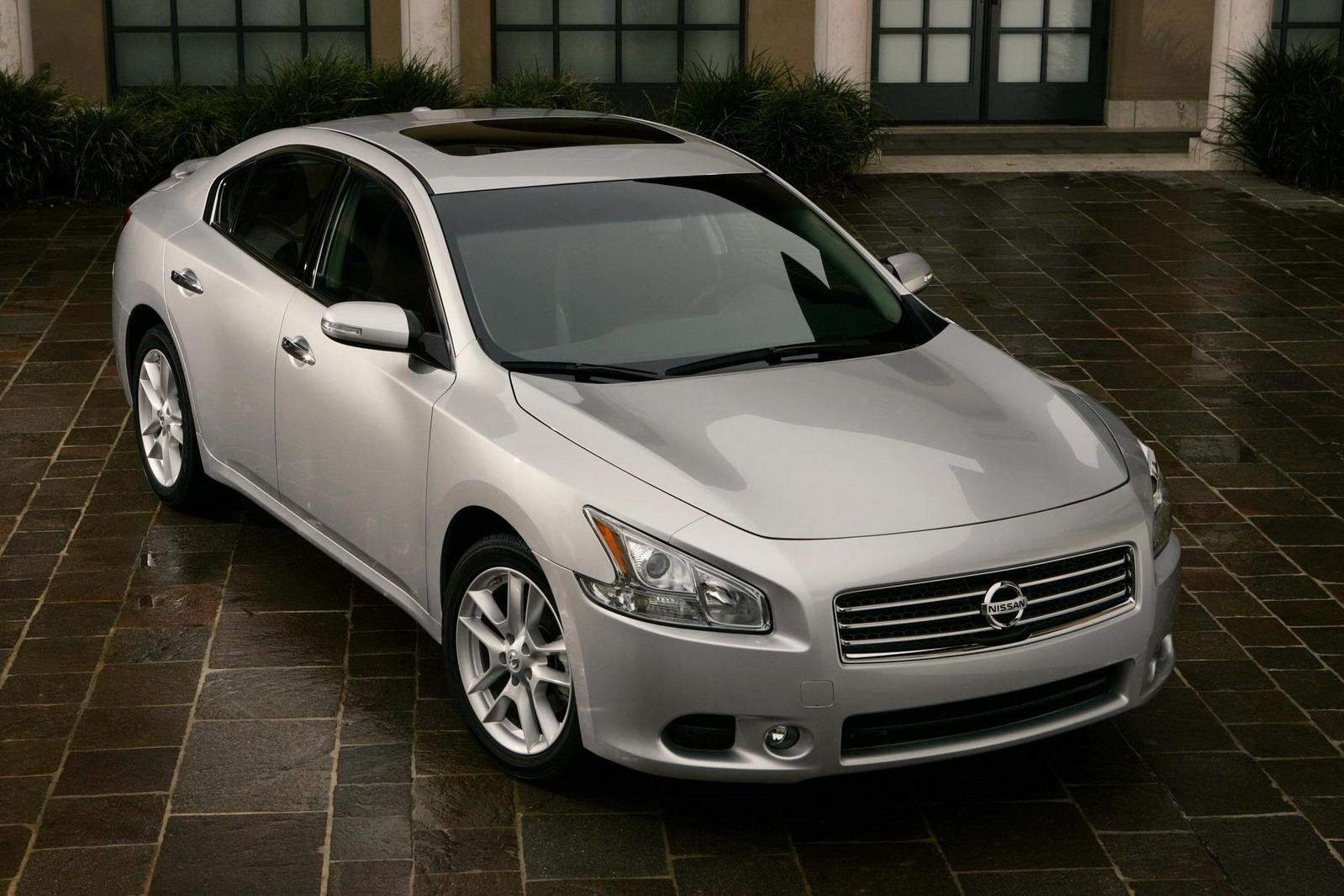
Many owners see over 180K miles with no need to touch the head gasket, especially when cooling system flushes are done on time.
Under the hood, every 2010 Nissan Maxima is powered by a 3.5-liter V6 engine that produces 290 horsepower and 261 pound-feet of torque.
This power is delivered to the front wheels through a continuously variable transmission (CVT), which can simulate six conventional gear ratios. When equipped with the optional paddle shifters on SV models, these simulated “gears” can be selected manually via steering-column-mounted paddles.
In performance testing, the Maxima SV achieved a zero-to-60 mph sprint in just 6.3 seconds, placing it firmly in the same performance tier as many entry-level luxury sedans.
As for fuel economy, EPA estimates rate the 2010 Maxima at 19 mpg in the city, 26 mpg on the highway, and 22 mpg combined, figures that are respectable for a V6-powered sedan in this class.
Nissans That Are Known for Blowing Gaskets
Every automaker has its trouble spots, and for Nissan, some models have earned a reputation for one of the most dreaded engine failures: a blown head gasket. Whether due to poor cooling design, subpar materials, or just bad luck with certain years, these cars can turn a smooth ride into a costly headache.
In this piece, we break down the Nissans most commonly linked to gasket issues, what causes the problem, and what buyers (or current owners) should watch out for before things go from hot to catastrophic.
1. Nissan Altima (2002–2006, 2.5L 4-Cylinder)
This early 2000s Altima is perhaps Nissan’s most infamous example. The QR25DE engine in these models had poorly designed head gaskets and was prone to warping the head due to overheating.
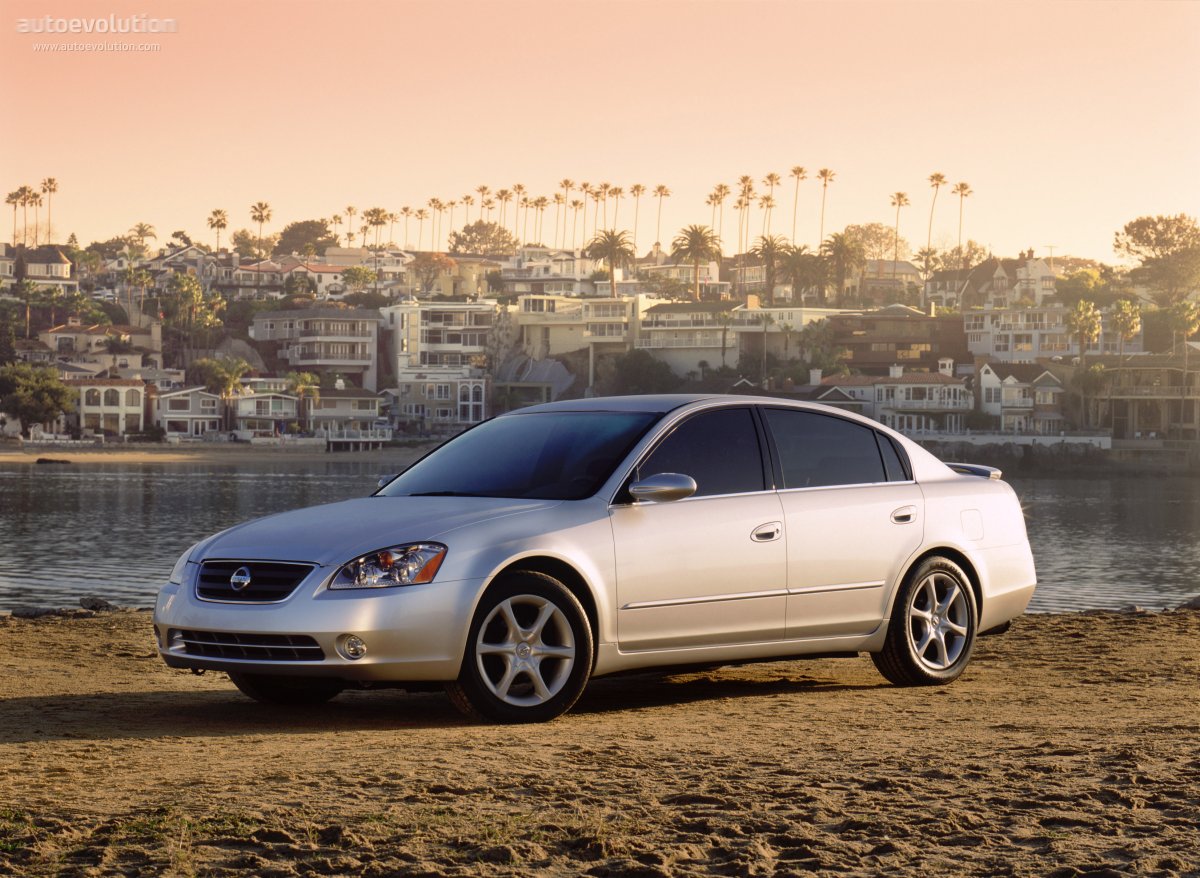
Coolant loss, poor sealing, and catastrophic failures were common by the 80K–100K mile mark.
The redesigned Nissan Altima has grown in nearly every dimension, resulting in increased interior space for passengers.
Taking inspiration from Audi’s approach to cabin customization, the Altima now offers three distinct “Atmosphere” interior schemes, allowing buyers to choose from Charcoal, Blond, or Frost color palettes.
These cabin tones are complemented by either simulated wood or faux titanium accents featured on the dashboard and door panels, adding a refined touch to the overall interior aesthetic.
Inside, the dashboard layout is both functional and stylish, featuring a sporty three-pod instrument cluster and a clean, uncluttered center stack.
The stereo system is positioned high on the stack for easier reach and visibility. Nissan also includes several thoughtful features that are not typically found in this class.
These include a tilt-and-telescopic steering wheel, a conveniently located power point inside the center console, perfect for charging a cell phone, and, in higher trim levels, steering wheel-mounted controls for both the stereo and the trip computer.
2. Nissan Sentra SE-R (2002–2006, 2.5L 4-Cylinder)
Sharing the same engine platform as the problematic Altima, the SE-R Sentra also suffered heavily from head gasket issues.
Aggressive driving only worsened the problem. Owners frequently reported overheating, coolant burning, and white smoke all textbook signs of gasket failure.
Nissan positions the Sentra as a car designed to shatter the old stereotype surrounding compact economy cars, namely the assumptions of cramped cabins, limited features, bland styling, and uninspired, rental-grade driving dynamics.
Surprisingly, the Sentra actually lives up to that promise. It manages to stand out in a class typically dominated by practicality over personality, offering buyers something distinctly more appealing.
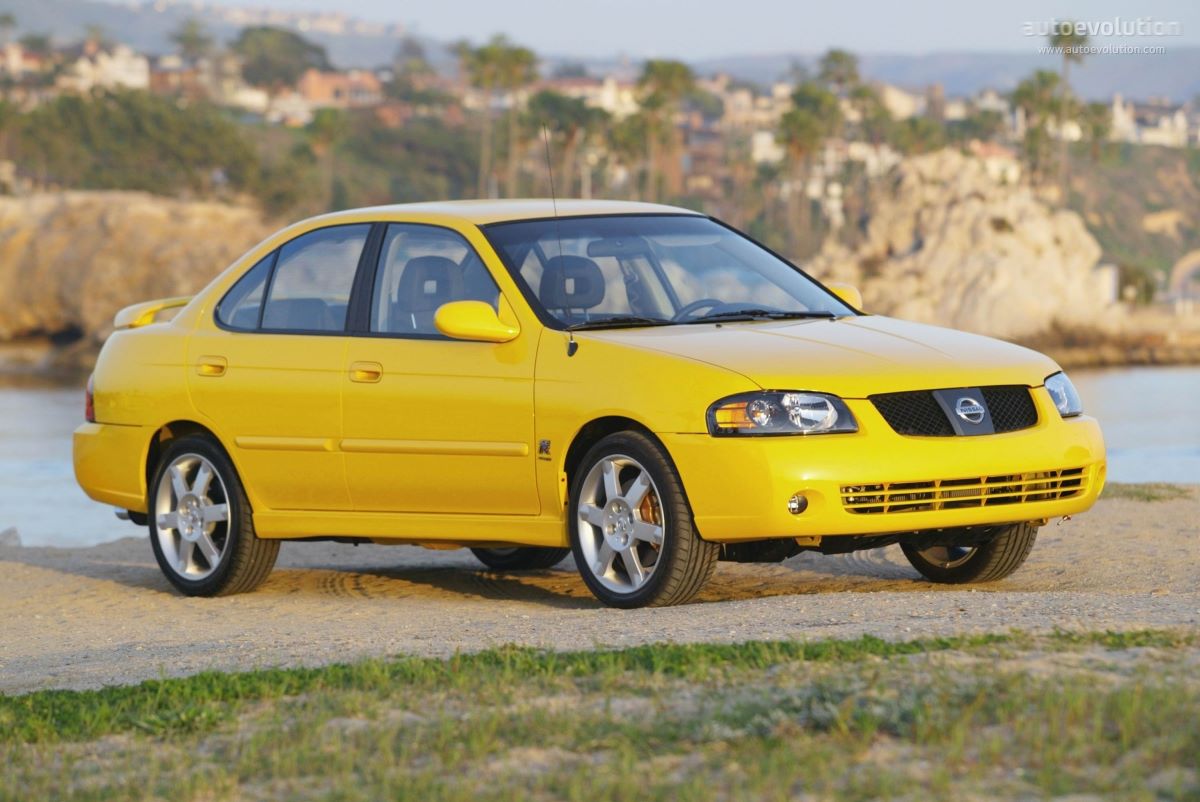
For the 2002 model year, Nissan continues to enhance the fifth-generation Sentra sedan, which debuted as an all-new model in 2000.
Buyers can choose from five available trim levels: the base XE, the mid-tier GXE, the limited-production CA, and two performance-focused models—the SE-R and SE-R Spec V. These variants are designed to offer a wide range of options for everyone from the budget-conscious to the driving enthusiast.
A strong enthusiast community has kept the SE-R legacy alive over the years through dedicated national clubs, feature builds in automotive magazines, and a steady presence in motorsports circles.
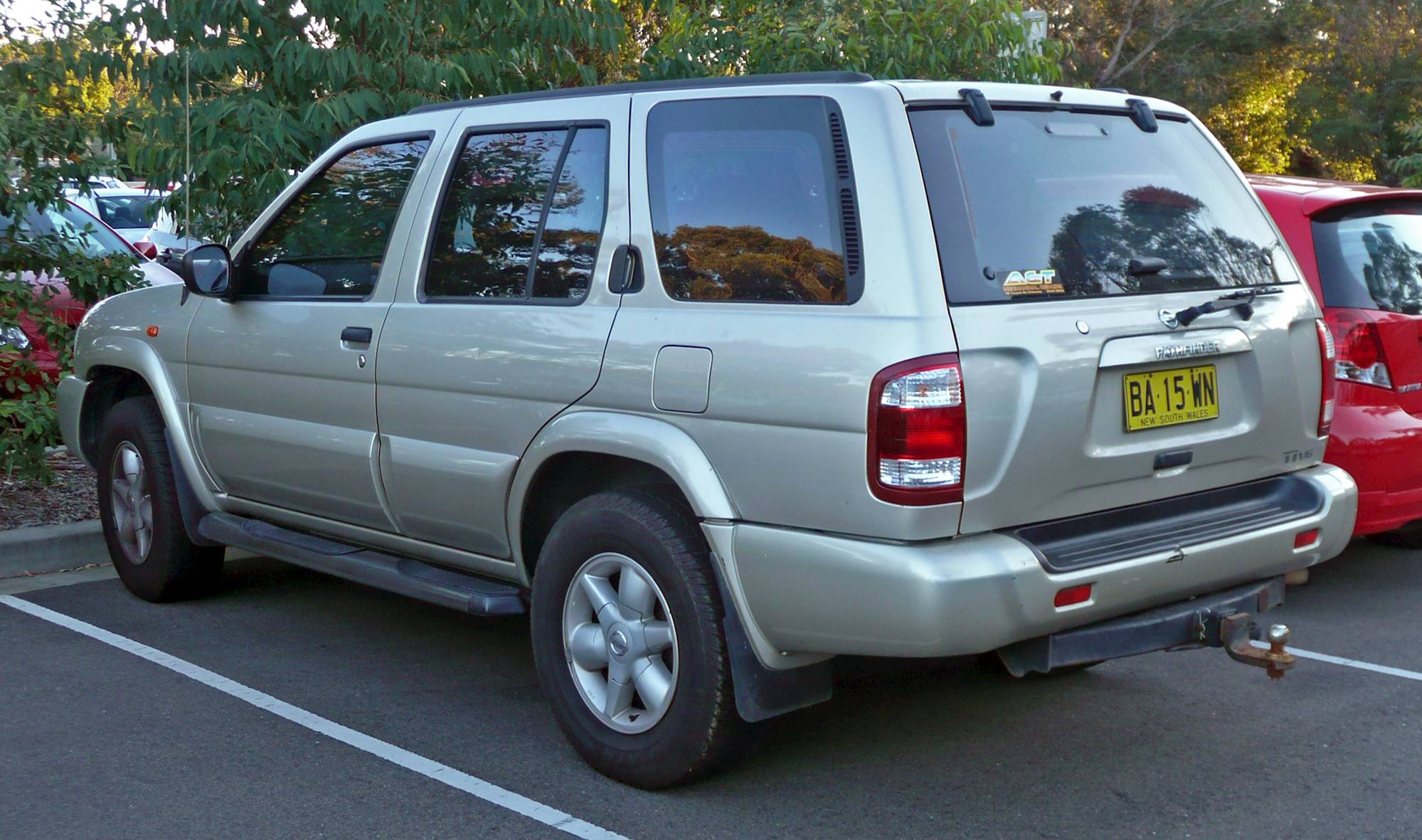
3. Nissan Pathfinder (1999–2004, 3.3L V6)
The older Pathfinders with the VG33E engine had a strong build but were let down by poor cooling system layouts and aging gasket designs.
As these vehicles hit higher mileage, gasket leaks became more frequent specially in hotter climates or when towing was involved.
The Nissan Pathfinder features one of the most user-friendly interiors of any SUV evaluated in recent years. It offers generous passenger space in both the front and rear seats, along with a spacious cargo area that includes convenient tie-down hooks.
Standard dual airbags provide added safety, while the comfortable seating and elevated driving position deliver a commanding view of the road. Adding to its appeal is a standout sound system that rounds out a well-appointed and practical cabin—just a few of the many reasons this SUV has earned such high praise from testers.
However, not everything about the Pathfinder’s design is flawless. One notable drawback is the combination of narrow rear doors and tubular running boards.
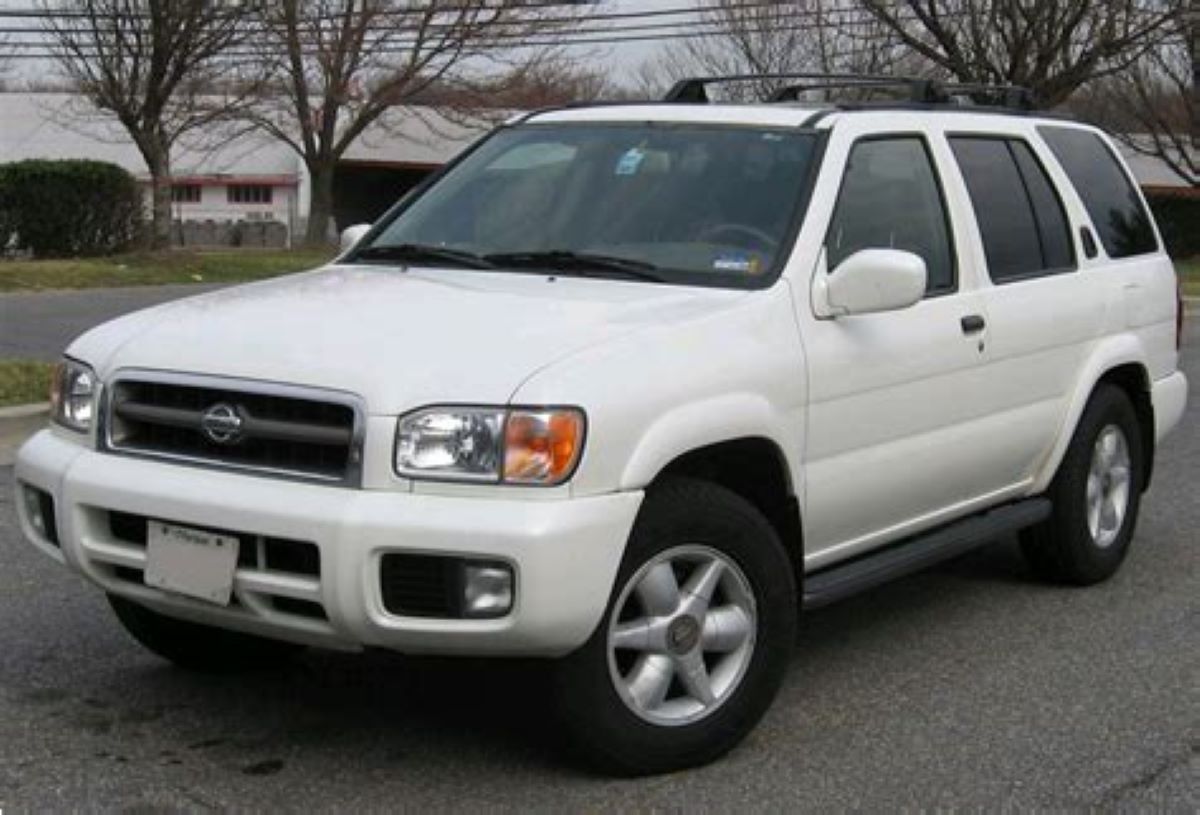
“This poorly planned combination means that passengers exiting from the rear of the truck will undoubtedly have their pants dirtied by the ineffectual running board as they try to squeeze through the small door.” It’s a design oversight that compromises the otherwise thoughtful layout of the vehicle’s exterior.
With its major redesign in 1996, the Pathfinder gained a more refined and aerodynamic appearance, along with an upgraded 3.3-liter SOHC V6 engine.
While it may not appeal to drivers seeking high-speed thrills, this engine capably powers the Pathfinder across highways and rugged backroads with ease. And when it comes to backroads, the Pathfinder retains its adventurous DNA despite its reputation for offering a car-like ride.
In fact, its off-road credibility remains intact—as proven by an editor-in-chief who took it on a demanding, all-day drive along the Continental Divide, maneuvering through difficult Jeep trails without so much as scratching the paint.
By 1999, the LE trim receives a subtle refresh with the addition of new alloy wheels, body-colored fender flares, and the same tubular running boards that are a bit of a mixed blessing.
The only optional upgrade for the LE is a luxury package, which adds a power sunroof and power-adjustable front seats.
Exterior color choices are plentiful and include Sierra Silver, Cayenne Red, Neptune Blue, Mahogany Pearl, Sahara Beige, Rain Forest Green, Super Black, and Cloud White, offering buyers a range of finishes to suit their personal style.
4. Nissan Quest (2004–2009, 3.5L V6)
While the VQ35DE engine used here is generally solid, the Quest had packaging issues that led to poor heat management.
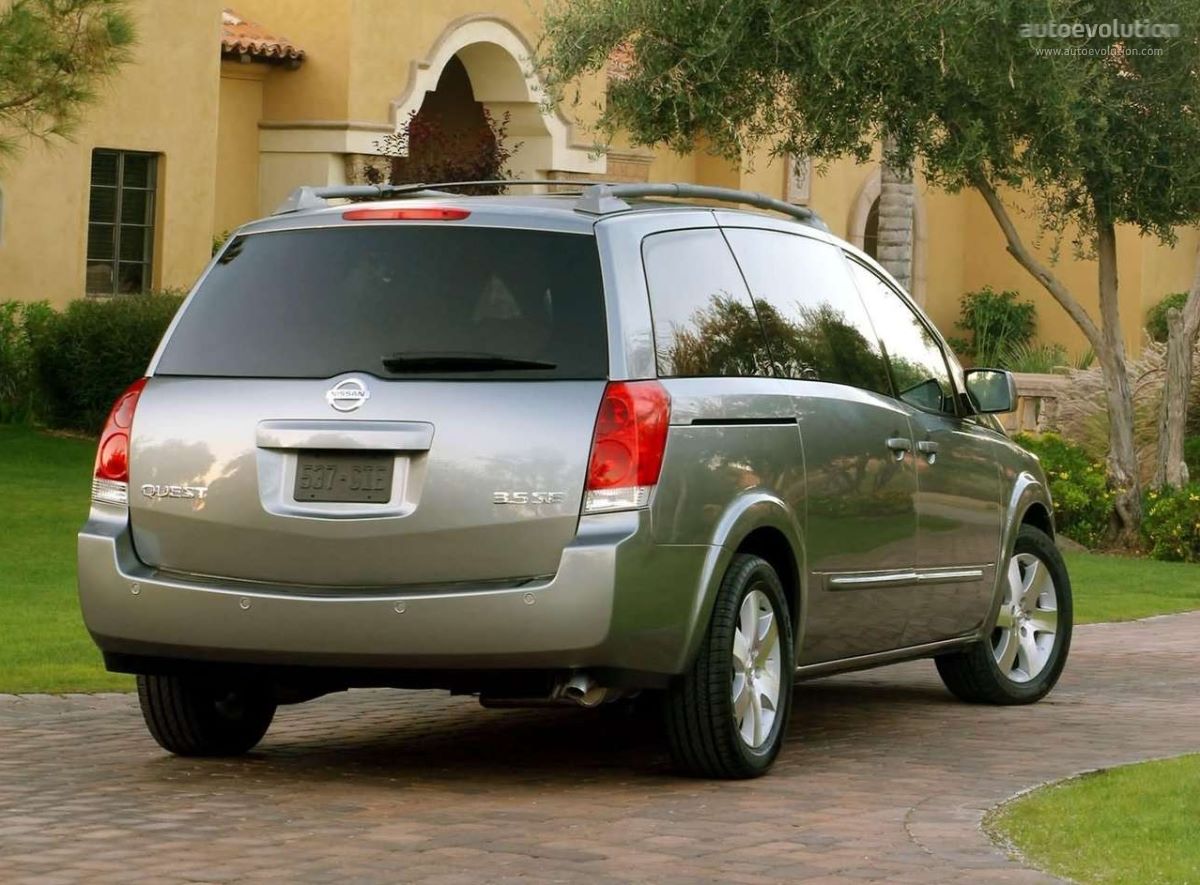
As a result, head gaskets could become compromised, especially if coolant levels dropped unnoticed. The engine bay layout made maintenance more difficult, often allowing small issues to grow.
For the 2005 model year, the Nissan Quest receives a series of updates aimed at enhancing comfort, convenience, and overall value across the lineup. Among the revisions are newly adjustable armrests for the leather-appointed front seats, adding extra comfort for front occupants.
A standard roof rack has been added to the 3.5 S trim, and all models now come equipped with active front head restraints for improved safety. Satellite radio becomes available for the first time, and a theft-deterrent system is now standard across all trim levels, offering added peace of mind.
The 3.5 S also benefits from several new features, including a power-sliding passenger-side door, a power liftgate, power rear-quarter windows, and a reverse-sensing system to aid with parking and maneuvering. For audiophiles, the premium Bose sound system has been incorporated into the Leather package available on the 3.5 SL trim.
Additionally, the SL now comes standard with a five-speed automatic transmission, providing smoother and more responsive gear changes. Rounding out the updates for 2005 is the introduction of a new, low-priced base model positioned just below the S trim, offering budget-conscious buyers a more accessible entry point into the Quest lineup.
5. Nissan Rogue (2008–2013, 2.5L 4-Cylinder)
The early Rogue had a version of the QR25DE engine that saw improvements later but not enough to avoid criticism.
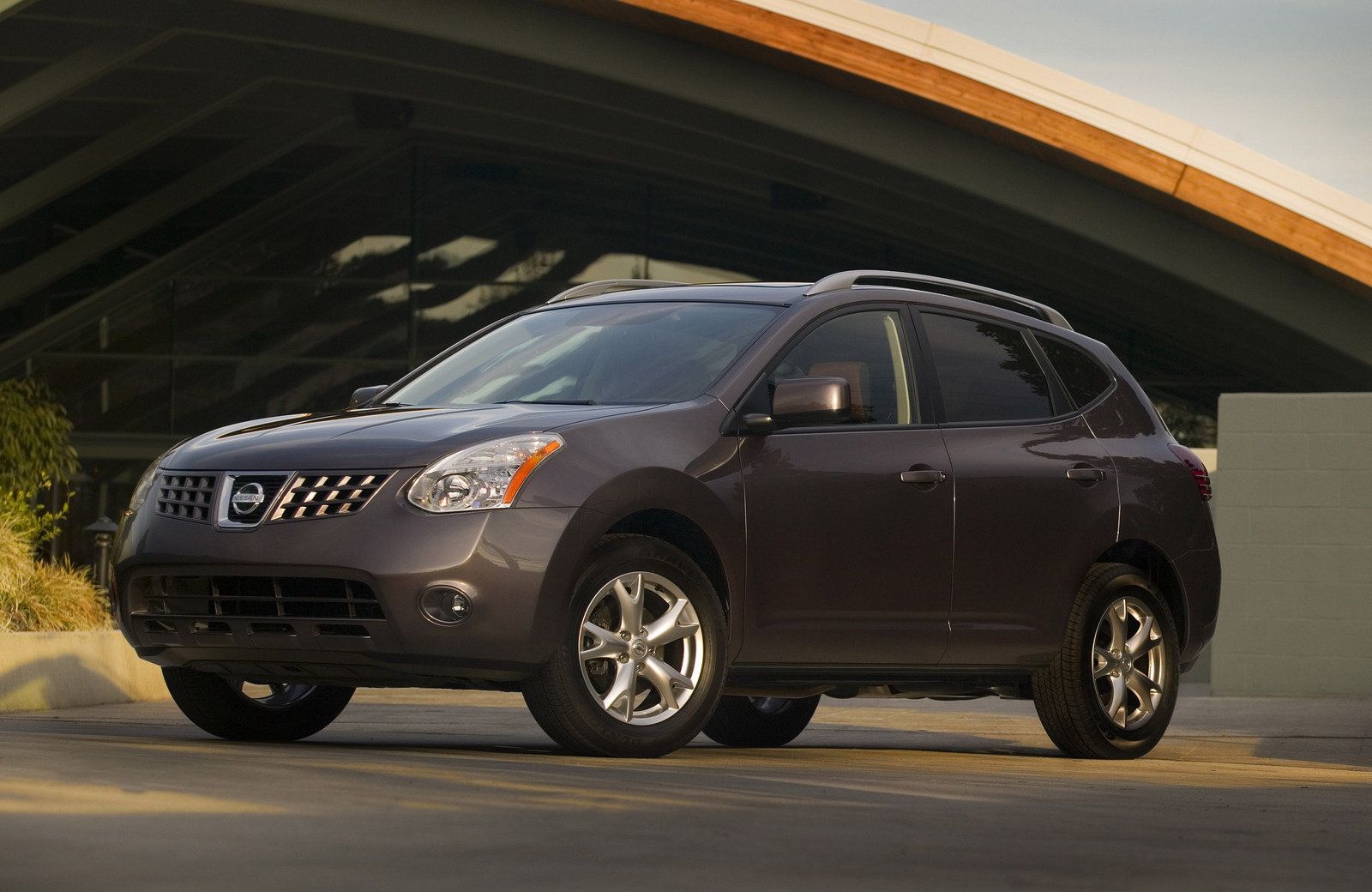
Overheating and oil consumption issues made it more likely to suffer from head gasket failure, particularly in hot states like Arizona and Nevada, where cooling stress is higher.
For the 2005 model year, the Nissan Quest receives a series of thoughtful revisions aimed at improving comfort, convenience, and overall value across the lineup.
Among the updates are adjustable armrests for the leather-appointed front seats, enhancing long-distance comfort for front passengers. All trims now benefit from new active front head restraints, which contribute to improved safety in the event of a collision. A roof rack has been added as a standard feature on the 3.5 S, increasing the model’s utility for carrying additional cargo.
When shopping for a used Nissan in the U.S., knowing the engine history is critical. While Nissan has built some long-lasting powerplants, they’ve also released models that are ticking time bombs if not maintained properly.
If you’re eyeing an older Altima or Sentra, check for prior overheating events or head work. On the flip side, a used Frontier or Xterra with proper records can be a bulletproof buy.
Always look for signs of oil in coolant, white exhaust smoke, or sudden coolant loss those are warning signs no Nissan owner should ignore.
By choosing the right model and staying on top of routine maintenance, U.S. drivers can enjoy many worry-free miles even from a brand with a mixed history like Nissan.