
As electric vehicles continue to grow in popularity, more car buyers are beginning to pay close attention to how safe these cars are. Apart from charging speed, range, and advanced tech, many people are now asking a more practical question: “Will this car keep me safe, or will it end up recalled a few months down the road?”
This concern is very valid, especially with several EV makers still adjusting to new safety standards and production methods. It is not enough for a car to have modern features. What really matters is how well those features perform under pressure. A car that looks attractive on the outside but carries major safety problems can easily become a source of regret for its owner.
That is why some EVs have been praised for maintaining strong performance in crash tests and daily use, while others have received complaints, investigations, or official recall alerts from regulators due to various faults. While some electric cars continue to pass safety tests with ease, others are being taken back to the factory over issues like battery faults, braking problems, or even loose bolts.
We will be listing five EVs that have earned a reputation for reliability and strong safety scores. Right after that, we will go through five others that have faced repeated recall actions, often forcing owners to take them in for repairs or software fixes.
Whether you are shopping for your next EV or just keeping an eye on which models to trust. Each section will break down the strong points and common problems, so you have a full idea of what you’re dealing with.
5 EVs That Stay Safe
1. Tesla Model Y
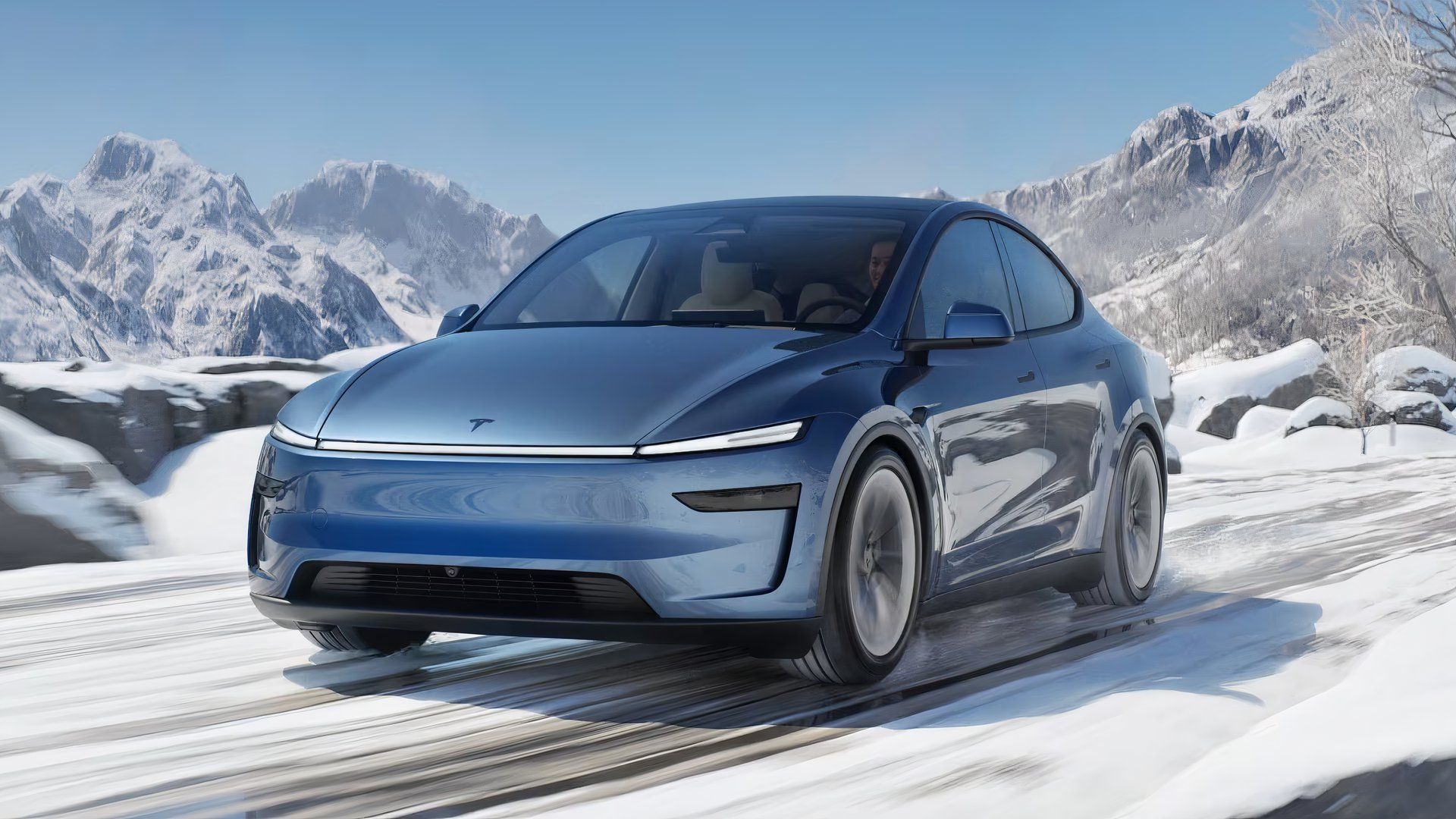
Among all the electric vehicles on the market today, the Tesla Model Y has gained wide attention for being one of the most dependable when it comes to protection on the road. This compact SUV does not just offer speed and advanced technology. It has shown real strength during crash evaluations and daily driving conditions.
When engineers tested the Model Y for its ability to protect passengers during accidents, the results placed it among the highest-rated in its class. Front-end impacts, side crashes, and even rollover resistance have all been measured with high scores.
Even the roof of the car is built in such a way that it can handle large amounts of pressure without collapsing. One of the main reasons behind its strong safety ratings is how Tesla designs its software and structure. The Model Y uses a low center of gravity due to its battery placement.
That helps reduce the chances of flipping over during sharp turns or emergency swerves. The car also comes with a long list of built-in safety systems. Some of these include automatic emergency braking, blind-spot monitoring, lane departure warning, and collision avoidance.
It also benefits from Tesla’s ability to push regular software updates. If the company finds new ways to improve how the car handles certain driving situations, they can simply send a software change over the air, and your Model Y gets smarter and safer instantly. That makes it feel like the vehicle keeps improving after a while, without needing to go back to the dealership.
Tesla’s Autopilot system has sparked some public debate, but even with mixed feelings about driver-assist technology, the Model Y has not faced serious safety scandals. The body remains strong. The structure is consistent. Most owners report satisfaction with the way the vehicle responds in both normal and stressful driving conditions.
If you are thinking of buying an EV that offers confidence with every trip, the Model Y remains a strong option to consider. It ticks most of the boxes for safety without needing constant trips for repairs.

2. Hyundai Ioniq 5
The Hyundai Ioniq 5 stands out for more than just its futuristic design and fast charging. One of its strongest qualities is how reliable it has been during safety assessments. Whether you are looking at how it handles collisions or how it protects occupants from injury, the Ioniq 5 has earned praise in several categories.
This electric crossover SUV is built on Hyundai’s new E-GMP platform, which is designed specifically for electric cars. That gives it an advantage right from the beginning. The structure is firm and properly balanced, and it includes several protection zones that absorb impact when accidents happen. In crash evaluations, the Ioniq 5 has consistently performed well, especially in front-impact and side-impact tests.
The interior design of the vehicle also plays a part in keeping people safe. The seats are positioned to avoid major injury zones, and the airbags are spread across the cabin in a way that shields both front and rear passengers. Hyundai also added special protection around the battery to reduce the risk of fires in the event of a crash.
In addition to physical build quality, the Ioniq 5 is packed with intelligent features that support safer driving. It comes with lane-keeping assist, adaptive cruise control, blind-spot detection, and rear cross-traffic alerts.
These features help prevent common road accidents like rear-end collisions or lane-change crashes. Hyundai’s safety systems work in the background and respond quickly when the driver needs support. One important thing to note is that owners of the Ioniq 5 have not reported many serious safety-related complaints.
This car has stayed away from major recall issues, which gives buyers peace of mind. Hyundai also updates its systems occasionally through software fixes that improve the driving experience, but these updates are not connected to safety failures.
If you’re looking for an EV that combines sleek looks with strong protection, the Ioniq 5 deserves a place on your list. It shows that Hyundai is not only focused on style and battery range but also on making sure their electric cars are dependable in real-life situations.
Also Read: 12 Used Cars You Can Sell for Nearly What You Paid

3. Ford Mustang Mach-E
The Ford Mustang Mach-E has brought a fresh direction to Ford’s electric vehicle lineup. Though the Mustang name may remind people of muscle cars, the Mach-E is very different. It is a quiet and efficient electric SUV with a solid reputation for keeping its passengers safe.
The vehicle’s record during crash evaluations and its everyday use has shown that Ford did its homework when building this model. The Mach-E has earned strong marks in tests measuring front-end collisions, side impacts, and roof strength.
These tests are designed to show how a vehicle protects passengers during dangerous situations, and the Mach-E has passed each one with positive results. Part of the reason it performs well is the way its battery pack is located low in the frame, which gives it stability and helps prevent rollovers.
The materials used in building the body of the car are also strong and lightweight, which improves both energy efficiency and protection. Ford included several reinforcements around the passenger cabin to absorb the energy from crashes without affecting the people inside.
Another thing that makes the Mach-E a safe choice is the wide set of driver support systems it comes with. Features like automatic emergency braking, pedestrian detection, blind-spot monitoring, and lane-centering assist come as standard in many trims. These tools help reduce the chances of human error causing a crash, especially in busy cities or during long-distance travel.
In terms of recalls, the Mach-E has not experienced frequent safety-related returns to the dealership. A few updates have been issued by Ford after a while, but they were mostly aimed at software performance and not linked to dangerous flaws. Drivers have reported that the car gives them confidence, whether they are on highways or local roads.
The Mach-E balances comfort, range, and protection in a way that makes it appealing to both families and solo drivers. If you want a mid-size electric SUV that takes safety seriously, this one meets expectations without unnecessary complications.

4. Volvo XC40 Recharge
Volvo has long been recognised for building cars that protect lives first before anything else, and the XC40 Recharge keeps that reputation going strong in the electric space. This compact electric SUV is not just about quiet driving and clean energy.
It comes packed with several safety features and a body structure that focuses on avoiding injury during real-life road incidents. The XC40 Recharge has been built using a mix of strong steel and clever engineering. The car’s frame is designed to direct crash forces away from the passenger cabin.
Volvo also added special layers of protection around the battery to prevent fire risk and reduce shock after impact. In both frontal and side crash testing, this vehicle recorded excellent performance, often reaching the highest safety ratings available for its category.
Apart from strong crash resistance, the XC40 Recharge includes several intelligent systems that help prevent accidents from happening at all. For example, it comes with Pilot Assist, which helps drivers stay centered in their lane.
It also includes forward collision warnings, automatic braking, and road sign recognition. The car even assists in correcting your steering if it detects that you’re drifting out of your lane without using indicators.
The dashboard layout also contributes to safety. Instead of putting all controls on touchscreens that may distract the driver, Volvo arranged essential commands in a more physical and reachable format. That way, the driver does not need to take their eyes off the road too often. The materials used in the cabin are strong and flame-resistant, offering additional security during emergencies.
When it comes to recalls, the XC40 Recharge has stayed away from frequent safety-related alerts. Although there have been occasional software improvements sent to users, they were focused on convenience, not fault correction. The record shows that this car gives peace of mind to its owners because of how dependable it has proven itself to be.
If you are searching for an EV that combines smart engineering with a long history of safety focus, the Volvo XC40 Recharge checks those boxes. It reflects the brand’s deep understanding of how to build cars that protect without sacrificing comfort or performance.

5. Kia EV6
The Kia EV6 may be new to the electric market, but it has already proven that it belongs in conversations about reliable and safe vehicles. This electric crossover has delivered impressive results during crash testing and has remained free from frequent safety faults, which helps boost its appeal to careful buyers.
Built using the same E-GMP platform as the Hyundai Ioniq 5, the EV6 shares several qualities that contribute to its strength. The battery sits low in the frame, reducing the risk of tipping over during sudden turns or accident situations.
The car’s frame includes energy-absorbing areas that help protect passengers during severe impacts. These areas direct the force away from the cabin, reducing the chance of serious injury.
Crash assessments for the EV6 have returned strong ratings across various categories. From full frontal crashes to side-impact evaluations, this vehicle has managed to stay consistent with its safety outcomes. Testers have also praised the roof strength and how well the car protects smaller passengers like children seated at the back.
Apart from physical safety, the Kia EV6 includes a wide list of tools that assist with accident prevention. Features like rear cross-traffic alerts, high beam assist, safe exit warnings, and automatic lane-following come as standard in many trims. These tools make driving easier and also reduce human mistakes, which are often the cause of road accidents.
The cabin of the EV6 is designed for comfort, but Kia has not ignored safety in the process. The car includes several airbags placed around the cabin and uses strong materials to reduce cabin intrusion during crashes. So far, it has avoided major recall headlines, which supports its image as a dependable option in the growing EV space.
For those who want an electric car that is stylish, quick to charge, and proven to protect during emergencies, the EV6 remains a wise pick. It balances daily use and long-distance travel with serious attention to how safe drivers and passengers will be behind the wheel.
5 EVs That Get Recall Notices

1. Chevrolet Bolt EV
The Chevrolet Bolt EV had a promising start in the electric vehicle market. It was affordable, efficient, and gave drivers a decent range for daily use. But things started to go wrong when reports of battery fires began to appear.
What followed was a large-scale recall that placed the Bolt EV under close watch. One of the major issues involved the battery pack, which was supplied by LG Energy Solution. Several Bolt EV units caught fire while parked or charging, which raised serious safety concerns.
Investigations revealed that the problem came from two different battery defects that, when present together, could lead to fire risks. As a result, General Motors had to recall every Bolt EV and Bolt EUV ever produced.
The recall process was not only expensive but also inconvenient for many owners. GM advised Bolt drivers to limit their charging levels and avoid parking the car indoors until the battery replacements were completed. While the company promised free battery replacements, the delay in getting them available made things more difficult for users who depended on the vehicle for daily driving.
Even though GM has worked hard to fix the problem and reintroduce the Bolt with better battery protection, the damage to its reputation was already done. Many drivers lost confidence in the model and turned to other EVs that didn’t carry the same level of risk. In addition, resale values dropped for used Bolt EVs because potential buyers remained unsure about the car’s long-term safety.
Another concern came from the way the recall was handled. Some owners felt that the updates took too long, while others were confused by changing instructions from the manufacturer. The situation created stress for users who had initially trusted the brand.
While the Chevrolet Bolt EV has made a return to the market with improvements, its history of battery-related recalls remains one of the most serious issues seen among EVs so far. If safety is your top priority, this model may require careful thought before choosing it as your next vehicle.
2. Ford F-150 Lightning
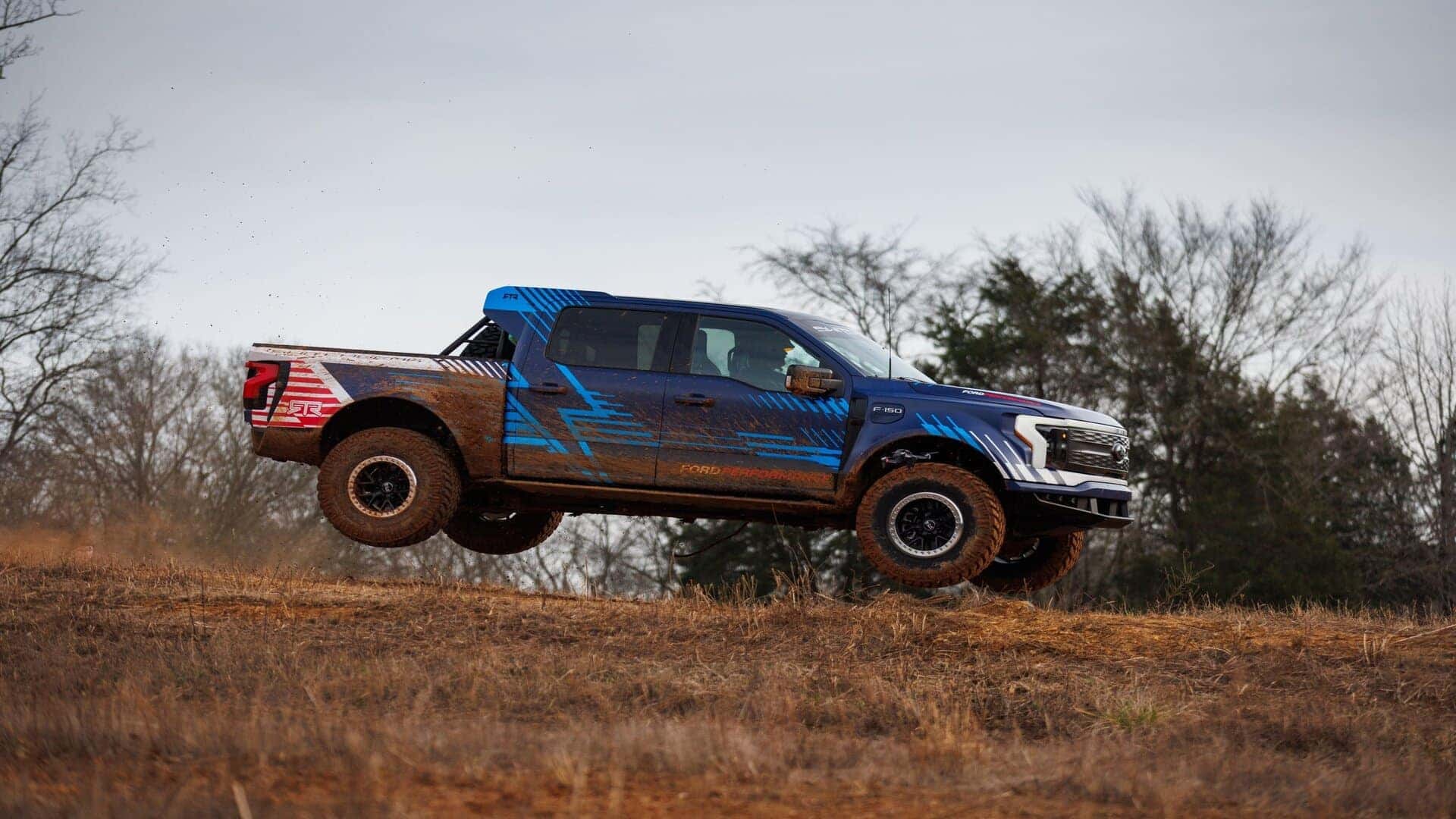
The Ford F-150 Lightning entered the electric vehicle scene with strong energy. As the electric version of America’s most popular truck, it quickly gained attention from buyers across the country. However, things became difficult when a production problem forced Ford to pause delivery and issue a recall due to a battery-related incident.
The issue began when one of the trucks caught fire during a quality check. This single incident was serious enough for Ford to stop production entirely while the team carried out further inspections.
The company soon discovered that the problem was linked to a manufacturing defect in the battery cells, which could create short circuits and lead to fires. As a result, Ford recalled several units that had already been shipped to customers.
Even though Ford acted quickly, the event created concern for people who had already placed orders or received their trucks. Owners were advised to bring their vehicles in for repairs and updates, while Ford worked with its battery supplier to fix the production issue. The event raised questions about whether the company had rushed its launch before testing all parts of the supply chain properly.
Apart from the fire risk, other smaller recall alerts were issued for the F-150 Lightning. Some units had issues with warning chimes not working properly when the seat belt wasn’t fastened, while others experienced software bugs in the dashboard display. Though these may seem minor, they show that the truck still has some technical issues to sort out.
Ford’s effort to move into electric vehicles has been ambitious, but the F-150 Lightning shows that even experienced manufacturers can face safety problems when entering new technology fields. The model remains popular, especially among loyal Ford buyers, but safety-conscious drivers may want to wait for the brand to fine-tune its EV production process.
While Ford continues to improve its systems and battery monitoring tools, the early recalls surrounding the Lightning serve as a warning that quick development does not always guarantee fault-free performance.
3. Lucid Air
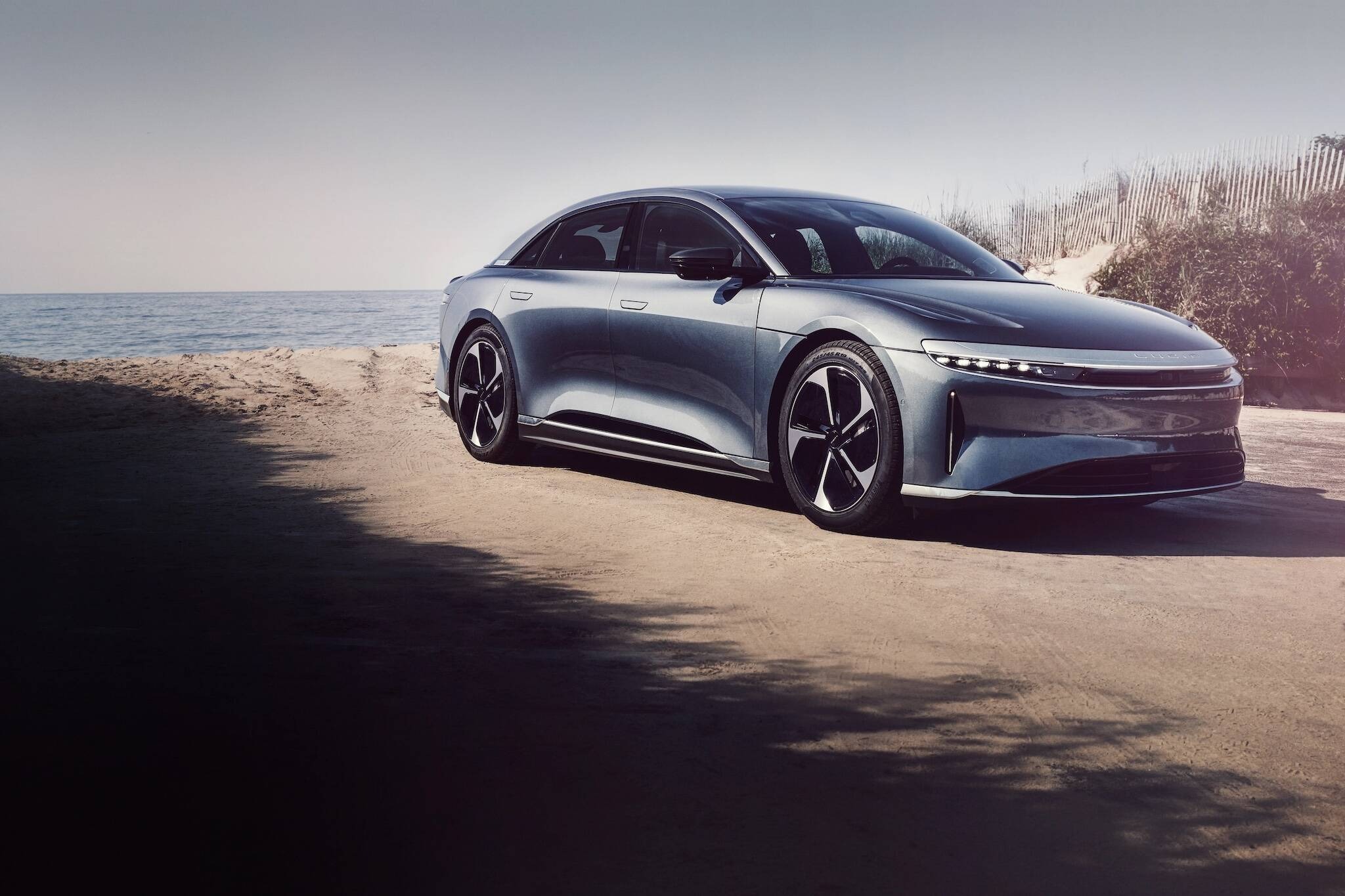
The Lucid Air made a strong first impression as a premium electric sedan with luxury features and extended driving range. Designed to compete with high-end brands like Tesla and Mercedes-Benz, the Lucid Air was praised for its futuristic design, fast charging ability, and impressive performance.
But despite all these qualities, the car has faced a growing number of safety-related concerns, especially involving software and electrical problems. One major issue that led to a recall involved the car suddenly losing power while driving. In several cases, the main display or the entire electrical system would shut down unexpectedly.
This type of failure is dangerous because drivers could lose control of vital features like steering assistance, lighting, or braking support. Lucid had to recall several units to fix these faults by updating the software and replacing faulty components.
The problems were not limited to just one system. Other recalls have addressed loose power cables, missing bolts in the suspension, and poor fitment of glass panels. Although these issues affected a limited number of vehicles, they raised questions about the company’s manufacturing consistency. Drivers who paid a premium price for the Lucid Air expected better reliability from a car positioned as a luxury EV.
Since Lucid is a new brand in the electric car industry, many consumers are giving it time to correct these early issues. However, the growing list of alerts and technical service bulletins shows that the vehicle may still have more development ahead before reaching the level of long-term reliability that buyers expect. Early adopters have also reported that customer support during recall service appointments could be improved.
Even though Lucid is working to improve its vehicle systems and upgrade its quality checks, drivers who value stable, problem-free driving may want to hold off before committing to this model. While it offers strong performance and comfort, the record of recall actions shows that the Lucid Air still has important issues that need attention, especially for long-distance or everyday driving.

4. Volkswagen ID.4
The Volkswagen ID.4 was designed as a global electric SUV that could serve both families and daily commuters. Built with comfort and energy efficiency in mind, the ID.4 came with a range of modern features and a sleek design. But since its release, the vehicle has experienced multiple technical issues that have led to a series of recalls, especially involving software and power systems.
One of the first major problems affected the battery management system. In some cases, the software failed to properly control the battery, leading to unexpected shutdowns or failures in acceleration.
This type of malfunction is risky on highways or during overtaking, where sudden power loss can cause accidents. Volkswagen had to issue updates and recalls to fix the software and reduce the chances of system failures.
Another issue involved the infotainment system and digital displays. Several drivers reported frozen screens, delayed responses, or total blackouts during use. These may seem like small problems, but in electric vehicles, where many functions rely on the digital interface, display faults can become safety concerns.
Features like rear-view camera feeds, parking sensors, or warning systems can stop working if the central screen crashes. In addition to the software complaints, some ID.4 owners also faced mechanical issues. These included faulty door handles, poor window seals, and loose suspension parts.
While not as dangerous as battery failures, these problems affected the trust drivers placed in the vehicle’s build quality. Volkswagen has released multiple service notices to correct these problems, but they continue to appear in owner feedback.
Volkswagen has promised ongoing improvements to the ID.4 through software updates and better quality checks, but for now, buyers should be prepared for possible service visits. Drivers looking for worry-free ownership may find the ID.4 frustrating unless all factory defects have been fully corrected.
This SUV still holds potential, but its recall record shows that it has not yet reached the level of trouble-free operation that many buyers expect in a family-friendly electric vehicle.
Also Read: 5 Luxury Sedans That Stay Solid vs 5 That Constantly Break Electronics
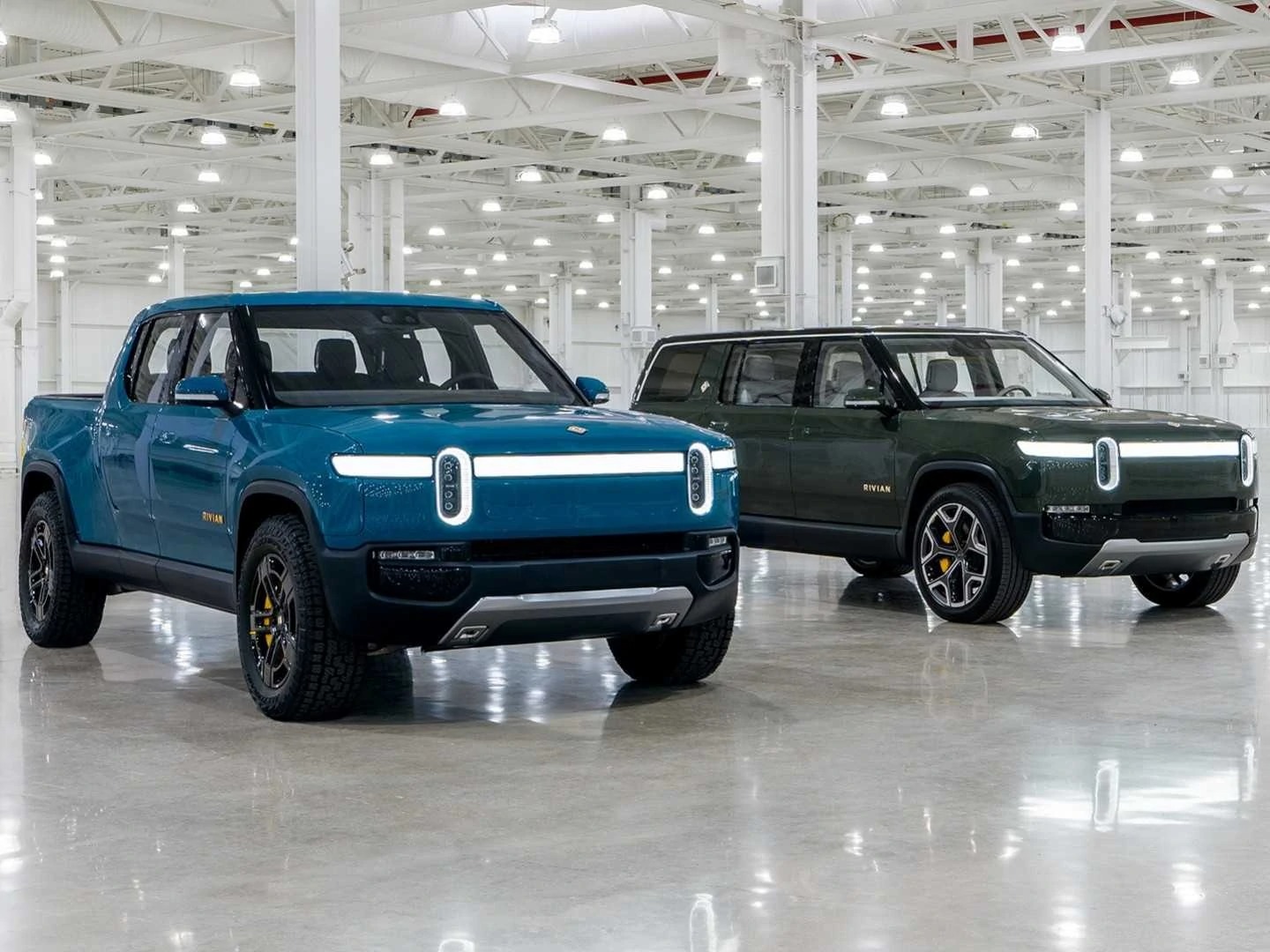
5. Rivian R1T and R1S
Rivian entered the electric vehicle market with a lot of attention, offering something different from most new EV makers. Instead of small sedans or basic crossovers, the company delivered the R1T pickup and the R1S SUV, both built with off-road ability and adventure in mind.
While the designs and features impressed many early adopters, the vehicles have also faced several safety-related recalls that raised concerns about the company’s readiness to deliver long-term reliability. One of the first major issues involved a loose fastener in the steering system.
If the bolt was not tightened properly, it could result in a loss of control while turning the wheel. Rivian responded by recalling over 12,000 vehicles, which represented nearly every unit sold at the time. Even though no injuries were reported, the idea that a vehicle could lose steering at any moment led to fear among some owners.
Another recall affected the seatbelt anchors. On some models, the anchor point was not secured correctly, which could cause the seatbelt to detach during an accident. This defect is particularly dangerous because it puts passengers at serious risk during high-impact crashes. Rivian quickly issued instructions for drivers to bring the vehicles in for inspection and repair.
Apart from mechanical faults, software issues have also been part of Rivian’s recall story. Some owners reported problems with the electronic stability control system, touchscreens, and driver-assist tools like adaptive cruise control or lane warning features.
Though Rivian has pushed out updates remotely, the number of reports has shown that the systems may still need more refinement. To its credit, Rivian has responded to most recall cases quickly and offered free repairs.
However, because the brand is still new and operates with limited service centers, some customers have experienced delays when trying to book repairs or receive updates. This affects convenience and makes some buyers question whether the company is fully prepared to support large numbers of vehicles on the road.
Even with all its cutting-edge technology, solid design, and off-road performance, Rivian still has work to do in building customer confidence. Its vehicles are exciting and unique, but their growing list of early recall alerts suggests that buyers should stay alert when choosing between style and reliability.
