
Many drivers today are beginning to make the switch from traditional gas-powered vehicles to hybrid models, mainly because they want to save fuel and reduce emissions. But while hybrid cars come with clear benefits, not all of them deliver the same driving experience as regular gas cars.
Some hybrids have managed to blend electric and gasoline systems in a way that feels smooth, familiar, and responsive. These ones give you that steady power and seamless handling you’d expect from a typical gas-powered car. They behave almost the same as what most people have been used to for decades.
Some hybrids tend to feel strange, especially when it comes to the way they accelerate, brake, or even handle at low speeds. There are moments when the electric motor tries to do most of the work, and you may feel like the car is hesitating or struggling to respond the way a gas engine would.
This can be a bit off-putting for drivers who want consistency and comfort behind the wheel. Some of these awkward hybrids may also produce unexpected sounds, or come with braking systems that feel spongy or unnatural. These little differences may not matter to everybody, but they can affect how people feel about driving the car daily.
So while fuel efficiency and lower emissions matter a lot, how the car actually feels to drive is just as important. Many drivers still want a car that responds quickly when they press the pedal, handles properly on the highway, and doesn’t feel robotic.
With that in mind, this article takes a careful look at five hybrid vehicles that drive just like gas-powered cars, as well as five others that don’t deliver that same experience. If you’re planning to buy a hybrid and want it to feel like the kind of car you’ve always known, this breakdown will help point you in the right direction.
5 Hybrids That Feel Like Gas Cars
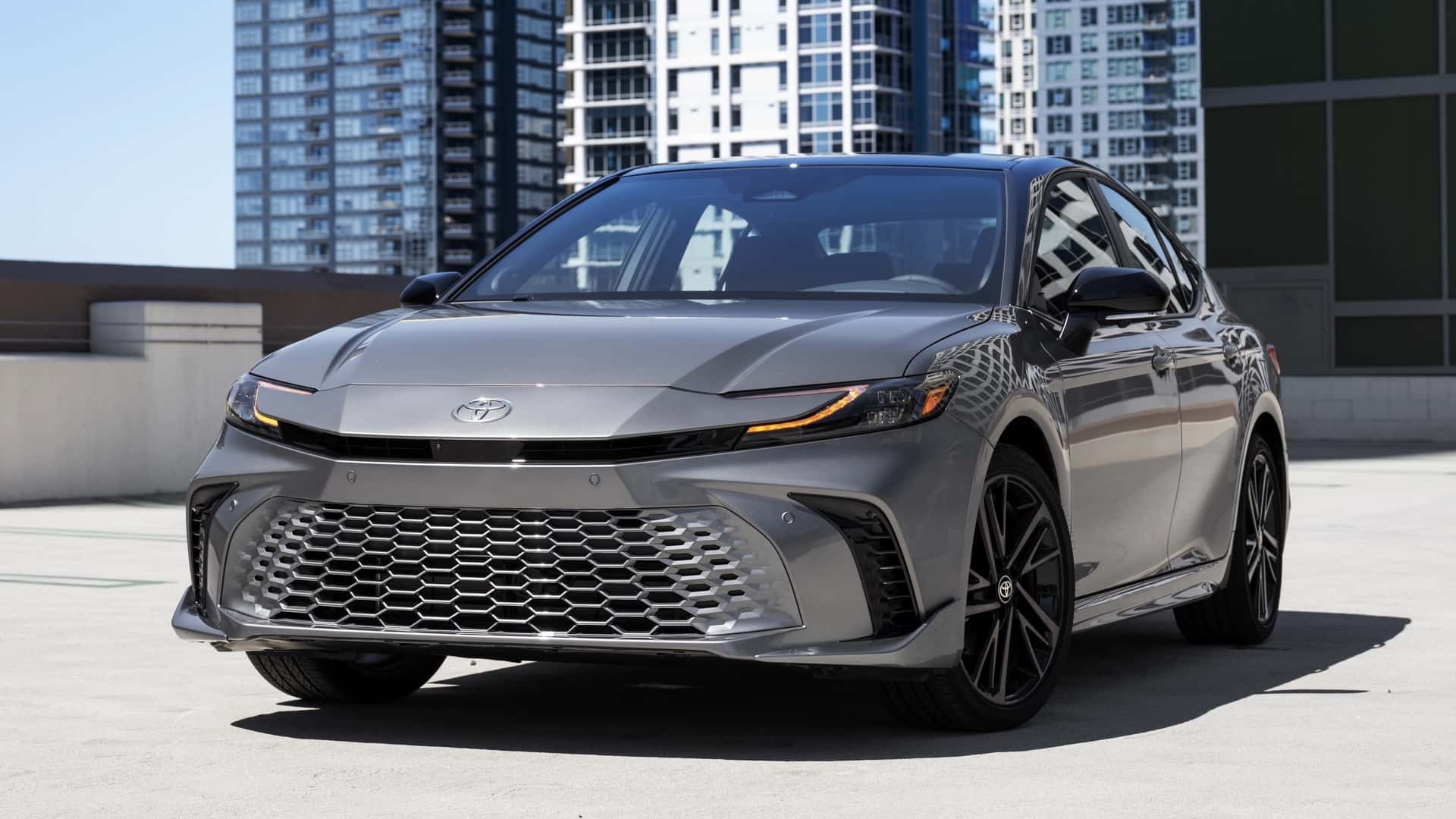
1. Toyota Camry Hybrid
Among the hybrid vehicles on today’s roads, the Toyota Camry Hybrid easily passes as one that delivers a familiar driving feel. From the outside, it doesn’t scream “hybrid,” and once you get inside and start moving, it becomes clear that Toyota wanted it to behave just like its gas version.
The acceleration is smooth and steady, and when the electric motor kicks in at lower speeds, the transition to the gasoline engine happens so quietly and naturally that many drivers won’t even notice it. What helps the Camry Hybrid feel this way is its well-balanced powertrain setup. It combines a 2.5-liter four-cylinder gas engine with an electric motor, and the total output is just enough to move the car confidently without straining.
The engine doesn’t sound forced, and the car responds well when you press the gas pedal to overtake or merge onto a highway. Unlike many hybrids where the car hesitates a bit before picking up speed, the Camry Hybrid delivers the power almost instantly.
Also, the handling feels stable, which is another reason why it reminds many people of a regular gas car. Whether you’re driving through tight corners or taking long curves on the freeway, the steering feels responsive without being too stiff or too loose.
The brakes are another strong point. While many hybrids come with regenerative braking systems that feel strange or overly sensitive, the Camry Hybrid’s brakes feel more natural, almost the same as those on a non-hybrid sedan.
Another area where this hybrid shines is in cabin quietness. Even when the gasoline engine comes on, the noise level stays low. The electric mode operates silently, which improves comfort during city driving. The smooth ride and refined noise control are the kinds of things most people associate with traditional mid-size sedans.
Toyota also made sure the cabin itself matches what drivers are used to. The layout is simple, the controls are easy to understand, and everything is placed in a way that makes sense. While many new hybrids pack in lots of digital features that feel unfamiliar, the Camry Hybrid keeps things user-friendly. Drivers who don’t want to learn an entirely new system will appreciate that.
All of these qualities make the Toyota Camry Hybrid feel like a car that never left the traditional path. If you want to enjoy the benefits of hybrid technology without giving up that classic driving feel, this is one model that delivers on both fronts.
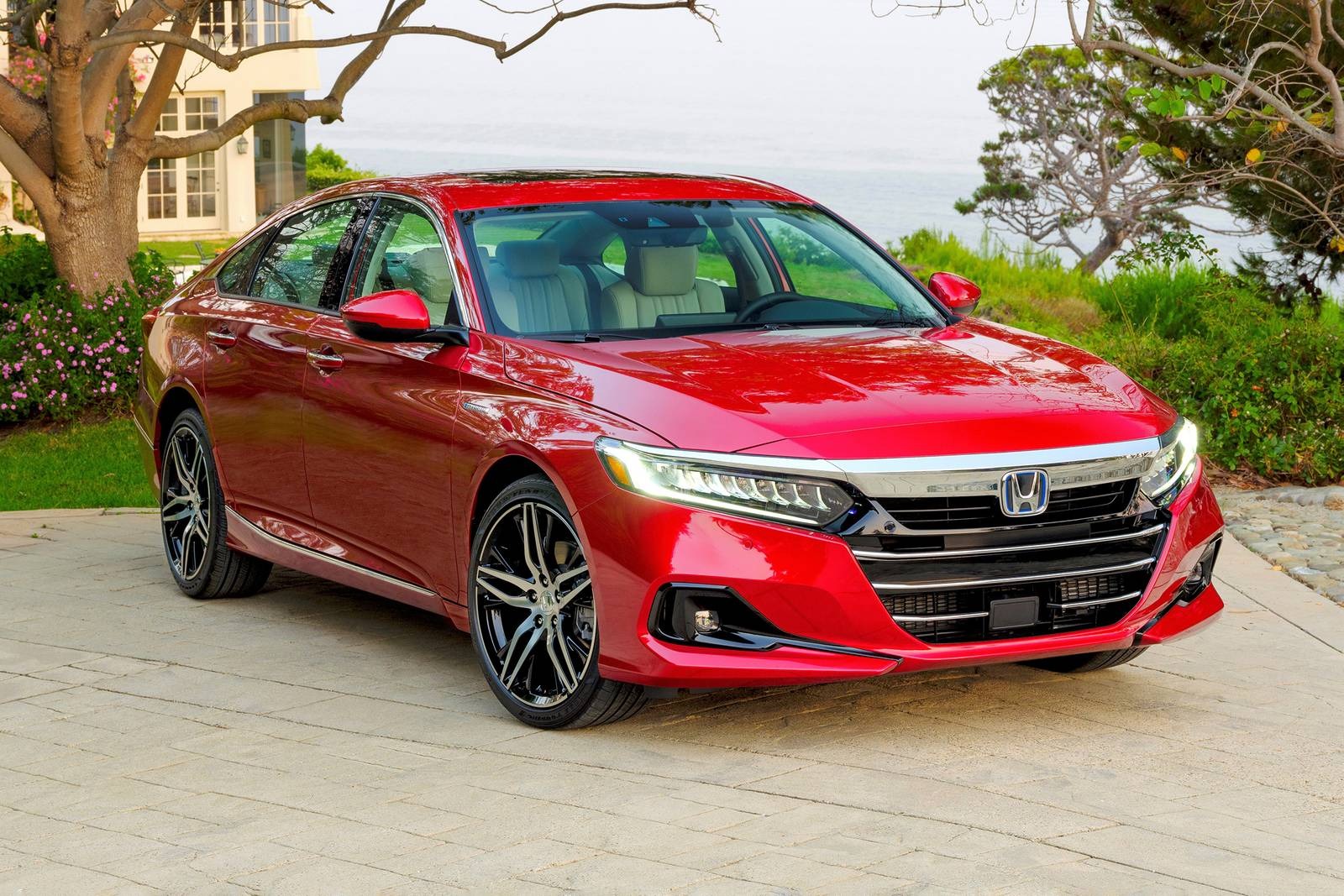
2. Honda Accord Hybrid
The Honda Accord Hybrid is another vehicle that performs in a way that reminds drivers of what they’re used to. Its strength lies in how it blends electric assistance with traditional engine power, making sure there’s no awkward pause or delay when it’s time to accelerate.
The electric motor supports the 2.0-liter four-cylinder engine in a way that provides solid torque, especially at low speeds, but never feels like it’s doing too much or too little.
One of the first things most people notice about this car is how it handles quick starts and sudden stops. Many hybrids tend to feel jerky when you slow down or speed up, but the Accord Hybrid stays smooth.
When you hit the accelerator, the response is strong and direct. It feels like driving a solid, well-built gas sedan. The electric motor plays its role quietly in the background, helping with fuel savings without making its presence too obvious.
Another thing that helps the Accord Hybrid behave more like a gas-powered car is its steering feel. It’s not overly light or heavy, and you can sense good control when you turn into bends. Whether you’re cruising on a highway or making sharp turns in the city, it handles predictably. This kind of responsiveness is something long-time gas car drivers are always happy to find in a hybrid.
Honda also did a good job with the transition between the electric motor and the gasoline engine. Some hybrids can be noisy or feel rough during the switch, but in the Accord Hybrid, that handoff is hardly noticeable. The cabin stays quiet, and the ride remains soft even when the road gets rough. It’s the kind of smoothness many people want in a daily driver.
Inside, the dashboard layout follows the same pattern of familiarity. The controls are exactly where you’d expect them to be, and the touchscreen doesn’t demand a learning curve. The system reacts quickly, and the buttons are well-marked. It gives drivers what they need without overloading them with options.
Put all these things together, and the Honda Accord Hybrid stands out as a strong option for anyone who wants to switch to a hybrid without having to change their driving habits or preferences. It gives the feeling of a gas-powered vehicle but adds the fuel-saving advantage of electric power, which makes it one of the more balanced hybrids available today.
Also Read: 10 Cars That Handle Daily Urban Abuse Without Falling Apart
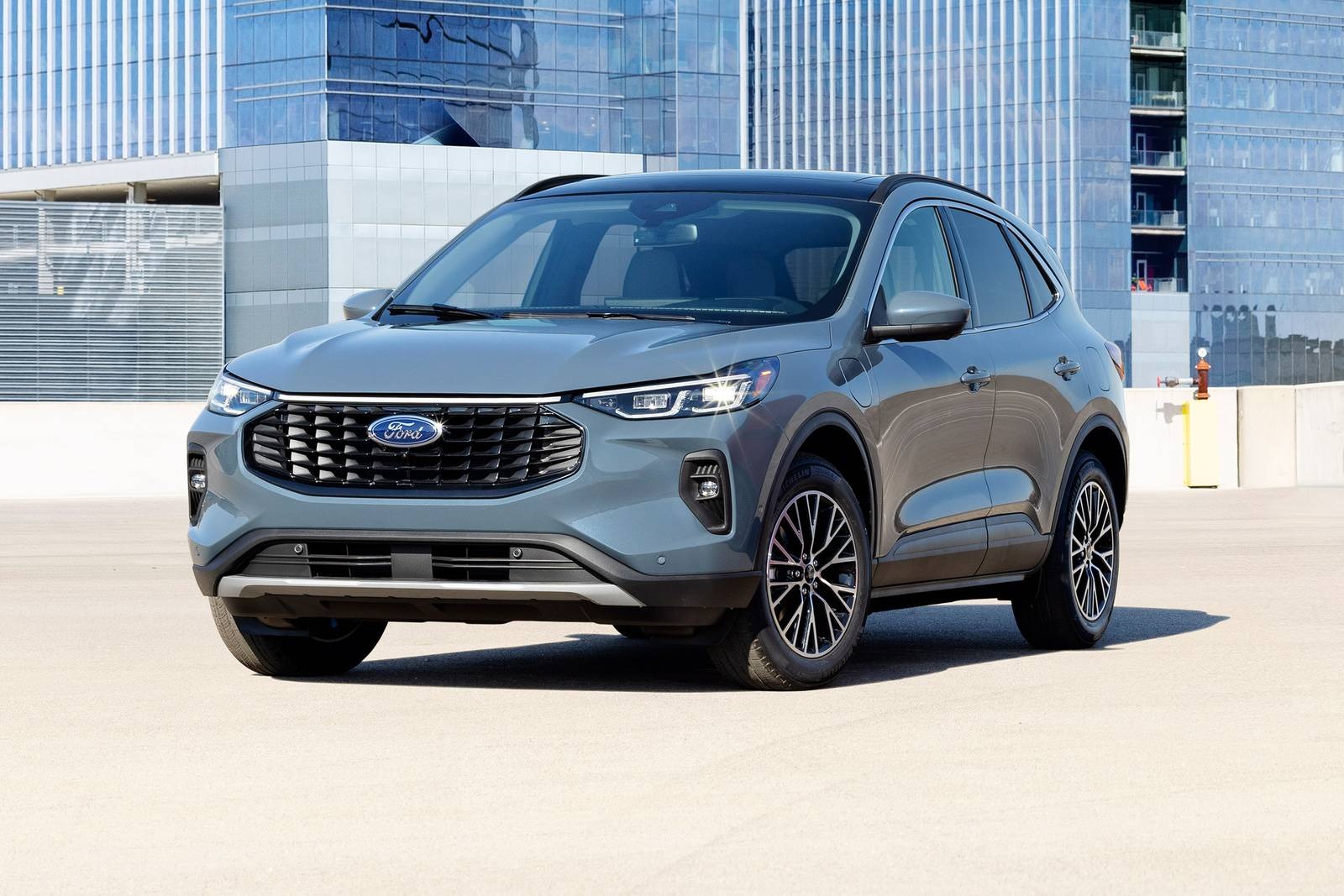
3. Ford Escape Hybrid
When people think about switching to a hybrid SUV, many worry it might feel sluggish or disconnected from the road. But the Ford Escape Hybrid proves that a hybrid doesn’t need to feel different from the gas-powered experience many drivers are used to. From the moment you press the start button, it feels more like a regular compact SUV than a technical gadget on wheels.
Ford made sure the Escape Hybrid behaves with confidence in both city and highway conditions. The 2.5-liter four-cylinder engine teams up with an electric motor, and together, they provide enough power to carry the SUV without effort.
Whether you’re heading up a steep hill or trying to overtake another car, the power comes in quickly and steadily. It does not feel like you’re waiting for the engine to catch up with your command. Handling is another reason why the Escape Hybrid feels familiar.
The steering gives enough feedback to make you feel connected to the road, and the vehicle responds sharply to quick inputs. Even when turning at tighter angles or driving through narrow spaces, the SUV remains stable. This is something drivers of regular gas SUVs would expect, and the Escape Hybrid doesn’t disappoint in that department.
One big improvement Ford made was with the braking system. Regenerative brakes on many hybrids feel soft or hard to control, but the Escape Hybrid provides braking that feels firm and natural. That means drivers won’t need to adjust how they drive or second-guess how much pressure to apply.
Inside the cabin, things are arranged with clarity and ease. The seating is spacious, and the tech features are well-integrated without being too flashy. Buttons and knobs are positioned in familiar spots, making it easy to control the climate or audio without looking too long. Drivers who are used to traditional SUVs will find it simple to get comfortable behind the wheel.
Fuel savings might be the main reason people look at hybrids, but the Ford Escape Hybrid also gives them a familiar ride quality that does not ask for compromises. It offers the same kind of performance, control, and reliability that people often associate with gas-powered SUVs. For anyone wanting a hybrid that drives like what they’re already used to, this one deserves a spot on the list.
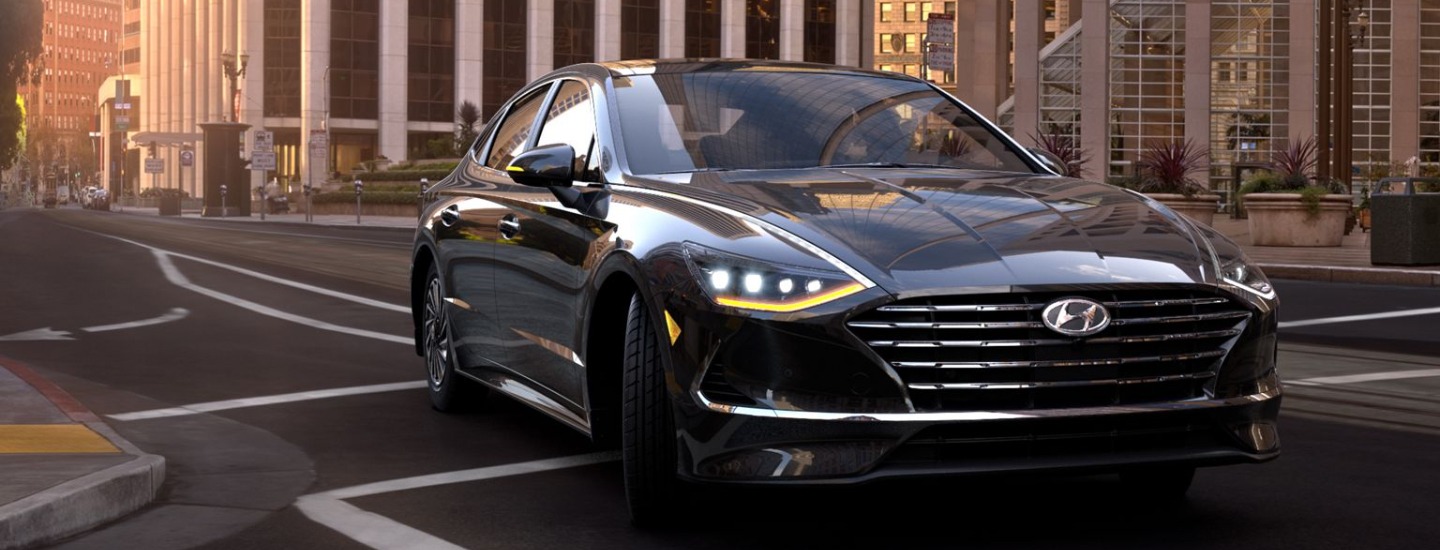
4. Hyundai Sonata Hybrid
The Hyundai Sonata Hybrid stands out because of how quietly and effortlessly it performs on the road. Many people who drive it for the first time say they forget it is even a hybrid.
That’s because the car was built in a way that gives you all the fuel-saving benefits without removing the familiar driving feel you’d get from a traditional mid-size sedan. From the way the steering responds to how the brakes behave, everything about it feels controlled and reliable.
Under the hood, it carries a 2.0-liter four-cylinder engine combined with an electric motor. This pairing doesn’t try to overpower the car or make the electric part too obvious. Instead, it delivers steady power throughout the drive.
You can cruise on highways or weave through busy streets without noticing any major difference from what you would get with a gas-only vehicle. Acceleration is smooth and doesn’t come with that buzzing or whirring noise that some hybrids are known for.
Another reason the Sonata Hybrid performs so well is because of the six-speed automatic transmission. Unlike the continuously variable transmissions that many hybrids use, this one feels more like what drivers are already familiar with. Gear changes are clear and purposeful. You can feel the transmission doing its job, just like in a regular gas car, which adds to the confidence drivers have when overtaking or switching lanes.
The ride quality is another strong point. It absorbs bumps and rough patches without becoming noisy or bouncy. You don’t get that floaty or disconnected feeling that some hybrids produce. Even when driving over potholes or uneven roads, the car remains stable. This gives it a refined and dependable presence, especially for people who do a lot of city driving.
Hyundai also paid attention to the interior layout. Everything is laid out in a way that makes sense. The touchscreen doesn’t try to take over the whole dashboard, and the physical buttons are easy to reach. Drivers who want a car that keeps things simple will be pleased. You don’t have to study the controls or wonder how to adjust the temperature or change a station on the radio.
Fuel economy is solid, which is expected in any hybrid, but the more important win here is that the Sonata Hybrid doesn’t act like a hybrid. It’s quiet, smooth, and easy to drive. For people who want to enjoy better mileage without having to give up the feeling of a well-made gas-powered sedan, this is a reliable choice that ticks those boxes with ease.
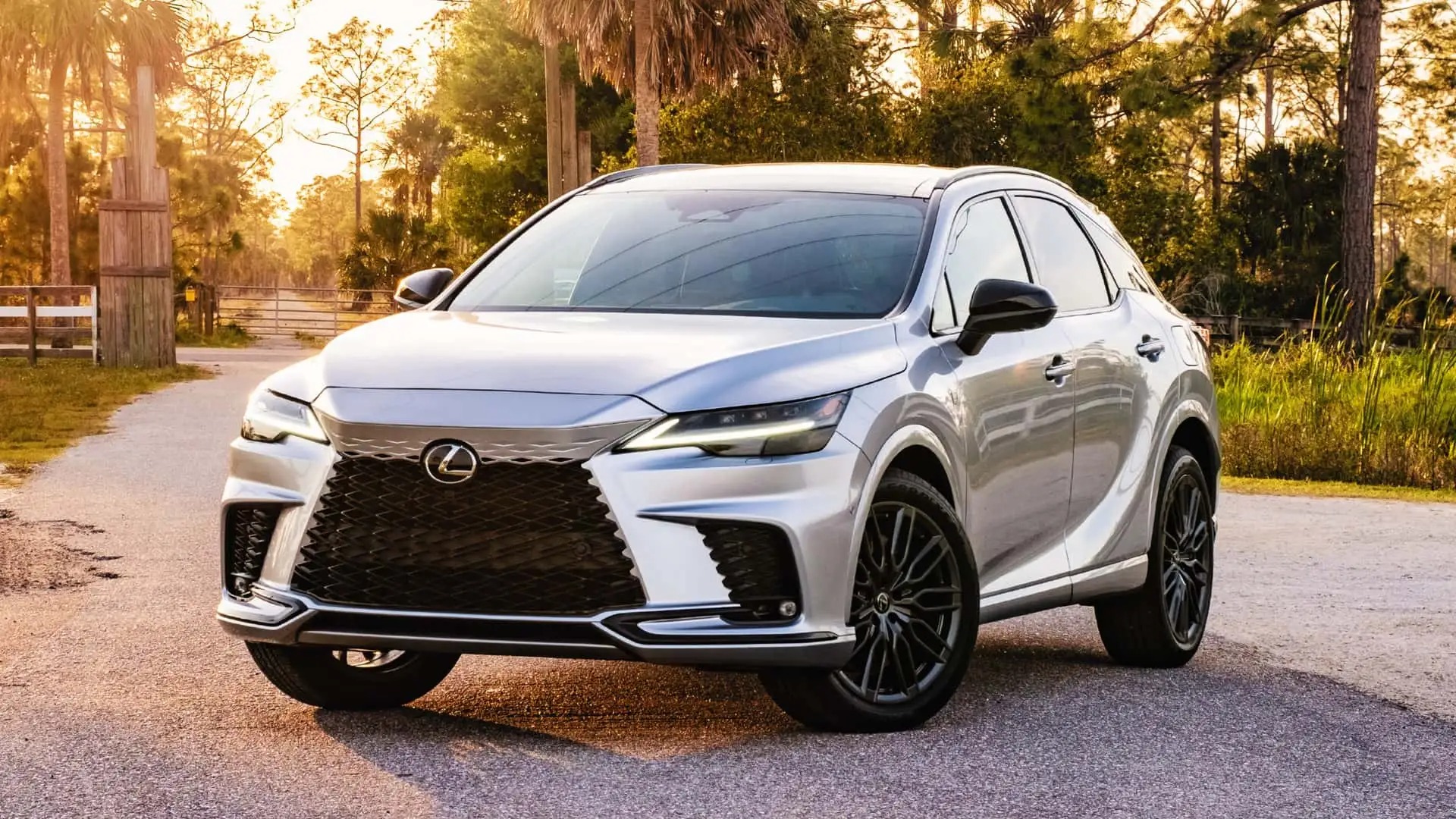
5. Lexus RX 500h
The Lexus RX 500h brings a sense of luxury without losing touch with what drivers expect from a powerful gas SUV. Lexus made sure to include hybrid features in a way that doesn’t change the feel of the drive.
The vehicle still moves with strength and delivers smooth acceleration, and it offers comfort and responsiveness that feel familiar. When you sit behind the wheel, you don’t have to second-guess how it will respond when you press the gas or hit the brakes.
This hybrid comes with a turbocharged 2.4-liter engine, paired with electric motors that work together without delay or confusion. Whether you’re starting from a stop or picking up speed on the highway, the RX 500h doesn’t hesitate. The response is immediate and solid, which makes it feel more like a traditional performance SUV than an experimental hybrid.
Handling is also strong. Lexus added an advanced all-wheel-drive system and rear-wheel steering, which makes turning feel tighter and parking easier. Even with its large size, the RX 500h doesn’t feel heavy or difficult to control.
It drives with the same confidence and balance that many gas-powered luxury SUVs are known for. You can take corners or go through city streets without feeling like you’re driving something slow or bulky.
Another thing that stands out is the braking. Many luxury hybrids struggle to get the regenerative braking to feel normal, but the RX 500h avoids that issue. The brakes feel smooth and dependable. You can slow down naturally without sudden jolts or uneven pressure.
Inside the cabin, the experience matches what drivers expect from Lexus. The materials are high quality, the seats are supportive, and the design is both stylish and functional. While some hybrids try to push futuristic dashboards and confusing controls, this Lexus keeps things sleek but clear. Touchscreens are well-positioned, and the physical controls are easy to operate while driving.
The RX 500h also keeps engine noise low. Even under heavy acceleration, it doesn’t roar or produce strange electric whines. The transition between electric and gas power happens in the background, so you can focus on the road. For those who want a hybrid but still expect a luxury experience, this SUV feels just like a top-tier gas vehicle, with the bonus of better mileage and lower emissions.
5 Hybrids That Feel Awkward
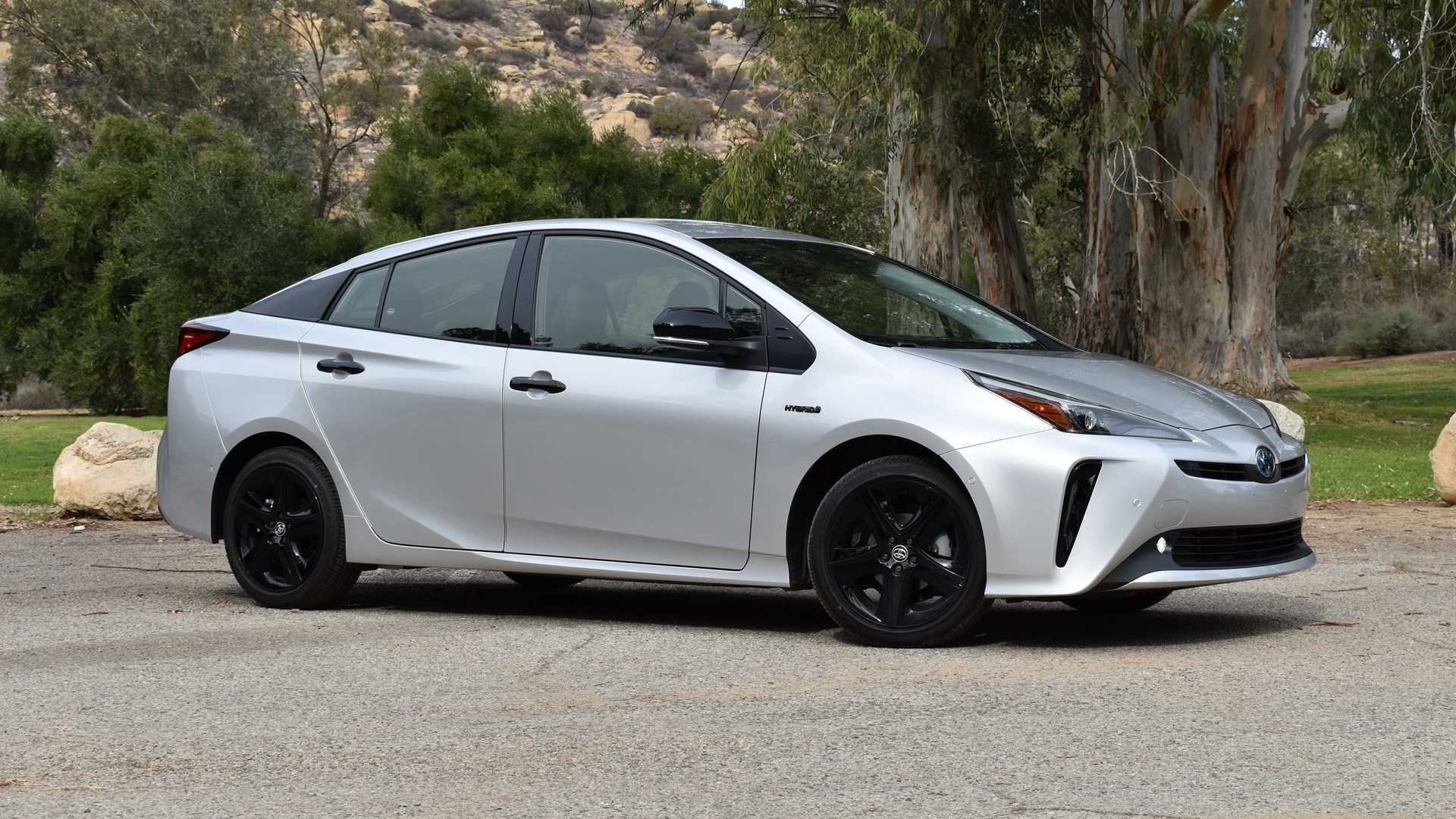
1. Toyota Prius
The Toyota Prius has long been a symbol of hybrid technology, but even with recent updates, it still feels different from the average gas-powered car.
While it has improved in terms of looks and performance, it hasn’t fully left behind the awkward feel that early hybrid drivers noticed. From how the engine behaves to how the car reacts to inputs, the Prius still feels a bit distant from what many drivers expect in a traditional car.
Its 2.0-liter engine and electric motor combination is fine for daily driving, but the acceleration often comes with a bit of lag. You press the pedal, and there’s a slight pause before the car gets moving. This delay is more noticeable when trying to merge onto highways or overtake other vehicles. While some people get used to it as time goes on, others may find it frustrating.
The transmission also contributes to this feeling. The Prius uses an eCVT, which can make the car feel like it’s stuck at a certain sound level while accelerating. Instead of the gear changes that drivers expect in a gas vehicle, you get a constant engine tone, which may feel unnatural. Some describe it as a droning sound that doesn’t go away until you ease off the pedal.
Handling is decent, but it doesn’t give much feedback. When turning or making sharp moves, the steering can feel overly light, and that makes the driver feel slightly disconnected from the road. It’s not unsafe, but it lacks the solid grip and confidence you get from gas-powered sedans or hatchbacks.
Another area that feels unusual is the regenerative braking system. It doesn’t respond like traditional brakes. Sometimes it slows down more than you expect, other times it takes longer to react. Drivers who are used to smooth, predictable braking may have to adjust their habits.
The interior design, although modern, also leans toward a futuristic feel that some may find unfamiliar. The placement of the gear shifter, the central digital screen, and the unique styling can be hard to get used to. It’s different from what drivers see in a standard gas car dashboard, and that difference can take away from the driving comfort.
Even though the Prius is popular and dependable, it still feels like a hybrid trying to prove something. For those who want their car to feel as natural as the gas vehicles they’ve driven for years, the Prius might still come off as a bit too experimental.
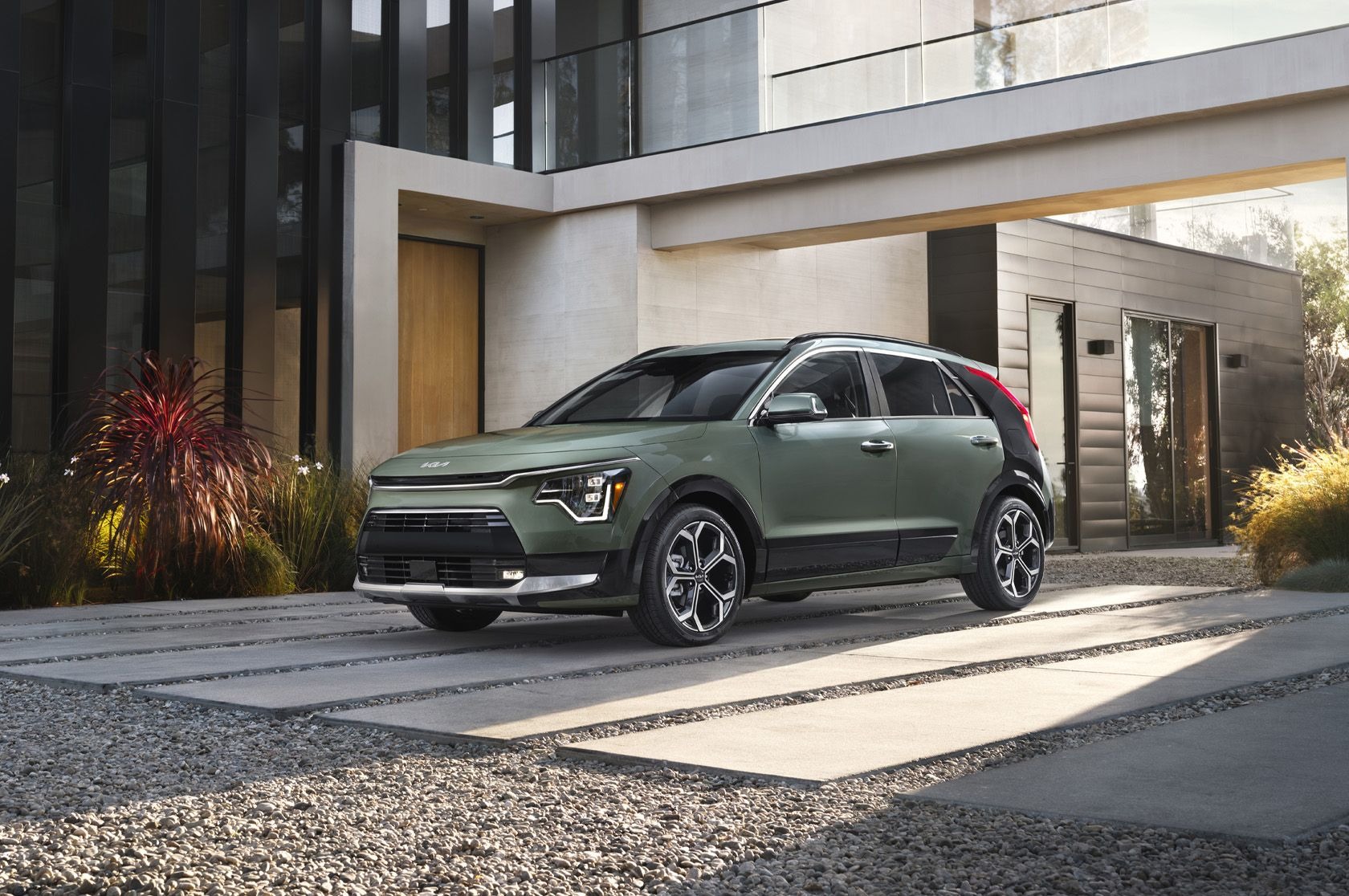
2. Kia Niro Hybrid
The Kia Niro Hybrid comes with solid fuel economy and a practical design, but when it comes to delivering the kind of driving experience people get from gas-powered vehicles, it falls short in some areas.
This model leans more into its hybrid nature and less into mimicking what many drivers already know and trust. The way it responds, feels, and sounds while driving may not sit well with those who are used to the steady behavior of traditional cars.
The Niro Hybrid uses a 1.6-liter four-cylinder engine matched with an electric motor. While it delivers decent total power, the car struggles during quick acceleration.
There is a noticeable pause before the car builds up speed, which makes merging onto highways or passing slower traffic feel like extra work. Some people might adjust to this after a while, but for others, the hesitation can feel like the car is not keeping up with what the driver wants.
Unlike some other hybrids, Kia chose to use a dual-clutch automatic transmission instead of a CVT. While this could have given it a more natural gas-car feel, the way it performs still ends up being inconsistent. At low speeds, the transmission can feel clunky or delayed. You might feel the car lurch slightly as it changes, which breaks the smoothness many expect from a gas vehicle.
The regenerative braking also adds to this awkwardness. It often feels artificial and lacks consistency. You could press the brake lightly and get more stopping power than expected, or press harder and feel like it’s not slowing down fast enough. This kind of behavior makes the braking experience unpredictable, especially in stop-and-go traffic.
When it comes to handling, the Niro Hybrid is passable but doesn’t inspire confidence. The steering is light and lacks road feedback. That can make the car feel disconnected, especially on winding roads. While it performs adequately in city driving, highway handling feels less steady, especially when faced with strong wind or when making quick lane changes.
Inside, the Niro Hybrid does try to keep things functional and easy to use. The controls are laid out logically, and the materials are decent for their price range. However, the driving experience remains the biggest issue. While the cabin is quiet and the seats are comfortable, the awkward acceleration and braking behavior take away from what should be an easy and familiar ride.
For drivers switching from a traditional car, the Kia Niro Hybrid might not feel natural. Its hybrid features are more obvious, and the way it moves doesn’t always match what the driver expects. If comfort and function are your priorities, it delivers. But if you’re searching for that gas-car feel, this one may not be the best match.
3. Hyundai Ioniq Hybrid
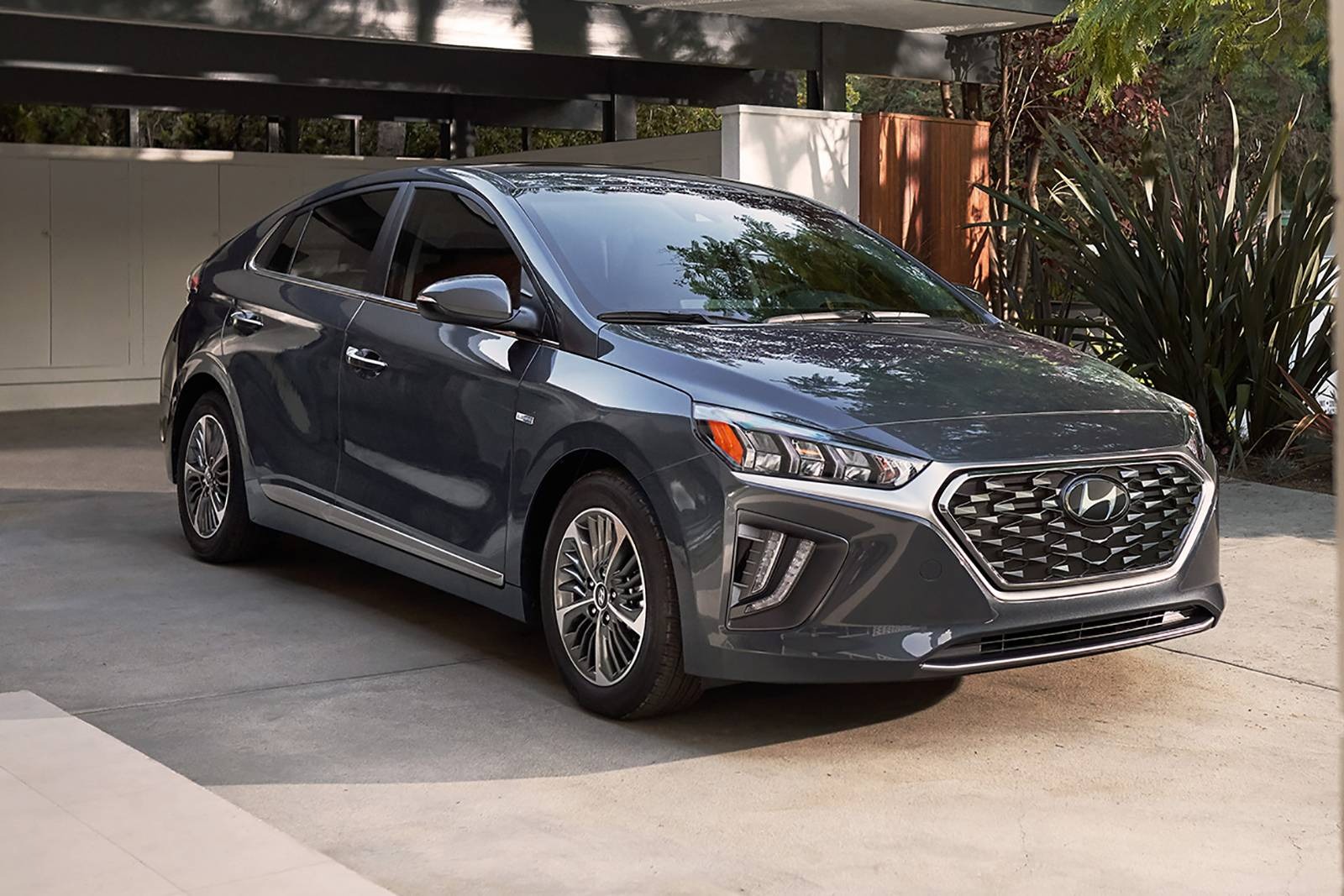
The Hyundai Ioniq Hybrid was built with strong efficiency goals, and it achieves excellent fuel economy. But when it comes to offering a smooth and familiar driving experience, it misses the mark. While the car is smart and practical, the driving feel doesn’t hide the fact that it’s a hybrid. Everything from the throttle response to the brake feel reminds the driver that this is a very different type of car.
It uses a 1.6-liter engine with an electric motor, paired with a dual-clutch automatic transmission. On paper, that setup should give it decent acceleration and smooth changes. But when you’re on the road, things feel stiff and inconsistent.
Acceleration is especially weak when you need it the most. For example, pressing the pedal to merge onto a freeway often results in a delayed response and high engine noise before the car starts picking up speed.
The dual-clutch gearbox is not very forgiving either. At low speeds, it jerks during gear changes, which makes stop-and-go traffic uncomfortable. It also affects how smooth the ride feels during city driving, where changes happen frequently. While some people may find this acceptable, many drivers coming from regular gas vehicles will notice the lack of fluid motion.
Braking is another area where the Ioniq Hybrid feels off. The regenerative system creates a gap between when you apply pressure and when the car starts to slow down. This delay feels unnatural and can catch some drivers off guard. It often leads to stopping either too early or too late, especially when you’re used to precise control in a gas car.
The steering also lacks feedback. It feels overly light and artificial, which takes away the sense of connection with the road. While it may be fine for casual city driving, it doesn’t offer confidence during fast-paced or aggressive maneuvers.
The cabin itself is clean and practical, but the focus on technology over familiarity becomes clear. The touchscreen is responsive, and the buttons are easy to reach, but the entire vibe leans toward a futuristic direction. That may appeal to tech lovers, but drivers who prefer simple, clear controls might feel out of place.
Though the Ioniq Hybrid earns praise for being efficient and affordable, its on-road behavior reminds you that you’re driving something different. That constant awareness can take away from comfort, especially for drivers who just want to get from one place to another without having to think too much about the mechanics behind the motion.
4. Ford Maverick Hybrid
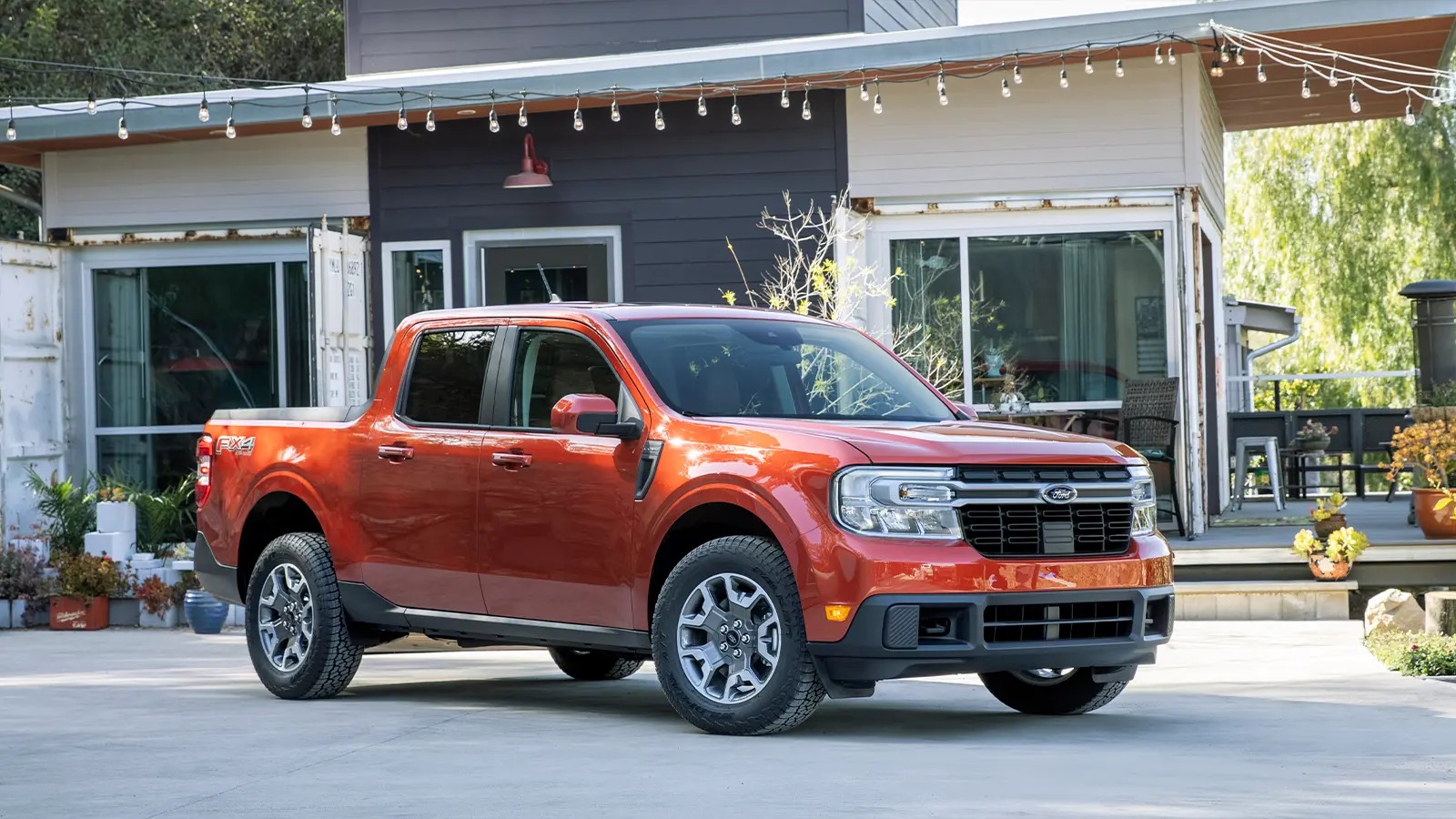
The Ford Maverick Hybrid caught attention for being a compact pickup with hybrid efficiency, which is rare in its category. While it deserves credit for innovation, it still feels like a truck that’s trying to figure itself out. Drivers looking for the classic feel of a gas-powered pickup may walk away with mixed impressions after spending some time behind the wheel.
This hybrid truck comes with a 2.5-liter engine and electric motor paired to a CVT. While the powertrain works fine for light loads and daily driving, it doesn’t deliver the quick and confident response many expect from a truck. Accelerating from a stop feels slow, and when carrying extra weight or climbing hills, the engine often sounds like it’s working too hard.
Because of the CVT, the Maverick Hybrid doesn’t give you the same sense of control found in traditional pickups. The engine drones during acceleration, and the power delivery feels stretched rather than punchy. Drivers who are used to the firm pull of a standard truck engine might find this experience less than satisfying.
Steering is simple and direct but lacks weight. This makes it easy to handle at low speeds, but gives less confidence when moving fast. While city driving is easy enough, highway behavior can feel uncertain. Passing other vehicles or merging at high speed doesn’t feel as smooth or forceful as it should in a truck.
Braking also feels slightly off. The regenerative setup changes how the brake pedal responds, and it takes some practice to stop the truck smoothly. This adds a layer of adjustment that drivers might not expect in a pickup.
The interior is designed for function. It’s easy to clean, the buttons are big, and the layout is clear. But it doesn’t try to deliver any premium experience. The screens and controls are built to serve, not to impress. That works well for some people, but others may feel like something is missing in the drive.
The Ford Maverick Hybrid makes sense for someone who needs a fuel-efficient truck for everyday use. However, if you’re used to the solid, confident feel of a regular gas-powered pickup, this hybrid might seem underwhelming. It has the basics but lacks that strong presence and power delivery that many drivers expect from a truck.
Also Read: 5 Cars With Fast Climate Response vs 5 With Slow HVAC
5. Toyota RAV4 Hybrid
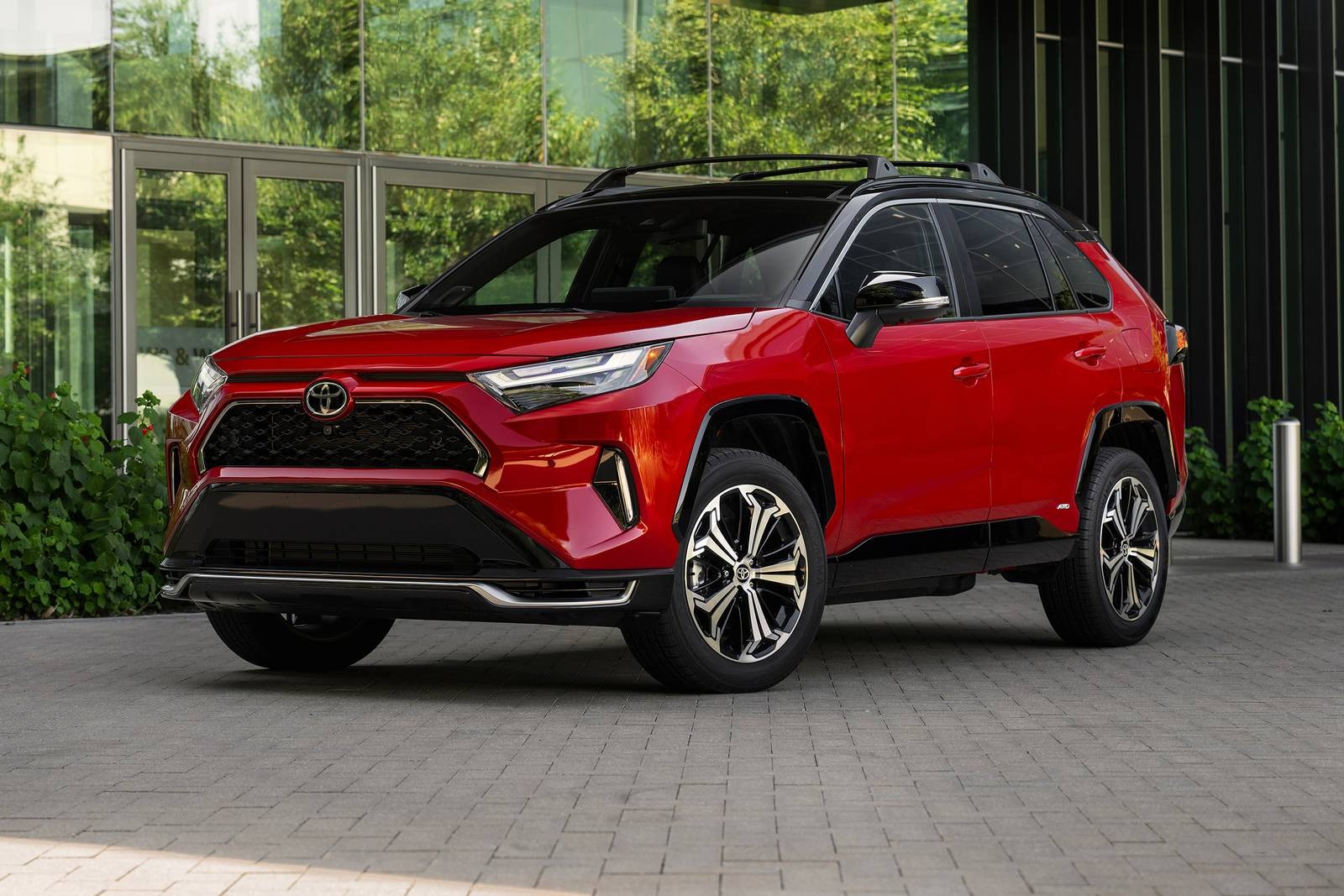
The Toyota RAV4 Hybrid has earned praise for offering solid fuel economy in a compact SUV package, but when you focus on how it feels behind the wheel, some parts of the experience fall short of what many drivers expect from a gas-powered vehicle.
While it gets the job done for daily commuting and offers decent cargo space, its behavior on the road sometimes feels distant and disconnected, especially when compared to regular gas-powered crossovers.
Under the hood, the RAV4 Hybrid combines a 2.5-liter four-cylinder engine with two electric motors. That sounds like a promising setup, and it does give the car enough strength to move confidently in most situations.
However, the way this power is delivered can be inconsistent. Acceleration feels uneven, especially when you try to push the car a bit harder. There’s a noticeable lag at times, and the engine tends to get louder as it works to catch up with your demand for speed. This delay and noise combo can take away from driving comfort, especially on the highway.
Toyota uses an electronic continuously variable transmission (eCVT) for the RAV4 Hybrid, and this plays a role in how the car feels. Instead of smooth gear changes like what you get with a traditional automatic transmission, the eCVT stretches the power delivery in a way that can feel unnatural.
The engine sound remains at one pitch for too long, which makes the driving experience less engaging. Drivers who enjoy hearing the car change gears or feeling a natural rhythm while accelerating may find this setup awkward.
When it comes to handling, the RAV4 Hybrid keeps things simple. It’s easy to steer, and the turning radius is good for city driving. But the steering feels too light and offers very little road feedback.
That means the driver doesn’t get much of a sense of connection with the surface, which makes the experience feel robotic. This becomes more noticeable when trying to drive through winding roads or during sudden direction changes.
The braking also presents its own set of challenges. The regenerative system, while useful for energy recovery, creates a brake pedal feel that is not always smooth. Sometimes it feels like the car is slowing down too fast; other times, not fast enough. This can confuse drivers and lead to overcompensating, especially in stop-and-go traffic.
Inside, the RAV4 Hybrid is spacious and well-built. The controls are placed where you’d expect, and the infotainment system is easy to operate. Still, even with these positives, driving remains a hurdle. The SUV just doesn’t deliver the kind of tactile response or power flow that many gas-car drivers are used to.
So while the RAV4 Hybrid checks several boxes, fuel savings, interior room, and practicality, it still comes with that hybrid feel that never quite fades into the background. For drivers who place a high value on how their car feels while driving, this model may come across as more functional than enjoyable.
