

Electric vehicles are changing how people think about driving. More drivers across the United States are now moving from traditional petrol or diesel engines to battery-powered cars. While this change is driven by interest in cleaner technology and lower running costs, many people are still asking an important question: how long do these EVs really last?
Some electric cars have proven themselves reliable even after many years on the road, while others barely make it past their fourth birthday before showing serious problems. Durability is not just about the battery. It also involves the quality of the parts, the design of the vehicle, and how well the software and electronics keep working as time passes.
EVs do not have as many moving parts as fuel-powered cars, which should, in theory, make them last longer. But not every EV lives up to this idea. Some models have gained a reputation for long life and excellent dependability. Others often leave owners disappointed with early battery failure, weak build quality, or issues that force early replacement.
On this page, we will separate the durable from the unreliable. We will look at five electric vehicles that have stood the test of time. These are cars that many owners still use after ten years or more, with very few complaints.
We will also examine five EVs that have struggled with age, breaking down earlier than expected, and failing to deliver lasting value. Whether you are shopping for a used EV or planning to buy a new one, knowing which ones tend to hold up and which fall apart can help you avoid regrets later.
Let’s start with the five that are known for lasting a long time before we go on to those that tend to struggle before they even reach their fifth year.
5 EVs That Last for Decades
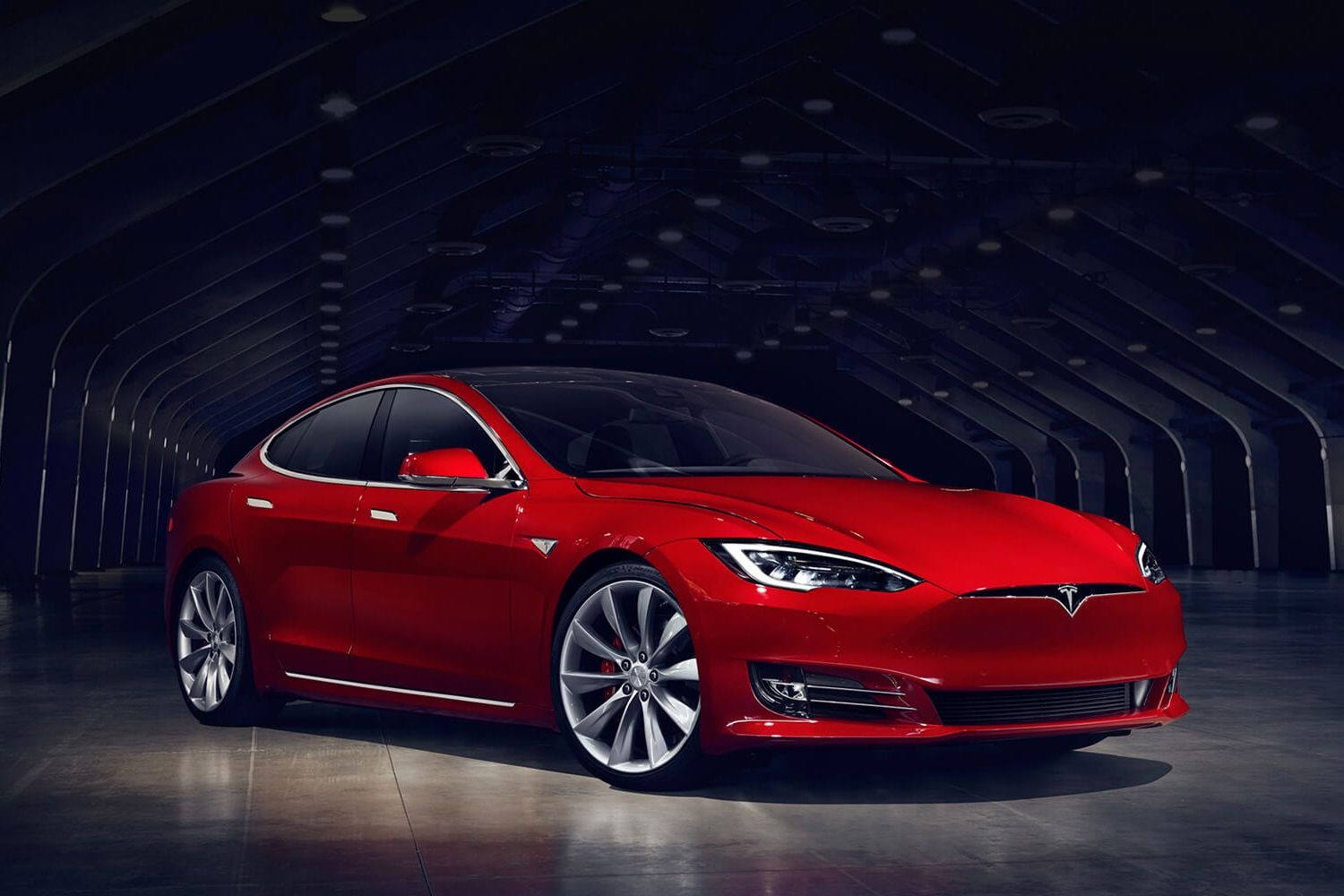
1. Tesla Model S
The Tesla Model S has been around since 2012 and remains one of the best examples of a long-lasting electric car. From the beginning, Tesla focused on building a performance EV that could handle daily use while offering long driving ranges. Many early buyers are still using their Model S vehicles, and the car has become known for reliability across long distances.
One of the reasons for the Model S’s strength is Tesla’s battery technology. The company has worked on improving battery health, charging cycles, and thermal control. As a result, most owners report that the battery still holds more than 80 percent of its original capacity even after 200,000 miles. That level of consistency makes it a strong choice for people who want a long-term electric vehicle.
The interior of the Model S also stands out. Though earlier versions had some complaints about the materials used, Tesla has updated the design over the years. The car’s software continues to receive updates that bring in new features without the need for a new vehicle. That ability to stay current without buying a newer model adds to the car’s lasting value.
Another reason the Model S lasts is the support system from Tesla. The brand offers repair services, battery replacements, and over-the-air fixes that help solve problems without requiring a trip to the workshop. When something goes wrong, many of the issues can be solved through updates, which add to the lifespan of the vehicle.
Driving range is also a major factor. The Model S can travel over 370 miles on a single charge, depending on the version, making it a practical option for both short and long trips. Drivers are not always worried about finding a charger or stopping too often. When a car offers both range and durability, it becomes a lasting asset.
For many buyers, the cost of the Model S is high at the beginning, but the long life of the vehicle helps balance that. Maintenance costs are lower than petrol vehicles, and since most of the main parts are designed to last, it becomes a smart investment for the long term.
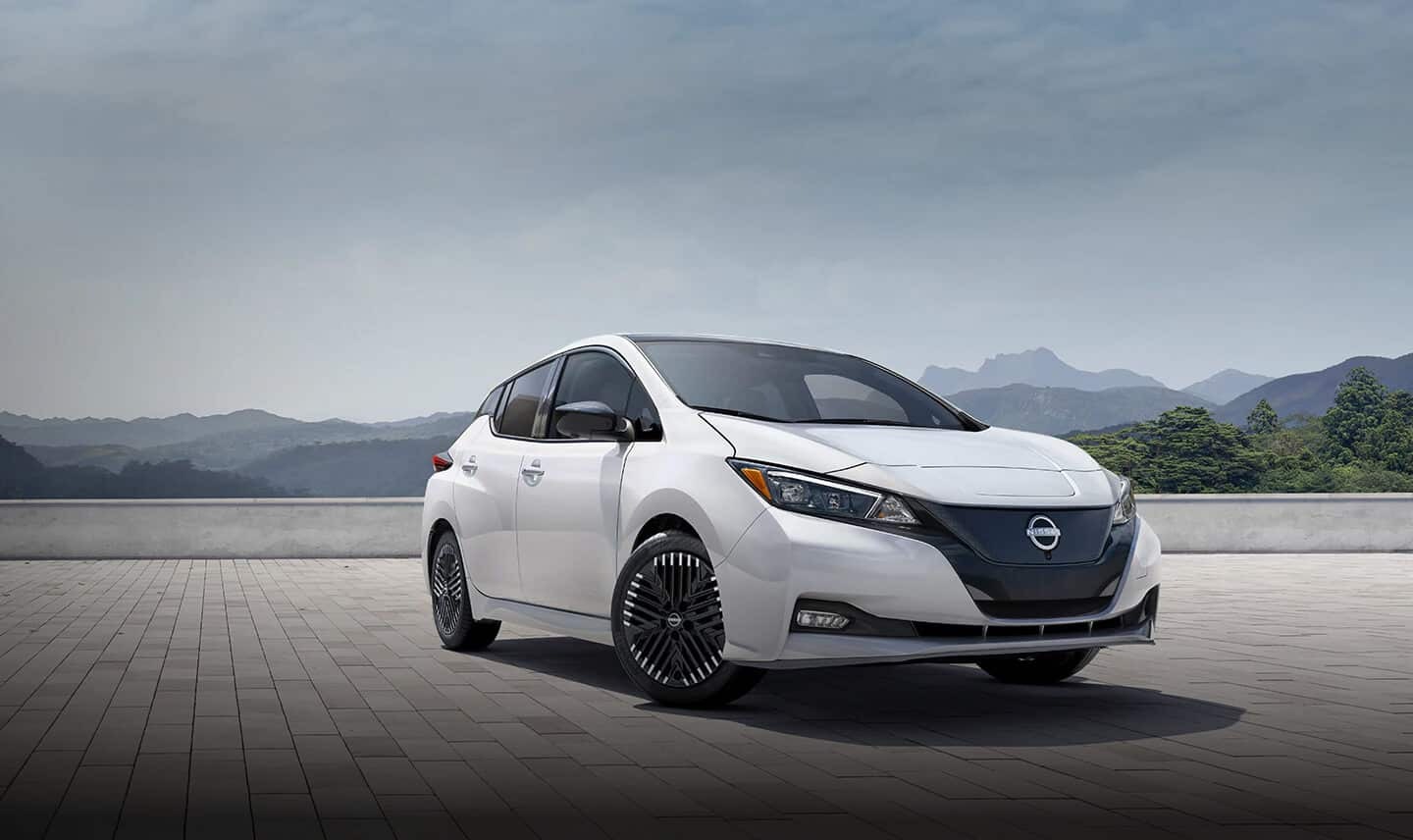
2. Nissan Leaf
The Nissan Leaf entered the market as one of the first widely available electric cars. Since 2010, it has shown that EVs can be reliable, easy to use, and affordable. The Leaf may not match the flashiness of luxury brands, but when it comes to steady, reliable driving, it delivers.
The battery system in the Leaf has improved with each generation. While the early models had smaller ranges and issues with battery degradation in hot climates, Nissan made important changes after some time. By adjusting the battery chemistry and adding better cooling, newer Leafs have far fewer problems. Many owners of 2015 or newer models report strong battery life, even after years of daily use.
Another factor that makes the Leaf a long-lasting car is its simple design. The car was built for everyday use. It does not try to offer too many unnecessary features, and that simplicity helps it avoid problems that come from overcomplicated systems. Fewer things to break means fewer repairs and longer life on the road.
The Leaf is often used as a city car, and many of these vehicles have crossed 150,000 miles without major problems. The electric motor continues working with little maintenance, and the software is easy to understand. Drivers who take care of their Leaf can expect it to last for over a decade, especially if they follow regular charging habits and avoid exposing the battery to extreme heat.
One thing that helps the Leaf stand out is its affordable repair costs. Unlike many electric cars that require expensive parts and repairs, the Leaf is more budget-friendly. Parts are widely available, and mechanics with EV experience can usually fix it without needing special tools or rare components.
Drivers who want a dependable, low-cost EV for commuting or daily errands often stick with the Leaf. It might not win awards for performance or luxury, but when it comes to lasting value, it has earned its place as one of the most reliable electric cars available.
Also Read: 5 Cars With Ample Cargo Space and 5 With Tiny Trunks
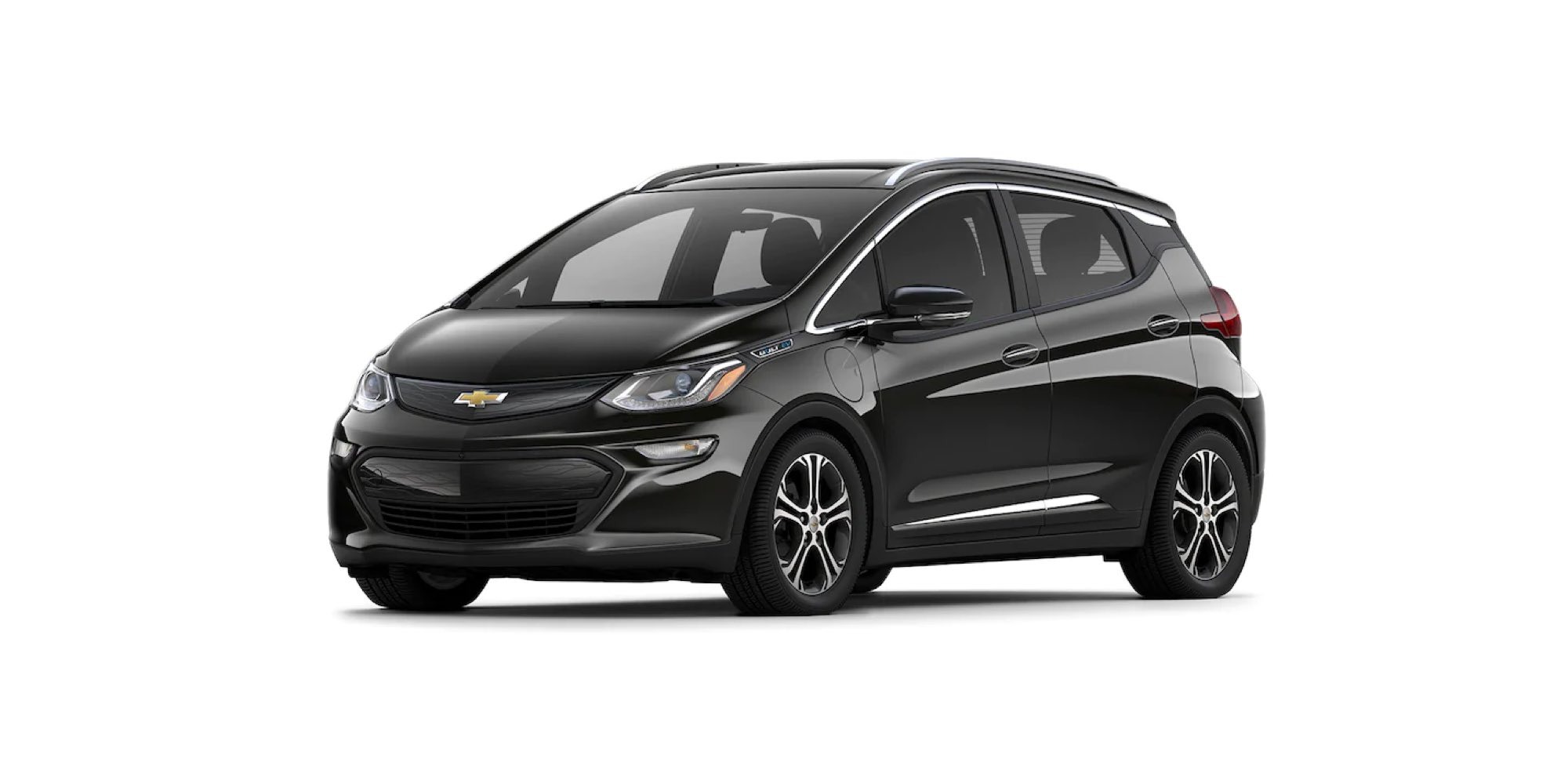
3. Chevrolet Bolt EV
The Chevrolet Bolt EV may not be the most talked-about electric vehicle, but its long-lasting performance deserves attention. Since its debut in 2017, the Bolt has shown that even a smaller, lower-cost EV can hold up for years.
GM put a strong focus on range and battery strength when designing the Bolt. The car comes with a battery that can handle over 250 miles on a single charge. That range, combined with a compact size and quiet driving experience, made it a good option for city and suburban drivers.
One reason many owners say their Bolt still works well years later is the strength of the battery pack. Even after high mileage, most Bolts still offer consistent performance. General Motors took steps to improve battery safety and durability, especially after a recall related to early battery fires. Once those issues were solved, the Bolt gained a new reputation for long life and reliability.
Drivers also enjoy the car’s handling. It feels stable, easy to steer, and simple to park. Those features, while basic, help drivers build trust in their car. Many Bolts are used for regular commuting, and they continue to do that job well after five or more years of use.
Chevrolet’s decision to give the Bolt good software support has helped, too. Over-the-air updates and in-person service mean problems can be solved without long delays. Many drivers report that software bugs or performance drops were fixed quickly by the dealer or through updates, keeping the car reliable.
People who are looking for a second-hand EV that can last should take a serious look at the Bolt. It has been proven that a small electric car does not need to give up long-term strength. Many Bolts still run well even after heavy use, showing that good engineering and steady support can keep an EV running for many years.
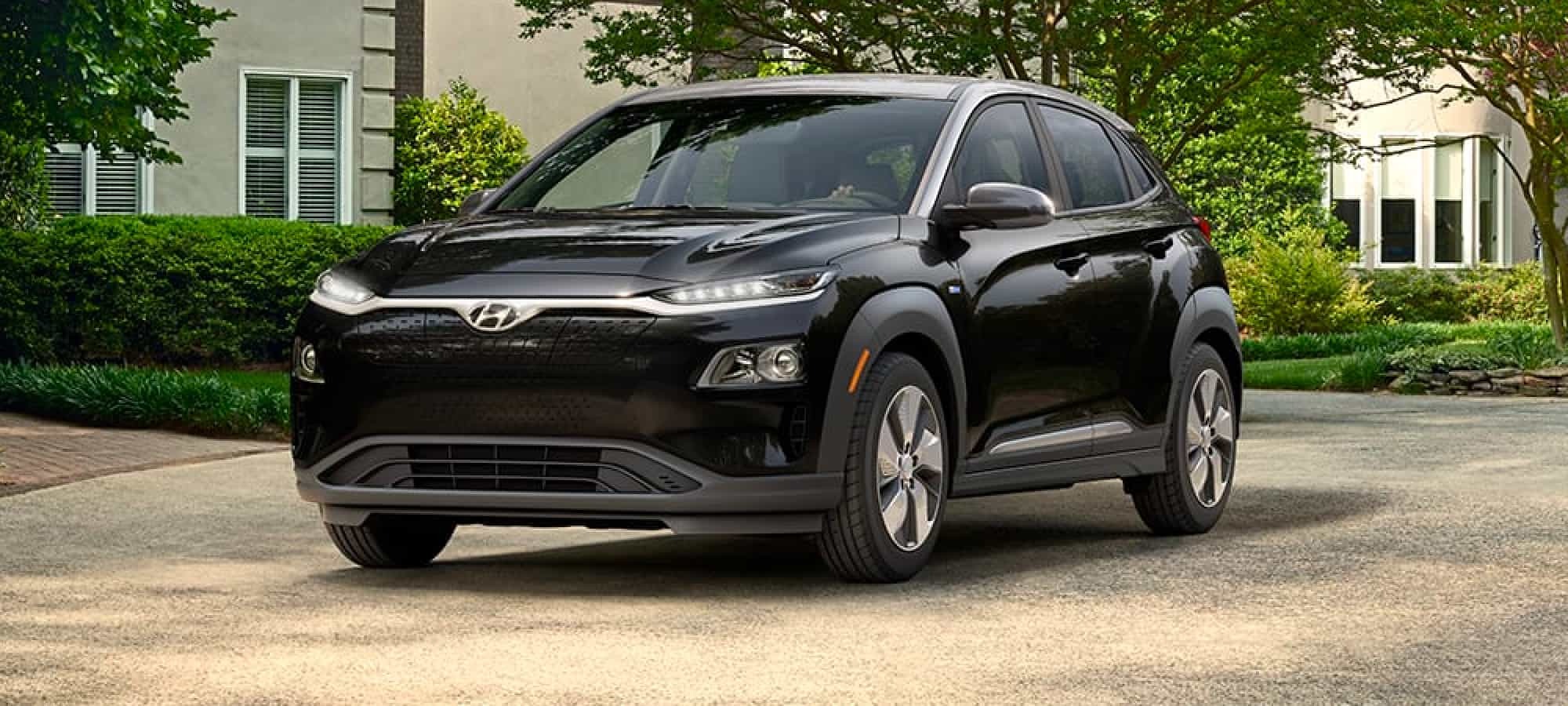
4. Hyundai Kona Electric
The Hyundai Kona Electric has gained strong praise for offering dependable electric driving in a compact SUV body. Since arriving in 2018, the Kona has been appreciated by drivers who want a small EV that lasts without constant problems.
Hyundai focused on making the Kona Electric a practical choice. It gives drivers about 258 miles per charge, which fits most daily needs. Its strong battery pack has shown resilience, with minimal complaints from long-term owners about capacity loss or mechanical failure.
One strength of the Kona Electric is how well it handles different driving conditions. Whether on rough roads or smooth highways, the car stays steady. Its strong build quality and reliable parts contribute to its reputation for lasting performance.
Another important point is Hyundai’s warranty. The company offers one of the longest battery and drivetrain warranties in the industry. That kind of backing helps give owners confidence that their car will stay useful for many years. It also means that if anything goes wrong early, it can be fixed without a high cost.
Drivers have also noticed that the interior materials stay in good shape even after years of use. The seats, dashboard, and controls are made with quality parts that hold up under daily wear. This is one of the small but important reasons why many Kona EVs continue to look and feel good even after high mileage.
As a compact SUV, the Kona Electric offers more space than many other small EVs. That extra room, combined with reliable performance, makes it a good pick for families or anyone who needs more storage space.
It is not only the strong battery that keeps the Kona Electric in service for years. The entire design and engineering decisions show a commitment to durability. People who want an electric SUV that stays dependable after five or even ten years often find that the Kona fits the job well.
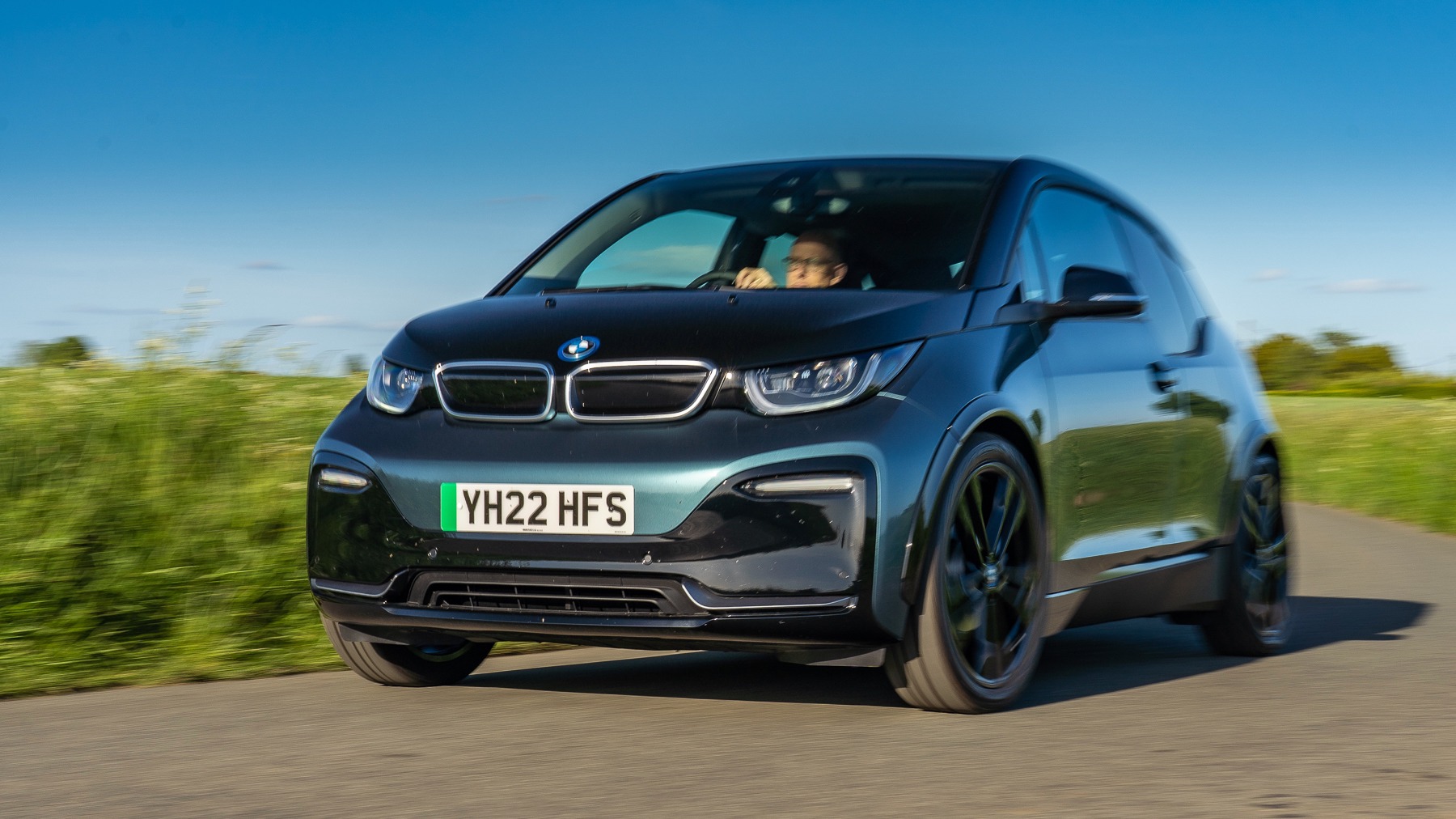
5. BMW i3
The BMW i3 stands out because of its unique design, but behind the unusual look is a vehicle that has proven to last far longer than many expected. Introduced in 2013, the i3 was BMW’s first full electric car and one of the early premium EVs in the market.
Despite its compact frame and lightweight carbon-fiber construction, the i3 continues to perform strongly after several years. Many owners still use the car for their daily commute even after clocking over 150,000 miles. The battery life has stayed steady for most units, especially in newer versions that carry larger battery packs.
One thing that helps the i3 stay in use is how easy it is to drive. The light body and quick acceleration make city driving stress-free. It has a small turning radius and strong regenerative braking, which reduces the strain on the brakes and adds to its long-term durability.
BMW also gave the i3 high-quality materials inside the cabin. Even after years of use, the interior holds up better than many rivals in the same category. The seats, steering, and digital display keep working well, and this attention to detail has helped the car age with grace.
While it is no longer being produced, the i3 has built a strong reputation for staying reliable long after its first few years. People looking for a used EV that still works well often find the i3 to be a good option, especially those who want a premium experience in a small, dependable electric car.
5 That Don’t See Year Five
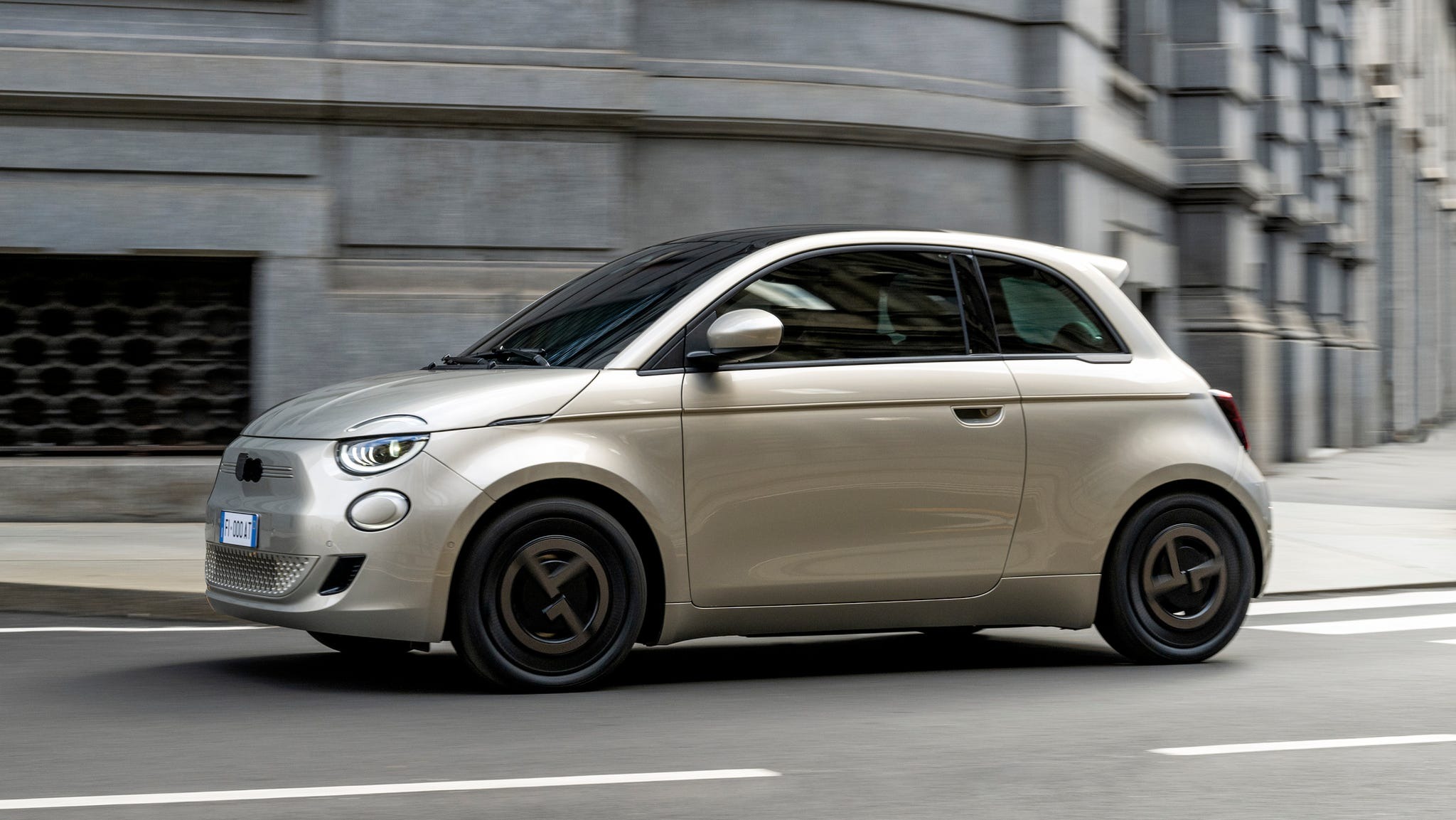
1. Fiat 500e
The Fiat 500e arrived with an appealing look and fun city-friendly size, but it has not lived up to long-term expectations. Released mainly for compliance with emissions rules, this car was more of a test run than a serious commitment to electric driving.
One major issue with the 500e is its battery range. At just around 84 miles on a full charge, it quickly became outdated compared to other EVs on the market. For city use, the range may seem enough, but for those who want more flexibility, the car feels limiting. That low range also leads to faster battery wear, especially for drivers who push the car to its full capacity every day.
Owners have also reported frequent mechanical problems and software issues. From faulty charging systems to slow response from the dashboard controls, the Fiat 500e struggles with maintaining consistency. Many drivers say they start to experience serious trouble by year three or four, making the car less dependable than expected.
Repair costs are another headache. Because the car was not sold widely and was produced in limited numbers, spare parts can be difficult to find. Mechanics also report that working on the 500e requires extra effort due to its uncommon design. These factors make it expensive to keep running once things start going wrong.
Although the Fiat 500e looks great and drives smoothly for short distances, its lack of lasting strength makes it a weak choice for those who need a reliable car for the long term. Most owners end up selling or retiring it before the fifth year, especially once repair costs begin to rise.
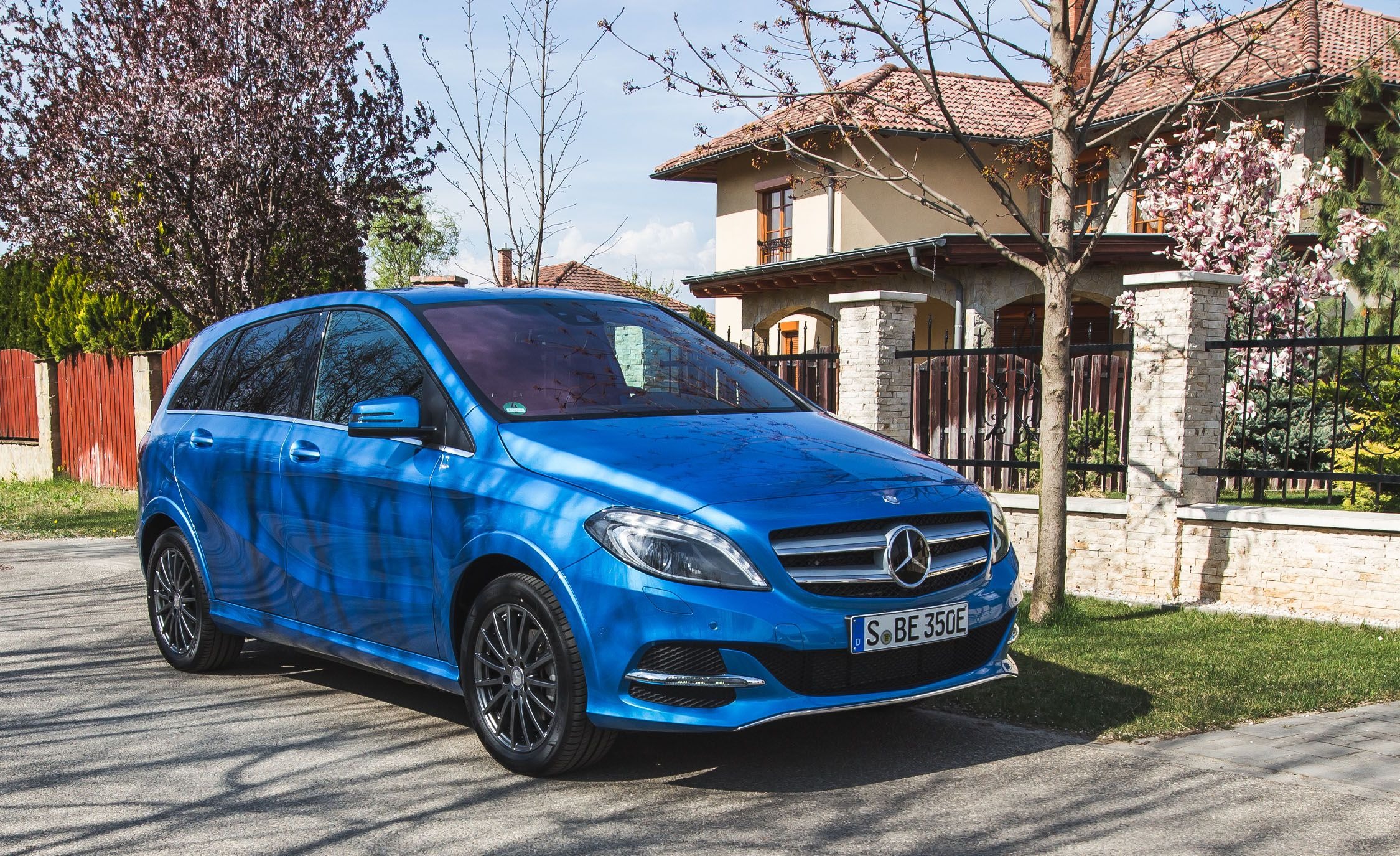
2. Mercedes-Benz B-Class Electric
When a luxury brand like Mercedes-Benz offers an electric car, expectations are high. Unfortunately, the B-Class Electric Drive did not meet those expectations for lasting value. Built from 2014 to 2017, this EV used a Tesla-supplied battery pack but struggled in many other areas.
The biggest problem with the B-Class Electric was how quickly it felt outdated. Its driving range, around 87 miles, made it uncompetitive almost immediately. That limited range meant the battery was frequently pushed to full use, which increased the speed of battery wear. Many owners reported a sharp drop in range after just a few years.
Beyond the battery, the car had issues with its infotainment system, climate controls, and electric motor response. These are not small problems, especially for a car carrying the Mercedes-Benz badge. Drivers often needed to visit service centers more frequently than they expected, and some parts were expensive to replace due to the car’s limited availability.
Another drawback was its weight. The B-Class Electric was heavier than it needed to be, which placed extra pressure on the battery and the drivetrain. That reduced efficiency and contributed to wear and tear faster than some lighter EVs in the same class.
Despite coming from a brand known for luxury and long life, the B-Class Electric Drive did not last the way many buyers hoped. By the fourth year, most owners had either traded it in or faced major repair costs that made keeping the car a poor financial decision.
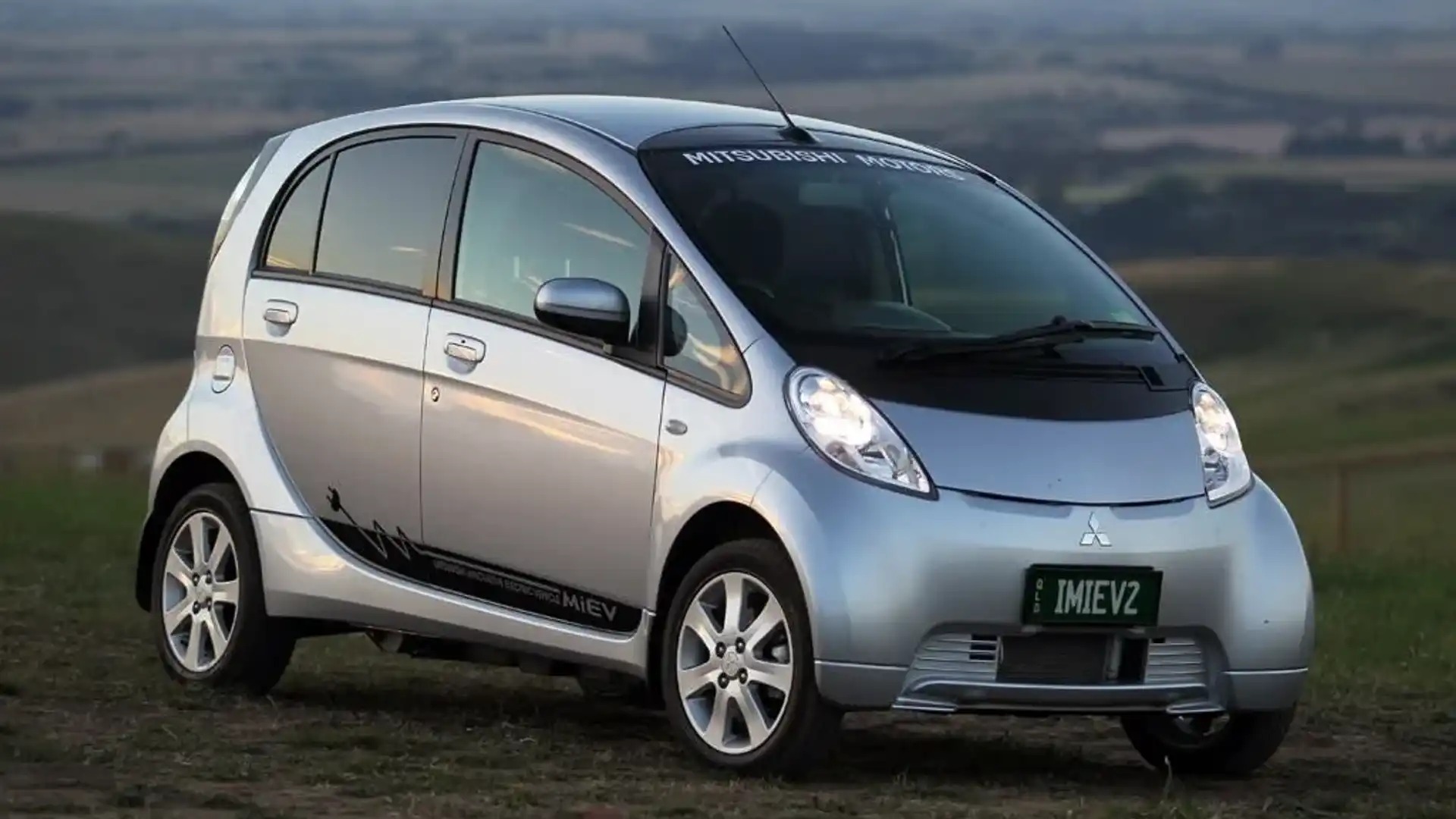
3. Mitsubishi i-MiEV
The Mitsubishi i-MiEV may have been one of the first mass-market electric vehicles, but its outdated technology and weak build have led to a short road life for many units. Designed for city use, this EV was introduced with a small battery and very basic features.
With just about 62 miles of range, the i-MiEV was one of the least capable electric cars in terms of distance. That short range forced frequent charging, which affected the battery’s health quickly. Most owners saw their range drop after a few years, sometimes by more than 30 percent.
In addition to the range problem, the i-MiEV struggled with interior quality. The seats and dashboard wore out faster than expected, and the controls often felt cheap. Several owners reported breakdowns in major parts like the charger, air conditioning, and motor systems within just a few years.
Another challenge was the vehicle’s small size and weak crash test scores. Safety concerns led many families and everyday users to abandon the car in favour of newer, stronger options.
By the time it reached its fifth year, the i-MiEV often required battery repairs or replacements, which were difficult and expensive. Because it lacked long-term support and did not keep up with newer standards, the i-MiEV faded from the market quickly, and most remaining units are now retired or used only for very short trips.
4. Smart EQ ForTwo
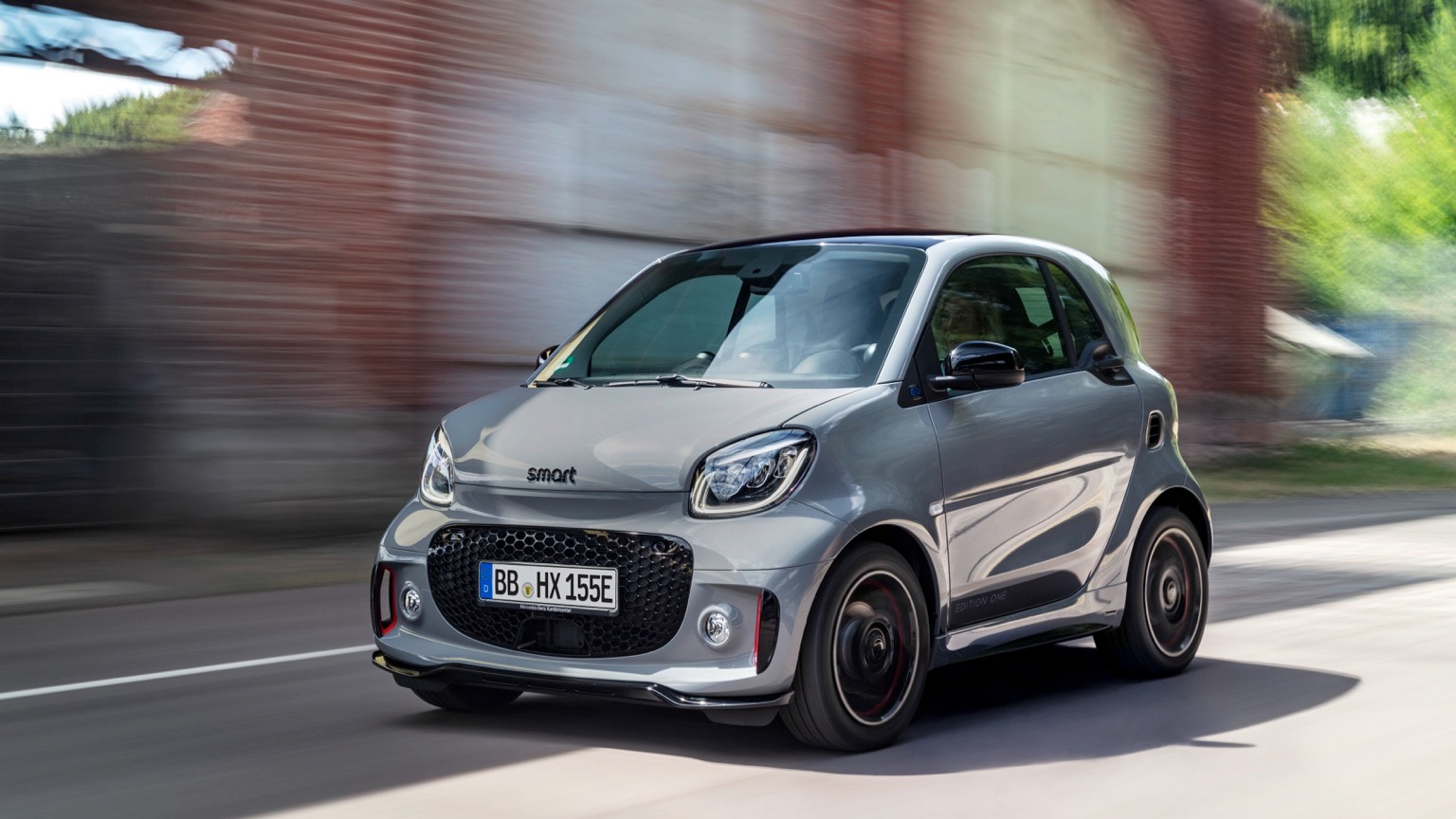
The Smart EQ ForTwo promised to deliver electric driving in a super-compact body, perfect for city dwellers. While the idea seemed exciting, the actual result left many owners disappointed.
With a range of just under 60 miles, this EV demanded constant charging. For people who only used the car to move around town, it might have worked in the short term. But after some time, the low range and weak battery proved frustrating.
The small size also meant a rough ride on less-than-perfect roads. Suspension problems and vibration issues started to show up within a few years. Because the car was so light, it did not offer the comfort or stability that most drivers expect, even from a small EV.
Software glitches were common. The EQ ForTwo’s dashboard and controls often froze or lagged. Many of the issues could not be fixed without a trip to the dealership, and owners shared stories of long waits for parts and repairs.
After around four years, the battery begins to drop in performance, and repair costs often exceed the car’s resale value. That has made it one of the electric cars that people sell off or retire quickly. Though it may be fun for a short period, its lack of staying power makes it a weak choice for long-term use.
Also Read: 5 Cars With Ideal Cup Holders and 5 With Awkward Holders
5. Ford Focus Electric
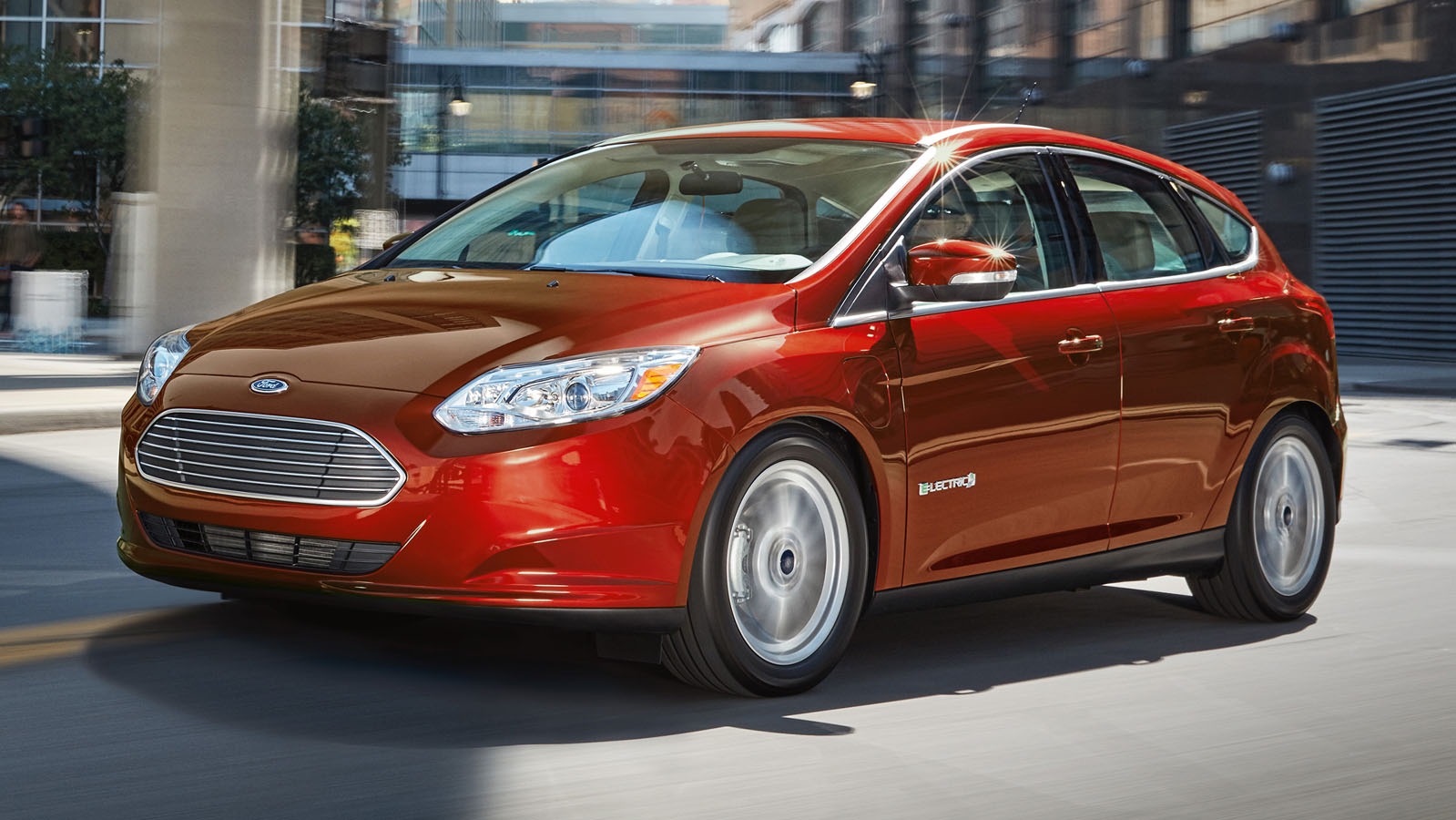
The Ford Focus Electric arrived as an early attempt by a major carmaker to enter the EV space, but it never reached its full potential. Released between 2011 and 2018, it struggled due to a weak range, poor charging speed, and limited availability.
Its maximum range of around 76 miles placed it behind many competitors, even at the time. That meant frequent charging and low efficiency, especially for those with longer daily routes. Drivers quickly realized that the battery could not support flexible usage.
Issues also appeared with the car’s heating and cooling systems, which drained the battery more than expected. This caused further range drops in cold or hot weather, frustrating owners who relied on the car for regular travel.
Unlike many of today’s electric cars, the Focus Electric did not get frequent updates. Its software aged fast, and drivers were stuck with older systems that lacked modern features. The vehicle was also difficult to repair in some areas because many dealerships had limited EV training or parts.
As a result, by the fourth or fifth year, most Focus Electric vehicles required some form of expensive work. Many owners chose not to spend more money on repairs and instead moved on to better electric options. While it helped Ford learn about EVs, the Focus Electric itself did not last long in most driveways.
