
Hybrid vehicles have become more popular in recent years as more drivers prefer options that can help them save fuel and reduce how often they visit the filling station. These vehicles combine both electric motors and internal combustion engines, giving drivers a blend of performance and better fuel economy.
While this technology has been around for a while, many buyers are still careful about which hybrid car they should pick. Some hybrid models perform very well and leave their owners feeling proud, while others cause disappointment because of different issues like poor reliability, high maintenance costs, or discomfort while driving.
Many people assume all hybrid cars will give them the same experience, but that is not true. Some models manage to give a comfortable ride, low fuel usage, and minimal repair needs. These are the ones that leave a strong impression on those who buy them.
However, some hybrids do not meet people’s expectations. Some of them may seem great at first glance, but after months or years of use, they start showing faults that are either too expensive to fix or too frustrating to live with.
This kind of difference is what pushes some people to carefully study reviews, speak to owners, or test drive multiple cars before they make a decision. Those who fail to do so often end up regretting the vehicle they chose. It is also important to know that a hybrid car might have excellent features but still fall short in areas like battery life, software issues, or driving comfort.
Because of this, we have carefully looked at some of the most talked-about hybrid vehicles and picked five that usually leave buyers satisfied and five others that tend to bring complaints. Each model has been examined based on performance, fuel economy, long-term reliability, and how easy it is to use daily.
5 Hybrids That Keep Owners Happy
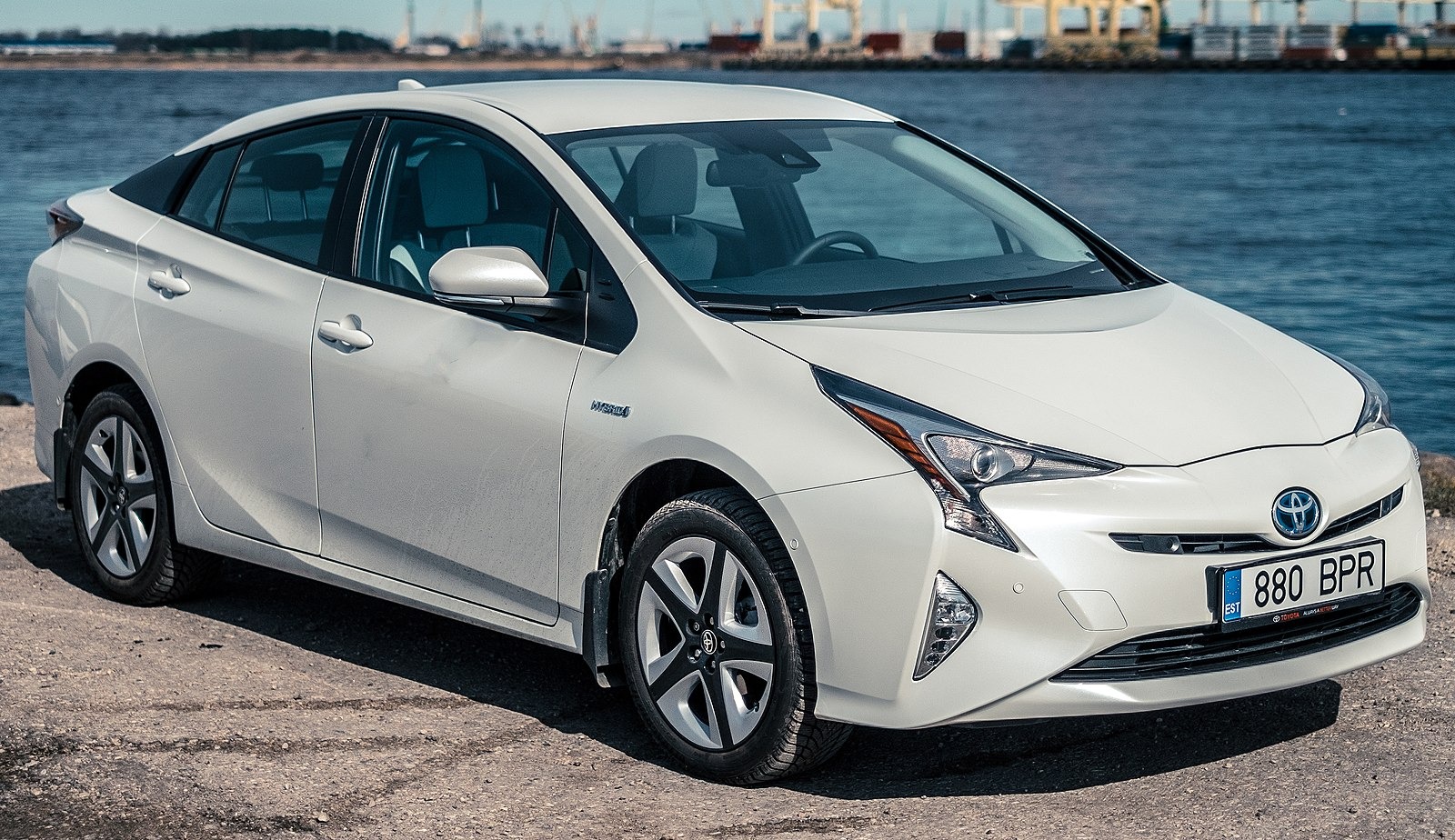
1. Toyota Prius
When people mention hybrid cars, the Toyota Prius is often one of the first names that come to mind. This car has built a strong reputation over the years as one of the most dependable and fuel-efficient hybrid models available. Drivers who own a Prius usually mention how low their fuel bills have become since they started using it.
The model is designed in a way that allows it to perform smoothly both in city driving and on highways. One of the reasons people remain loyal to the Prius is the level of engineering behind its hybrid system, which Toyota has been perfecting for decades.
The interior of the Prius may not be the most luxurious, but it is practical. It gives enough room for both passengers and luggage, making it a suitable choice for families or individuals who travel often.
Another part many drivers appreciate is the easy-to-understand dashboard layout. Toyota made sure that the controls and display are placed in a way that even first-time hybrid users can operate the car without stress. The touchscreen and infotainment system are simple to use, which adds to the experience.
Where the Prius stands out strongly is in its fuel efficiency. Some trims can go above 50 miles per gallon, something very few vehicles in its class can match. This helps owners save a lot of money after some time, especially those who drive long distances daily.
Apart from saving money, the car rarely gives mechanical problems when it is maintained properly. Many owners report driving their Prius for more than ten years without needing any major repairs. This shows that it was designed for long-term use.
Maintenance cost is also on the lower side, compared to many other hybrid models. Toyota parts are easy to find, and most mechanics understand how the Prius works. For people who like peace of mind and want a vehicle they can trust, the Prius continues to be a wise pick. Drivers who choose this car hardly complain, and many of them return to buy newer models when the time comes.
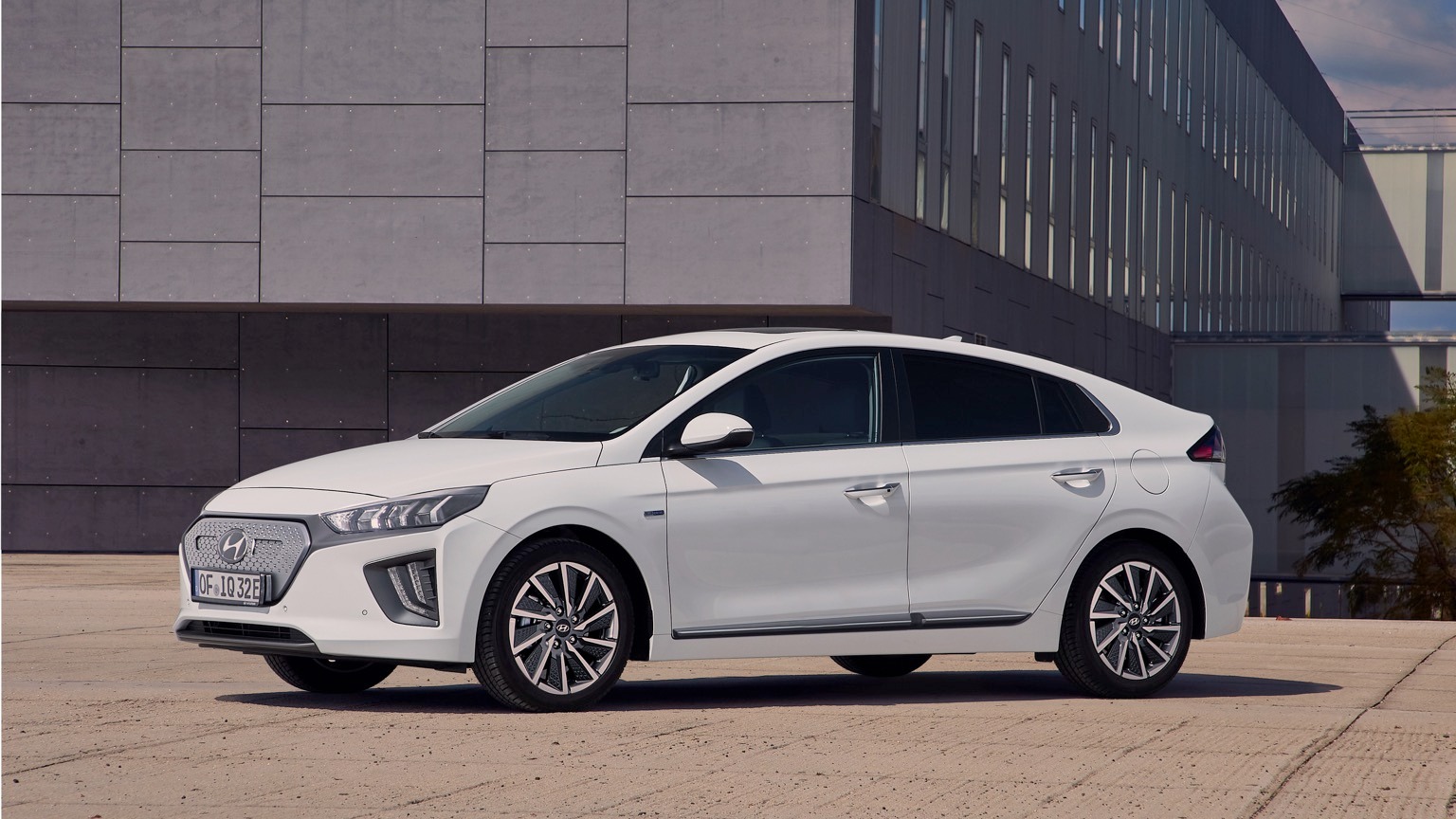
2. Hyundai Ioniq
Among the newer hybrid models that have left a strong impression, the Hyundai Ioniq stands out. It offers excellent fuel economy, and most owners speak highly of how pleasant the driving experience is. Hyundai introduced the Ioniq to compete with more popular names like the Prius, and the brand succeeded in building a car that matches and sometimes exceeds expectations.
One of its biggest strengths is how much it saves on fuel, with some versions reaching about 58 miles per gallon on average. Inside, the Ioniq feels modern and clean. The seats are comfortable, and the materials used feel higher in quality than what you might find in other hybrids within the same price range.
Hyundai also provided useful features such as smartphone connectivity, digital screens, and advanced safety systems. These help give drivers a more relaxed and secure experience behind the wheel. The company took time to focus on details that matter to daily drivers.
Another strong part of the Ioniq is how easy it is to control. It moves with balance, especially in city traffic, and handles well on highways too. The braking is smooth, and the transition between electric and gas mode does not feel rough. This is something that not all hybrids manage to do well. Drivers often say that the Ioniq feels more refined than they expected for its price.
As for maintenance and reliability, the Ioniq does not give owners much trouble. Hyundai’s warranty plan also brings comfort to new buyers because it covers many issues for long periods. This makes people more confident when choosing a car.
The battery also lasts long, and most drivers enjoy the quietness that comes with electric movement at low speeds. Those who use the car for city errands often say that they hardly hear the engine running.
All these benefits show why the Hyundai Ioniq is on the list of hybrids that keep their owners happy. Whether it’s because of the fuel savings, modern interior, or the peaceful driving experience, the Ioniq continues to win new buyers and satisfy current ones.
Also Read: 5 Cars with Stall-Proof Fuel Systems vs 5 that Stall in Traffic
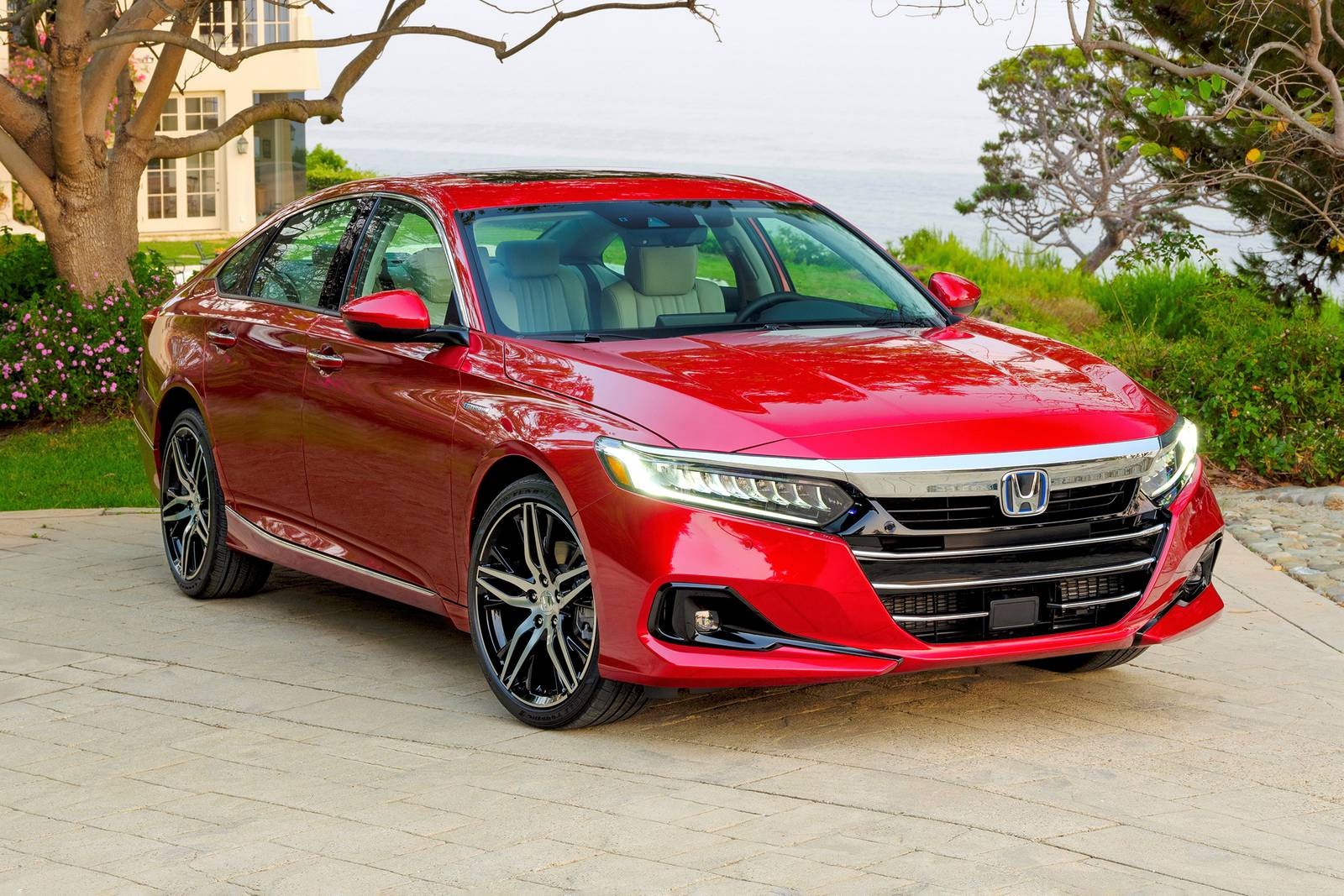
3. Honda Accord Hybrid
The Honda Accord Hybrid delivers something many people want: a sedan that performs well, feels solid, and still manages to save fuel. This hybrid version of the well-known Accord series brings a mix of comfort, strength, and reliability.
It has a strong engine that works with an electric motor to give smooth acceleration, which many drivers enjoy, especially when merging onto highways or overtaking slower vehicles. The interior of the Accord Hybrid is designed with comfort in mind. There is more than enough space for both front and back seat passengers, and the materials used feel soft and well-made.
Honda made sure to include helpful technology features such as a touchscreen display, navigation system, smartphone support, and voice commands. These add to the general experience and make the car easier to use, especially on longer trips.
What sets this car apart from others is how well it combines power with fuel savings. It doesn’t sacrifice performance just to save fuel. You can get over 45 miles per gallon without feeling like the car is struggling to move. This is something people who love driving fast or those who spend long hours on the road usually appreciate.
When it comes to safety, Honda included many advanced systems. The vehicle comes with automatic braking, lane-keeping assist, and adaptive cruise control. These features give drivers more control and peace of mind, especially during stressful traffic conditions. The car’s suspension system also helps absorb bumps, which improves ride comfort even on rough roads.
Another area where the Accord Hybrid performs well is maintenance. Most owners report that the car stays strong after years of driving. Repairs are not frequent, and the parts are available in most areas.
Mechanics familiar with Honda vehicles also find it easy to fix any issue that comes up. All these factors make the Honda Accord Hybrid a smart pick for anyone looking for a reliable and enjoyable hybrid sedan.
4. Toyota RAV4 Hybrid
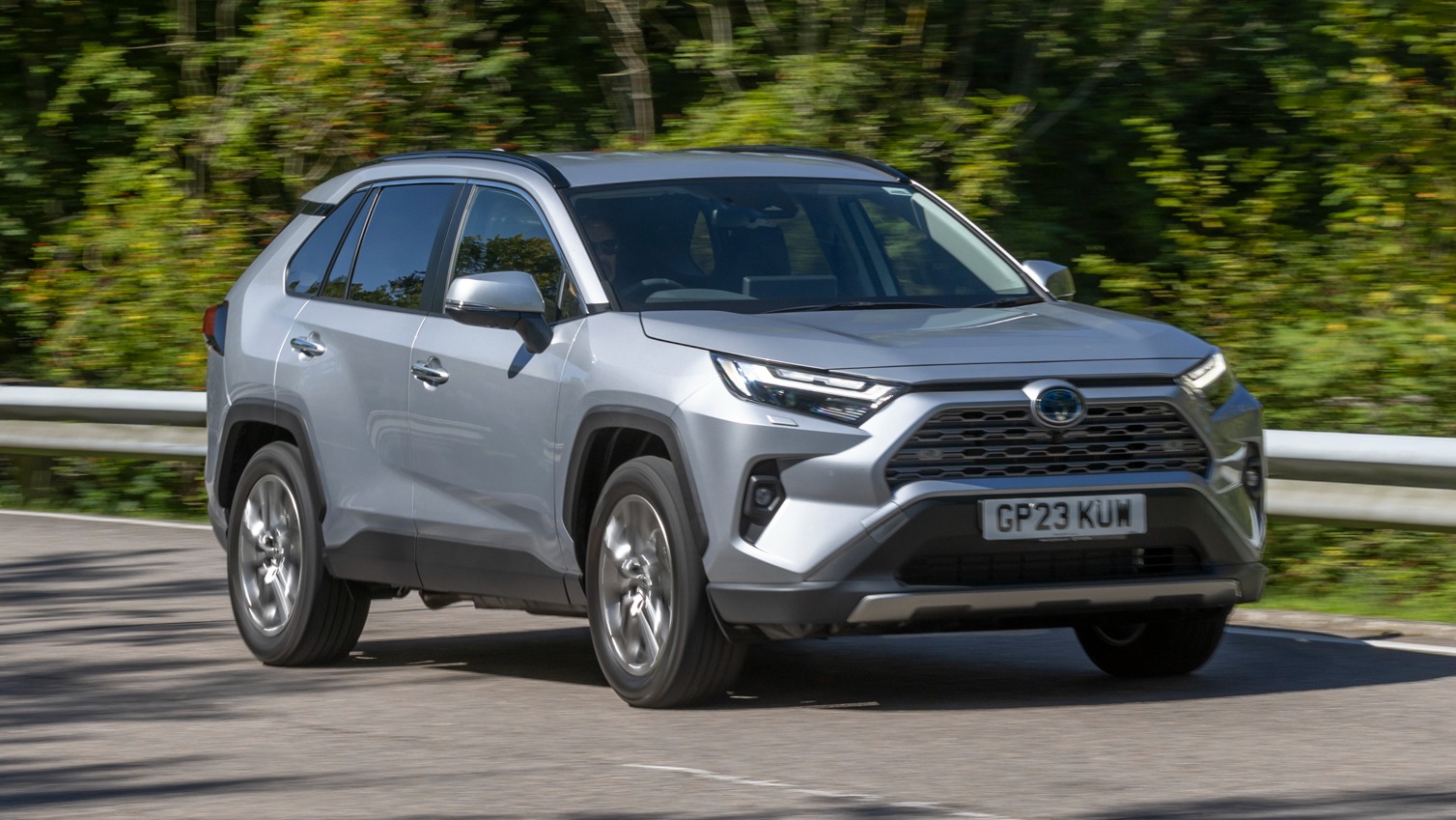
Among hybrid SUVs, the Toyota RAV4 Hybrid stays popular for good reason. This model offers drivers a vehicle that balances space, power, and fuel economy without adding too much stress to their pockets. Many people who buy this car mention that it fits easily into their busy lifestyle. Whether they use it for work commutes, school runs, or weekend trips, the RAV4 Hybrid shows up ready for the task.
One of its strongest points is the balance between engine performance and fuel efficiency. It runs with a 2.5-liter engine and electric motor that work together smoothly. This system makes sure that drivers don’t feel like they are sacrificing speed or strength.
It’s also available with all-wheel drive, which helps during rainy seasons or on rougher roads. Those who live in areas with harsh weather often mention that this feature gives them extra confidence while driving.
Inside, the RAV4 Hybrid is roomy and offers more than enough space for passengers and luggage. The seating position is comfortable, and the controls are placed in a way that makes them easy to reach.
Toyota also included plenty of storage spaces throughout the cabin, which helps keep the interior tidy. The dashboard design follows a simple, clean layout, with an infotainment system that supports both Android Auto and Apple CarPlay.
Another thing many owners praise is how reliable the car feels. Whether they’ve had it for months or even a few years, most drivers report few problems. The fuel savings are also solid, often around 40 miles per gallon, which makes it a good choice for people who drive often but still want to avoid high fuel costs.
Servicing is also easy with this car. Since Toyota has a large presence in most parts of the US, mechanics are usually familiar with its hybrid system. The brand’s strong history with hybrid technology also means that parts are easy to find. All these reasons explain why the RAV4 Hybrid continues to be a top choice among those who want a vehicle that can handle multiple uses without giving them stress.
5. Ford Escape Hybrid
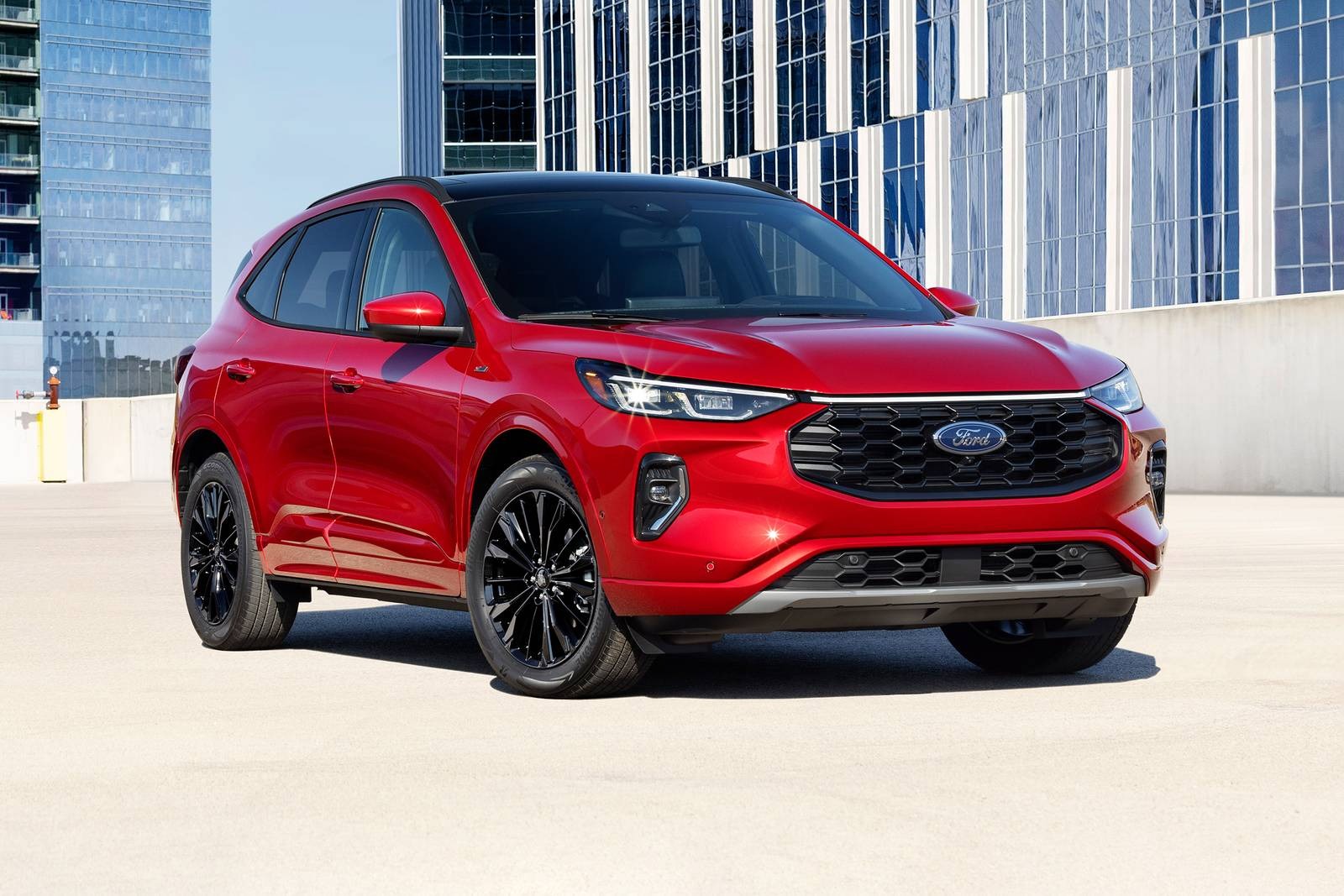
The Ford Escape Hybrid stands as a dependable choice for those looking for a hybrid SUV with plenty of interior space, good fuel economy, and flexible features. Many buyers of this car are individuals or families who need space for daily errands but also want to cut down on gas expenses. What makes the Escape Hybrid appealing is that it offers this combination without pushing up the price too high.
The cabin of the Escape Hybrid feels roomy and bright, thanks to large windows and clever seat design. The back seat, in particular, is wide enough to accommodate adults without causing discomfort.
The rear seats can also slide and fold to give more room for cargo. This makes it easy to switch between carrying passengers and moving large items. Whether it’s groceries, sports gear, or travel bags, the Escape handles it without stress.
Ford equipped this model with a modern infotainment system that’s easy to use. The touchscreen is responsive, and it includes features like smartphone integration, voice commands, and satellite radio.
There are also plenty of safety technologies such as blind-spot monitoring, rear cross-traffic alert, and automatic emergency braking. These add to the sense of control and peace of mind while driving. When it comes to driving performance, the Escape Hybrid performs quite well.
It feels steady on the road and doesn’t struggle during acceleration. It also does a good job of staying quiet, especially at low speeds when it’s running on battery power alone. The switch between electric and gas mode happens quietly, which improves the driving experience.
Many people also like the fact that it doesn’t require constant trips to the workshop. Ford has designed the Escape Hybrid in a way that it can go for long stretches without any serious problems.
Maintenance costs are not heavy, and there’s a wide network of service centers where drivers can go for checks. With all these points, it’s clear why the Ford Escape Hybrid makes its owners feel pleased with their decision.
5 Hybrids That Don’t Keep Owners Happy
1. Chrysler Pacifica Hybrid
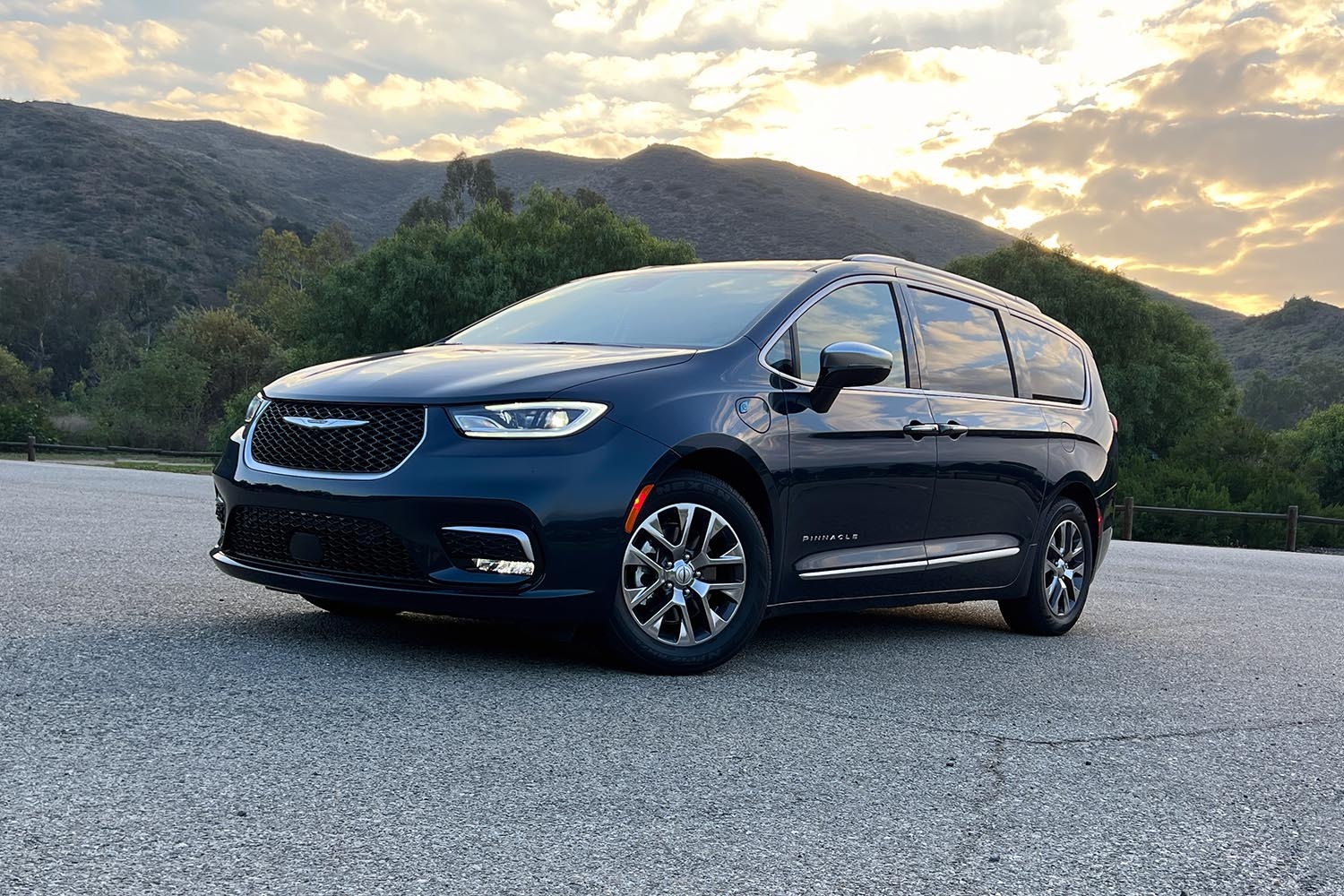
The Chrysler Pacifica Hybrid looked like a smart solution for families who needed a minivan that could help them save fuel. On paper, it appeared to offer a lot of advantages. It had enough space for seven passengers, good electric range, and plenty of storage. But after some time, many owners started to complain about different issues that made their experience less enjoyable than expected.
One of the major problems people report is related to the electrical system. The Pacifica Hybrid sometimes struggles with battery performance, especially after a few years of use.
Some owners have said the battery fails sooner than expected or that the electric range drops too quickly. This means that instead of running mostly on electric power, the vehicle ends up using gas more often than it should.
Apart from the battery complaints, there are reports about the car having issues with software updates and warning lights that appear without clear reasons. This creates confusion for drivers, especially those who are not used to hybrid technology.
When they take the vehicle to the workshop, some mechanics find it hard to identify the problem quickly, which leads to longer repair times and frustration.
The ride quality is also something that has left some people disappointed. While the Pacifica has enough room inside, the seats don’t feel very supportive during long trips. The interior materials also don’t match what buyers expect for a car in this price range. Some parts feel cheap or wear out quickly, which reduces the feeling of quality.
Fuel economy is another area where the car doesn’t always live up to what was promised. While the electric-only range looks good on paper, once the gas engine kicks in, the entire mileage can drop. This leaves some people wondering if the extra money they spent on the hybrid version was even worth it.
Because of all these issues, many owners have shared their regrets. They expected the Pacifica Hybrid to offer peace of mind and savings, but instead, they ended up spending more time and money than they planned.
2. Ford C-Max Hybrid
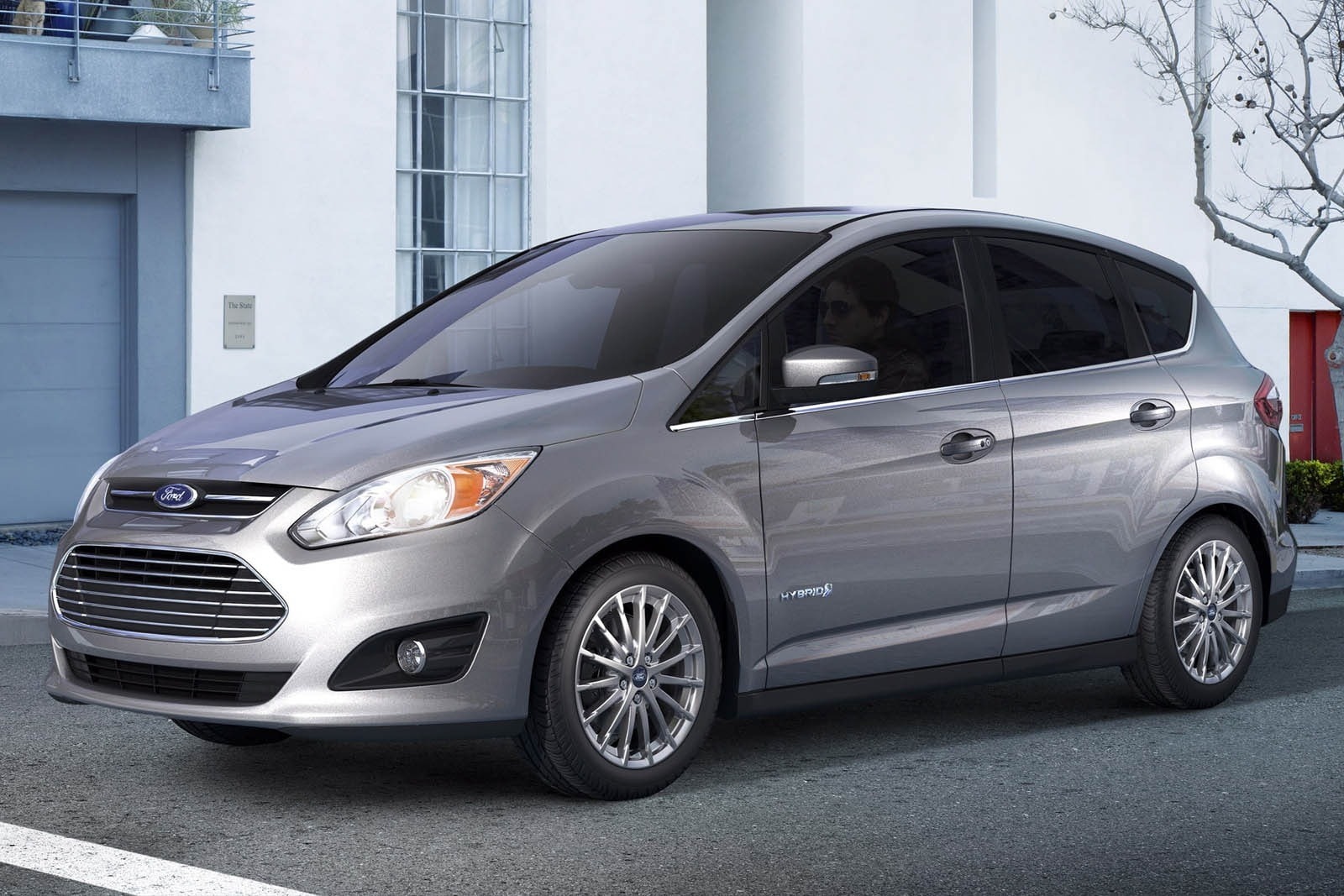
The Ford C-Max Hybrid entered the market as a compact car that promised fuel savings and smart features. At first, it gained attention because of its tall design, which offered more headroom than most hybrids in its class. But after some time, many people who bought the C-Max Hybrid began to feel it didn’t live up to the expectations set by the brand.
One of the most repeated complaints is about the real-world fuel economy. When it was first released, Ford claimed the C-Max could achieve over 45 miles per gallon.
However, most owners discovered it averaged far less, sometimes around 37 or even lower, depending on how and where they drove. This left many people feeling misled, especially those who bought the car specifically to reduce their fuel spending.
The driving experience has also been described as uneven. While it feels smooth in some settings, the handling during high-speed driving or on curvy roads doesn’t offer the level of control people expect. The car can feel top-heavy, especially when fully loaded. This affects how safe or confident some drivers feel behind the wheel.
Another issue is related to the cabin design. Though the interior is quiet and has decent materials, the layout of the controls can be confusing. The center console feels cluttered, and the touchscreen isn’t as responsive as what you’d find in competing models. Many owners have shared that the technology feels outdated, even though the car isn’t that old.
As for long-term use, repairs and maintenance costs have also raised concerns. Some owners reported frequent trips to mechanics for minor faults, such as problems with the battery system or warning lights that refuse to turn off. These may not be major repairs, but they pile up and make the car more stressful to manage.
Due to these recurring complaints, Ford eventually stopped making the C-Max Hybrid. That decision reflects the disappointment many customers felt. For those who hoped to enjoy a budget-friendly hybrid with dependable performance, the C-Max didn’t deliver what they were looking for.
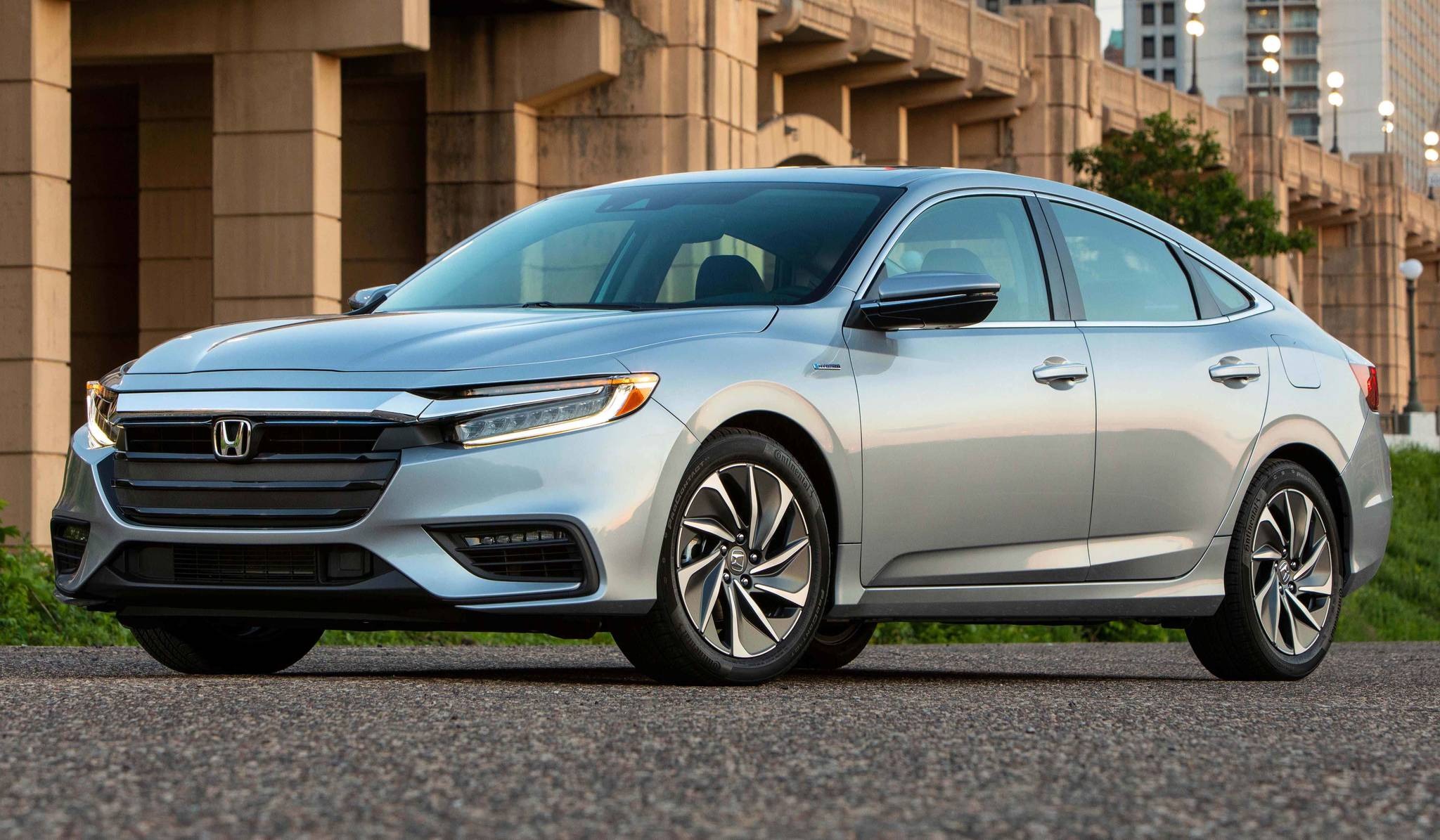
3. Honda Insight
The Honda Insight is another hybrid that attracted buyers who trust the Honda brand to provide solid cars. The design of the Insight is stylish, and it gives off the look of a premium compact sedan.
When the latest generation arrived, it appeared to combine fuel economy with a comfortable driving experience. But even with its early praise, many owners found that the car fell short in certain important areas.
One of the first things buyers noticed after some months of use is the car’s slow acceleration. While it saves fuel, the engine tends to feel weak, especially when trying to overtake on highways or drive up steep roads. This leaves some drivers feeling unsafe or annoyed when the car doesn’t respond quickly enough.
The hybrid system also doesn’t always provide the smoothest transitions. Some people have reported that when the gas engine kicks in, there’s a sudden change in noise or vibration. These small disruptions affect the driving comfort and remind owners they’re not in a fully refined machine.
Another issue that shows up is the limited cargo space. Because of how the battery is placed, the trunk is smaller than what many compact car drivers are used to. This becomes a problem for people who need to carry bigger luggage or groceries regularly. Some owners also say that the rear seat is not as roomy as they hoped, especially when adults are sitting at the back for long trips.
The infotainment system in the Insight also receives mixed reviews. While it includes common features like smartphone connection, the screen sometimes responds slowly. Also, the absence of physical buttons for common tasks makes the system feel harder to use while driving.
While the Insight does well in fuel economy, usually over 50 miles per gallon, many people who expected more from a Honda vehicle say it feels like the brand didn’t give it their best effort. The general experience leaves some buyers with the impression that the Insight tries to do everything but doesn’t do anything exceptionally well.
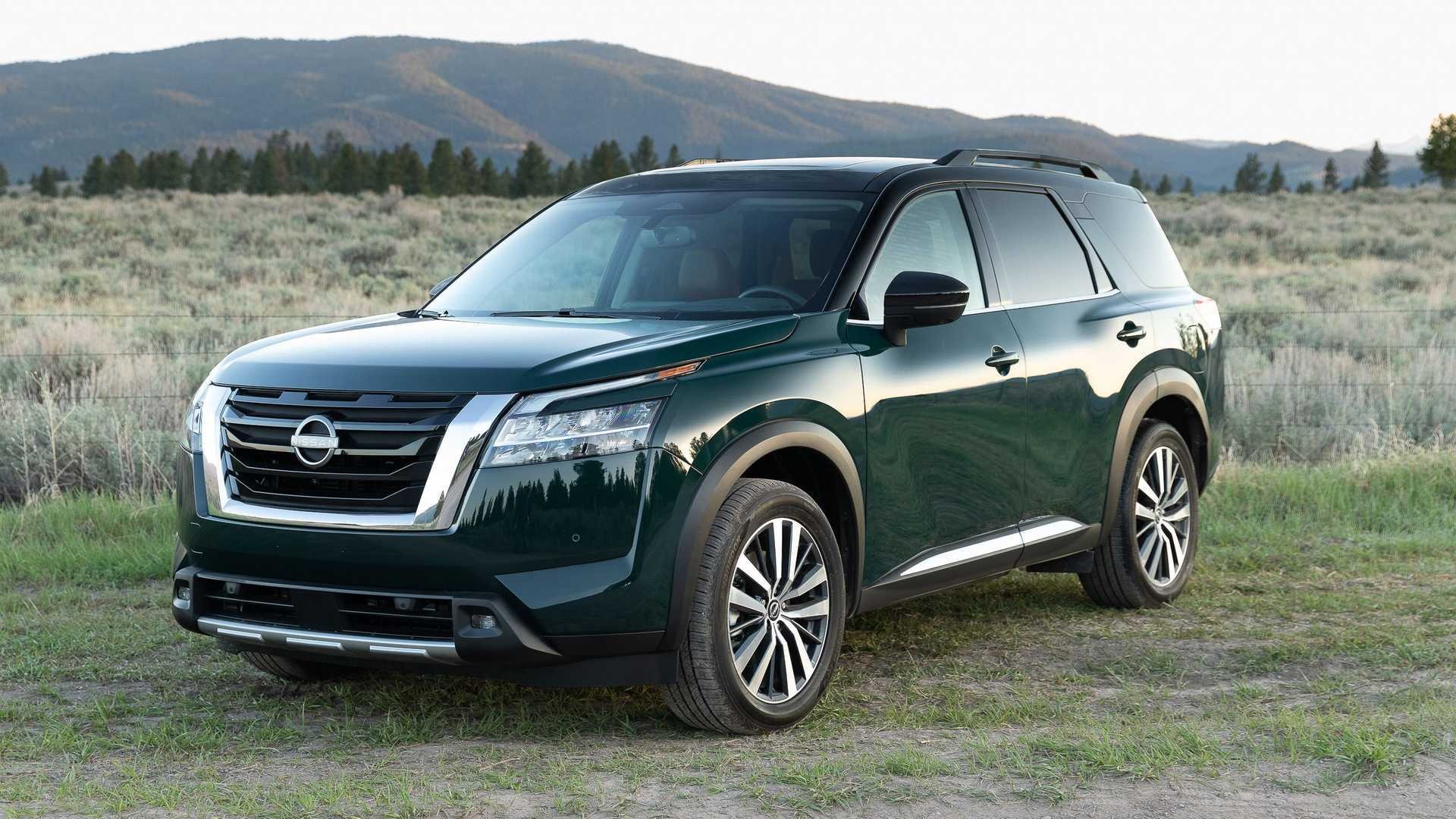
4. Nissan Pathfinder Hybrid
The Nissan Pathfinder Hybrid came into the market with hopes of giving large families a fuel-saving option without losing space or power. On paper, the idea made sense. But those who went ahead to buy it quickly discovered that the vehicle came with many problems that made ownership stressful.
One of the biggest letdowns was the powertrain. The Pathfinder Hybrid runs on a smaller engine paired with an electric motor, but the result is a driving experience that feels slow and unbalanced.
Many drivers mention that the SUV struggles to climb hills or accelerate on highways. The engine makes a lot of noise when pushed, yet the speed does not increase as expected.
Another issue is the lack of strong fuel savings. Despite being a hybrid, the Pathfinder’s fuel economy is only slightly better than its regular gas version. Owners often say the savings they expected never came. Because of the car’s size and weight, the hybrid system doesn’t make enough of a difference in reducing fuel use.
Inside the cabin, the Pathfinder does provide space, but it doesn’t feel as refined as it should. The third-row seats are cramped, and the materials used throughout the cabin feel old-fashioned compared to what other large SUVs offer. Many owners also complain about the infotainment system being slow and outdated, which makes daily use more annoying.
Maintenance problems have also been common. Some Pathfinder Hybrid drivers have experienced electrical system faults, strange noises from the engine, and software issues. These faults often lead to long stays at repair shops and unexpected bills. What makes it worse is that some service centers are not familiar with the hybrid version, leading to delayed repairs or misdiagnoses.
Because of all these reasons, Nissan eventually stopped producing the Pathfinder Hybrid. People who bought this vehicle with hopes of enjoying the benefits of a hybrid SUV often end up feeling like they made the wrong choice.
Also Read: 5 Forgotten Family Cars That Last vs 5 Bestseller Family Cars With Issues
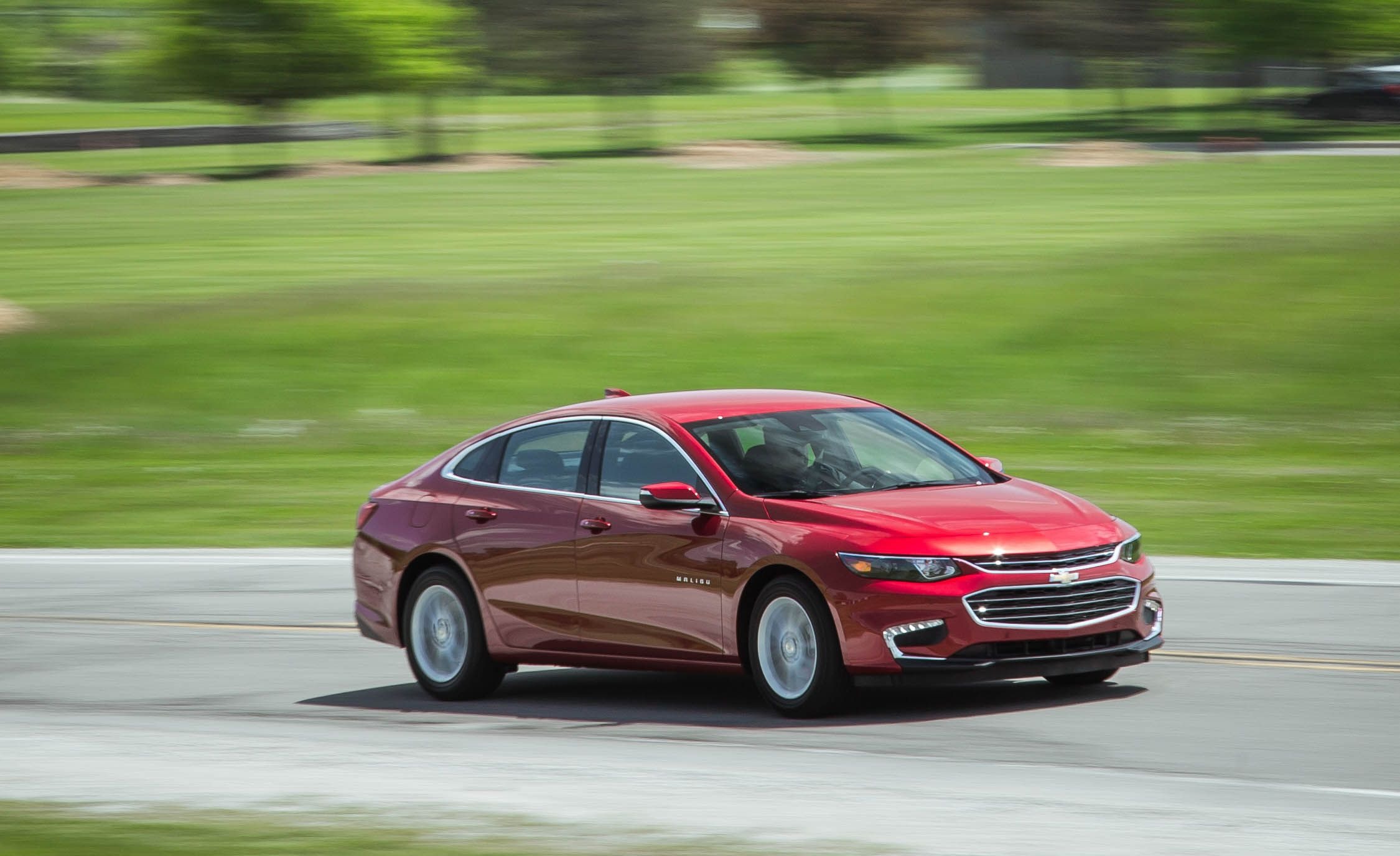
5. Chevrolet Malibu Hybrid
When Chevrolet decided to introduce the hybrid version of the Malibu, many car buyers expected something fresh that would compete well with other midsize hybrid sedans. While the Malibu Hybrid offered a comfortable ride and came from a trusted American brand, its presence in the market did not last long, and most people who owned it began to notice why.
One major reason why some buyers became disappointed is because of the limited availability and lack of updates. Chevrolet did not give this hybrid enough attention, and as a result, it quickly fell behind competitors like Toyota, Honda, and Hyundai.
The car’s design didn’t change much during its production years, and the brand didn’t introduce any fresh features to keep it modern. Because of this, even newer models began to feel outdated not long after purchase. Another issue came from the fuel economy figures. While the Malibu Hybrid did better than its gas-only version, it couldn’t match what other hybrids in the same class were offering.
Most drivers got somewhere between 42 to 46 miles per gallon, which, while decent, didn’t impress enough to make up for other weaknesses. Some owners expected more fuel savings and were not satisfied with what they got in real driving conditions.
The driving experience itself is a mix of good and bad. The car feels smooth and steady on the road, but the hybrid system doesn’t always operate quietly. The transition between electric and gas modes can sometimes be jerky, and there’s also a delay in acceleration. People who drive in traffic-heavy areas or on highways may find this delay frustrating after some time.
Inside the cabin, the materials used are acceptable but not special. While the seats are soft and the space is fine for a midsize sedan, nothing about the interior stands out.
The infotainment system does what it’s meant to do, but it doesn’t offer anything extra or exciting. It also lacks some features that are common in competing hybrids, like advanced driver assistance tools or a fully digital instrument panel.
What has made things worse for some owners is Chevrolet’s decision to quietly stop producing the Malibu Hybrid. This left some drivers feeling like they bought into a car that was quickly forgotten by the company. The parts and servicing network for the hybrid version also became thinner after some time, making repairs more stressful and sometimes costly.
When you put all these points together, it becomes clear why the Chevrolet Malibu Hybrid ended up on this list. It didn’t provide enough of a reason for people to stay loyal to the model, and many who chose it over other hybrids now feel they should have looked elsewhere.
