
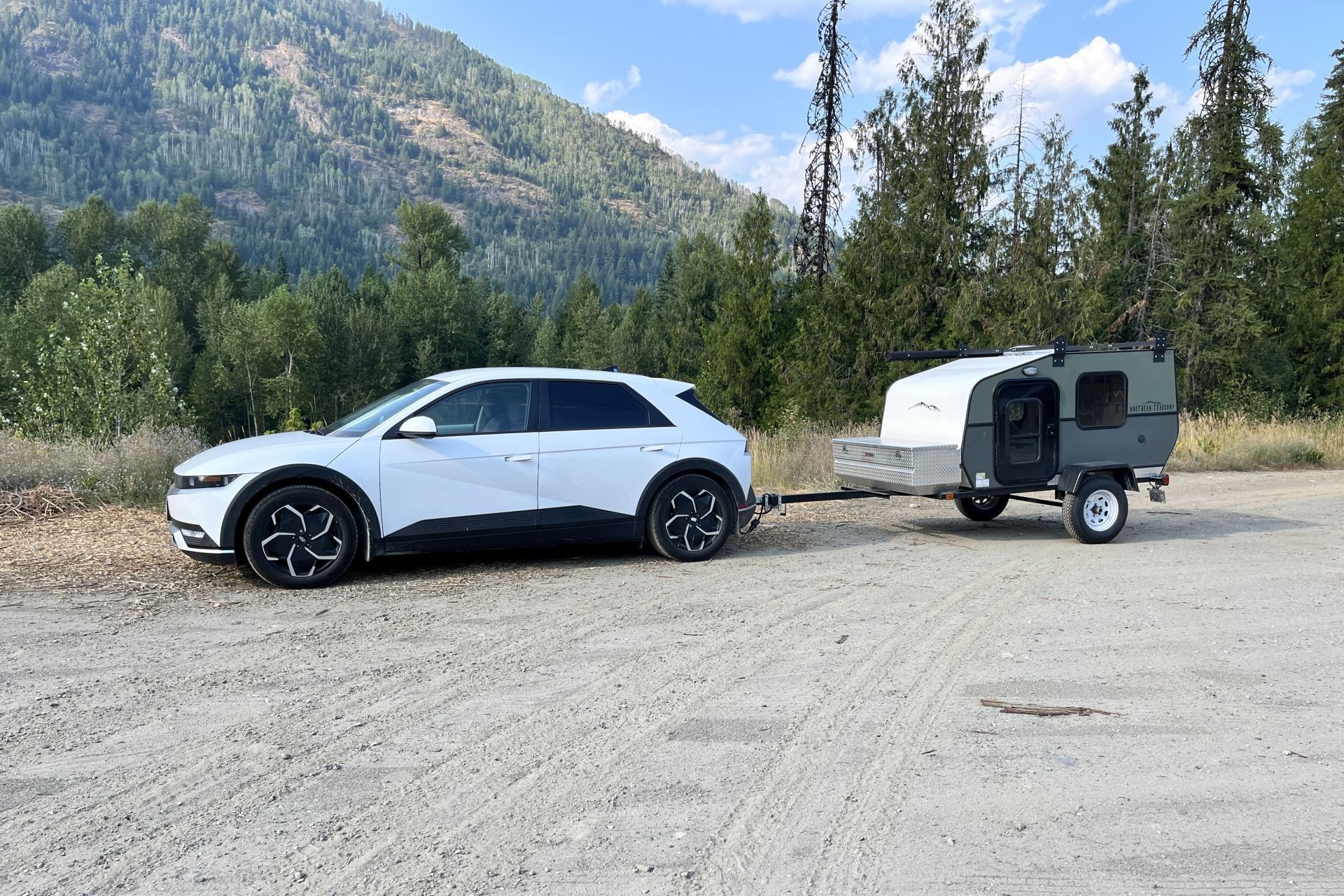
Electric vehicles have been gaining serious attention across different markets, especially with growing interest in clean energy and reduced emissions. Many people are now moving away from traditional petrol-powered cars and switching to EVs.
While these vehicles offer plenty of benefits, such as quiet operation, low running costs, and fewer emissions, not all of them are built the same when it comes to long-distance travel.
Some electric cars handle long road trips with ease, delivering good battery range, reliable performance, and comfort. Others tend to struggle with distance, either due to poor battery range, slow charging speeds, or performance that drops when the battery level goes low.
For people planning road trips, choosing an electric vehicle that can maintain a solid range across different driving conditions is very important. Charging infrastructure is improving gradually across the United States, but there are still areas where fast chargers are limited or unavailable. In such cases, a dependable EV can make a huge difference between a smooth trip and one that ends up needing roadside assistance or towing.
Some EVs have become trusted travel companions, giving drivers peace of mind when covering long miles. Others fall short and make trips stressful, especially if their batteries run out faster than expected or the car takes too long to recharge.
Now let us take a closer look at ten electric vehicles, five that perform well on long-distance trips, and five that often fall short of expectations. The aim is to help buyers and road trip lovers understand which EVs are most reliable when it comes to long-range journeys.
Each vehicle listed here has been examined based on real-world driving experience, range consistency, charging speed, ride comfort, and performance under pressure. Whether you’re planning a cross-country drive or a weekend getaway, this guide will help you make an informed choice before hitting the road.
5 Electric Vehicles That Handle Long Trips
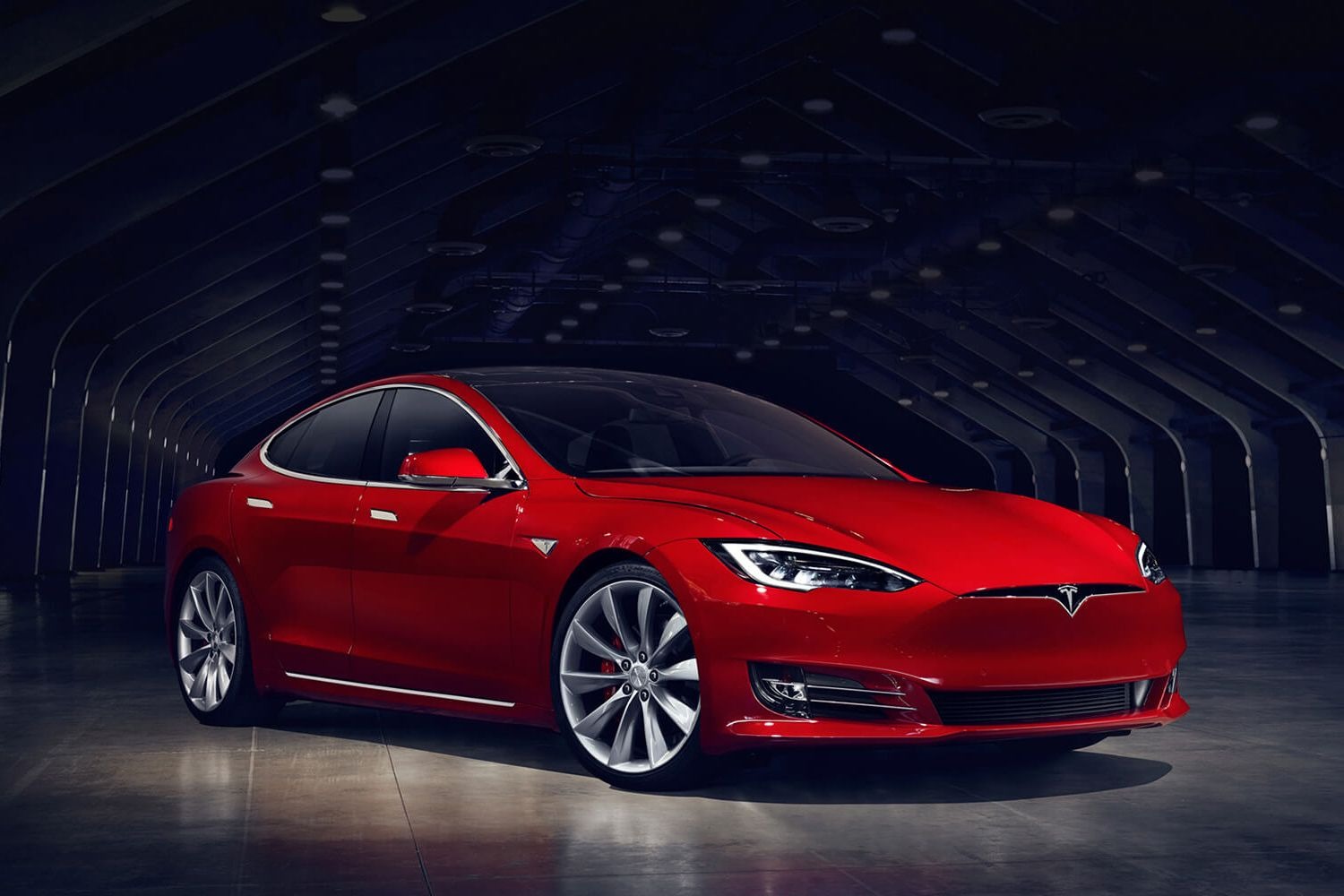
1. Tesla Model S
When discussing electric cars that can handle serious mileage, the Tesla Model S is often the first name that comes to mind. This vehicle has proven, after a while, that it is not just about sleek looks and technology-filled interiors but also endurance and strong road performance.
One major advantage of the Model S lies in its impressive battery range. Some versions go well beyond 370 miles on a single charge, which means fewer stops to recharge. That sort of range makes it ideal for long-distance travel, whether you are going across states or simply trying to avoid frequent interruptions.
Another advantage is the charging speed. Tesla’s Supercharger network remains one of the fastest and most reliable among all electric vehicle manufacturers. Drivers can recharge the battery quickly, sometimes reaching 80 percent in about half an hour. This short wait time gives drivers more flexibility to move around without major delays. For people who travel often, this fast-charging feature is a big relief, especially in remote areas.
In terms of performance, the Model S delivers a smooth ride. The suspension system adapts well to different road conditions, and acceleration is quick without feeling harsh. It also has advanced safety systems, which come in handy during long drives where fatigue could reduce alertness. The spacious interior and supportive seating add to the comfort, allowing passengers to relax even during lengthy journeys.
Tesla also includes useful route planning software in the car. This system helps drivers identify charging stations along their travel routes, making it easier to plan long drives. Navigation adjusts based on remaining battery level, and alerts notify the driver when it’s time to recharge. All of these features work together to make the Model S a strong choice for those who take road trips seriously.
Tesla’s consistent software updates also improve range and efficiency after a while. These updates are done over-the-air, meaning the driver doesn’t have to visit any workshop. That sort of long-term support makes the Model S not just a great choice today but also a smart investment for the future.
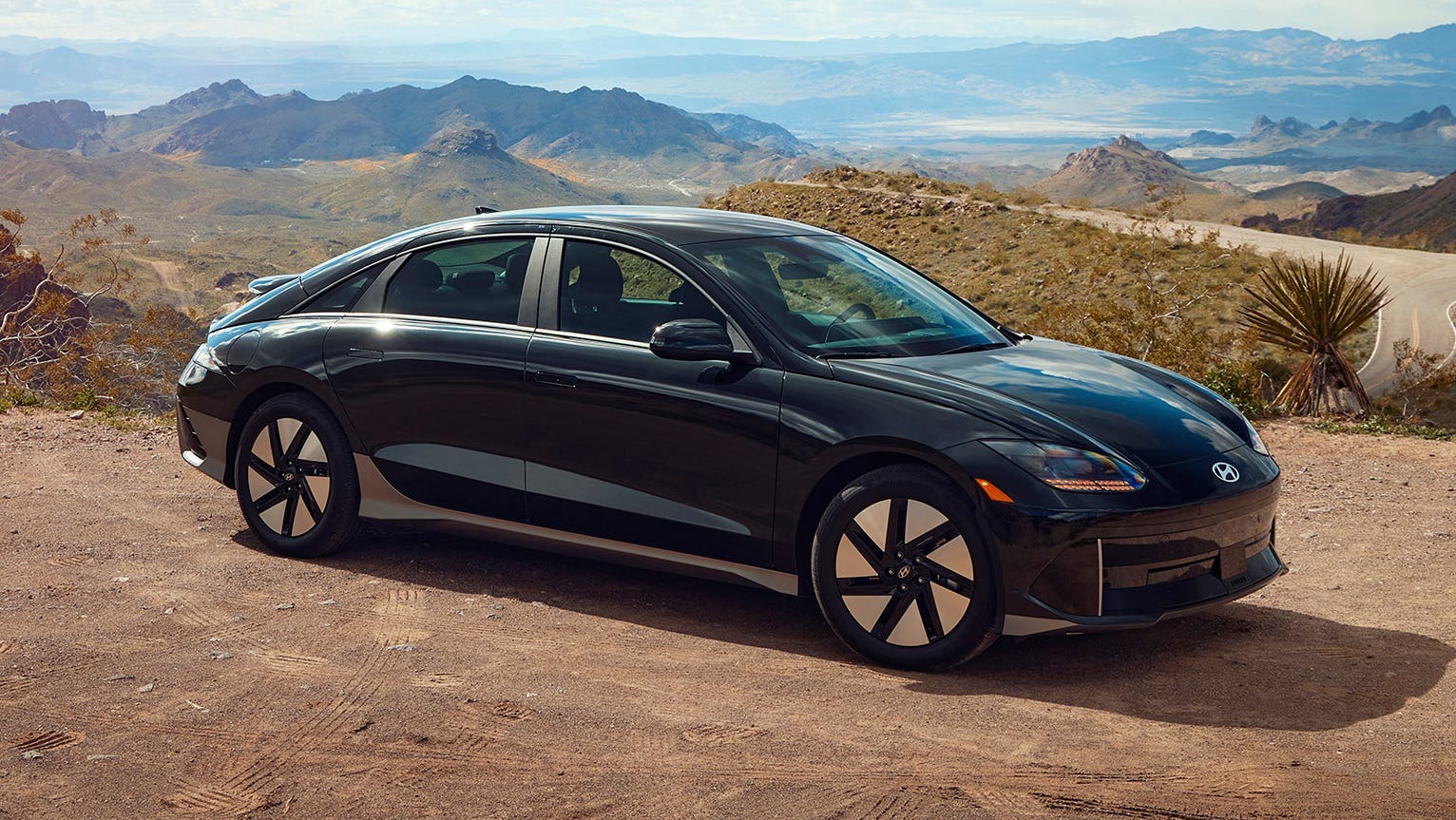
2. Hyundai Ioniq 6
The Hyundai Ioniq 6 is designed with both aesthetics and efficiency in mind, and this is reflected clearly in how it performs during long road trips. It offers an electric driving range of over 350 miles, depending on the configuration.
This means drivers do not have to worry constantly about where the next charging point will be. The aerodynamic shape of the Ioniq 6 helps it move through the air with less resistance, improving energy use and ensuring battery power is used wisely.
One thing that makes this EV stand out is its efficiency rating. Even with highway driving, where many electric vehicles lose range faster, the Ioniq 6 maintains solid performance. That makes it a dependable companion for cross-country trips or any travel that involves covering a lot of ground in one day.
Charging is another strong area for the Ioniq 6. It supports ultra-fast charging and can go from 10 to 80 percent in under 20 minutes when connected to a 350kW charger. That means less time spent waiting and more time spent moving. Though such fast chargers are not available everywhere yet, where they exist, the Ioniq 6 takes full advantage.
Comfort has not been sacrificed for performance. The cabin is roomy with well-padded seats that support the back and legs, which becomes very important when sitting for several hours. The ride feels stable, and the suspension works well even when the road is less than perfect. This helps reduce driver fatigue during long-distance journeys.
The car’s smart features include a clear digital dashboard and built-in route planning tools. These tools help the driver stay updated on battery status, traffic, and upcoming charging locations. With that kind of assistance, it becomes easier to plan and adjust trips without stress.
For drivers who want a balance between comfort, performance, and strong battery life, the Hyundai Ioniq 6 proves to be a very dependable choice for long travel. Its modern design, combined with thoughtful engineering, makes it one of the top EVs for road trips today.
Also Read: 5 Cars With Lifetime Engine Seals vs 5 That Leak Oil by 100,000 Miles
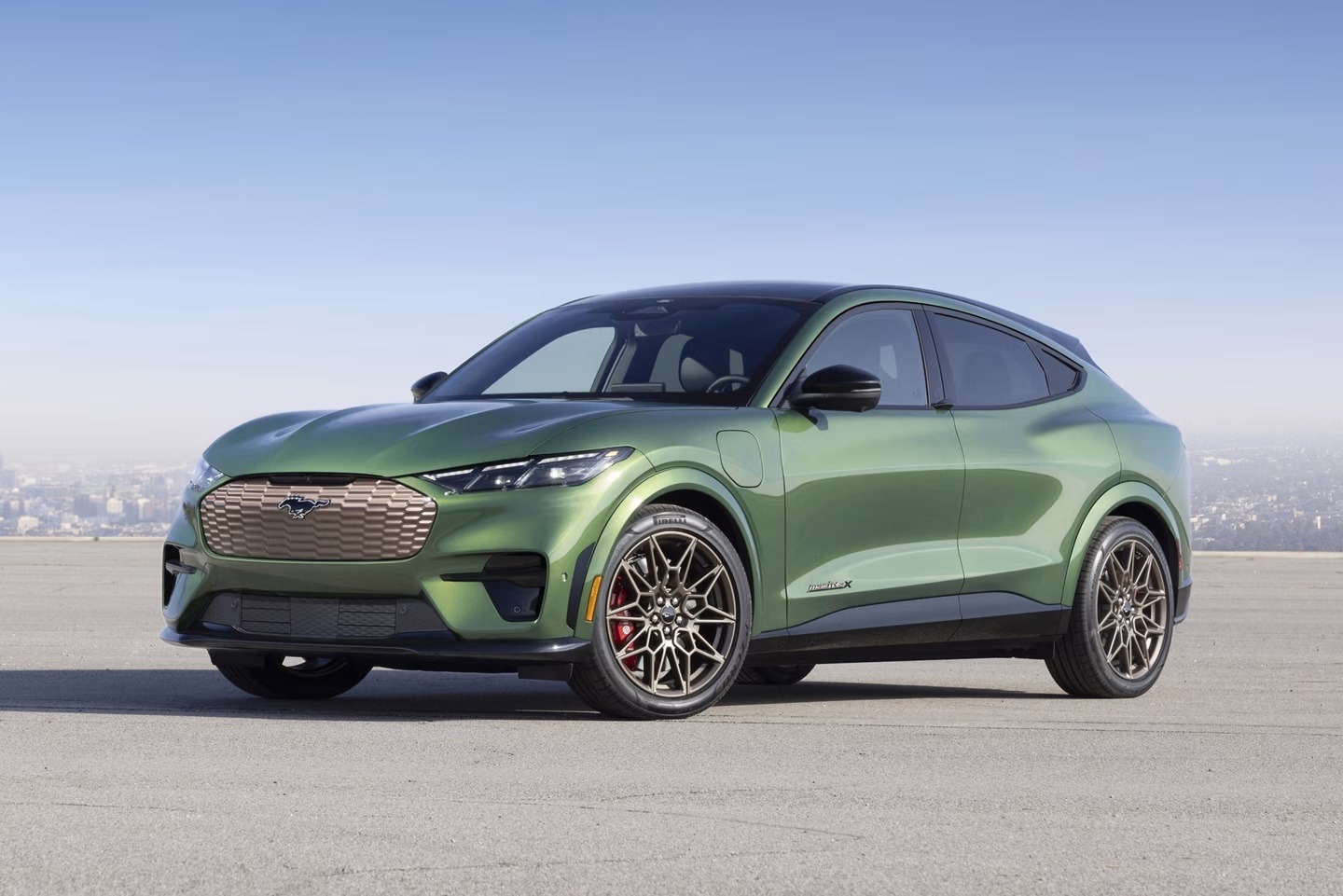
3. Ford Mustang Mach-E
Ford’s entry into the electric vehicle space with the Mustang Mach-E has shown that the brand is serious about future mobility. The Extended Range version especially proves its worth during long drives. With a battery capacity that pushes it past 300 miles per full charge, this model offers reassurance for drivers covering large distances.
It performs well on highways, delivering strong acceleration and responsive handling. The steering feels precise, and the car remains steady even at higher speeds. These features become very helpful during long-distance driving when road conditions and traffic patterns vary.
Fast charging is available through DC fast chargers, allowing the Mach-E to regain much of its charge in about 30 to 40 minutes. While that’s slightly longer than Tesla or Hyundai options, it still offers enough convenience to prevent major delays during travel. Ford has also partnered with different charging networks, giving Mach-E drivers access to many public charging stations across the US.
Inside the cabin, the Mustang Mach-E focuses on both space and comfort. Passengers have enough legroom, and the cargo area offers decent storage space for luggage. The sound system and infotainment screen are also designed to make long drives more enjoyable. These small touches help reduce boredom on long trips.
Ford’s driving assistance tools, such as adaptive cruise control and lane-keeping assist, also reduce the mental strain of driving for long hours. These tools help keep the car steady and within its lane even on long stretches of road.
Altogether, the Mach-E Extended Range version is a solid road trip vehicle that balances performance, range, and comfort in a way that suits travelers who like adventure but still want convenience.
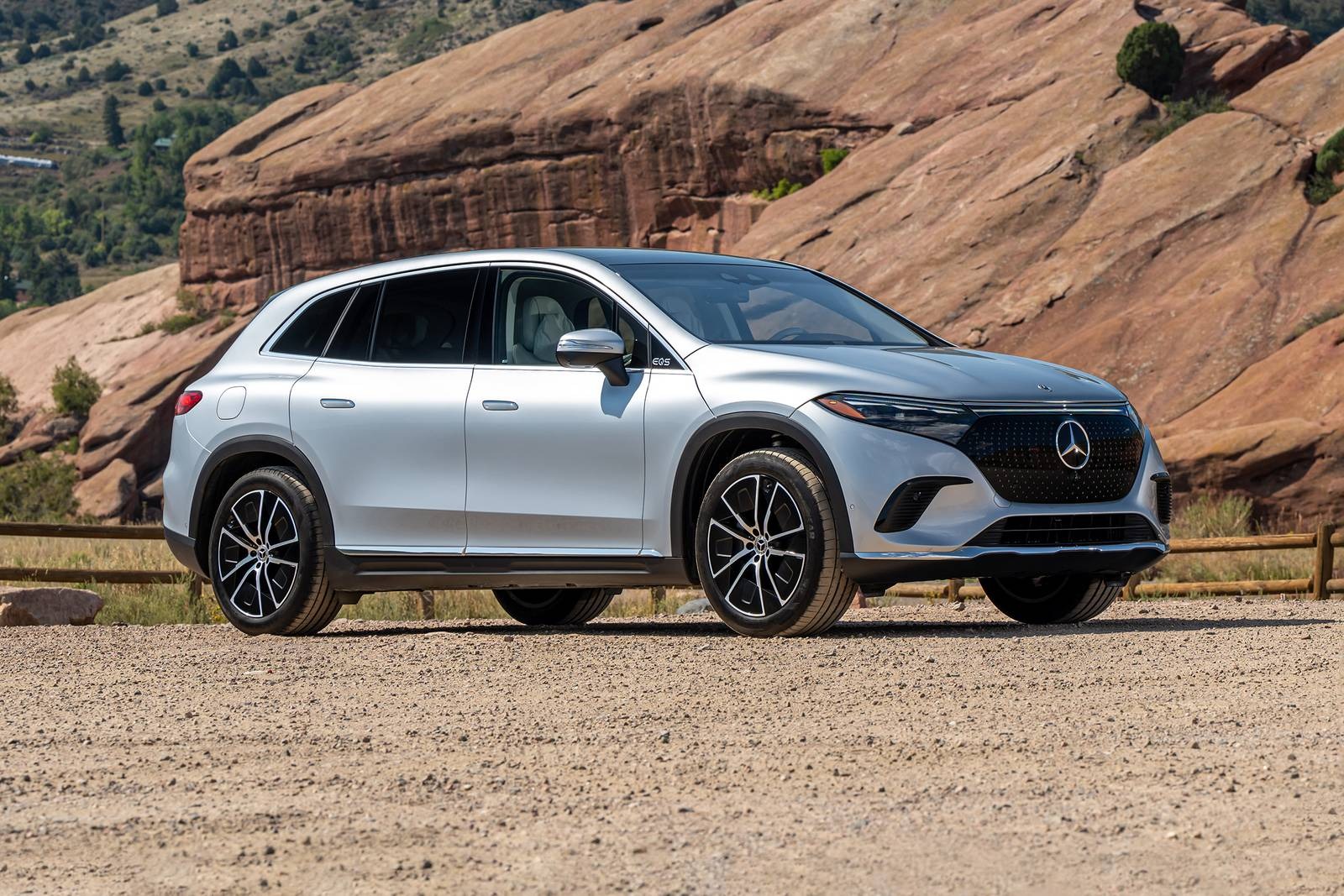
4. Mercedes-Benz EQS
The EQS represents the luxury side of electric motoring. It combines a long battery range with the comfort expected from a top-tier Mercedes sedan. With more than 350 miles of driving range, depending on the specific model, the EQS makes long drives smooth and enjoyable.
Inside the vehicle, the comfort level is remarkable. The seats are covered with high-quality materials and are built to support long sitting periods. The cabin is very quiet, which reduces fatigue on long journeys. A large digital display stretches across the dashboard, helping the driver control different systems without distraction.
Charging the EQS is also efficient. Using a DC fast charger, the car can reach 80 percent battery in around 31 minutes. That time is reasonable for travelers who want to cover serious ground without spending hours at charging stops. Mercedes-Benz also includes an intelligent navigation system that factors in battery usage and charging station availability when plotting travel routes.
Road handling is excellent. Whether the road is straight or winding, the EQS maintains balance. The air suspension adjusts automatically to make the ride smooth, even on rougher surfaces. This is especially helpful for people who travel through areas with uneven roads or changing terrain.
Mercedes also built the EQS with strong safety features. Some sensors and cameras monitor the car’s surroundings and help avoid hazards. For people covering long distances, this adds extra confidence behind the wheel. Combining top comfort with great electric performance, the EQS stands out as one of the most capable luxury EVs for long travel.
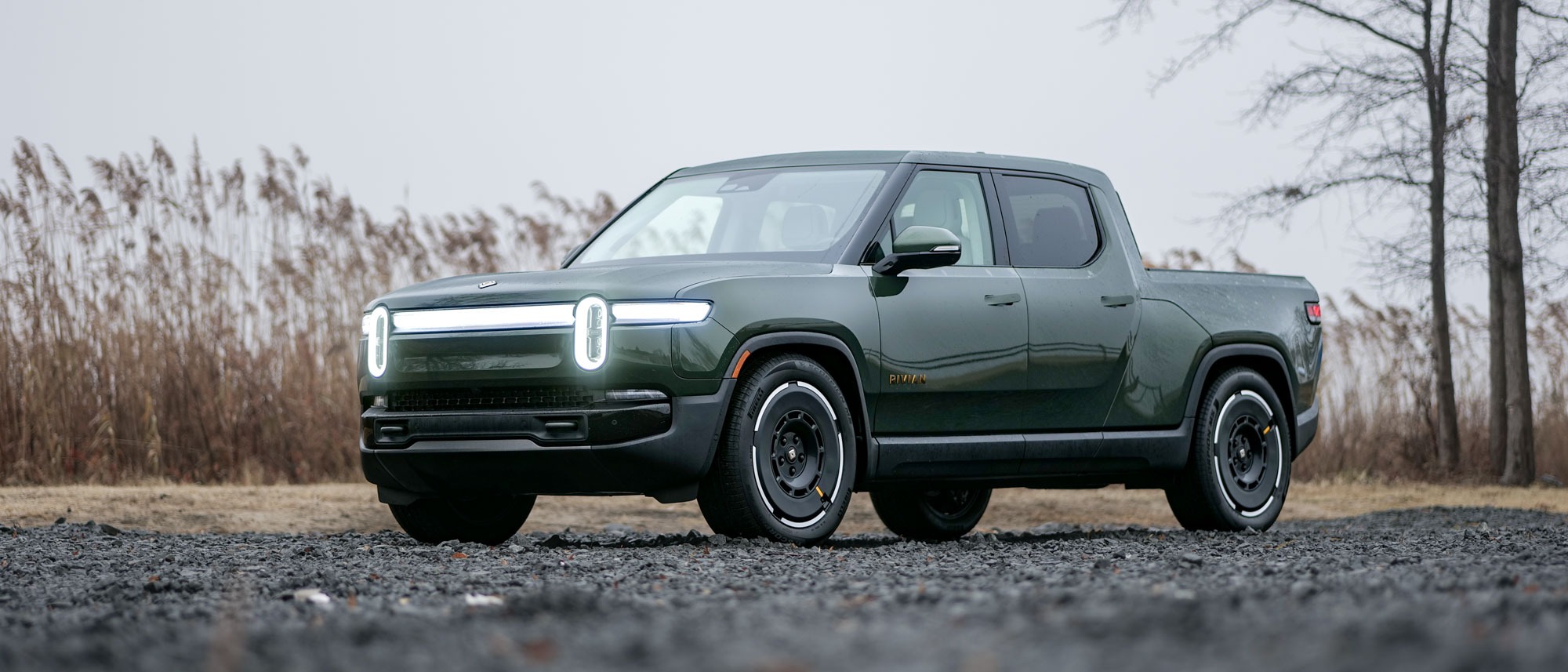
5. Rivian R1T
The Rivian R1T is a pickup truck built for adventure and distance. It has become a favorite among people who want the flexibility of a utility vehicle and the efficiency of electric power. The R1T can cover more than 300 miles on a full charge, depending on the battery pack chosen. That kind of range allows for road trips into remote areas without worrying too much about charging.
One unique feature of the R1T is its off-road capability. It is not only made for highways but also performs well on rough and unpaved paths. The all-wheel-drive setup gives strong traction, and the suspension system absorbs bumps with ease.
Charging performance is competitive, and the R1T supports fast charging. It takes about 40 to 45 minutes to reach 80 percent battery when connected to a high-capacity charger. This gives drivers enough freedom to plan their stops without major delays.
Inside, the R1T is both rugged and comfortable. The seats provide enough support, and the cabin is designed to reduce road noise. The dashboard display is clear and easy to use, which helps when keeping track of charging or trip progress.
5 EVs That Need Towing
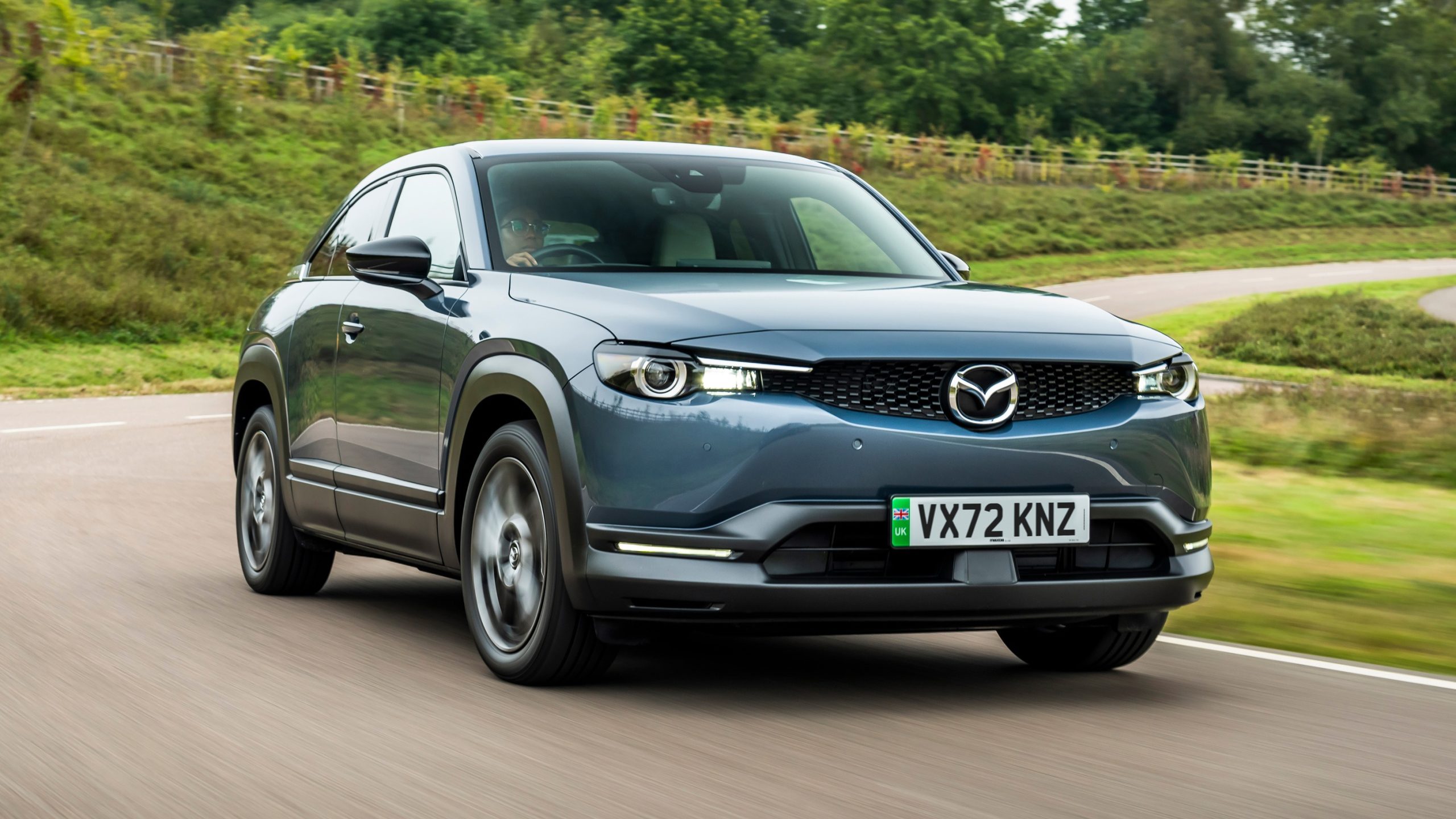
1. Mazda MX-30
Mazda’s first electric vehicle, the MX-30, shows effort in entering the EV market, but it falls short in several areas that are critical for long-distance travel. The major drawback is its extremely limited range.
On a full charge, the MX-30 barely manages around 100 miles. That figure places it far below most electric vehicles currently available, making it difficult to trust for trips outside urban areas.
For drivers who frequently travel long distances, the MX-30 presents a serious limitation. Even with careful planning, the frequent need to stop and recharge becomes exhausting. On many U.S. highways, charging stations are still spaced far apart, which increases the risk of running out of battery and needing assistance.
The charging time is also not impressive. Though it does support DC fast charging, it still takes close to 36 minutes to reach 80 percent. Given the small battery size, that is not much value for the time spent waiting. It leaves drivers feeling stuck for longer than necessary, especially when covering many miles.
The vehicle itself feels compact and lightweight, which might be great for city use, but during highway travel, the small build becomes a concern. The ride feels less stable when dealing with high winds or uneven roads. Passengers may also notice more noise inside the cabin compared to more refined EVs.
The interior does try to be unique with its cork materials and minimalistic dashboard, but comfort is limited. The rear seats are tight, and the cargo space is small. On long journeys, this becomes a problem for families or travelers with luggage.
Mazda is known for excellent petrol-powered cars, but with the MX-30, its electric start has yet to match those standards. Drivers planning road trips are better off looking at alternatives that offer more range, quicker charging, and stronger on-road performance.
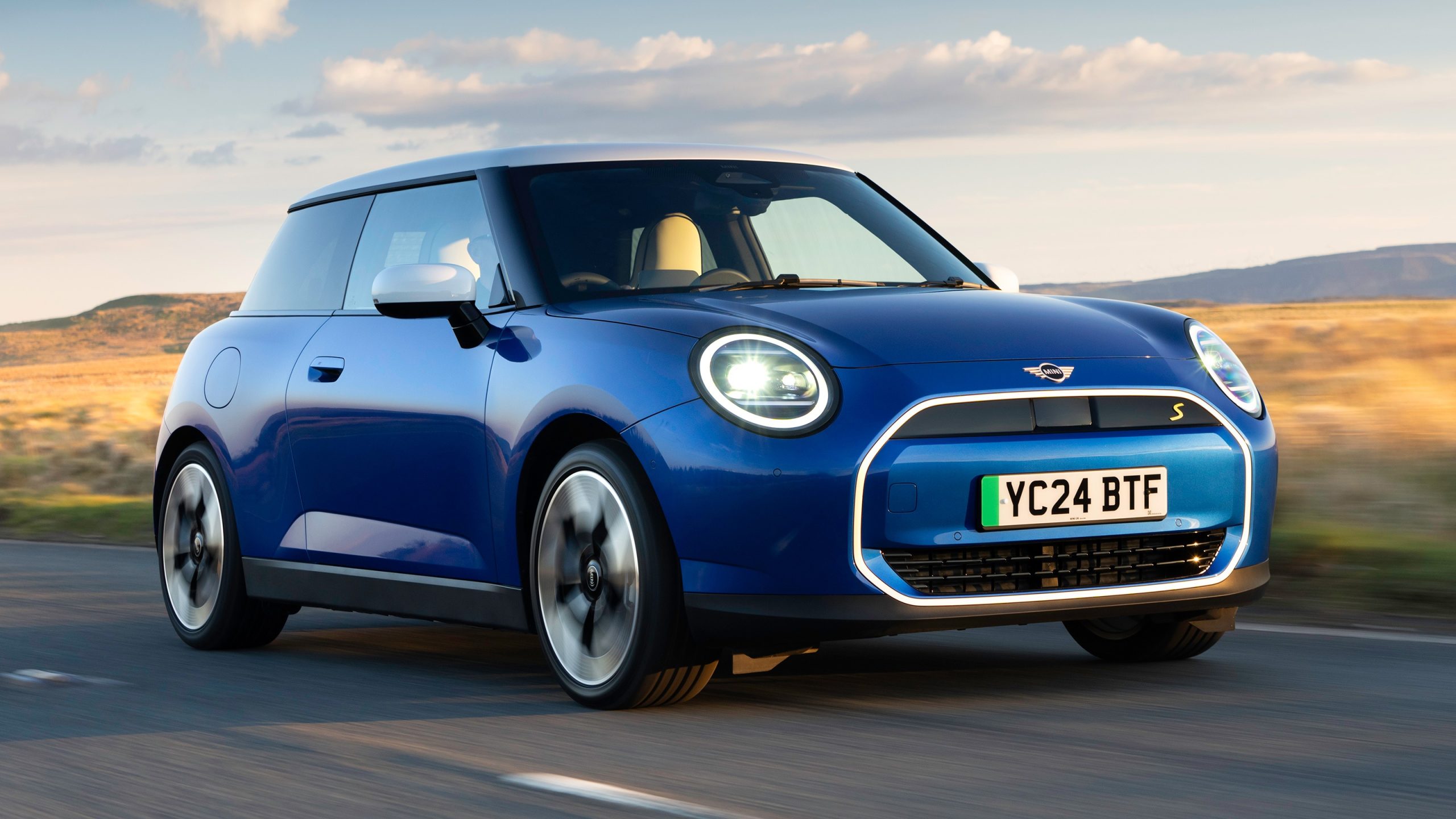
2. MINI Electric Hardtop (Cooper SE)
The MINI Electric Hardtop, also known as the Cooper SE, brings fun design and sporty handling to the electric space. While it works well for city commutes, it struggles when taken beyond city limits. The first major problem is its driving range. With just about 110 miles on a full charge, the car cannot cover large distances without frequent stops.
Long road trips become frustrating in this car because of how fast the battery runs down, especially at highway speeds. Unlike in-town driving, higher speeds drain battery power quickly, and the Cooper SE does not have a large enough battery to handle that pressure. That low range forces drivers to rely heavily on charging networks, which may not always be accessible.
Even when a charging station is nearby, the MINI does not charge as quickly as some might hope. While DC fast charging is included, the speed is slower than newer EVs, and the smaller battery means you’ll have to top up more often. That means more stops, more waiting, and a higher chance of needing towing in unfamiliar places.
Comfort is another issue. While the front seats are supportive, the rear seats are very tight and barely usable for adults on long journeys. Cargo space is minimal, limiting how much you can pack. That makes the car less ideal for road trips where you need to carry more than a backpack.
The drive itself is responsive and fun, which matches the MINI brand’s image. However, the excitement fades quickly when you realize how often the car needs a recharge. For short city trips, the Cooper SE delivers. But for long-distance travel, it lacks the battery strength, charging efficiency, and storage to offer a smooth experience.
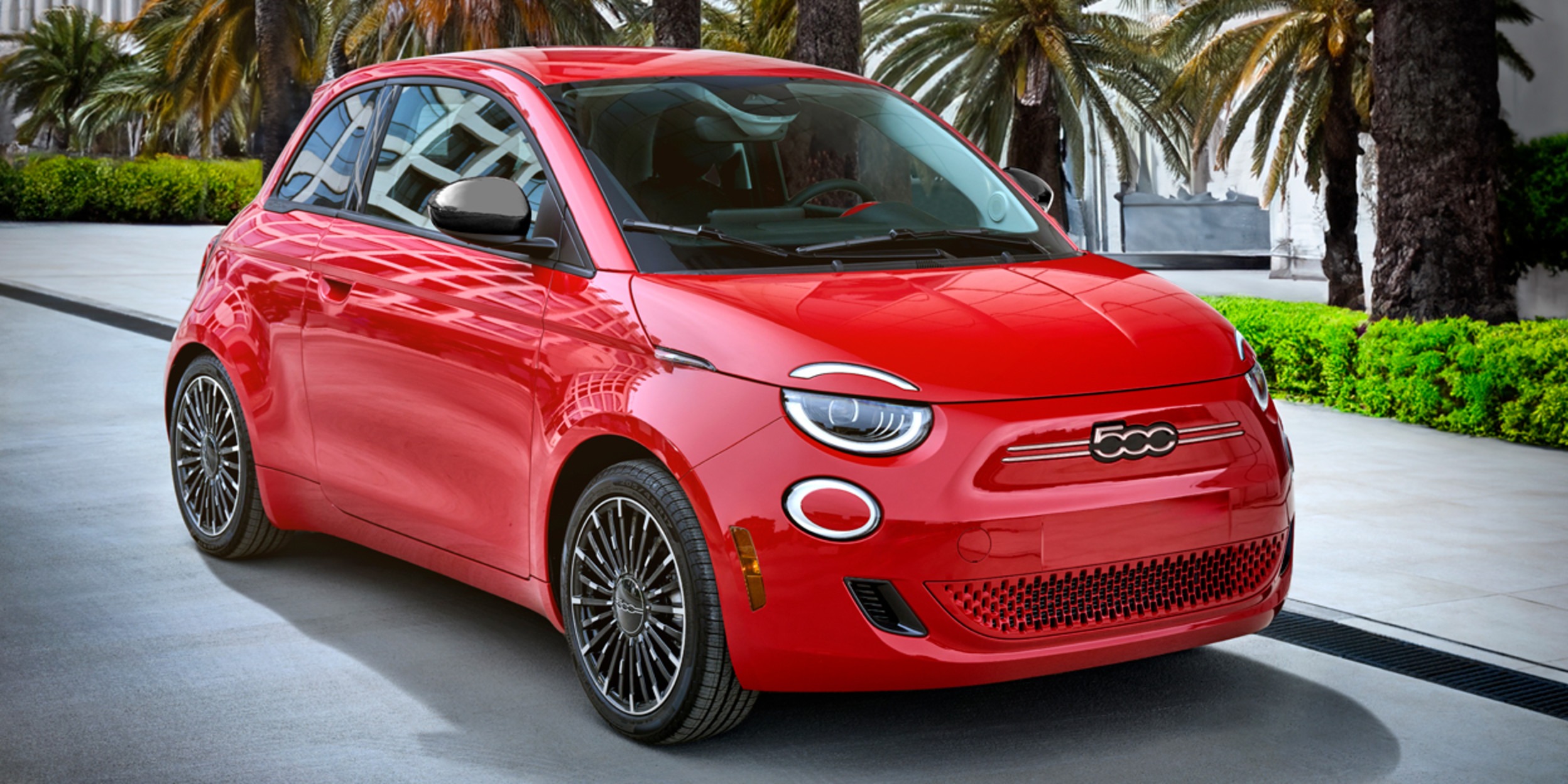
3. Fiat 500e
The Fiat 500e is another EV that was designed mostly with city dwellers in mind. It brings a stylish appearance and compact size, but these qualities do not translate into strong road trip performance.
One of its main weaknesses is the driving range. With a real-world range often hovering around 90 to 100 miles, the 500e quickly becomes unreliable when taken outside urban environments.
Drivers who attempt longer routes with the Fiat 500e often find themselves closely watching the battery gauge and stressing over whether they will make it to the next charging point. That stress reduces the joy of any road trip. The car simply does not offer the kind of battery size or efficiency required for extended travel.
Charging time also adds to the issue. While it includes fast charging capability, the speed is not competitive with newer EVs. Even if you manage to find a charging point, the time it takes to refill a battery that drains quickly makes the process feel inefficient.
The interior space is quite tight, making it difficult to carry passengers or luggage. Comfort is decent for short drives, but sitting in the car for extended periods can be tiring. The suspension is not well-suited for long highway stretches, and road noise becomes more noticeable at higher speeds.
Although the Fiat 500e is easy to park and cheap to run in cities, those strengths disappear on longer routes. It lacks the combination of battery range, road comfort, and fast charging needed for dependable long-distance performance. For anyone thinking about taking a road trip with this car, extra planning is necessary, and even then, the risk of needing towing remains high.
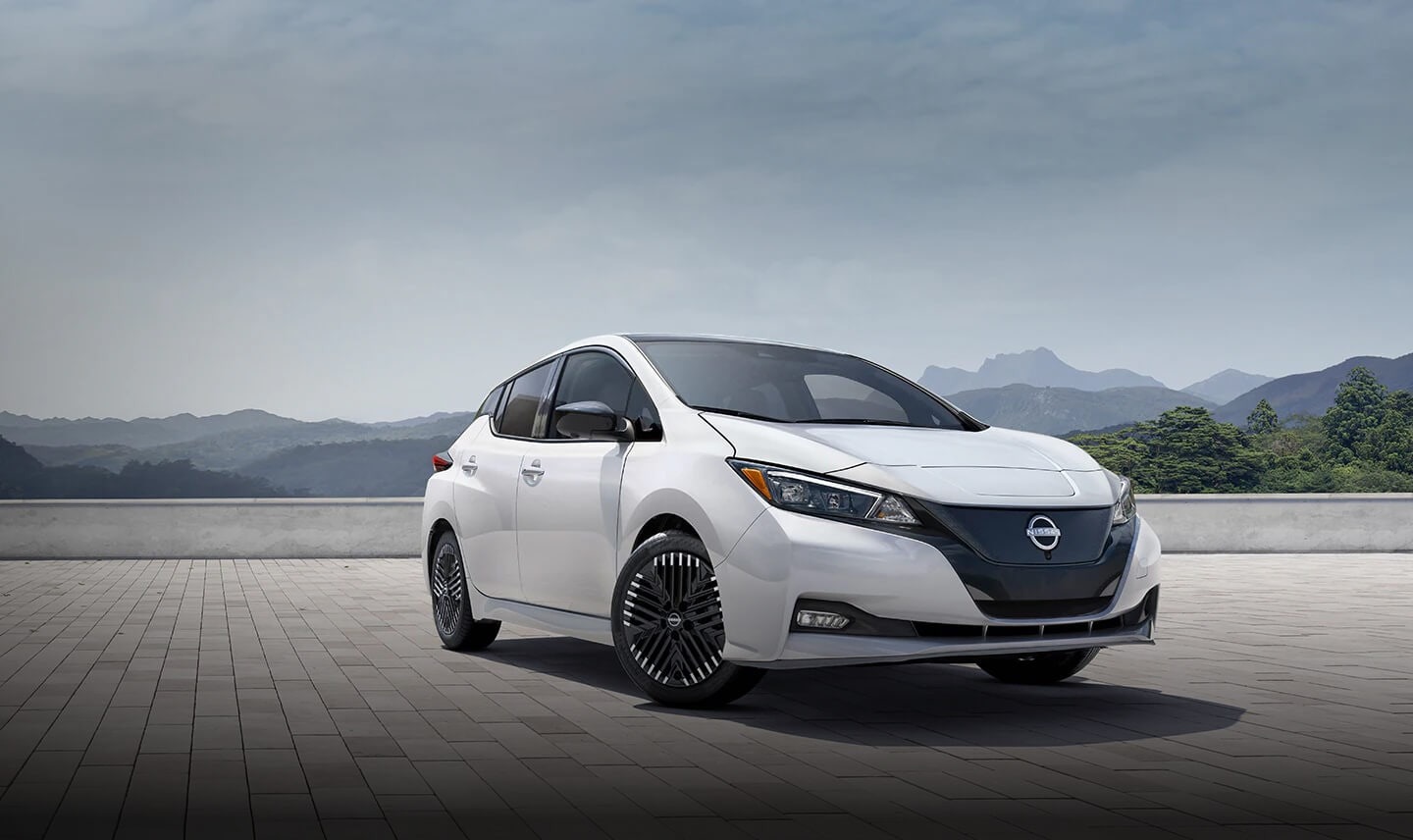
4. Nissan Leaf (Standard Version)
The Nissan Leaf was one of the early electric cars to become popular in the United States, and while it made electric driving accessible, the standard version now feels dated when compared with newer models. Its biggest issue on long trips is the limited driving range. Depending on the model year, many standard Leaf versions only deliver around 150 miles per full charge.
This may sound usable for short daily drives, but once you step outside city limits, the limitations begin to show. Battery performance drops at higher speeds, and weather conditions can reduce range even further. Planning long-distance routes becomes a stressful task, and the chances of running low on power before reaching a charging station are higher than with more modern options.
Charging speed also holds it back. Many Leaf models still use CHAdeMO connectors, which are becoming less common across the United States. That reduces your options when it comes to finding compatible fast chargers. Even when you find one, the Leaf takes longer to charge compared to other EVs that use newer charging systems.
On the inside, the Leaf is comfortable and simple. However, long-distance comfort is limited by the seat quality and basic suspension system. Passengers may feel more bumps and vibrations during highway travel. The car’s handling also feels soft, which affects confidence when driving for long hours.
While the Leaf helped introduce electric mobility to many people, it now struggles to meet the demands of long travel. For those looking to cover long distances without delays or extra stress, the standard Nissan Leaf may require extra planning or possibly a backup option in case it runs out of charge far from a station.
Also Read: 5 Cars That Go 100,000 Miles on Original Brake Pads vs 5 That Burn Through Pads Quickly
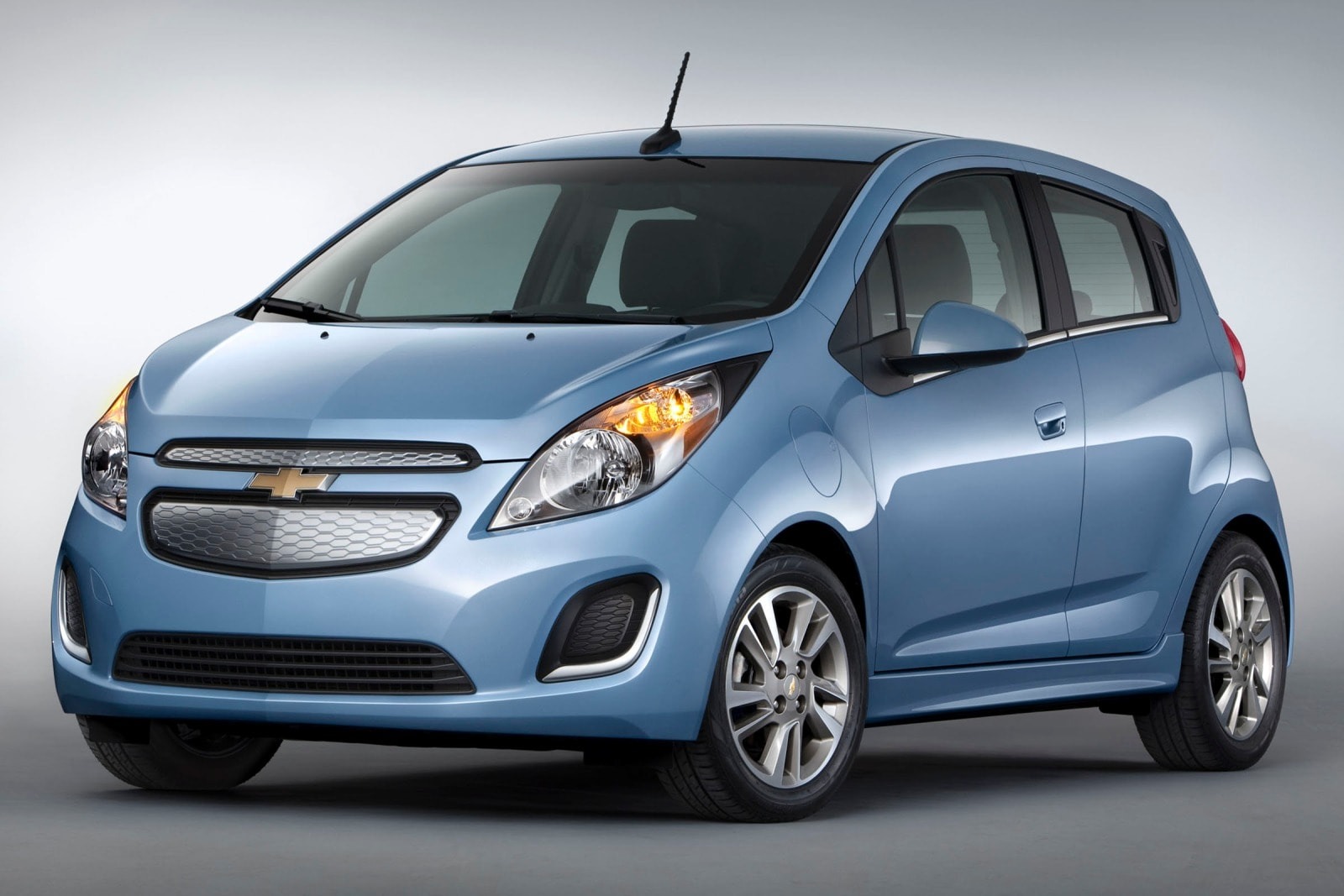
5. Chevrolet Spark EV
The Chevrolet Spark EV is a small electric car designed mainly for short commutes. Its compact design and playful handling make it ideal for city driving, but it quickly becomes impractical when taken on longer journeys. The main concern is its very low electric range. With less than 90 miles per full charge in many cases, this car requires frequent stops and careful trip planning.
On longer routes, the Spark EV begins to show its weaknesses. The limited battery size cannot support long travel without constant recharging, and the car lacks the charging speed to make up for that shortfall.
DC fast charging is available, but the vehicle does not charge as quickly as newer models. This combination of short range and long charging times makes the Spark EV a difficult option for road trips.
Interior space is also limited. The back seats are cramped, and the cargo space is barely enough for weekend bags. That means travelers cannot carry much with them, which is a problem when planning extended drives. The seats are fine for short distances, but longer use can become uncomfortable.
While the Spark EV can be fun to drive in stop-and-go traffic, it does not deliver the same confidence on highways. The steering becomes lighter at high speeds, and road noise enters the cabin more easily. That affects comfort and adds to fatigue during longer rides.
For people who use their vehicles mostly within city limits, the Spark EV still holds some value. But when taken on long trips, the car struggles to keep up, and drivers may end up needing roadside assistance. Its small size and limited battery do not match the needs of distance travelers, making it one of the EVs most likely to be towed if pushed too far from a charging station.
Choosing the right electric vehicle makes a big difference when planning long road trips. Some EVs are built to go far without trouble, combining range, comfort, and charging efficiency to deliver peace of mind on the open road. Others still need improvement, especially when it comes to battery range, charge speed, and long-term comfort.
For buyers who value distance driving, doing proper research before purchasing an EV is very important. Cars like the Tesla Model S, Hyundai Ioniq 6, or Rivian R1T can make travel smooth and enjoyable.
Meanwhile, models like the Mazda MX-30 or Fiat 500e may leave you searching for a charger or worse, calling for a tow truck. When it comes to electric driving, long-distance performance remains one of the most important features to consider.
