
Many people go for SUVs because they want a ride that combines size, strength, and comfort. One big reason why buyers pick SUVs is how well the suspension handles different types of roads. Some SUVs have suspensions that stay strong after many years, while others begin to show problems after a short period of use.
Whether it is city potholes or off-road trails, a suspension system must stay solid if the vehicle is to remain safe and smooth to drive. Suspension failure can affect how a vehicle handles turns, brakes, and rides on bumpy roads. Once the suspension begins to wear out or break down, the car starts to feel shaky, rough, or even unsafe.
Drivers may begin to hear clunky noises or feel every bump on the road. Repairs on a broken suspension system can be expensive and may take days to fix properly. That is why most people prefer vehicles that require fewer visits to the mechanic.
Although some SUVs look beautiful from the outside or come with fancy tech features, those things do not always mean the car is reliable. What matters more is how long the car can stay on the road without needing major repairs.
That is especially true when it comes to suspension systems. While some brands put in the work to make long-lasting suspensions, others fall short and leave owners dealing with repeated problems. We are going to separate the two types of SUVs. On one side, five models have shown strong suspension performance through the years.
Although five models have earned a bad reputation because their suspension systems tend to break more often. Each section will help you know what to expect before choosing an SUV, especially if you want fewer trips to the repair shop.
5 SUVs That Rarely Break Suspension
1. Toyota 4Runner
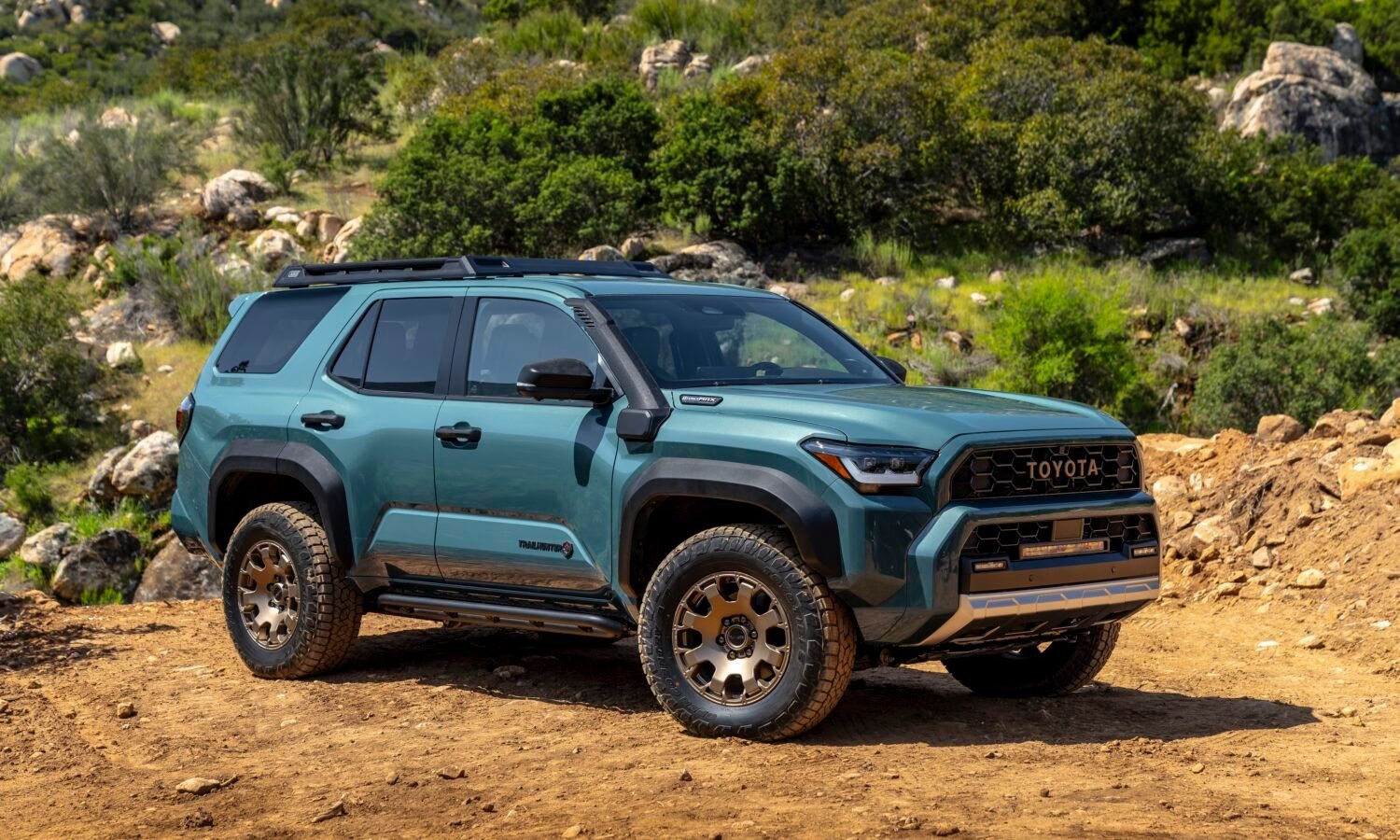
The Toyota 4Runner has built a name for itself as one of the toughest SUVs on the market. Even though it has been around for decades, this vehicle continues to perform well, especially when it comes to the suspension system. People who drive 4Runners often praise how steady and durable the suspension feels, whether they are driving on smooth highways or climbing rocky trails.
Part of what makes the 4Runner different is the type of suspension Toyota uses. It comes with an independent double-wishbone front suspension and a solid rear axle with coil springs. These components are carefully put together to absorb shock from rough terrains and reduce stress on the chassis. The design allows the vehicle to remain level even when one wheel hits a deep pothole or an uneven surface.
Another thing people like about the 4Runner is that it does not need suspension repairs as often as other SUVs. It holds up well even after several years of use. Mechanics often say that the suspension parts are strong and can go thousands of miles before needing replacement. This makes it a favorite among people who do a lot of driving in remote areas or on unpaved roads.
Owners also appreciate the peace of mind that comes with the 4Runner. Instead of worrying about worn-out struts or failing shocks, drivers are able to focus on the road. Even the basic trims of the 4Runner come with suspensions that are tough enough to handle pressure from heavy use. The vehicle is built for those who value long-term durability over flashy features.
Some SUVs try to compete with the 4Runner in this area, but few match its track record. Many people buy this vehicle specifically because they want something that can handle rough road conditions without needing constant repairs.
It may not be the most modern or tech-filled SUV, but when it comes to reliability in suspension, the 4Runner delivers solid results. That is why it is seen as a smart investment for anyone who wants fewer issues with ride quality or suspension damage.
2. Honda Pilot
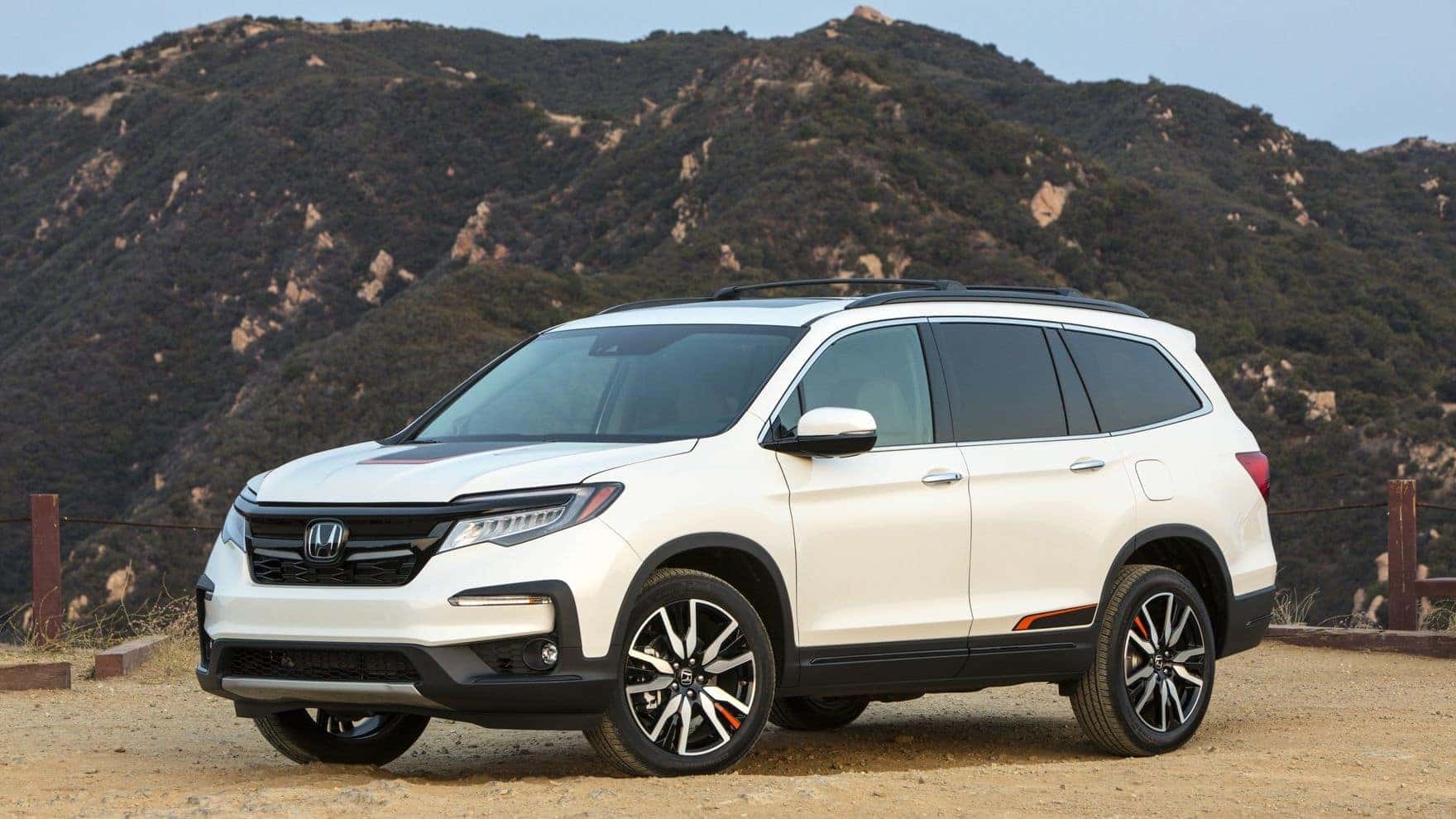
The Honda Pilot stands out for its quiet ride and stable handling, and a major part of that comfort comes from its dependable suspension system. For years, many families have chosen the Pilot as a daily driver because it offers both space and smooth performance. The suspension setup on this SUV has proven strong even when driving over long distances or through rough weather.
Honda uses a front MacPherson strut and rear multi-link suspension in the Pilot. This combination helps reduce bumps and vibrations, especially when the vehicle is carrying many passengers or heavy luggage.
Unlike some SUVs that begin to rattle after several months of use, the Pilot holds its ground and continues to offer a smooth ride. This has made it a popular choice for people who want both comfort and low maintenance.
Another good thing about the Pilot is that its suspension system rarely suffers from early failure. Many owners report using their Pilots for over 100,000 miles before any real suspension problems begin to show. When the parts do need attention, the repairs are usually simple and do not cost too much. This helps reduce the stress of unexpected car expenses.
Drivers also enjoy how stable the Pilot feels while making turns or driving at higher speeds. The suspension helps the SUV stay balanced and prevents too much body roll. This is helpful for people who take long road trips or live in places with lots of hills and curves. The smooth ride also keeps passengers comfortable and avoids the discomfort that comes from poor road conditions.
What makes the Honda Pilot stand out is that it stays consistent. Whether it is a new model or one that has been used for several years, the suspension stays strong and dependable.
This type of reliability has helped the Pilot gain a strong following among drivers who want peace of mind and fewer issues with suspension repair. Even though other SUVs offer fancy looks or extra features, the Pilot keeps things simple and long-lasting where it matters.
Also Read: 5 Forgotten GM Cars That Run vs 5 Recent GM Models With Major Issues
3. Lexus GX
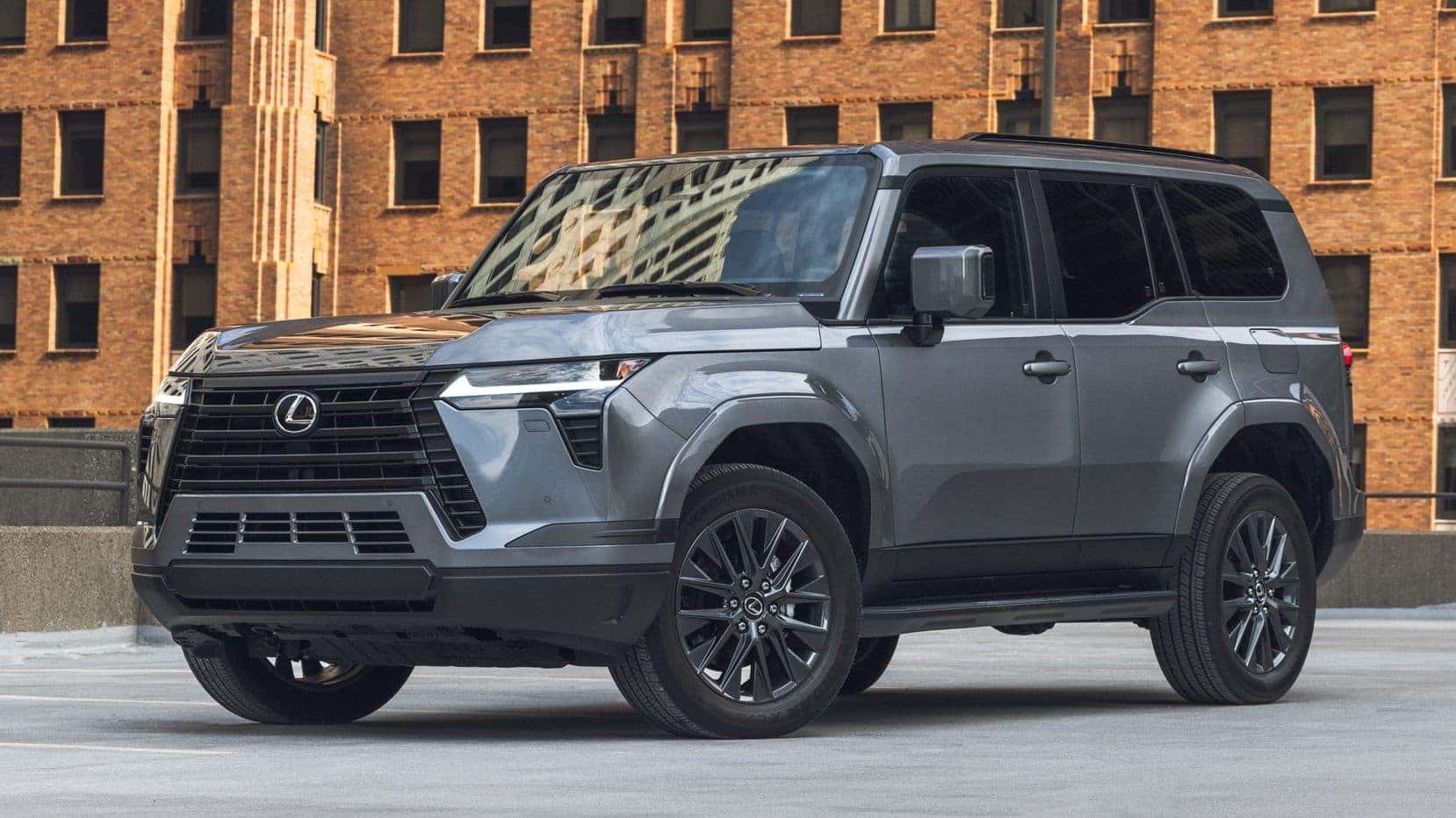
The Lexus GX is a luxury SUV that doesn’t sacrifice strength for style. It has been designed to handle rough driving conditions while keeping the passengers comfortable. The vehicle’s suspension system plays a big part in that performance. Many people choose the GX because they want a strong, well-built ride that can last for many years without giving problems.
This SUV is built on a body-on-frame structure, similar to many trucks, which makes it tougher than most crossovers. The GX comes with a Kinetic Dynamic Suspension System (KDSS) that automatically adjusts to road conditions. This technology helps the vehicle stay stable when going over rocks, hills, or uneven roads. Even during sharp turns or sudden stops, the suspension keeps the body from leaning too much.
Owners often say the GX gives a soft and quiet ride, even when driving on damaged roads or through areas with poor maintenance. It handles bumps and cracks smoothly, thanks to the way the suspension is built. This has made it a favorite among drivers who want both comfort and toughness in one package.
Mechanics also speak well about the GX’s suspension parts. They do not wear out easily, even after thousands of miles. The parts are made from high-quality materials that stand the test of time. People who use this SUV for daily driving or weekend trips into nature often find that the suspension keeps performing well without needing replacements every few years.
Even though the Lexus GX costs more than some SUVs, many people say the long-lasting suspension is worth the price. It saves money in the long run because there are fewer repairs needed. The strong suspension system also helps the vehicle hold its value, which is good news for anyone thinking of selling it later. When it comes to strong and reliable suspension, the Lexus GX earns a solid place on this list.
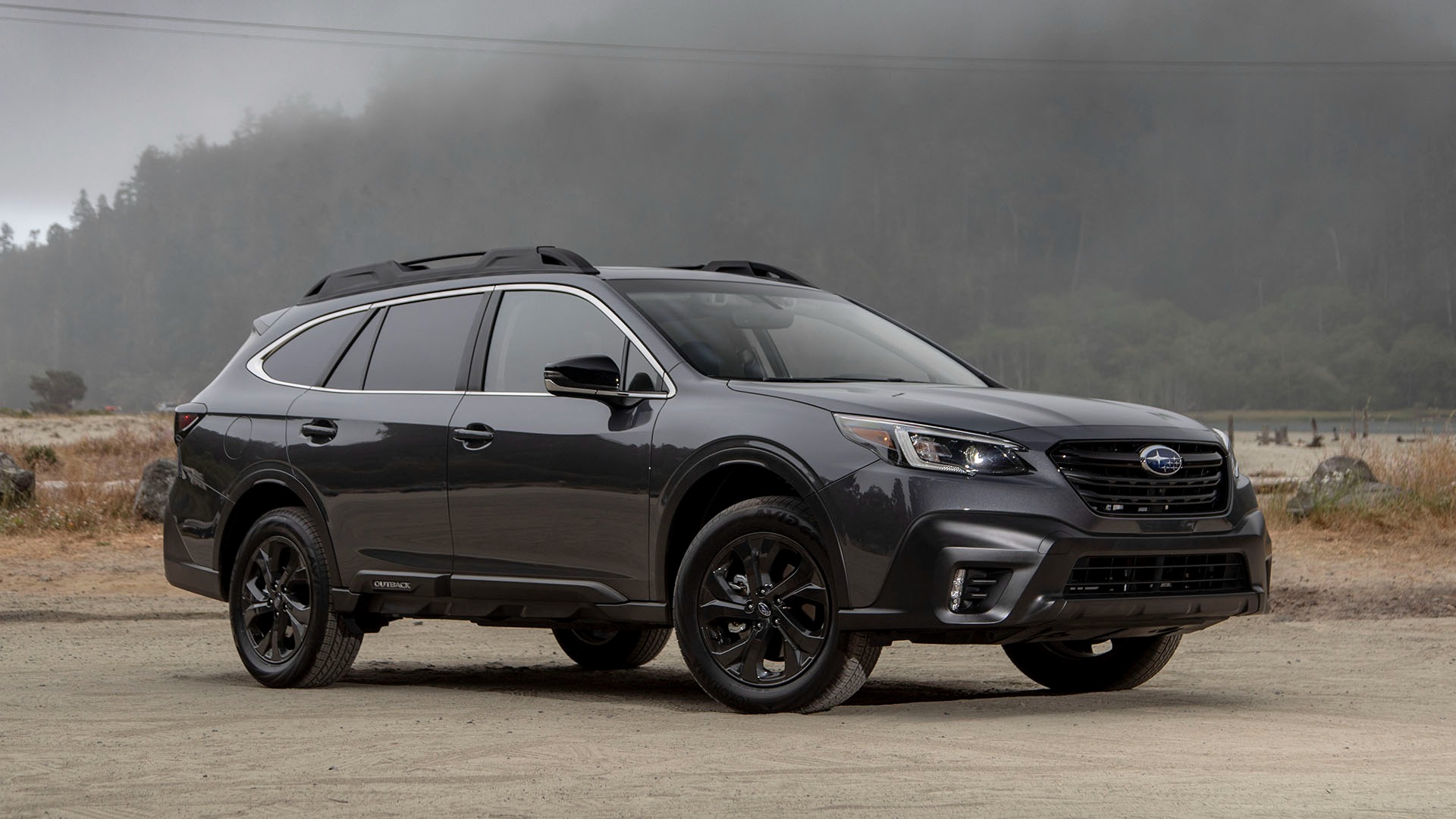
4. Subaru Outback
The Subaru Outback may not look like a full-size SUV, but it performs with the strength of one. People who choose the Outback often mention how stable and dependable it feels, especially during long trips or bad weather. One of the strongest parts of the vehicle is its suspension system, which handles different road conditions with ease.
The Outback uses a four-wheel independent suspension setup that includes front MacPherson struts and a double-wishbone system in the back. This type of design allows each wheel to respond to bumps on the road separately, which keeps the vehicle balanced and smooth. Whether it’s driving on rough highways, muddy roads, or snowy streets, the suspension holds firm without wearing out quickly.
Subaru has also built a strong reputation for producing vehicles with long-lasting components, and the Outback fits this pattern well. Many drivers report driving their Outbacks for over 150,000 miles with little to no suspension repairs. The parts are designed to handle pressure without cracking, leaking, or losing strength. Mechanics often say it is one of the easier SUVs to maintain because of how well the suspension holds up.
Another benefit of the Outback is how comfortable it feels, even when carrying a full load of passengers or cargo. The suspension spreads the weight evenly, which helps the car remain stable during braking or turning.
People who enjoy traveling long distances often pick the Outback because the suspension reduces the feeling of fatigue from constant bumps and road noise. The Outback may not have the high clearance of larger SUVs, but it makes up for that with quality and balance.
The strong suspension system is one of the main reasons it continues to receive praise from drivers who want a stress-free driving experience. It gives peace of mind because people know they won’t be dealing with broken springs or failing struts after just a few years of use.
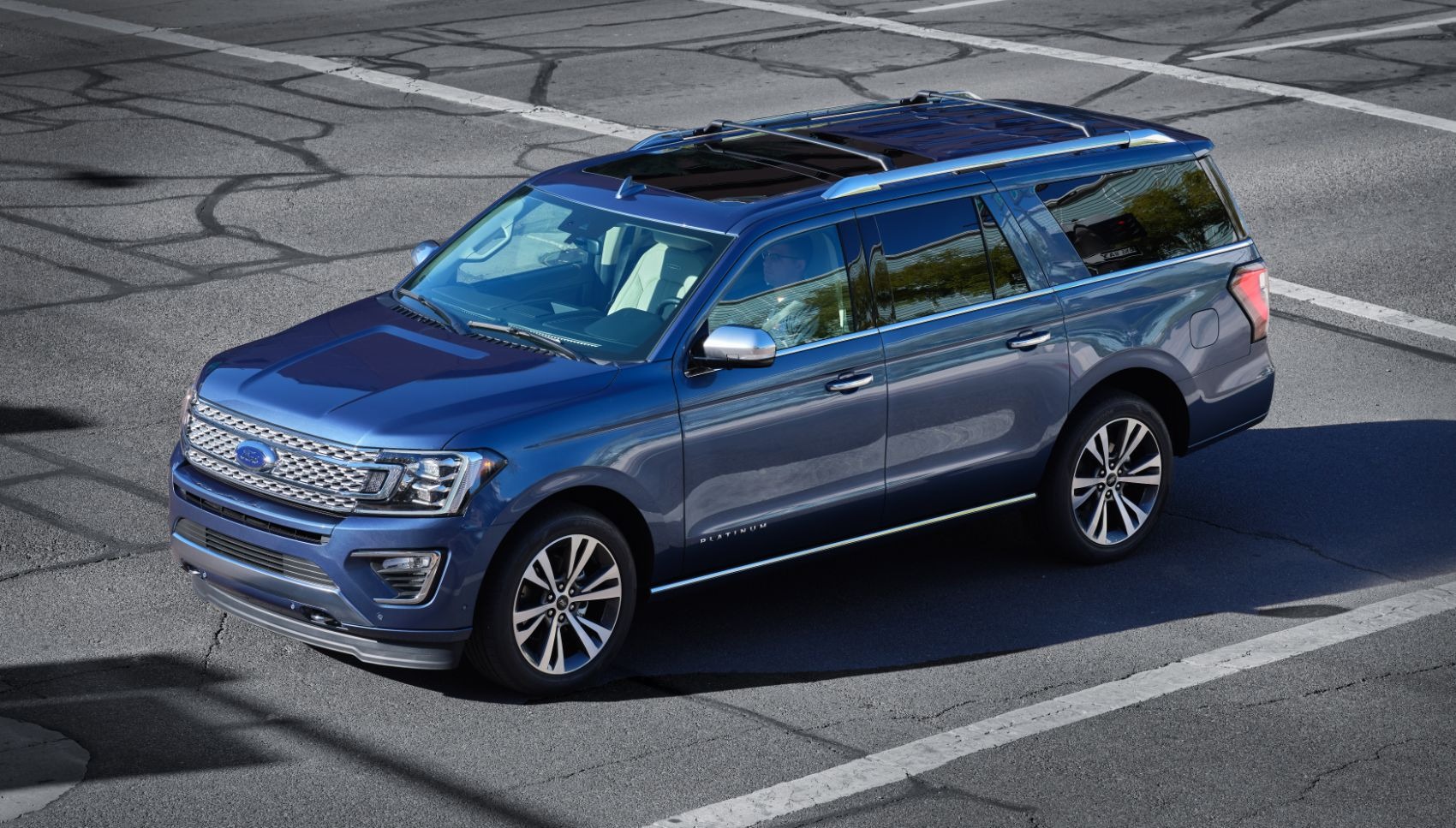
5. Ford Expedition
The Ford Expedition has always been known for its size and power, but its suspension performance is another reason why many drivers continue to choose it. This full-size SUV offers a stable ride whether it’s used for family trips, heavy towing, or off-road adventure. A big part of that comfort and reliability comes from its well-designed suspension system.
The Expedition uses an independent rear suspension and front short- and long-arm suspension. This combination allows each wheel to move on its own, which helps reduce the rough feeling that comes from potholes or uneven roads. This setup also improves handling and makes the vehicle feel easier to control, especially when carrying extra weight.
People who drive the Expedition often say they feel confident taking it on long journeys or using it to tow trailers because of how stable it remains under pressure. The suspension does not give out easily, even when the vehicle is fully loaded. Many drivers keep their Expeditions for many years without replacing major suspension parts, which shows the strength of the design.
This SUV also performs well on bad roads. Whether it’s gravel, snow, or uneven city streets, the suspension keeps things smooth and controlled. Drivers don’t hear much noise from the underbody, and the cabin stays quiet even when the road outside is rough. This is one reason why families and travelers prefer the Expedition; it offers comfort along with strength.
Another thing worth noting is the durability of the suspension parts. They are built with materials that resist wear and can survive years of hard use. Mechanics say it’s rare to see an Expedition come in with major suspension problems unless it has been driven in extreme conditions for a very long time.
For people who want a large SUV that won’t give constant suspension problems, the Ford Expedition proves itself again and again. It handles weight, rough roads, and long trips without putting extra stress on the suspension system.
SUVs That Have Frequent Suspension Troubles
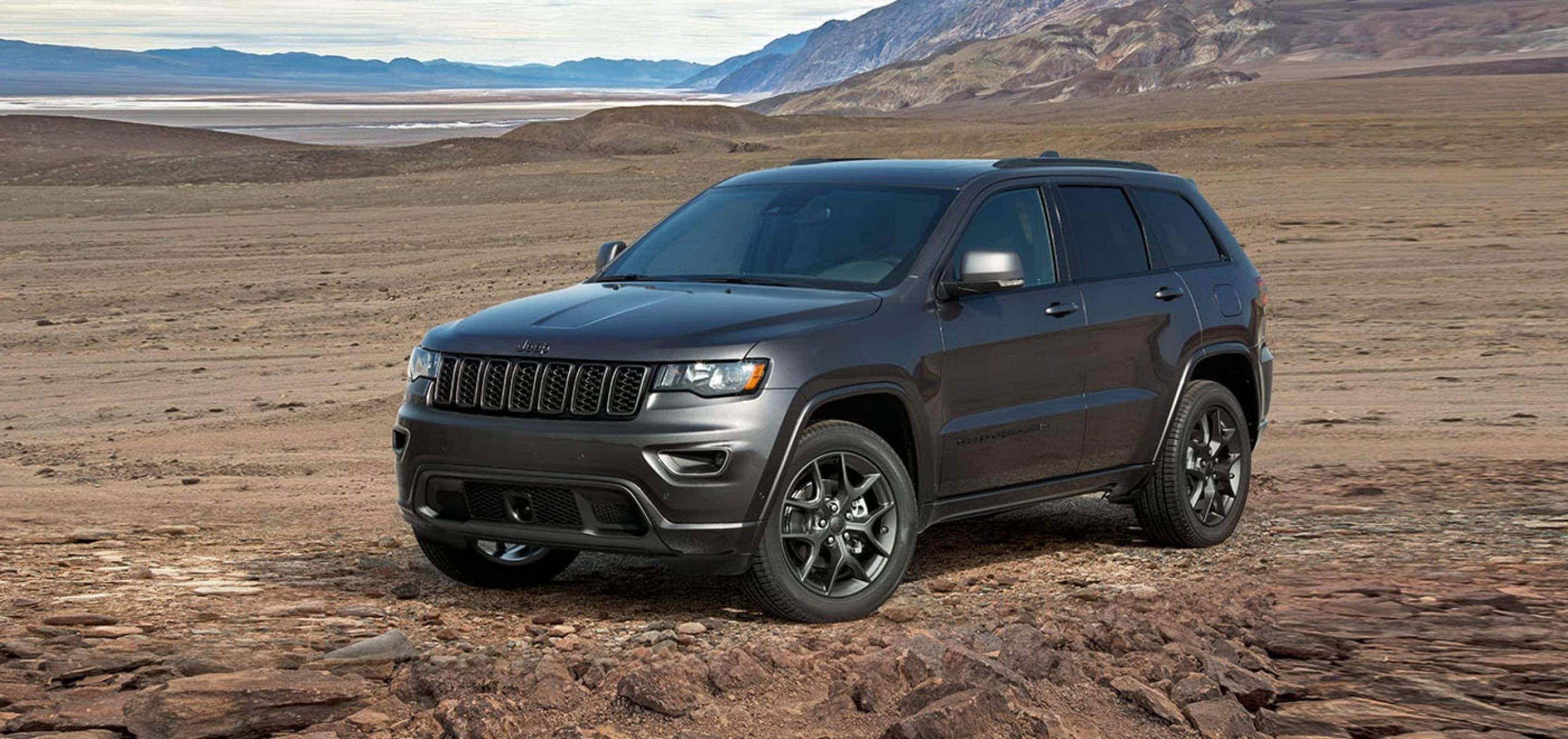
1. Jeep Grand Cherokee
Even though the Jeep Grand Cherokee offers comfort, technology, and an attractive design, its suspension system tends to disappoint many owners. Over the years, many drivers have reported that the Grand Cherokee begins to develop suspension problems much earlier than expected, which becomes costly and frustrating as time goes on.
The main issue lies with the air suspension system available in some trims. While air suspension sounds great on paper and provides a smooth ride initially, it often starts leaking or malfunctioning after just a few years.
The system uses air-filled bags instead of traditional springs, and once these bags get worn out, the SUV begins to sag or ride unevenly. Repairing or replacing these air suspension parts can be very expensive.
Apart from air suspension, other suspension parts on the Grand Cherokee, such as control arms, ball joints, and sway bar links have also been known to wear out quickly. Owners often complain of clunking noises, uneven ride height, and a general feeling of looseness when driving. These issues are not only uncomfortable but also affect safety when driving at higher speeds or making sharp turns.
Another problem is how frequently these suspension issues come up. For some drivers, the trouble begins after 60,000 miles, while others see problems even sooner. The fact that multiple parts fail in a short time forces owners to visit the mechanic more than they would like, which adds up in cost and inconvenience.
Although the Grand Cherokee performs well in terms of engine power and off-road ability, the weak suspension system makes it a risky choice for people who want reliability. Drivers who live in areas with rough roads or harsh winters may find that suspension problems appear more often. That’s why many people think twice before choosing this SUV, especially when they hear how common the repairs can be.
For an SUV that aims to offer comfort and performance, the suspension system of the Jeep Grand Cherokee often works against that goal. Many drivers end up feeling frustrated, especially after spending so much on a vehicle that should be dependable.
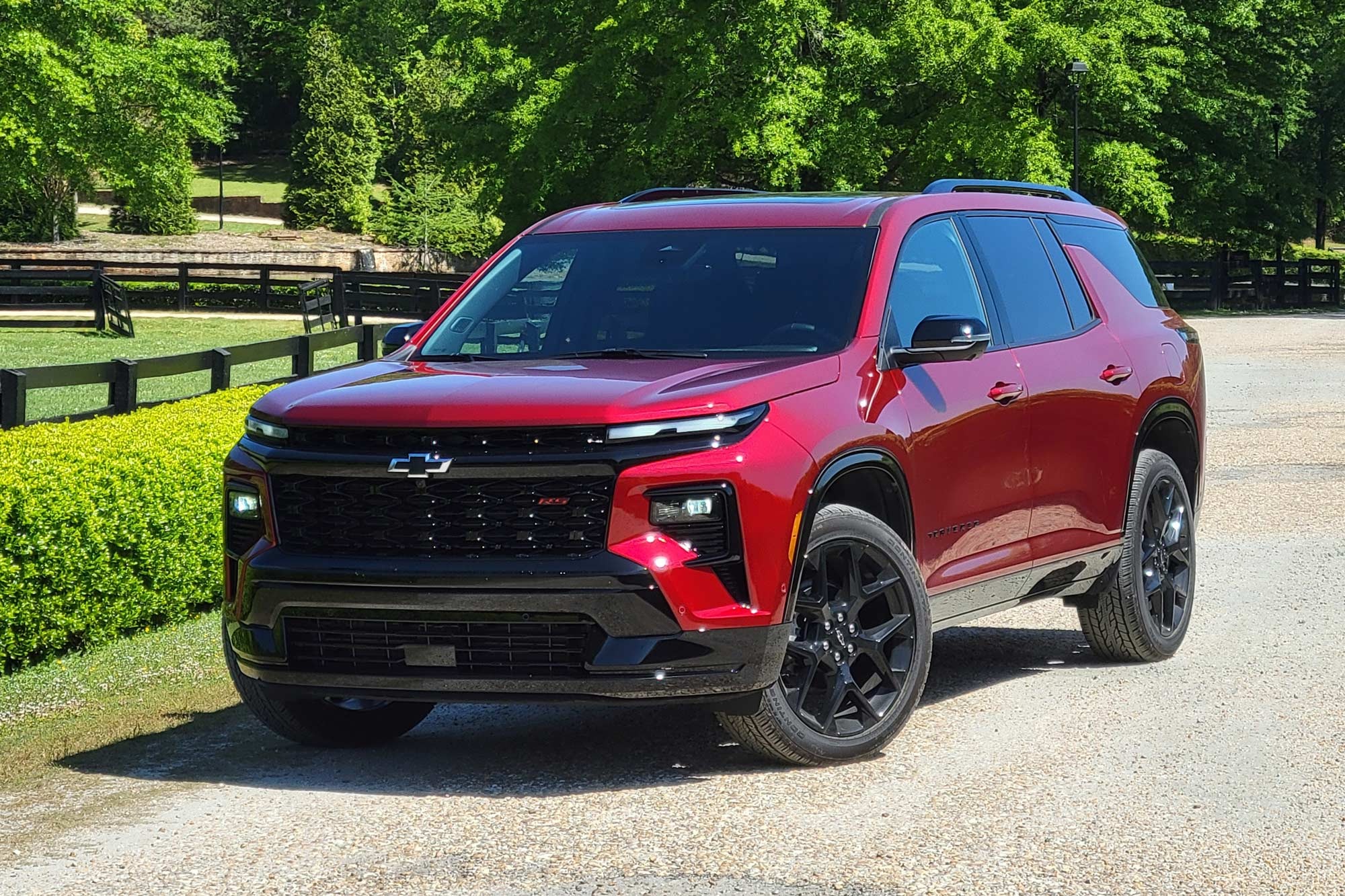
2. Chevrolet Traverse
The Chevrolet Traverse has often appealed to people looking for a midsize SUV that blends space, performance, and appearance. It offers a smooth ride at first, especially on highways, and has enough room to serve large families or group travelers. However, one area where it continues to fall short is suspension durability.
Many owners have shared stories about suspension issues showing up early in the life of the vehicle. Common complaints include clunking noises when going over bumps, rattling sounds from the wheels, and a general lack of balance when cornering. These signs often point to worn-out struts, broken control arms, or failed bushings. In some cases, drivers have had to replace the same parts more than once within a few years.
Part of the problem may come from the fact that the Traverse’s suspension is not designed for long-term toughness. While it works well on smooth roads, it doesn’t seem to hold up as well on rougher streets or in places with frequent weather changes. The combination of salt, water, and potholes tends to cause parts like the sway bar links and shocks to wear down quickly.
Another frustration for Traverse owners is the cost of these repeated repairs. Even though individual parts may not be too expensive, the labor involved in fixing them adds up. Suspension work is not something most drivers can ignore, since it affects both comfort and safety. When the ride begins to feel uneven or unpredictable, it creates worry behind the wheel.
Also, mechanics have pointed out that the rear suspension of the Traverse tends to suffer more than the front. This means that people who carry a lot of luggage or have full passenger loads may see faster damage. The added weight puts more stress on an already weak setup, which leads to quicker breakdowns.
While the Traverse has strong points in terms of space and driving feel, many owners are disappointed by how often they must deal with suspension problems. For people who need a reliable SUV with fewer maintenance concerns, this vehicle might require a second thought.
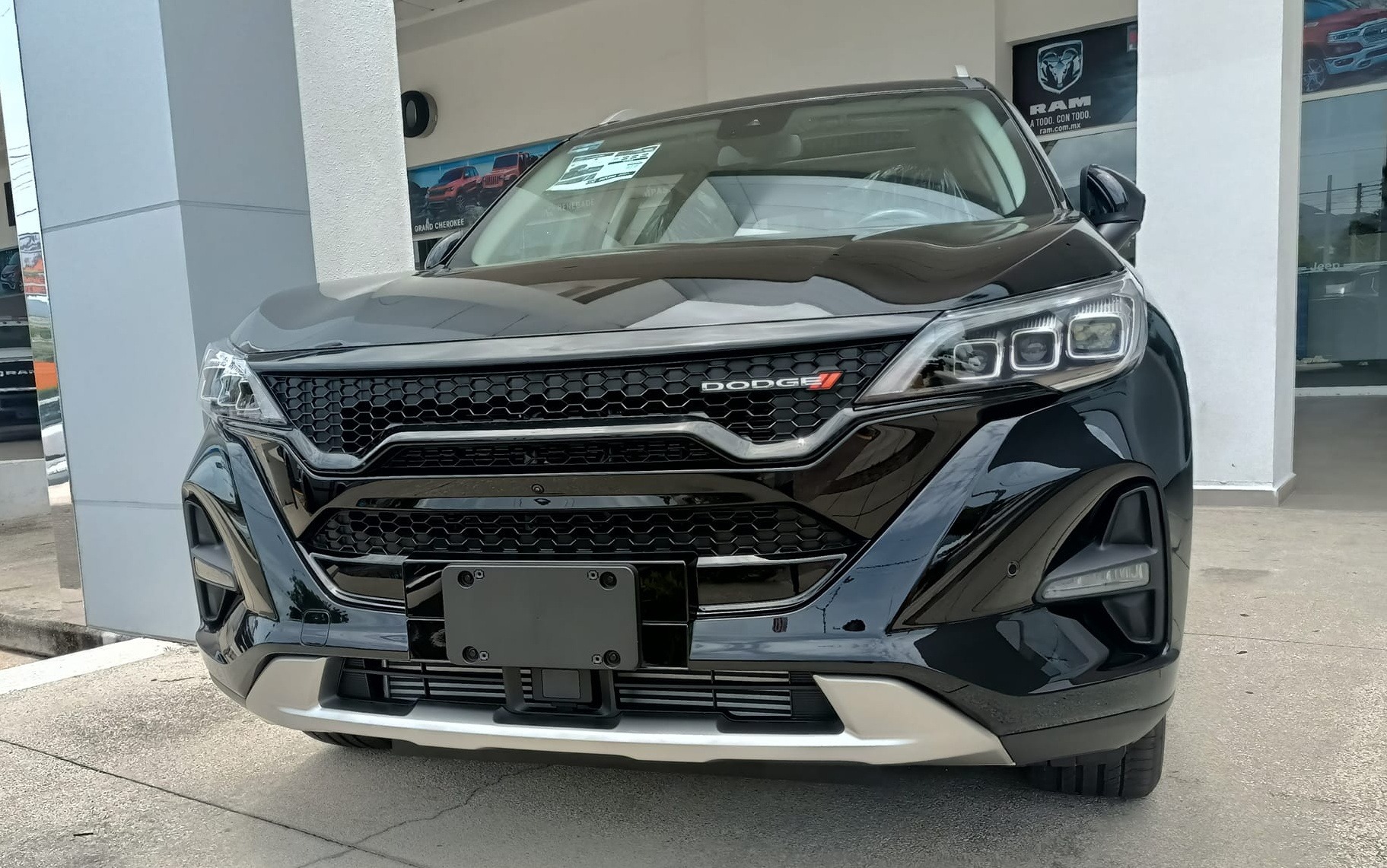
3. Dodge Journey
The Dodge Journey has gained attention in the past for being an affordable SUV with enough room for families and daily commuting. While its low price makes it attractive at first, the long-term performance, especially when it comes to suspension, is one of its biggest drawbacks.
Many people who have owned the Journey mention that suspension troubles begin to appear much earlier than expected. Some drivers notice problems as soon as 40,000 miles, while others face major repairs before reaching 60,000.
Common symptoms include loud clunks while turning or going over speed bumps, uneven tire wear, and shaking in the steering wheel. These signs are usually linked to worn struts, damaged bushings, or bad control arms.
Part of the issue is that Dodge used cheaper suspension components to keep the vehicle’s cost low. Unfortunately, that decision often leads to faster wear and tear. The Journey does not handle rough roads very well, and people living in cities with potholes or broken pavement tend to see more frequent problems. The suspension just isn’t strong enough to handle daily punishment for long periods.
Another issue drivers face is the lack of improvement across different model years. Even newer versions of the Journey show the same problems, which suggests that the manufacturer never fully addressed the suspension weakness. Mechanics often see the same complaints again and again: noises from the wheels, uneven alignment, and poor cornering stability.
Also, the ride quality gets worse as time goes on. What begins as a smooth drive slowly becomes bumpy and uncomfortable. Families that depend on the Journey for school runs or road trips soon find themselves visiting the mechanic more than they expected. For an SUV that looks capable on the outside, the inside systems don’t hold up nearly as well.
While the Dodge Journey may seem like a good deal at first glance, the number of suspension-related issues over the years has made many drivers look elsewhere. When repair bills begin to stack up and the comfort disappears, it becomes clear that the initial savings don’t always lead to lasting value.
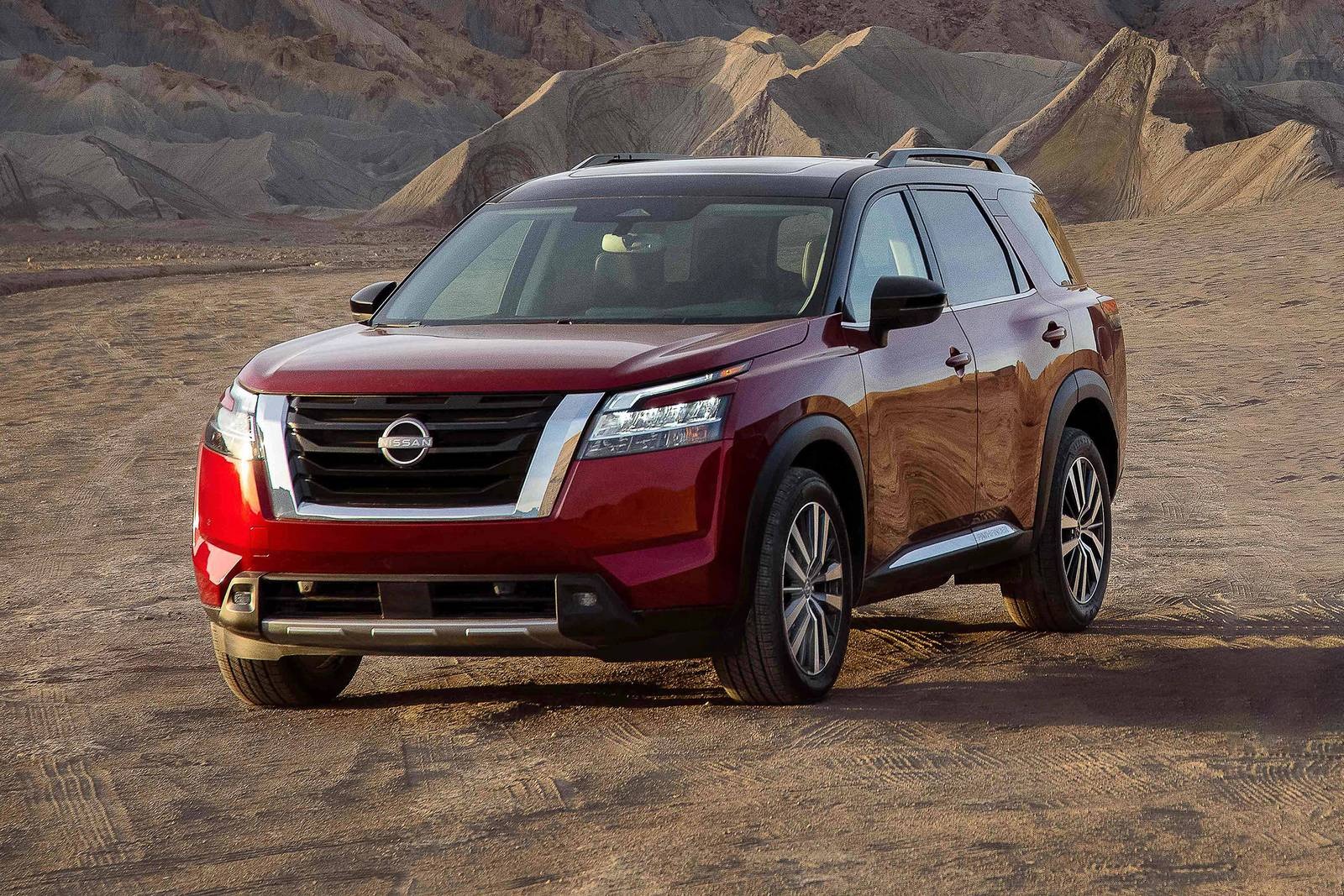
4. Nissan Pathfinder
The Nissan Pathfinder has earned praise for its engine power and towing ability, but many owners have grown frustrated with its weak suspension system. What begins as a strong and capable SUV often turns into a source of repair stress, especially when the suspension parts begin to wear out earlier than expected.
Drivers often report clunky noises, shaking while driving, and uneven handling. These signs usually come from worn struts, broken stabilizer bars, or cracked bushings. In some cases, the entire front suspension begins to feel loose, which makes the vehicle harder to control. Many of these issues appear between 60,000 and 90,000 miles, although some owners experience trouble even earlier.
Part of the trouble may come from how Nissan built the Pathfinder’s suspension system. While it is designed for a soft and comfortable ride, that softness also means that parts bend and weaken faster when under pressure. If the vehicle is used to carry heavy loads or if it’s often driven on poor roads, the suspension tends to wear out sooner than it should.
Repair costs also become a burden. Replacing suspension parts on the Pathfinder often involves complicated labor, especially on the front end. This drives up the cost and adds stress for drivers who weren’t expecting repeated visits to the repair shop. Even routine suspension maintenance seems to happen more often than it should, according to many long-term owners.
The SUV’s weight also adds to the problem. The Pathfinder is heavier than many of its competitors, which puts more strain on the suspension over the years. That weight wears out the components faster, especially the rear shocks and coil springs. For families who take frequent road trips, the constant bouncing and swaying become tiring after a while.
Although the Pathfinder performs well in terms of towing, speed, and general driving power, its weak suspension system reduces the vehicle’s long-term reliability. People looking for comfort and fewer maintenance headaches often get frustrated with how quickly things start going wrong under the car.
Also Read: 5 Cars With Legendary Battery Life and 5 That Need Jumping Weekly
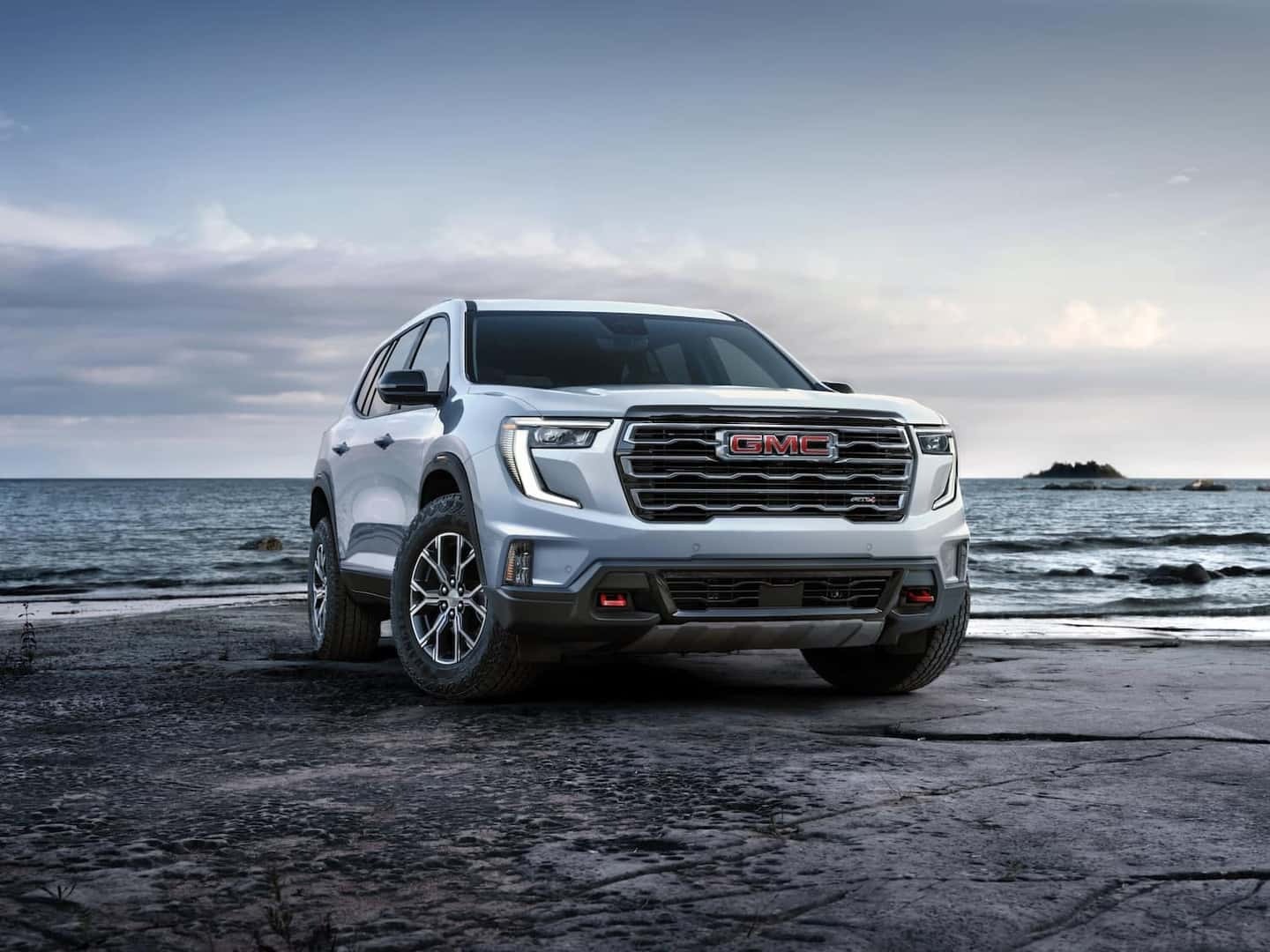
5. GMC Acadia
The GMC Acadia is a stylish midsize SUV that often draws people in with its good looks and tech features. It offers a pleasant driving experience early on, but the excitement can fade when the suspension begins to wear out faster than expected.
Many owners have found themselves dealing with repair costs much sooner than they thought possible. The Acadia’s suspension system tends to wear down quickly, especially in the front. Problems with the struts, control arms, and sway bar links show up earlier than average.
Some drivers start noticing suspension issues as early as 50,000 miles. Signs include knocking sounds when turning or driving over speed bumps, excessive bouncing, and uneven tire wear. These problems make the ride feel unstable and can become a safety concern.
Another thing people mention is that suspension parts on the Acadia often need to be replaced more than once. It’s not just one-time repairs, but a repeated pattern that costs money and time. This is especially frustrating for people who bought the SUV thinking it would last without constant maintenance.
Mechanics who work on the Acadia often say that the design of the suspension system makes it harder to fix. That means higher labor costs even for smaller parts. When both parts and labor are expensive, a simple repair becomes a heavy expense. This drives some owners to trade in the vehicle earlier than planned, just to avoid more repairs.
Also, the Acadia tends to suffer more in places with harsh weather or poor roads. Snow, ice, and potholes take a quick toll on the suspension. Drivers who live in such areas report faster wear, which suggests the parts are not built to handle real-world stress for very long.
Even though the GMC Acadia looks like a solid SUV and drives well when new, the short life of its suspension system has become a major complaint. People who want peace of mind often end up disappointed when faced with constant suspension failures.
