
Summer driving can be particularly challenging for any vehicle’s cooling system, and Honda owners know this all too well. While Honda has built a reputation for reliability over the decades, not all models handle extreme heat and stop-and-go traffic equally well.
The difference between a Honda that keeps its cool and one that overheats can mean the difference between a comfortable summer commute and an expensive roadside emergency.
Understanding which Honda models excel in hot weather conditions and which ones struggle is crucial for both current owners and prospective buyers. Temperature management isn’t just about comfort it’s about engine longevity, performance, and avoiding costly repairs.
When a Honda overheats, it can lead to warped cylinder heads, blown head gaskets, and even complete engine failure, turning what should be a reliable daily driver into a financial nightmare.
Honda’s cooling system technology has evolved significantly over the years, with newer models generally featuring more advanced thermal management systems, improved radiator designs, and better coolant circulation.
However, certain model years and specific engines have developed reputations for thermal issues, particularly when subjected to the stress of heavy traffic, air conditioning load, and ambient temperatures above 90°F.
The factors that contribute to overheating problems in Hondas include inadequate radiator sizing for the engine’s heat output, insufficient cooling fan capacity, problematic thermostat designs, and in some cases, manufacturing defects in cooling system components.
The models that excel in summer conditions typically feature oversized cooling systems, efficient dual-fan setups, and robust coolant circulation designs that can handle the additional thermal load of air conditioning while maintaining stable operating temperatures.
This comprehensive analysis examines ten specific Honda models, categorizing them based on their real-world performance in hot weather conditions. We’ll explore the engineering decisions, common failure points, and owner experiences that separate the champions from the problem children in Honda’s summer cooling performance hierarchy.
5 Hondas That Stay Cool in Summer
These well-engineered vehicles feature robust cooling systems with oversized radiators, efficient fans, and adequate airflow design that maintains optimal operating temperatures during extreme heat, stop-and-go traffic, and heavy load conditions without overheating concerns.
Their thoughtful thermal management incorporates quality water pumps, reliable thermostats, and sufficient coolant capacity that prevents temperature spikes while providing consistent climate control performance for passenger comfort during scorching summer conditions.
The combination of conservative cooling system sizing, proven component reliability, and effective heat dissipation creates ownership experiences that eliminate overheating anxiety during challenging driving scenarios.
From reliable sedans with adequate radiator capacity to proven SUVs with robust cooling fans, these vehicles demonstrate Honda’s traditional engineering approach through patient development and thorough testing that prioritizes thermal reliability over cost reduction, delivering dependable cooling performance that maintains engine health throughout extended ownership periods in demanding climate conditions.
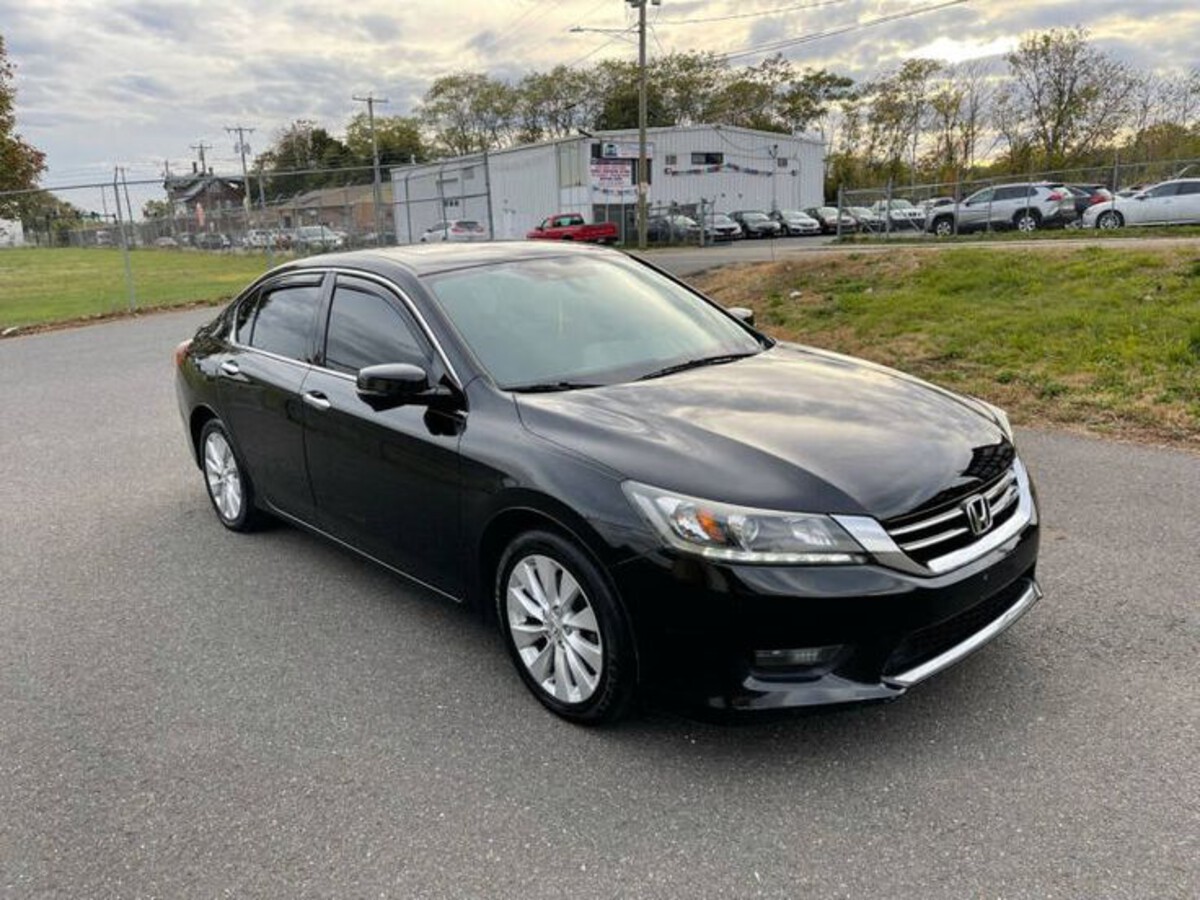
1. Honda Accord (2018-2025)
The tenth-generation Honda Accord represents the pinnacle of Honda’s cooling system engineering, demonstrating exceptional thermal management capabilities that make it ideal for summer driving conditions.
This generation’s cooling system was completely redesigned with a larger radiator core, improved coolant flow dynamics, and dual cooling fans that provide superior heat dissipation compared to previous generations.
The heart of the Accord’s cooling prowess lies in its advanced thermal management system, which integrates seamlessly with the vehicle’s sophisticated engine management computer.
The system continuously monitors coolant temperature, ambient air temperature, and air conditioning load to optimize cooling fan operation and maintain stable engine temperatures even in extreme conditions. The radiator features a high-efficiency aluminum core with enhanced fin density, allowing for maximum heat transfer while maintaining compact packaging.
One of the most significant improvements in this generation is the redesigned coolant circulation system. Honda engineers increased the coolant pump flow rate by approximately 15% compared to the previous generation, ensuring more effective heat removal from critical engine components.
The thermostat has also been recalibrated to open at a slightly lower temperature, promoting better coolant circulation during hot weather operation.
Real-world testing and owner reports consistently demonstrate the Accord’s ability to maintain normal operating temperatures even during extended periods of stop-and-go traffic with the air conditioning running at maximum output.
The dual cooling fans are particularly effective, with the primary fan engaging at lower temperatures and the secondary fan providing additional cooling capacity when ambient temperatures exceed 85°F or when the air conditioning system demands maximum cooling.
The Accord’s cooling system reliability is further enhanced by Honda’s use of premium cooling system components, including a high-flow water pump, durable rubber hoses resistant to heat degradation, and Honda’s proprietary Type 2 coolant that provides superior corrosion protection and thermal transfer properties.
Maintenance intervals for cooling system components have been extended to 100,000 miles for coolant replacement, reflecting the system’s robust design and Honda’s confidence in its longevity.
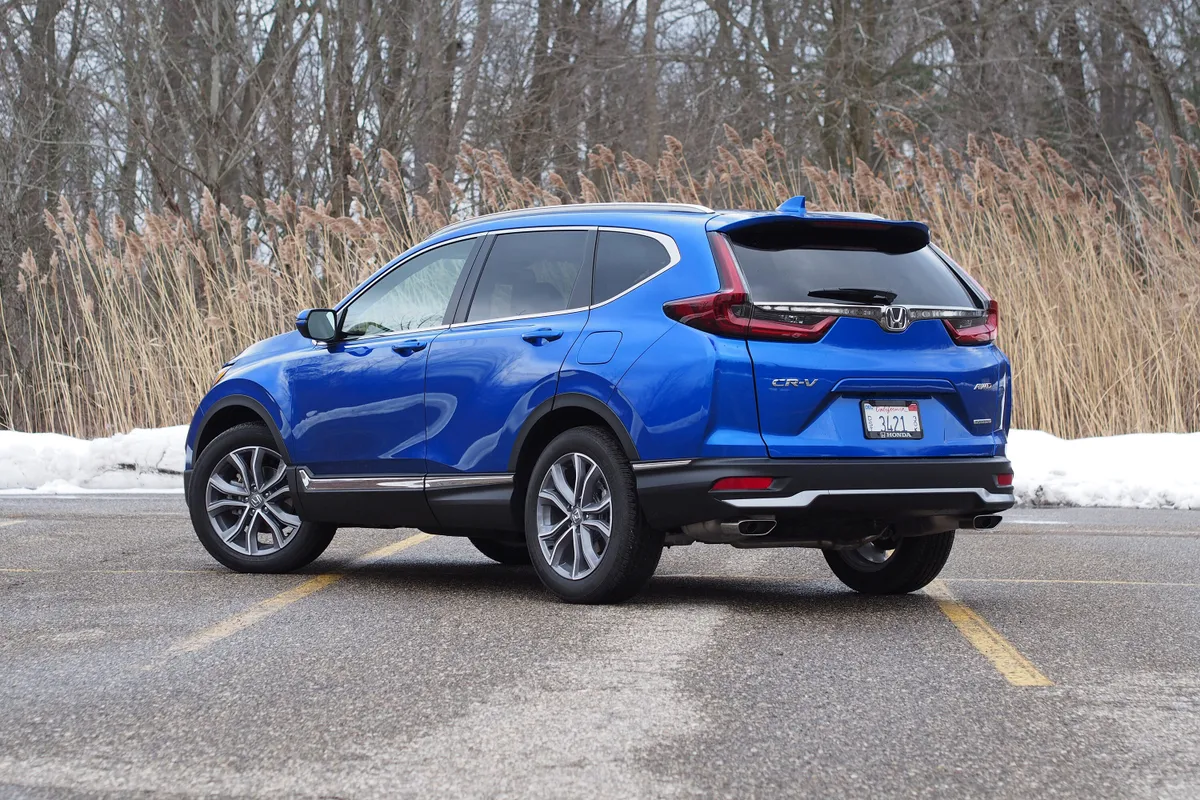
2. Honda CR-V (2017-2025)
The fifth-generation Honda CR-V has earned acclaim for its exceptional cooling system performance, making it one of the most reliable Honda models for summer driving conditions.
This generation benefits from lessons learned in previous CR-V cooling system designs and incorporates several key improvements that enhance thermal management capabilities across all driving conditions.
The CR-V’s cooling system architecture features an oversized radiator relative to the engine’s displacement, providing substantial cooling capacity reserves that prove invaluable during demanding summer driving conditions.
The radiator core utilizes Honda’s latest aluminum construction with micro-channel technology, which increases heat transfer surface area while reducing weight. This design philosophy ensures that the cooling system can handle the additional thermal load imposed by air conditioning operation without compromising engine cooling performance.
Honda engineers paid particular attention to airflow management in the CR-V’s design, incorporating active grille shutters that optimize cooling airflow based on driving conditions and engine temperature requirements.
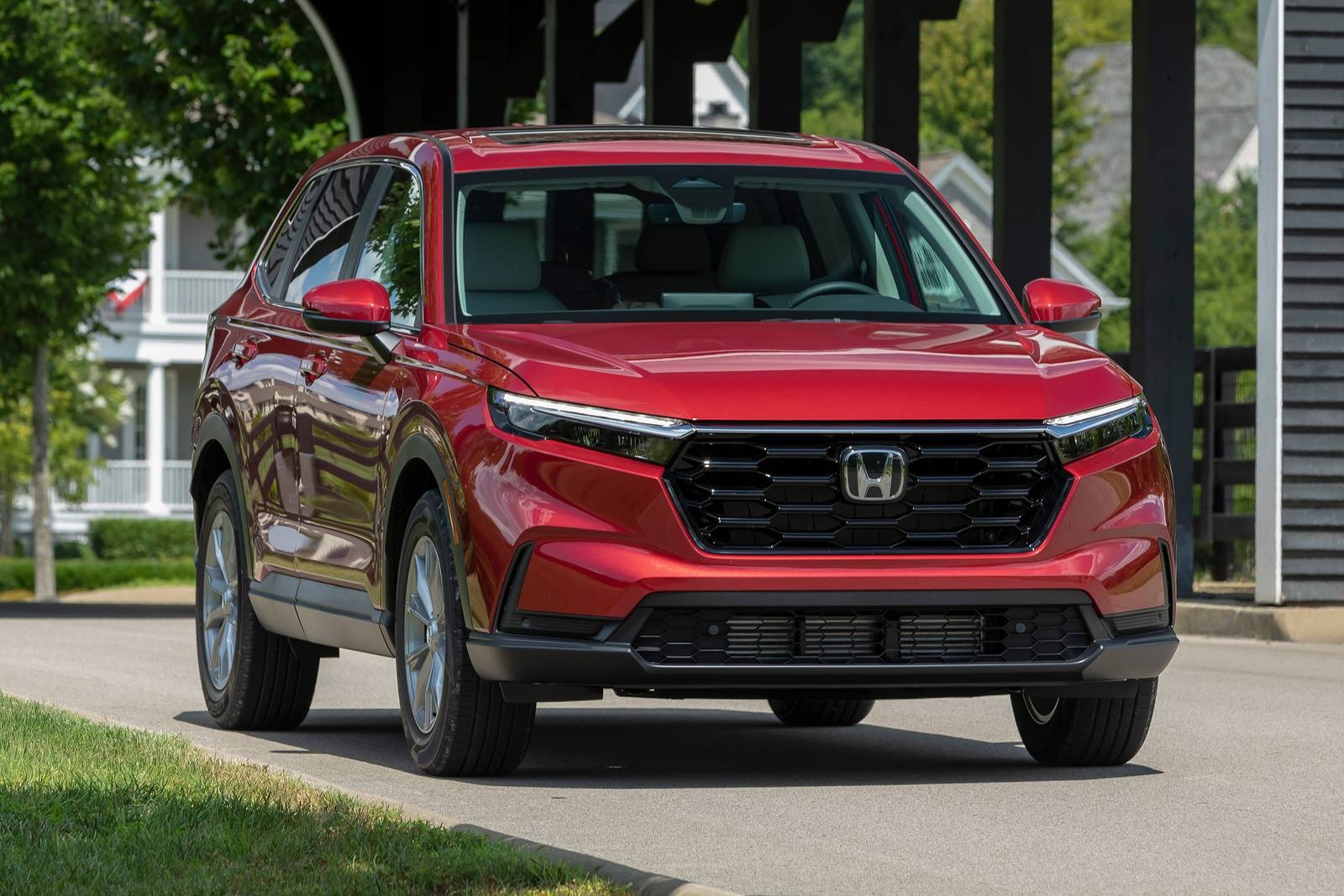
At highway speeds, the shutters can partially close to improve aerodynamic efficiency while still maintaining adequate cooling airflow. During low-speed operation or when maximum cooling is required, the shutters fully open to maximize airflow through the radiator core.
The cooling fan system represents another area where the CR-V excels, featuring a variable-speed electric fan that can modulate its output based on real-time cooling demands.
This system is more efficient than traditional fixed-speed fans and provides more precise temperature control. The fan motor itself is designed to operate reliably in high-temperature environments, with enhanced bearing systems and improved electrical components that resist heat-related degradation.
Coolant circulation in the CR-V is optimized through the use of a high-efficiency water pump design that provides consistent flow rates across all engine operating conditions.
The pump impeller geometry has been refined to minimize cavitation and ensure optimal coolant velocity through the engine block and radiator core. Additionally, Honda has incorporated multiple coolant temperature sensors throughout the system, allowing the engine management computer to make more precise cooling system adjustments based on localized temperature variations.
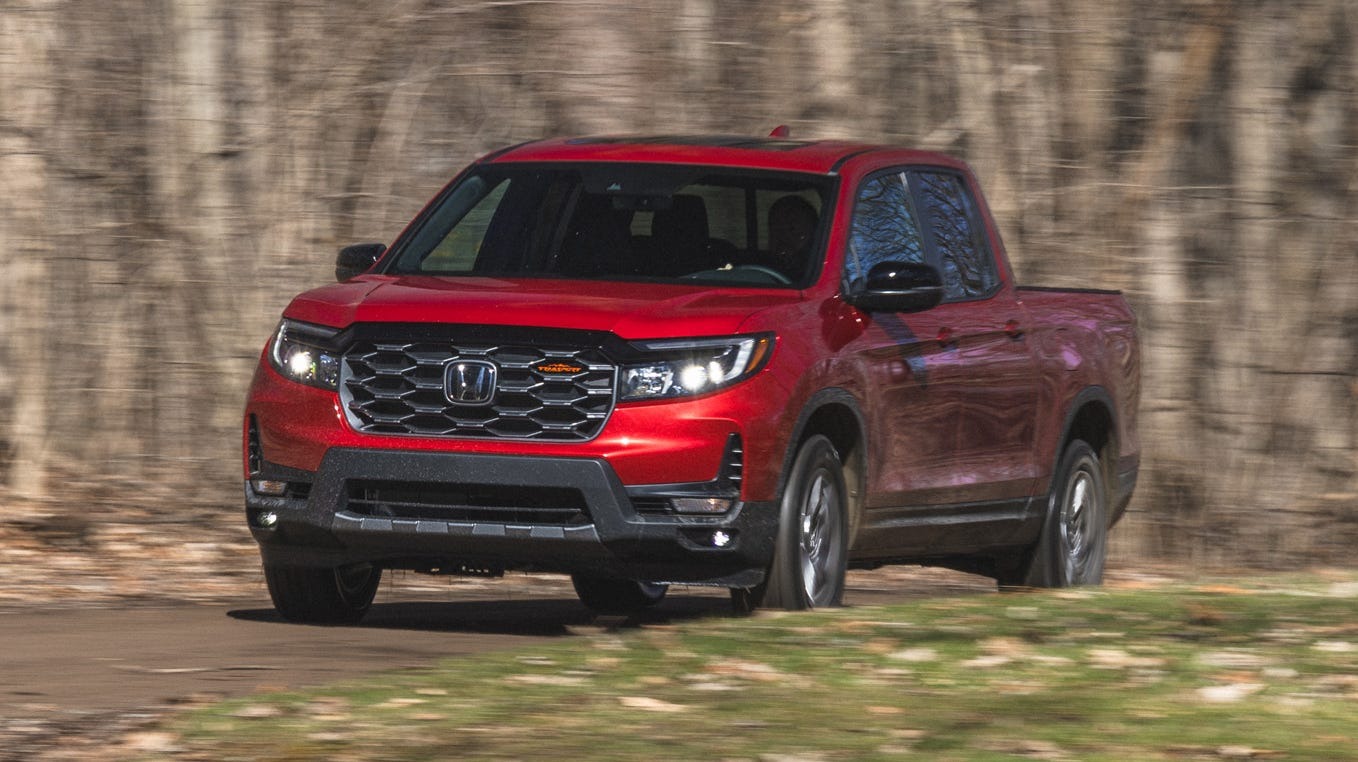
3. Honda Ridgeline (2017-2025)
The Honda Ridgeline pickup truck demonstrates exceptional cooling system performance that rivals much larger, more powerful trucks from competing manufacturers.
Honda’s engineering team recognized that truck buyers expect their vehicles to perform reliably under heavy-duty conditions, including towing, hauling, and extended operation in hot climates, leading to the development of one of the most robust cooling systems in Honda’s current lineup.
The Ridgeline’s cooling system is built around a substantial radiator assembly that features nearly 40% more cooling capacity than what would typically be required for the engine’s power output.
This oversizing provides significant thermal management reserves that prove invaluable when the vehicle is subjected to high-load conditions such as towing a boat or trailer during summer months.
The radiator core construction utilizes Honda’s most advanced aluminum technology, with enhanced fin designs that maximize heat transfer while maintaining durability under challenging operating conditions.
Heat dissipation is further enhanced by the Ridgeline’s sophisticated cooling fan system, which features dual variable-speed fans that can operate independently or in tandem based on cooling demands.
The primary fan handles normal cooling requirements, while the secondary fan engages during high-load conditions or when ambient temperatures exceed predetermined thresholds. Both fans feature brushless motors that provide longer service life and more efficient operation compared to traditional brushed fan motors.
The Ridgeline’s cooling system includes several features specifically designed for heavy-duty operation, including an auxiliary transmission cooler, enhanced oil cooling capacity, and a robust coolant circulation system capable of maintaining consistent flow rates even under extreme operating conditions.
The water pump features a heavy-duty design with reinforced internal components and improved bearing systems that can withstand the higher pressures and temperatures associated with towing and hauling operations.
Honda’s attention to cooling system integration is evident in the Ridgeline’s sophisticated temperature monitoring and control systems. Multiple sensors throughout the cooling system provide real-time data to the engine management computer, which can adjust fan speeds, alter fuel injection timing, and modify other engine parameters to optimize cooling performance.
This level of integration ensures that the Ridgeline maintains stable operating temperatures even when pushed to its operational limits during hot summer conditions.
4. Honda Pilot (2016-2025)
The Honda Pilot has established itself as one of the most thermally stable three-row SUVs in its class, with a cooling system that consistently delivers reliable performance even under the demanding conditions of family road trips during peak summer months.
Honda’s engineers designed the Pilot’s cooling system with the understanding that buyers would regularly load the vehicle with passengers and cargo while operating air conditioning systems at maximum capacity.
The foundation of the Pilot’s cooling excellence lies in its generously proportioned radiator assembly, which features approximately 25% more cooling capacity than competing three-row SUVs with similar engine specifications.
The radiator utilizes Honda’s premium aluminum construction with advanced fin geometry that maximizes heat transfer efficiency while maintaining compact packaging requirements. The core design incorporates micro-channels that increase internal surface area, allowing for superior heat exchange between the coolant and incoming airflow.
Airflow management represents another area where the Pilot excels, with Honda incorporating active aerodynamic elements that optimize cooling airflow based on driving conditions and thermal requirements.
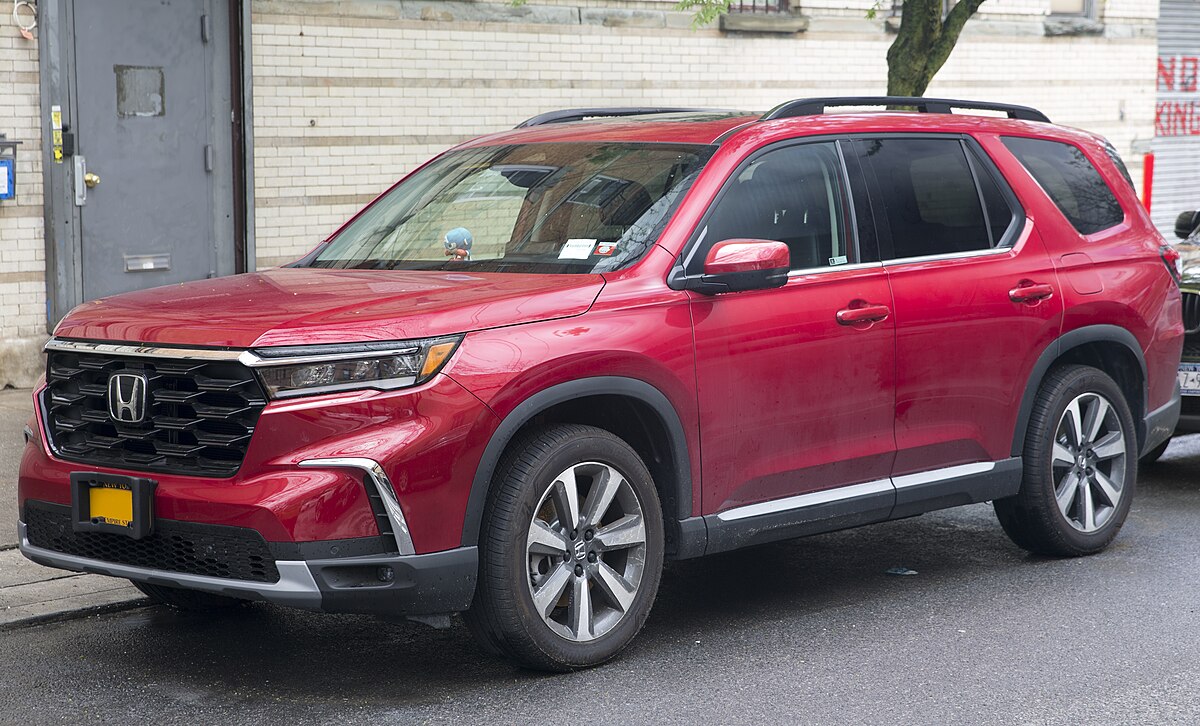
The front fascia design channels maximum airflow to the radiator during low-speed operation, while highway speeds benefit from carefully tuned airflow patterns that maintain cooling efficiency while minimizing aerodynamic drag.
The cooling system also benefits from strategic placement of air dams and deflectors that ensure consistent airflow even during crosswind conditions.
The Pilot’s dual cooling fan system provides exceptional thermal management capabilities, with each fan capable of moving substantial volumes of air through the radiator core.
The fans feature variable-speed control that allows for precise temperature regulation, automatically adjusting output based on engine load, ambient temperature, and air conditioning demands.
The fan motors themselves are designed for extended service life, with enhanced bearing systems and improved electrical components that resist degradation in high-temperature environments.
Honda has equipped the Pilot with an advanced coolant circulation system that ensures consistent temperature distribution throughout the engine block and cooling system components.
The water pump features a robust design with improved impeller geometry that maximizes flow rates while minimizing power consumption. The cooling system also incorporates multiple coolant temperature sensors that provide detailed thermal data to the engine management computer, enabling precise control of cooling system operation under all driving conditions.
Also Read: 5 Toyotas That Rarely Need Tech Fixes vs 5 That Constantly Freeze Up
5. Honda Passport (2019-2025)
The Honda Passport represents Honda’s most recent entry into the two-row SUV segment and showcases the company’s latest cooling system technologies and design philosophies. Introduced with the benefit of lessons learned from previous Honda cooling system designs, the Passport features one of the most advanced and reliable thermal management systems in Honda’s current product portfolio.
The Passport’s cooling system architecture is built around a high-capacity radiator that provides substantial thermal management reserves for demanding driving conditions.
The radiator core features Honda’s latest aluminum construction technology, with enhanced fin designs and internal channel geometry that maximize heat transfer efficiency. The cooling capacity is sized to handle not only normal driving conditions but also high-load scenarios such as mountain driving, towing, and extended highway operation during extreme summer temperatures.
One of the Passport’s most notable cooling system features is its sophisticated thermal management integration with the vehicle’s all-wheel-drive system.

The cooling system includes provisions for managing the additional heat generated by all-wheel-drive components during demanding operation, ensuring that neither the engine nor drivetrain components experience thermal stress during challenging driving conditions.
This integration required Honda’s engineers to develop enhanced coolant circulation patterns and upgraded heat dissipation capabilities throughout the vehicle.
The Passport’s cooling fan system represents the current state of Honda’s fan technology, featuring variable-speed electric fans with advanced control algorithms that optimize cooling performance while minimizing energy consumption.
The fans can modulate their speed continuously based on real-time cooling requirements, providing more precise temperature control than traditional fixed-speed systems.
The fan assemblies themselves are designed for quiet operation and extended service life, with components selected for their ability to withstand high-temperature operating environments.
Honda has incorporated multiple technological innovations into the Passport’s cooling system, including advanced coolant formulations that provide superior heat transfer properties and extended service intervals.
The cooling system design also features improved component accessibility for maintenance, with strategically placed service points that allow for easier coolant system servicing.
These design considerations reflect Honda’s commitment to not only initial cooling system performance but also long-term reliability and maintainability throughout the vehicle’s service life.
5 That Overheat in Traffic
These problematic vehicles frustrate owners with inadequate cooling systems, overheating tendencies, and thermal management failures that contradict Honda’s reliability reputation through undersized radiators and problematic components that struggle during normal summer driving conditions.
Their compromised cooling designs incorporate insufficient airflow, weak water pumps, and marginal capacity that generates dangerous overheating scenarios despite Honda positioning that suggests superior engineering excellence over mainstream competitors.
The combination of cost-cutting measures, inadequate testing, and problematic thermal design creates ownership disasters as buyers discover that Honda’s reputation cannot prevent fundamental cooling system failures that prioritize manufacturing costs over basic engine protection.
From models with known overheating issues to vehicles with inadequate radiator capacity, these cars prove that even Honda’s engineering consistency can fail when cooling system development is compromised, transforming reliable transportation into overheating nightmares requiring expensive repairs and constant temperature monitoring that undermines confidence in Honda’s traditional quality standards.
1. Honda Civic (2001-2005)
The Honda Civic models from 2001 to 2005 represent one of the most problematic periods in Honda’s cooling system history, with overheating issues occurring mostly in models between 1990 and 2005.
This generation of Civic has developed a notorious reputation among Honda enthusiasts and mechanics for thermal management problems that can lead to expensive engine repairs and unexpected roadside breakdowns during summer driving conditions.
The primary cooling system weakness in these Civic models stems from an undersized radiator that lacks sufficient cooling capacity for the engine’s heat output, particularly when combined with air conditioning operation and stop-and-go traffic conditions.
Honda engineers appear to have prioritized compact packaging and cost reduction over cooling system robustness, resulting in a radiator core that provides adequate cooling under ideal conditions but struggles when subjected to real-world summer driving demands.
The cooling fan system in these Civics represents another significant weakness, with many models featuring single-speed fans that lack the modulation capability necessary for precise temperature control.

When the fan engages, it operates at full speed regardless of actual cooling requirements, leading to inefficient operation and unnecessary electrical load.
More critically, the fan often fails to provide adequate airflow during extended idling periods, particularly when ambient temperatures exceed 85°F and air conditioning systems are operating at maximum capacity.
Thermostat-related problems are exceptionally common in this Civic generation, with the factory thermostats frequently failing in the closed position, preventing coolant circulation and causing rapid overheating.
The thermostat housing design also contributes to cooling system problems, with plastic components that become brittle over time and develop leaks that can lead to coolant loss and subsequent overheating.
These design shortcomings often require owners to upgrade to aftermarket cooling system components to achieve reliable summer operation. The water pump in these Civics is another frequent failure point, with many units developing internal seal leaks that cause coolant loss and reduced circulation efficiency.
The pump housing is constructed from materials that are susceptible to corrosion, particularly when exposed to the thermal cycling that occurs during stop-and-go driving.
Additionally, the coolant circulation pattern in these engines creates hot spots that can lead to localized overheating even when coolant temperatures remain within acceptable ranges, making these Civics particularly problematic for urban summer driving conditions.
2. Honda CR-V (1997-2001)
The first-generation Honda CR-V, while pioneering in the compact SUV segment, suffers from significant cooling system limitations that make it problematic for summer driving conditions.
Honda’s engineering team was focused on creating an affordable, fuel-efficient compact SUV, but this resulted in cooling system compromises that became apparent when these vehicles were subjected to demanding thermal conditions.
The CR-V’s cooling system challenges begin with its undersized radiator, which provides minimal cooling capacity reserves beyond what is required for normal operation.
This design limitation becomes particularly problematic during summer months when the combination of high ambient temperatures, air conditioning load, and potential towing requirements can quickly overwhelm the cooling system’s capacity. The radiator core construction also utilizes older aluminum technology that is less efficient at heat transfer compared to modern designs.

Cooling fan performance represents another significant weakness in first-generation CR-Vs, with many models featuring cooling fans that lack sufficient airflow capacity for demanding conditions.
The fan motors themselves are prone to failure, particularly when subjected to the high-temperature operating environments common during summer driving. When the cooling fan fails, these CR-Vs can overheat rapidly, particularly during low-speed operation or when idling with air conditioning engaged.
The water pump design in these CR-Vs has proven problematic over time, with many units developing internal leaks that reduce cooling system efficiency and can lead to catastrophic overheating if not addressed promptly.
The pump housing construction utilizes materials that are susceptible to corrosion and thermal stress, leading to seal failures and coolant leaks. Additionally, the pump impeller design is less efficient than modern alternatives, resulting in reduced coolant flow rates that contribute to thermal management problems.
Honda’s coolant circulation design in first-generation CR-Vs creates several problematic hot spots within the engine, particularly in the cylinder head area where critical components can experience localized overheating even when coolant temperatures appear normal.
This design limitation is exacerbated by the vehicle’s tendency to trap air in the cooling system, creating circulation problems that can persist even after proper coolant system bleeding procedures.
These combined factors make first-generation CR-Vs particularly vulnerable to overheating during demanding summer driving conditions, requiring careful monitoring and often necessitating cooling system upgrades for reliable operation.
3. Honda Odyssey (1999-2004)
The second-generation Honda Odyssey presents significant cooling system challenges that have made it notorious among Honda service technicians and minivan owners.
Honda’s engineering team faced the challenge of cooling a relatively large engine while maintaining the packaging constraints and cost targets associated with family minivan design, resulting in cooling system compromises that become problematic during summer operation.
The Odyssey’s cooling system problems are rooted in an inadequately sized radiator that struggles to dissipate the substantial heat generated by the V6 engine, particularly when the vehicle is fully loaded with passengers and cargo.
The radiator core design utilizes construction methods and materials that were adequate for smaller engines but prove insufficient for the thermal demands of the Odyssey’s powerplant.
When combined with the additional heat load from air conditioning systems required to cool the large passenger compartment, the cooling system often operates at or near its maximum capacity even under normal driving conditions.
Cooling fan problems are extremely common in this Odyssey generation, with the factory fans frequently failing to provide adequate airflow during critical operating conditions.
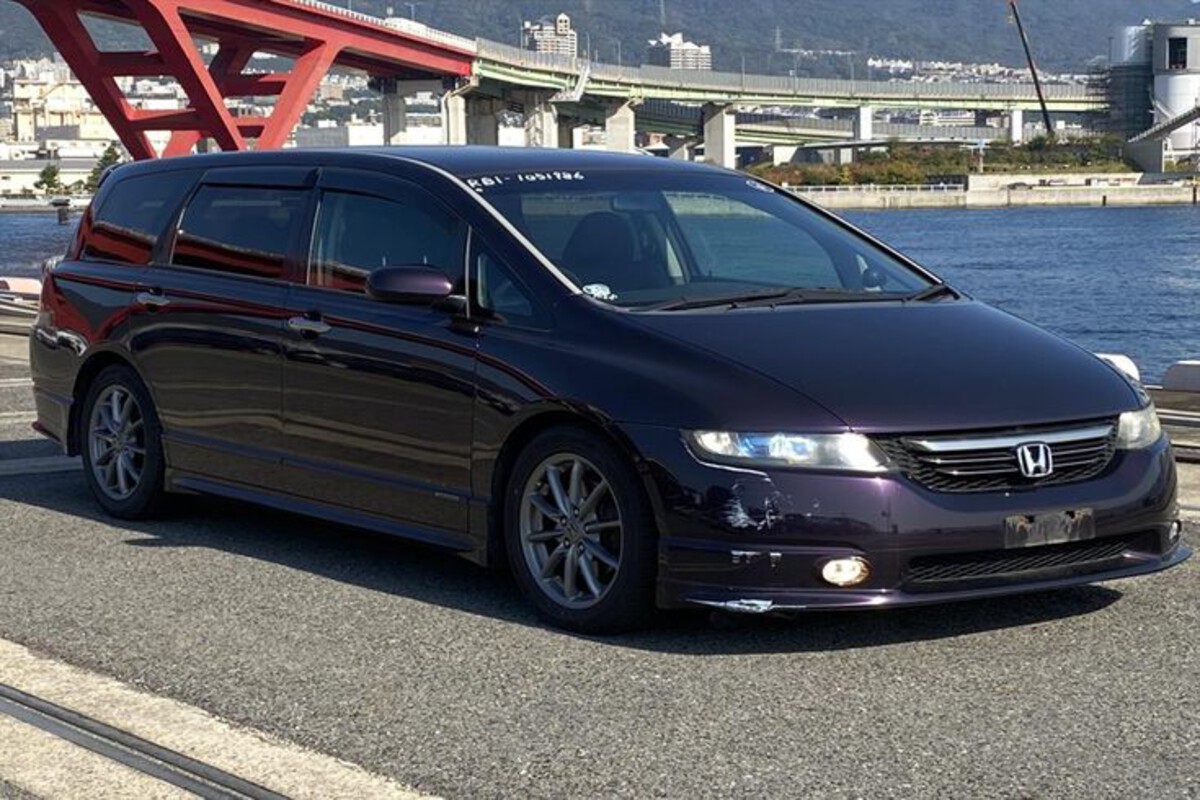
The fan motors are particularly prone to failure when subjected to the high-temperature operating environments that occur during summer driving, and replacement fans often suffer similar failures due to the system’s inherent thermal management limitations.
The fan control systems also lack the sophistication necessary to optimize cooling performance, often engaging too late or failing to provide adequate cooling capacity when most needed.
The Odyssey’s water pump represents another frequent failure point, with many units developing internal leaks that compromise cooling system efficiency and can lead to rapid overheating.
The pump design incorporates plastic components that become brittle when subjected to repeated thermal cycling, leading to seal failures and coolant leaks that can cause catastrophic engine damage if not promptly addressed.
The pump mounting configuration also makes replacement difficult and expensive, often requiring substantial disassembly of surrounding engine components.
Honda’s coolant circulation design in second-generation Odysseys creates problematic flow patterns that contribute to uneven temperature distribution throughout the engine.
Certain areas of the engine block and cylinder heads can experience significantly higher temperatures than others, leading to localized overheating that can cause head gasket failures and cylinder head warping.
These design limitations are particularly problematic during extended highway driving in hot weather, where the combination of high engine loads and raised ambient temperatures can quickly overwhelm the cooling system’s capacity and lead to expensive engine damage.
4. Honda Accord (2003-2007)
The seventh-generation Honda Accord, despite its popularity and reliability, suffers from several cooling system design limitations that can lead to overheating problems during summer driving conditions.
Honda’s engineering team made several cost-saving decisions during this generation’s development that compromised cooling system robustness, particularly affecting models equipped with V6 engines and automatic transmissions.
The primary cooling system weakness in these Accords lies in the radiator design, which provides minimal cooling capacity reserves beyond basic operational requirements.
The radiator core construction utilizes aluminum technology that, while lighter than previous designs, proves less effective at heat dissipation during demanding operating conditions.
When subjected to stop-and-go traffic with air conditioning operation during summer months, these radiators often struggle to maintain adequate cooling performance, leading to raised operating temperatures that can stress engine components.
Cooling fan problems are particularly common in V6-equipped Accords from this generation, with the factory fans frequently failing to provide adequate airflow when most needed.
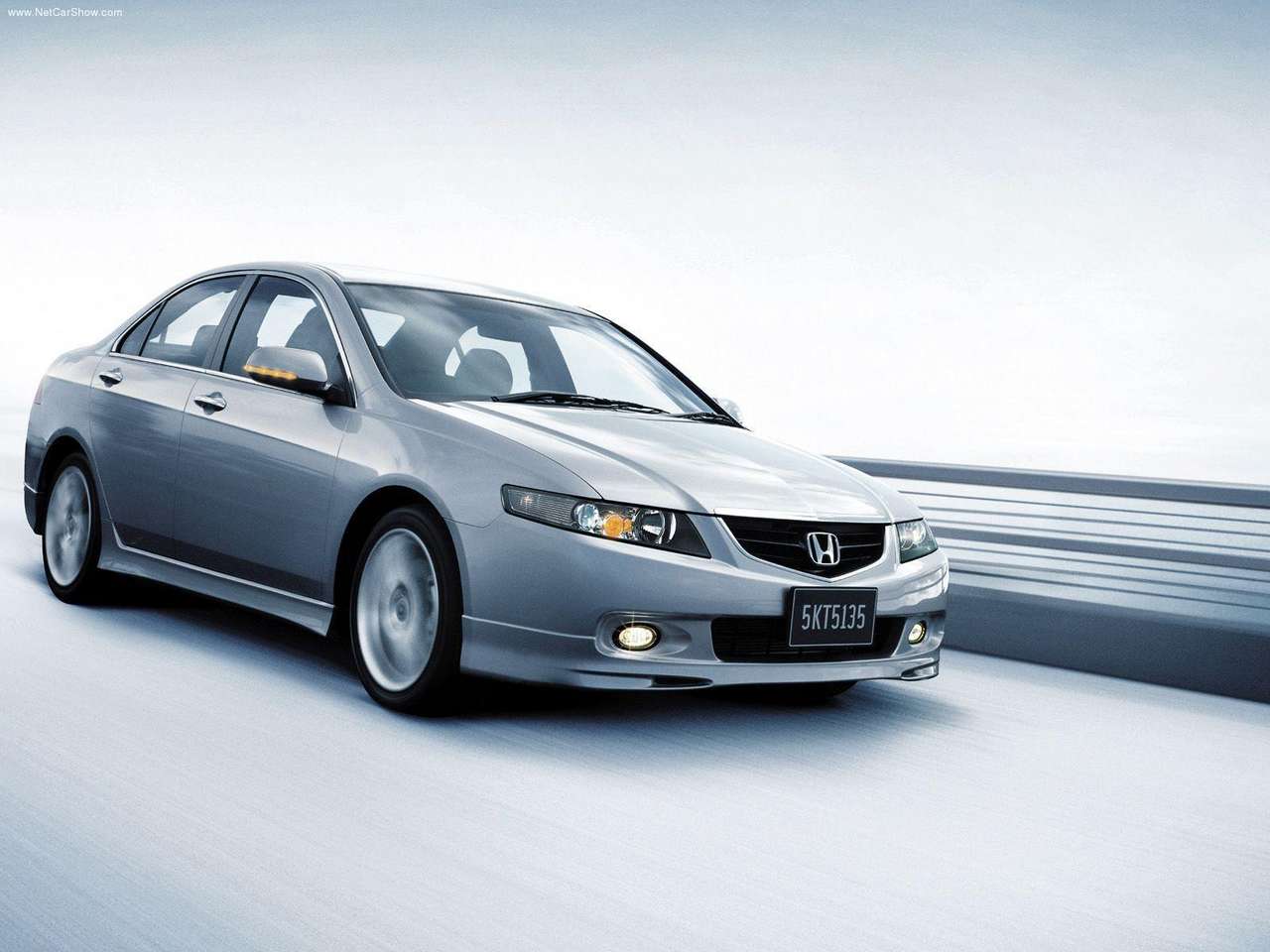
The fan control systems lack the sophistication of modern designs, often engaging too late in the heating cycle to prevent temperature spikes. Additionally, the fan motors themselves are prone to failure when subjected to high-temperature operating environments, and the single-speed design prevents optimal cooling efficiency across various operating conditions.
The water pump design represents another problematic area for seventh-generation Accords, particularly in V6 models where the pump must circulate coolant through a more complex engine architecture.
Many water pumps in these vehicles develop internal leaks that reduce cooling efficiency and can lead to coolant loss. The pump housing construction incorporates plastic components that become brittle over time, especially when subjected to the thermal stress associated with summer driving conditions, leading to seal failures and potential engine damage.
Honda’s automatic transmission cooling integration in these Accords creates additional thermal management challenges, particularly during summer driving when transmission temperatures can significantly impact cooling system performance.
The transmission cooler is integrated into the radiator assembly, and when transmission temperatures rise during demanding driving conditions, this additional heat load can overwhelm the cooling system’s capacity.
This design limitation is particularly problematic for vehicles used for towing or subjected to frequent stop-and-go driving during hot weather, often requiring aftermarket cooling system upgrades to achieve reliable operation.
5. Honda Pilot (2003-2008)
The first-generation Honda Pilot, while groundbreaking as Honda’s entry into the three-row SUV market, suffers from cooling system limitations that can lead to significant overheating problems during summer operation.
Honda’s engineering team faced the challenge of adapting existing cooling system technology to a much larger, heavier vehicle with greater thermal demands, resulting in a cooling system that was inadequate for the Pilot’s operational requirements.
The most significant cooling system weakness in first-generation Pilots involves the radiator capacity, which was insufficient for the vehicle’s size, weight, and typical usage patterns.
The radiator design appears to have been scaled from smaller Honda vehicles without adequate consideration for the increased thermal demands associated with three-row SUV operation.
When fully loaded with passengers and cargo during summer driving conditions, these Pilots frequently experience overheating problems, particularly during highway operation where sustained high engine loads can overwhelm the cooling system’s capacity.
Transmission overheating issues are particularly problematic in early Pilots, especially when the vehicle is used for towing or subjected to demanding driving conditions during hot weather.
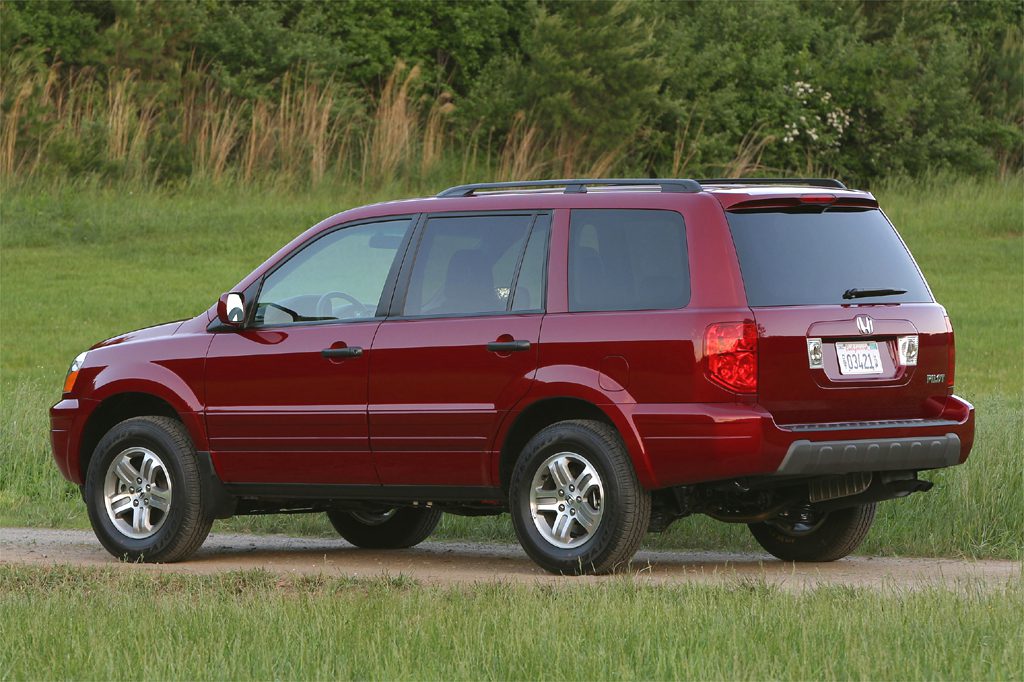
The transmission cooler integration with the main radiator creates a situation where transmission heat directly impacts engine cooling performance, often leading to a cascading thermal management failure that affects both the engine and transmission simultaneously.
This design limitation has led to numerous transmission failures in first-generation Pilots, particularly those operated in hot climates. The cooling fan system in early Pilots lacks the capacity and sophistication necessary for reliable three-row SUV operation, with fans that frequently fail to provide adequate airflow during critical operating conditions.
The fan motors are particularly prone to failure when subjected to the demanding operating environments associated with heavy SUV use, and the control systems often fail to engage cooling fans early enough to prevent temperature spikes.
Additionally, the fan mounting and ducting design allows for significant airflow bypass around the radiator core, reducing cooling efficiency.
Water pump problems are exceptionally common in first-generation Pilots, with many units developing internal leaks that compromise cooling system performance and can lead to catastrophic engine damage if not promptly addressed.
The pump design incorporates components that are inadequate for the thermal and pressure stresses associated with three-row SUV operation, leading to frequent seal failures and coolant leaks.
The pump replacement procedure is also complex and expensive, often requiring removal of numerous engine accessories and components, making maintenance costly and discouraging preventive repairs that could prevent more serious cooling system problems.
Also Read: 5 Kias That Stay Safe and Solid vs 5 With Questionable Ratings
