

When it comes to choosing a hybrid car, many buyers tend to focus on fuel efficiency and modern technology. But one factor that often gets less attention is how well the car handles during long-distance travel. Some hybrids perform exceptionally well during extended drives, keeping their engines cool, delivering consistent mileage, and ensuring driver comfort even after hours on the road.
Others begin to struggle once they have been running for too long, leading to overheating problems, reduced efficiency, and in some cases, engine warnings that could interrupt your trip. For those who frequently drive long distances, picking the wrong hybrid could end up being frustrating and expensive.
Modern hybrid vehicles combine an internal combustion engine with an electric motor, working together to lower emissions and improve fuel economy. While this design works well for most city and suburban driving conditions, the performance during long trips on highways or in areas with extreme heat can vary a lot between models.
Some hybrids come with cooling systems that are well-designed to maintain proper engine temperature even under pressure, while others rely too heavily on electric components that are not built for continuous operation over many hours. Also, the way the hybrid system switches between electric and fuel-powered modes can affect its long-drive capability.
People who drive long distances regularly should be more interested in how dependable their hybrid is under such conditions. It is not just about getting good gas mileage. What happens when you are driving in high temperatures or stuck in traffic for hours? Can your hybrid handle uphill drives with a full passenger load and luggage without overheating?
These questions are important, especially for those living in areas with warm climates or those who enjoy road trips. Each vehicle here is examined with special attention to how well it performs during extended use. This is especially useful for buyers who want to get value from their purchase without dealing with unexpected engine problems during long trips.
5 Hybrids That Survive Long Drives
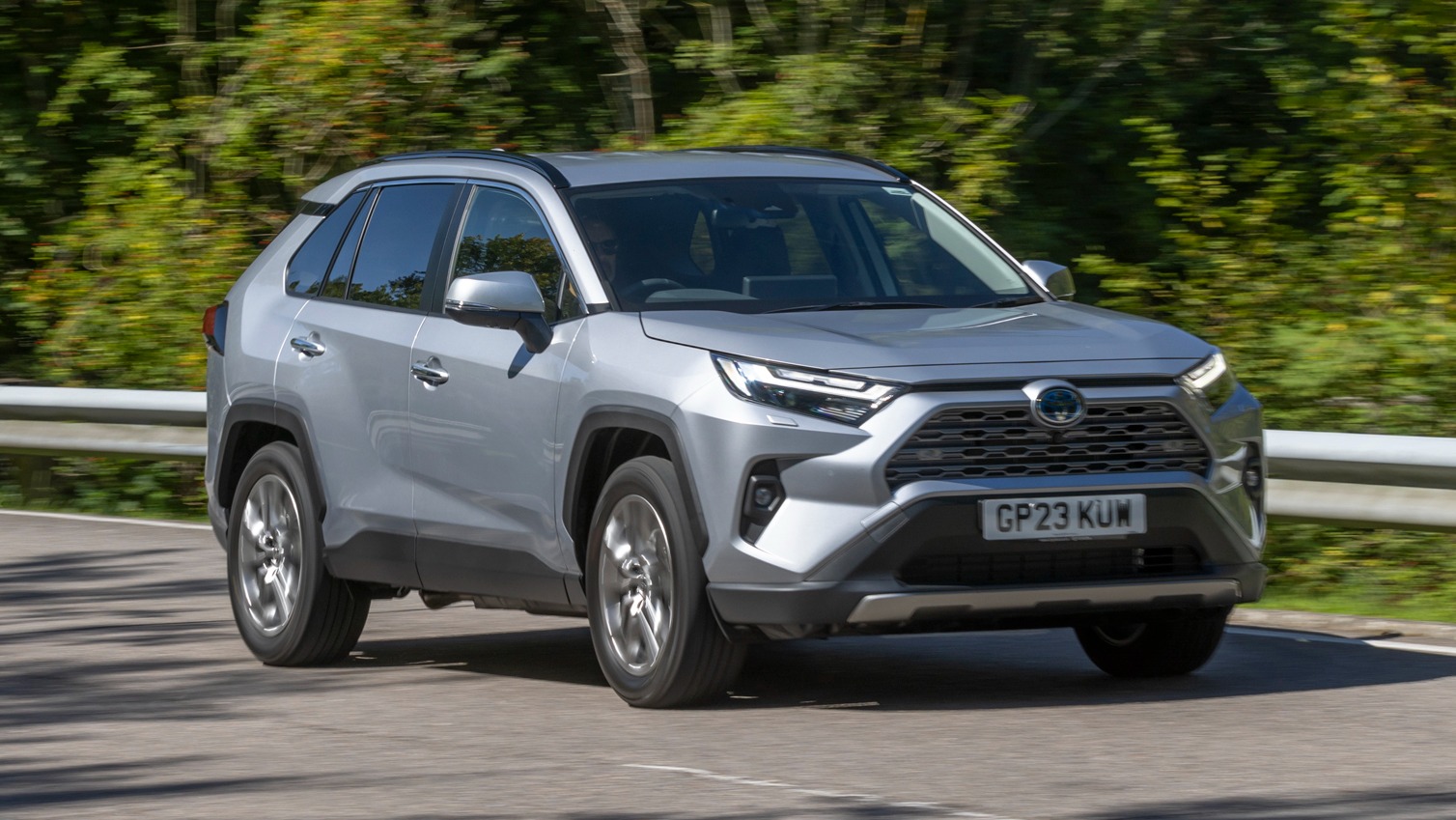
1. Toyota RAV4 Hybrid
The Toyota RAV4 Hybrid is one of the most trusted choices for long-distance travel among hybrid SUVs. Its performance remains steady even after several hours on the road. The vehicle uses a 2.5-liter four-cylinder engine paired with two electric motors, which work together to provide efficient power delivery and reduced fuel consumption.
Its all-wheel-drive system helps in difficult road conditions, including hilly areas and wet roads. Drivers often report that the RAV4 Hybrid maintains a consistent temperature, even during high heat or extended driving sessions.
Another thing that stands out in this model is the battery cooling system. It works silently in the background, keeping the hybrid battery at a safe temperature even when the vehicle is moving for long periods.
There have been very few complaints from drivers about overheating or engine trouble on highways, which shows that the vehicle is built with travel endurance in mind. Also, the RAV4 Hybrid’s cabin is comfortable for both drivers and passengers, with good seat support and climate control features that stay effective during longer journeys.
Its fuel economy, usually around 40 miles per gallon in city and highway combined conditions, adds to its appeal for road travelers. Many families who use the RAV4 Hybrid for vacation trips say they don’t worry about sudden technical problems or reduced power.
The smart transition between electric and gasoline modes ensures a smooth driving experience. Also, it has a roomy cargo area that can carry travel bags, making it a practical choice for long road adventures.
If you’re searching for a hybrid SUV that you can depend on for long hours without worrying about overheating or poor performance, the Toyota RAV4 Hybrid deserves a serious look.
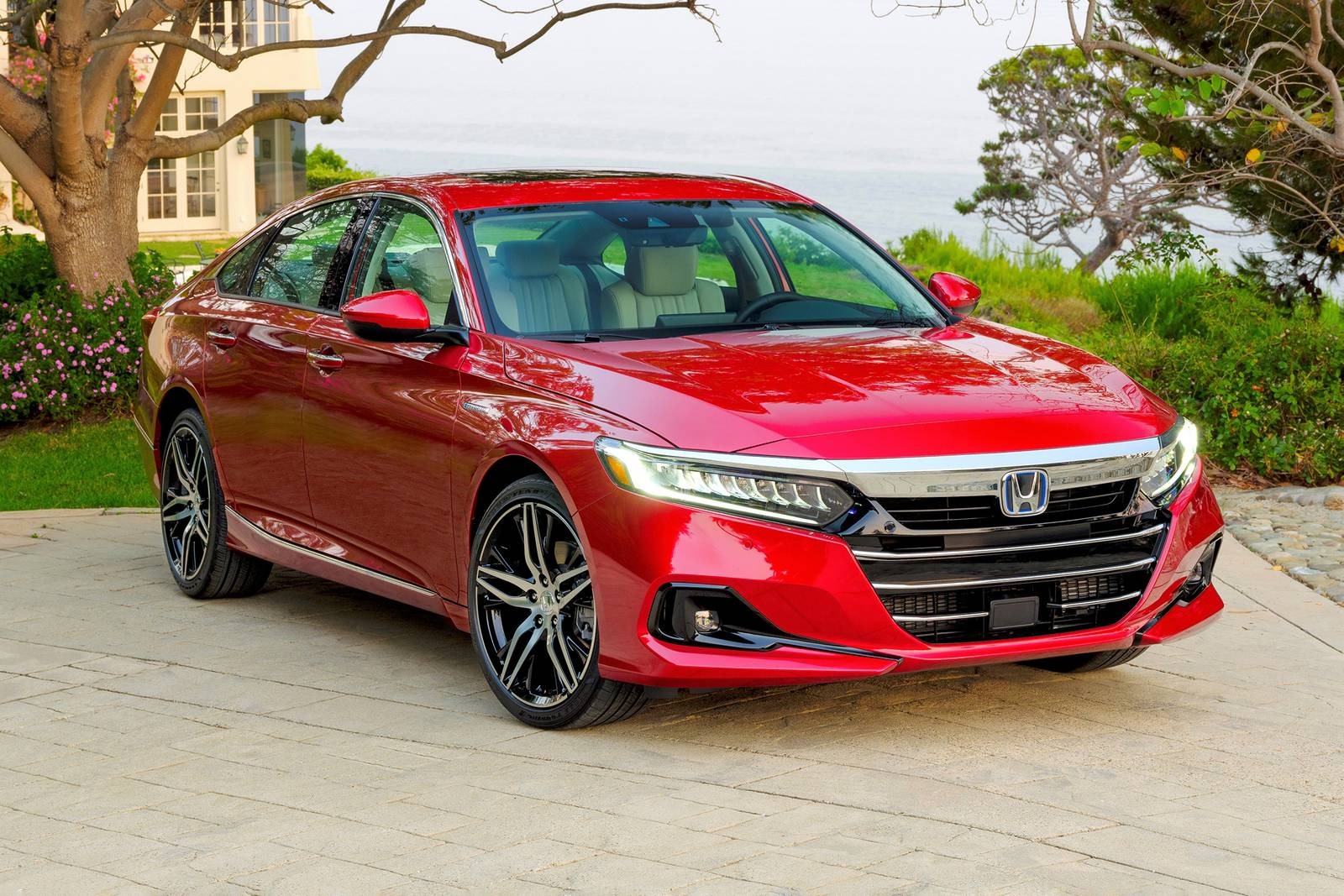
2. Honda Accord Hybrid
The Honda Accord Hybrid provides the kind of comfort, performance, and reliability that make it ideal for long highway trips. It uses a 2.0-liter four-cylinder engine that works along with an electric motor to deliver balanced power while maintaining excellent fuel efficiency.
With fuel economy ratings in the mid to high 40s, drivers can travel long distances without frequent fuel stops. This is especially useful for those who often go on road trips or drive across states.
What separates the Accord Hybrid from many others is how smoothly it handles during extended driving. The system switches between electric and gasoline power with little to no notice by the driver.
This makes it easy to focus on the road rather than worrying about how the engine is working behind the scenes. The cooling system is also strong enough to keep the engine and battery from heating up, even when you are driving for many hours under the sun.
Inside, the Honda Accord Hybrid offers a spacious and well-designed cabin. The seats are comfortable for long periods, and the climate control system adjusts well to changing temperatures outside.
Drivers also praise the low cabin noise, which adds to a relaxing trip experience. There is enough legroom in the back seats for adults, and the trunk can hold enough luggage for a family trip. These features make it not just fuel-efficient but also travel-friendly.
One area where the Accord Hybrid shines is engine stability. Reports from long-time users show very few incidents of overheating or engine alerts, even after years of regular highway use. Its strong design and dependable electronics make it a smart pick for people who cover long distances often.
Honda’s attention to detail shows in how the vehicle performs after some time, and that is why the Accord Hybrid remains one of the top hybrids to trust for long journeys.
Also Read: 10 Cars That Don’t Blow Head Gaskets Before 200K
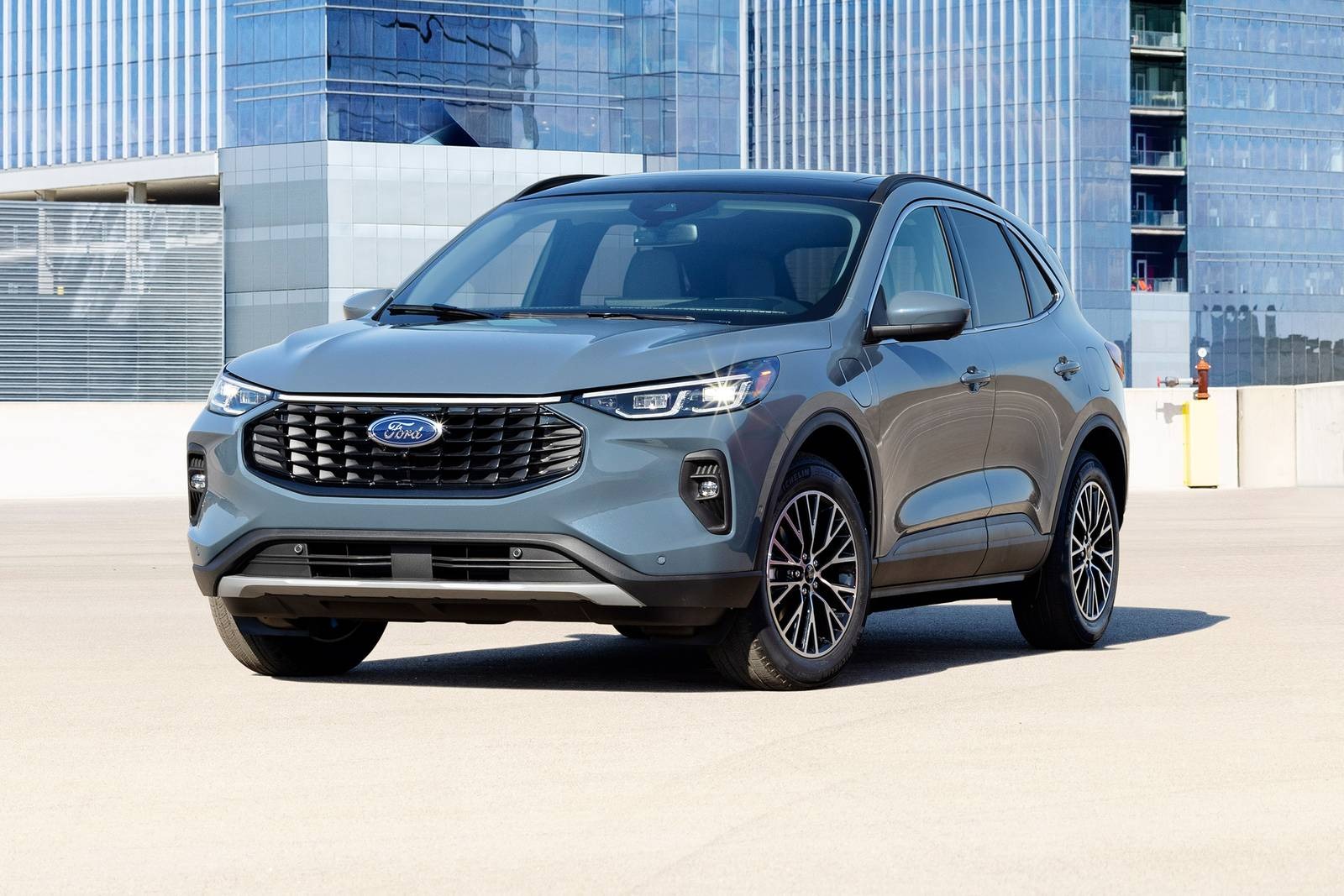
3. Ford Escape Hybrid
The Ford Escape Hybrid has gained popularity for being both comfortable and dependable during extended road trips. It features a 2.5-liter Atkinson-cycle four-cylinder engine, teamed up with an electric motor, that helps deliver consistent performance.
One of its most praised features is how the vehicle handles heat and long travel times. Even when driving through hot states or going uphill, the cooling system works quietly to prevent overheating.
Drivers have noticed that even after hours of driving, the Escape Hybrid rarely shows any sign of reduced performance. Its regenerative braking system is well-designed and does not put excess strain on the hybrid battery, even during heavy use.
That helps keep the battery temperature within safe levels, which is very important when the car is constantly in motion for long hours. Ford has made sure the hybrid system is not just for city traffic but is also ready for more demanding road conditions.
Inside the cabin, there is enough space for passengers to stretch and relax during the journey. The seats are designed to reduce fatigue, and the infotainment system keeps everyone entertained.
Also, its smooth suspension system absorbs bumps well, giving the driver a more controlled experience on rough highways. Many who own the Escape Hybrid say it handles long drives better than several gasoline-only SUVs they’ve used before.
What makes the Escape Hybrid stand out is how little trouble it gives under pressure. Engine heat remains under control, and the transitions between electric and gas power happen without shaking or strange noises.
If you’re going on a cross-country trip, this vehicle offers both peace of mind and good mileage. Its mix of comfort, cooling ability, and long-distance readiness makes it a hybrid you can depend on when your travels take you far from home.
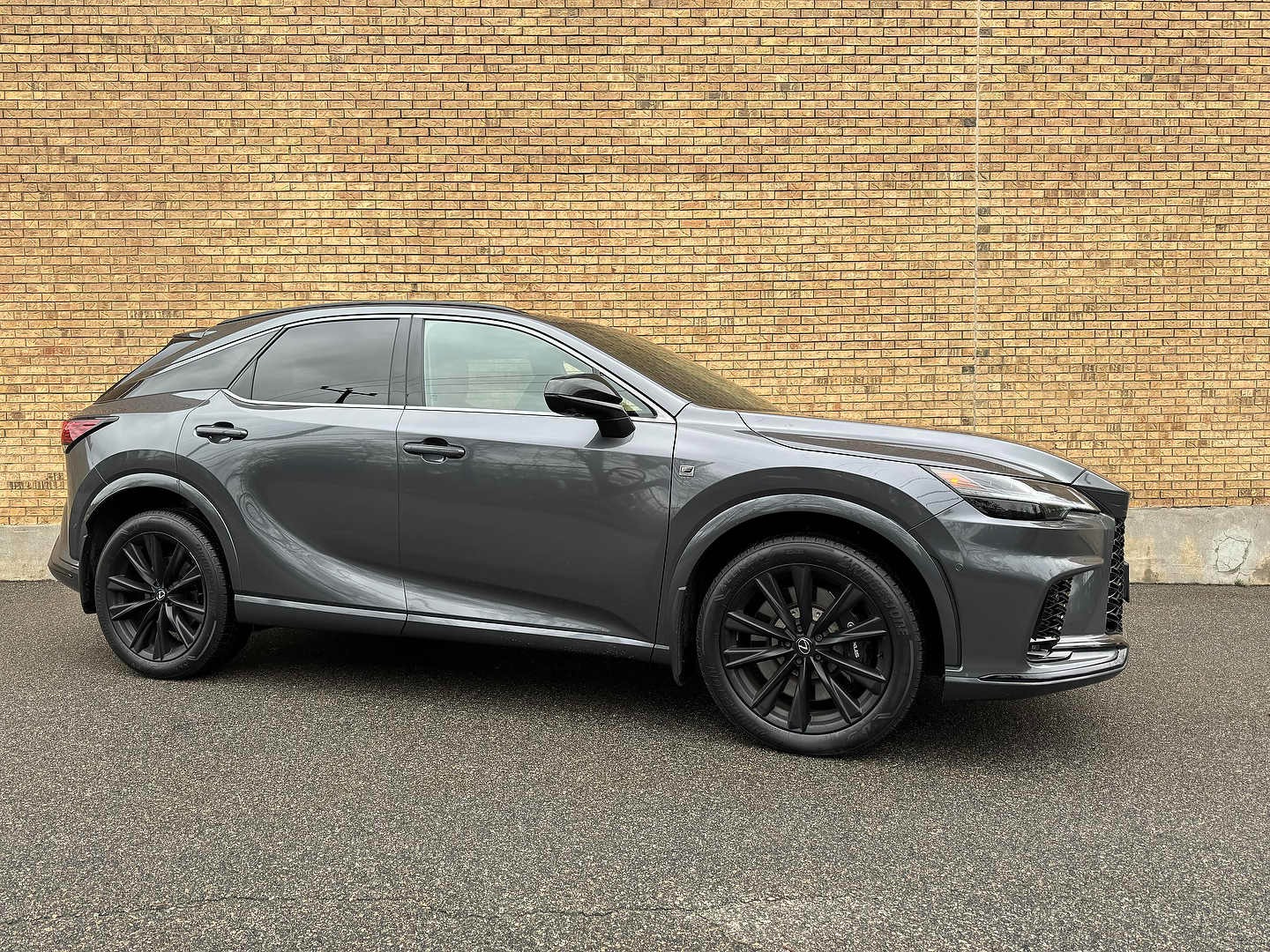
4. Lexus RX 500h
The Lexus RX 500h is a luxury midsize hybrid SUV built with both performance and endurance in mind. It uses a 2.4-liter turbocharged engine matched with electric power, producing strong acceleration and reliable output even during hours of non-stop driving. Unlike some hybrids that begin to struggle when used for extended periods, this Lexus remains steady without showing signs of heat buildup or engine lag.
One reason for its solid long-drive performance is the well-engineered cooling system. Lexus paid close attention to thermal management, making sure the battery pack and engine stay cool even during demanding road conditions.
Many drivers who use this model for extended highway trips say they rarely need to take breaks because of car trouble. Even when driving through deserts or in summer months, the RX 500h keeps going without complaint.
The vehicle’s interior is also a strong point. Long drives are more comfortable thanks to well-padded seats, noise reduction measures, and a spacious cabin design. The climate control system works quickly to keep passengers comfortable, and it adjusts well to outside temperature changes. Storage space is more than enough for travel bags, and the back seats offer generous room for adult passengers.
Driving the RX 500h also gives a confident feel. It doesn’t hesitate or show signs of struggling when carrying a full load or climbing steep roads. The hybrid system supports the gasoline engine well, especially when more power is needed.
People who often take business trips or family vacations over long distances will appreciate how little stress this vehicle adds to their plans. With its smooth ride, dependable engine, and strong cooling performance, the Lexus RX 500h proves that a luxury hybrid can also be built for endurance.
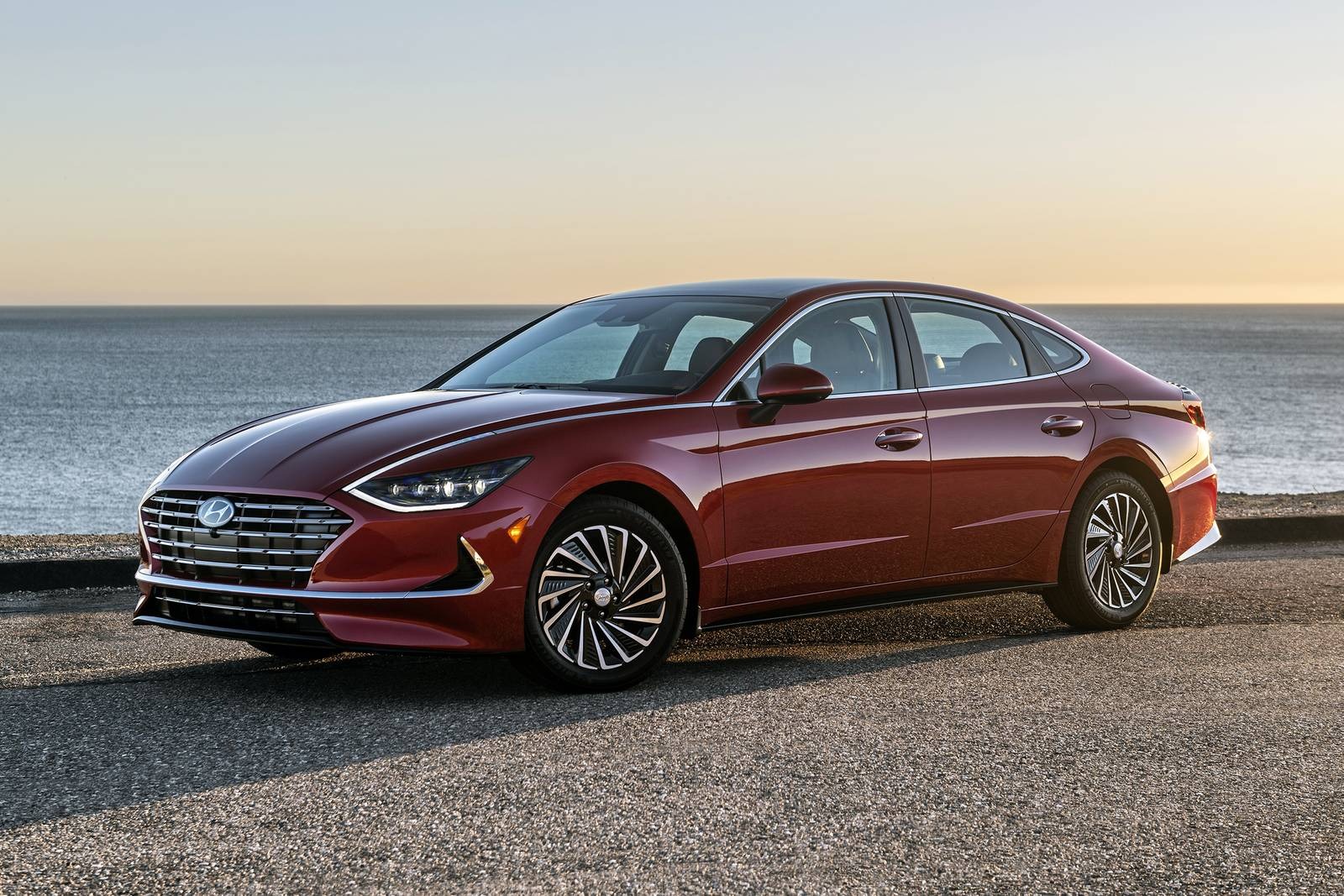
5. Hyundai Sonata Hybrid
The Hyundai Sonata Hybrid offers more than just good looks and efficiency. It brings with it a reputation for stability during long trips. Equipped with a 2.0-liter gasoline engine and an electric motor, it delivers power smoothly while keeping fuel use low. One thing that has impressed many users is how well the engine and electric system stay cool even after hours of driving, especially in warm climates.
Hyundai fitted the Sonata Hybrid with a heat management system that operates quietly but effectively. It keeps the engine and battery from crossing safe temperature limits, which can be a concern in other models that are not made for long hauls.
Drivers say the vehicle holds up well when driven across states or during holiday road trips, where long travel times are common. It remains responsive and does not give overheating warnings or unexpected power losses.
The inside of the car adds to the travel appeal. The front seats are shaped to support the lower back during long rides, and there is plenty of space for backseat passengers.
The car also has enough storage to pack for several days without needing to cut back on luggage. The dual-zone climate control helps to maintain comfort no matter how the weather changes during the journey.
One more benefit is the quiet ride. Road noise is low, and the hybrid engine does not get loud under pressure. Drivers also enjoy how the Sonata Hybrid keeps its smooth performance whether driving through cities or at highway speeds.
This makes it a smart choice for people who go on long trips regularly. The Hyundai Sonata Hybrid has earned its place among the top hybrids for those who want reliability without the headache of engine problems on the road.
5 Hybrids That Overheat During Long Drives
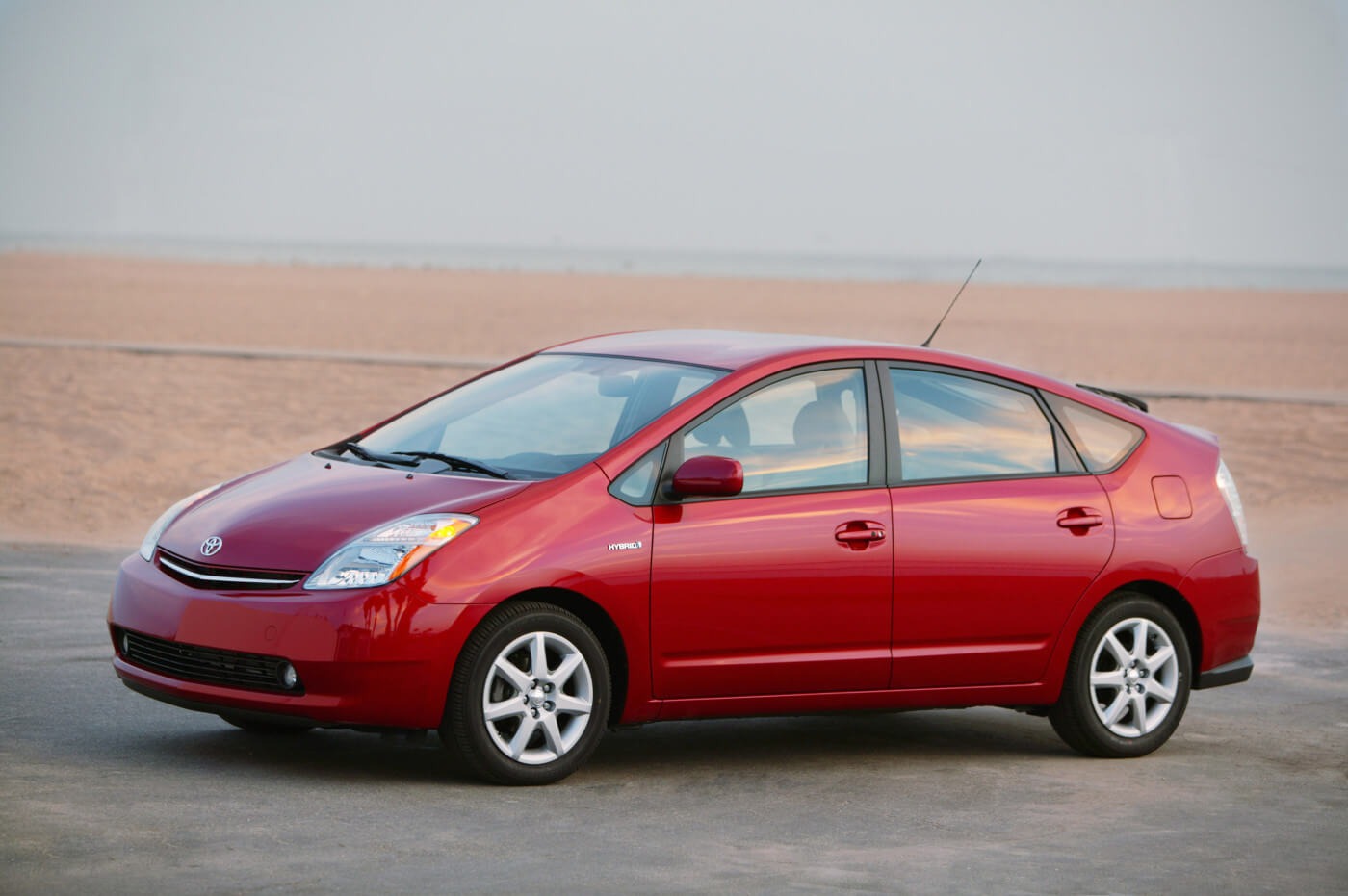
1. Toyota Prius (Older Generations)
While the Toyota Prius helped make hybrid technology popular, its earlier models have shown trouble when used for extended highway travel. Models from the early to mid-2010s, especially the third generation, often struggle with high engine temperatures after hours of nonstop driving. These issues are more common in areas with very hot climates or when the vehicle is fully loaded with passengers and luggage.
One major reason is the design of the cooling system. Earlier versions of the Prius used smaller radiators and less powerful cooling fans compared to more recent hybrid models. That means the engine and battery components can become too hot when the vehicle is pushed beyond short city commutes.
Some owners have experienced dashboard warnings and even sudden loss of power when driving uphill or in stop-and-go traffic during hot weather. These problems usually go away after resting the car for some time, but they can be very inconvenient during a road trip.
The hybrid battery in these older models is also sensitive to heat. During long-distance travel, especially on steep roads or under heavy loads, the battery cooling fan can become noisy as it works harder than usual.
If the system fails to cool the battery properly, it can reduce performance and shorten battery life. Toyota has since improved these systems in newer Prius models, but those who still drive older ones should be cautious when planning long journeys.
People who own older Prius vehicles sometimes try to work around these problems by stopping frequently, keeping air vents clear, and avoiding hot weather driving. Still, these are only temporary fixes.
For those who need a hybrid they can count on for road trips and long drives, an older Prius may not offer the kind of confidence needed. Its design was more focused on city mileage and light use, and that shows when the vehicle is used beyond its comfort zone.
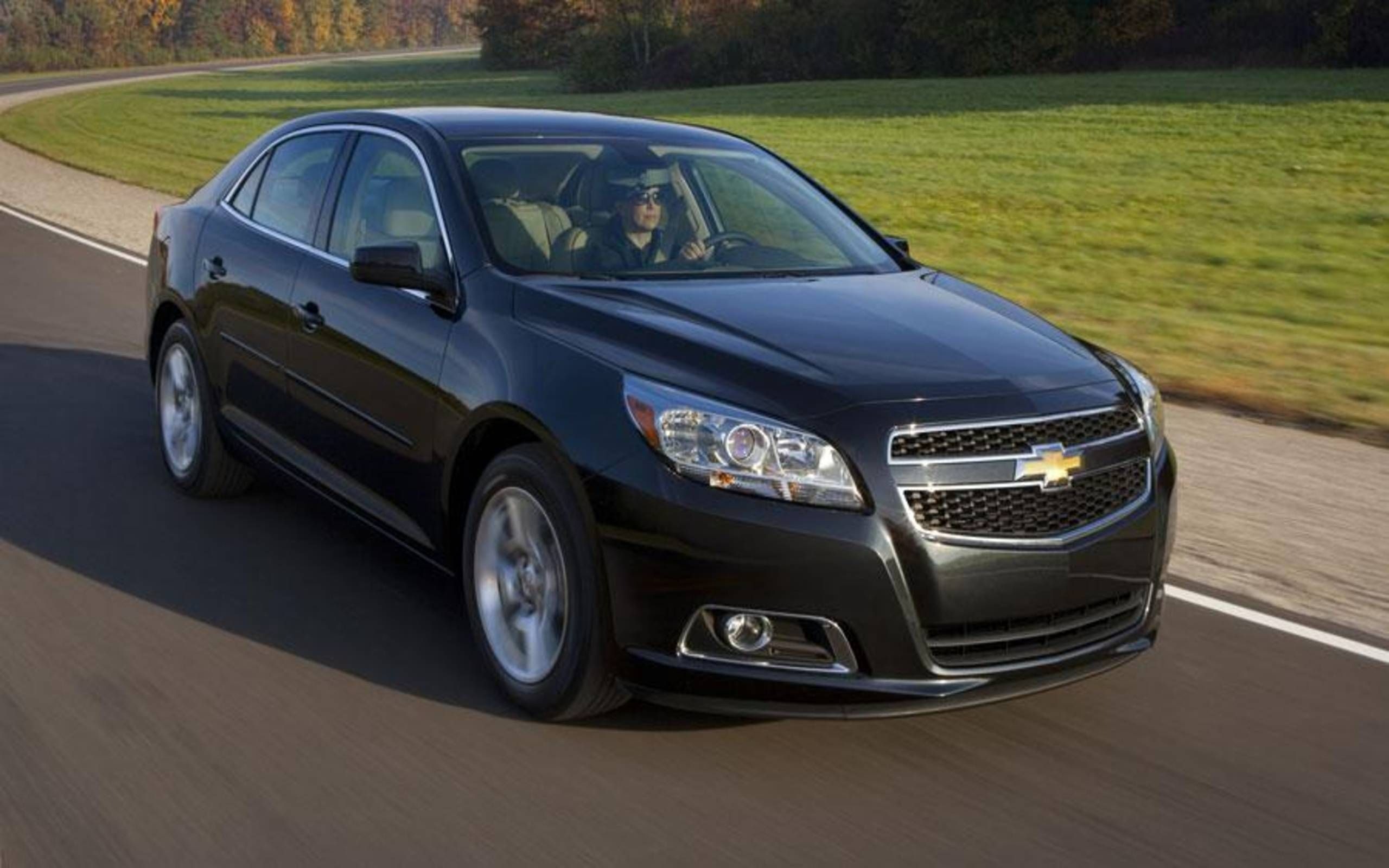
2. Chevrolet Malibu Hybrid
The Chevrolet Malibu Hybrid is often praised for its stylish design and quiet operation, but it has faced issues with heat buildup when used for continuous driving over long distances.
Unlike some other hybrids that were built with highway use in mind, the Malibu Hybrid was designed mainly for fuel efficiency in urban and suburban conditions. That means its cooling systems are not as strong as needed for long-distance travel, especially in places with high temperatures.
The engine in the Malibu Hybrid combines a 1.8-liter four-cylinder with a two-motor electric drive system. While this setup is good for city driving, it tends to struggle during longer road trips.
Drivers have reported warning lights and engine hesitation after driving for several hours without a break. In many of these cases, the issue was traced back to the cooling system working harder than it should and not being able to maintain safe engine temperatures.
Another problem comes from the battery location and airflow. The hybrid battery is placed in a part of the car that doesn’t get much ventilation. During extended use, especially with a full cabin and heavy luggage, the battery compartment can become too warm. This not only affects performance but can also lead to long-term damage if the vehicle is regularly pushed beyond what it can handle.
Although the Malibu Hybrid offers a comfortable interior and good fuel savings, drivers who often take long trips might find themselves dealing with overheating problems more often than expected.
The car is better suited for people who drive shorter distances and want to save fuel in daily traffic. For extended travel or road trips across multiple states, the Malibu Hybrid may not be the most reliable choice in the hybrid market today.
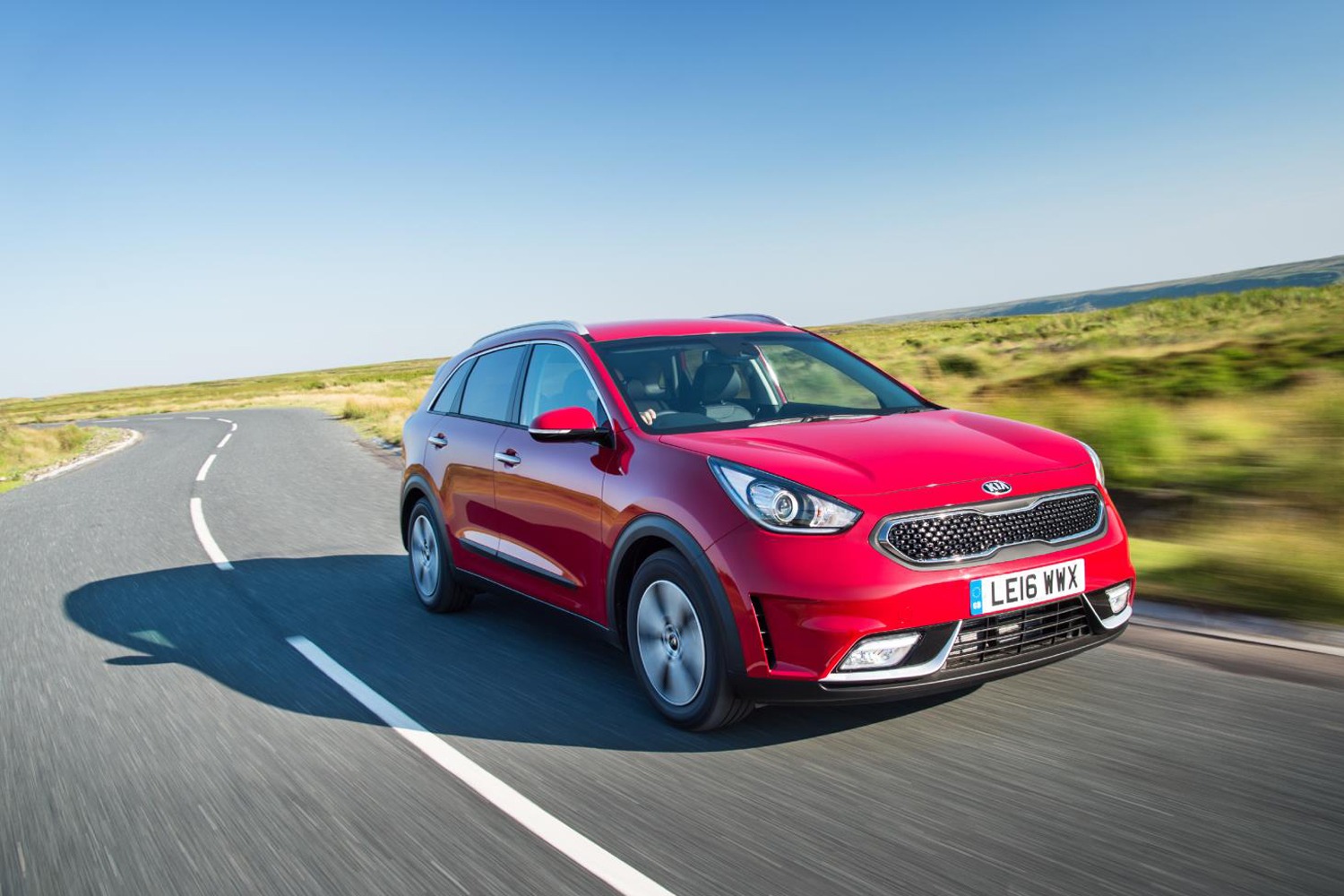
3. Kia Niro (First Generation)
The first generation of the Kia Niro gained attention for its compact SUV style and impressive mileage, but long-distance drivers started noticing issues after several hours on the road.
Although the vehicle performs well in city traffic and during average-length drives, its performance tends to decline when used for continuous highway travel, especially under high temperatures or when climbing steep roads.
The engine cooling system in the earlier Niro models is designed for light to moderate driving, and once it is pushed for too long, the engine temperature begins to rise. Owners have reported warning lights and a drop in power after four or five hours of nonstop travel.
In some cases, the hybrid system switches to reduced-power mode to protect itself from overheating. This mode helps prevent long-term damage, but it also slows down the vehicle and reduces the driver’s control, which can be frustrating on a long trip.
Battery heat is another challenge. The cooling fan is small and sometimes gets blocked by dust or debris, which reduces its ability to lower battery temperature. The hybrid battery in the Niro is also more likely to warm up during long climbs or when the car is carrying extra weight.
Some drivers have tried to reduce overheating by driving with the windows slightly open or reducing use of the air conditioning, but these are only temporary solutions.
The vehicle’s compact design, which works well for city life, becomes a disadvantage when the load increases and the distance grows. While it remains a fuel-efficient hybrid for short and mid-range use, the first-generation Kia Niro does not deliver consistent performance during long trips.
People looking to cover long distances with confidence may want to look at hybrids that are built with stronger cooling systems and better long-term durability.
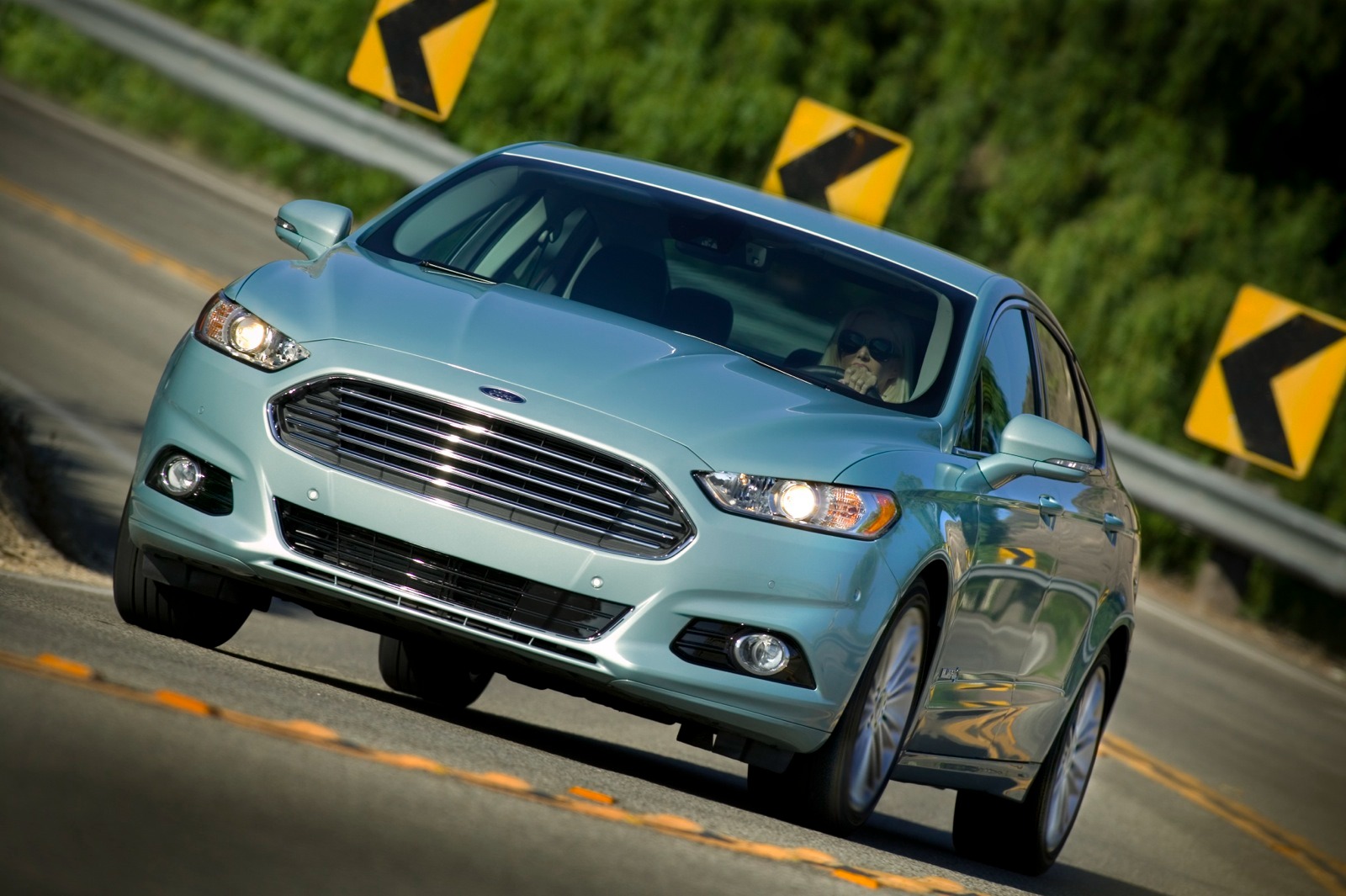
4. Ford Fusion Hybrid (Early Models)
The Ford Fusion Hybrid is known for its smooth driving and stylish body, but earlier models have shown signs of heat-related trouble during extended driving. Owners of models from the early 2010s have reported that after long stretches of highway driving, the car begins to show signs of engine stress and rising temperatures.
While it does well for commutes and short daily travel, things begin to change once the car has been running for several hours without stopping. Part of the problem comes from the way the hybrid system manages engine cooling.
The electric motor supports the gas engine by reducing its workload, but during long drives, the gas engine must run for longer periods without a break, which puts extra strain on the cooling system.
This sometimes causes the temperature gauge to climb and the car to enter safe mode. In this state, the engine reduces its power to avoid further heating, and that can affect your travel plans. The battery cooling system in early Fusion Hybrid models also lacks the power needed for extended high-speed driving.
With time and use, the battery compartment can collect dust, which blocks airflow and causes the system to work harder than usual. Also, the placement of cooling fans in early models means they do not always work well when the weather is very hot or when the vehicle is under heavy load.
Many people who use the Fusion Hybrid for short drives are happy with its performance. But those who attempt long road trips, especially through areas with steep climbs or hot weather, may find that the car is not as reliable under those conditions.
Later versions of the Fusion Hybrid have seen improvements, but the early models still have enough heat-related complaints to make them a less-than-ideal choice for those who often travel long distances.
Also Read: 5 Cars With Solid Center Consoles vs 5 With Flimsy Storage Bins
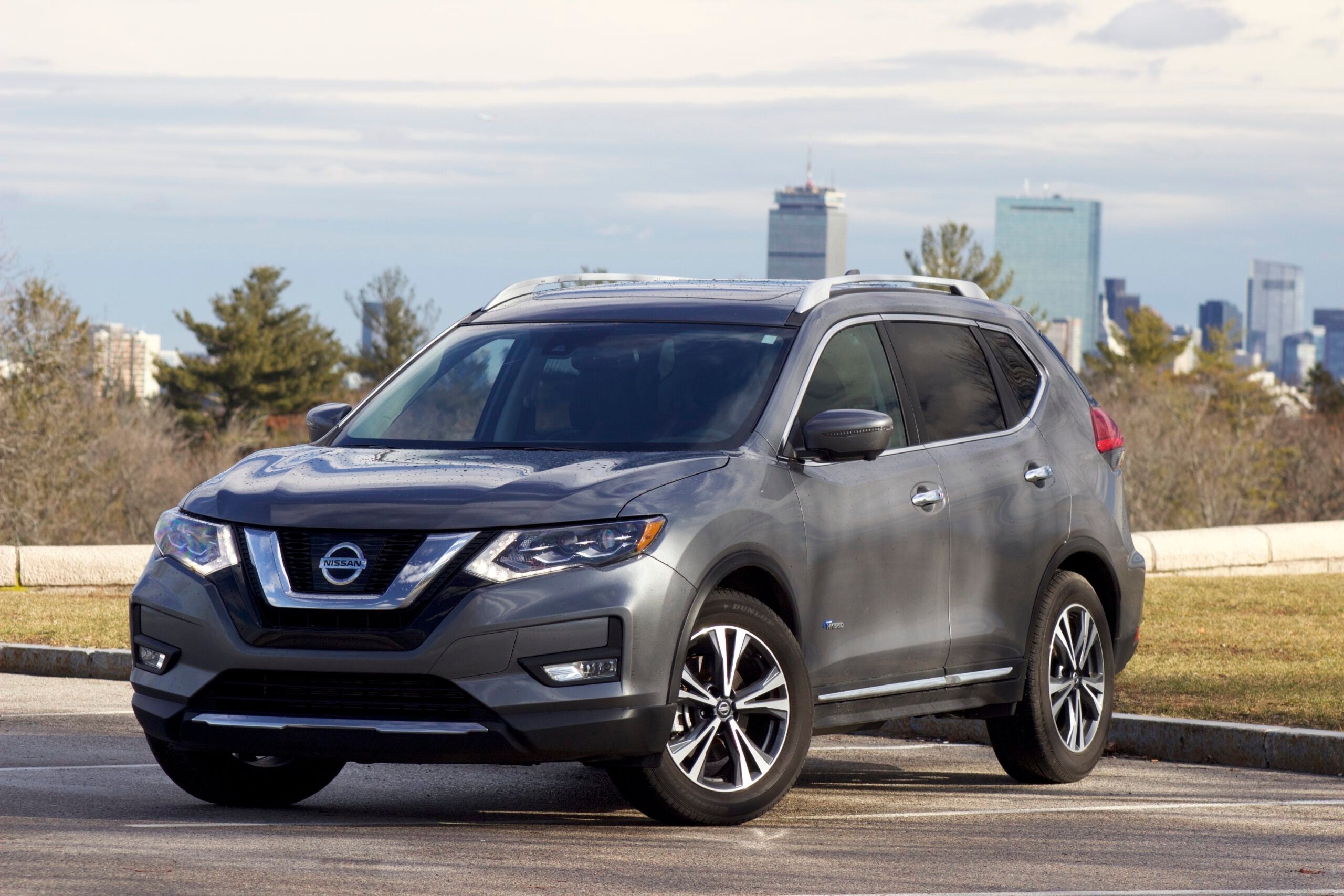
5. Nissan Rogue Hybrid
The Nissan Rogue Hybrid seemed promising when it entered the market, but its short run revealed some performance weaknesses. One area where it falls behind is in its behavior during extended highway travel.
Drivers have shared that the hybrid system begins to struggle with heat control after several hours of continuous use. This issue becomes more serious in warm regions or when the car is loaded with passengers and cargo.
The hybrid powertrain, which includes a 2.0-liter engine and a small electric motor, works well in moderate conditions but does not perform with the same consistency as other hybrids when pushed for long periods.
The cooling system sometimes fails to keep up with the demands of high-speed travel, and some drivers have experienced overheating warnings followed by reduced power. These sudden changes can be stressful, especially when driving on unfamiliar roads.
Inside the cabin, the temperature tends to rise if the air conditioning system is working too hard. This is because part of the hybrid battery cooling is linked to the cabin air system. So, if the air vents are blocked or not working properly, the battery can begin to heat up. Nissan tried to manage this by including cooling fans, but they are often too small for the demands of long-distance travel.
Because of these limitations, the Nissan Rogue Hybrid is better for city driving and short commutes. Those who have used it for longer road trips often say they were forced to make more stops than planned to allow the vehicle to cool down.
The hybrid was discontinued after a short time, partly because it did not meet expectations for performance and reliability. Buyers looking for a hybrid SUV that can handle extended road travel without overheating should consider more stable options on the market.
